

Cultivating Character Through Chicken Coops
By Tom Seest
At BackyardChickenNews, we help people who want to raise backyard chickens by collating information and news blended with our own personal experiences.
Be sure to read our other related stories at BackyardChickenNews to learn more about raising chickens in your backyard.
Teaching Care, Confidence, and Curiosity-Through Chickens
Teaching care, confidence, and curiosity through backyard chickens goes beyond simple chores; it’s a gateway to learning essential life skills. Those feathery creatures, with their squawking and scratching, have an uncanny ability to draw people in, igniting a spark of connection often lost in our modern lives. When you step into the world of backyard chickens, you don’t just tend to a flock; you nurture a sense of responsibility that sticks with you, teaching lessons of care that extend far beyond the coop.
Imagine a child, face smeared with dirt and a grin stretching ear to ear, cradling a newly laid egg. The pride in their eyes as they navigate the learning curve of feeding, watering, and observing these lively birds is a sight to behold. It’s a confidence booster that transcends the mundane, transforming a simple task into a rite of passage. As the child learns to handle the chickens gently, they also learn an important lesson about empathy and the respectful treatment of living beings—a lesson that resonates deeply, particularly in today’s fast-paced world.
But it’s not just the kids who benefit. Adults, too, find themselves drawn into this unexpected realm, discovering that tending to backyard chickens can spark curiosity about food sources, sustainability, and animal behavior. Engaging with our feathered friends ignites conversations about where our food comes from and why it matters, connecting us back to the roots of agriculture. It challenges us to think critically about our choices, fostering a sense of ethical responsibility toward how we live and consume.
Moreover, bringing backyard chickens into our lives creates a social experience, inviting friends and neighbors to share in the joy. Whether it’s exchanging tips on care or hosting weekend gatherings focused on the shared venture of chicken keeping, these interactions create bonds and build community. In a world increasingly driven by technology, the simple act of tending to a flock cultivates deeper connections, encouraging us to step outside, breathe fresh air, and engage with those around us.
In raising backyard chickens, we not only teach care, confidence, and curiosity but also create a microcosm of life lessons—where each cluck echoes an affirmation that you have the power to make a difference in your world, however small it may seem. So, roll up your sleeves and dive into the rewarding adventure of backyard chickens; it’s a journey that promises to nurture both the heart and mind.

Teaching Care, Confidence, and Curiosity-Through Chickens
Teaching Care, Confidence, and Curiosity-Through Chickens
- Backyard chickens teach essential life skills, fostering care, confidence, and curiosity.
- They help individuals develop a sense of responsibility and connection with living beings.
- Children gain confidence and pride through hands-on experiences like feeding and observing chickens.
- These experiences promote empathy and respectful treatment of animals, valuable lessons in modern society.
- Adults can also benefit, gaining insights into food sources, sustainability, and animal behavior.
- Raising chickens encourages community interaction, fostering bonds with neighbors and friends.
- Overall, backyard chickens provide a rewarding adventure that nurtures both emotional and intellectual growth.

Teaching Care, Confidence, and Curiosity-Through Chickens
Table Of Contents
- Teaching Care, Confidence, and Curiosity-Through Chickens
- How Can Chickens Inspire a Sense Of Responsibility In Children?
- What Life Lessons Do Chickens Teach About Empathy and Care?
- How Can Caring for Chickens Foster Curiosity In Young Minds?
- Why Is Teaching Kids About Animal Husbandry Essential for Ethics?
- How Can Raising Chickens Encourage Teamwork Among Children?
- What Stories Highlight the Transformative Power Of Raising Chickens?
- How Do Chicken-Related Activities Enhance Critical Thinking Skills?
- Conclusion
- Other Resources
- Glossary Of Terms
- Other Questions
- Haiku
- Poem
- Checklist
How Can Chickens Inspire a Sense Of Responsibility In Children?
When you think about raising backyard chickens, the first image that often comes to mind might be a quaint little coop in your yard, those clucking bundles of feathers scratching away at the dirt. But beyond that charming exterior lies a powerful opportunity to inspire responsibility in children. It’s profound how these feathery little beings serve not just as pets but as teachers in the rawest sense of the word.
Consider the moment a child first encounters a newly hatched chick. There’s a spark — a blend of awe and curiosity. With that first gentle touch, they begin to understand the fragility of life. Each time they visit the coop, they become aware that the chickens depend on them for food, water, and a safe home. This dependence fosters an intrinsic sense of responsibility, as children learn quickly that neglecting their furry friends can lead to real consequences. It’s a visceral lesson: if they don’t show up, someone’s not getting fed. And who better to impart these lessons than a creature so innocent, yet so demanding?
From a practical standpoint, tending to backyard chickens requires routine — a structure that children can rely on. Routines instill discipline, and as kids come to understand the daily rituals, they begin to cherish their role within the ecosystem they’ve helped create. They watch the transformation from chick to hen, gaining an appreciation for patience, nurturing, and perseverance. These aren’t just fleeting moments; they build character over time, establishing a foundation for future endeavors in their lives.
Ethically, raising chickens instills a connection to the food source, fostering compassion toward living beings. Children learn that a hard day’s work results in fresh eggs. They develop a sense of gratitude and an understanding of the effort behind every meal, bridging the gap between nature and the table. By emphasizing this connection, we create conscientious individuals who appreciate the fruits of their labor.
Finally, there’s an undeniable social aspect. Families bond over coy stories of the “great egg heist” or the chicken that always seems to escape. Shared laughter, worries, and triumphs establish communal ties. Ultimately, the lessons learned from caring for backyard chickens don’t just prepare children for responsibilities of tomorrow; they forge a deep-rooted respect for life itself and the relationships we nurture every day. This is not just about raising chickens; it’s about raising a generation equipped both in heart and mind for the challenges of life.

How Can Chickens Inspire a Sense Of Responsibility In Children?
How Can Chickens Inspire a Sense Of Responsibility In Children?
- Backyard chickens provide an opportunity to inspire responsibility in children beyond their charming appearance.
- First encounters with chicks teach children about the fragility of life and the dependence of animals on them for care.
- Children learn the consequences of neglecting their responsibilities through their interactions with the chickens.
- Tending to chickens creates a routine that instills discipline and fosters a sense of role within their ecosystem.
- Children gain patience, nurturing skills, and perseverance as they witness the growth of chickens from chicks to hens.
- Raising chickens teaches children the connection to their food sources, fostering gratitude and compassion toward living beings.
- The social aspect of raising chickens promotes familial bonding and shared experiences, preparing children for life’s challenges.

How Can Chickens Inspire a Sense Of Responsibility In Children?
What Life Lessons Do Chickens Teach About Empathy and Care?
When you think about Backyard Chickens, what comes to mind? Fluffy feathers, clucking sounds, and perhaps a cute little coop? But dig a little deeper, and you’ll uncover a world that’s rich with lessons about empathy and care—lessons that beckon us to step outside our comfort zones and connect with the living beings around us.
Consider the way chickens interact with each other. Within their pecking order, there’s an implied understanding of needs and emotions. Chickens comfort one another when a flock member gets spooked. They’ll huddle close, sharing warmth and reassurance in their own clucky language. This phenomenon isn’t merely instinctual; it represents an empathetic response, a nod toward the innate desire to provide comfort and support. Watching them engage in this simple yet profound behavior can stir something deep within us—stirring our guts as we witness the power of compassion in action.
Think about your own life: How often do we let the busyness of the day drown out the need for connection? When was the last time you reached out to comfort someone in distress, even when it felt inconvenient? Chickens remind us that empathy isn’t just for humans but is a universal language spoken by all living beings, and it’s our duty to heed the call.
From a rational standpoint, caring for backyard chickens requires commitment. These birds thrive on routine and care, needing food, water, and safe shelter in a relatively simple yet structured environment. It’s a tangible responsibility—a reflection of our ethical obligation to respect and nurture life. By taking on the role of caregiver, we learn to prioritize others, instilling a sense of purpose and belonging that enriches our lives.
This nurturing extends beyond the coop. As we cultivate empathy towards our feathered friends, we often find that our relationships with fellow humans become enriched too. The act of caring fosters community; it pulls us together, bridging gaps that society might otherwise widen. When you aim for compassion—whether it’s for a flock of chickens or a neighbor in need—you’re essentially sowing seeds of kindness that can blossom in ways you never imagined.
So, the next time you hear the gentle cluck of your backyard chickens, remember: they’re not just a charming addition to your yard. They’re subtle teachers, nudging you to listen, engage, and better understand the world of empathy and care. Together we can learn that every act of kindness, no matter how small, carries the potential to make a significant impact.

What Life Lessons Do Chickens Teach About Empathy and Care?
What Life Lessons Do Chickens Teach About Empathy and Care?
- Backyard chickens offer lessons about empathy, care, and connection beyond their cute appearance.
- Chickens demonstrate empathy by comforting each other during stressful situations, showing a need for support.
- This behavior highlights the importance of connection and reminds us to prioritize empathy in our own lives.
- Caring for chickens requires commitment and structured care, reflecting our ethical responsibility to nurture life.
- Engaging with chickens fosters a sense of purpose and belonging, which can enhance our relationships with others.
- Compassion for animals can bridge gaps in human relationships, promoting community and kindness.
- Chickens serve as reminders to listen, engage, and embrace empathy in daily interactions, reinforcing that small acts of kindness matter.

What Life Lessons Do Chickens Teach About Empathy and Care?
How Can Caring for Chickens Foster Curiosity In Young Minds?
Caring for backyard chickens is more than a hobby; it’s a gateway to unraveling the curiosities that lie dormant in young minds. When a child walks into the coop, they are stepping into a world of wonder, where each cluck, feather, and egg has its story. Imagine the thrill of watching a chick crack its shell or observing the social dynamics of a flock. These seemingly simple moments are heart-thumping lessons in patience, responsibility, and the delicate balance of nature.
At the core of this experience lies an emotional connection. Children who tend to chickens develop empathy, learning not just to care for these creatures but to appreciate their individuality. Each chicken has a distinct personality, sparking conversations about behavior and communication. If that doesn’t tug at your heartstrings, consider how nurturing a living being instills a sense of purpose, a responsibility that helps shape moral character.
From a rational perspective, raising chickens encourages inquiry. What do they eat? Why do they behave a certain way? These questions lead young minds down a path of investigation, honing critical thinking skills that will serve them for a lifetime. They’ll dig into biology, ecology, and even economics, learning the values of sustainability and self-sufficiency. That’s not just knowledge; that’s a toolkit for navigating a complex world.
Ethically, fostering a bond with animals teaches respect for life. Children learn the importance of stewardship and the interconnectedness of all living things. This foundational understanding helps them grow into conscientious adults who value ethical choices in their interactions with animals, people, and the environment.
On a social level, backyard chickens are a perfect antidote to the digital divide. They encourage teamwork and cooperation as families come together to build coops, feed, and nurture their birds. These shared experiences build lasting memories and deepen connections, reinforcing the idea that simple tasks can bring people together.
So why not invite your family to embrace the joy of caring for backyard chickens? In doing so, you’re not just raising livestock; you’re nurturing curious minds, heart and soul. You’re sparking a lifelong love for learning and connection, creating ripples that will influence their futures. It’s more than just a few feathers; it’s about raising our next generation of thinkers, doers, and compassionate human beings.

How Can Caring for Chickens Foster Curiosity In Young Minds?
How Can Caring for Chickens Foster Curiosity In Young Minds?
- Caring for backyard chickens engages children’s curiosity, offering a hands-on experience in nature.
- Children develop empathy and appreciation for individual chickens, learning responsibility and moral character.
- Raising chickens sparks inquiry, promoting critical thinking skills related to biology, ecology, and sustainability.
- Fostering a bond with chickens teaches respect for life and stewardship, shaping conscientious adults.
- Backyard chickens promote teamwork and cooperation, reinforcing family connections through shared activities.
- Engaging in chicken care nurtures a love for learning and connection in children, influencing their future positively.
- Caring for chickens serves as a gateway to raising thoughtful, compassionate individuals in our communities.

How Can Caring for Chickens Foster Curiosity In Young Minds?
Why Is Teaching Kids About Animal Husbandry Essential for Ethics?
Teaching kids about animal husbandry isn’t just an exercise in science; it’s a compelling introduction to ethics that shapes their values and understanding of responsibility. Picture this: a child crouched in their backyard, heart full of wonder as they watch their chickens pecking the ground, their soft clucking lulling the sounds of the suburban world away. These moments develop a connection that goes beyond mere observation; they cultivate empathy and respect for living beings.
But why does this matter? At its core, animal husbandry teaches children about stewardship. It’s a hard-earned lesson wrapped in dirt and feathers, where kids learn that caring for creatures—be they backyard chickens or larger livestock—requires commitment and compassion. The early lessons of feeding, sheltering, and tending to the health of animals instill a sense of accountability that transcends the barnyard. When children learn to recognize the needs of their animals, they also begin to recognize the broader implications of their decisions: how we treat the creatures in our care reflects our understanding of ethical behavior and compassion toward all living things.
Exploring the intricacies of animal husbandry encourages kids to think critically about food production, animal welfare, and sustainable practices. It opens a dialogue about where their food comes from and the ethical considerations it entails. When they gather eggs from their hens, they’re not just collecting breakfast; they’re realizing the value of hard work and the fruits of their labor. There’s a transformative power in that experience—one that connects head and heart.
Moreover, educating the younger generation about animal husbandry promotes social interaction and community. Kids can share stories about their chickens with friends and family, sparking conversations about ethics and responsibility. This isn’t just about private knowledge; it’s about creating a culture of caring that extends into their communities. As they engage with one another, these conversations ripple outward, raising awareness about humane treatment and encouraging others to consider their roles within the ecosystem.
Ultimately, teaching kids about animal husbandry nurtures a holistic understanding of ethical living. It bridges the gap between compassion and responsibility, cultivating a generation that respects not just animals, but each other and the world we all share. So let’s get those kids out there, trusting their instincts, building connections, and caring for those backyard chickens—because the values they learn will resonate long after the feathers settle.

Why Is Teaching Kids About Animal Husbandry Essential for Ethics?
Why Is Teaching Kids About Animal Husbandry Essential for Ethics?
- Teaching animal husbandry presents an introduction to ethics, shaping children’s values and sense of responsibility.
- Experiencing animal care fosters empathy and respect for living beings through hands-on observation and interaction.
- Animal husbandry instills stewardship, commitment, and compassion towards caring for animals, whether small or large.
- Children learn accountability and the broader implications of their decisions through recognizing animal needs.
- Engaging with animal husbandry encourages critical thinking about food production, animal welfare, and sustainability.
- Promotes social interaction and community engagement, leading to discussions about ethics and responsibility among peers.
- Nurtures a holistic understanding of ethical living, fostering respect for animals, people, and the shared environment.

Why Is Teaching Kids About Animal Husbandry Essential for Ethics?
How Can Raising Chickens Encourage Teamwork Among Children?
Raising backyard chickens isn’t just a quirky hobby; it’s a genuine opportunity to instill the values of teamwork and responsibility in children. Imagine little hands gently cupping warm eggs, laughter echoing as they race to the coop, hearts pounding with excitement. Each time they gather for feeding or egg collection, they’re not merely attending to a chore; they’re engaging in an organic team-building exercise that shapes character.
When children work together to care for their feathered friends, they learn the importance of collaboration. Each task—filling water troughs, checking for any signs of illness, or even designing a cozy coop—is a collective effort. And in that endeavor, they find a sense of shared purpose, a bound by the expectations of dependency and care. One child may discover they’re a pro at calming the skittish birds, while another might excel in maintaining the cleanliness of the coop. Through these roles, they recognize their strengths and the value of each contribution, fostering a genuine respect for one another.
But let’s face it—like any project involving living beings, challenges will arise. Chickens can be unpredictable, and sometimes they refuse to cooperate. When a young one finds their carefully constructed plans derailed, that’s when character is truly built. Coping with frustration as a unified team cultivates resilience and problem-solving skills—crafting young minds capable of facing life’s inevitable hurdles with grace.
Moreover, raising chickens offers a tangible ethical dimension. Children learn firsthand about animal welfare, food sources, and sustainability, reinforcing values that are increasingly important in today’s world. They’re not just tending to birds; they’re nurturing a deeper awareness of their environment and a commitment to doing right by it. This understanding forms a foundation of empathy that extends beyond the coop, preparing them to tackle communal and global issues with thoughtful insight.
Socially, the experience sparks conversations, strengthens friendships, and creates bonds that might last a lifetime. The simple act of raising backyard chickens becomes a shared storyline—a narrative rich with personal growth, laughter, and perhaps a few tears. Through this hands-on experience, kids not only connect with each other but with the larger tapestry of their community, fostering relationships rooted in cooperation and mutual respect.
In essence, the lessons learned while raising chickens reach far beyond the backyard; they forge lifelong skills in teamwork, responsibility, and ethical awareness. It’s a beautiful dance of cooperation, and every child has a role to play. So gather those little ones, tie on some boots, and watch them flourish as they cook up a bond right alongside their clucking companions.

How Can Raising Chickens Encourage Teamwork Among Children?
How Can Raising Chickens Encourage Teamwork Among Children?
- Raising backyard chickens teaches children teamwork and responsibility.
- Engaging in tasks like feeding and egg collecting fosters collaboration and a shared purpose.
- Children discover personal strengths and learn respect for each other’s contributions.
- Facing challenges with unpredictable chickens builds resilience and problem-solving skills.
- Children gain insights into animal welfare, food sources, and sustainability.
- The experience strengthens friendships and communal ties, creating lasting bonds.
- Lessons from raising chickens impart lifelong skills in teamwork, responsibility, and ethical awareness.

How Can Raising Chickens Encourage Teamwork Among Children?
What Stories Highlight the Transformative Power Of Raising Chickens?
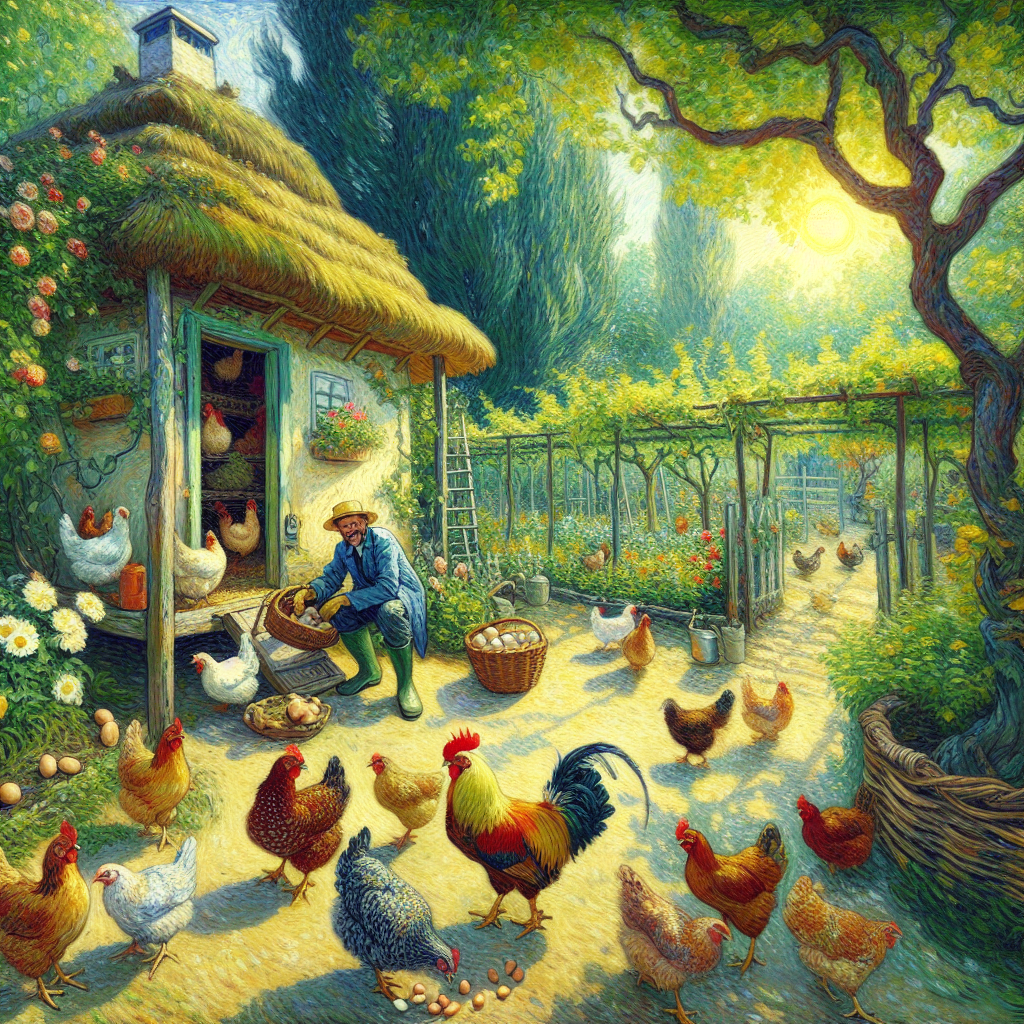
In the quiet of suburban backyards across the country, a revolution is quietly taking shape—one feathered friend at a time. Raising chickens has emerged as more than just a pastime; it’s a movement that transforms not only our gardens but also our lives. Picture a family gathering around a modest coop, laughter mingling with the clucking of those busy hens. It’s a scene that leads to bonding over the simple act of nurturing life, fostering connections that deepen with each delicious egg laid.
Consider the Johnsons—a typical family ensconced in routine, lives colored by the monotony of the daily grind. One day, after a neighbor soliloquized about their adventures with backyard chickens, curiosity turned into a decision. Fast forward a few months, and you find the Johnsons not only decorated their yard with a charming coop but also embraced a new way of life. The gentle process of raising these birds unveiled lessons in responsibility, patience, and the very essence of growth. The joy of collecting eggs grew into traditions, where the children learned gratitude for what they consume—a valuable lesson in an era of convenience.
But the impact reaches beyond the confines of a backyard. Ethical consumption resonates deeply today. The sterile egg aisles of supermarkets feel increasingly disconnected from the nurturing environment these families create, where every chick has a story, a name, and a role in a thriving ecosystem. The chickens teach us not only about food but about sustainability. These backyard habitats become microcosms where soil health is enhanced, pests are managed naturally, and the cycle of life is respected.
And let’s not overlook the ripple of inspiration. Local communities are now banding together, swapping eggs and tips, hosting chicken-keeping workshops, and fostering resilience against food insecurity. The social fabric is strengthened as neighbors transform into friends and co-conspirators in local food production. It becomes a grassroots movement built on trust—between chickens, families, and the earth.
Raising chickens isn’t just a venture into poultry; it’s an invitation to reconnect with our roots, our families, and our planet. It beckons us to step outside our comfort zones and embrace the transformative power of this age-old practice. Whether you’re looking for fresh eggs or a chance to cultivate empathy and community, backyard chickens await—ready to peck at your heart and inspire your soul, one cluck at a time.
What Stories Highlight the Transformative Power Of Raising Chickens?
What Stories Highlight the Transformative Power Of Raising Chickens?
- Raising chickens is a growing movement that enriches suburban life and fosters family bonding.
- The Johnson family’s journey showcases the transformative impact of backyard chickens on daily routines.
- Lessons in responsibility, patience, and gratitude emerge from the act of nurturing chickens.
- Ethical consumption and sustainability are emphasized as families create nurturing environments for their chickens.
- Backyard habitats promote soil health, natural pest management, and a respectful cycle of life.
- Communities are uniting through chicken-keeping activities, strengthening social bonds and combating food insecurity.
- Raising chickens invites a reconnection with family, roots, and the planet, encouraging personal and community transformation.

What Stories Highlight the Transformative Power Of Raising Chickens?
How Do Chicken-Related Activities Enhance Critical Thinking Skills?
When you think about the joy of raising backyard chickens, it’s easy to imagine the simplicity of egg-laying and the charm of those fluffy little birds pecking around your garden. But let’s dig a little deeper and explore how these delightful creatures can actually sharpen our critical thinking skills – a skill that transcends farm life and seeps into our everyday routines.
Consider the moment you decide to bring chickens into your backyard. From selecting the right breed to understanding their dietary needs, every choice requires thoughtful deliberation. You’re not just an owner; you become a problem-solver. Should you go for those plump Orpingtons for their friendly disposition, or lean towards the resilient Rhode Island Reds that thrive in less-than-ideal conditions? Each decision branches into a myriad of considerations—environment, coop design, and even local regulations. This is critical thinking in action.
Watching your flock requires keen observation. Chickens communicate in ways that are subtle yet profound. Recognizing whether a hen is too anxious or a rooster is too dominant enhances your ability to interpret non-verbal cues—not just in chickens, but in people too. This connection elevates your capacity for empathy, helping you navigate the complex social dynamics of life.
Moreover, these feathery friends challenge you to adapt and innovate. Perhaps a raccoon raided your coop, forcing you to rethink your security measures. Here, the gut reaction of frustration morphs into an opportunity for creativity. You brainstorm sturdier solutions, sharing struggles and triumphs with your fellow chicken enthusiasts. That communal learning strengthens not just your skills, but bonds with neighbors and friends.
And let’s not forget the ethical implications. Raising backyard chickens invites conversations about sustainability and the food chain. You become more conscious of where your food comes from, fostering a sense of responsibility that radiates through every choice you make. This echoes in your interactions with others—how you advocate for local farms, promote humane treatment of animals, and consider the environmental impact of your lifestyle.
So, as you gather fresh eggs each morning and listen to the soft clucking of your flock, remember: these simple chickens can challenge your mind, nurture your relationships, and feed your spirit. It’s not just about farming; it’s about cultivating critical thinking skills that empower every aspect of your life. Embrace that journey. Embrace those backyard chickens.

How Do Chicken-Related Activities Enhance Critical Thinking Skills?
How Do Chicken-Related Activities Enhance Critical Thinking Skills?
- Raising backyard chickens promotes joy and provides fresh eggs while enhancing critical thinking skills.
- Choosing the right breed requires thoughtful deliberation, turning you into a problem solver.
- Observing chicken behavior cultivates keen observation and empathy, transferable to human interactions.
- Adapting to challenges, such as securing the coop from predators, fosters creativity and innovation.
- Community engagement with fellow chicken enthusiasts strengthens bonds and encourages shared learning.
- Raising chickens raises awareness of sustainability and food sourcing, fostering a sense of responsibility.
- Ultimately, chickens cultivate critical thinking, nurture relationships, and empower various life aspects.

How Do Chicken-Related Activities Enhance Critical Thinking Skills?
Conclusion
Backyard chickens are more than just a quirky addition to your garden; they are dynamic educators and companions that impart vital life lessons for both children and adults. Each feathered friend encourages essential traits like care, confidence, and curiosity, thereby forging connections that are increasingly rare in our fast-paced, technology-driven world. Imagine a child beaming with pride as they hold a freshly laid egg, their hands still warm from the sun and dirt. Each interaction with these lively creatures becomes a powerful lesson in responsibility, where taking care of another living being fosters empathy and affection that reverberates through their lives.
In the nurturing process, kids uncover the delicate balance of life, learning the importance of routine, patience, and hard work. The daily tasks of feeding and providing shelter illuminate the deeper workings of nature and the moral responsibilities tied to it. This hands-on approach crafts conscientious individuals who regard their role in the ecosystem with newfound respect. More than mere tasks, caring for chickens unfolds into rich narratives, igniting discussions about ethical food sources, sustainability, and stewardship. Every egg collected is not just breakfast; it’s a tangible lesson in gratitude and awareness that connects back to the broader world.
Equipped with newfound knowledge and responsibility, children engage socially, exchanging chicken-related stories with friends and family. This shared experience fosters community bonds and creates cherished memories, transcending beyond simple chores. It becomes a collective adventure that cultivates teamwork and cooperation, as kids discover their strengths and roles within the group, enhancing their social skills in the process.
As we explore the wonders of chicken keeping, we realize it imbues deeper qualities in us all—qualities that influence how we interact with fellow humans and the environment. These diligent birds may just be scratching at the dirt, but they’re also sowing seeds of understanding, respect, and social connection that ripple outward, fostering compassion that can shape future generations.
In raising backyard chickens, we’re not just cultivating a garden; we’re nurturing responsible, empathetic minds that appreciate the simple joys of life. So roll up your sleeves, embrace the joy of caring for these remarkable creatures, and watch your heart, mind, and community flourish. Each cluck is a reminder that in a world that often emphasizes convenience, there’s profound wisdom waiting patiently amongst the feathers. It’s not merely about keeping chickens; it’s about enriching our lives and those of the generations to come.

Conclusion
Conclusion:
- Backyard chickens serve as educators and companions, teaching vital life lessons to both children and adults.
- They promote essential traits such as care, confidence, and curiosity in a fast-paced, technology-driven world.
- Caring for chickens fosters empathy and responsibility through hands-on interaction with living beings.
- Daily tasks associated with chicken care instill the importance of routine, patience, and hard work.
- Chickens spark discussions on ethical food sources, sustainability, and environmental stewardship.
- Engaging with chickens enhances social skills, teamwork, and community bonds through shared experiences.
- Raising chickens nurtures responsible, empathetic minds, enriching lives and fostering compassion for future generations.

Conclusion
Other Resources

Other Resources
Here is a list of other resources you can review online to learn more:
- Minorca
- avocado
- Brabanter
- Bresse
- Hamburg
- compost
- Malay
- chick starter
- Pekin Bantam
- Blue Laced Red Wyandotte
- Tapeworms
- millipedes
- game bird feed
- Large Intestinal Roundworms
Use This Prompt To Get More Resources With Your Favorite Online AI Tool: Please provide me with a list of online articles with their URLs in a bulleted list that I can read regarding Teaching Care, Confidence, and Curiosity-Through Chickens

Other Resources
Glossary Terms
Teaching Care, Confidence, and Curiosity-Through Chickens – Glossary Of Terms
1. Care: The act of providing attention and support to living beings, recognizing their needs and well-being.
2. Confidence: The feeling of self-assurance arising from one’s abilities, qualities, or judgment, often developed through positive experiences.
3. Curiosity: A strong desire to learn or know more about something, driving exploration and discovery.
4. Chickens: Domesticated birds raised for their eggs and meat, often used in educational settings to teach responsibility and care.
5. Responsibility: The duty to take care of something or someone, often instilling a sense of accountability in individuals.
6. Empathy: The ability to understand and share the feelings of another, fostering deeper connections with both animals and people.
7. Observation: The practice of watching and monitoring behaviors or changes, essential in learning how to care for chickens effectively.
8. Behavior: The actions or reactions of chickens, which can be studied to understand their needs and craft positive interactions.
9. Environment: The surrounding conditions in which chickens live, impacting their health and overall well-being.
10. Nurturing: The act of supporting growth and development, integral to teaching care for animals.
11. Engagement: Active participation in activities, enhancing learning experiences through hands-on interaction with chickens.
12. Trust: The belief in the reliability and care of others, built through consistent nurturing practices.
13. Observation Skills: The ability to notice and interpret behaviors and needs, crucial for effective animal care.
14. Feeding: The process of providing food to chickens, teaching responsibility and the importance of nutrition.
15. Habitat: The natural environment where chickens live, highlighting the importance of space and shelter in animal care.
16. Health: The overall physical and psychological state of chickens, requiring attention for proper care.
17. Teaching Methods: Various strategies employed to impart knowledge and encourage skills related to animal care.
18. Interaction: The engagement between humans and chickens, promoting understanding and building relationships.
19. Life Cycle: The stages of development of a chicken, providing insights into growth and care requirements.
20. Community: A group of individuals, including families and educators, working together to promote animal care and responsibility.
21. Hands-On Learning: An educational approach involving direct interaction with chickens, enhancing knowledge through experience.
22. Mentorship: Guidance provided by experienced individuals to teach skills and foster the development of responsible behavior.
23. Playfulness: The natural behavior of chickens that can inspire curiosity and engagement in learners.
24. Mindfulness: The practice of being present and aware, encouraging deeper connections through caring for living beings.
25. Problem-Solving: The ability to find solutions to challenges encountered in the process of animal care.
26. Connection: The bond formed between caretakers and chickens, fostering deeper understanding and empathy.
27. Learning Outcomes: The skills and knowledge gained through educational experiences, particularly in caring for animals.
28. Sustainability: Practices aimed at maintaining animal welfare and environmental health, critical for responsible care.
29. Advocacy: Promoting the welfare of chickens and emphasizing the importance of humane treatment and care.
30. Inquisitiveness: A trait characterized by a strong desire to ask questions and seek knowledge, vital for curiosity in learning environments.

Glossary Of Terms
Other Questions
Teaching Care, Confidence, and Curiosity-Through Chickens – Other Questions
If you wish to explore and discover more, consider looking for answers to these questions:
- What specific life skills can children learn from caring for chickens?
- How do backyard chickens contribute to family bonding experiences?
- What age is appropriate for children to start participating in chicken care?
- Are there specific chicken breeds that are better for families with kids?
- What are the practical steps to start raising backyard chickens?
- How can raising chickens affect a child’s understanding of food sources?
- What are the environmental benefits of keeping backyard chickens?
- How do you ensure the welfare and health of backyard chickens?
- What challenges might families face when starting to raise chickens?
- How can chicken-keeping initiatives be introduced in schools?
- What are the community benefits of raising chickens together?
- How can parents facilitate empathy and ethical decision-making through chicken care?
- What stories exist about families transformed by backyard chickens?
- In what ways do chickens serve as educators for children and adults alike?
- How can raising chickens enhance children’s understanding of teamwork?

Other Questions
Haiku
Teaching Care, Confidence, and Curiosity-Through Chickens – A Haiku
Chickens in the yard,
Teach care, confidence, joy—
Life’s lessons unfold.

Haiku
Poem
Teaching Care, Confidence, and Curiosity-Through Chickens – A Poem
In backyards where clucks and feathers play,
A noble journey begins each day.
Chickens scratching in the soil,
Teach life’s lessons amidst the toil.
With dirt-stained hands and joyful grins,
Children learn of care; that’s where it begins.
Each egg collected, a treasure in hand,
Fosters responsibility, a bond so grand.
They speak a language simple yet profound,
In every peck, an empathy found.
A commitment to nurture, to feed, to protect,
In these small beings, truth we detect.
Curiosity awakens, questions arise,
“What do they need? How do they thrive?”
From biology to ethics, each chick reveals
A world of knowledge, a heart that feels.
Families gather, laughter fills the air,
In sharing moments, a community laid bare.
Through trials and triumphs, they come to know
That caring for life helps our kindness grow.
Each coop a microcosm, a cycle of fate,
Teaching respect for all we create.
In nurturing bonds, we strengthen our ties,
Opening hearts, expanding our skies.
So roll up your sleeves, take a leap of faith,
Discover the magic in this warm embrace.
For in raising chickens, we don’t just gain,
We foster connection, learn joy through the pain.
In these feathery friends, we find a way,
To build a future, to light up the day.
With heart, head, and gut, let the lesson unfold,
For the stories of chickens are more than just told.

Poem
Checklist
Teaching Care, Confidence, and Curiosity-Through Chickens – A Checklist
Backyard Chickens Checklist: Cultivating Character and Connection
Emotional Appeal
_____ Reflect on the joy and excitement of seeing a child’s face light up after tending to chickens or collecting eggs.
_____ Share stories of personal experiences with chickens that evoke feelings of happiness, empathy, or nostalgia.
_____ Create a gratitude list for the lessons learned from chickens, such as responsibility, patience, and connection.
Rational Appeal
_____ List the practical tasks involved in raising chickens and the life skills learned through them (e. g. , feeding, cleaning, observing behavior).
_____ Consider the impact of chicken care on understanding food sources, sustainability, and animal behavior.
_____ Analyze the cost-effectiveness of raising chickens compared to store-bought eggs and benefits to personal health.
Ethical Appeal
_____ Discuss the moral responsibilities of animal husbandry and the compassionate treatment of living beings.
_____ Explore the importance of ethical consumption and the connection between food sources and human well-being.
_____ Encourage reflection on the impact of our choices on the environment and society through caring for backyard chickens.
Authority Appeal
_____ Consult or read works from experts in animal behavior, sustainability, or education that support the benefits of raising chickens.
_____ Share insights from community members or mentors who have successfully integrated chicken-keeping into their lives.
_____ Highlight statistics or studies linking animal care with enhanced social and emotional learning in children.
Narrative Appeal
_____ Invite families to write their own stories or adventures involving their chickens, emphasizing teamwork and collaboration.
_____ Share testimonials from families who have experienced transformative lessons through their chicken-keeping journey.
_____ Encourage creating a visual scrapbook or digital album to document the growth and memories associated with raising chickens.
Social Appeal
_____ Create a plan for neighborhood gatherings around chicken care, such as coop tours or egg exchanges.
_____ Encourage discussions about challenges and successes in caring for chickens among friends, fostering a sense of community.
_____ Participate in local farming events or workshops that promote chicken keeping and its benefits, building a network of like-minded individuals.
Practical Steps
_____ Set specific goals for your family in raising chickens, such as daily routines or challenges to overcome.
_____ Create a schedule for tasks related to chicken care to instill discipline and routine in children.
_____ Design a small project or activity that incorporates learning about chickens and sharing the knowledge with others.
Use this checklist to enhance your experience with backyard chickens and foster a deeper connection with the lessons they bring into your lives.

Checklist
At BackyardChickenNews, we help people who want to raise backyard chickens by collating information and news blended with our own personal experiences.
Be sure to read our other related stories at BackyardChickenNews to learn more about raising chickens in your backyard.