

Empowering Young Minds Through Compassionate Chicken Care
By Tom Seest
At BackyardChickenNews, we help people who want to raise backyard chickens by collating information and news blended with our own personal experiences.
Be sure to read our other related stories at BackyardChickenNews to learn more about raising chickens in your backyard.
Teaching Kids About Natural Health Through Chicken Care
In a world where convenience often trumps connection, there’s something heartwarming about the simple act of raising backyard chickens. Picture this: your child, perhaps just shy of ten years old, kneeling in the soft earth, grinning as they cradle a fluffy chick in their hands. That moment encapsulates a poignant truth: kids can learn invaluable lessons about natural health and responsibility right in their own backyards.
Engaging with these feathery friends is more than just a fun pastime; it’s a gateway to understanding where our food comes from. When children fetch water for the flock or scatter feed, they gain a tangible sense of how nature works. They learn that a hen’s happiness directly impacts the quality of eggs produced—lessons about nutrition and health that textbooks simply can’t convey. There’s math in measuring feed amounts, biology in observing pecking order, and even ethics in choosing to care for animals rather than treating them as commodities.
Think about that for a second. In a society increasingly detached from nature, backyard chickens serve as a bridge to reconnect our kids with the environment. It’s a practical lesson in stewardship. When they recognize the importance of proper care—clean coops, fresh water, and a balanced diet—they develop a sense of duty and pride. This understanding doesn’t just end at the coop; it seeps into how they view their own health, fostering lifelong habits that encourage a more natural, balanced lifestyle.
Moreover, the journey of caring for chickens cultivates empathy. Kids learn to understand the needs and instincts of another living being, recognizing that respect for life is paramount. As they gather eggs every morning, those bright, speckled treasures aren’t just breakfast; they’re a testament to their hard work, symbolizing the blend of effort and reward that mirrors daily life.
This bond with nature is also decidedly social. Whether sharing tips with neighbors or inviting friends to meet their clucking companions, kids learn the joy of community—a network of support that bolsters their confidence and inspires action. In a society where isolation often lurks around the corner, knowing how to care for a living creature brings kids together and fosters relationships that survive beyond the backyard.
So let’s invite our children to explore the charm and wisdom that backyard chicken care offers. It’s more than just a hobby; it’s a holistic life lesson wrapped in feathers that nourishes heart, head, and gut alike.

Teaching Kids About Natural Health Through Chicken Care
Teaching Kids About Natural Health Through Chicken Care
- Raising backyard chickens teaches children invaluable lessons about natural health and responsibility.
- Engaging with chickens helps kids understand the source of their food and the importance of animal care.
- Children learn practical skills, including math, biology, and ethics, through the care of chickens.
- Backyard chickens reconnect children with nature and promote a sense of stewardship towards the environment.
- Caring for chickens fosters empathy and respect for living beings in children.
- Collecting eggs represents a blend of effort and reward, teaching children about hard work and its outcomes.
- Backyard chicken care encourages community engagement, helping children build relationships and social skills.

Teaching Kids About Natural Health Through Chicken Care
Table Of Contents
- Teaching Kids About Natural Health Through Chicken Care
- How Can Raising Chickens Teach Kids About Responsibility?
- What Do Chickens Reveal About Nutrition and Natural Eating?
- How Does Caring for Chickens Foster a Connection to Nature?
- What Ethical Lessons Can Children Learn From Animal Care?
- How Can Chicken Care Inspire Curiosity About Biology In Kids?
- What Role Does Community Play In Teaching Kids About Chicken Care?
- How Can Involving Kids In Chicken Care Build Family Bonds?
- Conclusion
- Other Resources
- Glossary Of Terms
- Other Questions
- Haiku
- Poem
- Checklist
How Can Raising Chickens Teach Kids About Responsibility?
When you bring backyard chickens into your life, you’re not just adding a few feathery faces to your yard; you’re opening the door to a powerful learning experience for your kids. Picture this: your children, still groggy from sleep, racing to the coop each morning to gather those warm, speckled eggs. They don’t just witness the miracle of life; they engage with it daily, feeling the weight of that responsibility begin to settle on their small shoulders.
Caring for chickens isn’t just about feeding and watering them; it’s about understanding the rhythm of life. Kids learn quickly that animals depend on them for survival. When they miss a feeding or forget to close the coop at night, they feel the consequences. Suddenly, the world isn’t just a happy-go-lucky place; it’s a bustling ecosystem where their actions matter. The thrill of a successful egg hunt transforms into the weight of ensuring that their feathered friends are healthy and safe, fostering a deep-rooted sense of responsibility.
This isn’t merely a lesson in chores; it’s an ethical journey. Children begin to understand the value of commitment. They see that each day’s tasks are not just an obligation but a promise to the living beings that rely on them. Each interaction with their chickens teaches empathy, prompting them to consider how their choices impact not only their chickens but the world around them. The principles of caring, nurturing, and accountability become woven into the fabric of their daily lives.
In a society that increasingly leans toward the digital and the disposable, raising backyard chickens serves as a grounding force. It reconnects kids to nature and the fundamental truths of responsibility and care, sparking conversations about food sources, sustainability, and respect for life. These aren’t just lessons for today; they’re lessons for a lifetime. The skills of dedication, hard work, and compassion will shape not only who they become but also the communities they’ll contribute to.
As children observe the cluck and peck of their backyard chickens or rally their friends around a chicken-themed project, bonds form. They’re not just raising animals; they’re building connections—both with their feathery pals and with peers who share in the joy of nurturing life. There’s magic in messiness, and through those spirited interactions, trust blooms, relationships deepen, and impactful lessons take flight.

How Can Raising Chickens Teach Kids About Responsibility?
How Can Raising Chickens Teach Kids About Responsibility?
- Introducing backyard chickens offers a unique learning experience for children.
- Kids engage daily with the responsibility of caring for animals, from gathering eggs to ensuring their well-being.
- They learn the correlation between their actions and the needs of living beings in their care.
- The experience fosters a deep-rooted sense of commitment and ethical responsibility.
- Raising chickens reconnects children to nature and essential life lessons around sustainability and food sources.
- Children build social connections and bonds through shared experiences in the care of their chickens.
- The overall journey teaches values like dedication, compassion, and hard work, impacting their future contributions to society.

How Can Raising Chickens Teach Kids About Responsibility?
What Do Chickens Reveal About Nutrition and Natural Eating?
When you think about it, backyard chickens aren’t just delightful cluckers pecking around your garden; they’re the living embodiment of a lesson in nutrition and natural eating. For many, raising chickens is akin to nurturing a connection with our food sources, an experience that roots us back to the earth and reminds us of the circle of life. Imagine stepping into your yard to collect eggs that are fresh, nutritious, and laid right there in your backyard. Each vibrant yolk not only nourishes your body, but also speaks volumes about what true food should be—local, unprocessed, and bursting with flavor.
Raising chickens brings a multitude of ethical and nutritional benefits that surpass the convenience of store-bought eggs. You gain insight into the diets that define their health and the quality of the eggs you produce. Chickens need a balanced diet filled with grains, seeds, and leafy greens, leading you to rethink your own nutrition choices. This perspective can inspire you to embrace whole foods, locally-sourced ingredients, and a sustainable lifestyle, making you a more informed consumer in a world filled with fast, processed options.
But let’s get real for a moment. The act of caring for these feathery friends invites a deeper understanding of the food chain, and reveals the sometimes hidden truths about what we put on our plates. When you observe your chickens foraging in the yard, clucking and scratching, it’s a vivid reminder of what natural eating truly looks like. You realize that good food is dynamic, complex, and requires respect and knowledge.
Moreover, sharing the experience of raising chickens can forge connections within your family and community. It sparks conversations about nutrition, environmental stewardship, and animal welfare, encouraging a collective shift toward mindful eating. It invites those at your dinner table to marvel at the rich, golden eggs that embody the effort and love you’ve poured into their lives.
In a world that can often feel disconnected, backyard chickens help us reclaim a small portion of that intimacy with our food and, consequently, ourselves. They inspire trust in the quality of our nutrition and empower us to take action toward better eating habits. So, the next time you crack open a fresh egg from your backyard, remember—it’s more than just breakfast. It’s a testament to natural eating, connecting us to the land and to one another.

What Do Chickens Reveal About Nutrition and Natural Eating?
What Do Chickens Reveal About Nutrition and Natural Eating?
- Backyard chickens symbolize a connection to nutrition and natural eating.
- Raising chickens fosters a relationship with food sources and the earth.
- Fresh eggs provide local, unprocessed nutrition bursting with flavor.
- Caring for chickens promotes awareness of nutrition and encourages whole food choices.
- Observing chickens foraging highlights the complexities of natural eating.
- Raising chickens can strengthen family and community bonds through shared experiences.
- Backyard chickens help reclaim intimacy with food and inspire better eating habits.

What Do Chickens Reveal About Nutrition and Natural Eating?
How Does Caring for Chickens Foster a Connection to Nature?
There’s something deeply satisfying about caring for backyard chickens that goes far beyond the thrill of collecting fresh eggs. It’s an invitation to step into a world where life unfolds at a slower pace, where morning starts with a symphony of clucks and chirps, and where every interaction fosters a connection to nature that we’ve been yearning for in our fast-paced lives.
When you open the coop door, you’re not just tending to a bunch of feathered friends; you’re engaging in an age-old relationship that dates back thousands of years. Chickens thrive on routine and care, and as you fill their feeders or clean their spaces, the simple act transforms into a ritual of stewardship. You become their guardian, and in return, they offer companionship and a sense of purpose that’s hard to find in the hustle of modern life. This nurturing role instills a sense of responsibility, teaching us valuable lessons about patience, empathy, and even the cycles of life.
Backyard chickens represent more than just livestock; they embody sustainability and ethical living. By choosing to raise chickens, you’re making a conscious decision to reconnect with where your food comes from. This connection can have profound implications for how we understand our own health and our relationship with the environment. The more you invest in raising them, the more you become aware of the intricate web of life that sustains us all.
There’s also the social element that comes with sharing your chicken-raising experience. Neighbors are drawn in by the charming little flock, sharing tips, stories, and laughs over the fence. It becomes a communal endeavor, one that cultivates friendships and builds a sense of belonging. You’re not just raising poultry; you’re weaving yourself into a larger narrative of community and cooperation.
So next time you crack open a truly fresh egg, think about the journey it took to get there. With every cluck and scratch, remember that caring for backyard chickens is more than a hobby—it’s a life lesson in resilience, connection, and the joys of living in harmony with the natural world. Embrace it, and watch how it transforms your perspective, inviting more gratitude, love, and appreciation into your everyday life.
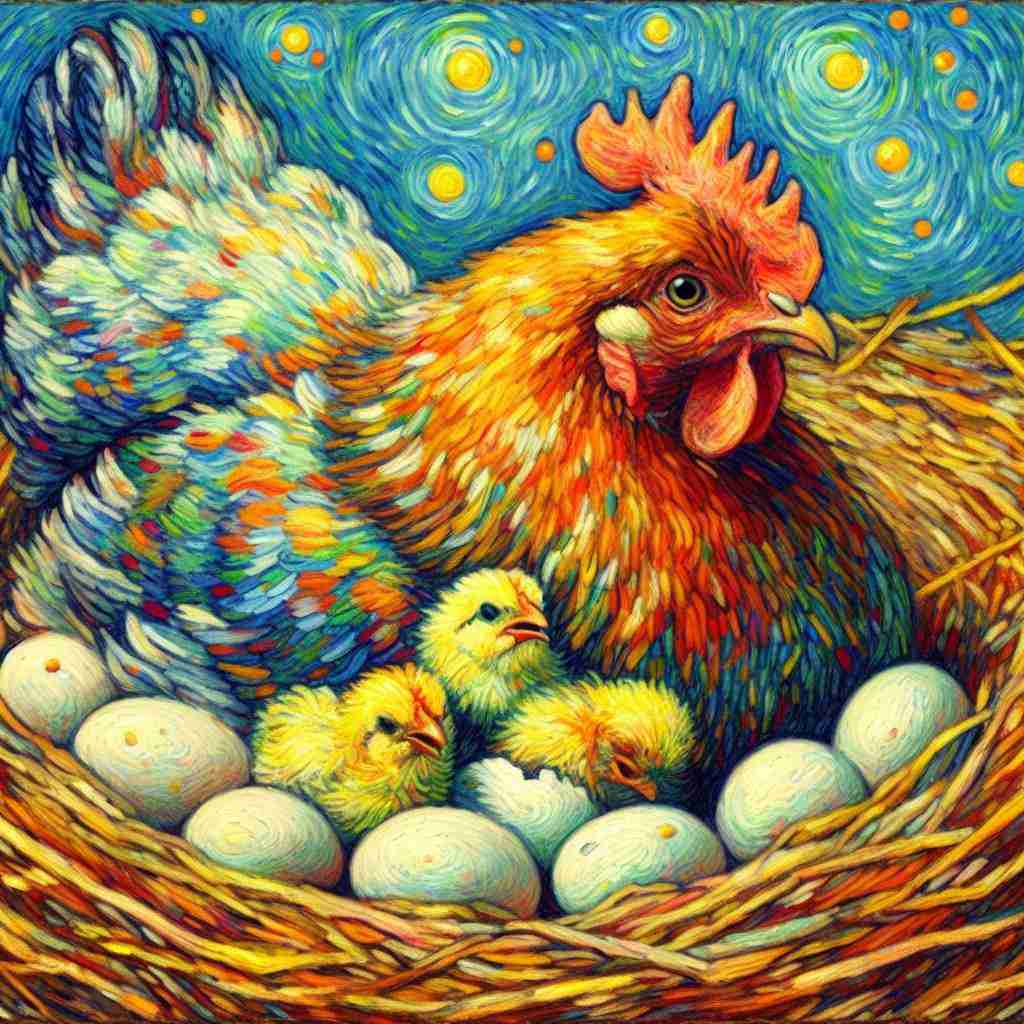
How Does Caring for Chickens Foster a Connection to Nature?
How Does Caring for Chickens Foster a Connection to Nature?
- Caring for backyard chickens offers more than fresh eggs; it fosters a connection to nature.
- The experience promotes a slower lifestyle, enriched by the sounds and routines of chicken care.
- Engaging with chickens cultivates a sense of responsibility, patience, and empathy.
- Raising chickens symbolizes sustainability and ethical living, reconnecting us with our food’s origins.
- Chicken-raising encourages community engagement and friendship through shared experiences.
- It transforms into a ritual of stewardship, enhancing our relationship with the environment.
- Caring for chickens teaches life lessons about resilience, connection, and appreciation for nature.

How Does Caring for Chickens Foster a Connection to Nature?
What Ethical Lessons Can Children Learn From Animal Care?
Caring for animals is more than just a chore; it’s a lesson in humanity. When children engage in the responsibilities of animal care, like looking after backyard chickens, they unwittingly dive into a world of ethics, responsibility, and empathy. Imagine a child nestled in a bustling backyard, surrounded by clucking hens. They’re not just feeding these feathered friends; they’re learning to stop and listen, to understand the needs of another living being. This experience sharpens their heart, urging them to connect not just with animals but with each other.
Let’s consider the head—the rational side of nurturing our instincts. When kids step into the role of caregivers, they learn about the delicate balance of life. They understand that every morning, those chickens rely on them for food, water, and shelter. This reliance fosters a sense of accountability and teaches decision-making skills. “What do I need to do today to keep the flock healthy?” becomes a daily question that sharpens their minds. The cognitive skills they develop—problem-solving, planning, and even social interaction—carry over to their relationships with peers. That knowledge transforms them into conscientious individuals, prepared to tackle larger ethical dilemmas in life.
Now, let’s tap into the gut—the visceral emotion of nurturing and protecting. Watching a chicken hatch from an egg or witnessing its first awkward steps is a moment etched into memory. Such experiences cultivate a profound respect for life, teaching children that every creature plays a role in this grand tapestry. They learn compassion through care, a fundamental human quality that fosters trust and cooperation within their community.
When a child takes the time to direct their energy towards caring for backyard chickens, they’re not just learning about animals; they’re grasping the weight of their actions and understanding the impact they can have. Ethically, this cultivates a generation that values kindness and responsibility. Imagine a world filled with adults who learned respect and compassion from nurturing animals in their formative years.
It’s this connection to animal care that can spark a change far beyond the backyard, promoting a culture of stewardship and ethics. By inviting kids to embark on this journey with chickens, we’re not only teaching them to care for animals; we’re shaping a more compassionate, ethical future for everyone. Let’s nurture the next generation of caregivers—because when they care for animals, they learn to care for each other.

What Ethical Lessons Can Children Learn From Animal Care?
What Ethical Lessons Can Children Learn From Animal Care?
- Caring for animals teaches children important lessons in humanity and empathy.
- Responsibilities of animal care, such as looking after chickens, foster ethical understanding and accountability.
- Children learn to meet the needs of living beings, enhancing their connection with both animals and peers.
- The role of caregiver promotes cognitive skills like problem-solving, planning, and decision-making.
- Experiencing significant moments, like hatching chickens, deepens children’s respect for all life forms.
- Engaging with animals cultivates kindness and responsibility, paving the way for compassionate adults.
- This connection to animal care promotes a culture of stewardship and ethical values, benefiting society as a whole.

What Ethical Lessons Can Children Learn From Animal Care?
How Can Chicken Care Inspire Curiosity About Biology In Kids?
When you think about chicken care, it might not seem like a gateway to the world of biology. But consider this: the act of keeping backyard chickens is a hands-on introduction to the intricate web of life that surrounds us. It’s not just about feeding, watering, or cleaning the coop; it’s about a deeper connection to nature that can spark curiosity in young minds. Kids often see chickens as living, breathing puzzles—filled with questions ripe for exploration.
Take a moment to observe a chicken. Notice how it pecks at the ground, engaged in a natural behavior that has evolved over millions of years. When children witness this firsthand, they are witnessing biology in action—a beautiful dance of survival and adaptation. They might begin to wonder why chickens behave the way they do. What do they eat? Why do they lay eggs? This curiosity leads to research, experimentation, and ultimately, a deeper understanding of ecosystems and animal behavior.
Moreover, caring for chickens helps cultivate responsibility. Kids learn early on that these creatures rely on them. It’s an ethical lesson that emphasizes the importance of stewardship and respect for living beings—an essential aspect of our existence. By nurturing these birds, children internalize values of empathy and compassion, which extend beyond their backyard. They begin to understand the responsibility we hold towards all creatures in our world.
This approach isn’t just theoretical; it’s palpable. When families gather around their backyard, laughter and hands-on involvement create shared stories and lasting memories. Kids talk about the joys of collecting eggs or the antics of the flock. They engage with one another, exchanging ideas and questions, igniting a spark of intellectual curiosity. These moments foster social connections and collaborative learning, where children become both teachers and learners, deepening their interest in biology.
So next time you find yourself in a conversation about chicken care, remember that it goes far beyond agriculture. It opens doors to understanding the complexities of life itself. By incorporating simple practices like raising backyard chickens, we can ignite passions in our children, empower them with knowledge, and inspire them to appreciate the wonders of biology—and the world beyond. That’s the true beauty of caring for these feathered friends.

How Can Chicken Care Inspire Curiosity About Biology In Kids?
How Can Chicken Care Inspire Curiosity About Biology In Kids?
- Keeping backyard chickens serves as a hands-on introduction to the complexities of biology.
- Observing chickens encourages curiosity in children about animal behavior and ecosystems.
- Children witness biological concepts in action, fostering questions about feeding and reproduction.
- Caring for chickens cultivates a sense of responsibility and stewardship in young minds.
- Ethical lessons learned through chicken care promote values of empathy and compassion.
- Family interactions around chicken care create lasting memories and social connections.
- Raising chickens can ignite children’s passion for biology and appreciation for the natural world.
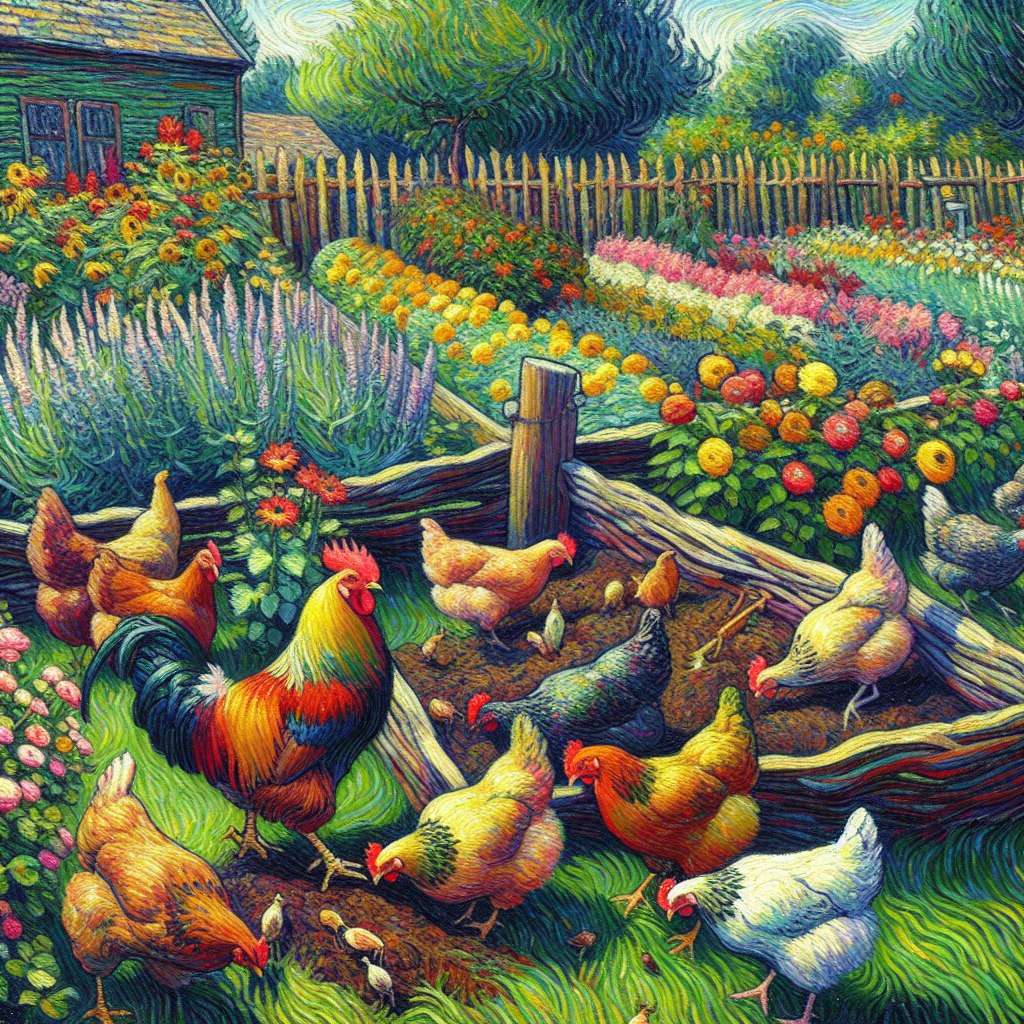
How Can Chicken Care Inspire Curiosity About Biology In Kids?
What Role Does Community Play In Teaching Kids About Chicken Care?
When you gather a group of eager kids around a coop of backyard chickens, something magical happens. You can see it in their eyes, a blend of curiosity and wonder, as they begin to grasp the role these feathered friends play not just in agriculture, but in life itself. Teaching kids about chicken care is about so much more than feeding and watering; it’s an invitation into a community that values responsibility, connection, and the living world around us.
Chickens, with their quirky personalities and endless antics, become a doorway to learning that’s richer and more textured than any textbook can provide. Kids become responsible caregivers, learning not only how to look after their birds but also the implications of caring for something beyond themselves. They experience the satisfaction of nurturing life, the weight of responsibility, and the joy of seeing their hard work pay off—whether in eggs or simply in the smiles of happy, fluffed-up hens.
Engaging in backyard chicken care fosters a sense of belonging. Kids don’t just learn in isolation—they engage with family, neighbors, and local farmers, forming a tapestry of relationships that enrich their experience. Picture a sunny Saturday morning where families come together to build a coop or swap stories about their own chicken-raised adventures. That’s community at its best! These interactions cultivate a shared ethos that emphasizes the importance of sustainability, ethics, and healthy living.
Moreover, teaching kids about chickens pulls back the curtain on where their food comes from. It arms them with knowledge, helping them to appreciate the effort behind what they eat. This is not just a one-off lesson; it’s the beginning of a lifelong respect for animals and the environment. By connecting kids with the cycles of nature, we’re planting seeds of awareness that have the potential to grow into something profound—greater empathy for living creatures and a commitment to ethical principles in the future.
So, as you embark on this journey of backyard chickens, remember that you’re not just teaching kids how to care for animals. You’re shaping conscientious adults, fostering community bonds, and reinforcing ethical values that will resonate long after the last egg has been laid. By investing in this experience, you’re setting the stage for a brighter future—together.
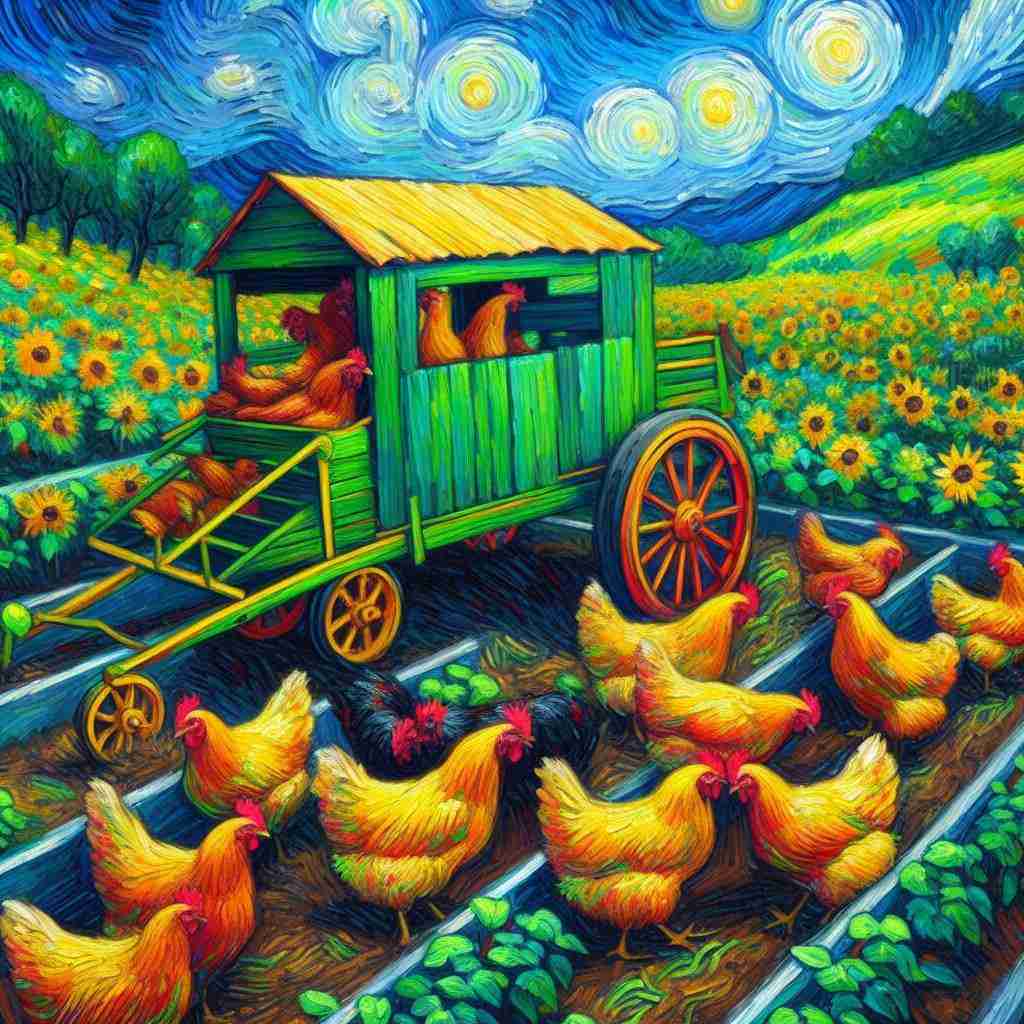
What Role Does Community Play In Teaching Kids About Chicken Care?
What Role Does Community Play In Teaching Kids About Chicken Care?
- Gathering kids around backyard chickens sparks curiosity and wonder about agriculture and life.
- Teaching chicken care involves responsibility, connection, and an appreciation for the living world.
- Chickens offer a richer learning experience than traditional textbooks, fostering caregiver skills in children.
- Kiddos experience the satisfaction of nurturing life and the impact of their hard work through rewards like eggs.
- Backyard chicken care promotes community engagement with families, neighbors, and local farmers.
- This experience teaches kids about food origins, fostering lifelong respect for animals and the environment.
- Investing in chicken care shapes conscientious adults and reinforces ethical values for a better future.

What Role Does Community Play In Teaching Kids About Chicken Care?
How Can Involving Kids In Chicken Care Build Family Bonds?
Incorporating kids in the care of backyard chickens is more than just a quirky family activity; it’s an opportunity to cultivate lifelong skills and strengthen family bonds. Imagine this: a bustling backyard, laughter ringing out as children chase chickens, learning the responsibility of feeding and caring for these feathered friends. Each time they reach into that grain bag, they’re not just nourishing birds; they’re developing empathy and understanding for other living beings, one scratch of the sand at a time.
Engaging children in chicken care imparts valuable lessons that extend far beyond the coop. Kids learn the art of responsibility—a concept that, while simple, is foundational to developing character. Imagine them checking on the hens, noticing when one seems a bit off. This awareness translates into real-world scenarios where recognizing needs is crucial, whether in friendships, family, or future careers. Involving them in this process stimulates their minds, igniting a sense of curiosity which, let’s face it, is often suppressed by screens and the relentless pace of modern life.
Moreover, there’s an ethical dimension to caring for animals that teaches kids about stewardship and compassion. By nurturing living creatures, children grapple with the weight of their responsibilities. Raising chickens together fosters discussions about life and death, compassion and respect. It’s organic learning—getting their hands dirty in the soft earth while grappling with profound concepts in the simplicity of daily chores.
As they engage in nurturing these animals, families create shared stories that become the fabric of their bond. Picture a cool autumn evening, bright feathers fluffed against the crisp air, and the family gathered around a coop, recounting the day’s adventures. Those moments build a sense of belonging; the kitchen chatter filled with tales of the sassy hen who always escapes. These stories become the thread that connects generations.
When a family comes together over chicken care, it cultivates not just a shared responsibility but a deeper connection, countering the isolating forces of modern technology. It’s about building relationships through the rhythm of daily life—the laughter, the hard work, and the shared sense of accomplishment. So, embrace that backyard flock; let it be a launchpad for growth, a source of joy, and a binding force for family togetherness. The memories made and values learned will resonate long after the eggs are gathered.

How Can Involving Kids In Chicken Care Build Family Bonds?
How Can Involving Kids In Chicken Care Build Family Bonds?
- Involving kids in backyard chicken care fosters lifelong skills and strengthens family bonds.
- Children learn responsibility and empathy by feeding and caring for the chickens.
- Engagement in chicken care enhances awareness and recognition of needs in various life scenarios.
- Caring for animals teaches children important lessons about stewardship, compassion, and respect for life.
- Families create shared stories and memories that enhance their relationships over time.
- Chicken care counters modern isolation, promoting connection through shared experiences.
- The process cultivates joy, growth, and a sense of accomplishment for the entire family.

How Can Involving Kids In Chicken Care Build Family Bonds?
Conclusion
Raising backyard chickens isn’t just about enjoying fresh eggs; it’s about nurturing a profound connection to nature, responsibility, and the community. Imagine a child knelt by the coop, beaming as they cradle a chick, immersed in an experience that goes beyond mere caretaking. Here lies an opportunity for young minds to engage with the world in meaningful ways, planting seeds of understanding that stretch well into adulthood.
With every feeding and egg collection, children learn invaluable lessons about nutrition, mortality, and the delicate interplay of life. Each morning ritual becomes a powerful reminder of their role in this ecosystem. Responsibilities gained through chicken care equip them with skills like commitment and empathy, shaping their perspectives on health and well-being. That golden yolk they gather isn’t just breakfast; it’s a lesson in where food originates—a fresh, unprocessed treasure that enhances their understanding of nutrition and encourages a sustainable lifestyle.
As kids share their chicken-raising adventures, a sense of community blossoms. The act of caring for chickens fosters not just friendships but also a deeper level of social interaction. Whether it’s bonding over coops with neighbors or sharing tips online, these relationships instill confidence and ignite curiosity. In a world increasingly marked by isolation, these moments of connection remind kids of the joy found in community.
Additionally, engaging with animals cultivates a connection to ethics and stewardship—a framework for understanding the weight of their choices and actions. By nurturing life, children expand their emotional intelligence, learning to appreciate the responsibility they hold towards other living beings. It’s a cycle that fosters kindness, turning children into conscientious adults who value compassion and sustainability.
Moreover, family bonds are fortified through this shared experience. Imagine the warmth of laughter echoing as kids chase roosters or gather eggs, stories weaving into the fabric of family life. Each moment spent caring for chickens becomes a stepping stone in their relationships, counteracting the digital distractions of the modern world.
In a nutshell, caring for backyard chickens is a kaleidoscope of learning. It envelops heart, head, and gut in a holistic embrace, nurturing not only our children but the communities they will help to shape. Let’s welcome this remarkable journey—because teaching kids about natural health through the simple act of chicken care can yield lifelong rewards for everyone involved.

Conclusion
Conclusion:
- Raising backyard chickens fosters connections to nature, responsibility, and community.
- Children learn valuable lessons about nutrition and the lifecycle through daily interactions with chickens.
- Chicken care instills skills such as commitment and empathy, shaping children’s views on health and well-being.
- The experience encourages curiosity and community engagement through shared chicken-raising adventures.
- Engaging with animals builds emotional intelligence and awareness of ethical stewardship among children.
- Family bonds are strengthened through collaborative experiences in caring for chickens.
- Caring for chickens is a multifaceted learning experience that nurtures children and their future communities.

Conclusion
Other Resources

Other Resources
Here is a list of other resources you can review online to learn more:
- Sussex
- Light Brahma
- grower feed
- Delaware
- Mycoplasmosis
- Capillary Worms
- Marsh Daisy
- fermented feed
- Austra White
- Cuckoo Marans
- cracked corn
- rhubarb
- Sunflower
- Sicilian Buttercup
- Chantecler
- White Faced Black Spanish
Use This Prompt To Get More Resources With Your Favorite Online AI Tool: Please provide me with a list of online articles with their URLs in a bulleted list that I can read regarding Teaching Kids About Natural Health Through Chicken Care
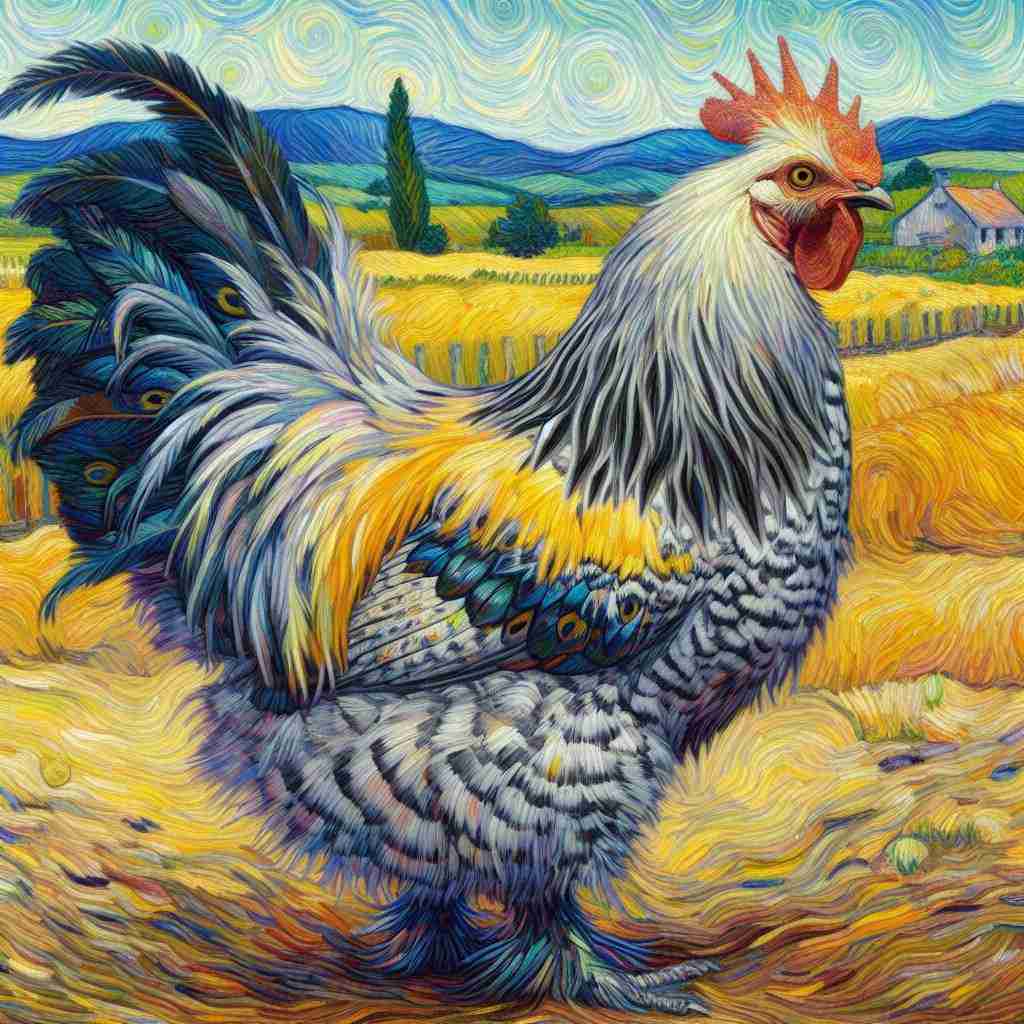
Other Resources
Glossary Terms
Teaching Kids About Natural Health Through Chicken Care – Glossary Of Terms
1. Natural Health: A holistic approach to health that emphasizes natural remedies and lifestyle choices over pharmaceuticals.
2. Chicken Care: The practices involved in raising and maintaining chickens for health and productivity.
3. Backyard Farming: The practice of raising plants and animals in a residential area for food and sustainability.
4. Poultry: Domesticated birds raised for their meat and eggs, including chickens, ducks, and turkeys.
5. Organic Feed: Animal feed that is made from organically grown grains without synthetic pesticides or fertilizers.
6. Free-Range: A method of raising chickens where birds can roam freely and engage in natural behaviors.
7. Biosecurity: Measures taken to prevent the introduction and spread of diseases in livestock.
8. Nutrition: The process of providing or obtaining the food necessary for health and growth.
9. Life Cycle: The stages of development that chickens go through, from egg to mature bird.
10. Incubation: The process of keeping eggs warm for the embryos to develop into chicks.
11. Hatching: The act of chicks emerging from eggs after the incubation period.
12. Brooder: A heated enclosure used to keep chicks warm and safe during their early growth.
13. Vaccination: Administration of a vaccine to prevent diseases in chickens.
14. Emotional Well-being: The mental and emotional state of animals, influenced by factors like environment and care.
15. Sustainable Practices: Farming methods that maintain environmental health, ensuring resources are available for future generations.
16. Companion Animals: Pets that provide companionship, which may also teach responsibility and empathy.
17. Egg Production: The process by which hens lay eggs, influenced by age, diet, and health.
18. Coop: A shelter specifically designed for housing chickens.
19. Pecking Order: The social hierarchy established among a flock of chickens, determining access to resources.
20. Waste Management: The proper disposal and utilization of chicken waste, often used as fertilizer.
21. Grass-Fed: Refers to chickens that are raised on a diet primarily consisting of grass and forage.
22. Foraging: The act of chickens searching for food in their environment, encouraging natural behaviors.
23. Animal Husbandry: The management and care of livestock, including health care, breeding, and feeding practices.
24. Flock Health: The overall health condition of a group of chickens, encompassing disease prevention and wellness.
25. Herbs and Remedies: Natural plants and solutions used to promote chicken health without chemicals.
26. Ethical Farming: Practices that ensure the humane treatment and welfare of animals in agricultural settings.
27. Watering Systems: Methods of providing fresh water to chickens, essential for their hydration and health.
28. Climate Impact: The effect of raising livestock like chickens on environmental factors such as greenhouse gases.
29. Hands-On Learning: An educational approach involving active participation and practical experiences in caregiving.
30. Community Supported Agriculture (CSA): A system where consumers buy shares of a farm’s harvest, fostering local agricultural ties.

Glossary Of Terms
Other Questions
Teaching Kids About Natural Health Through Chicken Care – Other Questions
If you wish to explore and discover more, consider looking for answers to these questions:
- What are the basic requirements for raising backyard chickens?
- How do different breeds of chickens impact the experience of raising them?
- What age is appropriate for children to start caring for chickens?
- What are the potential challenges or drawbacks of raising chickens with children?
- How can parents support their children in learning about natural health through chicken care?
- What are the health benefits of consuming eggs from backyard chickens compared to store-bought eggs?
- What specific skills can children develop through the process of raising chickens?
- How can raising chickens assist in teaching kids about sustainability and environmental stewardship?
- What community resources are available for families interested in backyard chicken care?
- How does chicken care help children develop social skills?
- What safety considerations should be taken into account when children care for chickens?
- How can families incorporate chicken care into their daily routine effectively?

Other Questions
Haiku
Teaching Kids About Natural Health Through Chicken Care – A Haiku
Chickens in the yard,
Teach kids life’s gentle truth—
Care nurtures the heart.

Haiku
Poem
Teaching Kids About Natural Health Through Chicken Care – A Poem
In backyards wide, where children play,
Feathered friends weave lessons each day.
A simple act, a joyful cheer,
In caring for chickens, the truth draws near.
Huddled close with hearts open wide,
Kids learn of life through the pecking side.
A shoulder to lean on, they rise to the task,
In each grain scattered, they slowly unmask.
The rhythm of mornings, a loving embrace,
Eggs gathered softly, sweet treasures laid in grace.
With hands that serve, and keen eyes that see,
The weight of responsibility guides them to be.
Nutrition whispers from yolks bright and bold,
A connection to nature, lessons shared, retold.
In their small acts, they grasp what it means,
To nurture and cultivate, to harvest their dreams.
Through laughter and chatter, community thrives,
Neighbors unite, sharing laughter and lives.
With each pluck and cluck, a bond solidifies,
The power of caring, the joy of the ties.
Empathy blossoms, ethics take flight,
In teaching their hearts to nurture what’s right.
A legacy blooms in the soft earth below,
Compassion and kindness, in every heart grow.
So let them raise chickens, let curiosity spark,
In the dance of the coop, ignite the heart’s arc.
For in every moment, together they’ll see,
The beauty of life—as it’s meant to be.

Poem
Checklist
Teaching Kids About Natural Health Through Chicken Care – A Checklist
Chicken Care Checklist for Kids
Heart (Emotional Appeals)
_____ Reflect on your feelings: What makes you happy while caring for chickens?
_____ Share a special moment with a family member or friend about your hen experience.
_____ Create a “kindness calendar” to track daily acts of compassion toward your chickens and others.
Head (Rational Appeals)
_____ Research the nutritional benefits of backyard chicken eggs compared to store-bought ones.
_____ List the necessary supplies for proper chicken care (feed, water, bedding, etc. ).
_____ Create a schedule for feeding and cleaning coops to foster responsibility.
Gut (Visceral Appeals)
_____ Observe a chicken for a few minutes and note its behaviors—what surprises you?
_____ Feel the eggs you gather; reflect on the effort that went into producing them.
_____ Discuss the importance of their health and your role in ensuring it.
Ethical (Ethical Appeals)
_____ Discuss why it’s important to treat animals with respect and care.
_____ Consider the impact of your actions on the chickens and the environment—how can you improve?
_____ Write down what responsibilities you have as a caretaker and how they shape your character.
Authority (Authority Appeals)
_____ Find a local farmer or chicken expert to share insights about chicken care.
_____ Read a children’s book or watch a documentary about agriculture and animal care.
_____ Talk to a teacher or mentor about the skills you’re developing through chicken care.
Narrative (Narrative Appeals)
_____ Keep a journal of your chicken-raising journey, noting lessons learned and stories to remember.
_____ Share a favorite chicken story with your family during dinner.
_____ Create a fun “Chicken Care Story” booklet illustrating your daily experiences.
Social (Social Appeals)
_____ Organize a “chicken day” with friends or neighbors to teach them about your chickens.
_____ Start a chicken-raising club where you and your peers can share tips and experiences.
_____ Participate in community events that celebrate animal care and sustainability.
By engaging in this checklist, you can maximize the benefits of raising chickens and transform your experience into valuable life lessons that touch on emotional, rational, ethical, and social aspects of caring for animals.

Checklist
At BackyardChickenNews, we help people who want to raise backyard chickens by collating information and news blended with our own personal experiences.
Be sure to read our other related stories at BackyardChickenNews to learn more about raising chickens in your backyard.