

Empowering Young Guardians: Biosecurity Basics For Kids
By Tom Seest
At BackyardChickenNews, we help people who want to raise backyard chickens by collating information and news blended with our own personal experiences.
Be sure to read our other related stories at BackyardChickenNews to learn more about raising chickens in your backyard.
Teaching Kids to Protect Their Flock – the Basics Of Biosecurity
When it comes to teaching kids about biosecurity for their backyard chickens, it’s not just a lesson in responsibility; it’s a chance to instill values that last a lifetime. Imagine a young child cradling a fluffy chick, eyes wide with wonder, feeling the softness beneath their fingertips. That tiny creature depends on them, not just for care and cuddles, but for protection against hidden dangers. Biosecurity is about creating a safe haven for those vulnerable beings, and instilling this concept in kids can be as empowering as it is essential.
Start with the basics: explain why keeping their flock healthy matters. Kids often grasp the ethos of caring for animals; they understand on an instinctual level that their happiness is intertwined with the well-being of their chickens. Talk about the threats lurking at the doorstep—disease, pests, and even the unpredictable whims of nature. Emphasizing the ethics of stewardship can resonate deeply, reminding them that caring for these birds means being vigilant protectors, not just playful owners.
Engage their minds by making biosecurity fun. Challenge them to design a “chicken shield”—a simple process where they think about what barriers can protect their flock. This makes it a game, yet with a serious undertone. Discuss practical steps: washing hands before and after handling the birds, keeping feed and water clean, and monitoring for signs of illness. This not only appeals to their rational side but also fosters a sense of authority; they become the experts in their small, impactful world.
Involve them socially too. Encourage your kids to share what they’ve learned with friends and family. Let them educate others about the importance of biosecurity—it cultivates confidence and enforces a community approach to animal care. Stories of caring for their chickens can transform into shared experiences, building connections that transcend age and background. As they narrate their newfound wisdom, they’ll ignite interest and encourage collective action for the greater good.
Ultimately, instilling proper biosecurity practices in children cultivates respect for life, responsibility, and critical thinking. Their journey in caring for backyard chickens isn’t just about the pecking order—it’s about understanding the delicate balance of life, and that, my friends, is a lesson worth every moment of effort. Protecting their flock is a rite of passage, a call to action, and a promise to nurture the heart of those they’ve chosen to care for.

Teaching Kids to Protect Their Flock – the Basics Of Biosecurity
Teaching Kids to Protect Their Flock – the Basics Of Biosecurity
- Teaching kids about biosecurity for backyard chickens instills lifelong values and responsibility.
- Kids feel a connection to their chickens and understand the importance of keeping them healthy.
- Discuss threats like disease and pests to emphasize the ethics of stewardship and protection.
- Make biosecurity engaging by challenging kids to design a “chicken shield” for flock protection.
- Teach practical biosecurity steps, such as handwashing and keeping feed clean, to foster their sense of authority.
- Encourage kids to share their knowledge about biosecurity with friends and family, cultivating confidence.
- Overall, proper biosecurity practices teach respect for life, responsibility, and critical thinking in children.

Teaching Kids to Protect Their Flock – the Basics Of Biosecurity
Table Of Contents
- Teaching Kids to Protect Their Flock – the Basics Of Biosecurity
- How Can We Nurture a Sense Of Responsibility In Our Children?
- How Do We Explain Diseases to Kids In a Relatable Way?
- How Can Storytelling Help Kids Understand Biosecurity Measures?
- What Emotional Connections Do Kids Form with Their Animals?
- How Can Engaging Activities Teach Kids About Disease Prevention?
- What Are the Long-Term Benefits Of Instilling Biosecurity Knowledge?
- What Challenges Might Kids Face In Understanding Biosecurity?
- Conclusion
- Other Resources
- Glossary Of Terms
- Other Questions
- Haiku
- Poem
- Checklist
How Can We Nurture a Sense Of Responsibility In Our Children?
When we think about nurturing a sense of responsibility in our children, it’s essential to realize that this is more than just a passing phase in their development; it’s a foundational life skill that will guide them into adulthood. Responsibility doesn’t merely happen; it must be cultivated like a garden, requiring the right conditions to thrive. So, how do we plant those seeds?
Let’s consider the simple act of caring for backyard chickens. Raising these birds isn’t just about collecting eggs; it’s a living lesson in responsibility. Children who participate in this experience learn that another being depends on them. They witness firsthand the impact of their actions, whether it’s feeding the chickens in the morning or cleaning their coop. This daily routine instills in them a sense of duty, teaching them that actions have consequences, both good and bad.
Now, here’s where the real magic happens. When children are engaged in this process, they start to develop empathy. They learn to read the needs of another creature, creating a bond that goes beyond mere caretaking. They become more aware of the world around them, fostering a deeper understanding of ethical considerations. They’re not just responsible for a feathered friend; they’re learning to navigate the broader social fabric, recognizing their place within it. This is the essence of responsibility—it’s not merely personal; it’s interwoven with community.
Moreover, involving children in such tasks provides them with a sense of accomplishment. When they manage their responsibilities well, whether it’s ensuring the water bowls are full or that the chickens have proper feed, there’s a visceral sense of pride in that achievement. This boosts their confidence and lays the groundwork for future challenges—they realize they can handle adversity, which is an invaluable lesson in any field, be it in their studies or life beyond school.
The gentle clucking of backyard chickens becomes more than just a background noise; it’s a persistent reminder of the values we hold dear. Children learn that responsibility is not just about chores but about commitment, trust, and the intricate dance between our needs and those of others. This understanding shapes them into reliable individuals and compassionate members of society. By nurturing a sense of responsibility in such a tangible way, we empower our children to embrace their roles in life, ensuring they will carry these lessons with them long after the chickens have flown the coop.

How Can We Nurture a Sense Of Responsibility In Our Children?
How Can We Nurture a Sense Of Responsibility In Our Children?
- Nurturing responsibility in children is a foundational life skill essential for adulthood.
- Responsibility must be cultivated, similar to tending to a garden, requiring suitable conditions.
- Caring for backyard chickens teaches children that other beings depend on them, showcasing the impact of their actions.
- This engagement helps develop empathy and awareness of their role in the broader community.
- Children gain a sense of accomplishment through managing responsibilities, boosting their confidence.
- Responsibility involves commitment and trust, highlighting the balance between one’s needs and the needs of others.
- Nurturing responsibility prepares children to embrace their roles in life and carry these lessons into the future.

How Can We Nurture a Sense Of Responsibility In Our Children?
How Do We Explain Diseases to Kids In a Relatable Way?
Explaining diseases to kids can feel like navigating a minefield. You want to be honest without overwhelming them, a delicate balance between confronting the truth and preserving their innocence. Picture this: You’re in your backyard, surrounded by your feathered friends—those quirky chickens pecking at the ground, clucking their little hearts out. These lively creatures are a perfect analogy for understanding our health. Just like our pets, we have to care for our bodies and recognize when they’re not feeling well.
When the chickens show an unusual behavior—maybe they’re not scratching the dirt as enthusiastically or they’re quieter than usual—we know something isn’t quite right. We may not be veterinarians, but we instinctively head to the vet, eager to diagnose and help our fluffed-up friends. Similarly, our bodies send us signals when something is amiss. This is something kids can grasp. Relating their experiences with animals they love brings a tangible element to a complex conversation.
Engaging kids means anchoring our dialogue in emotional understanding. Explain that the body’s immune system is like a team of protective chicken guards, always on alert, ready to respond when invaders—like germs—try to crash the party. This isn’t just a lesson on biology; it’s a narrative of resilience and strength, teaching kids that just as we nurture our chickens, we must also nurture ourselves.
Children have an innate curiosity and compassion. Teach them that it’s okay to feel scared or confused about diseases. Share stories, like that of a family member who bravely fought an illness, illustrating every battle and triumph with humanizing details that resonate. Fostering connection through shared experiences makes the discussion not just informative but transformative.
Additionally, talk about ethics and kindness—the importance of looking out for one another. Encourage them to ask questions, emphasizing that no question is too silly. Give them authority in their understanding of health by equipping them with knowledge; the more they know, the less daunting the topic becomes. Create an open space where they feel safe to express their fears or anxieties about sickness.
The goal is clear: inspire trust and confidence. Isn’t it comforting to know that every day, we face challenges together—whether it’s with our backyard chickens or life itself? Engage them, and let them see that understanding disease isn’t just about facing fears; it’s about embracing the journey of health and healing, together.

How Do We Explain Diseases to Kids In a Relatable Way?
How Do We Explain Diseases to Kids In a Relatable Way?
- Explaining diseases to children requires a balance of honesty and preserving innocence.
- Using relatable analogies, like observing chickens, helps simplify complex health concepts.
- Children can understand that their bodies send signals when something is wrong, similar to animal behavior.
- The immune system can be likened to protective guards, teaching resilience against germs.
- Sharing family stories about illness can humanize the experience and foster compassion.
- Encourage children to ask questions about health, creating a safe space for open dialogue.
- The ultimate goal is to inspire trust and confidence in navigating health and disease together.

How Do We Explain Diseases to Kids In a Relatable Way?
How Can Storytelling Help Kids Understand Biosecurity Measures?
Storytelling is a powerful tool that can bridge the gap between complex biosecurity measures and a child’s understanding. Imagine a young girl, wide-eyed with wonder, discovering her first backyard chickens. Each morning, as she steps into the yard, she learns that her feathered friends symbolize not just joy but responsibility. By weaving narratives around her daily interactions—like how the feed must be kept clean, or why the coop needs secure locks—we can teach her essential biosecurity measures in a way that resonates deeply.
Think about it: stories aren’t just tales; they’re pathways to understanding. They engage the heart, pulling at those emotional strings. When she hears about a chicken’s journey from being healthy and happy to sick and sorrowful due to a simple oversight, it’s more than just a lesson—it’s a call to action. This emotional hook encourages kids to appreciate how small decisions impact their beloved flocks and, in turn, the broader community.
From a rational standpoint, children are naturally curious. Each story they hear embeds crucial information about disease prevention and health protocols into their minds. They begin to connect the dots, recognizing that biosecurity isn’t merely a set of rules but a vital practice to ensure the well-being of their chickens and their families. The more relatable the tale, the more it sticks.
Ethically, we can frame biosecurity as part of their duty as caretakers. Instilling this sense of responsibility is crucial; it fosters a culture of conscientiousness in future generations, teaching kids that their actions matter. They become custodians of their backyard ecosystem, understanding that proper care is not just a privilege but a necessity.
Furthermore, stories anchor young minds in social narratives. They share experiences with friends, turning protocols into adventures filled with anecdotes of cleaning routines or the excitement of introducing new chicks. This camaraderie creates a sense of community and belonging, inviting them to collectively prioritize biosecurity.
Storytelling is more than entertainment. It’s a commitment to fostering trust and responsibility in our kids. And when they understand the “why” behind biosecurity, they aren’t just following rules—they are embracing a vital part of their role as stewards of the land and the animals. In that precious bond, we find the heart of biosecurity, where chicken coops become not just homes but microcosms of respect, care, and understanding.

How Can Storytelling Help Kids Understand Biosecurity Measures?
How Can Storytelling Help Kids Understand Biosecurity Measures?
- Storytelling effectively bridges complex biosecurity measures and children’s understanding.
- Child’s interactions with backyard chickens symbolize joy and responsibility.
- Narratives teach essential biosecurity measures by making them relatable.
- Emotional stories encourage children to recognize the impact of their actions on their chickens and community.
- Children’s natural curiosity helps them internalize disease prevention and health protocols through storytelling.
- Framing biosecurity as a duty fosters a culture of conscientiousness and responsibility in future generations.
- Stories create community and belonging, turning biosecurity practices into shared adventures.

How Can Storytelling Help Kids Understand Biosecurity Measures?
What Emotional Connections Do Kids Form with Their Animals?
In the most unassuming corners of our homes—backyards filled with laughter and dirt—something remarkable unfolds. Kids form bonds with their animals, and in this simple act of connection, they learn about responsibility, empathy, and love. Take a moment to picture a child, perhaps in a sunlit yard, tending to their backyard chickens. Those feathery companions become more than mere pets; they become confidants in a world full of complexities.
Every day, a child learns the rhythms of life through their clucks and calls. They discover the seemingly minor details—like how the hens react to a gentle touch or how they clamor for attention when they sense someone approaching. These realizations create a bridge of understanding, nurturing emotional intelligence in ways that words alone cannot express. It’s one thing to memorize a definition of empathy; it’s another to experience it firsthand in the tender smiles exchanged with a creature relying on them for care.
This connection is bi-directional. As children nurture their animals, they often find a sense of purpose. The act of feeding, caring, and observing cultivates a strong sense of responsibility. They learn that their actions—both good and bad—carry weight. By taking care of living creatures, kids encounter the ethical implications of life: the delicate balance between joy and vulnerability. And what does that teach them about their own lives? That every relationship, just like every flock, requires commitment.
Let’s pause for a moment and consider the impact on future generations. When kids form these bonds, they come to understand the importance of kindness. They’ll grow up not just as caretakers of animals but as conscientious stewards of our world. Studies even suggest that children who interact with animals during formative years develop better social skills.
It’s a beautiful narrative: by caring for backyard chickens, they are simultaneously mastering the art of connection. They learn that love isn’t a transaction; it’s a commitment. So, when you see a child holding a chicken close, know that they are not just playing make-believe—they’re engaging in a deeply valuable experience that shapes their hearts and minds, fostering an understanding of the interconnectedness of life itself.
In a society where screen time often trumps green time, let’s celebrate these authentic connections. Let’s encourage our kids to keep their backyard pets close and their hearts even closer.

What Emotional Connections Do Kids Form with Their Animals?
What Emotional Connections Do Kids Form with Their Animals?
- Children form deep bonds with their animals, fostering responsibility, empathy, and love.
- Tending to backyard chickens teaches kids about the rhythms of life and emotional intelligence.
- The connection with animals nurtures a sense of purpose and highlights the weight of their actions.
- Caring for living creatures helps children understand ethical implications and the need for commitment in relationships.
- These experiences promote kindness and conscientious stewardship of the world in future generations.
- Interactions with animals during formative years are linked to better social skills in children.
- Encouraging outdoor play and animal care fosters meaningful connections in a world dominated by screens.

What Emotional Connections Do Kids Form with Their Animals?
How Can Engaging Activities Teach Kids About Disease Prevention?
Engaging activities have a unique power when it comes to teaching kids about disease prevention. Imagine a group of children leaning over a clean, sunlit yard, eagerly learning about the everyday practices that keep them—and others—healthy. With every clucking sound from the backyard chickens, they grasp the profound connection between care and safety. It’s more than just a lesson; it’s a journey they experience together.
Picture this: kids planting garlic and herbs alongside their feathered friends, while discussing how certain plants can bolster the immune system or how washing hands prevents the spread of germs. This isn’t just about learning; it’s about forming an understanding that seeps into their very bones. When children immerse themselves in engaging activities, they’re not just absorbing facts—they’re living them. Their heads refine knowledge, their hearts pulse with compassion for themselves and others, and their guts learn the instinctive, raw nature of care.
Every chicken they nurture becomes a teacher, instilling a sense of responsibility that transcends mere adherence to rules. In their stories—those tales of dirt-stained hands and excited shouts—they discover the ethical importance of protecting not only themselves but their community. They realize that germs don’t discriminate; they can infiltrate homes and playgrounds, and it’s up to them to forge the wall of prevention.
This is not a classroom lecture; it’s a fusion of authority through experience. Parents and educators become guides, fostering a wider conversation about health that resonates with children’s innate curiosity. Imagine kids some years later, recounting tales of their first backyard chicken or the day they learned how washing their hands can save lives. They carry those stories with them, and as they grow, they share these lessons with peers, creating a ripple effect—transforming their understanding into community action.
The truth is, when children engage in hands-on activities around topics like disease prevention, they gain not just knowledge, but a transformative sense of agency. They understand that their actions—from the way they care for their chickens to how they wash their hands—impact both themselves and the world around them. This nurtures a sense of trust, fostering not just a group of health-conscious individuals, but a community united in care, commitment, and action. Disease prevention goes from abstract to concrete, from forgotten to forefront. And it all starts in a backyard, with a few chickens and a lot of heart.

How Can Engaging Activities Teach Kids About Disease Prevention?
How Can Engaging Activities Teach Kids About Disease Prevention?
- Engaging activities teach kids about disease prevention in a hands-on manner.
- Children learn practical health practices while caring for backyard chickens.
- Planting garlic and herbs promotes understanding of immune health and hygiene.
- Experiential learning fosters responsibility and community awareness in children.
- Parents and educators act as guides, facilitating deeper health conversations.
- Children’s stories about their experiences help them share lessons and create community action.
- Hands-on involvement transforms knowledge into a sense of agency and communal care.

How Can Engaging Activities Teach Kids About Disease Prevention?
What Are the Long-Term Benefits Of Instilling Biosecurity Knowledge?
When you think about raising backyard chickens, you’re likely dreaming of fresh eggs, a sustainable food source, and intimate connections with nature. But beyond those delightful daydreams lies a profound responsibility that can ripple through generations. Instilling biosecurity knowledge is about protecting not just your flock, but also the community at large. It’s a lesson in stewardship that intertwines with our ethical duties to our environment and fellow humans.
Imagine a neighborhood bustling with laughter, children running free, and vibrant gardens growing in harmony. Now picture that same community devastated by a disease outbreak that decimates not just poultry, but also the livelihoods of families for years to come. This scenario isn’t just a story; it serves as a cautionary tale that underscores the importance of biosecurity knowledge. When individuals take the initiative to educate themselves about best practices, they wield the power to build resilience against countless threats lurking in the shadows, from avian influenza to salmonella.
Education is the armor that protects our communities. By instilling biosecurity principles, we’re fostering a culture of awareness and responsibility. It’s a simple fact: when backyard chicken keepers understand the importance of hygiene, proper feed sourcing, and minimizing contact with wild birds, they become proactive guardians not only of their flocks but of everyone they share air—and food—with. Those community ties strengthen as neighbors exchange tips, share successes, and learn from each other’s experiences. This collaborative spirit drives home the narrative that we are all in this together, making strides for a healthier future.
Let’s also consider the long-term impact on the environment. By keeping our flocks healthy, we minimize the risk of industry-wide outbreaks, helping maintain biodiversity and ecosystem balance. That’s something we can all feel good about. It’s not just about having eggs for breakfast, it’s about taking part in a larger movement towards sustainable agriculture and responsible animal husbandry.
Embracing biosecurity knowledge is an investment. It builds trust—not only in our food systems but also in the commitment we show towards one another and the values we hold dear as responsible caretakers of our world. So let’s roll up our sleeves, dive into the nitty-gritty, and empower ourselves and our neighbors—with every lesson learned, we’re shaping a future that’s as rich as the soil beneath our feet.

What Are the Long-Term Benefits Of Instilling Biosecurity Knowledge?
What Are the Long-Term Benefits Of Instilling Biosecurity Knowledge?
- Raising backyard chickens offers fresh eggs, sustainability, and a connection to nature.
- Biosecurity knowledge protects both the flock and the broader community.
- Education on biosecurity helps individuals combat threats like avian influenza and salmonella.
- Understanding hygiene and proper feed enhances the safety of both chickens and community health.
- Community ties are strengthened through shared experiences and tips among chicken keepers.
- Healthy flocks contribute to maintaining biodiversity and ecosystem balance.
- Investing in biosecurity builds trust in food systems and promotes responsible animal husbandry.

What Are the Long-Term Benefits Of Instilling Biosecurity Knowledge?
What Challenges Might Kids Face In Understanding Biosecurity?
When it comes to biosecurity, kids often find themselves in a world that feels overwhelmingly complex and abstract. Imagine navigating a rural landscape filled with free-roaming animals, where the simple joy of raising backyard chickens comes with the weighty responsibility of keeping them healthy and safe. For many children, the delight of feeding and caring for these feathered friends is juxtaposed against the harsh realities of disease outbreaks, threats from wild animals, and the importance of sanitation practices. That’s where the true challenge lies.
On one hand, kids are naturally curious, eager to learn about the world around them. But that curiosity can clash with the need for caution, leading to confusion and fear. When they hear about avian flu or the potential dangers of sharing equipment, the gut reaction is often one of anxiety. How do you convey the importance of these concepts without dampening their spirit? This is where understanding the emotional landscape becomes crucial. It’s essential to help them see biosecurity not as a list of daunting rules, but as a way to protect the animals they’ve grown to love. Fostering this connection helps to build a sense of responsibility that can last a lifetime.
Rationally, engaging in biosecurity practices can feel tedious, almost like a chore. Kids may wonder, “Why should I wash my hands before feeding the chickens? Why can’t I have my friends over to play with them?” These questions require thoughtful answers, encouraging them to think critically about the relationship between their actions and the health of the animals. Moreover, introducing principles of ethics and respect for living creatures can deepen their understanding of the impact their choices have on the larger ecosystem, cultivating a generation that values harmony with nature.
Then there’s the social aspect. When children “get the why” behind biosecurity, they become ambassadors for health and safety in their communities. Imagine a group of kids discussing how they take care of their chickens, sharing tips on keeping them safe from disease. That sense of camaraderie is powerful. It turns a potentially intimidating subject into an opportunity for teamwork and leadership, sparking a fire of advocacy that resonates well beyond their own backyards.
Through these lenses—emotional, rational, ethical, and social—kids can learn to navigate the intricate dance of biosecurity with confidence and care, transforming challenges into opportunities for growth.

What Challenges Might Kids Face In Understanding Biosecurity?
What Challenges Might Kids Face In Understanding Biosecurity?
- Biosecurity can seem complex and abstract for children, especially in rural settings with free-roaming animals.
- The joy of raising chickens comes with the responsibility of keeping them healthy amidst disease threats and sanitation needs.
- Children’s natural curiosity about animals may clash with the need for caution, leading to confusion and anxiety about biosecurity risks.
- Emphasizing that biosecurity protects their beloved animals can instill a lasting sense of responsibility in kids.
- Encouraging critical thinking about their actions, such as handwashing and limiting social interactions around animals, can deepen their understanding.
- Understanding the ethical treatment of animals helps children appreciate their choices’ impact on the ecosystem.
- When children grasp the importance of biosecurity, they become health advocates in their communities, fostering teamwork and leadership.

What Challenges Might Kids Face In Understanding Biosecurity?
Conclusion
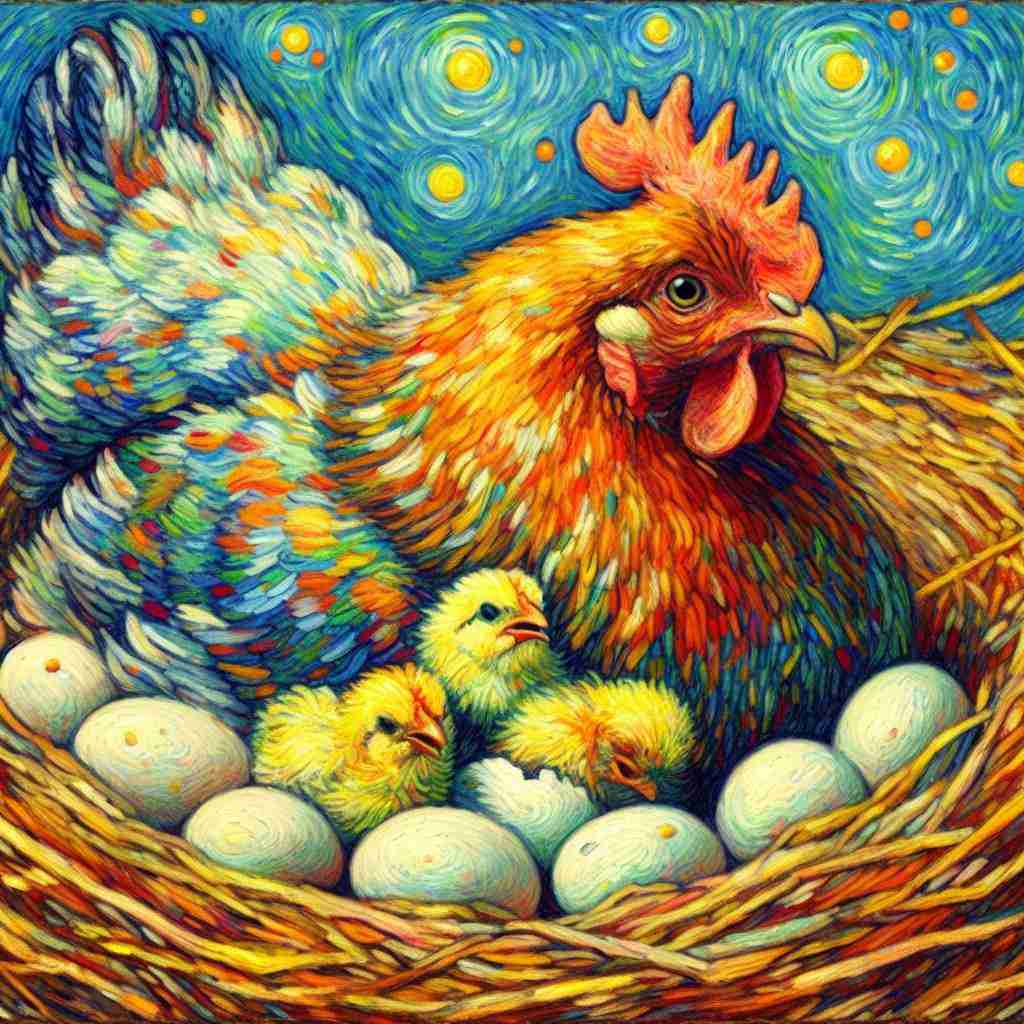
Teaching children about biosecurity for their backyard chickens transcends mere animal care; it’s a gateway to fostering lifelong values that anchor them in responsibility, empathy, and community stewardship. Picture this: a child, wide-eyed and earnest, nurturing a chick—an innocent creature solely reliant on them for safety. Here lies an opportunity to intertwine duty with a palpable sense of wonder. This isn’t just about keeping the chickens safe from disease or pests; it’s about cultivating a mindset that values life and its complexities.
When you talk to kids about the importance of maintaining their flock’s health, you’re not only appealing to their instincts as caregivers, but also engaging their ethical compass. They begin to grasp that wellness is a community effort. Emphasizing principles of cleanliness—washing hands and monitoring their feathered friends for signs of illness—instills a sense of authority in them. As children learn to protect their flock, they also embody the role of stewards of the environment, proving that their actions, no matter how small, can have ripple effects in their community.
Furthermore, weaving biosecurity lessons into relatable narratives amplifies their impact. Children relate to stories, and when they understand the consequences of neglect through tales of thriving versus struggling flocks, the lessons become personal. This technique not only fosters emotional connections but ignites their imaginations, transforming mandatory practices into engaging adventures. Learning becomes more than memorization; it becomes a shared journey filled with responsibility and joy, elevating their social interactions and strengthening community ties.
As they communicate their lessons to friends and family, they step into leadership roles, reinforcing the importance of shared knowledge in disease prevention. They evolve from passive learners to active protectors. Their experience fostering backyard chickens allows them to appreciate the intrinsic ties between their actions and broader ecological considerations.
In this confluence of heart, head, and gut, we find a potent lesson: the simple act of caring for chickens can shape responsible, compassionate adults. It cultivates respect for life and awareness of the interconnectedness of all beings. This journey is not just about the chickens or the eggs; it’s a rite of passage—a call to action that empowers our children to nurture what they’ve chosen to love while building a better future for themselves and their communities. So let’s embrace this powerful opportunity to guide them, ensuring that every cluck echoes with lessons of care, commitment, and a deep-rooted sense of responsibility.
Conclusion
Conclusion:
- Teaching children about biosecurity for backyard chickens fosters responsibility, empathy, and community stewardship.
- Children nurturing chicks learn about duty while developing a sense of wonder and appreciation for life.
- Emphasizing flock health teaches kids that wellness is a community effort and instills a sense of authority.
- Relatable narratives enhance the impact of biosecurity lessons, making them personal and engaging.
- Children evolve from passive learners to active protectors through sharing lessons with friends and family.
- Caring for chickens cultivates respect for life and awareness of ecological interconnectedness.
- This journey empowers children to nurture what they love and encourages them to build a better future.

Conclusion
Other Resources

Other Resources
Here is a list of other resources you can review online to learn more:
- Visceral Leukosis
- Phoenix
- sunflower
- Silver Laced Wyandotte
- Thread Worms
- Isbar
- Serama
- uncooked beans
- White Leghorn
- Avian Pox
- Campine
- Central Maine Bird Fanciers
- Red Sex Link
- Infectious Bursal Disease
- Large Intestinal Roundworms
- Strawberries
- Egyptian Fayoumi
Use This Prompt To Get More Resources With Your Favorite Online AI Tool: Please provide me with a list of online articles with their URLs in a bulleted list that I can read regarding Teaching Kids to Protect Their Flock – the Basics Of Biosecurity

Other Resources
Glossary Terms
Teaching Kids to Protect Their Flock – the Basics Of Biosecurity – Glossary Of Terms
1. Biosecurity: Practices aimed at preventing the introduction and spread of diseases among animals, particularly in agricultural settings.
2. Flock: A group of birds, typically kept for agricultural purposes, such as chickens, ducks, or turkeys.
3. Pathogen: Any microorganism, such as bacteria, viruses, or fungi, that can cause disease in animals or humans.
4. Quarantine: An isolation period for new or sick animals to prevent the potential spread of disease to the rest of the flock.
5. Disinfection: The process of cleaning and applying chemicals to surfaces or equipment to kill pathogens and prevent disease transmission.
6. Contamination: The presence of harmful microorganisms on surfaces, equipment, or within environments that can lead to disease spread.
7. Vaccination: The administration of a vaccine to animals to help build immunity against specific diseases.
8. Monitoring: Regular observation of animals for signs of illness and tracking their health status to identify issues early.
9. Hygiene: Practices aimed at maintaining cleanliness and reducing the risk of infection, including the cleanliness of people who interact with the flock.
10. Sanitation: The steps taken to maintain hygiene and cleanliness in the environment where the flock is raised.
11. Isolation: The separation of sick animals from healthy ones to prevent the spread of disease.
12. Ventilation: The process of ensuring that there is a flow of fresh air in animal enclosures to minimize disease transmission and improve air quality.
13. Nutrition: Providing a balanced diet to animals to strengthen their immune systems and promote overall health.
14. Stress Management: Techniques used to minimize stress in animals, as stress can weaken the immune system and increase susceptibility to disease.
15. Pest Control: Methods employed to manage insects and rodents that can carry diseases, including the use of traps and environmental management.
16. Importer: A person or entity that brings animals or animal products into a country, which must adhere to biosecurity standards to prevent disease spread.
17. Zoonotic Disease: Diseases that can be transmitted from animals to humans, highlighting the importance of biosecurity for public health.
18. Greater Animal Welfare: Practices that ensure the humane treatment of animals, which can improve their overall health and well-being.
19. Cross-Containment: The prevention of disease spread from one group of animals to another by controlling the movement and interaction of flocks.
20. Record Keeping: The practice of maintaining detailed logs of animal health, vaccination status, and biosecurity measures taken, aiding in disease management.
21. Transport Biosecurity: Measures taken to ensure animals are transported safely without risking exposure to diseases.
22. Education: Teaching children and farmworkers about biosecurity practices to ensure they understand how to protect their flock.
23. Protective Clothing: Specialized garments worn by handlers to prevent the transmission of pathogens when working with animals.
24. Natural Remedies: Alternative treatments using botanicals or other natural substances aimed at improving animal health and preventing disease.
25. Behavioral Observation: Monitoring animal behavior to detect early signs of illness or distress, providing insight into their health.
26. Flock Health Assessment: Regular evaluations of the overall health status of the flock, identifying signs of disease or necessary interventions.
27. All-in/All-out System: A management practice where all animals are brought in or removed together from a facility to minimize disease risk.
28. Animal Welfare Laws: Regulations that protect the rights and health of livestock, ensuring ethical treatment and care.
29. Feed Safety: Ensuring that the food provided to animals is free from contaminants that could harm their health.
30. Emergency Preparedness: Planning for potential disease outbreaks or natural disasters that could affect the health and safety of the flock.

Glossary Of Terms
Other Questions
Teaching Kids to Protect Their Flock – the Basics Of Biosecurity – Other Questions
If you wish to explore and discover more, consider looking for answers to these questions:
- What are some practical biosecurity measures kids can implement for their chickens?
- How can parents support their children’s learning about biosecurity?
- What are common diseases that backyard chickens can face?
- How can storytelling be effectively used to teach kids about disease prevention?
- What role do community support and cooperation play in maintaining biosecurity?
- How can kids educate their peers about the importance of biosecurity?
- What games or activities can reinforce biosecurity principles for children?
- How can kids’ understanding of biosecurity influence their attitudes towards other responsibilities?
- What signs of illness should kids learn to watch for in their chickens?
- How can children be motivated to practice biosecurity consistently?

Other Questions
Haiku
Teaching Kids to Protect Their Flock – the Basics Of Biosecurity – A Haiku
Chickens in their arms,
Kids learn the weight of their care—
Guardians of life.

Haiku
Poem
Teaching Kids to Protect Their Flock – the Basics Of Biosecurity – A Poem
In a sunlit yard where laughter sings,
Curious hearts cradle feathered beings,
Little hands learn both care and might,
With each soft cluck, they embrace the light.
Tiny guardians protecting their kin,
With wisdom sown deep, their journey begins,
For a chick relies not just on its feed,
But on the watchful eyes that heed its need.
Through whispers of danger, they come to know,
The fragile balance in the cycle’s flow,
Each day a lesson, a bond they create,
Instilling values that cultivate fate.
They gather in circles, sharing their tales,
Of clucking companions and wary trails,
As laughter and stories weave strong ties,
Together they rise, and together they thrive.
With garlic and herbs, they plant and they learn,
That health is a treasure for which they discern,
Washing their hands, a simple yet grand,
A ritual of care, a nurturing hand.
In games and adventures, with purpose they grow,
As protectors of life, in strength they’ll bestow,
The essence of empathy, woven through play,
Building a future where kindness won’t sway.
Through echoes of love, they discover their worth,
As stewards of nature, they bless the earth,
Understanding that every action they take,
Holds power to nurture or risk what’s at stake.
So let’s honor their journey, embrace their quest,
For in teaching our children, we truly invest,
In a world they will tend, with courage and grace,
Where every young heart finds its sacred place.

Poem
Checklist
Teaching Kids to Protect Their Flock – the Basics Of Biosecurity – A Checklist
Biosecurity Basics for Kids: Checklist
Heart Appeals
_____ Empathy Development: Have children describe how their chickens feel and what they need.
_____ Connection to Nature: Encourage daily interactions with chickens, fostering a bond that nurtures emotional intelligence.
_____ Sharing Experiences: Create a family storytelling night where kids narrate their adventures with their chickens.
Head Appeals
_____ Knowledge Building: Discuss the importance of hygiene (like handwashing) before and after handling chickens.
_____ Critical Thinking Challenges: Ask kids to design a safe chicken coop or chicken shield and explain their choices.
_____ Disease Awareness: Use relatable analogies—like comparing the immune system to protective guards—to explain health concepts.
Gut Appeals
_____ Interactive Learning: Engage children in hands-on activities, such as planting herbs that boost health or making cleaning routines a fun game.
_____ Community Contribution: Encourage them to share their knowledge about biosecurity with peers, reinforcing their role as important community members.
_____ Responsibility Ownership: Let children track their daily chores related to chicken care, fostering pride and accountability.
Ethical Appeals
_____ Stewardship Lessons: Discuss the ethical implications of caring for living beings and the importance of treating animals humanely.
_____ Commitment to Others: Encourage children to think about how their care for chickens affects broader community health.
_____ Understanding Consequences: Talk about the impact of neglecting biosecurity practices on animal and human health.
Authority Appeals
_____ Expert Conversations: Invite local farmers or veterinarians to talk to kids about chicken care and animal health best practices.
_____ Resource Sharing: Provide them with books or websites that offer expert insights on chicken care and biosecurity.
_____ Role Models: Highlight examples of responsible chicken keepers within the community.
Narrative Appeals
_____ Story Creation: Have kids write stories about their chickens, focusing on lessons learned from caring for them.
_____ Heroic Tales: Share stories of resilience in animals that overcame illness through proper care, empowering children to recognize their role.
_____ Real-life Scenarios: Use relatable fictional scenarios to highlight the significance of biosecurity, such as a chicken getting sick due to neglect.
Social Appeals
_____ Team Activities: Organize group projects, such as building the coop together, to foster teamwork and collaboration.
_____ Community Workshops: Set up events where kids can present what they learned about biosecurity to family and friends.
_____ Shared Goals: Encourage collective goals among peers to maintain the health of their poultry, reinforcing the idea that everyone plays a part.
Utilize this checklist to inspire and empower children in their journey of protecting their flock and understanding the broader implications of their role in animal care and community health.

Checklist
At BackyardChickenNews, we help people who want to raise backyard chickens by collating information and news blended with our own personal experiences.
Be sure to read our other related stories at BackyardChickenNews to learn more about raising chickens in your backyard.