

Harmonizing Nature And Productivity
By Tom Seest
At BackyardChickenNews, we help people who want to raise backyard chickens by collating information and news blended with our own personal experiences.
Be sure to read our other related stories at BackyardChickenNews to learn more about raising chickens in your backyard.
The Balanced Backyard – Efficiency Meets Ecology
The hum of life in our backyards can be a symphony of efficiency and ecology, where every creature plays a part in the world’s grand design. Picture this: you step outside, a cup of steaming coffee in hand, and watch as your backyard chickens strut about, scratching at the earth, unearthing bugs, and turning your food scraps into the richest compost. It’s not just a concise cycle of life; it’s a profound testament to the harmony between the everyday and the extraordinary.
For centuries, humans have shared their homes with these feathered friends. They are more than just pets; they are the unsung heroes of sustainable living. Chickens contribute to your garden’s vitality, while providing fresh eggs that surpass anything you’ll find at the grocery store. The rewards aren’t merely tangible; they touch something deeper—your heart. Imagine the joy of serving a meal to friends and family, knowing each ingredient was nurtured right in your backyard. Those moments are priceless, connecting us back to the soil, to the earth, and to each other.
With every cluck and flap, it’s an invitation to rethink our impact on the environment. We live in a fast-paced world, often separated from the land that sustains us. By integrating chickens into our lives, we cultivate a responsible approach to nature. The ethical choice is clear: let’s foster biodiversity and contribute to a healthier planet, one coop at a time.
From a practical stance, raising chickens isn’t as daunting as it might sound. They require minimal space and are surprisingly low-maintenance. This is not just about convenience; it’s about empowerment. When you decide to take this step, you join a community of like-minded folks who understand that backyard chickens are more than a trend; they’re a lifestyle shift that can generate real impact.
So, let’s take a collective leap towards the balanced backyard, where nature and nurture share the same space. Embrace the challenge and reward of fostering life in your own environment. It’s about more than just your backyard; it’s a statement about who you are. It’s about responsibility, sustainability, and above all, the joy that comes from living in true harmony with nature. The beauty lies not only in the eggs you gather but in the relationships nurtured with the land. This is our call to action; it’s time we listen.

The Balanced Backyard – Efficiency Meets Ecology
The Balanced Backyard – Efficiency Meets Ecology
- The backyard can be a symphony of efficiency and ecology, with creatures playing essential roles in nature’s design.
- Backyard chickens help create rich compost, unearth bugs, and convert food scraps, highlighting the harmony of life.
- Chickens are more than pets; they are key contributors to sustainable living and garden vitality.
- Fresh eggs from backyard chickens offer superior taste and quality compared to store-bought alternatives.
- Integrating chickens fosters awareness of our environmental impact and encourages responsible interactions with nature.
- Raising chickens is low-maintenance, requires minimal space, and empowers individuals to connect with a supportive community.
- Embracing backyard chickens represents a lifestyle choice prioritizing sustainability, responsibility, and joy in harmony with nature.

The Balanced Backyard – Efficiency Meets Ecology
Table Of Contents
- The Balanced Backyard – Efficiency Meets Ecology
- What If Your Yard Could Be Both Beautiful and Eco-Friendly?
- How Can You Maximize Space While Minimizing Waste In Your Garden?
- What Sustainable Practices Can Transform Your Backyard Into an Oasis?
- Are You Ready to Rethink How You Use Resources In Your Outdoor Space?
- Can Eco-Friendly Choices In Your Yard Improve Your Well-Being?
- What Role Does Water Conservation Play In an Efficient Garden Design?
- How Can Native Plants Boost Both Aesthetics and Environmental Health?
- Conclusion
- Other Resources
- Glossary Of Terms
- Other Questions
- Haiku
- Poem
- Checklist
What If Your Yard Could Be Both Beautiful and Eco-Friendly?
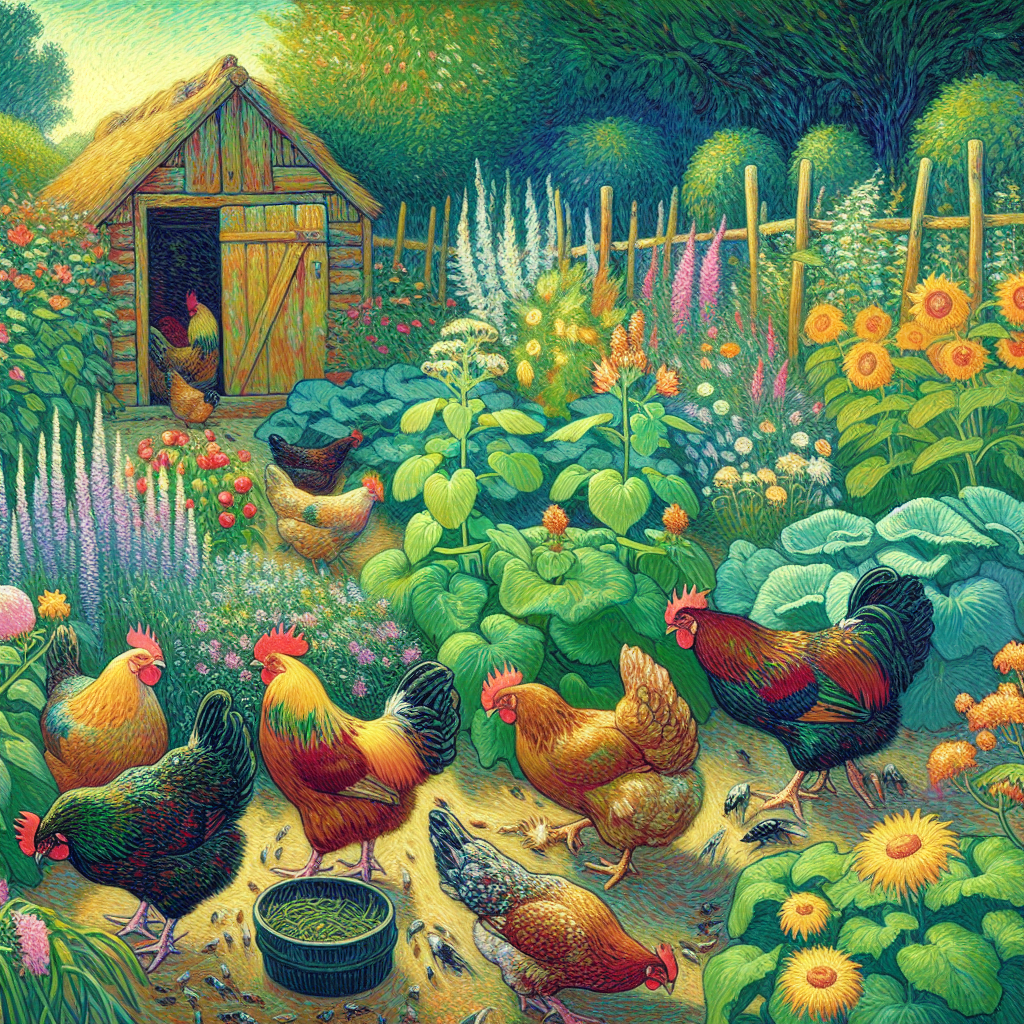
When you think about your yard, you might envision a haven—a patch of paradise just outside your door. Picture this: vibrant flowers swaying in the breeze, space for your kids to run and shout, and the smell of fresh herbs wafting through the air. Now, what if I told you that this beautiful sanctuary could also be a champion for sustainability? Yes, it’s possible to cultivate a yard that’s as eco-friendly as it is aesthetically pleasing.
Take a moment to consider the humble backyard chicken. These feathery friends are more than just a novelty; they are masters of yard regeneration. A small flock can transform your gardening routine, turning kitchen scraps into nutrient-rich fertilizer while delivering fresh eggs right to your breakfast table. Imagine the satisfaction of knowing exactly where your food comes from—no more mystery cartons from the grocery store. It’s a great feeling, which appeals to both the heart and gut. Plus, they’re entertaining little creatures! The joy they bring can lighten even the most stressful days.
Now, I’m not saying you need to trade your lush landscaping for a sprawling chicken coop. It’s about making smarter choices. Native plants, for instance, invite local wildlife and reduce water use. Create sheltered corners that offer sanctuaries for pollinators—bees and butterflies are not just pretty, they play a critical role in our food system. We need to connect with nature—not just to enjoy its beauty, but to support its fragile balance.
The ethical considerations are equally compelling. By fostering biodiversity in your yard, you’re contributing to a larger movement. You’re saying, “I care about this ecosystem,” and that resonates more profoundly than any perfectly manicured lawn ever could. Each native plant, every clucking hen, represents a responsibility embraced—a pledge to our earth.
And let’s face it, there’s an undeniable trend toward conscious living. People are swapping lawn mowers for garden spades, opting for compost bins over electric edgers. There’s something exciting about being part of that shift. Your yard can echo this sentiment, showcasing your values while serving as a gathering place for family and friends.
Imagine this: a cookout in your vibrant yard, surrounded by friends who marvel at your eco-friendly oasis. You’ve created not just a yard, but a statement—a beautifully crafted blend of aesthetics and responsibility. That’s a legacy worth cultivating.

What If Your Yard Could Be Both Beautiful and Eco-Friendly?
What If Your Yard Could Be Both Beautiful and Eco-Friendly?
- Your yard can be a sustainable haven, combining beauty and eco-friendliness.
- Backyard chickens can regenerate your yard by turning scraps into fertilizer and providing fresh eggs.
- Using native plants saves water and attracts beneficial wildlife like pollinators.
- Creating sheltered areas in your yard helps support vital pollinator populations.
- Fostering biodiversity demonstrates a commitment to the ecosystem beyond aesthetics.
- The shift to conscious living includes opting for gardens over traditional lawns.
- Your eco-friendly yard can serve as a gathering place and a statement of your values.
What If Your Yard Could Be Both Beautiful and Eco-Friendly?
How Can You Maximize Space While Minimizing Waste In Your Garden?
When it comes to maximizing your garden space while minimizing waste, you might not realize you’re standing on the cusp of something extraordinary. Picture this: your backyard transforming into a verdant oasis, bursting with life and the kind of productivity that turns the ordinary into the extraordinary. It’s not just about plants and soil; it’s about creating a community, fostering a connection with nature, and reclaiming a bit of that rustic spirit.
Start by thinking about your layout. Vertical gardens are all the rage for a reason. You can train your cucumbers to climb a trellis or use simple shelves to grow herbs. Not only does this save space, but it also adds a unique aesthetic dimension to your garden. Your friends will be in awe as they stroll through your green haven, asking how you’ve managed to turn a small area into a flourishing paradise.
Now, let’s talk about waste—not the kind you toss in the bin, but the kind you can transform into treasure. Composting is a game-changer. Those banana peels, coffee grounds, and leftover vegetable scraps can nurture your garden’s soul, feeding it and helping it thrive. You’ll watch with pride as your garden flourishes, all while keeping those scraps out of a landfill where they’d do no good. Every handful of compost you add is a step towards a healthier earth, and you can feel the weight of your choices as you fulfill an ethical responsibility towards the environment.
And speaking of responsibility, consider adding some backyard chickens to the mix. These feathered friends are not just a source of fresh eggs; they are lively contributors to your garden ecosystem. Their droppings enrich your soil, and they’ll gladly feast on your garden’s pests, turning waste into nourishment and keeping your plot healthy.
It’s about the little victories—knowing that you’ve cultivated an environment where both plants and animals can thrive. Be the person who inspires others with your sustainable approach to gardening. Show your neighbors that living harmoniously with nature can be both practical and rewarding. As your garden flourishes, your confidence will grow, and your community will be drawn to this fresh, resilient approach to life.
The time to act is now. Roll up your sleeves, get your hands dirty, and embrace the simple yet profound connection between people and nature. Your garden isn’t just a spot of green; it’s a testament to what’s possible when creativity and responsibility unite.

How Can You Maximize Space While Minimizing Waste In Your Garden?
How Can You Maximize Space While Minimizing Waste In Your Garden?
- Transform your backyard into a thriving garden oasis that enhances community connections.
- Utilize vertical gardening techniques to save space and create an aesthetic appeal.
- Implement composting to recycle kitchen scraps, enriching your garden and reducing landfill waste.
- Add backyard chickens to contribute fresh eggs and improve soil health through natural pest control.
- Celebrate small victories in creating a sustainable environment for both plants and animals.
- Inspire your community with a practical and rewarding approach to gardening.
- Embrace the connection between people and nature through creativity and responsibility in your gardening efforts.

How Can You Maximize Space While Minimizing Waste In Your Garden?
What Sustainable Practices Can Transform Your Backyard Into an Oasis?
Imagine stepping into your backyard, where the sun gently kisses your skin, and the air is rich with the earthy scent of freshly turned soil. You hear the soft clucking of your backyard chickens—an activity that goes beyond just a trend; it’s a return to our roots. These little feathered friends do more than provide eggs; they offer a glimpse into a self-sustaining ecosystem, turning food scraps into nutrient-rich compost while your kids learn the joy of responsibility. It’s a beautiful partnership that awakens the farmer in all of us.
Transforming your space is about more than aesthetics; it’s about ethics and our responsibility to the environment. Picture a yard bursting with native plants that attract pollinators, creating a vibrant tapestry of life. These small but mighty choices help restore local ecosystems and take us one step closer to healing our planet. You’re not just planting seeds; you’re cultivating a legacy, nurturing connections between your family and the natural world.
The power of sustainable practices is palpable. By embracing techniques like rainwater harvesting and organic gardening, you’re taking a stand against wasted resources. You’re saying yes to a healthier lifestyle and no to unnecessary chemicals. Every time you water your garden with rain, or watch your children collect eggs, you feel a sense of empowerment that money can’t buy. It’s palpable, knowing your hands are working towards a greater good, and that feeling resonates deep within.
Consider the community aspect as well. Invite your neighbors over for a weekend barbecue featuring the veggies from your own garden and the freshest eggs from your chickens. Share your knowledge and stories of triumph and error over the grill. These shared experiences create bonds rooted in mutual respect for the earth and inspire others to join the movement. You’re not just nurturing soil; you’re cultivating community—a network of souls dedicated to caring for this planet.
So, roll up those sleeves. Envision your backyard as a vibrant oasis where every plant, every chirp, every moment becomes a testament to your commitment to sustainability. Together, let’s create spaces that heal, nurture, and inspire future generations to do the same, proving that one small yard can indeed lead to a big impact.

What Sustainable Practices Can Transform Your Backyard Into an Oasis?
What Sustainable Practices Can Transform Your Backyard Into an Oasis?
- Backyard chickens symbolize a return to self-sustaining ecosystems, providing eggs and turning food scraps into compost.
- Transforming your yard involves ethical considerations and fosters a closer relationship with the environment.
- Planting native species attracts pollinators and contributes to local ecosystem restoration.
- Embracing sustainable practices, like rainwater harvesting and organic gardening, promotes a healthier lifestyle.
- These practices empower individuals and families to actively contribute to the greater good.
- Community building is enhanced through shared experiences, such as barbecues featuring homegrown produce and stories.
- Creating a vibrant backyard oasis can inspire future generations and demonstrate the impact of individual choices.

What Sustainable Practices Can Transform Your Backyard Into an Oasis?
Are You Ready to Rethink How You Use Resources In Your Outdoor Space?
When was the last time you paused to truly appreciate the land beneath your feet? In our pursuit of modern living, we often overlook the untapped potential of our own outdoor spaces. It’s time to rethink how you use resources in your backyard—not just for aesthetics or convenience, but for something deeper, something profoundly rewarding. Imagine transforming your outdoor oasis into a thriving ecosystem that nourishes both the body and soul.
Consider, if you will, the simple yet profound act of raising backyard chickens. These delightful creatures don’t just provide fresh eggs; they enrich your connection to the earth. With every cluck, they remind us of our role as stewards of the land. Chickens engage in natural behaviors that contribute to a healthier yard and a more productive environment, while teaching us valuable lessons in responsibility and care. There’s a sense of fulfillment that comes from witnessing the direct result of your labor—a fresh omelet made from eggs you collected right from your own coop. That dietary choice isn’t just a meal; it’s a lifestyle anchored in sustainability.
Now, let’s get to the heart of the matter. We’re living in a world where resources are stretched thin and the cycle of consumption often leaves us feeling detached. By reimagining our outdoor spaces, we can combat this feeling of disconnect. Let’s face it—when you dig your hands into the soil, feel the grit, and cultivate life, you’re forging a connection that transcends mere convenience. It’s a revolutionary act in an age of instant gratification.
Ethics play a crucial role in this journey too. You’re making a statement, not just about your lifestyle but about your values. You’re choosing to live in harmony with the earth, setting an example for your family, friends, and community. Every garden, every chicken coop, becomes a beacon of sustainability—a conversation starter that inspires those around you to engage with the environment.
By opening your mind and heart to transforming your outdoor spaces, you invite others to join in this meaningful change. Share stories, experiences, or even failures; they’re all part of the journey. Foster that connection with neighbors and friends, encouraging them to take part in this venture. Together, we can cultivate a future that feels richer, more vibrant, and ultimately, more human.
So, are you ready to dig in? The earth is waiting, and the rewards are abundant—if only you’re willing to stretch out your hands and embrace what’s possible.

Are You Ready to Rethink How You Use Resources In Your Outdoor Space?
Are You Ready to Rethink How You Use Resources In Your Outdoor Space?
- Take a moment to appreciate the land beneath your feet and the potential of outdoor spaces.
- Consider transforming your backyard into a thriving ecosystem that nourishes body and soul.
- Raising backyard chickens provides fresh eggs and strengthens your connection to the earth.
- Chickens enhance yard health and productivity while teaching responsibility and care.
- Reimagining outdoor spaces can combat feelings of disconnect in a consumption-driven world.
- Your gardening choices reflect your values and can inspire your community towards sustainability.
- Invite others to join in transforming outdoor spaces, fostering connections and shared experiences.

Are You Ready to Rethink How You Use Resources In Your Outdoor Space?
Can Eco-Friendly Choices In Your Yard Improve Your Well-Being?
Can eco-friendly choices in your yard improve your well-being? The short answer is a resounding yes—if you’re willing to roll up your sleeves and get a little dirt under your nails. Imagine stepping outside into a space that not only looks vibrant but breathes life into your spirit. It’s about more than just aesthetics; it’s a return to nature, a way to harmonize your life with the environment, and believe me, that’s where the magic happens.
Let’s talk about backyard chickens. These feathery companions are more than just egg producers; they’re a vital thread in the fabric of a sustainable lifestyle. Something profound happens when you engage with wildlife, even in your own yard. You learn responsibility, witness the simple joys of life, and your heart warms as you watch them scratch at the earth. That connection fosters a sense of purpose in a world that often feels overwhelming. The gentle clucking of chickens can hush the noise in your mind and ground you in the present.
Rationally speaking, when you go eco-friendly, you’re putting money back in your pocket. Think less about the exorbitant costs of store-bought organic produce and more on the seeds you could be planting. Whether it’s a vegetable garden or a fruit tree, every bite taken from your own patch not only feeds your family but also brings a certain pride that you just can’t buy. And let’s face it; that garden isn’t just a food source; it’s a healthy lifestyle choice. The act of gardening is a meditative experience, connecting mind and body in ways that serve both your physical and emotional health.
From an ethical standpoint, there’s an awakening that comes with making eco-friendly choices. You’re not just doing it for yourself; you’re doing it for the planet, for future generations, and for the neighbors who might be inspired by your actions. When you create a vibrant ecosystem in your backyard, you foster a sense of community—a shared responsibility to cultivate beauty and sustainability.
So grab that spade, gather those chickens, and dig into the rewarding journey of eco-friendly living. It’s not just about growing plants or raising animals; it’s about nurturing your well-being and, ultimately, the well-being of everyone around you. Embrace it, and watch how your heart, mind, and stomach not only come alive but flourish.

Can Eco-Friendly Choices In Your Yard Improve Your Well-Being?
Can Eco-Friendly Choices In Your Yard Improve Your Well-Being?
- Eco-friendly choices in your yard enhance well-being by reconnecting with nature.
- Backyard chickens serve as both companions and contributors to a sustainable lifestyle.
- Engaging with wildlife fosters responsibility and joy, grounding you in the present.
- Growing your own food reduces dependence on store-bought items and provides financial savings.
- Gardening serves as a meditative experience that benefits both physical and emotional health.
- Eco-friendly practices promote ethical awareness and responsibility toward the planet and future generations.
- Creating a vibrant backyard ecosystem nurtures community and inspires sustainable living.

Can Eco-Friendly Choices In Your Yard Improve Your Well-Being?
What Role Does Water Conservation Play In an Efficient Garden Design?
Water conservation is the unsung hero of efficient garden design. Picture this: a lush backyard, teeming with life, where each plant not only flourishes but thrives on a carefully managed water supply. When we talk about efficiency in gardening, we aren’t just slapping on a label—we’re weaving a tapestry of connection between our actions and the ecosystem.
Consider your backyard. It’s not just a patch of dirt waiting to be filled; it’s a sanctuary where we can cultivate not just vegetables and flowers, but relationships. Imagine planting fresh herbs for your cooking or nurturing vegetables that you could gather for a family feast. Now, throw in a few backyard chickens pecking happily in their coop, providing you with the freshest eggs. This isn’t just gardening; this is creating a resilient ecosystem where every drop of water counts. A garden designed with water conservation in mind amplifies this experience, making every plant, every pet, and every moment matter.
Rationally speaking, gardens that utilize smart irrigation systems, rain barrels, and native plants are savvy. They cut costs, reduce labor, and most importantly, save water. When you think about it, who wants to lug around a hose when a drip system can whisper to your plants instead? Utilizing mulching and xeriscaping techniques not only beautifies your space but demands less from our most precious resource. It’s an investment in sustainability that pays dividends back to you and your community.
Meanwhile, ethically, it’s our responsibility to steward the environment for future generations. Saving water is not just a personal choice; it’s a pledge to the planet and everyone on it. The lessons we teach our children about water conservation today could ripple through communities tomorrow, demonstrating that small changes lead to monumental impacts.
Let’s not forget the social aspect. Engaging in water-conscious gardening can inspire neighbors and friends. It’s about creating a culture of respect for the earth, weaving sustainability into the very fabric of our lives. You start small—maybe by collecting rainwater or planting drought-resistant foliage—and soon, you’re leading a movement. When we collectively adopt these practices, we bind ourselves together in a community effort that’s far greater than any single garden can cultivate. So, let your garden be a testament to water wisdom; it’s your chance to make a difference in your own backyard and beyond.

What Role Does Water Conservation Play In an Efficient Garden Design?
What Role Does Water Conservation Play In an Efficient Garden Design?
- Water conservation is essential for efficient garden design and enhances ecological connections.
- Backyards serve as sanctuaries for cultivating plants, relationships, and ecosystems.
- Smart gardening practices, including irrigation systems and native plants, save costs and water.
- Techniques like mulching and xeriscaping beautify gardens while conserving resources.
- Water conservation is an ethical responsibility that impacts future generations.
- Engaging in water-conscious gardening can inspire community respect for the environment.
- Small changes in gardening practices can lead to significant community movements towards sustainability.

What Role Does Water Conservation Play In an Efficient Garden Design?
How Can Native Plants Boost Both Aesthetics and Environmental Health?
When you walk through a thriving landscape bursting with native plants, it tells a story that transcends words. Just imagine the kaleidoscope of colors, textures, and scents—a symphony of nature unfolding right before your eyes. It’s not just about aesthetics; it’s about the delicate relationship between plants, animals, and people that’s been cultivated over centuries.
As a culture, we’ve become accustomed to the convenience of manicured lawns and exotic plants, often ignoring the ecological benefits of our local flora. But when we embrace native plants, we tap into a natural harmony that elevates our spaces and restores environmental health. These plants have adapted to our climate and soil, making them resilient warriors against drought and pests without the need for harmful chemicals.
Think about your backyard. If you’re considering raising chickens, imagine a robust ecosystem where native plants coexist beautifully with your feathered friends. Instead of a generic expanse of grass, picture diverse flower and shrub species supporting bees, butterflies, and other pollinators that will ensure your backyard thrives. You’re not just beautifying your space; you’re creating a sanctuary where relationships blossom, nurturing both flora and fauna.
On an ethical level, choosing native plants is a commitment to sustainability. You’re making a conscious decision to support local wildlife and preserve the delicate ecosystems that have existed for generations. It’s an empowering move that resonates deeply with our shared responsibility to care for the earth.
Moreover, landscaping with native plants fosters community. Imagine your neighbors stopping by, intrigued by the vibrant patches of wildflowers or the cheerful songbirds drawn to your yard. These plants can bridge gaps, sparking conversations about gardening, wildlife, and our environment that can lead to meaningful connections.
And it’s not just an idea; it’s a movement. As we shift toward native plants, we’re influencing broader societal change in how we perceive beauty and environmental stewardship. It’s a decision that ripples outward, inspiring others to reflect on their choices. So, let’s get our hands in the dirt and create spaces that are not just beautiful, but also tell a story of resilience, sustainability, and connection—a thriving ecosystem that promises to uplift us all.

How Can Native Plants Boost Both Aesthetics and Environmental Health?
How Can Native Plants Boost Both Aesthetics and Environmental Health?
- Native landscapes form a vibrant tapestry of colors, textures, and scents, reflecting the intricate relationship between plants, animals, and people.
- Embracing native plants enhances aesthetic appeal while restoring ecological health and promoting biodiversity.
- Native plants are resilient, adapted to local climate and soil, reducing the need for harmful chemicals.
- Creating a diverse garden with native species can support pollinators and foster a robust ecosystem.
- Choosing native plants reflects a commitment to sustainability and the preservation of local wildlife and ecosystems.
- Landscaping with native plants encourages community interaction and fosters meaningful connections among neighbors.
- This movement toward native plants inspires broader societal change regarding beauty and environmental stewardship.
How Can Native Plants Boost Both Aesthetics and Environmental Health?
Conclusion
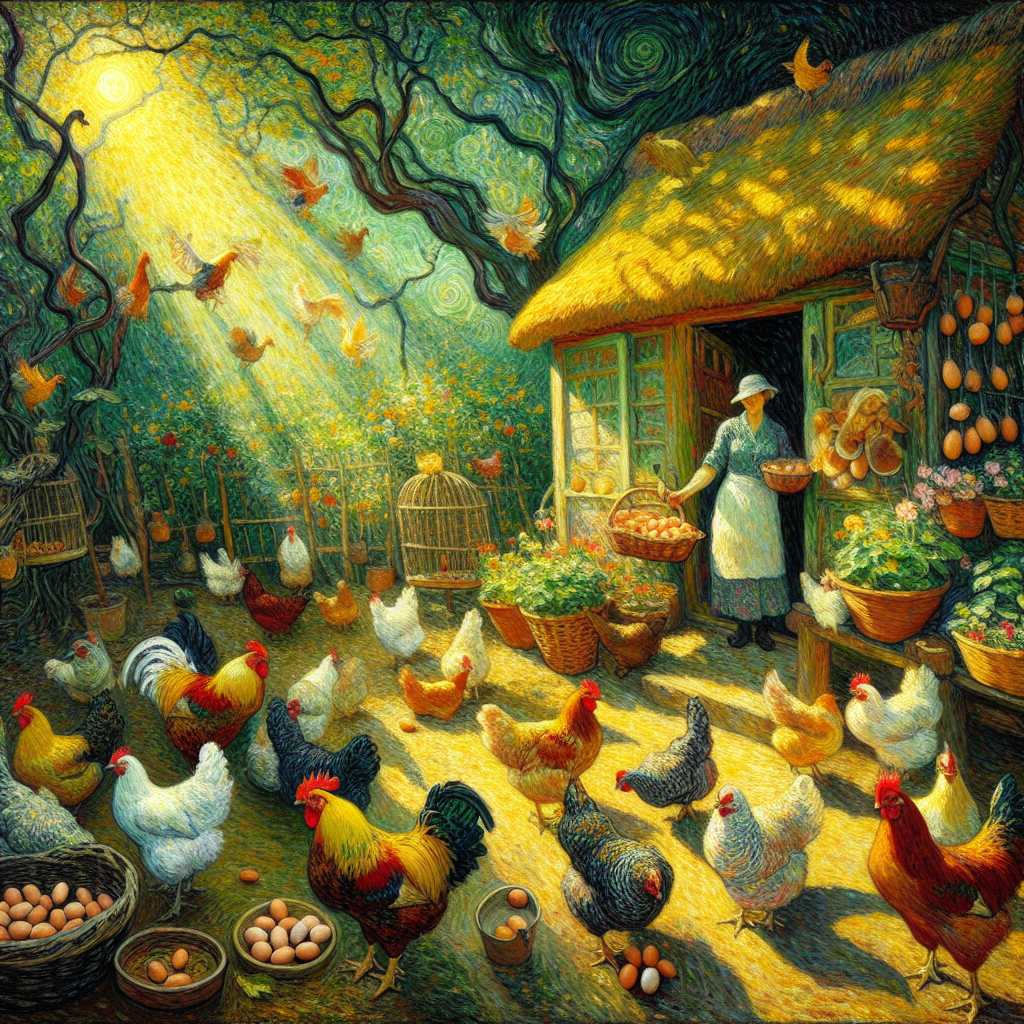
A balanced backyard isn’t just a dream—it’s a compelling opportunity to align our lives with nature’s rhythms. Imagine stepping outside to a vibrant symphony of life, where the gentle clucks of backyard chickens serve as a reminder of the profound connection we share with the earth. These feathered friends do more than provide fresh eggs; they enrich our soil, recycle our food scraps, and teach us invaluable lessons about responsibility and sustainability. As you gather the rewards of your garden, you connect not just to your food but to a deeper sense of community, crafting experiences that feed both body and soul.
Living in a world driven by convenience can often mean losing sight of our roots—both literally and figuratively. But by embracing the essence of a balanced backyard, we reclaim that connection. It’s a conscious choice that resonates on emotional, ethical, and rational levels. Choosing native plants, for instance, isn’t merely about aesthetics; it’s about fostering biodiversity and honoring our ecosystems. These local warriors thrive on minimal resources while supporting pollinators, reducing chemical use, and nurturing a vibrant community filled with life. This is where we start to see the ripple effect of our choices.
As we transform our outdoor spaces into thriving oases, we weave together elements of joy, sustainability, and responsibility. Each garden visit becomes a meditative experience, deepening our relationship with the environment and infusing our days with purpose. Who knew that digging in the dirt could spark such fulfillment? From entertaining with home-cooked meals made from freshly harvested produce to inspiring neighbors through the beauty of a backyard well-tended, we become catalysts for change.
The balanced backyard is more than just our small patch of paradise; it’s a statement about our values and our commitment to the planet. Together, we can cultivate spaces that support not only our well-being but that of the planet, fostering a deeper appreciation for the natural world. This journey isn’t just about what we grow; it’s about how we grow—as individuals and as a community. So let’s roll up those sleeves, embrace the beauty of imperfection, and take the first step toward reimagining our backyards. The earth is ready to cooperate, and the rewards are simply waiting to blossom.
Conclusion
Conclusion:
- A balanced backyard aligns our lives with nature’s rhythms.
- Backyard chickens provide fresh eggs, enrich soil, and promote sustainability.
- Gardening fosters a sense of community and connects us to our food.
- Choosing native plants enhances biodiversity and supports local ecosystems.
- Transforming outdoor spaces promotes joy, sustainability, and responsibility.
- The balanced backyard reflects our values and commitment to the planet.
- This journey is about growth as individuals and as a community.

Conclusion
Other Resources

Other Resources
Here is a list of other resources you can review online to learn more:
- Alfalfa
- grower feed
- seeds
- green potato skins
- cooked beans
- Dutch Bantam
- foxes
- Wyandotte
- Sussex
- Rhode Island Red
- raccoons
- compost
- apples
- Gumboro
Use This Prompt To Get More Resources With Your Favorite Online AI Tool: Please provide me with a list of online articles with their URLs in a bulleted list that I can read regarding The Balanced Backyard – Efficiency Meets Ecology

Other Resources
Glossary Terms
The Balanced Backyard – Efficiency Meets Ecology – Glossary Of Terms
1. Biodiversity: The variety of plant and animal life in a particular habitat, essential for ecosystem health.
2. Composting: The process of recycling organic materials into nutrient-rich soil amendment.
3. Permaculture: A sustainable design system that seeks to create self-sufficient agricultural systems by mimicking natural ecosystems.
4. Rain Garden: A planted depression designed to manage stormwater runoff, promoting infiltration and reducing erosion.
5. Native Plants: Flora that naturally occurs in a specific region, supporting local wildlife and requiring less water and maintenance.
6. Xeriscaping: Landscaping approach that reduces or eliminates the need for irrigation by using drought-resistant plants.
7. Sustainable Practices: Actions that meet current needs without compromising the ability of future generations to meet their own needs.
8. Pollinator Garden: A garden specifically designed to attract and support bees, butterflies, and other pollinators.
9. Soil Health: The condition of soil in terms of its biological, chemical, and physical properties, crucial for plant growth.
10. Rainwater Harvesting: The collection and storage of rainwater for reuse, reducing demand on local water supplies.
11. Hardscape: The non-plant elements of landscape design, such as pathways, patios, and walls.
12. Ecosystem Services: The benefits that humans obtain from ecosystems, including clean water, pollination, and carbon storage.
13. Green Roof: A roof covered with vegetation that provides insulation, reduces stormwater runoff, and improves air quality.
14. Edible Landscaping: Integrating food-producing plants into ornamental landscapes, promoting food security and ecological diversity.
15. Carbon Sequestration: The process of capturing and storing atmospheric carbon dioxide, helping mitigate climate change.
16. Mulching: The application of organic or inorganic materials over soil to retain moisture, suppress weeds, and improve soil health.
17. Drip Irrigation: A water-saving irrigation method that delivers water directly to the roots of plants.
18. Wildlife Habitat: A natural environment where animals and plants can thrive, often enhanced by human-created spaces.
19. Integrated Pest Management (IPM): An ecological approach to managing pests that combines biological, cultural, and chemical practices.
20. No-Dig Gardening: A gardening method that avoids disturbing the soil structure, promoting healthy soil ecology.
21. Green Energy: Renewable energy sources such as solar or wind that are environmentally friendly and sustainable.
22. Sustainable Lawn Care: Practices that promote a healthy lawn while minimizing chemical use and environmental impact.
23. Landscape Architecture: The art and science of designing outdoor spaces that are functional, aesthetic, and ecologically sustainable.
24. Aquaponics: A system that combines aquaculture (raising fish) and hydroponics (growing plants in water), creating a symbiotic environment.
25. Erosion Control: Techniques aimed at preventing soil loss due to wind or water, often using plants or artificial structures.
26. Urban Forestry: The management of trees in urban settings for their environmental, social, and economic benefits.
27. Soil Amendment: Any material added to soil to improve its quality, enhancing nutrient content and structure.
28. Thermal Mass: Materials that absorb and store heat energy, helping to regulate temperatures in buildings and outdoor spaces.
29. Windbreak: A row of trees or shrubs planted to reduce wind velocity, protecting crops and landscapes.
30. Smart Irrigation: Advanced irrigation systems that use technology to optimize water use based on weather conditions and soil moisture.

Glossary Of Terms
Other Questions
The Balanced Backyard – Efficiency Meets Ecology – Other Questions
If you wish to explore and discover more, consider looking for answers to these questions:
- What are the specific benefits of raising backyard chickens?
- How can I get started with composting at home?
- What are some common native plants suitable for my region?
- How do I design a vertical garden in a small space?
- What are integrated pest management strategies for a sustainable garden?
- How does water conservation specifically benefit my garden’s health?
- What ethical responsibilities come with sustainable gardening practices?
- How can native plants attract pollinators to my garden?
- What tools do I need to start a backyard chicken coop?
- What are some eco-friendly landscaping options besides native plants?
- How can I engage my community in sustainable gardening practices?
- What impact does backyard gardening have on local ecosystems?
- How do I integrate edible plants into my ornamental garden?
- What are some successful crop rotation strategies for home gardens?

Other Questions
Haiku
The Balanced Backyard – Efficiency Meets Ecology – A Haiku
Backyard whispers bloom,
Chickens scratch in harmony,
Nature’s heart restored.

Haiku
Poem
The Balanced Backyard – Efficiency Meets Ecology – A Poem
In the heart of our backyards beats a life,
Where nature and nurture dance, free from strife.
Chickens cluck and roam, turning scraps into gold,
They teach us the rhythms of life manifold.
Imagine a garden, an oasis so bright,
With colors and scents that bring pure delight.
Native plants whisper, attracting each bee,
Fostering friendships ‘tween land and the tree.
With each little egg, with each vibrant bloom,
You discover the magic that can dispel gloom.
This bond with the earth, both tender and wise,
Connects us to roots spread under vast skies.
Here’s the truth—our choices hold power,
In every seed planted, there’s a promise to flower.
A dignity born from the soil we embrace,
Is a legacy cherished, a sustainable place.
So think of the meals shared under sun’s glow,
With friends gathered close, watch our love overflow.
To move from mere lawns to alive, thriving space,
Is not just a trend—it’s an ethical grace.
Join hands with the earth, let the visions unfold,
A narrative woven, both new and yet old.
Together we rise, it’s a culture reborn,
In the balance of backyard, a future we’ve sworn.

Poem
Checklist
The Balanced Backyard – Efficiency Meets Ecology – A Checklist
Checklist for Creating a Balanced Backyard: Efficiency Meets Ecology
Emotional Appeals:
1. Envision daily joy: Picture your family receiving fresh eggs from your backyard.
2. Create treasured moments: Plan gatherings in your eco-friendly oasis with loved ones.
3. Foster emotional connections: Develop relationships with the land, animals, and community.
Rational Appeals:
4. Maximize your resources: Implement vertical gardening techniques to save space in your backyard.
5. Reduce waste: Start composting kitchen scraps to enrich your soil and decrease landfill contribution.
6. Invest in sustainability: Utilize rainwater harvesting systems and efficient irrigation methods.
Ethical Appeals:
7. Cultivate biodiversity: Incorporate native plants to support local wildlife and enhance environmental health.
8. Make a responsible choice: Raise backyard chickens to promote a sustainable, self-sufficient ecosystem.
9. Educate others: Share your sustainable practices and inspire neighbors to engage in eco-friendly gardening.
Authority Appeals:
10. Follow expert advice: Consult gardening books, local extension services, or experts on sustainable practices.
11. Join gardening networks: Connect with communities or organizations focused on urban farming and sustainability.
Narrative Appeals:
12. Share your journey: Document your progress in transforming your yard and the experiences you encounter.
13. Tell stories: Relate the joys and challenges of integrating chickens into your gardening routine.
Social Appeals:
14. Build a community: Organize local events or workshops focused on sustainable gardening practices.
15. Participate in social media: Share your backyard achievements and invite others to join the movement.
16. Celebrate shared values: Host potlucks or barbeques featuring homegrown produce, fostering communal ties.
This checklist aims to inspire the actions needed to create a backyard that harmonizes productivity and ecological awareness, enriching both personal well-being and the community at large.

Checklist
At BackyardChickenNews, we help people who want to raise backyard chickens by collating information and news blended with our own personal experiences.
Be sure to read our other related stories at BackyardChickenNews to learn more about raising chickens in your backyard.