

Empowering Communities With A Fresh Take On Entrepreneurship
By Tom Seest
At BackyardChickenNews, we help people who want to raise backyard chickens by collating information and news blended with our own personal experiences.
Be sure to read our other related stories at BackyardChickenNews to learn more about raising chickens in your backyard.
The Lemonade Stand, Reinvented-Now It Clucks
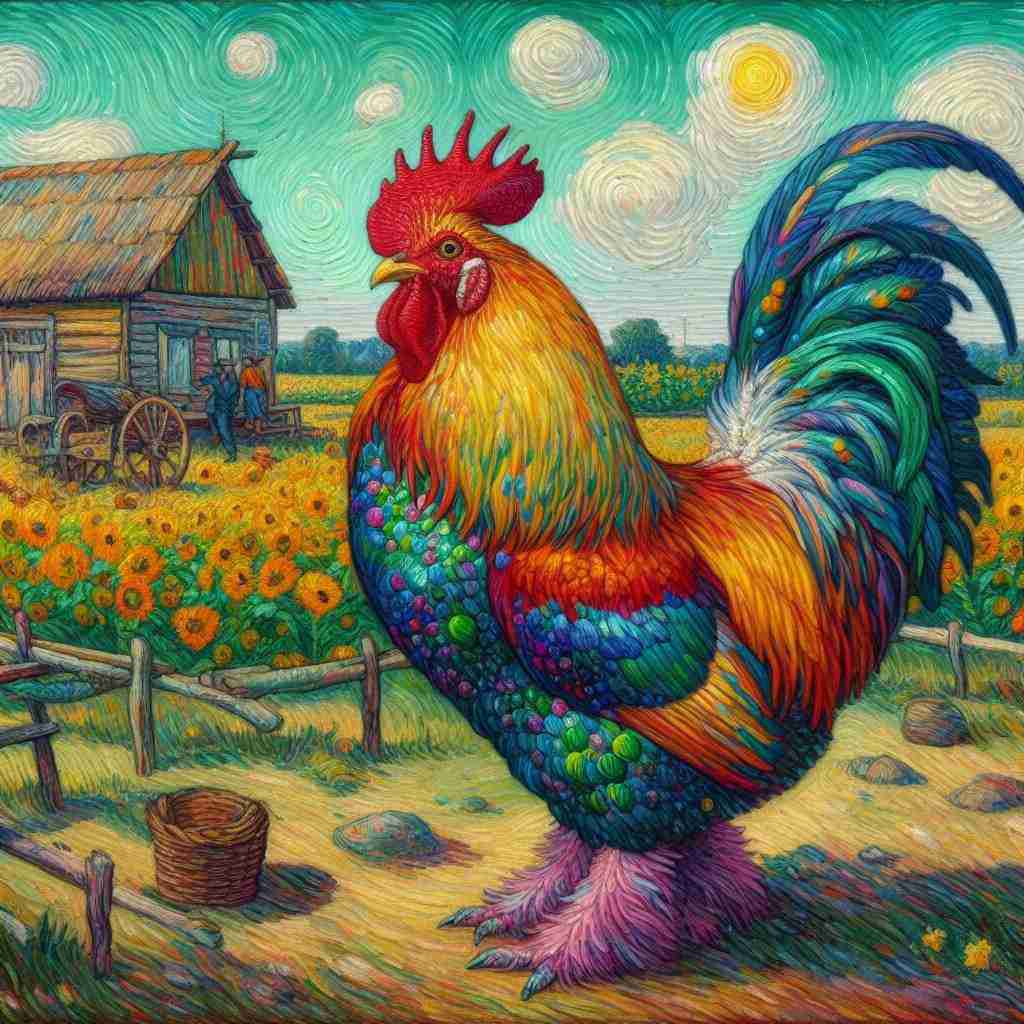
Picture this: a warm afternoon in the neighborhood, the sun spilling golden light across freshly mowed lawns. Children laughing, the aroma of BBQ wafting through the air, and while you’re standing there sipping a cold drink, you spot it in someone’s backyard—a modest chicken coop. It’s not just a quirky charm; it’s a new take on an age-old economic venture. Welcome to the era where the humble lemonade stand has been reinvented and now proudly clucks along with backyard chickens like a clever little entrepreneurial machine.
The idea is audaciously simple: why not tap into the heart of sustainability while embracing the economy of your own backyard? Chickens are no longer just farm elements; they’re full-fledged business partners, providing delicious, fresh eggs that keep you and your neighbors happy. Picture your children running around, chests puffed with pride as they collect eggs, and the glittering smiles on their faces when they realize they’re providing a tangible good for your community. This is more than just a project; it’s a lifetime lesson in responsibility and entrepreneurship.
Research backs this idea up, pointing out that raising chickens can reduce household waste, lower grocery bills, and bring families closer. The stats don’t lie—people around the country are throwing aside skepticism in favor of feathered friends for a myriad of reasons, and it all stems from an ethical desire to reconnect with their food sources. When you know the life of a chicken that lays your breakfast, there’s a bond—a moral high ground that simply can’t be overlooked.
While navigating the challenges of flighty hens and the occasional rogue rooster might stir up your competitive side, the social component is just as important. Join backyard chicken communities, online forums, or local meet-ups to share experiences, recipes, and even trade eggs. It’s the camaraderie that develops around this rural revival that can be as fulfilling as the harvest itself.
So why not do something that appeals to your heart, head, and gut? Take a small step into the world of backyard chickens. It’s more than just a quirky project; it’s an invitation to rethink how we interact with our environment and our food. Embrace this revolution one chick at a time, and who knows? Maybe it’ll lead to more than just fresh eggs, but a symphony of connection, joy, and sustainability in your very own backyard.

The Lemonade Stand, Reinvented-Now It Clucks
The Lemonade Stand, Reinvented-Now It Clucks
- Warm neighborhood atmosphere filled with laughter and BBQ aromas.
- Backyard chickens are being embraced as a sustainable economic venture.
- Chickens provide fresh eggs, fostering pride and responsibility in children.
- Research indicates that raising chickens can reduce waste and grocery bills.
- People are reconnecting with food sources for ethical and moral reasons.
- Joining chicken communities fosters camaraderie and shared experiences.
- Backyard chickens offer a fresh perspective on sustainability and connection.

The Lemonade Stand, Reinvented-Now It Clucks
Table Of Contents
- The Lemonade Stand, Reinvented-Now It Clucks
- What Makes a Simple Lemonade Stand Evoke Fond Childhood Memories?
- How Do We Balance Profit with Sustainability In Our Initiatives?
- How Does Our Community Benefit When We Support Local Businesses?
- How Can Understanding Consumer Behavior Enhance Our Sales Strategy?
- What Role Does Transparency Play In Gaining Customer Trust?
- How Can We Leverage Technology to Enhance Our Unique Offering?
- What Challenges Do Young Entrepreneurs Face and How Can We Help Them?
- Conclusion
- Other Resources
- Glossary Of Terms
- Other Questions
- Haiku
- Poem
- Checklist
What Makes a Simple Lemonade Stand Evoke Fond Childhood Memories?
A simple lemonade stand conjures a kaleidoscope of memories, often set against the backdrop of a scene that’s as quintessentially American as baseball and apple pie. As you sip that tart, sweet beverage, you’re transported to sun-soaked afternoons where the world was painted with the vibrant hues of childhood. It’s not just about the lemonade; it’s about the experience—the thrill of setting up shop, the bright yellow umbrella shielding you from the sun, and the steady stream of neighbors stopping by. Each cup poured is a lesson in hard work, a moment of entrepreneurship wrapped in the joyous innocence of youth.
But what is it about that humble stand that finds a cozy corner in our hearts? Perhaps it’s the nostalgic reminder of simpler times when all you needed was a pitcher of lemonade and a couple of willing friends to turn a mundane afternoon into a mini enterprise. It’s these memories that evoke a sense of community, where kindness resides and neighbors become allies in the pursuit of a dream—no matter how small. Each dollar earned isn’t just pocket change; it’s a trophy, a validation of effort, and a reason to celebrate the day.
On a deeper level, there are ethical undertones in this tale of lemonade. Kids learn vital skills, like handling cash, managing supplies, and the importance of hard work. They discover that success isn’t just about making a sale; it’s about connecting with people, creating smiles, and fostering relationships. Parents look on from their porches, proud of their children—though the currency flows in quarters, the lessons are priceless. There’s a beautiful harmony in teaching responsibility amidst the laughter, a balance that resonates with anyone who’s ever ventured to fulfill a simple dream.
And let’s not forget the backdrop—a backyard, perhaps home to plucky backyard chickens, adding to the charm of this all-American scene. Each cluck and flutter reminds us of the authenticity of that space, where life is unfiltered and organic, offering a tangible connection to the earth and our roots. This vivid imagery wrapped in nostalgia invites us to reconnect with what truly matters: community, hard work, and the sweet taste of accomplishment. So as you enjoy that lemonade, take a moment to relish in those memories, for they’re not just echoes of a simpler past; they’re the foundation of who we are today.

What Makes a Simple Lemonade Stand Evoke Fond Childhood Memories?
What Makes a Simple Lemonade Stand Evoke Fond Childhood Memories?
- A lemonade stand symbolizes quintessential American childhood memories, akin to baseball and apple pie.
- It evokes nostalgia for simpler times, turning mundane afternoons into mini enterprises with friends.
- The experience includes setting up the stand, interacting with neighbors, and learning about entrepreneurship.
- Earned money represents both a tangible reward and a celebration of effort, fostering a sense of community.
- Kids learn essential skills, such as cash handling, supply management, and the value of hard work.
- Parents take pride in their children’s ventures while balancing responsibility and joy in the learning process.
- The setting, often with backyard elements like chickens, enhances the charm and authenticity of the experience.

What Makes a Simple Lemonade Stand Evoke Fond Childhood Memories?
How Do We Balance Profit with Sustainability In Our Initiatives?
When we talk about balancing profit with sustainability, it’s like tending to a garden in your backyard. You’ve got to nurture those seedlings—plant the right seeds, water them, provide sunlight—because the better you care for them, the more vibrant and fruitful your harvest. But while you’re out there, knee-deep in the dirt, it’s easy to forget that time is money. We often view profit and sustainability as opposing forces, but what if they’re more like two sides of the same coin?
Think about it: many of us have found joy in keeping backyard chickens. They’re an investment of time and resources, but they provide fresh eggs, nutrient-rich fertilizer, and a connection to the natural world. That’s the heart of the balance we’re seeking. When businesses prioritize sustainability, they’re not just checking boxes; they’re cultivating a community—one where each choice reflects their values. With consumers increasingly demanding responsible practices, investing in sustainability can lead to long-term profitability.
Of course, that doesn’t mean it’s easy. Our heads know the math: sustainable practices can sometimes involve initial costs that make financial folks wince. But as we engage in the science of sustainability, we learn that energy savings, waste reduction, and enhanced consumer trust can lead to thriving endeavors. Companies consistently focused on sustainability tend to outperform their less eco-conscious counterparts, proving that a commitment to the planet is also a commitment to profit.
Ethically, what’s at stake is our future. Each one of us is part of a broader ecosystem, with responsibilities that extend beyond our businesses and into the communities we affect. Consumers resonate with brands that align their profits with positive impact. By leading with purpose, these brands create a narrative that inspires loyalty and sets the standard for future practices.
Finally, let’s not underestimate the social aspect. People love to share stories about their experiences, like how those backyard chickens not only provide fresh eggs but also bring families together, teach responsibility, and reduce reliance on factory-farmed goods. It’s about connection—building a web of shared values and collective action.
So, let’s roll up our sleeves and dig in. By thoughtfully balancing profit with sustainability in our initiatives, we’re investing in something more than just the bottom line; we’re investing in a future worth having—one that nourishes every stakeholder from the ground up.

How Do We Balance Profit with Sustainability In Our Initiatives?
How Do We Balance Profit with Sustainability In Our Initiatives?
- Balancing profit and sustainability is comparable to nurturing a garden: the right care leads to fruitful outcomes.
- Profit and sustainability can coexist and are not opposing forces; they can complement each other.
- Investing in sustainability has tangible benefits, such as producing fresh products and connecting with nature.
- Emphasizing sustainability nurtures community engagement and aligns business choices with consumer values.
- Sustainable practices may require initial investments, but they can yield long-term profitability through energy savings and waste reduction.
- Brands that prioritize sustainability tend to gain consumer loyalty and set a positive example for future practices.
- A holistic approach to profit and sustainability fosters connections and shared values among stakeholders.
How Do We Balance Profit with Sustainability In Our Initiatives?
How Does Our Community Benefit When We Support Local Businesses?
When we choose to support local businesses, we’re not just fueling the economy; we’re nurturing the very fabric of our community. Picture this: a Saturday morning at your local farmer’s market, laughter mingling with the fresh scents of homegrown fruits and vegetables. Those aren’t just tomatoes and peppers for sale; they’re a slice of your neighbor’s hard work, pride, and passion. Each purchase transforms into a personal connection, a handshake across the stall, a nod acknowledging the shared goal of community sustainability.
Think about the ripple effects of buying from the shop down the street instead of the faceless megastore miles away. It’s a classic case of keeping the dollars in your community. When you nurture local businesses, you’re empowering the person who might just be the backbone of your neighborhood—a small business owner risking it all for their dream. By choosing local, you’re not just making a purchase; you’re participating in a shared narrative marked by resilience and creativity. You’re investing in your own backyard, literally and metaphorically. From the fresh eggs from neighbors raising backyard chickens to artisan crafts that tell a story, every local product carries a history that links you with the people around you.
Beyond sentimentality, supporting local businesses fuels ethical practices. Local shops often prioritize sustainability and responsible sourcing, ensuring that your money supports a vision for a healthier planet. These establishments tend to be more engaged and invested in their communities, often giving back through sponsorships, donations, or simply investing their profits right back into local initiatives. When local businesses thrive, our streets are cleaner, our parks are well-kept, and our festivals are vibrant.
The narrative we craft as a community matters. Each time we choose local over corporate chains, we’re sending a message that we value quality, integrity, and neighborly support. We’re making a conscious decision to foster a community where children play freely and businesses flourish hand in hand. This is where our hearts and guts align—in the belief that a thriving local economy signifies a thriving community.
Together, let’s champion these local heroes and recognize that every dollar spent is a vote cast for the kind of community we wish to nurture. So, next time you consider where to shop, remember the uplift that comes with supporting your local businesses—it’s a choice that benefits not just the wallet, but the soul of your community.

How Does Our Community Benefit When We Support Local Businesses?
How Does Our Community Benefit When We Support Local Businesses?
- Supporting local businesses nurtures community and strengthens the economy.
- Purchasing from local vendors fosters personal connections and shared goals of sustainability.
- Buying locally keeps dollars circulating within the community, empowering small business owners.
- Local products carry history and stories that connect residents, from fresh produce to artisan crafts.
- Local shops often prioritize ethical practices and sustainability, investing in the well-being of the planet.
- Thriving local businesses contribute to cleaner streets, well-kept parks, and vibrant community events.
- Choosing local over corporate chains sends a message of valuing quality, integrity, and neighborly support.

How Does Our Community Benefit When We Support Local Businesses?
How Can Understanding Consumer Behavior Enhance Our Sales Strategy?
Understanding consumer behavior isn’t just some academic exercise. It’s about grappling with the essential truths of what makes us all tick—what we crave, what we fear, and what drives us to take action. Picture this: A family in the suburbs is contemplating adding a flock of backyard chickens to their lives. The image of fresh eggs, the joy of nurturing living creatures, and the desire for a more sustainable lifestyle dance in their minds. But it’s not all sunshine and feathers; there are concerns about space, upkeep, and whether this dream fits into their busy lives.
Now, let’s break this down. When you grasp the nuances of consumer behavior, you don’t just create sales pitches; you craft narratives that resonate. You tap into the emotional desires of your audience, those deep-seated yearnings for connection, sustainability, and homeliness. Imagine sharing stories of how a simple coop transformed a mundane backyard into a thriving ecosystem. By showcasing vibrant testimonials, you build trust and create authority in your field, leading potential customers on a journey that feels relatable and inviting.
But it goes deeper than that. Rational appeals come into play when you discuss the practicality of keeping backyard chickens. You provide statistics on the cost savings of raising your own poultry or the positive environmental impact of reducing the carbon footprint associated with store-bought eggs. This is where the head kicks in, addressing concerns with compelling information that alleviates fears and prompts action.
Ethics matters, too. Showcase the humane treatment of animals and the ethical sourcing of your products. Consumers today are keenly aware of the world around them and increasingly making choices based on their moral compass. By positioning your brand as a steward of responsible practices, you align yourself with their values, drawing in those who seek not just a product but a purpose.
In navigating this intricate web of emotions and rational concerns, you foster a connection. You inspire confidence that your offering isn’t just another fad—it’s a choice that enhances quality of life. When consumers see their dreams of backyard chickens within reach, thanks to your insight into their behaviors and needs, they’re not just buying a product; they’re joining a community. This partnership paves the way for long-term loyalty and sustainable growth. Understanding consumer behavior, after all, is about unlocking the doors to those shared dreams.

How Can Understanding Consumer Behavior Enhance Our Sales Strategy?
How Can Understanding Consumer Behavior Enhance Our Sales Strategy?
- Understanding consumer behavior reveals what drives our desires, fears, and actions.
- The contemplation of keeping backyard chickens highlights emotional desires such as sustainability and connection.
- Crafting narratives instead of mere sales pitches enhances relatability with potential customers.
- Rational appeals play a role by addressing practicality, such as cost savings and environmental impact.
- Ethical considerations are essential; consumers prefer brands that practice humane treatment and responsible sourcing.
- Building connections with consumers fosters long-term loyalty, transforming purchases into a community experience.
- Ultimately, understanding consumer behavior opens doors to fulfilling shared dreams and values.

How Can Understanding Consumer Behavior Enhance Our Sales Strategy?
What Role Does Transparency Play In Gaining Customer Trust?
When it comes to building genuine trust with customers, transparency isn’t just a buzzword; it’s the backbone of long-lasting relationships. Imagine a community where everyone is open about their intentions, like neighbors who proudly share their backyard chickens, showing off how they care for them. This openness fosters a sense of belonging—customers want to feel like they’re part of something bigger, a family of sorts where honesty reigns supreme.
Let’s get real. In today’s world, consumers are bombarded with options, and they have their guard up. They want more than just a polished sales pitch; they crave understanding. This is where transparency steps in, illuminating the path to connection. When a company opens its books, shares its processes, and admits its missteps, it doesn’t just show vulnerability—it reveals authenticity. And authenticity is like gold in the marketplace. It says to customers, “We’re just like you. We have flaws, and we’re committed to fixing them.”
Think about a time when you felt let down by a brand. Chances are, it was a lack of communication that ruined your experience. You felt like a transaction rather than a valued customer. By being transparent, businesses can answer questions before they’re even asked. They can address potential concerns head-on, showing that they prioritize the customer’s peace of mind over profit. This not only builds trust but also cultivates loyalty—consumers are more likely to stick around when they know what’s behind the curtain.
Let’s not overlook the ethical implications, either. Companies that embrace transparency set the standard for others. They lead by example, encouraging a culture of honesty that ripples through the industry. Customers feel empowered when they support businesses that align with their values. It’s about more than just transactions; it’s about making informed choices together.
Invite your customers into the conversation. Share your story and the story of your team, just like those proud backyard chicken owners share tales of their daily adventures and challenges. Encourage an open dialogue, because that’s where trust thrives. Real relationships aren’t built on flawless execution but on a foundation of sincerity and shared experiences. In today’s marketplace, a little transparency goes a long way—it’s the kind of authenticity that not only inspires trust but cultivates a community that stands by you, no matter what.

What Role Does Transparency Play In Gaining Customer Trust?
What Role Does Transparency Play In Gaining Customer Trust?
- Transparency is essential for building genuine trust with customers and fostering long-lasting relationships.
- Openness creates a sense of belonging, making customers feel part of a community where honesty prevails.
- Consumers today seek more than sales pitches; they desire understanding and connection.
- Sharing company processes and acknowledging mistakes demonstrates authenticity and vulnerability to customers.
- Transparent communication can prevent disappointment and build customer loyalty by prioritizing peace of mind.
- Companies that embrace transparency set industry standards, promoting a culture of honesty and empowering customers.
- Encouraging customer dialogue and sharing stories fosters trust and builds real relationships based on sincerity.

What Role Does Transparency Play In Gaining Customer Trust?
How Can We Leverage Technology to Enhance Our Unique Offering?
When we think about enhancing our unique offerings through technology, let’s zero in on something grounded and approachable—just like those backyard chickens you often hear about in your neighborhood. They bring a sense of home, community, and raw simplicity that has been lost in our fast-paced world. Now, imagine harnessing technology to make those experiences even richer.
Picture this: a simple app that connects your backyard chicken experience with other enthusiasts in the community. A platform where you can swap tips on feed, discuss the quirks of your flock, and even organize local meet-ups to share stories. This isn’t just an app; it’s a lifeline to a network of fellow chicken aficionados. This blend of technology and community can make you feel less like a lone ranger tending your coop and more like part of a vibrant, supportive family.
On a rational level, think about the efficiency we can achieve. From automated feeders remotely managed via your smartphone to sensors that monitor your chickens’ health, technology can help streamline your daily chores. A few taps on your phone could mean more time in your yard watching your chickens scratch, instead of racing against the clock to feed them.
But let’s not forget the ethical side of things. By paying attention to how we raise these animals and applying tech for their betterment, we foster a relationship built on care and respect. We’re not just raising chickens; we’re implementing sustainable practices that ensure humane conditions, which in turn nurtures trust within our community.
When we weave in narratives of success—like stories from neighbors who transformed their backyards with technology-driven solutions—it becomes a powerful motivator. Each account adds layers to this collective journey, turning moments of frustration into triumph.
And let’s not overlook the social aspect. As we share our experiences through social media or community blogs, we’re not standing alone. We’re part of a larger movement where backyard chicken keeping becomes a symbol of resilience and a return to our roots.
With every technological step towards enhancing our unique offering, we’re not just adding features—we’re enriching lives, fostering connection, and embracing a community spirit that transcends the ordinary. So let’s step forward together, plowing our abundant fields of opportunity as we nurture our passions, one feathered friend at a time.

How Can We Leverage Technology to Enhance Our Unique Offering?
How Can We Leverage Technology to Enhance Our Unique Offering?
- The proposal involves enhancing backyard chicken experiences through relatable technology.
- Envision an app connecting chicken enthusiasts to share tips and organize local meet-ups.
- This platform fosters community, making chicken keepers feel part of a supportive family.
- Technology can improve efficiency with features like automated feeders and health monitoring sensors.
- Ethical considerations ensure humane treatment of chickens and promote sustainable practices.
- Success stories from the community serve as motivational narratives shaping a collective journey.
- By embracing technology, we enrich lives and cultivate a thriving community spirit among chicken keepers.

How Can We Leverage Technology to Enhance Our Unique Offering?
What Challenges Do Young Entrepreneurs Face and How Can We Help Them?
Young entrepreneurs are the lifeblood of innovation, bringing fresh ideas and bold ambitions to the table—yet they face challenges that can leave even the most passionate among them feeling overwhelmed. Think of the small town dreamer who nurtures a vision as tenderly as someone raising Backyard Chickens. Just like those chickens, young businesses hatch from the tiniest of eggs and require constant attention, patience, and care to thrive.
One of the most significant hurdles is access to capital. When you’re starting out, the world often feels like a locked vault, with funding opportunities available only to those with experience or connections. It’s disheartening, isn’t it? If we place ourselves in their shoes, we can understand the frustration of seeing potential but lacking the means to bring it to life. It’s not just about money—it’s about validation, empowerment, and belief that someone out there cares about their idea.
Moreover, young entrepreneurs often grapple with an intimidating marketplace that feels stacked against them. Economies fluctuate, competition intensifies, and they find themselves navigating these waters with little guidance. It’s like pouring a bucket of water on a seedling during a thunderstorm—every drop is both a blessing and a potential drowning. Here lies our moral responsibility: we must foster environments where mentorship flourishes. Just as we would hope to guide a young bird taking its first flight, experienced entrepreneurs can play a pivotal role in lifting these novices skywards.
But we also must tackle the internal struggles they face. Self-doubt, fear of failure, and the weight of expectation can create an internal dialogue so loud it drowns out their vision. Here, community becomes indispensable. When we champion shared spaces—co-working environments, networking events, or even casual meet-ups—we create a tapestry woven with support. It’s in these connections, over coffee or a meal, that budding entrepreneurs discover they are not alone in their fears and dreams.
Let’s be real: the entrepreneurial journey is a rollercoaster, filled with highs and lows. But when we extend our hands, share our wisdom, and celebrate each small victory, we become part of their story. The dreams that started from those little ideas can grow into something formidable—like a thriving farm, where ideas take root and flourish. Together, let’s cultivate the next generation of entrepreneurs, inspiring trust, confidence, and action for a brighter tomorrow.

What Challenges Do Young Entrepreneurs Face and How Can We Help Them?
What Challenges Do Young Entrepreneurs Face and How Can We Help Them?
- Young entrepreneurs drive innovation with fresh ideas and bold ambitions.
- Access to capital is a major challenge, often limited to those with experience or connections.
- The marketplace is intimidating, with fluctuating economies and intense competition.
- Mentorship is crucial for helping young entrepreneurs navigate their challenges.
- Internal struggles like self-doubt and fear of failure can hinder their progress.
- Community support through shared spaces and events fosters connections and encouragement.
- Collectively, we can help cultivate the next generation of entrepreneurs for a brighter tomorrow.

What Challenges Do Young Entrepreneurs Face and How Can We Help Them?
Conclusion
In the bright light of a sunny afternoon, imagine the essence of an American tradition—children gathering around to peddle lemonade. But today, this nostalgic scene is reimagined through backyard chickens, transforming our entrepreneurial spirit into a sustainable venture that nourishes both our communities and our families. Embracing the concept of integrating chickens into our backyards represents not just an economic opportunity but a meaningful reconnection with our food sources. With each egg collected, families are not only enjoying fresh produce but also teaching their children the values of responsibility, hard work, and community involvement.
This movement toward raising chickens symbolizes a return to ethical and sustainable practices, where families can directly witness their impact on the environment and economy. Statistics tell us that keeping chickens cuts grocery bills while reducing food waste—an objective that aligns our desire for financial prudence with a sense of ecological consciousness. Every cage-free egg is a testament to our commitment to compassion, reinforcing bonds between families and their ecosystem.
The social dimension of this narrative cannot be overlooked. By joining local chicken-keeping communities, families build connections that transcend mere transactions. Websites and forums become vibrant platforms where shared experiences cultivate camaraderie. From trading recipes to swapping eggs, these interactions create a network that fosters a powerful sense of belonging—a community rallying around a common purpose.
But let’s pivot to the broader implications of supporting local entrepreneurship. When we buy locally, we’re not just spending money; we’re investing in the dreams and aspirations of our neighbors. Every dollar spent on local produce means amplifying stories of resilience, creativity, and commitment to ethical practices. It’s about choosing to uplift our surroundings, transforming our neighborhoods into thriving hubs of innovation and compassion.
As we embody these values of transparency, trust, and sustainability in our initiatives, we fortify the foundation of our communities. Understanding consumer behavior teaches us the importance of empathy in our business dealings, crafting stories that resonate on emotional and rational levels. This approach inspires loyalty and trust as customers recognize their choices matter.
Let’s not forget the spirit of mentorship for the next generation of entrepreneurs. Just as backyard chickens thrive with care and dedication, these budding innovators require our guidance and support. We must cultivate environments where their dreams can flourish, mentoring from our own experiences and enabling them to soar.
So, whether you’re considering adopting backyard chickens or simply exploring ways to support local businesses, remember this journey requires action at the grassroots level. Together, we can forge connections, enhance sustainability, and empower young entrepreneurs, turning our local communities into vibrant ecosystems filled with opportunity and joy. With each step forward, we not only enrich our lives but also lay the groundwork for a thriving, interconnected future.

Conclusion
Conclusion:
- The tradition of children selling lemonade is reimagined with backyard chickens, fostering entrepreneurship and sustainability.
- Raising chickens promotes reconnection with food sources, teaching children responsibility, hard work, and community values.
- This practice leads to ethical and sustainable living, directly impacting the environment and reducing grocery bills.
- Joining local chicken-keeping communities cultivates connections and creates a sense of belonging through shared experiences.
- Buying locally supports neighbors’ dreams and transforms neighborhoods into innovative and compassionate hubs.
- Emphasizing empathy and transparency in business fosters customer loyalty and trust in community initiatives.
- Mentoring the next generation of entrepreneurs nurtures their potential and helps build thriving local ecosystems.

Conclusion
Other Resources

Other Resources
Here is a list of other resources you can review online to learn more:
- Andalusian
- Strawberries
- Coliform Infection
- Leghorn
- Fowl Cholera
- Delaware
- Capillaria
- Sultan
- Austra White
- grubs
- Serama
- chard
- Thread Worms
- Black Sex Link
- ISA Brown
- Olive Egger
- onions
- Large Intestinal Roundworms
- collard greens
Use This Prompt To Get More Resources With Your Favorite Online AI Tool: Please provide me with a list of online articles with their URLs in a bulleted list that I can read regarding The Lemonade Stand, Reinvented-Now It Clucks

Other Resources
Glossary Terms
The Lemonade Stand, Reinvented-Now It Clucks – Glossary Of Terms
1. Lemonade Stand: A small business, typically run by children, selling lemonade to passersby, symbolizing entrepreneurship.
2. Clucking: The sound made by chickens, often used to symbolize fresh or farm-based ingredients in culinary ventures.
3. Entrepreneurship: The process of starting and managing a new business venture in order to profit.
4. Reinvented: The act of changing or improving an existing concept to make it more relevant or appealing.
5. Local Sourcing: The practice of obtaining ingredients or products from local suppliers to support community economies and ensure freshness.
6. Farm-to-Table: A dining and food sourcing philosophy that emphasizes serving fresh, locally sourced food directly from farms.
7. Marketing: The activities a company undertakes to promote the buying, selling, and usage of its products or services.
8. Brand Identity: The visible elements of a brand, including logo, design, and color scheme, that distinguish it in the market.
9. Target Audience: A specific group of consumers identified as the intended recipient of a marketing message or product.
10. Social Media: Digital platforms like Instagram and Facebook that can be utilized for marketing and customer engagement.
11. Community Engagement: The process by which businesses interact and build relationships with their local communities.
12. Revenue Model: The strategy by which a business generates income, including pricing and sales tactics.
13. Customer Experience: The overall perception and feelings a customer has towards a brand based on all interactions.
14. Product Differentiation: The process of distinguishing a product from others, to make it more attractive to a specific target market.
15. Pop-Up: A temporary retail space that allows businesses to showcase their products in a short-term location.
16. Crowdsourcing: The practice of obtaining ideas or services from a large group of people, typically via the internet.
17. Sustainability: The ability to maintain business operations without depleting resources or harming the environment.
18. Value Proposition: The promise of value to be delivered to customers, explaining why they should choose a particular product.
19. Market Trends: Patterns or movements in the market that indicate the direction in which consumer preferences are changing.
20. Customer Loyalty: A consumer’s commitment to repurchase or continue to use a brand over time despite competitor influences.
21. Innovation: Introducing new ideas, products, or methods to improve efficiency or market appeal.
22. Supply Chain: The entire system of production, processing, and distribution involved in bringing a product to consumers.
23. Operational Efficiency: Utilizing resources in a way that maximizes productivity and minimizes waste.
24. Menu Development: The process of designing and planning a menu to appeal to target consumers while aligning with brand identity.
25. Health Trends: Movements focused on wellness and healthier eating that influence consumer buying behaviors.
26. Seasonal Offerings: Products or services available only during specific seasons to align with consumer desires and market demand.
27. Food Safety: Regulations and practices aimed at ensuring food is prepared and served in a hygienic, safe manner.
28. Customer Feedback: Input and critiques from consumers regarding their experiences, used to improve products or services.
29. Franchising: A business model that allows individuals to operate a business using the branding and operational framework of an established company.
30. Limited Edition: Special products or offerings produced in small quantities for a short time to create urgency among consumers.

Glossary Of Terms
Other Questions
The Lemonade Stand, Reinvented-Now It Clucks – Other Questions
If you wish to explore and discover more, consider looking for answers to these questions:
- What are the benefits of backyard chickens for families?
- How can raising chickens teach children about responsibility?
- What are the initial costs associated with starting a backyard chicken coop?
- What challenges do people face when raising backyard chickens?
- How can one start a backyard chicken business?
- What are some sustainable practices associated with backyard chicken keeping?
- How to connect with local backyard chicken communities?
- What types of technology can aid in chicken farming?
- What ethical considerations should one keep in mind when raising chickens?
- How does supporting local businesses impact the local economy?
- What kinds of local businesses benefit from community support?
- How can consumer behavior be analyzed to improve sales?
- What role does customer feedback play in adjusting business practices?
- How can transparency in business operations help build customer trust?
- What are some examples of successful young entrepreneurs in the community?
- What resources are available for young entrepreneurs seeking funding?
- How can experienced entrepreneurs assist and mentor newcomers?
- What networking opportunities exist for aspiring entrepreneurs?

Other Questions
Haiku
The Lemonade Stand, Reinvented-Now It Clucks – A Haiku
Chicks scratch the earth, dreams
Woven in community,
Eggs of hope arise.

Haiku
Poem
The Lemonade Stand, Reinvented-Now It Clucks – A Poem
In the warmth of a sunlit day,
Where laughter fills the air at play,
A humble coop begins the dance,
Reinventing dreams, the heart’s romance.
Chickens cluck, and hopes arise,
From backyard dreams to vibrant skies,
Fresh eggs cradle in tiny hands,
An enterprise that joy commands.
Empowered youth in simple tasks,
A taste of growth—no need to ask,
With every cluck, with every cheer,
A lesson blooms, the future near.
In communities that blend and thrive,
With each small step, we come alive,
From farm to table, a bond is cast,
Sustainability—our ethics steadfast.
Support the local, cherish the face,
Of neighbors crafting a kindred space,
Every dollar spent is a vote of intent,
For a world where small dreams are truly meant.
Transparency paves the path to trust,
In honest exchanges, our hearts adjust,
When stories are shared, our spirits align,
Together we flourish, in town and vine.
For young dreamers, the world can seem cold,
Yet in unity’s warmth, their ambitions unfold,
With guidance and grit, let’s build the way,
To nurture the seeds of tomorrow today.
So let us embrace this revolutionary cheer,
In backyards and markets, the vision is clear,
It’s a call to connect, to nourish, to grow,
From simple lemonade to the life we know.

Poem
Checklist
The Lemonade Stand, Reinvented-Now It Clucks – A Checklist
Empowering Communities Through Entrepreneurship: A Comprehensive Checklist
Emotional Appeals
_____ Connect with Nostalgia
Reflect on your own childhood experiences with small businesses or neighborhood projects.
_____ Celebrate Togetherness
Engage with your community through local events, fostering relationships that matter.
Rational Appeals
_____ Conduct Research
Investigate the benefits of raising chickens in your backyard, including cost savings and waste reduction.
_____ Analyze Consumer Needs
Identify what local consumers seek from small businesses, ensuring your offerings align with their desires.
Ethical Appeals
_____ Prioritize Sustainable Practices
Adopt environmentally friendly and humane methods in your entrepreneurial endeavors.
_____ Support Local Causes
Contribute a portion of profits to local charities or community projects, demonstrating a commitment to your area.
Authority Appeals
_____ Share Expertise
Host workshops or seminars on backyard chicken care and entrepreneurship basics.
_____ Access Mentorship Opportunities
Seek guidance from experienced entrepreneurs to navigate the challenges of starting out.
Narrative Appeals
_____ Use Compelling Stories
Collect and share testimonials from community members who have benefited from local businesses or backyard initiatives.
_____ Highlight Success Stories
Showcase diverse success narratives to inspire others to participate in local entrepreneurship.
Social Appeals
_____ Organize Community Gatherings
Plan meet-ups for local entrepreneurs and backyard chicken enthusiasts to share tips and experiences.
_____ Engage on Social Media
Create platforms for community discussion and sharing of ideas related to entrepreneurship and sustainability.
Practical Steps
_____ Start Small
Begin your entrepreneurial journey with manageable projects, such as a small-scale farmers market or a community egg-sharing program.
_____ Leverage Technology
Use apps and digital platforms to enhance community connection and streamline processes.
Call to Action
_____ Commit to Action
Take the first step—whether it’s raising chickens, supporting local businesses, or mentoring young entrepreneurs—to foster a thriving community.

Checklist
At BackyardChickenNews, we help people who want to raise backyard chickens by collating information and news blended with our own personal experiences.
Be sure to read our other related stories at BackyardChickenNews to learn more about raising chickens in your backyard.