

A Coop For Every Heart, Home, And Environment
By Tom Seest
At BackyardChickenNews, we help people who want to raise backyard chickens by collating information and news blended with our own personal experiences.
Be sure to read our other related stories at BackyardChickenNews to learn more about raising chickens in your backyard.
The Modern Family Coop – Safe, Stylish, and Sustainable
When you think about the modern family, it’s easy to imagine a whirlwind of schedules, to-do lists, and the constant hustle that comes with everyday life. But there’s a growing movement that invites us to slow down, step outside, and connect with something primal: the joy of raising backyard chickens. These feathery friends are not just a source of fresh eggs; they symbolize a return to responsible living, fostering a sense of community and sustainability that transcends the everyday grind.
Imagine your children running around the backyard, delighting in the clucking and pecking of these delightful birds. Raising backyard chickens instills a sense of responsibility and teaches the value of nurturing life. It sparks curiosity and encourages a love for the natural world, providing hands-on lessons about food production and environmental stewardship. This isn’t merely about chasing some quaint pastoral ideal; it’s about embedding deeper values into the fabric of family life—values that honor our planet and shape a generation empowered to make better choices.
But let’s be pragmatic: in an age where debatable food sources can strain our nerves and health, knowing where your food comes from is a powerful reassurance. Fresh, nutritious eggs without the mystery of commercial agriculture? Yes, please. Each egg collected becomes a tangible reminder of the effort and care your family has invested in this endeavor, fortified by the knowledge that you’re making an ethical choice that’s good for your family and the planet alike. Talk about a win-win!
Let’s not overlook the aesthetic appeal of a thoughtfully designed chicken coop. No longer restricted to wire enclosures and beaten wood, modern coops can be extensions of our homes—showcases of style that reflect our taste while providing shelter for our feathered companions. This blending of form and function elevates both the coop and the living space around it, creating an inviting atmosphere that encourages neighbors to gather and share in the simple joys of local food production.
In an era where connections often feel fleeting and superficial, tending to backyard chickens offers the kind of grounded community experience that draws families closer together. It sparks conversations, fosters friendships, and cultivates a sense of belonging. So why not take that leap? Embrace the adventure, and transform your backyard into a sanctuary of sustainability with a modern family coop that balances safety, style, and responsibility. It’s time to flock together—because family is about more than just blood; it’s about bonding over the life you choose to create.

The Modern Family Coop – Safe, Stylish, and Sustainable
The Modern Family Coop – Safe, Stylish, and Sustainable
- The modern family often experiences a hectic pace of life, marked by busy schedules and to-do lists.
- A growing movement encourages families to raise backyard chickens, promoting a return to responsible living.
- Backyard chickens provide fresh eggs and instill values like responsibility, curiosity, and environmental stewardship in children.
- Knowing where food comes from offers reassurance about health and ethical choices in food production.
- Modern chicken coops can be stylish extensions of homes, enhancing the aesthetic appeal of the backyard.
- Tending to chickens fosters community connections, conversations, and strengthens family bonds.
- Embracing backyard chickens transforms family life into a lifestyle of sustainability and shared joy.

The Modern Family Coop – Safe, Stylish, and Sustainable
Table Of Contents
- The Modern Family Coop – Safe, Stylish, and Sustainable
- Are Modern Coops a Stylish Solution for Urban Families?
- What Ethical Choices Can We Make In Our Living Environments?
- How Does Community Living Strengthen Family Bonds and Connections?
- What Role Does Safety Play In the Design Of a Family Coop?
- How Can We Combine Functionality with Aesthetics In Home Design?
- What Sustainable Materials Can Enhance the Beauty Of Your Coop?
- How Does a Family Coop Foster a Sense Of Belonging and Security?
- Conclusion
- Other Resources
- Glossary Of Terms
- Other Questions
- Haiku
- Poem
- Checklist
Are Modern Coops a Stylish Solution for Urban Families?
In an age where urban living often feels like a concrete jungle, the rise of modern coops has turned the landscape into something remarkably more relatable—a place where families can reconnect with nature and each other. Imagine stepping into your backyard, greeted by the gentle clucking of backyard chickens, a reminder that life can be simple, even amidst the hustle and bustle of city life. These feathered friends don’t just provide fresh eggs; they bring a sense of joy, a sense of responsibility, and even a dash of humor to daily routines.
The beauty of modern coops lies in their design. They come in styles that can elevate any yard, inviting admiration from friends and neighbors alike. For families seeking a hands-on, meaningful experience, raising chickens can become a delightful harmonization of utility and aesthetic. Little ones, eager with wonder, can learn about the origins of their food first-hand—no more confused conversations about where eggs come from. Their innocent curiosity fosters a deeper understanding of nature and nurtures ethical considerations about food production.
From a practical viewpoint, modern coops are efficient, compact, and often equipped with benefits that make chicken-keeping inclusive and accessible. With proper planning and a little bit of effort, urban dwellers can seamlessly integrate these structures into their lives. The health consciousness of today’s families often begs the question: why not know exactly where your food comes from? An ethical connection is forged when you become a part of the supply chain, even if that chain simply winds its way through your backyard.
But let’s not ignore the gut appeal. The warm, golden yolks of eggs collected fresh each morning can transform breakfast into a small celebration. The taste of a farm-fresh omelet is a sensory experience that doesn’t just fill bellies; it brings families together, sparking conversations and laughter around the table.
The community surrounding urban chicken-keeping is burgeoning, with support groups, social media pages, and workshops working to educate and inspire. New urban farmers now have a network to rely on—a camaraderie that transcends boundaries. As more families embrace this lifestyle, the mutual encouragement creates a culture of sharing and connections that can be felt in every cluck and flutter of feathers. In today’s chaotic world, there’s something beautifully grounding about nurturing life in your own backyard. So, why not step into the world of modern coops? It’s a leap into joy, simplicity, and community—one egg at a time.

Are Modern Coops a Stylish Solution for Urban Families?
Are Modern Coops a Stylish Solution for Urban Families?
- Modern coops offer urban families a way to reconnect with nature amidst city life.
- Backyard chickens provide fresh eggs, joy, responsibility, and humor to daily routines.
- The aesthetic design of modern coops can enhance any yard, attracting admiration from neighbors.
- Raising chickens helps children learn about food origins, fostering curiosity and ethical food production.
- Modern coops are efficient and accessible, allowing urban dwellers to integrate chicken-keeping into their lives.
- Fresh eggs create enjoyable culinary experiences, bringing families together around the breakfast table.
- A growing community supports urban chicken-keeping, fostering connections and shared experiences among families.

Are Modern Coops a Stylish Solution for Urban Families?
What Ethical Choices Can We Make In Our Living Environments?
When we think about our living environments, we often get caught up in the day-to-day grind—the sleek designs, the trending furniture, the latest gadgets. But let’s take a moment to peel back the layers and ask ourselves: what choices are we making, and who do they impact? The truth is, every decision carries weight, and the consequences ripple out far beyond our doorstep.
Imagine this: you wake up to the sound of clucking in your backyard. Yes, backyard chickens. These little creatures not only provide fresh eggs but also bring life and vibrancy to your space. But it goes deeper than just breakfast; it’s about embracing local, sustainable practices that reconnect us to our food sources. By opting for chickens, you’re making a statement about food transparency and striving for self-sufficiency while nurturing a sense of responsibility for living beings.
Let’s get real for a minute. The beauty of ethical choices is not just the outcome; it’s the process. Remember that fleeting moment when you planted a seed in a garden or helped a neighbor? That warm fuzzy feeling isn’t just a whim; it’s a reminder of our interconnectedness. When we prioritize ethical living in our environments, we’re building a community. This choice fosters relationships, plants roots—figuratively and literally—and creates an ethos that ripples through our neighborhoods.
But there’s more. With every sustainable decision, be it composting, using renewable resources, or upgrading to energy-efficient appliances, you’re not just thinking about today; you’re safeguarding tomorrow. It’s rational to think long-term about the planet, and it feels good to know that your habits are contributing to a healthier Earth. This is about building trust in ourselves and in each other; it’s about setting an example for future generations to come.
You’ve got the power to inspire action in others. By making these ethical choices, you’re showing that living mindfully isn’t just a trend; it’s a movement. It speaks volumes when a neighbor sees you caring for those chickens or tending that garden. You’re calling others to step up as well, reminding them that together, we can create spaces that are not only livable but thriving. So why not take those steps? Make choices that resonate with your values and inspire those around you—your backyard can be the heart of your ethical revolution.

What Ethical Choices Can We Make In Our Living Environments?
What Ethical Choices Can We Make In Our Living Environments?
- Living environments often reflect day-to-day choices influenced by design and trends.
- Every decision made about our living spaces impacts ourselves and the greater community.
- Backyard chickens symbolize a commitment to local, sustainable practices and food transparency.
- Ethical choices generate a sense of interconnectedness and community through shared actions.
- Sustainable decisions, like composting and energy efficiency, help protect the future of the planet.
- Making mindful choices serves as a powerful example, inspiring others to embrace similar practices.
- Your backyard can lead an ethical revolution by embodying values and encouraging community involvement.

What Ethical Choices Can We Make In Our Living Environments?
How Does Community Living Strengthen Family Bonds and Connections?
In a world often dominated by technology and distraction, community living has emerged as a beacon of family connection and resilience. There’s something profound about gathering with neighbors and friends, sharing stories over a dinner table, and engaging in the rhythms of daily life. When families come together in a community setting, they forge connections that are as sturdy as a well-built barn and as comforting as a warm cup of cocoa on a winter’s day.
Think about the simple act of tending to backyard chickens. It’s not just about raising a few birds for fresh eggs; it’s a lesson in responsibility, cooperation, and the sheer joy of nurturing life. Children learn firsthand about commitment and caring for others, all while bonding with their parents and siblings. In the process, they develop a deep sense of trust and teamwork, skills that extend far beyond the coop.
From coffee mornings to weekend potlucks, these moments cultivate community spirit. In sharing our resources, whether it’s hiring a local carpenter for a home project or trading veggies from our gardens, we create a tapestry of mutual support and camaraderie. This social architecture fosters a sense of belonging—something people yearn for. Families become stronger when they recognize that they’re part of something larger, tied together by shared experiences and collective histories.
Moreover, the ethical implications of community living cannot be overstated. It teaches us the values of helping one another, standing up for our neighbors, and instilling in our children the importance of integrity and respect. When families are rooted in these principles, they reinforce the foundations of their homes and, by extension, their communities. This is not just about living next to one another; it’s about thriving together.
Imagine the stories that unfold within these vibrant neighborhoods. Maybe it’s the child who finds solace in writing stories at a neighbor’s porch, or the couple who celebrates their anniversary at the block party. These narratives weave the fabric of our lives, imparting lessons that resonate across generations. They become the folklore of our communities, stories that our children will share long after they’ve moved on.
Living in close-knit communities not only strengthens family bonds but also enriches our lives, proving that we are always better together. So, let’s reclaim that spirit of togetherness and create connections that inspire trust, foster growth, and lead to a more fulfilling life for us all. It’s time to invest in our communities, one backyard chicken and shared meal at a time.

How Does Community Living Strengthen Family Bonds and Connections?
How Does Community Living Strengthen Family Bonds and Connections?
- Community living fosters family connections and resilience amid technology and distractions.
- Tending to backyard chickens teaches children responsibility, cooperation, and caring for life.
- Social gatherings like coffee mornings and potlucks cultivate community spirit and mutual support.
- Sharing resources enhances belonging and strengthens family ties through collective experiences.
- Community living instills ethical values like integrity and respect, reinforcing the foundations of homes.
- Neighborhood stories weave the fabric of communities, imparting lessons and folklore for future generations.
- Investing in our communities enriches lives and fosters growth, emphasizing the importance of togetherness.

How Does Community Living Strengthen Family Bonds and Connections?
What Role Does Safety Play In the Design Of a Family Coop?
When designing a family coop, the profound role of safety cannot be overstated. Imagine the joy of watching your children beam with delight as they gather backyard eggs, their little hands brushing against feathers fluttering in the breeze. That’s not just a charming picture; it’s a vision rooted in security—both for the chickens and your family. The moment your kids step into that coop, innocence meets trust, underscoring the ethical responsibility we have to create a safe sanctuary.
Structural integrity is just the beginning. Strong materials and thoughtful design protect your feathered friends from raiders lurking in the night, and they also shield your family from potential mishaps—the last thing you want is your eager youngsters stepping into the coop without understanding what’s at stake. Safety features like sturdy locks, solid fencing, and proper ventilation transform your coop into a fortress, letting every family member roam freely without a worry in the world.
Think about it: this isn’t merely a coop; it’s a breeding ground for responsibility, where lessons of care and empathy take root. When a child learns to respect the creatures that provide food, the values of stewardship and compassion flourish, enriching their character. Emotional safety—a warm feeling that comes from knowing your equipped space meets all hazards head-on—invites a strong bond between your family and your backyard chickens. It’s about more than just eggs; it’s about nurturing a culture of safety and care.
However, it’s not just about design; it’s also about the community that springs from it. When your coop becomes a gathering place for families in the neighborhood, stories unfold. Children exchange laughter and joy, a shared sense of responsibility is forged, and friendships blossom over shared experiences. Inclusion fosters an even deeper sense of purpose. The safety of your coop impacts more than just your family; it engages your wider circle, extending those warm connections and collective responsibility.
So as you dive into the design of your family coop, keep safety at the forefront. Equip it not just for the joy it brings but for the peace of mind that allows those precious moments to flourish. After all, every happy cluck and every egg collected is a reflection of your commitment to a safe, harmonious environment that supports life, learning, and love.

What Role Does Safety Play In the Design Of a Family Coop?
What Role Does Safety Play In the Design Of a Family Coop?
- The importance of safety in designing a family coop is paramount for both children and chickens.
- Structural integrity with strong materials and thoughtful design protects against external threats and potential mishaps.
- Safety features like sturdy locks, solid fencing, and proper ventilation ensure a secure environment for the family.
- A coop serves as a space for teaching responsibility, care, and empathy towards animals, enriching children’s character.
- Emotional safety nurtures a strong bond between the family and the backyard chickens, promoting a culture of care.
- The coop can become a community gathering place, fostering connections and shared responsibilities among families.
- Prioritizing safety in coop design enhances peace of mind, enriching family experiences through joy and learning.

What Role Does Safety Play In the Design Of a Family Coop?
How Can We Combine Functionality with Aesthetics In Home Design?
In our quest to create homes that resonate both in functionality and beauty, we often find ourselves at a crossroads, torn between the practical and the picturesque. Imagine standing in a kitchen that does more than just serve its purpose – a space that invites laughter, fosters family connection, and encourages culinary adventures. Here lies the crux of the matter: when we infuse our homes with purpose and passion, we create environments that nurture not only our bodies but our spirits as well.
Think about those backyard chickens you’ve been toying with, the gentle clucking filling the air as your kids chase after them, laughter echoing among the leafy greens. This simple act of raising chickens transcends its practicality; it speaks to a deeper connection with our roots, with nature, and with each other. When we combine functionality with aesthetics, we don’t merely design spaces – we cultivate experiences that ground us, reminding us of what’s truly important: family, community, and the joy of living.
It’s not just about aesthetics, either. As we navigate the design of our homes, let’s be rational and recognize that sustainable choices matter. Bamboo flooring, recycled materials, energy-efficient appliances – these are not just trends; they are commitments to a brighter future, honoring our ethical obligation to the planet we share. By making these choices, we transform our homes into symbols of our values, instilling a sense of purpose in every nook and cranny.
When we delve into the narrative of our living spaces, we’re tapping into a shared human experience. Each room tells a story – the quiet moments spent in a well-lit nook, the vibrant gatherings in an open-concept living area, the serene retreat of a carefully designed bathroom. These stories create bonds within our families and within our communities, fostering connections that enrich our lives on multiple levels.
Sharing our journey towards a home that marries functionality with aesthetics becomes a social endeavor. We exchange ideas with friends, families, and even neighbors with chickens of their own. These conversations ignite inspiration that propels us to take action; to roll up our sleeves and make our homes not just livable but lovable.
So, as we continue this journey of home design, let’s embrace the challenge before us. Let’s weave together the practical and the beautiful to create spaces that reflect who we are, nurturing both our hearts and our minds in every step we take.
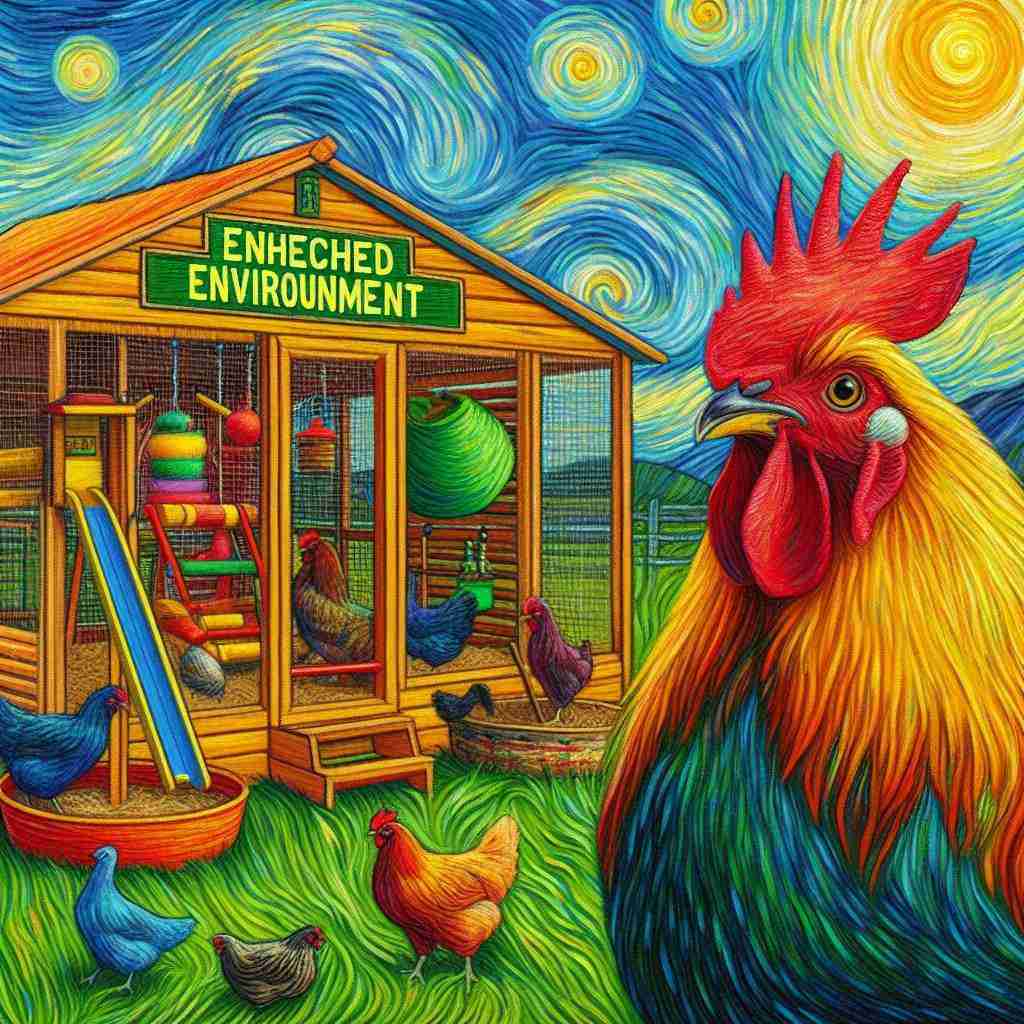
How Can We Combine Functionality with Aesthetics In Home Design?
How Can We Combine Functionality with Aesthetics In Home Design?
- Create homes that blend functionality with beauty.
- Design spaces that foster family connection and encourage culinary adventures.
- Raising backyard chickens symbolizes a deeper connection with nature and family.
- Choose sustainable materials and practices to reflect ethical commitments.
- Each room in a home tells a unique story, enriching family and community bonds.
- Engaging in home design becomes a social endeavor that inspires creativity and action.
- Strive to create spaces that nurture both hearts and minds through thoughtful design.

How Can We Combine Functionality with Aesthetics In Home Design?
What Sustainable Materials Can Enhance the Beauty Of Your Coop?
Imagine stepping into your backyard, where a gentle pecking chorus fills the air and your little feathered friends strut proudly around their coop. The heart of this scene isn’t just the chickens, but the beautiful, sustainable materials that create their home. When enhancing your coop, think beyond aesthetics — it’s about crafting a nurturing environment that echoes your values and resonates with your conscience.
Wooden structures made from reclaimed lumber tell a story of old growth forests, cut down long ago, now repurposed into something beautiful. Each knot and grain sings of resilience, providing both structure and a connection to nature that unites us all. Select materials that are sourced locally; not only does this reduce your carbon footprint, but it also strengthens community ties. Every piece of wood represents a relationship with those who cultivate the land.
Consider using bamboo as a versatile alternative. It’s fast-growing and requires less water, making it an eco-champion in the coop world. This hardy grass not only helps insulation during sweltering summers and chilly winters, but it also brings a unique warmth to your coop that mere plastic or metal just can’t offer. Let your coop be a haven, a warm refuge that mirrors your commitment to sustainability and offers a safe space for your backyard chickens.
And don’t forget about natural insulation materials like straw bales or cork. Not only are they eco-friendly, but they also provide a natural barrier against the elements, ensuring your chickens stay comfortable. Plus, they add an earthy charm that enhances the visual appeal of your coop. When visitors stop by, they’ll not only admire the craftsmanship but also feel the passion and care woven into every wall.
In choosing sustainable materials, you’re not just building a shelter; you’re creating a sanctuary. Every board, every panel, is a pledge to your ethics, a heartbeat that reminds us what’s at stake. Imagine the conversations that unfold around your coop, neighbors sharing advice and tips, children learning about nature, and families gathering to share a meal blessed by the eggs of your hard-working hens.
So let your coop shine not only with beauty but with the essence of your values. It’s time to make a choice that looks good, feels right, and connects us all to something bigger. Together, let’s build coops that reflect our commitment to a sustainable future, ensuring our backyard chickens flourish in the beauty they deserve.

What Sustainable Materials Can Enhance the Beauty Of Your Coop?
What Sustainable Materials Can Enhance the Beauty Of Your Coop?
- A backyard filled with chickens and sustainable materials creates a nurturing environment.
- Wooden structures from reclaimed lumber connect us to nature and reduce waste.
- Locally sourced materials strengthen community ties and lower carbon footprints.
- Bamboo acts as a versatile, eco-friendly alternative with insulation benefits.
- Natural insulation materials like straw bales or cork enhance comfort and charm.
- Building with sustainable materials creates a sanctuary that reflects ethical values.
- A well-designed coop fosters community interactions and family connections over shared resources.

What Sustainable Materials Can Enhance the Beauty Of Your Coop?
How Does a Family Coop Foster a Sense Of Belonging and Security?
A family coop can transform a simple backyard into a thriving hub of connection, offering much more than just a source of fresh eggs. It becomes a living classroom where children learn responsibility and care while adults discover the joys of nurturing life. Imagine the laughter that echoes as kids scurry across the yard, feeding their feathered friends, eyes sparkling with wonder. Those moments don’t just build memories; they forge unbreakable bonds among family members, creating a sense of belonging that is hard to replicate.
Rationally speaking, backyard chickens represent a sustainable way to engage with our food source. They remind us of the importance of knowing where our nourishment comes from, fostering discussions about ethics and agriculture. It’s a gentle nudge back to simpler times when families relied on their own resources, instilling pride and a deep-rooted appreciation for the effort that goes into every meal. Think about the satisfaction of gathering eggs fresh from the coop, a tangible reward for the care and effort put forth.
Beyond the educational and ethical dimensions, let’s not overlook the community aspect. Engaging with your neighbors about your chicken-raising journey can cultivate friendships that extend beyond the confines of your property. Sharing tips on coop maintenance or exchanging eggs fosters a spirit of camaraderie, uniting people with a common goal. You may find yourself part of an informal network—a local “chicken club” where stories and experiences are shared, enhancing feelings of safety and community.
Yet, at a fundamental level, having animals in our lives—like those feathery companions—is a shortcut to emotional wellness. The simple act of tending to living beings can soothe the soul, pulling us into the present moment. Each cluck and peck provides a rhythm to our days, reminding us that life moves on, come rain or shine. There’s a palpable peace that washes over you when you interact with these charming creatures. It’s a gentle reminder that, no matter what chaos may lie outside our backyard fences, within those boundaries, there thrives a sense of stability and security.
So, as you contemplate the idea of a family coop, consider the layers of connection it can offer: the hands-on learning, the ethical conversations, the bonds of friendship, and the nourishing peace it can bring to your life. In a world that often feels disconnected, a family coop can be the heartbeat that ties it all together.

How Does a Family Coop Foster a Sense Of Belonging and Security?
How Does a Family Coop Foster a Sense Of Belonging and Security?
- A family coop turns a backyard into a hub of connection, providing fresh eggs and fostering responsibility among children and adults.
- Engaging with chickens teaches children care and builds unforgettable family memories and bonds.
- Backyard chickens promote a sustainable relationship with our food, emphasizing the importance of knowing food sources and ethical agriculture.
- Gathering fresh eggs serves as a rewarding reminder of the effort involved in food production.
- Raising chickens encourages community engagement, fostering friendships and shared experiences among neighbors.
- Animals like chickens can enhance emotional wellness, providing a sense of peace and stability in daily life.
- A family coop offers complex benefits: hands-on learning, ethical discussions, community connection, and nourishing tranquility in a connected world.

How Does a Family Coop Foster a Sense Of Belonging and Security?
Conclusion
Imagine for a moment stepping into a world where your backyard bursts with life, where laughter rings through the air as your children chase after clucking chickens. This isn’t just a trendy lifestyle choice; it’s a step towards meaningful connections, responsibility, and sustainability. In our fast-paced urban lives, the Modern Family Coop emerges as a powerful antidote—a blend of safe, stylish design and an ethical commitment to our families and the environment.
Embracing backyard chickens offers more than just fresh eggs; it’s about nurturing a legacy of responsibility and curiosity, especially for younger generations. Children learn to care for living beings, fostering ethics around food production and environmental stewardship. This hands-on experience not only cultivates a profound understanding of where our food originates but also serves as a foundation for lessons about compassion and community.
On a practical level, modern coops are much more than mere enclosures; they become extensions of our homes, aesthetically pleasing and functional. They are conversation starters with neighbors, connecting us in ways that social media often fails to achieve. Sharing tips, eggs, and stories fosters a sense of belonging that can breathe life into entire neighborhoods—a modern-day barn-raising where everyone pitches in, contributing to a shared ethos of care and connection.
Opting for sustainable materials in design doesn’t just prioritize aesthetics; it reflects a conscious choice to honor the planet and our communities. By selecting reclaimed wood or local materials, we’re forging bonds with our surroundings and with those who cultivate them. Every coop becomes a statement—a promise to live mindfully, to contribute positively, and to set an example for future generations.
But let’s not overlook the emotional rewards. The rhythmic clucking of chickens provides a soothing backdrop to our lives, grounding us amid the chaos of the outside world. Each egg gathered symbolizes a shared effort, encapsulating the values we hold dear. In tending to these feathered friends, we find not only joy but also a profound sense of security and community.
As we seek to reclaim our connection to the land and each other, the Modern Family Coop invites us to take the leap. It’s not just about having chickens; it’s about the community we build, the values we instill, and the joy we cultivate. Together, let’s embrace this journey of sustainability—because when we choose to live mindfully, we’re choosing to thrive. It’s time to gather, support one another, and create experiences that enrich our lives, one cluck at a time.

Conclusion
Conclusion:
- Backyard chickens create a lively, engaging environment for families, encouraging connections and responsibility.
- The Modern Family Coop offers a stylish, sustainable living solution that benefits families and the environment.
- Raising chickens teaches children about caring for living beings, fostering responsibility and ethical food production.
- Modern coops serve as functional extensions of homes, fostering neighborhood connections beyond social media.
- Choosing sustainable materials in coop design reflects a commitment to the planet and community bonds.
- The presence of chickens offers emotional rewards, providing a soothing influence and cultivating a sense of security.
- The journey of embracing backyard chickens enriches lives and encourages a collective ethos of sustainability.

Conclusion
Other Resources

Other Resources
Here is a list of other resources you can review online to learn more:
- Thuringian
- ISA Brown
- broiler feed
- sunflower
- Silver Laced Wyandotte
- Red Jungle Fowl
- citrus fruit
- Derbyshire Redcap
- black soldier flies
- Salmonella
- compost
- Olive Egger
- Black Copper Marans
- Blue Laced Red Wyandotte
- Cinnamon Queen
- millipedes
- Barley
Use This Prompt To Get More Resources With Your Favorite Online AI Tool: Please provide me with a list of online articles with their URLs in a bulleted list that I can read regarding The Modern Family Coop – Safe, Stylish, and Sustainable

Other Resources
Glossary Terms
The Modern Family Coop – Safe, Stylish, and Sustainable – Glossary Of Terms
1. Coop: A small structure or shelter designed to house poultry, often referred to when discussing modern living for families with backyard chickens.
2. Sustainable: Practices that maintain environmental health and resource availability for future generations, often emphasizing eco-friendly materials and methods.
3. Urban Farming: Growing or producing food in urban areas, utilizing small spaces such as rooftops and backyards to promote local food sources.
4. Permaculture: An agricultural philosophy that emphasizes designing ecosystems that mimic natural systems to create sustainable and self-sufficient habitats.
5. Biodiversity: The variety of life in a particular habitat or ecosystem, crucial for resilience and sustainability in any living environment, including a family coop.
6. Organic Farming: A method of farming that avoids synthetic fertilizers, pesticides, and genetically modified organisms, focusing instead on natural processes.
7. Backyard Chickens: Raising chickens in a home garden, providing fresh eggs and a connection to nature while contributing to sustainable living.
8. Composting: The process of recycling organic waste into nutrient-rich soil, enhancing garden health and reducing landfill waste.
9. Vertical Garden: A gardening method where plants are grown upward rather than on the ground, maximizing space efficiency in modern homes.
10. Renewable Energy: Energy from sources that are naturally replenished, such as solar or wind power, often used in sustainable living practices.
11. Eco-friendly: Products or practices that are not harmful to the environment, promoting conservation and resource efficiency.
12. Health Benefits: The positive physical and mental effects associated with a lifestyle that includes gardening, fresh produce, and active living.
13. Animal Welfare: The ethical consideration of the treatment and care of animals, particularly relevant to keeping chickens and other livestock.
14. Chicken Breeds: Different varieties of chickens that can be raised for eggs or meat, each with unique characteristics and benefits for home coop enthusiasts.
15. Farm-to-Table: A movement promoting the direct sourcing of food from local farms to consumers, emphasizing freshness and sustainability.
16. Natural Pest Control: Methods that use non-toxic solutions to manage pests in the garden, including beneficial insects and organic repellents.
17. Microgreens: Young, edible plants harvested just after the first leaves develop, packed with nutrients and often grown indoors or in small spaces.
18. Aquaponics: A sustainable farming system that combines aquaculture (raising fish) and hydroponics (growing plants in water) in a symbiotic environment.
19. Solar Panels: Devices that convert sunlight into electricity, often incorporated into modern family coops to reduce energy costs and carbon footprints.
20. Herb Garden: A small garden specifically cultivated for herbs, providing fresh flavors and medicinal properties, typically suitable for family coops.
21. Homegrown: Referring to food or products grown or produced locally, emphasizing self-sufficiency and quality of life.
22. Sustainable Design: Architectural and design principles that prioritize environmentally friendly practices and energy efficiency in building structures.
23. Chick Brooder: A heated enclosure used to take care of baby chicks, ensuring their warmth and safety during their early growth stages.
24. Crop Rotation: A farming practice where different crops are planted in succession on the same land to improve soil health and reduce pests.
25. Organic Certification: A designation that verifies that food products have been produced according to specific organic farming standards.
26. Food Security: The state of having reliable access to a sufficient quantity of affordable, nutritious food, often enhanced by local farming initiatives.
27. Pollinator Garden: A garden designed to attract and support pollinators like bees and butterflies, essential for maintaining healthy ecosystems.
28. Waste Reduction: Strategies that minimize the amount of waste generated, including reusing materials and practicing conscious consumption.
29. Community Supported Agriculture (CSA): A system where consumers buy shares of a farm’s harvest in advance, supporting local agriculture and fostering community ties.
30. Smart Farming: The use of technology and data analytics in agriculture to improve efficiency, productivity, and sustainability in farming practices.

Glossary Of Terms
Other Questions
The Modern Family Coop – Safe, Stylish, and Sustainable – Other Questions
If you wish to explore and discover more, consider looking for answers to these questions:
- What are the benefits of raising backyard chickens for children?
- How can I effectively design a chicken coop that is both safe and stylish?
- What are the initial costs involved in setting up a backyard chicken coop?
- What breeds of chickens are best suited for urban environments?
- How can I ensure that my chickens are healthy and happy?
- What regulations or permits might I need to consider for keeping chickens in my area?
- How do I manage waste and upkeep of the chicken coop?
- What are some common challenges of raising backyard chickens and how can they be overcome?
- How does chicken-keeping contribute to sustainable living?
- What community resources are available for new chicken keepers?
- How can I integrate local gardening with chicken keeping for a sustainable ecosystem?
- What are some tips for teaching children about responsibility through chicken care?
Other Questions
Haiku
The Modern Family Coop – Safe, Stylish, and Sustainable – A Haiku
Chickens in the yard,
Nurturing life, joy, and care—
Family roots and hope.
Haiku
Poem
The Modern Family Coop – Safe, Stylish, and Sustainable – A Poem
Within the rhythm of our bustling days,
A call to nature beckons in gentle ways.
Imagine children laughing, chasing tails,
As feathered friends cluck amid the garden trails.
A modern coop, a haven crafted with care,
Reflects our values, stylish and rare.
Nurturing life, with each egg we collect,
A tapestry of memories we lovingly connect.
In the simplicity of feeding those hens,
We learn of responsibility—beginning again.
Camaraderie blooms in shared labor’s embrace,
Neighbors gather round, united in grace.
Sustainable choices shape our lives,
Reclaimed timber and bamboo, where beauty thrives.
Together we forge a bond with the land,
A legacy of ethics, hand in hand.
The taste of fresh eggs, a breakfast delight,
Brings families together, morning’s warm light.
A sanctuary built not just for the birds,
But for love, laughter, and whispered words.
When safety frames our designs with intent,
We nurture our children, each moment well spent.
Within this coop, a community grows,
Life lessons rooted, as harmony flows.
So take the plunge, let your heart lead the way,
Transform your backyard into a vibrant display.
Embrace the adventure, let connection unfold,
In a world that spins fast, find solace in gold.
For family is woven through choices we make,
In laughter and clucking, the bonds never break.
With every feathered friend and shared afternoon,
We celebrate life’s joys, beneath the same moon.

Poem
Checklist
The Modern Family Coop – Safe, Stylish, and Sustainable – A Checklist
Checklist for Embracing the Modern Family Coop Experience
Emotional Appeals
_____ Picture the joy of children interacting with backyard chickens and connecting with nature.
_____ Reflect on the responsibility and life lessons imparted through raising animals.
_____ Envision family gatherings centered around collecting eggs or sharing meals.
Rational Appeals
_____ Consider the health benefits of knowing the source of your food.
_____ Evaluate the long-term sustainability of raising your food versus relying on commercial agriculture.
_____ Investigate efficient coop designs that maximize space and utility in urban settings.
Ethical Appeals
_____ Think about the impact of choosing locally sourced materials for coop construction.
_____ Acknowledge the responsibility of nurturing living creatures and fostering their well-being.
_____ Explore how raising chickens aligns with sustainable living practices and ethical consumption.
Authority Appeals
_____ Consult local experts or resources on chicken care and coop design.
_____ Engage with established community groups or social media networks focused on urban farming.
_____ Reference literature or studies supporting the benefits of backyard farming.
Narrative Appeals
_____ Share stories of other families who’ve thrived through raising chickens.
_____ Craft a narrative about your journey towards a more sustainable and connected lifestyle.
_____ Discuss personal experiences that highlight the joys and challenges of integrating backyard chickens into family life.
Social Appeals
_____ Join community workshops or classes on chicken-keeping to connect with like-minded individuals.
_____ Organize neighborhood potlucks or discussions centered on backyard farming.
_____ Foster friendships through egg exchanges or collaborative coop projects within your community.
Practical Steps
_____ Research and choose a coop design that fits your yard and interior aesthetics.
_____ Plan and prepare your backyard for safe, sustainable chicken housing.
_____ Schedule regular family activities focused on caring for and bonding with your chickens.

Checklist
At BackyardChickenNews, we help people who want to raise backyard chickens by collating information and news blended with our own personal experiences.
Be sure to read our other related stories at BackyardChickenNews to learn more about raising chickens in your backyard.