

Boosting Chicken Health: A Compassionate Approach
By Tom Seest
At BackyardChickenNews, we help people who want to raise backyard chickens by collating information and news blended with our own personal experiences.
Be sure to read our other related stories at BackyardChickenNews to learn more about raising chickens in your backyard.
The Old Farmer’s Guide to a Clean Coop and Strong Immunity
There’s something about the cluck of backyard chickens that warms the soul. Those feathery little creatures scurrying around remind us of simpler times—times when nature and nurture went hand in hand. It’s a scene painted with bricks of sunshine and laughter. But behind that enchanting narrative lies a responsibility: a clean coop and strong immunity.
When you step out each morning to greet your flock, you’re not just a caretaker; you’re a guardian of their well-being. A dirty coop isn’t just a hygiene issue; it’s a health hazard. The scent of ammonia wafting from the droppings can make even the most seasoned farmer turn their head. It’s a barren land for good health, inviting pests and diseases to crash the party. Cleaning out your coop isn’t just about washing away the muck; it’s a declaration that you care, a promise that within those wooden walls, health flourishes. The heart of good husbandry beats in every shovelful of bedding you toss.
Now let’s get to the head of the matter—strong immunity in your flock doesn’t just rely on the feed or the supplements, it’s about the environment. Healthy chickens live in clean spaces. They’re not just mindless creatures; they know when they’re safe and when they’re not. By keeping their living area pristine, you’re crafting a sanctuary that fosters resilience. Strong immunity isn’t an accident; it’s built through care and the mindful act of maintaining a clean habitat.
Ethically, look at your chickens. Each one is an individual, and every decision you make impacts their lives. They deserve more than the bare minimum. A commitment to cleanliness means you respect their existence. Do right by them, and they will reward you with the freshest eggs you’ll ever taste. This isn’t just a trade; it’s a relationship grounded in trust and reciprocity.
Community thrives on stories. Invite your neighbors to join you in this nurturing pursuit, share tips, and celebrate successes together. Watch as your passion inspires those around you to take ownership, embrace the challenge, and build a community that values cleanliness and health. Together, you’ll champion the cause of backyard chickens everywhere. Because in caring for your flock, you’re not just tending to a coop; you’re nurturing a small piece of your world.

The Old Farmer’s Guide to a Clean Coop and Strong Immunity
The Old Farmer’s Guide to a Clean Coop and Strong Immunity
- The cluck of backyard chickens evokes nostalgia and simpler times, embodying the bond between nature and nurture.
- Maintaining a clean coop is essential for the health and well-being of the chickens, preventing hygiene issues and diseases.
- Regular cleaning of the coop demonstrates care and commitment, fostering a healthy environment for the flock.
- Strong immunity in chickens is influenced by their living conditions, requiring a clean and safe habitat to thrive.
- Chickens are individuals deserving of respect, and cleanliness reflects a commitment to their welfare.
- Raising chickens fosters community spirit through shared experiences, tips, and celebrations of successes.
- Caring for your flock is ultimately about nurturing a meaningful relationship and creating a healthier environment.

The Old Farmer’s Guide to a Clean Coop and Strong Immunity
Table Of Contents
- The Old Farmer’s Guide to a Clean Coop and Strong Immunity
- How Does a Healthy Coop Contribute to Sustainable Farming Practices?
- What Stories From Other Farmers Highlight the Importance Of Coop Care?
- How Can a Clean Environment Reduce Disease Spread Among My Flock?
- What Expert Advice Is There on Coop Maintenance for Strong Hens?
- What Community Resources Can Support Coop Cleanliness and Care?
- What Are the Long-Term Benefits Of Investing In a Clean Coop Today?
- How Can Resilience In My Flock Be Strengthened Through Proper Care?
- Conclusion
- Other Resources
- Glossary Of Terms
- Other Questions
- Haiku
- Poem
- Checklist
How Does a Healthy Coop Contribute to Sustainable Farming Practices?
Imagine waking up in the early morning, the sun just beginning to peek over the horizon, casting a warm glow across the land. The soft sound of clucking fills the air as you step outside to greet your flock of backyard chickens. There’s something uniquely satisfying about raising these birds; it’s not just about the fresh eggs they provide—it’s about becoming part of a living ecosystem that thrives in harmony with nature. In a world increasingly disconnected from its agricultural roots, a healthy coop serves as a vital link, bridging the gap between sustainable farming practices and everyday life.
When we think about sustainability, we often conjure up images of vast farms or high-tech innovations. But the roots of sustainable farming lie in simple, everyday acts, like caring for your backyard chickens. These feathered friends require just a bit of attention and know-how, yet they offer a profound return on investment. Not only do they produce nutrient-rich eggs, but their natural behaviors contribute to soil health through their droppings, which act as an excellent fertilizer. This means that even in a limited backyard space, you can cultivate a mini-ecosystem that supports plants, insects, and other wildlife.
Raising chickens also emphasizes ethical stewardship, fostering a deeper connection to the food we consume. It pushes us to ask questions: Where does our food come from? How is it produced? If we aim for a more sustainable future, we need to support these grassroots efforts that prioritize animal welfare and environmental health. Each time you crack open a freshly laid egg, you are reinforcing a commitment to making conscious choices that can profoundly affect the planet.
Beyond individual benefit, backyard chickens have the power to create communities. Neighbors can share tips, swap eggs, or even host a small coop tour, fostering engagement and camaraderie. It’s this very exchange that ignites a passion for sustainable living. By becoming advocates for healthy coops, we inspire others to follow suit, generating a ripple effect that elevates local agriculture and promotes an ethic of responsibility.
So the next time you consider taking the plunge and adding a coop to your backyard, remember that you’re not just creating a home for some chickens. You’re stepping into a larger narrative about sustainability, fostering the kind of farming practices that respect our earth and elevate our communities. Now, that’s something to cluck about!

How Does a Healthy Coop Contribute to Sustainable Farming Practices?
How Does a Healthy Coop Contribute to Sustainable Farming Practices?
- Waking up to a warm sunrise and the sounds of backyard chickens creates a satisfying morning routine.
- Raising chickens fosters a connection to nature and supports sustainable farming practices.
- Backyard chickens provide fresh eggs and contribute to soil health through their droppings.
- Chicken keeping encourages ethical stewardship and prompts questions about food sources and production.
- Supporting backyard chickens promotes animal welfare and environmental health, contributing to a sustainable future.
- Chicken raising can strengthen community ties through shared resources and knowledge among neighbors.
- Adding a coop to your backyard is part of a broader narrative on sustainability and responsible agricultural practices.

How Does a Healthy Coop Contribute to Sustainable Farming Practices?
What Stories From Other Farmers Highlight the Importance Of Coop Care?
When the sun rises over a patchwork of fields, there’s a silent promise among farmers—a promise to care for their livestock, their land, and, most importantly, their communities. Take, for example, Margaret, a farmer from Ohio who turned her small plot of land into a sanctuary for backyard chickens. With each hen she rescued from industrial farms, she didn’t just breathe new life into her own backyard; she wove a tapestry of hope for the community. Her chickens became symbols of resilience, creating a ripple effect that connected neighbors and sparked local initiatives aimed at sustainable farming.
Margaret’s story is one of many that illustrate the necessity of coop care. Caring for her hens isn’t merely a hobby; it’s a responsibility that echoes through her community. When neighbors saw her commitment, they found inspiration in her actions, adopting their own backyard chickens and engaging in conversations about responsible farming practices. This grassroots movement showed them that nurturing the land and the animals we rely on creates a bond that strengthens our connections to each other. It’s not just about eggs; it’s about empowerment and accountability.
But coop care goes beyond emotional ties; it impacts our livelihoods. Think of James, a dairy farmer whose cows were once a fraction of his farm’s potential. After embracing better care practices, he saw not just an increase in milk quality but a profound change in his own well-being. His cows were happier, healthier, and ultimately more productive. His story exemplifies how ethical practices lead to a thriving farm. James didn’t just enhance his financial standing; he invested in a sustainable future for himself and his family.
These narratives provide us with invaluable lessons. When we prioritize coop care, we aren’t just improving welfare; we’re cultivating an agricultural ecosystem that benefits everyone. It’s a reliable foundation for our food system, one that is built on trust and integrity. It invites all of us—from novice backyard farmers to seasoned ranchers—to engage deeply with the land.
Through shared experiences, these farmers demonstrate the transformative power of care, reminding us of our interconnectedness and our ability to bring about change. Whether you’re raising chickens, cows, or crops, remember that every act of care matters, resonating far beyond the farm gate and into the hearts and minds of your community.

What Stories From Other Farmers Highlight the Importance Of Coop Care?
What Stories From Other Farmers Highlight the Importance Of Coop Care?
- Farmers have a silent promise to care for livestock, land, and communities.
- Margaret, an Ohio farmer, created a sanctuary for rescued backyard chickens, fostering community connections.
- Her efforts inspired neighbors to adopt chickens and engage in sustainable farming discussions.
- Coop care transcends personal enjoyment, becoming a community responsibility with empowerment and accountability.
- James, a dairy farmer, improved his well-being and milk quality through better care practices for his cows.
- Prioritizing coop care cultivates an agricultural ecosystem that strengthens the food system and builds trust.
- Farmers demonstrate the transformative power of care, impacting not just their farms but also their communities.

What Stories From Other Farmers Highlight the Importance Of Coop Care?
How Can a Clean Environment Reduce Disease Spread Among My Flock?
When you step into your backyard and hear your chickens softly clucking, you’re not just witnessing a charming scene—you’re witnessing a livelihood that depends on a delicate balance. Your relationship with these feathered friends goes beyond egg-laying; it’s about nurturing a healthy environment that keeps them thriving. A clean environment isn’t just a luxury; it’s a necessity that can dramatically reduce the spread of disease among your flock.
Imagine for a moment the heartache of watching your beloved birds fall ill due to preventable diseases. It’s gut-wrenching. Each chicken has its own personality, quirks, and stories. They’re more than just critters clucking around; they’re part of your family. Maintaining a clean environment helps ensure that their little lives continue to flourish, making sure their joyful antics remain part of your daily routine.
Rationally speaking, a tidy coop is the front line of defense against diseases. Regular cleaning—removing droppings, replacing bedding, and washing waterers—creates an unfavorable environment for pathogens. By investing time in cleanliness, you dramatically lower the risk of illnesses like coccidiosis and respiratory problems. Are you prepared to risk your flock’s health by cutting corners? Probably not. The logic is sound: keep it clean, and keep them healthy.
Ethically, as caretakers, we owe it to our chickens to provide them with the best possible living situation. Just like you wouldn’t treat a family member’s home poorly, giving your birds a clean idyll is the least you can do. You have a responsibility—a commitment to promoting a life free from disease and despair.
Let’s not forget the social aspect. A healthy flock reflects your dedication as a backyard chicken keeper within the community. You stand as a role model for others, inspiring others to follow suit by showing that a clean coop elevates not just individual health but the wellbeing of the entire neighborhood’s poultry population.
This isn’t just about preventing disease; it’s about nurturing life and creating bonds. When you think about your backyard chickens, understand it’s a symbiotic relationship. The cleaner you keep their world, the brighter their spirits—and the more your heart swells with pride and joy. Be the champion of their health; embrace the simple act of cleanliness and watch your bond with your beloved chickens flourish.

How Can a Clean Environment Reduce Disease Spread Among My Flock?
How Can a Clean Environment Reduce Disease Spread Among My Flock?
- Backyard chickens represent a livelihood that relies on a balanced environment.
- Maintaining a clean environment is essential to reduce disease spread among the flock.
- Chickens have unique personalities and are valued as part of the family.
- Regular cleaning practices minimize the risk of illnesses like coccidiosis and respiratory issues.
- Caring for chickens ethically means providing a clean living space to promote their health.
- A healthy flock enhances community reputation and encourages others to maintain cleanliness.
- Investing in cleanliness fosters a stronger bond between the chickens and their keeper.

How Can a Clean Environment Reduce Disease Spread Among My Flock?
What Expert Advice Is There on Coop Maintenance for Strong Hens?
When it comes to keeping your backyard chickens happy and strong, the key lies in understanding their world. Think about it: These feathery little creatures are not just egg machines; they’re living beings that deserve the best we can offer. So, let’s dive into what expert advice tells us about coop maintenance, a crucial aspect often brushed aside by those new to chicken-keeping.
To start, let’s paint a picture. Imagine opening the door to your coop and being greeted by an eruption of joyful clucks. The secret to that blissful scene? A clean and secure environment. Regularly cleaning the coop is vital, but it’s more than just a chore; it’s an act of love. A well-maintained coop helps prevent disease and ensures your hens can lay delicious, nutritious eggs. When we keep a tidy space, we’re not only safeguarding our flock, but we’re also nurturing a relationship built on trust. After all, a clean coop sends a powerful message: “You matter to me.”
Rationality plays a big role here too. Hens thrive in a calm and safe environment. Experts suggest investing in proper ventilation and natural light within your coop. This isn’t just about comfort; it’s about productivity. A well-ventilated space helps regulate temperature and reduces moisture, which can lead to respiratory problems. These practical adjustments bring peace of mind—your hens will be healthier, and you’ll be rewarded with stronger flocks and better egg production.
Now, let’s talk ethics. Treating your hens with respect means providing them a home where they can express natural behaviors. Consider incorporating perches and nesting boxes that mimic their natural habitats. It might seem like a small detail, but it’s monumental in promoting their overall happiness and well-being. When we nurture their instincts, we foster a stronger bond and create a thriving social atmosphere amongst your flock.
Engagement with your hens can transform both you and them. Spend time observing their behaviors. Learn their quirks and preferences; they will surprise you with their intelligence and personality. This connection fosters trust, and trust translates to bold and healthy hens.
So, let’s rally around this commitment to our backyard chickens. Your actions resonate deeply, impacting not only your flock but also the joy they bring into your life. Keep that coop clean, safe, and loving, for when we prioritize their well-being, we lay the groundwork for a fulfilling journey in chicken keeping. Turn those simple maintenance tasks into moments of gratitude and connection—because a strong hen makes a happy heart.

What Expert Advice Is There on Coop Maintenance for Strong Hens?
What Expert Advice Is There on Coop Maintenance for Strong Hens?
- Understanding chickens as living beings, not just egg producers, is essential for their care.
- Regular coop maintenance is an act of love that prevents disease and promotes nutritious egg production.
- A clean coop fosters a relationship built on trust between you and your hens.
- Proper ventilation and natural light in the coop improve hens’ health and productivity.
- Incorporating natural behaviors, such as perches and nesting boxes, enhances hens’ happiness and well-being.
- Engagement and observation of hens can deepen the bond and reveal their intelligence and personalities.
- Prioritizing chickens’ well-being leads to a more fulfilling and joyful chicken-keeping experience.

What Expert Advice Is There on Coop Maintenance for Strong Hens?
What Community Resources Can Support Coop Cleanliness and Care?
When you embark on the rewarding journey of keeping backyard chickens, you’re not just adding a quirky feature to your home; you’re cultivating a flourishing ecosystem—a world of feathers, clucks, and fresh eggs right in your own backyard. But with that joy comes a responsibility that can sometimes feel a bit overwhelming. That’s where community resources step in, transforming what can be a solitary task into a united front of support.
In every neighborhood, there’s a wealth of knowledge just waiting to be tapped. Local co-op programs often host workshops and demonstrations on coop cleanliness and care. Imagine a Saturday gathering where seasoned chicken wranglers share their tips over a few cups of coffee—community members swapping stories of triumph and catastrophe, laughter ringing out as untold anecdotes unfold. These gatherings create an emotional bond, a tapestry woven from shared experiences, reminding you that you’re not alone in the muck and the mess.
Ethically, consider the environmental benefits: when we work together to maintain our coops and hens, we lessen waste, promote sustainability, and make choices beneficial for both our families and the planet. Local authorities and agricultural extension offices can be invaluable partners in this venture. They provide credible information about best practices while ensuring that everyone plays by the same set of rules—safety and health codes that keep our chickens happy and our communities thriving.
It’s logical to look beyond your own backyard. Online forums and social media groups dedicated to backyard chicken enthusiasts are brimming with a wealth of information. They host spirited discussions about everything from coop design to managing outbreaks of pests, allowing both novices and veterans to learn from one another. When a fellow chicken lover shares their hard-earned wisdom, it’s not just knowledge; it’s an invitation to foster connection, a reminder that we’re all working toward the same goal: healthier birds and cleaner coops.
As you engage with these resources, both in-person and online, you may find yourself drawn into a greater narrative—one that connects you not just to chickens, but to your community. The bonds forged over a common passion reinforce the idea that we can persevere through challenges together. Working side by side, exchanging information, and celebrating our successes generates trust and builds confidence for every backyard farmer. Let’s roll up our sleeves and keep our coops not just clean, but thriving, together.

What Community Resources Can Support Coop Cleanliness and Care?
What Community Resources Can Support Coop Cleanliness and Care?
- Keeping backyard chickens creates a vibrant ecosystem of fresh eggs and community engagement.
- Responsibility of chicken keeping can be overwhelming, but community resources provide valuable support.
- Local co-ops offer workshops that facilitate knowledge sharing and create emotional bonds among chicken keepers.
- Collaborative coop maintenance promotes sustainability and reduces waste for families and the environment.
- Local authorities and agricultural offices provide important information and maintain safety standards in chicken care.
- Online forums and social media groups enrich the chicken-keeping experience with shared knowledge and connection.
- Engaging with community resources fosters trust, confidence, and a sense of belonging among backyard farmers.

What Community Resources Can Support Coop Cleanliness and Care?
What Are the Long-Term Benefits Of Investing In a Clean Coop Today?
Imagine waking up to the gentle clucking of backyard chickens, a rhythmic reminder of a life more connected to nature. Investing in a clean coop today is about more than just raising birds; it’s about embracing a lifestyle that echoes with purpose and responsibility. The long-term benefits of this endeavor extend far beyond the immediate joys of fresh eggs. They resonate deeply, calling to our hearts, intellects, and instincts.
First, let’s talk about the heart. There’s something inherently fulfilling about nurturing life. As you care for your chickens, you cultivate not only their health but your own emotional well-being. Research shows that tending to animals can reduce stress and improve mental health. When you invest in a clean coop, you’re fostering a sanctuary for your feathered friends, and in turn, creating a sanctuary for yourself. This bond enriches your life with meaning.
Now, let’s engage the head. From a rational standpoint, raising chickens can lead to significant savings on grocery bills. A clean coop ensures your chickens remain healthy, leading to a consistent supply of fresh eggs—nutrition at your doorstep, saving you both time and money. The knowledge you gain about sustainable practices can serve as a model for those around you, creating a ripple effect of conscious living within your community.
Ethically, this investment aligns with a growing understanding of food sourcing. When you prioritize raising chickens in a clean, humane environment, you demonstrate a commitment to animal welfare. Every effort you make reflects a stance against factory farming, advocating for better practices that resonate with countless others who share your values.
Narratively, picture yourself sharing stories with friends and family over a plate of homemade breakfast—eggs collected just moments before from your backyard. Each bite carries with it not just sustenance but the story of your journey, the lessons learned, and the connections forged through this small but impactful choice.
Socially, the movement toward backyard farming is gaining momentum. When you take action now, you become part of a community that champions self-sufficiency and environmental consciousness. You inspire others to join the cause, fostering a sense of camaraderie and shared purpose.
Investing in a clean coop is a simple yet profound declaration of trust in yourself and your community. It’s a step toward a future that respects the earth, nurtures relationships, and celebrates the beauty in the everyday. So why wait? Embrace this opportunity today and watch how it transforms not just your life, but the lives of those around you.

What Are the Long-Term Benefits Of Investing In a Clean Coop Today?
What Are the Long-Term Benefits Of Investing In a Clean Coop Today?
- Waking up to the sounds of backyard chickens connects us to nature and a purposeful lifestyle.
- Nurturing chickens can enhance emotional well-being and reduce stress, benefiting both the caregiver and the animals.
- A clean coop leads to healthier chickens, providing a consistent supply of fresh eggs and reducing grocery expenses.
- Raising chickens promotes sustainable practices and encourages conscious living within the community.
- Ethical food sourcing is prioritized by maintaining a humane environment for chickens, promoting animal welfare.
- Sharing meals made with eggs from backyard chickens fosters connections and storytelling with loved ones.
- Participating in backyard farming builds community, inspires self-sufficiency, and nurtures a sense of shared purpose.
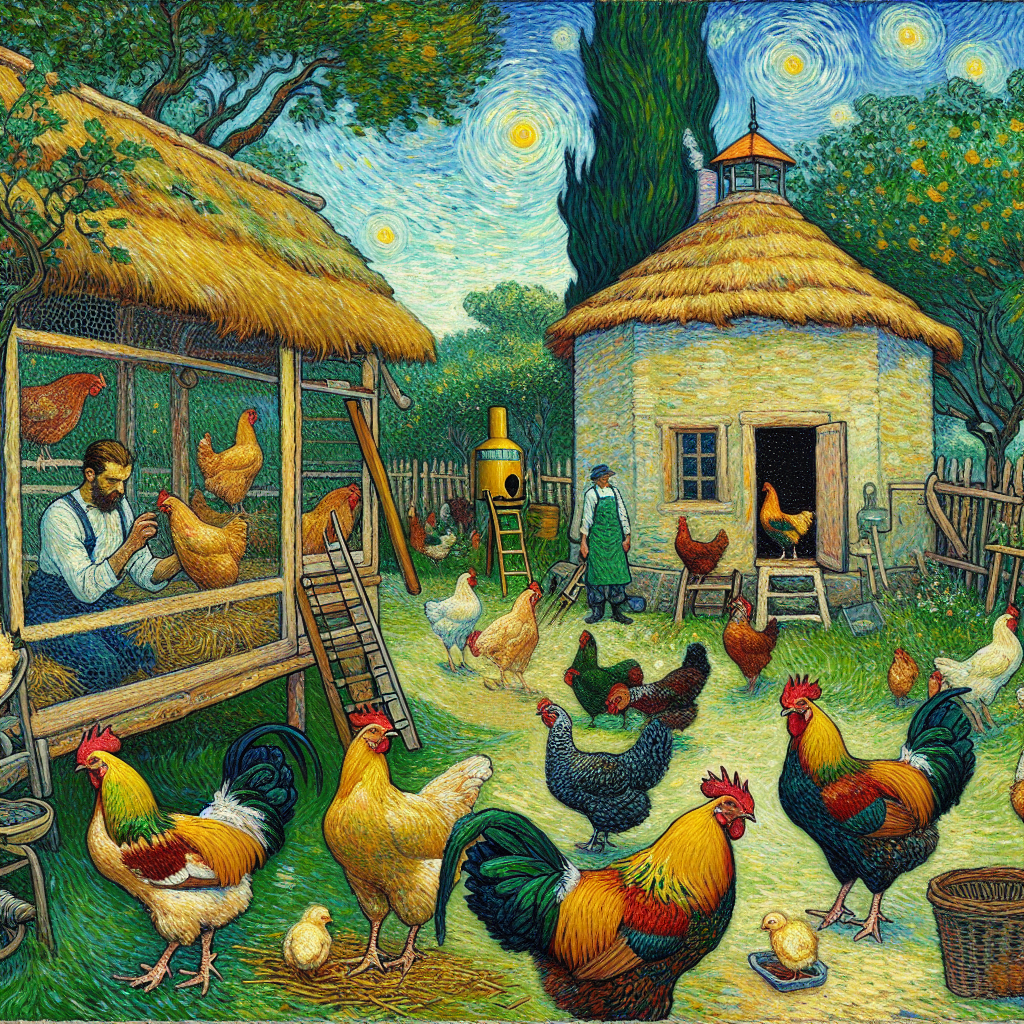
What Are the Long-Term Benefits Of Investing In a Clean Coop Today?
How Can Resilience In My Flock Be Strengthened Through Proper Care?
When you welcome Backyard Chickens into your life, you’re not just adding a few feathered friends to your yard; you’re embracing a vibrant ecosystem that thrives on care, companionship, and nurturing. The bond you foster with your flock can go beyond mere practicality; it’s about understanding a delicate dance between human and animal, where each step contributes to building resilience.
Let’s get into the nitty-gritty. Resilience in chickens, much like in humans, is bred from a solid foundation. It starts with proper care—food, shelter, healthcare, and mental stimulation. Picture this: a thriving coop filled with happy clucks, a safe space where your chickens can roam freely, dust bathe, and socialize. The emotional satisfaction of watching them flourish can lift your spirits. You’re not just raising birds; you’re helping souls blossom.
From a rational perspective, think about the benefits of a resilient flock. Healthy chickens lay eggs, produce consistent meat, and can withstand the sudden twists of fate life throws at them—think sudden weather changes or unexpected illnesses. By investing time and resources into their care, you’re ensuring that your backyard is a hub of productivity, where each chicken contributes its part to your homestead’s success.
Ethically, it’s a commitment. Being a custodian of living beings comes with the moral obligation to provide a decent life. When you give your chickens a nurturing environment, you are not just following best practices; you’re asserting your values in animal welfare. This isn’t just a responsibility; it’s a privilege. By caring for them properly, you strengthen the intrinsic bond of trust that cultivates a supportive atmosphere, making your backyard sanctuary a place to thrive.
Now, let’s bring stories into this. Remember that first chicken you brought home? The way it wobbled on unsteady legs, peeping curiously at the world? Those initial moments were the beginning of a relationship filled with surprises and cherished memories. Share those stories; let other chicken keepers know what it means to nurture life. Your journey inspires others to partake in this beautiful cycle of care.
Ultimately, it’s a shared experience—your efforts extend beyond your backyard, creating a community of like-minded caretakers. Strengthening resilience in your flock enchants not only your life but enriches the lives of everyone who shares this journey with you. Investing in their health, happiness, and well-being ensures a return that feeds your heart, mind, and gut, reminding us all why we embarked on this adventure in the first place.

How Can Resilience In My Flock Be Strengthened Through Proper Care?
How Can Resilience In My Flock Be Strengthened Through Proper Care?
- Welcoming Backyard Chickens fosters a vibrant ecosystem centered on care and companionship.
- The bond with your flock is a blend of practicality and nurturing, contributing to resilience.
- Proper care—including food, shelter, and mental stimulation—is essential for a healthy, resilient flock.
- A thriving coop enhances emotional satisfaction, allowing chickens to flourish and bringing joy to their caretaker.
- Healthy chickens provide consistent eggs and meat, supporting the productivity of your homestead.
- Caring for chickens is both a moral obligation and a privilege, strengthening animal welfare and trust.
- Your journey with chickens creates a community, enriching both your life and that of fellow caretakers through shared experiences.

How Can Resilience In My Flock Be Strengthened Through Proper Care?
Conclusion
Stepping into the world of backyard chickens isn’t just about the cozy clucks and delectable eggs; it’s about awakening a sense of responsibility that resonates on multiple levels. When you care for these feathered friends, you’re not merely playing the role of caretaker—you’re taking on a mantle of stewardship that connects you to something larger than yourself. Each time you scoop out the muck and refresh their bedding, you’re not just cleaning; you’re proclaiming commitment. This simple act speaks volumes about the relationship you nurture, one built on trust and care, which cultivates strong immunity in your flock and sustainable practices in your community.
Think for a moment about the long-term rewards of maintaining a clean coop. It’s not just a health hazard you’re tackling; you’re paving the way for a microcosm of resilience, where your chickens thrive in a safe environment. A clean space is the first line of defense against disease, turning your coop into a sanctuary that fosters not only the physical health of your birds but their emotional well-being too. Healthy chickens are happier, and as they flourish, so does your spirit. Studies show that caring for animals can reduce our stress and elevate our mental health.
Ethically, the act of raising chickens portrays your values—commitment to animal welfare and a rejection of factory farming practices. By stepping off the conventional path and engaging in mindful chicken-keeping, you inspire others—your friends, neighbors, and the next generation—to embrace the joys of sustainable living. Every egg you crack open carries the story of your journey, presenting an opportunity to reflect on the choices you’ve made toward better stewardship of the earth.
The community aspect cannot be overlooked. Engage with fellow chicken enthusiasts at local workshops or share experiences online. Each interaction enriches your knowledge and strengthens bonds with others who share a love for these remarkable animals. You’re part of a movement that encourages resilience, not just within your flock but throughout your entire network.
So, embrace this journey wholeheartedly. Invest in a clean coop and watch as it nurtures not only your chickens but also your soul and your community. In every cluck, every egg, and every friendship formed through shared passion, there’s a heartbeat of harmony that reminds us all why caring for these creatures enriches our lives immeasurably.

Conclusion
Conclusion:
- Backyard chickens foster a sense of responsibility and stewardship beyond mere caretaking.
- Caring for chickens builds a relationship of trust that promotes immunity and sustainable practices.
- A clean coop serves as a defense against disease, ensuring healthy and happy chickens.
- Caring for animals can enhance mental health by reducing stress and elevating spirits.
- Raising chickens reflects values of animal welfare and sustainable living, inspiring others.
- Engagement with the chicken-keeping community enriches knowledge and strengthens bonds.
- Investing in chicken care nurtures not only the flock but also personal and community well-being.

Conclusion
Other Resources

Other Resources
Here is a list of other resources you can review online to learn more:
- grubs
- Araucana
- uncooked beans
- leghorn
- Isbar
- New Hampshire
- Golden Comet
- opossums
- White Faced Black Spanish
- Swedish Black Hen
- foxes
- Java
- green potato skins
- Appenzeller
Use This Prompt To Get More Resources With Your Favorite Online AI Tool: Please provide me with a list of online articles with their URLs in a bulleted list that I can read regarding The Old Farmer’s Guide to a Clean Coop and Strong Immunity

Other Resources
Glossary Terms
The Old Farmer’s Guide to a Clean Coop and Strong Immunity – Glossary Of Terms
1. Coop: A shelter designed for poultry, providing protection from predators and harsh weather.
2. Bacteria: Microscopic organisms that can be beneficial or harmful; managing bacteria levels is crucial for chick health.
3. Ventilation: The process of ensuring adequate airflow within the coop to prevent moisture buildup and respiratory issues.
4. Biosecurity: Measures taken to protect the poultry from diseases by controlling exposure to pathogens.
5. Parasite: Organisms that live on or within the birds, potentially causing health problems; includes worms and mites.
6. Sanitation: The practice of maintaining cleanliness in the coop to reduce disease outbreaks.
7. Nutrition: The intake of essential nutrients; a balanced diet is vital for strong immunity in poultry.
8. Quarantine: A period of isolation for new or sick birds to prevent the spread of disease to the rest of the flock.
9. Vaccination: The process of administering vaccines to chickens to build immunity against specific diseases.
10. Litter: Material used on the coop floor to absorb waste and provide a dry environment for the birds.
11. Flock: A group of birds kept together, often referred to in the context of poultry farming.
12. Coccidiosis: A common intestinal disease in poultry caused by parasites; prevention requires good sanitation and vaccination.
13. Organic: Referring to products or practices that comply with organic farming standards, promoting natural growth without synthetic chemicals.
14. Foraging: The natural behavior of birds to search for food; enhancing foraging opportunities can improve bird health.
15. Disease prevention: Strategies implemented to reduce the likelihood of disease outbreaks in poultry.
16. Fresh Water: Clean, accessible water essential for hydration and digestion in poultry.
17. Handling: The proper way to interact with birds to minimize stress and potential injury during care routines.
18. Nest Box: A designated space within the coop where hens can lay eggs in privacy and safety.
19. Cross-contamination: The transfer of harmful substances from one source to another, often minimized through sanitation practices.
20. Pecking order: Social structure within a flock that influences behavior and interactions among birds.
21. Probiotics: Live microorganisms added to poultry diets to improve gut health and boost immunity.
22. Culling: The practice of removing sick or non-productive birds from the flock to maintain overall health.
23. Dust Bathing: A natural behavior in birds where they roll in dry dust to keep feathers clean and free of parasites.
24. Temperature Control: Managing the coop’s internal temperature to ensure comfort and health, particularly in extreme weather.
25. Molting: The process by which birds shed and regrow feathers, often linked to changes in diet and light exposure.
26. Supplementation: Adding vitamins, minerals, or other nutrients to the diet to enhance health and immunity.
27. Hygiene: Maintenance of clean conditions in the coop, including regular cleaning and disinfection protocols.
28. Lifecycle: The stages of development and growth in poultry, influencing care and management practices.
29. Rotation: Moving chickens to different areas to allow the soil to recover and reduce disease risks.
30. Endpoint: A final product from the flock, such as eggs or meat, indicating the successful completion of the birds’ growth cycle.

Glossary Of Terms
Other Questions
The Old Farmer’s Guide to a Clean Coop and Strong Immunity – Other Questions
If you wish to explore and discover more, consider looking for answers to these questions:
- What are the best practices for coop cleaning and maintenance?
- How often should a chicken coop be cleaned?
- What specific health issues can arise from a dirty coop?
- What types of bedding are best for chicken coops to promote cleanliness?
- What natural remedies can help boost chicken immunity?
- How can I make my coop more eco-friendly in terms of waste management?
- What are the signs of a healthy chicken coop environment?
- How can I introduce new chickens to an existing flock in a clean and safe manner?
- What role do chickens play in promoting biodiversity in a backyard ecosystem?
- How can I effectively manage pests in and around the coop?
- What are the benefits of having a diverse flock of chickens?
- Are there local organizations that provide support for backyard chicken keepers?
- What common mistakes do new chicken keepers make regarding coop cleanliness?
- How can I create a community event focused on coop care and chicken health?
- What educational resources are available for first-time chicken owners?

Other Questions
Haiku
The Old Farmer’s Guide to a Clean Coop and Strong Immunity – A Haiku
Chickens cluck with joy,
In clean coops, health blooms anew,
Nurture life with care.

Haiku
Poem
The Old Farmer’s Guide to a Clean Coop and Strong Immunity – A Poem
In the morning light, the coop stands bright,
With gentle clucks that bring delight,
A world of care within those walls,
Where feathered friends thrive, each one calls.
Cleanliness, the heart of husbandry,
A promise made in each act we see,
For muck and grime hold risk and pain,
Yet with each shovelful, hope remains.
A sanctuary crafted with mindful hands,
Where healthy chickens roam the lands,
Immunity blooms in spaces clean,
Resilience in each feathered dream.
With ethics guiding each decision,
We honor lives with our intention,
For relationships grow where trust is found,
In every egg and joyful sound.
Community thrives as hearts unite,
Sharing wisdom, laughter, and light,
In stories shared, connections swell,
Empowerment blooms where care compels.
A clean coop nurtures, like a tender heart,
Creating bonds that won’t depart,
Through every act, our lives entwine,
A rhythm of care, a life divine.
So take the plunge, embrace the day,
Invest in health through thoughtful play,
In chickens’ joy, your spirit soars,
With each small act, your world restores.
From head to heart, from gut to grace,
An ecosystem thrives in this sacred space,
Together we rise, our voices strong,
In the chorus of care, we all belong.

Poem
Checklist
The Old Farmer’s Guide to a Clean Coop and Strong Immunity – A Checklist
Chicken Care and Coop Cleanliness Checklist
Heart Appeals
_____ Create a Clean Sanctuary: Make it a personal mission to keep your coop tidy; reflect your love and care for your chickens.
_____ Foster Joy and Connection: Spend time with your flock, nurturing your bond and enjoying the simple pleasures of their company.
_____ Share Your Journey: Write down or share stories of your experiences with your chickens to inspire others and strengthen community bonds.
Head Appeals
_____ Regular Cleaning Routine: Establish a consistent schedule for cleaning the coop, including removing droppings and replacing bedding.
_____ Monitor Health: Keep track of any changes in your flock’s behavior or health; be proactive in seeking solutions to potential health issues.
_____ Educate Yourself: Research best practices for disease prevention and coop management to maintain a healthy environment for your chickens.
Gut Appeals
_____ Implement Proper Ventilation: Ensure your coop has good air circulation to prevent respiratory issues in your flock.
_____ Maintain a Secure Environment: Regularly check for signs of pests and reinforce coop security to protect your chickens from predators.
_____ Invest in Quality Supplies: Use durable bedding and feeding materials to create a safe and nourishing environment.
Ethical Appeals
_____ Commit to Animal Welfare: Make choices that prioritize the ethical treatment of your chickens by creating a humane and comfortable living space.
_____ Engage with the Community: Attend local workshops that focus on chicken care and coop cleanliness, sharing your expertise and learning from others.
Authority Appeals
_____ Consult Experts: Reach out to agricultural extension offices for credible resources and support regarding poultry health and care.
_____ Leverage Community Knowledge: Participate in local co-op programs or online forums, exchanging tips and strategies with experienced chicken keepers.
Narrative Appeals
_____ Document Your Progress: Keep a journal of your chicken-keeping journey, noting successes, challenges, and growth to reflect on your experiences.
_____ Celebrate Milestones: Host a gathering with neighbors upon reaching coop care goals, sharing the rewards of your hard work and dedication.
Social Appeals
_____ Connect with Neighbors: Start or join a chicken-keeping group in your community to foster collaboration and camaraderie.
_____ Lead by Example: Share your clean coop practices on social media to inspire others in your circle and build a network of supportive chicken keepers.

Checklist
At BackyardChickenNews, we help people who want to raise backyard chickens by collating information and news blended with our own personal experiences.
Be sure to read our other related stories at BackyardChickenNews to learn more about raising chickens in your backyard.