

Empower Your Family With A Sustainable, Weather-Proof Chicken Haven
By Tom Seest
At BackyardChickenNews, we help people who want to raise backyard chickens by collating information and news blended with our own personal experiences.
Be sure to read our other related stories at BackyardChickenNews to learn more about raising chickens in your backyard.
Ultimate Weather-Resilient Backyard Chicken System
Creating a weather-resilient backyard chicken system is about more than just shelter; it’s about fostering a safe haven for our feathered friends while cultivating a deeper connection with nature and self-sufficiency. Elevating your backyard chickens requires a solid understanding of their needs against the unpredictable elements. Picture this: a driving rainstorm and wind howling like a freight train. Yet, within your thoughtful chicken coop, your flock huddles, dry and unbothered. This is the sanctuary we strive to create—not just for chickens, but as a testament to our responsibility as caretakers.
Imagine your coop built with sturdy materials, designed to repel water and insulate against the cold. It’s not some extravagant structure; it’s an investment in peace of mind. You’re not just nurturing chickens; you’re providing a safe space for life. The satisfaction of gathering warm eggs on a brisk winter morning—there’s something gratifying there, a simple yet profound joy that connects us to the earth. When we build a robust environment, we’re committing to the welfare of our flock, and that commitment stretches out to the community, reminding us of our interconnectedness.
But let’s dig deeper than just practical construction. Think of those days spent with your family, watching the chickens scratch and cluck—a scene that transforms the mundane into something worth celebrating. These feathered companions teach us patience and responsibility. They become part of our stories; each bird distinct, each egg a small miracle. A weather-resilient chicken system becomes a family project, fostering bonding, shared learning, and even laughter when things don’t go as planned. It’s not just a coop; it’s a hub of connection.
One original perspective on this balance between resilience and reliability lies in the concept of microhabitats. Instead of a one-size-fits-all approach, consider how diverse your backyard can be. Different areas can create varied microenvironments—lush plantings for shade, windbreaks made from sturdy shrubs, or raised coops that promote drainage and airflow. This diversity mirrors nature’s complexity and can lead to an ecosystem where your chickens thrive, beautifully showcasing how even in a confined space, life can flourish against all odds.
This investment in a resilient chicken system illustrates a profound principle: when we embrace nature, take the time to prepare, and make thoughtful choices, we aren’t just supporting chickens—we’re nurturing a deeper connection with the world around us. As you cultivate this space, recognize that you’re crafting more than a mere backyard; you’re creating a cornerstone of a life well-lived, a small revolution in sustainable living, and a beacon of hope in uncertain times.

Ultimate Weather-Resilient Backyard Chicken System
Ultimate Weather-Resilient Backyard Chicken System
- Creating a weather-resilient chicken system fosters a safe haven for chickens and enhances self-sufficiency.
- A thoughtful coop protects chickens from harsh weather while serving as a testament to caretaking responsibility.
- Investment in sturdy, functional materials for the coop provides peace of mind and nurtures life.
- Engaging with chickens fosters family bonding, shared learning, and patience.
- Microhabitats within the backyard create diverse environments that support chicken health and resilience.
- The system promotes a deeper connection with nature and community through responsible care.
- Cultivating a backyard chicken space is part of a sustainable living revolution and acts as a beacon of hope.
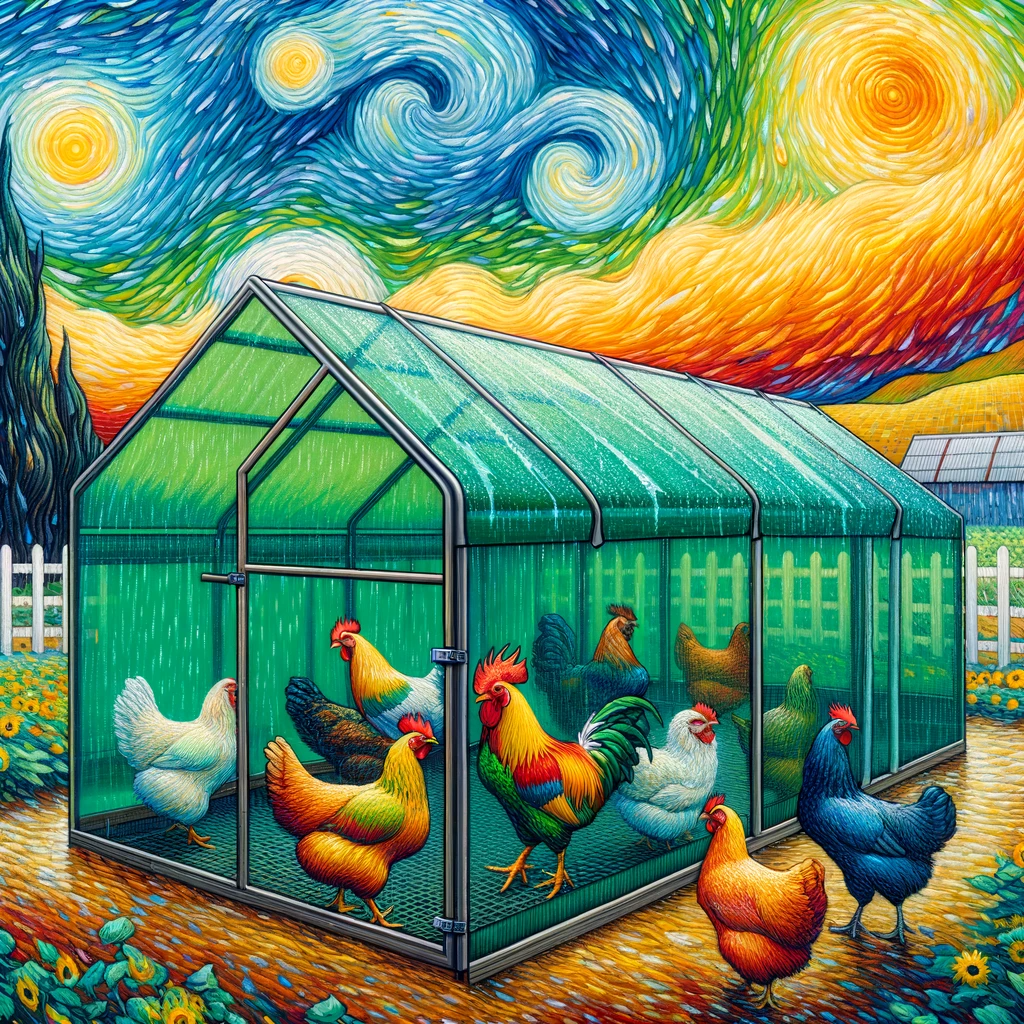
Ultimate Weather-Resilient Backyard Chicken System
Table Of Contents
- Ultimate Weather-Resilient Backyard Chicken System
- What Emotional Benefits Do Backyard Chickens Provide to Families?
- How Can Chickens Improve Our Mental Health During Tough Times?
- What Are the Ethical Implications Of Raising Chickens Sustainably?
- How Does Having Chickens Align with Environmental Responsibility?
- What Are the Practical Steps for Creating a Weather-Resilient Coop?
- Conclusion
- Other Resources
- Glossary Of Terms
- Other Questions
- Haiku
- Poem
- Checklist
What Emotional Benefits Do Backyard Chickens Provide to Families?
Backyard Chickens provide a cornucopia of emotional benefits to families, transforming not just yards, but entire family dynamics. Imagine stepping outside your kitchen door to the soft clucking of hens, their golden feathers glistening in the early morning light. This simple scene is more than just a charming postcard; it’s a gateway to nurturing connections that extend beyond the surface.
Engaging with Backyard Chickens can be a balm to the stresses of modern life. In a world laden with digital distractions, there’s something profoundly therapeutic about tending to living creatures. Studies show that engaging with animals lowers stress hormones, provides a sense of responsibility, and fosters empathy. When children don aprons to collect warm eggs, they’re not merely indulging in a fun task; they’re learning about the cycles of life and the value of hard work. Those moments spent crouched in the yard, smiling at the quirky antics of their feathered friends, create rich memories that stick with them—stories they’ll share around dinner tables for years to come.
More than just a lesson in care, Backyard Chickens weave a tapestry of community. Sharing these experiences often leads to connections with neighbors. Imagine bartering fresh eggs for homemade jam, sparking conversations that break down the very fences that keep families apart. These small acts foster a sense of belonging, reminding us that we are part of something larger, tied together by shared experiences and simple joys.
The narrative of raising chickens also touches on a deeper, ethical understanding of food. Families become more conscious about where their food comes from, connecting the dots from backyard to table. This cultivation of awareness fosters values of sustainability and shows children the importance of loving and respecting food. There’s a visceral thrill in harvesting dinner from your backyard, closing the gap between life and nourishment.
Yet, perhaps the most compelling emotional benefit of Backyard Chickens is their ability to instill a sense of purpose. Each day brings opportunities for learning and growth—not just for the birds, but for the families who raise them. The pivotal moment is seeing how these once-white eggs transform into meals, sparking curiosity and inspiring children to engage with food in new ways.
So, if you find yourself at a crossroads, pondering family routines and connections, consider the transformative role that Backyard Chickens can play. It’s more than a hobby; it’s a journey of discovery that ties together heart, head, and gut in an unforgettable manner.

What Emotional Benefits Do Backyard Chickens Provide to Families?
What Emotional Benefits Do Backyard Chickens Provide to Families?
- Backyard Chickens enhance family dynamics by providing emotional benefits.
- Engaging with chickens lowers stress, fosters responsibility, and cultivates empathy.
- Children learn about life’s cycles through the experience of collecting eggs.
- Chickens promote community by sparking connections and bartering among neighbors.
- Raising chickens leads to greater awareness of food sources and sustainability.
- The experience instills a sense of purpose and opportunity for learning within families.
- Transforming chickens’ eggs into meals inspires children to connect with food differently.

What Emotional Benefits Do Backyard Chickens Provide to Families?
How Can Chickens Improve Our Mental Health During Tough Times?
In the midst of uncertainty and turmoil, have you ever considered the simple yet profound impact of backyard chickens on our mental well-being? These feathered companions, often overlooked in the grander scheme of life, can offer a surprising remedy for the soul. Imagine stepping outside, greeted by the gentle clucking of your chickens, who might as well be a furry support group, reminding you to slow down and embrace the moment.
There’s something beautifully authentic about tending to these creatures. Engaging with backyard chickens nurtures responsibility, which, in turn, can foster a sense of purpose. Instead of waking up to the relentless buzz of notifications and news, the clucking calls you to a different rhythm. You trade anxiety for the anticipation of collecting fresh eggs—a tangible reward for your efforts. That small victory, repeated day by day, serves as a gentle reminder that you’re capable of nurturing life, even in a world that feels chaotic.
Let’s put this into perspective. Consider the narrative of a friend who turned to backyard chickens during a particularly trying phase. Struggling with job loss, isolation, and fear, she found solace in her new flock. Each morning, as she opened the coop, she was met with eager faces filled with curiosity, understanding in their own avian way that they, too, relied on her. That connection forged between caretaker and creature inspired her to rise, to take one small step every day. It was those chickens that not only replenished her garden but rekindled her spirit, turning her backyard into an oasis of hope.
Moreover, the ethical dimension of raising chickens extends to their role in community bonding. Sharing your excess eggs with neighbors or swapping tips and stories about chicken care fosters connections, igniting a sense of belonging amidst the isolating currents of modern life. Imagine a community rallying around this simple act—conversations blossoming over the shared joys and challenges of chicken keeping. It reestablishes our roots in nature and community, showcasing the power of collaboration in healing.
Ultimately, the act of caring for backyard chickens transforms trivial moments into meaningful rituals, creating a sanctuary from the noise that threatens mental peace. In recognizing the joy they bring, we learn the invaluable lesson that even the smallest of creatures can help us navigate the toughest of times. It’s not just about the chickens. It’s about us—our connections, our resilience, and reclaiming a sense of agency when life gets tough.

How Can Chickens Improve Our Mental Health During Tough Times?
How Can Chickens Improve Our Mental Health During Tough Times?
- Backyard chickens positively impact mental well-being, offering companionship and a sense of calm.
- Tending to chickens fosters responsibility and a feeling of purpose, shifting focus from anxiety to anticipation.
- A friend’s experience highlights how chickens can provide solace during difficult times, boosting motivation and hope.
- Caring for chickens helps create community bonds through sharing eggs and exchanging care tips.
- Engagement with chickens reestablishes connections to nature and emphasizes collaboration in healing.
- The act of caring for chickens transforms daily routines into meaningful rituals that promote mental peace.
- Backyard chickens symbolize resilience and the importance of our connections in overcoming life’s challenges.

How Can Chickens Improve Our Mental Health During Tough Times?
What Are the Ethical Implications Of Raising Chickens Sustainably?
Raising chickens sustainably in your backyard isn’t just about fresh eggs or fulfilling a homesteading dream; it’s a journey into the deeper connection we can forge with our food and the land we inhabit. Imagine waking up to the sound of clucking, the aroma of fresh dirt, and the sight of chickens roaming freely in a space that you’ve nurtured. It’s a picture of rural simplicity, but it holds significant ethical implications. Each chicken you raise tells a story of thoughtful stewardship and respect for life.
Ethically, raising backyard chickens challenges the conventional industrial farming model. Rather than viewing these animals merely as commodities, we begin to appreciate their roles as living beings, deserving of care and compassion. When you take responsibility for their well-being, you’re not just providing a better life for your chickens; you’re participating in a moral imperative that resonates on several levels. We have the power to transform our relationship with the food we consume by choosing intentionality over convenience. This thoughtful approach invites us to examine the implications of our dietary habits and the systems that produce our food.
From a rational standpoint, sustainable chicken-keeping can significantly reduce our carbon footprint. Composting chicken waste nourishes your garden while minimizing waste, creating a closed-loop system that benefits both the environment and your home. Plus, the flavors of home-raised eggs are often superior to mass-produced versions. This responsibility fosters a sense of authority at the dinner table, where discussions about food sources begin to flow, creating a ripple effect of awareness among friends and family.
On a personal note, I recall visiting a neighbor who raised chickens. He’d share tales of their quirky personalities, how some were more affectionate than others, and how each bird played a role in his family’s meals. The experience wasn’t just educational; it was transformative. It awakened a recognition that raising chickens can embody community—a shared passion that ties us together in this modern age often devoid of connection to our food sources.
Backyard chickens are a step towards transparency in our food systems, offering a tangible way to bridge the gap between consumers and the origins of our sustenance. By embracing this practice, we don’t merely become chicken keepers; we become advocates for a more ethical, sustainable future that honors the lives of those we raise. It’s not just about chickens; it’s about nurturing a lifestyle that respects our shared earth and its inhabitants.

What Are the Ethical Implications Of Raising Chickens Sustainably?
What Are the Ethical Implications Of Raising Chickens Sustainably?
- Raising chickens sustainably fosters a deeper connection with food and the land.
- It promotes ethical treatment, viewing chickens as living beings deserving of care.
- This practice challenges the industrial farming model, encouraging responsible stewardship.
- Sustainable chicken-keeping can reduce carbon footprints through composting chicken waste.
- Home-raised eggs often have superior flavors compared to mass-produced versions.
- Raising chickens encourages community connections and awareness of food sources.
- Backyard chickens enhance transparency in food systems and advocate for sustainability.

What Are the Ethical Implications Of Raising Chickens Sustainably?
How Does Having Chickens Align with Environmental Responsibility?
Having backyard chickens is more than just a trend; it’s a step towards embracing environmental responsibility in a deeply personal way. Picture this: your own little flock, pecking around the yard, turning kitchen scraps into fresh eggs, and in the process, nurturing a symbiotic relationship with Mother Nature. It’s a tangible commitment to sustainable living that strikes a chord with both our hearts and our heads.
Let’s break it down. Chickens are not just birds; they are mini-ecosystem managers capable of reducing waste and enriching the soil. Instead of tossing vegetable scraps into the compost bin, you can feed them directly to your chickens. This not only keeps food waste out of landfills but also transforms it into nutrient-rich fertilizer through their droppings. A cycle of nourishment unfolds, feeding your garden and generating fresh produce alongside those delightful backyard eggs. It’s a friendly reminder that caring for the environment can be as simple as embracing what’s in your backyard.
Ethically, raising chickens aligns with a more responsible approach to food sourcing. Each egg represents a choice: a choice to support local, humane practices over industrial farming, where the well-being of animals often takes a backseat. When you can see, hear, and interact with your chickens, you cultivate a sense of respect and responsibility for the food you consume. You get to know where your eggs come from, and that connection fosters a deeper appreciation for nature’s bounty.
However, there’s a narrative here that resonates even further. Imagine the joy of sharing that first fresh egg with a neighbor or a friend, igniting conversations about sustainability and the importance of local food production. Each encounter becomes a moment of education and inspiration, creating ripples in your community.
It’s a call to arms for a quieter revolution, encouraging others to take similar action—one backyard at a time. The act of raising chickens isn’t just an isolated event in your life; it’s a bridge that connects you to a larger movement toward environmental stewardship.
So, if you’re looking for a way to cultivate not just a garden, but a mindset that prioritizes the planet, backyard chickens offer an inviting path. They embody the spirit of responsibility, encouraging a more sustainable lifestyle that benefits not just you, but also your community and the environment. Ultimately, it’s about taking that first step into a world where your actions echo in the hearts, heads, and guts of those around you.

How Does Having Chickens Align with Environmental Responsibility?
How Does Having Chickens Align with Environmental Responsibility?
- Backyard chickens represent a personal commitment to environmental responsibility.
- Chickens manage mini-ecosystems, reducing waste and enriching soil.
- Feeding kitchen scraps to chickens transforms waste into nutrient-rich fertilizer.
- Raising chickens supports humane food sourcing over industrial farming practices.
- Interacting with chickens fosters respect for food sources and nature’s bounty.
- Sharing fresh eggs encourages community conversations about sustainability.
- Backyard chickens promote a sustainable lifestyle that benefits individuals and communities.

How Does Having Chickens Align with Environmental Responsibility?
What Are the Practical Steps for Creating a Weather-Resilient Coop?
When it comes to our feathered friends, creating a weather-resilient coop isn’t just a task; it’s a labor of love. Backyard chickens have become more than just a hobby; they’re family members, teachers of patience, and providers of fresh eggs. A weather-resilient coop ensures that these delightful companions remain safe and healthy, regardless of what Mother Nature throws their way.
Start by choosing the right location. Think of your chickens as tiny, feathery homesteaders who deserve a solid foundation. Position the coop away from low-lying areas that can collect water and consider the sun’s track across the sky. Just like that cherished spot in your garden that thrives with ample sunlight, your coop should bask in the warmth, yet have adequate shade. This balance is crucial not only for the birds’ comfort but also for the overall health of your chickens.
Next, invest in durable materials. Treat this coop like a home. Use sturdy, weather-resistant wood, and consider materials like galvanized steel or reinforced plastic that withstand the test of time. A strong roof isn’t just an architectural choice; it’s a shield against rain, wind, and the unexpected snowstorm that could catch you off guard. Remember that each component of the coop will face environmental challenges, so prioritize quality to give your chickens the best shelter possible.
Ventilation is another key factor. Just as we crave fresh air, so do our backyard chickens. Create a set of adjustable vents that allow air to flow freely while keeping them protected from harsh weather. This attention to detail can prevent heat exhaustion in summer and frostbite in winter, turning your coop into a climate-controlled haven rather than a simple shelter.
Don’t forget about insulation and bedding. The comforts of home don’t just apply to us—they apply to our chickens, too. A good layer of bedding not only helps control odors and absorbs moisture but also provides warmth during frigid nights. Think of it as your chickens’ cozy blanket against the chill.
Lastly, consider adding an emergency plan. Nature can be unpredictable, so having a blueprint for weather emergencies can make all the difference. This might mean knowing when it’s time to bring your chickens indoors during severe weather or having supplies ready for an unexpected storm. It’s about taking proactive steps to safeguard their wellbeing.
Creating a weather-resilient coop for your backyard chickens offers more than just protection—it fosters a deeper connection between you and your poultry pals. In doing so, you not only ensure their safety but also cultivate a harmony that benefits everyone involved. These steps are not just practical; they’re an essential part of taking responsibility for lives that trust us completely.

What Are the Practical Steps for Creating a Weather-Resilient Coop?
What Are the Practical Steps for Creating a Weather-Resilient Coop?
- Creating a weather-resilient coop is essential for the health and safety of backyard chickens.
- Choosing the right location is crucial; avoid low-lying areas and ensure a balance of sunlight and shade.
- Invest in durable, weather-resistant materials like sturdy wood, galvanized steel, or reinforced plastic.
- A strong roof protects against various weather conditions, ensuring the coop remains a safe refuge.
- Incorporate adjustable ventilation to prevent heat exhaustion in summer and frostbite in winter.
- Provide insulation and bedding to control odors, absorb moisture, and keep chickens warm during cold nights.
- Develop an emergency plan for unpredictable weather to safeguard the wellbeing of your chickens.

What Are the Practical Steps for Creating a Weather-Resilient Coop?
Conclusion
Creating a weather-resilient backyard chicken system is an investment in both self-sufficiency and community, offering profound emotional and ethical benefits that resonate deeply. Imagine a sanctuary wherein your chickens thrive, sheltered from harsh winds and relentless rain—a testament to your commitment as a caretaker. This isn’t just about building a sturdy coop; it’s about crafting a safe space for life, a vivid symbol of responsibility and love. Picture those winter mornings when you gather warm eggs, a small yet powerful reminder of the joy that comes from nurturing these feathered companions.
Chickens are more than just livestock; they become part of the family. Each interaction—watching them scratch the ground or sharing laughter over their quirky antics—strengthens family bonds and cultivates patience and respect in children. As they learn to gather eggs and care for these creatures, they weave lasting memories that transform ordinary moments into cherished family narratives.
Beyond personal gain, raising chickens connects us to our communities. The simple act of sharing eggs can break down barriers, fostering friendships and encouraging discussions about sustainable practices. This relationship not only enhances our understanding of food sources but also reaffirms our commitment to ethical consumption. In a world filled with digital noise, these little creatures remind us of the values that matter most: empathy, responsibility, and the sheer pleasure of simple living.
The environmental benefits cannot be understated. Chickens contribute to waste reduction and soil enrichment through their actions—transforming kitchen scraps into nutritious fertilizer while providing fresh eggs. This cycle of nourishment exemplifies sustainable living, fostering a mindset that prioritizes our earth and shared resources. By embracing this lifestyle, we contribute to a collective movement toward a more compassionate and responsible food system.
Creating a weather-resilient chicken coop involves practical steps that ensure your flock’s safety and comfort, laying the groundwork for a deeper bond between you and your chickens. From choosing the right location to investing in durable materials and implementing effective ventilation, every detail is a reflection of your dedication. This initiative becomes more than an individual project; it’s part of a larger narrative about stewardship, community, and resilience.
Ultimately, a backyard chicken system embodies a small yet significant revolution in sustainable living. It champions ethical practices, nurtures personal connections, and fosters a renewed appreciation for our relationship with the natural world. As we invest in these feathered friends, we open ourselves to a more profound understanding of life, resilience, and the joy that comes from creating a safe haven in our own backyards.

Conclusion
Conclusion:
- Investing in a weather-resilient chicken system enhances self-sufficiency and fosters community connections.
- Creating a safe space for chickens reflects responsibility, love, and commitment to animal care.
- Raising chickens strengthens family bonds and teaches children values like patience and respect.
- Sharing eggs helps build relationships and promotes discussions about sustainable practices.
- Chickens aid in waste reduction and soil enrichment by turning scraps into nutritious fertilizer.
- Building a weather-resilient coop requires careful planning and durable materials for chicken safety and comfort.
- A backyard chicken system represents a small revolution in sustainable living and ethical practices.

Conclusion
Other Resources
Other Resources
Here is a list of other resources you can review online to learn more:
- Altsteirer
- Tomaru
- Easter Egger
- Gumboro
- layer feed
- garlic
- compost
- Ameraucanas
- salmonella
- Zucchini
- Breda
- Swedish Flower Hens
- Wyandotte
Use This Prompt To Get More Resources With Your Favorite Online AI Tool: Please provide me with a list of online articles with their URLs in a bulleted list that I can read regarding Ultimate Weather-Resilient Backyard Chicken System

Other Resources
Glossary Terms
Ultimate Weather-Resilient Backyard Chicken System – Glossary Of Terms
1. Coop envelope: The sealed structural shell (walls, roof, floor) that controls air, moisture and thermal transfer between interior and exterior.
2. Insulation (R‑value): Material and its thermal resistance rating used to reduce heat loss in winter and heat gain in summer.
3. Thermal mass: Dense materials (concrete, water barrels, stone) that absorb, store and slowly release heat to stabilize coop temperature.
4. Passive solar gain: Design that captures and stores sunlight (orientation, glazing, thermal mass) to warm the coop without active energy.
5. Cross‑ventilation: Airflow pattern created by opposing openings to remove moisture and heat while preventing drafts on birds.
6. Heat recovery ventilator (HRV): Mechanized ventilation that exchanges stale indoor air for fresh outdoor air while reclaiming heat.
7. Adjustable vents: Operable intake and exhaust openings to tune airflow for changing weather and flock needs.
8. Draft control: Strategies (baffles, trim, placement of vents/doors) to eliminate cold, direct airflow over roosting birds.
9. Deep litter method: Bedding management that produces composting heat under bedding to help maintain coop warmth.
10. Frost‑free waterer: Water delivery system designed to prevent freezing (heated or insulated) to ensure year‑round access.
11. Heated roosts: Electrically warmed perches or passive-warmth designs that help birds maintain body temperature during extreme cold.
12. Raised coop: Elevated floor design that reduces ground moisture, improves airflow beneath the structure and limits frost heave.
13. Run cover: Overhead protection (roofing, netting, panels) that shields the outdoor run from snow, rain and sun.
14. Snow load capacity: Structural rating and design to support accumulated snow weight on roofs and covers.
15. Wind loading: Design features and anchoring that resist uplift and pressure from prevailing and extreme winds.
16. UV‑stabilized materials: Building components treated to resist sun degradation and retain performance in intense sunlight.
17. Drainage & grading: Site shaping and subsurface plans that divert water away from coop foundations and run areas.
18. Permeable surfacing: Ground materials (gravel, permeable pavers) that reduce pooling and mud by allowing infiltration.
19. Swale & runoff management: Landscape features that capture and redirect stormwater away from chicken areas.
20. Rainwater harvesting: Collection and storage systems for runoff to supply drinking and cleaning water during drought.
21. Shade strategies (shade cloth, deciduous planting): Measures to reduce solar heat load and provide cool areas in summer.
22. Evaporative cooling (misters): Active cooling method that reduces coop/run air temperature via water evaporation in dry climates.
23. Green roof / living roof: Vegetated roof system that improves insulation, absorbs rainwater and reduces thermal extremes.
24. Thermal curtains & shutters: Insulated barriers for windows and vents used seasonally to control heat loss and drafts.
25. Emergency power backup: Onsite power solutions (batteries, generators, solar + storage) to maintain critical systems during outages.
26. Predator‑resilient weatherproofing: Construction details that keep predators out while preserving ventilation and weather protection.
27. Mobile chicken tractor: Moveable, weather‑adaptable shelter that allows rotation for pasture, shade and storm avoidance.
28. Microclimate siting: Placement choices (sheltered from wind, shaded, sun‑exposed) that leverage local conditions for comfort.
29. Insulated nest boxes: Thermally buffered laying compartments that reduce egg chilling and improve winter laying reliability.
30. Seasonal maintenance protocol: Scheduled checks and tasks (sealant, vent adjustment, bedding refresh, roof clearing) to keep the system weather‑resilient.
Glossary Of Terms
Other Questions
Ultimate Weather-Resilient Backyard Chicken System – Other Questions
If you wish to explore and discover more, consider looking for answers to these questions:
- What local laws, zoning rules, or HOA restrictions do I need to check before keeping backyard chickens?
- How many chickens are appropriate for my yard size and family needs?
- Which breeds are best for severe cold, heat, or variable weather conditions?
- How do I choose between free-range, pasture-raised, and confined systems for my property?
- What are the exact space, roosting, and nesting requirements per bird?
- How should a coop be sited to optimize sun, shade, drainage, and wind protection?
- What materials provide the best balance of durability, insulation, and cost for a weatherproof coop?
- How do I predator-proof a coop and run (hardware cloth, buried fencing, electric fencing, deterrents)?
- What ventilation design prevents moisture buildup and ammonia without creating cold drafts?
- How much and what type of insulation is safe and effective for winter without causing overheating in summer?
- How can I design microhabitats (shade, windbreaks, sheltering plantings) in a small backyard?
- What bedding materials work best for moisture control, insulation, and compostability?
- How should I manage manure and compost to prevent odors, flies, and pathogen risks?
- What are the best practices for water supply (heated waterers, freeze prevention, filtration)?
- How do I safely use heaters or heat lamps without increasing fire risk?
- What emergency plans and supplies should I keep for storms, power outages, or extreme temperatures?
- How often and how should a coop be cleaned, disinfected, and maintained?
- What are common illnesses, parasites, and signs of disease to watch for in backyard flocks?
- What vaccination, deworming, or biosecurity measures are recommended for small-scale keepers?
- How do I prevent, detect, and treat mites, lice, and internal parasites?
- When and how should I call a vet, and how do I find an avian/exotic vet in my area?
- How many eggs can I expect per bird by breed and season, and how do I manage seasonal drops?
- What should I feed my chickens at different life stages — starter, grower, layer, and during molting?
- Do chickens need grit, oyster shell, or vitamin supplements, and when?
- How do lighting schedules affect egg production, and how can I safely supplement light in winter?
- What are ethical and humane practices for culling, rehoming, or butchering birds at home?
- How do I handle broody hens, hatching, and raising chicks or poults safely in a backyard setting?
- What incubators, brooder setups, and biosecurity steps are needed for hatching eggs at home?
- How do I integrate chickens with a vegetable garden without causing damage to plants?
- What composting systems best incorporate chicken manure for safe garden fertilizer?
- How do I reduce noise, odors, and neighbor complaints while maintaining good chicken welfare?
- What are safe, effective pest and rodent control strategies around coops and feed storage?
- How much time daily and weekly is realistic for tending a small flock?
- What are realistic startup and ongoing costs (coop, birds, feed, bedding, vet care, utilities)?
- Should I buy chicks, pullets, or adult hens, and where should I source healthy birds?
- How do I choose between building a DIY coop, modifying a shed, or buying a prefabricated unit?
- What construction details (roof pitch, overhangs, raised floors, drainage) most improve weather resilience?
- How can I track and reduce the environmental footprint of my backyard chicken system?
- What insurance, liability, or public-health considerations apply if I sell or give away eggs?
- How do I safely store and handle eggs to minimize salmonella or spoilage risks?
- How can I scale up responsibly if I want to increase flock size later?

Other Questions
Haiku
Ultimate Weather-Resilient Backyard Chicken System – A Haiku
Chickens in the yard,
Safe haven through storms they thrive,
Life’s simple heartbeat.

Haiku
Poem
Ultimate Weather-Resilient Backyard Chicken System – A Poem
In the heart of our backyards, a quiet revolution grows,
Where resilient chickens thrive, amidst the sun and snow.
A sanctuary built with care, each coop a steadfast shell,
Protecting feathered souls within, a bond that words cant tell.
Through storms that howl and rains that drench, they find their safe retreat,
In places crafted with intent, where patience and love meet.
Gathering warm eggs in the dawn, a simple, joy-filled task,
Reminds us of lifes rhythms, if we but stop and ask.
Each cluck, a note in nature’s song, a lesson on the way,
Teaching us of hope and trust, in the light of each new day.
Children learn with laughter, as they gather round to share,
The stories of quirky chickens, their charm beyond compare.
In sharing eggs and laughter, walls of silence come undone,
Bartering with neighbors brings community like the sun.
A dance of life unfolding, where ethics meet the earth,
Raising chickens sustainable, connecting us to worth.
As we nurture these small beings, we ponder deeper themes,
The link between our choices and the world within our dreams.
Chickens teach us care and voice, in a world that spins too fast,
Helping heal our aching hearts, as we learn from natures past.
So build a coop with love and thought, embrace this vibrant call,
In each feathered friend, you’ll find the heart of life, the gut of all.
In storms or sun, they stand as proof, that we can learn and grow,
Creating harmony with nature, in the flow of life’s sweet show.

Poem
Checklist
Ultimate Weather-Resilient Backyard Chicken System – A Checklist
Heartfelt Connection with Nature
✅______ Imagine your family bonding over chicken care ⠀
✅______ Plan moments for quiet reflection while observing your flock ⠀
✅______ Create a cozy area to sit and enjoy time spent with your chickens ⠀
Rational Planning for Sustainability
✅______ Research and select durable, weather-resistant materials for the coop ⠀
✅______ Determine the coop’s ideal location to maximize sun exposure and minimize flooding ⠀
✅______ Develop a composting system for chicken waste to enrich your garden ⠀
Emotional Benefits for Family Dynamics
✅______ Schedule regular family activities centered around chicken care ⠀
✅______ Encourage children to participate in egg collection and feeding ⠀
✅______ Share stories of each chicken’s personality to foster connections ⠀
Ethical Responsibility
✅______ Reflect on the importance of humane treatment and care for your chickens ⠀
✅______ Educate family members on the ethical implications of food sourcing ⠀
✅______ Discuss local community resources for sustainable practices ⠀
Engagement with Community
✅______ Plan to share eggs or chicken care tips with neighbors ⠀
✅______ Organize or join a local chicken-keeping group for shared experiences and knowledge ⠀
✅______ Host a backyard gathering to promote sustainable practices with friends ⠀
Building Resilience Through Design
✅______ Install ventilation systems to ensure fresh air circulation in the coop ⠀
✅______ Use insulation materials that provide warmth during colder seasons ⠀
✅______ Create a weather emergency plan that includes evacuation strategies if needed ⠀
Embracing Nature’s Complexity
✅______ Design varied microhabitats within your backyard for chickens to explore ⠀
✅______ Incorporate natural windbreaks, shade, and diverse plantings around the coop ⠀
✅______ Monitor your flock’s behavior and health to adjust their environment as needed ⠀
Nurturing a Sense of Purpose
✅______ Set weekly goals connected to chicken care and coop maintenance ⠀
✅______ Celebrate every successful season with an egg harvest party ⠀
✅______ Reflect on the lessons learned from raising chickens together as a family ⠀
Practical Steps for Coop Construction
✅______ Plan the coop layout with accessibility for cleaning and feeding ⠀
✅______ Invest in high-quality roofing to withstand harsh weather conditions ⠀
✅______ Regularly check and maintain the coop’s structural integrity ⠀
Transforming Routine into Ritual
✅______ Create a daily schedule that incorporates chicken care into family routines ⠀
✅______ Use moments spent with chickens as opportunities for mindfulness and gratitude ⠀
✅______ Involve children in documenting their experiences and milestones with the flock ⠀

Checklist
At BackyardChickenNews, we help people who want to raise backyard chickens by collating information and news blended with our own personal experiences.
Be sure to read our other related stories at BackyardChickenNews to learn more about raising chickens in your backyard.