

Cracking The Code: The Emotional, Ethical, And Rational Guide To Egg Shell Quality
By Tom Seest
At BackyardChickenNews, we help people who want to raise backyard chickens by collating information and news blended with our own personal experiences.
Be sure to read our other related stories at BackyardChickenNews to learn more about raising chickens in your backyard.
Understanding Egg Shell Quality Issues
When you embark on the journey of raising backyard chickens, there’s a certain thrill that comes with the cluck and flutter of your feathery companions. Yet, amidst the joy of gathering fresh eggs, you may encounter an unsettling truth: the issue of egg shell quality. It’s a topic that deserves our attention, for those fragile beauties are more than just breakfast; they’re a reflection of the care and environment you provide.
Imagine standing in your coop, holding a soft, thin-shelled egg that crumbles at the slightest pressure. Frustration wells up inside you as you wonder: what went wrong? Here’s where we must engage our heads, hearts, and guts. Quality egg shells stem from the meticulous dance of nutrition, genetics, and stress management. A balanced diet rich in calcium, minerals, and vitamins isn’t just a good idea; it’s a commitment to your flock’s wellbeing. Picture your birds, strong and vibrant, laying eggs like little packages of potential, and consider the sheer joy of knowing you’re nourishing their journey.
Still, the relationship between farmer and fowl is an ethical one. To overlook the importance of egg shell quality is to disregard the very essence of what it means to care for these creatures. Each egg is a testament to their health and your stewardship. It beckons you to take pride in a practice that’s been passed down through generations, evoking the spirit of agrarian ethics that values life, integrity, and connection to the land.
The narrative of backyard chicken raising mirrors the timeless story of human aspiration—the drive to create something meaningful and authentic in a world often filled with mass-produced sameness. You want your eggs to speak of your values, your hard work, and your commitment to quality, not just in taste but in how they are produced. Join the community of backyard enthusiasts, sharing your successes and struggles, fostering a bond stronger than the shells that protect your creations.
Remember, each crunchy bite is a celebration of resilience. By addressing egg shell quality, you’re not just solving a problem; you’re ensuring a future where each morning’s collection feels like a small but significant victory. Step into that role wholeheartedly, harness the knowledge, and trust in the process. The result will inspire not only your kitchen but the community around you.

Understanding Egg Shell Quality Issues
Understanding Egg Shell Quality Issues
- Raising backyard chickens offers joy, highlighted by gathering fresh eggs.
- Egg shell quality is an important issue reflecting the care and environment provided to the chickens.
- A balanced diet rich in calcium, minerals, and vitamins is crucial for strong egg shells.
- Each egg serves as a testament to the chickens’ health and the farmer’s stewardship.
- The practice of raising chickens embodies agrarian ethics that value life and connection to the land.
- Backyard chicken raising is a pursuit of authenticity and meaningful production in a mass-produced world.
- Addressing egg shell quality fosters a sense of community and celebration of success in chicken farming.

Understanding Egg Shell Quality Issues
Table Of Contents
- Understanding Egg Shell Quality Issues
- What Factors Contribute To Poor Egg Shell Quality?
- How Does Diet Affect Eggshell Strength?
- Can Stress In Hens Lead To Fragile Eggs?
- What Role Does Genetics Play In Eggshell Development?
- Are There Environmental Conditions That Compromise Egg Quality?
- How Can Farmers Ensure Optimal Conditions For Egg Production?
- What Are The Financial Implications Of Low-Quality Eggs?
- Conclusion
- Other Resources
- Glossary Of Terms
- Other Questions
- Haiku
- Poem
- Checklist
What Factors Contribute To Poor Egg Shell Quality?
When you embark on the journey of raising backyard chickens, the excitement is palpable. There’s something profoundly satisfying about gathering eggs fresh from your own coop—a snapshot of nature’s perfection. But what happens when the eggs don’t quite meet expectations? Poor egg shell quality can be disheartening, yet understanding the contributing factors is key to nurturing your feathered friends and ensuring they thrive.
First, let’s talk about nutrition. Believe it or not, the feed you provide plays a crucial role in the strength and integrity of those fragile shells. Chickens need a balanced diet rich in calcium, protein, and minerals. If they miss out on these essentials, their shells can turn out thin and brittle, making you wonder about the quality of your flock’s health. Imagine the heartache of finding a cracked egg when all you wanted was a precious morning omelet!
Stress is another enemy of strong eggshells. Chickens are sensitive creatures, and a sudden change in their environment—be it a new predator lurking or an unexpected move—can send them into a tailspin. When they’re stressed, it’s not just their mood that suffers; the quality of the eggs they lay is at risk too. Take a moment to consider how we all fare under pressure. By fostering a calm, safe space for your birds, you are not just caring for them; you’re participating in a nurturing cycle that honors their well-being.
Let’s not forget about age and breed. Younger hens often lay eggs with sturdier shells, while the elders may be past their prime, and some breeds are predisposed to better quality shells than others. This speaks to a bigger truth in life: some are natural overachievers, while others face challenges. Embracing your flock’s unique characteristics creates a bond that deepens your understanding and appreciation of their contributions to your backyard.
Lastly, the simple yet often overlooked act of regular health checks can make a world of difference. Observing your chickens for signs of illness or unease isn’t just an act of responsibility; it’s a commitment to their welfare. Healthy hens lay better eggs, which brings us full circle to that joyful connection of nurturing life.
So, as you gather eggs in the morning light, remember that the texture of those shells comes from far more than just biology. It’s about love, care, and the thoughtful choices you make every day to ensure your backyard chickens live their best lives. By addressing these factors, not only will you foster their health, but you’ll forge a relationship that’s rewarding, heartfelt, and profoundly meaningful.
What Factors Contribute To Poor Egg Shell Quality?
What Factors Contribute To Poor Egg Shell Quality?
- Raising backyard chickens brings excitement and satisfaction, especially when collecting fresh eggs.
- Poor eggshell quality can be disheartening, highlighting the importance of understanding contributing factors.
- Nutrition is crucial; chickens need a balanced diet rich in calcium, protein, and minerals for strong eggshells.
- Stress negatively affects eggshell quality; creating a calm environment is essential for the well-being of chickens.
- The age and breed of hens impact eggshell strength, with younger hens typically laying sturdier eggs.
- Regular health checks help identify issues, as healthy hens produce better quality eggs.
- Caring for chickens fosters a rewarding bond and ensures they live their best lives through thoughtful choices.

What Factors Contribute To Poor Egg Shell Quality?
How Does Diet Affect Eggshell Strength?
When you venture into the world of Backyard Chickens, you’re not just raising a flock; you’re stepping into a relationship built on trust, care, and responsibility. Think about it: every time you crack open a fresh egg, you’re experiencing a small miracle. But what if that miracle is compromised because of what your chickens are eating?
Let’s dive deeper. The strength of an eggshell isn’t just a matter of biology; it’s a story woven from the threads of nutrition, lifestyle, and environment. Chickens, like us, thrive on a balanced diet that supports their health from the inside out. You wouldn’t fuel your body with fast food and expect to feel amazing, right? Similarly, if chickens aren’t fed a nutritious diet rich in calcium, proteins, vitamins, and minerals, their eggs will suffer. The delicate shell that protects the life inside is a reflection of their overall health.
Imagine raising chickens that enjoy a diet filled with leafy greens, seeds, and perhaps some kitchen scraps—a balanced mix that enriches their lives and, in turn, strengthens their eggs. It’s not just about convenience; it’s about making a conscientious choice as a caretaker. The eggs you gather daily are imbued with the love and attention you pour into your flock. The strong shells serve as a testament to that commitment.
Beyond the individual birds, there’s an ethical dimension to consider. Supporting sustainable practices and ensuring your hens receive proper nutrition significantly impacts local ecosystems and agricultural practices. By educating yourself on the right dietary choices for your flock, you’re also participating in a larger movement towards food integrity. This is not just about eggs; it’s about community, quality, and respect for nature’s processes.
As you stand in your backyard, listening to the soft clucks of your chickens, remember that every choice you make affects not just their health, but the quality of your eggs and ultimately your family’s health. The connection runs deep: when you nurture your chickens with love and good food, you’re also nurturing your body and your family. So next time you fill their feeder, think about the strong, protective eggs that could be the treasure of your kitchen—a reward well earned through thoughtful stewardship. Your journey with Backyard Chickens isn’t just about eggs; it’s about health, ethics, and the connection we share with the creatures in our care.
How Does Diet Affect Eggshell Strength?
How Does Diet Affect Eggshell Strength?
- Raising backyard chickens fosters a relationship based on trust, care, and responsibility.
- The quality of chickens’ diet directly affects the strength and health of their eggshells.
- A balanced diet for chickens includes calcium, proteins, vitamins, and minerals.
- Chickens benefit from a diverse diet such as leafy greens, seeds, and kitchen scraps.
- Proper nutrition for chickens contributes to sustainable practices and supports local ecosystems.
- Educating oneself about chicken care fosters a movement toward food integrity and community health.
- Your choices in feeding chickens impact both their health and the health of your family.

How Does Diet Affect Eggshell Strength?
Can Stress In Hens Lead To Fragile Eggs?
Can stress in hens lead to fragile eggs? You better believe it. Imagine the quiet cluck of your backyard chickens—these gentle creatures are supposed to be symbols of homegrown bounty and self-sufficiency. Yet, beneath that serene surface, they often bear the weight of stress, which can directly influence the resilience of their eggs.
Picture a hen, bustling about her pen, feeling the nudge of a nearby dog, the thud of the neighbor’s drone, or the oppressive weight of a scorching day. The stresses may seem trivial on the surface, but to our feathered friends, they can set off alarms. Stress triggers the release of cortisol, that age-old fight-or-flight hormone. While we might dismiss a late-night thunderstorm or a brief commotion as nothing more than a nuisance, to a hen, these events turn their world into a hurricane of anxiety.
Now consider the implications of these stress-induced storms on egg production. Think about it: an egg is not just a product; it’s a reflection of a hen’s environment and well-being. Hens who endure constant stress are more prone to laying eggs that are fragile and prone to breaking, which directly impacts your ability to enjoy that farm-fresh breakfast. Nobody wants to crack open an egg only to discover a shattered mess—a poignant reminder that our choices impact not just our lives but the lives of the animals we tend to.
Ethically, we owe it to these creatures to create a nurturing environment where they can thrive. As caretakers, we must recognize that our actions affect their mental and physical well-being. Society benefits when we extend compassion to these animals, acknowledging their needs alongside our culinary desires. When we foster a healthy habitat for our backyard chickens, we can feel confident that we’re contributing to not just better eggs but a more ethical approach to animal husbandry.
Engaging with your backyard flock means taking the time to monitor their behavior, ensure their comfort, and create a stress-free milieu. Trust your instincts; if something seems off, it’s worth investigating. In the world of backyard farming, a little empathy goes a long way, leading to happier hens and stronger eggs—all sourced from a place of genuine care and respect. So, let’s commit to fostering a sanctuary for our birds, ensuring their peace translates into the sturdy, wholesome eggs we love.
Can Stress In Hens Lead To Fragile Eggs?
Can Stress In Hens Lead To Fragile Eggs?
- Stress in hens can lead to fragile eggs, impacting egg resilience.
- Common stressors include nearby animals, loud noises, and extreme weather conditions.
- Stress triggers cortisol release in hens, causing anxiety and affecting their health.
- Fragile eggs reflect a hen’s environment and well-being; stressed hens lay weaker eggs.
- Creating a nurturing environment is essential for the health of hens and quality of eggs.
- Compassion and awareness of hens’ needs lead to ethical animal husbandry practices.
- Monitoring hen behavior and ensuring comfort contributes to happier hens and stronger eggs.

Can Stress In Hens Lead To Fragile Eggs?
What Role Does Genetics Play In Eggshell Development?
When we talk about eggshells, we might think of their delicate appearance and how they cradle potential life within. But behind that fragile exterior lies a story of genetics—a saga of information encoded in the DNA of our feathery friends. For those of us who keep backyard chickens, understanding this story isn’t just an academic pursuit; it connects us to nature and highlights the beauty of life in our own backyards.
You see, the process of eggshell development is a marvel of genetic engineering. Much like crafting a finely-tuned machine, the genes of a hen orchestrate a symphony of nutrients, minerals, and intricate biological processes to create the shell. These genes decide not just the thickness and strength of the eggshell, but also its color, which can range from the classic white to deep brown hues, even blue and green in some breeds. Imagine standing in your yard, watching your chickens peck around, and knowing that each one of them holds the secret to countless generations of evolution and survival.
From a rational standpoint, the role of genetics in eggshell quality is well-documented. Research shows that factors like calcium deposition and shell muscle contraction—both genetically influenced—play crucial roles in how well a hen can form her eggshells. It’s a reminder that our feathered companions are not mere pets; they are complex beings shaped by millennia of adaptation. This understanding fosters trust in those who care for these animals, highlighting the need to nurture their genetic qualities through proper nutrition and environment.
Ethically, raising backyard chickens invites us to contemplate our responsibility towards them. Each time we care for our flock, we’re participating in a partnership with nature, respecting and honoring their genetic heritage. We carry the power to ensure that our hens thrive, thereby supporting a cycle of healthy eggs that represent not just nourishment, but a bond with our environment.
The narrative is clear: genetics plays a vital role in the story of eggshell development, one that is both scientific and deeply personal. As we gather around for breakfast, we’re not just sharing a meal—we’re connecting with the essence of life, the fruits of our labor, and the intricate dance of genes that made it all possible. So, let’s celebrate this relationship, embracing the role of genetics in our backyard flocks, and come together to safeguard the health and happiness of these remarkable creatures.
What Role Does Genetics Play In Eggshell Development?
What Role Does Genetics Play In Eggshell Development?
- Eggshells, while delicate, contain a complex story of genetics encoded in DNA.
- Understanding eggshell development connects backyard chicken keepers to nature.
- The genetic orchestration involves nutrients, minerals, and biological processes to create the shell.
- Genes influence eggshell qualities like thickness, strength, and color (white, brown, blue, green).
- Research shows genetics affect eggshell quality through calcium deposition and muscle contraction.
- Caring for backyard chickens involves ethical responsibilities and honoring their genetic heritage.
- Embracing genetic roles fosters a deeper connection to life and the nourishment our chickens provide.
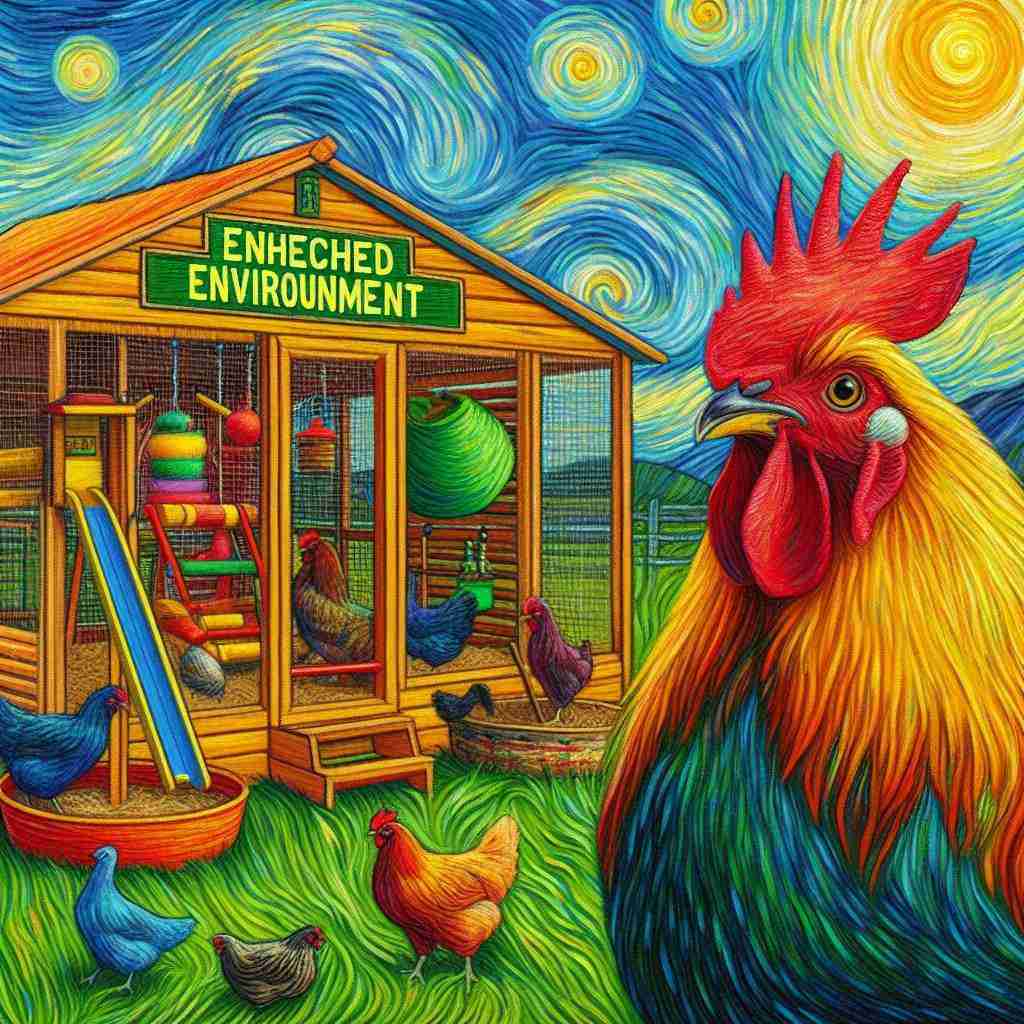
What Role Does Genetics Play In Eggshell Development?
Are There Environmental Conditions That Compromise Egg Quality?
Are there environmental conditions that compromise egg quality? It’s a question that resides at the intersection of nurture and nature, where our daily choices impact the delicate ecosystems we depend on. Picture a flock of backyard chickens pecking joyfully in your yard, each cluck a reminder of the relationship between our wellbeing and the environments we curate. But what if those same birds, with their precious eggs, were unknowingly exposed to harmful conditions?
Consider the air they breathe. Strong odors from nearby industries or heavy traffic can seep into the very essence of their being. This is not just a question of convenience; it’s an ethical dilemma that has far-reaching implications. The air quality that surrounds our poultry can influence the nutritional value of their eggs, affecting everything from omega-3 content to yolk color. It matters because we care about what goes into our bodies, and ultimately, our families’. The better the environment for those birds, the better the eggs we get.
Temperature is another player in this intricate dance. Extreme heat or cold can stress our feathered friends, impacting their productivity and the quality of the eggs they lay. An overly hot coop can lead to diminished laying rates, while prolonged cold can disrupt their natural cycles. You might be thinking, “What can I do?” It’s a universal problem but one that each of us can influence. Providing adequate shelter, ensuring proper ventilation, or even investing in a backyard chicken coop that provides temperature control can make a difference. Suddenly, being a steward of both your garden and your flock becomes a palpable, actionable endeavor.
Water quality is equally important. If our chickens are drinking water contaminated by pollutants, it affects not just their health but the quality of the eggs they produce. This underscores a vital connection: our actions ripple through the ecosystems we interact with. Choosing to filter your water or provide fresh, clean drinking sources can be a simple yet meaningful step toward ensuring that those eggs are not just edible, but nutritious and safe for your loved ones.
In nurturing your backyard chickens, you’re not just chicken-keeping; you’re cultivating responsibility, ensuring that every egg embodies the best of what care and quality can achieve. It’s a call to action that is as enriching as it is essential—a reminder that when we look after our environment, we are ultimately looking after ourselves.

Are There Environmental Conditions That Compromise Egg Quality?
Are There Environmental Conditions That Compromise Egg Quality?
- Environmental conditions can compromise the quality of backyard chicken eggs.
- Air pollution from industries and traffic can affect egg nutritional value, including omega-3 content and yolk color.
- Temperature extremes (heat or cold) can stress chickens, leading to reduced egg productivity and quality.
- Proper animal husbandry practices, like adequate shelter and ventilation, improve both chicken welfare and egg quality.
- Water quality is crucial; contaminated water can negatively impact chicken health and egg production.
- Individual actions, such as filtering water and providing clean drinking sources, enhance the nutritional value of eggs.
- Caring for backyard chickens promotes responsibility and highlights the connection between environmental care and personal well-being.
Are There Environmental Conditions That Compromise Egg Quality?
How Can Farmers Ensure Optimal Conditions For Egg Production?
Picture the sun rising over a vast expanse of farmland, each golden ray illuminating a small, bustling community of clucking chickens. For those who venture into the noble vocation of farming, ensuring optimal conditions for egg production isn’t just a job; it’s a calling, a commitment to the land and the creatures that grace it. Backyard chickens may seem like a quaint idea, but they embody the heart of sustainable agriculture, the pulse of food systems that nourish not just our bodies, but our communities.
To truly shine in egg production, farmers must cultivate an environment where both hens and their caretakers thrive. It starts with understanding the intricate balance of comfort and safety. Chickens need a clean, well-ventilated coop, ideally located in a serene space, sheltered from harsh winds and predators. A farmer’s authority lies in nurturing these creatures with respect, ensuring they have room to explore, socialize, and engage in natural behaviors. This deep-seated connection fosters trust, not just between farmer and fowl, but within the community that benefits from their eggs.
Transitioning to the rational aspects, feed quality is paramount. Nutrient-rich grains fortified with vitamins and minerals fortify hens, promoting egg production while enhancing the flavor and nutritional profile of their eggs. A farmer must become a student of animal nutrition, seeking out local resources, and possibly even experimenting with homegrown feed. Such initiatives foster a sense of pride among local farmers, creating a network grounded in shared knowledge and support.
However, this journey is also steeped in ethics. The welfare of the animals is crucial, and choosing humane practices in egg production resonates with consumers increasingly concerned about the morality of their food sources. Transparency about farming practices builds bridges of trust with customers who value these ethical considerations, while also encouraging others in the community to make conscientious choices.
Lastly, let’s not forget the heart of the matter—each egg represents countless hours of care, dedication, and patience. Raising backyard chickens isn’t just about production; it’s about the stories woven into each day spent tending to these magnificent creatures, the laughter shared with friends and family over a fresh breakfast, and the pride in sharing those eggs with a community. As farmers embrace sustainable methods and build authentic connections, they are not merely producing food; they are fostering relationships, nurturing heritage, and inspiring future generations. So, embrace your role, farmers. The world is counting on you to get it right.

How Can Farmers Ensure Optimal Conditions For Egg Production?
How Can Farmers Ensure Optimal Conditions For Egg Production?
- The sunrise over farmland symbolizes the commitment of farmers to egg production and sustainable agriculture.
- Optimal conditions for hens involve a clean, well-ventilated coop and a safe environment free from predators.
- Farmers build trust with their chickens and communities by respecting animal welfare and encouraging natural behaviors.
- Quality feed, including nutrient-rich grains and vitamins, is essential for enhancing egg production and nutritional value.
- Animal nutrition education helps create a supportive network among local farmers, fostering shared knowledge.
- Ethical practices in egg production are increasingly important to consumers, promoting transparency and conscientious choices.
- Raising backyard chickens is about more than production; it’s about community, stories, and inspiring future generations.

How Can Farmers Ensure Optimal Conditions For Egg Production?
What Are The Financial Implications Of Low-Quality Eggs?
When you crack open an egg, you’re not just unveiling a meal; you’re peering into a vital slice of our food system. Low-quality eggs, often produced on massive factory farms, come with hidden costs that stretch far beyond your grocery bill. For many backyard chicken enthusiasts, the heart of raising your own birds is about more than just having a steady supply of fresh eggs; it’s a commitment to quality and a leap toward self-sufficiency. But what happens economically when we ignore the difference between a low-quality egg and a farm-fresh treasure?
Let’s talk dollars and sense. Those cheaper, low-quality eggs may seem like a good deal at first—it’s easy to fill your cart with the cheapest option at the store. But when you consider the nutritional value, taste, and the potential long-term health impacts, those savings start to disappear. You might find yourself reaching for those low-cost eggs on a Tuesday morning, only to pay for it later with doctor visits, supplements, or simply a rubbery, unsatisfactory breakfast. Spend a little more now, and you invest in your health and well-being down the line.
Digging deeper, there’s an ethical underpinning to this conversation. Factory-farmed eggs are often produced under questionable practices that not only compromise animal welfare but also affect local economies. Supporting local farms—or even raising your own backyard chickens—fuels a system built on sustainable practices, ethical animal treatment, and community support. It’s a choice to invest in your community and promote food grown with respect, rather than on conveyor belts of questionable origin.
Let’s not forget the ageless narrative that binds us all together—food brings us together. When you sit around the table with your family or friends, you’re not just sharing meals; you’re sharing experience, culture, and love. Bringing home high-quality eggs is about gathering, tradition, and nurturing bonds. It’s a reminder of where our food comes from, often handpicked and tended to with care.
So, whether it’s a dozen eggs or the idea of backyard chickens, the financial implications stretch beyond immediate savings. They touch on our values, our health, and the connections we forge. Choose wisely, and remember: you might just be cracking open a little more than an egg. You could be hatching a future worth investing in.
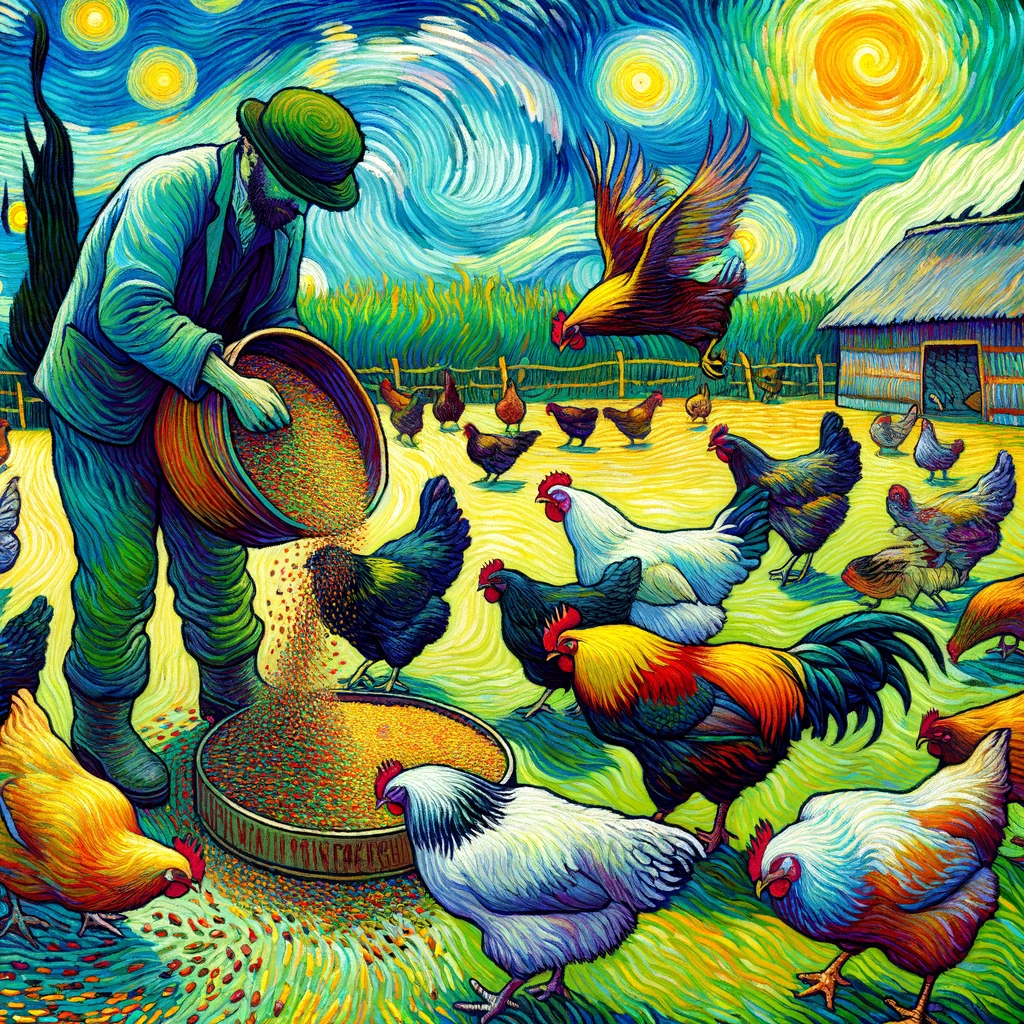
What Are The Financial Implications Of Low-Quality Eggs?
What Are The Financial Implications Of Low-Quality Eggs?
- Low-quality eggs from factory farms have hidden costs beyond just grocery prices.
- Backyard chicken enthusiasts value quality and self-sufficiency in their egg supply.
- Cheaper eggs may lead to additional health costs, negating initial savings.
- Investing in higher-quality eggs improves nutritional value, taste, and overall health.
- Factory-farmed eggs often disregard animal welfare and negatively impact local economies.
- Supporting local farms promotes sustainable practices and strengthens community ties.
- High-quality eggs symbolize shared experiences, traditions, and the importance of food origins.

What Are The Financial Implications Of Low-Quality Eggs?
Conclusion
Raising backyard chickens is a rewarding experience that merges the joy of nature with the responsibility of nurturing life. However, the thrill of collecting fresh eggs can sometimes be overshadowed by the frustrations stemming from poor egg shell quality. These fragile shells symbolize not just the product of your labor, but your commitment to caring for these feathered companions. They tell a story that connects nutrition, environment, and genetics, encapsulating the essence of what it means to be a responsible caretaker.
Good egg shell quality is more than just luck; it requires thoughtful action. The vitality of your flock hinges on their nutrition—rich in calcium and essential minerals. Imagine the satisfaction of watching strong, vibrant hens produce robust eggs every day. Making a conscious effort to elevate their diet is a moral imperative. It reflects your dedication to ethical animal husbandry, celebrating the lifelong bond you share with them. It’s not merely a hobby; it’s a partnership between you, your environment, and the intricate ecosystems at play.
Stress is another critical aspect that bears down on your hens’ well-being. Factors that cause anxiety for these animals can lead them to lay fragile eggs. By actively creating a peaceful environment, you’re not just caring for your flock; you’re embodying the ethics of nurturing life. Remember, the health of your chickens resonates with the quality of the eggs they lay, making your environment a part of the equation.
Genetics also plays a crucial role, shaping the strength and resilience of those precious shells. Understanding the intricacies of your chickens’ background fosters a deeper connection with them, revealing a shared legacy of care that transcends generations. This journey invites you into a larger narrative—a call to actively participate in a sustainable food system.
Engaging with fellow backyard chicken enthusiasts enriches your experience, creating a social tapestry of shared victories and challenges. Every egg you gather isn’t just a meal; it’s a daily triumph, a testament to the relationship you’ve built with your flock and your commitment to quality. So, as you navigate this rewarding path, remember that the effort you put into ensuring egg shell quality extends far beyond breakfast. It cultivates community, connection, and a future where your culinary delights reflect the heart and soul of responsible living. Step fully into this role—it’s a journey that’s as enriching as it is vital.

Conclusion
Conclusion:
- Raising backyard chickens is a rewarding experience that combines nature with nurturing responsibility.
- Poor eggshell quality can overshadow the joy of collecting fresh eggs, symbolizing the caretaker’s commitment.
- Good eggshell quality requires intentional actions, particularly in enhancing the hens’ nutrition with calcium and essential minerals.
- Creating a peaceful environment is crucial for the health of hens and the quality of their eggs.
- Genetics significantly impacts eggshell strength, encouraging caretakers to understand their chickens’ backgrounds.
- Engaging with other chicken enthusiasts fosters a sense of community and shared experience in raising chickens.
- The effort put into ensuring eggshell quality contributes to a sustainable food system and reflects responsible living.

Conclusion
Other Resources

Other Resources
Here is a list of other resources you can review online to learn more:
- compost
- Crevecoeur
- blackberries
- leghorn
- Brahma
- Central Maine Bird Fanciers
- salmonella
- Black Sex Link
- Coliform Infection
- grower feed
- Andalusian
- ISA Brown
- Quail Bronchitis
- Thread Worms
- black soldier flies
- Visceral Leukosis
Use This Prompt To Get More Resources With Your Favorite Online AI Tool: Please provide me with a list of online articles with their URLs in a bulleted list that I can read regarding Understanding Egg Shell Quality Issues

Other Resources
Glossary Terms
Understanding Egg Shell Quality Issues – Glossary Of Terms
1. Eggshell: The hard outer layer of an egg that protects its contents, primarily composed of calcium carbonate.
2. Shell Thickness: A measurement of the shell’s depth, crucial for assessing egg quality; thinner shells are more prone to breaks.
3. Shell Color: The pigmentation of the eggshell, commonly white or brown; does not affect nutritional value but can indicate certain breed characteristics.
4. Cuticle: A protective layer on the eggshell that helps prevent bacterial penetration and moisture loss.
5. Porosity: The measurement of tiny pores in the eggshell; higher porosity can lead to moisture and gas exchange, affecting egg freshness.
6. Calcification: The process of depositing calcium carbonate to form the eggshell, crucial for maintaining shell strength.
7. Shell Formation: The process by which eggshells develop in the hen’s reproductive system, influenced by diet and environment.
8. Shell Defects: Physical abnormalities in eggshells such as cracks, pits, or discoloration, often indicating underlying health issues or environmental stressors.
9. Microcracks: Tiny, often invisible cracks in the eggshell that can compromise integrity and allow bacteria to enter.
10. Egg Quality: Refers to the overall assessment of an egg’s freshness, appearance, and safety for consumption.
11. Storage Conditions: Environmental factors, including temperature and humidity, that affect the longevity and quality of eggs.
12. Hygiene: Practices that ensure cleanliness during egg production and handling to minimize contamination risks.
13. Nutritional Factors: Dietary components, such as calcium and phosphorus, that directly influence eggshell quality.
14. Veterinary Health: The overall health of hens, impacting eggshell quality through disease prevention and biosecurity measures.
15. Stress Factors: Environmental or physical conditions, such as heat or overcrowding, that can negatively impact hens and their egg production.
16. Feed Composition: The mix of ingredients in poultry feed that affects hen health and egg quality, particularly calcium levels.
17. Incubation: The process of artificially hatching eggs by maintaining optimal temperature and humidity, with shell quality affecting hatchability.
18. Egg Grading: The classification of eggs based on size, quality, and appearance, impacting marketability.
19. Salmonella: A type of bacteria that can contaminate eggshells, leading to foodborne illness; shell quality plays a role in contamination risk.
20. Biosecurity: Protective measures taken to prevent disease spread among poultry, crucial for maintaining egg quality.
21. Packing Methods: Techniques used to pack eggs for transport, affecting their protection and quality during delivery.
22. Shell Strength: The ability of an eggshell to withstand pressure and prevent breaks; influenced by calcium levels and hen health.
23. Environmental Stressors: Factors such as temperature, humidity, and light that can negatively affect hens and the quality of their eggs.
24. Broodiness: The natural instinct of a hen to incubate eggs, which can influence egg production and quality.
25. Cage-Free Systems: Types of housing for hens that allow for more natural behaviors, potentially affecting eggshell quality due to different diets and stress levels.
26. Organic Production: Eggs produced by hens fed organic feed and raised without synthetic pesticides or fertilizers, often associated with higher shell quality.
27. Oviposition: The process of laying eggs; factors during this time can influence eggshell formation and quality.
28. Flock Management: Practices related to the care and oversight of hens, critical for ensuring optimal health and egg quality.
29. Temperature Regulation: The management of environmental temperatures that affects hen health and subsequently eggshell quality.
30. Market Regulations: Guidelines and standards governing egg production, grading, and safety, ensuring consumer protection and quality assurance.
Glossary Of Terms
Other Questions
Understanding Egg Shell Quality Issues – Other Questions
If you wish to explore and discover more, consider looking for answers to these questions:
- What are the signs of poor egg shell quality in backyard chickens?
- How can I improve the nutrition of my chickens?
- What specific minerals and vitamins are essential for strong egg shells?
- What stressors are most harmful to hens and how can I mitigate them?
- How can I determine the age and breed of my chickens that best influence egg shell quality?
- What health checks should I perform regularly on my chickens?
- Are there specific breeds of chickens known for producing higher quality eggs?
- What are sustainable feeding practices for backyard chickens?
- How does the environment impact the overall well-being of backyard chickens?
- What are the best practices for creating a stress-free environment for hens?
- How do different housing conditions affect egg production?
- What can I do to ensure my chickens have access to clean water?
- How can I educate myself further about chicken nutrition and care?
- What are the long-term effects of low egg quality on consumer health?
- How can community involvement improve the sustainability of local egg production?
- What regulations exist regarding egg production and animal welfare?
- What are the financial benefits of producing high-quality eggs?
- How can I connect with other backyard chicken enthusiasts?

Other Questions
Haiku
Understanding Egg Shell Quality Issues – A Haiku
Chickens cluck and thrive,
Eggs whisper truth of our care—
Health blooms in their shells.

Haiku
Poem
Understanding Egg Shell Quality Issues – A Poem
In the quiet coop where sunlight spills,
Chickens cluck with hearts that thrill,
Each egg a treasure, wrapped in care,
Yet watchful eyes must linger there.
A shell so thin, a heartbroken sigh,
Frustration stirs; we wonder why.
Nutrition’s dance, stress’s cruel grip,
The delicate balance, an earnest script.
Feed them greens, let the sunshine flow,
For in their health, our choices glow.
Calcium, minerals, gifts from the earth,
Each bite a promise of life and worth.
Ethically bound, our choices define,
The dignity of life, a shared design.
When we nurture nature, connections grow,
Eggs become stories, the bounty we sow.
Consider the stress from a world so wild,
Storms in their hearts, the quiet reviled.
Caring hands create a haven of peace,
From calm, strong shells, our joys increase.
Genetics weave through this intricate tale,
With each cluck, the ages unveil.
Colors and strengths, in heritage found,
The strength of the egg, in their roots, profound.
Environmental whispers, a call to the wise,
Clear air and fresh water, our steadfast ties.
Every choice we make, an echoing beam,
Reflecting the bond with our backyard dream.
On farms where hearts and hands unite,
Conditions must flourish, bringing forth light.
A legacy built on trust and grace,
In every egg, our stewardship traced.
Yet low-quality gems may seem cheap at first,
But high costs of health, a hidden thirst.
Invest in each shell, let quality reign,
Nurturing life’s bounty, not in vain.
So gather around, with loved ones in view,
Each meal a reminder of the care we imbue.
With eggs in our kitchens, and stories to tell,
A full heart, rich lives, and a journey so swell.

Poem
Checklist
Understanding Egg Shell Quality Issues – A Checklist
Checklist for Ensuring Optimal Egg Shell Quality
Emotional Appeals:
_____ Reflect on the joy of raising chickens: How do your chickens make you feel every day?
_____ Share your chicken-raising experiences: What stories do your chickens have that connect you deeper to the community?
_____ Consider the connection of fresh eggs to your family’s happiness: How do fresh, high-quality eggs enhance your meals and gatherings?
Rational Appeals:
_____ Assess your chickens’ diets: Are you providing a balanced feed rich in calcium, proteins, and vitamins?
_____ Monitor environmental conditions: Are your chickens protected from stressors such as predators or extreme weather?
_____ Conduct regular health checks on your flock: Are you observing your chickens for signs of illness?
Ethical Appeals:
_____ Evaluate your farming practices: Are they aligned with humane treatment and ethical animal husbandry?
_____ Commit to sustainable practices: How can you support local ecosystems through your choices?
_____ Promote transparency: Are you open about your farming methods when sharing eggs with friends or family?
Authority Appeals:
_____ Educate yourself on poultry nutrition and care: What resources or experts can you consult to improve your chickens’ health and egg quality?
_____ Network with local chicken-raising communities: Who are the trusted voices or leaders in your area that can offer advice?
Narrative Appeals:
_____ Share the journey of your backyard chicken farming: What challenges have you faced, and how have they informed your practices?
_____ Document your flock’s growth: Can you maintain a journal recording both the ups and downs of chicken raising?
Social Appeals:
_____ Join backyard chicken communities or online forums: Who can you share successes and challenges with to foster a sense of belonging?
_____ Host egg exchange gatherings: How can you create opportunities for neighbors to connect over the shared experience of raising chickens?
_____ Encourage friends or family to raise their own chickens: What impact could your journey have on others’ lifestyles and choices regarding food?
Practical Steps:
_____ Implement a nutrient monitoring system for your chickens’ diet.
_____ Create a peaceful coop environment to minimize stress factors for your flock.
_____ Regularly test water quality for your chickens and ensure they have access to clean water.
Checklist
At BackyardChickenNews, we help people who want to raise backyard chickens by collating information and news blended with our own personal experiences.
Be sure to read our other related stories at BackyardChickenNews to learn more about raising chickens in your backyard.