

Discover The Perfect Chicken Breeds For Seniors
By Tom Seest
At BackyardChickenNews, we help people who want to raise backyard chickens by collating information and news blended with our own personal experiences.
Be sure to read our other related stories at BackyardChickenNews to learn more about raising chickens in your backyard.
What Are The Best Chicken Breeds for Seniors to Raise?
When it comes to raising backyard chickens, the beauty of these feathered friends goes beyond the simple pleasure of collecting fresh eggs. For seniors looking to embark on a rewarding poultry venture, some chicken breeds stand out for their hardiness, temperament, and ease of care. Let’s dive into what makes certain breeds more suitable for those golden years, where comfort and companionship matter most.
First up is the ever-popular Orpington. This breed is not just a pretty face; they’re friendly, docile, and have a knack for charming everyone who lays eyes on them. These birds are known for their calm demeanor, making them perfect companions for seniors who might want a little feathered friend to hang out with outside or even a few cozy moments in the coop. Plus, their ample size means they produce sizeable brown eggs that can keep your breakfast table happy.
Next on the list are the Rhode Island Reds. If you’re looking for a breed that combines hardiness with egg production, this is the one. Rhode Island Reds are not just low-maintenance; they’re resilient and can adapt to various backyard conditions. Their friendly nature and ability to withstand cold spells make them ideal for any climate. And, if you’re worried about health, these birds are known to be hardy and disease-resistant, allowing for a worry-free experience.
If you lean toward the smaller side of poultry, the Bantam is your go-to. These pint-sized chickens are perfect for smaller spaces and still pack a punch in personality. Bantams are incredibly friendly and can be raised in tighter environments, making them perfect for those with limited mobility or space. Their charming antics provide endless entertainment and companionship, perfect for enriching your retirement days.
The Sussex, specifically the Red Sussex, also deserves a mention. Known for their sweet nature, these birds are easy to handle and gentle. Plus, they’re great layers! With their unique temperament and delightful disposition, they can become a beloved part of your backyard setup.
Choosing the right breed is essential for a fulfilling experience in raising backyard chickens. Look for characteristics like friendliness, ease of care, and adaptability, and you’ll be on your way to not only enjoying fresh eggs but also the joy of nurturing these remarkable creatures. So, whether you fancy a robust Orpington or the endearing Bantam, there’s a perfect feathered friend ready to strut into your life and add a little cluck-tastic charm to your days!

What Are The Best Chicken Breeds for Seniors to Raise?
What Are The Best Chicken Breeds for Seniors to Raise?
- Backyard chickens offer more than fresh eggs; they provide companionship and joy.
- Orpingtons are friendly, docile, and produce large brown eggs, making them ideal for seniors.
- Rhode Island Reds are hardy, adaptable to various climates, and known for their disease resistance.
- Bantams are small, friendly, and suited for limited spaces, providing entertainment and companionship.
- Red Sussex chickens are easy to handle, gentle, and good layers, perfect for small backyards.
- Choosing the right breed is crucial for a rewarding chicken-raising experience.
- Consider traits like friendliness, ease of care, and adaptability when selecting a breed.

What Are The Best Chicken Breeds for Seniors to Raise?
Table Of Contents
- What Are The Best Chicken Breeds for Seniors to Raise?
- What Makes A Chicken Breed Suitable For Seniors?
- How Much Space Do Chickens Need?
- What Are The Best Low-Maintenance Chicken Breeds?
- Which Chicken Breeds Are Known For Calm Temperaments?
- How Much Feed Do Chickens Require Daily?
- What Are The Easiest Chicken Breeds To Care For?
- How Do Weather Conditions Affect Chicken Care?
- Conclusion
- Other Resources
- Glossary Of Terms
- Other Questions
- Haiku
- Poem
- Checklist
What Makes A Chicken Breed Suitable For Seniors?
When it comes to raising backyard chickens, choosing the right breed can make all the difference, especially for seniors looking for that perfect feathered companion. No one wants a flock that’s more trouble than a teenager with a broken curfew, so let’s dig into what makes a chicken breed suitable for those golden years.
First, consider temperament. A bird that’s friendly and docile is essential for anyone who’s looking to enjoy a bit of backyard therapy. Breeds like the Orpington or Sussex are often lauded for their calm demeanor. These gentle giants not only make for easy handling but can also be surprisingly affectionate. After all, there’s nothing quite like a soft cluck to lift the spirits.
Another crucial factor is adaptability. Seniors might not have the energy to chase after a skittish, high-strung bird. Breeds that adapt well to their surroundings tend to be easier to manage. They should be resilient to changes in environment—whether that means transitioning from a coop to an outdoor run or even tolerating smaller living spaces typical in backyard settings. The Rhode Island Red, with its robust nature, is a solid choice here, thriving in varied conditions and offering a hearty personality to boot.
Then, there’s the issue of egg production, which can be a delightful perk. While it’s not the primary reason to keep chickens, having a steady supply of fresh eggs can be quite satisfying. Breeds like the Plymouth Rock or the Leghorn are known for their consistent laying habits, providing senior keepers with that daily reward for their efforts. It’s hard to beat the joy of a warm, home-laid egg on the breakfast table!
Lastly, let’s not forget about space and maintenance. Many seniors may not have the physical stamina to tend to high-maintenance breeds or larger flocks. Standard-sized birds typically require more room and care, while smaller breeds, like Bantams, can thrive in tighter quarters. Plus, generally, they’re easy to care for. A small flock of friendly, lower-maintenance birds can be just what’s needed to enjoy the tranquility of backyard life without exhausting oneself.
So, when scouting for backyard chickens suitable for seniors, keep an eye out for friendly temperaments, adaptability to the environment, reasonable egg production, and manageable maintenance needs. With a bit of thoughtfulness, those feathered friends can put a little more joy and a lot less fuss into the golden years of chicken keeping.

What Makes A Chicken Breed Suitable For Seniors?
What Makes A Chicken Breed Suitable For Seniors?
- Choosing the right chicken breed is essential for seniors looking for companionship.
- Temperament is crucial; friendly and docile breeds like Orpingtons and Sussex are ideal.
- Adaptability to surroundings is important, with breeds like Rhode Island Reds thriving in varied conditions.
- Egg production can be a pleasant benefit; consistent layers like Plymouth Rocks and Leghorns are recommended.
- Space and maintenance considerations are vital, as many seniors may prefer low-maintenance and smaller breeds.
- Bantams or other smaller breeds can thrive in tighter quarters and are easier to care for.
- Overall, focus on friendly temperament, adaptability, egg production, and manageable maintenance for a joyful chicken-keeping experience.

What Makes A Chicken Breed Suitable For Seniors?
How Much Space Do Chickens Need?
When it comes to raising backyard chickens, one question often rises to the top like a good froth on a cup of coffee: “How much space do these feathery little cluckers actually need?” It’s a straightforward query with surprisingly layered answers, depending on how you envision your backyard flock functioning.
Let’s cut to the chase. Chickens aren’t just egg-laying machines; they’re lively creatures that thrive on a bit of elbow room. According to experts, a general rule of thumb is to allot at least 4 square feet of coop space per chicken. If your feathered friends will be free-ranging during the day, you can bump that number down to about 2 square feet. But remember, hustling around outside doesn’t lessen their need for a cozy, safe haven to roost at night.
Now, the plot thickens when we consider the importance of outdoor space. Chickens are social creatures, and they need plenty of room to engage in their instinctual activities—scratching the ground, chasing bugs, and just generally being the quirky little characters we love. A good rule for your backyard? Aim for at least 8 to 10 square feet of space per chicken if they’re going to spend a lot of time outdoors. This gives them enough room to be chickens without turning your backyard into a feathered WWE wrestling ring.
If you live in an area prone to predators—think raccoons, hawks, or neighborhood cats—you’ll want to ensure that your chickens have secure, enclosed spaces for both their coop and their run. A well-designed chicken run will not only protect them but will allow them to stretch their wings, scratch the dirt, and peck around to their hearts’ content.
While the specifications might seem tedious, it all comes down to giving your backyard chickens the space they need for a happy and healthy life. You wouldn’t want to cram a couple of dozen chickens into a shoebox, would you? It’s about respect for your animals and their well-being. After all, happy chickens lay happier eggs, and a little extra room makes all the difference.
So, as you plan your backyard sanctuary for these delightful pets, don’t forget to consider their spatial needs. Because in the end, providing ample space not only supports their wellbeing but also enriches your own experience as a chicken-keeper. That’s a win-win!

How Much Space Do Chickens Need?
How Much Space Do Chickens Need?
- Chickens need space beyond just being egg-layers; they are lively creatures that benefit from room to roam.
- A general guideline is to provide at least 4 square feet of coop space per chicken.
- If free-ranging during the day, the coop space requirement can be reduced to about 2 square feet per chicken.
- Outdoor space is crucial; aim for at least 8 to 10 square feet per chicken for ample outdoor activity.
- Secure, enclosed spaces are necessary if you live in an area with potential predators.
- Providing sufficient space contributes to the chickens’ happiness and well-being, which in turn affects their egg production.
- Planning for proper spatial needs enhances both the chickens’ lives and the experience of being a chicken-keeper.

How Much Space Do Chickens Need?
What Are The Best Low-Maintenance Chicken Breeds?
When it comes to keeping backyard chickens, the appeal is undeniable. Who doesn’t love a fresh egg in the morning? But let’s face it, not everyone has the time or inclination to keep a flock that requires constant attention and care. Enter the world of low-maintenance chicken breeds — these feathered friends are perfect for those who want the benefits of having backyard chickens without the added stress of high upkeep.
First up, we have the Rhode Island Red. This breed is the epitome of hardiness and adaptability. Known for their robust nature, Rhode Island Reds thrive in various environments and can tolerate a bit of neglect. They’re not just tough cookies; these chickens are also good layers, producing around 200-300 brown eggs a year. With their friendly demeanor, they can even make for decent pets while demanding very little in return.
Next on the list are the Orpingtons, specifically the Black Orpingtons. These beauties are not just eye-catching with their glossy feathers; they are also incredibly easygoing. Known for their gentle nature, they adapt well to confinement and free-range living alike. Plus, they are excellent layers, churning out soft brown eggs and often becoming the beloved sweetheart of the flock — all with minimal fuss.
Let’s not forget about the Australorp, a breed that originated in Australia. These birds are reliable layers, racking up an impressive egg count while requiring little in the way of special feeding or housing. They are known for their hardiness and resilience, making them a great choice for any backyard setup. Their calm disposition also makes them a hit with families, as they don’t mind being handled or having company around.
Are you looking for a dual-purpose breed? The Sussex might be your best bet. Whether you’re after meat, eggs, or both, the Sussex delivers. They’re resilient and easy to manage, making them ideal for those venturing into backyard chickens for the first time. Plus, they often enjoy foraging, which means they can help you keep your yard pest-free without a ton of added work on your part.
In the world of backyard chickens, it’s crucial to choose wisely. Low-maintenance breeds not only alleviate the burden of daily care, but they also reward you with fresh eggs and delightful company with minimal hassle. Who knew the road to chicken-keeping bliss could be this simple?

What Are The Best Low-Maintenance Chicken Breeds?
What Are The Best Low-Maintenance Chicken Breeds?
- Backyard chickens offer the benefit of fresh eggs, but require care and attention.
- Low-maintenance chicken breeds provide an easier option for those wanting chickens without high upkeep.
- Rhode Island Reds are hardy and adaptable, producing 200-300 brown eggs yearly and are friendly pets.
- Black Orpingtons are easygoing, good layers of soft brown eggs, and adapt well to various living conditions.
- Australorps are reliable layers, hardy, require minimal special care, and are gentle with families.
- Sussex chickens are a dual-purpose breed for eggs and meat; they are resilient and enjoy foraging.
- Choosing low-maintenance breeds simplifies chicken-keeping while ensuring fresh eggs and enjoyable companionship.
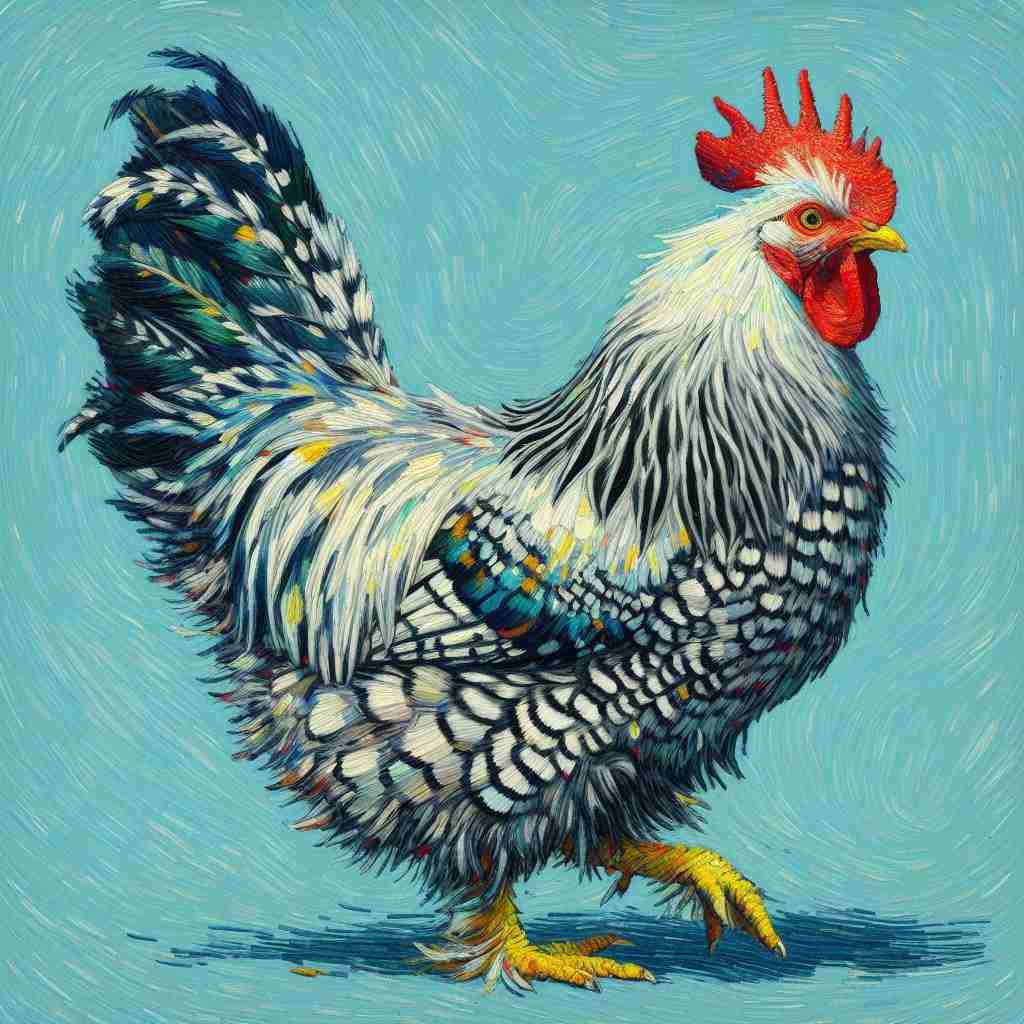
What Are The Best Low-Maintenance Chicken Breeds?
Which Chicken Breeds Are Known For Calm Temperaments?
When it comes to keeping chickens, particularly in the charming world of backyard chickens, one aspect often overlooked by newbie farmers is temperament. Not every feathered friend is cut from the same cloth, and choosing breeds that are known for calm temperaments can make a world of difference in your backyard experience. After all, the last thing you want is a flock of feathered hotheads causing chaos in your personal paradise.
Let’s dive into some of the top contenders for your serene sanctuary. First up, we have the gentle giant known as the Orpington. These big birds are not just pretty to look at with their luscious black, blue, or buff plumage; they are also known for their docile nature. Orpingtons are friendly and adaptable, often becoming a favorite among families with children who want to experience the joys of raising backyard chickens without dealing with unnecessary screeching and squabbling.
Another solid choice is the Silkie. If you’ve ever seen one of these fluffy little clouds on legs, you know they bring more than just an adorable look to the barnyard. Silkie chickens are renowned for their calm demeanor and are often used in therapy settings for their gentle nature. They’re the perfect addition to any coop for those who want to ease into the joys of chicken-keeping—you could say they’re the zen masters of the flock.
Next, we can’t overlook the Rhode Island Red. While these chickens might be known for their egg production, they also boast a laid-back attitude that is hard to beat. They tend to be hardy and good-natured, making them a reliable choice for those seeking a peaceful atmosphere in their backyard. They’re not easily rattled, which is great for those moments when a rogue squirrel tries to steal the show—or the feed, for that matter.
Lastly, we have the Plymouth Rock. These birds are as friendly as they come and enjoy being around their keepers. They’ll happily mingle with you as you go about your chores, providing companionship without the agitation that comes from more temperamental breeds.
So, whether you’re starting a small flock or expanding your chicken family, consider the temperaments of these breeds. After all, your backyard chickens are not just livestock; they’re part of your everyday world, and a calm presence can make all the difference.

Which Chicken Breeds Are Known For Calm Temperaments?
Which Chicken Breeds Are Known For Calm Temperaments?
- Temperament is an important factor when selecting backyard chickens.
- Choosing calm breeds can enhance the backyard chicken-keeping experience.
- The Orpington is a gentle giant known for its docile nature and friendly disposition.
- Silkies are fluffy chickens recognized for their calm demeanor, often used in therapy settings.
- Rhode Island Reds are hardy birds with a laid-back attitude, perfect for a peaceful backyard.
- Plymouth Rocks are friendly chickens that enjoy interacting with their keepers.
- Consider the temperaments of chicken breeds to ensure a harmonious backyard environment.

Which Chicken Breeds Are Known For Calm Temperaments?
How Much Feed Do Chickens Require Daily?
When it comes to feeding your backyard chickens, understanding their daily dietary needs is as essential as knowing the number of eggs they’ll lay. Those feathery friends aren’t just cute to look at; they’re productive little machines, and like any machine, they require the right fuel to function effectively. So, how much feed do these backyard dynamos need every day? Let’s break it down.
In general, the average adult chicken requires about 1/4 to 1/3 of a pound of feed daily. But hold on—this isn’t a one-size-fits-all number. Factors such as age, breed, and the purpose of your flock—whether they’re egg layers, meat birds, or just pets—play a significant role in determining their feed intake. For instance, if you’ve got a vigorous layer, she might put away a bit more to fuel her egg production, while a free-ranging chicken may supplement her diet with bugs and greens found in your backyard.
It’s also crucial to consider the specific feed type you’re using. Chickens thrive on a balanced diet that includes protein, carbohydrates, vitamins, and minerals. Commercial layer feeds are designed to meet these needs, but you should also keep an eye on the ingredient list. High-quality feed means healthier hens, which translates into more eggs and better overall flock performance. Providing enough feed isn’t just a matter of filling the feeder; it’s about the right formula to keep those beaks busy and those combs vibrant.
While it’s tempting to think that the more you feed them, the better they’ll do, overfeeding can wreak havoc on your backyard chickens. Obesity is a real concern, leading to health issues and decreased egg production. It’s wise to monitor their weight and behavior closely. A simple daily routine of checking feed levels and observing your flock can make a world of difference.
Finally, don’t forget the importance of providing fresh water along with their daily feed. Dehydration can be just as harmful as a poor diet, so always ensure they have access to clean drinking water.
So there you have it! Keeping backyard chickens happy and healthy is about finding the right balance of feed and care. With the right approach, you’ll not only enjoy fresh eggs but also the delightful company of your feathery pals.

How Much Feed Do Chickens Require Daily?
How Much Feed Do Chickens Require Daily?
- Understanding daily dietary needs is crucial for backyard chickens, impacting egg production.
- Average adult chickens require about 1/4 to 1/3 pound of feed daily, varying by age, breed, and purpose.
- Chickens may eat more if they are vigorous layers or supplement their diets while free-ranging.
- A balanced diet with protein, carbohydrates, vitamins, and minerals is essential for optimal health.
- Overfeeding can lead to obesity and health issues, so monitoring weight and behavior is important.
- Providing fresh, clean water is crucial, as dehydration can be harmful to chickens.
- The right balance of feed and care results in healthier chickens and more egg production.

How Much Feed Do Chickens Require Daily?
What Are The Easiest Chicken Breeds To Care For?
When it comes to raising chickens, particularly for those just dipping their toes into the world of poultry, the notion of “Backyard Chickens” brings a certain charm and practicality. But let’s face it: not everyone is cut out to juggle a flock that behaves like a bunch of feisty kids with a sugar rush. If you’re looking for chicken breeds that practically take care of themselves while still putting some fresh eggs on your breakfast table, you’ve come to the right place.
First up is the infamous Rhode Island Red. These birds are like the workhorses of the chicken world. They’re robust, hardy, and can withstand a variety of weather conditions, meaning they’re well-suited for those unpredictable climates we all know too well. Rhode Island Reds are also prolific layers, churning out eggs with the consistency of a dependable clock. If you want a breed that requires minimal fuss but still delivers, this one’s for you.
Next, let’s talk about the Leghorn. Picture this: a chicken that thrives on limited resources and still manages to keep the egg basket full. The Leghorn’s reputation precedes it—the breed has a knack for producing more eggs than you can count, making it a staple in many backyard flocks. They’re not just good for their output; they’re also agile and resourceful foragers that can help keep pests at bay. If freedom and independence were chickens, they’d be Leghorns.
Then there’s the Orpington. Now, this breed is like that friend who shows up with pizza when you’ve had a hard day. Friendly, calm, and easy to handle, Orpingtons are perfect for families or novice chicken keepers. They’re reliable layers, good-natured, and they won’t give you sass if you need to scoop them up for a health check. What’s not to love?
Finally, let’s not forget about the Sussex. This breed is often hailed as one of the best dual-purpose chickens, being both good for meat and prolific egg producers. Sussex are social, curious, and, let’s be honest, quite the lookers with their vibrant plumage. Perfect for that photo op in the backyard.
So, whether you want the unwavering reliability of a Rhode Island Red, the productivity of a Leghorn, the gentle nature of an Orpington, or the charm of a Sussex, you’re sure to find a feathered friend that suits your lifestyle. With these easy-care breeds, “Backyard Chickens” can become a rewarding venture rather than a full-time job.

What Are The Easiest Chicken Breeds To Care For?
What Are The Easiest Chicken Breeds To Care For?
- Backyard chickens offer charm and practicality for novice poultry keepers.
- Rhode Island Reds are robust and hardy layers, ideal for various climates.
- Leghorns are resourceful and prolific, known for high egg production with minimal care.
- Orpingtons are friendly and calm, suitable for families and novice keepers.
- Sussex chickens are dual-purpose, good for both meat and prolific egg production.
- Each breed offers unique advantages, catering to different lifestyles and preferences.
- Easy-care breeds can turn raising chickens into a rewarding experience rather than a chore.

What Are The Easiest Chicken Breeds To Care For?
How Do Weather Conditions Affect Chicken Care?
When it comes to raising backyard chickens, there’s a lot more to it than an occasional throw of feed and a quick check on their health. These resilient little creatures are surprisingly sensitive to the weather, and understanding their needs during different seasons is crucial for maintaining a happy flock. Whether you’re dealing with the blistering heat of summer or the icy grip of winter, there are a few key considerations that every chicken keeper should keep in mind.
In the sweltering heat, chickens can suffer just like us humans. They don’t sweat, which makes them particularly susceptible to heat stress, so you’ve got to be proactive. Ensure your coop is well-ventilated, allowing a nice breeze to flow through, and provide plenty of shade. A kiddie pool with a few inches of water can be a fun way to help your chickens cool off, while also keeping them entertained. When backyard chickens pant and spread their wings, it’s nature’s way of telling you they need a break from the heat. Make sure they have access to plenty of fresh, clean water—hydration is key when the temperatures soar.
On the flip side, during the frigid days of winter, keeping warm is the name of the game. Chickens are generally hardy, but they don’t appreciate freezing temperatures. Insulate the coop using straw bales or heat lamps to keep it cozy. Just be cautious with heat sources; you want warmth, not danger. Ensure that your birds are still able to move freely, as they need space to fluff their feathers and trap warm air. It’s also important to monitor their water supply closely; frozen waterers can quickly lead to dehydration.
Transition seasons like spring and fall can be tricky too. Fluctuating temperatures can confuse your birds, leading to changes in their laying cycles or even health issues. During these times, it’s crucial to keep an eye on your flock for any signs of distress, such as decreased activity or altered eating habits.
Caring for backyard chickens means being attuned to the whims of the weather. By making simple adjustments to their environment and keeping a vigilant watch, you can help your flock thrive through the seasons. Whether it’s cooling them off during a hot spell or providing warmth when the snow starts to fall, attentive care will keep your chickens happy, healthy, and laying those delicious eggs all year round.

How Do Weather Conditions Affect Chicken Care?
How Do Weather Conditions Affect Chicken Care?
- Raising backyard chickens requires more than just feeding and health checks; understanding seasonal needs is crucial.
- Chickens are sensitive to weather; heat stress can occur in summer since they cannot sweat.
- To combat heat, ensure the coop is well-ventilated, provide shade, and access to fresh water.
- During winter, keep chickens warm with insulated coops and cautious use of heat sources.
- Monitor water supply closely in winter to prevent dehydration from frozen waterers.
- Transition seasons like spring and fall can cause health issues due to fluctuating temperatures.
- Attentive care and environmental adjustments help keep chickens happy, healthy, and productive year-round.

How Do Weather Conditions Affect Chicken Care?
Conclusion
As we wrap up our exploration of the best chicken breeds for seniors, let’s take a moment to reflect on the charms of raising these feathery companions. Raising backyard chickens isn’t just about fresh eggs; it’s about joy, connection, and a slice of nature right in your backyard. For seniors contemplating this fulfilling adventure, the right breed can make all the difference, transforming a hobby into a therapeutic daily routine.
Consider the Orpington, that gentle heavyweight of the chicken world. With their friendly disposition and calm nature, Orpingtons are perfect for those sunny days spent relaxing alongside your feathered pals. Not only do they produce sizeable, delicious eggs, but their easy-going temperament and ability to bond with humans create a lovely backyard atmosphere. Let’s not forget about the Rhode Island Reds; tough cookies that embody resilience and low maintenance. They’ll thrive regardless of weather or care, making them a solid choice if you aim for reliability in your chicken-keeping venture.
For smaller spaces or limited mobility, Bantam chickens are the perfect solution. These pint-sized bundles of joy are as charismatic as their larger counterparts but in a more manageable package that suits snug backyards. They’re not just easy to care for; their antics are sure to bring a smile to your face. Then there’s the Sussex, with their gentle demeanor and reliable egg production. They might be small in stature, but they bring a world of companionship and enrich the backyard experience.
When selecting a breed, think about temperament, adaptability, and maintenance needs – qualities that resonate well with seniors. A friendly flock not only adds vibrancy to life but also invites a unique sense of purpose and joy. So, grab a feed bucket and keep an eye on those fluffy friends as you relish the simple yet profound delight of nurturing them. Raising backyard chickens can truly become a standout element of your daily routine. Whether it’s the simple pleasure of collecting eggs or sharing quiet moments in the coop, each breed offers something special.
In the end, remember: choosing the right chicken breed is like picking a partner for this rewarding journey of chicken-keeping. Make the right choice and let those clucks bring a sprinkle of joy to your golden years—because every day with your chickens might just be the best day ever.

Conclusion
Conclusion:
- Raising backyard chickens offers joy, connection, and a slice of nature for seniors.
- The right chicken breed can transform chicken-keeping into a therapeutic routine.
- Orpingtons are gentle, friendly, and perfect for relaxation, providing sizeable eggs.
- Rhode Island Reds are resilient and low-maintenance, thriving in various conditions.
- Bantam chickens are suitable for small spaces, offering easy care and amusing antics.
- Sussex chickens are gentle and reliable egg producers, enhancing the backyard experience.
- Choosing the right breed fosters purpose and joy in the daily lives of seniors.

Conclusion
Other Resources

Other Resources
Here is a list of other resources you can review online to learn more:
Use This Prompt To Get More Resources With Your Favorite Online AI Tool: Please provide me with a list of online articles with their URLs in a bulleted list that I can read regarding What Are The Best Chicken Breeds for Seniors to Raise?

Other Resources
Glossary Terms
What Are The Best Chicken Breeds for Seniors to Raise? – Glossary Of Terms
1. Heritage Breeds: Traditional chicken breeds that retain characteristics of original stock, often hardier and well-suited for sustainable farming.
2. Dual-Purpose Breeds: Chickens raised for both egg production and meat, providing versatility for seniors who want multiple uses for their flock.
3. Calm Temperament: The behavior of chickens that are generally friendly and non-aggressive, making them easier and safer to handle.
4. Egg Laying: The process by which hens produce eggs, with some breeds known for being prolific layers.
5. Meat Production: Refers to the ability of certain breeds to grow quickly and efficiently for meat, an important consideration for dual-purpose breeds.
6. Low Maintenance: Chickens that require minimal care or intervention, beneficial for seniors seeking a less demanding hobby.
7. Broodiness: The instinct of hens to sit on eggs and incubate them, which can be a consideration for those wanting to breed their chickens.
8. Free Range: A method of raising chickens that allows them to roam outdoors, promoting natural behavior and providing healthier livestock.
9. Backyard Flock: A small group of chickens raised at home, suitable for personal egg production or companionship.
10. Quietness: Breeds that do not vocalize excessively, making them more suitable for urban or suburban environments where noise may be an issue.
11. Cold Hardiness: The ability of a breed to withstand low temperatures, important for seniors living in colder climates.
12. Heat Tolerance: Certain breeds can manage high temperatures better, reducing stress for chickens in warmer regions.
13. Feed Conversion Ratio: A measure of how efficiently chickens convert feed into body mass or eggs, affecting the cost of raising chickens.
14. Pecking Order: The social hierarchy that naturally develops in a flock of chickens, which can influence their behavior and interactions.
15. Bantams: Small-sized chickens known for being easy to manage and ideal for seniors with limited space.
16. Lifespan: The expected duration of a chicken’s life, with some breeds known for longevity, allowing for a long-term companionship.
17. Disease Resistance: The innate ability of some breeds to fend off illnesses, making them easier to care for in terms of health management.
18. Herbivorous Diet: Chickens primarily eat plants, grains, and seeds, showcasing their natural feeding behavior that is easy to maintain.
19. Broiler Breeds: Chicken breeds specifically bred for meat production, growing rapidly within a short time frame.
20. Layer Breeds: Chickens specifically bred for high egg production, often selected for their prolific laying capabilities.
21. Natural Foraging: The instinct of chickens to search for food in their environment, which can enrich their diet and lifestyle.
22. Housing Requirements: The specific needs for shelter, space, and environment for different chicken breeds, crucial for proper care.
23. Flock Dynamics: The interactions and relationships among chickens, which can affect their well-being and overall happiness.
24. Poultry Show: An event where chickens are exhibited and judged based on breed standards, highlighting specific traits of certain breeds.
25. Egg Color: Refers to the different shades of eggs produced by various breeds, which can be an aesthetic preference for some owners.
26. Maintenance Cost: The ongoing expenses associated with feeding, housing, and caring for chickens, important for budgeting.
27. Social Creatures: Chickens that thrive in groups, emphasizing the need for companionship within a flock for better mental health.
28. Molting: The natural process of shedding feathers, which can affect egg production and might be a concern for seniors if not understood.
29. Nutritional Needs: The specific dietary requirements for chickens to ensure they remain healthy and productive.
30. Sustainable Practices: Methods of raising chickens that are environmentally friendly, including composting waste and using organic feed.

Glossary Of Terms
Other Questions
What Are The Best Chicken Breeds for Seniors to Raise? – Other Questions
If you wish to explore and discover more, consider looking for answers to these questions:
- What are the best chicken breeds for beginners?
- How can I tell if my chickens are healthy?
- What common health issues should I watch for in chickens?
- How do I introduce new chickens to my existing flock?
- What is the best way to handle chicken waste?
- How do I protect my chickens from predators?
- What are the signs of a chicken in distress?
- What should I include in a chicken coop?
- How do I choose the right feed for my chickens?
- What is the best way to keep chickens cool in hot weather?
- How do seasonal changes affect chicken laying patterns?

Other Questions
Haiku
What Are The Best Chicken Breeds for Seniors to Raise? – A Haiku
Gentle feathered friends,
For seniors, ease and joy,
Clucks of warmth abide.

Haiku
Poem
What Are The Best Chicken Breeds for Seniors to Raise? – A Poem
In the golden years where comfort lies,
A feathery friend beneath azure skies.
For seniors seeking warmth in their days,
Backyard chickens bring joy in sweet ways.
Orpingtons, gentle giants they be,
With soft clucks that whisper tranquility.
Rhode Island Reds, sturdy and bold,
In every season, their warmth unfolds.
Bantams, small packages of delight,
Dancing and pecking, a charming sight.
Sussex and Silkies, calm and sincere,
Bring laughter and love, drawing us near.
In coops snug and safe, they rest their head,
With care and respect, their hearts are fed.
Four square feet, a cozy retreat,
With space to roam, where life feels complete.
Low maintenance breeds, a wondrous score,
Eggs for our breakfast, fresh from the door.
A sprinkle of feed, each day they require,
With fresh water, their joys never tire.
The seasons may shift, with sun or snow,
But attentive hearts make their spirits glow.
Through summer’s heat and winter’s chill,
A watchful eye brings comfort and thrill.
So raise your flock with joy and glee,
In the rhythm of nature, find harmony.
Through feathers and friendship, life intertwines,
In the meadow’s embrace, true happiness shines.

Poem
Checklist
What Are The Best Chicken Breeds for Seniors to Raise? – A Checklist
Choosing the Right Breed:
1. Temperament:
_____ Look for breeds known for friendliness and docility.
_____ Consider the Orpington, Rhode Island Red, Sussex, or Silkie for calm behavior.
2. Hardiness:
_____ Choose breeds that can adapt to various climates (e. g. , Rhode Island Reds).
_____ Ensure they are disease-resistant for a worry-free experience.
3. Size and Space Considerations:
_____ Opt for smaller breeds like Bantams if space is limited.
_____ Ensure you have enough space in your coop and outdoor run (4 sq. ft. per chicken in the coop, 8-10 sq. ft. in the run).
4. Egg Production:
_____ Select breeds that are reliable layers, such as Rhode Island Reds, Leghorns, or Plymouth Rocks.
5. Low Maintenance:
_____ Look for breeds like Rhode Island Reds, Orpingtons, and Australorps that require minimal care.
Daily Care:
6. Feeding:
_____ Provide about 1/4 to 1/3 pound of quality feed per chicken daily.
_____ Monitor their feeding habits to avoid overfeeding and maintain a healthy diet.
_____ Ensure they have constant access to fresh, clean water.
7. Environmental Conditions:
_____ Keep the coop well-ventilated in hot weather and insulated during winter.
_____ Provide shade and cool pools in summer; heat lamps or straw in winter.
_____ Monitor conditions during transitional seasons (spring/fall) for any signs of distress.
Regular Monitoring:
8. Health Check:
_____ Observe chickens regularly for signs of health issues (reduced activity, changes in eating habits).
_____ Ensure living spaces are clean and safe from predators.
9. Social Interaction:
_____ Spend time with your chickens to foster companionship and reduce stress.
10. Time Commitment:
_____ Evaluate your ability to commit regular time for chicken care without feeling overwhelmed.
With this checklist, you can embark on your chicken-keeping journey, ensuring a fulfilling and enjoyable experience that suits your lifestyle!

Checklist
At BackyardChickenNews, we help people who want to raise backyard chickens by collating information and news blended with our own personal experiences.
Be sure to read our other related stories at BackyardChickenNews to learn more about raising chickens in your backyard.