

Embracing Responsibility: Lessons From Decades Of Chicken Keeping
By Tom Seest
At BackyardChickenNews, we help people who want to raise backyard chickens by collating information and news blended with our own personal experiences.
Be sure to read our other related stories at BackyardChickenNews to learn more about raising chickens in your backyard.
What Decades Of Chicken Keeping Taught Me About Containment
There’s something special about the rhythm of a chicken coop—a kind of pulse that mirrors the heartbeat of the land itself. Having spent decades raising these fine feathered friends, I’ve come to appreciate that, much like life, keeping chickens is about effective containment. It’s not merely about fences; it’s a philosophy woven into the very fabric of our everyday checks and balances.
In the early morning, the first light reveals the world anew. Each cluck resonates with purpose, urging you to the coop, bringing you face-to-face with the responsibility of care. Backyard chickens aren’t just animals—they’re a slice of our humanity, a testament to the small choices we make for a sustainable life. But here’s the kicker: if you want to keep that paradise thriving, it all comes down to one word: containment.
Containment isn’t just a practical matter; it’s a narrative of trust and safety. It’s the sacred agreement we make with our chicken flock and with ourselves. You may begin your journey thinking a simple fence will do, but you’ll soon realize that chicken-keeping requires more than mere borders. We’re talking about embracing the ethical duty to protect not just your birds but also the wider ecosystem they inhabit. A good fence doesn’t just keep your chickens safe; it keeps out predators, protects your garden, and helps your neighbors enjoy a little peace.
Rationally, effective containment means healthier birds and, ultimately, healthier eggs. By establishing boundaries, you’re fostering an environment where your chickens can thrive. With every flap of their wings, every peck of the ground, they flourish within the sanctuary you’ve built. These simple acts reaffirm the circle of life, something we often forget in our fast-paced society.
And let’s not forget the profound social connections that sprout from this avian adventure. Sharing eggs with neighbors or exchanging tips with fellow backyard chicken keepers creates bonds that are as strong as the fences we erect. It’s a testament to a community that values responsibility, sustainability, and companionship.
So, next time you ponder the limitations of enclosure, remember this: it’s not about confining the spirit of your flock; it’s about safeguarding their world. When you protect your chickens, you’re nurturing a small slice of goodness amid a chaotic world. Stand tall in your role as a steward; the rewards, both tangible and intangible, are worth every effort.
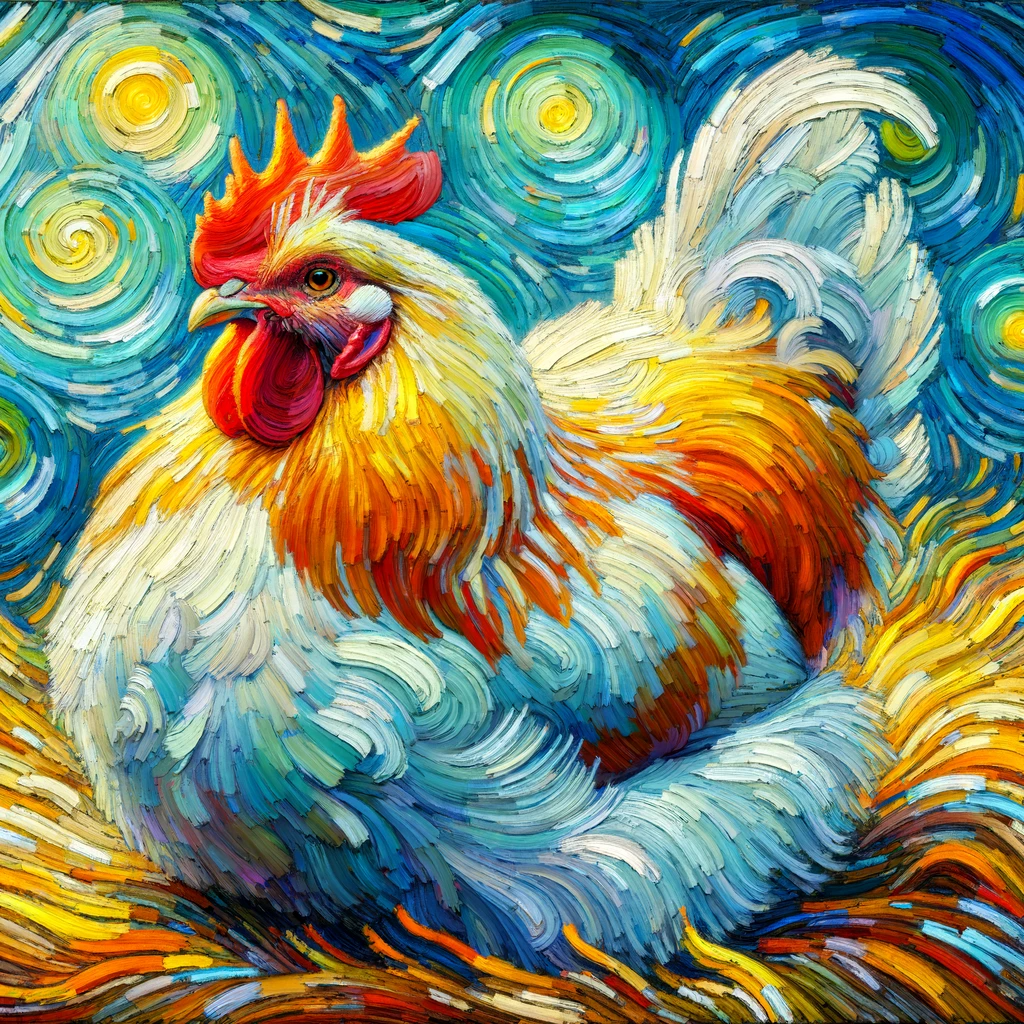
What Decades Of Chicken Keeping Taught Me About Containment
What Decades Of Chicken Keeping Taught Me About Containment
- The rhythm of a chicken coop reflects the heartbeat of the land.
- Keeping chickens is about effective containment, not just physical fences.
- Backyard chickens represent sustainable life choices and responsibilities.
- Containment symbolizes trust and safety between owners and their chickens.
- Effective containment fosters healthier birds and improves the quality of eggs.
- Social connections emerge from sharing experiences and resources among chicken keepers.
- Nurturing chickens contributes to a positive and responsible community in a chaotic world.
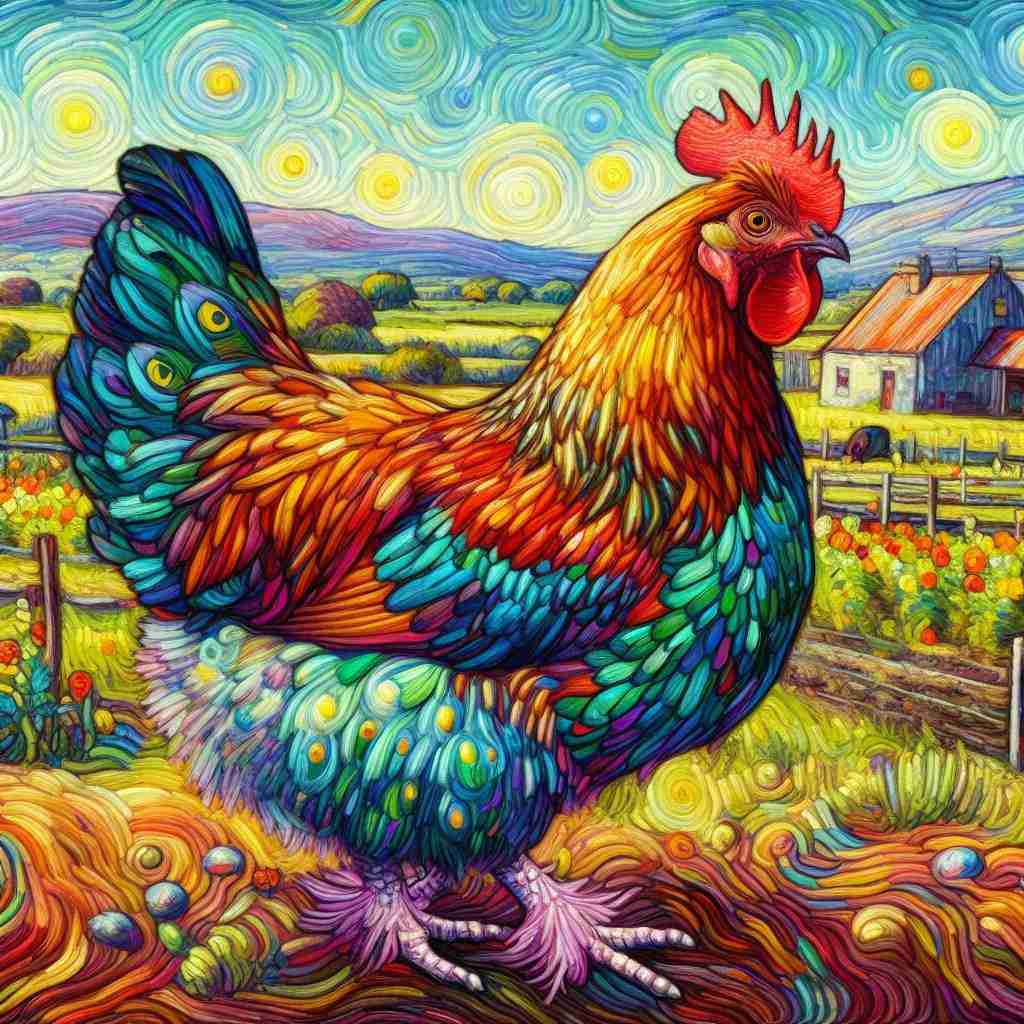
What Decades Of Chicken Keeping Taught Me About Containment
Table Of Contents
- What Decades Of Chicken Keeping Taught Me About Containment
- How Can the Right Chicken Containment Foster a Compassionate Farm?
- What Practical Strategies Ensure Our Chickens Lead Happier Lives?
- In What Ways Can the Design Of a Coop Improve Chicken Welfare?
- How Can Sharing Chicken-Keeping Stories Inspire Responsible Practices?
- Why Should We Prioritize Chicken Safety In Urban Settings?
- What Expert Advice Exists on Best Practices for Chicken Containment?
- How Can the History Of Chicken Farming Guide Our Modern Approaches?
- Conclusion
- Other Resources
- Glossary Of Terms
- Other Questions
- Haiku
- Poem
- Checklist
How Can the Right Chicken Containment Foster a Compassionate Farm?
When we think about our food systems, we often picture sprawling farms brimming with livestock. But let’s narrow our focus for a moment to something more intimate: backyard chickens. These feathery companions aren’t just a trendy addition to your home; they can be a vital component of a compassionate farm, nurturing our connection to the land and each other.
Imagine stepping into your yard, the morning sun filtering through the trees, and hearing the soft clucking of your chickens. Each peck at the ground isn’t just feeding your flock; it’s feeding your soul. That’s the heart of the matter. Raising chickens in your backyard fosters a relationship built on care, trust, and mutual benefit. We nurture them, and they, in return, provide us with fresh eggs – a sustainable, local food source. There’s an undeniable satisfaction that comes from knowing exactly where your food originates, turning meals into mindful experiences.
On a rational level, the impact of raising backyard chickens extends beyond the comforts of home. The initial investment and effort are dwarfed by the benefits. Not only do they provide eggs, but they also consume kitchen scraps that would otherwise go to waste, contributing to a more efficient, zero-waste lifestyle. This intelligent cycle saves money and reduces your environmental footprint, which should resonate with the ethical side of every conscientious consumer.
Let’s not overlook the charm of these backyard birds. They’re social creatures, often forming bonds with their caretakers and other animals. They remind us of the importance of community, even if that community is a small flock of chickens clucking away in your backyard. Just picture a child chasing after them, laughter ringing out, or friends gathering to admire the chickens’ antics. It’s a slice of life that’s becoming rare in our fast-paced world, yet it exists right at your doorstep.
Authoritative voices in animal welfare have long emphasized the ethical treatment of livestock, and backyard chickens provide a unique chance to put these principles into practice. By providing a safe, loving environment where they can roam and thrive, you’re making a statement about compassion in agriculture.
So, take that leap. Envision a future where your yard isn’t just a space for grass and concrete but a thriving hub of life, compassion, and community through your backyard chickens. You’re not just raising a flock; you’re fostering a new way of understanding our role in the greater ecosystem. Trust the process, embrace the messiness of life, and watch as your small action leads to larger ripples of change.

How Can the Right Chicken Containment Foster a Compassionate Farm?
How Can the Right Chicken Containment Foster a Compassionate Farm?
- Backyard chickens serve as a vital component of a compassionate food system, deepening our connection to land and community.
- Raising chickens fosters care and trust, providing fresh eggs as a sustainable and local food source.
- The experience of raising chickens transforms meals into mindful experiences, knowing the origin of your food.
- Chickens help reduce kitchen waste by consuming scraps, promoting a zero-waste lifestyle and saving money.
- They form social bonds with caretakers and remind us of the importance of community, even in small settings.
- Backyard chickens offer an opportunity to practice ethical treatment of animals and advocate for compassionate agriculture.
- Envisioning your yard as a hub of life and community through chickens can create positive changes in our ecosystem.

How Can the Right Chicken Containment Foster a Compassionate Farm?
What Practical Strategies Ensure Our Chickens Lead Happier Lives?
When it comes to our feathered friends, ensuring their happiness is more than just a feel-good notion—it’s a responsibility we all share. Backyard chickens are not just livestock; they are living beings that provide companionship, laughter, and perhaps even a bit of wisdom. So how can we craft a life that allows our chickens to strut around with joy in their hearts?
First on the list is creating a secure and spacious environment for them to roam. Your backyard should be more than a cages; think of it as a chicken amusement park. Bountiful space allows them to scratch, peck, and explore, satisfying their natural instincts. A well-designed coop is like a cozy home, complete with areas to perch and nest. It’s their sanctuary, where they can retreat from the world and feel safe. Imagine the peace of mind you’ll feel as you watch them flourish, living their best lives right outside your door.
Nutrition plays a huge role too. High-quality feed enriched with vitamins and minerals isn’t just an afterthought—it’s the heart of a happy chicken. Think of feeding them as crafting a gourmet meal that nurtures their bodies. Adding kitchen scraps like greens, fruits, or grains not only makes their diet diverse but also reduces waste. You engage in a cycle that’s not only sustainable but packs a punch for their overall well-being.
Social creatures by nature, chickens thrive on interaction—not just with each other but also with you. Spend time with them; they recognize your voice and presence, creating a sense of trust. Watching them peck around your feet as they learn to trust you is a joy that warms the heart. And when they cluck happily, it’s like they’re sending you a little thank-you for being their chicken caretaker.
Yet it doesn’t stop there; ethical treatment is crucial. By ensuring that our chickens experience love, care, and freedom, we are respecting their right to a fulfilling life. This commitment to their happiness not only elevates their experience but aligns with our values as compassionate caretakers.
Here’s the thing: when you prioritize their happiness, that joy ripples out—not only in their lives but also in yours. The connection you build with your backyard chickens isn’t just about tending to chores; it’s about cultivating a relationship that enriches both your lives. Take the plunge—your backyard could be the happiest place on Earth for your chickens.
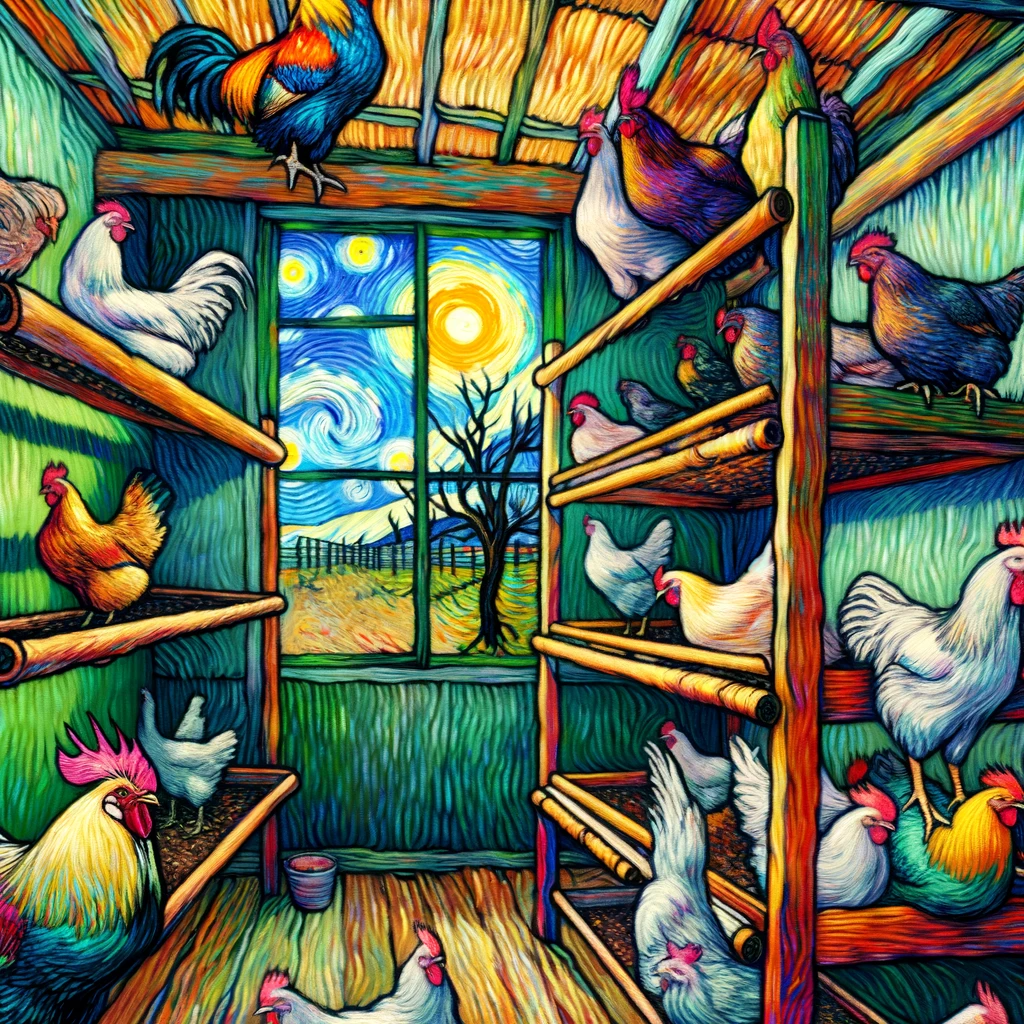
What Practical Strategies Ensure Our Chickens Lead Happier Lives?
What Practical Strategies Ensure Our Chickens Lead Happier Lives?
- Backyard chickens are living beings that require care, interaction, and responsibility.
- Create a secure and spacious environment for chickens to roam freely, resembling a “chicken amusement park.”.
- Design a comfortable and safe coop that serves as a sanctuary for them.
- Provide high-quality feed enriched with vitamins and minerals, and incorporate kitchen scraps for a diverse diet.
- Social interaction with chickens is essential; they thrive on trust and companionship with both humans and each other.
- Ethical treatment is vital; chickens deserve love, care, and the freedom to lead fulfilling lives.
- The happiness of chickens enhances both their lives and the lives of their caretakers, fostering a rewarding relationship.

What Practical Strategies Ensure Our Chickens Lead Happier Lives?
In What Ways Can the Design Of a Coop Improve Chicken Welfare?
When it comes to raising backyard chickens, the design of their coop speaks volumes about how we care for them. Every nail hammered, every piece of lumber placed, and every inch of space considered reflects our commitment to the health and happiness of these feathered friends. Imagine a coop that doesn’t just shelter, but also nurtures. A thoughtfully designed coop can elevate chicken welfare to remarkable heights, and it’s a responsibility we must embrace.
Consider the everyday life of a chicken. They’re not just livestock; they’re dynamic beings with personalities and needs. A well-ventilated coop ensures they have fresh air and prevents the buildup of harmful gases. Natural light streaming through windows allows them to bask in the sun, promoting strong bones and vibrant health. This isn’t just good for the chickens; it’s a reflection of how we want to live in harmony with them. When we construct a space that recognizes their instincts and comforts, we forge a deeper connection—not just with the chickens but also with the values of compassion and respect we hold dear.
From a rational standpoint, good design can save money in the long run. A coop built with secure nesting boxes, adequate roosting space, and ample room to roam lessens stress among the flock, leading to healthier birds that lay better eggs. This isn’t just wishful thinking; it’s commonsense. A coop that allows chickens to engage in natural behaviors—like scratching at the ground or dust bathing—creates a more productive and less chaotic environment. And let’s face it: happier chickens lay tastier eggs.
Ethically, taking the time to build a thoughtful coop is an investment in welfare that reflects our societal shift toward kindness and responsibility. When we foster environments where animals can thrive, we set an example for others, creating a ripple effect of compassion through our communities.
Stories abound of backyard chicken enthusiasts who transformed their coops into vibrant retreats, showcasing how simple modifications made profound differences. Just picture it: a family gathering to watch their chickens flourish, knowing they are nurturing life and taking a stand for welfare.
In our quest for sustainable living, let’s make our chicken coops a symbol of our values. When we prioritize design that elevates chicken welfare, we are not just building a structure; we’re building a legacy—one of care and connection that echoes through our backyards and beyond.

In What Ways Can the Design Of a Coop Improve Chicken Welfare?
In What Ways Can the Design Of a Coop Improve Chicken Welfare?
- The design of chicken coops reflects our commitment to the health and happiness of backyard chickens.
- A well-ventilated coop with natural light promotes strong bones and vibrant health for the chickens.
- Thoughtful coop design fosters a deeper connection and expresses our values of compassion and respect.
- Good design can save money by reducing stress among the flock and improving egg production.
- Creating spaces that allow chickens to engage in natural behaviors leads to happier and healthier birds.
- Investing time in building a thoughtful coop sets an example of kindness and responsibility in the community.
- Chicken coops can be transformed into vibrant retreats, reflecting our values and creating a legacy of care.

In What Ways Can the Design Of a Coop Improve Chicken Welfare?
How Can Sharing Chicken-Keeping Stories Inspire Responsible Practices?
When you stand in a backyard filled with clucking chickens, it’s easy to see them as mere feathered friends. But beyond the charm, these little creatures are a gateway to a conversation on responsibility, community, and sustainable practices. Sharing chicken-keeping stories is more than just swapping tips; it’s about forging a bond with the heart, head, and gut of every person involved.
Picture this: a neighbor, exhausted from a long day, finds solace in the rhythmic cluck of his hens. The eggs they lay aren’t just breakfast; they’re a reminder of nature’s simple gifts. Each story shared about those fowl friends—like overcoming a pesky raccoon raid or celebrating the first egg—builds a foundation of ethical responsibility toward our environment. We’re not just keeping chickens; we’re nurturing a respect for life itself, cultivating an appreciation for where our food comes from, and inspiring each other to embrace our roles as caretakers of the earth.
On a rational level, diving into these narratives illuminates the practical side of chicken-keeping. One can learn how to create a predator-proof coop or the best feed to promote healthy chickens. By listening and sharing, we develop a collective wisdom that empowers even the most novice gardener or urban dweller. We become experts in our craft together, sharing insights that may save countless chicks from harm or ensure better yields of eggs.
Adding another layer to this rich tapestry is the ethical responsibility we have when it comes to animal welfare. When we tell stories from our chicken-keeping journey, we foster a culture where compassion and care are non-negotiable. This narrative becomes a rallying cry—a shared ethos urging caretakers to prioritize the well-being of their birds, thus influencing communities in a positive manner.
It’s the connection built through storytelling that sparks confidence in responsible practices. Each tale of triumph or trial resonates with our collective experience, reminding us that we’re all in this together. It fosters camaraderie and encourages interaction, creating a network of chicken keepers who move forward with a united purpose: to celebrate, educate, and nurture. So, as you recount your own backyard adventures, remember: each story you share is one more step toward inspiring a community grounded in respect and responsibility.

How Can Sharing Chicken-Keeping Stories Inspire Responsible Practices?
How Can Sharing Chicken-Keeping Stories Inspire Responsible Practices?
- Chickens foster conversation on responsibility, community, and sustainability.
- Sharing chicken-keeping stories strengthens bonds among caretakers.
- Chickens provide emotional solace and a connection to nature’s gifts.
- Stories about chicken-keeping build ethical responsibility towards the environment.
- Collective knowledge empowers both novice and experienced chicken keepers.
- Storytelling promotes a culture of compassion and prioritizes animal welfare.
- Shared experiences encourage camaraderie and a unified purpose among chicken keepers.

How Can Sharing Chicken-Keeping Stories Inspire Responsible Practices?
Why Should We Prioritize Chicken Safety In Urban Settings?
In our modern urban landscape, the clucking of chickens has become a heartbeat in many neighborhoods, a symbol of sustainability, community, and a long-lost connection to our food sources. Yet, as we embrace these quirky, feathered friends into our backyards, we must ask ourselves: why should we prioritize chicken safety in urban settings? It’s about more than just animal welfare; it’s about creating a healthier community and a more sustainable future.
Imagine walking through your own neighborhood, breathing in the fresh air as you pass by vibrant gardens and cozy backyards. You come across a family of chickens, and there’s something undeniably heartwarming about watching kids run and giggle as they gather eggs. This connection is priceless. But what happens when chicken safety is compromised? Improper care, disease, and even predator threats can turn this idyllic scene into a source of anxiety rather than joy. Unsafe chickens can lead to foodborne illnesses that spread beyond the coop, even reaching your family’s dinner table. Let’s be clear: prioritizing chicken safety is an act of responsibility towards ourselves and our neighbors.
From a rational perspective, the benefits of keeping your backyard flock healthy are as clear as the morning sun. Healthy chickens produce nutritious eggs, which can reduce grocery bills and lessen reliance on commercial farming practices that often prioritize profit over quality. By fostering an environment where chickens thrive, we’re not only ensuring our own families eat better but also contributing to the larger movement toward local, sustainable agriculture.
Ethically, we owe it to these animals—these living beings that provide sustenance and companionship—to safeguard their well-being. A well-treated chicken lays better eggs and is happier. By prioritizing chicken safety, we’re embracing a philosophy that respects all life.
On a community level, fostering an environment that values safe, healthy chickens can unite neighborhoods. Local chicken enthusiasts often share tips, stories, and even excess eggs, creating bonds that strengthen community ties. Imagine a neighborhood where everyone pitches in to make sure our chickens are protected, safe from predators, and thriving.
By prioritizing chicken safety in urban settings, we’re engaging in an act that lifts us all—head, heart, and gut. So let’s embrace this journey together, ensuring that our feathered friends not only survive but thrive, enriching our lives and our communities.
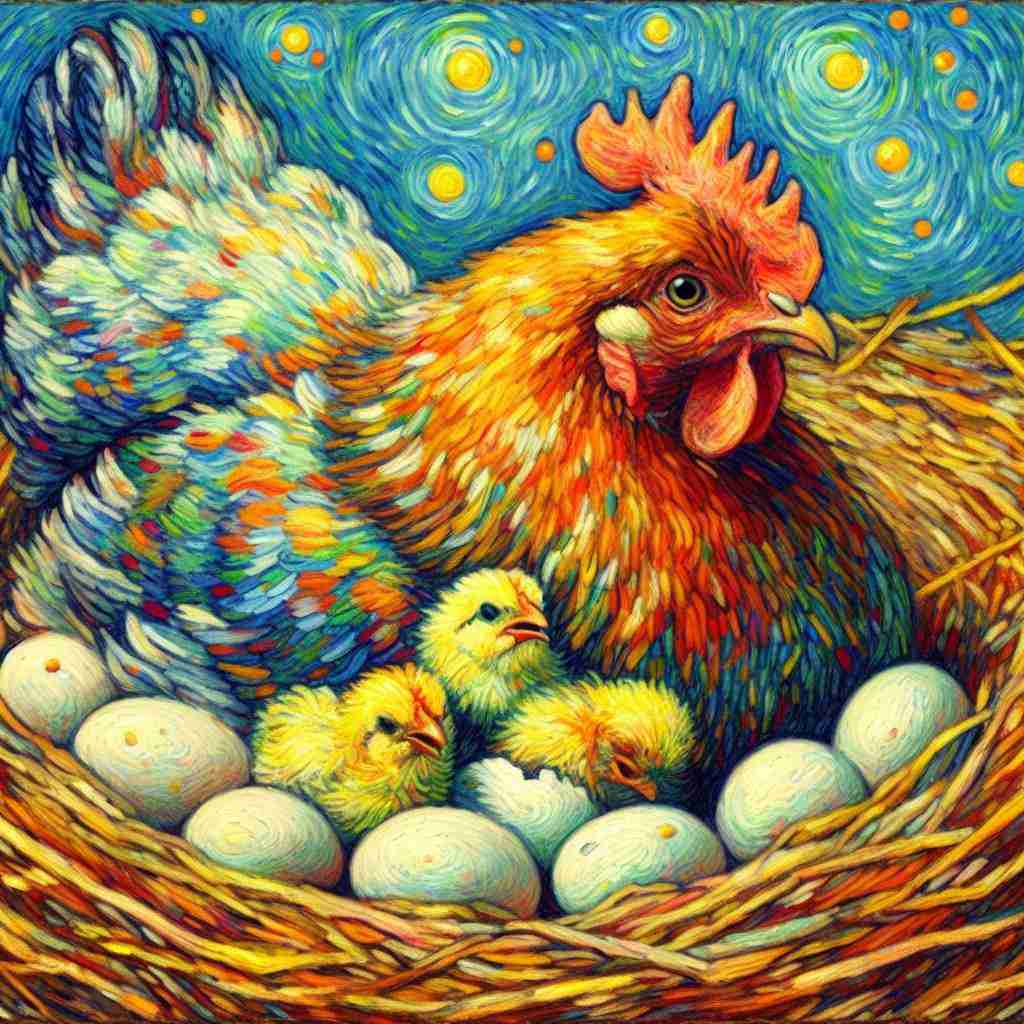
Why Should We Prioritize Chicken Safety In Urban Settings?
Why Should We Prioritize Chicken Safety In Urban Settings?
- The presence of chickens in urban neighborhoods symbolizes sustainability, community, and a connection to food sources.
- Prioritizing chicken safety is essential for animal welfare and contributes to a healthier community.
- Unsafe conditions for chickens can lead to anxiety and health risks, including foodborne illnesses.
- Healthy chickens provide nutritious eggs, reducing grocery bills and reliance on commercial farming.
- Ethically, ensuring the well-being of chickens respects their role in providing food and companionship.
- Promoting chicken safety can strengthen community ties through shared resources and support among neighbors.
- Emphasizing chicken safety not only benefits individuals but also enriches the community as a whole.

Why Should We Prioritize Chicken Safety In Urban Settings?
What Expert Advice Exists on Best Practices for Chicken Containment?
When it comes to keeping Backyard Chickens, experts agree that proper containment isn’t just a matter of practicality; it’s a moral obligation. Think about the thrill of gathering fresh eggs every morning, the excitement kids feel as they chase after those feathery friends, and the sense of accomplishment that comes from growing your own food. But amidst all that joy lies a responsibility—a responsibility to protect both your chickens and your neighbors.
From a safety standpoint, strong fences aren’t just barriers; they embody trust. They tell the world, “My chickens are safe here.” Whether you opt for classic wooden enclosures or sturdy wire fencing, the key is to create a haven that’s predator-proof. The last thing you want is a hawk circling overhead or a raccoon figuring out how to break in. The worry on your face as you check for egg thieves is not what you signed up for. Experts universally recommend a minimum height of six feet for your coop, topped with a secure roof if you’re in an area with frequent aerial attacks. That combination of security protects not just your chickens, but your peace of mind.
Ethically speaking, it’s important to consider the well-being of your flock. Chickens are social creatures that thrive in numbers, so choose containment options that allow ample space for them to roam and forage. When we prioritize their comfort, we’re reminded of why we fell in love with keeping them in the first place: Their quirky personalities, the joy they bring to our families, and the companionship they offer is invaluable. It’s not just about containing; it’s about creating a flourishing environment.
Engaging with experts who’ve been through it all can give you the assurance you need. Whether it’s chatting with local farmers at a community fair or diving into online forums filled with seasoned chicken owners, the knowledge shared by these voices can offer invaluable insights. Their narratives are filled with trial and error, laughter, and perhaps the occasional mishap. But through it all, they stand united in their commitment to best practices in chicken containment.
So let’s take a collective breath and commit to giving our chickens the safe, loving homes they deserve. Because when we elevate their care, we not only enrich their lives; we enrich our own. Embrace the cluck, honor the egg, and let’s keep those Backyard Chickens where they belong—safe, sound, and right at home.
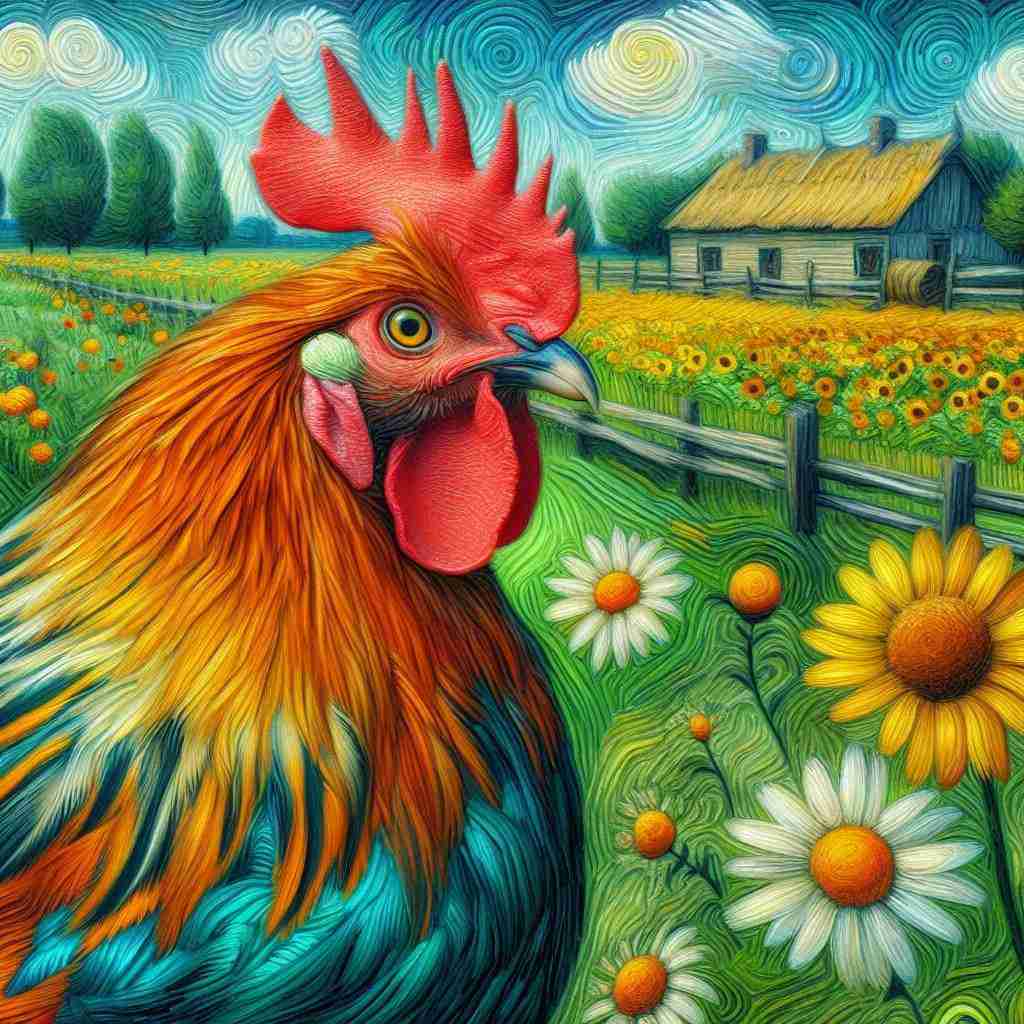
What Expert Advice Exists on Best Practices for Chicken Containment?
What Expert Advice Exists on Best Practices for Chicken Containment?
- Proper containment of backyard chickens is a moral obligation, not just a practical necessity.
- Strong fences communicate safety and trust, protecting chickens from predators.
- A minimum coop height of six feet and a secure roof are recommended for predator protection.
- Chickens are social animals; adequate space for them to roam enhances their well-being.
- Engaging with experienced chicken owners provides valuable insights and best practices.
- Prioritizing chicken care enriches both the birds’ and owners’ lives.
- Commit to creating safe, loving environments for backyard chickens to thrive.

What Expert Advice Exists on Best Practices for Chicken Containment?
How Can the History Of Chicken Farming Guide Our Modern Approaches?
As we gather around the dinner table, the humble chicken often takes center stage, a symbol of nourishment and community. But beneath that crispy skin lies a rich tapestry woven through generations of dedicated farmers. Their story is a compelling reminder of how our modern approaches to chicken farming can benefit from understanding the past. Let’s reconnect with those roots—not just for the sake of tradition, but for the well-being of our families and our planet.
Backyard chickens have become a popular trend for many households, reigniting a passion that harkens back to a time when people cultivated their own food. It’s a movement fueled by a desire for transparency and sustainability, where fresh eggs and meat are just steps away from our back doors. You see, raising chickens isn’t merely about convenience; it’s about embracing a lifestyle that values ethical practices and considers the impact on our overall health. It’s a commitment to quality over quantity.
Emotionally, the act of caring for chickens fosters a unique bond—one that teaches us patience, responsibility, and nurturing. Just as those early farmers learned to respect the animals they tended, we, too, can cultivate empathy for these creatures, treating them not merely as resources but as vital components of a living ecosystem. By promoting ethical treatment, we pave the way for a more connected food system that supports both animal welfare and human health.
Intellectually, history imparts important lessons about sustainable farming approaches. We know that the industrial methods of poultry production often prioritize efficiency over ethics, leading to detrimental consequences for both the animals and the environment. As we learn from these mistakes, we can forge a new path—one that mixes innovation with tradition. It’s about critical thinking: asking questions about where our food comes from and championing practices that promote biodiversity while reducing our carbon footprint.
Socially, joining the backyard chicken movement connects us with our communities. There’s a sense of camaraderie and sharing that’s hard to replicate in today’s fast-paced world. When we band together, exchanging tips, and stories, we’re not just raising chickens; we’re nurturing relationships.
By understanding the history of chicken farming, we find not just guidance but inspiration—an opportunity to learn from the past as we embrace a future that reflects our values, nourishes our families, and respects our earth. So let’s take that leap into the world of chicken farming with our hearts open, minds engaged, and guts ready to act. Each small step we take today can lead to a more sustainable tomorrow.

How Can the History Of Chicken Farming Guide Our Modern Approaches?
How Can the History Of Chicken Farming Guide Our Modern Approaches?
- The humble chicken symbolizes nourishment and community, with a rich history involving dedicated farmers.
- Backyard chickens are trending as a sustainable practice, bringing fresh food closer to home.
- Caring for chickens fosters patience, responsibility, and empathy towards animals as part of a living ecosystem.
- Emphasizing ethical treatment leads to a more connected food system that benefits both animals and human health.
- Learning from past industrial farming mistakes can guide us toward sustainable and ethical poultry farming.
- Engaging in the backyard chicken movement strengthens community bonds through shared experiences.
- By reconnecting with the roots of chicken farming, we can cultivate a future that values sustainability and ethical practices.

How Can the History Of Chicken Farming Guide Our Modern Approaches?
Conclusion
The journey of raising backyard chickens transcends the mere act of feeding and caring for them; it’s a profound engagement with our responsibilities as caretakers not just of these feathered companions, but also of the ecosystem we inhabit. After decades of nurturing these noble creatures, the heartbeat of the coop reveals a philosophy built on containment—a principle that transcends physical barriers to embody trust, ethics, and a sense of community. Picture the morning sun illuminating a bustling yard where clucks resonate like gentle reminders of our shared existence with nature. Embracing the responsibility to contain and protect our chickens elevates our role to that of stewards of the land, teaching us invaluable lessons about sustainability and compassion.
Efficient containment is not just about fencing. It’s about creating an environment where chickens thrive, and where our moral obligations meet practical knowledge. Every flap of their wings within a secure and thoughtfully designed coop speaks to the quality of life we offer, while also promoting healthier living—their happiness becomes palpable and, in turn, enriches our own lives. The benefits stretch far beyond the coop; they manifest in the way we share produce with neighbors and cultivate social bonds, sparking connections fostered by shared values of sustainability and responsibility.
Engaging with experts and fellow chicken keepers opens a world of community, allowing us to share wisdom and foster best practices. Through these narratives, we discover the pathways to ethical chicken keeping, transforming our backyards into vibrant spaces where both humans and chickens coexist harmoniously. This isn’t just a hobby; it’s a lifestyle that challenges the fast-paced modern world, introducing tenderness, patience, and respect back into everyday living.
Ultimately, it’s not only about ensuring our chickens’ safety and welfare; it’s about reinforcing our commitment to a more compassionate agriculture model. By keeping these relationships alive—both with our chickens and our communities—we embrace a narrative of responsibility that ripples outward, promoting a society that values ethical interactions, environmental stewardship, and local food production. Every step we take in nurturing our flock reflects a broader vision for a sustainable future. So let’s step forward together, committed to protecting our chickens, enriching our lives, and cultivating a little piece of paradise amid the chaos of modern existence. Each cluck, each egg, serves as a testament to our capacity to foster goodness in our world.

Conclusion
Conclusion:
- Raising backyard chickens involves deep responsibilities as caretakers, impacting both the chickens and the surrounding ecosystem.
- The philosophy of chicken keeping is built on containment, trust, ethics, and community values.
- Chicken care fosters sustainability and compassion, elevating caretakers to the role of land stewards.
- Efficient containment creates a thriving environment for chickens, merging moral obligations with practical knowledge.
- Sharing produce with neighbors cultivates social bonds and strengthens community ties based on shared values.
- Engaging with experts and fellow chicken keepers promotes best practices and ethical chicken keeping.
- The journey of chicken raising encourages a lifestyle focused on compassion, local food production, and environmental stewardship.

Conclusion
Other Resources

Other Resources
Here is a list of other resources you can review online to learn more:
- raccoons
- New Hampshire
- kale
- Derbyshire Redcap
- Barnevelder
- Gapeworms
- fermented feed
- flock raiser
- Tomaru
- Quail Bronchitis
- bobcats
- turnip greens
- Swedish Flower Hens
- Thuringian
- mediterranean breed
Use This Prompt To Get More Resources With Your Favorite Online AI Tool: Please provide me with a list of online articles with their URLs in a bulleted list that I can read regarding What Decades Of Chicken Keeping Taught Me About Containment

Other Resources
Glossary Terms
What Decades Of Chicken Keeping Taught Me About Containment – Glossary Of Terms
1. Containment: The methods and practices used to keep chickens securely within a defined area, preventing them from roaming freely.
2. Run: An enclosed outdoor space where chickens can roam safely, often attached to a coop.
3. Coop: A shelter or house designed specifically for chickens to sleep, lay eggs, and be protected from predators.
4. Free-ranging: Allowing chickens to roam freely outside an enclosure, which can enhance their well-being but introduces risks.
5. Fencing: Barriers used to confine chickens to a specific area, which can be made from various materials such as wood, wire, or electric.
6. Predator protection: Strategies and structures in place to keep chickens safe from animals that would harm them, such as foxes and raccoons.
7. Enrichment: Activities or items provided to chickens to stimulate their natural behaviors and promote mental health.
8. Bedding: Material, such as straw or wood shavings, placed in the coop for comfort, insulation, and waste absorption.
9. Nesting box: A designated area within the coop where hens can safely lay their eggs.
10. Pecking order: The social hierarchy in a flock that determines access to resources and space among chickens.
11. Brooder: A heated area used to raise chicks until they are old enough to survive outside the coop.
12. Pasture: A fenced area of land covered in grass or other vegetation where chickens can forage and graze.
13. Watering system: Solutions for providing clean drinking water to chickens, essential for their health and productivity.
14. Feeders: Containers used to dispense feed to chickens, designed to minimize waste and contamination.
15. Quarantine: A period of isolation for newly introduced or sick chickens to prevent disease spread to the rest of the flock.
16. Health management: Practices aimed at monitoring and maintaining the health and well-being of chickens.
17. Biosecurity: Measures taken to prevent the introduction and spread of diseases in poultry farms.
18. Roosting: The behavior of chickens seeking elevated places to sleep, usually on perches within the coop.
19. Predator-proofing: Techniques used to reinforce coops and runs against potential predators.
20. Composting: The process of recycling chicken waste into nutrient-rich soil amendment, benefiting garden areas around the coop.
21. Molting: The natural process where chickens lose old feathers and grow new ones, often leading to a temporary reduction in egg production.
22. Flock: A group of chickens raised together, usually consisting of multiple hens and a rooster.
23. Dual-purpose breeds: Chicken varieties bred for both egg production and meat.
24. Culling: The method of removing underperforming or unhealthy chickens from the flock for health management or production purposes.
25. Integrated pest management (IPM): A holistic approach to control pests affecting chickens, balancing the use of physical, biological, and chemical controls.
26. Egg production: The process and factors influencing the number and quality of eggs produced by hens.
27. Behavioral observation: Monitoring chickens to assess their health, well-being, and social interactions within the flock.
28. Sanitation: Practices aimed at keeping the coop and runs clean to reduce disease risks.
29. Chicken breed characteristics: Unique traits and behaviors associated with different breeds that influence their social structure and productivity.
30. Sustainable practices: Methods of chicken keeping that focus on environmental stewardship, animal welfare, and responsible resource management.

Glossary Of Terms
Other Questions
What Decades Of Chicken Keeping Taught Me About Containment – Other Questions
If you wish to explore and discover more, consider looking for answers to these questions:
- What are the most common challenges in raising chickens at home?
- How can one effectively introduce new chickens to an existing flock?
- What are the signs of a happy and healthy chicken?
- How does chicken keeping impact local ecosystems?
- What are the nutritional needs of backyard chickens?
- What types of predators pose a threat to backyard chickens?
- How can chicken keepers best manage waste generated by their flock?
- What are effective techniques for training chickens?
- How do different breeds of chickens affect chicken-keeping experiences?
- What regulations exist regarding chicken keeping in urban areas?
- How can chicken keeping foster a sense of community among neighbors?
- What resources are available for first-time chicken owners?
- How can chicken keepers advocate for animal welfare within their communities?
- What are the benefits of keeping chickens beyond egg production?
- How does the climate affect chicken keeping and care?

Other Questions
Haiku
What Decades Of Chicken Keeping Taught Me About Containment – A Haiku
Chickens softly cluck,
Boundaries nurture their peace;
Life’s rhythm, shared joy.

Haiku
Poem
What Decades Of Chicken Keeping Taught Me About Containment – A Poem
In the heart of dawn, where whispers dwell,
Life echoes softly—a coop’s gentle swell.
Feathered souls roam, in rhythm, they dance,
A tapestry woven, each cluck, a sweet chance.
Within these enclosures of trust and care,
Lies a promise unspoken, a bond rich and rare.
It’s more than a fence, more than mere walls,
It’s nurturing life in the cycle that calls.
To nurture these beings, to protect their space,
Blossoms community—where kindness finds place.
Each egg that they lay, a symbol of grace,
Feeding our plates, connecting our race.
With scraps from our kitchens, we weave them a fate,
Encouraging joy, while reducing the weight.
Together we share tips, laughter, and tales,
A network ignites as the chicken heart sails.
Designs of our coops reflect values we hold,
Shadows of care intertwining with gold.
Secure wooden roofs, where sunlight spills through,
A sanctuary cradling life, vibrant and true.
In our urban landscapes, they thrive and play,
Reminders of balance in bustling display.
To foster their safety is our moral guide,
For when we shield them, we cultivate pride.
So let’s embrace this journey, so tender, so bright,
Where each feathered friend fills our souls with delight.
Stand tall as stewards of life’s gentle song,
For in loving their world, we too, all belong.

Poem
Checklist
What Decades Of Chicken Keeping Taught Me About Containment – A Checklist
Chicken Keeping Responsibility Checklist
Heart Appeals
_____ Emotional Connection:
_____ Reflect on the joy and companionship chickens bring to your life.
_____ Consider the positive impact these animals have on your family’s well-being.
_____ Engage in moments of leisure or play with your chickens.
_____ Community Bonding:
_____ Share eggs with neighbors and participate in community chicken-keeping events.
_____ Exchange stories and tips with fellow chicken enthusiasts.
Head Appeals
_____ Rational Practices:
_____ Research and implement predator-proof strategies for chicken coops.
_____ Ensure a spacious, well-ventilated coop design for optimal chicken health.
_____ Track the costs and benefits of maintaining a backyard flock.
_____ Educational Growth:
_____ Learn about chicken care and health from authoritative sources, such as local farmers or online forums.
_____ Stay informed about nutritional needs and sustainable practices in chicken keeping.
Gut Appeals
_____ Ethical Responsibility:
_____ Commit to providing humane care and ethical treatment for your chickens.
_____ Make choices that prioritize sustainability and animal welfare when managing your flock.
_____ Action Steps:
_____ Create a secure environment with high fences and safe coops to protect your chickens and surrounding areas.
_____ Promote a zero-waste lifestyle by incorporating kitchen scraps into your chickens’ diet.
_____ Long-term Commitment:
_____ Devote time regularly to monitor the health and happiness of your flock.
_____ Engage in ongoing improvements and adaptations to your chicken-keeping practices based on new findings and experiences.
By embracing this checklist, you cultivate a fulfilling, responsible chicken-keeping journey that connects the heart, head, and gut, fostering a more compassionate and sustainable approach to poultry care.

Checklist
At BackyardChickenNews, we help people who want to raise backyard chickens by collating information and news blended with our own personal experiences.
Be sure to read our other related stories at BackyardChickenNews to learn more about raising chickens in your backyard.