

Guiding Chicks To Freedom: A Complete Outdoor Transition Guide
By Tom Seest
At BackyardChickenNews, we help people who want to raise backyard chickens by collating information and news blended with our own personal experiences.
Be sure to read our other related stories at BackyardChickenNews to learn more about raising chickens in your backyard.
When and How to Transition Chicks Outdoors
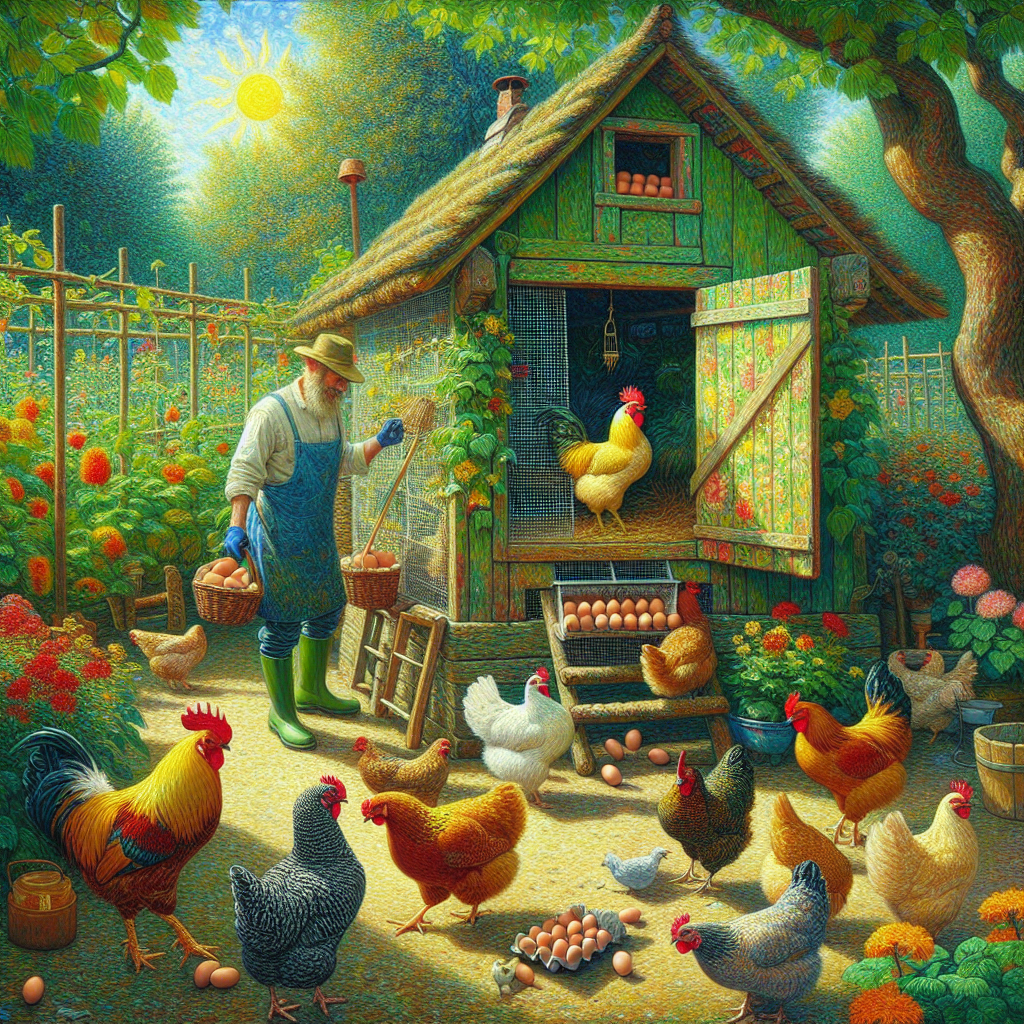
When introducing your chicks to the great outdoors, timing and technique are everything. Imagine the scene: vibrant patches of green, a soft breeze dancing through the air, and your fluffy little friends exploring the world for the first time. You’re not just transitioning chicks; you’re inviting them to a grand adventure that goes beyond their cozy brooder. It’s a rite of passage for both you and your chickens.
Start slow. At about six weeks of age, most chicks can handle brief excursions outside. The warmth of the sun on their feathers, the rustle of grass beneath their tiny feet—this is the kind of experience that cultivates not only robust birds but also a deeper bond between you and your flock. But don’t rush it. Pay attention to the weather and the chicks’ demeanor. A cold, wet day isn’t the right moment to send them out. You want them excited, not scared.
Now, let’s talk about space. Create a safe, enclosed area where they can forage and explore without fear of predators. A simple run or a fenced-off section of your yard can do wonders. This space offers them freedom while ensuring their safety. It’s about balance—a little bit of risk with a whopping dose of security.
Moreover, observe them. You’ll discover their personalities unfolding in real-time. Some will hop curiously towards the peonies, while others huddle together, unsure what to make of this bold new world. It provides a lesson not just in chicken husbandry but in patience and leadership. You are their guide in this uncharted territory, and every step they take reassures them of your protection.
Ethically, raising backyard chickens is about providing a quality life. By transitioning them outdoors, you’re fulfilling their natural instincts to roam, peck, and socialize. This kind of relationship fosters trust—the kind where your flock knows you’ll always have their wellbeing in mind.
So, set the stage and invite your chicks to explore. Make it a daily ritual to observe, to learn, and to marvel at their journeys. It’ll be messy; feathers will fly, and dirt will be kicked up. But in every quirk and cluck, you’ll see your backyard come to life, a testament to the beautiful partnership between you and your feathery companions. Embrace it with open arms. Together, you’re building not just a flock but a joyful life.

When and How to Transition Chicks Outdoors
When and How to Transition Chicks Outdoors
- Introduce chicks to the outdoors as an exciting transition from their brooder.
- Start slow: Brief excursions outside around six weeks of age are ideal.
- Pay attention to weather and chicks’ behavior; avoid cold or wet days.
- Create a safe, enclosed area for exploration and foraging away from predators.
- Observe the chicks to learn about their personalities and guide them in their new environment.
- Ethically raise chickens by fulfilling their natural instincts to roam and socialize.
- Make outdoor exploration a daily ritual, embracing the joyful partnership with your flock.
When and How to Transition Chicks Outdoors
Table Of Contents
- When and How to Transition Chicks Outdoors
- What Signs Indicate My Chicks Are Ready For Outdoor Life?
- How Can I Ensure My Chicks Feel Safe In Their New Environment?
- What Temperatures Are Safe For My Young Chicks Outdoors?
- How Should I Gradually Introduce My Chicks To Outdoor Living?
- What Is The Best Shelter Setup For My Chicks During Outdoor Time?
- What Feeding Adjustments Should I Make For Outdoor Chicks?
- What Benefits Do Outdoor Experiences Have For My Chicks’ Growth?
- Conclusion
- Other Resources
- Glossary Of Terms
- Other Questions
- Haiku
- Poem
- Checklist
What Signs Indicate My Chicks Are Ready For Outdoor Life?
When the sun rises over your backyard, and the little clucks of your chicks echo in the morning air, it’s hard not to feel that rush of pride. But as those fuzzy, yellow balls of fluff grow, it begs the question: when is it time to let them experience the great outdoors?
First, let’s engage your heart. Each morning, you witness those chicks pecking around in their brooder, their tiny personalities starting to shine. You’ve put in the love and dedication to see them grow, and now it’s about giving them the freedom they deserve. As they approach three to six weeks old, they’ll begin to exhibit behaviors that signal they’re ready to face the world outside. Watch for the moments when they’re curious, peeking over the edges of their enclosure, their little feet fluttering as if they yearn for adventure.
Now let’s turn to the head. This isn’t just about their eagerness; it also involves practical considerations. Are they fully feathered? Healthy? The general rule is that when they’re around five weeks old, they should start to sport a good amount of feathers, which provide essential insulation and protect them from the elements. Ensure they’ve been acclimatized to their indoor temperatures; sudden changes can stress their systems — and stressed chickens just don’t thrive.
Your decision also taps into ethical concerns. You have a responsibility to your chicks; this means not just when they’re ready but ensuring they’re entering an environment that’s safe and secure. Have you fortified that coop? Clipped any potential hazards in your yard? The contrast between leaving them cooped up and watching them roam free is stark, but freedom must come with protection.
And let’s stir the gut a little. Remember your feelings of liberation as a child, running wild, and free? Giving your chicks a taste of life beyond the coop isn’t just beneficial; it’s inspiring. As they scratch in the dirt, soak up the sunlight, and discover the joys of foraging, they’re not just chickens – they’re a living connection to that nostalgia of simpler times.
In your experience with backyard chickens, fostering that healthy balance between safety and freedom creates the harmony essential for both your heart and their spirit. So, keep your eyes open to those signs: the clucks, the flaps, the newfound confidence. It’s time for their next great adventure, and what a beautiful thing it is to witness.

What Signs Indicate My Chicks Are Ready For Outdoor Life?
What Signs Indicate My Chicks Are Ready For Outdoor Life?
- The pride of watching chicks grow and their eagerness to explore outdoors is a rewarding experience.
- Chicks should be around three to six weeks old and show curiosity before introducing them to the outdoors.
- Practical considerations include checking if the chicks are fully feathered and healthy, ideally at about five weeks old.
- Acclimatization to indoor temperatures is crucial to prevent stress when transitioning to the outdoors.
- Ensuring a safe environment for the chicks is an ethical responsibility that includes coop fortification and hazard removal.
- Allowing chicks to explore outdoors fosters a sense of freedom and connection to the past.
- Maintaining a balance between safety and freedom is essential for the well-being of both the chicks and the owner.

What Signs Indicate My Chicks Are Ready For Outdoor Life?
How Can I Ensure My Chicks Feel Safe In Their New Environment?
Creating a safe haven for your little feathered companions is essential in helping them thrive in their new environment. Picture those tiny, curious faces, peeking out from under their warmth, each one filled with the instincts that signal both wonder and wariness. As you welcome these chicks into your life, it’s your responsibility to ensure they feel secure—after all, happy Backyard Chickens lead to healthy chickens.
Start by providing a cozy, well-ventilated space. A draft-free brooder, lined with soft bedding, will mimic their natural surroundings. Think about it: nature doesn’t throw its delicate creatures into chaos. It cradles them in comfort first. This isn’t just about keeping them warm; it’s about building a fortress where they can explore and learn without fear.
Next, consider their social needs. Chicks are social creatures, and that means they thrive in a community. When you introduce your first batch, make sure to include several companions so they can form bonds. This not only gives them a sense of belonging but also provides a safeguard against anxiety. Watching them scratch and peep at one another fills the heart with a warmth that’s hard to explain.
Don’t forget about their diet. Providing a balanced mix of feed tailored for chicks is like giving them a hearty home-cooked meal. Good nutrition fuels their growth and fosters a sense of well-being. It’s a simple yet powerful way to show you care. Remember, when you feed them well, you nurture more than just their bodies—you nurture their spirits.
As they grow, keep their living space clean. Regularly changing bedding and ensuring fresh water isn’t just a chore; it’s a mindset. It’s your ethical commitment as a caretaker of these small lives. A clean environment reduces stress and illness, so they can enjoy their journey without the shadows of discomfort. Here, even the mundane becomes a form of love.
And while you’re doing all this, be present. Spend time with your chicks, allowing them to get used to your presence. Your gentle voice and steady hands will become symbols of security in their world. Trust is built over time, and sometimes the softest touch can mean the most.
In this dance of responsibility and care, you’re not just raising chickens; you’re fostering a connection, a bond that reflects the simple yet profound beauty of nurturing life. So roll up your sleeves, dive into this fulfilling endeavor, and watch as your chicks flourish in a space made just for them.

How Can I Ensure My Chicks Feel Safe In Their New Environment?
How Can I Ensure My Chicks Feel Safe In Their New Environment?
- Creating a safe haven is essential for the well-being of your chicks.
- Provide a cozy, well-ventilated, and draft-free brooder with soft bedding.
- Ensure your chicks have companions to promote social bonds and reduce anxiety.
- Offer a balanced diet tailored for chicks to support their growth and health.
- Maintain cleanliness in their living space to prevent stress and illness.
- Be present with your chicks, building trust through gentle interaction.
- Fostering a connection with your chicks reflects the beauty of nurturing life.

How Can I Ensure My Chicks Feel Safe In Their New Environment?
What Temperatures Are Safe For My Young Chicks Outdoors?
When it comes to raising your young chicks, understanding the safe outdoor temperatures is more than just a matter of numbers; it’s about nurturing a life and creating a thriving environment for your furry friends. Imagine these little creatures, full of life and potential, taking their first steps into the vast universe of your backyard. They depend on you—not just for food and shelter, but for the warmth and safety that keeps them thriving.
For babies of any species, being too cold or too hot can have dire consequences. Chicks are particularly vulnerable in their early days, needing a cozy warmth to mimic the protective embrace of a mother hen. The ideal temperature for those fluffy little peeps is around 90 to 95 degrees Fahrenheit during their first week. Each week thereafter, you can reduce that temperature by five degrees, until they’re ready to face the world with at least 70 degrees as their baseline. This gradual acclimatization isn’t just smart—it’s essential for their development.
Let’s be real: Nobody wants to be the one whose backyard chickens suffer because the heat lamp was turned off for too long or left off completely! That’s not just a parenting fail; that’s a heart-wrenching situation that can leave you second-guessing every decision you make. Chickens can’t voice their discomfort, so it falls on you to read the signs. Watch them carefully—fluffed feathers may mean they’re cold, while panting indicates the opposite.
Ethically, raising backyard chickens comes with the responsibility of ensuring their well-being. The sense of community in chicken-keeping is built around shared wisdom, advice, and support. Engage with your fellow chicken enthusiasts, share best practices, and listen to their stories. Most importantly, trust your instincts. You know your chicks. If they seem uncomfortable, it’s time to make a change.
The social aspect matters, too. Sharing your experience with others creates a bond that transforms your backyard into more than just a coop; it becomes a vibrant hub of life and love. Ask your neighbors about their safe temperature practices and exchange ideas on how to provide the best environment for your growing flock.
So, as you venture into the world of caring for your young chicks, remember that you’re not just managing their external conditions; you’re fostering a connection that can bring joy, life lessons, and even a few happy clucks along the way. Embrace this journey with open arms, ensuring that every chick feels the warmth of your dedicated heart.

What Temperatures Are Safe For My Young Chicks Outdoors?
What Temperatures Are Safe For My Young Chicks Outdoors?
- Understanding safe outdoor temperatures is crucial for raising young chicks.
- Chicks require a cozy warmth of 90 to 95 degrees Fahrenheit during their first week.
- Temperature should be gradually reduced by five degrees each week until a baseline of 70 degrees is reached.
- Observing chicks for signs of discomfort, like fluffed feathers or panting, is essential for their well-being.
- Engaging with fellow chicken enthusiasts fosters a sense of community and shared wisdom.
- Sharing experiences with neighbors can enhance the care and environment for your flock.
- This journey of raising chicks leads to valuable connections and joyful experiences.

What Temperatures Are Safe For My Young Chicks Outdoors?
How Should I Gradually Introduce My Chicks To Outdoor Living?
When it comes to introducing your chicks to the great outdoors, there’s a certain rhythm you’ve got to find—like a dance between instinct and nurture. You’re not just tossing them into the world and saying, “Good luck!” No, this is about creating a safe transition, one where your little feathered friends can dip their toes into the grass before diving headfirst into the whole big backyard experience.
Start by letting them explore their new world in small doses. Picture this: a bright, sunny day, a gentle breeze in the air, and a cozy little pen set up in your yard. This is their first taste of what’s outside the coop. Keep an eye on them, but give them room to roam. They’ll peck and scratch, clucking with curiosity as they encounter clumps of grass and juicy bugs. It’s all natural. You might say it’s their version of a family vacation—carefully curated, but filled with wonder and excitement.
But let’s get practical for a moment. Chickens thrive on routine, and a gradual introduction helps them adapt to their new environment without becoming stressed. It’s like teaching your child to ride a bike; you wouldn’t just throw them in the deep end without training wheels. Spend time outside with your flock, guiding them as they explore and letting them venture out a little further each day. This builds their confidence. Plus, it’s a chance for you to bond. Nothing strengthens that connection quite like plopping down in the grass and laughing at their silly antics together.
Ethically speaking, you want to foster a positive relationship between your chickens and their surroundings. By allowing them to roam safely, you’re promoting their well-being. You’re also taking steps to ensure that they respect the land they inhabit. The emotional rewards here are immense—watching your chicks flourish as they grow into healthy adults who can roam freely brings a sense of pride.
And don’t forget the social aspect. As your flock learns to navigate the backyard, they’ll also encounter other creatures—both human and animal. This is a valuable lesson in social dynamics, and seeing them engage with their environment can be downright enchanting.
So, grab your sun hat, and let’s give those chicks a taste of the good life. It’s not just about chickens; it’s about creating a thriving, vibrant backyard ecosystem that lifts everyone involved. A bit of time, a dash of care, and a whole lot of love will ensure your fluffy friends are ready to embrace their outdoor adventure.

How Should I Gradually Introduce My Chicks To Outdoor Living?
How Should I Gradually Introduce My Chicks To Outdoor Living?
- Introduce chicks to the outdoors with a careful, gradual transition.
- Start with small doses of exploration in a safe, cozy pen outside the coop.
- Monitor their curiosity as they peck and scratch, promoting a sense of wonder.
- Establish routines to help them adapt without stress, akin to learning to ride a bike.
- Spend quality time with your chicks during their outdoor adventures to strengthen your bond.
- Promote their well-being by allowing safe roaming, fostering respect for their environment.
- Encourage social dynamics as chicks interact with other creatures, enriching their experience.

How Should I Gradually Introduce My Chicks To Outdoor Living?
What Is The Best Shelter Setup For My Chicks During Outdoor Time?
When it comes to setting up the ideal shelter for your backyard chickens during outdoor time, think of it as creating a safe haven for your feathered friends— a cozy refuge where they can stretch their wings and soak up sunshine while feeling secure from the world outside. Imagine the joy of watching your fluffy balls of personality pecking and scratching, each little cluck resonating with the vibrant pulse of life. Your chicks thrive outdoors when provided with a sturdy, well-designed shelter that meets their needs and gives you peace of mind.
First, let’s talk practicality. Your shelter should be spacious enough for chickens to roam freely, but also snug enough to preserve warmth during those chilly nights. A well-ventilated coop with plenty of natural light allows your chicks to bask in the sun while staying protected from harsh weather and lurking predators. A structure made from quality materials—like robust wood and strong wire—can withstand the tests of time and nature. It’s an investment worth making, not just for your chickens, but for your own heart; knowing they are safe and content brings unmatched satisfaction.
Consider the ethical responsibility of raising backyard chickens. These charming creatures deserve a space where they can express their natural behaviors. A shelter equipped with perches, nesting boxes, and a dust bath not only enriches their lives, but it also fosters a vibrant atmosphere where they can socialize and thrive. This isn’t just about animal husbandry—it’s about cultivating a bond with these quirky, loving companions, cementing a sense of community that extends to your family and friends.
Narrative plays a role here too. Picture a sunny afternoon, laughter ringing out as the kids chase the chicks, while you glance back to witness them playing in their safe, well-crafted shelter. This is your life, a myriad of beautiful moments unfolding, all made possible by a thoughtfully designed setup. Your choice to invest time and effort in creating this space resonates not only within your backyard, but among fellow chicken enthusiasts, fostering a culture of care and responsibility that extends beyond your own coop.
Ultimately, it’s about more than just shelter—it’s about providing a nurturing environment that connects you to nature and promotes the well-being of your delightful flock. As you plan and build the perfect outdoor retreat for your chicks, know that each thoughtful decision you make contributes to a greater purpose, transforming your backyard into a sanctuary of joy and connection.

What Is The Best Shelter Setup For My Chicks During Outdoor Time?
What Is The Best Shelter Setup For My Chicks During Outdoor Time?
- Create a safe, cozy refuge for backyard chickens to thrive outdoors.
- Design a spacious yet snug shelter to ensure warmth and comfort during cold nights.
- Incorporate well-ventilated areas with natural light for protection from weather and predators.
- Use quality materials like strong wood and wire to ensure the shelter’s durability.
- Equip the shelter with perches, nesting boxes, and dust baths to promote natural behaviors.
- Foster a bond with your chickens and a sense of community among family and friends.
- Create a nurturing environment that connects you to nature and enhances your flock’s well-being.

What Is The Best Shelter Setup For My Chicks During Outdoor Time?
What Feeding Adjustments Should I Make For Outdoor Chicks?
Feeding adjustments for your outdoor chicks are about more than just nutrients; it’s a heartfelt commitment to the funny little lives you’re nurturing. Those bright-eyed fuzzballs scurrying underfoot, scratching at the dirt, and racing for that first taste of food are not just pets—they’re your backyard partners in a life well-lived.
When transitioning your outdoor chicks from brooder to the big, open world, think of their feed as more than a menu; consider it a foundation for happiness and health. These little explorers need a high-protein chick starter (20-24% protein) that fuels their growth while offering them the chance to show off their natural instincts. Picture this: as you scatter feed on the ground, they scratch and peck—it’s a simple joy, and it bonds you as caretakers. And remember, fresh water is a must; think of it as the lifeline that keeps those feathery friendship bonds strong.
Now, consider the environment in which they’re living. Outdoor chicks will naturally be exposed to a variety of insects and plants, which can add a little spice (and protein) to their diet. Open the door to the possibilities! Supplement their feed with kitchen scraps, grains, or even some greens from your garden. Just ensure those additions are safe and healthy—since, let’s face it, nobody wants to be the reason for a sick chick.
As the seasons change, so do your feeding needs. Cold weather may require additional calories for warmth, while hot temperatures mean hydration is key. Adjustments in their diet are not just logical; they show you care deeply about their well-being. After all, a happy, healthy flock translates to delightful eggs and one heck of a season of companionship.
Ethics come into play here as well; when you provide a clean, nutritious, and stimulating environment, you’re setting standards for how we treat the animals we share our lives with. Investing in quality feed might cost more, but it’s a commitment to doing right by your feathered friends, ensuring they thrive under your watchful eye.
Your backyard should be a safe haven for them. You’re not just raising chicks; you’re building a community rooted in compassion and responsibility. Together, let’s take these small steps to ensure they grow up strong, safe, and forever a part of your heart. The love you give will echo in the laughter and joy they bring to your home.

What Feeding Adjustments Should I Make For Outdoor Chicks?
What Feeding Adjustments Should I Make For Outdoor Chicks?
- Feeding outdoor chicks is a heartfelt commitment to nurturing their lives.
- Transitioning from brooder to outdoors requires a high-protein chick starter (20-24% protein) for growth.
- Scattering feed encourages natural instincts and strengthens the bond between caretaker and chicks.
- Fresh water is essential for maintaining their health and companionship.
- Outdoor chicks can benefit from a varied diet that includes safe kitchen scraps, grains, and greens.
- Seasonal changes demand diet adjustments to ensure their comfort and well-being.
- Investing in quality feed and a clean environment reflects ethical treatment of animals.

What Feeding Adjustments Should I Make For Outdoor Chicks?
What Benefits Do Outdoor Experiences Have For My Chicks’ Growth?
When it comes to raising chickens, many folks focus on feed, water, and shelter, overlooking a golden opportunity for your flock: the great outdoors. Let’s talk about what benefits do outdoor experiences have for your chicks’ growth, and why that garden or grassy patch in your backyard could set the stage for a thriving life—one much richer than what four walls can offer.
First off, the joy of watching your chicks explore the backyard is a sight to behold. When they scratch at the dirt, chase after bugs, and bask in the sunshine, you can almost see them growing up brave and bold. This simple act of exploration isn’t just play; it’s building their instincts and muscles. Just as you’d encourage a child to navigate a playground, allowing your chickens to roam frees their imagination and helps them learn. The result? Healthier, happier birds who aren’t afraid to face the world.
Furthermore, outdoor experiences are vital for their physical health. Exposure to natural sunlight provides them with essential vitamins, specifically Vitamin D, which aids calcium absorption and contributes to strong bones. Think of it as a rite of passage, one that not only nurtures their bodies but fortifies their spirits. You want productive hens, right? A few afternoons in the fresh air can lead to richer yolks and better egg production. Who wouldn’t want to enjoy that golden bounty?
Yet, let’s not forget the ethical side of the coin. By enabling your chicks to live a more natural life, you’re cultivating a deeper bond with them. It’s an unspoken understanding between you and your flock—an appreciation for their lives, needs, and space. Raising backyard chickens can be about more than just eggs; it’s a responsibility that speaks to our sense of right and stewardship over other living beings.
And here’s where it resonates with the heart; engaging with nature fosters a connection that transcends the mundane. You’re part of a larger story, an ecosystem where your actions directly contribute to the wellbeing of these feathered friends and the community around you. When you share your flocks’ growth with friends and family, it sparks conversations, unite neighbors, and inspires others to embrace their backyard landscapes.
So, this spring, take a leap! Let your chicks roam. Discover those hidden treasures in your own backyard and witness how outdoor experiences propel them into the wonderful world of chickens—and trust me, it’ll be a delightful journey for you both.

What Benefits Do Outdoor Experiences Have For My Chicks’ Growth?
What Benefits Do Outdoor Experiences Have For My Chicks’ Growth?
- Outdoor experiences enrich the growth and development of chickens beyond basic care.
- Watching chicks explore their environment helps build their instincts and muscles.
- Access to sunlight provides essential Vitamin D, promoting strong bones and better health.
- Outdoor time can improve egg production and result in richer yolks.
- Allowing chickens to roam encourages a deeper bond and sense of responsibility in caretakers.
- Engaging with nature fosters a sense of community and inspires others to raise chickens.
- Encouraging outdoor exploration provides a rewarding journey for both chickens and their owners.

What Benefits Do Outdoor Experiences Have For My Chicks’ Growth?
Conclusion
Transitioning your chicks from brooder to the great outdoors is nothing short of a heartfelt journey that transforms both you and your feathered companions. Picture the excitement as these fluffy bundles of joy take their first tentative steps outside, feeling the grass tickle their feet and basking in the sun’s warm embrace. It’s a moment filled with hope and wonder, a rite of passage for both you and your flock that symbolizes a leap into freedom and natural living.
Timing and care are crucial in this process. As your chicks reach the six-week mark, they begin to exhibit signs of readiness, yet it’s your responsibility as their guardian to ensure their safe exploration. Assess their demeanor and health, looking for the little signals that suggest they’re eager to venture out. This isn’t merely about letting them lose in the yard; it’s an opportunity to guide them through a world where they can forage, socialize, and engage their natural instincts. Creating a secure environment that balances freedom and protection is essential. Establish a safe enclosure that allows them to roam without the looming threat of predators—a haven where they can build their confidence and develop their unique personalities under your watchful eye.
Nurturing a relationship with your chicks also speaks to the ethical considerations of chicken keeping. By providing outdoor experiences, you’re aligning their lives closer to their natural instincts, fostering well-being, and enabling trust between you and your flock. This connection transcends mere caretaking; it’s about developing a partnership rooted in care, respect, and awareness. When you invest time observing their antics, you’ll witness not just their growth, but a vibrant backyard ecosystem coming to life, rich with laughter, dirt, and a dash of chicken chaos.
Remember that the heart of this endeavor beats with each little adventure. As you welcome them into your backyard, you’re not simply raising chickens; you’re building a narrative of responsibility, love, and joy. Each cluck and every flap of their wings is a delightful reminder of the journey you share. Embrace the messiness of it all, because in this dance of guardianship, you’ll find moments of profound connection and the true meaning of nurturing life. So, roll up your sleeves, step outside, and enjoy the beautiful chaos as your chicks explore the world—together, you’re creating a legacy that echoes with joy and companionship.

Conclusion
Conclusion:
- Transitioning chicks from brooder to outdoors is an emotional journey for both the owner and the chicks.
- Chicks show excitement when they take their first steps outside, feeling grass and warmth.
- Timing is crucial; chicks around six weeks old begin showing readiness for exploration.
- Creating a secure environment allows chicks to roam freely while protecting them from predators.
- Nurturing a relationship with chicks fosters ethical chicken-keeping and a natural lifestyle.
- Investing time in observing chicks’ behaviors enhances connection and enriches the backyard ecosystem.
- Embracing the journey of raising chicks creates a legacy of love, responsibility, and joy.
Conclusion
Other Resources

Other Resources
Here is a list of other resources you can review online to learn more:
- Campine
- blackberries
- Botulism
- Black Copper Marans
- Cinnamon Queen
- Necrotic Enteritis
- Brahma
- Catalana
- Strawberries
- black soldier flies
- cereals
- cats
Use This Prompt To Get More Resources With Your Favorite Online AI Tool: Please provide me with a list of online articles with their URLs in a bulleted list that I can read regarding When and How to Transition Chicks Outdoors

Other Resources
Glossary Terms
When and How to Transition Chicks Outdoors – Glossary Of Terms
1. Chicks: Young chickens, typically under six weeks old, that require specific care and conditions for optimal growth.
2. Brooder: An enclosed space designed to keep chicks warm and safe during their earliest weeks of life.
3. Heat Source: A device, such as a heat lamp or pad, used to provide warmth to chicks in the brooder.
4. Transitioning: The process of moving chicks from an indoor brooder to an outdoor environment as they grow.
5. Pasting Up: A condition where feces can clog a chick’s vent, requiring immediate attention; can be exacerbated by stress during transitioning.
6. Feather Development: The growth of feathers, which provides insulation and protection; an important factor in determining when to transition chicks outdoors.
7. Age: The time since hatch; typically, chicks are ready to transition outdoors between 4 and 8 weeks, depending on the weather.
8. Temperature: Refers to the ambient warmth in both the brooder and outdoor environment; critical to assess when transitioning.
9. Acclimatization: Gradually introducing chicks to lower temperatures and outdoor conditions to reduce shock during transition.
10. Outdoor Coop: A secure structure that provides shelter for mature chickens and a safe environment as they transition from indoors.
11. Free-Range: A system of raising chickens where they are allowed to roam outdoors, promoting natural behaviors and health.
12. Predator Protection: Measures taken to ensure the safety of chicks from common predators such as hawks, raccoons, and foxes.
13. Bedding: Material used on the floor of the coop or brooder to provide warmth and absorb waste; examples include straw and wood shavings.
14. Ventilation: The process of ensuring adequate airflow in the coop to prevent overheating and maintain health.
15. Flock Integration: The process of introducing new chicks to an existing group of chickens, requiring careful management to reduce aggression.
16. Watering System: Equipment designed to provide clean, fresh water to chicks, crucial for their hydration and health.
17. Feed: The nutrition provided to chicks, which must be age-appropriate and suitable for their development stage.
18. Stress: A physiological response that can occur during transitions; can affect the health and well-being of chicks.
19. Socialization: The process through which chicks learn to interact with each other and their environment, important for healthy development.
20. Lighting: The use of natural or artificial light to simulate day/night cycles, influencing the growth and behavior of chicks.
21. Weather Conditions: The local climate, such as temperature, humidity, and precipitation, that affects when chicks can safely be transitioned outside.
22. Healthcare: The management of chicks’ health, including vaccinations, parasite control, and monitoring for signs of illness.
23. Biosecurity: Practices aimed at protecting the flock from disease, especially important during the transition phase.
24. Foraging: The natural behavior of chickens to search for food; ensuring access to foraging can enhance their well-being.
25. Nesting Boxes: Designed spaces for hens to lay eggs, which become important as chicks mature into laying hens.
26. Ground Cover: Vegetation or materials that provide a comfortable environment for chicks to explore, crucial for outdoor living.
27. Resilience: The ability of chicks to adapt to new environments and conditions, particularly important during the outdoor transition.
28. Chick Starter Feed: A specially formulated food for young chicks to support their growth and development in early life.
29. Transition Timeline: The schedule or plan outlining the steps from brooder to outdoor living, ensuring a smooth transition.
30. Observation: The act of closely monitoring chicks’ behaviors and conditions during transition, helping identify any issues early on.

Glossary Of Terms
Other Questions
When and How to Transition Chicks Outdoors – Other Questions
If you wish to explore and discover more, consider looking for answers to these questions:
- What age should chicks be before transitioning outdoors?
- How long should chicks stay outside during their first outings?
- What kinds of predators should I be aware of when letting my chicks roam outdoors?
- How can I tell if my chicks are too stressed or scared outside?
- What are ideal weather conditions for introducing chicks to outdoor living?
- Should I use any specific types of fencing for my chick’s outdoor area?
- What kind of bedding should I use in their outdoor shelter?
- How often should I check on my chicks while they are outside?
- Are there specific signs I should look for to know my chicks are healthy outside?
- How do changes in seasons affect my chicks’ outdoor time?
- What types of backyard plants are safe or unsafe for my chicks?
- How can I create a stimulating environment for my chicks outside?
- What social interactions should I facilitate among my chicks while outdoors?
- How does outdoor time influence the personality of my chicks?
- What’s the difference between free-range and supervised outdoor time for chicks?

Other Questions
Haiku
When and How to Transition Chicks Outdoors – A Haiku
Chicks step into sun,
Hearts soar with each little peck—
Nurtured, they grow free.

Haiku
Poem
When and How to Transition Chicks Outdoors – A Poem
In the gentle dawn, where clucks softly call,
There lies a journey, a rite for all—
Chicks, bright-eyed, yearning to break free,
Into a world bursting with life’s melody.
At six weeks, they flutter to venture outside,
Sunlight and grass, their hearts open wide.
A dance of safety, a space defined,
Where freedom and care beautifully intertwine.
Observe their spirits, each unique tale,
As they hop towards peonies, and curiously trail.
Patience and leadership, a bond you cultivate,
Through small steps of trust, together you navigate.
Feed them well, nurture their souls,
With warmth and protection, your love consoles.
Transition from brooder to greenest expanse,
Embrace the wildness, give them a chance.
The shelter you build, a fortress of hope,
Crafted from kindness, where hearts learn to cope.
Add perches and nests, let their nature flow,
For ethics and joy in this dance you bestow.
With each playful scratch, and chase of a bug,
They grow strong and bold, through the earth they tug.
A glimpse of their futures, happy and bright,
With vital sunshine and laughter as light.
So breathe in the moments, and let your heart swell,
For the stories they weave are magical spells.
In this garden of life, together you’ll thrive,
In nurturing bonds, family, love keeps alive.

Poem
Checklist
When and How to Transition Chicks Outdoors – A Checklist
Chicken Outdoor Transition Checklist
Heartfelt Considerations
_____ Observe behavior: Watch for signs of curiosity and eagerness in your chicks as they approach outdoor time.
_____ Bonding moments: Spend quality time with your chicks outdoors to foster trust and deepen your connection.
_____ Celebrate their freedom: Take note of their first steps into the grass; cherish the moments of exploration.
Rational Preparations
_____ Age and feathering: Ensure your chicks are at least three to six weeks old and have adequate feathering for insulation.
_____ Monitor weather conditions: Assess temperature and weather forecasts; avoid outdoor time on cold or rainy days.
_____ Create a safe environment: Build a secure pen or run that protects against predators while allowing exploration.
Ethical Responsibilities
_____ Quality of life: Commit to fulfilling your chicks’ natural instincts by allowing them to roam, forage, and socialize.
_____ Proper shelter setup: Design a well-ventilated, cozy shelter that encourages natural behaviors and comforts during varying weather.
_____ Routine cleaning: Regularly clean their living space and provide fresh water, reflecting your commitment to their health.
Authority and Best Practices
_____ Consult experienced keepers: Engage with fellow chicken enthusiasts for tips on safe outdoor practices and recommendations for feeding.
_____ Educational resources: Read articles, books, or join workshops to deepen your understanding of chicken care.
_____ Health checks: Monitor your chicks for signs of discomfort or illness and take immediate action if needed.
Narrative Moments
_____ Capture memories: Document your chicks’ first outdoor experiences through photos or a journal for future reflection.
_____ Share stories: Create connections with neighbors by sharing experiences and successes in chicken-keeping.
_____ Celebrate milestones: Recognize key moments in your chicks’ growth as they navigate their new world.
Social Engagement
_____ Bond with family: Involve children and other family members in the care and observation of the chicks.
_____ Community building: Host a backyard gathering to showcase your outdoor setup and share your journey with neighbors.
_____ Encourage mindfulness: Use the experience to teach about animal care, responsibility, and the joy of nurturing life.

Checklist
At BackyardChickenNews, we help people who want to raise backyard chickens by collating information and news blended with our own personal experiences.
Be sure to read our other related stories at BackyardChickenNews to learn more about raising chickens in your backyard.