

Rediscovering The Authenticity Of Homegrown Meals
By Tom Seest
At BackyardChickenNews, we help people who want to raise backyard chickens by collating information and news blended with our own personal experiences.
Be sure to read our other related stories at BackyardChickenNews to learn more about raising chickens in your backyard.
When Chicken Dinner Came From the Backyard, Not the Store
In a world where the hum of grocery store freezers dominates the soundscape of our kitchens, there’s something profoundly grounding about raising Backyard Chickens. It wasn’t long ago that meals didn’t come wrapped in plastic and look like they had never seen the light of day. Instead, they came from the sweat of our brows, the sun-drenched earth beneath our feet, and the feathery companions we tended in our yards.
Imagine stepping outside in the early morning, the air crisp and fresh, as you hear the gentle clucking of your backyard flock. These chickens are more than just birds; they are living, breathing reminders of where food truly comes from. Each egg is a little gift of nature, a tangible connection to the cycle of life that sustains us. There is a deep satisfaction in knowing your breakfast wasn’t manufactured in a factory, but rather laid by a hen you’ve cared for, watched grow, and even named.
Raising chickens is a rite of passage that connects us to a simpler time, a time when ethical considerations were woven into our daily lives. In a society increasingly obsessed with convenience, there is an ethical high ground in choosing to nurture and harvest our own food. We become stewards of our land, guardians of the process, not just passive consumers. This journey teaches us valuable lessons: patience, responsibility, and the profound impact of our choices.
The act of engaging in this timeless tradition sparks a social connection with friends, neighbors, and family. It’s a conversation starter, a bridge between generations. There’s a warmth in gathering around the table to enjoy a meal where the ingredients tell a story—your story. It’s one of resilience, of self-reliance, and of intentional living, fostering bonds that are as nourishing as the food itself.
So, if you’re sitting there wondering whether to take the plunge into chicken-keeping, consider this your call to action. Dive into the journey, plant your roots, and feel the earth beneath your feet. Embrace the adventure of raising Backyard Chickens, and watch as your perspective on meals, family, and sustainability transforms. Connect with your food. Connect with yourself. Make the humble chicken a part of your life, and let it pave the way for a richer, more meaningful existence.
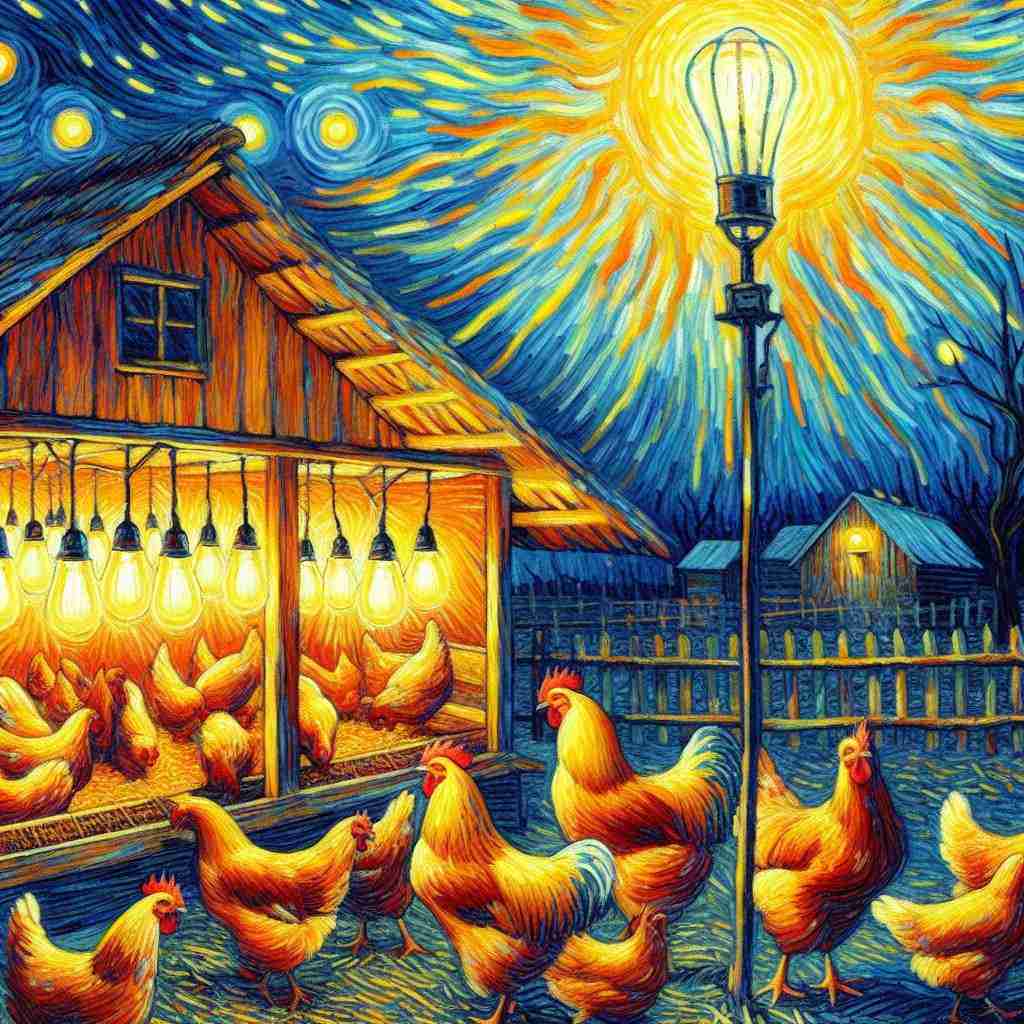
When Chicken Dinner Came From the Backyard, Not the Store
When Chicken Dinner Came From the Backyard, Not the Store
- Raising Backyard Chickens offers a grounding experience in a world dominated by convenience.
- Chickens serve as reminders of the origins of food, creating a personal connection to the cycle of life.
- Each egg symbolizes a tangible result of care, patience, and responsibility.
- The practice evokes a simpler time, emphasizing ethics in food production.
- Engaging in chicken-keeping fosters social connections and strengthens bonds with friends and family.
- Embracing chicken-keeping encourages intentional living and self-reliance.
- Raising chickens transforms one’s perspective on meals and sustainability, enriching life experiences.

When Chicken Dinner Came From the Backyard, Not the Store
Table Of Contents
- When Chicken Dinner Came From the Backyard, Not the Store
- What Memories Do You Cherish From Family Meals on the Farm?
- What Are the Ethical Benefits Of Backyard Chicken Farming?
- Can You Imagine the Satisfaction Of Serving a Meal From Your Yard?
- How Does Connecting with Nature Enhance Your Food Experience?
- Why Is Sourcing Food Locally Becoming Increasingly Important?
- What Stories Do You Create While Tending to Your Flock?
- How Does Growing Your Own Food Strengthen Community Bonds?
- Conclusion
- Other Resources
- Glossary Of Terms
- Other Questions
- Haiku
- Poem
- Checklist
What Memories Do You Cherish From Family Meals on the Farm?
There’s something uniquely poignant about gathering around the dinner table after a long day on the farm. Those hearty meals, brimming with the fruits of our labor, are more than just sustenance—they’re a testament to hard work and connection. I still remember the smell of fresh-made biscuits rising in the oven, my mother urging my siblings and me to wash up as she set the table. The faint clucking of our backyard chickens provided a comforting soundtrack, reminding us that each meal we laid out was born from the sweat of our brows and the soil beneath our feet.
As we sat there, passing dishes and sharing stories, it was a blend of tradition and innovation. Each bite of tender chicken or buttery corn on the cob was a reminder that we weren’t just consuming food; we were participating in the cycle of life itself. Meals are moments to reflect on the values that ground us—respect for the earth, appreciation for hard work, and the simple joy of being together. Each shared anecdote, from the silly mishaps with the farm machinery to the triumphant harvests, forged a bond that went beyond blood; it formed an unbreakable community.
Yet, it’s not simply nostalgic. Those family dinners instilled in us a rational understanding of responsibility. We learned that for every plate filled, there’s a story of perseverance and teamwork. We understood the ethical importance of sustainable farming—each meal magnified the diligent farming practices we upheld, teaching us to treat the land and its creatures with dignity. When farmers are in tune with their environment, the food they share becomes a reflection of that deep-rooted respect.
The kitchen was our classroom, where lessons weren’t only learned but lived. Feeding the family from our own efforts fostered a sense of pride and purpose—each meal was a dedication to the life we chose. And let’s not forget the social aspect; these gatherings were a bridge that connected generations. The laughter of grandparents blended seamlessly with the chatter of kids, creating a symphony of love and legacy around that table.
So, what memories do you cherish from those family meals? If you close your eyes, can you hear the echoes of laughter mingling with the clang of forks? Can you feel the warmth of belonging and the nourishment that goes beyond food? These memories are not just about the meals but about reinforcing the pillars of family, community, and appreciation for the land that bore us.

What Memories Do You Cherish From Family Meals on the Farm?
What Memories Do You Cherish From Family Meals on the Farm?
- Gathering around the dinner table symbolizes connection and the fruits of hard work on the farm.
- Hearty meals, like fresh-made biscuits, evoke nostalgia and familial bonding amidst the backdrop of farm life.
- Each meal serves as a reminder of respect for the earth, hard work, and the joys of togetherness.
- Family dinners cultivate an understanding of responsibility, showcasing stories of perseverance and teamwork.
- Ethical importance of sustainable farming is emphasized, reflecting the deep-rooted respect for the land and its creatures.
- The kitchen acts as a classroom, fostering pride and purpose through the effort of feeding the family.
- These gatherings bridge generations, creating memories filled with laughter, love, and a sense of community.

What Memories Do You Cherish From Family Meals on the Farm?
What Are the Ethical Benefits Of Backyard Chicken Farming?
Backyard chickens are more than just a quirky trend; they represent a genuine ethical lifestyle choice that resonates deeply with our values and instincts. Picture this: you walk into your backyard and hear the gentle clucking of happy hens, scratching around in the dirt, living out their days in open air. This visual connects us to a world where we’re not just consumers but stewards of the land, reinforcing a vital bond between humans and the animals we care for.
Raising chickens invites us to consider the ethical implications of our food choices. With mass production driving our food system, it can feel challenging to make a conscious decision. However, when you choose backyard chickens, you take control of your food source. You provide a life for your birds that’s grounded in respect and joy. These hens lay eggs with vibrant yolks and incredible taste, and you know exactly where they come from, promoting transparency and trust in your food supply.
From a rational standpoint, keeping chickens offers a bounty of benefits beyond fresh eggs. They naturally aerate your soil, eat pests, and provide nutrient-rich fertilizer. This connection to sustainable living fosters a deep sense of accomplishment, as every time you tend to your flock, you’re contributing to a cycle of life that nurtures your home while aligning with principles of environmental stewardship. It’s a small step that feels monumental.
Ethics aren’t just theoretical; they’re experiential. Sharing your backyard with these amazing creatures opens up conversations about responsible living and food production. When friends or neighbors come by to see your feathered family, it sparks discussion about where food comes from and why it matters. Look around, and you’ll find a growing community of backyard farmers eager to swap stories, tips, and even fresh eggs. It’s a return to a time when we were intimately connected to our food and one another.
More so, raising chickens promotes compassion. You learn to understand their behaviors, care for their needs, and ensure their well-being. The act of protecting these humble creatures speaks volumes about our character, urging us toward kindness in an often indifferent world. When you look at your chickens, you realize you’re not just farming; you’re participating in a larger narrative of resilience, connection, and care—a story worth sharing and nurturing, one egg at a time.

What Are the Ethical Benefits Of Backyard Chicken Farming?
What Are the Ethical Benefits Of Backyard Chicken Farming?
- Backyard chickens represent a genuine ethical lifestyle choice, enhancing our connection to the land and animals.
- Raising chickens allows for conscious food choices, promoting respect and joy in food production.
- Backyard chickens provide fresh eggs with vibrant yolks and great taste, adding transparency and trust to the food supply.
- Chickens offer benefits like soil aeration, pest control, and nutrient-rich fertilizer, contributing to sustainable living.
- Keeping chickens sparks discussions about responsible living and the origins of food, fostering community connections.
- Raising chickens cultivates compassion by encouraging understanding and care for their needs and well-being.
- Participating in chicken-keeping contributes to a narrative of resilience, connection, and care, enriching our lives.

What Are the Ethical Benefits Of Backyard Chicken Farming?
Can You Imagine the Satisfaction Of Serving a Meal From Your Yard?
Imagine stepping into your backyard, sunlight filtering through the leaves, and the gentle sounds of nature creating a symphony just for you. Now, picture yourself walking over to your quaint little chicken coop, where your flock of feathery friends is happily clucking and scratching in the dirt. These are not just chickens; they’re a commitment and a joy, a promise of something real and good in an increasingly artificial world. When the moment comes to gather fresh eggs, there’s a palpable connection between you and this little patch of earth you’ve nurtured.
The satisfaction of serving a meal from your yard is more than just a culinary triumph; it’s a testimonial to hard work, ingenuity, and the belief in doing things the right way. Those scrambled eggs—golden, rich, and undeniably fresh—embody the essence of ethical living. By raising backyard chickens, you take control of what goes into your food system, gaining insights into animal husbandry, sustainable practices, and the incredible cycle of life. You’re not just feeding your family; you’re imparting wisdom about where food comes from—an invaluable lesson for both young and old alike.
Let’s not forget the social aspect. Inviting friends and family over for brunch or dinner becomes a celebration of community and shared experiences. You might hear the curious questions about your chickens, their personalities, and their contributions to your meal. This starts conversations—people lean in, eager to learn about your journey from coop to kitchen. You become a go-to authority on the benefits of raising backyard chickens, building trust and sparking curiosity within your circle.
When you sit down to eat, with the sun setting in the background and laughter echoing around the table, the meal you’ve prepared transcends mere sustenance. It becomes a testament to your effort and care—a feeling that resonates deep within your gut, giving you a profound sense of fulfillment. It’s not just a meal; it’s a connection to your land, to your values, and to the people you love. You realize that this small act of growing your own food, of nurturing life, grants you a sense of belonging to something larger—a movement embracing authenticity, simplicity, and gratitude in a world that desperately needs it.

Can You Imagine the Satisfaction Of Serving a Meal From Your Yard?
Can You Imagine the Satisfaction Of Serving a Meal From Your Yard?
- Stepping into a backyard filled with sunlight and nature’s sounds creates a peaceful atmosphere.
- Raising chickens represents a commitment and joy, providing a connection to the earth.
- Gathering fresh eggs symbolizes hard work, ingenuity, and ethical living.
- Keeping chickens offers insights into animal husbandry and sustainable practices.
- It imparts valuable lessons about food origins, beneficial for all ages.
- Hosting meals promotes community engagement and sparks curiosity about chicken-raising.
- The experience of growing food fosters a profound sense of belonging and gratitude.

Can You Imagine the Satisfaction Of Serving a Meal From Your Yard?
How Does Connecting with Nature Enhance Your Food Experience?
When was the last time you stepped outside and really soaked in the sights, sounds, and smells of nature? It’s more than just a breath of fresh air; it’s a pathway to enhancing your food experience in ways you might not have considered. Picture this: you’re in your own backyard, watching the chickens pecking at the ground, their feathers catching the sunlight. They’re not just a charming addition to the landscape; they provide fresh eggs, a tangible connection to the cycles of life.
Connecting with nature taps into something primal within us. It’s the same instinct that our ancestors had when they planted seeds, tended crops, and raised animals. However modern our lifestyles become, we crave that link to the earth, to what sustains us. As we engage with our food—from growing garlic to barbecuing a locally sourced brisket—we create a story that adds depth to every bite. It’s not just a meal; it’s a narrative filled with intention, love, and a sense of place.
Let’s consider the ethical side of things. Supporting local farmers or raising your own backyard chickens means you’re making conscious choices. You’re participating in a food system that values transparency and sustainability, while also supporting your community. Those eggs from your own hens signify more than just breakfast; they embody care for your health and the environment. You’re making a statement that you value quality over convenience, and that carries weight.
From a rational perspective, studies have shown that being in nature reduces stress, fosters creativity, and enhances overall well-being. When we feel good, our food experiences change; flavors are more intense, and connections become richer. Imagine hosting a dinner where everything on the plate has a story connected to your backyard or your local farmer. It shifts the atmosphere from mere sustenance to something magical—a communal celebration of life.
Finally, let’s not underestimate the social impact. Sharing your chicken-raising adventures and home-cooked meals can strengthen bonds with friends and family. It creates opportunities for gathering, for laughter, and for the kind of storytelling that connects us deeply. It’s a call to action—step outside, engage with your surroundings, and let the flavors of nature infuse your culinary experiences. After all, the more we connect to where our food comes from, the richer our lives become.

How Does Connecting with Nature Enhance Your Food Experience?
How Does Connecting with Nature Enhance Your Food Experience?
- Engaging with nature enhances the food experience through sensory immersion.
- Observing backyard chickens connects us to the cycles of life and provides fresh eggs.
- Connecting with food engages a primal instinct from our ancestors.
- Supporting local farmers or home gardening promotes ethical and sustainable food choices.
- Research indicates that spending time in nature reduces stress and boosts well-being.
- Meals connected to local or home-grown sources transform dining into a communal celebration.
- Sharing home-cooked meals and experiences strengthens social bonds and creates meaningful gatherings.
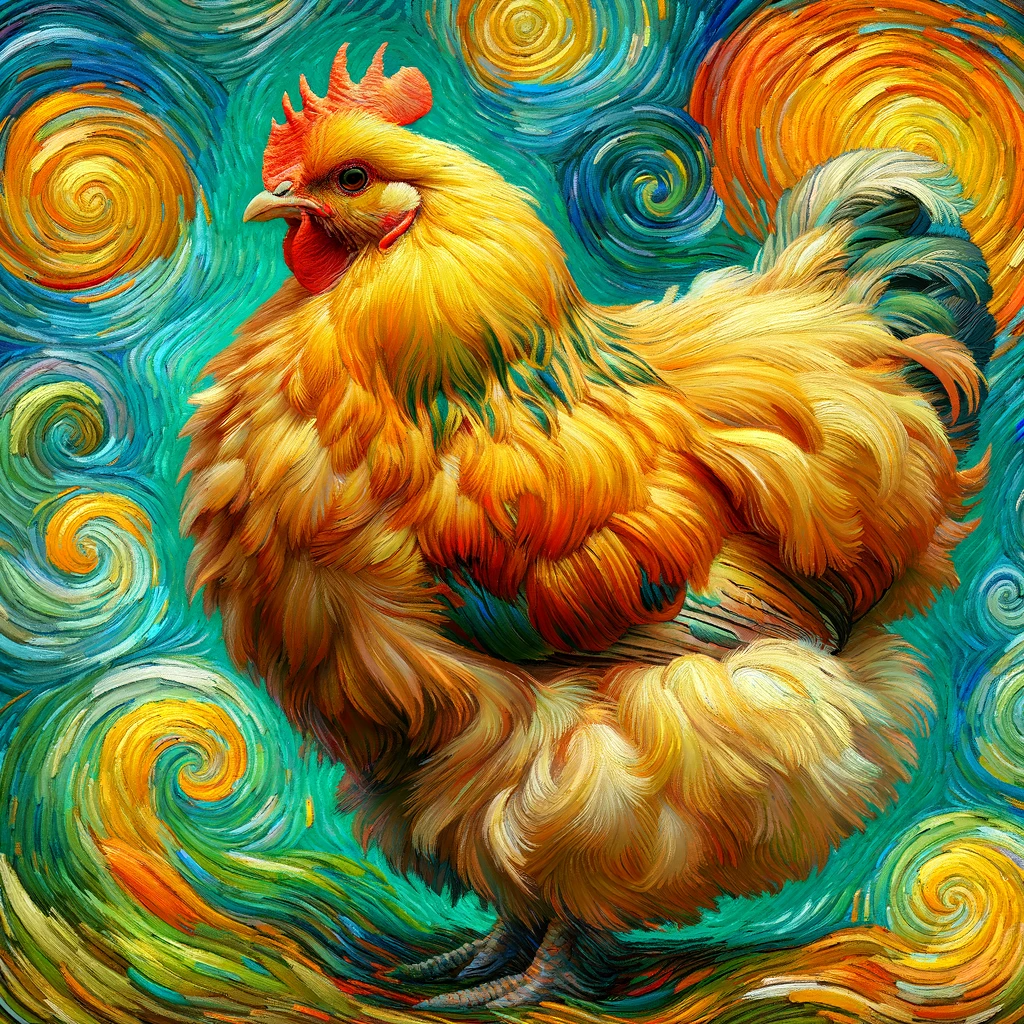
How Does Connecting with Nature Enhance Your Food Experience?
Why Is Sourcing Food Locally Becoming Increasingly Important?
When you think about it, sourcing food locally isn’t just a trend—it’s a return to our roots. Picture this: the hearty clucking of backyard chickens, a vibrant farmer’s market bursting with color, and the aroma of fresh produce straight from the earth. This isn’t just about flavor; it’s about reconnecting with our own communities, our own families, and even our own backyards.
Local sourcing taps into something deep within us. It invites us to be part of a larger narrative, a story woven together through generations of hard work, dedication, and intimate knowledge of the land we rely on. We’re not just consumers; we’re stewards—actively participating in a cycle that nurtures our health, our environment, and our loved ones. Not to mention, buying locally keeps dollars circulating within our community. When you choose that local farm stand over a big-box supermarket, you’re not just purchasing tomatoes; you’re investing in your neighbors, your town, and the very fabric of your community.
From a rational standpoint, local sourcing comes with a bounty of benefits. Fresher food translates to better nutrition, shorter supply chains reduce the carbon footprint, and sustainable practices help preserve the environment for future generations. Embracing local supply chains addresses not just our hunger but our conscience—a thoughtful act in a world often dominated by mass production. When you bite into a locally-sourced apple, you know where it’s been, who grew it, and how it was nurtured. That transparency builds trust, allowing you to make informed choices that resonate with your values.
Ethically speaking, choosing local food fosters a sense of responsibility. It challenges us to think critically about where our food comes from and the conditions under which it was produced. By supporting local farmers and producers, we send a clear message that we care about ethical farming practices and the welfare of our communities.
So, next time you hear the cheerful sounds of backyard chickens or see those fresh strawberries at the market, remember: every bite is a reminder of the connections we share, both with the land and each other. It’s time to engage our hearts and our heads and embrace this local food movement—not just for ourselves, but for the generations to come.

Why Is Sourcing Food Locally Becoming Increasingly Important?
Why Is Sourcing Food Locally Becoming Increasingly Important?
- Sourcing food locally is a return to our roots, connecting us with our communities and families.
- Local sourcing promotes stewardship, nurturing health, environment, and relationships.
- Buying locally keeps money within the community, supporting neighbors and local economies.
- Local food offers fresher produce, better nutrition, and reduced carbon footprints.
- Embracing local supply chains promotes transparency and trust in food sourcing.
- Choosing local food fosters ethical responsibility and awareness of food production conditions.
- Engaging in the local food movement strengthens connections with land and community for future generations.

Why Is Sourcing Food Locally Becoming Increasingly Important?
What Stories Do You Create While Tending to Your Flock?
Picture this: the sun creeps above the horizon, casting golden light over your backyard haven. You step outside and hear the soft clucking of your chickens, a sound that becomes a soundtrack for your morning routine. These aren’t just birds; they represent a connection to something deeply human, a reminder of the simple joys and the hard work that life can bring. As you toss them feed, you’re also feeding your spirit—nurturing something that transcends the mundane.
Each time you gather fresh eggs, you’re not just collecting food; you’re harvesting stories. Stories of late nights spent reading about chicken care, of early mornings when you’d rush outside to check for new eggs. Maybe you’ve faced obstacles: the chicken coop falling apart or dealing with a persistent raccoon. But through it all, you’ve learned. You’ve discovered patience in the process and resilience in the face of challenges. These are not just lessons about chickens; they’re life lessons we all face.
Imagine sharing these moments with friends or the neighborhood kids, introducing them to the warmth of the soft feathers and those inquisitive little eyes. It’s an opportunity to build community, bridging gaps and fostering connections over a shared experience. Backyard chickens become a social glue that creates a sense of belonging, turning strangers into friends, neighbors into allies in a common journey.
But let’s think deeper. Caring for your flock is an ethical choice—embracing sustainable living, promoting animal welfare, and contributing to your local ecosystem. You’re not just raising chickens; you’re part of a movement that values the origins of our food and the health of our planet. In a world awash with fast food and mass production, tending to your chickens is a statement, a declaration of what you believe in.
So, what stories do you create while tending to your flock? They are narratives of growth, triumph, and community. They’re tales of perseverance and joy, reminding us to cherish the little things and the bonds we create along the way. When you step into the coop, you step out of the rush of modern life and into a world where nourishment is both physical and emotional. This is where trust forms, confidence blossoms, and you realize that every cluck carries a lesson worth sharing. Take a moment—what will your next chapter be?

What Stories Do You Create While Tending to Your Flock?
What Stories Do You Create While Tending to Your Flock?
- The sunrise creates a beautiful atmosphere in your backyard while you care for your chickens.
- Chickens symbolize a connection to humanity, embodying joy and the effort life demands.
- Gathering fresh eggs becomes a ritual full of personal stories and lessons learned.
- Caring for chickens teaches patience and resilience amidst challenges.
- Sharing chicken care experiences fosters community bonds and transforms relationships.
- Caring for chickens promotes sustainable living and animal welfare, contributing to the local ecosystem.
- Every moment with your flock offers emotional nourishment, encouraging reflection on personal growth and connections.

What Stories Do You Create While Tending to Your Flock?
How Does Growing Your Own Food Strengthen Community Bonds?
Growing your own food isn’t just a hobby; it’s a powerful catalyst that weaves together the very fabric of our communities. Picture this: a group of neighbors, united by more than just proximity, stand shoulder to shoulder in a shared garden patch, their hands caked in soil and their hearts brimming with purpose. The act of nurturing plants, whether it be tomatoes that burst with flavor or herbs that dance in the breeze, transforms a simple backyard into a gathering place—a common ground where stories, laughter, and support flourish.
Backyard chickens add an extra layer of richness to this communal experience. They become more than just feathered friends; they symbolize the fruits of labor, responsibility, and the joy of sharing. Imagine swapping fresh eggs in the morning with another neighbor, perhaps even trading a basket for a homemade pie or a jar of jam. These small acts of kindness are the lifeblood of relationship-building. They reinforce the idea that we are all interconnected, threading our way through the daily tapestry of life.
From a rational standpoint, growing food not only fosters community economics but also supports local initiatives. When we cultivate our own gardens and share the bounty, we decrease our dependency on outside sources. This reduced carbon footprint benefits the planet, and it’s a step toward sustainable living that everyone can get behind—something we can feel proud of discussing at community meetings or local fairs.
But let’s not forget the ethical dimension. Each seed planted and every plant tended to represents a commitment to responsible living—an understanding of where our food comes from and what it represents. It emphasizes a collective responsibility not only to ourselves and our families but to the generations that will follow.
And here comes the gut punch: consider the power of a shared meal. When you gather around a table piled high with dishes containing the fruits of your labor, the stories of your neighbors interweave, creating a narrative richer than any cookbook. These communal meals don’t just nourish our bodies; they fill our spirits with connection, camaraderie, and togetherness.
In every interaction, from sharing gardening tips to participating in seasonal harvests, the bonds of community grow stronger. When we grow food together, we’re not just feeding ourselves; we’re nurturing a thriving, vibrant mantle of trust and unity that uplifts us all. So grab your trowel, invite your neighbors, and dig in—it’s time to grow something extraordinary together.

How Does Growing Your Own Food Strengthen Community Bonds?
How Does Growing Your Own Food Strengthen Community Bonds?
Here’s a bulleted summary of the provided text formatted as an HTML list:
- Growing food fosters community connections and shared experiences among neighbors.
- Backyard chickens symbolize responsibility and facilitate neighborly exchanges, enhancing relationships.
- Community gardening supports local economies while reducing dependency on outside food sources.
- Creating a smaller carbon footprint contributes to sustainable living and environmental responsibility.
- Every planted seed represents a commitment to understanding food origins and ethical living.
- Shared meals built around homegrown food strengthen community bonds and create rich narratives.
- Collaborative gardening activities cultivate trust and unity within the community.

How Does Growing Your Own Food Strengthen Community Bonds?
Conclusion
Picture this: you step into your yard—light breaking through dawn, a gentle clucking harmonizing with nature’s early symphony. Backyard chickens aren’t just livestock; they are living symbols of a connection to authenticity and tradition, a bridge from tasty meals to cherished memories. They remind us of a time when food wasn’t wrapped in plastic and shipped across the globe but grown in our own backyards, nourished by our hands and hearts.
Raising chickens serves more than just a practical purpose; it engages us morally and ethically, encouraging us to become stewards of the land. Every time you gather fresh eggs, you’re not merely completing a household chore—you’re embracing responsibility, fostering sustainable practices, and embodying respect for nature. Engaging with the cycles of food production deepens our understanding of where our meals originate, infusing each bite with intention. It’s straight-up farm-to-table authenticity.
Additionally, consider the social dimension. Backyard farming helps create communities rather than isolating us. When you swap a dozen fresh eggs for a neighbor’s homemade lasagna or share tips on hen care, you cultivate relationships that might not have sprouted otherwise. These interactions break down barriers and create a web of connection—an unspoken agreement that we’re in this together, nurturing one another as we nurture our flocks.
And let’s not overlook that deeper, gut-level satisfaction you feel when you serve a meal that comes from your own efforts. It transcends simple hunger; it embodies resilience and pride. You’re not just providing dinner; you’re sharing a story about hard work, commitment, and connection to the earth—values that resonate deeply in our souls. This isn’t simply about enjoying a delicious meal; it’s about honoring traditions and forging new ones.
So if you’ve ever considered joining the ranks of backyard chicken keepers, take the plunge. Embrace this opportunity to reconnect with the land and with your loved ones. Step outside, engage with your environment, and invite friends over for a dinner where every bite contributes to a story of care and commitment. In a world increasingly disconnected from its roots, nurturing backyard chickens becomes not just a lifestyle choice but a movement toward authenticity and community empowerment, one egg at a time. Dive in, get your hands dirty, and savor every moment. You’ll discover much more than a food source; you’ll find a way to enrich your life, connect with your community, and perhaps even rediscover parts of yourself along the way.
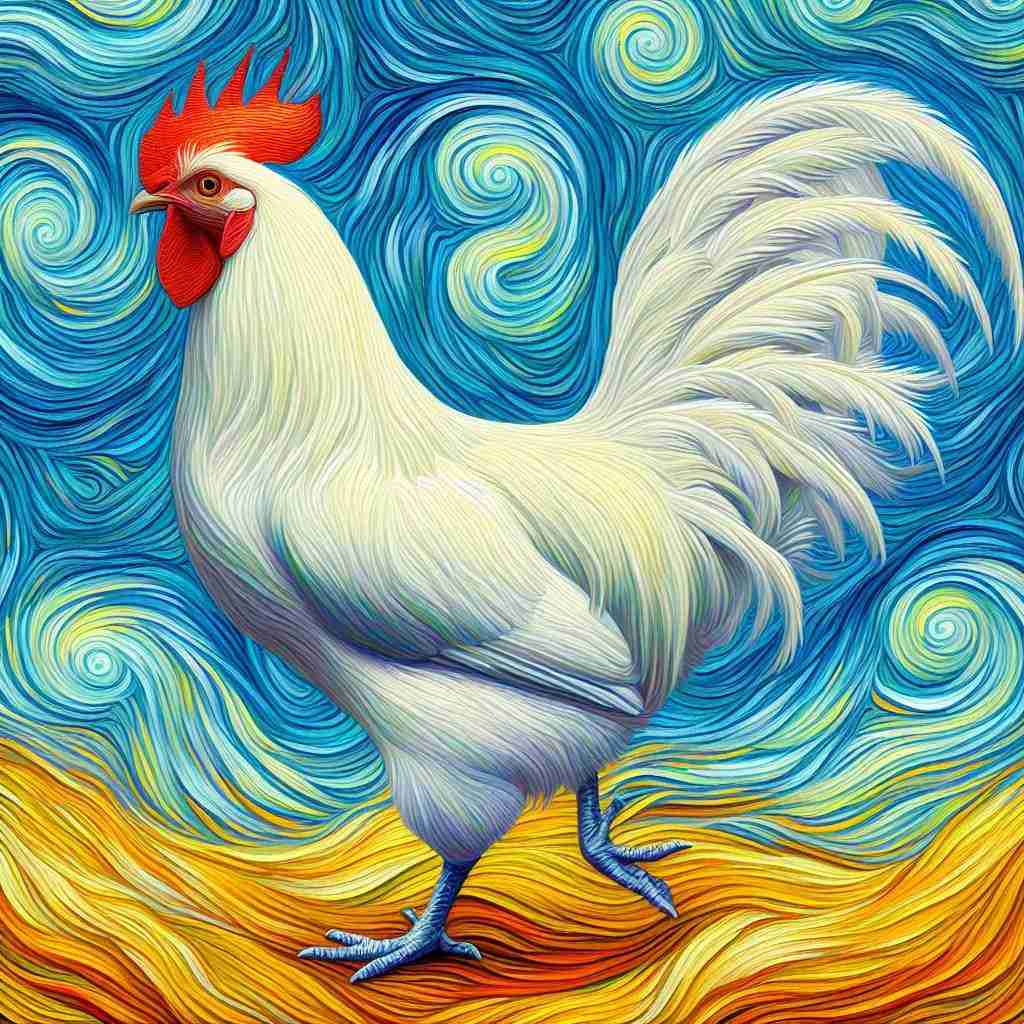
Conclusion
Conclusion:
- Backyard chickens symbolize a connection to authenticity and tradition, bridging meals and cherished memories.
- They encourage moral and ethical engagement, fostering responsibility and respect for nature.
- Raising chickens enhances our understanding of food production, embodying farm-to-table authenticity.
- Backyard farming fosters community connections, encouraging exchanges and relationships with neighbors.
- There is profound satisfaction in sharing meals sourced from one’s own efforts, reflecting resilience and pride.
- Becoming a backyard chicken keeper is an opportunity to reconnect with the land and loved ones.
- Nurturing chickens promotes a lifestyle towards authenticity and community empowerment, enriching life beyond just food.
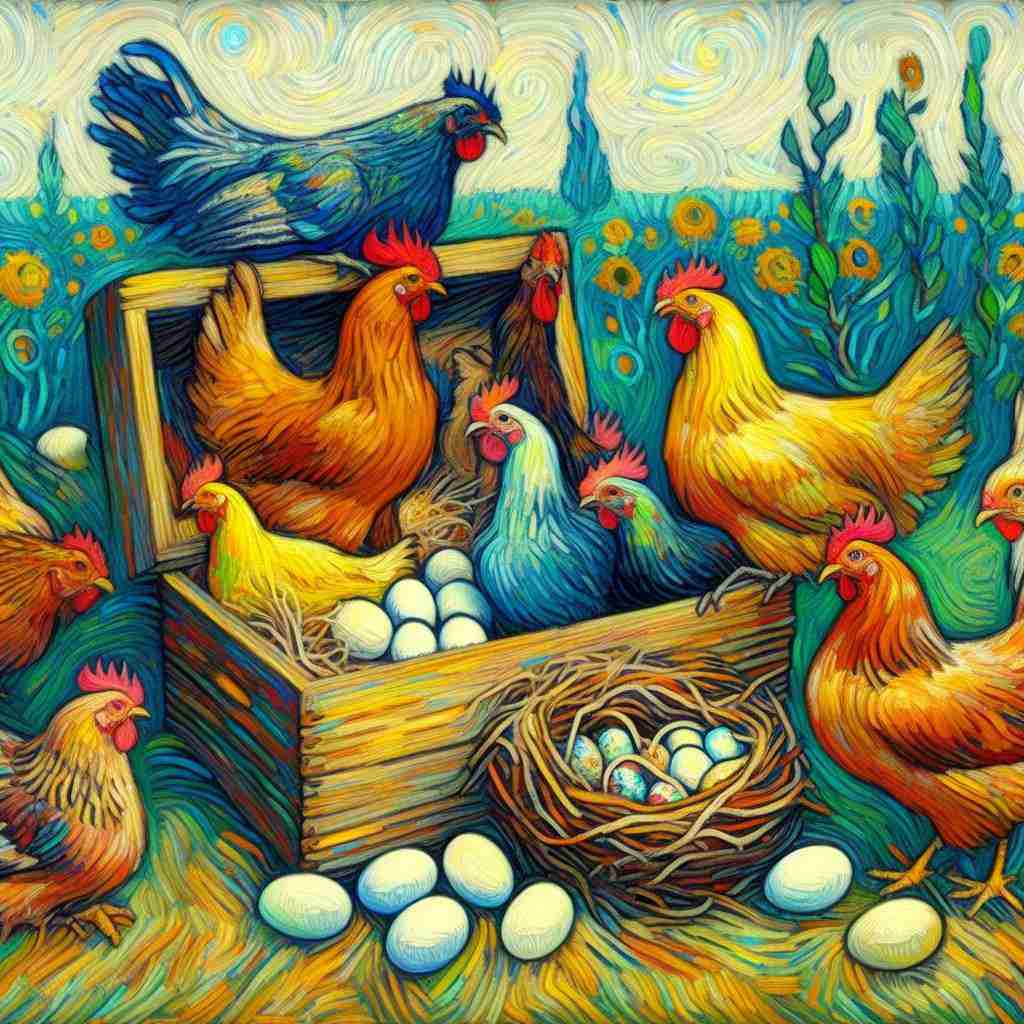
Conclusion
Other Resources
Other Resources
Here is a list of other resources you can review online to learn more:
- compost
- Poultry Lice
- Ulcerative Enteritis
- Jaerhon
- Sebright
- wildcats
- Silver Laced Wyandotte
- grubs
- Cubalaya
- Infectious Coryza
- Buckeye
- Golden Comet
- Marsh Daisy
- Swedish Black Hen
Use This Prompt To Get More Resources With Your Favorite Online AI Tool: Please provide me with a list of online articles with their URLs in a bulleted list that I can read regarding When Chicken Dinner Came From the Backyard, Not the Store

Other Resources
Glossary Terms
When Chicken Dinner Came From the Backyard, Not the Store – Glossary Of Terms
1. Backyard Farming: The practice of cultivating food in residential areas, often including vegetables and poultry.
2. Organic: Food produced without synthetic fertilizers or pesticides, emphasizing natural methods.
3. Free-Range: A farming practice where animals, like chickens, have the freedom to roam outdoors for a significant part of the day.
4. Sustainable Agriculture: Farming practices that meet current food needs without compromising future generations, focusing on environmental health.
5. Poultry: Domesticated birds raised for meat, eggs, or feathers, commonly including chickens, ducks, and turkeys.
6. Homesteading: A lifestyle of self-sufficiency that includes subsistence agriculture, livestock raising, and home food preservation.
7. Farm-to-Table: A movement that emphasizes serving local food in restaurants, highlighting direct sourcing from farms.
8. Animal Husbandry: The management and care of farm animals, including breeding, feeding, and health care.
9. Egg Production: The process of raising hens to produce eggs for consumption, often focusing on hen welfare and egg quality.
10. Permaculture: An agricultural system designed to be sustainable and self-sufficient, integrating land management and ecology.
11. Biodiversity: The variety of life in a particular ecosystem, crucial for maintaining healthy agricultural practices.
12. Chickens: Domesticated fowl kept for their meat and eggs, known for their adaptability and dual-purpose use.
13. Flock: A group of birds, particularly chickens, that live and are raised together.
14. Feed: The food given to poultry, often a formulated mixture based on grains, proteins, vitamins, and minerals.
15. Livestock: Domesticated animals raised for agricultural purposes, including meat, milk, and wool.
16. Scraps: Food leftovers and kitchen waste that can be used to feed chickens, contributing to waste reduction.
17. Foraging: The act of searching for and gathering food from natural resources, common among free-range chickens.
18. Clucking: The characteristic sound made by chickens, often used to communicate with each other.
19. Pecking Order: The social hierarchy in a flock, determining access to food, water, and nesting sites among chickens.
20. Broiler: A type of chicken raised specifically for meat production, known for rapid growth and size.
21. Capon: A castrated male chicken, raised for its tender meat and often used in gourmet dishes.
22. Hatchery: A facility where eggs are incubated and hatched, producing chicks for poultry farming.
23. Cage-Free: A label indicating that hens are raised in open spaces without confinement in cages, promoting better welfare.
24. Molt: The process of shedding old feathers and growing new ones, typically occurring in chickens annually.
25. Veterinary Care: Medical treatment and preventive care provided to poultry to maintain health and productivity.
26. Pesticide: Chemicals used to eliminate pests that may harm crops or animals, often avoided in organic farming.
27. Composting: The practice of recycling organic waste (including chicken manure) into nutrient-rich soil.
28. Feedlot: A type of intensive animal farming where livestock are fed a high-energy diet for rapid weight gain prior to slaughter.
29. Antibiotics: Medications used to treat bacterial infections in animals, often a subject of debate regarding their use in farming.
30. Harvest: The process of gathering mature crops or collecting produce from the farm, including the slaughtering of poultry for meat.
Glossary Of Terms
Other Questions
When Chicken Dinner Came From the Backyard, Not the Store – Other Questions
If you wish to explore and discover more, consider looking for answers to these questions:
- What are the practical steps to start raising backyard chickens?
- What challenges might one encounter when keeping chickens?
- How does raising chickens affect your household expenses?
- What breeds of chickens are best for backyard farming?
- What are the regulations and zoning laws regarding backyard chickens?
- How can backyard chicken farming contribute to environmental sustainability?
- What are the health benefits of consuming eggs from backyard chickens?
- How can growing your own food impact personal health and wellness?
- What techniques can enhance the taste of homegrown meals?
- How can one involve children in the process of raising chickens?
- What resources are available for educating oneself about chicken care and gardening?
- How have local food movements evolved in recent years?
- What are the common misconceptions about backyard chicken farming?
- How can one build a community around backyard farming?
- What role does food storytelling play in our culture?
Other Questions
Haiku
When Chicken Dinner Came From the Backyard, Not the Store – A Haiku
Chickens cluck in sun,
Life’s cycle nurtures hearts,
Food roots us in love.

Haiku
Poem
When Chicken Dinner Came From the Backyard, Not the Store – A Poem
In a world where freezers hum their hollow tune,
And meals wear plastic masks beneath the moon,
Let’s venture to our backyards, where life unfolds,
With feathery friends, our stories are told.
Picture the crisp air at the break of day,
The gentle clucks remind us of nature’s way.
Each egg, a treasure, a gift from the earth,
A cycle of life, a celebration of birth.
We are more than consumers in a factory line,
As stewards of the land, our hearts intertwine.
With chickens to tend and gardens to grow,
We find deeper meaning in the seeds that we sow.
Gather ’round tables where laughter resounds,
Hearty meals served, rich with love and grounds.
Nostalgia rises with each bite we share,
Stories of resilience woven in the air.
As neighbors exchange the fruits of their toil,
We dig through the earth, our connections uncoil.
Ethics in farming, respect for the land,
An act of compassion, as we lend a hand.
The sun filtering through, a canvas of gold,
Fresh eggs from your coop, a joy to behold.
Teaching our children the roots of our food,
Creating a culture of gratitude and mood.
So step outside and hear the call,
In every cluck, a lesson, a reason for all.
With each meal served, let the bonds grow strong,
In the tapestry of life, we each play a song.
Let’s raise our forks to the local delight,
In backyard gardens, we nurture the light.
For every meal shared, every laugh that we greet,
Connects us to each other; this is where life is sweet.

Poem
Checklist
When Chicken Dinner Came From the Backyard, Not the Store – A Checklist
Backyard Chicken and Food Sourcing Experience Checklist
Emotional Appeal
_____ Reflect on memories associated with family meals and the connection to nature.
_____ Consider the joys and comforts that backyard chickens bring to your home.
_____ Envision the feeling of accomplishment when serving a meal sourced from your backyard.
Rational Appeal
_____ Assess the health benefits of homegrown eggs versus store-bought.
_____ Analyze the environmental impact of raising backyard chickens and local food sourcing.
_____ Research how backyard chickens contribute to sustainable gardening and pest control.
Ethical Appeal
_____ Contemplate the ethical implications of food production and animal welfare.
_____ Evaluate how raising chickens connects you to the cycle of life and responsible living.
_____ Recognize the importance of supporting local farmers and food systems.
Authority Appeal
_____ Explore resources about backyard chicken-keeping and sustainable gardening.
_____ Seek advice or mentorship from experienced backyard farmers in your community.
_____ Attend local workshops or events on sustainable food practices.
Narrative Appeal
_____ Share your experiences with friends and family about raising chickens and growing your own food.
_____ Document your journey of chicken-keeping and gardening to reflect on progress and lessons learned.
_____ Encourage storytelling during communal meals to strengthen bonds through shared experiences.
Social Appeal
_____ Start a community garden or chicken-keeping group to foster connections with neighbors.
_____ Organize potlucks or brunches featuring locally sourced dishes for shared enjoyment.
_____ Engage with local food groups and online platforms to exchange tips, recipes, and experiences.
Take Action
_____ Try building or improving a chicken coop in your backyard.
_____ Plan to start a small garden that complements your chicken-keeping efforts.
_____ Make a commitment to source at least one food item locally each week.
Checklist
At BackyardChickenNews, we help people who want to raise backyard chickens by collating information and news blended with our own personal experiences.
Be sure to read our other related stories at BackyardChickenNews to learn more about raising chickens in your backyard.