

Empower Your Community With Poultry Knowledge
By Tom Seest
At BackyardChickenNews, we help people who want to raise backyard chickens by collating information and news blended with our own personal experiences.
Be sure to read our other related stories at BackyardChickenNews to learn more about raising chickens in your backyard.
When You’re the Only Chicken Expert on Your Block
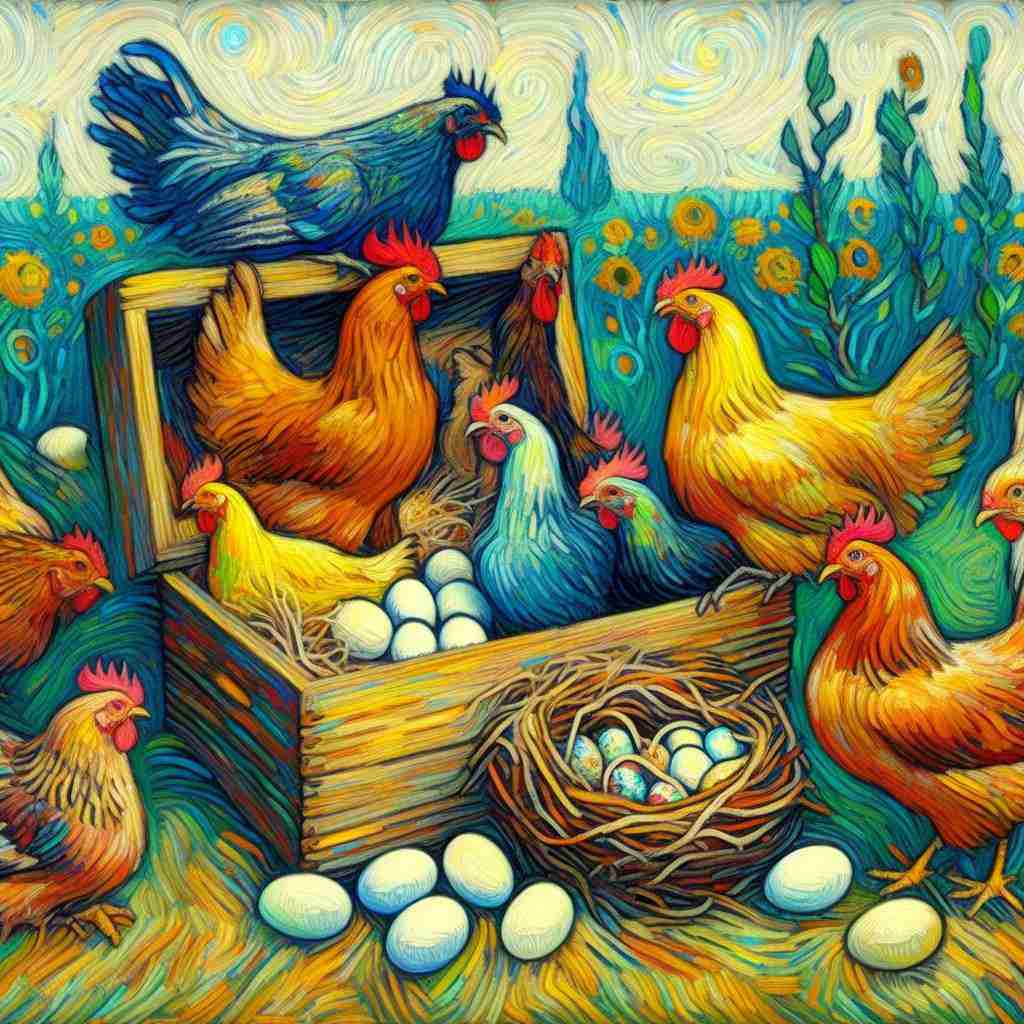
When you find yourself as the lone chicken expert on your block, it feels less like a position of privilege and more like an amusing conundrum plopped right in the middle of suburbia. Imagine standing amid your neighbors, who view your feathery flock with equal parts fascination and skepticism. They peer over the fence, wrinkling their noses. “Backyard chickens?” they murmur, their eyebrows raised with a blend of confusion and curiosity. Yet, you’re not just raising chickens; you’re cultivating a sense of community, connection, and perhaps even a touch of courage.
Each morning, as dawn breaks and your hens begin their rhythmic clucking, you’re reminded of life’s simple joys. While others may be anchored to their screens, you are nurturing living creatures, engaging in a beautiful, ancient tradition of stewardship. You know that backyard chickens provide fresh eggs and delicious compost for gardening, but they also offer something else—an opportunity for your neighbors to rethink their own habits and the ways they connect with their food. It’s a gentle nudge—a chance for them to question the origin of their breakfast and perhaps step closer to sustainability.
Now, consider this: when you speak about your experience, you’re not just sharing facts; you’re weaving a narrative that resonates. You recount tales of frisky chicks chasing after stray bugs and sassy hens that refuse to back down from the family cat. You are the authority on this unusual topic, and with each story, you foster trust and curiosity. Through your journey, your neighbors witness the trials of brooding and the triumph of having fresh eggs at their fingertips. You are making the once-strange concept of backyard chickens relatable, not just a quirky choice but a sensible one.
But let’s be honest. Becoming the chicken expert isn’t always easy. Sometimes, it’s lonely standing there, filled with pride for your flock while everyone else is still peering into the neon-lit grocery aisles. Yet, as you share your knowledge, you ignite conversation, spark interest, and perhaps inspire action. Your passion is infectious; it lights a fire in those around you. They begin to ask questions. They venture into your coop for a tour, and suddenly, it’s not just your chickens anymore; it’s a community learning to appreciate the beauty of self-sufficiency.
Being the only chicken expert on your block isn’t a suffix to your name; it’s an invitation for others to join you. You’re not just raising chickens—you’re nurturing a movement, one cluck at a time.

When You’re the Only Chicken Expert on Your Block
When You’re the Only Chicken Expert on Your Block
- Being the only chicken expert on your block can feel amusing yet isolating amid curious neighbors.
- Your backyard chickens foster a sense of community and encourage neighbors to rethink their food habits.
- The daily routine of caring for chickens brings joy and a connection to the ancient practice of stewardship.
- Backyard chickens provide benefits such as fresh eggs and compost, promoting sustainability.
- Sharing stories of your experiences helps build trust and curiosity in your neighbors about chickens.
- Despite occasional loneliness, your passion for chickens sparks interest and inspires community engagement.
- Your role as a chicken expert invites others to embrace self-sufficiency and join a growing movement.
When You’re the Only Chicken Expert on Your Block
Table Of Contents
- When You’re the Only Chicken Expert on Your Block
- What Drives Your Passion for Raising Chickens In Your Backyard?
- How Do You Ensure the Health and Happiness Of Your Flock?
- What Are the Common Myths About Chicken Farming That Need Debunking?
- How Can Raising Chickens Contribute to Sustainable Living Practices?
- What Ethical Considerations Should Guide Your Chicken-Raising Journey?
- How Do Your Neighbors Perceive Your Chicken-Keeping Activities?
- What Stories Have Your Chickens Brought to Your Life That Inspire You?
- Conclusion
- Other Resources
- Glossary Of Terms
- Other Questions
- Haiku
- Poem
- Checklist
What Drives Your Passion for Raising Chickens In Your Backyard?
What drives your passion for raising chickens in your backyard? Is it the allure of fresh eggs, plucked straight from your own independent flock, or the unmistakable joy of connecting with these delightful creatures? Maybe it’s something deeper—a pull toward a way of living that’s wholesome, authentic, and grounded.
Picture this: the sun peeking over the horizon, your backyard alive with the soft clucking of hens greeting the day. These birds are not just a source of sustenance; they are lively companions that turn your suburban plot into a mini-farm, fostering a relationship that transcends mere ownership. You become their steward, and in turn, they enrich your life with laughter and purpose. That visceral thrill of gathering those warm eggs each morning has a profound satisfaction that resonates on levels far beyond the simple act of breakfast preparation.
But let’s get practical for a moment. Raising chickens is an exercise in self-sufficiency. In an era where food sources can be confusing at best and downright scary at worst, growing even a small portion of your own food is an act of empowerment. It’s a choice rooted in ethics, where you take control over what you put in your body. Each egg you collect is a statement—an ode to the art of living consciously, supporting an environment free from factory farming and artificial environments, nurturing the land right outside your back door.
In the broader narrative, it speaks to a community—neighbors sharing tips and tricks, swapping eggs, and perhaps even engaging in friendly poultry swipes. You’re not just raising chickens; you’re helping to create a culture that values local sourcing, sustainability, and a return to traditional, agrarian roots. You become a part of a vibrant tapestry of individuals united by a common goal: to reconnect with nature and nourish our bodies in a meaningful way.
So as you stand there amidst your flock, let that enormity of engagement wash over you. It’s more than just an afternoon pastime; it’s a reminder of humanity’s long, rich history with cultivation and care. You’re not merely feeding hens; you’re feeding a purpose in your life, threading bonds that encourage trust and camaraderie, and sparking joy that resonates through your backyard and beyond.

What Drives Your Passion for Raising Chickens In Your Backyard?
What Drives Your Passion for Raising Chickens In Your Backyard?
- Passion for raising chickens combines the joy of fresh eggs and a connection with living creatures.
- Backyard chickens transform a suburban plot into a mini-farm, fostering relationships beyond ownership.
- Gathering warm eggs each morning offers profound satisfaction beyond mere breakfast preparation.
- Raising chickens promotes self-sufficiency and provides a sense of empowerment in food sourcing.
- The practice encourages ethical choices, supporting freedom from factory farming and artificial environments.
- Engagement in backyard chicken-raising fosters community through sharing tips, eggs, and camaraderie.
- Participating in this activity connects individuals with nature and nourishes life purposefully.

What Drives Your Passion for Raising Chickens In Your Backyard?
How Do You Ensure the Health and Happiness Of Your Flock?
When it comes to ensuring the health and happiness of your flock, there’s more at stake than just the eggs you’ll crack open for breakfast. Backyard chickens bring a unique joy to our lives, bridging the gap between nature and our buzzing urban landscapes. Think about it: every cluck, every flutter, every little peck tells a story. These feathered friends serve as our silent companions, teaching us lessons in responsibility, patience, and the simple beauty of the daily grind.
You’ll want to start with a clean, safe environment. Imagine the comfort of a cozy coop that protects your chickens from harsh weather and predators. It’s not just a structure—it’s a sanctuary. Ensure there’s ample space for each bird to roam and stretch, fostering that innate instinct to explore. A happy chicken is an active one, scratching and pecking the ground, soaking up the sun. Maintaining this balance speaks to your commitment not just as a keeper of chickens but as a steward of life.
Your flock’s diet is equally pivotal. Quality feed and fresh greens can transform an ordinary chicken into a thriving, egg-laying powerhouse. Think of how your own meals affect your mood and energy. The same principle applies here; a well-nourished chicken means more vibrant life and more flavorful eggs. By prioritizing their diet, you’re not just investing in better produce—you’re enhancing the bond between you and your flock, delighting in their vibrant personalities.
Behavior matters, too. Observe your chickens; they have emotions, you know. When you spend time with them—talking, watching, or just being present—you’ll learn to recognize when something’s off. They rely on you to notice that subtle shift in behavior, a cue that something in their little world needs attention. This connection nurtures not only their well-being but enriches your own experience, creating a thriving coexistence built on trust.
As you embark on this journey of raising backyard chickens, know that you are part of a community that shares your values—one rooted in ethical responsibility and a respect for life. Your choices impact more than just your kitchen; they reverberate through a larger network of fellow enthusiasts. So, gear up and embrace the humble yet profound work that lays ahead. Each day with your flock offers a chance to craft a narrative of care, raising not just chickens, but a deeper appreciation for the life that surrounds us. Together, let’s cultivate that connection—one clucky adventure at a time.

How Do You Ensure the Health and Happiness Of Your Flock?
How Do You Ensure the Health and Happiness Of Your Flock?
- Backyard chickens enhance our lives by connecting us with nature amid urban settings.
- Creating a clean, safe environment is critical for their comfort and protection.
- Providing enough space allows chickens to exhibit natural behaviors, promoting happiness.
- A nutritious diet of quality feed and fresh greens enhances chickens’ health and egg production.
- Observing chicken behavior helps you recognize their emotional states and needs.
- Building a bond with your flock enriches the experience of raising them.
- Joining a community of chicken enthusiasts cultivates shared values of ethical responsibility and respect for life.

How Do You Ensure the Health and Happiness Of Your Flock?
What Are the Common Myths About Chicken Farming That Need Debunking?
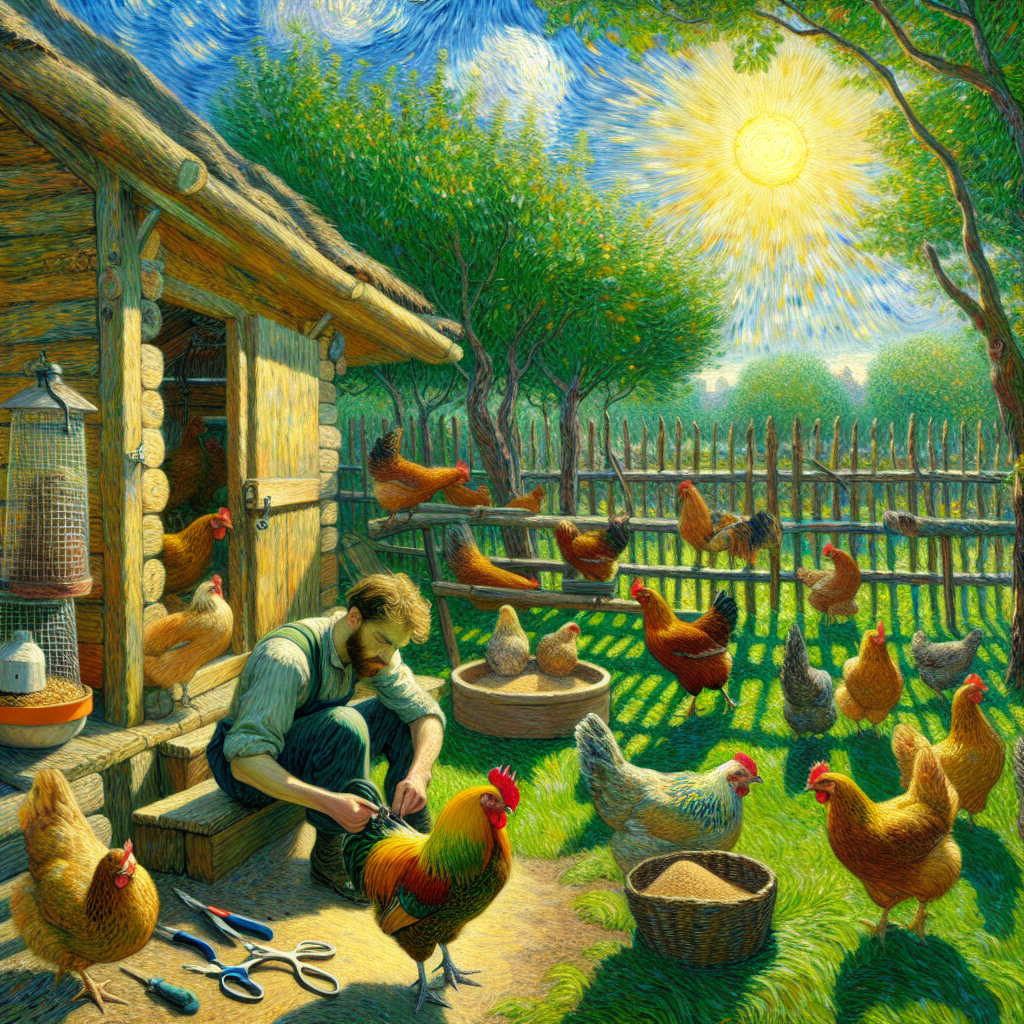
When it comes to chicken farming, a number of myths have taken flight, leaving many in the dark about the reality of raising these remarkable birds. One of the most pervasive misunderstandings is that keeping Backyard Chickens is a dirty, unsanitary endeavor. Indeed, there’s a certain appeal in the romanticized image of plump hens scratching in the dirt, clucking happily as they produce fresh eggs. Yet, the truth is far more nuanced. Chickens are surprisingly clean animals; they establish a pecking order and keep their spaces in order. By fostering an environment that allows them to thrive, farmers can create a living space that’s not just ethical, but also efficient.
Another misconception is that chicken farming is solely the domain of industrial giants, with small farms pushed to the margins. While large-scale operations do exist, they are not the only path. Small-scale farm-to-table practices are increasingly popular, allowing farmers to cultivate a connection with their community. This is where ethics come into play; consumers today crave transparency. They want to know where their food comes from, and small-scale farmers can meet that need head-on. By sourcing eggs from locally-raised chickens, families can reconnect with the land, reducing their carbon footprint and supporting their neighborhood’s economy.
Many believe that raising chickens requires a prohibition on compassion. The stereotype of the ruthless factory farm, where chickens are crammed into small cages, is a myth that deserves debunking. There’s a powerful narrative around humane farming, where birds roam free, bask in sunshine, and live lives that are filled with purpose. Every cluck represents not just nourishment, but a commitment to kindness and a sustainable future.
The heart of chicken farming is rooted in community and connection. Imagine sitting down to breakfast, enjoying eggs from your own backyard flock. That feeling of accomplishment, of knowing you’ve played a role in something larger than yourself, is unmatched. It’s about fostering a bond between farmer and food, between land and table.
In a world swamped with misinformation, understanding the truth about chicken farming is more important than ever. Embrace the reality of small-scale farming, ignite conversations, and consider opportunities for involvement. We all have a role in ensuring sustainable practices prevail, creating a better future for both our poultry companions and ourselves. The clucking of chickens is not just a sound; it’s a call to action.
What Are the Common Myths About Chicken Farming That Need Debunking?
What Are the Common Myths About Chicken Farming That Need Debunking?
- Misconceptions about chicken farming can mislead and obscure the true nature of raising chickens.
- Backyard chickens are clean animals that maintain order within their living spaces.
- Small-scale farming is gaining popularity, fostering community connections and ethical practices.
- Consumers desire transparency about food sources, which small-scale farmers can provide.
- Humane farming practices offer a compassionate alternative to stereotypical factory farming conditions.
- Chicken farming fosters a sense of connection and accomplishment between farmers and their food.
- Understanding the realities of chicken farming is crucial for promoting sustainable practices and activism.

What Are the Common Myths About Chicken Farming That Need Debunking?
How Can Raising Chickens Contribute to Sustainable Living Practices?
Raising Backyard Chickens isn’t just about farm-fresh eggs or a cute addition to your homestead; it’s an invitation to embrace a lifestyle that resonates with the essence of sustainable living. Picture this: you step into your backyard, greeted by the clucking and flapping wings of your chickens, each one a testament to your commitment to the earth, the community, and your family. It’s more than poultry; it’s a daily reminder of the cycles of nature, right at your fingertips.
Now, let’s get to the heart of it. When you raise chickens, you’re not just gaining access to nutrient-rich eggs, but you’re also reducing your reliance on industrial farming practices. Think about the countless resources that go into transporting eggs from farm to table, not to mention the environmental toll of factory farming. By keeping a flock in your backyard, you’re taking control of your food sources, ensuring they’re free from harmful additives and chemicals. This empowers us to act responsibly, to think critically about our food choices, and to align our values with our actions.
Let’s touch on ethics. In a world saturated with mass production, the simple act of raising chickens is a bold stand for compassion. You’re giving these birds a life worth living, rooted in a safe, nurturing environment. Each colorful egg laid is a gift from a creature treated with respect, whose needs you meet every day. It’s a relationship built on care, and that connection can ripple outward, inspiring friends and neighbors to reconsider their own practices.
The narrative here is one of community. Picture your neighbors stopping by to witness the wonder of your flock, sharing stories and tips on chicken care. Those interactions cultivate goodwill and camaraderie, forging bonds that reinforce a sense of belonging. You’re not just raising chickens; you’re nurturing relationships that bridge the gaps in our increasingly isolated lives.
Finally, there’s a gut feeling that comes into play. The satisfaction of collecting those warm eggs, knowing you have taken a tangible step toward a more sustainable and fulfilling lifestyle, instills confidence in your ability to contribute to a healthier planet. This isn’t just a hobby; it’s a commitment to change, and when you take that leap, you light the way for others to follow. So next time you ponder the possibilities of urban farming, remember: every chicken you raise in your backyard carries the promise of sustainability and a profound connection to the world around you.

How Can Raising Chickens Contribute to Sustainable Living Practices?
How Can Raising Chickens Contribute to Sustainable Living Practices?
- Raising backyard chickens promotes sustainable living beyond just farm-fresh eggs.
- Keeping chickens helps reduce reliance on industrial farming and its environmental impact.
- Backyard flocks empower individuals to ensure their food is free from harmful additives.
- The practice of chicken-keeping fosters compassion, as it provides birds with a nurturing environment.
- Raising chickens can inspire community interactions and strengthen neighborhood bonds.
- Collecting eggs offers a fulfilling, tangible step towards a more sustainable lifestyle.
- Each chicken raised symbolizes a commitment to sustainability and deeper connections to the environment.

How Can Raising Chickens Contribute to Sustainable Living Practices?
What Ethical Considerations Should Guide Your Chicken-Raising Journey?
Raising chickens in your backyard can be an incredibly rewarding venture, but it also demands a thoughtful approach rooted in ethics. As you set out on this journey, it’s crucial to consider not just the joy of fresh eggs and the beauty of clucking companions, but also the responsibilities that come with it.
First, let’s think about the heart. Chickens are social creatures with their own unique personalities. They need more than just food and shelter; they thrive when treated with kindness and respect. Imagine the warmth of watching your chickens forage happily in the sun, or the contented cluck of a hen laying an egg. This emotional connection is what turns a simple backyard into a lively ecosystem. Each time you interact with your chickens, you have an opportunity to nurture this bond, which doesn’t just benefit them—it enriches your life as well.
Now, let’s engage the head. Ethically raising chickens means understanding their needs: appropriate housing, a balanced diet, and access to the outdoors. It’s about being a guardian, not just a keeper. The rational mind knows that healthy chickens lead to healthier eggs and happier lives. Investing time and resources into their wellbeing pays off, building a reputation in your community as someone who cares about ethical practices. Remember, every egg is a direct reflection of how you treat your birds.
Then there’s the gut feeling that comes from knowing you’re doing your part. Backyard chickens can produce eggs with fewer environmental impacts than mass-produced ones, reducing your carbon footprint while fostering a sense of sustainability. The larger ethical picture inspires action. By choosing to be a responsible chicken parent, you contribute to a movement that values humane treatment of animals and reduces reliance on industrial farming practices.
Sharing your journey with others creates a robust social fabric. Whether in local community groups or online forums, each story you tell and lesson you learn can inspire those around you. You’re not just raising chickens; you’re fostering a culture of compassion and responsibility.
The road ahead might have its challenges—pest issues, health concerns, or simply the ups and downs of daily life—but with a clear ethical compass, you can navigate it with confidence. In every feather and every cluck, there’s an opportunity to respect life and cultivate a genuinely fulfilling relationship with these remarkable creatures.

What Ethical Considerations Should Guide Your Chicken-Raising Journey?
What Ethical Considerations Should Guide Your Chicken-Raising Journey?
- Raising backyard chickens is rewarding but requires a thoughtful ethical approach.
- Chickens are social animals needing kindness, respect, and emotional connections.
- Healthy interactions with chickens enhance both their lives and yours.
- Understanding chickens’ needs, such as proper housing and diet, is essential for ethical care.
- Backyard chickens can reduce environmental impacts and promote sustainability.
- Sharing your experiences fosters community and inspires compassion and responsibility.
- Challenges in chicken-raising can be navigated with a clear ethical compass.

What Ethical Considerations Should Guide Your Chicken-Raising Journey?
How Do Your Neighbors Perceive Your Chicken-Keeping Activities?
When it comes to keeping backyard chickens, the clucking and scratching may fill your heart with joy, yet your neighbors may not share your enthusiasm. It’s a nuanced dance, the way your little flock interacts with the wider community. There’s something poetic about the earthy aroma of fresh eggs mingling with morning coffee, but not everyone finds that symphony beneficial.
At its core, chicken-keeping is about nurturing life. You lovingly care for your birds; they provide eggs, pest control, and perhaps a bit of therapy after a long day. Your sense of connection with nature grows, and you might find yourself reveling in the delightful quirks and personalities of your feathered friends. But as you relish in your chicken-keeping activities, remember that your neighbors are also part of this ecosystem. Their perception can be as layered as that perfect omelet.
It’s essential to recognize how your clucking companions might affect those living nearby. Are there concerns about noise or odors? Perhaps it’s the more general unease about something unconventional happening next door. A neighbor might not understand the joy of backyard chickens until they’ve tasted farm-fresh eggs themselves. Engage them in conversation, share your journey, and invite them to experience it firsthand. Your backyard can become a bridge of understanding, creating community instead of conflict.
Rational minds weigh their options carefully. As you approach the topic with neighbors who are skeptical, it’s an opportunity to demonstrate how responsible chicken-keeping can promote sustainability. You can lead a small discussion on environmental benefits and share successful stories of local chicken-keeping enthusiasts who have happily coexisted with neighbors for years. Showcase your dedication to cleanliness, discipline, and shared reliance on one another.
Remember, ethics also play a role. Communicating openly about your intentions and willingness to address concerns fosters trust and respect. And your authority comes into play, too. What makes you a reliable neighbor? The care you show your chickens extends to how you care for your community. The love for your backyard flock has the potential to spark curiosity and perhaps even a little envy—a good kind, of course.
Ultimately, this isn’t just about you and your chickens; it’s about creating a shared narrative. Your backyard is a canvas for community building, one cluck at a time. By embracing both joy and responsibility in your chicken-keeping adventure, you might just win over the most reluctant of hearts in your neighborhood.
How Do Your Neighbors Perceive Your Chicken-Keeping Activities?
How Do Your Neighbors Perceive Your Chicken-Keeping Activities?
- Backyard chicken-keeping can bring joy to owners, but neighbors may have differing views.
- The experience involves a nurturing connection with the health and personality of the chickens.
- Engaging with neighbors about potential concerns (noise, odors) is important for community relations.
- Sharing the benefits of backyard chickens can help neighbors appreciate the experience.
- Responsible chicken-keeping can promote sustainability, and discussions can highlight environmental benefits.
- Open communication about intentions fosters trust and respect within the neighborhood.
- Backyard chicken-keeping can build community and shared narratives, ultimately unifying the ecosystem.

How Do Your Neighbors Perceive Your Chicken-Keeping Activities?
What Stories Have Your Chickens Brought to Your Life That Inspire You?
When you first decide to raise Backyard Chickens, the idea often feels whimsical—an escape from the frenetic pace of daily life. Yet as those little peckers scuttle around your yard, they don’t just bring eggs; they weave tales of resilience, humanity, and joy that can ground even the most chaotic of days. Take the heartwarming moment when, after a long week, you step outside, and there they are: your feathered friends, eager for a treat, bright-eyed and clucking with delight. This simple act reminds you that life’s most profound connections can come from the most unexpected sources.
Consider the backyard as your very own microcosm of society. Each chicken has its own personality—sassy, shy, bold—and watching their interactions serves as a reflection of our own social dynamics. You witness pecking orders, friendship formations, and playful rivalries. These narratives remind us of the importance of community, and how our diverse traits can come together to create a harmonious, thriving existence. The very act of tending to them becomes a lesson in responsibility and respect. You learn to provide for them, ensuring their health and well-being, and in return, they offer unwavering companionship.
A chicken’s resilience is something to behold. Watch as they forage for food, scratching at the dirt with determination. These creatures embody the essence of grit, teaching us to persist even when the odds are stacked against us. The way they navigate life—facing challenges with scrappy tenacity—can inspire you to tackle your own obstacles with renewed vigor. As you tend to your flock, you hold their stories in your hands, realizing that each egg they lay represents not just nourishment but a culmination of experiences, both good and bad.
Moreover, the joy and laughter they bring can alleviate stress, making the world feel a little bit lighter. In the midst of tough times, those moments of levity can spark hope. Conversations with neighbors about your Backyard Chickens can foster bonds that extend beyond mere small talk, creating a sense of belonging in a world that sometimes feels isolating.
As you gather eggs or watch them bask in the sun, it becomes clear: these creatures aren’t just birds; they are teachers. They impart lessons on connection, resilience, and the value of nurturing nature—all vital ingredients in the recipe for a fulfilling life.

What Stories Have Your Chickens Brought to Your Life That Inspire You?
What Stories Have Your Chickens Brought to Your Life That Inspire You?
- Backyard chickens provide a whimsical escape from daily life, offering resilience, humanity, and joy.
- Chickens display unique personalities and social interactions, reflecting human community dynamics.
- Tending to chickens teaches responsibility, respect, and the importance of nurturing relationships.
- Chickens embody resilience, inspiring us to tackle challenges with determination.
- Their presence and antics can alleviate stress and bring moments of levity and hope.
- Conversations about chickens can foster community bonds and enhance feelings of belonging.
- Chickens serve as teachers, imparting lessons on connection, resilience, and the value of nature.

What Stories Have Your Chickens Brought to Your Life That Inspire You?
Conclusion
Being the sole chicken expert on your block is more than a quirky badge of honor; it’s a powerful opportunity to spearhead a movement within your community. Picture yourself at dawn, enveloped in the gentle clucking of your feathered friends, far removed from the digital noise that dominates modern life. Raising chickens allows you to reconnect with nature and embrace a lifestyle that champions sustainability, self-sufficiency, and ethical living. In the face of skeptics, each cluck and flutter becomes a testament to the joy and purpose these creatures add to your existence.
Your chicken-keeping journey transcends mere egg production; it’s an invitation for your neighbors to engage in a new narrative about food, community, and ecological consciousness. With every shared tale of your flock—be it their antics or the simple act of collecting fresh eggs—you bridge the gap between curiosity and understanding. This storytelling doesn’t just deliver facts; it implants inspiration, encouraging others to question their choices and consider their impact on the environment. You ignite curiosity and spark conversations that extend far beyond your backyard.
But let’s keep it real—being the resident chicken expert can feel isolating. You might find yourself explaining the benefits of backyard livestock amid a chorus of raised eyebrows. Yet, those very doubts can fuel your determination. Each interaction with a neighbor can transform hesitation into enthusiasm as you display your commitment to humane practices, ethical sourcing, and local food systems. This is how community engagement begins. You’re not just caring for chickens; you’re cultivating a culture of compassion.
Raising chickens embodies a deeper ethical responsibility and a connection to sustainability. It serves as a rallying cry against the industrial farming model that many deem alarming and lacking in compassion. By inviting others to witness the joy of chicken-keeping, you empower them to re-examine their relationship with food production. Each fresh egg symbolizes a stance against factory farming and a commitment to ethical treatment of animals.
In this intricate dance with your neighbors, every cluck resonates as a subtle encouragement—a call to join the sustainable living movement, one backyard at a time. Your chickens are catalysts for change, sparking a ripple effect that may transform your community into a vibrant tapestry of mutual respect, understanding, and cooperation. As you stand amid your flock, remember this: You’re nurturing more than chickens; you’re fostering a shared journey toward a more connected, compassionate future. It’s a beautiful thing, this life of poultry, and you’re leading the way.

Conclusion
Conclusion:
- Being a chicken expert offers a chance to lead a movement in your community.
- Raising chickens fosters a connection with nature and promotes sustainability and ethical living.
- Your chicken-keeping journey encourages discussions about food, community, and ecological consciousness.
- Sharing stories about your flock can inspire neighbors to rethink their food choices and environmental impact.
- Despite skepticism, you can turn doubts into enthusiasm through your commitment to humane practices.
- Raising chickens represents a stand against industrial farming and promotes ethical food production.
- Your efforts can inspire a culture of compassion and cooperation in your community, leading to sustainable living.

Conclusion
Other Resources

Other Resources
Here is a list of other resources you can review online to learn more:
- uncooked beans
- snakes
- grains
- Hamburg
- Alfalfa
- chard
- Speckled Sussex
- Oatmeal
- Poultry Lice
- Langshan
- kale
- Austra White
- grubs
- Visceral Leukosis
- Ameraucana
- Swedish Flower Hens
- Sinusitis
- mealworms
- Necrotic Enteritis
Use This Prompt To Get More Resources With Your Favorite Online AI Tool: Please provide me with a list of online articles with their URLs in a bulleted list that I can read regarding When You’re the Only Chicken Expert on Your Block

Other Resources
Glossary Terms
When You’re the Only Chicken Expert on Your Block – Glossary Of Terms
1. Chicken: A domesticated bird raised for egg production and meat.
2. Rooster: An adult male chicken, known for its crowing and role in mating with hens.
3. Hen: An adult female chicken, primarily kept for egg-laying purposes.
4. Chick: A young chicken, typically less than six months old.
5. Broiler: A chicken raised specifically for meat production, known for its rapid growth.
6. Layers: Hens specifically bred for their egg-laying capabilities.
7. Coop: A shelter or house designed for chickens to live in, providing protection from predators and elements.
8. Brooding: The process of a hen sitting on eggs to incubate them until they hatch.
9. Clutch: A group of eggs that a hen lays and incubates.
10. Incubation: The process of keeping eggs warm until they hatch, either naturally by a hen or artificially by an incubator.
11. Pecking Order: The social hierarchy within a flock of chickens, determining access to resources like food and space.
12. Feed: The food provided to chickens, which can include grains, pellets, and supplements for growth and egg production.
13. Flock: A group of chickens that live together; can also refer to other poultry.
14. Molting: The natural process of shedding old feathers and growing new ones, often causes a temporary decrease in egg production.
15. Coccidiosis: A common parasitic disease in chickens affecting the intestinal tract, often requiring treatment.
16. Vaccination: The process of administering vaccines to prevent diseases in chickens.
17. Free-Range: A farming system where chickens are allowed to roam outside for part of the day, as opposed to being kept in confined spaces.
18. Organic: Chicken farming practices that avoid synthetic pesticides, fertilizers, and genetically modified organisms.
19. Pullet: A young female chicken, usually less than a year old, that has not yet started laying eggs.
20. Dual-Purpose Breed: Chicken breeds raised for both meat and egg production.
21. Heat Stress: A condition affecting chickens due to high temperatures, leading to decreased production and health risks.
22. Waterer: A device or container that provides drinking water to chickens.
23. Gravel Grit: Small stones fed to chickens to aid in digestion, as they help grind food in the gizzard.
24. Bantam: A small breed of chicken that is often kept for ornamental purposes or as pets.
25. Mites: Tiny parasites that can infest chickens, causing irritation and health issues.
26. Killing Cone: A device used to restrain chickens during processing, ensuring a humane method of slaughter.
27. Candling: The process of inspecting eggs using light to determine fertility and embryo development.
28. Lighting Program: A controlled schedule of light exposure used to manage egg production in layers.
29. Nesting Box: A secluded area provided for hens to lay their eggs, promoting comfort and security.
30. Biosecurity: Practices implemented to prevent disease transmission among chickens and other poultry.

Glossary Of Terms
Other Questions
When You’re the Only Chicken Expert on Your Block – Other Questions
If you wish to explore and discover more, consider looking for answers to these questions:
- What are the first steps to take when starting a backyard chicken flock?
- What are the best chicken breeds for beginners?
- How much space do you need for backyard chickens?
- What are the local regulations regarding keeping chickens?
- How do you handle common health issues in backyard chickens?
- What are the costs associated with raising chickens?
- How can you deal with pests that might threaten your flock?
- What are some fun activities to engage with your chickens?
- How do you educate others in your community about chicken-keeping?
- What are the environmental benefits of raising chickens?
- How can you foster relationships with your neighbors regarding your chicken-keeping hobby?
- What are the best practices for keeping your chickens safe and secure?
- How do you introduce new chickens to an existing flock?
- What are some common misconceptions about raising chickens that need to be clarified?
- How can your chicken-keeping practices influence local food networks?

Other Questions
Haiku
When You’re the Only Chicken Expert on Your Block – A Haiku
Chickens in the yard,
Life lessons in each soft cluck,
Nurture hope and bonds.

Haiku
Poem
When You’re the Only Chicken Expert on Your Block – A Poem
In a world where laughter mingles with the morning sun,
There stands a keeper, alone yet rarely done.
A backyard filled with clucks, where stories take flight,
Amidst curious neighbors peering, questioning right.
“You’ve got chickens?” they murmur, brows knit in surprise,
Yet with each peck and flutter, wisdom begins to rise.
With mouths full of tales, of resilience and cheer,
He nurtures more than feathers; he cultivates near.
The joy of fresh eggs, warmth cradled in hand,
Connects us to nature, brings life to our land.
In raising these creatures, self-sufficiency blooms,
An act of empowerment, in kitchens and rooms.
The myths that surround them, he gently dispels,
Of dirt and despair; instead, he shares wells
Of laughter and kindness, responsibility shown,
In every cluck echoes a heart’s vibrant tone.
Neighbors once hesitant now gather ‘round,
In stories and egg swaps, community found.
Each sunny stroll to the coop transforms fear,
Into friendship and trust, as they draw ever near.
So let the world learn from this feathered revolt,
At the heart of each egg, lies compassion’s jolt.
The movement around hens, a pursuit of the good,
From a simple suburban block, a growing food mood.
In this clucking adventure, every step’s a dance,
An invitation to others to give life a chance.
To reconnect with our roots, embrace nature’s sway,
With each tiny triumph, let’s pave a new way.
So gather ’round, neighbors, let joy intertwine,
For in this backlot garden, our hearts will align.
Together we’ll thrive, with both courage and grace,
In the sanctuary of chickens, we find our shared place.

Poem
Checklist
When You’re the Only Chicken Expert on Your Block – A Checklist
Chicken-Keeping Community Empowerment Checklist
Heart
_____ Connect with Your Flock: Spend time observing and interacting with your chickens to cultivate a bond and appreciate their personalities.
_____ Share Joy and Stories: Invite friends and neighbors to share in the joy of chicken-keeping by hosting an egg-gathering or chicken tour.
_____ Celebrate Milestones: Take note of special moments with your chickens and share them, fostering a collective sense of joy and encouragement within your community.
Head
_____ Educate Yourself: Research chicken care, nutrition, and health to ensure your flock is well cared for and productive.
_____ Debunk Myths: Offer facts to neighbors about the benefits of backyard chickens and address common misconceptions.
_____ Engage in Discussions: Host informative sessions to explain the environmental and health benefits of raising chickens to skeptical neighbors.
Gut
_____ Practice Responsibility: Ensure your flock has a clean, safe environment that promotes their health and happiness.
_____ Make Ethical Choices: Be mindful of your chickens’ needs and the impact of your practices on the environment and community.
_____ Cultivate Confidence: Take pride in your ability to produce fresh food and contribute to sustainable living practices.
Narrative
_____ Share Personal Experiences: Tell stories about the lessons learned from chicken-keeping and how they have enriched your life.
_____ Engage the Community: Create a narrative around local chicken-keeping efforts that inspires others to consider raising their own birds.
_____ Document Your Journey: Keep a journal or blog detailing your experiences with your flock, showcasing the highs and lows.
Social
_____ Build Relationships: Forge connections with your neighbors by involving them in your chicken-keeping activities.
_____ Join Local Groups: Participate in or create community groups focused on sustainable practices and backyard chicken-keeping.
_____ Encourage Collaborative Learning: Organize swapping events or workshops where individuals can share knowledge and resources related to backyard poultry.
Ethical
_____ Commit to Animal Welfare: Always prioritize the well-being of your chickens in your care practices.
_____ Advocate for Transparency: Encourage discussions about ethical sourcing and humane practices in local food systems.
_____ Model Responsibility: Set a positive example of ethical chicken-keeping in your community to inspire others.
Use this checklist to empower not only yourself but also your community as you navigate the fulfilling journey of raising chickens!

Checklist
At BackyardChickenNews, we help people who want to raise backyard chickens by collating information and news blended with our own personal experiences.
Be sure to read our other related stories at BackyardChickenNews to learn more about raising chickens in your backyard.