

The Heartfelt Legacy Of Brahmas: A Tale Of Farming Resilience
By Tom Seest
At BackyardChickenNews, we help people who want to raise backyard chickens by collating information and news blended with our own personal experiences.
Be sure to read our other related stories at BackyardChickenNews to learn more about raising chickens in your backyard.
Why Brahmas Were the Backbone Of Every Family Farm
When you think about the backbone of a family farm, the image of a sturdy Brahma might not be the first that pops into your mind. Yet, time and again, these majestic birds proved to be as essential to the homestead as the tractor parked in the barn. With their imposing stature, distinct feathering, and gentle disposition, Brahmas were more than just a pretty face; they were the unsung heroes of self-sustaining life.
Let’s start with the heart. Picture a chilly morning on the farm. The sun is just beginning to rise, and there’s a soft cooing sound echoing from the coop. That’s the Brahmas, waking up and ready to get to work. They were reliable producers of eggs, a staple for breakfast and an important source of nutrition for families. These birds helped make breakfast possible, fostering gatherings around the table and nurturing a sense of community. Who doesn’t cherish the warm memory of sharing meals made with love and fresh ingredients right out of the backyard?
On a rational level, the Brahma’s contributions were hard to overlook. While they may have been a little slower to mature than other breeds, their adaptability to various climates made them a valuable asset in any backyard. They were easy to keep, friendly, and less prone to health issues—making them a dependable choice for families relying on their feathered friends for sustenance. When every egg counts, their reliability becomes undeniable.
Ethically, raising Brahmas was about more than just food; it was about raising animals with care and respect. Farm families prioritized humane treatment, astutely aware that the chickens were part of a larger cycle of life that supported their needs. Those who cared for Brahmas understood the value of nurturing relationships, instilling values of responsibility and compassion in the younger generation.
And let’s not forget their role in fostering social connections. Brahmas enjoyed a loyal fanbase both on and off the farm. Neighbors swapped tips on raising them, children made friends over the gentle clucks, and community gatherings became opportunities to share stories and experiences. These interactions created a sense of belonging, reminding everyone that at the end of the day, we’re all connected, united by the simple joys and struggles of farm life.
So the next time you see a Brahma, remember that they were not just birds; they were the backbone of family farms, each feather woven into the fabric of home, heart, and community. When you support the tradition of keeping backyard chickens, you’re not just honoring their legacy; you’re ensuring that future generations can enjoy the same sustenance, love, and stories that we’ve cherished for decades.

Why Brahmas Were the Backbone Of Every Family Farm
Why Brahmas Were the Backbone Of Every Family Farm
- Brahma chickens serve as a crucial backbone of family farms, comparable to essential equipment like tractors.
- They are reliable egg producers, contributing significantly to family nutrition and fostering community gatherings around meals.
- Brahmas are adaptable to various climates and easy to care for, making them a dependable choice for families.
- Ethical farming of Brahmas promotes humane treatment and nurtures values of responsibility and compassion in children.
- They help build social connections among neighbors, turning farming into a community experience through shared knowledge and interactions.
- Brahmas contribute to a sense of belonging and community spirit, integral to the rhythm of farm life.
- Supporting the tradition of keeping Brahma chickens honors their legacy and ensures continued family stories and sustenance.
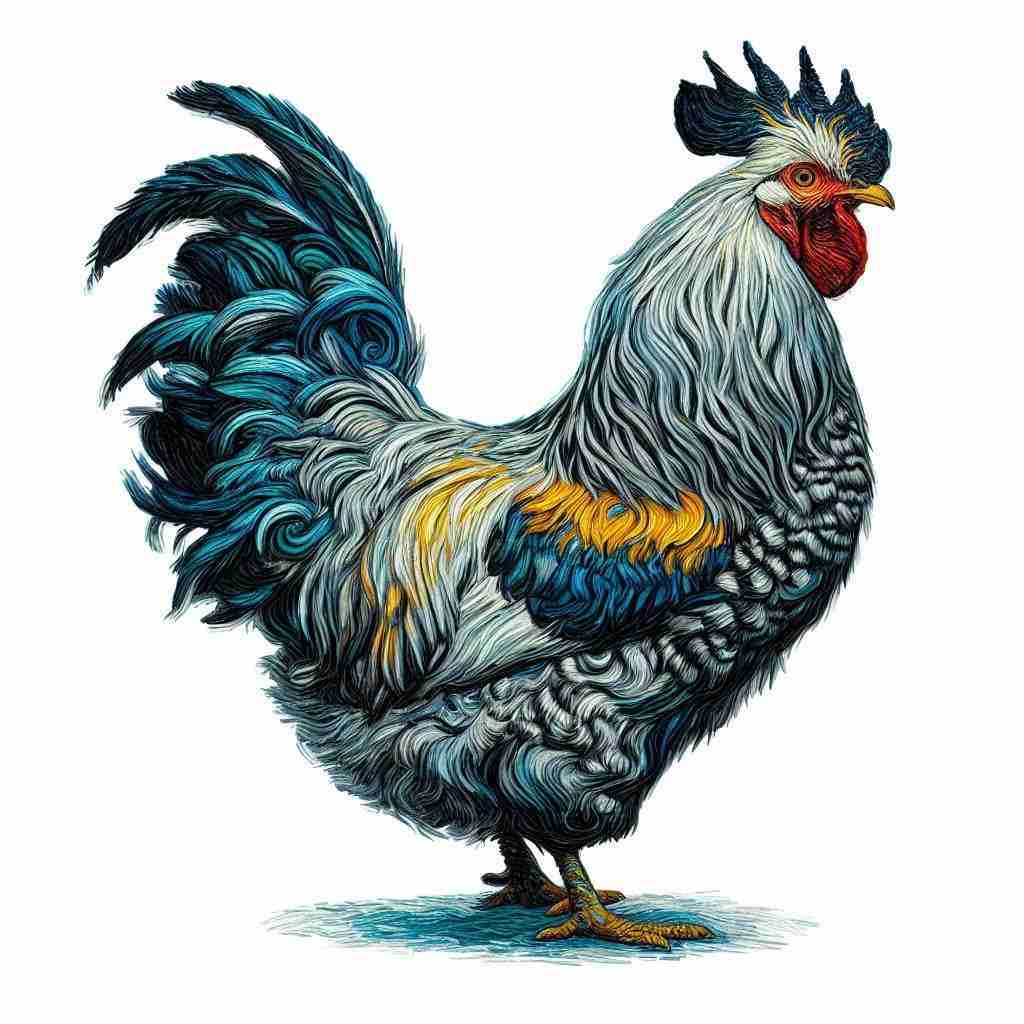
Why Brahmas Were the Backbone Of Every Family Farm
Table Of Contents
- Why Brahmas Were the Backbone Of Every Family Farm
- What Makes Brahmas Essential for Family Farms Historically?
- How Did Brahmas Contribute to Farm Sustainability and Resilience?
- Can We Learn Valuable Lessons From Brahma Farming Practices Today?
- What Ethical Responsibilities Do We Have Towards Preserving Brahmas?
- How Do Brahmas Embody the Spirit Of Teamwork and Family Values?
- What Stories Illustrate the Bond Between Farmers and Their Brahmas?
- Why Should Modern Farmers Consider Adding Brahmas to Their Livestock?
- Conclusion
- Other Resources
- Glossary Of Terms
- Other Questions
- Haiku
- Poem
- Checklist
What Makes Brahmas Essential for Family Farms Historically?
Brahma chickens have nestled themselves into the heart of family farms, weaving their way into the very fabric of rural life. Historically, these gentle giants offered more than just a bounty of eggs or a source of meat; they were a lifeline for families striving to sustain themselves through the unpredictable ebb and flow of rural existence. Imagine a crisp morning where the warmth of the sun is met with the soft clucking of Brahmas as they wander through the yard, a scene reminiscent of simpler times when resourcefulness and familial bonds were paramount.
From an emotional standpoint, owning Brahmas acts as a conduit for connection—not just to the chickens themselves but to the history of farming. These birds embody resilience. With their proud stature and fluffy feathers, they remind us of the farmers who painstakingly nurtured their flocks with hope and hard work. They played a leading role in family narratives, often becoming a source of joy on tough days. The laughter of children chasing backyard chickens is a timeless melody that echoes the very essence of family unity and tradition.
Rationally, Brahmas have long been revered for their hardiness and adaptability. Originating in the 19th century, they arrived in the United States as a robust breed, providing sustenance without demanding the same resources as other livestock. They flourish in a variety of climates, making them a practical choice for families aiming to optimize their small plots of land. The simple beauty of having backyard chickens can provide a stable foundation for families, teaching children the values of responsibility and care.
Ethically, family farms raise Brahmas as part of a sustainable lifestyle that respects the balance of nature. Each feathered friend becomes part of the cycle of life, teaching valuable lessons about gratitude and stewardship. By embracing the practice of raising Brahmas, families align themselves with a centuries-old tradition that champions local agriculture and self-sufficiency.
Moreover, this choice is socially significant. When families raise Brahmas, they contribute to a community narrative that emphasizes food security and local connections. Neighbors sharing advice on care or trading eggs foster a sense of camaraderie that strengthens the fabric of rural life.
In essence, Brahmas are more than just chickens. They are a bridge to our past, a cornerstone of sustainable living, and a source of nourishment—not only for our bodies but for our spirits as well. Choosing Brahmas for backyard farms is not just a decision; it’s an invitation to honor tradition while nurturing future generations.

What Makes Brahmas Essential for Family Farms Historically?
What Makes Brahmas Essential for Family Farms Historically?
- Brahma chickens are integral to family farms, reflecting rural life and familial bonds.
- They provide not just eggs and meat, but also emotional support and connection to farming history.
- Their presence brings joy and enhances family narratives, particularly through children’s interactions.
- Brahmas are hardy and adaptable, thriving in various climates and making them suitable for small farms.
- Raising Brahmas promotes sustainable lifestyles, teaching lessons on gratitude and stewardship.
- Involving families in raising Brahmas fosters community ties and emphasizes food security.
- Brahmas symbolize a blend of tradition and sustainable living, nourishing both body and spirit.

What Makes Brahmas Essential for Family Farms Historically?
How Did Brahmas Contribute to Farm Sustainability and Resilience?
In the quest for sustainable farming, the iconic Brahma chicken emerges as an unsung hero in the landscape of resilience and resourcefulness. Picture yourself stepping into a sun-drenched yard, listening to the clucks of these gentle giants as they roam. They aren’t just another feathered friend—these birds weave a story of purpose and profound ecological impact right in our backyards.
Historically bred for hardiness and adaptability, Brahmas have found their way into countless homesteads where they thrive, even in less-than-ideal conditions. This resilience isn’t just admirable; it’s essential in today’s unpredictable climate, where every frost or drought presents a new challenge for farmers and families alike. By choosing Brahmas, you’re not just selecting a breed; you’re investing in a solution that helps counterbalance the pressures of modern agriculture. They flourish on fewer resources, consuming less feed while providing an ample supply of fresh eggs. This relationship mirrors the delicate balance of nature, where every creature—big or small—plays a vital role.
But the Brahma’s contributions don’t stop there. Imagine the thrill of gathering fresh eggs from your own backyard hens, children’s laughter echoing as they chase after the fluffy birds, learning the value of responsibility and sustainability. Brahmas teach us about nutrition, lifecycle, and respect for the earth, bridging generational gaps in a way that textbooks cannot. They invite communities to come together, sharing everything from gardening tips to egg recipes, fostering connections that enrich our lives.
Ethically, supporting Brahma chicken farming promotes biodiversity. Selecting heirloom breeds like Brahmas guards against genetic erosion in poultry, encouraging a healthier ecosystem. When we
bring these birds into our lives, we become stewards of a sustainable future, one where every chicken embodies a commitment to our planet.
So next time you’re considering how to make your backyard more sustainable, remember the mighty Brahma. With a heart full of passion for the earth and a head full of practical wisdom, perhaps it’s time you embraced these magnificent birds. Their gentle nature and enduring spirit can inspire not only your own farming practices but your entire community towards a more resilient future. Together, we can create a legacy of sustainability—one egg at a time.

How Did Brahmas Contribute to Farm Sustainability and Resilience?
How Did Brahmas Contribute to Farm Sustainability and Resilience?
- The Brahma chicken is a resilient and resourceful breed essential for sustainable farming.
- Historically bred for hardiness, Brahmas thrive in challenging environmental conditions.
- Choosing Brahmas helps counterbalance modern agriculture’s pressures, providing a reliable source of fresh eggs.
- Brahmas teach values of responsibility, sustainability, and respect for nature to future generations.
- Supporting Brahma farming promotes biodiversity and prevents genetic erosion in poultry.
- Brahmas foster community connections through shared experiences in gardening and egg production.
- Embracing Brahma chickens can inspire a legacy of sustainability and resilience within our communities.

How Did Brahmas Contribute to Farm Sustainability and Resilience?
Can We Learn Valuable Lessons From Brahma Farming Practices Today?
Imagine stepping into a backyard sanctuary where the clucks of happy backyard chickens resonate with the gentle rhythm of farm life. It’s a scene that pulls on the heartstrings, evoking a sense of nostalgia for simpler times. Here, a commitment to stewardship is palpable; it’s not just about farming—it’s about nurturing a relationship with nature that feels as genuine as a family bond.
Diving into the wisdom of Brahma farming practices reveals an ethical framework that’s both refreshing and necessary in our fast-paced world. These practices offer a powerful reminder that agriculture is not merely an industry—it’s a call to action. When farmers prioritize the health of their animals and soil, they set a precedent for a sustainable future. This aligns with today’s growing concerns about environmental degradation, encouraging us to reconsider our own choices. Can your backyard provide an avenue for ethical living? Absolutely.
Cognitively, embracing these lessons allows us to question what we value. Are we merely consumers, or can we take an active role in feeding our families, supporting local economies, and respecting the land? The story of Brahma farming is not just about chickens; it’s about cultivating resilience in a world rife with uncertainty. This narrative intersects perfectly with our human experience, bridging the gap between the rural and urban, the old and the new.
As you reflect on the resilience of farms that have thrived for generations, think of how deeply connected we all are to our food systems. Visually imagine the sweeping landscapes of Brahma farms dotted with birds that symbolize hard work and innovation. It stirs a gut instinct to become involved and makes you eager to adopt these grassroots practices.
In sharing this knowledge, we stir a collective effort—a movement fueled by community engagement. It’s empowering to think that integrating Brahma farming principles could be the spark our society needs. Start small; plant a seed in your backyard, invite your neighbor over to share ideas, and build a community of conscious growers right where you are. By embracing this farming philosophy, you’re not only nurturing your own space but also fostering a network of trust and shared values, crafting a sustainable future for generations to come. Together, we can redefine what it means to grow, nurture, and truly sustain.

Can We Learn Valuable Lessons From Brahma Farming Practices Today?
Can We Learn Valuable Lessons From Brahma Farming Practices Today?
- The backyard sanctuary evokes nostalgia and highlights the joy of backyard chickens and farm life.
- Brahma farming practices offer an ethical approach to agriculture in a fast-paced world.
- These practices emphasize the importance of animal and soil health for a sustainable future.
- The narrative encourages individuals to actively participate in local food systems and make ethical choices.
- Brahma farming bridges the gap between urban and rural experiences, fostering resilience.
- Sharing knowledge on Brahma farming can spark community engagement and collective action.
- Starting small, such as planting seeds in your backyard, can help build a network of conscious growers.

Can We Learn Valuable Lessons From Brahma Farming Practices Today?
What Ethical Responsibilities Do We Have Towards Preserving Brahmas?
When you pause and gaze into the soulful eyes of a Brahma hen, you can’t help but feel a connection that transcends species. These majestic birds, often referred to as the gentle giants of the poultry world, embody a harmony of beauty and utility, gracing our backyards not just with their presence but with a sense of responsibility. In the realm of backyard chickens, the ethical responsibilities we owe to preserving the Brahma breed are woven into the very fabric of our lives.
At the heart of this conversation lies the understanding that every creature has intrinsic value. The Brahma, with its unique heritage and charming demeanor, is more than just another bird in the coop; they are living testaments to agricultural history, a product of the labor and innovation of those who came before us. By choosing to keep Brahmas, we engage in a meaningful narrative—one that honors tradition while embracing sustainability. It’s not merely about having chickens for eggs; it’s about becoming stewards of a breed that has battled against fading interest and the rush of industrial farming practices.
Rationally speaking, preserving Brahmas contributes to our biodiversity. As we face an era of climate change and environmental uncertainty, maintaining a variety of breeds mitigates risks associated with monoculture. Each Brahma, resplendent with their fluffy feathers and gentle temperament, represents resilience against the forces threatening our food systems. By supporting local breeding programs and ethical practices, we bolster the overall health of our ecosystems and foster varieties that thrive in diverse environments.
The ethical obligation we bear goes beyond mere stewardship; it’s a call to action. When we share our love for Brahmas and engage with our communities—be it at farmers’ markets, school programs, or local cooperatives—we foster a culture that values ethical farming. This connection nurtures a deeper understanding of where our food comes from, reviving respect for those who dedicate their lives to animal husbandry.
By inviting others into the fold of heavy-lifting that is chicken-rearing, we bind together in a social fabric that emphasizes compassion and responsibility. Picture children learning from their parents about the joy of caring for these creatures. It’s a chance to instill values of empathy and respect for all life, forging bonds that last a lifetime.
Ultimately, our ethical responsibility towards preserving Brahmas is not just about saving a breed; it’s about creating a world where compassion reigns and where our choices today ripple into the generations of tomorrow. It’s a journey worth embarking on, and the time to act is now.
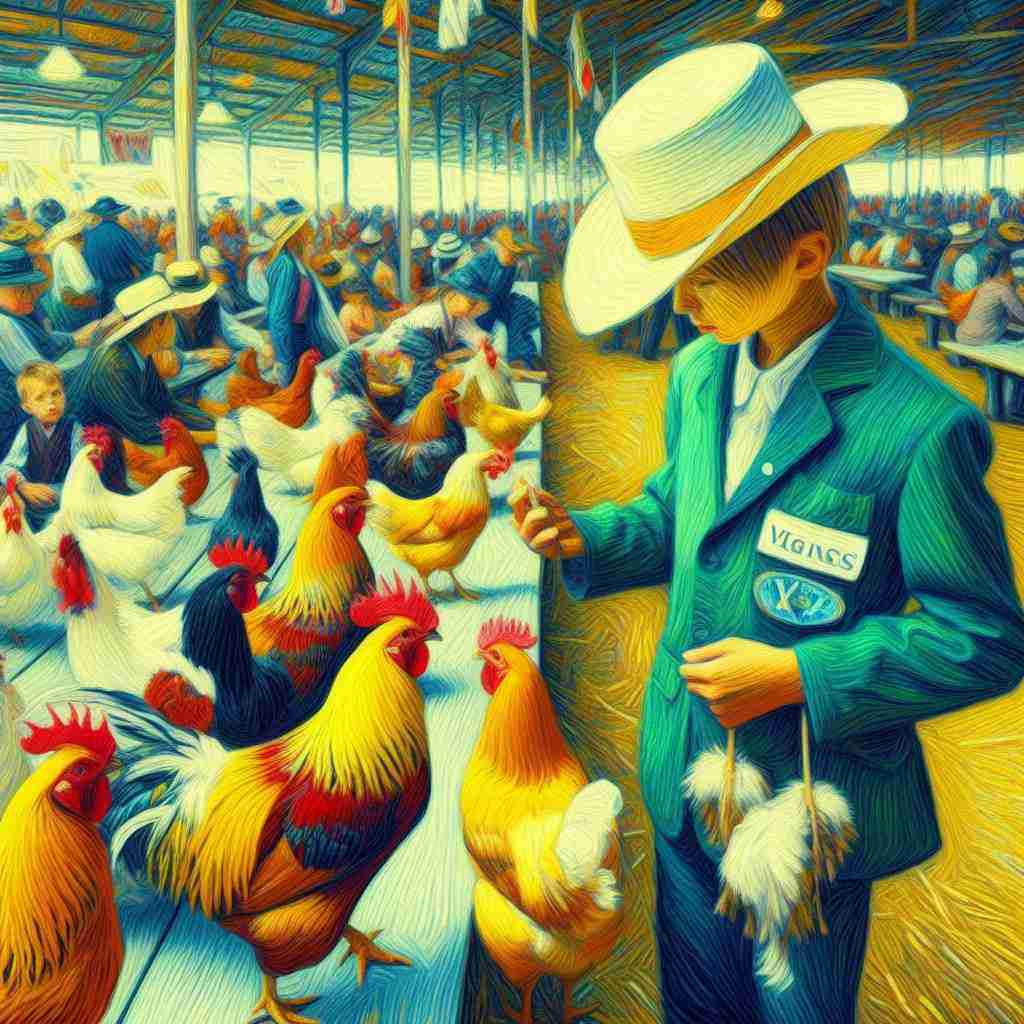
What Ethical Responsibilities Do We Have Towards Preserving Brahmas?
What Ethical Responsibilities Do We Have Towards Preserving Brahmas?
- Brahma hens are regarded as the gentle giants of poultry, symbolizing a connection that transcends species.
- These birds embody beauty and utility, playing a significant role in backyard farming and ethical responsibilities.
- Preserving the Brahma breed honors agricultural history and promotes sustainability against industrial farming practices.
- Maintaining biodiversity through Brahma preservation helps mitigate risks associated with monoculture amid climate change.
- Supporting local breeding programs fosters healthier ecosystems and promotes resilience in food systems.
- Engagement with communities about Brahma farming nurtures respect for animal husbandry and ethical farming practices.
- Preserving Brahmas fosters compassion and instills values of empathy in future generations.
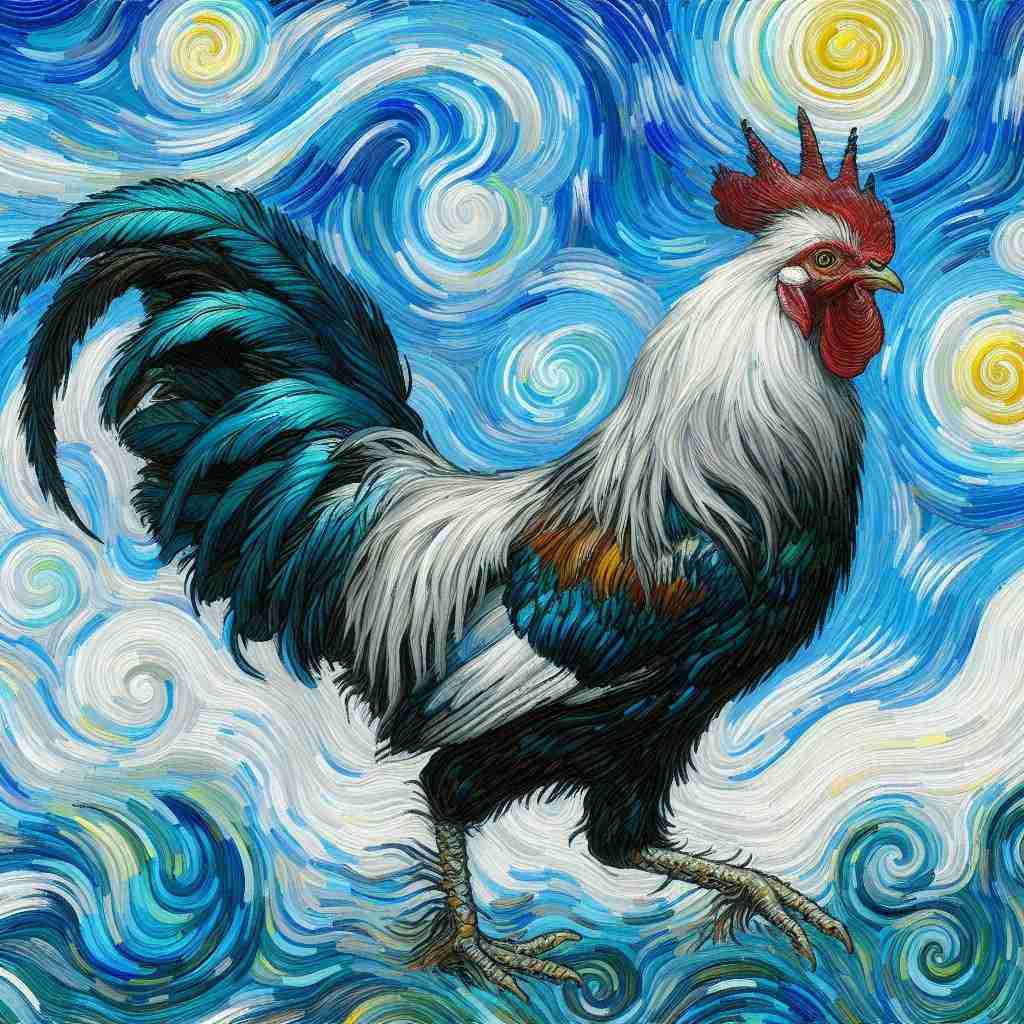
What Ethical Responsibilities Do We Have Towards Preserving Brahmas?
How Do Brahmas Embody the Spirit Of Teamwork and Family Values?
In the world of backyard chickens, few breeds embody the spirit of teamwork and family values quite like the Brahmas. These gentle giants, known for their striking appearance and calm demeanor, offer more than just a source of eggs or meat—they become part of the very fabric of your home. Picture this: a group of Brahmas roaming freely in your yard, their feathers softly ruffling in the breeze as they forage together. It’s a beautiful sight, one that evokes a sense of unity and purpose.
At their core, Brahmas are social creatures. They thrive in the company of one another, demonstrating that cooperation is not only beneficial but essential. When you watch them navigate their day, from clucking softly to share a meal to huddling together for warmth during cool nights, you witness a living narrative of family values. They instinctively protect each other from threats, modeling a profound lesson for us humans: we are stronger together. This resilience is something we can all relate to in our own lives, as teamwork often leads to the sweetest rewards.
Beyond their practical benefits as backyard residents, Brahmas invite us to reflect on the ethics of how we cultivate our families and communities. These birds remind us that nurturing relationships takes effort but is inherently rewarding. In a world that often seems divided, watching Brahmas work together instills a sense of hope. Their cooperative spirit demonstrates that regardless of our differences, there is immense value in coming together to achieve common goals.
When you embrace Brahmas, you’re not just adding chickens to your flock; you’re fostering a culture of support and connection. It’s an invitation to engage with your loved ones in meaningful ways—whether it’s involving your children in their care or sharing the joys of chicken-keeping with neighbors. You’re crafting memories that will last a lifetime, all anchored by the enduring values that these birds symbolize.
The essence of Brahmas goes beyond feathers and eggs. They inspire trust, foster a sense of belonging, and encourage us to remember that we are all part of something larger. When we look to these chickens for inspiration, we can rekindle our commitment to family values and teamwork. After all, in both the coop and our lives, the foundations of connection are built on unity, love, and shared experiences.

How Do Brahmas Embody the Spirit Of Teamwork and Family Values?
How Do Brahmas Embody the Spirit Of Teamwork and Family Values?
- Brahmas are known for their teamwork and family values, making them ideal backyard companions.
- These gentle giants have a calm demeanor and striking appearance, enhancing the home environment.
- Brahmas thrive socially, showcasing cooperation and the importance of community.
- They model family values by protecting one another and demonstrating resilience together.
- Their presence encourages reflection on nurturing relationships within families and communities.
- Embracing Brahmas fosters connections and meaningful interactions with loved ones and neighbors.
- The essence of Brahmas lies in their ability to inspire trust, belonging, and a commitment to unity and shared experiences.

How Do Brahmas Embody the Spirit Of Teamwork and Family Values?
What Stories Illustrate the Bond Between Farmers and Their Brahmas?
In the heart of America’s farmlands, a unique partnership flourishes, woven through generations—the bond between farmers and their Brahmas. These regal birds, with their feathered legs and gentle temperament, often seem to mirror the very spirit of the farmers who nurture them. You see, it’s not just about chicken coops or clucking in the backyard; it’s about trust—an unspoken pact that runs deeper than mere agricultural necessity.
Imagine a farmer rising with the dawn, a cup of coffee warming his hands, as he walks towards the coop. The Brahmas, their feathers ruffled by the morning breeze, greet him with a soft chorus. In these moments, there’s an understanding that transcends language. This bird, raised with care and purpose, is not simply livestock; it’s a companion, a part of the family, each one imbued with the personality of its caretaker. For many farmers, these birds symbolize resilience—echoing the struggles and triumphs of their own lives.
Listen to Betty, an 80-year-old farmer who recounts how, in the harsh winter months, something as simple as feeding her Brahmas made her feel connected to life itself. “You learn to be patient and kind,” she says, “just like those birds.” Every scoop of feed and every gentle stroke of feathers builds a relationship grounded in respect, setting an example for the community around her.
But there’s a practical side to this story that goes beyond emotion. Brahmas are hardy, adaptable creatures, which means they thrive in varying conditions—just like the farmers who raise them. This adaptability has become a lifeline for countless families who rely on their poultry for both sustenance and income. With the rising interest in sustainable farming and the appeal of backyard chickens, farmers are witnessing a renewed appreciation for these beautiful birds. It’s more than just a trend; it’s a movement toward self-sufficiency and local agriculture.
Ultimately, it’s about understanding the ethics of our choices. The compassion that farmers show to their Brahmas reflects a broader commitment to stewardship of the land and livestock. By fostering this bond, we inspire future generations to honor the delicate balance between nature and nurture. So, whether it’s through sharing fresh eggs at the family table or simply enjoying the calm presence of a Brahma in the yard, we’re invited to embrace this connection—reminding us that every living being has a story worth telling.

What Stories Illustrate the Bond Between Farmers and Their Brahmas?
What Stories Illustrate the Bond Between Farmers and Their Brahmas?
- A unique partnership exists between farmers and Brahma chickens in America’s farmlands.
- Brahmas symbolize resilience and reflect the spirit of the farmers who care for them.
- Farmers develop a deep, trusting relationship with their Brahmas, viewing them as companions.
- Betty, an 80-year-old farmer, highlights the emotional connection and life lessons learned from caring for her Brahmas.
- Brahmas are hardy and adaptable, providing sustenance and income for families.
- There’s a growing interest in sustainable farming and the value of backyard chickens as part of a self-sufficiency movement.
- This bond encourages a commitment to ethical stewardship of land and livestock for future generations.

What Stories Illustrate the Bond Between Farmers and Their Brahmas?
Why Should Modern Farmers Consider Adding Brahmas to Their Livestock?
Picture this: it’s dawn on the farm, sunlight peeking over the horizon, casting a golden hue over fields that have seen hard work and dedication. Amidst the hustle, where machinery roars and crops sway gently in the breeze, your livestock coexists, bringing not just sustenance but a sense of community. Enter the Brahmas—a breed that isn’t just another addition to the farm; they’re a living testament to resilience and adaptability.
Let’s talk about heart. As modern farmers, our connection to the land runs deep. We nurture the soil, plant the seeds, and watch life unfold. Brahmas bring a unique charm and character that resonates with the spirit of small-scale farming. These gentle giants are not only captivating with their elegant feathering but also embody the heartwarming story of sustainability. By incorporating Brahmas into your operations, you’re not just raising livestock; you’re creating a bond that fosters connection—between farmer and animal, between soil and spirit.
Now, here’s where the head comes in. Brahmas are known for their hardiness and exceptional adaptability to various climates. They thrive with the same assertiveness that keeps your operation thriving, whether you’re in the heat of the summer or the chill of winter. Their ability to produce quality meat and eggs makes them an intelligent investment for those looking to diversify income streams. It’s smart, it’s practical, and it brings value to your farm—all without losing that personal touch that makes farming life exhilarating.
Ethically, consider the role these birds can play in promoting biodiversity. In a world where monocultures can dominate, integrating Brahmas encourages a balanced ecosystem. They bring nutrients back to the soil and help control pests, embracing the philosophy of harmony between nature and farming practices.
Take a moment to reflect on this: the warm memories of collecting eggs from a henhouse filled with clucking, vibrant life. Adding Brahmas allows you to not only expand this experience but also invite others to share in the joys of small-scale farming. Whether you’re hosting a farm tour, engaging with the community, or nurturing the next generation of farmers, these birds become a bridge, sparking conversations and fostering connections.
So, as you carve your path in modern agriculture, consider the Brahmas. They’re not just livestock; they’re a part of a larger narrative—the story of farming that intertwines history, purpose, and future. Embrace the opportunity to cultivate not only the land but also meaningful relationships through the humble yet majestic Brahma.

Why Should Modern Farmers Consider Adding Brahmas to Their Livestock?
Why Should Modern Farmers Consider Adding Brahmas to Their Livestock?
- Dawn on the farm offers a serene ambiance, highlighting the hard work and dedication of farmers.
- Brahmas are a breed that signifies resilience and adaptability within farming practices.
- They enhance the heart of small-scale farming, creating bonds between farmer and animal, and soil and spirit.
- Brahmas exhibit exceptional hardiness, thriving in various climates while producing quality meat and eggs.
- Incorporating Brahmas into operations is a smart investment that diversifies income and adds personal value.
- These birds promote biodiversity, helping maintain a balanced ecosystem and enhance soil quality.
- Brahmas encourage community engagement and meaningful connections through shared farming experiences.
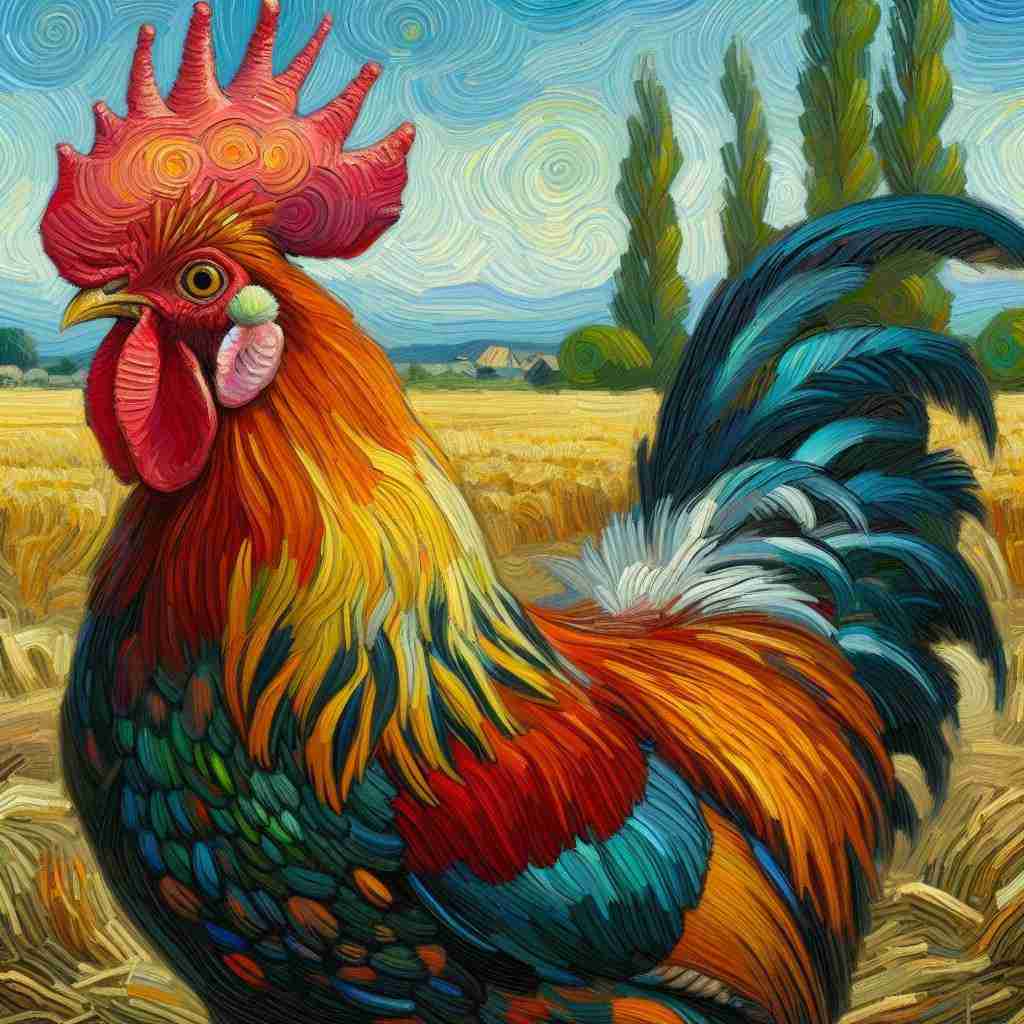
Why Should Modern Farmers Consider Adding Brahmas to Their Livestock?
Conclusion
Brahma chickens are more than just another breed of poultry; they stand as a potent emblem of the resilience, creativity, and connection that define the heart of family farming. As we reflect on their role, it’s clear these magnificent birds offer much more than the critical sustenance of eggs and meat. They remind us of the enduring spirit that ties us to our roots, embodying both nurturing and necessity while painting a vivid picture of the farming way of life.
Imagine the gentle clucks of Brahmas filling the crisp morning air, a reassuring sound as farmers embark on another day of hard work and dedication. These birds nurture not just the land but the family as well, anchoring gatherings around tables filled with wholesome food and fond memories. Each egg they lay does more than provide nourishment; it becomes a vital part of family traditions and bonding moments, deepening ties that are woven into the very fabric of community life.
Rationally speaking, Brahmas make sense for modern farming. Their adaptability to varied climates and relatively low resource needs create a sustainable option that can thrive even under challenging conditions. They echo the values of stewardship and responsibility that every farmer aims to instill, not just in their practices but in the hearts of the next generation. Raising Brahmas goes beyond agriculture—it’s an ethical commitment to fostering healthy ecosystems and preserving biodiversity.
This journey also serves an important social purpose. Farmers share stories, advice, and laughter surrounding these gentle giants, creating a tight-knit community rooted in shared experiences and mutual respect. The act of raising and caring for Brahmas forms a living narrative that strengthens bonds and transcends the individual, inviting everyone to join in the joys of farming life.
As we consider the significance of Brahmas today, we aren’t just looking at chickens; we are witnessing a legacy of farming that can inspire future generations. By keeping this tradition alive, we honor a time-honored approach to living sustainably, nurturing our communities, and embracing the connections that enrich our lives.
So, as we step into the future, let’s remember that Brahmas are not just a part of the past; they are a symbol of resilience, teamwork, and the enduring family values of farming life. Choosing to raise them is a commitment to a hopeful and sustainable future—one that nurtures not just our bodies, but our hearts and communities as well.

Conclusion
Conclusion:
- Brahma chickens symbolize resilience, creativity, and family farming connections.
- They provide critical sustenance and embody nurturing, necessity, and community life.
- Their gentle clucks mark the start of a hardworking day for farmers.
- Brahma eggs foster family traditions and strengthen community bonds.
- They are adaptable and sustainable, making them ideal for modern farming practices.
- Raising Brahmas creates a tight-knit community through shared experiences and advice.
- Brahmas represent a legacy of farming that inspires future generations and promotes sustainable living.

Conclusion
Other Resources

Other Resources
Here is a list of other resources you can review online to learn more:
- Large Intestinal Roundworms
- coop
- Wyandotte
- chard
- Oatmeal
- White Faced Black Spanish
- chicken feed
- Barley
- Brown Leghorn
- Cream Legbar
- Avian Pox
- berries
- Appenzeller
- Barbu d’Uccle
Use This Prompt To Get More Resources With Your Favorite Online AI Tool: Please provide me with a list of online articles with their URLs in a bulleted list that I can read regarding Why Brahmas Were the Backbone Of Every Family Farm
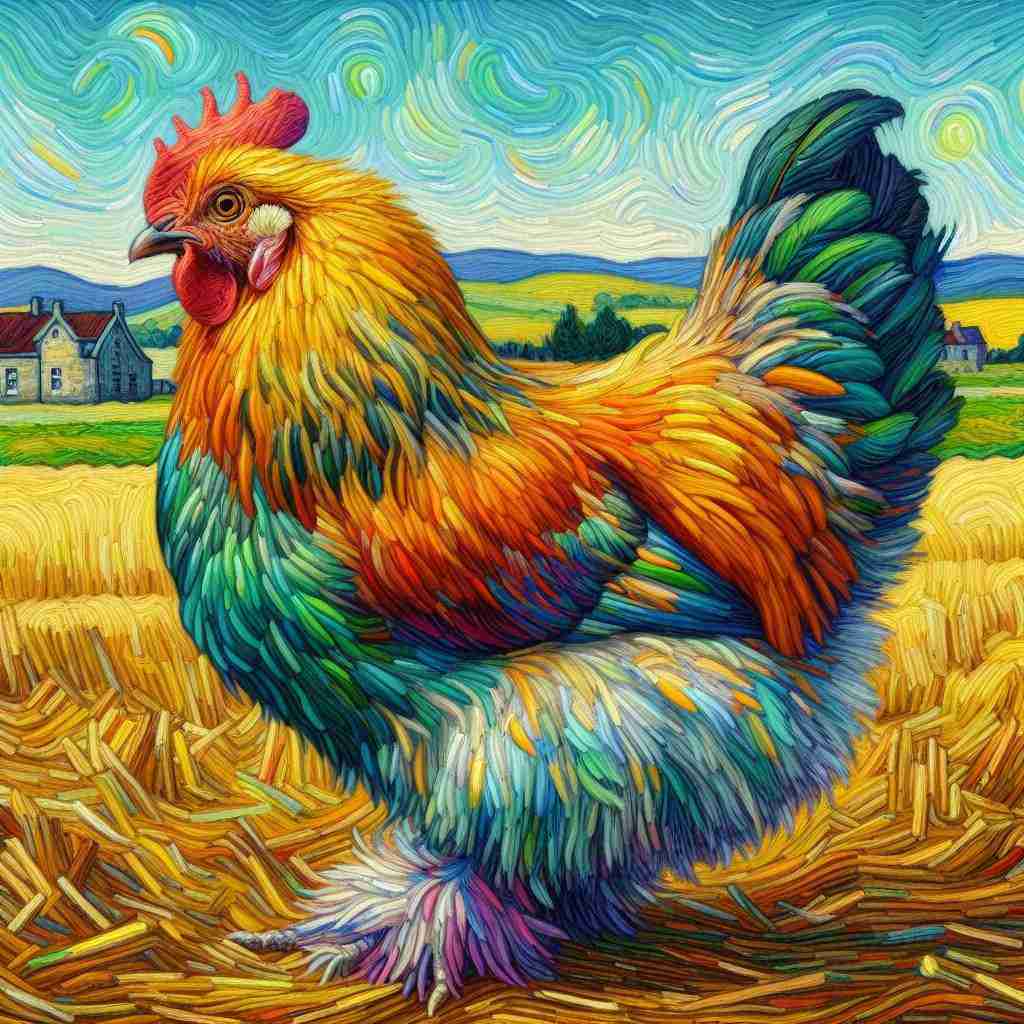
Other Resources
Glossary Terms
Why Brahmas Were the Backbone Of Every Family Farm – Glossary Of Terms
1. Brahma: A large, dual-purpose breed of chicken known for its meat production and egg-laying capabilities.
2. Dual-purpose: Referring to animals raised for multiple purposes, such as meat and egg production.
3. Hardiness: The ability of animals to thrive in various environmental conditions, often leading to lower mortality rates.
4. Adaptability: The capacity of Brahmas to adjust to different climates and farming practices, making them suitable for various regions.
5. Docile: A personality trait indicating that Brahmas are generally calm and easy to handle, making them ideal for family farms.
6. Broodiness: A behavioral trait in hens where they instinctively want to sit on eggs to incubate them, common in Brahmas.
7. Foraging: The behavior of chickens searching for food; Brahmas are good foragers, capable of scavenging for insects and plants.
8. Feeding efficiency: The ability of an animal to convert feed into body mass, a critical trait for meat production in Brahmas.
9. Lifespan: The average length of time Brahmas live, which can be extended with proper care and management.
10. Temperature resistance: The ability of Brahmas to withstand extreme temperatures, enhancing their viability in diverse climates.
11. Meat quality: Refers to the texture, flavor, and tenderness of Brahma meat, which is valued for its taste and culinary uses.
12. Egg production: The quantity and quality of eggs produced by hens, with Brahmas laying medium to large brown eggs.
13. Poultry: Domestic birds raised for food, including chickens, ducks, and turkeys, with Brahmas being a popular chicken breed.
14. Heritage breed: A traditional breed that has historical significance and is often conserved for its unique traits, like the Brahma.
15. Farmstead: A small-scale farm that typically supports a family, where Brahmas can play a crucial role in sustainability.
16. Biodiversity: The variety of living organisms within a specific habitat, supported by integrating breeds like Brahmas into farm operations.
17. Sustainability: Farming practices that maintain ecological balance, where animals like Brahmas contribute to nutrient cycles.
18. Backyard farming: The practice of raising animals and growing crops in urban or suburban areas, where Brahmas are ideal due to their space requirements.
19. Animal husbandry: The science of breeding and raising livestock, focusing on the health and productivity of animals like Brahmas.
20. Crossbreeding: The practice of mating different breeds to create hybrids that may possess desired traits, sometimes involving Brahmas.
21. Flock management: The strategies used to care for a group of birds, including feeding, housing, and health care for Brahmas.
22. Health resilience: The ability of Brahmas to withstand diseases, an important consideration for family farms to maintain productivity.
23. Pasture-raised: Referring to animals that roam freely in natural settings, contributing to quality of life and meat flavor in Brahmas.
24. Animal welfare: The ethics and standards regarding the treatment of animals, which are paramount in raising Brahmas humanely.
25. Production cycle: The timeline from breeding to meat or egg harvest, essential for planning farm operations involving Brahmas.
26. Smallholder: A farmer with a small plot of land, often relying on breeds like Brahmas for both sustenance and income.
27. Nutritional value: The essential nutrients found in Brahma meat and eggs, important for family diets.
28. Heritage conservation: The practice of preserving traditional breeds like Brahmas to ensure their genetic diversity and historical significance.
29. Community farming: Collaborative farming efforts within a locality, where Brahmas can provide shared food sources and economic benefits.
30. Farm-to-table: The concept of sourcing food directly from local farms, with Brahmas contributing to fresh, locally produced meat and eggs.

Glossary Of Terms
Other Questions
Why Brahmas Were the Backbone Of Every Family Farm – Other Questions
If you wish to explore and discover more, consider looking for answers to these questions:
- What specific historical events led to the popularity of Brahmas on family farms?
- What are the key characteristics that differentiate Brahmas from other chicken breeds?
- How do the farming practices involving Brahmas support local economies?
- What are the nutritional benefits of eggs produced by Brahmas compared to other breeds?
- What challenges do farmers face when raising Brahmas today?
- How can urban farms incorporate Brahmas effectively into their operations?
- What community programs exist to promote ethical farming practices involving Brahmas?
- Are there any environmental impacts associated with raising Brahmas?
- How does the presence of Brahmas on a farm affect the ecosystem and biodiversity?
- What are some best practices for ensuring the health and well-being of Brahmas?

Other Questions
Haiku
Why Brahmas Were the Backbone Of Every Family Farm – A Haiku
Gentle giants roam,
Spirits of resilience,
Farming’s heart and home.
Haiku
Poem
Why Brahmas Were the Backbone Of Every Family Farm – A Poem
In the quiet dawn where soft clucks arise,
Lies the tale of Brahmas beneath the sky,
Gentle giants in feathered grace,
The heart of the farm, in this sacred space.
More than chickens, they bear the weight,
Of family bonds that time can’t abate,
Reliable in their tender role,
Gathering together, they nourish the soul.
With each golden egg, a story unfolds,
Of meals shared, and warmth that behold,
In kitchens alive with laughter and cheer,
Brahmas whisper, “You belong here.”
Clad in resilient feathers, they brave the weather,
Adaptable spirits, more than just tether,
A lifeline to generations, a lesson profound,
In their gentle presence, community is found.
Ethics of nurture, respect and care,
Teaching the young, life’s bonds we share,
A cycle of giving, so rich and alive,
In the rhythm of nature, we learn how to thrive.
Through their eyes, we see the past,
A heritage cherished, a legacy vast,
Every feather a tale, woven in time,
Holding our hearts in a steady rhyme.
In the dynamic dance of earth and sky,
Brahmas connect us, as years drift by,
A pledge to the future, our choices can weave,
In the love for these birds, we learn to believe.
So, let’s welcome them home, in flock and in heart,
As stewards together, let this journey start,
With Brahmas beside us, forming our team,
In the tapestry of farming, we dare to dream.
Poem
Checklist
Why Brahmas Were the Backbone Of Every Family Farm – A Checklist
Checklist for Embracing Brahmas in Backyard Farming
Heart Appeals: Emotional Connections
_____ Create Family Traditions: Gather your family for regular meals featuring eggs from your Brahmas, fostering a sense of belonging.
_____ Nurture Compassion: Engage children in caring for Brahmas to instill values of empathy and responsibility.
_____ Celebrate Community: Organize a neighborhood gathering to share stories and experiences related to chicken-keeping.
Head Appeals: Rational Considerations
_____ Evaluate Practicality: Research Brahma’s adaptability to your local climate and their low maintenance needs.
_____ Assess Sustainability: Calculate the potential for self-sufficiency by integrating Brahmas into your backyard farming system.
_____ Explore Economic Benefits: Investigate opportunities for supplementary income through egg sales or local markets.
Gut Appeals: Instinctive Choices
_____ Trust Your Instincts: Reflect on your desire for a sustainable lifestyle that connects you with nature.
_____ Embrace Resilience: Consider how the characteristics of Brahmas mirror the qualities you value in family life and farming.
_____ Respond to Community Needs: Identify how introducing Brahmas can support local biodiversity and food security efforts.
Ethical Appeals: Moral Responsibilities
_____ Foster Ethical Practices: Commit to humane treatment and responsible husbandry of Brahmas to support animal welfare.
_____ Promote Biodiversity: Choose Brahmas to help protect breed diversity in poultry and prevent monoculture practices.
_____ Encourage Local Engagement: Share your experiences with Brahma farming to inspire ethical considerations within your community.
Authority Appeals: Expert Insights
_____ Learn from Experienced Farmers: Attend workshops or read literature from seasoned Brahma farmers to enhance your knowledge.
_____ Consult Agronomists: Seek advice on best practices for integrating Brahmas into your farming approach for maximum effectiveness.
_____ Follow Regulations: Familiarize yourself with local laws and guidelines regarding the care and maintenance of backyard chickens.
Narrative Appeals: Storytelling Elements
_____ Share Personal Stories: Document and share your journey of raising Brahmas, highlighting challenges and triumphs.
_____ Engage in Local History: Explore the agricultural history of Brahmas in your area and how they have shaped local farming landscapes.
_____ Cultivate a Community Narrative: Encourage neighbors to participate in storytelling sessions about their experiences with Brahmas.
Social Appeals: Community Engagement
_____ Build Networks: Join local farming groups or online communities focused on Brahma chickens to share experiences and advice.
_____ Participate in Local Events: Attend fairs or markets that highlight sustainable farming practices and connect with like-minded individuals.
_____ Invite Collaboration: Plan joint projects with neighbors, such as community gardens or chicken co-ops, to strengthen bonds and resources.

Checklist
At BackyardChickenNews, we help people who want to raise backyard chickens by collating information and news blended with our own personal experiences.
Be sure to read our other related stories at BackyardChickenNews to learn more about raising chickens in your backyard.