

The Timeless Importance Of Heritage Breeds
By Tom Seest
At BackyardChickenNews, we help people who want to raise backyard chickens by collating information and news blended with our own personal experiences.
Be sure to read our other related stories at BackyardChickenNews to learn more about raising chickens in your backyard.
Why Heritage Breeds Deserve the Spotlight Again
Let’s talk about heritage breeds, those remarkable animals that whisper tales of our agricultural past and promise a future rooted in diversity. When was the last time you paused to consider the humble backyard chickens clucking away just beyond your window? These feathered friends are more than mere egg machines; they are ecological allies, guardians of genetic diversity, and living history books ripe for our learning.
Now, think about that. The run-of-the-mill supermarket chickens we see every day may be plump and predictable, but it’s the heritage breeds that charm and inspire. They come in colors and sizes that remind us of nature’s artistry, each one bursting with personality, quirks, and traits that have been lovingly preserved for generations. It’s not merely about nostalgia; it’s a rallying cry for biodiversity. With the loss of so many breeds in commercial farming, we risk standardization at the cost of flavor, resilience, and sustainability. The small farmer and backyard enthusiast can reclaim the spotlight by embracing these unique animals, forging a direct connection between our values and our plates.
Ethically speaking, supporting heritage breeds invites us to think critically about our food systems. These animals thrive in environments that encourage natural behaviors, promoting welfare over mechanization. The commitment to raising heritage breeds can be a statement of integrity, a choice that aligns with the values of caring for our land, our animals, and ultimately, ourselves. When we support farmers who cultivate these breeds, we’re casting a vote for responsible stewardship of our environment.
But here’s the gut punch: every time you fork over your hard-earned cash for hormone-fed, factory-farmed chickens, you’re sidelining small-scale farmers and the very breeds that could fortify our agricultural future. When we embrace heritage breeds, we’re not just filling our plates; we’re filling the fabric of our community with stories – tales of resilience against the odds, of interconnectedness, and of claiming our food narrative back from corporate giants.
So let’s champion the heritage breeds that deserve their spot in the limelight once again. Whether it’s those backyard chickens or the vibrant pigs frolicking in the fields, these creatures invite us to pause, reflect, and appreciate the rich legacy they carry. They are a call to action, urging us to take initiative, connect with our food sources, and celebrate a system that honors care, quality, and tradition. Let’s rise to that challenge together.

Why Heritage Breeds Deserve the Spotlight Again
Why Heritage Breeds Deserve the Spotlight Again
- Heritage breeds are vital animals that reflect our agricultural history and promote biodiversity.
- Backyard chickens are more than just sources of eggs; they are important for genetic diversity and ecological balance.
- Heritage breeds offer a variety of colors and sizes, each with unique personalities and traits preserved over generations.
- Supporting these breeds helps combat standardization in food production, preserving flavor, resilience, and sustainability.
- Raising heritage breeds promotes ethical food systems, emphasizing animal welfare and natural behaviors.
- Embracing heritage breeds supports small-scale farmers and strengthens community connections against corporate farming.
- Championing heritage breeds invites us to reconnect with our food sources and uphold traditions of care and quality.

Why Heritage Breeds Deserve the Spotlight Again
Table Of Contents
- Why Heritage Breeds Deserve the Spotlight Again
- What Memories Do Heritage Breeds Evoke From Our Past?
- How Do Heritage Breeds Impact Biodiversity?
- What Role Do Heritage Breeds Play In Sustainable Farming?
- How Can We Educate the Next Generation About Heritage Livestock?
- What Stories Do Heritage Breeds Tell About Our Agricultural History?
- How Do These Breeds Contribute to Local Economies and Communities?
- Why Should We Care About Preserving Traditional Farming Practices?
- Conclusion
- Other Resources
- Glossary Of Terms
- Other Questions
- Haiku
- Poem
- Checklist
What Memories Do Heritage Breeds Evoke From Our Past?
Heritage breeds are more than mere animals; they are living testaments to our shared history, echoing the footsteps of generations that came before us. Picture a time when every farm had a purpose, a rhythm dictated by seasons and cycles, and where the cluck of backyard chickens was as familiar as the dawn chorus. These breeds—preserved through the hard work and dedication of farmers—evoke a nostalgia that tugs at the heartstrings, reminding us of the simpler days when the concept of “farm to table” was not a trendy slogan but a way of life.
Think about it: Heritage breeds like the Rhode Island Red or the Plymouth Rock are not just colorful additions to our yards; they embody the agricultural wisdom of our ancestors and the resilience of rural communities. Each feathered friend in your backyard tells a story—a narrative interwoven with the threads of survival, sustainability, and the ethical stewardship of our earth. By choosing these breeds, you are not only enriching your own life—you’re also participating in a movement that values biodiversity and reinforces the bonds within our food systems.
From a rational standpoint, having chickens in your backyard can bolster your food security. Those fresh eggs aren’t just nutritious; they are a bridge to a more self-sufficient lifestyle. It’s empowering to know you can produce your own food, cultivating a relationship with the land that feeds you. As you gather those freshly laid eggs, there’s a tangible sense of accomplishment that stirs something deep within. It’s a gut feeling we all crave—one rooted in our primal connection to nature.
Beyond the personal, there’s a social aspect to this journey. Sharing the stories of your heritage chickens with friends and neighbors creates community connections. You’re not just growing a flock; you’re fostering a sense of belonging, sparking conversations about food sovereignty, sustainability, and the pleasures of homegrown produce. The enthusiasm from a neighbor who wants to learn how to raise chickens or share their own experiences is infectious, cultivating a camaraderie that fuels collective action.
In today’s fast-paced world, the memories evoked by these heritage breeds can serve as a grounding force. They remind us of where we come from, the value of hard work, and the importance of preserving what is truly meaningful—because in those backyard flocks lies our past, our present, and the promise of a resilient future. It’s more than a hobby; it’s a chance to reclaim our roots, nourish our bodies, and revive the forgotten arts of agriculture. Engaging with heritage breeds is an invitation to connect deeply—with ourselves, our community, and the rich tapestry of life.

What Memories Do Heritage Breeds Evoke From Our Past?
What Memories Do Heritage Breeds Evoke From Our Past?
- Heritage breeds symbolize our shared history and reflect generations of agricultural practices.
- These breeds, like Rhode Island Reds and Plymouth Rocks, showcase ancestral wisdom and community resilience.
- Choosing heritage breeds enhances biodiversity and strengthens connections within our food systems.
- Having backyard chickens improves food security and fosters self-sufficiency through egg production.
- Raising chickens creates community connections and ignites conversations about sustainability and food sovereignty.
- Heritage breeds serve as a reminder of our roots and the value of hard work in preserving meaningful practices.
- Engaging with these breeds deepens our connection to ourselves, our community, and the agricultural heritage.

What Memories Do Heritage Breeds Evoke From Our Past?
How Do Heritage Breeds Impact Biodiversity?
When you think about biodiversity, what often comes to mind? Tall forests, wide-open fields, or maybe the intricate dance of a bee among flowers? But here’s a lesser-known gem: heritage breeds, particularly those we often aim to raise in our own backyards, like backyard chickens. These breeds are more than just clucking companions; they are living embodiments of our agricultural history and a testament to resilience.
Imagine walking into a local farmer’s market. Colorful produce fills the tables, but it’s the variety of chickens in the corner that truly catches your attention. Each feathered friend is a piece of the puzzle, representing countless generations of breeding practices that have allowed them to thrive in various environments. Heritage breeds, with their unique genetics and traits, contribute significantly to biodiversity. They are the guardians of our genetic past, holding the key to future resilience against challenges like climate change and disease.
But let’s dig deeper. You may be wondering—what’s the big deal about having a few backyard chickens? Beyond the joy of fresh eggs and an instant bond with these quirky creatures, there’s a profound ethical responsibility involved. Supporting heritage breeds means ensuring that these diverse genetic lines endure. A world with reduced variety is a world that risks collapse; imagine relying on a single type of crop or livestock. We would be one disease, one pest away from disaster.
Now, think of all the stories that unfold in your backyard as you raise these chickens. They’re not just farm animals; they’re part of the narrative of your home. Your kids learn responsibility; you forge deeper connections to the soil and the food that nourishes your family. By embracing heritage breeds, you become part of a growing movement—one that values not only the function of livestock but also the rich tapestry of life they represent.
Moreover, there’s something empowering about making a conscious choice to protect our planet’s biodiversity. It’s a tangible action you can take within your community. You’re not just fighting against extinction; you’re playing a vital role in enriching our environment. Take pride in choosing heritage breeds. They matter—not just to your backyard, but to the larger story of agriculture and survival that connects us all. So, why not make that small leap and invite those charming backyard chickens into your life? The planet, your family, and future generations will thank you.
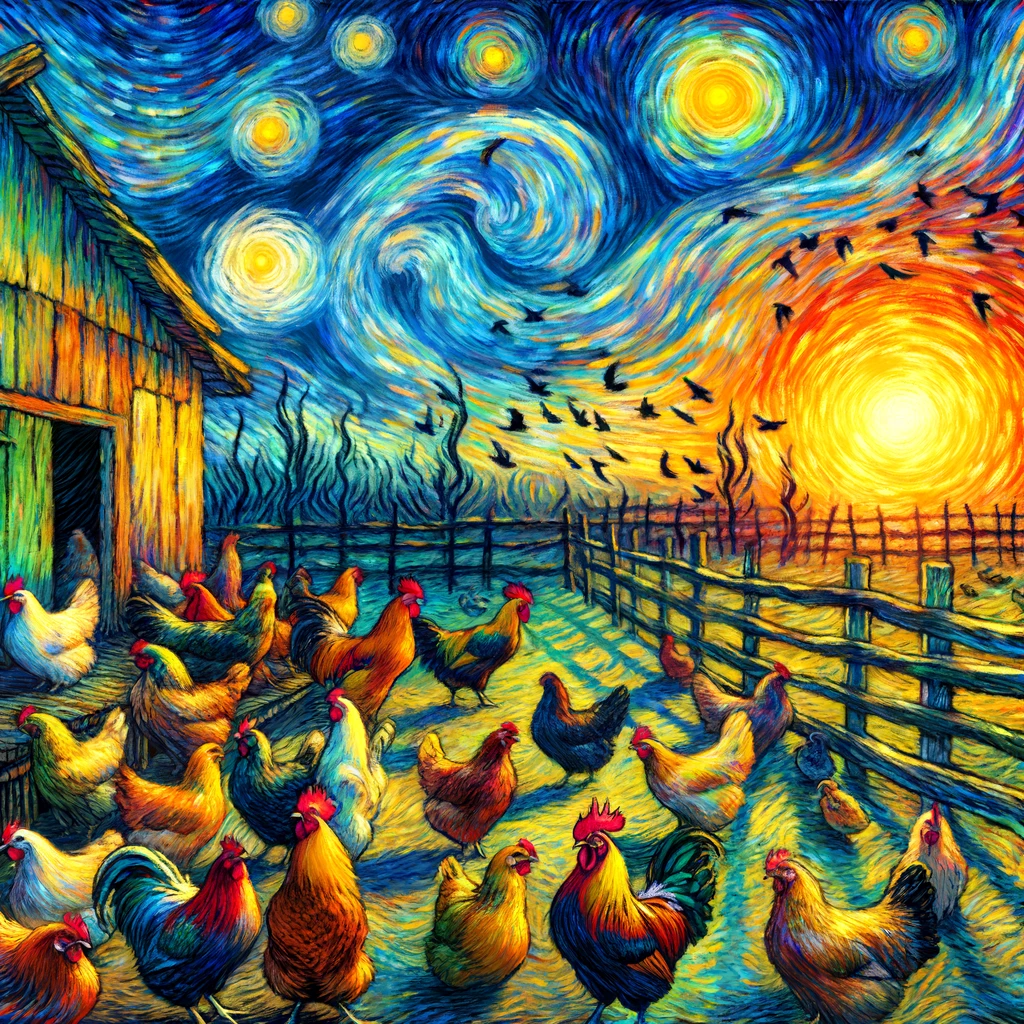
How Do Heritage Breeds Impact Biodiversity?
How Do Heritage Breeds Impact Biodiversity?
- Biodiversity encompasses various elements, including heritage breeds like backyard chickens.
- Heritage breeds are key representatives of agricultural history and promote resilience.
- Local farmers’ markets showcase the diversity of chickens, reflecting unique breeding practices.
- These breeds are vital for biodiversity and help ensure genetic variety against challenges like climate change.
- Raising backyard chickens provides fresh eggs and builds a deep connection with nature and food sources.
- Support for heritage breeds fosters responsibility, community engagement, and preserves genetic diversity.
- Embracing heritage breeds contributes to the larger agricultural narrative and helps protect the planet’s biodiversity.

How Do Heritage Breeds Impact Biodiversity?
What Role Do Heritage Breeds Play In Sustainable Farming?
If you’ve ever wandered through a farm with a patchwork of colors and sounds, you may have encountered heritage breeds—those remarkable varieties of livestock that tell stories as rich and diverse as the lands they come from. These breeds, like the proud but floppy-eared Mulefoot hog or the charmingly feathered Dominique chicken, are not just animals; they are living history, representing generations of resilience, adaptation, and empathy between humans and the earth.
Imagine standing in your backyard, surrounded by clucking chickens that often express their vibrant personalities more candidly than most people do. When you raise backyard chickens, you’re not just collecting fresh eggs; you’re nurturing a connection to a time when farming was about sustenance and community, not mass production and corporate branding. Each time you crack open an egg from a heritage breed, you’re tasting a piece of history, a reminder that food can embody stories of survival.
Heritage breeds play a crucial role in sustainable farming, and that’s not just about the flavors they offer. These animals are inherently resilient, often thriving in conditions that more commercial breeds simply can’t handle. They consume less feed and withstand diseases better, reducing the need for antibiotics and other additives that raise eyebrows among conscientious consumers. Thus, you’re not only making a choice for flavor but also a choice that aligns with a vision for a healthier planet.
Ethically, supporting heritage breeds preserves biodiversity. In a world increasingly dominated by monocultures, raising these distinct animals contributes to a more balanced ecosystem. It’s a step toward ensuring that future generations inherit a rich tapestry of genetic diversity, rather than a barren plain of similarity.
Through the lens of community, think about those shared moments at local farmers’ markets, when the joy of meeting a farmer who raises heritage breeds can spark conversations about sustainability, ethics, and nutrition. Supporting these farmers means championing small-scale agriculture and revitalizing local economies.
So the next time you’re weighing the options for your next meal, remember: the choice of heritage breeds isn’t just a decision for one dinner plate. It’s a declaration of values, a commitment to the earth, and an acknowledgment of the stories that connect us all. It’s about creating a legacy that honors our past and secures a sustainable future, one backyard chicken—or heritage breed—at a time.

What Role Do Heritage Breeds Play In Sustainable Farming?
What Role Do Heritage Breeds Play In Sustainable Farming?
- Heritage breeds of livestock, such as Mulefoot hogs and Dominique chickens, represent diverse histories and human-earth connections.
- Raising backyard chickens fosters a community-oriented, sustainable approach to farming, contrasting with mass production methods.
- Each egg from a heritage breed represents a taste of history and a story of survival.
- Heritage breeds contribute to sustainable farming through their resilience, lower feed needs, and better disease resistance.
- Supporting heritage breeds helps preserve biodiversity and combats the dominance of monocultures.
- Engaging with local farmers at farmers’ markets fosters conversations about sustainability and supports small-scale agriculture.
- Choosing heritage breeds is a commitment to sustainability, ethical values, and honoring the stories that connect us.

What Role Do Heritage Breeds Play In Sustainable Farming?
How Can We Educate the Next Generation About Heritage Livestock?
When it comes to educating the next generation about heritage livestock, we find ourselves at a remarkable crossroads. Imagine a world where our children don’t just learn about where their food comes from, but also embrace the stories behind each breed. Heritage livestock, like those “Backyard Chickens,” tell tales of resilience and tradition. They are not merely animals; they are chapters of our agricultural history, connecting us to the values of hard work, sustainability, and respect for our land.
Take a moment to reflect. When kids are given the chance to raise a few heritage breeds, they learn much more than responsibility; they develop a profound understanding of life cycles, nurturing, and even the environment. The joy of collecting eggs from those vibrant, speckled hens is a tangible reward—a reminder of the connection between humans and animals. This isn’t just about chicken coops or barns; it’s about creating memories and forging bonds that last a lifetime.
We need to engage the hearts and minds of our youth with stories that resonate. Share anecdotes from farmers who’ve watched their generations work alongside these animals. Talk about the unique traits of each breed, why some are better at laying eggs or thriving in harsher climates. This will not only spark curiosity but also instill a sense of pride in our agricultural heritage. It’s about connecting the dots from the farm to the table, making it real and relatable.
Moreover, embracing heritage livestock is an ethical stance. In a world increasingly dominated by monoculture and industrial farming, teaching our kids the importance of genetic diversity fosters an appreciation for small-scale farming practices that are good for our planet. It’s not just about preserving breeds; it’s about safeguarding the rich tapestry of our agricultural past and ensuring a sustainable future.
Let’s galvanize community efforts, too. Host workshops, farm tours, and storytelling sessions that involve families. There’s power in numbers; create a community that prioritizes this education, making it part of local school curriculums, and sparking interest in agricultural literacy. Encourage youth groups to adopt and nurture heritage breeds, allowing them to experience pride in the stewardship of these remarkable animals.
Through every egg collected and every story shared, we cultivate a generation that respects heritage livestock. And in doing so, we ensure that the roots of our agricultural identity remain strong, vibrant, and ready to thrive in the future.

How Can We Educate the Next Generation About Heritage Livestock?
How Can We Educate the Next Generation About Heritage Livestock?
- Educating kids about heritage livestock connects them to agricultural history and values of hard work, sustainability, and land respect.
- Raising heritage breeds fosters responsibility, understanding of life cycles, nurturing, and environmental awareness.
- Collecting eggs from heritage breeds is a tangible experience that reinforces the bond between humans and animals.
- Sharing farmers’ stories and unique breed traits sparks curiosity and instills pride in agricultural heritage.
- Emphasizing genetic diversity through heritage livestock promotes appreciation for small-scale farming and sustainability.
- Community engagement through workshops, farm tours, and storytelling can make heritage livestock education part of local school curriculums.
- Encouraging youth to adopt and nurture heritage breeds helps cultivate respect and strengthens agricultural identity for the future.

How Can We Educate the Next Generation About Heritage Livestock?
What Stories Do Heritage Breeds Tell About Our Agricultural History?
Every time we crack an egg from our backyard chickens, we’re not just cooking breakfast; we’re peeling back layers of time, tradition, and tenacity. Heritage breeds whisper tales of our agricultural past, stories interwoven with the fabric of community, survival, and resilience. These aren’t just chickens; they’re living links to a world where agriculture was personal, where every bird had its purpose and place, bred with intention and love rather than profit margins.
Let’s think about the first farmers, the unsung heroes who had no modern conveniences at their fingertips. They relied on the flocks that they nurtured for sustenance and companionship. Each feathered friend served a purpose, whether it was providing nourishment, pest control, or even the joy of watching their quirky behaviors unfold as the sun set. Backyard chickens symbolize that intimate relationship humans have always had with the animals we tasked with our survival.
Imagine your grandfather, a weathered man, hands rough from years under the sun, teaching your young hands to cradle an egg as if it were the most precious thing in the world. Those moments don’t just create memories; they embed lessons into our hearts about responsibility and respect for life. When we choose to keep heritage breeds, we reclaim that narrative. We honor the passion behind their breeding, the diverse genetics arrayed in their plumes, and the flavors steeped in their meat and eggs. This isn’t mere nostalgia; it’s a commitment to biodiversity in our ecosystems, an ethical stand against the factory farming that has diluted our agricultural identity.
Furthermore, this journey into heritage breeds doesn’t just stop at our own backyards. It fosters a community dialogue about food sovereignty and security. A movement sprinkles through neighborhoods, igniting conversations around local sourcing and sustainability. It builds connections among neighbors, shifting the perception of what it means to be a food producer. When we share stories of our backyard adventures, we spark curiosity in others, inspiring them to embark on their agricultural journeys.
So next time you gather those eggs and witness the clucking ballet of your backyard chickens, remember—they’re not merely resources. They are storytellers, the custodians of our agricultural past, inviting us to be responsible stewards of the future. Through them, we can all participate in a larger narrative, transforming our relationship with food, each other, and the land we tend to.

What Stories Do Heritage Breeds Tell About Our Agricultural History?
What Stories Do Heritage Breeds Tell About Our Agricultural History?
- Cracking an egg from backyard chickens connects us to time, tradition, and resilience.
- Heritage breeds represent our agricultural history, emphasizing personal farming over profit.
- First farmers relied on chickens for sustenance, companionship, and pest control.
- Backyard chickens symbolize the intimate bond between humans and animals for survival.
- Choosing heritage breeds honors diverse genetics and promotes biodiversity in ecosystems.
- This movement encourages community dialogue about food sovereignty and sustainability.
- Backyard chickens serve as storytellers, urging responsible stewardship of the future.
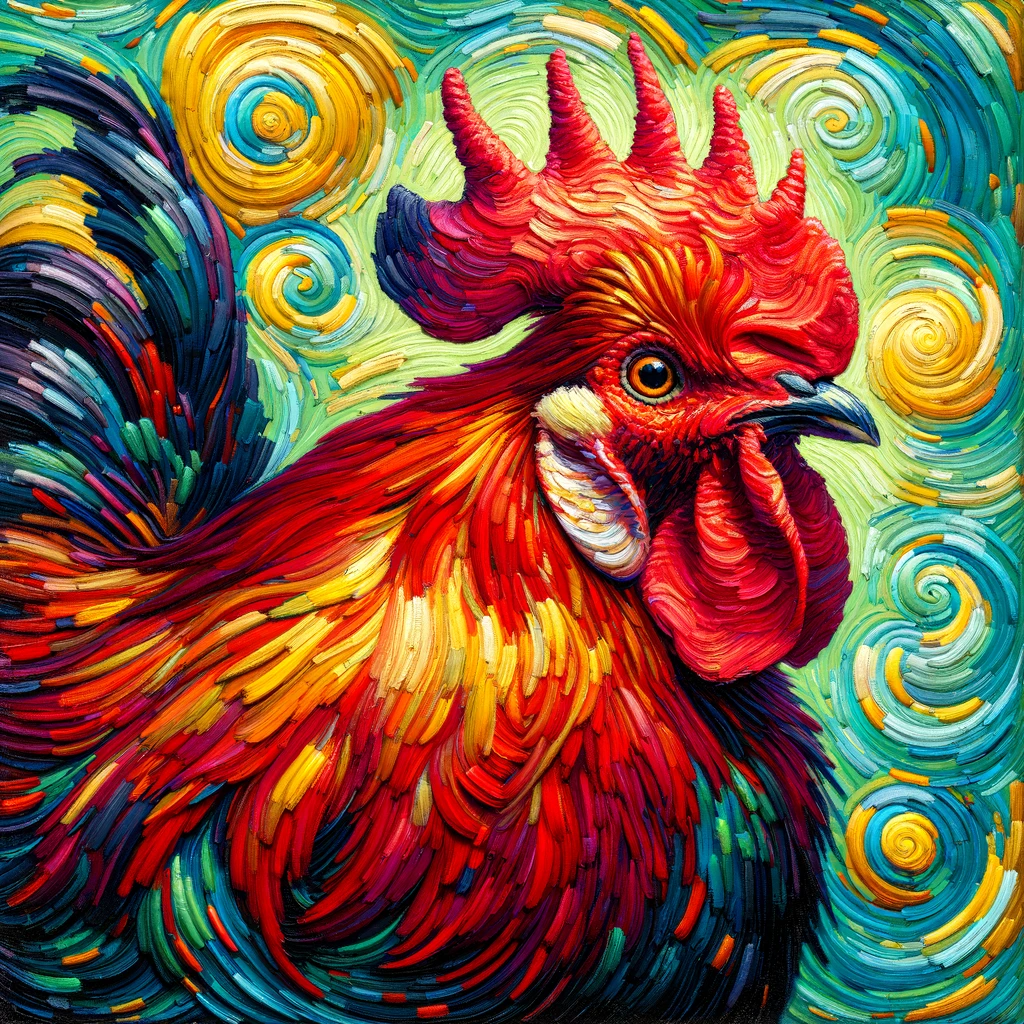
What Stories Do Heritage Breeds Tell About Our Agricultural History?
How Do These Breeds Contribute to Local Economies and Communities?
When you think about the humble backyard chickens, do you picture a picturesque farm with children running barefoot through the grass? Or perhaps you see the hardworking families hustling in their backyards, nurturing their feathered friends while cultivating a connection to the source of their food. Backyard chickens embody not just a quirky hobby but a lifeline to local economies and vibrant communities.
Imagine the joy of gathering fresh eggs every morning—these small, golden orbs are more than just breakfast; they represent a reduction in food miles, supporting sustainable practices. This shift contributes to environmental welfare, as people increasingly gravitate towards local produce that doesn’t require a long trip from farm to table. Backyard chickens help foster a sense of responsibility for personal consumption and its impact, turning a suburban yard into an eco-friendly oasis.
But it’s not just about fresh eggs. Those clucking companions can serve as catalysts for community building. Neighbors bond over the common interest in backyard poultry, exchanging tips, recipes, and even eggs! Community gardens thrive as mutual support grows, while small-scale farmers benefit from a resurgence in local markets. The economic ripple effect is undeniable—supporting local feed stores, veterinary services, and farmers’ markets fosters a robust community economy, enriching lives and instilling a sense of pride.
Backyard chickens reconnect people with their food and the labor that goes into producing it. Many families find joy in teaching their children about responsibility and where food truly comes from, instilling lessons that transcend into other areas of life. There’s an ethical dimension here: raising animals humanely fosters empathy and respect for all living things, allowing young minds to grow up with a profound understanding of sustainability and compassion.
As we nurture these relationships—between family, neighbors, and the environment—we groom a community that inspires trust and confidence. People start to look at food in a way that is both grateful and mindful. They see local economies not as abstract concepts but as living, breathing entities, teeming with potential.
It’s about more than backyard chickens; it’s about building a culture of connection, inspiring action, and breathing life into our neighborhoods. When communities come together, united by passion and purpose, they stand strong against the uncertainties of the world around them, safeguarding their treasured ways of life for future generations. Who knew a chicken coop could hold such promise?

How Do These Breeds Contribute to Local Economies and Communities?
How Do These Breeds Contribute to Local Economies and Communities?
- Backyard chickens symbolize a connection to local economies and communities, moving beyond a mere hobby.
- Gathering fresh eggs promotes sustainable practices and reduces food miles, benefiting the environment.
- Backyard poultry fosters personal responsibility for consumption and transforms suburban yards into eco-friendly spaces.
- Chickens act as catalysts for community building, encouraging neighborly bonding through shared interests.
- The presence of backyard chickens supports local markets, feed stores, and veterinary services, enhancing community economies.
- They reconnect families with the origins of their food, teaching children about responsibility and sustainability.
- Ultimately, backyard chickens help cultivate trust and strengthen communities, inspiring collective action and resilience.

How Do These Breeds Contribute to Local Economies and Communities?
Why Should We Care About Preserving Traditional Farming Practices?
Have you ever stood in a field at dusk, the embrace of the earth palpable beneath your feet? Traditional farming practices are like the threads of an ancient tapestry, woven from generations of hard work, wisdom, and a steadfast connection to the land. They are not just a way to grow food; they are a cultural heritage, a testament to human resilience, and a promise to future generations. When we neglect these time-honored methods, we risk unraveling a rich story that has sustained communities for centuries.
Consider the backyard chickens that many urban dwellers have adopted in recent years. They do more than provide fresh eggs; they serve as a bridge between past and present, reminding us of simpler times when food was local, direct, and unencumbered by the industrial complexities of today’s global supply chain. By integrating these small but impactful practices into our lives, we cultivate not only a sense of responsibility but also a deep respect for the effort that goes into our nourishment.
Rationale plays a big role here. Traditional methods often yield more nutritious food with fewer resources. Using natural pest control and seed-saving techniques, these practices conserve biodiversity and promote resilience against climate change. In an age where industrial farming leaves a trail of environmental degradation, it’s our duty to advocate for these sustainable approaches. Fostering healthy soil health and natural ecosystems contributes to a functioning planet that supports all living things.
Ethically, there’s a profound connection that grows when we invest in local agriculture. Knowing the farmers—or maybe even being one yourself—creates a sense of community. We’re not just consumers; we’re players in an intricate web of social responsibility. Supporting farmers who practice traditional methods means supporting their families, their culture, and their commitment to nurturing the land.
Imagine standing at a bustling farmer’s market, exchanging warm smiles and stories with those who share a passion for their craft. Each encounter fosters a shared commitment to preserving not just a way of life, but an essential piece of who we are. By embracing these practices, we take action, investing in communities and ecosystems that are worth defending.
Let’s care about traditional farming not just for nostalgia’s sake but for a thriving future—one where the heartbeat of the earth continues to resonate with every crop we plant and every meal we share. So let us build that connection, cultivate our hearts and minds, and stand up for the methods that raise us, nurture us, and ultimately, ground us.

Why Should We Care About Preserving Traditional Farming Practices?
Why Should We Care About Preserving Traditional Farming Practices?
- Traditional farming practices are a cultural heritage, reflecting generations of hard work and a connection to the land.
- By neglecting these methods, we risk losing the rich stories and communities sustained by them for centuries.
- Urban backyard chickens symbolize a return to local, simple food production, bridging past and present.
- Traditional methods often yield more nutritious food while conserving biodiversity and promoting resilience against climate change.
- Supporting local agriculture fosters community connections and social responsibility among consumers and farmers.
- Engagement at farmer’s markets promotes a shared commitment to preserving traditional farming and local culture.
- Caring for traditional farming practices is essential for a thriving, sustainable future, connecting us to the earth.

Why Should We Care About Preserving Traditional Farming Practices?
Conclusion
Heritage breeds are the unsung heroes of agriculture, echoing the past while offering hope for a sustainable future. These vibrant animals, often found clucking in backyard coops, encapsulate a narrative about biodiversity and resilience that we desperately need to hear. Forget the homogenized chickens of factory farms; when we engage with heritage breeds, we tap into a world of eccentric colors and personalities, each bird a living testament to generations of farming tradition. This isn’t merely nostalgia; it’s about preserving the very essence of our agricultural identity.
As we consider the role of heritage breeds, it becomes clear that they contribute to ethical farming practices and community well-being. These animals flourish in environments that prioritize natural behaviors, underscoring our responsibility to treat them with respect and care. By championing heritage breeds, we’re casting our votes for biodiversity and ensuring that our food systems remain rich and varied—not sterile and uniform. Each time we choose to support farmers who raise these breeds, we’re not just enriching our diets; we’re fostering connections—within ourselves, our communities, and the earth.
Raising backyard chickens or heritage pigs isn’t just about the eggs and meat; it’s about cultivating a deeper relationship with our food. It invites us to reflect on the labor behind our meals, teaching future generations the value of sustainability, responsibility, and empathy. Each fresh egg is a reminder of the resilience embedded within these breeds, and each encounter we have—be it with neighbors sharing stories or kids learning about life cycles—creates a community quilt stitched together by shared values and experiences.
The impacts of these breeds extend beyond our backyards, reverberating through local economies. Supporting heritage breeds empowers small-scale farmers, invigorates local markets, and fosters sustainable practices that lead to healthier ecosystems. We’re not just consumers; we are stewards of our food sources and champions of a movement that values what genuinely matters.
Ultimately, embracing heritage breeds is about enriching our lives and rekindling connections that most of us have lost amid modern conveniences. It’s a call to action to reclaim our food narrative—one that honors hard work, sustainability, and our intricate bond with the earth. So, let’s get involved, support local farmers, and celebrate the remarkable stories that heritage breeds tell, for in their presence lies a hopeful glimpse of an interconnected future where every feather counts.
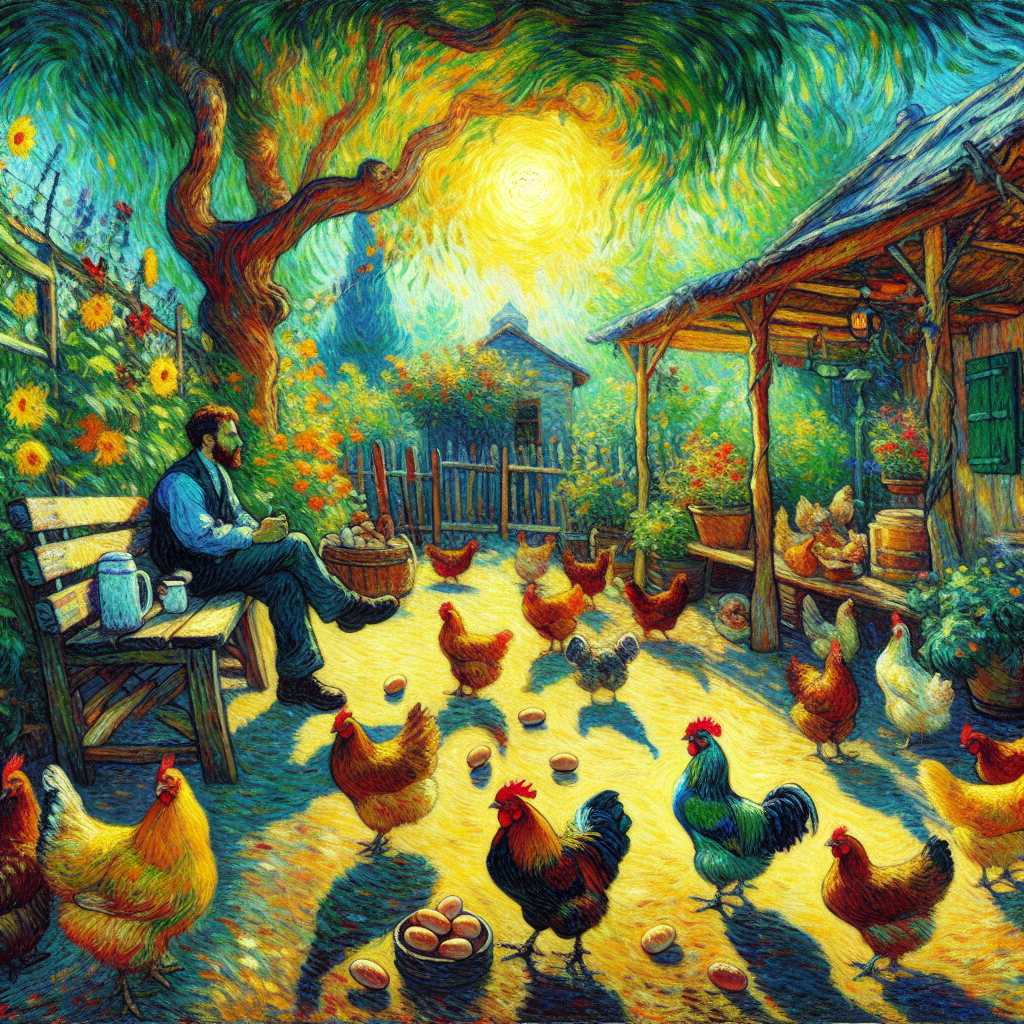
Conclusion
Conclusion:
- Heritage breeds preserve biodiversity and resilience in agriculture.
- These animals offer an alternative to the homogenized chickens of factory farms.
- Supporting heritage breeds fosters ethical farming practices and community well-being.
- Raising heritage animals deepens relationships with our food and teaches sustainability.
- Encounters with heritage breeds create community connections and shared experiences.
- Heritage breeds support small-scale farmers and invigorate local economies.
- Embracing heritage breeds is a call to reclaim our food narrative and value our bond with the earth.

Conclusion
Other Resources

Other Resources
Here is a list of other resources you can review online to learn more:
- Fowl Typhoid
- Delaware
- insects
- Quail Disease
- Black Sex Link
- Red Ranger
- black soldier flies
- broiler feed
- seeds
- mealworms
- Australorp
- ISA Brown
- Shamo
- Easter Eggers
- Gapeworms
- Thread Worms
- Air Sac
Use This Prompt To Get More Resources With Your Favorite Online AI Tool: Please provide me with a list of online articles with their URLs in a bulleted list that I can read regarding Why Heritage Breeds Deserve the Spotlight Again
Other Resources
Glossary Terms
Why Heritage Breeds Deserve the Spotlight Again – Glossary Of Terms
1. Heritage Breeds: Traditional animal breeds that have been cultivated over generations, often adapted to local environments and practices.
2. Biodiversity: The variety of life in the world or a particular habitat, critical for ecosystem resilience and adaptability.
3. Sustainability: The ability to maintain ecological balance by utilizing resources in a way that meets current needs without compromising future generations.
4. Gene Pool: The total collection of genes within a population, which is vital for maintaining genetic diversity.
5. Adaptation: The process by which living organisms adjust to their environment, crucial for survival, especially for heritage breeds in specific habitats.
6. Culinary Heritage: The traditional foods and cooking methods passed down through generations, often linked to regional breeds.
7. Slow Food Movement: A global movement promoting local food traditions and sustainable practices over fast food and industrial agriculture.
8. Conservation: Efforts aimed at preserving biodiversity, including the protection of endangered heritage breeds from extinction.
9. Local Farming: Agricultural practices focused on growing food and raising animals within a specific community, often supporting heritage breeds.
10. Agricultural Resilience: The ability of farming systems to recover from disturbances while maintaining productivity, supported by diverse heritage breeds.
11. Traditional Knowledge: Wisdom and skills passed down through generations regarding the cultivation and care of heritage breeds.
12. Ecosystem Services: The benefits humans receive from ecosystems, including the preservation of heritage breeds that contribute to these services.
13. Native Breeds: Animal breeds that have evolved in a specific region, often embodying the cultural and ecological characteristics of that area.
14. Climate Adaptation: The ability of breeds to withstand and thrive in changing climate conditions, vital for food security.
15. Industrial Agriculture: Large-scale farming practices focused on maximizing productivity, often at the cost of biodiversity.
16. Extinction Risk: The likelihood of a breed becoming extinct, heightened by the focus on a few commercial breeds in modern farming.
17. Heritage Livestock: Animals bred for their historical significance, unique traits, and contributions to farming and culture.
18. Genetic Diversity: The range of genetic characteristics within a species, important for adaptability, disease resistance, and overall health.
19. Food Sovereignty: The right of peoples to healthy and culturally appropriate food produced through ecologically sound and sustainable methods.
20. Animal Husbandry: The practice of breeding and caring for farm animals, with heritage breeds benefiting from traditional techniques.
21. Cultural Identity: The shared heritage and traditions of a community, which can be connected to specific agricultural practices and breeds.
22. Market Demand: Consumer interest in heritage breeds, driven by a desire for quality, taste, and sustainable practices.
23. Ethical Farming: Agricultural practices that prioritize the welfare of animals, workers, and the environment, often supporting heritage breeds.
24. Food Security: The availability of sufficient, safe, and nutritious food, which can be enhanced by the inclusion of diverse heritage breeds.
25. Community Supported Agriculture (CSA): A system that connects producers and consumers, promoting local heritage breeds and sustainable farming practices.
26. Pastoralism: The practice of raising livestock in natural settings, often encompassing traditional breeds that have adapted to specific environments.
27. Niche Markets: Specialized segments of the market focusing on unique products, such as heritage breed meats and dairy, appealing to consumers seeking authenticity.
28. Holistic Management: An approach to farming that considers the ecosystem as a whole, often benefiting heritage breeds through improved practices.
29. Traditional Breeding: The age-old practice of selecting animals for desirable traits without modern genetic manipulation, preserving authenticity.
30. Preservation Programs: Initiatives aimed at maintaining and promoting heritage breeds to prevent their extinction and promote agricultural diversity.
Glossary Of Terms
Other Questions
Why Heritage Breeds Deserve the Spotlight Again – Other Questions
If you wish to explore and discover more, consider looking for answers to these questions:
- What are some specific examples of heritage breeds and their unique characteristics?
- How can an average person get started with raising heritage breeds?
- What challenges do farmers face when raising heritage breeds compared to commercial breeds?
- How do heritage breeds contribute to better flavor and nutrition in food?
- What role do government policies play in supporting or hindering heritage breed preservation?
- Are there any organizations dedicated to the preservation of heritage breeds?
- How can schools integrate heritage agriculture into their curriculums?
- What impact does consumer demand have on the future of heritage breeds?
- How do heritage breeds affect the economics of small-scale farming?
- What is the historical significance of specific heritage breeds in agriculture?
- How can communities collectively support heritage breed farming initiatives?
- What are the environmental benefits of raising heritage breeds?
- How do heritage breeds adapt to changing climates compared to commercial breeds?
- What stories do farmers have about their experiences with heritage breeds?
- In what ways can heritage breeds enhance local food sovereignty?
Other Questions
Haiku
Why Heritage Breeds Deserve the Spotlight Again – A Haiku
Heritage breeds call,
Whispers of our past remain—
Hope for future farms.

Haiku
Poem
Why Heritage Breeds Deserve the Spotlight Again – A Poem
In the quiet of morning, beneath dawn’s gentle glow,
The clucking of chickens is a sound we should know.
Heritage breeds, they whisper our past,
Guardians of stories, where memories last.
With feathers of color, of size, and of grace,
Each one a reminder of our rightful place
In a world that once cherished, with hands always dirtied,
The bond between farmer and land that has nurtured.
They’re more than mere livestock, they’re echoes alive,
Of communities thriving, of traditions that strive,
To preserve genetic threads that keep us all whole,
While teaching our children compassion and soul.
Take a moment to ponder—what’s on our plate?
Is it history’s richness or a corporate fate?
Each egg that we gather, each meal that we share,
Carries weight and connection, a legacy rare.
With every bite taken, let’s make conscious choices,
Support local farmers, let our hearts raise their voices.
For in nurturing breeds, we’re championing more,
The fabric of life, its hues, and its core.
So let’s gather together, in backyard or field,
Celebrate resilience, let nature be healed.
From the soil to the supper, with community’s grace,
Heritage breeds beckon—a call to embrace.
In choosing to cherish these creatures that roam,
We reclaim our connection, we invite in their home.
Together let’s rise, knit a tapestry strong,
For heritage breeds, we are where we belong.

Poem
Checklist
Why Heritage Breeds Deserve the Spotlight Again – A Checklist
Checklist: Embracing Heritage Breeds and Sustainable Practices
Emotional Appeals
1. Reconnect with History: Reflect on family stories and traditions involving livestock.
2. Experience Joy: Spend time with heritage breeds and share the joy with friends and family.
3. Create Lasting Memories: Engage children in raising chickens or other heritage breeds for shared experiences.
Rational Appeals
4. Enhance Food Security: Consider starting a backyard flock for fresh eggs and self-sufficiency.
5. Understand Biodiversity Benefits: Research how heritage breeds contribute to agricultural resilience.
6. Support Sustainable Practices: Learn about traditional farming methods and their benefits for nutrition and environmental health.
Ethical Appeals
7. Choose Compassionate Farming: Support farmers dedicated to ethical treatment of animals and conservation of breeds.
8. Advocate for Diversity: Speak out against monoculture and factory farming practices that harm ecosystems.
9. Foster Local Economies: Purchase from local farmers’ markets and support small-scale producers.
Authority Appeals
10. Follow Experts: Seek out books, documentaries, or local workshops led by experts on heritage breeds and sustainability.
11. Consult with Local Farmers: Engage with community farmers to learn firsthand about raising heritage breeds.
Narrative Appeals
12. Share Your Story: Document your journey of raising heritage breeds and share it within your community.
13. Promote Community Engagement: Organize local events focused on heritage livestock to build connections and foster discussion.
Social Appeals
14. Join Like-minded Communities: Participate in local groups or online forums dedicated to sustainable farming and heritage breeds.
15. Educate Others: Host informational sessions about the benefits of heritage breeds in schools or community centers.
16. Cultivate Connections: Foster relationships with neighbors through sharing produce or tips about raising livestock.
Utilize this checklist to dive deeper into the world of heritage breeds and sustainable farming, enriching your life and the community around you.

Checklist
At BackyardChickenNews, we help people who want to raise backyard chickens by collating information and news blended with our own personal experiences.
Be sure to read our other related stories at BackyardChickenNews to learn more about raising chickens in your backyard.