

The Modern Millennial Pet Preference: A Thoughtful Choice
By Tom Seest
At BackyardChickenNews, we help people who want to raise backyard chickens by collating information and news blended with our own personal experiences.
Be sure to read our other related stories at BackyardChickenNews to learn more about raising chickens in your backyard.
Why Millennials Are Choosing Chickens Over Goldfish for Family Pets
When you think of family pets, your mind might drift toward fluffy puppies or hard-shelled goldfish darting in a bowl. But let’s examine the rising trend of backyard chickens, a choice that millennials are embracing with open arms—or rather, open coops. There’s something deeply fulfilling about nurturing a living creature that not only offers companionship but also lays the foundation for a more sustainable lifestyle.
On a rainy afternoon, picture yourself stepping outside, the earthy scent of wet grass filling the air. Your kids, laughing and running, chase after plump hens pecking at the ground, clucking with contentment. It’s a scene unfolding in countless backyards across the country. These aren’t just pets; they’re family members that foster connection and responsibility. Each morning, the excited rush to the coop brings a lesson in life cycles and nature. Rather than feeding fish flakes to a glass-bound occupant, you’re providing fresh greens and grains to a creature that has personality and presence.
Beyond sentiment, there’s a rational appeal to raising chickens. In a world where convenience often turns into waste, these feathered friends gift more than entertainment—they gift fresh eggs. They cut down grocery bills and inject a touch of honesty into the food supply chain. Who needs to worry about mysterious ingredients or factory farming when your children can enjoy organic eggs right from the yard? It’s an ethical choice that aligns with their growing desire for transparency in all things, especially their food.
But let’s not forget the social element. Picture the conversations over the backyard fence with neighbors, sharing egg production tips or exchanging anecdotes about your flock. There’s a community ethos at play here, an interwoven fabric of local connection that goes beyond the usual small talk. It’s a dialogue that’s real, messy, and rich with the nitty-gritty details of life.
So why are millennials choosing backyard chickens over goldfish? It’s about nurturing a home environment filled with laughter, education, and sustainability. It’s about teaching the next generation to appreciate where their food comes from, and connecting with the world around them on a deeper level. The humble chicken encourages us to engage in a more mindful existence—one cluck at a time. Embrace that journey, and you’ll find that every egg is a story waiting to be told.

Why Millennials Are Choosing Chickens Over Goldfish for Family Pets
Why Millennials Are Choosing Chickens Over Goldfish for Family Pets
- The trend of raising backyard chickens is gaining popularity among millennials.
- Chickens provide companionship and contribute to a sustainable lifestyle.
- Raising chickens teaches children about life cycles and responsibilities.
- Chickens offer practical benefits, such as fresh eggs and reduced grocery bills.
- They represent an ethical food choice, appealing to the desire for transparency in food production.
- Owning chickens fosters community connections with neighbors through shared experiences.
- Backyard chickens encourage mindfulness and appreciation for food sources.

Why Millennials Are Choosing Chickens Over Goldfish for Family Pets
Table Of Contents
- Why Millennials Are Choosing Chickens Over Goldfish for Family Pets
- How Can Chickens Positively Impact Our Mental Health and Well-Being?
- Are Chickens More Sustainable Pets Compared to Traditional Choices?
- What Ethical Considerations Arise When Choosing Chickens As Pets?
- What Practical Benefits Do Chickens Offer That Goldfish Do Not?
- How Do Chickens Teach Responsibility and Care to Young Families?
- Are There Hidden Costs Associated with Keeping Chickens As Pets?
- How Do Stories Of Chicken Ownership Inspire Others to Make the Switch?
- Conclusion
- Other Resources
- Glossary Of Terms
- Other Questions
- Haiku
- Poem
- Checklist
How Can Chickens Positively Impact Our Mental Health and Well-Being?
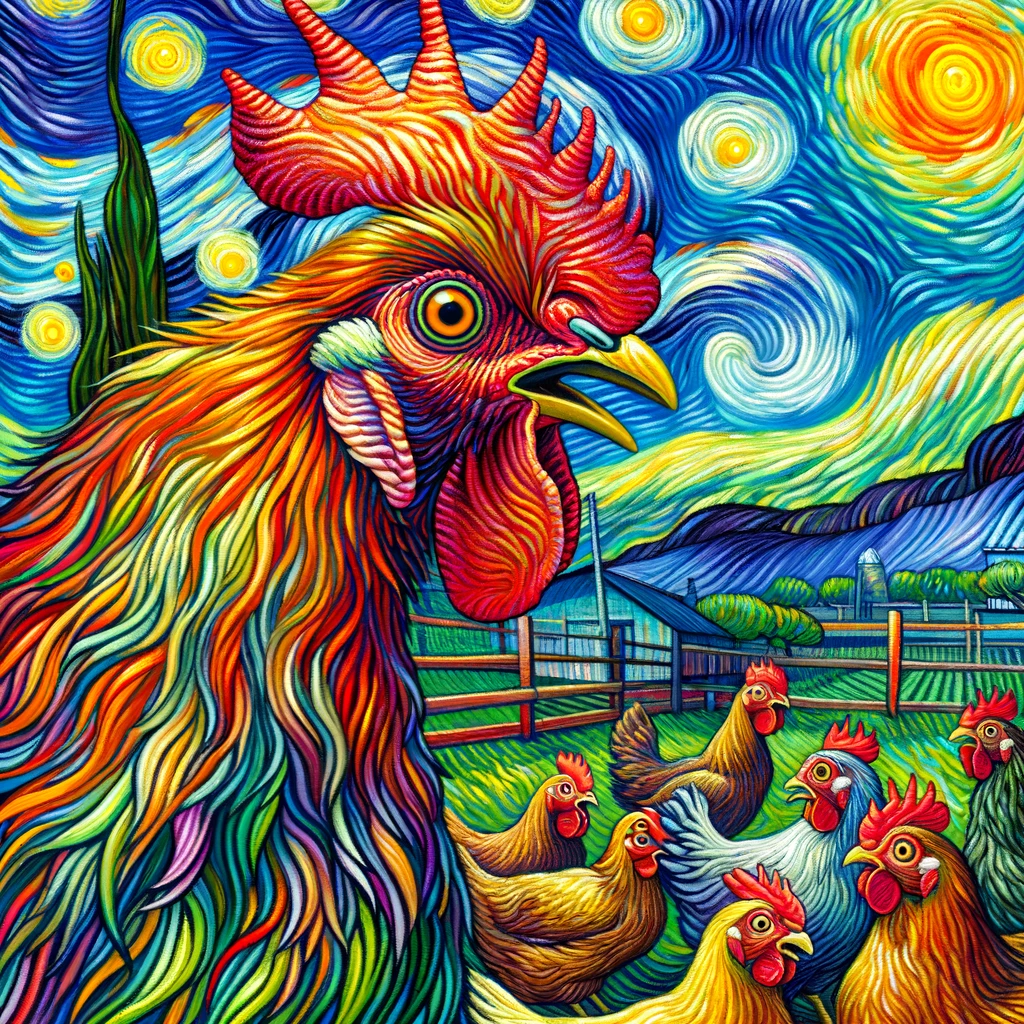
There’s something undeniably special about having backyard chickens that can transform our mental health into a vibrant tapestry of connection and joy. Picture this: you step outside, the cool morning air greets you, and there they are, your feathery companions, clucking and scratching at the ground, busy with their little chicken routines. Just the sight of them brings a smile to your face, and before you know it, your heartbeat slows, and the weight of the day’s worries starts to lift.
These charming creatures provide more than just fresh eggs; they offer a sense of purpose. Caring for backyard chickens fosters responsibility and routine—two key ingredients for a stable mental state. When we attend to their needs, we engage in a dance that connects us to nature and reminds us that we hold power over our own small corner of the world. This simple act of nurturing fills our hearts with warmth, showing us the importance of looking after something beyond ourselves.
And let’s talk about the laughter. Chickens have personality, and their quirky behaviors often lead to moments of pure joy. Whether it’s watching them chase after insects or the ridiculous way they fuss over a piece of lettuce, they remind us to look at life through a lens of humor. Laughter, as they say, is nature’s best medicine, and these feathered friends are a steady source of it.
But it’s not just the personal joy they bring; there’s a broader social fabric interwoven with chicken keeping. Neighbors bond over shared tips, eggs, and stories. Social media feeds are filled with chicken-related anecdotes that create connections across communities. Such relationships are vital for our mental well-being, reminding us we’re not alone in this journey.
Moreover, there’s a deeper ethical lesson embedded in standing alongside your flock. In an age where everything seems fast-paced and disconnected, nurturing life encourages mindfulness and gratitude. Facing the realities of where our food comes from instills respect not only for the chickens but for the earth they thrive on.
So, if you’re teetering on the edge of whether to welcome backyard chickens into your life, think about the mental wellness they promise. They are not merely a hobby; they represent a path toward joy, connection, and a richer, more meaningful existence. Embrace the opportunity to cultivate both feathers and friendships, and watch your well-being flourish.
How Can Chickens Positively Impact Our Mental Health and Well-Being?
How Can Chickens Positively Impact Our Mental Health and Well-Being?
- Backyard chickens enhance mental health through connection and joy.
- Caring for chickens fosters responsibility and routine, promoting stability.
- Nurturing chickens encourages a connection to nature and personal empowerment.
- Chickens bring laughter and highlight the importance of humor in life.
- Keeping chickens fosters social connections among neighbors and online communities.
- Nurturing chickens encourages mindfulness and respect for food sources.
- Welcoming chickens into your life can lead to greater joy and a meaningful existence.

How Can Chickens Positively Impact Our Mental Health and Well-Being?
Are Chickens More Sustainable Pets Compared to Traditional Choices?
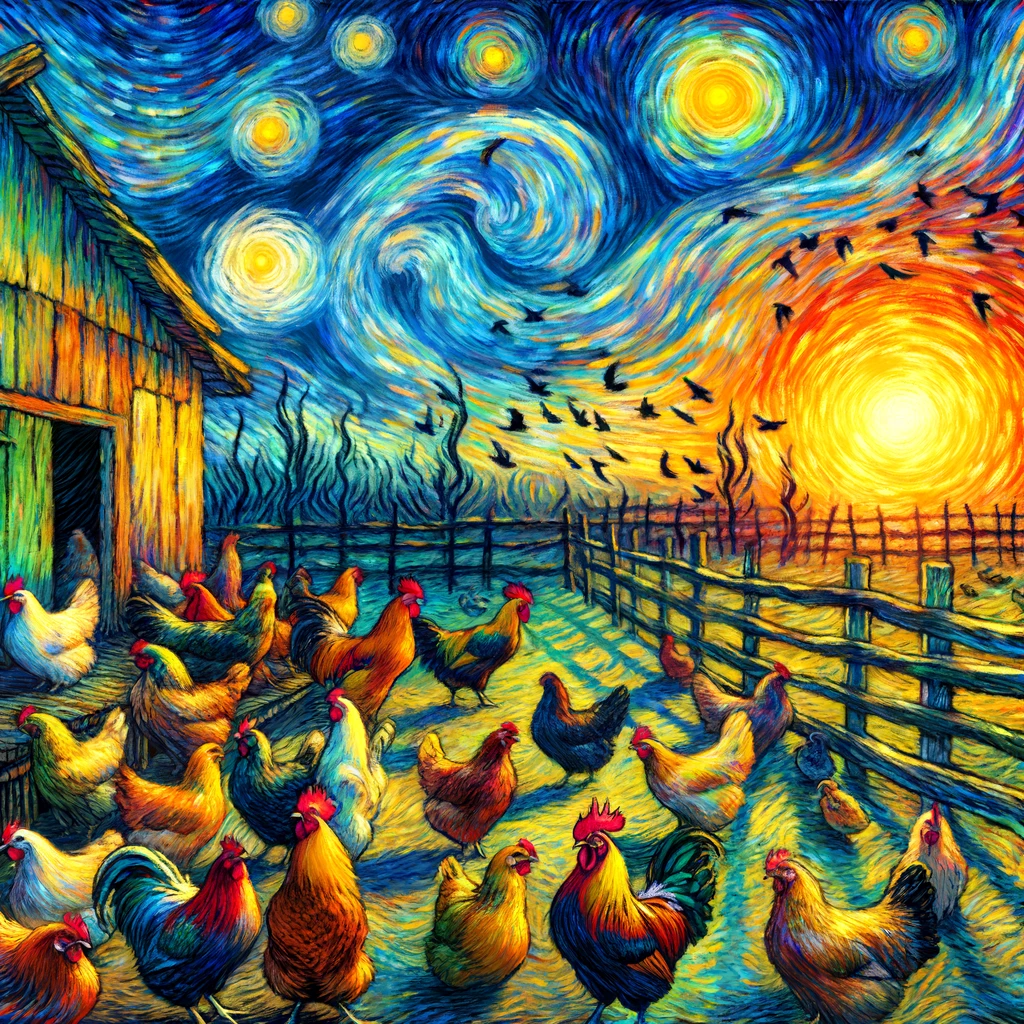
When you step into the world of Backyard Chickens, you’re not just bringing home a couple of clucking companions; you’re welcoming a sustainable lifestyle that can make a genuine difference. Imagine starting your day with a stroll to your back porch, coffee in hand, as these feathered friends greet you with their quirky personalities and the promise of fresh eggs. These aren’t just ordinary pets; they’re little engines of sustainability, transforming your food scraps into nutrient-rich compost and providing a steady supply of protein for your family.
From an emotional standpoint, nurturing a flock can become a rewarding relationship. Chickens have distinct personalities and can even form bonds with their caretakers. Each bird comes with a story, from the shy hen that takes a while to warm up to the bold rooster strutting about. These interactions foster connection and enrich your daily routine. Plus, there’s something undeniably fulfilling about knowing that your pets are contributing to a better planet.
Now let’s engage the rational side. Raising Backyard Chickens dramatically reduces your carbon footprint. Compared to traditional pets, chickens require less space and resources. Feed costs are lower when you take into account their ability to munch on leftover scraps, reducing waste in the process. Unlike fancy dog food or exotic pet supplies that often come in plastic packaging, chicken feed can come from local suppliers, minimizing transport emissions.
Consider the ethical aspect as well. By choosing chickens as pets, you’re supporting a more humane approach to food sourcing. The supermarket shelves are stocked with eggs from industrial farms, where hens live in cramped conditions. When you raise your own chickens, you ensure they are free-range, healthy, and treated well. You’re not just a pet owner but an advocate for animal welfare.
If you’re looking for social connection, think about the conversations sparked by your Backyard Chickens. Neighbors will stop by to admire your setup, share tips, and maybe even bring over a few of their own stories. You become part of a growing community that champions sustainability and backyard farming, exchanging recipes for eggs or composting techniques.
So, whether you’re swayed by the emotional bond, rational sustainability, or ethical considerations, there’s no denying that Backyard Chickens offer a fulfilling, enriching alternative to traditional pets. It’s an opportunity—one that’s ripe for the picking. Embrace it, and let your journey towards sustainability begin at the henhouse door.

Are Chickens More Sustainable Pets Compared to Traditional Choices?
Are Chickens More Sustainable Pets Compared to Traditional Choices?
- Backyard Chickens provide a sustainable lifestyle, offering fresh eggs and reducing food waste.
- Nurturing a flock fosters emotional connections, as chickens have distinct personalities and can bond with caretakers.
- Chickens help reduce carbon footprints by requiring less space, resources, and using food scraps for feed.
- Choosing chickens supports humane food sourcing, ensuring they are kept in free-range and healthy conditions.
- Raising Backyard Chickens can promote social connections with neighbors and a community focused on sustainability.
- The experience balances emotional fulfillment with rational and ethical considerations in pet ownership.
- Embracing Backyard Chickens is a step towards sustainable living and offers an enriching alternative to traditional pets.
Are Chickens More Sustainable Pets Compared to Traditional Choices?
What Ethical Considerations Arise When Choosing Chickens As Pets?
When we think about choosing backyard chickens as pets, the excitement can overshadow the ethical considerations that deserve our attention. It’s easy to envision yourself in the fresh morning air, collecting warm eggs from a clucking companion who struts around your yard. But pause for a moment; let’s dive deeper and unpack what it genuinely means to bring these remarkable creatures into our lives.
First off, consider their welfare. Chickens, like any pets, have needs that must be met. They require space to roam, a balanced diet, and social interaction. The decision to keep them must go beyond the novelty of fresh eggs and colorful feathers. Are you prepared to offer a safe, nurturing environment? It’s not just about having chickens; it’s about creating a sanctuary where they can thrive. They’re not mere pets; they are living, breathing animals who deserve our respect.
Furthermore, consider the environmental impact. Raising backyard chickens can be a sustainable choice, but only if done responsibly. Are you ready to take on the financial and time commitments that come with keeping chickens healthy and happy? Rain or shine, they rely on you. Real conversations about sustainability grapple with questions of waste, feed sources, and habitat impact. Every decision counts, contributing not just to your life but to the wider ecosystem.
Next, let’s talk about companionship. Chickens can offer unique relationships, providing joy, laughter, and the simple pleasure of connection. Witnessing their personalities unfold can be an eye-opener, reminding us that animals have emotional richness too. They can teach us about empathy, responsibility, and the beauty of caring for others. Being their guardian elevates your life and enhances your character, making you more attuned to the interconnectedness of all creatures.
Yet, there’s a social aspect to owning chickens that can’t be ignored. You join a community of like-minded individuals who share passions and foster connections through the joy of poultry. Whether it’s trading tips with neighbors or swapping eggs at local markets, these small interactions can lead to lasting friendships. Your choice doesn’t just affect you; it ripples through your community, inspiring others to rethink their relationship with food and animals.
Choosing chickens isn’t just a lifestyle decision; it’s a commitment to a more ethical way of living. It’s a journey where the heart, head, and gut must all align, reminding us that the bonds we form with our feathered friends have the power to enrich our lives in countless ways. So, before you rush to the feed store, take a moment to reflect. Are you ready for the adventure?

What Ethical Considerations Arise When Choosing Chickens As Pets?
What Ethical Considerations Arise When Choosing Chickens As Pets?
- Choosing backyard chickens involves important ethical considerations beyond the excitement of fresh eggs.
- Chickens have specific welfare needs, including space, diet, and social interaction that must be met.
- Raising chickens requires a safe and nurturing environment, treating them as living beings deserving of respect.
- The environmental impact of keeping chickens is significant, necessitating responsible management of time, finances, and waste.
- Chickens can foster unique companionships, teaching empathy, responsibility, and enhancing personal character.
- Owning chickens connects you to a community of like-minded individuals, fostering relationships and sharing knowledge.
- Choosing to keep chickens signifies a commitment to ethical living and can enrich both your life and the broader community.

What Ethical Considerations Arise When Choosing Chickens As Pets?
What Practical Benefits Do Chickens Offer That Goldfish Do Not?
When you think of backyard animals, what springs to mind? For many, it’s the gentle gurgle of a pet goldfish, blissfully swimming in circles, providing little more than serene visuals. But listen, let’s think deeper. Now imagine the clucking symphony of a small flock of chickens — these feathered friends offer a treasure trove of practical benefits that goldfish simply can’t compete with.
First, let’s talk nutrition. Backyard chickens lay fresh eggs, a daily reminder of nature’s bounty that goldfish can’t conceptualize. When you crack open a vibrant yolk and taste that rich flavor, you’re engaging in something profound — the connection between food and sustenance, the life cycle, and the joy of harvesting. It’s empowerment at its finest, knowing you’ve provided for your family in a tangible way. A family breakfast featuring eggs from your own flock? That’s more than just a meal; it becomes a cherished memory, each egg a testament to your hard work and care.
Then there’s the environmental aspect. Chickens contribute to your yard by munching on bugs, creating natural fertilizer, and reducing household waste through scraps. Picture your garden flourishing, fueled by the very compost that your chickens produced. It’s a harmonious circle of life, and let’s not forget — that reduces your reliance on store-bought fertilizers!
Now, consider the lessons. Raising chickens isn’t just about eggs or pest control; it teaches responsibility and empathy, especially to children. They learn about nourishment, animal care, and the sanctity of life. Watching a chick grow into a full-fledged hen can be deeply rewarding, fostering a connection that’s heartwarming and enriching. Goldfish? They’re lovely, but they don’t teach life lessons in the same way.
Lastly, there’s the social element. Having backyard chickens can transform a simple yard into a lively hub of conversation. Neighbors pop over to see the clucking crew, sharing tips, swapping eggs, or even bonding over the latest poultry adventures. You build a network of camaraderie that you can’t quite forge through the simple act of feeding a fish.
So let’s be clear: while goldfish may float gracefully in their bowls, it’s the chickens in our backyards that enrich our lives on multiple levels — offering sustenance, educating us, and connecting us with each other in the most gratifying ways. If you’re considering adding a little life to your backyard, remember: chickens might just be the key to a fulfilling and connected life.

What Practical Benefits Do Chickens Offer That Goldfish Do Not?
What Practical Benefits Do Chickens Offer That Goldfish Do Not?
- Backyard animals, such as chickens, provide practical benefits that surpass those of goldfish.
- Chickens lay fresh eggs, connecting families to nature and enhancing the experience of meal preparation.
- Raising chickens promotes environmental sustainability by controlling pests and producing natural fertilizer.
- Chicken farming teaches responsibility and empathy, particularly to children, through hands-on animal care.
- Observing the lifecycle of chickens fosters a deeper appreciation for nourishment and the sanctity of life.
- Having chickens encourages community interaction and builds social networks around shared interests.
- Chickens enrich lives by providing sustenance, education, and connection, making them a fulfilling addition to any backyard.

What Practical Benefits Do Chickens Offer That Goldfish Do Not?
How Do Chickens Teach Responsibility and Care to Young Families?
There’s something undeniably grounding about a family tending to backyard chickens. It’s an experience that pulls at the heartstrings and shapes character in ways few other activities can. When kids step into the world of backyard poultry, they’re not just feeding birds; they’re learning the value of responsibility, nurturing, and respect for life.
Imagine a young child gingerly holding a fluffy chick, eyes wide with wonder. That moment is more than a simple act of care; it’s a lesson in compassion and accountability. When that child realizes their daily duty involves tending to these feathered friends—bringing them water, making sure they have enough feed, and understanding their basic needs—they begin to grasp the weight of responsibility. It’s a delicate balance, one that fosters a sense of pride as each family member recognizes their role in this little ecosystem.
Intellectually, raising chickens fosters a curiosity about where food comes from. It opens up conversations about sustainability and the environmental impact of our choices. When young ones witness the process of egg production, from feeding to laying, they begin to appreciate the journey food takes from coop to table. This connection to their meals strengthens their understanding of nutrition, elevating the humble egg to a revered staple in their diet, and inspiring healthier eating habits along the way.
From an ethical standpoint, giving children the chance to care for living creatures fosters empathy. As they learn to observe the behaviors and needs of their chickens, they start to recognize the intrinsic value of every life. They come to understand that every creature has a role and deserves respect. This lesson resonates far beyond the backyard; it seeps into relationships and dictates how they interact with others.
On a social level, backyard chickens can bring families closer together. The shared experience of caring for these birds sparks conversations that might not have happened otherwise—whether it’s debating the best names for the chickens or celebrating the first egg laid. These memories create bonds that last a lifetime and build a family culture centered around teamwork, cooperation, and joy.
So, if you’re pondering the impact of integrating backyard chickens into your life, envision not just a few clucking companions but lifelong lessons in responsibility, care, and community. In this small, bustling world, each chick represents an opportunity to cultivate character in young hearts and minds, planting seeds for a future filled with understanding and kindness.

How Do Chickens Teach Responsibility and Care to Young Families?
How Do Chickens Teach Responsibility and Care to Young Families?
- Raising backyard chickens fosters responsibility, nurturing, and respect for life in children.
- Children learn compassion and accountability through daily chores, like feeding and caring for the chickens.
- The experience encourages curiosity about food sources and opens discussions on sustainability.
- Witnessing egg production enhances children’s understanding of nutrition and inspires healthier eating habits.
- Caring for living creatures cultivates empathy and respect for all life forms, impacting interpersonal relationships.
- Shared chicken-raising experiences strengthen family bonds and promote teamwork and cooperation.
- Integrating backyard chickens into family life offers valuable lessons in character development and community building.

How Do Chickens Teach Responsibility and Care to Young Families?
Are There Hidden Costs Associated with Keeping Chickens As Pets?
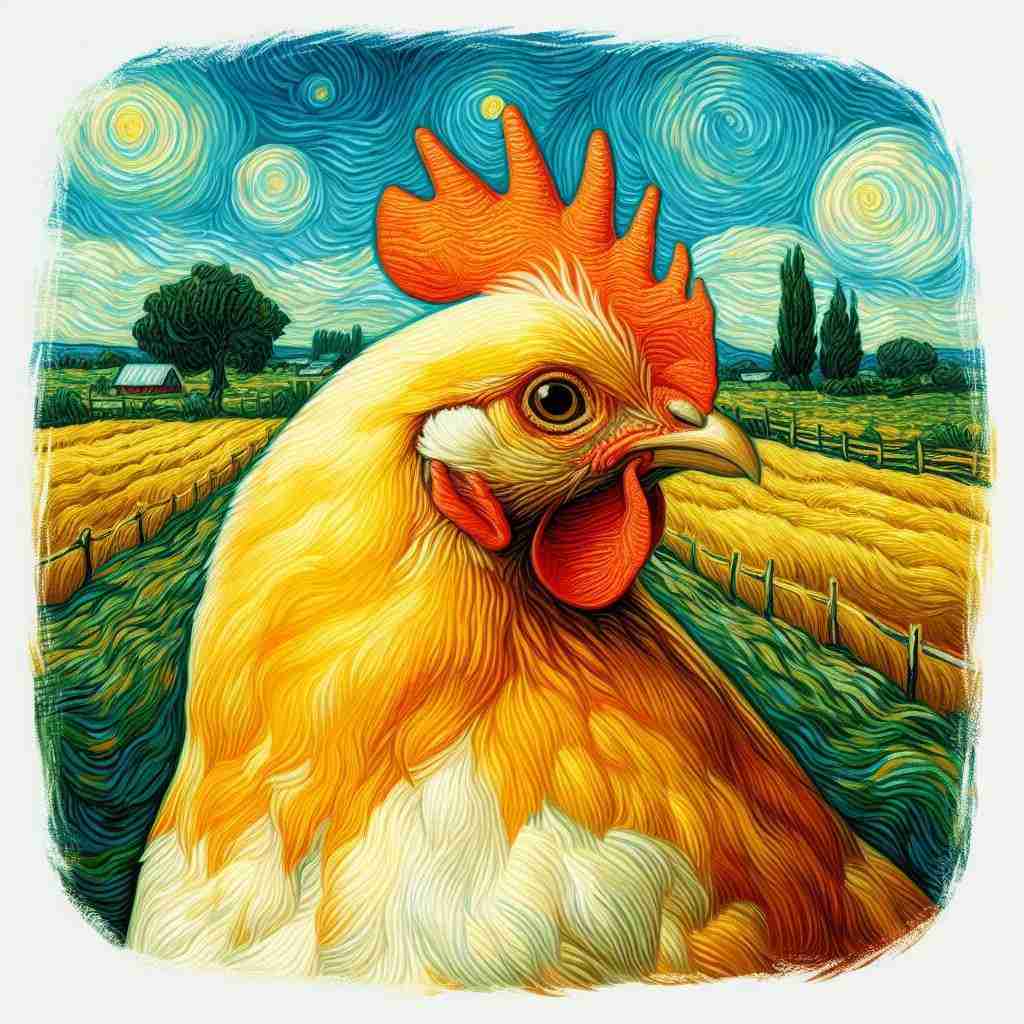
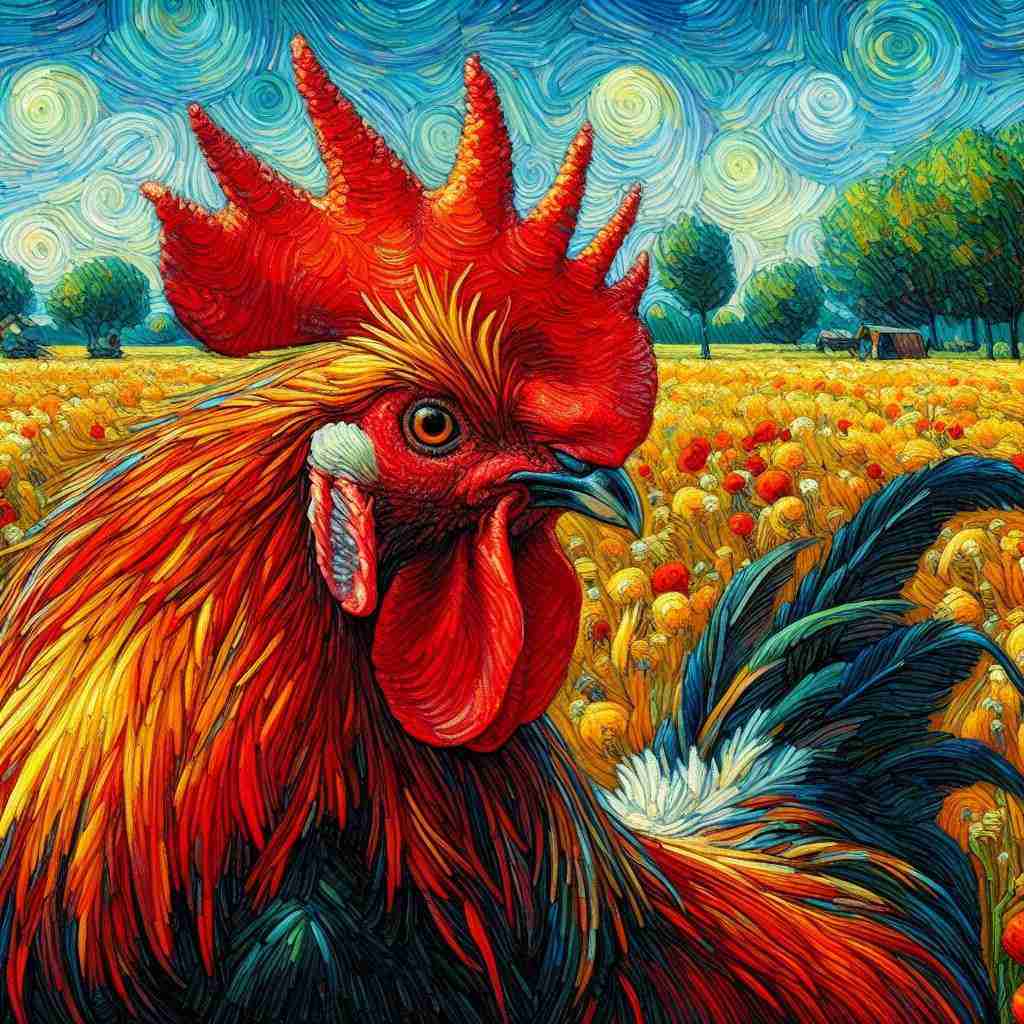
When you first consider the idea of keeping backyard chickens, it’s easy to envision a charming scene: a sunlit yard buzzing with clucking, feathers fluttering, and perhaps a few golden eggs nestled in a cozy coup. It sounds idyllic, but beneath that picturesque surface, there lurks a complexity that demands attention. The hidden costs associated with keeping chickens as pets extend beyond feed and housing; they tap into your wallet, your time, and even your emotional bandwidth.
Let’s start with the emotional. Chickens, with their quirky personalities and undeniable charm, can easily capture your heart. Yet, this affection requires commitment. Just like a dog or cat, these feathered friends need daily care, social interaction, and attention to ensure they’re happy and healthy. Neglecting these vital aspects can lead to stress, illness, or worse—an unhappy flock that doesn’t meet your expectations. Imagine the guilt of seeing them chirp and peck for your affection, only to feel overwhelmed by the reality of your commitments.
Now, let’s engage your logical side. The upfront costs of buying or adopting backyard chickens often seem small in comparison to the long-term financial obligations. Premium feed, bedding, veterinary care, and unexpected emergencies can add up faster than you might think. Additionally, if you factor in the potential for property damage—be it structures or plants—chickens can become, in a way, little natural disasters. Those costs can pile on rather quickly and tarnish the dream of free-range bliss.
Think about the ethical ramifications too. The decision to raise chickens is not just a personal one; it ripples through local ecosystems and communities. From ensuring ethical treatment to managing waste, keeping chickens responsibly means being a conscientious steward of your environment. Are you prepared to do the right thing, even when it feels inconvenient?
Lastly, there’s the social angle. Picture a conversation at your next backyard barbecue: “Oh, I keep chickens!” You’ll instantly spark interest and camaraderie, but that bond also comes with an expectation of engagement. As your friends share their egg-hunting stories and backyard projects, will you feel connected or isolated in your venture, mired in the complexities of daily upkeep?
Choosing to keep backyard chickens is more than a whim; it’s a journey. Make sure you’re ready for the twists and turns ahead, and embrace the commitment with open arms. The value of these connections, however challenging, can ultimately transform your life—if you’re willing to pay the true cost.
Are There Hidden Costs Associated with Keeping Chickens As Pets?
Are There Hidden Costs Associated with Keeping Chickens As Pets?
- Envisioning backyard chickens often presents an idyllic scene, but complexities exist beneath the surface.
- Emotional commitment is important, as chickens require daily care, social interaction, and attention.
- Neglecting chickens can lead to stress and illness, causing guilt for their owners.
- Initial costs of chickens may seem low, but ongoing expenses like feed, bedding, and veterinary care can accumulate.
- Chickens can also cause property damage, adding to the financial burden of keeping them.
- Raising chickens raises ethical considerations regarding their treatment and environmental impact.
- Social engagement comes with keeping chickens, as it sparks conversations but can also lead to feelings of isolation due to upkeep responsibilities.
Are There Hidden Costs Associated with Keeping Chickens As Pets?
How Do Stories Of Chicken Ownership Inspire Others to Make the Switch?
There’s something deeply captivating about stories of chicken ownership that transcends backyard fences and touch our hearts, minds, and guts. Imagine standing outside on a crisp morning, watching a child scoop a handful of grain to toss into a lively coop. As the hens cluck and flap their wings in joyful anticipation, there’s an unspoken connection being forged—one that many never anticipated would be found among the feathers and pecking beaks.
The reasons to embrace backyard chickens are manifold. Emotionally, these stories bring to light the simple joys of nurturing life, fostering a sense of responsibility and empathy. Many owners share tales of their timid initial steps: apprehensive at first, but eventually finding a profound satisfaction in watching their chickens thrive. Every egg laid becomes a testament to this journey, a tangible reward for the hard work and dedication. It’s not just about breakfast; it’s about ownership, growth, and partnership with nature.
From a rational standpoint, owning chickens isn’t just a whimsical trend; it’s a commitment to sustainability and self-sufficiency. The numbers speak for themselves: a flock can reduce kitchen waste, produce quality protein, and even enrich a garden. In a world driven by convenience, there’s a movement—growing steadily—that values the ethics of self-reliance and local food sources. When folks hear a neighbor share their success story, it’s hard not to feel that pull toward doing the same.
The narrative doesn’t stop there. Socially, chicken ownership fosters community bonds. Local chicken owners form informal networks, exchanging tips, eggs, and endless anecdotes. Each conversation reinforces a sense of belonging, proving that despite differences, we can unite over shared experiences and goals. Nothing says “welcome” quite like a dozen farm-fresh eggs tucked into a gift basket for a new neighbor.
The truth is, when we hear these stories of chicken ownership, they ignite a spark within us. They invite us to step outside our comfort zones, to take a chance on something messy and beautiful. It’s a gentle but persistent push toward action—not just for ourselves, but for our families, our communities, and our planet. Discovering the rich tapestry woven by backyard chickens could inspire us all to reconsider where our food comes from and to take a leap, feathered friends and all.

How Do Stories Of Chicken Ownership Inspire Others to Make the Switch?
How Do Stories Of Chicken Ownership Inspire Others to Make the Switch?
- Backyard chicken ownership creates emotional connections and fosters nurturing experiences.
- Stories shared among owners highlight personal growth and a sense of responsibility.
- Every egg laid symbolizes the dedication and partnership with nature involved in caring for chickens.
- Owning chickens promotes sustainability and self-sufficiency, reducing kitchen waste and providing quality protein.
- A growing movement advocates for local food sources and self-reliance amid a convenience-driven society.
- Chicken ownership encourages community interaction, forming networks for sharing tips and resources.
- These stories inspire people to take action towards food awareness and contribute positively to their communities and environment.

How Do Stories Of Chicken Ownership Inspire Others to Make the Switch?
Conclusion
Millennials are redefining the concept of family pets, swapping traditional choices like goldfish for the vibrant presence of backyard chickens. The shift isn’t just about having a quirky companion; it embodies a profound journey toward sustainability and meaningful living. Picture a family stepping outside to engage with their feathered friends—each cluck and waddle presenting an opportunity for laughter, connection, and a touch of empathy. Here, chickens become more than just animals; they transform into teachers, showcasing the cycle of life and the joy of responsibility.
This choice perfectly aligns with a generation increasingly aware of where their food comes from. The gratifying experience of collecting fresh eggs draws a direct line from coop to table, fostering a respect for the environment and encouraging nurturing habits in children. Every egg represents a lesson in sustainability and a commitment to ethical food sourcing, promoting healthier eating habits rooted in mindfulness and gratitude.
Adding chickens to the backyard landscape doesn’t only satisfy the heart; it engages the head as well. Raising these birds is a conscious choice toward a more sustainable lifestyle, significantly reducing waste and joining a growing community advocating for responsible food practices. The relationship goes beyond mere companionship—it’s a refreshing reminder of our interconnectedness with nature and our capacity to affect meaningful change in our environments.
On another level, chickens serve as catalysts for community engagement. Conversations spark effortlessly among neighbors discussing tips, sharing eggs, or swapping stories. This collective journey fosters bonds that enrich our lives, leading to a social fabric woven from shared interests and experiences. It’s a dialogue that’s real, immediate, and fulfilling, showcasing the beauty of human connection in a world that often feels detached.
Yet, as we enthusiastically embrace this movement, a moment of reflection is necessary. The ethical considerations of responsible chicken ownership weigh heavily. These living beings require not only food and shelter but also genuine care and commitment. It’s an investment in nurturing life—a reminder that our choices ripple through communities and ecosystems.
Ultimately, opting for backyard chickens is about cultivating a richer, more fulfilling existence—one where laughter dances on the breeze, where lessons are learned daily, and where family pets become symbols of sustainability. As we embark on this journey, every cluck and every egg becomes part of our story, offering countless insights into living with intention and joy. This isn’t just a change in pet preference; it’s a genuine, heartwarming evolution toward a life well-lived—one chicken at a time.

Conclusion
Conclusion:
- Millennials are redefining family pets, opting for backyard chickens instead of traditional pets like goldfish.
- This choice reflects a journey toward sustainability and meaningful living.
- Engaging with chickens fosters laughter, connection, and empathy, making them teachers of life and responsibility.
- Collecting fresh eggs promotes awareness of food sources and encourages nurturing habits in children.
- Raising chickens contributes to a more sustainable lifestyle and reduces waste, connecting individuals with nature.
- Chickens facilitate community engagement, sparking conversations and enriching social bonds among neighbors.
- The ethical responsibilities of chicken ownership highlight the need for genuine care and commitment, reinforcing our impact on ecosystems and communities.

Conclusion
Other Resources

Other Resources
Here is a list of other resources you can review online to learn more:
- Dominique
- Speckled Sussex
- Golden Laced Wyandotte
- Rye
- Malay
- Marsh Daisy
- Air Sac
- White Rock
- Pullorum Disease
- leghorn
- New Hampshire
- Iowa Blue
- Cherry Egger
- Omphalitis
- blackberries
- rhubarb
Use This Prompt To Get More Resources With Your Favorite Online AI Tool: Please provide me with a list of online articles with their URLs in a bulleted list that I can read regarding Why Millennials Are Choosing Chickens Over Goldfish for Family Pets

Other Resources
Glossary Terms
Why Millennials Are Choosing Chickens Over Goldfish for Family Pets – Glossary Of Terms
1. Millennials: Individuals born approximately between 1981 and 1996, often characterized by their tech-savviness and changing lifestyle choices.
2. Chickens: Domesticated birds kept for their eggs, meat, or as pets, known for their social behavior and relatively low maintenance.
3. Goldfish: Popular small aquatic pets known for their vibrant colors and simplicity of care, often kept in bowls or aquariums.
4. Companionship: The state of having a close relationship or the company of another, which influences the choice of pets for emotional support.
5. Urban Farming: The practice of cultivating, processing, and distributing food in urban areas, including the raising of chickens for personal consumption.
6. Sustainability: The ability to maintain ecological balance by making environmentally conscious choices, such as raising chickens for eggs instead of relying on store-bought products.
7. Egg Production: The process of hens laying eggs, which can provide a consistent food source for families opting for chickens as pets.
8. Animal Welfare: The ethical concern regarding the treatment and care of animals, influencing pet choices by prioritizing humane conditions.
9. Allergies: Health conditions that can influence pet selection, where hypoallergenic or less allergenic animals might be preferred.
10. Occupation: Refers to an individual’s job or career, which can impact pet choice due to lifestyle demands and available space.
11. Space Constraints: Limitations related to living areas, particularly in urban settings, affecting the type of pets people can accommodate.
12. Cost-Efficiency: The economic advantages of keeping chickens, where they can provide food and companionship while requiring lower initial investment than traditional pets.
13. Backyard Chickens: Chickens raised in residential backyards, frequently adopted by urban dwellers seeking an alternative pet.
14. Family Bonding: Activities that strengthen relationships within families, with raising chickens presenting opportunities for engagement and responsibility.
15. Husbandry: The care and management of animals, including health, feeding, and living conditions, significant for chicken keepers.
16. Food Source: The availability of food for consumption; in this case, chickens can supply eggs, reducing grocery dependence.
17. Education: Informal learning that occurs through the care of animals, promoting responsibility and nurturing in children.
18. Community: Social groups that may form around shared interests, such as backyard farming, enhancing the experience of pet ownership.
19. Social Media Influence: The impact of platforms where pet ownership experiences are shared, often promoting unconventional pets like chickens.
20. Trend: A current general direction in which something is developing or changing, with an increase in interest for backyard chickens over traditional pets.
21. Pet Ownership: The responsibility of caring for animals, incorporating aspects like daily maintenance, emotional attachment, and bonding.
22. Environmental Impact: The effect of human activities on the ecosystem, where keeping chickens can reduce the carbon footprint associated with industrial farming.
23. Lifestyle Choices: Decisions made by individuals based on personal values, affecting preferences for pets based on practicality and emotional benefits.
24. Health Benefits: Physical and psychological advantages gained from pet ownership, including stress reduction and exercise opportunities.
25. Egg-Laying Breeds: Specific types of chickens bred primarily for high egg production, appealing to families interested in food sustainability.
26. Free-Range: A farming practice where chickens roam and forage outside, contributing to better animal welfare and quality of eggs.
27. Local Sourcing: Purchasing or producing food within surrounding areas, bolstered by raising chickens at home for fresh eggs.
28. DIY Ethos: A cultural inclination towards do-it-yourself projects, including pet care and food production, central to raising chickens at home.
29. Pet Services: Industry amenities supporting pet care, which have evolved to include services for non-traditional pets like chickens.
30. Fulfillment: The sense of satisfaction and contentment derived from owning pets, which varies significantly between conventional pets like goldfish and more interactive choices like chickens.
Glossary Of Terms
Other Questions
Why Millennials Are Choosing Chickens Over Goldfish for Family Pets – Other Questions
If you wish to explore and discover more, consider looking for answers to these questions:
- What are the initial costs of starting a backyard chicken coop?
- How much space do chickens need in a backyard?
- What types of chickens are best for beginners?
- How do I care for chickens in different weather conditions?
- What are the common health issues in backyard chickens?
- Can chickens be kept in urban environments?
- What are the legal requirements for keeping chickens in my area?
- How do I keep my chickens safe from predators?
- What do chickens eat and how can I supplement their diet?
- How can I handle and train my chickens for better interaction?
- What impact do backyard chickens have on local ecosystems?
- How can I involve my children in caring for chickens?
- What are the signs of a healthy chicken?
- How can I integrate chicken care into a busy lifestyle?
- What community resources are available for new chicken owners?
Other Questions
Haiku
Why Millennials Are Choosing Chickens Over Goldfish for Family Pets – A Haiku
Chickens cluck delight,
Life lessons in each egg laid,
Hearts and home transformed.

Haiku
Poem
Why Millennials Are Choosing Chickens Over Goldfish for Family Pets – A Poem
In backyards bright under the sun’s embrace,
Where laughter dances and children race,
Chickens roam freely, a joyful sight,
A shift from goldfish to feathers, a heartwarming flight.
No longer just pets in a bowl confined,
These clucking companions nurture the mind.
With each egg gathered, a lesson unfolds,
Of life cycles cherished and stories retold.
Imagine a morning, coffee in hand,
As light fills the coop, a vibrant band—
Textures of feeding, of growth and of care,
In nurturing life, we find purpose to share.
Sustainable choices in every brief cluck,
Transform kitchen scraps, bring nature’s luck.
A pact with the earth, a quest to be wise,
Reducing our footprint beneath open skies.
A thread of connection weaves through our days,
Neighbors share laughter, and kindness displays.
From kitchens to coops, a community’s grace,
In every exchanged story, we find our place.
Yet ponder the costs that dwell in our hearts,
Commitment and care play their vital parts.
Chickens, like dreams, need tending and space,
To thrive in our lives, to grow and embrace.
So let’s choose the cluck over the gurgle, my friend,
Find joy in the journey, let your heart mend.
Each feather, each egg, a tale to ignite,
For family, for earth, let’s cherish this plight.
Poem
Checklist
Why Millennials Are Choosing Chickens Over Goldfish for Family Pets – A Checklist
Backpack Chickens Checklist: Engaging Your Heart, Head, and Gut
Emotional Appeals
_____ Reflect on Joy: Think about the joy and laughter chickens could bring to your home.
_____ Visualize Connections: Picture family bonding times spent caring for chickens.
_____ Embrace Nurturing: Consider how caring for chickens can foster a sense of purpose and responsibility in your family.
Rational Appeals
_____ Assess Cost-Effectiveness: Calculate the potential savings on grocery bills with fresh eggs.
_____ Understand Sustainability: Research how backyard chickens can reduce your carbon footprint.
_____ Evaluate Nutrition: Identify the health benefits of consuming fresh, organic eggs.
Ethical Appeals
_____ Prioritize Animal Welfare: Commit to providing a safe, nurturing environment for your chickens.
_____ Choose Local Sourcing: Opt for local feed suppliers to minimize your environmental impact.
_____ Promote Transparency: Reflect on how raising chickens aligns with your values regarding food sourcing and ethical treatment.
Authority Appeals
_____ Seek Expert Advice: Connect with experienced chicken owners for tips on care and maintenance.
_____ Follow Community Guidelines: Research local regulations regarding backyard chickens to ensure compliance.
_____ Join Educational Workshops: Attend local or online workshops to deepen your knowledge.
Narrative Appeals
_____ Share Your Journey: Record and share your experiences with chickens to inspire others.
_____ Collect Stories: Gather anecdotes from other chicken owners about their experiences.
_____ Visual Storytelling: Consider documenting your journey through photos or a blog.
Social Appeals
_____ Engage with Neighbors: Initiate conversations with neighbors about their experiences with chickens.
_____ Create Community Connections: Attend local meetups or online groups focused on chicken keeping.
_____ Share Produce: Exchange eggs or chicken tips with friends and family to foster community engagement.
Practical Considerations
_____ Plan for Space: Measure your backyard to ensure a proper setup for housing chickens.
_____ Budget for Costs: Create a monthly budget that includes feed, bedding, and veterinary care.
_____ Allocate Time: Assess your daily schedule to determine how much time you can commit to caring for chickens.
This checklist provides essential steps to help guide your journey into becoming a responsible and informed chicken owner while addressing emotional, rational, ethical, and social dimensions.

Checklist
At BackyardChickenNews, we help people who want to raise backyard chickens by collating information and news blended with our own personal experiences.
Be sure to read our other related stories at BackyardChickenNews to learn more about raising chickens in your backyard.