

Reviving Heritage: Millennials Preserving Poultry
By Tom Seest
At BackyardChickenNews, we help people who want to raise backyard chickens by collating information and news blended with our own personal experiences.
Be sure to read our other related stories at BackyardChickenNews to learn more about raising chickens in your backyard.
Why Millennials Are Turning Chicken Breeding Into Conservation
In an age when the world seems more disconnected than ever, millennials are rekindling a vital bond with the earth, and what better way to do so than by embracing chicken breeding? Many young adults are shifting gears, trading the treadmill of traditional careers for a fulfilling journey into their backyards. With each cluck, they’re creating vibrant ecosystems, connecting with nature, and playing a pivotal role in conservation.
Let’s be honest: Backyard chickens are not just charming little critters scratching around in the dirt; they embody a revolution in our approach to food, sustainability, and community. Rather than turning a blind eye to industrial farming practices that damage our environment, these millennials are stepping up as stewards of the land. They understand the importance of ethical eating and the impact of their choices on the planet. Each egg gathered is a testament to their commitment to a better world; it’s a deliciously tangible reminder that conscious living can start from the ground up—quite literally.
The insights from experts in agriculture and environmental science underscore the benefits of small-scale poultry farming: natural pest control, organic compost production, and the maintenance of biodiversity. These aren’t just trendy phrases tossed around in eco-friendly circles; they are backed by science and the wisdom of generations who knew that nurturing the land fosters a stronger community. As millennials breathe new life into this age-old practice, they become part of a larger narrative—a legacy of responsibility that honors both their ancestors and the planet.
But let’s not get lost in the numbers and stats for a moment. Imagine a family with kids laughing as they feed their chickens, the sunlight glinting off the vibrant plumage of the birds, the fresh scent of the earth invigorating their lungs. That’s not just nostalgia; it’s hope. Hope for a future where food comes from the ground and families sit around the dinner table, sharing stories and meals made with love and care.
With each cluck, these young farmers are weaving a new social fabric—one that prioritizes sustainability and community. This movement is bigger than just eggs; it’s about connection, awareness, and a commitment to a healthier planet. By choosing to raise backyard chickens, millennials are not just engaging in a hobby; they are participating in a vital conservation movement—one that encourages all of us to reconnect, reflect, and take real action in the face of today’s challenges.

Why Millennials Are Turning Chicken Breeding Into Conservation
Why Millennials Are Turning Chicken Breeding Into Conservation
- Millennials are reconnecting with the earth through backyard chicken breeding.
- Many young adults are moving away from traditional careers to embrace sustainable living.
- Backyard chickens represent a shift towards ethical eating and environmental stewardship.
- Benefits of small-scale poultry farming include natural pest control and organic compost production.
- This practice fosters a community legacy that honors both ancestors and the planet.
- Backyard farming creates a hopeful future focused on sustainability and shared family meals.
- Raising chickens is part of a larger conservation movement encouraging connection and awareness.

Why Millennials Are Turning Chicken Breeding Into Conservation
Table Of Contents
- Why Millennials Are Turning Chicken Breeding Into Conservation
- What Role Does Compassion Play In Our Approach to Animal Farming?
- How Can Sustainable Chicken Breeding Reduce Environmental Impact?
- Are Millennials Prioritizing Ethical Consumption Over Convenience?
- What Are the Long-Term Benefits Of Conserving Chicken Breeds?
- How Does Chicken Breeding Contribute to Local Food Security?
- How Can We Balance Tradition with Innovation In Chicken Breeding?
- What Ethical Obligations Do We Have Toward Endangered Chicken Breeds?
- Conclusion
- Other Resources
- Glossary Of Terms
- Other Questions
- Haiku
- Poem
- Checklist
What Role Does Compassion Play In Our Approach to Animal Farming?
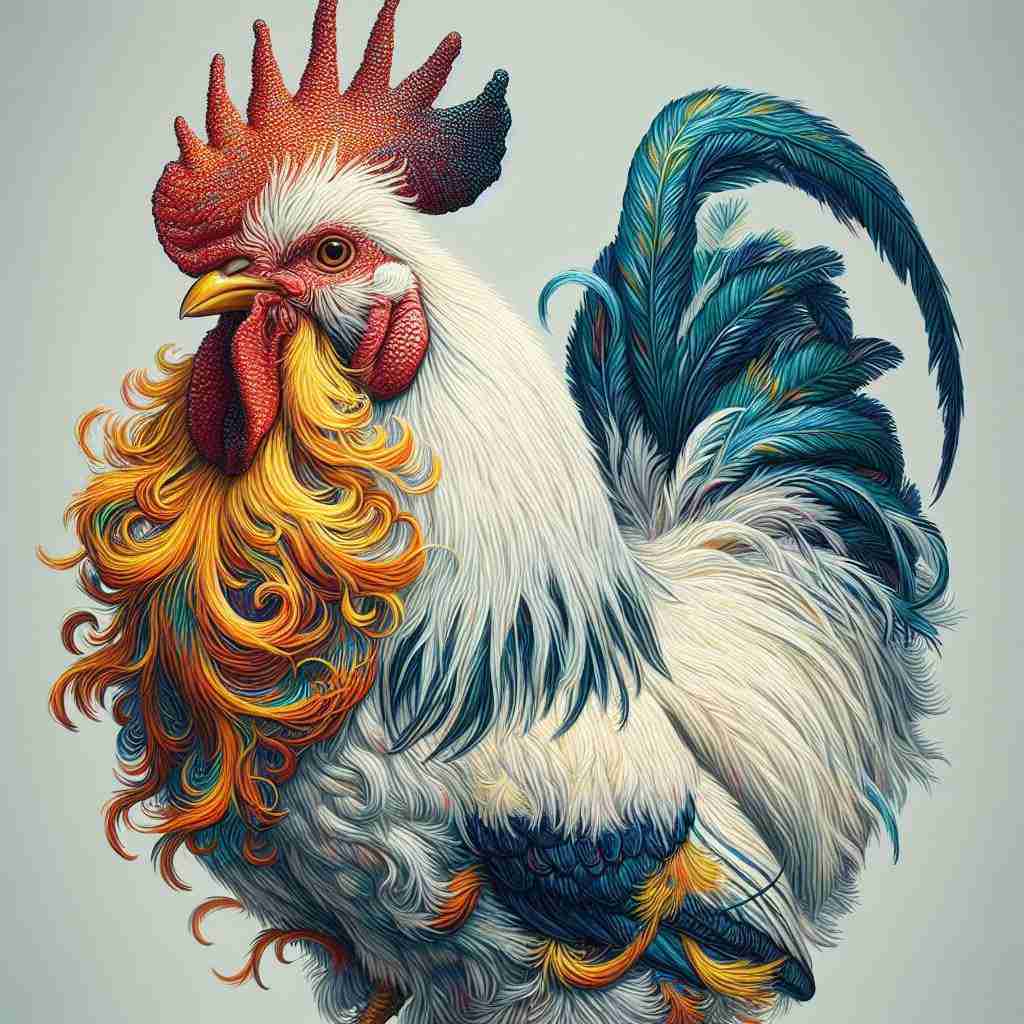
Compassion acts as a guiding star in our approach to animal farming. When we consider the lives behind the products we consume, we start to realize that these aren’t just livestock; they are sentient beings with the capacity to feel pain, joy, and comfort. Imagine a chicken pecking contentedly in a backyard, sunlight glinting off its feathers. It’s a simple but powerful image—backyard chickens roaming freely bring a sense of warmth and connection. This isn’t just farming; it’s a reciprocal relationship where the well-being of animals is intertwined with our own.
At a time when factory farming often takes center stage, we should be asking ourselves what truly matters. Relying on mass-produced, soulless meat might fill our stomachs, but it leaves a profound void in our ethics. As we choose to support more humane and compassionate farming practices, we’re not only making a statement about our values; we’re creating a ripple effect that can inspire change in our communities. Compassionate farming isn’t just good for chickens; it’s good for our hearts, our minds, and ultimately, our society.
Let’s face it: when you invest in ethical farming, you’re investing in a future you can be proud to be part of. Engaging with local farmers and understanding their practices can transform your relationship with food. Peak behind the curtain and you’ll often find that these individuals are not just business owners; they’re stewards of the land, champions of animal welfare, and advocates for sustainability. They’re transforming our entire food system and breathing life into the age-old bond between humans and animals.
Thinking rationally, one could argue that treating animals with compassion can lead to better quality products. Stress-free animals result in healthier meat and more nutritious eggs. This is not mere speculation; it’s a proven fact. By placing value on kindness and empathy in farming, we’re fostering an environment where both animals and humans thrive, creating a model worth emulating.
So, ask yourself: what kind of world do you want to create? One where chickens are crammed into cages, or one where they strut freely in the backyard? Cultivating compassion isn’t just a lofty ideal; it’s a call to action that each of us can embrace. Let’s choose to be part of something bigger—by advocating for better practices, supporting local farms, and treating our animal friends with the dignity they deserve. Together, we can change the narrative in animal farming for good.
What Role Does Compassion Play In Our Approach to Animal Farming?
What Role Does Compassion Play In Our Approach to Animal Farming?
- Compassion is essential in animal farming, guiding our approach to the treatment of livestock.
- Animals are sentient beings capable of experiencing pain and joy, not just sources of food.
- Humane and compassionate farming practices create a reciprocal relationship that enhances well-being for both animals and humans.
- Supporting ethical farming can evoke positive change in communities and reflect our values.
- Local farmers often act as stewards of the land and advocates for sustainability, reshaping our food system.
- Treating animals with compassion leads to better quality products and benefits for all involved.
- Embracing compassion is a call to action to create a better world for both animals and society.

What Role Does Compassion Play In Our Approach to Animal Farming?
How Can Sustainable Chicken Breeding Reduce Environmental Impact?
When you think about your dinner plate, it’s easy to forget the hands that raised your chicken, the earth that nurtured it, and the air that surrounded it. But let’s take a moment to reflect on something truly profound: sustainable chicken breeding is not just an agricultural choice; it’s an ethical commitment to a better world. This is where backyard chickens step into the spotlight—not just as a quirky addition to your home, but as a lifeline for our environment.
Imagine a world where every handful of feed, every peck at the ground, is done with care and consideration for the planet. Sustainable chicken breeding practices promote a cycle of life that benefits both the birds and the earth. By choosing local breeds, we reduce our reliance on industrial farming. These breeds are often hardier, healthier, and fully adapted to their environment. You’re not just raising chickens; you’re nurturing a sustainable future.
Consider the environmental impact. Traditional chicken farming contributes significantly to greenhouse gas emissions, water pollution, and deforestation. In contrast, sustainable practices focus on rotational grazing and organic feed, methods that are easier on our planet. With backyard chickens, you can witness firsthand how responsible choices yield vibrant ecosystems. The droppings can enrich your soil, creating a closed-loop system that breathes life back into your garden.
Moreover, there’s something incredibly rewarding about this kind of farming. It’s about forging a connection—between you and the animals, you and your land. Picture an afternoon spent tending to your flock, knowing that each bird is part of a greater ecological balance. It might be a bit messy, sure, but that’s the gut-tingling reality of nurturing life.
This idea isn’t just for the backyard enthusiast; it resonates with anyone wondering how to make a difference. When communities rally around sustainable practices, it creates a ripple effect. Sharing knowledge, exchanging eggs, collaborating on projects—these are the social bonds forged in the spirit of stewardship.
In this manner, choosing sustainable chicken breeding isn’t merely an agricultural decision; it’s a pathway toward a conscious lifestyle. It’s about making choices that align with our principles, ensuring we leave this planet a little better than we found it. So, why not take that step? Engage with your environment, support local practices, and embrace the charm of raising your own backyard chickens. Your heart, head, and gut will thank you.

How Can Sustainable Chicken Breeding Reduce Environmental Impact?
How Can Sustainable Chicken Breeding Reduce Environmental Impact?
- Sustainable chicken breeding is an ethical commitment to environmental stewardship.
- Backyard chickens can play a significant role in promoting sustainability.
- Choosing local chicken breeds reduces reliance on industrial farming and supports healthier ecosystems.
- Traditional chicken farming contributes to greenhouse gas emissions and environmental degradation.
- Sustainable practices such as rotational grazing and organic feed benefit the planet.
- Raising chickens fosters a strong connection between the farmer, the animals, and the land.
- Engaging in sustainable practices can create community bonds and inspire conscious lifestyle choices.

How Can Sustainable Chicken Breeding Reduce Environmental Impact?
Are Millennials Prioritizing Ethical Consumption Over Convenience?
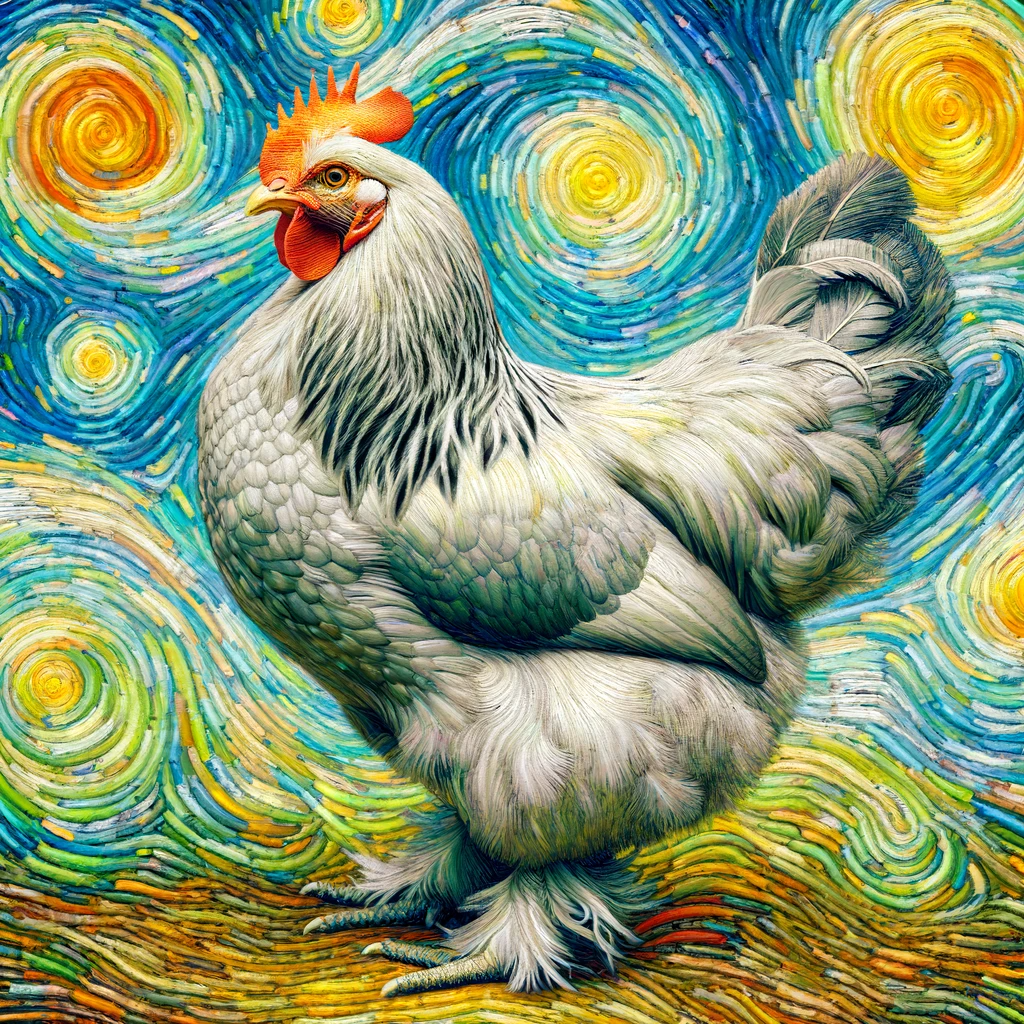
In the swirl of our fast-paced lives, it’s easy to overlook the roots of what sustains us—both physically and ethically. Millennials, with their smartphones in hand, find themselves at an intersection. On one side lies the allure of convenience, the sleek packaging that promises quick satisfaction. On the other, a growing awareness that the choices we make regarding consumption ripple far beyond our immediate comforts. Remember the backyard chickens? It’s a simple notion, yet it represents a profound shift. Raising a few hens right outside your door isn’t just about having fresh eggs; it embodies a commitment to sustainability and responsible living—a return to our ancestors’ ways.
Let’s get down to brass tacks. When confronted with an option to buy the cheaper, mass-produced product or a local, ethically-sourced alternative, the easy choice often appears tempting. But this generation is starting to measure decisions not just by convenience, but by values. Each go-to meal from a fast-food joint comes at a cost that’s often hidden, reflected in environmental degradation, unfair labor, and quality of life; factors that millennials are increasingly trying to weigh against their daily decisions. It’s a collective awakening—a dawning realization that supporting ethical practices means supporting ourselves and our communities.
In the heart of the matter lies a connectivity that modern life sometimes overlooks. The choice to engage in ethical consumption can feel tumultuous, especially when every crammed schedule screams for ease. The truth, however, is that making conscious choices cultivates deeper connections—not only to products but also to the people and environments that produce them. A decision to buy from local farmers or embrace alternatives like backyard chicken coops, aligns us with a network of shared values, fostering community ties that nourish both trust and resilience.
Then there’s the impact of our choices visible in social circles. Think about your friends who took the leap into ethical consumption. They aren’t merely consumers; they’re advocates. They spark conversations, transform mindsets, and influence purchasing behaviors. Each decision becomes a story—an opportunity for dialogue around ethics and sustainability that inspires others to rethink their own.
The journey toward prioritizing ethical consumption may require effort, yet the rewards are abundant. The gut tells us it’s time to reclaim our agency—time to choose foods and products that reflect the world we want to live in. That’s where real change starts.
Are Millennials Prioritizing Ethical Consumption Over Convenience?
Are Millennials Prioritizing Ethical Consumption Over Convenience?
- Millennials navigate a choice between convenience and ethical consumption in their fast-paced lives.
- The trend of raising backyard chickens symbolizes a shift towards sustainability and responsible living.
- Consumers are increasingly measuring choices by their values rather than merely convenience.
- Fast food options often carry hidden costs related to environmental degradation and unfair labor practices.
- Engaging in ethical consumption fosters deeper connections with products, people, and communities.
- Friends who practice ethical consumption serve as advocates, sparking conversations around ethics and sustainability.
- The journey to ethical consumption requires effort but promises abundant rewards and personal agency.

Are Millennials Prioritizing Ethical Consumption Over Convenience?
What Are the Long-Term Benefits Of Conserving Chicken Breeds?
When we think about the long-term benefits of conserving chicken breeds, we’re not just talking about feathered friends clucking away in the backyard. We’re diving into a world of connections—connections to our food, our land, and our very roots. By embracing the notion of keeping heritage breeds, we engage in a practice that’s as much about preservation as it is about nourishment.
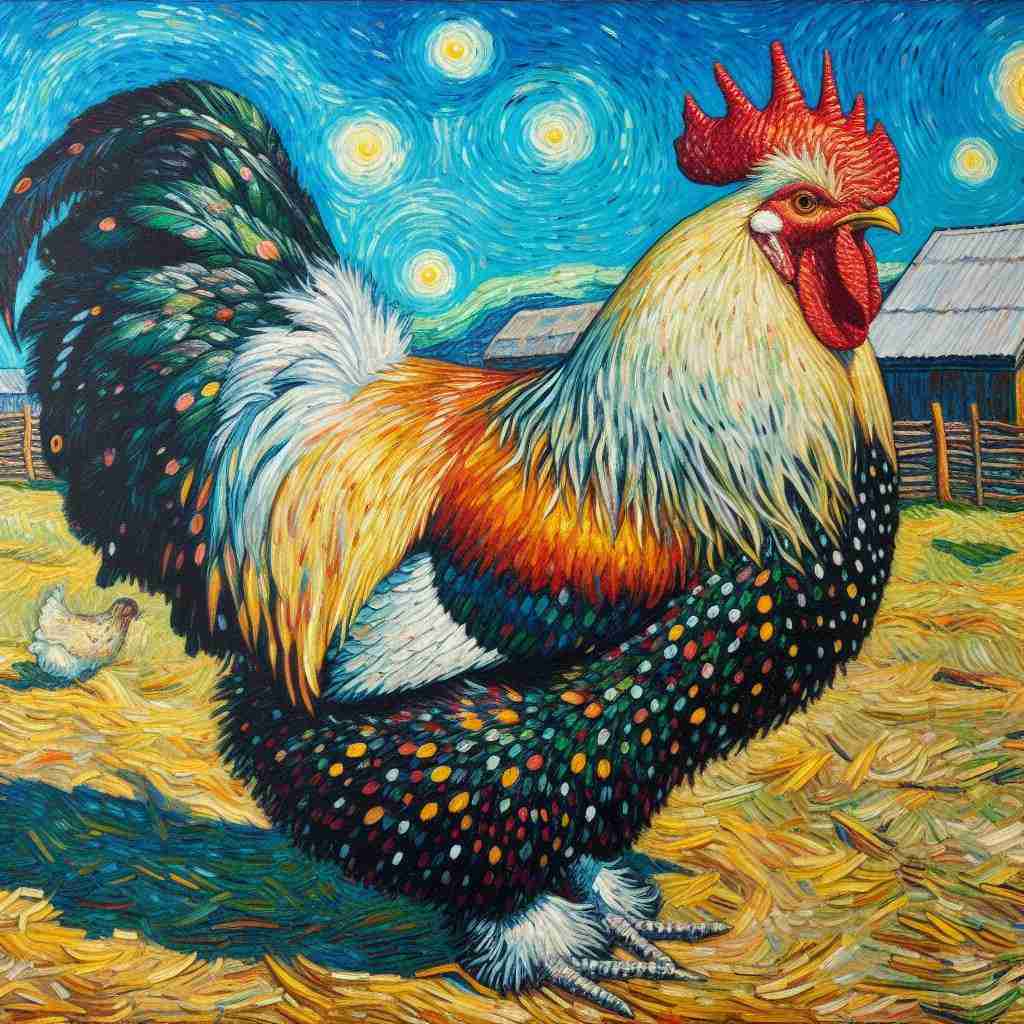
Imagine a flock of Backyard Chickens pecking at the ground, each bird unique with its own quirks and colorful feathers—these aren’t just farm animals; they’re living testimonials to our agricultural history. To nurture these breeds is to cultivate a bond with the past, ensuring that each generation gets to experience a taste of what came before. It’s a hands-on lesson in biodiversity, allowing us to appreciate flavors and qualities that commercial breeds often overlook.
Rationally speaking, conservation means resilience. Genetic diversity is our insurance policy against disease and climate change. When we keep diverse chicken breeds, we are building a stronger, more stable food system. Breeds selected for their hardiness and adaptability are crucial as we face the uncertainties of the future. Every hen raised in our backyards contributes to a tapestry of agricultural diversity that extends beyond the coop.
From an ethical standpoint, raising and conserving these breeds is an act of responsibility. Each breed has a role to play in the ecosystem, and by saving them, we respect their existence and that of countless others that rely on them. It’s about stewardship—not just for our benefit, but for the welfare of the planet.
Narratively, think of the stories we can share across dinner tables, recounting how we cared for our chickens, collected their eggs, and witnessed the life cycles that connect us all to the soil. These experiences instill a sense of pride and connection to our community. They remind us that we aren’t just consumers; we are caretakers of a heritage that nurtures our spirit.
So, let’s take action. Every time we choose to support farmers who specialize in conserving chicken breeds or raise a few of our own, we are voting for a vibrant future. It’s a statement that whispers through the very feathers of these chickens: we care, we connect, and we will make a difference, one cluck at a time.

What Are the Long-Term Benefits Of Conserving Chicken Breeds?
What Are the Long-Term Benefits Of Conserving Chicken Breeds?
- Conserving chicken breeds connects us to our food, land, and cultural roots.
- Heritage breeds are living testimonials to agricultural history and biodiversity.
- Conservation enhances resilience in our food systems against disease and climate change.
- Diverse breeds ensure a stable food supply that adapts to future uncertainties.
- Raising these breeds is an ethical responsibility that promotes ecosystem stewardship.
- Sharing experiences with heritage breeds fosters community pride and connection.
- Supporting specialty farmers and raising chickens promotes a vibrant agricultural future.
What Are the Long-Term Benefits Of Conserving Chicken Breeds?
How Does Chicken Breeding Contribute to Local Food Security?
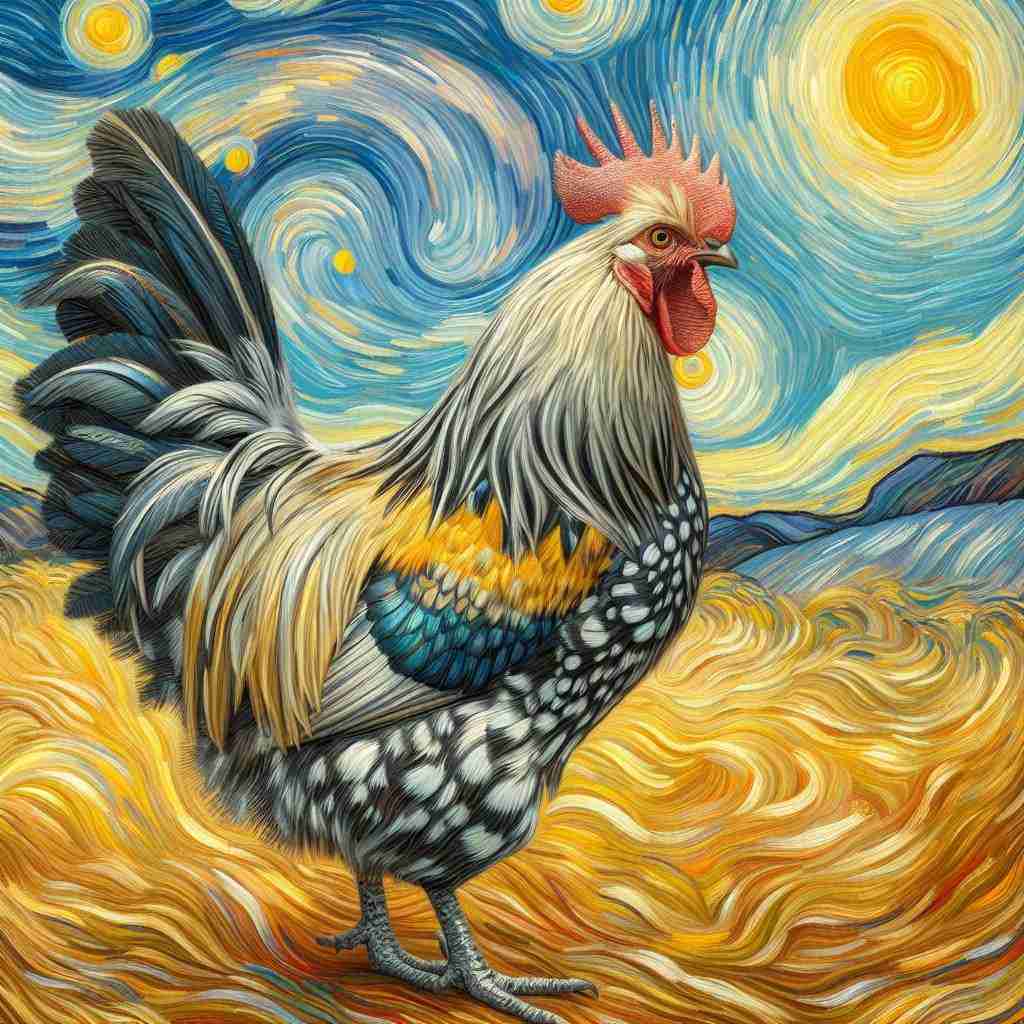
In the quiet corners of our neighborhoods, there’s a unique phenomenon taking root: the revival of backyard chickens. This isn’t just a quirky trend; it’s a direct line to strengthening local food security—a concept that hits home in a way few can ignore. When you hear the soft clucking and see a hen pecking the ground, it sparks memories of childhood simplicity, reminding us of an age when food came from trusted sources, often just a short stroll away.
Imagine waking up on a crisp morning, stepping out to your backyard, and collecting fresh eggs. There’s an inexplicable joy in that simple act. It’s not just about the eggs—though let’s be honest, farm-fresh beats store-bought every time. It’s about connection: connection to the earth, to our food, and to our community. Backyard chickens foster a sense of responsibility and purpose, allowing families to engage with sustainable practices right from their doorstep.
But let’s get real for a moment. Food security isn’t just an abstract term thrown around in boardrooms. It’s the assurance that your family won’t go hungry when the unexpected happens. In a world where supply chains can get tangled, and crises can upend our grocery store shelves overnight, having a source of nourishment at home can transform anxiety into assurance. As we witness fluctuations in the food market, local communities are turning to chicken breeding as a reliable solution—and it just makes sense.
Ethically, there’s a growing consciousness around where our food comes from. Embracing backyard chickens means supporting local ecosystems, reducing carbon footprints, and promoting humane treatment of animals. It cultivates a generation of gap-fillers, those who understand that food doesn’t magically appear in plastic wrappers, but comes from diligent hands and caring hearts.
On a larger scale, every citizen doing their part adds up. It creates a ripple effect through neighborhoods, sparking conversations at barbecues, inspiring others to take similar leaps. It’s more than just farming; it’s about building resilient, interconnected communities that support each other’s struggles and successes.
So, the next time you hear someone speak about the importance of food security, consider the humble chicken. It’s more than an animal scuttling in the yard; it’s a symbol of self-sufficiency, community resilience, and a brighter, healthier future for us all. Embrace the movement, bring home some backyard chickens, and join the charge toward a food-secure tomorrow.

How Does Chicken Breeding Contribute to Local Food Security?
How Does Chicken Breeding Contribute to Local Food Security?
- The revival of backyard chickens enhances local food security, connecting us to trusted food sources.
- Collecting fresh eggs fosters joy and promotes a connection to community and sustainable practices.
- Food security ensures families won’t go hungry during unexpected events, reducing anxiety about food supply.
- Backyard chicken breeding is becoming a reliable solution amidst fluctuating food markets and supply chain issues.
- Raising chickens supports local ecosystems, reduces carbon footprints, and promotes humane treatment of animals.
- This movement inspires community conversations and encourages resilience through interconnected efforts.
- The humble chicken symbolizes self-sufficiency and a healthier future; embracing it promotes food security.
How Does Chicken Breeding Contribute to Local Food Security?
How Can We Balance Tradition with Innovation In Chicken Breeding?
Balancing tradition with innovation in chicken breeding feels a lot like standing at the crossroads of a familiar dirt road and a shiny new highway. On one side, we have the rich history of backyard chickens, each cluck and peck echoing generations of care and commitment. These birds aren’t just livestock; they’re part of our communities, feeding not only our bodies but also our souls. They remind us of the simple joys—the warmth of fresh eggs in the morning and the satisfaction of plucking dinner straight from our own plots of earth.
But as we delve deeper into the future, innovation is calling out to us with promises of efficiency, sustainability, and health. The stark reality is that our world is changing at an unprecedented pace. To ignore this would be to bury our heads in the sand, while the challenges of climate change and population growth loom large. Rationally, embracing new breeding technologies can lead to hens that can thrive in diverse environments, produce more eggs, and resist diseases that once ravaged flocks. Innovations like genetic selection and advanced nutrition could ensure healthier chickens that are kinder to our planet.
Yet, as we tread this new path, it’s vital to do so with purpose and ethics at the forefront. The questions we must ponder are profound: What are we willing to sacrifice in the name of progress? Are we creating a future that respects the age-old practices that shaped our agricultural roots? The conversation should come from a place of love for our feathered friends—a desire to honor their history even as we nurture their evolution.
Narratives of change often get lost in the fervor of quick solutions. We must ground our innovations in the stories of farmers, backyard enthusiasts, and chefs who understand the intrinsic value of our birds. By fostering connections within this community, from seasoned breeders exchanging wisdom to newcomers engaging with their first flock, we create a social fabric that weaves together old and new.
This is more than just a balancing act—it’s a call to action. By investing our time in thoughtful, compassionate breeding practices, we can ensure that the legacy of our chickens is not only honored but enriched. There’s power in knowing that through every decision we make, we are bridging the gap from past to future, nurturing not just chickens, but a way of life that nourishes our very existence.
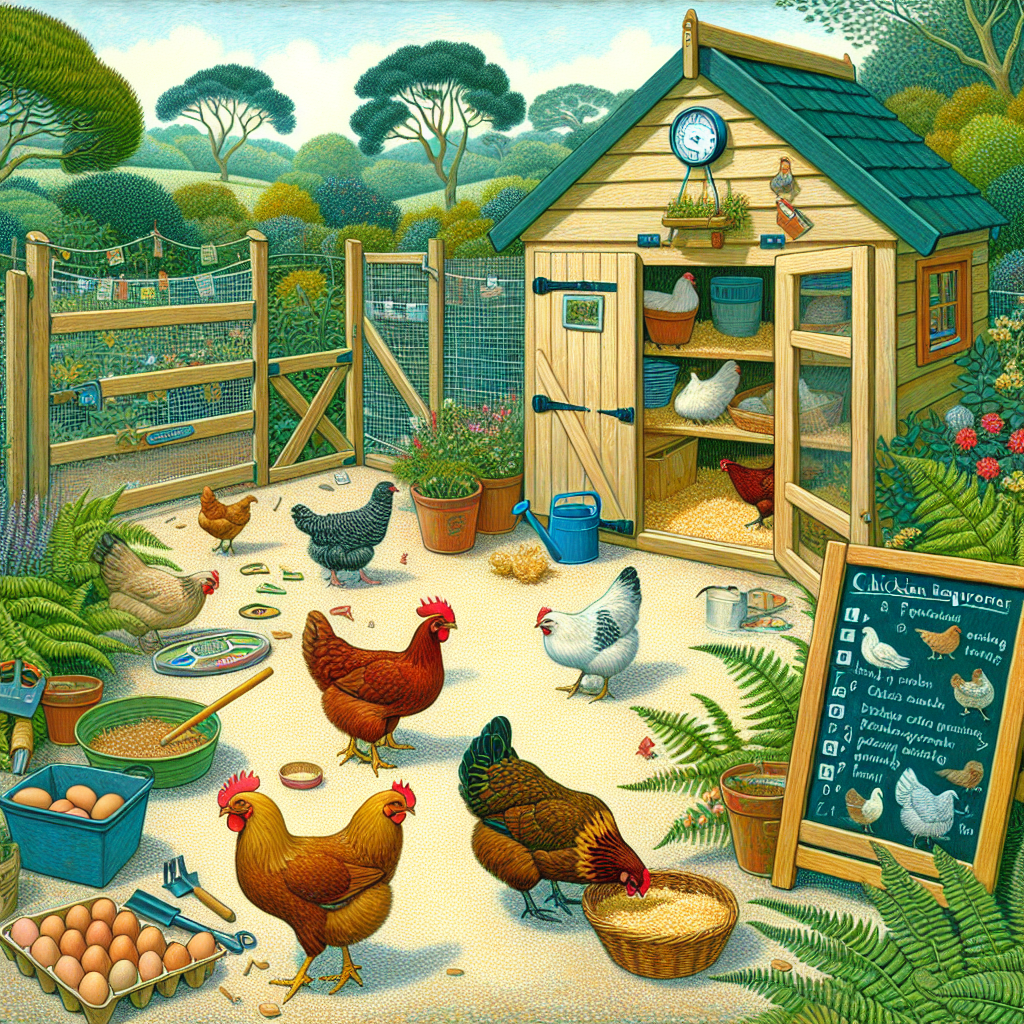
How Can We Balance Tradition with Innovation In Chicken Breeding?
How Can We Balance Tradition with Innovation In Chicken Breeding?
- Balancing tradition and innovation in chicken breeding mirrors standing at a crossroads.
- Backyard chickens symbolize community, providing nourishment and joy through fresh eggs and homegrown food.
- Innovation presents opportunities for efficiency, sustainability, and health in chicken breeding amid global challenges.
- New breeding technologies can produce resilient hens that thrive in various environments and combat diseases.
- Ethics and purpose must guide the adoption of innovations while respecting traditional agricultural roots.
- Engagement with farmers, enthusiasts, and chefs fosters community connections and shared wisdom about chicken care.
- Thoughtful breeding practices can honor and enrich the legacy of chickens, nurturing a sustainable way of life.

How Can We Balance Tradition with Innovation In Chicken Breeding?
What Ethical Obligations Do We Have Toward Endangered Chicken Breeds?
When we think about endangered chicken breeds, it’s easy to overlook the significance of these feathered friends. They aren’t just birds clucking around a barnyard; they represent a rich tapestry of our agricultural history, culture, and biodiversity. Imagine a time when every egg was not a faceless commodity but a testament to generations of care and craftsmanship. Each breed has a story, a purpose—some raise vibrant plumage while others are lauded for their resilience. Yet, as we venture further into the age of industrial farming, many of these unique breeds face extinction. So, what ethical obligations do we have toward them?
To put it simply: we owe them everything. These chickens are not just the ancestors of our modern layers and broilers; they hold the genetic keys to a sustainable future. Bred for specific climates, flavors, and yes, even personalities, they bring a world of diversity to our tables and our farms. Supporting endangered breeds like the Buckeye or the Java could mean ensuring that we have options when climate change or disease challenges our current food systems. It’s not merely a nostalgic nod to the past; it’s a rational investment in our culinary and ecological future.
Moreover, consider the impact on local communities. Raising backyard chickens fosters connection—between families, farmers, and the environment. It’s an invitation to roll up your sleeves and get dirt under your nails; a call to embrace a lifestyle that values the source of our food. When we raise these breeds, we educate our children about responsibility, patience, and the importance of stewardship over our planet. It’s a lesson in ethics, reminding us that every choice we make—big or small—can ripple out and create change.
And let’s not forget the authority that comes with our choices. When you opt for endangered breeds, you’re not just making a personal decision; you’re joining a movement. You’re standing with the sustainable farmers, the grassroots organizations, and the chefs who cherish culinary diversity.
So, let’s take a stand for these extraordinary birds. Embrace the responsibility of preserving our past, for the sake of our future. Whether you’re wandering into your local farmer’s market or contemplating those charming backyard chickens, remember that your choice to support endangered breeds can spark hope and nurture a legacy. Let’s act, not just for ourselves, but for all the generations of farmers—and chickens—to come.

What Ethical Obligations Do We Have Toward Endangered Chicken Breeds?
What Ethical Obligations Do We Have Toward Endangered Chicken Breeds?
- Endangered chicken breeds are a vital part of agricultural history, culture, and biodiversity.
- Each breed holds unique stories and purposes, from vibrant plumage to resilience.
- Many breeds are at risk of extinction due to industrial farming practices.
- Endangered breeds are ancestors of modern chickens and key to sustainable agriculture.
- Raising these chickens supports local communities and fosters connections with the environment.
- Choosing endangered breeds promotes culinary diversity and supports sustainable farming movements.
- Supporting these breeds is an investment in our ecological future and a lesson in stewardship for future generations.

What Ethical Obligations Do We Have Toward Endangered Chicken Breeds?
Conclusion
Millennials are harnessing the power of chicken breeding to forge a new path toward environmental stewardship, cultural preservation, and community resilience. This isn’t just a passing trend; it’s a movement forged in the heart of our backyards that connects us to the soil, the cycles of life, and the essence of what it means to nourish both ourselves and our planet. As young people shun the convenience of industrially-produced food for the rich experience of raising their own chickens, they embody a profound shift in mindset—one that prioritizes ethical consumption over mere convenience.
Imagine a vibrant backyard filled with the sounds of clucking, laughter, and the light scent of fresh earth, where children learn the art of responsibility and sustainability firsthand. Each egg gathered represents more than breakfast; it’s a testament to a generation’s commitment to ethical eating and a sustainable future. Millennials understand that their choices in food production and consumption carry weight. They consciously step away from practices that exploit the environment and embrace sustainable chicken breeding as a way to reconnect with their community and their values.
This generational shift is backed by solid science and tradition. Studies highlight the ecological benefits of small-scale poultry farming, from enhancing biodiversity to improving soil health through organic practices. Each chicken nurtured is a piece of a larger puzzle—one that cultivates a richer ecosystem while promoting food security on a local level. It’s clear that raising chickens fosters a sense of agency and connection; it’s more than a backyard hobby, it becomes a lifestyle that embraces the warmth of community ties and collective responsibility.
Emotional narratives about chickens, from their playful antics to their contribution to local food systems, evoke a sense of nostalgia while inspiring new stories about sustainable living. These endeavors create a ripple effect—one where every family that embraces the charm of backyard chickens not only strengthens their own immediate community but also encourages others to rethink their own relationships with food and the environment.
Ultimately, millennials are revitalizing traditions to harness innovation, merging ethical obligations toward these animals with pragmatic approaches to food production. By advocating for the conservation of endangered chicken breeds and supporting local farmers, they’re not just preserving a legacy; they are building a better, more compassionate world. In doing so, they lay the groundwork for a future where sustainability, ethical consumption, and community thrive together. It’s time to cluck, gather, and collaborate for a brighter tomorrow—one chicken at a time.
Conclusion
Conclusion:
- Millennials are using chicken breeding for environmental stewardship, cultural preservation, and community resilience.
- This movement connects individuals to their environment, prioritizing ethical consumption over convenience.
- Raising chickens fosters responsibility and sustainability, with each egg symbolizing a commitment to ethical eating.
- Small-scale poultry farming has ecological benefits, enhancing biodiversity and improving soil health.
- Backyard chicken raising encourages community connection and collective responsibility.
- Emotional narratives about chickens inspire families to strengthen community ties and rethink their relationship with food.
- Millennials advocate for the conservation of endangered breeds and support local farmers, promoting a future of sustainability and compassion.

Conclusion
Other Resources

Other Resources
Here is a list of other resources you can review online to learn more:
- spinach
- Brabanter
- Basque
- salmonella
- garlic
- Egyptian Fayoumi
- foxes
- Coliform Infection
- Lymphoid Leukosis
- cracked corn
- Infectious Bursal Disease
- Thread Worms
- Quail Bronchitis
- sunflower
- collards
- Old English Game
- Dorking
- Erysipelas
Use This Prompt To Get More Resources With Your Favorite Online AI Tool: Please provide me with a list of online articles with their URLs in a bulleted list that I can read regarding Why Millennials Are Turning Chicken Breeding Into Conservation
Other Resources
Glossary Terms
Why Millennials Are Turning Chicken Breeding Into Conservation – Glossary Of Terms
1. Millennials: The generation born between 1981 and 1996, known for their unique values and preferences, particularly towards sustainability and ethical consumption.
2. Chicken breeding: The practice of selectively breeding chickens for specific traits, including productivity, health, and conservation purposes.
3. Conservation: The act of protecting natural resources, including wildlife and ecosystems, often through sustainable practices and interventions.
4. Sustainability: Meeting current needs without compromising the ability of future generations to meet their own, often emphasizing ecological balance.
5. Heritage breeds: Traditional chicken breeds that have distinct characteristics and historical significance, often at risk of extinction.
6. Biodiversity: The variety of life in a particular habitat or ecosystem, crucial for maintaining ecosystem health and resilience.
7. Urban farming: The practice of cultivating, processing, and distributing food in or around urban areas, contributing to local food security.
8. Animal husbandry: The management and care of farm animals, focusing on breeding, nutrition, and health.
9. Ethical farming: Agricultural practices that prioritize animal welfare, environmental care, and fair treatment of workers.
10. Community-supported agriculture (CSA): A system that connects producers and consumers, where members pay in advance for regular loot of seasonal produce.
11. Food sovereignty: The right of people to healthy and culturally appropriate food produced through ecologically sound and sustainable methods.
12. Poultry: Domesticated birds raised for food, particularly chickens, ducks, and turkeys.
13. Permaculture: A holistic design system that mimics natural ecosystems to create sustainable agricultural practices.
14. Backyard chickens: Chickens raised in residential backyards for personal egg production and pest management.
15. Organic farming: An agricultural method that avoids synthetic fertilizers and pesticides, fostering healthier ecosystems.
16. Ecosystem services: The benefits humans derive from ecosystems, such as food production, climate regulation, and pollination.
17. Genetic diversity: The variety of genes within a species, which is essential for resilience against diseases and environmental changes.
18. Agroecology: An interdisciplinary approach that applies ecological principles to agricultural systems, promoting sustainability and social justice.
19. Food waste: The discarding of edible food, which poses environmental and ethical concerns in food production systems.
20. Nest boxes: Structures provided for birds, particularly chickens, to lay eggs safely and securely.
21. Foraging: The act of searching for and gathering wild food resources, which promotes natural behaviors in chickens.
22. Local food movement: A grassroots effort to promote the consumption of locally produced food to strengthen local economies and communities.
23. Companion planting: The practice of planting different crops in proximity for mutual benefits, such as pest control and enhancing growth.
24. Animal welfare: The humane treatment and care of animals, ensuring they are kept in conditions that meet their physical and psychological needs.
25. Resilience: The capacity of a system to recover quickly from difficulties, often applied to ecosystems in response to change.
26. Chickens as pets: The trend of keeping chickens in homes not just for eggs but also for companionship, emphasizing their intelligence and personality.
27. Ecological footprint: A measure of human demand on Earth’s ecosystems and the impact of lifestyle choices on the environment.
28. Grassroots movements: Community-led initiatives aimed at driving social or environmental change from the bottom up, often characterizing millennial efforts.
29. Zero waste: A philosophy aiming to minimize waste generation, encouraging practices that reuse, recycle, and compost.
30. Slow food: A movement promoting local food traditions and sustainable practices, in contrast to fast food culture and industrial agriculture.

Glossary Of Terms
Other Questions
Why Millennials Are Turning Chicken Breeding Into Conservation – Other Questions
If you wish to explore and discover more, consider looking for answers to these questions:
- What specific heritage chicken breeds are millennials interested in preserving?
- How can individuals get started with backyard chicken breeding?
- What are some common challenges faced when raising chickens?
- What are the differences between heritage breeds and commercial breeds?
- How does chicken breeding impact local economies?
- What are some effective sustainable practices for chicken breeding?
- How can communities support local chicken breeding initiatives?
- What are the health benefits of consuming eggs from backyard chickens?
- How can chicken breeders educate others about responsible practices?
- What role do social media and online platforms play in promoting chicken breeding as a conservation method?
- How can young people advocate for more sustainable food systems beyond chicken breeding?
- What are some success stories of communities that have embraced chicken breeding for conservation?
- What regulations exist regarding backyard chicken ownership in urban areas?
- How can chicken breeding contribute to biodiversity efforts beyond just chickens?
- What are some ethical considerations when breeding chickens for food?

Other Questions
Haiku
Why Millennials Are Turning Chicken Breeding Into Conservation – A Haiku
Chickens in backyards,
Roots entwined with heart and home,
Hope for Earth and kin.

Haiku
Poem
Why Millennials Are Turning Chicken Breeding Into Conservation – A Poem
In gardens waking from the earth’s embrace,
Millennials rise, their hearts in grace,
With clucks and flutters, they reclaim the ground,
A vibrant tapestry of life unwound.
Backyard chickens, symbols of our time,
Nestled in conscience, they echo a rhyme,
Of stewardship linked by the threads of the past,
While they lay each egg, a future they cast.
These feathered friends aren’t mere groceries packed,
They’re stewards of ecosystems, nothing is lacking.
Each flutter and peck tells a tale of care,
In the dance of sustainability, they’re always aware.
With every fresh egg, a commitment is made,
To ethical consumption, no longer delayed.
They choose to nurture, not just to consume,
Rebuilding communities, dispelling the gloom.
Think of a child with laughter and cheer,
Feeding the chickens, their joys crystal clear.
Each story shared at tables where meals unite,
Reminds us of bonds woven snugly and tight.
Rational choices, connections held dear—
For the sake of the planet, it’s time to steer clear
Of convenience’s allure, the fast-tracked allure,
Bring back the old ways, sustainable and pure.
Compassion as compass, ethics at the helm,
In a world that feels frantic, reclaiming our realm.
Together we stand, hearts, heads, and guts,
For a brighter tomorrow, we rise with our mutts.
So let’s keep raising the breeds that once thrived,
For in their survival, our own hope is alive.
Support local farmers, let heritage bloom,
With every small act, we’re erasing the gloom.
As we breathe and we nurture, let’s mark our intent—
For future generations, our care is well spent.
With each cluck in the yard, let’s joyfully declare,
Together in lifting, we hold the world fair.

Poem
Checklist
Why Millennials Are Turning Chicken Breeding Into Conservation – A Checklist
Chicken Breeding & Conservation Checklist
Emotional Appeals
_____ Connection to Nature: Spend time observing and interacting with your chickens to foster a deeper relationship with nature.
_____ Story Sharing: Collect and share stories about your experiences raising chickens with friends and family to inspire others.
_____ Visual Documentation: Take photos and videos of your chicken-raising journey to celebrate the joy they bring.
Rational Appeals
_____ Sustainable Choices: Research local breeds that are more resilient and suited to your environment.
_____ Environmental Impact: Understand the ecological benefits of chicken breeding, like natural pest control and soil enrichment.
_____ Quality of Life: Analyze the nutritional differences between eggs from backyard chickens and those from industrial farms.
Ethical Appeals
_____ Compassionate Farming: Reflect on the ethical implications of animal welfare and choose to engage in humane practices.
_____ Support Heritage Breeds: Advocate for and purchase endangered chicken breeds to help preserve biodiversity.
_____ Educate Others: Share your knowledge about ethical consumption and its importance in your community.
Authority Appeals
_____ Learn from Experts: Attend workshops or seminars led by agricultural and environmental experts.
_____ Join Local Groups: Become part of community organizations focused on sustainable farming practices.
_____ Accessible Resources: Utilize books and online resources recommended by chicken farming authorities for best practices.
Narrative Appeals
_____ Community Stories: Engage with local farmers and share stories of your chicken-raising experiences to strengthen community ties.
_____ Personal Legacy: Consider how raising chickens can become a family tradition, passing down values of sustainability and stewardship.
_____ Document Your Journey: Keep a journal of your chicken-raising adventures, reflecting on challenges and successes.
Social Appeals
_____ Create a Network: Connect with other chicken breeders or backyard farmers to exchange tips and support.
_____ Host Events: Organize or participate in local meet-ups or potlucks focused on sustainable living and backyard farming.
_____ Promote Local Food: Advocate for local farmers and engage with your community about the importance of supporting local food systems.
Practical Steps
_____ Implement Best Practices: Develop a routine for caring for your chickens, including feed, health checks, and habitat maintenance.
_____ Explore Chicken Breeds: Research different chicken breeds that fit your goals, such as egg production or companionship.
_____ Plan Your Layout: Design a chicken coop and run that gives your chickens ample space to thrive while being practical for your lifestyle.
Checklist
At BackyardChickenNews, we help people who want to raise backyard chickens by collating information and news blended with our own personal experiences.
Be sure to read our other related stories at BackyardChickenNews to learn more about raising chickens in your backyard.