

Building Bonds: The Power Of Shared Wisdom
By Tom Seest
At BackyardChickenNews, we help people who want to raise backyard chickens by collating information and news blended with our own personal experiences.
Be sure to read our other related stories at BackyardChickenNews to learn more about raising chickens in your backyard.
Why Sharing Knowledge Keeps the Coop and the Culture Alive
In every corner of our lives, from the warmth of our homes to the humble gathering spots in our neighborhoods, there’s a heartbeat that keeps us connected—knowledge. It’s what transforms a simple flock of backyard chickens into a thriving, engaging, and, yes, joyous community. When we share what we know about these feathered companions, we’re not just exchanging facts; we’re knitting together the very fabric of our culture and our coop.
Think about it: every time we lend our expertise to a curious neighbor, we’re giving wings to their confidence. Imagine a new chicken keeper, armed with nothing but enthusiasm and a few scrawled notes from the internet. They may feel overwhelmed, maybe even isolated. But when someone steps in with a few practical tips on coop maintenance, feeding, or handling pecking order issues, magic happens. The light in their eyes as they realize they’re not alone is worth more than any online how-to guide. This shared wisdom doesn’t just help in the backyard; it builds relationships that resonate beyond the hens.
Rationally speaking, knowledge sharing strengthens our communities. It fosters resilience—an essential trait in a world that often feels chaotic. When we engage with one another, we are pooling our resources and experiences, creating an environment where everyone can succeed. A well-informed chicken coop is not just a happy one; it’s a sustainable one. The more we share, the more we learn, and together we avert pitfalls and discover best practices that elevate the entire group.
Ethically, sharing knowledge is a responsibility; it’s about honoring those who came before us—the farmers, the artisans, the mentors—who laid the groundwork for our present. It’s a tribute to tradition, a commitment to preserving the integrity of our food systems and local customs. You don’t just raise chickens; you carry on a legacy.
As we gather around chicken coops or digital forums, let’s remember that we are part of something larger. It’s a movement fueled by shared experience, trust, and friendship. So share your stories, lend your wisdom, and watch as our coops and cultures flourish. What starts with a few backyard chickens ignites a passion that resonates through generations, reminding us all that together, we can fly higher.

Why Sharing Knowledge Keeps the Coop and the Culture Alive
Why Sharing Knowledge Keeps the Coop and the Culture Alive
- Knowledge is the heartbeat that connects us in our homes and communities.
- Sharing information about chickens fosters a joyful and engaging community.
- Expertise boosts the confidence of new chicken keepers, making them feel less isolated.
- Knowledge sharing builds relationships that extend beyond backyard chicken-keeping.
- Strengthening communities through knowledge sharing fosters resilience in chaotic times.
- Ethically, sharing knowledge honors tradition and preserves the integrity of food systems.
- Participating in this movement creates trust and friendship, igniting passion for generations.

Why Sharing Knowledge Keeps the Coop and the Culture Alive
Table Of Contents
- Why Sharing Knowledge Keeps the Coop and the Culture Alive
- What Is the Heart Of Our Community That Needs Nurturing Today?
- How Does Sharing Knowledge Build Trust Among Us?
- What If Your Insights Could Inspire Others In Our Coop?
- How Does Knowledge Transfer Create a Legacy for Future Generations?
- Why Is It Important to Learn From Our Collective Experiences?
- What Ethical Responsibility Do We Have to Share What We Know?
- How Can Sharing Knowledge Enhance Our Decision-Making Processes?
- Conclusion
- Other Resources
- Glossary Of Terms
- Other Questions
- Haiku
- Poem
- Checklist
What Is the Heart Of Our Community That Needs Nurturing Today?
In the quiet hum of our neighborhoods, there lies a pulse, a rhythm, that signifies what we cherish most—our community. It’s the small moments filled with laughter, the friendly waves from a neighbor, and yes, the surprising joy of backyard chickens. These feathered friends may seem trivial, but they embody a spirit of self-sufficiency and connection that’s dwindling in our fast-paced world. When you witness a child marvel at a freshly laid egg or watch our elderly neighbors share gardening tips over a coop, you see the heart of our community beating strong.
In today’s society, where screens often replace face-to-face interactions, nurturing this heart means fostering tangible relationships, starting with our own backyards. Raising chickens is not just about having fresh eggs; it’s about building bonds, meeting the common need for connection. When families gather to learn about care and responsibility, they’re also crafting memories that linger far longer than any digital post.
Rationally, we need to ask ourselves: What kind of community do we want to nurture? One where convenience overshadows connection, or one that embraces the rich tapestry of shared experiences? Communities thrive on collaboration, and each yard nurtured, each coop built, contributes to the larger ecosystem. It’s a way to teach children responsibility, instill a sense of pride, and address food security at a local level.
Ethically, we hold a responsibility to invest in one another; to cultivate trust and generosity. When we share lessons learned from tending to our flocks, we’re amplifying a tradition that respects not only the land but each other. This isn’t just about chickens; it’s a call to action to help fellow community members and, in turn, strengthen our bonds.
Finally, from a social perspective—let’s lift each other up. Let’s encourage open dialogues; host workshops; share resources. The more we openly discuss our dreams for our community, the more connections we forge. Building community is a collective endeavor, and it requires us to put down our devices and engage with the lives around us.
So, take a step back. Look around your neighborhood. What can you nurture? What can we grow together? Perhaps it begins with a conversation or a shared vision, a simple acknowledgment that backyard chickens might just be the beginning of something beautiful.

What Is the Heart Of Our Community That Needs Nurturing Today?
What Is the Heart Of Our Community That Needs Nurturing Today?
- The essence of community thrives on small moments of connection, such as laughter and neighborly gestures.
- Backyard chickens symbolize self-sufficiency and foster community bonds that counteract the isolating effects of modern life.
- Raising chickens encourages family engagement and creates lasting memories beyond digital interactions.
- Communities flourish through collaboration, teaching responsibility, and addressing local food security.
- Investing in one another and sharing knowledge promotes trust and strengthens community ties.
- Encouraging open dialogue and hosting workshops helps to forge deeper connections and collective goals.
- Nurturing local relationships can spark growth and beautiful developments in our neighborhoods.

What Is the Heart Of Our Community That Needs Nurturing Today?
How Does Sharing Knowledge Build Trust Among Us?
When it comes to building trust among people, sharing knowledge is the thread that weaves a close-knit community, much like a well-tended garden. Think about the simple act of raising backyard chickens. Now, some might chuckle at the idea: “How does raising a few birds build trust?” But let’s take a deeper look.
First, consider the backyard chicken owner who starts with a handful of chicks and a wealth of information to share. They become a resource, not just for their own family but for neighbors and friends as well. A casual conversation develops into a knowledge exchange—sharing experiences, tips on feed, building coops, or even the best way to deal with pesky raccoons. This sharing cultivates a bond; you’re not just talking about poultry; you’re connecting over shared experiences and challenges, recognizing that we’re all navigating the unpredictable.
This creates an ethical foundation where individuals feel valued. Sharing practical knowledge fosters a sense of community, and when you’re helping someone overcome a problem—like the sudden drop in egg production—trust flourishes. You’re no longer just a neighbor; you become a partner in the pursuit of a common goal. It’s about lending a hand, showing empathy, and creating a culture where we all stand together, learning from one another and celebrating small victories.
Here’s where the gut comes in. When you share your knowledge, it feels good because you’re not just ticking off a list of responsibilities; you’re genuinely making a difference in someone’s life. It’s an emotional connection that extends beyond mere facts. There’s pride in hearing that someone successfully raised their first batch of chicks because of your guidance. It’s like watching your words take flight, kind of like those hens once they learn to flap their wings.
Lastly, let’s touch on the narrative aspect. Every story shared about backyard chickens—whether it’s the perseverance of a first-time farmer or the joy of a child discovering their own set of feathers—adds to the collective wisdom. It builds a repository of experiences that create confidence and trust among us.
So, next time you find yourself in conversation, remember: sharing knowledge isn’t just about conveying information. It’s about fostering trust, building relationships, and creating a community where we all thrive together—one egg at a time.

How Does Sharing Knowledge Build Trust Among Us?
How Does Sharing Knowledge Build Trust Among Us?
- Sharing knowledge is essential for building trust within a community, akin to nurturing a garden.
- Backyard chicken owners become resources for others, initiating knowledge exchanges on various topics.
- These exchanges foster connections over shared experiences and challenges, creating bonds among individuals.
- Sharing practical knowledge contributes to an ethical foundation where individuals feel valued and supported.
- The emotional aspect of sharing creates a deeper connection and pride in helping others succeed.
- Every shared story adds to collective wisdom, enhancing confidence and trust within the community.
- Ultimately, sharing knowledge is about cultivating relationships and building a thriving community together.

How Does Sharing Knowledge Build Trust Among Us?
What If Your Insights Could Inspire Others In Our Coop?
What if your insights could inspire others in our coop? Picture this: a group of passionate individuals, all different yet united by a shared purpose. Whether you’re a seasoned egg collector or a newcomer curious about backyard chickens, your unique experiences and thoughts can ignite a spark in someone else. That’s the beauty of community – we don’t just exist in silos; we thrive by sharing our stories, challenges, and triumphs.
Consider the simple act of raising backyard chickens. It’s about more than just collecting fresh eggs; it’s a commitment to nurturing life, embracing responsibility, and reaping the rewards of hard work. When you share your journey – the joy of seeing those first eggs, the challenges of keeping them safe from predators, or the laughter from their quirky personalities – you not only celebrate your own experiences but invite others to participate in that joy. Everyone has something valuable to contribute, and your perspectives can resonate in ways you can’t even imagine.
Think about what drives you to raise backyard chickens. Is it the sustainable living aspect? The connection to nature? Each of these motivations weighs heavily—not just on your heart but on your mind and spirit. We’ve all faced setbacks; maybe your chickens weren’t laying as expected or a storm knocked down the coop. These are the realities we can connect over, fostering camaraderie through shared challenges and solutions. Everyone can learn from your missteps, transforming them into teachable moments for others.
Ethically, your experiences also serve a greater purpose. By sharing, you promote transparency and knowledge, breaking down barriers that often isolate us. This isn’t just about chickens; it’s about building a community where everyone feels empowered to contribute and grow. You gain authority not only by having the knowledge, but by sharing it, leading others down that same rewarding path.
So, let’s fill our coop with stories that inspire. Let’s raise the bar—not just for ourselves, but for each other. When we come together and cultivate a culture of sharing, we create an ecosystem where every voice matters, every insight inspires, and every individual has the chance to flourish. Your insights can be the catalyst for change, inviting someone else to take that leap of faith and engage in the rewarding journey of backyard chickens. Join in, share your wisdom, and watch our community soar.

What If Your Insights Could Inspire Others In Our Coop?
What If Your Insights Could Inspire Others In Our Coop?
- Insights can inspire and bring together diverse individuals in a cooperative environment.
- Sharing experiences and stories fosters community, allowing individuals to connect over challenges and successes.
- Raising backyard chickens involves nurturing life and embracing responsibilities beyond just egg collection.
- Sharing personal journeys invites others to join in the joy and challenges of chicken-keeping.
- Community members can learn from one another’s setbacks, turning missteps into valuable lessons.
- Promoting transparency through shared experiences empowers individuals and strengthens community bonds.
- Contributing insights encourages a culture of sharing, where every voice matters and everyone can grow.

What If Your Insights Could Inspire Others In Our Coop?
How Does Knowledge Transfer Create a Legacy for Future Generations?
Knowledge transfer is like the gentle, unassuming wind that carries seeds from one place to another, nurturing the soil for future generations. Imagine standing in your backyard, watching your children marvel at your flock of backyard chickens. You toss out a handful of feed, and suddenly, your kids are captivated. They learn about responsibility, the cycles of life, and the importance of hard work—all from the simple act of feeding those birds. This is how knowledge, passed down through actions and stories, creates a legacy.
At its core, knowledge transfer isn’t just about facts and figures; it’s about weaving a tapestry of experiences, dreams, and values. It’s the hushed whispers around campfires, the lessons learned during backyard adventures, those late-night conversations that become cherished memories. When you share your expertise, whether it’s chicken farming or woodworking, you’re not just giving away skills; you’re fostering connections that extend far beyond your own lifetime. Your children will carry that knowledge as they venture into their own backyards, perhaps passing it on to their children, and their children’s children.
Rationally, the benefits of passing down knowledge are as clear as a freshly laid egg. In a world that can feel increasingly disconnected, grounded skills anchor us. They provide a sense of purpose and community. By sharing what you know, you empower others to step into their own lives with confidence. It’s not simply about survival; it’s about thriving and understanding the interconnectedness of everything.
Ethically, we have a responsibility to impart what we’ve learned. Each of us stands on the shoulders of those who came before—parents, mentors, and even neighbors who tended their gardens and loved their chickens. This social contract isn’t just a platitude; it’s a call to action. As custodians of knowledge, we must ensure it flows freely and abundantly, like water in a communal well.
As you nurture your backyard, remember: the lessons you teach today form the foundation of tomorrow. Those backyard chickens are more than just a source of food; they are vessels of wisdom, embodying the values you wish to pass on. In doing so, you cultivate not just a garden, but a legacy, an enduring connection that stretches across generations. So, roll up your sleeves, get your hands a little dirty, and start sharing. Your legacy is waiting to be born.

How Does Knowledge Transfer Create a Legacy for Future Generations?
How Does Knowledge Transfer Create a Legacy for Future Generations?
- Knowledge transfer nurtures future generations, much like wind carries seeds.
- Simple experiences, like feeding chickens, teach children about responsibility and hard work.
- It encompasses not just facts, but a tapestry of experiences, dreams, and values.
- Sharing expertise fosters connections that can extend beyond one’s lifetime.
- Passing down knowledge provides a sense of purpose and community in a disconnected world.
- Ethically, there is a responsibility to share what we have learned from previous generations.
- Lessons taught today form the foundation for tomorrow’s legacy and connections across generations.

How Does Knowledge Transfer Create a Legacy for Future Generations?
Why Is It Important to Learn From Our Collective Experiences?
When we gather around the dinner table, sharing laughter and stories, there’s a deeper layer happening right beneath the surface. Each anecdote, each mishap—whether about backyard chickens or a forgotten anniversary—shapes the tapestry of our lives. We aren’t just exchanging words; we’re weaving together experiences that carry lessons, insights, and sometimes, profound truth. It’s vital we learn from those collective experiences, for in them lies the foundation of our growth.
Why does this matter? First and foremost, it appeals to our hearts. Think of the trials faced by your neighbor who bravely started raising backyard chickens despite the odds. Her journey, fraught with late-night worries about a prowling raccoon or the joy of gathering fresh eggs, ignites a spark within us. It reminds us that vulnerability is part of the human experience, and it’s through understanding each other’s struggles and triumphs that we connect on a deeper level. When we share our own stories, no matter how trivial they may seem, we open doors for empathy and compassion.
Rationally, these collective experiences serve as a wellspring of knowledge. Every shared story is like a pebble thrown into the pond of wisdom; it ripples out to affect others. When we recount how we failed and what we learned from it, we create a roadmap for someone else. This knowledge isn’t just theoretical; it can be the difference between failure and success. It builds a toolbox, equipping us to face challenges with confidence and resilience.
Ethically, we have a responsibility to honor the insights of those who came before us. For every time someone faced adversity and emerged stronger, there’s a lesson screaming to be heard. Ignoring these narratives is a disservice to ourselves and the community. By learning from each other, we respect the journeys taken, those growing pains that shape our values and ethics.
Finally, on a social level, sharing experiences fosters a sense of belonging. In a world that can feel increasingly isolated, we can create spaces of comfort and camaraderie. When we share our experiences, not only do we find our own voices, we encourage others to speak up. So, let’s take the time to listen—to our families, friends, and even strangers. Every story holds a spark of possibility, a chance to inspire change or ignite hope in others. Together, we have the power to build a community rooted in understanding, respect, and shared wisdom.

Why Is It Important to Learn From Our Collective Experiences?
Why Is It Important to Learn From Our Collective Experiences?
- Gathering around the dinner table facilitates sharing stories that deepen our connections.
- Each anecdote contributes to our personal growth and collective understanding.
- Sharing experiences nurtures empathy and compassion, highlighting our shared vulnerabilities.
- Every shared story serves as a valuable lesson, potentially guiding someone else’s journey.
- We have a duty to acknowledge and honor the lessons learned from those before us.
- Sharing experiences fosters a sense of belonging in an often isolated world.
- Listening to others’ stories can inspire change and cultivate community rooted in understanding.

Why Is It Important to Learn From Our Collective Experiences?
What Ethical Responsibility Do We Have to Share What We Know?
In our fast-paced world, we often find ourselves tucked away in our own little corners, guilty of neglecting the broader landscape of knowledge that surrounds us. Just as a backyard chicken supplies fresh eggs to its owner, we have an ethical responsibility to share what we know with others. It’s not just a kindness; it’s a necessity. When we hoard knowledge, we become like a chicken that has lost its flock—isolated and unproductive.
Think about it. We all stand on the shoulders of giants, learning from the experiences, mistakes, and insights of those who came before us. This is not merely an intellectual exercise; it’s an intricate dance of connection, weaving the fabric of our community. We owe it to each other to contribute to this tapestry. Sharing knowledge isn’t just an invitation to dialogue; it’s an act of trust and a pathway to mutual growth. When we open our mouths to share what we know, we invite others to step into our world—a world where ideas blossom, challenges are surmounted, and lives are enriched.
Ethically speaking, consider the consequences of silence. Imagine a neighbor struggling to raise their own backyard chickens, wrestling with questions you’ve already answered. Wouldn’t it feel good to guide them with insights gleaned from your own experiences? That simple act could transform not just their backyard, but their entire perspective on sharing and collaboration. One person’s enlightenment can spark a movement; it’s that powerful.
Looking at it from a practical standpoint, knowledge-sharing fosters innovation and resilience. When we pool our resources—be it the how-to of chicken coop construction or the nuanced ways to maintain a harmonious flock—we build a stronger community. The social fabric is only as strong as its threads; when we support each other in learning, we reinforce those threads and create a robust network of mutual aid.
So, let’s make a pact. Let’s vow to share what we know, forging connections that transcend generational gaps and personal anxieties. By fostering spaces where knowledge is exchanged freely, we invite vulnerability and courage into the conversation. It’s not just about chicken coops; it’s about living a life of purpose. When you share, you inspire trust and confidence in your neighbors, and together, you elevate each other. Let’s not just raise chickens; let’s raise each other up.
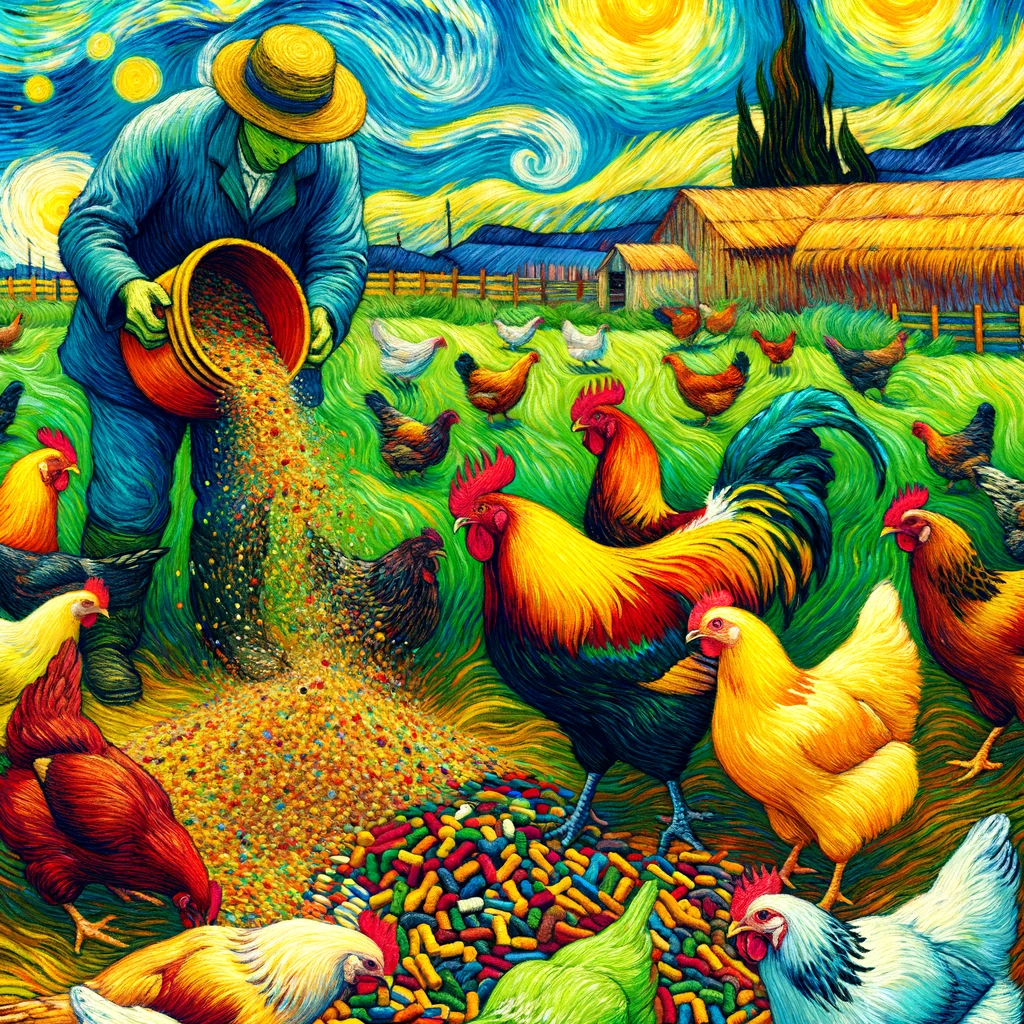
What Ethical Responsibility Do We Have to Share What We Know?
What Ethical Responsibility Do We Have to Share What We Know?
- In our fast-paced world, we often neglect the broader landscape of knowledge surrounding us.
- There is an ethical responsibility to share knowledge; hoarding it makes us isolated and unproductive.
- We learn from the experiences of those before us, creating a tapestry of community connections.
- Sharing knowledge is an act of trust, leading to mutual growth and enriching lives.
- Silence can hinder others; sharing insights from our experiences can transform perspectives.
- Knowledge-sharing fosters innovation and resilience, strengthening community ties.
- By sharing what we know, we inspire trust, support each other, and elevate our collective purpose.

What Ethical Responsibility Do We Have to Share What We Know?
How Can Sharing Knowledge Enhance Our Decision-Making Processes?
When we gather around the table—perhaps with a plate of freshly baked bread or even a couple of eggs from our backyard chickens—we’re not just sharing food; we’re exchanging stories, lessons, and insights that can change the course of our lives. It’s a simple act that taps into something deeper, something profoundly human. When we open up, sharing both our triumphs and failures, we’re not just slinging facts; we’re weaving a tapestry of lived experience that enhances our decision-making processes in ways that raw data simply can’t.
Imagine being faced with a tough choice—the kind that makes your stomach churn. You can run the numbers, analyze the trends, and weigh the pros and cons, but there’s something invaluable about hearing how someone you trust navigated a similar crossroads. Those personal narratives provide context and empathy, allowing us to connect with the emotions behind the decisions. We learn not just what worked for them, but why it mattered. This is knowledge shared with conviction, cultivated through trial and error. It’s storytelling at its best, and it carries an authority that sterile statistics lack.
When we share knowledge, we recognize that we’re part of a larger community, a web of human experience that stretches far beyond ourselves. It’s not just about making the best decision; it’s about fostering relationships that enable us to thrive collectively. Each piece of insight we share helps build a foundation of trust, reinforcing the idea that we’re not alone in our struggles. It’s this emotional connection that encourages us to act, to step out of our comfort zones, and to take risks with confidence.
Let’s think about ethics for a moment. Sharing knowledge also means taking responsibility—giving back to the community by uplifting others. It’s not just about what we gain; it’s about what we give. When we share our insights without holding back, we become mentors, guides, and support systems for one another. Every question answered, every story told, is a bridge built between hearts and minds, enhancing not only individual decision-making but enriching society as a whole.
So, the next time you find yourself grappling with a difficult decision, consider reaching out to your circle. Lean on your relationships. Share your story, and invite others to share theirs. You might be surprised by how the simple act of knowledge-sharing can illuminate pathways you never considered, bolstering your resolve and fostering a more informed, connected, and compassionate world.

How Can Sharing Knowledge Enhance Our Decision-Making Processes?
How Can Sharing Knowledge Enhance Our Decision-Making Processes?
- Gathering around the table encourages the sharing of food, stories, and insights that can transform lives.
- Sharing personal narratives enhances decision-making by adding emotional context and deeper understanding.
- Personal experiences offer invaluable lessons that go beyond raw data, providing authority and relatability.
- Knowledge sharing fosters a sense of community, reinforcing connections and mutual trust among individuals.
- Emotional connections from sharing insights encourage people to take risks and step out of their comfort zones.
- Ethically sharing knowledge involves uplifting others and acting as mentors, creating a supportive environment.
- Reaching out to others for advice during tough decisions can lead to new insights and a more compassionate world.

How Can Sharing Knowledge Enhance Our Decision-Making Processes?
Conclusion
Knowledge sharing is the lifeblood of any thriving community, breathing life into connections that might have otherwise suffered from isolation. In the cozy realm of backyard chicken-keeping, this exchange of wisdom transforms solitary pursuits into a vibrant tapestry of shared experiences. Think about the novice chicken keeper, standing on the precipice of uncertainty, armed with enthusiasm but little else. When a seasoned neighbor steps in to offer practical advice—whether it’s on coop maintenance or the nuances of chicken behavior—this simple gesture ignites a spark. Suddenly, that sense of isolation dissipates, replaced by a powerful bond built on shared enthusiasm and collective journeying.
At its core, sharing knowledge isn’t merely about filling heads with facts; it’s about forging relationships that echo through our communities. Every tidbit exchanged strengthens our resilience in a world that can feel overwhelming. When we come together to pool our resources and insights, we cultivate a nurturing environment where everyone flourishes. We don’t just raise chickens; we’re fostering a sustainable ecosystem of support, one that extends far beyond the coop.
Ethically, this act of sharing is a tribute to those who’ve paved the way before us. We honor the legacy of farmers and artisans who imparted their knowledge, preserving the integrity of our food systems and community traditions. Acknowledge the importance of your role—not just as a chicken keeper but as a custodian of shared knowledge. When we gather at the coop or engage in digital forums, we’re part of a movement that champions trust, open dialogue, and community spirit.
Let’s ask ourselves: What do we want our communities to embody? Is it a space where convenience trumps connection, or one where we uplift one another through shared experiences? By nurturing our backyards, we’re nurturing relationships and addressing local food security, all while instilling a sense of pride and responsibility in future generations.
Now, standing in our community, consider what knowledge you can share. Embark on this journey of community building, and watch as the simple act of sharing wisdom inspires not just others, but sparks a legacy that will be carried forward. Together, we can lay the foundation for a supportive, thriving community—transforming our coops and cultures into something truly extraordinary. So roll up your sleeves, share those insights, and let our collective spirit soar.

Conclusion
Conclusion:
- Knowledge sharing fosters connections, enhancing community support against isolation.
- In backyard chicken-keeping, shared wisdom turns solitary activities into communal experiences.
- A seasoned neighbor’s advice can transform a novice keeper’s uncertainty into confidence.
- Sharing knowledge strengthens community resilience, creating an environment where everyone thrives.
- This act honors the legacy of past farmers and artisans, preserving food systems and traditions.
- Communities should prioritize connection over convenience, uplifting one another through shared experiences.
- Sharing insights can inspire a lasting legacy and build foundations for supportive, thriving communities.

Conclusion
Other Resources

Other Resources
Here is a list of other resources you can review online to learn more:
- Hamburg
- Rhode Island Red
- collards
- Speckled Sussex
- dogs
- Newcastle Disease
- Marek’s Disease
- Dorking
- Polish
- Quail Bronchitis
- Capillary Worms
- Air Sac
- Cornish Cross
- toads
- Fowl Cholera
- Sinusitis
- bobcats
Use This Prompt To Get More Resources With Your Favorite Online AI Tool: Please provide me with a list of online articles with their URLs in a bulleted list that I can read regarding Why Sharing Knowledge Keeps the Coop and the Culture Alive

Other Resources
Glossary Terms
Why Sharing Knowledge Keeps the Coop and the Culture Alive – Glossary Of Terms
1. Cooperation: Working together towards a common goal, crucial in fostering collaboration and community.
2. Culture: The shared values, beliefs, and practices that shape a group’s identity and social fabric.
3. Knowledge Sharing: The process of exchanging information, skills, and expertise among individuals or groups.
4. Mentorship: A developmental relationship where a more experienced individual guides a less experienced person, enhancing learning.
5. Community: A group of individuals interacting and connected through shared interests, goals, or geographical location.
6. Collaboration: Joint effort by individuals or groups to achieve a particular outcome, promoting the pooling of resources and knowledge.
7. Learning Environment: The context in which learning occurs, encompassing physical, social, and cultural aspects.
8. Cohesion: The bonds that unite a group, fostering a sense of belonging and commitment among members.
9. Innovation: The introduction of new ideas, methods, or products, often driven by shared knowledge and creativity.
10. Sustainability: The ability to maintain processes or systems over time, supported by a culture of knowledge transfer.
11. Trust: Confidence in the reliability and integrity of others, essential for open communication and knowledge sharing.
12. Empowerment: Enabling individuals to take control of their own learning and development through shared resources and support.
13. Feedback: Constructive responses to performance or ideas, facilitating growth and improvement within the community.
14. Networking: Building relationships and connections with others, enhancing the exchange of information and opportunities.
15. Inclusion: Ensuring all individuals feel valued and their contributions recognized, promoting diversity of thought and experience.
16. Legacy: The knowledge, values, and traditions passed down through generations, ensuring cultural continuity.
17. Facilitation: The process of guiding discussions or activities to enhance participation and knowledge exchange.
18. Adaptability: The ability to adjust to new conditions or challenges, often supported by shared insights and learning.
19. Participation: Active involvement of individuals in collaborative efforts, enhancing the richness of shared knowledge.
20. Collective Intelligence: The shared or group intelligence that emerges from collaboration and knowledge sharing.
21. Cultural Exchange: The sharing of cultural practices and ideas, enriching community dynamics and fostering understanding.
22. Resourcefulness: The ability to find quick and clever ways to overcome difficulties, often enhanced by shared experiences.
23. Dialogue: Open and respectful conversation aimed at mutual understanding, essential for sharing diverse perspectives.
24. Empathy: Understanding and sharing the feelings of others, crucial for building connections and collaborative cultures.
25. Transparency: Openness in communication and decision-making, which builds trust and encourages knowledge sharing.
26. Conflict Resolution: Strategies and processes aimed at resolving disagreements, fostering a harmonious environment for sharing ideas.
27. Shared Vision: A common goal or aspiration that aligns the efforts of a community, motivating collective action.
28. Holistic Approach: Considering the whole system instead of parts, integrating various knowledge areas for comprehensive solutions.
29. Interdependence: Mutual reliance among members of a community, where knowledge sharing enhances overall success.
30. Intellectual Capital: The collective knowledge, skills, and abilities of a group that contribute to its strength and sustainability.

Glossary Of Terms
Other Questions
Why Sharing Knowledge Keeps the Coop and the Culture Alive – Other Questions
If you wish to explore and discover more, consider looking for answers to these questions:
- What specific benefits does knowledge sharing provide in building community bonds?
- How can someone get started with sharing their knowledge about chicken raising?
- What are some common challenges faced by new chicken keepers, and how can sharing experiences help?
- In what ways can knowledge sharing counteract feelings of isolation in modern communities?
- How can we create more opportunities for knowledge sharing in our neighborhoods?
- What role does storytelling play in knowledge transfer among community members?
- How can technology facilitate knowledge sharing in local cultures?
- What are ethical considerations to keep in mind when sharing knowledge?
- How can knowledge transfer impact food security on a community level?
- What practical steps can be taken to ensure that knowledge passed down is accurate and relevant?
- How do other cultures promote shared wisdom within their communities?
- What methods can foster trust among community members through knowledge sharing?
- Can knowledge sharing help in crisis situations?
- If so, how?
- What types of workshops or gatherings can encourage knowledge sharing?
- What long-term effects can result from a culture of sharing knowledge?

Other Questions
Haiku
Why Sharing Knowledge Keeps the Coop and the Culture Alive – A Haiku
Wisdom shared takes flight,
Chickens call for bonds of trust—
Together we thrive.

Haiku
Poem
Why Sharing Knowledge Keeps the Coop and the Culture Alive – A Poem
In the heart of our neighborhoods, a quiet pulse does flow,
Where knowledge shared brings warmth and growth, igniting seeds we sow.
From backyard coops to gatherings, a tapestry we weave,
Each story shared, each lesson learned, is a legacy we leave.
With every tip and whispered tale, we build a bridge of trust,
For in our shared experiences, we find that strength is just.
The joy of chickens clucking, the pride in fresh-laid eggs,
Connects us deeper, roots us strong, as we nurture ties that beg.
It’s not just about the feathered friends, but bonds that grow sincere,
Through laughter, tears, and friendly hands, we conquer doubt and fear.
In a world where screens divide us, let’s foster face-to-face,
By sharing wisdom, nurturing hearts, we reclaim our rightful space.
A responsibility we hold—a quest to gift, inspire,
To honor those before us, and ignite that inner fire.
Each question met with kindness, each struggle shared in trust,
Evolves into a movement, transforms our coops with lust.
So gather ’round, share your heart, let narratives take flight,
For in our vast and varied tales, we find our shared delight.
Together we will flourish, stronger with each voice,
In this coop of life and knowledge, let’s unite, let’s rejoice.

Poem
Checklist
Why Sharing Knowledge Keeps the Coop and the Culture Alive – A Checklist
Checklist for Building Community Through Knowledge Sharing
Emotional Appeals
_____ Connect with Your Heart:
_____ Recall a time when someone helped you with their knowledge. What emotions did that evoke?
_____ Reflect on the joy of sharing experiences with neighbors. How can this strengthen your ties?
Rational Appeals
_____ Engage Your Mind:
_____ Identify specific areas where your knowledge can benefit others (e. g. , gardening, chicken care).
_____ Outline a simple plan to share your expertise in a community gathering or online forum.
Ethical Appeals
_____ Honor Your Responsibility:
_____ Consider the lessons learned from those who came before you. How can you pay it forward?
_____ Ask yourself: Am I sharing enough of what I know? What insights have I withheld that could help someone else?
Authority Appeals
_____ Leverage Your Experience:
_____ Begin a blog or social media series sharing tips and personal stories related to your expertise.
_____ Offer to host an informal workshop or discussion group in your community about a specific topic you’re passionate about.
Narrative Appeals
_____ Storytelling as a Tool:
_____ Write down a memorable experience related to your knowledge that taught you a vital lesson.
_____ Share this story with someone, helping illustrate the importance of knowledge sharing.
Social Appeals
_____ Build Relationships:
_____ Make it a goal to engage in conversations with at least one neighbor about shared interests each week.
_____ Create a community resource board where people can post questions and offer advice, promoting a culture of sharing.
Practical Action Steps
_____ Take Immediate Action:
_____ Identify one piece of knowledge you can share or teach this week.
_____ Plan a small neighborhood gathering to share tips on caring for backyard chickens or other shared interests.
_____ Reflect on Achievements:
_____ After sharing, take time to reflect on the experiences and feedback you receive. How did it feel to connect with your community?

Checklist
At BackyardChickenNews, we help people who want to raise backyard chickens by collating information and news blended with our own personal experiences.
Be sure to read our other related stories at BackyardChickenNews to learn more about raising chickens in your backyard.