

Discover The Benefits Of Raising Backyard Chickens
By Tom Seest
At BackyardChickenNews, we help people who want to raise backyard chickens by collating information and news blended with our own personal experiences.
Be sure to read our other related stories at BackyardChickenNews to learn more about raising chickens in your backyard.
Will Backyard Chickens Make You More Self-Sufficient?
Let’s face it: in a world where convenience reigns supreme, the notion of raising your own food often seems like a throwback to a bygone era. Enter the humble backyard chicken. These feathered friends have taken many suburban backyards by storm, promising not just fresh eggs but a taste of self-sufficiency that feels increasingly elusive in our fast-paced lives.
When you keep Backyard Chickens, you’re not just getting a couple of clucking companions; you’re sowing the seeds of independence. Imagine stepping outside your door, still in your pajamas, and gathering eggs that have been laid just feet from your kitchen. Those aren’t just any eggs; they’re fresh, free-range gems that beat the grocery store’s offerings any day of the week. It’s the kind of simple pleasure that can put some real pep in your step, not to mention a significant difference in how you approach your breakfast routine.
But let’s not kid ourselves—raising chickens isn’t all sunshine and back-pats. It takes work. You’ll need to commit to their care, which means setting up a coop, keeping them fed, and ensuring they are safe from predators. It’s a responsibility that could easily overwhelm a novice. Yet, the payoff can be well worth the effort. Once you get the hang of it, those Backyard Chickens can provide you with a steady stream of eggs, which is a small but meaningful step towards greater food independence.
And while eggs are the most obvious bounty, that’s just the tip of the iceberg. Chickens are natural composters. Their droppings can be used to enrich your garden soil, closing the loop on waste and bringing a whole new meaning to the term “sustainable living.” With time, you’ll find that your self-sufficiency extends beyond just breakfast. Homegrown veggies and herb gardens can thrive on that nutrient-rich soil, making every meal a local affair.
On top of all that, there’s something gut-deep about working with animals and the land. It connects you back to the basics of food production, harkening back to our roots as a species. So, while Backyard Chickens won’t make you a homesteader overnight, they can certainly steer you toward a more self-sufficient lifestyle one egg at a time. And who wouldn’t want a little more independence in their life?
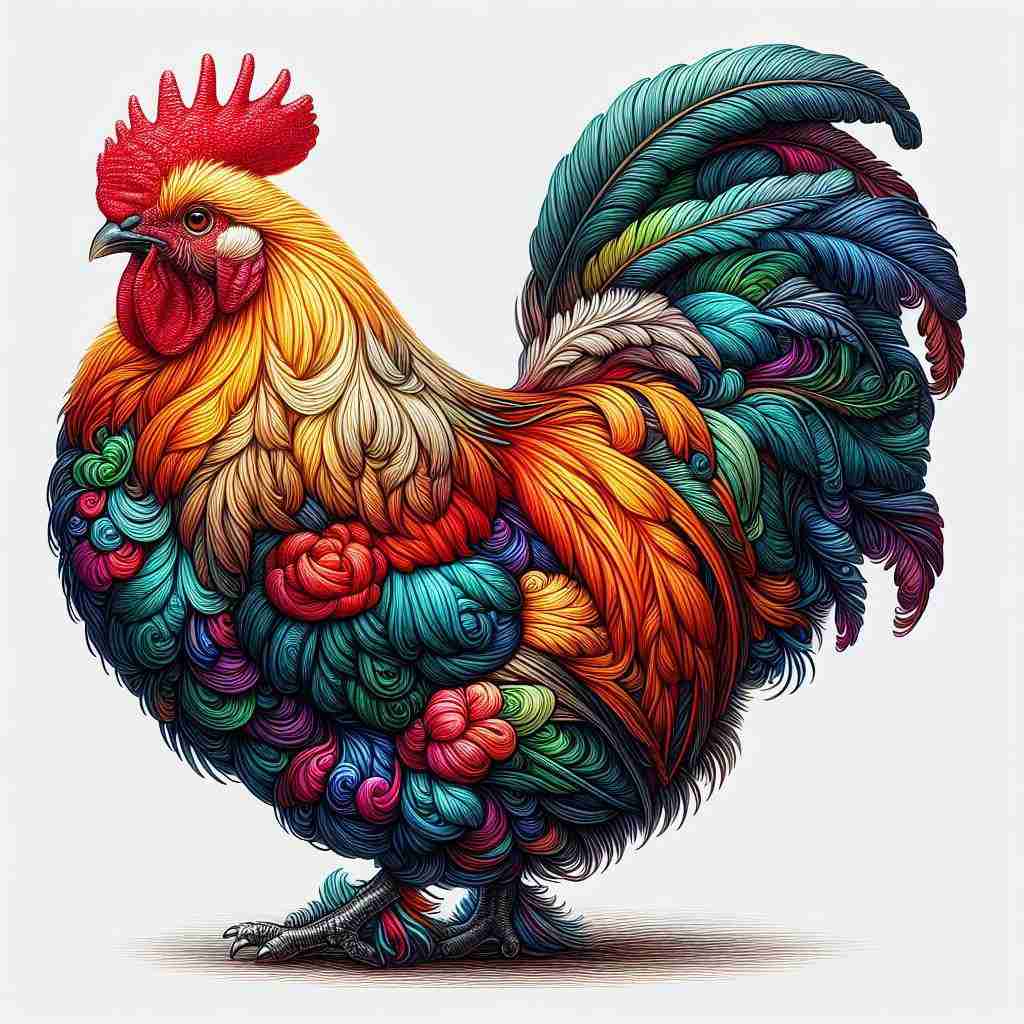
Will Backyard Chickens Make You More Self-Sufficient?
Will Backyard Chickens Make You More Self-Sufficient?
- Backyard chickens provide fresh eggs and promote self-sufficiency in a convenient world.
- The convenience of gathering eggs steps from your kitchen enhances the breakfast experience.
- Raising chickens requires commitment, including setting up a coop and ensuring their safety.
- Once established, backyard chickens can offer a steady supply of eggs, contributing to food independence.
- Chickens act as natural composters, enriching garden soil with their droppings for sustainable living.
- Working with chickens connects individuals to the basics of food production and nature.
- Backyard chickens can lead toward a more self-sufficient lifestyle and greater independence.

Will Backyard Chickens Make You More Self-Sufficient?
Table Of Contents
- Will Backyard Chickens Make You More Self-Sufficient?
- What Are The Benefits Of Raising Backyard Chickens?
- How Much Space Do Chickens Need?
- What Kind Of Feed Should I Provide For My Chickens?
- How Do I Care For Backyard Chickens Daily?
- What Breeds Are Best For Beginners?
- Can Chickens Help Reduce Food Waste?
- How Do Chickens Contribute To Pest Control?
- Conclusion
- Other Resources
- Glossary Of Terms
- Other Questions
- Haiku
- Poem
- Checklist
What Are The Benefits Of Raising Backyard Chickens?
Raising backyard chickens is more than just a quirky trend for urban dwellers; it’s a rewarding venture that can redefine your relationship with food, nature, and responsibility. Imagine stepping outside to collect fresh eggs laid just steps from your kitchen, knowing that your breakfast ingredients are free from preservatives and antibiotics. This reality is what backyard chickens bring to the table.
First off, let’s talk about fresh eggs. There’s simply no substitute for the farm-fresh goodness of an egg laid by your own hens. These yolks possess vibrant colors and rich flavors that are worlds apart from those bland, factory-farmed alternatives. When you crack open an egg from your backyard chickens, you’re not only enjoying a superior culinary experience, but you’re also engaging in sustainable living. You know exactly what those birds have been eating, and you can ensure they lead happy, healthy lives.
Beyond the delicious eggs, raising chickens brings a unique blend of entertainment and education. Watching these feathery little personalities cluck and scratch around your yard is more refreshing than binge-watching another series on your couch. Kids love chickens, and caring for them instills a sense of responsibility and respect for all living things. They learn where their food comes from and witness the miracle of life firsthand—whether it’s tending to a broody hen or simply giggling at a curious chick pecking around.
Let’s not forget the garden benefits of having backyard chickens. These birds are nature’s little recyclers, turning kitchen scraps into rich compost. Their droppings are a goldmine for your soil, providing necessary nutrients and helping you grow a flourishing garden. With the right setup, you can utilize a chicken tractor to optimize their foraging habits while ensuring your landscape remains intact.
Lastly, you’ll find that raising backyard chickens creates a sense of community. Chicken keepers often connect with like-minded neighbors, swapping tips, eggs, or even birds. You’ll be amazed at the stories that emerge from a simple common interest.
In an age dominated by convenience and instant gratification, embracing the age-old practice of raising backyard chickens invites us back to our roots. It’s a small step towards a more sustainable lifestyle that offers moments of joy, delicious rewards, and lasting connections. So, gather some feed and get ready to enjoy the delightfully clucky adventure of chicken-keeping!

What Are The Benefits Of Raising Backyard Chickens?
What Are The Benefits Of Raising Backyard Chickens?
- Raising backyard chickens is a rewarding endeavor that enhances your relationship with food, nature, and responsibility.
- Enjoy fresh, flavorful eggs free from preservatives and antibiotics, directly from your own backyard.
- Backyard chickens provide a sustainable living experience, allowing you to control their diet and well-being.
- Keeping chickens offers entertainment and education, teaching children about responsibility and where their food comes from.
- Chickens help improve your garden by recycling kitchen scraps into compost and enriching the soil with their droppings.
- The practice fosters community among chicken keepers, facilitating connections through shared interests and experiences.
- Embracing chicken-keeping encourages a return to sustainable living and provides joy, rewards, and lasting relationships.

What Are The Benefits Of Raising Backyard Chickens?
How Much Space Do Chickens Need?
When it comes to raising backyard chickens, determining how much space these feathered friends require is crucial for a happy, healthy flock. After all, nobody wants squawking, feather-ruffled drama in their yard; we want peaceful egg-laying machines!
First off, let’s talk about square footage. Generally speaking, each chicken needs about 4 square feet inside a coop and around 10 square feet in an outdoor run. Yes, that might seem like a lot for a creature that spends half its day scratching in the dirt, but chickens are social animals that thrive when they have room to roam. Keep in mind that the more space they have, the less likely they are to squabble over pecking order disputes or get bored, which can lead to some very bad habits.
Now, you don’t need a football field to keep your backyard chickens happy. A modestly sized yard can work wonders. If you’re restricted by space, consider adding vertical elements. Chickens love to roost on perches, and providing some height can give them extra room without expanding the footprint of their habitat. Think of it as building up instead of out—kind of like stacking books in a library to organize your collection.
And while space is essential, so is the environment. A well-ventilated, clean coop is a must. You want a place where these clucking wonders can sprawl out without feeling cramped, and fresh air is vital. Proper ventilation prevents ammonia buildup from droppings—a fancy way of saying you don’t want your hens living in a stinky mess.
Let’s not overlook the importance of outdoor opportunities. Chickens are natural foragers, and they need access to grass, bugs, and dirt to fulfill their instincts. Providing a run that allows them to stretch their legs and engage with the ground is essential. Whether it’s a movable chicken tractor that lets them nibble on fresh greens or a designated fenced area in your backyard, these little cluckers will appreciate every bit of space you can give them.
When setting up your backyard chickens, remember: Choice real estate involves plenty of room to roam, a cozy and clean coop, and access to the great outdoors. With the right space, your chickens will not only produce eggs but also become a delightful addition to your daily life. Happy chicken-raising!

How Much Space Do Chickens Need?
How Much Space Do Chickens Need?
- Determining space requirements is essential for a happy and healthy chicken flock.
- Each chicken needs about 4 square feet inside a coop and 10 square feet in an outdoor run.
- More space reduces squabbles and boredom among chickens, promoting better behavior.
- Vertical elements like perches can maximize limited yard space for chickens.
- A well-ventilated and clean coop is crucial to prevent ammonia buildup and discomfort.
- Chickens are natural foragers; access to grass, bugs, and dirt is important for their well-being.
- Providing ample room, a clean coop, and outdoor access enhances both egg production and enjoyment.

How Much Space Do Chickens Need?
What Kind Of Feed Should I Provide For My Chickens?
When it comes to raising backyard chickens, the choices you make about feed can make all the difference. You might think tossing a couple of corn kernels in a trough is enough, but let me tell you, there’s a whole lot more to it than that. Choosing the right feed is not just about keeping your feathered friends happy; it’s about ensuring they’re healthy, productive, and clucking along with joy.
First and foremost, you need to know that chickens are omnivores. That’s right! These little birds don’t just thrive on grains; they appreciate a varied diet. A balanced feed mix is crucial, and this typically consists of a base of grains—like corn and wheat—along with proteins, vitamins, and minerals. You’ll want to look for a feed that’s specifically designed for chickens, especially if you’re raising them for egg production. Layer feed is a fantastic choice for hens once they start laying eggs, providing them with the extra calcium they need.
But don’t stop there! Chickens love their greens. For those of you with backyard chickens, consider supplementing their diet with kitchen scraps or fresh vegetables. Leftover lettuce, spinach, and even some fruit—these can all be fantastic treats that promote a healthy diet. Just remember to avoid anything toxic, like avocado skins or raw potatoes; those are no-fly zones for your flock.
The age of your chickens also plays a significant role in their dietary needs. Chicks require a starter feed that’s higher in protein to support their rapid growth. Once they transition to adulthood, switch them to grower feed before ultimately introducing layer feed for your egg-laying hens. Each stage of a chicken’s life demands different nutrients, so be mindful of their age and adjust accordingly.
Don’t forget about grit! Chickens don’t have teeth, so they need small stones in their gizzards to help grind up food. Providing grit, especially if you’re feeding them kitchen scraps or any non-commercial feed, is essential for their digestion.
Lastly, fresh, clean water is just as important as feed. Without it, your chickens won’t thrive no matter how fancy their diet is. Make it a point to check their water supply regularly.
By understanding the diverse needs of your backyard chickens, you’ll ensure that they remain healthy, happy, and productive. Go out there and give your flock the nourishment they deserve!

What Kind Of Feed Should I Provide For My Chickens?
What Kind Of Feed Should I Provide For My Chickens?
- Choosing the right feed for backyard chickens is crucial for their health and productivity.
- Chickens are omnivores and thrive on a varied diet, not just grains.
- A balanced feed mix should include grains, proteins, vitamins, and minerals, particularly layer feed for egg-laying hens.
- Supplementing their diet with kitchen scraps and fresh vegetables can promote health; avoid toxic foods.
- Feed requirements change with age: chicks need starter feed, adults require grower feed, and laying hens need layer feed.
- Grit is essential for digestion since chickens lack teeth, especially when consuming non-commercial feed.
- Fresh, clean water is vital for chicken health; check their water supply regularly.

What Kind Of Feed Should I Provide For My Chickens?
How Do I Care For Backyard Chickens Daily?
Caring for backyard chickens isn’t just a chore; it’s a commitment that comes with a fair share of joyous clucks and the occasional peck. If you have decided to embark on this delightful poultry adventure, let’s dive into the daily tasks that keep your feathered friends happy and healthy.
First off, you’ll want to start the day with a morning check-in. As the sun rises and the world begins to stir, so will your flock. Make sure they’re all up and about. This is the time to let them out of their coop. Your chickens are not just freeloaders; they’re creatures of habit who thrive on routine, so opening that door prompts them to explore their backyard domain. As they scramble out, you might witness the sheer joy of a dust bath or a sunbathe, reminding you that life should be savored.
Next on the list is feeding. Chickens love to eat, but a well-balanced diet is key to their overall health. High-quality poultry feed is a must—something designed to meet their nutritional needs. You can supplement their diets with kitchen scraps (that’s right, your leftover veggies won’t go to waste), but remember: moderation is key. And don’t forget about fresh water! It’s absolutely essential, particularly on hot days when they’ll be more than happy to dabble about.
After feeding, it’s a good idea to conduct a quick health check. Take a look for any signs of distress or illness. Bumps, redness, or changes in behavior shouldn’t be brushed off. Backyard chickens are surprisingly good at hiding ailments, so you’ll need to be the vigilant guardian they both need and deserve. If anything seems off, it’s a signal to do a little more digging, or consult a vet.
Cleaning the coop is another vital aspect of daily care. Regularly removing droppings and adding fresh bedding not only keeps things pleasant for your chickens but also reduces the risk of disease. Trust me, no one likes the smell of a dirty coop, including your hens!
Finally, take some time to bond with your flock. Chickens are social creatures and thrive on interaction. Whether you’re sitting with them, talking softly, or feeding them a treat, that connection will help them feel secure and happy.
So there you have it; a well-rounded approach to keeping your backyard chickens thriving. It’s not just a daily routine; it’s a way to embrace a little bit of nature in your own backyard. Enjoy the clucking!

How Do I Care For Backyard Chickens Daily?
How Do I Care For Backyard Chickens Daily?
- Caring for backyard chickens is a joyful commitment that involves daily tasks.
- Start the day with a morning check-in to let the chickens out of the coop.
- Feed your chickens a balanced diet with high-quality poultry feed and kitchen scraps in moderation.
- Ensure access to fresh water, especially on hot days.
- Conduct a quick health check to spot any signs of distress or illness.
- Regularly clean the coop to maintain a pleasant environment and reduce disease risk.
- Bond with your flock through interaction, helping them feel secure and happy.

How Do I Care For Backyard Chickens Daily?
What Breeds Are Best For Beginners?
When it comes to diving into the world of poultry, particularly when thinking about raising backyard chickens, choosing the right breed for beginners can make the difference between clucking joy and feathered fiasco. Let’s get one thing straight: raising chickens isn’t just about the fresh eggs or a new hobby; it’s about responsibly caring for another living creature. With that in mind, some breeds stand head and shoulders above the rest for those just starting out.
First on the list is the ever-popular Rhode Island Red. These beauties are robust, friendly, and known for their hardiness in various weather conditions. They’re like the Swiss Army knife of the chicken world—great egg layers, good foragers, and an overall pleasant addition to any backyard setup. If you’re looking for a breed that can handle a little rough-and-tumble while still delivering reliable eggs, you can’t go wrong with Rhode Island Reds.
Next, let’s talk about the Leghorn. Known for their exceptional laying capabilities, these chickens are energetic and inquisitive. They might not be the cuddliest of the bunch, but they bring a high egg yield and are relatively low maintenance, making them a perfect fit for novices who want to maximize egg production without too much fuss. Just be prepared—these birds like to roam, so secure your yard against any adventurous escape artists!
For a bit of color and charm, consider the Orpington. This breed is the teddy bear of chickens—gentle and friendly, making them perfect for families, especially those with kids. Orpingtons not only lay a decent number of eggs, but they also have a calm demeanor that lets beginners build confidence in their caretaking skills. Their fluffy feathers are sure to bring a smile to your face, too!
Then we have the Sussex, known for their dual-purpose qualities. Whether you’re looking to stock your egg basket or have a feathered friend that can contribute to your dinner plate, Sussex chickens are up for the challenge. They’re sociable and easy to handle, making them an excellent choice for first-timers who want a little bit of diversity in their coop.
Lastly, there’s the Plymouth Rock. These chickens are not just a pretty face; they’re resilient and adaptable, with a good nature that makes them splendid companions.
Choosing the right breed for your backyard chickens isn’t just about aesthetics or egg count. It’s about finding the right balance of personality, productivity, and resilience to enrich your new avian adventure. So roll up your sleeves and get clucking!

What Breeds Are Best For Beginners?
What Breeds Are Best For Beginners?
- Choosing the right breed of backyard chickens is crucial for success and enjoyment.
- Raising chickens involves responsibly caring for living creatures, not just egg production.
- The Rhode Island Red is robust, friendly, and a great all-around chicken for beginners.
- Leghorns are energetic, low-maintenance birds, known for exceptional egg-laying abilities.
- Orpingtons are gentle and perfect for families, offering a calm demeanor and decent egg production.
- Sussex chickens serve dual purposes, being good egg layers and suitable for meat, while also being easy to handle.
- Plymouth Rock chickens are resilient and adaptable, making them wonderful companions for novices.

What Breeds Are Best For Beginners?
Can Chickens Help Reduce Food Waste?
If you’ve ever stood in front of your fridge, staring at those sad leftovers and wilted veggies, you’ve probably felt a pang of guilt. All that food—perfectly edible—getting tossed into the trash. But what if I told you there’s a feathered solution sitting just outside your back door? That’s right; I’m talking about backyard chickens.
Backyard chickens are more than just quirky pets; they are a sustainable answer to the looming problem of food waste. These little cluckers are nature’s little composters, happily munching on the scraps you’d otherwise consign to the garbage. Overripe tomatoes, stale bread, and even garden trimmings? Yum! Chickens will gobble them up with sheer delight—and in return, they provide you with fresh eggs. It’s a win-win situation that would make any waste-minded homesteader proud.
Now, let’s get practical. Imagine you’ve got a family dinner where you prepared a feast fit for a king. You’ve got leftovers that would break the fridge, and quite frankly, they’re just not going to see the light of day. Instead of shoving them in a plastic bag to join the landfill pile, toss those scraps out to your plucky little friends in the coop. Not only do they save you from the guilt of wasting perfectly good food, but they also transform those scraps into delicious, high-quality eggs.
And let’s not forget the incredible feedback loop. Chickens convert your food waste into nutritious eggs and, in the process, create nutrient-rich manure that can be used to enrich your garden soil. That’s a cycle of sustainability that benefits the environment as well as your dinner table. Picture your backyard thriving with fresh produce, thanks to an organic boost from your feathery friends.
Moreover, keeping backyard chickens can open your eyes to the volume of food that typically goes unused. When you start to see your waste as potential chicken chow, you’re more likely to plan meals that align with what you can consume. You become a conscientious shopper, driven by the desire to minimize that inevitable food waste.
So, can backyard chickens help reduce food waste? Absolutely! In fact, they might just inspire you to rethink how you treat your scraps, turning your waste into a source of nourishment, joy, and sustainability. With a little help from nature’s composters, you can take a significant step toward a greener lifestyle—and trust me, those delicious eggs will be the cherry on top.

Can Chickens Help Reduce Food Waste?
Can Chickens Help Reduce Food Waste?
- Backyard chickens help reduce food waste by consuming kitchen scraps that would otherwise be thrown away.
- They provide fresh eggs in return for eating overripe fruits, stale bread, and garden trimmings.
- Feeding scraps to chickens turns potential waste into nutritious eggs, creating a win-win situation.
- Chickens produce nutrient-rich manure, which can enrich garden soil, promoting sustainable gardening.
- Keeping chickens raises awareness of food waste and encourages more mindful meal planning and shopping.
- Backyard chickens can inspire a shift in perspective about food scraps, converting waste into nourishment.
- The overall cycle supports a greener lifestyle and offers the added benefit of delicious home-raised eggs.

Can Chickens Help Reduce Food Waste?
How Do Chickens Contribute To Pest Control?
When it comes to pest control, not all heroes wear capes—some sport feathers and cluck. Yes, we’re talking about backyard chickens. Those quirky creatures darting around your yard are more than just a source of fresh eggs; they can be your secret weapon in the battle against unwanted pests. Let’s dig into how these charming cluckers contribute to an organic solution for pest woes, and why every backyard could use a flock.
First off, chickens are natural foragers. Their primary instinct is to scratch the ground, peck at the dirt, and find whatever critters they can. What does this mean for pests? Well, beetles, grubs, and other garden nuisances better watch their backs. A hungry chicken will turn over a leaf litter like it’s digging for buried treasure, and in the process, it devours any lurking pests hiding in the shadows. What could be better than having a miniature clean-up crew that’s ready to feast on everything from pesky aphids to snails?
But the advantages extend beyond just snagging insects. Chickens will also munch on seeds and grains, making them a biological deterrent to larger pests as well. Yes, their penchant for snacking may mean less food for rodents and other sundry critters. By keeping the pest population in check, backyard chickens create a healthier ecosystem for your plants to thrive.
With that said, let’s tackle the big picture. When you incorporate these feathered friends into your pest control strategy, you’re not just putting up a barrier against nuisances—you’re embracing a symbiotic relationship with nature. Give these birds a bit of space, and they’ll do the tireless work of aerating the soil while keeping pests in check. It’s a win-win situation; you get vibrant, thriving plants alongside the bonus of fresh eggs and the delight of watching your flock strut around in their feathery glory.
Remember, organic pest control isn’t just about having the right sprays or traps; it’s also about working with the natural instincts of your backyard inhabitants. By inviting chickens into your garden, you’re tapping into an age-old, tried-and-true method of pest management. So the next time you see a bug on your prized tomato plant, consider letting your clucking companions know—they just might surprise you with their ability to clean up your garden, one peck at a time.

How Do Chickens Contribute To Pest Control?
How Do Chickens Contribute To Pest Control?
- Backyard chickens serve as a natural pest control solution, in addition to providing fresh eggs.
- Chickens are instinctive foragers, actively searching for pests like beetles and grubs.
- They effectively eliminate garden nuisances by turning over ground cover and consuming hidden pests.
- Chickens also consume seeds and grains, reducing food availability for larger pests like rodents.
- Incorporating chickens into pest management creates a healthier ecosystem for plants to thrive.
- This symbiotic relationship allows chickens to aerate the soil while controlling pest populations.
- Relying on chickens for organic pest control is an age-old, effective method for garden maintenance.

How Do Chickens Contribute To Pest Control?
Conclusion
In conclusion, embracing the world of backyard chickens isn’t just about collecting fresh eggs; it’s about diving head-first into a lifestyle that champions self-sufficiency, sustainability, and the simple joys of nature. In an era where convenience often overshadows tradition, raising chickens is like flipping the script and taking a gratifying step back to our agricultural roots. Imagine padding into your yard, still clad in your pajamas, and gathering warm, meal-ready eggs right outside your door. It’s a delightful slice of homegrown independence that transforms how we engage with food, all while reminding us of the profound satisfaction that comes from nurturing life.
Now, let’s keep it real—caring for chickens isn’t all sunshine and fluffy clouds. It requires commitment, finesse, and daily diligence. From setting up a cozy coop and ensuring a secure environment to crafting a balanced diet that meets their needs, every bit of effort pays off in dividends that extend far beyond breakfast. It’s not just about eggs; it’s about fostering a thriving ecosystem right in your backyard. These feathered friends take kitchen scraps and transform them into nutrient-rich compost, enriching your soil and amplifying your gardening efforts. They create a joyful rhythm in your day-to-day life while encouraging sustainable practices that lessen waste and promote a greener existence.
Moreover, the connection between people and animals that arises through this venture is invaluable. Children learn responsibility, compassion, and the beauty of where their food comes from, all while experiencing the charming antics of clucking companions. And don’t underestimate the sense of community that comes with hens—it’s a hive of shared stories, tips, and even egg swaps that strengthens the very fabric of local connections.
So, will backyard chickens make you more self-sufficient? Absolutely! They are more than just pets; they are a living reminder that independence can sprout from the smallest of acts. Every egg collected serves as testament to a choice you’ve made toward a more self-sufficient lifestyle—one cluck, one breakfast, and one happy garden at a time. So, if you’re ready to roll up your sleeves and dive into this feathery adventure, know that with every step you take, you’re not just raising chickens; you’re cultivating independence and sowing the seeds of a rewarding, sustainable future. Now, that sounds like a pretty good deal to me!

Conclusion
Conclusion:
- Embracing backyard chickens promotes self-sufficiency, sustainability, and a connection to nature.
- Raising chickens offers a return to agricultural roots and enhances engagement with food.
- Caring for chickens requires commitment and daily diligence but rewards with more than just eggs.
- Chickens convert kitchen scraps into nutrient-rich compost, enriching the soil for gardening.
- The experience teaches children responsibility, compassion, and an understanding of food origins.
- Backyard chicken-keeping fosters community through shared stories, tips, and egg swaps.
- Raising chickens cultivates independence, contributing to a sustainable and rewarding lifestyle.

Conclusion
Other Resources

Other Resources
Here is a list of other resources you can review online to learn more:
Use This Prompt To Get More Resources With Your Favorite Online AI Tool: Please provide me with a list of online articles with their URLs in a bulleted list that I can read regarding Will Backyard Chickens Make You More Self-Sufficient?

Other Resources
Glossary Terms
Will Backyard Chickens Make You More Self-Sufficient? – Glossary Of Terms
1. Backyard Chickens: Domesticated birds raised in residential backyards for eggs, meat, or companionship.
2. Self-sufficiency: The ability to fulfill one’s needs without external assistance, particularly in food production.
3. Egg Production: The process by which hens produce eggs, typically influenced by breed, diet, and environment.
4. Henhouse: A shelter specifically designed for housing chickens, providing protection from predators and harsh weather.
5. Free-ranging: Allowing chickens to roam freely outside their coop, promoting natural behaviors and providing additional food sources.
6. Organic Feed: Chicken feed produced without synthetic pesticides, herbicides, or genetically modified organisms, supporting healthier livestock.
7. Composting: The process of recycling organic waste, such as chicken manure and bedding, into nutrient-rich soil amendment.
8. Molting: The natural process where chickens shed and regrow feathers, typically occurring annually and often affecting egg production.
9. Broodiness: A state in which a hen desires to incubate eggs and hatch chicks, leading to changes in behavior and appetite.
10. Culling: The selective removal of chickens from a flock, often due to poor egg production, health issues, or undesirable traits.
11. Hybrid Breeds: Chickens bred from two or more different breeds to enhance specific qualities, such as egg-laying capacity or hardiness.
12. Pecking Order: The social hierarchy established among chickens, influencing behavior, feeding, and mating.
13. Roosting: The behavior of chickens resting on elevated perches, which provides safety from ground predators during the night.
14. Dust Bathing: A natural behavior where chickens roll in dust or sand to maintain feather health and control parasites.
15. Chicken Coop: A secure shelter for chickens that includes nesting boxes, roosts, and space for movement.
16. Grazing: The act of chickens foraging for plants, insects, and seeds, contributing to a balanced diet.
17. Nesting Boxes: Enclosed spaces in a coop where hens can lay their eggs in a safe and comfortable environment.
18. Flock: A collective group of chickens that live and interact together within a defined space.
19. Starter Feed: Nutrient-rich food formulated for baby chicks to ensure proper growth and development during early life stages.
20. Layer Feed: Poultry feed specially formulated for hens that are actively laying eggs, providing essential nutrients for optimal production.
21. Biosecurity: Measures taken to protect the health of a flock by preventing the introduction and spread of diseases.
22. Pastured Poultry: Chickens raised on pasture, allowing access to natural forage, contributing to higher-quality meat and eggs.
23. Chicken Behavior: The various activities and social interactions of chickens, including grooming, foraging, and nesting.
24. Animal Welfare: The ethical treatment and consideration of the health and wellbeing of livestock, including space, nutrition, and social interactions.
25. Harvesting: The process of collecting eggs or meat from chickens, indicating the end of a production cycle.
26. Sustainable Practices: Farming methods that focus on ecological balance, minimizing waste, and preserving resources for future generations.
27. Legislation: Local laws and regulations governing the ownership and care of backyard chickens, including zoning and animal husbandry standards.
28. Chicken Breeds: Various categories of chickens developed for specific traits, such as egg-laying efficiency, meat quality, or ornamental value (e. g. , Rhode Island Red, Leghorn).
29. Permaculture: An agricultural philosophy that seeks to create sustainable and self-sufficient ecosystems, often incorporating livestock like chickens.
30. Homesteading: A lifestyle of self-sufficiency, often involving the cultivation of food, livestock raising, and sustainable living practices.

Glossary Of Terms
Other Questions
Will Backyard Chickens Make You More Self-Sufficient? – Other Questions
If you wish to explore and discover more, consider looking for answers to these questions:
- What are the initial costs associated with raising backyard chickens?
- How do I choose the right breed of chicken for my specific needs?
- What are common health issues that can affect backyard chickens?
- How do I protect my backyard chickens from predators?
- What kind of coop setup is best for backyard chickens?
- How can I successfully introduce new chickens to an existing flock?
- Can chickens provide any benefits for my vegetable garden?
- What are the legal requirements or restrictions for keeping chickens in my area?
- How can I ensure my chickens are humanely treated and happy?
- What seasonal care considerations should I keep in mind for chickens?
- How do I manage and utilize chicken manure effectively?
- What should I do if my chickens stop laying eggs?
- How do I handle aggressive behavior among chickens?
- Are there any local resources or communities for chicken-keeping support?

Other Questions
Haiku
Will Backyard Chickens Make You More Self-Sufficient? – A Haiku
Fresh eggs at dawn’s light,
Chickens roam, pecking for scraps—
Nature’s joy unfolds.

Haiku
Poem
Will Backyard Chickens Make You More Self-Sufficient? – A Poem
In backyards nestled ‘neath the sun,
A humble venture just begun,
With feathered friends that cluck and roam,
Backyard chickens make a home.
Fresh eggs await with morning’s light,
Laid just steps from the kitchen’s sight,
No bland store-bought yolks to break,
These golden gems, pure joy they make.
Yet, raising flocks requires some care,
With coops to build and feed to share,
Though novice hands may find it tough,
The rewards unfold; it’s truly enough.
Companions for kids, they dance and play,
Lessons of life in a clucking way,
They scratch the soil and peck through greens,
Turning scraps to nutrients, if you know what that means.
Chickens clean the yard, a pest-control delight,
Munching on bugs till day turns to night,
Nature’s recyclers, they thrive and sow,
As your garden flourishes, watch it grow.
So step outside, embrace the toil,
Dig in the earth, and nurture the soil,
In a fast-paced world that moves so fleet,
Find joy and sustenance at your feet.
With each cluck and scratch, you’ll come to see,
The bliss of self-sufficiency, wild and free,
Gather your flock, let adventure begin,
In raising backyard chickens, find where you fit in.

Poem
Checklist
Will Backyard Chickens Make You More Self-Sufficient? – A Checklist
Checklist for Raising Backyard Chickens
Getting Started
_____ Research Local Regulations: Check zoning laws and regulations on backyard chickens in your area.
_____ Choose the Right Breeds: Consider beginner-friendly breeds like Rhode Island Reds, Leghorns, Orpingtons, Sussex, or Plymouth Rocks.
_____ Plan Your Space: Ensure you have enough room for at least 4 square feet per chicken inside the coop and 10 square feet in the outdoor run.
Setting Up Your Coop
_____ Build or Buy a Coop: Ensure it is well-ventilated, clean, and secure from predators.
_____ Create a Run: Design an outdoor space that allows for natural foraging and roaming.
_____ Add Perches and Nesting Boxes: Include these features for your chickens to rest and lay eggs comfortably.
Daily Care
_____ Morning Check-In: Open the coop and check on the chickens to ensure they’re healthy and active.
_____ Feed the Chickens: Provide high-quality poultry feed, supplemented by kitchen scraps and fresh veggies (avoid toxic foods).
_____ Check Water Supply: Ensurefresh, clean water is readily available at all times.
Health Monitoring
_____ Conduct Regular Health Checks: Look for signs of distress or illness and address any concerns promptly.
_____ Clean the Coop: Remove droppings and replace bedding regularly to maintain hygiene.
Sustainability Practices
_____ Compost Chicken Waste: Use chicken droppings to enrich garden soil, closing the loop on waste.
_____ Reduce Food Waste: Feed chickens kitchen scraps to turn leftovers into nutritious eggs.
Community & Learning
_____ Connect with Neighbors: Join local groups or forums for backyard chicken enthusiasts to share tips and experiences.
_____ Involve Family: Engage kids in the care of chickens to teach responsibility and the origins of food.
Enjoy Your Chickens
_____ Bond with Your Flock: Spend time interacting with your chickens to build trust and ensure a happy environment.
_____ Collect Fresh Eggs: Enjoy the rewards of your labor with farm-fresh eggs straight from your backyard!
This checklist will help you smoothly transition into raising backyard chickens while maximizing enjoyment and sustainability! Happy chicken-keeping! 🐔🥚

Checklist
At BackyardChickenNews, we help people who want to raise backyard chickens by collating information and news blended with our own personal experiences.
Be sure to read our other related stories at BackyardChickenNews to learn more about raising chickens in your backyard.