

Creating Sustainable Self-Sufficiency: Embracing Zero-Waste Homesteading
By Tom Seest
At BackyardChickenNews, we help people who want to raise backyard chickens by collating information and news blended with our own personal experiences.
Be sure to read our other related stories at BackyardChickenNews to learn more about raising chickens in your backyard.
Zero-Waste Homesteading – Where Every Cluck Counts
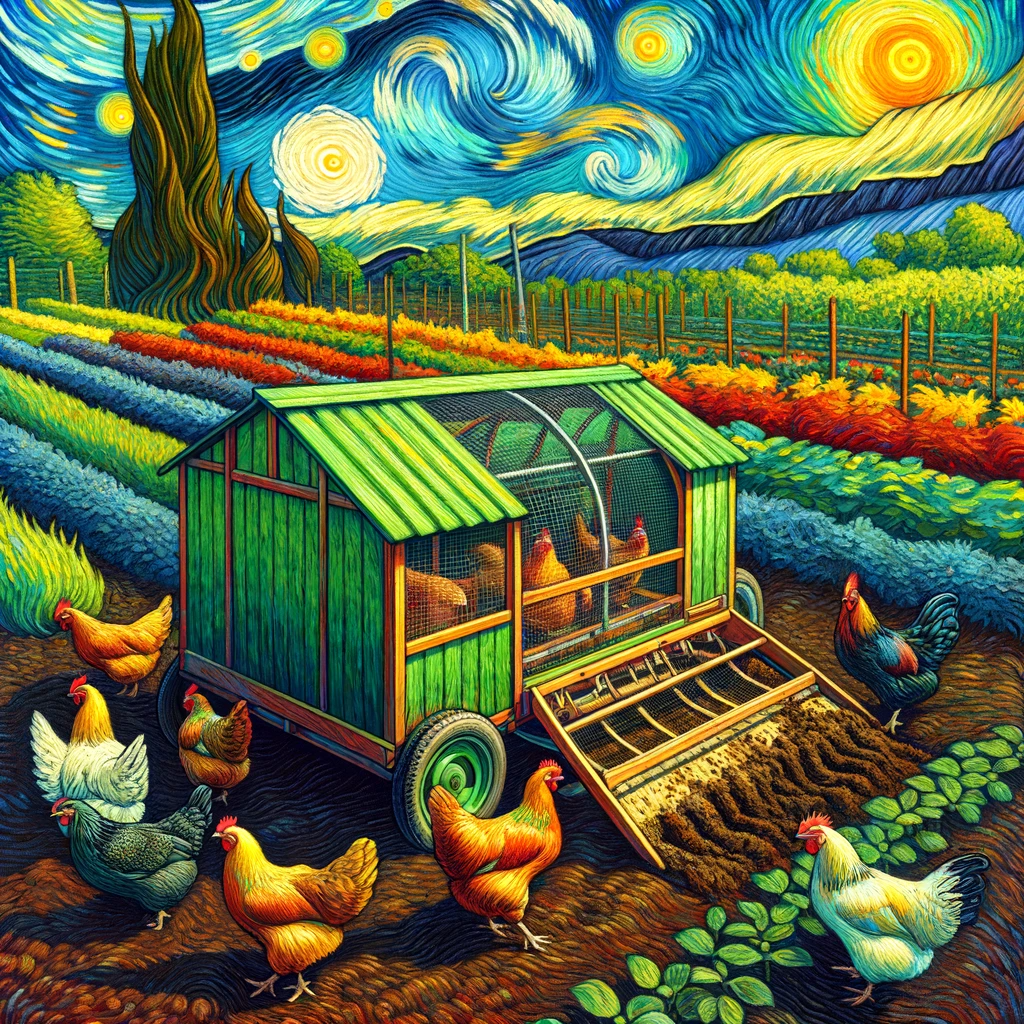
When you step into the world of zero-waste homesteading, every cluck counts. Picture it: a simple morning in your backyard, the sun rising over your makeshift sanctuary. A chorus of chickens greets you with raucous enthusiasm as they wait expectantly for their breakfast scraps. This isn’t just about eggs or fresh compost; it’s about a connection to the earth, a promise to reduce waste, and a way to take control of your environment. Here lies an opportunity to nurture life in every form, turning food scraps into delightful feathery companions, and perhaps even a few future meals.
Backyard chickens are more than just birds; they’re symbols of sustainable living. Each peck and each cluck resonates with an ethos that says, “I refuse to let good food go to waste.” By composting kitchen scraps and nurturing these creatures, you weave a narrative that transforms your home into a bustling ecological hub. It’s a small act with ripple effects—every egg collected is a tangible reminder of the cycle of life, of giving back to the earth that gives us so much.
This isn’t a radical lifestyle; it’s a grounded, practical choice. Think of the math: by raising a few chickens, you’re not just enriching your diet—you’re cutting down on your ecological footprint. It’s about making sustainable choices that resonate beyond your yard, creating a community where people inspire each other to think differently about waste. Will your friends toss their leftovers in the bin while you proudly call your chickens to come share a feast? It’s these moments that shift perceptions, fostering a connection that extends from your home to your neighborhood.
Ethically, zero-waste homesteading calls on us to consider our relationship with nature. Chickens need care, love, and respect, fostering responsibility and reinforcing the values of stewardship. When you hear those clucks, you’re reminded that every decision we make has consequences, shaping not just our world, but the world we leave behind.
In this lush backyard ecosystem, you discover a community of like-minded souls, each on their journey toward sustainability. Whether you’re sharing eggs, swapping garden tips, or simply connecting over the joy of homegrown food, every cluck becomes a part of something much larger—a movement towards compassion, responsibility, and sustainability. So, as you gather your breakfast eggs, consider this: the simplest backyard endeavor is an invitation to a richer, more connected life.

Zero-Waste Homesteading – Where Every Cluck Counts
Zero-Waste Homesteading – Where Every Cluck Counts
- Zero-waste homesteading promotes sustainable living through backyard chickens.
- Chickens symbolize the refusal to waste good food and help reduce ecological footprints.
- Composting kitchen scraps transforms them into valuable resources for chickens.
- Raising chickens fosters a connection to nature and reinforces stewardship values.
- Participating in this lifestyle encourages a sense of community and shared responsibility.
- Every chicken interaction reinforces the cycle of life, contributing positively to the environment.
- The endeavor promotes a richer, more connected life through sustainable choices.

Zero-Waste Homesteading – Where Every Cluck Counts
Table Of Contents
- Zero-Waste Homesteading – Where Every Cluck Counts
- What Does It Mean to Live a Zero-Waste Lifestyle?
- How Can We Reduce Food Waste At Home?
- Why Is Composting Essential for Our Environment?
- How Can Raising Chickens Benefit Our Homestead?
- What Are the Ethical Considerations Of Homesteading Practices?
- How Can We Create a Sustainable Garden That Feeds Our Family?
- What Role Does Community Play In Zero-Waste Living?
- Conclusion
- Other Resources
- Glossary Of Terms
- Other Questions
- Haiku
- Poem
- Checklist
What Does It Mean to Live a Zero-Waste Lifestyle?
What does it mean to live a zero-waste lifestyle? Imagine standing in your kitchen, sunlight streaming through the window, surrounded by the delightful chaos of life. You have a choice: throw away a plastic package that took a few seconds to create, or invest a bit of time into a sustainable, joy-filled way of living that benefits not just you, but the planet as a whole. This isn’t just a trend; it’s a commitment that appeals to the heart, head, and gut.
The heart nods in agreement when you think about the future for our children and grandchildren. Living zero-waste means embracing the simple joys of a life with less clutter, more purpose. You start with those backyard chickens, pecking around the yard, leaving you with fresh eggs and a reminder of nature’s cycle. It’s a beautiful parallel to your new choices—every little reduction in waste is a step towards nurturing the environment, much like those birds nurture your breakfast table.
Rationally, it makes sense. The math adds up when you consider the mountains of trash piling up in landfills, each piece a legacy of neglect. Transitioning to a zero-waste lifestyle reduces your carbon footprint and fosters a more sustainable community. Opting for reusable bags or glass jars transforms shopping into a conscious act, reminding you and those around you that your choices carry weight—literal and figurative.
Ethically, it’s a conscientious stand against a culture of convenience. This lifestyle is a call to take responsibility, to engage with our environment beyond mere consumption. It compels you to reflect on the ethics of your choices. Supporting local farmers, like those who provide ingredients for your compost or feed for your backyard chickens, creates a connection to your community. This solidarity amplifies your impact, weaving a tapestry of mindful consumers devoted to cultivating a healthier planet.
Moreover, there’s a narrative woven into the fabric of this lifestyle—a story of resilience and hope. When you share your endeavors with friends, when they see your use of compost and choice to shop secondhand, it inspires a domino effect. Your actions invite others into the conversation, sparking curiosity and connection. Together, as this movement grows, you realize you’re not just an individual; you’re part of a collective transformation.
Living a zero-waste lifestyle is achievable, fulfilling, and transformational. Every small change creates a ripple, and each decision empowers you, building a better future for all. Make the commitment to live with intention, and inspire those around you to join in—for a sustainable life is not just about the waste you leave behind, but the legacy you create.

What Does It Mean to Live a Zero-Waste Lifestyle?
What Does It Mean to Live a Zero-Waste Lifestyle?
- Living a zero-waste lifestyle is a commitment that positively impacts both individuals and the planet.
- It fosters joy and purpose through minimalism, like keeping backyard chickens for fresh eggs.
- The approach significantly reduces waste and carbon footprints, promoting sustainability.
- Using reusable products makes shopping a conscious and responsible act.
- It involves ethical considerations, encouraging support for local farmers and sustainable practices.
- The lifestyle creates community connections and inspires collective action towards environmental health.
- Every small decision in a zero-waste lifestyle contributes to a meaningful legacy for future generations.

What Does It Mean to Live a Zero-Waste Lifestyle?
How Can We Reduce Food Waste At Home?
Imagine standing in your kitchen, the scent of last night’s dinner still lingering in the air, only to open the fridge and face a familiar sight: a collection of expired condiments, an untouched salad wilted beyond recognition, and a half-eaten loaf of bread that’s now a science experiment. We don’t just lose food; we lose heart, hope, and money. It’s easy to point fingers at the grocery store or the endless chain of supply and demand, but the real power to change lies at home, in each of our kitchens.
Start by understanding how food waste impacts not just your wallet but the world around you. Each watermelon that goes uneaten is a cumulative strain on the environment, consuming resources like water and energy for its cultivation and transport. By making small adjustments, we can flip the narrative, transforming waste into something beneficial for our lives. Take charge of your grocery shopping—plan meals and stick to a list. This isn’t just about saving a few bucks; it’s an ethical decision that acknowledges the labor, energy, and resources that went into bringing those groceries to your table.
Imagine growing herbs on your windowsill or even having backyard chickens. Chickens can turn kitchen scraps into fresh eggs, a delightful payoff for your efforts. It’s a fantastic way to get kids involved, teaching them where food comes from while fostering a bond with nature. Who wouldn’t feel a swell of pride sharing eggs with a neighbor? Those little hens become ambassadors of sustainability.
Think of sharing leftovers with friends or neighbors. It turns a potential trash dump into an act of kindness and connection. In a world that often feels disconnected, sharing food can strengthen community bonds, evoke laughter, and create stories. Tagging along on a friend’s meal prep becomes a social outing rather than a chore. The more we connect over food, the less we waste, fueling a cycle of responsibility and care.
Let’s be clear: reducing food waste isn’t a trend or a fad; it’s a call to action. It’s about looking at our homes, our habits, and our values. When we commit to being more mindful about what we bring into our homes, we reclaim not only our food but also our integrity and impact. So, let’s roll up our sleeves and start cooking—because together, we can turn the tide against waste, one meal at a time.

How Can We Reduce Food Waste At Home?
How Can We Reduce Food Waste At Home?
- Food waste affects our wallets, environment, and emotional well-being.
- Each uneaten item, like a watermelon, strains resources such as water and energy.
- Making small changes in our grocery shopping can lead to significant benefits.
- Engaging in home gardening, like growing herbs, teaches sustainability to children.
- Sharing leftovers fosters community connections and reduces waste.
- Reducing food waste is a critical responsibility, not just a trend.
- Mindful consumption helps reclaim our integrity and positively impacts our surroundings.

How Can We Reduce Food Waste At Home?
Why Is Composting Essential for Our Environment?
When you think about composting, what comes to mind? A pile of kitchen scraps rotting away in someone’s backyard? Or perhaps a simple practice that seems inconsequential in the grand scheme of environmental issues? Let’s dig a little deeper because composting is much more than just a trend; it’s a lifeline for our planet, a connection to nature, and a powerful act of stewardship.
Think of composting as nature’s recycling system. Every coffee ground, leftover piece of fruit, and yard waste is an opportunity—a chance to close the loop on waste. Instead of filling landfills, where organic matter breaks down inefficiently and emits greenhouse gases, composting transforms those scraps into nutrient-rich soil. This process not only nourishes plants in your garden but also builds healthier ecosystems, increasing biodiversity and reducing dependence on chemical fertilizers. Here’s where your heart has to take the steering wheel: imagine, just for a moment, standing in a thriving garden you cultivated with your own two hands—supported by the very food scraps you once thought of as trash.
But let’s not just dwell in the emotional. The head needs attention too. On a logical level, composting mitigates our waste crisis. In the U.S. alone, nearly 40% of food is wasted—much of it ending up in landfills. Yet, when you take action by composting, you not only reduce that waste but also cut carbon emissions, combat climate change, and conserve water. It’s a no-brainer! And guess what? You don’t even need a massive yard or fancy tools. Just a small corner of your backyard and a commitment to doing a little bit every day can yield significant benefits.
As for the ethical side, nurturing compost strengthens our relationship with the environment. We owe it to future generations to cultivate a planet that thrives, not just survives. And it’s about community, too. Sharing your composting journey can inspire neighbors to adopt these sustainable practices, amplifying the impact beyond your own backyard.
And speaking of interconnectedness, let’s bring our fine-feathered friends into the picture. By raising backyard chickens, you can create an even more harmonious ecosystem. They can help convert kitchen scraps into delicious eggs while contributing their manure to your compost, enriching it even further.
So here’s the call to action: grab a bin, start small, and be part of the solution. Composting is more than a chore; it’s a movement toward a healthier planet. The earth is counting on you—let’s get to work!

Why Is Composting Essential for Our Environment?
Why Is Composting Essential for Our Environment?
- Composting is more than a trend; it’s crucial for environmental stewardship and connection to nature.
- Think of composting as nature’s recycling system, turning kitchen scraps and yard waste into nutrient-rich soil.
- It reduces landfill waste, combats greenhouse gas emissions, and conserves water while promoting healthier ecosystems.
- In the U.S., nearly 40% of food is wasted; composting helps mitigate this waste crisis.
- Composting can be done in small spaces without fancy tools, requiring only a commitment to daily efforts.
- Nurturing compost strengthens environmental ethics and fosters community by inspiring others to adopt sustainable practices.
- Raising backyard chickens can enhance composting benefits by converting scraps into eggs and enriching compost with manure.

Why Is Composting Essential for Our Environment?
How Can Raising Chickens Benefit Our Homestead?
Imagine stepping into your backyard and hearing the gentle clucking of chickens, a soothing sound that speaks to generations past. Raising chickens isn’t just a hobby; it’s a commitment to nurturing life, understanding nature, and enriching our homestead with genuine purpose. Backyard chickens are more than just a source of fresh eggs; they are a vital thread in the fabric of sustainable living, connecting us to the cycles of growth and decay, work and reward.
From the moment you decide to welcome these feathered friends, a transformation begins. You’re not merely feeding animals; you’re participating in a beautiful dance of responsibility and reciprocity. You’ll find yourself in the routine of tending to their needs, which surprisingly offers a powerful antidote to the chaos of life. Watching them scratch and peck, you realize there’s a simplicity and peace that many of us long for amid our fast-paced lives. Those delightful scenes not only feed your soul but teach invaluable lessons in patience, nurturing, and commitment.
Consider the nutritional benefits as well. Freshly laid eggs from your backyard chickens are a world away from grocery store options. You’ll take pride in knowing where your food comes from—an ethical stance that speaks volumes about personal responsibility and environmental stewardship. It’s that visceral connection to what you consume that reminds us of our place within the larger ecosystem; the earth nourishes us, and in return, we care for it. Raising chickens can redefine how you see food—transforming it from a mere commodity into a community resource.
And let’s not forget the joy of sharing this journey. Gather friends and family around, and you’ll find yourself immersed in lively conversations, whether it’s about the gentle nature of a favorite hen or the brilliant hues of freshly laid eggs. Together, those moments forge bonds that extend beyond the coop, nurturing relationships as rich and rewarding as your harvest.
So, if you’re sitting on the fence about raising backyard chickens, think about the heartwarming experiences waiting for you. The tangible rewards—fresh eggs, pest control, and natural fertilizer—are just the beginning. Connect with your homestead, your community, and that deeper part of yourself yearning for a more fulfilling, hands-on existence. Grab a few chicks and embrace the adventure that awaits; your backyard and your heart will thank you.

How Can Raising Chickens Benefit Our Homestead?
How Can Raising Chickens Benefit Our Homestead?
- Raising chickens in the backyard is a commitment to nurturing life and understanding nature.
- Backyard chickens provide a source of fresh eggs and promote sustainable living practices.
- Welcoming chickens transforms daily routines, offering simplicity and peace in busy lives.
- Raising chickens teaches invaluable lessons in patience, nurturing, and commitment.
- Fresh eggs from backyard chickens are more nutritious and ethical compared to store-bought options.
- Sharing the experience of raising chickens fosters connections with family and friends.
- The rewards of raising chickens extend beyond food, enhancing personal fulfillment and community ties.

How Can Raising Chickens Benefit Our Homestead?
What Are the Ethical Considerations Of Homesteading Practices?
Let’s take a step back and think about what homesteading really means. It’s not just about bringing a few chickens into your backyard—or maybe a garden full of tomatoes and cucumbers. It’s about a lifestyle that reconnects us with our roots, with the earth that feeds us, and the values we hold dear. Yet, with that connection comes a weighty responsibility.
Consider the ethical implications—every decision we make on our little patches of heaven packs a punch. Raising backyard chickens? Sure, you’ll enjoy fresh eggs and a couple of squawking companions, but it’s crucial to think about their welfare. Are you providing enough space for them to roam? Are you ensuring they live free from fear and harm? These are the gut-check questions that keep us honest as stewards of the land.
Then there’s the head part—what do these practices mean for sustainability? Homesteading can be a double-edged sword: while it promotes self-sufficiency and local food sources, it raises questions about resource consumption. Are we truly being responsible with our choices? Water usage, land management, and even biodiversity are all on the table. The authority we wield as homesteaders demands that we remain aware of these impacts, striving for sustainable practices that honor both our ambitions and the world around us.
Let’s not forget the narrative woven into this lifestyle. Studies have shown that people who engage in homesteading often feel a deeper connection to their communities. By sharing what we grow, we cultivate relationships and foster an ethos of mutual support. You’re not just raising chickens; you’re opening a dialogue about food, ethics, and sustainability—with your neighbors and beyond.
As we navigate the ins and outs of our homesteading journeys, let’s challenge ourselves to think long-term. Are we creating systems that will benefit not just ourselves but future generations? Each plant sown, each animal cared for can serve as a beacon of what it means to live ethically. Consciously choosing practices that respect animal welfare, soil health, and community well-being allows us to reclaim a narrative rooted in trust and responsibility.
Embrace the ethos of a homesteader, for it isn’t merely a hobby; it’s a commitment to ethical living and a promise to the future. In a world filled with choices, let’s make the ones that matter.

What Are the Ethical Considerations Of Homesteading Practices?
What Are the Ethical Considerations Of Homesteading Practices?
- Homesteading involves a lifestyle that reconnects individuals with their roots and the environment.
- It carries a weighty responsibility regarding ethical implications and animal welfare.
- Homesteaders must consider questions of space, fear, and harm in raising animals like chickens.
- Sustainability is a crucial aspect of homesteading, raising awareness about resource consumption.
- Practices should promote a balance between self-sufficiency and environmental responsibility.
- Engaging in homesteading fosters deeper connections within communities through sharing produce.
- Homesteading is a commitment to ethical living, with an emphasis on the well-being of future generations.

What Are the Ethical Considerations Of Homesteading Practices?
How Can We Create a Sustainable Garden That Feeds Our Family?
Creating a sustainable garden that feeds your family is like crafting a living legacy—an act of love that resonates deep within us. Imagine stepping out into your backyard, greeted by the cheerful clucks of backyard chickens, the air filled with the earthy scent of thriving plants. It’s more than just a garden; it’s a sanctuary where life flourishes.
Picture this: a vibrant patch of soil, your hands in the dirt, nurturing seedlings into flourishing crops that will nourish your family. This isn’t just a hobby; it’s a commitment to sustainability, to understanding where your food comes from. When you grow your own vegetables, you cultivate not just food but a connection to the earth, a lesson in patience and process for your children. The emotional satisfaction that comes from sharing a meal made entirely from your own garden can’t be overstated. It’s about creating memories around the dinner table, stories to pass down, all tied to the fruits of your labor.
Rationally speaking, think about this: the average household produces a significant amount of food waste, while a family garden can help mitigate that. Want to cut down on grocery bills while also reducing your carbon footprint? Planting a sustainable garden does just that. You provide fresh produce, reducing reliance on store-bought goods that travel hundreds of miles, often losing nutrients along the way. Not to mention, when those backyard chickens start laying eggs, now you’ve got the freshest breakfast—talk about a win-win!
Ethically, engaging in sustainable gardening is a powerful statement. It reflects a respect for nature, an acknowledgment of the delicate balance of our ecosystems. Each time you choose to compost, to plant perennials, or to use organic methods, you’re contributing to a larger movement of care and responsibility towards our planet.
And let’s not forget the social aspect of it. Your garden doesn’t just benefit your own family; think of the potential ripple effects. Share your surplus with neighbors, trade veggies for goods, or host small gatherings centered around your harvest. These connections build stronger communities and share the gift of sustainability.
In this journey, every small action matters. By fostering a sustainable garden, you’re not just feeding your family; you’re cultivating a healthier planet, nurturing generations, and cultivating hope. So grab that shovel, embrace the dirt, and together let’s plant not just seeds but the future.

How Can We Create a Sustainable Garden That Feeds Our Family?
How Can We Create a Sustainable Garden That Feeds Our Family?
- Creating a sustainable garden is a heartfelt endeavor that serves as a living legacy.
- A garden provides a sanctuary filled with life, allowing families to connect with nature.
- Growing vegetables teaches children about patience, process, and food origins.
- A family garden helps reduce food waste and grocery costs while decreasing carbon footprints.
- Engaging in sustainable gardening promotes respect for nature and supports ecosystem balance.
- Gardens foster community connections through sharing surplus and hosting gatherings.
- Every action in sustainable gardening contributes to a healthier planet for future generations.

How Can We Create a Sustainable Garden That Feeds Our Family?
What Role Does Community Play In Zero-Waste Living?
When you think about zero-waste living, don’t just picture a solitary soul meticulously sorting compost in their backyard or scrubbing jars for an afternoon of frugality. Instead, imagine a community where every neighbor is engaged in the same mission—a tapestry of lives interwoven with purpose. Ask yourself: what does it take to rally a neighborhood around a cause? It begins in our shared spaces, like the local park or, yes, even the backyard chickens scratching through the grass, lending their clucks to a chorus of sustainability.
In our fast-paced world, community can often feel like an afterthought, but it’s in those connections that the magic happens. Think about it. You’re not alone in this endeavor; someone down the street might have a source for repurposed materials, another may hold workshops on the benefits of a no-waste lifestyle, and perhaps someone else is cultivating their own compost heap that can feed the community garden shared by all. The heart of zero-waste living beats stronger when we support one another, lending a hand or a piece of advice.
Consider the emotional pull of a commitment like this. It isn’t just about saving the Earth for future generations; it’s about nurturing our current ecosystems, our local flora and fauna, and, yes, other people. When you hit those bumps in the road—because trust me, every journey has them—you’ll find your community right there to catch you, whether it’s with shared laughter at a failed DIY project or a cup of tea to soothe the frustrations of reusing what feels un-reusable.
So, let’s talk about the ethical aspect. We owe it to ourselves and to each other to embrace more responsible lifestyles. When you join fellow advocates, you become part of something greater than oneself. This isn’t just a trend; it’s a movement built on trust, camaraderie, and the heavy lifting of shared responsibility. As you’ll find, there’s something incredibly humbling about the simple act of swapping jars for homemade preserves or sharing the fruits—quite literally—of your efforts.
Engage in those conversations. Share your stories. Your enthusiastic approach will invite others to join, transforming isolated efforts into a united front. The impact of community extends beyond the waste we reduce; it shapes the legacy we leave behind. So go ahead, reach out, learn from one another, and let the ripple of change begin in your neighborhood. Cluck-cluck, together we can!

What Role Does Community Play In Zero-Waste Living?
What Role Does Community Play In Zero-Waste Living?
- Zero-waste living thrives in a community rather than as an isolated effort.
- Shared spaces, such as parks and gardens, play a crucial role in fostering community connections.
- Local neighbors can provide resources and knowledge, like repurposed materials or workshops on sustainability.
- Emotional support from the community is essential, especially during challenging moments in the zero-waste journey.
- Engaging in responsible lifestyles collectively creates a significant impact on the environment and community.
- Sharing experiences and stories can inspire others to participate, turning individual actions into a collaborative movement.
- The ultimate goal is to create a legacy of sustainability and support that extends beyond individual efforts.

What Role Does Community Play In Zero-Waste Living?
Conclusion
Welcome to the vibrant world of zero-waste homesteading, where every cluck, every green shoot, and every little decision adds up to something monumental. This isn’t just a trending lifestyle; it’s a heartfelt commitment to nurturing both our communities and our planet. Visualize your mornings amidst the joyful cacophony of backyard chickens, eagerly clucking for their breakfast scraps. It’s not just about eggs or compost—it’s about embracing a profound connection to nature and recognizing our role within its intricate web.
Zero-waste homesteading offers a path toward sustainable self-sufficiency, transforming food waste into nourishment and fostering a sense of responsibility. When you opt to raise chickens or start a garden, you’re not merely producing food; you’re embracing an ethic of care that extends far beyond your backyard. The math is simple but powerful: fewer trips to the grocery store mean less waste in landfills, which translates into a smaller carbon footprint and a healthier environment. Your choices inspire those around you, sparking conversations about sustainability and responsibility.
Each humble act, from composting scraps to sharing homegrown produce, creates ripples of impact—profound reminders of the relationship between human beings and the earth that sustains us. Ethically, it’s about being conscious stewards of our resources, nurturing animals and plants with respect and compassion. You’re part of a greater narrative that emphasizes empathy and community, encouraging others to reflect on their consumption patterns and connect on deeper levels.
Think about the joy of gathering around meals sourced from your own efforts—the pride sharing those stories can instill in your children. This experience nurtures not only their growth but the collective spirit of your community. Your actions can become a catalyst, turning your neighbors into allies in the fight against waste.
Zero-waste living isn’t merely an individual endeavor but a collective journey, one that thrives on shared knowledge, support, and inspiration. Each shared moment, whether it’s a dish of homemade preserves or advice on sustainable practices, deepens connections.
So roll up your sleeves, take the plunge into this immersive lifestyle, and witness the transformation unfold—not just in your backyard, but in your heart, your community, and the world at large. Every small choice is a step forward, creating a legacy rooted in hope, sustainability, and the promise of a brighter future. Together, let’s embrace the adventure. Grab your shovels and your compost bins, and let’s start crafting a new, meaningful narrative for generations to come.

Conclusion
Conclusion:
- Zero-waste homesteading is a lifestyle that nurtures communities and the planet.
- Engaging with backyard chickens and gardening fosters a deep connection to nature.
- This approach promotes sustainable self-sufficiency and reduces food waste.
- Less grocery shopping leads to a smaller carbon footprint and healthier environments.
- Each small act, like composting and sharing produce, has a ripple effect on sustainability.
- Zero-waste living encourages community involvement and collective journeys towards sustainability.
- Embracing this lifestyle creates a legacy of hope and promise for future generations.

Conclusion
Other Resources
Other Resources
Here is a list of other resources you can review online to learn more:
- Garlic
- Erysipelas
- mealworms
- Polish
- roaches
- Cornish Cross
- Cherry Egger
- grower feed
- Black Copper Marans
- grains
- Blue Laced Red Wyandotte
- raccoons
- collards
- Yokohama
- Altsteirer
Use This Prompt To Get More Resources With Your Favorite Online AI Tool: Please provide me with a list of online articles with their URLs in a bulleted list that I can read regarding Zero-Waste Homesteading – Where Every Cluck Counts

Other Resources
Glossary Terms
Zero-Waste Homesteading – Where Every Cluck Counts – Glossary Of Terms
1. Zero-Waste: An approach aimed at minimizing waste generation by reusing, recycling, and composting materials.
2. Homesteading: The practice of self-sufficient living that often includes growing food, raising animals, and crafting.
3. Sustainability: The ability to maintain ecological balance by using resources in a way that does not deplete them.
4. Permaculture: A holistic design system for creating sustainable and self-sufficient agricultural ecosystems.
5. Composting: The process of recycling organic waste into nutrient-rich soil for gardening and farming.
6. Upcycling: Transforming waste materials into new products of better quality or environmental value.
7. Chickens: A common livestock choice for homesteaders, providing eggs and natural pest control.
8. Regenerative Agriculture: Farming practices that restore and enhance the health of ecosystems, focusing on soil health.
9. Food Forest: A sustainable landscape design that mimics natural forests, incorporating diverse edible plants.
10. Rainwater Harvesting: Collecting and storing rainwater for irrigation and other uses, reducing dependence on municipal water.
11. Biodiversity: The variety of plant and animal life in an ecosystem, crucial for resilience and sustainability.
12. Foraging: The act of searching for and gathering wild food, enhancing a zero-waste lifestyle.
13. Seed Saving: The practice of collecting seeds from plants to grow in future seasons, promoting self-sufficiency.
14. Ecological Footprint: A measure of human demand on Earth’s ecosystems, indicating the impact of lifestyle choices.
15. Mulching: Applying organic or inorganic materials to soil surfaces to retain moisture, suppress weeds, and improve fertility.
16. Fermentation: A method of preserving food using beneficial bacteria, enhancing flavors and nutrition.
17. Crop Rotation: The practice of growing different crops in the same area in sequential seasons to improve soil health.
18. Aquaponics: A system combining aquaculture and hydroponics, using fish waste to fertilize plants.
19. Livestock: Domesticated animals raised for food, fiber, or labor, often an integral part of homesteading.
20. Herb Spiral: A vertical garden design that maximizes space and provides diverse growing conditions for herbs.
21. Natural Pest Control: Eco-friendly methods of managing pests, such as encouraging beneficial insects or using organic repellents.
22. Green Manure: Cover crops grown to improve soil fertility, which can be tilled back into the soil.
23. Polyculture: Growing multiple crops in the same space to promote biodiversity and improve yields.
24. Solar Power: Utilizing solar energy for homesteading needs, reducing reliance on fossil fuels.
25. Chicken Coop: A shelter designed for raising chickens, often incorporating sustainable features.
26. Crop Diversity: The practice of growing various plant species to prevent disease and enhance ecosystem stability.
27. Biomimicry: Designing systems and processes inspired by nature’s efficient models and sustainable practices.
28. Heritage Seeds: Varieties of seeds that have been passed down through generations, often more resilient and flavorful.
29. Waste Audit: An assessment to identify waste types and amounts in order to improve recycling and composting efforts.
30. Food Security: The state of having reliable access to a sufficient quantity of affordable, nutritious food, often addressed through homesteading practices.

Glossary Of Terms
Other Questions
Zero-Waste Homesteading – Where Every Cluck Counts – Other Questions
If you wish to explore and discover more, consider looking for answers to these questions:
- What are the initial steps to start zero-waste homesteading?
- How can I incorporate zero-waste practices into my daily routine?
- What types of chickens are best for backyard homesteading?
- What resources can help me get started with composting?
- How can I encourage my community to adopt zero-waste practices?
- What common mistakes should I avoid when starting a sustainable garden?
- How do I choose the right location for my garden and chickens?
- What are some sustainable gardening techniques I should know about?
- How can I ensure the health and well-being of my chickens?
- What are the benefits of raising ducks or other livestock in addition to chickens?
- How can zero-waste living positively impact my mental health?
- What local resources or organizations support zero-waste initiatives?
- How can I measure the impact of my zero-waste efforts?
- What should I do with excess produce from my garden?
- What are some tips for reducing single-use plastics in my home?

Other Questions
Haiku
Zero-Waste Homesteading – Where Every Cluck Counts – A Haiku
Chickens cluck in peace,
Turning scraps to life and dreams,
Sow love, grow a home.

Haiku
Poem
Zero-Waste Homesteading – Where Every Cluck Counts – A Poem
In dawn’s embrace, a homestead sings,
Where every cluck of chickens brings
A rhythm of life, a cycle renewed,
Transforming scraps into bounty accrued.
Here, in the heart of a vibrant ground,
Sustainable choices in every sound.
With tender hands, we plant our dreams,
Nurturing gardens, where hope redeems.
It’s not merely eggs that we gather each day,
But lessons in care that come into play.
A commitment to earth, a bond so tight,
Living with intention, our futures ignite.
Beyond the kitchen, our actions reflect,
A legacy woven, a heart to connect;
Each meal shared, a story unfolds,
In laughter and kindness, community molds.
We ponder the waste that shadows our path,
Yet recognize power in mindful math.
Every morsel saved, an ethical stand,
Together we rise, united we stand.
In this dance of nurture, responsibility lives,
For the choices we make, the planet forgives.
So grab your shovel, let purpose guide,
In this journey of zero waste, let love reside.
Through clucking companions and fruits from the earth,
We cultivate joy and a deeper worth.
Join hands, dear neighbors, let’s sow and embrace,
For in this great venture, we find our place.

Poem
Checklist
Zero-Waste Homesteading – Where Every Cluck Counts – A Checklist
Zero-Waste Homesteading Checklist
Heart (Emotional Appeals)
_____ Reflect on Connection: Spend time with your chickens and observe their behaviors. How does this foster a deeper connection to nature for you?
_____ Embrace Joy of Sharing: Plan a meal using eggs from your backyard. Invite friends or family to share in this experience.
_____ Celebrate Milestones: Document your journey of raising chickens and gardening. Celebrate each small success, such as the first egg laid or the first vegetable harvested.
Head (Rational Appeals)
_____ Evaluate Waste Reduction: Track your household waste for a week. Identify key areas for improvement and solutions to reduce them.
_____ Plan Your Garden: Create a seasonal planting schedule that aligns with your family’s needs and preferences.
_____ Research Composting Methods: Investigate effective composting techniques suitable for your space and resources.
Gut (Ethical and Practical Appeals)
_____ Assess Animal Welfare: Ensure you provide adequate space, food, and care for your chickens. Reflect on their quality of life.
_____ Conscious Consumerism: Review your grocery shopping habits. Are you supporting local and sustainable practices where possible?
_____ Engage in Community Support: Identify local organizations or workshops that promote zero-waste living. Consider attending or supporting their efforts.
Authority (Expert Appeals)
_____ Seek Out Experts: Follow trusted resources and experts in sustainable living and zero-waste practices through blogs, books, or social media.
_____ Join a Workshop: Participate in community classes or workshops on composting, gardening, or sustainable practices.
Narrative (Storytelling Appeals)
_____ Share Your Journey: Document and share your experiences with raising chickens and gardening through blogs, social media, or community newsletters.
_____ Listen to Others: Engage with fellow homesteaders and share stories. Learn from their successes and challenges.
Social (Community Engagement Appeals)
_____ Organize a Swap: Host a gathering for neighbors to swap surplus produce, homemade goods, or tips on zero-waste living.
_____ Build a Local Group: Start or join a community group focused on sustainable living and food sharing to further strengthen local bonds.
_____ Participate in Clean-Up Events: Get involved in local environmental initiatives that promote waste reduction and community engagement.
Using this checklist, actively engage in the principles of zero-waste homesteading while nurturing a sense of community, responsibility, and connection.

Checklist
At BackyardChickenNews, we help people who want to raise backyard chickens by collating information and news blended with our own personal experiences.
Be sure to read our other related stories at BackyardChickenNews to learn more about raising chickens in your backyard.