

Empowering Chicken Keepers: Understanding Avian Flu Facts
By Tom Seest
At BackyardChickenNews, we help people who want to raise backyard chickens by collating information and news blended with our own personal experiences.
Be sure to read our other related stories at BackyardChickenNews to learn more about raising chickens in your backyard.
Avian Flu Facts, Not Fear – What Every Chicken Keeper Needs to Know
When you wake up each morning and step outside to greet your flock of backyard chickens, there’s a certain pulse of connection you feel—an undeniable bond that goes beyond mere husbandry. Raising chickens isn’t just a hobby; it’s a commitment, a labor of love that nourishes both your body and your soul. But the rising concern surrounding avian flu can potentially overshadow that joy. It’s crucial for every chicken keeper to sift through the fear and embrace the facts.
Think about it: you’ve invested your time, your resources, and your emotions into these feathered friends. They cluck and scratch their way into your heart, providing not just eggs but a slice of daily companionship. This isn’t just about farming; it’s about forging relationships that can build resilience in our communities. When rumors rise like a frenzy, it’s essential to rely on evidence-based knowledge rather than succumbing to hysteria. Avian flu, while serious, can be managed with awareness and proactivity—much like any challenge in life.
The ethical duty of every chicken keeper is to safeguard their flock while also contributing to the greater good of public health. By understanding the veterinary protocols and implementing sound husbandry practices, you fortify your birds—and your neighborhood—against potential outbreaks. Knowledge is the tool that empowers us to act wisely. Keeping your coop clean, monitoring your flock for diseases, and practicing biosecurity can help protect not just your chickens but also local poultry populations.
Socially, when you take the time to learn and share this information with fellow chicken enthusiasts, you further create a network of educated keepers who can support one another. Your experience can serve as a beacon of reassurance for newcomers navigating the turbulent waters of avian flu awareness.
Trust yourself and the commitment you have to your flock. Use this moment not just to shield your chickens but to inspire involvement within your community. Talk openly about fears and facts; encourage others to embrace responsible stewardship. Lead by example, showing that a healthy flock is a testament to the resilience of nature and our ability to coexist harmoniously. In the face of uncertainty, let’s rally together—not just to protect our beloved chickens but to celebrate them. Together, we can move forward with both caution and confidence.
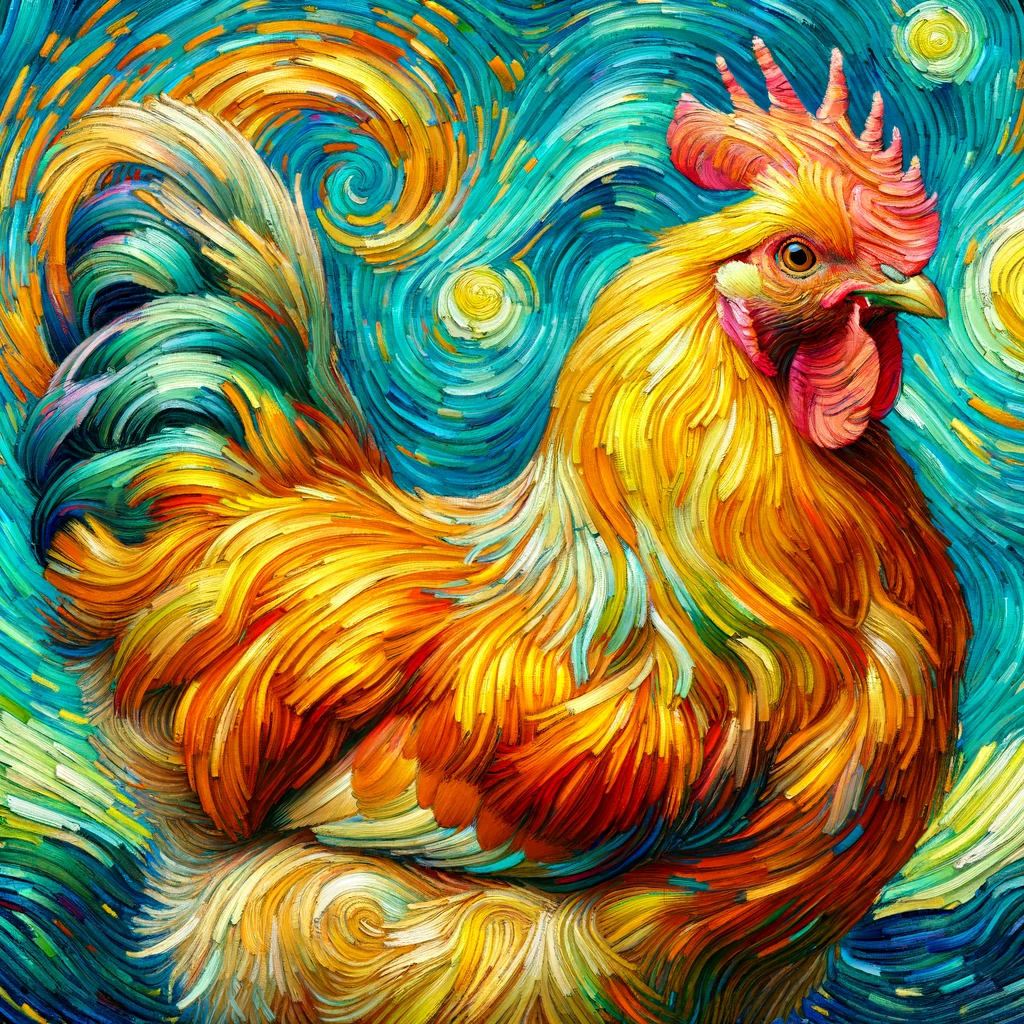
Avian Flu Facts, Not Fear – What Every Chicken Keeper Needs to Know
Avian Flu Facts, Not Fear – What Every Chicken Keeper Needs to Know
- Raising chickens creates a deep connection that goes beyond simple husbandry and serves as a commitment and source of nourishment.
- Concerns about avian flu should be approached with evidence-based knowledge rather than fear.
- Chicken keepers invest time, resources, and emotion into their flocks, fostering companionship and community resilience.
- Avian flu can be managed with awareness and proactive measures, just like any challenge in life.
- Understanding veterinary protocols and sound husbandry practices is essential for safeguarding both flocks and public health.
- Sharing information with fellow chicken keepers helps build a supportive network of educated enthusiasts.
- Encouraging responsible stewardship fosters community involvement and celebrates the harmony of nature.
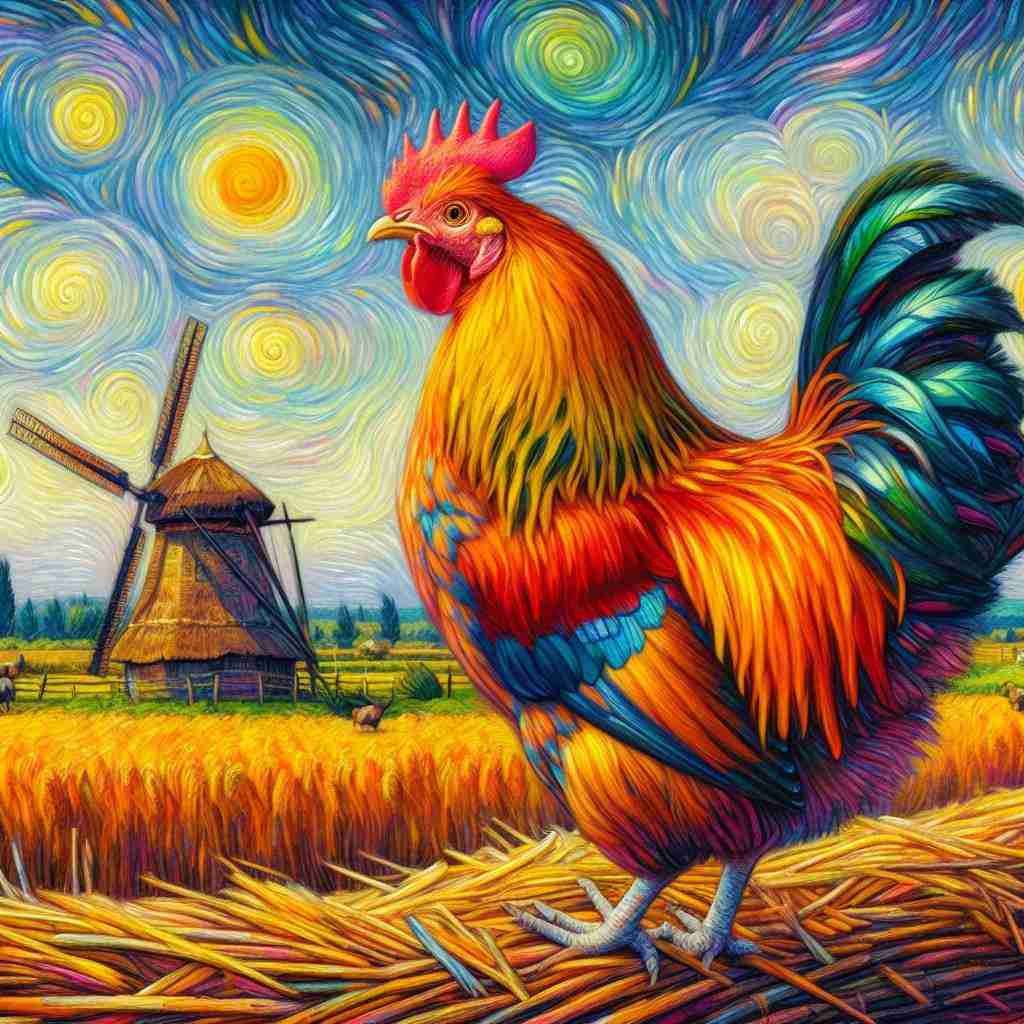
Avian Flu Facts, Not Fear – What Every Chicken Keeper Needs to Know
Table Of Contents
- Avian Flu Facts, Not Fear – What Every Chicken Keeper Needs to Know
- What Are the Real Risks Of Avian Flu for Your Backyard Flock?
- How Can You Protect Your Chickens Without Using Fear Tactics?
- What Steps Can You Take to Ensure Your Flock Is Healthy and Safe?
- Are There Effective Ways to Educate Your Community About Avian Flu?
- What Are the Ethical Implications Of Culling Infected Birds?
- How Do You Handle Misinformation About Avian Flu In Your Area?
- What Scientific Facts Should Every Chicken Keeper Be Aware Of Today?
- Conclusion
- Other Resources
- Glossary Of Terms
- Other Questions
- Haiku
- Poem
- Checklist
What Are the Real Risks Of Avian Flu for Your Backyard Flock?
When you raise Backyard Chickens, you’re not just caring for a flock; you’re cultivating a piece of your own paradise. The clucking, the strutting, the fresh eggs—they bring joy and connection that few things can replicate. But lurking beneath the feathers is a reality we can’t ignore: the threat of avian flu. It’s a term that can send chills down the spine, raising questions about the safety of your flock and, by extension, your family.
Emotionally, it’s a heavy burden. Picture the scene: sunny afternoons spent watching your chickens scratch the ground, their playful nature weaving them into the fabric of your home. The thought of losing them to a cruel disease can strike at the very heart of what you cherish. But let’s peel back the layers and examine the real risks, because understanding brings power.
Rationally speaking, the avian flu—while serious—doesn’t have to spell doom for your beloved birds. Proper biosecurity measures are your best allies. Implementing a clean and controlled environment, limiting interactions with wild birds, and regularly monitoring for symptoms can shield your flock from harm. These steps may sound basic, but they’re rooted in sound practices, reinforcing the idea that knowledge is your first line of defense.
Ethically, as responsible caretakers, it’s our duty to ensure the health of our flocks. The choices we make affect not only our chickens but the larger ecosystem of poultry farming. By being proactive, you’re not just protecting your own backyard but also contributing to the health of poultry in your community. When everyone steps up, we create a united front against potential outbreaks.
We stand on the shoulders of experts; veterinarians and poultry scientists have dedicated their lives to understanding avian diseases. They offer a wealth of information that empowers us to act wisely. By tapping into this knowledge, we can transform anxiety into action—following guidelines and tapping into community resources to ensure our flocks remain safe.
Let’s be real—this isn’t just about chickens; it’s about quality of life. The laughter shared over fresh eggs, the connection formed through care. The risks of avian flu are worthy of our attention, but they should also drive us to embrace responsibility and resilience. So, equip yourself with knowledge, reach out to your community, and take control of your chicken-raising journey. Your flock—and your peace of mind—depends on it.
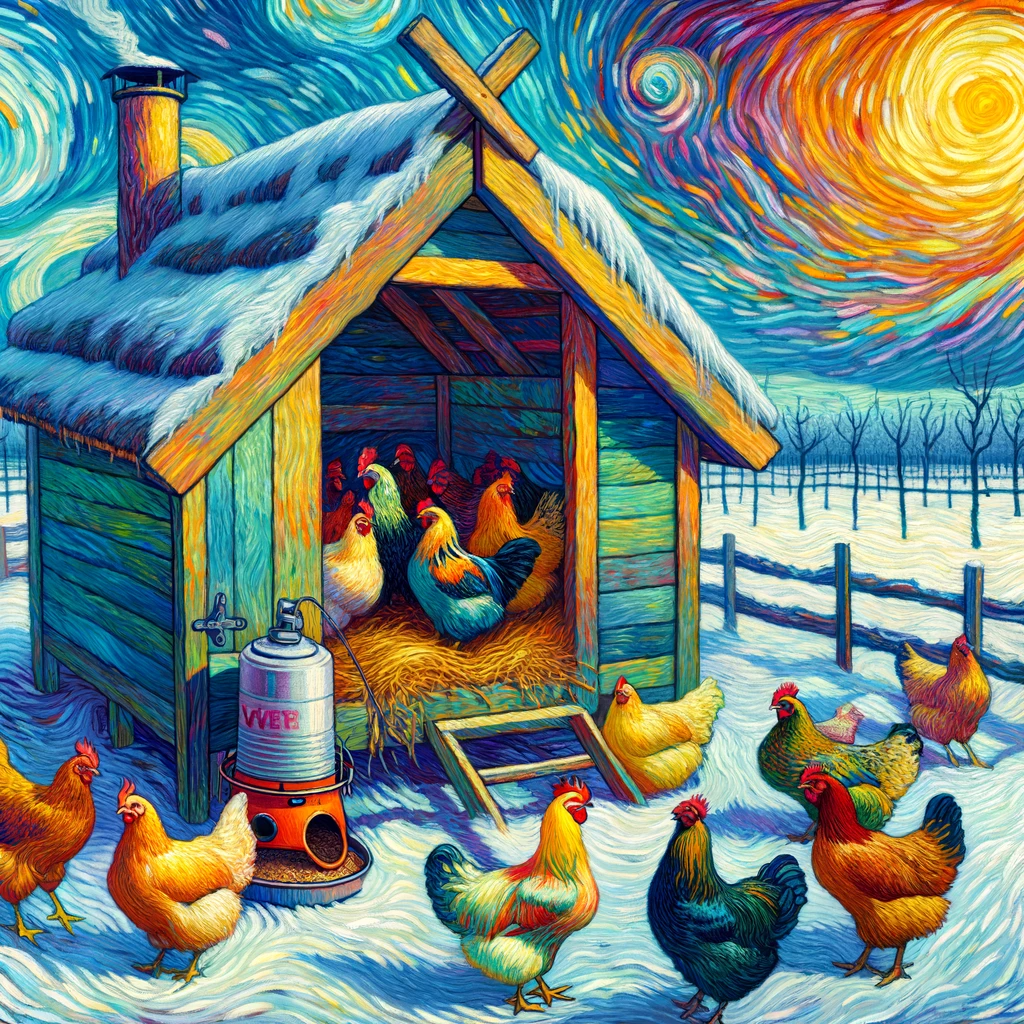
What Are the Real Risks Of Avian Flu for Your Backyard Flock?
What Are the Real Risks Of Avian Flu for Your Backyard Flock?
- Raising backyard chickens brings joy and a connection to nature.
- Avian flu poses a serious threat to your flock and family safety.
- Caring for chickens creates emotional bonds, making the potential loss difficult to bear.
- Implementing biosecurity measures—like maintaining a clean environment and limiting wild bird interaction—is crucial.
- Responsible caretaking contributes to the overall health of the poultry farming ecosystem.
- Engaging with veterinary and scientific resources helps manage risks effectively.
- Embracing knowledge and community support empowers you in your chicken-raising journey.

What Are the Real Risks Of Avian Flu for Your Backyard Flock?
How Can You Protect Your Chickens Without Using Fear Tactics?
Raising Backyard Chickens can be one of the most rewarding experiences, a bond forged between you and your feathered friends that goes beyond mere livestock. But let’s be real: threats are everywhere, and fear is a natural response. However, cultivating a sense of security for your flock doesn’t have to come from a place of anxiety or intimidation. In fact, it can be just the opposite—a journey rooted in knowledge, companionship, and shared respect for all living things.
Start by recognizing the simple yet profound truth: your chickens are creatures of habit and comfort. When you design their coop and run, think of an inviting habitat rather than a fortress. Lightweight covers and well-placed perches can create a safe haven, allowing your birds to feel in control of their environment, whether they want to forage or simply take a dust bath. This isn’t just protective design; it’s an acknowledgment of their instincts as social beings craving both security and freedom.
From a rational standpoint, maintaining a clean, secure space is your best offense against pests and predators alike. Regularly check for vulnerabilities in your coop and reinforce weak points without resorting to fear-based tactics like intimidation or drastic measures. Instead, build trust with your chickens. Spend time with them, using your presence to create a calming atmosphere. This bond not only helps in handling them with care when needed but also keeps them feeling safe.
Ethically, fully embracing responsibility as a caretaker means being proactive. Educate yourself about the local fauna that pose a risk, from raccoons to hawks, and implement preventative measures that align with humane practices. You’ll not only feel good about safeguarding your birds, but you’ll also contribute to a larger narrative—one that demonstrates compassion towards all members of our ecosystem.
Ultimately, fostering a vibrant flock goes hand-in-hand with nurturing community relationships. Speak with fellow chicken owners, share stories, and exchange solutions. Such connections not only bolster confidence among you and your peers but fortify your knowledge base.
Go ahead, build that sanctuary in your backyard. Make it a place where your chickens don’t just survive but thrive—a space where they can live joyfully, and you can enjoy the fruits of that vibrant life together. With your heart, head, and gut leading the way, you can create a protective environment void of fear, filled instead with trust, harmony, and mutual respect.

How Can You Protect Your Chickens Without Using Fear Tactics?
How Can You Protect Your Chickens Without Using Fear Tactics?
- Raising backyard chickens fosters a rewarding bond beyond mere livestock.
- Creating a secure environment for chickens involves designing a comforting habitat instead of a fortress.
- Use lightweight covers and perches to allow chickens to feel in control of their space.
- Maintain a clean and secure coop to protect against pests and predators without fear-based tactics.
- Build trust with your chickens through companionship and calming presence.
- Educate yourself about local wildlife threats and implement humane preventative measures.
- Engage with fellow chicken owners to share experiences and bolster your knowledge.
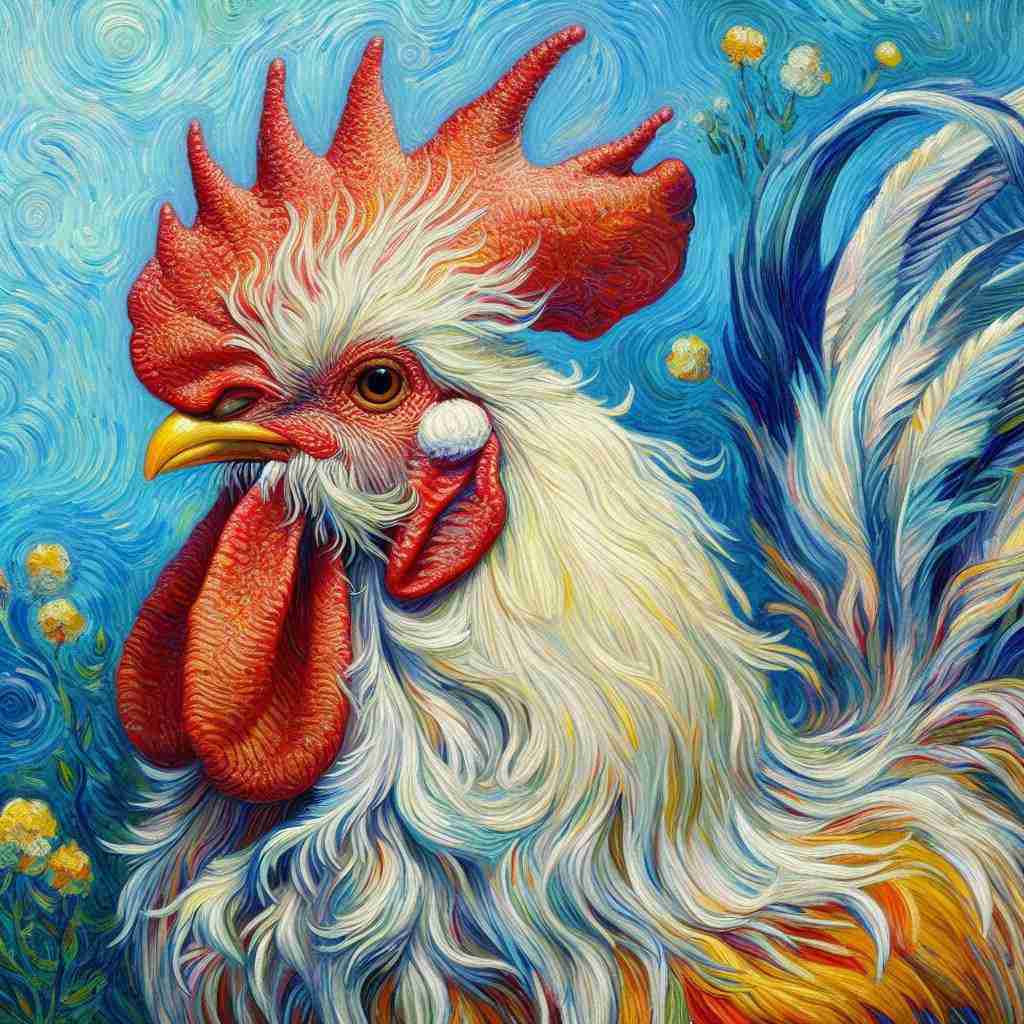
How Can You Protect Your Chickens Without Using Fear Tactics?
What Steps Can You Take to Ensure Your Flock Is Healthy and Safe?
When you choose to raise Backyard Chickens, you’re not just welcoming a few feathered friends into your life; you’re embracing a commitment to their well-being and the potential bounty they can provide. So, how do you ensure that your flock remains healthy and safe? It starts by understanding that caring for your birds goes beyond the basics—it’s about listening to the rhythm of their lives and responding in kind.
First, let’s talk environment. Chickens thrive when they have a safe, clean space. Imagine a sanctuary not just filled with coops but also with vibrant greens where they can forage and peck freely. A healthy living space curbs disease and reduces stress. Think about it: a chicken wandering around in a cramped, dirty coop is a long way from the cheerful clucker who lays those delicious breakfast eggs. Regular cleaning, fresh bedding, and ample space to roam are non-negotiables if you want a flock that feels both secure and curious.
Now, let’s hone in on nutrition. It’s no secret that you are what you eat, and chickens are no exception. Invest in high-quality feed and fresh vegetables—your birds will repay you with vibrant health and, yes, richer, tastier eggs. Just as we benefit from a varied diet, so do our feathery companions. Think of it as nurturing a relationship. Each meal you prepare for them is a chance to deepen that bond, showing them you care not just about production but about their well-being.
Beyond the physical needs, there’s an emotional element that ties us to these chickens. Spend time observing their behaviors; get to know their quirks. This connection cultivates a sense of community, both within your coop and beyond, to fellow chicken-keepers. Share in each other’s triumphs and challenges, fostering a network built on trust and shared experience.
Lastly, be proactive in health management. Regular check-ups and vaccinations are paramount. Prevention is far better than a cure, and addressing health issues early builds confidence in your role as a caregiver. In doing so, you don’t just protect your flock; you uphold a tradition of stewardship that generations before you held dear.
So yes, raising Backyard Chickens is a labor of love—but it’s also an opportunity to engage fully, to embody care, and to connect, action by action, with the lives you’ve chosen to influence. With each step, you’re not just safeguarding their health, but enriching your own life in ways you may not yet realize.

What Steps Can You Take to Ensure Your Flock Is Healthy and Safe?
What Steps Can You Take to Ensure Your Flock Is Healthy and Safe?
- Raising backyard chickens is a commitment to their well-being and the rewards they provide.
- A safe and clean environment is essential for chicken health; they thrive in spacious, vibrant surroundings.
- Regular cleaning, fresh bedding, and plenty of room to roam are crucial for a healthy flock.
- Investing in high-quality feed and fresh vegetables enhances chicken health and egg quality.
- Building an emotional connection with chickens fosters a strong bond and sense of community among keepers.
- Proactive health management, including regular check-ups and vaccinations, is key to preventing issues.
- Raising chickens enriches both their lives and your own through engagement and care.

What Steps Can You Take to Ensure Your Flock Is Healthy and Safe?
Are There Effective Ways to Educate Your Community About Avian Flu?
When it comes to educating your community about avian flu, it’s essential to understand that this isn’t just a health issue; it’s about our shared love for the creatures that fill our backyards. Whether you’ve cultivated a flock of Backyard Chickens or simply relish the sight of birds flitting through your neighborhood, we must come together to safeguard not just the birds but our entire ecosystem.
Start with a heart-to-heart conversation. Many folks might brush off avian flu as a far-off concern, detached from their daily lives. But when you weave in personal stories—like recounting the joy of watching a hen peck around the yard or the tender moments during breakfast with freshly laid eggs—people start to connect. These stories remind us that every bird, whether wild or domesticated, plays a larger role in our environment. Can we really afford to ignore the threat they face?
Now, let’s engage the mind. Provide clear, accessible information about avian flu; explain what it is, how it spreads, and the simple things that individuals can do to protect their flocks. This isn’t just an academic exercise; it’s practical, actionable knowledge. Consider hosting workshops that feature local veterinarians or agricultural experts. Their expertise lends authority to your efforts. People will trust what they hear from those wearing lab coats more than they will from just anyone, and that trust can drive action.
Ethically, there’s a responsibility we share as stewards of our environment. Outbreaks can devastate bird populations and, if left unchecked, can affect our food supply and public health. By fostering a culture of awareness, we become part of the solution. Informing our neighbors not only protects our flocks but also preserves the natural beauty and biodiversity we cherish.
Lastly, leverage social connections. Organize community events, like sanctioned poultry shows or bird-watching days, where people can come together to learn and share experiences. When your community rallies, it breeds camaraderie and fosters a sense of collective responsibility.
In this fight against avian flu, let’s not wait for fear to drive us apart. Instead, let gratitude for our feathered friends—and a commitment to protecting them—bring us together. By arming ourselves with knowledge and compassion, we can make a formidable impact, ensuring that both our Backyard Chickens and the wild birds around us continue to thrive.

Are There Effective Ways to Educate Your Community About Avian Flu?
Are There Effective Ways to Educate Your Community About Avian Flu?
- Avian flu education is crucial for protecting both birds and the ecosystem.
- Personal stories about bird experiences can help people connect emotionally to the issue.
- Provide clear, actionable information on avian flu and how to protect birds.
- Consider hosting workshops with local veterinarians or agricultural experts to build trust.
- It’s our ethical responsibility to raise awareness and prevent avian flu outbreaks.
- Organize community events to foster camaraderie and a sense of collective responsibility.
- Focus on gratitude for birds and a commitment to their protection to unite communities.

Are There Effective Ways to Educate Your Community About Avian Flu?
What Are the Ethical Implications Of Culling Infected Birds?
Culling infected birds, particularly in the context of avian diseases, strikes a deep chord within us, drawing on our shared values of compassion and care for animals. For many, birds—whether they’re cherished pets in our backyards or symbols of freedom soaring overhead—occupy a special place in our hearts. The thought of culling can be gut-wrenching. Picture a dedicated flock of backyard chickens, carefully nurtured and lovingly tended. The idea of ending their lives to control disease can feel like an emotional betrayal of our bond with these creatures.
Yet, we must also engage our heads and consider the bigger picture. Virulent diseases can spread like wildfire, with implications not just for individual flocks but for entire ecosystems and even our food supply. When faced with the challenge of avian influenza or similar outbreaks, the responsible approach often requires immediate action. The hard truth is this: culling can prevent widespread suffering. It may save healthy birds and protect farmers, livelihoods, and communities at large. In these moments, the ethical dilemma sharpens, forcing us to evaluate the value of individual life against the potential harm to many others.
This narrative of care versus necessity is a powerful one, especially in our social interactions and community discussions. People often come together in times of crisis, debating the ethics of intervention. It’s a conversation that inspires trust and confidence among neighbors who share a collective responsibility for animal welfare. By discussing both sides of the culling debate, we can forge a deeper understanding of responsibility—not just to our pets, but to the environment we all inhabit.
Beyond the heartache and rational calculations, there’s a profound ethical component to consider. Is it right to intervene when lives are at risk? Can we find a balance between safeguarding health and preserving the dignity of individual animals? Encouraging responsible practices, like vaccination or improved biosecurity, can lead to solutions that reduce the need for drastic measures.
At the end of the day, we have to find a way to honor our affection for backyard chickens while also being diligent stewards of the health of our environment. Championing ethical practices in poultry management not only protects our beloved birds but fosters a culture of compassion and responsibility within our communities. It’s a call to action: we can engage with these issues thoughtfully and work together to find solutions that nurture both life and livelihood.
What Are the Ethical Implications Of Culling Infected Birds?
What Are the Ethical Implications Of Culling Infected Birds?
- Culling infected birds evokes strong emotions due to our compassion and care for animals.
- Many people have a deep connection with birds, whether as pets or symbols of freedom.
- Ending the lives of infected birds feels like a betrayal of the bond we share with them.
- Virulent diseases pose risks to entire ecosystems and our food supply, requiring immediate action.
- Culling can prevent widespread suffering and protect healthy birds, farmers, and communities.
- The debate around culling fosters discussions about ethical responsibilities to animals and the environment.
- Encouraging responsible practices like vaccination can help reduce the need for culling while honoring our affection for animals.

What Are the Ethical Implications Of Culling Infected Birds?
How Do You Handle Misinformation About Avian Flu In Your Area?
Misinformation about avian flu can feel like a storm cloud hanging over your cherished backyard chickens, casting shadows of doubt and fear. We’ve all been there—when a rumor spreads like wildfire, turning your passionate hobby into a source of anxiety. You’ve invested time, energy, and your heart into raising those birds. They’re more than just livestock; they’re companions that bring a sense of joy, an echo of a simpler, more rewarding way of life.
The first thing to remember is the powerful role you play in your community. When misinformation strikes, it’s not just about you and your flock but about those around you too. Gather your friends and neighbors for an open discussion. Share stories about your experiences with your backyard chickens and the actual risks posed by avian flu. These conversations can quiet fears and replace them with understanding, transforming anxiety into action.
But let’s get practical. Equip yourself with accurate information. Reach out to local agricultural extensions, reputable veterinarians, and government health websites. These trusted sources can provide you with the data and guidelines you need to not only safeguard your flock but rally support among fellow chicken enthusiasts in your neighborhood. Remember, knowledge is a powerful antidote to fear.
Now, this is where your ethical compass comes in. It’s our responsibility to ensure that our actions reflect a commitment to both our feathered friends and our community’s well-being. If you hear a wild rumor, don’t just let it pass by. Instead, dismantle it with facts and concern for people’s fears. When we engage with empathy and clarity, we nurture a community that’s informed rather than panic-stricken.
Consider using social media to share verified information and personal experiences. A post about how you take care of your flock or a video showing proper hygiene and health measures can go a long way in dissipating confusion. Encourage others to join the conversation, fostering a culture of transparency and trust.
At the end of the day, this isn’t just about handling misinformation; it’s about standing together as caretakers, preserving not only the well-being of our backyard chickens but also the bonds that tie us as a resilient community. It’s about transforming fear into understanding, and in doing so, creating a safer space for everyone involved.

How Do You Handle Misinformation About Avian Flu In Your Area?
How Do You Handle Misinformation About Avian Flu In Your Area?
- Misinformation about avian flu can create anxiety for backyard chicken owners.
- Community engagement is vital; discuss concerns with friends and neighbors to alleviate fears.
- Acquire accurate information from trusted sources like agricultural extensions and veterinarians.
- Act responsibly by addressing rumors with facts and supporting community well-being.
- Utilize social media to share vetted information and showcase proper care practices.
- Foster a culture of transparency and trust by encouraging open conversations.
- Collectively, work to transform fear into understanding, ensuring the safety of both chicken flocks and the community.

How Do You Handle Misinformation About Avian Flu In Your Area?
What Scientific Facts Should Every Chicken Keeper Be Aware Of Today?
Raising backyard chickens isn’t just a hobby; it’s a commitment to understanding the intricacies of life. Each chicken you care for brings a story, a personality, and a unique set of needs. Take a moment to ponder their role in your backyard ecosystem. Chickens are more than just egg producers; they are scavengers that help control pests, break down compost, and even enrich your soil with their droppings. This relationship goes beyond mere utility; it’s a dance between you and these feathery companions, one that feeds both your stomach and your soul.
However, before you embrace this venture, it’s vital to grasp the scientific facts that underlie successful chicken keeping. Did you know that chickens are highly social creatures? They thrive in flocks, demonstrating complex social hierarchies and communication skills. Ignoring this aspect may lead to stress among your birds, which can compromise their health and productivity. Understanding their behavior isn’t just smart; it’s compassionate. By fostering a harmonious environment, you cultivate not only thriving chickens but also a thriving connection between you and them.
Nutrition is another cornerstone that’s often overlooked. Chickens require a balanced diet rich in vitamins and minerals to produce those golden eggs you crave. Think of it this way: you wouldn’t eat fast food daily and expect to feel your best. Your chickens deserve the same consideration. Research shows that providing high-quality feed impacts their health and egg quality significantly. By investing in their diet, you are investing in yourself, ensuring the eggs on your plate are the embodiment of care and quality.
Let’s talk about disease prevention. Trust is built on knowledge, and knowing how to recognize symptoms of common ailments grants you the authority to protect your flock. Your chickens depend on you, and it feels good to be their guardian. Regular health checks and vaccinations are vital, as is understanding the seasonal challenges they face.
Finally, there’s the undeniable community aspect of backyard chickens. Sharing experiences, successes, and challenges with fellow chicken keepers not only fosters knowledge but builds a bond founded on a shared love for these incredible birds. Together, we create a social network that enriches our journey, reaffirming the heart behind chicken keeping. So roll up your sleeves, get your hands dirty, and dive into the rewarding world of backyard chickens. You won’t just be a keeper; you’ll become a steward of life, a nurturer of souls, and a participant in a legacy that stretches back thousands of years.

What Scientific Facts Should Every Chicken Keeper Be Aware Of Today?
What Scientific Facts Should Every Chicken Keeper Be Aware Of Today?
- Raising backyard chickens is a commitment that involves understanding their unique personalities and needs.
- Chickens play a vital role in the ecosystem by controlling pests, breaking down compost, and enriching soil.
- They are highly social animals that thrive in flocks, requiring attention to their social needs to avoid stress and health issues.
- Proper nutrition is crucial; a balanced diet contributes to both the chickens’ health and the quality of the eggs produced.
- Being knowledgeable about chicken health, including recognizing symptoms of diseases, is essential for effective care and protection.
- Engaging with the chicken-keeping community enhances the experience through shared knowledge, support, and friendships.
- Embracing chicken raising offers a rewarding opportunity to nurture life and participate in a long-standing tradition.

What Scientific Facts Should Every Chicken Keeper Be Aware Of Today?
Conclusion
Raising backyard chickens is much more than a simple pastime; it’s a vibrant lifestyle that weaves our stories, emotions, and communities together. Each morning, as you step outside to greet your feathered companions, you’re entering a world filled with joy, companionship, and purpose. But lurking in the background is the specter of avian flu, a topic that can cast a long shadow over that sense of fulfillment. Yet, amidst the swirling fears, there lies a foundation of knowledge that can transform trepidation into resilience.
Understanding avian flu isn’t merely about acknowledging its existence; it’s about empowering yourself and your community. You’ve invested in these creatures—not just with your resources but with your heart. The connection you feel extends beyond livestock; they are living beings that enrich your daily life. This is why it is essential to separate facts from fear. Rather than retreating into anxiety, chicken keepers must embrace evidence-based information. By doing so, we protect our beloved flocks and enhance public health within our neighborhoods.
Let’s tackle the reality together. Biosecurity measures—like maintaining a clean coop, monitoring your flock, and keeping wild birds at bay—are not just precautionary; they’re essential practices that reinforce our moral duty to our chickens and the environment. By arming ourselves with knowledge, we gain the ability to safeguard both our birds and our wider ecosystems. This isn’t just a personal mission; it’s a community effort. Sharing knowledge and best practices with fellow chicken enthusiasts creates a network of motivated caretakers, reinforcing the idea that we’re all in this together.
In every action we take, whether through discussions or social media, we create ripples of understanding that dispel anxiety. Inviting professionals, local veterinarians, or farmers into these conversations establishes trust and authority, ensuring that our community moves forward in its commitment to responsible stewardship. It’s vital to speak openly about fears, leveraging personal experiences to educate rather than alarm.
The heart of chicken keeping pulses with the joy of nurturing life, while the ethical responsibility weighs upon us. Culling, when necessary, poses tough questions, but by promoting ethical practices and robust health management, we uphold a culture of compassion. If we choose to lead with knowledge, nurture relationships, and foster community bonds, we not only protect our chickens but also celebrate their profound impact on our lives. Together, let’s move beyond fear, embracing the wonder of our flocks with vigilance and heart—a testament to our shared humanity and commitment to a vibrant future.

Conclusion
Conclusion:
- Raising backyard chickens is a vibrant lifestyle that connects stories, emotions, and communities.
- Morning interactions with chickens provide joy, companionship, and a sense of purpose.
- Avian flu poses risks but can be managed with knowledge and resilience.
- It’s essential for chicken keepers to embrace evidence-based information to protect their flocks and public health.
- Implementing biosecurity measures, such as maintaining a clean coop and monitoring flocks, is crucial for both animals and the environment.
- Sharing knowledge with fellow chicken enthusiasts strengthens community efforts in responsible stewardship.
- The ethical responsibility of chicken keeping includes tough decisions like culling, but leading with knowledge and compassion fosters a culture of care.

Conclusion
Other Resources

Other Resources
Here is a list of other resources you can review online to learn more:
- Red Sex Link
- Cornish Cross
- Lymphoid Leukosis
- Erysipelas
- ISA Brown
- Oats
- Appenzeller
- Omphalitis
- game bird feed
- corn
- wildcats
- Bresse
- Ameraucana
- Shamo
- compost
- apples
- cracked corn
- toads
Use This Prompt To Get More Resources With Your Favorite Online AI Tool: Please provide me with a list of online articles with their URLs in a bulleted list that I can read regarding Avian Flu Facts, Not Fear – What Every Chicken Keeper Needs to Know
Other Resources
Glossary Terms
Avian Flu Facts, Not Fear – What Every Chicken Keeper Needs to Know – Glossary Of Terms
1. Avian Influenza: A viral infection that primarily affects birds but can also infect humans and other animals.
2. H5N1: A subtype of the avian influenza virus that is highly pathogenic and has been associated with severe illness in both birds and humans.
3. Biosecurity: Measures taken to prevent the introduction and spread of disease within a flock or poultry establishment.
4. Zoonotic Diseases: Infectious diseases that can be transmitted from animals to humans, including certain strains of avian flu.
5. Pathogenic: Capable of causing disease; often used to describe a strain of a virus or bacteria.
6. Vaccination: Administration of a vaccine to poultry to enhance their immunity against avian influenza.
7. Monitoring: Regularly checking the health of birds and testing for diseases to catch potential outbreaks early.
8. Quarantine: The isolation of infected or potentially infected birds to prevent disease spread.
9. Surveillance: Ongoing observation and testing of poultry populations for signs of disease.
10. Infected Flock: A group of birds that have been diagnosed with avian influenza.
11. Symptoms: Signs indicative of avian influenza in birds, such as respiratory distress, decreased egg production, and sudden death.
12. Transmission: The process by which the virus spreads from one host to another, often through direct contact or contaminated environments.
13. Outbreak: A sudden increase in the number of cases of avian influenza in a specific area or flock.
14. Wild Birds: Natural hosts for avian influenza viruses, often considered a source for outbreaks in domestic poultry.
15. Chickens: Domesticated birds commonly raised for egg and meat production, susceptible to avian influenza.
16. Poultry Farm: A facility where birds, such as chickens and turkeys, are raised primarily for food production.
17. Depopulation: The process of culling infected birds to control the spread of avian influenza.
18. Incubation Period: The time it takes for avian influenza symptoms to appear after exposure to the virus.
19. Protection Zone: A designated area around an outbreak site to control the movement of birds and people, minimizing disease spread.
20. Cleaning and Disinfection: Protocols to sanitize equipment and facilities to eliminate pathogens from the environment.
21. Egg Production: The process by which hens lay eggs, which can be affected by stress or disease such as avian influenza.
22. Flock Management: Agricultural practices involving the care and breeding of poultry to enhance health and productivity.
23. Diagnostic Testing: Laboratory procedures to detect the presence of avian flu viruses in birds.
24. Public Health: The branch of health care focused on the prevention of disease and promotion of health within the population, including monitoring zoonotic diseases.
25. Veterinarian: An animal health expert who plays a crucial role in diagnosing and treating avian influenza.
26. Culling: The process of removing infected or at-risk birds from a flock to reduce the risk of disease transmission.
27. Feed and Water: Essential resources that should be kept clean and separate to prevent the spread of disease among poultry.
28. Travel Restrictions: Limitations placed on the movement of birds and poultry products in response to an avian influenza outbreak.
29. Public Awareness: Efforts to educate chicken keepers and the general public about avian influenza and its management.
30. Research: Ongoing scientific studies aimed at better understanding avian influenza, its impacts, and potential vaccines or treatments.
Glossary Of Terms
Other Questions
Avian Flu Facts, Not Fear – What Every Chicken Keeper Needs to Know – Other Questions
If you wish to explore and discover more, consider looking for answers to these questions:
- What symptoms should I look for to identify avian flu in my chickens?
- How do I properly disinfect my chicken coop to prevent disease?
- What biosecurity measures are most effective for backyard chicken keepers?
- How can I educate my children about caring for chickens and avian flu?
- Are there specific vaccines available for avian flu for poultry?
- What should I do if I suspect my chickens have avian flu?
- How can I connect with other chicken keepers in my community for support?
- What are the signs that my flock is stressed or unhealthy?
- How should I approach conversations with neighbors who may fear avian flu?
- What resources are available for continued education on poultry health?
- How can I encourage local farmers to adopt better flock management practices?
- What are the ethical considerations in vaccinating versus culling infected birds?
- How does avian flu impact the local ecosystem and food supply?
- What steps should I take during a known outbreak in my area?
- How can I keep a balanced diet for my chickens that promotes their health?
Other Questions
Haiku
Avian Flu Facts, Not Fear – What Every Chicken Keeper Needs to Know – A Haiku
Chickens bring us joy,
Guardians of our backyard—
Empower with love.
Haiku
Poem
Avian Flu Facts, Not Fear – What Every Chicken Keeper Needs to Know – A Poem
In the morning light, you greet your flock,
A symphony of clucks that softly knock,
Not just a hobby, but a vow you’ve made,
In every feathered friend, your heart’s cascade.
But whispers of danger swirl in the air,
Avian flu casts shadows of fear and despair.
Yet amidst the tempest, the truth shines bright,
Knowledge is power, a guiding light.
With each tender moment, each egg you collect,
You forge a bond that fear cannot dissect.
Let facts be your shield against rising dread,
For the love you nurture is not easily led.
Clean coops and fresh feed, the roots of good care,
In the dance of life, be mindful and aware.
Your ethical duty—both neighbor and friend,
To safeguard the flock, together we stand.
Engage the community, let stories take flight,
Share laughter and learning, dispel the dark night.
Host workshops with experts, knowledge to share,
Transforming anxiety into a breath of fresh air.
Fear need not reign where compassion leads,
In the hearts of the keepers, intention proceeds.
Educate, inspire, let trust take its form,
In unity’s strength, we weather the storm.
So, gather your courage, and act with grace,
Stand firm for your chickens, embrace your place.
A labor of love, a delicate weave,
Together we flourish, in freedom, believe.

Poem
Checklist
Avian Flu Facts, Not Fear – What Every Chicken Keeper Needs to Know – A Checklist
Chicken Keeper’s Checklist: Avian Flu Facts, Not Fear
Emotional Appeals
_____ Connect with Your Flock: Spend quality time observing and engaging with your chickens daily.
_____ Celebrate the Joy: Recount personal stories that highlight the happiness your flock brings into your life.
Rational Appeals
_____ Educate Yourself: Research avian flu facts from credible sources such as veterinarians and agricultural extensions.
_____ Implement Biosecurity Measures: Regularly clean your coop and monitor for signs of illness in your birds.
Ethical Appeals
_____ Commit to Responsibility: Acknowledge your role as a protector of your flock and the greater poultry community.
_____ Discuss Culling with Care: Engage in conversations about the ethics of culling infected birds while exploring humane alternatives.
Authority Appeals
_____ Consult Experts: Attend workshops or talks led by veterinarians or agriculture professionals to gain trusted insights.
_____ Stay Informed: Follow local health guidelines and updates on avian flu from reliable health organizations.
Narrative Appeals
_____ Share Knowledge: Form a support network with fellow chicken keepers by exchanging stories and tips.
_____ Organize Community Events: Host workshops, poultry shows, or social gatherings to foster community connections around chicken care.
Social Appeals
_____ Foster Community Awareness: Encourage open discussions in your neighborhood about avian flu to dispel myths and misinformation.
_____ Leverage Social Media: Use platforms to share accurate information and personal experiences regarding the health and care of backyard chickens.
Additional Practical Steps
_____ Create a Clean Environment: Design your coop with regular maintenance and space in mind for your chickens to thrive.
_____ Invest in Quality Nutrition: Ensure your birds receive a balanced diet to maintain their health and productivity.
_____ Encourage Regular Check-Ups: Schedule veterinary consultations for vaccinations and health assessments proactively.
Taking these steps will not only enhance your flock’s health and well-being but also contribute to a supportive and informed community of chicken enthusiasts.

Checklist
At BackyardChickenNews, we help people who want to raise backyard chickens by collating information and news blended with our own personal experiences.
Be sure to read our other related stories at BackyardChickenNews to learn more about raising chickens in your backyard.