

Crafting A Meaningful And Ethical Flock With Lasting Impact
By Tom Seest
At BackyardChickenNews, we help people who want to raise backyard chickens by collating information and news blended with our own personal experiences.
Be sure to read our other related stories at BackyardChickenNews to learn more about raising chickens in your backyard.
Curating Your Flock Like an Art Collection – a Sustainable Approach
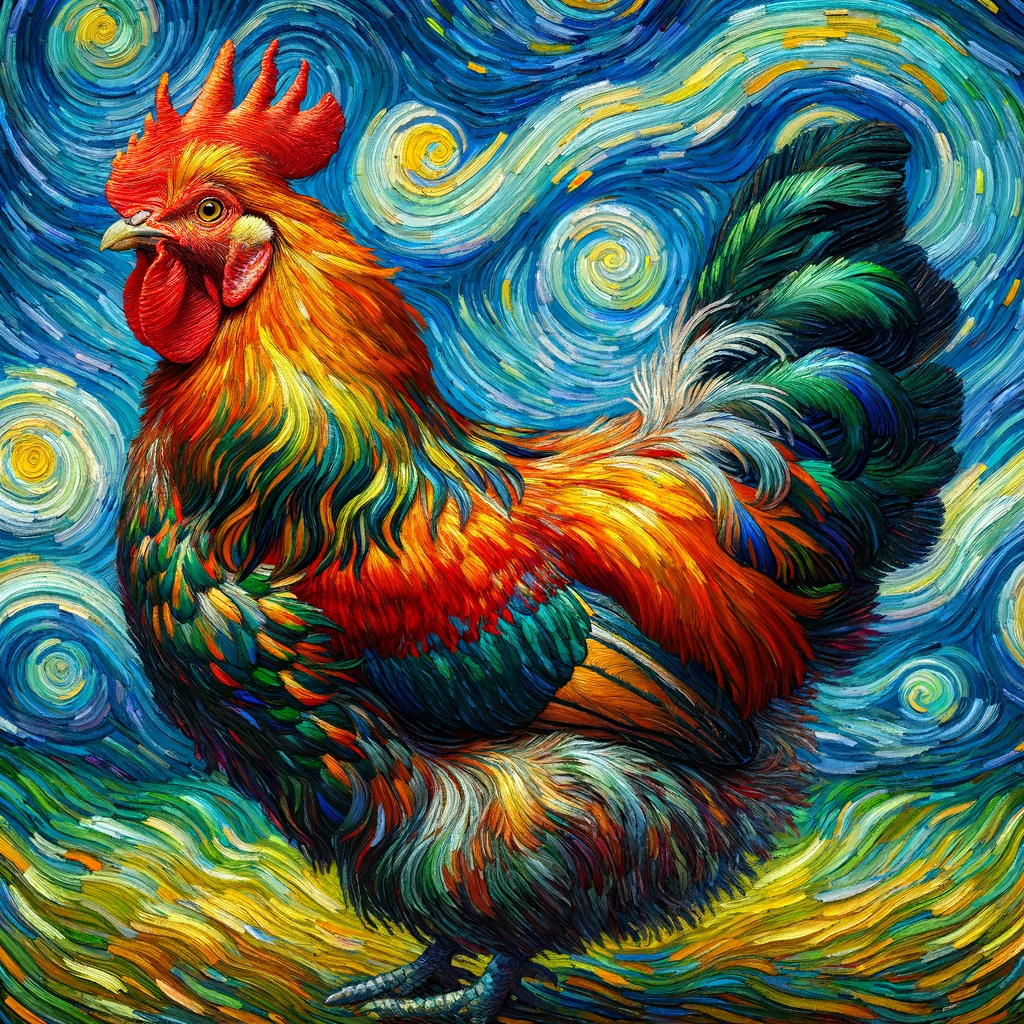
Imagine standing in your backyard, the sun peeking over the horizon, casting a warm glow on a little piece of heaven you’ve cultivated. Backyard chickens are more than just egg-laying machines; they’re living canvases, each with its own story, personality, and contribution to your home. Let’s take a moment to consider this flock of feathered artists.
When you curate your chickens, you’re not just picking breeds because they look pretty or promise the most eggs. You’re bringing together a diverse community, each one adding value in ways you may not have even thought about. There’s a beauty in symmetry—the way a Rhode Island Red’s plumage complements the speckled feathers of a Barred Rock. But it’s deeper than aesthetics. Each bird carries characteristics that can help sustain your little ecosystem. Some are foragers, turning kitchen scraps into rich fertilizer. Others help control pests and weeds in your garden. Rationally speaking, you’re not just building a flock; you’re constructing a functional microfarm — one that feeds your family, enriches your soil, and nurtures your spirit.
Ethically, choosing to raise backyard chickens means stepping away from mass agricultural practices that often sacrifice animal welfare for quantity. It’s about cultivating a connection to our food that fosters responsibility and care. Chickens thrive on attention, and in doing so, they encourage us to slow down and connect. By engaging with these creatures, we reflect on our food systems, understanding where our meals come from and, crucially, the role we play in that journey.
Picture this: your children gathering eggs, squealing with joy at the day’s bounty, learning lessons about responsibility, empathy, and hard work — values that have been tucked away in the annals of modern conveniences. Here’s where the social aspect takes root. By sharing this experience, you’re not just creating lifelong memories; you’re enhancing your community’s fabric, one flock at a time.
So, as you envision your own small-scale avian collection, think beyond just the feathers and eggs. Consider the balanced ecosystem you can create, the values you can instill, and the sustainable legacy you can leave. The simple act of curating your flock becomes not just a hobby but a heartwarming journey toward a more conscious, connected way of life.
Curating Your Flock Like an Art Collection – a Sustainable Approach
Curating Your Flock Like an Art Collection – a Sustainable Approach
- Backyard chickens are unique individuals, each contributing to the home beyond just egg production.
- Selecting diverse breeds creates a microfarm, enhancing sustainability and aesthetics in your yard.
- Chickens can help improve soil quality, manage pests, and recycle kitchen scraps.
- Raising chickens promotes ethical farming and fosters a connection to food, emphasizing responsibility and care.
- Engaging with chickens encourages mindfulness and understanding of food systems and personal roles in them.
- Children benefit from the experience, learning values such as responsibility, empathy, and hard work.
- Curating a flock leads to meaningful connections in the community and contributes to a sustainable lifestyle.

Curating Your Flock Like an Art Collection – a Sustainable Approach
Table Of Contents
- Curating Your Flock Like an Art Collection – a Sustainable Approach
- How Can Curating Your Flock Enhance Your Emotional Well-Being?
- What Principles Guide Ethical Flock Management In Sustainable Farming?
- How Can Choosing Local Breeds Improve Both Ecology and Economy?
- How Does a Thoughtfully Curated Flock Contribute to Food Security?
- What Role Does Biodiversity Play In the Resilience Of Your Flock?
- How Does a Diverse Flock Foster a Sense Of Connection Within Society?
- What Expertise Do You Need to Curate a Balanced and Thriving Flock?
- Conclusion
- Other Resources
- Glossary Of Terms
- Other Questions
- Haiku
- Poem
- Checklist
How Can Curating Your Flock Enhance Your Emotional Well-Being?
Curating your flock of backyard chickens can be much more than a quirky hobby; it can become a cornerstone for emotional well-being. Picture this: you step outside, the morning sun warming your face, and you’re greeted by a chorus of clucks that seem to sing a melody of purpose. Each feathered friend has its own personality, from the bold red hen strutting around like she owns the place to the shy black chick peeking out from behind her more dominant companions. This vibrant community is a reflection of your own life, filled with diversity, challenges, and, most importantly, connections.
For many, the act of tending to backyard chickens fosters a sense of responsibility that transcends mere pet ownership. You’re not just feeding animals; you’re nurturing a living ecosystem. There’s a unique satisfaction that comes from watching them grow, witnessing their quirks, and forming daily rituals around their care. These routines ground you, creating a sense of normalcy that many crave in today’s rapidly changing world. Studies have shown that caring for animals can reduce stress, anxiety, and even depression—essentially, they’re feathered therapists that listen without judgment.
But let’s get practical. Curating your flock means you choose birds that fit your lifestyle and values. Want eggs that boast superior taste or that hail from a more sustainable source? You get to decide! This choice empowers you ethically, aligning your actions with your beliefs about food and animal welfare. Suddenly, your backyard turns into an extension of your personal philosophy, where each interaction with your hens reinforces your commitment to living consciously.
Social dynamics play a vital role in this avian adventure, too. Imagine swapping stories and excess eggs with neighbors who admire your setup. These exchanges foster a sense of community that can be hard to come by, especially in our digital age where genuine human connection often feels replaced by screens. You’re not just keeping chickens; you’re participating in a shared experience that can enrich your life and those around you.
In curating your flock, you’re really curating your life. You create space to connect, reflect, and grow. Each cluck and flutter is a reminder that you’re not alone in this journey. This isn’t just about backyard chickens; it’s about cultivating joy and finding solace in a world that sometimes feels a bit chaotic. So gather those feathers, tend to those souls, and watch as your emotional landscape transforms.

How Can Curating Your Flock Enhance Your Emotional Well-Being?
How Can Curating Your Flock Enhance Your Emotional Well-Being?
- Curating a flock of backyard chickens can enhance emotional well-being, creating purpose and connection.
- Each chicken has a unique personality, reflecting diversity and challenges in life.
- Tending to chickens fosters responsibility and nurtures a living ecosystem.
- Daily routines with chickens create normalcy, reducing stress, anxiety, and depression.
- Choosing birds that fit your lifestyle empowers ethical decisions about food and animal welfare.
- Engaging with neighbors fosters community and human connection in a digital age.
- Curating your flock symbolizes curating your life, promoting joy and solace in chaos.

How Can Curating Your Flock Enhance Your Emotional Well-Being?
What Principles Guide Ethical Flock Management In Sustainable Farming?
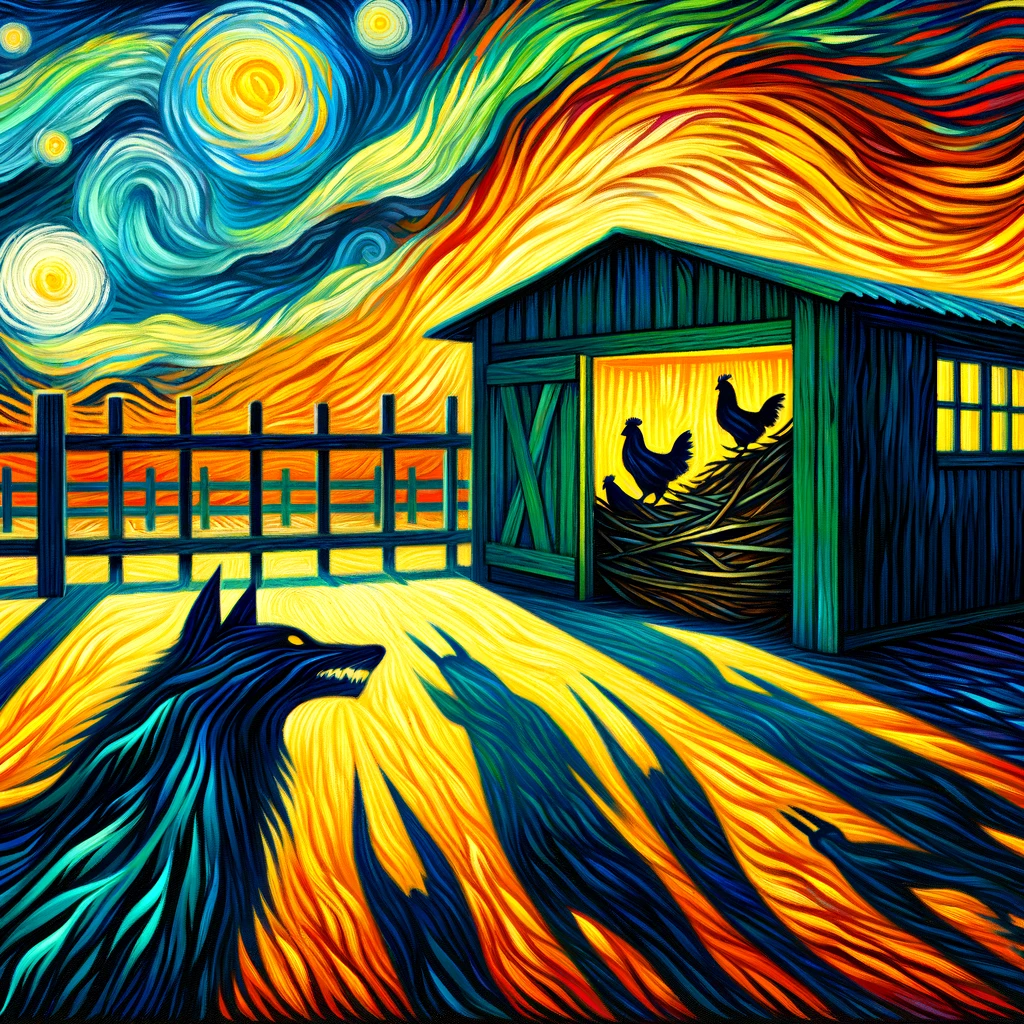
When thinking about sustainable farming, it’s crucial to consider the guiding principles that shape ethical flock management. Imagine the early morning light breaking over a backyard, where chickens cluck and scratch the ground, and the first rays touch the dewy grass. This isn’t just a picturesque scene; it’s a call to action for those who want to connect their daily lives with the natural world.
At its heart, ethical flock management starts with respect—for the birds and the land they roam. Raising backyard chickens is not merely about collecting eggs; it’s about fostering an environment where these small creatures are free to express their natural behaviors. This approach doesn’t just feel good; it’s rooted in the rational understanding that healthy, happy chickens produce better eggs and contribute to a healthier ecosystem. The ground they tread breaks down waste, while their nutrient-rich droppings feed the soil, creating a cycle of life that builds resilience in both the flock and the farm.
Yet, one must also recognize the ethical imperatives at play. Every decision made in managing a flock carries weight; the need for humane treatment, biosecurity, and the consideration of animal welfare cannot be overlooked. By prioritizing these values, farmers not only comply with ethical standards but also inspire trust within their communities. People want to know where their food comes from, and when they see your backyard operation prioritizing care and sustainability, they not only buy into your story—they become part of it.
Narratives stitched into the fabric of family farms revolve around connection. When children begin the day by gathering eggs, they are learning about responsibility, respect for living beings, and the importance of sustainable agriculture. It’s these experiences that can ignite a passion for ethical farming and inspire the next generation to continue nurturing our planet.
In this interconnected world, what we do with our flocks affects the broader community. Adopting ethical practices doesn’t just transform your backyard; it can create a ripple effect, prompting neighbors and friends to consider their own food sources. It’s a shared journey towards sustainability, one raised finger in the air at a time, inviting others to join in. So, as you consider managing your flock, remember: you’re not just growing food; you’re growing a movement, capable of changing hearts and minds, one backyard at a time.
What Principles Guide Ethical Flock Management In Sustainable Farming?
What Principles Guide Ethical Flock Management In Sustainable Farming?
- Sustainable farming necessitates ethical flock management, rooted in principles of respect for birds and land.
- Raising backyard chickens is about enabling natural behaviors, not just egg production.
- Healthy, happy chickens contribute to a resilient ecosystem and improve soil health through their droppings.
- Humane treatment and animal welfare are essential ethical imperatives in flock management.
- Prioritizing care and sustainability inspires community trust, as people become invested in the source of their food.
- Experiences like gathering eggs teach children responsibility and the values of sustainable agriculture.
- Ethical practices can create a community ripple effect, encouraging neighbors to rethink their food sources.

What Principles Guide Ethical Flock Management In Sustainable Farming?
How Can Choosing Local Breeds Improve Both Ecology and Economy?
When considering the delicate dance between ecology and economy, one can’t ignore the simple yet profound impact of local breeds—like those delightful backyard chickens. These feathered friends are more than just a source of fresh eggs; they represent a crucial link in the chain of sustainable living, a tangible nod to a more connected way of life.
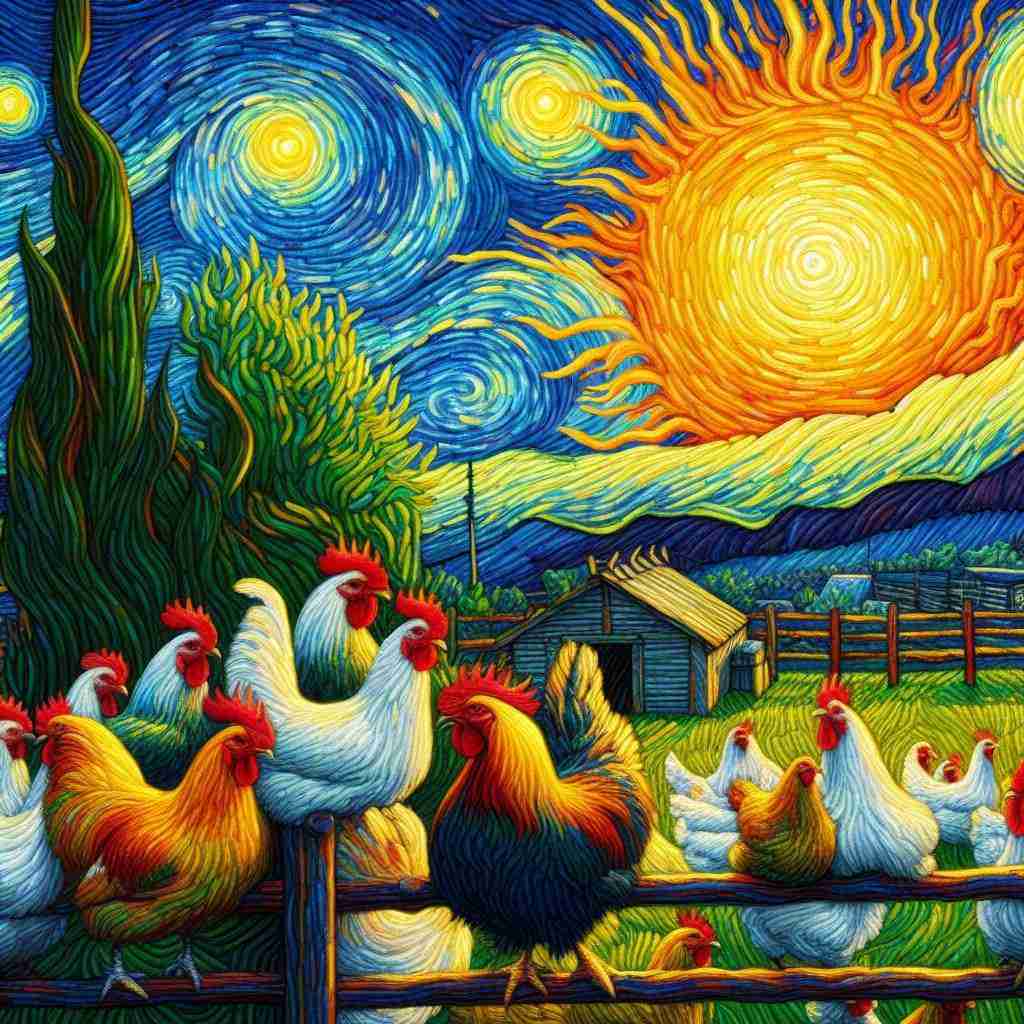
Imagine walking into your backyard, hearing the gentle cluck of hens pecking contentedly at the ground, their presence a reminder that life can be simple and fulfilling. These chickens are not just pets; they are a part of your community, a testament to the age-old practice of keeping livestock. By choosing local breeds, you’re tapping into a wealth of heritage—breeds that have evolved to thrive in your unique environment. This relationship is reciprocal; they benefit from your care while you reap the rewards of a more resilient ecosystem.
Local breeds are better suited to their specific environment, meaning they require fewer resources, less feed, and less medication. This not only reduces the carbon footprint associated with livestock farming but also saves you money. It’s a win-win scenario that few can resist. You can witness your hard-earned dollars circulating back into your local economy, as you purchase feed from neighborhood farmers and share the bounty of your flock with friends and family.
But there’s an ethical dimension that demands attention. The mass production of generic livestock has led to a monoculture that hollows out biodiversity, jeopardizing the very systems we depend on. By embracing local breeds, you become a steward of the land. You actively participate in preserving these breeds for future generations—an act that nourishes both your community and the planet.
Picture the scene: friends gathered around a rustic table, enjoying an impromptu potluck, sharing stories while kids chase each other through the yard, dogs barking joyfully in the background. The conversation veers toward your backyard chickens, their inquisitive nature sparking interest; suddenly, everyone’s talking about how they too could introduce local breeds into their lives. In that moment, you’re not just sharing knowledge; you’re cultivating a movement.
Choosing local breeds doesn’t just make economic sense—it’s a heartfelt commitment to community, to sustainability, and to a thriving future for our planet. The question isn’t whether you can afford to make this choice; it’s whether you can afford not to.

How Can Choosing Local Breeds Improve Both Ecology and Economy?
How Can Choosing Local Breeds Improve Both Ecology and Economy?
- Local breeds, such as backyard chickens, significantly impact sustainable living.
- Chickens offer companionship and contribute to community and heritage.
- Local breeds thrive in unique environments, requiring fewer resources and medication.
- This choice reduces carbon footprints and saves costs for owners.
- Supporting local breeds strengthens the local economy through purchases and sharing.
- Embracing local breeds helps preserve biodiversity and ensures future generations benefit.
- Choosing local breeds is an ethical commitment to community sustainability and a healthier planet.
How Can Choosing Local Breeds Improve Both Ecology and Economy?
How Does a Thoughtfully Curated Flock Contribute to Food Security?
Imagine standing in your backyard, sipping coffee on a crisp morning, the sun just starting to peek over the horizon. As you glance out at the flock of chickens happily pecking at the ground, you can’t help but feel a sense of pride. These aren’t just birds—they are part of a movement, a deliberate choice to take responsibility for your food security. Backyard chickens give us more than just eggs; they offer a glimpse into a sustainable future where we reclaim our connection to the food we consume.
At a time when grocery store shelves can feel unstable and food scarcity looms large in the shadows, there’s something reassuring about knowing that you’re nurturing life right outside your door. Each cluck and flutter of feathers is a reminder that self-reliance isn’t an outdated notion but a necessary practice in today’s world. When that fresh egg makes its way to your breakfast plate, it symbolizes more than just a meal; it represents resilience, independence, and a solid step towards food sovereignty.
There’s an ethical element that we simply cannot ignore. Every egg from those backyard chickens is a choice against the factory farms that prioritize profit over welfare. By choosing to raise your own birds, you’re not just ensuring a healthier diet; you’re also supporting better animal husbandry practices. You forge a bond between the care you provide and the nourishment you receive, and that bond is sacred.
You may ask, “How does a thoughtfully curated flock truly make a difference beyond my backyard?” Well, consider this: each chicken nurtured is a lesson in sustainability and community. Engage your neighbors, share your bounty, and you’ll find that the act of keeping chickens fosters teamwork and trust. Your backyard can become a hub for education—a place where children learn not just about food, but about responsibility, compassion, and the environment.
When we take ownership of our food, we cultivate not just a personal sense of satisfaction, but a collective ethos. Trust flourishes when communities come together to seek solutions. It echoes through the thoughtful clucks of those backyard chickens, reminding us that we are all part of something larger. So, next time you think about food security, remember that the answer might just be clucking away right outside your door. Let’s embrace that power.

How Does a Thoughtfully Curated Flock Contribute to Food Security?
How Does a Thoughtfully Curated Flock Contribute to Food Security?
- Enjoy the sense of pride and responsibility that comes from raising backyard chickens.
- Backyard chickens provide a connection to sustainable food practices and food security.
- Fresh eggs symbolize resilience, independence, and a step toward food sovereignty.
- Raising chickens supports ethical animal husbandry and healthier diets compared to factory farms.
- A curated flock fosters community engagement and teaches valuable lessons about sustainability.
- Owning chickens promotes a sense of teamwork, trust, and collective ethos within communities.
- Food security can be bolstered by simple, personal actions taken in our own backyards.

How Does a Thoughtfully Curated Flock Contribute to Food Security?
What Role Does Biodiversity Play In the Resilience Of Your Flock?
When you step outside your door, greeted by the gentle clucks of your Backyard Chickens, have you ever pondered the undercurrents that make this harmonious scene possible? Biodiversity is more than just a buzzword; it’s the invisible thread weaving together the delicate tapestry of life—one that supports the resilience of your flock.
Imagine a vibrant garden surrounding your coop, where wildflowers dance in the breeze, and helpful insects flit from blossom to blossom. This diversity of flora isn’t just a pretty sight. It provides crucial food sources and habitats for beneficial microorganisms and insects that contribute to a rich ecosystem. These creatures form the backbone of a balanced environment, helping to combat diseases that can threaten your chickens. A healthy, diverse ecosystem means fewer antibiotics and medication, sparing your flock from unnecessary interventions.
Rationally speaking, a diverse chicken diet means happier hens that lay better eggs. The nutritional variety they consume from foraging—whether it’s greens, grains, or insects—translates directly into the quality of the eggs you serve at your breakfast table. When your hens are healthy and thriving, you not only reap the benefits of better eggs, but you also foster a more robust relationship with your backyard companions.
Ethically, embracing biodiversity speaks to our greater responsibility as caretakers of the environment. It’s one small yet significant step we can take toward sustainability. By cultivating a rich habitat for your chickens, you’re participating in an age-old tradition of stewardship—ensuring that future generations can experience the joy of caring for animals. This is more than a hobby; it’s a connection to the land that nourishes us all.
Yet it’s also a communal endeavor. The act of building biodiversity in your yard inspires those around you. Your neighbors might find themselves curious, inspired, and perhaps longing to join in the journey of raising their own flock. As you share stories of resilience achieved through thoughtful gardening and chicken care, you’re creating a ripple effect that can motivate others to make changes in their own lives.
So take a moment to reflect: your chickens flourish not just because they rely on you, but because they thrive in a vibrant, interconnected web of life. By nurturing biodiversity, you’re setting a powerful example, inspiring trust in the process, and beckoning others to join you in this deeply rewarding experience. Let’s cultivate a world where both our flocks and our communities can flourish together.

What Role Does Biodiversity Play In the Resilience Of Your Flock?
What Role Does Biodiversity Play In the Resilience Of Your Flock?
- Biodiversity is essential for maintaining the resilience of backyard chickens and their environment.
- A diverse garden provides food and habitats for beneficial microorganisms and insects that help combat diseases.
- A healthy ecosystem reduces the need for antibiotics, benefiting the overall health of the flock.
- A varied diet from foraging leads to happier hens and improves the quality of eggs produced.
- Embracing biodiversity reflects our responsibility as caretakers of the environment and promotes sustainability.
- Building biodiversity can inspire neighbors to raise their own flocks and create a communal impact.
- Nurturing biodiversity sets a powerful example for others and fosters a connection to the land.

What Role Does Biodiversity Play In the Resilience Of Your Flock?
How Does a Diverse Flock Foster a Sense Of Connection Within Society?
In a world spinning faster each day, it’s easy to forget the power of community and the richness that diversity brings. Imagine for a moment a backyard flock of chickens; each unique in its own way—feathers of different hues, quirky personalities, and a variety of clucks that echo the many voices of our society. When these diverse birds gather, something remarkable happens: they foster a sense of connection that transcends their differences.
This connection, vital for our emotional well-being, reminds us that our strength lies not in sameness but in our distinctions. When we celebrate diversity, we create an enriching tapestry woven through shared experiences and collective stories. Just like those chickens who come together for warmth and safety, we too find solace when we interact with people from various backgrounds. It’s in these shared spaces—be it on the playground, in the office, or around the dinner table—that we discover empathy and understanding.
From a rational perspective, diversity invites innovation and creativity. A team comprised of different perspectives is far more capable of problem-solving and adapting to the ever-changing landscape of today’s challenges. Each opinion adds a layer of insight, leading to well-rounded decisions that consider a spectrum of experiences. This isn’t just theoretical; numerous studies show that organizations embracing diversity often outpace their competitors.
Morally speaking, fostering an inclusive environment is our ethical responsibility. By taking action to include all voices, we affirm the humanity of others and acknowledge our interconnectedness. This sense of belonging is fundamental—not just for individuals, but for the fabric of society itself.
Picture this: a neighborhood potluck, where stories are exchanged over shared dishes. One person brings a spicy curry, another a classic meatloaf, and someone else a vegan salad. This isn’t just a meal; it’s a celebration of cultures and traditions, fostering connections that go beyond a simple dinner.
When we engage with a diverse flock—be they chickens or people—we cultivate trust and build relationships that uplift us all. Just as every chicken contributes to the rhythm of the coop, every voice in society adds to the symphony of progress and humanity. Let’s open our hearts, minds, and arms to this diversity. Embrace the differences that unite us and watch as connections flourish, enriching our lives and the world around us.

How Does a Diverse Flock Foster a Sense Of Connection Within Society?
How Does a Diverse Flock Foster a Sense Of Connection Within Society?
- The power of community and diversity is often overlooked in our fast-paced world.
- Diverse groups, like a flock of uniquely feathered chickens, create a sense of connection that transcends differences.
- Celebrating diversity enriches our lives through shared experiences and collective stories.
- Diversity fosters innovation and creativity, leading to better problem-solving and well-rounded decisions.
- An inclusive environment is an ethical responsibility that affirms our interconnectedness.
- Neighborhood gatherings, such as potlucks, serve as celebrations of culture and tradition, fostering connections.
- Embracing diversity not only enriches our lives but also strengthens the fabric of society.

How Does a Diverse Flock Foster a Sense Of Connection Within Society?
What Expertise Do You Need to Curate a Balanced and Thriving Flock?
Curating a balanced and thriving flock of backyard chickens is more than just slapping together a coop and tossing in some feed. It’s a labor of love that combines heart, head, and gut instinct. When you approach it with passion, intelligence, and a little bit of intuition, you’re on your way to creating a sanctuary that your hens will thrive in.
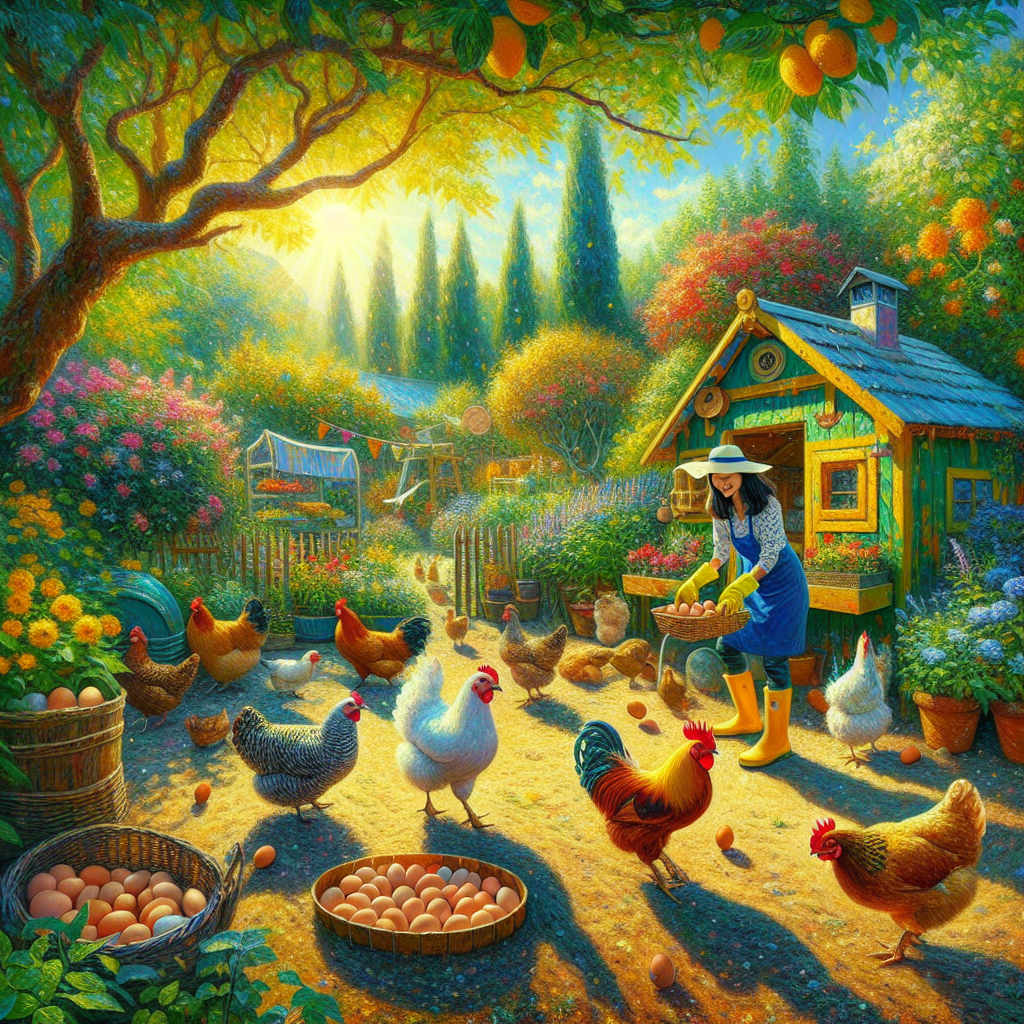
First, let’s talk about the emotional connection. Imagine stepping outside your door at dawn, coffee in hand, just in time to witness your birds waking up to greet the day. Each cluck, each flap of a wing, and every curious head that pokes out from the coop tells you a story of life and freedom. These gentle creatures aren’t just egg layers; they become part of your family, enriching your backyard chickens experience with laughter and charm. You become their protector and nurturer, and that bond is something truly special.
Now, let’s engage the rational mind. Research is paramount. Whether you’re geeked out over the latest studies on chicken breeds or you’re sifting through forums for advice on optimal feed, being informed is key. There are nuances to flock dynamics that require thoughtful consideration — think about breed compatibility, space requirements, and dietary needs. A well-balanced chicken diet, just like ours, is essential to their health and productivity. When you understand these elements, you’re not just a backyard chicken keeper; you become a knowledgeable steward of their well-being.
But don’t overlook the ethical responsibility that comes with this endeavor. Each chicken is an individual, and they deserve to be treated with respect. Spare no effort to ensure their environment is safe, their needs are met, and their lives are enriched. This is where your authority grows — as you become a responsible flock owner, you’ll inspire others to treat their animals with the same dignity.
Lastly, consider the community aspect. Flock keeping isn’t an isolated affair. Engage with fellow enthusiasts, whether it be through online platforms or local meet-ups. Sharing stories, tips, and even the occasional egg surplus fosters connections that elevate your chicken-keeping journey. By building these relationships, you not only create a support network; you become part of a larger movement that values compassion and knowledge.
Curating a thriving flock of backyard chickens isn’t just about practical expertise; it’s about weaving together a tapestry of love, responsibility, and community. Take that plunge, and let those clucks enrich your life in ways you never imagined.

What Expertise Do You Need to Curate a Balanced and Thriving Flock?
What Expertise Do You Need to Curate a Balanced and Thriving Flock?
- Creating a healthy backyard chicken flock requires passion, knowledge, and instinct.
- Emotional connections with chickens bring joy and enhance the experience of chicken keeping.
- Researching chicken breeds, flock dynamics, and feeding is crucial for informed management.
- A balanced diet is essential for the health and productivity of chickens.
- Ethical responsibilities include treating each chicken as an individual and ensuring their well-being.
- Engaging with the chicken-keeping community fosters support and shared knowledge.
- The journey of curating a flock involves love, responsibility, and building connections with others.
What Expertise Do You Need to Curate a Balanced and Thriving Flock?
Conclusion
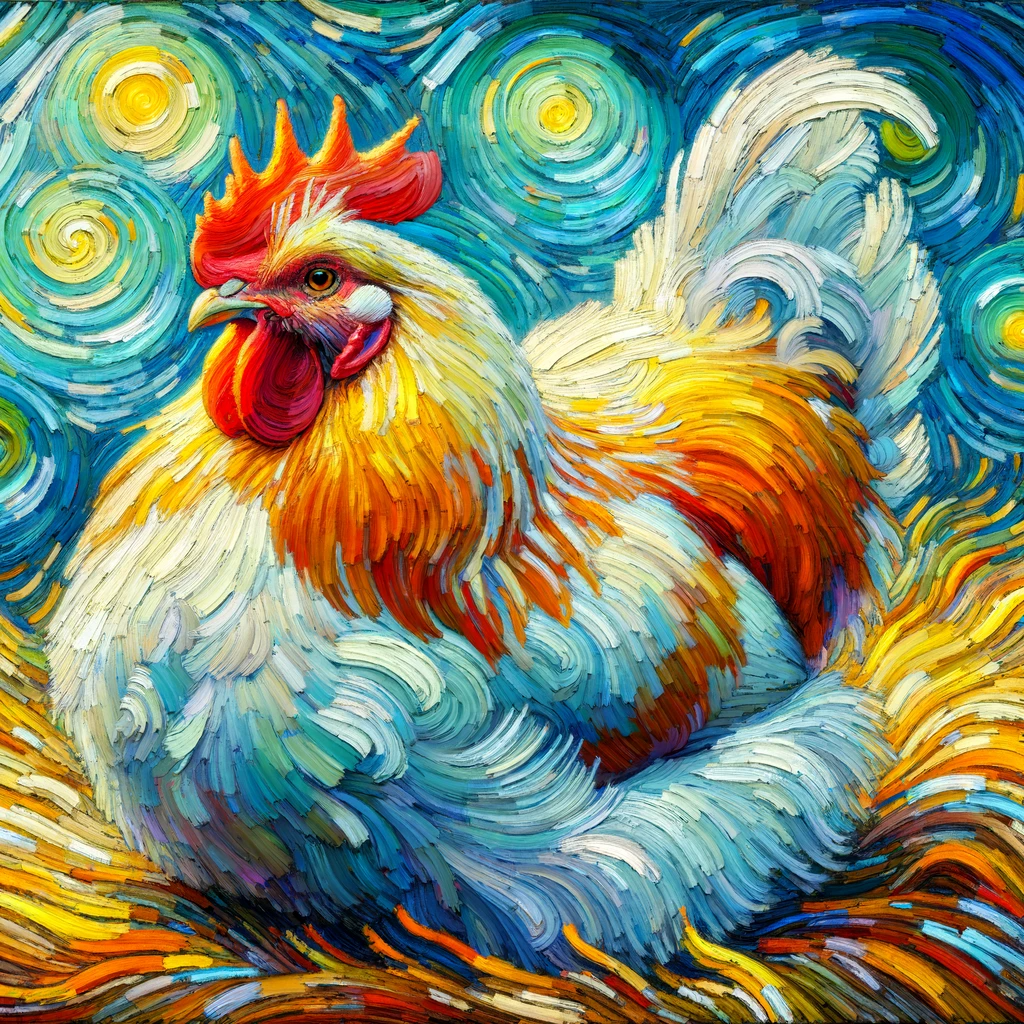
Curating a flock of backyard chickens is not merely about gathering a few feathered friends; it’s about cultivating a vibrant ecosystem that resonates with purpose, joy, and community. Imagine your mornings filled with the warm, golden hues of sunlight as it filters through the feathers of your diverse flock—each bird a unique brushstroke on the canvas of your life. Chickens become more than just egg producers; they represent an intentional life filled with connections, stories, and sustainable practices.
From an emotional standpoint, these delightful companions bring a richness to our daily routines that’s hard to quantify. Watching them forage, revel in the earth, and engage with each other fosters an atmosphere of tranquility and wonder. Tending to their needs instills a sense of responsibility that is all too rare in our fast-paced, digitally-driven lives. Studies indicate that caring for animals can alleviate stress and anxiety, providing us with a therapeutic escape that reconnects us with the simple joys of living.
Rationally, the choice to curate a diverse flock enhances not just your own well-being but also the ecological health of your surroundings. By selecting local breeds that thrive in your environment, you embrace biodiversity, which is the lifeblood of resilient ecosystems. Happy, well-cared-for chickens produce superior eggs, embodying a commitment to ethical practices that reflect a mindful lifestyle. You become an active participant in the movement toward sustainable agriculture, rejecting the mass production methods that compromise animal welfare.
On an ethical level, this endeavor goes beyond individual satisfaction; it signifies a ripple effect within your community. When your friends and neighbors witness the care and dedication you pour into your flock, it sparks curiosity and inspiration. You create a sense of belonging, turning your backyard into a hub of shared knowledge and experiences. Imagine the joy of hosting potlucks where stories about your chickens blend seamlessly with laughter and culinary delights, illustrating how connected we all are to our food sources.
Ultimately, curating a balanced avian community is an act of love—a testament to our commitment to nurturing life on a deeper level. Through each decision, each cluck, we not only enhance our emotional landscapes; we craft a sustainable legacy for future generations. In nurturing our flocks, we cultivate not only our backyards but also our spirits, instilling values of empathy, resilience, and community in a world that needs them now more than ever. So lean into this beautiful journey, and let your backyard flock become a beacon of connection and purpose in your life.

Conclusion
Conclusion:
- Curating backyard chickens fosters a vibrant ecosystem filled with purpose, joy, and community.
- Each chicken symbolizes an intentional life filled with connections and sustainable practices.
- Chickens provide emotional richness, fostering tranquility and responsibility in daily routines.
- Caring for chickens can alleviate stress and reconnect individuals with simple joys.
- Selecting local breeds enhances biodiversity and promotes ecological health and well-being.
- The endeavor inspires community connections, encouraging shared knowledge and experiences.
- Curating a chicken flock is an act of love, leaving a sustainable legacy for future generations.
Conclusion
Other Resources

Other Resources
Here is a list of other resources you can review online to learn more:
- Marans of America Club
- Golden Laced Wyandotte
- Central Maine Bird Fanciers
- Buff Orpington
- ISA Brown
- White Rock
- Brahmas
- Necrotic Enteritis
- chicken feed
- Crevecoeur
- Oats
- berries
Use This Prompt To Get More Resources With Your Favorite Online AI Tool: Please provide me with a list of online articles with their URLs in a bulleted list that I can read regarding Curating Your Flock Like an Art Collection – a Sustainable Approach

Other Resources
Glossary Terms
Curating Your Flock Like an Art Collection – a Sustainable Approach – Glossary Of Terms
1. Curating: The process of selecting, organizing, and managing a collection, emphasizing intentionality and thoughtfulness in choices.
2. Flock: A group of birds or animals, often used metaphorically to represent a collective of like-minded or selected entities in a given context.
3. Sustainability: Meeting the needs of the present without compromising the ability of future generations to meet their own needs, often involving environmental, economic, and social considerations.
4. Collection: An assembly of items, curated with a specific focus or theme, often reflecting personal tastes or values.
5. Artistic Vision: The overarching concept or aesthetic that guides the curation process, influencing choices in selection and presentation.
6. Diversity: The inclusion of a variety of elements within a collection, contributing to a richer and more balanced representation of different species or styles.
7. Ecosystem: A complex network of living organisms, their environment, and interactions, often considered in sustainable practices and curation.
8. Ethical Sourcing: The practice of obtaining items or living beings in a manner that considers their welfare and the ecological impact, ensuring compliance with ethical standards.
9. Curation Strategy: A planned approach outlining how to select, acquire, and care for items in the collection, balancing aesthetics and sustainability.
10. Aesthetic Appeal: The visual attractiveness or beauty of the items within a collection, often influencing public perception and engagement.
11. Preservation: The act of maintaining the condition and integrity of collection items over time, ensuring their longevity and continued relevance.
12. Heritage: The legacy or history of a collection, often reflecting cultural, biological, or artistic significance.
13. Conservation: The protection and management of natural and cultural resources to prevent harm and ensure sustainability.
14. Biophilia: The innate human affinity for nature and living systems, often inspiring curatorial practices that connect people with the natural world.
15. Community Engagement: Involvement of local communities in the curation process, fostering connections and promoting shared stewardship.
16. Interconnectivity: The relationships and dependencies among elements within a collection, emphasizing the importance of holistic approaches.
17. Contextualization: Placing items within a broader framework or narrative, enhancing understanding and appreciation of their significance.
18. Resource Management: The strategic allocation and utilization of resources (time, money, space) in the curation process to promote sustainability.
19. Biodiversity: The variety of life within a particular habitat or ecosystem, important in creating a balanced and vibrant collection.
20. Cultural Sensitivity: Awareness and respect for cultural differences, ensuring that curation practices honor diverse perspectives and values.
21. Innovative Practices: New and creative methods adopted in curation to enhance sustainability and engagement with the collection.
22. Educational Outreach: Programs designed to inform and involve the public in the significance of curation and its role in sustainability.
23. Adaptability: The ability to adjust and modify curation strategies in response to changing circumstances or new information.
24. Feedback Loops: Mechanisms for gathering community or stakeholder input to inform ongoing curation practices and improve sustainability efforts.
25. Holistic Approach: A method that considers the full context of the collection, integrating ecological, social, and artistic dimensions.
26. Circular Economy: An economic model aimed at minimizing waste and making the most of resources, relevant in sustainable curation.
27. Solidarity: Unity or agreement among stakeholders in the curation process, emphasizing shared goals and collective action.
28. Public Engagement: The involvement of a diverse audience in the curation and appreciation of the collection, promoting accessibility and inclusion.
29. Collective Responsibility: The shared duty among individuals and organizations to care for and sustain the collection and its environment.
30. Transformative Experience: A powerful encounter with curated items that leads to personal growth, awareness, and deeper appreciation of sustainability efforts.

Glossary Of Terms
Other Questions
Curating Your Flock Like an Art Collection – a Sustainable Approach – Other Questions
If you wish to explore and discover more, consider looking for answers to these questions:
- What are the best chicken breeds for beginners?
- How much space do I need for a backyard flock?
- What can I feed my chickens to ensure their health?
- How do I deal with common chicken diseases?
- What are the legal requirements for keeping backyard chickens?
- How do I introduce new chickens to an existing flock?
- What are the signs of a healthy chicken?
- How can I create a safe and comfortable chicken coop?
- What are the benefits of free-ranging chickens versus keeping them in a coop?
- How do chickens contribute to pest control in the garden?
- What kind of supplies do I need to start raising chickens?
- Can I raise chickens if I have limited outdoor space?
- How can I recognize and prevent aggressive behavior in chickens?
- What are the environmental impacts of raising backyard chickens?
- How can I maintain a clean and healthy environment for my flock?

Other Questions
Haiku
Curating Your Flock Like an Art Collection – a Sustainable Approach – A Haiku
Chickens in the sun,
Nurturing heart, soul, and land—
Life’s rhythm restored.

Haiku
Poem
Curating Your Flock Like an Art Collection – a Sustainable Approach – A Poem
In the golden glow of morning light,
Where chickens roam, a joyful sight,
More than just layers of eggs in a nest,
Each feathered soul, a story blessed.
Curated with care, this flock we choose,
A tapestry woven with vibrant hues,
A dance of diversity, each one unique,
In their gentle clucks, connections speak.
They scratch at the earth, turning scraps to gold,
Fostering nourishment, as wisdom unfolds,
With every seed planted and lesson learned,
A sustainable legacy in our hearts burned.
Here, children giggle, gathering eggs with glee,
Lessons of patience, of love, and of care,
In this simple act, the world’s burdens ease,
A community built, where empathy flares.
Local breeds thriving, resilient and free,
A symbiotic bond with our land we see,
Where choices empower, economics align,
A future of flavor, both rich and divine.
In the sanctuary of coops, lives intertwine,
Each cluck a reminder, together we shine,
Embracing our differences, we build something grand,
A symphony of voices, a flourishing land.
So nurture your flock, let your journey take flight,
In the heart of your home, find your guiding light,
For every feathered friend, each moment you spend,
Reclaims not just food but the love we extend.

Poem
Checklist
Curating Your Flock Like an Art Collection – a Sustainable Approach – A Checklist
Checklist for Curating Your Backyard Chicken Flock
Emotional Appeal
_____ Visualize your dream backyard filled with happy chickens.
_____ Consider the joy and companionship chickens can bring into your life.
_____ Reflect on how nurturing animals fosters a sense of purpose and belonging.
_____ Share your experiences with family and friends to create lasting memories.
Rational Appeal
_____ Research different chicken breeds and their unique traits.
_____ Create a plan for your flock’s diet, integrating local and natural foods.
_____ Assess your backyard for ideal coop and run space.
_____ Understand the basics of chicken health and disease prevention.
Ethical Appeal
_____ Commit to humane treatment and care of all your chickens.
_____ Choose breeds based on sustainable practices and animal welfare.
_____ Educate yourself about the ethical implications of backyard farming vs. factory farming.
_____ Foster an environmentally-friendly approach to your chicken-keeping practices.
Authority Appeal
_____ Read books and articles from experts on backyard chicken raising.
_____ Join local or online chicken-keeping communities for knowledge exchange.
_____ Attend workshops or seminars on sustainable agriculture and ethics in farming.
_____ Seek advice from seasoned chicken owners to refine your techniques.
Narrative Appeal
_____ Keep a journal documenting your chicken-keeping journey and experiences.
_____ Share your story with your community to inspire others to consider raising chickens.
_____ Create a narrative around your flock that highlights their impact on your life.
_____ Collect and share anecdotes about specific chickens and their personalities.
Social Appeal
_____ Organize neighborhood egg swaps or potluck gatherings using your eggs.
_____ Engage with neighbors and friends to build a supportive chicken-keeping network.
_____ Share tips and resources on sustainable practices through social media.
_____ Involve your family in the care and upkeep of your flock for shared learning.
Practical Steps
_____ Develop a daily routine for feeding, watering, and caring for your flock.
_____ Create a resource list for purchasing supplies from local businesses.
_____ Set goals for your flock, such as learning to care for local breeds.
_____ Monitor the productivity and health of your chickens to make necessary adjustments.
Checklist
At BackyardChickenNews, we help people who want to raise backyard chickens by collating information and news blended with our own personal experiences.
Be sure to read our other related stories at BackyardChickenNews to learn more about raising chickens in your backyard.