

Discover Your Perfect Egg Hue: Uniting Tradition With Technology.
By Tom Seest
At BackyardChickenNews, we help people who want to raise backyard chickens by collating information and news blended with our own personal experiences.
Be sure to read our other related stories at BackyardChickenNews to learn more about raising chickens in your backyard.
Egg Color Predictor – AI Matches Breed to Your Favorite Shell Shades
In the heart of our backyards, a quiet revolution is taking place. Picture this: a clucking haven of backyard chickens, each one a living testament to the beauty of nature and the intricacies of agriculture. Eggs, those humble orbs of nourishment, come in a dazzling spectrum of colors—whites, browns, blues, and even olive greens. But what if you could predict the hue of your fresh breakfast simply by knowing the breed? Enter the Egg Color Predictor, an AI marvel bridging the gap between old traditions and modern technology.
Imagine gathering around the breakfast table, each egg a vibrant reminder of the hard work and care poured into your backyard chicken coop. The rich nutty flavor of a brown shell, the delicate sweetness of a blue one—they’re not just breakfast; they’re stories waiting to be told. Through the lens of this AI tool, we unlock the secrets hidden within those eggshells. Each color reflects not just the breed of the chicken that laid it, but a connection to the earth, a nod to sustainability, and a celebration of the local—an invitation to reconnect with our roots in a digitally driven world.
As someone who’s spent countless mornings in the company of chickens, I can attest to the joy they bring. You nurture them, and in return, they grace you with their unique gifts. With the Egg Color Predictor, we infuse this process with science—a little algorithmic magic that honors tradition while embracing innovation. It’s a celebration of the old ways—those slow, deliberate mornings spent among the birds, combined with the forward march of technology. This is where emotional resonance meets rationality.
Stand before your egg carton and feel a sense of pride swelling in your chest. Each egg is a product of your care, nurtured in the sunlight of your backyard, and the AI serves as your invisible guide, helping you match each lovely shell with its corresponding breed. The ethical choice becomes clear: supporting local farms and understanding our food sources fosters a sense of community.
This isn’t just about egg color; it’s an invitation to deepen your relationship with food, farming, and the community that grows around them. It’s about trust—trust in the process, in our commitment to sustainability, and in the joys of simple, honest food. So, embrace your chickens, embrace the colors they bring, and watch how an ordinary breakfast transforms into a tapestry of possibilities.

Egg Color Predictor – AI Matches Breed to Your Favorite Shell Shades
Egg Color Predictor – AI Matches Breed to Your Favorite Shell Shades
- A backyard chicken revolution showcases the beauty of nature and agriculture.
- Eggs come in various colors, with the Egg Color Predictor aiding in predicting their hues based on chicken breeds.
- Each egg reflects the care of backyard chicken keepers and connects to themes of sustainability.
- The AI tool combines tradition with technology, enriching the experience of nurturing chickens.
- Each egg symbolizes pride and the effort put into raising chickens at home.
- This initiative encourages supporting local farms and understanding food sources, fostering community bonds.
- It promotes a deeper relationship with food and emphasizes trust in sustainable practices.

Egg Color Predictor – AI Matches Breed to Your Favorite Shell Shades
Table Of Contents
- Egg Color Predictor – AI Matches Breed to Your Favorite Shell Shades
- What Colors Do Your Favorite Eggs Come In?
- How Does Egg Color Affect Taste?
- What Emotional Memories Does Egg Color Evoke for You?
- How Can Knowing the Breed Enhance Your Cooking Experience?
- Are Certain Egg Colors Linked to Better Nutrition?
- Conclusion
- Other Resources
- Glossary Of Terms
- Other Questions
- Haiku
- Poem
- Checklist
What Colors Do Your Favorite Eggs Come In?
When was the last time you stood in front of your refrigerator and marveled at the colors of the eggs? The vibrant hues of the shells can tell a story—each one a badge of honor representing the lady who laid it. Backyard chickens are not just a trend; they are a testament to our connection with food, sustainability, and the simple joys of life. Unlike those uniformly manufactured eggs you find at the supermarket, backyard eggs come in a remarkable spectrum: shades of white, cream, brown, and even speckled variations that would make a painter green with envy.
You see, the color of the eggshell doesn’t merely reflect the breed of the chicken; it’s a window into our world. Imagine collecting eggs in your backyard on a sunny morning, a symphony of colors nestled in the nest. Each collection reflects the love and care you’ve poured into feeding those hens, turning mere chickens into feathered companions. It’s this relationship that transforms an ordinary breakfast into something majestic—a reminder of where our food comes from.
But let’s be honest; egg color is also a matter of perception. Some folks insist that brown eggs are healthier than white, a myth persisted more vigorously than the nearly frigid air of a winter morning. The truth lies in perspective—both colors are nutritionally equivalent, yet we gravitate towards these choices based on our upbringing, our community, and deep-seated beliefs about what “good” food looks like. It’s okay to have favorites—after all, is there anything more satisfying than cracking open a perfectly formed egg, the yolk a brilliant shade of orange, and knowing it came from your own backyard?
Ethically, there’s immense pride in knowing your hens roam freely, foraging and living the way nature intended. This action speaks to our values—supporting local ecosystems, diving into the world of sustainable living. When we share these eggs with friends and family, it’s not just an offering of food; it’s an invitation to connect over shared values and the joys of small-scale farming.
So, the next time you pick up eggs from your fridge, take a moment. Reflect on their journey from your backyard to your plate. Realize that these simple, colorful gems are part of a larger narrative—one that invites us all to reexamine our connection to nature, nourishment, and community. Eggs, in all their colorful glory, become emblems of what we love about life. Let’s embrace this journey and share it, one carefully nurtured egg at a time.

What Colors Do Your Favorite Eggs Come In?
What Colors Do Your Favorite Eggs Come In?
- Backyard chickens symbolize our connection to food, sustainability, and joy.
- Eggshell colors vary widely, reflecting the unique characteristics of each chicken.
- Collecting eggs is a rewarding experience that enhances our relationship with food.
- Despite perceptions, brown and white eggs are nutritionally equivalent.
- Ethical considerations arise from knowing hens are raised in natural conditions.
- Sharing backyard eggs fosters connections over shared values and small-scale farming.
- Eggs represent a larger narrative about our connection to nature and community.

What Colors Do Your Favorite Eggs Come In?
How Does Egg Color Affect Taste?
When you crack open a fresh egg, the vibrant yolk catches your eye, offering a glimpse of nature’s palette at work. But beyond the visuals, there’s a common question that arises in the world of backyard chickens: Does the color of the eggshell really affect the taste? Let’s roll up our sleeves and delve into this culinary chicken coop conundrum.
First, let’s address the heart of the matter. The color of an eggshell—whether white, brown, blue, or even green—is primarily a product of the chicken breed. While some may believe that brown eggs come from more “natural” or “nutritious” sources, they’re often surprised to find this misconception skews perceptions about flavor. One farmer might raise a flock of white Leghorns, while another tends to an array of hearty Rhode Island Reds. Yet, both produce eggs that are equally rich in taste and nutritional value. In reality, the taste lies not in the eggshell color but in the diet and care of those backyard chickens.
Now, let’s get rational. Numerous studies have shown that regardless of color, the taste of an egg is heavily influenced by what the chickens eat. Chickens fed a balanced diet supplemented with greens, grains, and natural supplements like flaxseed lay eggs with richer, more flavorful yolks. Imagine the difference between a bland, store-bought egg and one that comes from your own coop, where you know your feathered friends have feasted on fresh herbs and countless bugs. When you indulge in that flavorful egg, it’s not just satisfying your hunger; you’re savoring the labor of love and ethics encapsulated in that sunny breakfast.
There’s a sense of authority in this subject, too. Farmers who participate in local agricultural fairs can speak volumes about the intricate connections between chicken care and egg quality. Their stories, seasoned with personal and relatable anecdotes, reveal the invisible threads binding us all to this age-old practice. Visiting a local farm, where you might see chickens roaming freely and consumers connecting with their food sources, reinforces the trust and confidence in knowing where your food originates.
Ultimately, while the color may catch the eye, it’s the experience that warms the heart and fills the gut. When you sit down for breakfast, surrounded by family, the vibrant color of the yolks may be a point of discussion, but it’s the taste—embodying nourishment, tradition, and commitment to sustainable practices—that truly fosters connection. So the next time you reach for eggs, remember that the journey from backyard chickens to your table involves much more than just their shell color. It’s about flavor, care, and the stories we share.

How Does Egg Color Affect Taste?
How Does Egg Color Affect Taste?
- The color of an eggshell is determined by the chicken breed, not the taste.
- Common misconceptions suggest brown eggs are more nutritious, but taste is unaffected by shell color.
- The flavor of an egg is influenced by the chicken’s diet and care.
- Chickens on a balanced diet produce more flavorful yolks.
- Farmers share insights on the relationship between chicken care and egg quality at local agricultural fairs.
- Visiting local farms enhances trust in food sources and offers a connection to food production.
- The experience of enjoying eggs encompasses nourishment, tradition, and sustainable practices beyond just shell color.

How Does Egg Color Affect Taste?
What Emotional Memories Does Egg Color Evoke for You?
When you crack open a freshly laid egg, the vibrant colors might remind you of sunrises on warm summer mornings, or the laughter echoing around the backyard while others weave stories about their first taste of something pure. There’s something unique about those hues—whether it’s the soft brown of a heritage breed or the striking blue of an Ameraucana—that whispers of memories tied to family, tradition, and the simplicity of a life lived with purpose.
Many of us can recall a time spent in our grandparents’ backyard, mulling over the chaos of our childhood, where the clucking of chickens provided a soundtrack to our exploration. Those shiny, colorful eggs cradled in our palms were more than just breakfast; they symbolized hard work, love, and the satisfaction that comes from connecting with nature. In a world racing towards instant gratification, there’s something grounding about tending to backyard chickens, watching them peck and scratch, and gathering their eggs. Those vibrant shells are a testament to what it means to nurture life, a force that runs deep in all of us.
Think about it—the colors of eggs do more than catch our eyes. They tell tales of genetics, care, and heritage, stirring a curiosity that’s both rational and emotional. Just like a well-crafted story, the eggs remind us of the bonds formed over meals shared with family. Each shade can spark a discussion, connecting us with others who share our passion for farming, cooking, or simply cherishing the artistry found in nature.
But let’s not forget the ethical angle. Choosing to raise your own backyard chickens means choosing a more sustainable lifestyle, taking control of what goes onto your plate. It evokes pride and responsibility, knowing the source of your food. Sharing your bounty with neighbors or friends fosters community, creates trust, and inspires others to act—whether they start their own flock or simply begin to appreciate where their food comes from.
The color of an egg can stir heart, head, and gut, igniting stories that reflect not just the past but also the future we’re crafting. Each egg, a little piece of history and a big leap towards a connected, vibrant community. So the next time you gather those beautiful eggs from your backyard flock, take a moment to relish the memories they evoke and the connections they foster.
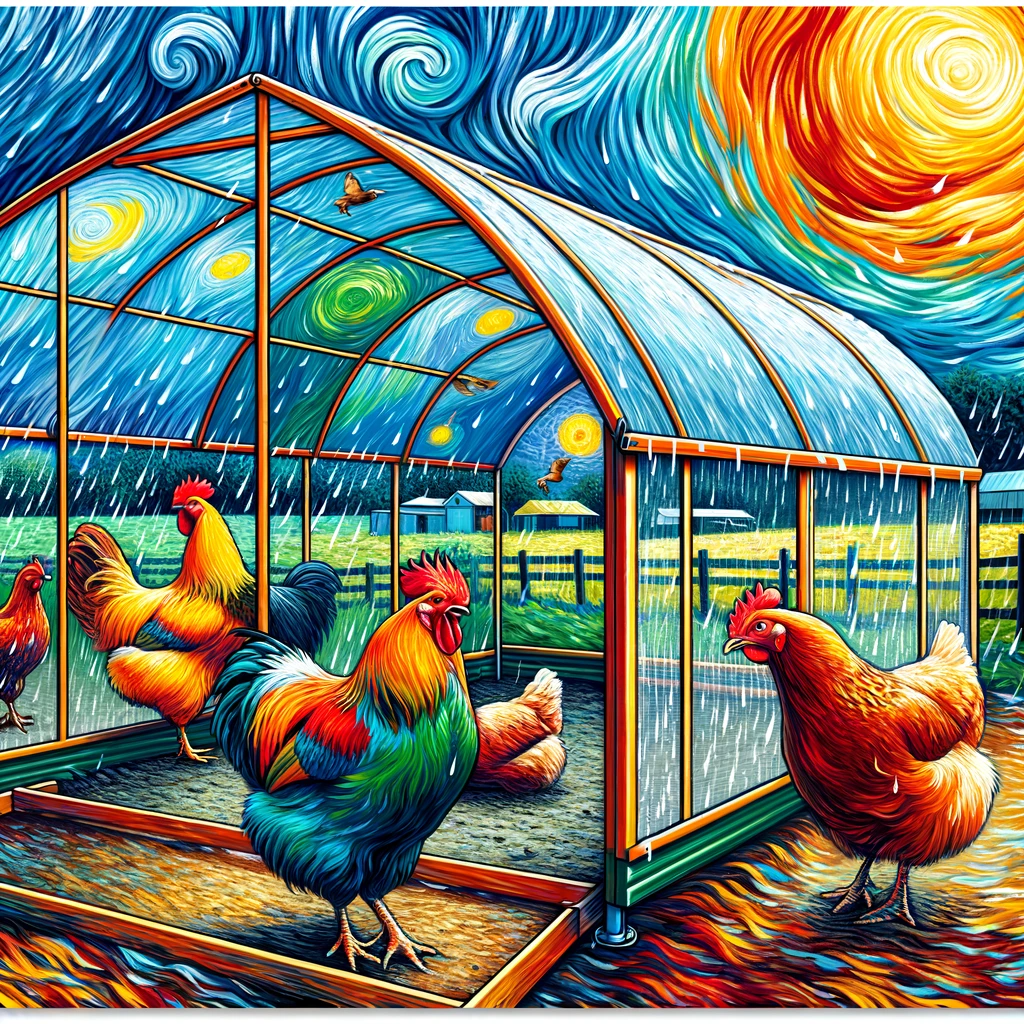
What Emotional Memories Does Egg Color Evoke for You?
What Emotional Memories Does Egg Color Evoke for You?
- Freshly laid eggs evoke memories of family, tradition, and the beauty of simple living.
- Colors of eggs, like soft brown and striking blue, represent the joy of nurturing life.
- Cradling colorful eggs in childhood symbolizes hard work and a connection to nature.
- Egg colors tell stories of genetics and care, fostering discussions about shared passions.
- Raising backyard chickens promotes a sustainable lifestyle and awareness of food sources.
- Sharing eggs with community members builds trust and inspires appreciation for food origins.
- Each egg symbolizes a piece of history and fosters connections within a vibrant community.
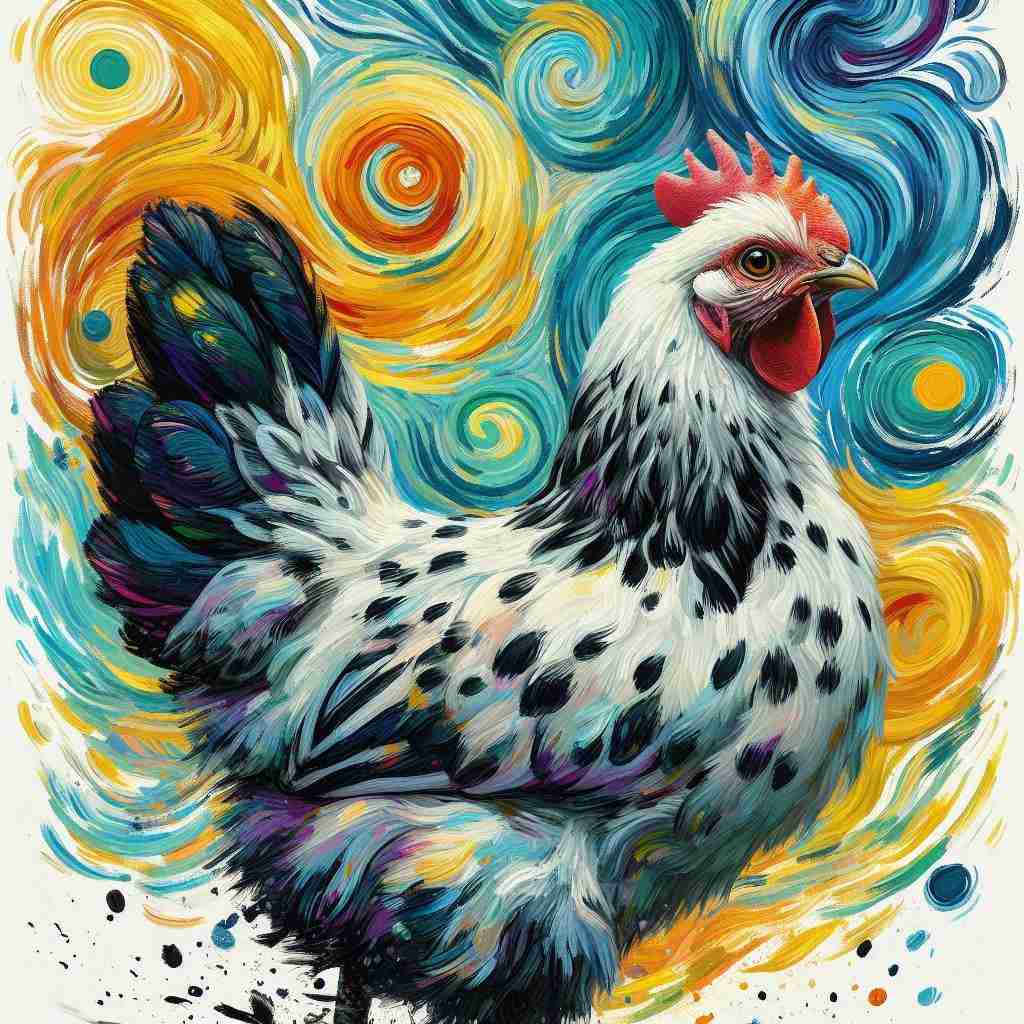
What Emotional Memories Does Egg Color Evoke for You?
How Can Knowing the Breed Enhance Your Cooking Experience?
Knowing the breed can transform your cooking experience in ways you might not expect. When you take a moment to consider the personality of your ingredients—particularly when it comes to backyard chickens—you’re not just cooking; you’re engaging in a dialogue with history, culture, and the simple joy of nurturing life.
Imagine stepping into your kitchen with fresh eggs laid by your very own flock. Each breed of chicken brings its unique flavor profile, much like different coffee beans or cheese varieties. A pastured Leghorn with a bright, rich yolk can elevate your morning omelet into a farm-fresh feast, full of sunny disposition. It’s not just about sustenance; it’s about connection. Each breakfast becomes a story, a tribute to the care you put into raising those birds. You could say those eggs are a little piece of your world, infused with your efforts, feeding not just the stomach but the soul.
Understanding your chickens doesn’t just enhance the flavors on your plate; it anchors you in a community. In a world increasingly disconnected from how food is produced, raising backyard chickens can offer a sense of belonging. You’re not merely a consumer robbing the earth—you’re a steward of nature. When you invite friends over for a meal featuring those eggs, you share part of yourself. You tell them about the time your Rhode Island Red strutted around the yard or how the speckled eggs from your Araucana hens inspired a colorful frittata.
There’s also a practical side to knowing your breed. Certain chickens lay more eggs than others, and some have unique tastes that can influence your cooking style. Choosing breeds based on flavor can open up new culinary avenues. Picture an artisanal quiche made with eggs from hens that nibble on the herbs you’ve grown. This isn’t just a meal; it’s a shared experience, one that can bond families and friends over the art of true cooking.
The act of cooking with the right ingredients, harvested from your backyard, isn’t just about taste; it’s a commitment to quality. It invites us to slow down and appreciate the origins of our food, to honor the labor of love that goes into every dish. So grow that garden, raise those chickens, and let your cooking reflect not just flavor, but the stories, values, and traditions that make every meal a celebration. Embrace the connection, for in knowing your breed, you deepen not only your culinary craft but your appreciation of life itself.
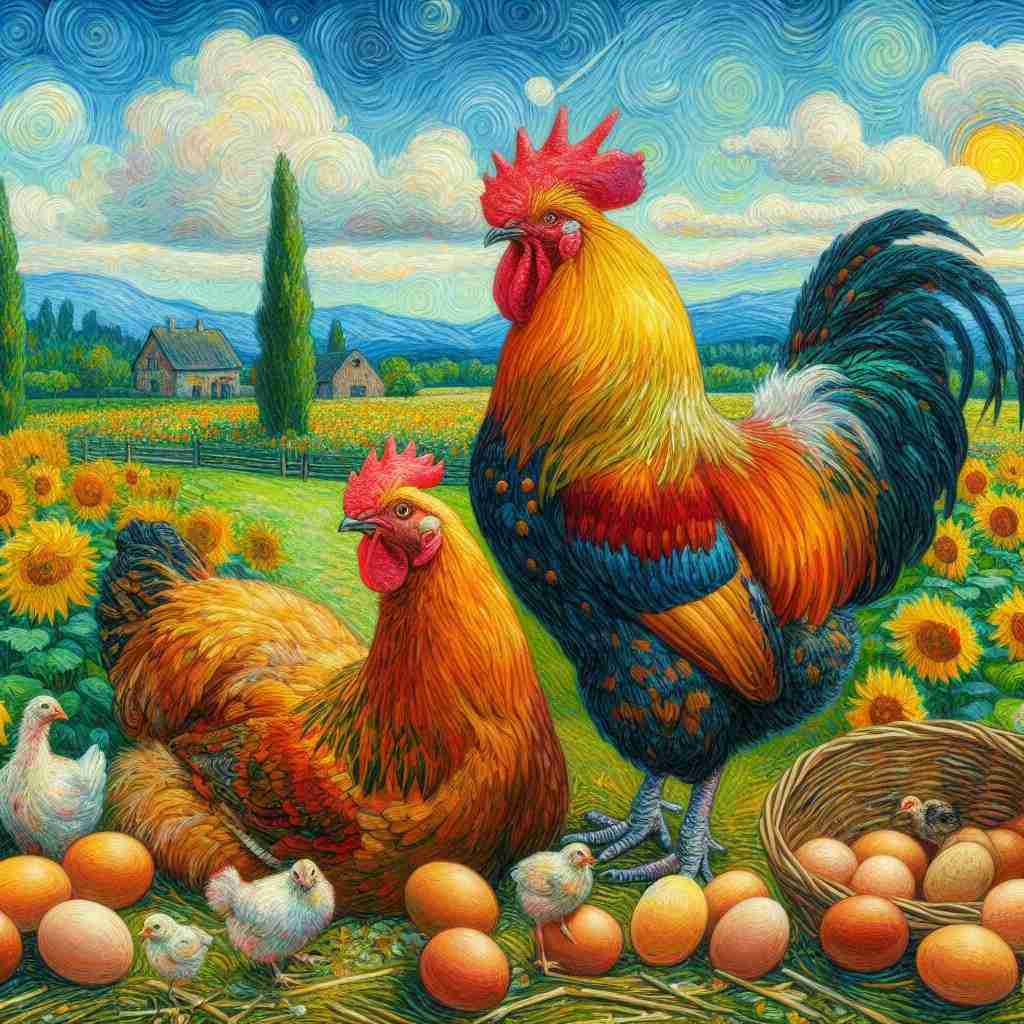
How Can Knowing the Breed Enhance Your Cooking Experience?
How Can Knowing the Breed Enhance Your Cooking Experience?
- Knowing the chicken breed enhances the cooking experience by influencing flavor and connection to history.
- Fresh eggs from backyard chickens offer unique flavors, much like various coffee beans or cheeses.
- Each meal cooked with these eggs reflects the care and effort put into raising the chickens.
- Raising chickens fosters a sense of community and stewardship of nature, contrasting with a disconnected consumer culture.
- Sharing meals made with backyard eggs creates personal stories and connections with friends and family.
- Understanding chicken breeds can guide culinary choices, opening new cooking possibilities.
- Cooking with homegrown ingredients emphasizes quality, the origins of food, and the values behind each meal.
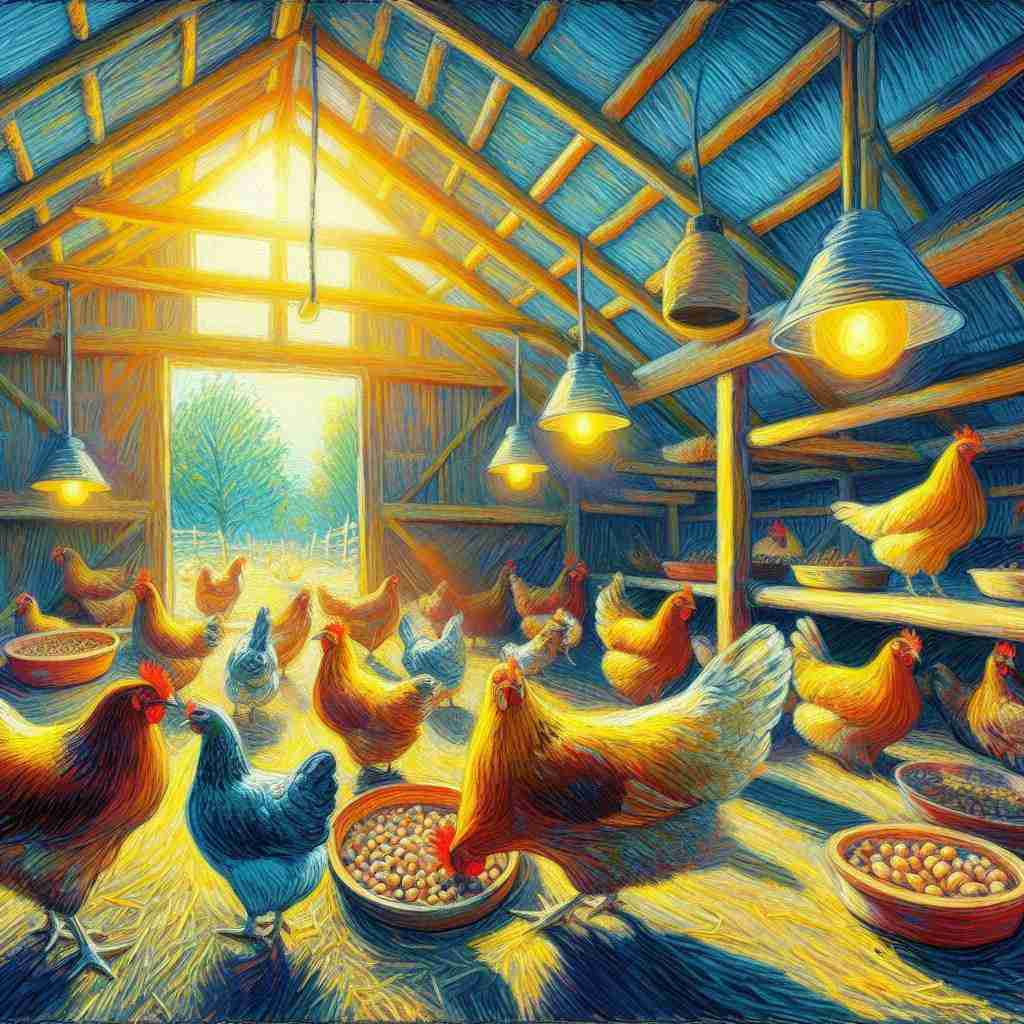
How Can Knowing the Breed Enhance Your Cooking Experience?
Are Certain Egg Colors Linked to Better Nutrition?
When you wander into a local farm stand or your friend’s backyard brimming with chickens, you might notice something intriguing: eggs come in an astonishing array of colors—white, brown, blue, and green. As you stand there, absorbing the rustic charm, it’s easy to wonder: does the color of an egg really correlate with its nutritional value? It’s a question that warrants a thoughtful dive.
On one hand, science tells us that the color of an egg shell is primarily determined by the breed of the chicken, not the egg’s nutritional content. A Leghorn lays white eggs, while an Araucana produces those charming blue ones. This might seem like a simple fact, but let’s peel back the layers. Just as the vivid colors of nature can evoke emotions—from the bright yellows of sunflowers to the deep greens of lush grass—so too can the color of eggs stir a connection. When you crack open a genuine, locally sourced egg from your neighbor’s backyard chickens, you’re engaging in a piece of a bigger narrative. It’s the story of small farms, sustainable practices, and a community that roots for real food.
But here’s a twist: while the color may not change the nutrition inside, the environment in which those backyard chickens roam does. Pasture-raised hens that scratch the earth, peck at foraging greens, and bask under the sun often produce eggs richer in nutrients like Omega-3 fatty acids and Vitamin D. When you consume these eggs, you’re not just nourishing your body; you’re voting for a healthier food system. You’re supporting the farmers who commit to ethical practices and better animal welfare.
There’s a certain comfort in knowing that your choices—big or small—can ripple through your community. Whether you choose to raise a few chickens yourself or buy from local producers, you’re fostering an ethos of connection, autonomy, and responsibility. It’s about embracing the goodness of local food systems and celebrating fresh, unprocessed ingredients.
So, the next time you crack an egg, consider not just the color of its shell but the rich story behind it. Your plate can be a canvas for more than just nutrition; it can be a testament to community ethos, ethical eating, and personal choice. In a world where nutritional clarity often gets muddled, let’s celebrate those backyard chickens and the vibrant colors of the eggs they lay—not just for their appearance, but for the broader meaning they embody.

Are Certain Egg Colors Linked to Better Nutrition?
Are Certain Egg Colors Linked to Better Nutrition?
- Eggs come in various colors, including white, brown, blue, and green.
- The shell color is determined by the breed of the chicken, not its nutritional value.
- Local, pasture-raised chickens produce eggs that are richer in nutrients like Omega-3 fatty acids and Vitamin D.
- Consuming these eggs supports sustainable farming and ethical practices.
- Your food choices impact the local community and promote healthy eating systems.
- Emphasizing the importance of fresh, unprocessed ingredients fosters connection and responsibility.
- Eggs symbolize more than nutrition, representing community ethos and ethical consumption.

Are Certain Egg Colors Linked to Better Nutrition?
Conclusion
In the evolving landscape of our food choices, the Egg Color Predictor stands as a beacon of innovation, blending the heritage of backyard farming with cutting-edge technology. This tool not only demystifies the vibrant spectrum of eggshell colors—from the pristine whites to the earthy browns and vibrant blues—but also invites us to reconnect with the very essence of food and farming.
As you gather around your breakfast table, each egg becomes more than just a component of a meal; it’s a symbol of the journey from coop to kitchen, a testament to your dedication as a backyard farmer. The hues of those eggs reflect not only the breeds of the chickens that laid them but also the love and labor invested in nurturing them. This connection transcends mere sustenance, weaving a narrative that resonates emotionally, rationally, and ethically.
Imagine the pride swelling in your chest as you crack open an egg, knowing it comes from your own backyard. This is about trust—trust in the food system, in the sustainability of local farming, and in the communal bonds formed over shared meals. The Egg Color Predictor enhances this experience, offering insights that allow for deeper engagement with our food. It encourages us to consider the broader implications of our dining choices, not just in terms of taste but in community building and environmental stewardship.
The taste of an egg is influenced by the chicken’s diet and environment, and knowing your breed allows for a culinary exploration rooted in authenticity. With every egg cracked, we pay homage to the delicate balance of nature and nurture, celebrating the unique flavors that each breed brings to the table. This journey is about savoring the rich connection we have with our food sources—an invitation to reflect on where our meals come from and the stories they tell.
The emotional memories tied to egg colors—those shared breakfasts filled with laughter and warmth—remind us of our shared humanity. It’s an opportunity to reflect on our values and ethical beliefs as we choose to support sustainable practices and local farms. Be it through raising chickens in our backyards or participating in community-supported agriculture, these choices echo our commitment to a healthier, more connected world.
As we embrace the colors of our eggs, let’s remember that each one holds the potential for connection—connection to the land, to the chickens that grace our lives, and to the tables where we gather. So, next time you pick up those colorful gems from your fridge, pause and appreciate the vibrant stories they embody, celebrating the rich tapestry of life that nourishes us all.

Conclusion
Conclusion:
- The Egg Color Predictor merges backyard farming tradition with modern technology.
- It reveals the variety of eggshell colors, enhancing appreciation for food and farming.
- Eggs symbolize the journey from coop to kitchen, reflecting the effort of backyard farmers.
- This tool fosters trust in local food systems and encourages community bonds.
- The taste of eggs is influenced by chicken diet and environment, encouraging culinary exploration.
- Memories tied to egg colors highlight the emotional connections we share through food.
- Each egg holds potential for connection to land, chickens, and communal meals.

Conclusion
Other Resources
Other Resources
Here is a list of other resources you can review online to learn more:
- White Rock
- Vorwerk
- Marans of America Club
- Dorking
- chicken feed
- White Faced Black Spanish
- Iowa Blue
- Tapeworms
- Barnevelder
- Serama
- bobcats
- Dominique
- Necrotic Enteritis
- cucumbers
- Delaware
- Pullorum Disease
- Breda
Use This Prompt To Get More Resources With Your Favorite Online AI Tool: Please provide me with a list of online articles with their URLs in a bulleted list that I can read regarding Egg Color Predictor – AI Matches Breed to Your Favorite Shell Shades
Other Resources
Glossary Terms
Egg Color Predictor – AI Matches Breed to Your Favorite Shell Shades – Glossary Of Terms
1. Egg Color Predictor: AI system that matches chicken breeds to preferred eggshell shades based on data and models.
2. Breed Profile: compiled attributes for a poultry breed, including typical egg color ranges and genetics.
3. Shell Pigments: biochemical compounds (primarily protoporphyrin and biliverdin) that produce eggshell colors.
4. Protoporphyrin IX: red-brown pigment responsible for brown and speckled eggshell tones.
5. Biliverdin: blue-green pigment that produces blue and green eggshell hues.
6. Genetic Marker: specific DNA variant associated with egg color traits.
7. Phenotype: observable eggshell color and pattern produced by an individual hen.
8. Genotype: the genetic makeup that influences a hen’s potential eggshell color.
9. Mendelian Inheritance: classical inheritance patterns that can determine egg color transmission.
10. Crossbreeding: mating between different breeds that can produce new egg color outcomes.
11. Color Space: numeric system for representing colors (examples: RGB, LAB, HSL).
12. Hex Code: six-character code used to precisely represent a color in digital palettes.
13. RGB: additive color model using red, green, and blue channels for digital displays.
14. LAB Color: perceptually uniform color space useful for calculating color differences.
15. Delta E: numerical metric quantifying perceived color difference between two samples.
16. Spectrophotometry: measurement technique capturing color reflectance across wavelengths.
17. Image Segmentation: isolating the egg area from background in photos for analysis.
18. Feature Extraction: deriving measurable color, texture, and shape attributes from images.
19. Training Set: labeled dataset used to teach the AI model relationships between breed and shell color.
20. Validation Set: dataset used to tune model hyperparameters and prevent overfitting.
21. Test Set: independent dataset used to evaluate final model performance.
22. Overfitting: when a model models noise in training data and performs poorly on new data.
23. Accuracy: proportion of correct breed-to-color matches produced by the model.
24. Confidence Score: model-provided probability or certainty for a given prediction.
25. Explainability: methods (e. g. , feature importance, SHAP values) that clarify why the model made a prediction.
26. Transfer Learning: applying a model pre-trained on other image data to egg color prediction tasks.
27. Augmentation: synthetic transformations (lighting, rotation, cropping) used to expand training images.
28. Environmental Factors: non-genetic influences (diet, stress, age, housing) that can alter eggshell color.
29. Pigment Deposition: physiological process during shell formation that determines pigment amount and pattern.
30. Cuticle: outermost eggshell layer that affects gloss, light scattering, and perceived color.

Glossary Of Terms
Other Questions
Egg Color Predictor – AI Matches Breed to Your Favorite Shell Shades – Other Questions
If you wish to explore and discover more, consider looking for answers to these questions:
- How does the Egg Color Predictor AI determine which breed laid a specific egg?
- What data or images does the AI require to make a prediction?
- How accurate is the predictor across different breeds and shell colors?
- Which breeds produce the most common egg colors (white, brown, blue, green, speckled)?
- Can the AI distinguish between eggs from mixed-breed or hybrid chickens?
- How do genetics determine eggshell color?
- How much does a hen’s diet influence eggshell color and yolk quality?
- Do environmental factors (sunlight, stress, temperature) change egg color or quality?
- Is there a correlation between eggshell color and nutritional content?
- Are yolk color and shell color related, and what affects yolk pigmentation?
- Can the predictor identify defects or abnormalities (thin shells, spots, deformities)?
- How should photos be taken (lighting, angle, background) for the best AI results?
- Does the tool provide confidence scores or uncertainty estimates for its predictions?
- How is user data and uploaded images stored, used, and protected?
- Is the Egg Color Predictor available as a mobile app, website, or both?
- Is there a cost to use the predictor, and are there subscription tiers or limits?
- Can the AI be trained or customized for a specific flock or regional breeds?
- How can knowing the breed improve recipe selection or cooking techniques?
- Which breeds lay eggs that are best for baking versus frying or making custards?
- How does egg freshness affect flavor and can the AI estimate freshness?
- Are certain egg colors more valued in local markets or by restaurants?
- Can the AI help hobbyists select breeds for desired shell colors?
- What are common misconceptions about brown vs. white eggs and their nutrition?
- How do storage, washing, and handling influence shell appearance and quality?
- Does seasonality affect egg production, color, or nutritional profile?
- Can the predictor identify eggs laid by backyard hens versus commercial layers?
- What validation or testing has been done to benchmark the AI against expert breeders?
- Are there ethical concerns or biases built into the AI model’s breed predictions?
- How can beginner chicken keepers use egg-color information to improve flock care?

Other Questions
Haiku
Egg Color Predictor – AI Matches Breed to Your Favorite Shell Shades – A Haiku
Chickens cluck and roam,
Colorful eggs tell stories—
Nature’s gifts shine bright.

Haiku
Poem
Egg Color Predictor – AI Matches Breed to Your Favorite Shell Shades – A Poem
In backyards where chickens roam free,
A vibrant spectrum awaits to see—
Whites and browns and blues that gleam,
Each egg a treasure, each shell a dream.
With AI’s gaze, we bridge past and now,
Tradition and tech, intertwined somehow;
Every hue tells tales of care,
In simple breakfasts, love fills the air.
Sustainable choices nurture our ground,
In vibrant shells, community is found;
Ethics in hand, we forge a new path,
In every egg, echoes of our aftermath.
Nurtured with care, the flavors unfold,
Not just food, but stories retold;
From farm to table, each bite ignites,
A journey of heart on the sunlit heights.
So gather your eggs, savor each shell,
In colors of life, friendships swell;
As we crack open the beauty within,
Let the flavors and memories begin.

Poem
Checklist
Egg Color Predictor – AI Matches Breed to Your Favorite Shell Shades – A Checklist
Emotional Connections
✅______ Reflect on the memories associated with egg collecting and backyard chickens.
✅______ Share your favorite stories about nurturing chickens with friends and family.
✅______ Consider how each egg color evokes personal memories and emotions.
Rational Insights
✅______ Understand that egg shell color is linked to chicken breed, not nutrition.
✅______ Explore how diet influences egg flavor and nutritional content.
✅______ Compare the taste and quality of backyard eggs to store-bought options.
Ethical Considerations
✅______ Evaluate the benefits of supporting local farms and sustainable practices.
✅______ Consider the ethical implications of raising your own chickens.
✅______ Reflect on the impact of food choices on local ecosystems and communities.
Authority and Knowledge
✅______ Seek information from local farmers about chicken breeds and egg quality.
✅______ Attend workshops or farm events to learn more about sustainable practices.
✅______ Acknowledge the expertise of agricultural fairs and local farming communities.
Narrative Exploration
✅______ Create a narrative around your experiences with backyard chickens and their eggs.
✅______ Encourage others to share their own stories connected to egg color and chicken breeds.
✅______ Document your cooking experiences and the unique flavors brought by different breeds.
Social Engagement
✅______ Organize community gatherings centered around sharing homegrown eggs.
✅______ Encourage discussions about local food sources and sustainable living.
✅______ Share recipes that highlight the unique flavors of different egg colors and breeds.

Checklist
At BackyardChickenNews, we help people who want to raise backyard chickens by collating information and news blended with our own personal experiences.
Be sure to read our other related stories at BackyardChickenNews to learn more about raising chickens in your backyard.