

Sowing Seeds Of Connection: Redefining Family Meals
By Tom Seest
At BackyardChickenNews, we help people who want to raise backyard chickens by collating information and news blended with our own personal experiences.
Be sure to read our other related stories at BackyardChickenNews to learn more about raising chickens in your backyard.
Family Dinner, Reimagined – Teaching Kids Where Food Really Comes From
Imagine it’s a Sunday afternoon, and the sun is kissing the lush green grass of your backyard, where a few feathery friends flit about, clucking happily. Those backyard chickens are more than just pets; they’re teachers in a world that often forgets the story behind our food. It’s a classroom where kids learn not just about eggs, but about life, responsibility, and where their meals truly come from.
In many families, dinner is just a transactional event—kids plopping down in front of the TV, plates sliding across the table, and the question of “What’s for dinner?” echoing into the abyss. But what if we turned our meals into something deeper? What if we transformed the mundane into a celebration of our food’s origins? By involving our kids in the process of raising backyard chickens, we ignite a spark of curiosity and ownership in them. Those little hands nurturing the birds help cultivate respect for what goes into our bodies, connecting them to the broader ecosystem and understanding the effort that underscores scarlet strawberries and golden eggs.
Think about it. Teaching children the journey from farm to table with a hands-on experience fosters empathy and community. They begin to appreciate the hard work of farmers and the ethics behind food choices. It’s not just about eating but understanding the values tied to food production and sustainability. Conversations around the dinner table can shift from trivial chatter to engaging discussions on ethics, nutrition, and agriculture—transforming family time into a rich tapestry of learning experiences.
Moreover, gathering your family around the kitchen table—perhaps featuring an omelet made with fresh eggs—can create bonding experiences that transcend generations. These moments, shared over meaningful meals, anchor their childhood memories and build a legacy of gratitude and awareness for our planet.
So let’s take a cue from those backyard chickens. Let’s be the ones who teach our kids that every meal tells a story, a narrative that begins in the soil and ends in our bellies. By fostering this connection, we’re not just filling their stomachs; we’re nurturing their souls. Let’s invite our children into this rich journey and reshape family dinners into something profound—an experience that nourishes us all.

Family Dinner, Reimagined – Teaching Kids Where Food Really Comes From
Family Dinner, Reimagined – Teaching Kids Where Food Really Comes From
- Backyard chickens serve as teachers, helping kids learn about food origins, responsibility, and life.
- Dinner in many families can be a transactional event, lacking deeper engagement.
- Involving children in raising chickens fosters curiosity and respect for food sources.
- Hands-on experiences teach children the journey from farm to table, fostering empathy and community.
- Family discussions can shift to include ethics, nutrition, and agriculture, enriching meal experiences.
- Sharing meals made from fresh ingredients creates bonding experiences that build lasting memories.
- Encouraging children to understand food stories nurtures awareness and gratitude for our planet.

Family Dinner, Reimagined – Teaching Kids Where Food Really Comes From
Table Of Contents
- Family Dinner, Reimagined – Teaching Kids Where Food Really Comes From
- What Stories Can We Share to Inspire a Love for Food?
- How Can We Involve Kids In Meal Preparation to Enhance Learning?
- Why Does Knowing the Source Of Our Food Matter to Our Health?
- How Can Family Dinner Traditions Strengthen Our Emotional Bonds?
- What Ethical Considerations Arise When Choosing Our Food Sources?
- How Do We Cultivate a Sense Of Responsibility About Food Waste?
- What Are Creative Ways to Teach Kids About Local Farming?
- Conclusion
- Other Resources
- Glossary Of Terms
- Other Questions
- Haiku
- Poem
- Checklist
What Stories Can We Share to Inspire a Love for Food?
When we gather around the table, we share more than just food; we share stories, traditions, and memories that define who we are. Let’s take a moment to celebrate an oft-overlooked hero in our culinary journey: the backyard chicken. Imagine stepping into your backyard, greeted by the gentle clucking of a few feathered friends. Each morning, they bring a promise that transcends the mundane, reminding us that sustenance starts from a place of care and connection.
Raising chickens can start as a small project but quickly transforms into an expedition that brings us closer to our food and fosters a love of the land. Picture a child running out at dawn, eager to collect fresh eggs. The sheer joy in their eyes speaks volumes about the connection between hard work and reward. Beyond the nourishment that eggs provide, we witness firsthand the cycle of life, the responsibility of nurturing another being, and the sweet satisfaction when that first omelet emerges from the frying pan.
From an ethical standpoint, there’s something profoundly fulfilling about knowing where your food comes from. In a world awash with industrialized farming practices, caring for a few chickens allows us to embrace sustainable practices. You’re not just feeding yourself; you’re part of a compassionate community that prioritizes welfare over convenience. What could be more inspiring than taking a stand for ethical eating by reclaiming the source of your meals?
The narrative of backyard chickens doesn’t just stop at personal growth; it opens doors to community ties. Sharing surplus eggs with neighbors leads to conversation, recipes, and even friendships built on the most basic of human needs. You start talking not just about food but about who you are and where you come from. These stories create a tapestry that binds us together, intertwining the experiences of many into a single, flavorful fabric.
So, whether you have land to spare or simply a tiny corner of your balcony, consider embracing the journey of raising backyard chickens. Let each cluck resonate as an invitation to reconnect with food in a visceral, heartfelt manner. In doing so, you’re not just growing food; you’re cultivating a love for life itself, forging community, and becoming part of a timeless story worth sharing.

What Stories Can We Share to Inspire a Love for Food?
What Stories Can We Share to Inspire a Love for Food?
- Gathering around the table enhances our connection through shared food, stories, and traditions.
- The backyard chicken serves as an often-overlooked hero in our culinary experiences.
- Raising chickens fosters a deeper connection to our food and love for the land.
- Collecting fresh eggs promotes joy and teaches children about hard work and rewards.
- Ethically, raising chickens allows individuals to embrace sustainable farming practices.
- Sharing surplus eggs enhances community ties, fostering conversations and friendships.
- Raising backyard chickens invites a reconnection with food and cultivates a love for life.

What Stories Can We Share to Inspire a Love for Food?
How Can We Involve Kids In Meal Preparation to Enhance Learning?
Involving kids in meal preparation isn’t just about teaching them how to chop vegetables or stir a pot; it’s an opportunity to nurture a world of learning experiences wrapped up in that simple task. Picture this: a child standing on a stool beside you, their hands splattered with flour, laughter filling the air as you both try to sprinkle just the right amount of salt. This is where connection grows, fostering family bonds that resonate deeply—and linger well beyond the kitchen.
Let’s address the heart first. Preparing meals together generates invaluable memories. The aroma of baking bread or sizzling chicken wafts through your home, evoking a sense of warmth and belonging. These moments become the fabric of family stories. “Remember the time we made that giant mess while trying to bake cookies?” Those stories are the ties that bind generations.
But there’s more. Engage the head by weaving in lessons that are as rich as a well-seasoned stew. Cooking involves math—measuring ingredients, adjusting recipes—in ways that make learning tangible, not abstract. Discussing where ingredients come from—like those backyard chickens clucking away in a corner—opens doors of curiosity and understanding about food sources and sustainability. Kids start to grasp the broader implications of what they eat, nurturing ethical awareness about their choices.
Now, let’s stir in a healthy dose of action. Nothing empowers a child quite like a sense of accomplishment. When they see a dish come together, it’s their work, their creativity that shines on the table. This builds a sturdy foundation of confidence that spills into other areas of their lives. They learn the art of patience as they wait for that loaf to rise, and the joy of sharing their creations with family and friends.
On a community level, meal preparation can serve as a bridge, drawing people together, even in a world that often feels disconnected. Why not invite the neighbor over to cook that secret family recipe? You’re not just feeding a body, you’re nurturing bonds, creating spaces for conversation and camaraderie.
So, invite your kids into the kitchen. Roll up those sleeves, let the flour fly, and turn meal preparation into a profound adventure that feeds not just hunger, but hearts, minds, and communities. With every stir and chop, you’re cultivating resilience, trust, and the joy of eating well—a gift for a lifetime.

How Can We Involve Kids In Meal Preparation to Enhance Learning?
How Can We Involve Kids In Meal Preparation to Enhance Learning?
- Involving children in meal preparation fosters learning experiences and strengthens family bonds.
- Cooking together creates valuable memories, contributing to family stories and traditions.
- Meal preparation involves practical lessons in math, measurement, and recipe adjustment.
- Discussing food sources nurtures curiosity about sustainability and ethical awareness in children.
- Children gain a sense of accomplishment and confidence from creating dishes and sharing them.
- Meal prep can bridge communities, encouraging connections and conversations with neighbors.
- Encouraging kids in the kitchen cultivates resilience, trust, and a love for healthy eating.

How Can We Involve Kids In Meal Preparation to Enhance Learning?
Why Does Knowing the Source Of Our Food Matter to Our Health?
Why does knowing the source of our food matter to our health? Let’s break it down. Imagine for a moment, a sunny day in your backyard. You step outside, and there they are: your backyard chickens. They cluck and peck at the grass, living their best lives, and in return for that care, they provide fresh, nourishing eggs. This simple scene is about more than just breakfast; it’s about connection—between you, your food, and the world around you.
Understanding where our food comes from affects our health deeply. It’s not just a matter of taste; it’s a matter of trust. When you cultivate a relationship with your food, you become more aware of what you’re putting into your body. You learn to read labels, ask questions, and appreciate the journey your meal took before it reached your plate. This awareness empowers you to make choices that benefit your health and well-being.
Consider the implications of factory farming versus farm-fresh eggs. Knowledge equals power. When you know that the eggs you’re consuming come from hens that have been cared for, you can feel confident that you’re nourishing your body with quality protein that’s free from harmful chemicals and additives. Conversely, anonymity can breed mistrust. The more we disconnect from our food sources, the more we risk facing health consequences that impact our families and communities.
Reflect on ethics too. Supporting local farms means endorsing ethical practices and caring for the environment. It’s about rallying behind a system that puts the well-being of both animals and consumers first. That’s the kind of ethos worth adopting.
Now, let’s engage your gut. Remember the last time you savored a home-cooked meal? It’s more than just flavor; it’s the satisfaction of knowing each ingredient was chosen with care and intention. When we understand our food sources, we create richer, more meaningful experiences around meals—family dinners filled with laughter around a table, rather than solitary take-out sessions.
In this digital age, where pre-packaged, processed foods often reign supreme, making the effort to know what’s on your plate connects you to something bigger: community, sustainability, and personal responsibility. The next time you take a bite, stop to consider how far it traveled to reach you, and appreciate the journey. When we invest in understanding our food, we inspire a healthier world—not just for ourselves, but for generations to come.

Why Does Knowing the Source Of Our Food Matter to Our Health?
Why Does Knowing the Source Of Our Food Matter to Our Health?
- Understanding the source of our food enhances our health and well-being.
- Building a connection with food encourages awareness of what we consume.
- Knowledge of food origins empowers informed choices about nutrition.
- Factory farming contrasts with farm-fresh practices, affecting food quality and health.
- Supporting local farms promotes ethical practices and environmental care.
- Knowing food sources enriches meal experiences and family connections.
- Investing in food understanding contributes to community and sustainability for future generations.

Why Does Knowing the Source Of Our Food Matter to Our Health?
How Can Family Dinner Traditions Strengthen Our Emotional Bonds?
Gather ‘round the table, a simple act that can save lives—at least the emotional variety. Family dinner traditions have long been the lifeblood of connection, a time-honored ritual that transforms an ordinary day into a tapestry of shared stories, laughter, and even the occasional heartfelt silence. Picture this: a bustling kitchen, the aroma of roasted vegetables wafting through the air, mixing with the sounds of clinking dishes—a symphony of sustenance and togetherness. We often overlook how these moments can cultivate resilience in our bonds.
It’s about more than just food. Each meal becomes a chapter in our family narrative, forging an identity that binds us. When your teenager rolls their eyes at your spaghetti sauce recipe—again—you’re not just battling over a meal. You’re engaged in a timeless dance of connection where, despite the squabbles, the act of sharing food builds understanding and empathy.
Psychology backs it up. Research demonstrates that families sharing regular meals tend to reap the rewards of emotional health and stability. It’s not some mystical force at play; it’s the brain’s own circuitry creating pathways for connection. Sharing stories over a steaming pot of soup helps each member feel valued and safe, reinforcing that sense of belonging we all crave. The table isn’t merely a piece of furniture; it’s a platform for dialogue, decision-making, and even conflict resolution.
And let’s not forget the ethical dimension. In an age where convenience often trumps quality, slowing down to gather for dinner sends a powerful message: we value our shared time more than the relentless fast pace of modern life. It speaks volumes about prioritizing family—one meal at a time—in our increasingly fractured society.
Think about your backyard. Raise a few chickens and you might find that their quirky antics provide more than eggs; they spark conversations that break the ice and bring families closer. Kids learn responsibility, and parents rediscover their sense of childlike wonder.
Strengthening our emotional bonds might start with a casual dinner but evolves into something profound. It’s not just about feeding bodies; it’s about nourishing souls. So, pull up a chair, share a laugh, and let those connections flourish. Because in the end, it’s the memories we create around that table that will linger long after the food is gone.

How Can Family Dinner Traditions Strengthen Our Emotional Bonds?
How Can Family Dinner Traditions Strengthen Our Emotional Bonds?
- Gathering for family dinners fosters emotional connections and resilience.
- Shared meals create a tapestry of stories, laughter, and understanding.
- Family dinner traditions contribute to a collective identity and narrative.
- Research indicates that families who share meals experience better emotional health.
- The dining table serves as a platform for dialogue, decision-making, and conflict resolution.
- Prioritizing shared meal times sends a message valuing family over modern life’s fast pace.
- Casual dinners can strengthen emotional bonds and create lasting memories.

How Can Family Dinner Traditions Strengthen Our Emotional Bonds?
What Ethical Considerations Arise When Choosing Our Food Sources?
When you take a moment to consider what really goes into the food on your plate, it’s easy to overlook the journey that food has made. That steak might come from a farm where the cows roam freely or from a feedlot where they’re packed in like sardines. The difference is stark and stirs a swell of questions in my gut: How were these animals treated? Did they live in cramped quarters with little to no sunlight, or did they bask in the glory of the open fields? Food isn’t just sustenance; it’s a narrative of choices we make every day.
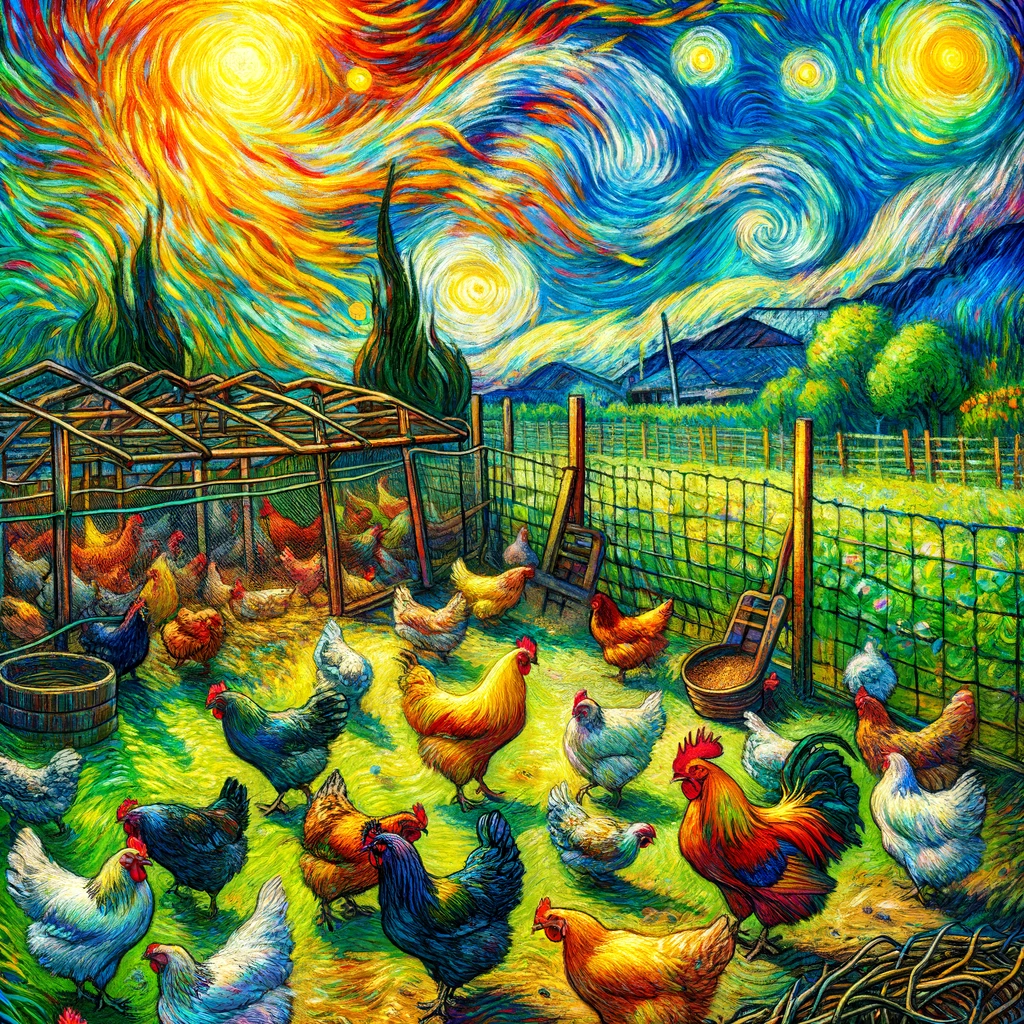
Let’s talk about backyard chickens. Sure, you might think it’s just a trendy thing to do, but raising your own hens connects you to the food sourcing chain in an unprecedented way. It’s a tangible experience, bringing that warm feeling of responsibility and interdependence. You’re not merely fueling your body; you’re nurturing a living creature that, in turn, gifts you with nourishment. Doesn’t that feel good? You’re fostering a relationship with your food, one that spurs initiatives for better animal welfare and sustainability.
Now, tap into your head for a moment. The science is clear: sustainably sourced food is better for the environment, but also for our health. The ethical considerations extend beyond individual morality; they ripple through society. The carbon footprint of industrial farming is staggering, leading to climate change that affects all of us. By choosing to support local farmers, or even growing food in your own backyard, you’re not just making a dietary choice—you’re casting a vote for a healthier planet.
These decisions involve serious ethical considerations. In a world where food is often commoditized and dehumanized, choosing how we source our meals becomes an act of empowerment. It’s about making informed choices, advocating for transparency, and supporting practices that enrich our communities. When we prioritize local and ethical sources, we invite others to join the conversation, sparking a movement toward sustainability that resonates far beyond our dinner tables.
Whether you’re a seasoned chef or a casual cook, think about the stories your food tells. By exploring where your meals come from, you can help change the narrative of our food systems and reconnect with the heart, head, and gut of the matter. Your choices can lead to a brighter future, one delicious meal at a time.
What Ethical Considerations Arise When Choosing Our Food Sources?
What Ethical Considerations Arise When Choosing Our Food Sources?
- Food serves as a narrative of the choices we make regarding sourcing and treatment of animals.
- Raising backyard chickens fosters a connection to the food sourcing chain, promoting responsibility and interdependence.
- Sustainably sourced food benefits both the environment and our health, positively impacting society at large.
- The carbon footprint of industrial farming significantly contributes to climate change.
- Supporting local farmers and personal food growth empowers individuals and promotes healthier ecosystems.
- Choosing ethical food sources encourages transparency and enriches community practices.
- Understanding food origins allows us to change food system narratives and enhance our future through informed decisions.

What Ethical Considerations Arise When Choosing Our Food Sources?
How Do We Cultivate a Sense Of Responsibility About Food Waste?
When we think about food waste, we often picture a sad heap of discarded vegetables fermenting in a lonely bin. But delve a little deeper, and what do we really see? It’s the lost effort of the farmers who grew those vegetables, the labor that went into harvesting and transporting them, and the precious resources that fueled their journey from soil to table. Every half-eaten meal and moldy loaf represents not just food gone to waste, but also the countless hours and hard work behind those ingredients.
Let’s start with a simple story. Imagine a family in your neighborhood who decided to take matters into their own hands. They raised backyard chickens. Yes, chickens! These feathery companions became more than just pets; they transformed how this family perceived food. Instead of relegating scraps to the trash, they began to compost with purpose. Vegetable peelings, stale bread, even leftover spaghetti found new life as chicken feed. These little birds turned waste into nourishment, and as the family gathered around their breakfast table, they enjoyed fresh eggs laid by their happy hens.
We have a choice here—one that doesn’t simply rely on grand gestures but does something profoundly simple. It’s about recognizing the ripple effect our decisions create. When we choose to waste less, we begin to understand the profound ethical implications of our actions. Every bite matters, and it’s not just about saving money—though let’s be honest, who doesn’t like that? It’s also about fostering a sense of community and sharing the bounty.
What makes this journey relatable? It’s the shared challenges we all face in combating waste. You’re not alone if you’ve ever let a vegetable languish in the back of your fridge or watched leftovers wither away in their containers. The truth is, we all have the power to change our habits, and it begins with a shift in perspective. Start conversations with your friends—maybe even engage in a friendly competition to see who can reduce their food waste the most.
By nurturing a sense of responsibility, we not only honor the food on our plates but also cultivate a culture that values sustainability and community. Ask yourself, what small steps can I take today? Perhaps it’s adopting a few backyard chickens or creating a family compost system. Every action, no matter how small, can contribute to a larger movement towards a world that respects our resources, one delicious meal at a time.

How Do We Cultivate a Sense Of Responsibility About Food Waste?
How Do We Cultivate a Sense Of Responsibility About Food Waste?
- Food waste represents not only spoiled items but also the effort, labor, and resources behind food production.
- A family raised backyard chickens, transforming food scraps into nourishment and fresh eggs.
- They began composting vegetable peelings, stale bread, and leftovers instead of throwing them away.
- Choosing to waste less helps us understand the ethical implications of our consumption habits.
- Reducing waste fosters community and encourages conversations about sustainability.
- Everyone can change their habits, starting with simple actions and shared challenges among friends.
- Small steps, like adopting chickens or creating compost systems, can contribute to a sustainable future.

How Do We Cultivate a Sense Of Responsibility About Food Waste?
What Are Creative Ways to Teach Kids About Local Farming?
There’s something transformative about taking kids out of their screens and into the soil, isn’t there? Imagine a Saturday morning, the sun breaking through the clouds, illuminating a simple local farm. That’s where the magic happens. Kids learn best through immersive experiences, where the heart, head, and gut all come into play. Local farming can be as alive and dynamic as any adventure story.
Start by inviting families to visit local farms. It’s not just about plucking a tomato off the vine; it’s about understanding its journey from seed to table. Encourage kids to feel the earth beneath their fingernails, taste the sun-ripened fruits, and meet the hardworking farmers who nurture these gardens. This develops a personal connection to food and fosters a sense of responsibility towards the environment.
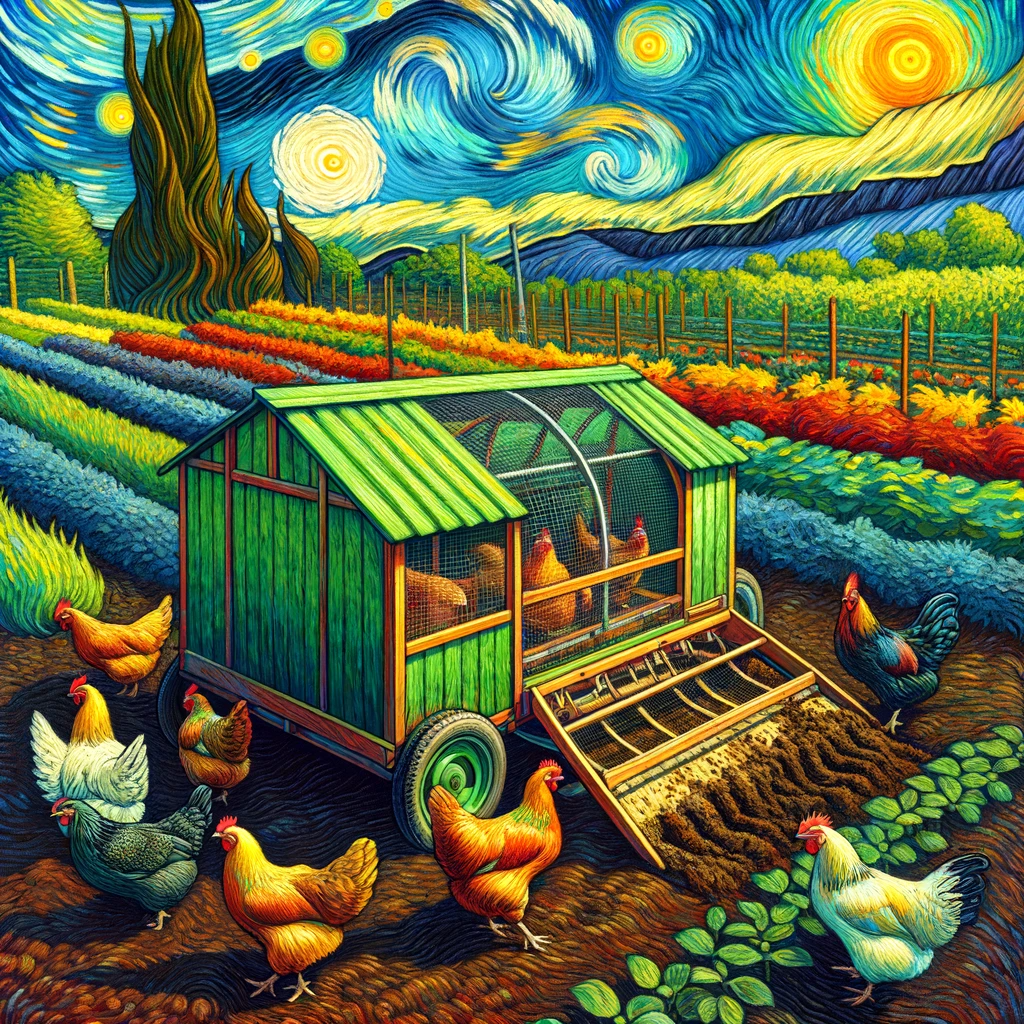
At home, nothing brings lessons to life quite like raising backyard chickens. It’s a project that instills empathy while forging connections. Kids are responsible for feeding, watering, and caring for these feathered friends. They learn where eggs come from, all while cultivating a nurturing spirit. Each egg collected is a triumph—proof that hard work pays off.
Incorporating storytelling can feed the imagination. Share tales of local farming heroes who faced challenges and triumphed. Perhaps an old farmer saved a nearly extinct crop or a young entrepreneur turned a failing farm into a thriving local staple. These narratives not only entertain but teach valuable lessons about resilience and creativity.
Let’s not overlook the impact of teamwork. Encourage kids to work together to create a small garden or participate in community farming days. Growing and harvesting produce together not only builds friendships but teaches collaboration and social responsibility. Kids will understand that food is a community effort, and they’ll appreciate the hard work it takes to put fresh food on their plates.
Ultimately, these experiences cultivate not just knowledge but gratitude—a powerful feeling when kids realize that every meal is a gift from the hands of dedicated farmers. By investing time in local farming education, we empower the next generation to respect their food, their environment, and each other. When we engage the heart, head, and gut in this journey, we create a lasting impact that goes beyond farming; we foster a community united by purpose and nourished by the earth.
What Are Creative Ways to Teach Kids About Local Farming?
What Are Creative Ways to Teach Kids About Local Farming?
- Transformative experiences arise when kids engage with nature instead of screens.
- Visiting local farms helps kids understand the journey of food from seed to table.
- Raising backyard chickens teaches empathy and responsibility in nurturing animals.
- Storytelling about local farming heroes enhances imagination and imparts lessons on resilience.
- Teamwork in gardening fosters friendships and teaches social responsibility.
- Experiential learning develops gratitude for the hard work of farmers and the food they provide.
- Investing in local farming education empowers kids to respect food, the environment, and each other.

What Are Creative Ways to Teach Kids About Local Farming?
Conclusion
Family dinners aren’t just about food; they’re about forging deep, lasting connections that shape who we are. So, imagine a sunny afternoon in your backyard, surrounded by a few backyard chickens, clucking softly. These creatures are more than just pets; they’re gateways to understanding our food and our world. In a society where meals often resemble fast, transactional activities—kids glued to screens with questions about dinner echoing in the air—there lies an opportunity to transform these moments into something meaningful. By engaging children in the nurturing of these birds, we kindle curiosity and a sense of ownership that transcends the plate. They learn to respect what nourishes their bodies and appreciate the vital role of our ecosystem.
The conversation at the dinner table shifts from mundane topics to deeper discussions about ethics, nutrition, and sustainability. It morphs family time into a treasure trove of learning—rich discussions over meals made from fresh ingredients contribute to developing empathy and community consciousness. Memories shared around the table aren’t just about filling a belly but fueling a legacy of gratitude and awareness that lasts a lifetime.
On a broader scale, this connection to food also extends into our communities. Raising backyard chickens might seem small, but it instills a sense of responsibility and encourages ethical eating habits in our children. This practice isn’t simply about providing fresh eggs; it’s about rekindling humanity’s relationship with food and its sources, leading to more conscientious choices that benefit not just one household but the entire community.
At its heart, this approach is about nurturing the next generation’s relationship with food—teaching them that every meal is infused with a story, a journey from land to table. The ethics of our food sources matter on multiple levels: health, community, and the environment. The goal transcends mere sustenance; it’s about creating an experience that nourishes both body and soul.
Let’s reframe family dinners into opportunities for growth, conversation, and learning. Invite your children into the kitchen or the backyard, where the heart, head, and gut connect in a joyous, delicious experience. In doing so, you’re not merely preparing a meal; you’re cultivating a love for life, community, and the rich tapestry of our food’s origins—ensuring that the bonds created around the table flourish, enriching generations to come.

Conclusion
Conclusion:
- Family dinners foster deep connections that shape personal identity.
- Engaging children in backyard chicken raising cultivates curiosity and ownership over food.
- Transforming meals from transactional to meaningful fosters respect for food and the ecosystem.
- Dinner conversations can evolve to cover ethics, nutrition, and sustainability.
- Sharing meals from fresh ingredients develops empathy and community consciousness.
- Raising backyard chickens promotes responsibility and ethical eating habits in children.
- This approach nurtures a deeper relationship with food, aiming to enrich both body and soul.

Conclusion
Other Resources

Other Resources
Here is a list of other resources you can review online to learn more:
- sunflower
- mealworms
- Black Copper Marans
- Chantecler
- cottage cheese
- cereals
- Vorwerk
- rhubarb
- Oatmeal
- coyotes
- Alfalfa
- Capillaria
- Java
- hawk
- ISA Brown
- Fowl Cholera
- Air Sac
Use This Prompt To Get More Resources With Your Favorite Online AI Tool: Please provide me with a list of online articles with their URLs in a bulleted list that I can read regarding Family Dinner, Reimagined – Teaching Kids Where Food Really Comes From

Other Resources
Glossary Terms
Family Dinner, Reimagined – Teaching Kids Where Food Really Comes From – Glossary Of Terms
1. Agriculture: The science and practice of farming, including the cultivation of crops and the raising of animals for food.
2. Organic: Food produced without synthetic pesticides, fertilizers, or genetically modified organisms, emphasizing natural growth processes.
3. Farm-to-Table: A movement promoting the direct delivery of food from local farms to consumers, enhancing freshness and supporting local economies.
4. Nutrition: The process by which living organisms obtain and utilize food for growth, maintenance, and energy.
5. Sustainability: Practices that meet current food needs without compromising the ability of future generations to meet their own, focusing on environmental health.
6. Soil Health: The condition of soil in terms of its capacity to function, supporting plant growth, ecological health, and food production.
7. Biodiversity: The variety of plant and animal species in a given area, which contributes to ecosystem resilience and food production.
8. Seasonality: The concept of consuming food that is grown and harvested at a particular time of year, promoting freshness and reducing environmental impact.
9. Harvest: The process of gathering mature crops from the fields, marking the culmination of agricultural efforts.
10. Culinary Skills: The abilities and techniques used in preparing, cooking, and presenting food, often taught to enhance appreciation for meals.
11. Community Supported Agriculture (CSA): A system where consumers purchase shares of a farm’s harvest in advance, fostering local food ties and economic support.
12. Plant-Based: Diets or foods primarily made from plants, including fruits, vegetables, grains, nuts, and seeds, often promoting health and ethical eating.
13. Fermentation: A process used to transform food through microbial activity, enhancing flavors, preserving, and providing health benefits.
14. Food System: The interconnected network of food production, processing, distribution, consumption, and waste management.
15. Cooking Techniques: The methods used to prepare and cook food, such as roasting, boiling, grilling, and steaming, influencing flavor and nutrition.
16. Food Education: Teaching individuals about food sources, nutrition, cooking skills, and the impact of food choices on health and the environment.
17. Ethnic Cuisine: Traditional foods and cooking styles from a specific culture or region, reflecting its history, resources, and preferences.
18. Waste Reduction: Strategies aimed at minimizing food loss and excess, such as composting and utilizing leftovers, promoting resource efficiency.
19. Flavor Profile: The overall taste and aroma characteristics of a dish, influenced by ingredients, preparation, and cooking methods.
20. Local Food Movement: An initiative encouraging the consumption of locally produced food items to strengthen community ties and reduce carbon footprints.
21. Edible Gardening: The practice of cultivating plants that produce food within personal or community spaces, promoting self-sufficiency and awareness.
22. Culinary Heritage: The foods, recipes, and cooking methods passed down through generations, reflecting cultural traditions and identities.
23. Nutritional Labeling: Information provided on food packaging that indicates nutritional content, ingredients, and health claims, guiding informed choices.
24. Food Justice: The movement advocating for equitable access to healthy, affordable food for all individuals, addressing systemic inequalities.
25. Harvest Festivals: Celebratory events marking the end of the harvest season, often featuring local foods, cultural activities, and community gatherings.
26. Taste Testing: Sampling food to evaluate flavor and quality, an integral part of food education and culinary experimentation.
27. Plant Identification: The ability to recognize and understand different edible plants, aiding in foraging and gardening practices.
28. Culinary Workshops: Educational sessions where individuals learn cooking techniques, nutrition facts, and the importance of food sourcing.
29. Flavor Pairing: The practice of combining different ingredients that complement each other in taste, enhancing culinary creativity.
30. Food Sovereignty: The right of communities to define their own food systems, emphasizing local control over food production and distribution.

Glossary Of Terms
Other Questions
Family Dinner, Reimagined – Teaching Kids Where Food Really Comes From – Other Questions
If you wish to explore and discover more, consider looking for answers to these questions:
- What are the benefits of involving kids in raising backyard chickens?
- How can family meal times inspire conversations about food ethics?
- What activities can families do together to enhance their understanding of food sources?
- How can meal preparation foster life skills in children?
- What are some simple recipes that kids can help prepare?
- How does sustainable farming affect community health?
- What are effective ways to reduce food waste in families?
- How can children be taught about the importance of local farming?
- What are some creative storytelling techniques to teach kids about food origin?
- How can exploring local farms contribute to children’s education?
- What role do family traditions play in shaping children’s attitudes toward food?
- How can families start a community garden to promote food awareness?
- What are the long-term impacts of teaching children about food sources?

Other Questions
Haiku
Family Dinner, Reimagined – Teaching Kids Where Food Really Comes From – A Haiku
Chickens in our back,
Teach the roots of our dinner,
Bond through soil and care.
Haiku
Poem
Family Dinner, Reimagined – Teaching Kids Where Food Really Comes From – A Poem
In a backyard bright, where laughter flows,
Chickens cluck tales of where food grows.
Sunday dinners lose their mundane air,
Transforming meals into a love affair.
Little hands gather eggs, a joyful sight,
Teaching respect for life in morning light.
From farm to table, let kids take part,
Building connections that nourish the heart.
Gather ’round the table, let stories unfold,
Traditions weaving memories bold.
Each bite holds a lesson, a story to share,
Creating compassion, igniting a care.
In kitchens alive with flour and cheer,
Kids learn to cook, their laughter sincere.
Math in the measuring, ethics in the meal,
A bond formed in kitchens, a love that’s real.
Empower the future with a question profound:
“Where does our food come from?” Let truth abound.
Support local farmers, choose wisely with care,
Each choice is a vote for a world that’s fair.
And when food is wasted, let’s make it count,
Turning scraps into treasures, a duty to mount.
Conversations blooming, as stories entwine,
In every small act, let community shine.
So plant the seeds of connection and grace,
Invite kids to discover their rightful place.
In the cycle of life, where love intertwines,
Embrace the journey—let awareness define.
Poem
Checklist
Family Dinner, Reimagined – Teaching Kids Where Food Really Comes From – A Checklist
Family Dinner Reimagined: A Connection Checklist
Emotional Appeals
1. Share a meal story that evokes cherished memories with your family.
2. Create a family recipe book to preserve and pass down traditions.
3. Plan a themed family dinner night that incorporates favorite dishes.
4. Encourage family members to express gratitude for the food shared.
5. Start a tradition of “This Is What I Learned Today” during meals.
Rational Appeals
1. Discuss the nutritional benefits of knowing where your food comes from.
2. Research and share facts about local farms and sustainable practices.
3. Engage kids in measuring and budgeting for meal preparation.
4. Organize a mini-experiment to taste test homegrown vs. store-bought produce.
5. Teach children about food sourcing and the importance of reducing waste.
Ethical Appeals
1. Explore the ethical implications of animal welfare in food production.
2. Encourage sourcing ingredients from local farmers or community gardens.
3. Discuss the environmental impact of food choices at the dinner table.
4. Plan an outing to a local farm to learn about ethical farming practices.
5. Initiate a family discussion on responsible food waste management.
Authority Appeals
1. Invite a local farmer to speak about sustainable practices at a family dinner.
2. Read children’s books about farming, sustainability, or cooking together.
3. Watch documentaries on food systems and discuss insights afterward.
4. Incorporate lessons from culinary experts or nutritionists in meal planning.
5. Engage older family members to share their experiences with traditional food practices.
Narrative Appeals
1. Share stories of your childhood meals and their significance.
2. Create fictional characters that represent different food chains and tell their stories.
3. Develop a narrative for each meal that describes the origin of its ingredients.
4. Encourage kids to invent their farm-related stories after visiting a local farm.
5. Document your family’s food journey and experiences in a blog or journal.
Social Appeals
1. Organize a community meal event featuring local produce and recipes.
2. Start a food-sharing initiative with neighbors (e. g. , sharing surplus eggs).
3. Invite friends and family to participate in cooking lessons together.
4. Form a small community garden club that involves children in planting and harvesting.
5. Arrange a competition for kids to create the best dish using ingredients from local sources.
Use this checklist to inspire deeper connections with family meals and foster a profound respect for the food we eat together.

Checklist
At BackyardChickenNews, we help people who want to raise backyard chickens by collating information and news blended with our own personal experiences.
Be sure to read our other related stories at BackyardChickenNews to learn more about raising chickens in your backyard.