

Empowering Families Through Sustainable Entrepreneurship
By Tom Seest
At BackyardChickenNews, we help people who want to raise backyard chickens by collating information and news blended with our own personal experiences.
Be sure to read our other related stories at BackyardChickenNews to learn more about raising chickens in your backyard.
Family Egg Stands – Teaching Entrepreneurship One Dozen At a Time
In a quiet neighborhood, tucked among the manicured lawns and flower beds, a small venture is taking flight: Family Egg Stands. Imagine a child proudly displaying a vibrant sign that reads, “Fresh Eggs for Sale!” Out front, a humble but sturdy wooden table holds cartons filled with gleaming, farm-fresh eggs laid by their own backyard chickens. This isn’t just a business; it’s a rite of passage—a hands-on lesson in entrepreneurship wrapped in the warm glow of family values.
Teaching kids the value of hard work is as crucial as teaching them to read or ride a bike. These little entrepreneurs learn about responsibility each day they feed the chickens or clean their coop, recognizing that their efforts yield more than just fresh eggs; they hatch confidence, integrity, and independence. It gets even better. There’s an authentic narrative here, one where they understand the circle of life and the importance of sustainability. They’re not just selling eggs; they’re sharing a part of their lives, educating their neighbors about the benefits of local farming, and the ethics of animal husbandry.
Picture a shy child transforming as they sell their wares, engaging passersby with an unassuming enthusiasm. Their heart races as they exchange a carton of eggs for hard-earned cash, feeling the rush of a sale that teaches them the value of commerce. Each transaction builds a bridge between generations, as parents and grandparents reminisce about their own entrepreneurial beginnings, sharing wisdom that resonates through time.
The act of collecting those eggs becomes a family tradition—a moment to bond and share stories—even as they calculate expenses and profits together. Adults, too, are inspired by their children’s commitment. It encourages a community spirit that fosters connections among neighbors, breaking down barriers and bringing people together over a simple carton of eggs.
When you see that “Please DO NOT eat the eggs” sign, it’s more than a warning; it’s a reminder of respect for the hard work behind each egg. It’s an invitation for all to connect—community members stop by, not just to buy eggs but to share stories, cultivate friendships, and inspire future generations to dream big. And that’s how Family Egg Stands become more than just a sidewalk showcase; they grow into incubators of imagination, responsibility, and togetherness—one dozen at a time.

Family Egg Stands – Teaching Entrepreneurship One Dozen At a Time
Family Egg Stands – Teaching Entrepreneurship One Dozen At a Time
- Family Egg Stands emerge in a quiet neighborhood, operated by children selling fresh eggs from their backyard chickens.
- The initiative serves as a hands-on lesson in entrepreneurship, teaching kids valuable life skills and family values.
- Children learn responsibility through daily care of chickens, fostering traits like confidence, integrity, and independence.
- The venture promotes sustainability and local farming, with kids educating neighbors on ethical animal husbandry.
- Sales interactions help shy children gain confidence and connect with their community, bridging generational gaps.
- Collecting eggs becomes a family tradition, creating opportunities for bonding, storytelling, and financial education.
- Family Egg Stands foster community spirit, encouraging connections and inspiring future generations through shared experiences.

Family Egg Stands – Teaching Entrepreneurship One Dozen At a Time
Table Of Contents
- Family Egg Stands – Teaching Entrepreneurship One Dozen At a Time
- What Values Do You Want to Pass Down Through Entrepreneurship?
- How Can a Small Business Ignite Creativity In Your Family?
- What Life Skills Can Children Learn From Running an Egg Stand?
- How Does Teaching Kids About Money Empower Their Future?
- Can a Simple Egg Stand Teach Your Kids About Hard Work and Dedication?
- What Challenges Did You Face In Your First Business Venture?
- How Do You Instill Confidence In Kids Through Entrepreneurship?
- Conclusion
- Other Resources
- Glossary Of Terms
- Other Questions
- Haiku
- Poem
- Checklist
What Values Do You Want to Pass Down Through Entrepreneurship?
What values do you want to pass down through entrepreneurship? This is a question that resonates deep within each of us, yet it’s often obscured by the chaos of everyday hustles and the relentless pursuit of profit. When we embark on an entrepreneurial journey, we don’t just build businesses; we create legacies. And it’s in these legacies that the values we hold dear take root, ultimately shaping the world for the next generation.
Imagine, for a moment, a family who raises backyard chickens. The simple act of nurturing these creatures provides more than just fresh eggs; it instills a work ethic, a connection to the land, and a profound respect for life. This isn’t just about farming; it’s about fostering a culture of sustainability, responsibility, and care. When kids help collect eggs, they learn the importance of diligence and accountability, values that bleed into every aspect of their lives and future endeavors.
As entrepreneurs, it’s essential to ask ourselves: What do we want our children to learn from us? Do we want to pass down the thrill of quick wins and massive profits, or would we rather share the satisfaction of building something meaningful? True entrepreneurship isn’t measured solely by financial success; it’s a tapestry woven with stories of perseverance, integrity, and connection. By sharing these stories—the tough days, the hard lessons, the unexpected triumphs—we equip the next generation with the wisdom to navigate their journeys with confidence.
Moreover, consider the ethical implications of our entrepreneurial choices. By championing transparency and fairness, we raise a generation that values empathy over competition. Think about how simple acts of kindness—like offering help to a neighbor or supporting local businesses—can ripple through a community. These small gestures can redefine success as a collaborative effort, built on the trust and support of one another.
In a world quick to chase after transient trends, let’s advocate for the timeless values of resilience, compassion, and integrity. As your children watch you navigate the winding road of entrepreneurship, they absorb lessons far beyond balance sheets. They see the importance of giving back, fostering connections, and standing up for what is right. Ultimately, it’s these values that will empower them to forge their paths, leading with purpose and passion, and perhaps ensuring that one day they’ll choose to raise their own backyard chickens, continuing the cycle of learning and growth.
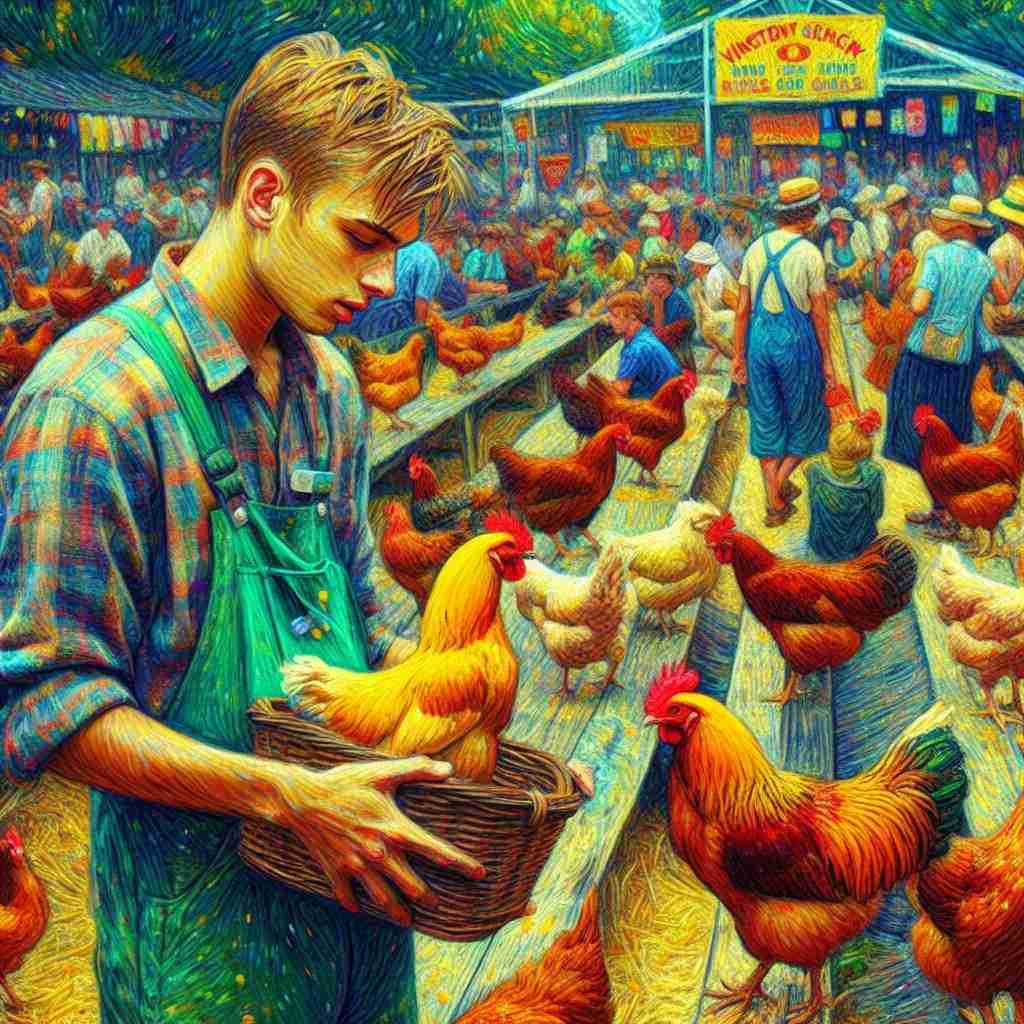
What Values Do You Want to Pass Down Through Entrepreneurship?
What Values Do You Want to Pass Down Through Entrepreneurship?
- Entrepreneurship is about creating legacies, not just building businesses.
- Values nurtured through entrepreneurship shape the future for the next generation.
- Raising backyard chickens exemplifies the importance of work ethic, respect for life, and sustainability.
- Lessons from entrepreneurship include perseverance, integrity, and the satisfaction of meaningful achievements.
- Ethical entrepreneurial choices promote empathy, transparency, and community support.
- Timeless values such as resilience, compassion, and integrity should guide entrepreneurial pursuits.
- By modeling these values, we empower the next generation to lead with purpose and passion.

What Values Do You Want to Pass Down Through Entrepreneurship?
How Can a Small Business Ignite Creativity In Your Family?
When you think about sparking creativity in your family, consider the humble yet profoundly transformative idea of starting a small business. Imagine gathering your loved ones for a project that captures not only your family’s interests but also your unique values. Take a leap into something tangible and rewarding—like raising backyard chickens.
Picture it: a flicker of excitement in your children’s eyes as they gather fresh eggs every morning, or the intricate, thoughtful discussions about what to name those feathery friends. Each aspect of this venture pulls everyone closer together. You’re not merely cultivating livestock; you’re nurturing bonds, instilling responsibility, and igniting the imaginations of young minds. Such experiences teach your family to think outside the box, fostering a spirit of innovation and problem-solving that extends beyond the backyard.
This isn’t just about chickens; it’s about connecting with nature and each other, about sharing the responsibility of feeding and caring for an animal from start to finish. When you set out to create something together, you also forge a strong family narrative—stories of mishaps and victories, laughter and learning, that will be shared around the dinner table for years to come. These moments build heritage and instill values of hard work and cooperation.
On a rational level, starting a small business can teach your children invaluable skills they’ll carry into adulthood. They learn planning, budgeting, and marketing, as well as the sheer joy of seeing their hard work lead to results. You can even involve them in financial literacy—understanding money in the context of a backyard operation is more engaging than any textbook lesson.
Ethically, you’re above all promoting sustainability and the importance of local ecosystems. You’re cultivating not just chickens, but an awareness of where food comes from and how it ties us to the earth. It paves the way for deeper discussions on ethical farming practices and healthy eating habits.
As families thrive on shared experiences, this journey toward creativity ignites not only the imaginations of your children but also prepares them for the world beyond your backyard, instilling confidence and a readiness to tackle whatever life throws their way. So why not take that first step together? Embrace this adventure, and watch the creativity within your family flourish.
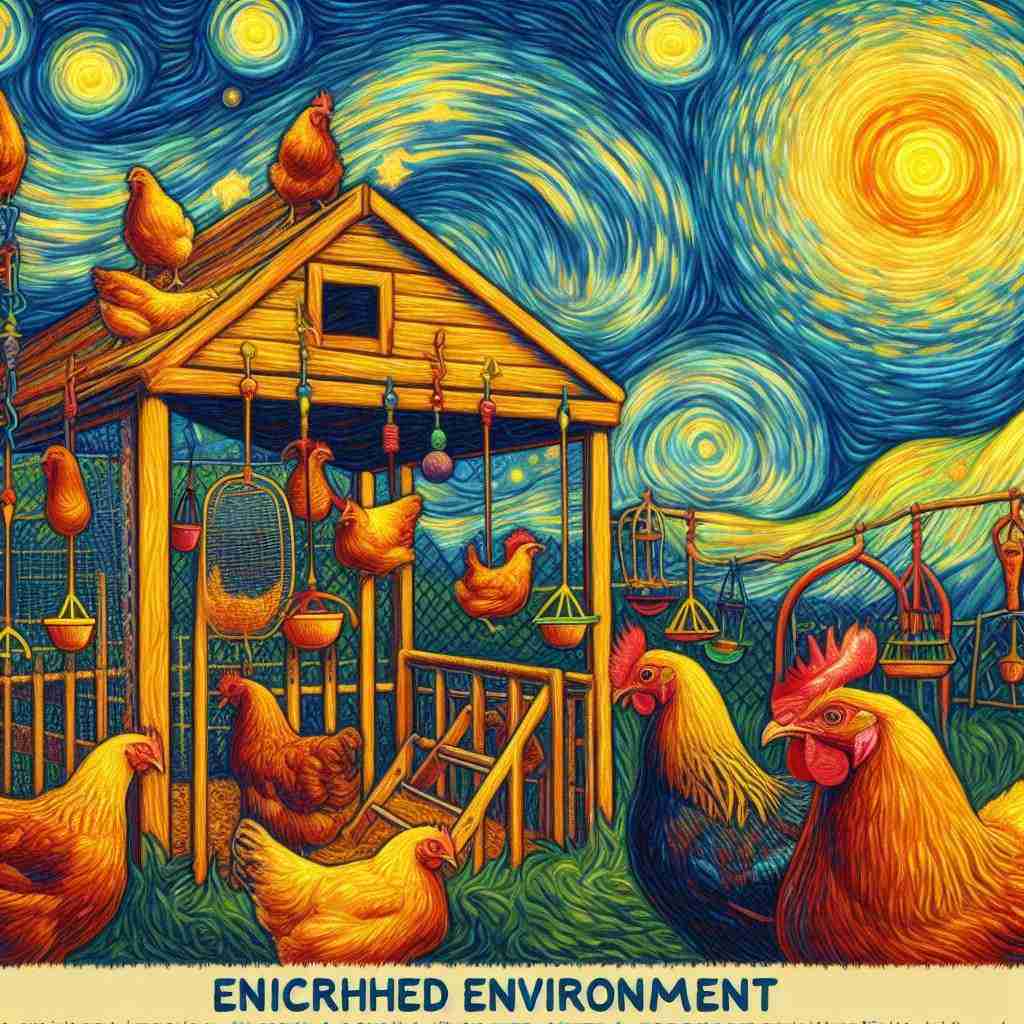
How Can a Small Business Ignite Creativity In Your Family?
How Can a Small Business Ignite Creativity In Your Family?
- Start a small business as a way to spark creativity in your family.
- Engage family members in a project that reflects your interests and values, like raising backyard chickens.
- Foster bonding, responsibility, and imagination through shared experiences in caring for animals.
- Create lasting family narratives filled with stories of successes and challenges around the dinner table.
- Teach invaluable life skills, such as planning, budgeting, and marketing, in an engaging context.
- Promote sustainability and a deeper understanding of food sources and ethical farming practices.
- Prepare children for broader life challenges while nurturing their creativity and confidence.

How Can a Small Business Ignite Creativity In Your Family?
What Life Skills Can Children Learn From Running an Egg Stand?
When kids set out to run an egg stand, they’re not just selling breakfast; they’re diving headfirst into a world brimming with lessons that shape character, spark creativity, and forge resilience. Imagine a sunny Saturday morning, the kind that beckons with the smell of fresh air and the promise of adventure. The kids, fueled by a few backyard chickens’ clucks, are ready to turn those eggs into profit. That moment isn’t just about economics; it’s a gateway to understanding responsibility and the fruits of hard work.
Every carton of eggs they sell tells a story—about the time they fed the hens in the early morning frost or the meticulous planning that transformed their simple idea into a thriving business. They learn not just the mechanics of money but the intricacies of budgeting, pricing, and customer service. Rationally, they gain practical skills that extend far beyond a single transaction: they learn to count change, set prices that reflect their efforts, and maybe even manage a tight inventory where every egg counts.
Yet, the real magic of this venture lies in its ethical underpinnings. Children learn about honesty, trust, and the value of community. They discover what it means to stand by their word and how integrity builds lasting relationships with customers who return week after week—people not just buying eggs, but supporting young entrepreneurs. The lessons of accountability here resonate deeply, teaching kids that every action has a consequence, nurturing a sense of pride rooted in hard-earned success.
Socially, running an egg stand invites connections that are as delightful as the golden yolks within. Neighbors become more than mere passersby; they become part of an adventure, sharing stories, laughter, and sometimes, much-needed advice. This budding camaraderie fosters an essential sense of belonging, enriching their outdoor experience and rooting them to their community.
So, the next time you see a modest egg stand at the end of a driveway, stop. Engage. Share a few kind words and perhaps a few coins in exchange for those freshly gathered treasures. You’re not just supporting a little business; you’re encouraging the growth of tangible skills—nurturing hearts, minds, and spirits. In an age where digital often trumps tangible, let’s celebrate the beauty of children learning the very essence of life—one egg at a time.

What Life Skills Can Children Learn From Running an Egg Stand?
What Life Skills Can Children Learn From Running an Egg Stand?
- Running an egg stand teaches kids valuable life lessons that shape character, creativity, and resilience.
- Kids learn responsibility and the value of hard work through managing their egg business.
- Every sale represents a story, from feeding hens to planning and executing a business idea.
- They acquire practical financial skills like budgeting, pricing, and customer service.
- Integrity and accountability are emphasized, fostering trust and lasting relationships with customers.
- Social connections blossom as neighbors engage in the kids’ venture, nurturing a sense of community.
- Supporting young entrepreneurs nurtures tangible skills and promotes a hands-on learning experience.

What Life Skills Can Children Learn From Running an Egg Stand?
How Does Teaching Kids About Money Empower Their Future?
Teaching kids about money is like nurturing a garden—each lesson is a seed planted, and with time, patience, and care, those seeds yield a harvest of wisdom and resilience. Imagine standing in your backyard, a warm breeze rustling through leaves, and watching your children care for a small flock of backyard chickens. They learn responsibility, understanding that these creatures require daily commitment. Likewise, money management demands responsibility; it involves knowing how to budget, save, and eventually invest for their future.
Every dollar they save is akin to those eggs—they’re not just one-time gains. They’re resources that can multiply when nurtured wisely. Empowering kids with financial knowledge equips them not only with practical skills but with a sense of agency. They start to see money not as a daunting mystery but as a tool, something they can wield to shape their futures. This transformation stirs both their hearts and minds, igniting ambitions they didn’t know existed.
From an emotional standpoint, watching children engage with money can be profoundly rewarding. When they successfully save up for a toy or a bicycle, the pride they feel is palpable—it’s a confidence boost that lasts long after the purchase. Such moments foster a foundation of trust in their decision-making, anchored in the reality that their choices have consequences, both positive and negative.
On a rational level, consider the skills they’re cultivating: critical thinking, long-term planning, and the ability to handle setbacks. These are foundations of adulthood that many stumble upon without guidance. Kids who learn to strategize early on are more likely to face life’s financial realities with clarity and poise.
Ethically, imparting financial literacy is about preparing our young ones to contribute positively to society. It’s not just about wealth accumulation; it’s about wise stewardship. When children understand the value of money, they often extend that understanding into their communities, whether it’s through saving for meaningful causes or making ethical purchases.
Finally, we’re not just teaching lessons; we’re creating a narrative—a legacy of knowledge passed down through generations. Imagine a future where your child not only manages their finances with ease but also shares this wisdom with their own children. Just like those tender backyard chickens that flourish with care, a financially savvy generation can thrive and lift others along the way.

How Does Teaching Kids About Money Empower Their Future?
How Does Teaching Kids About Money Empower Their Future?
- Teaching kids about money is akin to nurturing a garden; each lesson is a seed that grows into wisdom and resilience.
- Money management requires responsibility, similar to caring for animals, encompassing budgeting, saving, and investing.
- Saved dollars are akin to eggs; they have the potential to multiply when treated wisely.
- Financial knowledge empowers children, turning money from a mystery into a tool for shaping their futures.
- Experiences of saving for toys or bikes boost children’s confidence and trust in their decision-making.
- Skills cultivated include critical thinking, long-term planning, and handling setbacks, essential for adulthood.
- Imparting financial literacy prepares children for ethical stewardship and community contributions, creating a legacy of knowledge.

How Does Teaching Kids About Money Empower Their Future?
Can a Simple Egg Stand Teach Your Kids About Hard Work and Dedication?
In today’s fast-paced world of immediate gratification and shiny distractions, the simplest of objects—a humble egg—can serve as an unexpected touchpoint for instilling deep values of hard work and dedication in our children. Picture this: a simple egg, nestled gently in your backyard chickens’ coop, holds within it a story waiting to be told. It’s not just an object; it’s a symbol of life’s bigger lessons, an invitation to explore the relationship between effort and reward.
Imagine your child observing the daily rituals involved in caring for those chickens. Together, you see firsthand the early mornings, the cleaning of the coop, and the anticipation of collecting eggs—simple tasks that, over time, create a profound sense of responsibility. As your child watches these creatures grow and begin to lay eggs, they learn that nothing worthwhile comes without a bit of grit. They become acquainted with the patience required to nurture life, realizing that every minor task contributes to a greater outcome.
This journey becomes a narrative they can relate to, as the egg transforms from a mere object into a vessel of their hard work. It’s not just about the reward of a good omelet; it’s about what it took to get there. By connecting emotional threads to this experience—the joy of watching a hen lay its first egg, the pride of nurturing a living creature—children develop a deeper understanding of commitment and perseverance. These lessons aren’t just theoretical; they’re practical, tied to something as fundamental as food and family.
From an ethical standpoint, we also foster a sense of respect for nature and the cycle of life. Children learn that every egg begins as a result of a process—one that cannot be rushed or manipulated. This understanding breeds empathy—not only towards animals but towards the hard work of those in agriculture, demonstrating the interdependencies that define our lives.
Most importantly, sharing the experience of maintaining chickens and gathering eggs creates a bond—a shared mission that strengthens family ties and social connections. It’s an opportunity for parents and children to engage in meaningful conversations about work ethic and delay gratification, linking your family’s values to tangible, everyday actions.
Through this simple act, we invite our children to trust in the process, to cultivate dedication, and to appreciate the fruits of their labor. The meaning behind a simple egg can become a lifelong lesson, ripe for discovery.

Can a Simple Egg Stand Teach Your Kids About Hard Work and Dedication?
Can a Simple Egg Stand Teach Your Kids About Hard Work and Dedication?
- Eggs symbolize deeper values of hard work and dedication in children.
- Caring for backyard chickens teaches responsibility through daily rituals.
- Children learn that effort is required to achieve worthwhile outcomes.
- The journey of raising chickens creates relatable, personal narratives for kids.
- Involvement fosters respect for nature and an understanding of life cycles.
- Maintaining chickens strengthens family ties and encourages meaningful conversations.
- This experience promotes trust in processes, dedication, and appreciation for hard work.
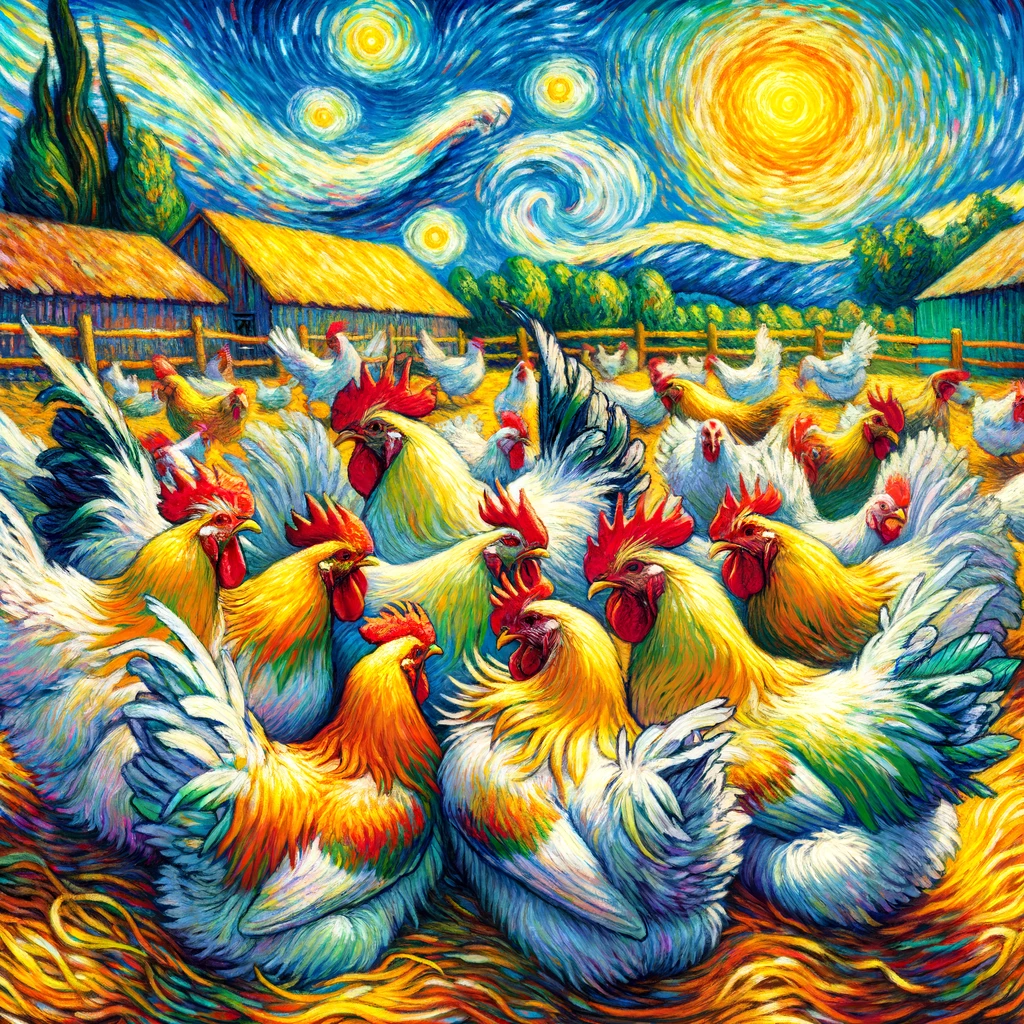
Can a Simple Egg Stand Teach Your Kids About Hard Work and Dedication?
What Challenges Did You Face In Your First Business Venture?
Starting my first business felt like diving headfirst into a pool of uncertainty—only there was no water, just a rocky truth waiting below. I was eager, driven by the promise of success and a vision of freedom. The idea? Raising backyard chickens. It seemed simple enough, a venture tinged with the promise of fresh eggs and a touch of rural charm. But let me tell you, it was anything but straightforward.
The first challenge hit me like a ton of bricks: a lack of understanding. I had read the books, watched the videos—yet when it came down to it, I was staring into the eyes of feathered creatures that didn’t understand my ambitions. The learning curve was steep; I found myself knee-deep in the mess not just of their bedding, but of my own misconceptions. Chickens aren’t just clucking companionship; they require care, attention, and a surprising amount of organizational prowess. With each passing day, I realized that passion alone wouldn’t ensure their well-being or the success I envisioned.
Then there was the dilemma of resources. My backyard began to feel like a battleground against limited finances and the continuous need for materials. Every fence post I hammered into the ground and every egg I gathered was a stark reminder of everything I was risking. I learned quickly that ethics and responsibility were integral to the process. Ensuring the health of my hens while maintaining my budget taught me the delicate dance of sustainable entrepreneurship. Each dollar spent felt like a commitment—to the animals, to myself, and to my community.
But perhaps the most significant challenge was the element of doubt, both internal and external. Friends would smile politely even as their eyes glazed over with skepticism. “Chickens? Really?” That resonated in my gut, igniting a fire that pushed me to prove them wrong. I was not just raising birds; I was weaving a story of resilience, hard work, and growth.
As I navigated through failures, sourcing feed, and fending off predators, the sweet clucking of success reverberated louder than any doubt. Each egg became a symbol of triumph, a small achievement born from trial, error, and relentless pursuit. It reminded me that every seasoned entrepreneur starts somewhere—with the audacity to dive in, regardless of what others might say. And that courage is what forms the backbone of any journey.
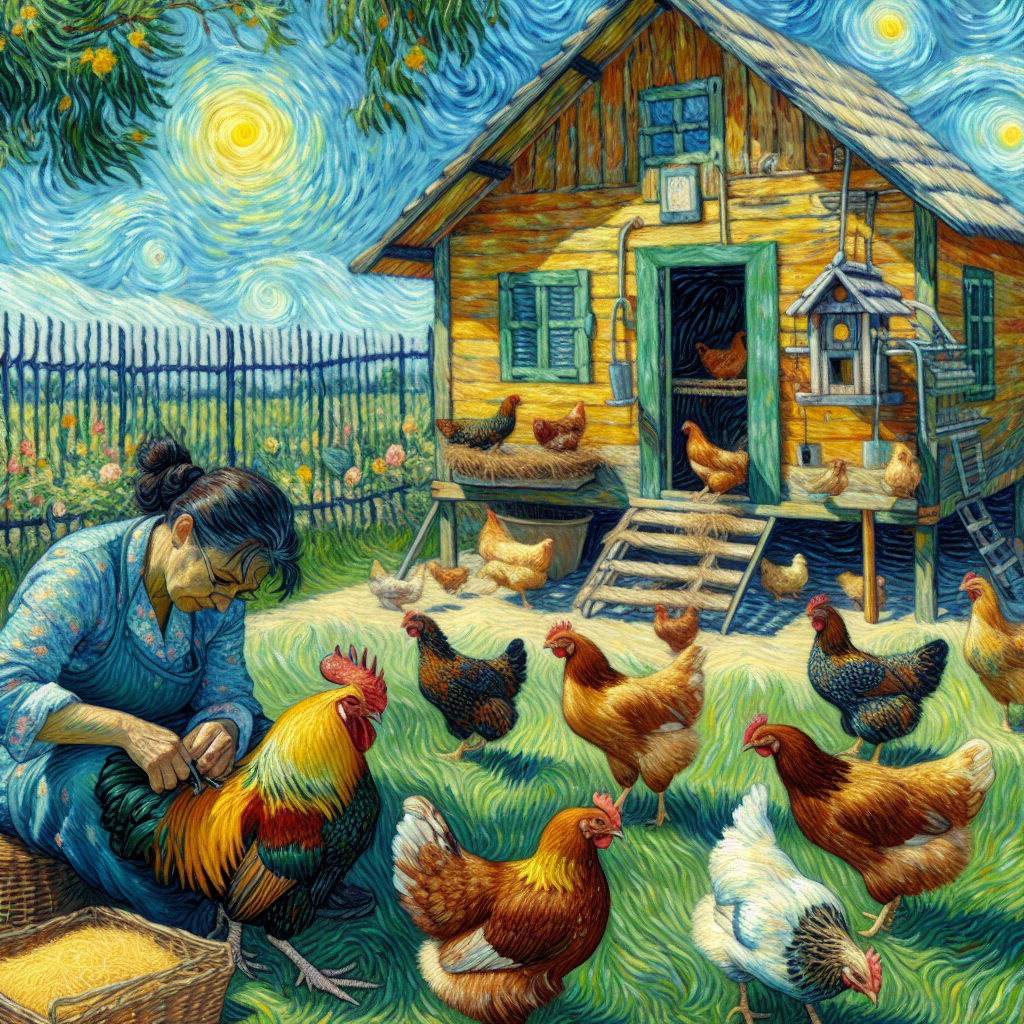
What Challenges Did You Face In Your First Business Venture?
What Challenges Did You Face In Your First Business Venture?
- Starting a business felt uncertain and challenging, akin to diving into a pool without water.
- The venture involved raising backyard chickens for fresh eggs and rural charm.
- Initial challenges included a steep learning curve and misconceptions about chicken care.
- Limited resources created difficulties in managing finances and material needs for the chickens.
- Maintaining ethics and responsibility became crucial for sustainable entrepreneurship.
- Overcoming doubt from friends and skeptics fueled the determination to succeed.
- Each success, represented by gathered eggs, symbolized resilience and the journey of entrepreneurship.

What Challenges Did You Face In Your First Business Venture?
How Do You Instill Confidence In Kids Through Entrepreneurship?
Imagine a group of kids in a backyard, dust swirling around their feet, laughter mingling with the soft clucks of chickens scratching the earth. This isn’t just play—it’s a lesson in entrepreneurship, wrapped in the joys of responsibility and cooperation. When children are empowered to manage something like backyard chickens, they step into a world where decisions hold weight and actions have real consequences. They learn that every egg they collect is a testament to their hard work, commitment, and ability to adapt.
Engaging in activities that require stewardship can ignite an internal spark of confidence. As children tend to their chickens, feeding and caring for them, they begin to understand the essence of work ethic. The simple act of a child approaching a coop, hands outstretched with feed, can be transformed into a narrative of ambition—a story where they are the hero, stepping up to gather more than just eggs; they’re gathering life skills applicable in every corner of their future.
It’s not just about the chickens, but the community they foster. Imagine kids banding together, sharing insights and tips, discussing who can design the best nesting box or find the most efficient feeding schedule. Suddenly, each child isn’t just an individual aiming for success but part of a network—a social fabric woven from trust, cooperation, and shared success. This is honest entrepreneurship at its core: a space where collaboration breeds confidence, creativity, and a deep understanding of ethics.
Now, consider the ethical implications—teaching kids not just to take from their endeavors but to give back, perhaps by sharing their harvest with others. It becomes a holistic experience, teaching empathy and community responsibility. That’s a powerful lesson that reaches deep into the heart and gut, creating a sense of belonging and purpose.
As we propel our children towards their future, let’s lead them to embrace opportunities like these. Backyard chickens can be a metaphor for life’s bigger challenges: finding solutions, building relationships, and facing setbacks head-on. So, we ask, what are we waiting for? Let’s create environments where kids don’t just dream but take action. Let’s inspire the next generation of confident entrepreneurs, one chicken at a time.

How Do You Instill Confidence In Kids Through Entrepreneurship?
How Do You Instill Confidence In Kids Through Entrepreneurship?
- Children caring for backyard chickens learn about entrepreneurship, responsibility, and cooperation.
- Managing chickens helps children understand the importance of their decisions and the consequences of their actions.
- Activities like chicken care build confidence and work ethic, transforming children into capable individuals.
- Group interactions among kids foster collaboration, trust, and shared success while working on chicken-related tasks.
- Engagement in this experience teaches children about ethics and the importance of giving back to the community.
- Backyard chickens serve as a metaphor for addressing life’s challenges, building relationships, and overcoming setbacks.
- Encouraging children to take action prepares them to become the next generation of confident entrepreneurs.

How Do You Instill Confidence In Kids Through Entrepreneurship?
Conclusion
Family Egg Stands are more than a quaint glimpse of entrepreneurship; they are an intimate journey into the heart of what it means to be a family, a community, and a steward of the earth. Imagine a sunny morning where a child, beaming with pride, proclaims, “Fresh Eggs for Sale!” This moment represents a rite of passage, fostering invaluable lessons about responsibility, hard work, and sustainability right in your backyard.
As youngsters gather eggs from their loving hens, they’re not just collecting breakfast staples; they’re cultivating life skills and values that will mold their futures. Their daily commitment to these creatures teaches them that true rewards arise from effort and care. Each transaction reinforces the idea that integrity matters—trust in business and relationships remains paramount.
But it goes deeper. Children engage in a circle of life, discovering the importance of local farming and sustainable practices while they share their eggs with neighbors. Each exchange becomes more than a mere sale—it transforms into an opportunity for connection, storytelling, and insights passed down through generations. The vibrant “Please DO NOT eat the eggs” sign humorously encapsulates a profound respect for hard work, offering a bridge between young entrepreneurs and their community.
On a broader scale, running a simple egg stand ignites creativity and problem-solving skills, offering children hands-on experience while forging stronger family ties. Together, they navigate the ups and downs of business, nurture ethical practices, and develop critical thinking—all while basking in the glow of shared triumphs and setbacks. These lessons transcend the immediate and prepare kids for the unpredictable world ahead.
Moreover, in a society quick to chase vanity metrics and immediate gratification, the values embedded in Family Egg Stands offer a powerful antidote. Encouraging children to appreciate delayed gratification while cultivating community spirit fosters a legacy that is as rich as the golden yolks themselves. When empowered through entrepreneurship, these kids are not merely future workers; they are leaders, problem-solvers, and compassionate community members.
So, let’s champion this quaint yet profound venture. Encourage your family to embark on their entrepreneurial journey, embracing the vitality of backyard farming and the valuable lessons wrapped within those dozen eggs. It’s about more than eggs—it’s about legacy, responsibility, and the heart of entrepreneurship, one wholesome carton at a time. The future lies in these small acts, where every child can learn to dream big and take pride in their hard-earned success.

Conclusion
Conclusion:
- Family Egg Stands symbolize entrepreneurship and strengthen family and community bonds.
- Children learn responsibility, hard work, and sustainability through the process of raising and selling eggs.
- Gathering eggs teaches valuable life skills and emphasizes the importance of integrity in business and relationships.
- Each transaction fosters community connections and the sharing of stories and traditions.
- Managing an egg stand enhances creativity, problem-solving, and critical thinking while reinforcing family ties.
- Encouraging delayed gratification and community spirit prepares children for future challenges.
- Supporting Family Egg Stands promotes essential values, turning children into empowered future leaders and compassionate community members.

Conclusion
Other Resources

Other Resources
Here is a list of other resources you can review online to learn more:
- Isbar
- Lavender Orpington
- Red Sex Link
- game bird feed
- owls
- chick starter
- Sunflower
- Mycoplasmosis
- mediterranean breed
- Cuckoo Marans
- Pekin Bantam
- Onagadori
- Thuringian
- Egyptian Fayoumi
- Barnevelder
Use This Prompt To Get More Resources With Your Favorite Online AI Tool: Please provide me with a list of online articles with their URLs in a bulleted list that I can read regarding Family Egg Stands – Teaching Entrepreneurship One Dozen At a Time

Other Resources
Glossary Terms
Family Egg Stands – Teaching Entrepreneurship One Dozen At a Time – Glossary Of Terms
1. Egg Stand: A small kiosk or table where eggs are sold, often run by families or children.
2. Entrepreneurship: The act of starting and running a business, while taking on financial risks to manage and grow it.
3. Business Model: A plan outlining how a company generates revenue and delivers value to customers.
4. Marketing: The activities and strategies used to promote and sell products, such as eggs, to consumers.
5. Sales Strategy: A plan devised to achieve sales targets, which can include pricing, promotion, and distribution methods.
6. Customer Service: The assistance provided to customers before, during, and after purchasing products, ensuring satisfaction.
7. Revenue: The total amount of money generated from sales of goods or services before expenses are deducted.
8. Profit Margin: The difference between the sales revenue and the cost of goods sold, expressed as a percentage.
9. Target Market: A specific group of consumers toward which a business directs its marketing efforts.
10. Branding: The process of creating a unique name and image for a product to differentiate it from competitors.
11. Product Quality: The standard of the product being sold, which affects customer satisfaction and repeat sales.
12. Supply Chain: The series of steps involved in the production and distribution of a product, from suppliers to customers.
13. Operational Costs: The expenses incurred in the day-to-day functioning of a business, like utilities and supplies.
14. Inventory Management: The process of ordering, storing, and using a company’s inventory efficiently and cost-effectively.
15. Point of Sale (POS): The location where sales transactions occur, which can include cash registers or mobile devices.
16. Financial Literacy: The understanding of financial principles and concepts that enable individuals to manage their money wisely.
17. Cost Analysis: The process of reviewing costs associated with running a business to identify areas for improvement.
18. Work Ethic: The value placed on hard work and diligence as a key to achieving entrepreneurial success.
19. Networking: Building relationships with individuals or groups that can help support or grow a business venture.
20. Community Engagement: Involving local residents in business activities, which fosters support and loyalty.
21. Regulations: Laws and guidelines that businesses must follow, such as health and safety standards in food sales.
22. Advertising: Paying for promotional content to reach potential customers and promote a product or service.
23. Social Media Marketing: Using platforms like Facebook and Instagram to promote products and engage with customers.
24. Customer Feedback: Information from customers about their experiences and satisfaction, used to improve products and services.
25. Mentorship: Guidance provided by experienced individuals to help newer entrepreneurs navigate challenges.
26. Goal Setting: The process of defining specific objectives to achieve business success, often using SMART criteria.
27. Time Management: The ability to plan and execute tasks efficiently, crucial for balancing business and personal life.
28. Innovation: The introduction of new ideas, products, or methods that can improve business operations.
29. Online Sales: Selling products through e-commerce platforms, expanding reach beyond physical locations.
30. Ethical Practices: Conducting business in a way that is fair, transparent, and respects the welfare of all stakeholders.

Glossary Of Terms
Other Questions
Family Egg Stands – Teaching Entrepreneurship One Dozen At a Time – Other Questions
If you wish to explore and discover more, consider looking for answers to these questions:
- What are the practical steps to start a Family Egg Stand?
- How can parents support their children in this entrepreneurial venture?
- What age is appropriate for children to start managing an egg stand?
- What challenges might families face when starting and running an egg stand?
- How can families promote the sustainability aspect of their egg stands?
- What financial skills can children gain from selling eggs?
- How can running an egg stand strengthen family bonds?
- What safety measures should be taken when handling chickens and eggs?
- How can families market their egg stand to the community?
- What ethical considerations should be taken into account with backyard farming?
- How do you handle competition with other local egg sellers?
- What lessons about failure can be learned from running a small business?
- How can families incorporate educational elements into running an egg stand?
- What impact can a Family Egg Stand have on local food systems?

Other Questions
Haiku
Family Egg Stands – Teaching Entrepreneurship One Dozen At a Time – A Haiku
Fresh eggs, hard work, joy,
Kids learn to nurture life well,
Roots of hope take flight.

Haiku
Poem
Family Egg Stands – Teaching Entrepreneurship One Dozen At a Time – A Poem
In quiet backyards, where dreams take flight,
Children gather ‘round, hearts glowing bright.
With vibrant signs proclaiming “Fresh Eggs for Sale,”
They learn of hard work beneath the sun’s trail.
Each morning begins with the clucks and the care,
A bond with the land, a moment to share.
Responsibility nestled in every soft shell,
Confidence hatches, as stories they tell.
They discover a world where the simple and small,
Teach them resilience, respect, and the call.
With laughter and teamwork, they shape their own fate,
Learning to budget, to save, and create.
Together they dream, a community found,
Neighbors transformed, their voices resound.
Exchanging not just eggs, but kindness and trust,
A future where empathy is woven, a must.
From timid to bold, in the warmth of the sun,
With each sale they make, they’re learning the run.
Of life’s complex dance, where effort meets grace,
Small ventures, big values, in this sacred space.
As they navigate challenges, together they thrive,
In every small misstep, their spirits alive.
So let us embrace this journey anew,
For in raising these children, it’s family they grew.
For the cycle of life in a simple egg stands,
Unfolds a rich legacy that strengthens their hands.
Teaching the lessons we long to impart,
Entrepreneurship woven from love—at its heart.

Poem
Checklist
Family Egg Stands – Teaching Entrepreneurship One Dozen At a Time – A Checklist
Family Egg Stands Checklist for Empowering Entrepreneurship
Emotional Appeals
_____ Cultivate Pride: Encourage children to take pride in their work; celebrate their achievements, no matter how small.
_____ Foster Connection: Share stories of the experience, building family narratives around entrepreneurship and responsibility.
_____ Encourage Empathy: Highlight the importance of kindness and community support through acts like sharing eggs with neighbors.
Rational Appeals
_____ Develop Life Skills: List the practical skills children can learn (budgeting, planning, customer service, etc. ).
_____ Teach Financial Literacy: Use the egg stand to discuss savings, expenses, and the value of money in a tangible way.
_____ Engage in Problem-Solving: Encourage children to brainstorm solutions for challenges they encounter during their venture.
Ethical Appeals
_____ Promote Sustainability: Discuss ethical farming practices and the importance of caring for animals and the environment.
_____ Build Integrity: Teach the value of honesty in business dealings—instilling trustworthiness and accountability.
_____ Encourage Fair Practices: Discuss the implications of fair pricing and transparency in their transactions.
Authority Appeals
_____ Invite Guest Speakers: Organize sessions with local entrepreneurs to share their experiences and insights.
_____ Use Resources Wisely: Provide reading materials or videos on entrepreneurship and responsibility tailored for children.
_____ Leverage Community Experts: Involve local farmers or business owners to provide hands-on guidance.
Narrative Appeals
_____ Create a Family Story: Develop a shared narrative about your egg stand journey, including milestones and learning moments.
_____ Document Progress: Keep a journal or scrapbook of the children’s experiences, highlighting their growth and accomplishments over time.
_____ Share Success Stories: Connect with other families doing similar projects and trade stories of triumph and lessons learned.
Social Appeals
_____ Encourage Teamwork: Promote collaboration by having the family work together on the egg stand tasks.
_____ Build Community Relations: Facilitate interactions with neighbors to foster connections through purchasing and sharing stories.
_____ Encourage Participation: Invite friends over to assist with the egg stand, making it a fun community event and fostering social bonds.
By implementing this checklist, families can create a rich, engaging experience that goes beyond just selling eggs, instilling essential values and skills that empower the next generation.

Checklist
At BackyardChickenNews, we help people who want to raise backyard chickens by collating information and news blended with our own personal experiences.
Be sure to read our other related stories at BackyardChickenNews to learn more about raising chickens in your backyard.