

From Farm To Table – Nourishing The Body, Mind, And Soul
By Tom Seest
At BackyardChickenNews, we help people who want to raise backyard chickens by collating information and news blended with our own personal experiences.
Be sure to read our other related stories at BackyardChickenNews to learn more about raising chickens in your backyard.
From Coop to Cast Iron – the Taste Of Real Home Cooking
There’s a sacred ritual that unfolds not just in kitchens, but often in the quiet corners of our lives where the humble act of cooking transforms into something far greater. You might find it in a yard bustling with clucking neighbors—those backyard chickens pecking away, living their best lives on a patch of grass that feels like home. These aren’t just hens; they’re our feathered friends, providing eggs that carry stories, a connection to a simpler time when food came from the earth and not a grocery aisle.
Home cooking—now that’s where the magic happens. It takes us back to days of expertly seasoned cast iron skillets sizzling with grandma’s famous chicken recipes. That deep, rich taste of properly seasoned food has a way of nourishing our souls. It’s not just about salting and peppering a dish; it’s about reviving traditions, about pouring heart into each meal you create, reminding us of where we’ve come from and the joys of sharing a table. The warmth of food made with love is unmatched, a testament to a collective history of family and friendship that we all crave.
Think about it—cooking at home isn’t just about feeding ourselves; it’s about crafting experiences, inviting friends and family to engage in genuine connection. It creates those moments that linger long after the last bite has been savored. We sit together, share laughter, and bear witness to life unfolding before us while the kitchen hums with warmth and the faint sound of grease sizzling. It’s communal.
The ethical choice to raise backyard chickens adds another layer, doesn’t it? Knowing where your food comes from, understanding the realities of sustainable living—these decisions matter. They anchor us to our roots and remind us of our responsibility to the earth and the systems we uphold. It’s about embracing transparency and fostering trust in the ingredients we use.
So grab that cast iron skillet, secure your own flock of chickens if you can, and immerse yourself in the transformative power of cooking. The taste of real home cooking extends beyond flavors; it invigorates the body, unites the heart, and nurtures the soul. Let the clucks from your backyard remind you: each meal is an opportunity to reconnect and reignite our love for food and for each other.

From Coop to Cast Iron – the Taste Of Real Home Cooking
From Coop to Cast Iron – the Taste Of Real Home Cooking
- Cooking transcends mere preparation, becoming a sacred ritual that enriches our lives.
- Backyard chickens play a vital role, providing fresh eggs and a connection to simpler, earth-centered living.
- Home cooking revives traditions and fosters a sense of belonging through shared meals and experiences.
- Meals created with love nourish not just the body but also the soul, reflecting a history of family and friendship.
- Cooking is about crafting experiences, creating genuine connections with loved ones around the table.
- Raising backyard chickens represents an ethical choice that connects us to sustainability and transparency in food sourcing.
- Each meal is an opportunity to reconnect with our love for food and strengthen bonds with others.

From Coop to Cast Iron – the Taste Of Real Home Cooking
Table Of Contents
- From Coop to Cast Iron – the Taste Of Real Home Cooking
- What Makes Home-Cooked Meals Feel Like a Warm Embrace?
- How Does Using Fresh Ingredients Impact Our Health?
- Can a Recipe Evoke Memories and Stories From Our Past?
- What Ethical Choices Should We Consider When Sourcing Our Food?
- How Does Cooking At Home Promote Family Bonding and Connection?
- Why Do We Crave the Authentic Flavors Of Home-Cooked Meals?
- What Role Does Tradition Play In the Recipes We Pass Down?
- Conclusion
- Other Resources
- Glossary Of Terms
- Other Questions
- Haiku
- Poem
- Checklist
What Makes Home-Cooked Meals Feel Like a Warm Embrace?
When you sit down to a home-cooked meal, you’re not just filling your belly; you’re inviting warmth and comfort to the table. It’s a ritual, a tangible expression of love, woven through the fabric of your life. Each bite is a nod to the past—maybe it recalls aromas wafting from your grandmother’s kitchen or evokes weekends spent huddled around family, savoring every mouthful like it could be the last. These meals offer a sense of belonging, a slice of familiarity in a fast-paced world where everything seems disposable.
Home-cooked meals are like a well-worn narrative, passed down through generations. They carry the wisdom and traditions of those who came before us—the stories of farmers, bakers, and cooks who toiled to transform humble ingredients into something extraordinary. Think of those backyard chickens, clucking away, laying fresh eggs that become the heart of your favorite breakfast. Those eggs aren’t just a breakfast item; they’re a reminder of the value of simplicity and the importance of nurturing your own food sources. There’s a connection to something real and authentic—an ethical choice that resonates deeply.
From a rational standpoint, home-cooked meals provide control over what goes into your body. You choose the ingredients, the seasonings, and the cooking methods. You’re empowered to prioritize health, nutrition, and flavor rather than succumb to the often-questionable standards of pre-packaged meals. It’s about making a conscious choice, one that not only fuels your body but supports local farmers and promotes sustainable practices. It’s a satisfying feeling to know that cooking at home is not just an act of nourishment but a commitment to healthier living.
By gathering with family or friends around a home-cooked meal, you create memories and foster social bonds. Shared meals are the catalyst for laughter, stories, and sometimes even debates that connect us on a deeper level. That feeling of togetherness—where conversations bubble and laughter flows—can transform the simplest meal into a celebration of life itself.
So, the next time you pull out that cast-iron skillet or chop those fresh veggies, remember you’re not just cooking. You’re creating an experience, a nurturing embrace that envelops you and those you love. Embrace the ritual, relish in the simplicity, and enjoy the warmth that only a home-cooked meal can provide.

What Makes Home-Cooked Meals Feel Like a Warm Embrace?
What Makes Home-Cooked Meals Feel Like a Warm Embrace?
- Home-cooked meals offer warmth, comfort, and an expression of love.
- Every bite evokes nostalgia and a sense of belonging amidst a fast-paced world.
- Meals are a narrative of traditions passed down through generations.
- They remind us of the value of simplicity and nurturing food sources.
- Home cooking allows control over ingredients and promotes healthier choices.
- Gathering for shared meals fosters social bonds and creates lasting memories.
- Cooking is an experience that embraces simplicity and nurtures loved ones.

What Makes Home-Cooked Meals Feel Like a Warm Embrace?
How Does Using Fresh Ingredients Impact Our Health?
When we think about the ingredients we put into our meals, it’s easy to overlook the profound impact that fresh, local produce has on our well-being. Imagine for a moment strolling through a farmer’s market, the vibrant colors of fresh fruits and vegetables painting a picture that beckons not just the eye, but the very essence of our health. Each crisp apple and sun-ripened tomato holds more than just flavor; they embody vitality and nourishment. When we choose to support local farmers and select fresh ingredients, we’re investing in something far greater than just a meal—we’re investing in our own health.
Using fresh ingredients can transform our health in tangible ways. Studies show that diets rich in whole foods can reduce the risk of chronic illnesses such as heart disease, diabetes, and obesity. Think about that: the foods we choose can literally reshape the future of our health! The closer our ingredients are to the earth, the more nutrients they retain, dancing from farm to table in a matter of hours, not days or weeks.
If you’ve ever had the gift of savoring a dish made with ingredients plucked straight from your backyard—or maybe you’re one of those folks with chickens in your yard, providing fresh eggs daily—you know exactly what I mean. Each bite is a reminder of the connections we forge with the land and the people who cultivate it. There’s an ethical dimension here, as well. Supporting local agriculture means we’re fueling our communities, encouraging sustainable practices, and ensuring that our children inherit not just a healthier food system, but also a thriving planet.
The social aspect can’t be ignored. Sharing a meal that features fresh ingredients opens the door to conversations about where our food comes from and how it’s grown. It’s an opportunity to bond with family, inspire friends, and teach the next generation the importance of making mindful choices. And let’s not forget—cooking with fresh, local ingredients can be a joyful experience. When you roll up your sleeves and get your hands dirty, there’s a palpable connection that elevates cooking from mere routine to an act of love.
So, let’s embrace the bounty of fresh produce. Let’s support local farmers, raise our own chickens, and make conscious choices. It’s not just about eating; it’s about thriving. Each meal can be a celebration of the health we can cultivate together.

How Does Using Fresh Ingredients Impact Our Health?
How Does Using Fresh Ingredients Impact Our Health?
- Fresh, local produce significantly impacts our well-being, enhancing both flavor and health.
- Supporting local farmers and fresh ingredients is an investment in personal health.
- Diets rich in whole foods can lower risks of chronic illnesses like heart disease, diabetes, and obesity.
- Fresh ingredients retain more nutrients, transferring from farm to table quickly.
- Cooking with backyard-sourced ingredients fosters connections with the land and local community.
- Sharing meals made from fresh ingredients encourages discussions about food origins and mindful choices.
- Embracing fresh produce and local farming supports sustainability and promotes healthier future generations.

How Does Using Fresh Ingredients Impact Our Health?
Can a Recipe Evoke Memories and Stories From Our Past?
There’s something transcendent about the ingredients that go into our favorite recipes. Memories and stories, often tucked away in the corners of our minds, rush back to life the moment we smell sautéing onions or fresh-baked bread. For many, scenarios playing out in kitchens resonant with familial connections—those seemingly mundane moments can evoke profound emotions. Picture it: your mother stirring a pot of chicken soup, the warmth wafting through a home filled with laughter and the sound of playful bickering among siblings. It’s in these moments that food becomes more than sustenance; it becomes a vessel for memories.
Now, consider the transformative power of something as simple as chicken. Many households have backyard chickens, unfurling a story soaked in history and connection. Raising chickens isn’t just an agricultural choice; it’s a bonding experience. Maybe you remember your grandfather, scratching the ground and showing you how to feed the flock, or the first time you gathered freshly laid eggs, feeling like a rite of passage. Those moments create a narrative fabric where generations intertwine, revealing the shared human experience of nurturing life.
But it’s not all nostalgia. There’s also a rational side to why we turn to these recipes—they ground us. In an often chaotic world, the act of cooking provides a moment where we can reflect and center ourselves. The rhythm of chopping vegetables or the act of kneading dough harkens back to simpler times, prompting us to savor each bite not just for taste but for the emotions tied to it. Ethically, cooking from scratch or using local ingredients, especially from your own backyard, fosters a connection with the earth and the community. It invites conversation around sustainability, responsibility, and wellness, lacing our plates with meaning far beyond the nutritional.
When we share these meals, when we gather around the table, it’s a communal act. The stories that flow—of triumphs, losses, and everything in between—bring us closer, blending our individual narratives into something greater. So, as we embark on our culinary adventures, whether at home or in someone else’s kitchen, let’s challenge ourselves to not just cook, but to remember. Let’s bring to the table the heart, soul, and stories that our ingredients hold. And in doing so, we not only keep the past alive but nourish the present, creating new tales for the future.

Can a Recipe Evoke Memories and Stories From Our Past?
Can a Recipe Evoke Memories and Stories From Our Past?
- Food evokes memories and stories, transforming meals into vessels for emotional connections.
- Cooking scenarios, like a mother stirring chicken soup, highlight familial bonds and shared experiences.
- Raising backyard chickens symbolizes a connection to history and family traditions.
- Cooking serves as a grounding activity amidst chaos, prompting reflection and mindfulness.
- Using local and homegrown ingredients fosters sustainability and ethical responsibility.
- Sharing meals encourages communal storytelling, blending individual narratives into a collective experience.
- Cooking is not just about nourishment but also about honoring the past and creating new memories for the future.

Can a Recipe Evoke Memories and Stories From Our Past?
What Ethical Choices Should We Consider When Sourcing Our Food?
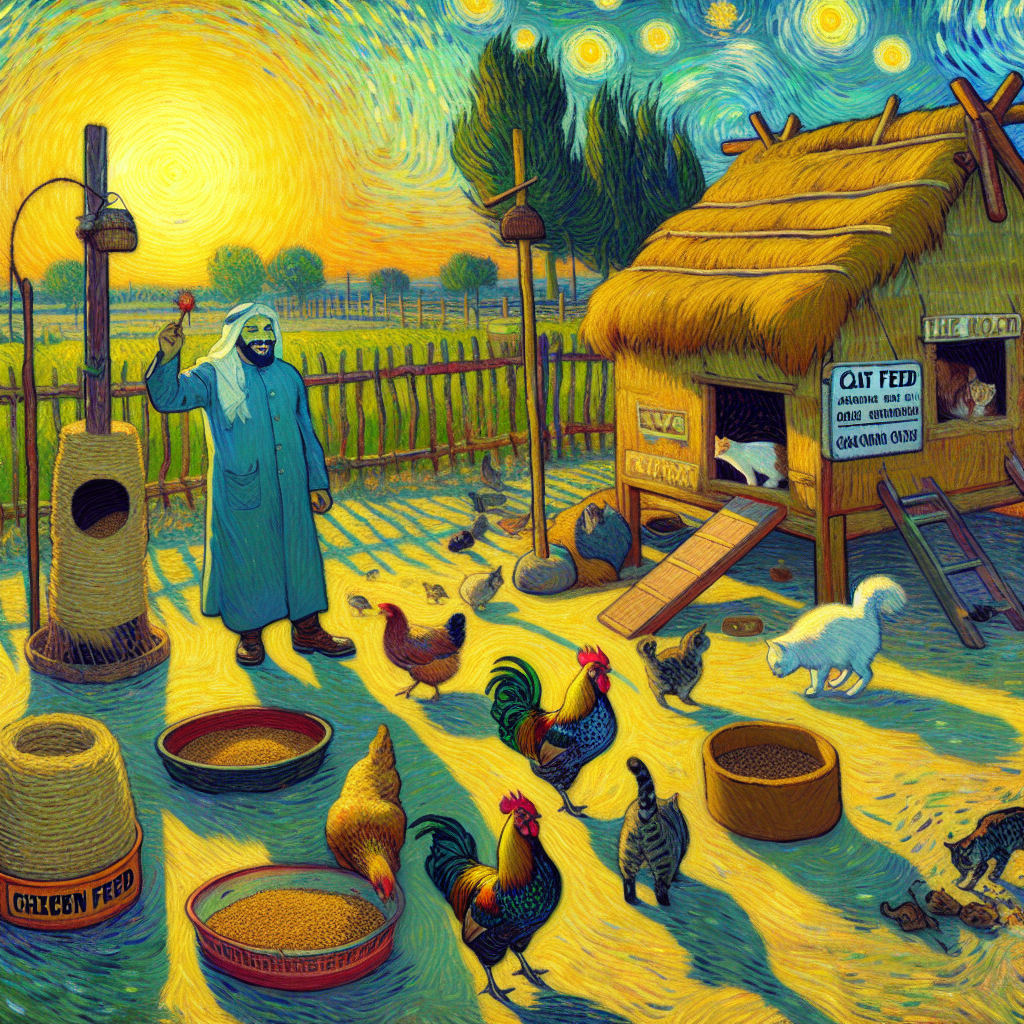
When it comes to the food on our plates, we’re not just nourishing our bodies; we’re making choices that resonate through our communities, our ecosystems, and our very souls. Imagine standing in your backyard, watching your children gleefully feed the chickens you decided to raise. There’s something beautifully visceral about connecting directly with your food, about knowing where it comes from and how it’s treated. Backyard chickens can be an excellent start to understanding the impact of ethical sourcing—after all, each egg you collect reflects a decision, a lifestyle, and a relationship with nature.
But let’s take a step back. Beyond the simple joy of petting a hen or knowing your eggs are free-range, think about the bigger picture. Each time we choose to buy food, we’re casting a vote for the kind of world we want to encourage—one ruled by transparency and responsibility or one bound by convenience and oversight. The corporations that supply our grocery stores often operate in shadows, and that’s a gut-wrenching truth we can no longer afford to ignore.
Ethically sourcing food means weighing our decisions against standards that stretch far beyond personal preferences. Ask yourself: Does this product support fair labor practices? What impact does it have on the local environment? Are animals treated with dignity? These questions tug at our heartstrings. They remind us that every meal has a story, and like any good story, it’s filled with characters. From the farmer to the butcher to the grocer, each has a role in this narrative, and we, as consumers, must engage with it.
Now, let’s add another layer to this discussion: the power of community. When we opt for local produce or the farmers’ market, we aren’t merely making a purchase; we’re cultivating connections. You’re meeting the folks who grew your food, hearing their stories, and strengthening bonds in your neighborhood. This social dynamic reinforces trust, transforming food from a transactional experience into a relay of shared values.
Ultimately, these choices shape our health, our communities, and the environment. They challenge us to confront our habits and consider the lasting impacts of every bite. By creating a mindful connection with our food, perhaps we can reclaim a measure of control over our health and our world. So, let’s make that choice, whether it’s raising backyard chickens or investing in sustainable sources. Every step counts.

What Ethical Choices Should We Consider When Sourcing Our Food?
What Ethical Choices Should We Consider When Sourcing Our Food?
- Food choices impact not just individual health, but communities, ecosystems, and personal values.
- Raising backyard chickens exemplifies the joy of connecting directly with food sources and understanding ethical sourcing.
- Buying food acts as a vote for transparency and responsibility versus convenience and oversight.
- Ethical sourcing involves assessing fair labor practices, local environmental impact, and animal dignity.
- Every meal has a story, influenced by the roles of farmers, butchers, and grocers.
- Choosing local produce fosters community connections and trust, transforming food purchases into shared values.
- Mindful food choices can enhance personal health and promote positive impacts on communities and the environment.
What Ethical Choices Should We Consider When Sourcing Our Food?
How Does Cooking At Home Promote Family Bonding and Connection?
In a fast-paced world filled with take-out menus and microwave dinners, cooking at home often feels like a revolution—an act of rebellion against the chaos of modern life. It’s a return to roots, where our families gather not just to eat but to connect, share, and grow. Picture this: a kitchen humming with the sound of sizzling vegetables, the laughter of children, and the occasional squawk from the backyard chickens pecking at the earth just outside. These aren’t just ingredients; they’re connections to our past, our community, and each other.
Cooking together is more than just a task; it’s a ritual. It invites every member of the family—not just the chefs among us—to participate in the creation of something nourishing. As we chop, stir, and sauté, we share stories, dreams, and sometimes even a few disagreements about the best way to prepare a certain dish. Every meal becomes a tapestry woven with the threads of our experiences and values. This is where trust and confidence are built—not just in the food, but in each other.
On a rational level, cooking at home saves money and provides a healthier option than fast food. It allows us to know exactly what’s going into our bodies—free from preservatives, excessive sugar, and other culprits. Ethical considerations also come into play, connecting us to local farmers and sustainable practices, especially if we raise our own backyard chickens. These feathered friends aren’t just a source of fresh eggs; they teach responsibility, patience, and respect for the cycle of life.
The beauty of home cooking is that it transcends mere sustenance; it’s a platform for bonding. When families gather around the table, they transcend the digital distractions that often divide us. Conversations flow more freely over a home-cooked meal than they do over a screen. That’s where we create memories that linger long after the plates are cleared—stories told, laughter echoed, and lessons learned.
So, why not don an apron and gather your loved ones? Start small, maybe with a simple recipe that celebrates the rhythm of your family life. Before long, you’ll find that cooking together nurtures not only your bodies but also your relationships, forging connections that are as hearty and lasting as the meals you prepare. Embrace the mess, the joy, and the love that comes with cooking at home. You might just discover that the most nourishing ingredient is not found in the pantry but in each other.

How Does Cooking At Home Promote Family Bonding and Connection?
How Does Cooking At Home Promote Family Bonding and Connection?
- Cooking at home is a revolutionary act against the chaos of modern life and fosters family connections.
- The kitchen becomes a place of joy, filled with sounds of cooking and familial laughter.
- Cooking together is a ritual that involves every family member, promoting shared experiences.
- Home cooking saves money and provides healthier, preservative-free meal options.
- It connects families to local farmers and sustainability, especially when raising backyard chickens.
- Gathering around a home-cooked meal enhances bonding and encourages meaningful conversation.
- Embracing the process of cooking nurtures both bodies and relationships, highlighting the importance of connections.

How Does Cooking At Home Promote Family Bonding and Connection?
Why Do We Crave the Authentic Flavors Of Home-Cooked Meals?
There’s a certain comfort in the thought of home-cooked meals, isn’t there? Picture this: the rich aroma of fresh herbs mingling with warm, golden bread, all crafted by hands that have honed their skill over years. This is a sensory experience that can’t be replicated by any frozen dinner or takeout. It taps into something deep within us, a primal urge to gather and nurture, much like our ancestors did—gathering in the warmth of the kitchen, sharing stories, and connecting over a meal.
Why do we crave these authentic flavors? It’s a question that brings us to the heart of what it means to be human. There’s an undeniable bond between food and memory; the taste of your grandma’s chicken casserole or your mom’s spaghetti can transport you back in time, awakening nostalgia and familiarity. Eating isn’t just a necessity; it is an experience steeped in tradition, a ritual that unites families around the table. When you indulge in a home-cooked meal, it’s about more than food—it’s about connection.
On a rational level, there’s also the undeniable truth that meals made from scratch are often more nutritious than their processed counterparts. Fresh ingredients brimming with vitality offer us a chance to nourish not only our bodies but also our minds. Consider the simple joy of raising backyard chickens; the act of caring for them and gathering their eggs gives you a small slice of nature’s bounty. It’s a tangible connection to the food on your plate, a reminder of the ethics of eating well—where did this food come from? What journey did it take to get here?
Of course, we live in a world saturated with fast, convenient options that might tempt us, but in doing so, we lose something invaluable. Embracing home-cooked meals is not just a personal choice; it’s a stand against a culture that often prioritizes speed over quality. It’s about reclaiming our kitchens as sanctuaries of creativity and love.
So why do we crave the authentic flavors of home-cooked meals? It’s simple: because they feed our souls. They remind us that, while the world outside may be chaotic, there’s still magic in the ordinary. Let’s lean into that magic, one meal at a time.

Why Do We Crave the Authentic Flavors Of Home-Cooked Meals?
Why Do We Crave the Authentic Flavors Of Home-Cooked Meals?
- Home-cooked meals provide a comforting sensory experience with rich aromas and the warmth of freshly made dishes.
- This experience connects us to our primal instincts of gathering and nurturing, reminiscent of our ancestors.
- Food and memory are deeply intertwined; flavors can evoke nostalgia and familiarity linked to familial traditions.
- Eating is framed not just as a necessity, but as a ritual that fosters connection among family members.
- Home-cooked meals are often more nutritious than processed options, benefiting both body and mind.
- Caring for backyard chickens or other food sources offers a tangible connection to the food we consume.
- Embracing home cooking is a stand against a fast-paced culture, reclaiming our kitchens as spaces of creativity and love.

Why Do We Crave the Authentic Flavors Of Home-Cooked Meals?
What Role Does Tradition Play In the Recipes We Pass Down?
In every kitchen across the globe, recipes do more than provide instructions for a meal; they are the threads that weave our personal and communal histories. When we gather around the dinner table, what we often don’t realize is that each dish serves as a vessel, carrying stories of love, sacrifice, and shared laughter. Just imagine your grandmother guiding you through the family recipe for chicken soup, her words seasoning each step with memories. The simmering broth isn’t just nourishment; it’s a warm embrace from the past, connecting generations in a bond that transcends time.
Tradition enriches our culinary experience in profound ways. It speaks not only to our tastes but also to our values and legacies. When we pass down a recipe, we partake in a ritual that honors our heritage—an ethical commitment to remember where we came from. This isn’t merely about the ingredients; it’s about the moments we’ve shared. It’s the Sunday dinners, the holiday gatherings, and even the impromptu backyard barbecues with friends and family where those dishes take center stage. Each recipe carries a piece of someone’s heart, their culture, and, oftentimes, their struggles.
Now, let’s consider the practical side of this tradition. In an age where fast food and convenience rule the day, returning to heritage recipes might seem antiquated. But just like raising backyard chickens, which offer not only fresh eggs but also a sense of stewardship and responsibility, these recipes require an investment of time and care. They invite us to slow down, to be mindful, and to appreciate the process of cooking as much as the result.
Moreover, there’s an undeniable social aspect to our culinary traditions. Sharing a meal prepared from age-old recipes not only satisfies hunger but also builds community. It’s a rallying point, a way to bring people together, to break bread and share stories. When we gather over dishes steeped in tradition, we create an atmosphere of trust and support, a space where we can connect on deeper levels.
So, as you tie on that apron and gather the ingredients, remember that you’re not just cooking; you’re honoring a legacy. You’re building connections, preserving memories, and nurturing not just your body, but your very soul. After all, every plate carries a story waiting to be told.

What Role Does Tradition Play In the Recipes We Pass Down?
What Role Does Tradition Play In the Recipes We Pass Down?
- Recipes are key to both personal and communal histories, connecting generations.
- Each dish serves as a vessel for stories of love, sacrifice, and shared experiences.
- Tradition enhances culinary experiences, reflecting our values and heritage.
- Passing down recipes honors our past and the moments shared around the dining table.
- Heritage recipes require time and care, encouraging mindfulness in cooking.
- Sharing meals made from traditional recipes builds community and fosters deep connections.
- Cooking is an act of honoring legacy, preserving memories, and nurturing the soul.

What Role Does Tradition Play In the Recipes We Pass Down?
Conclusion
Cooking at home is more than a necessity; it’s a reminder of our roots, our relationships, and the moments that define us. Imagine walking into a kitchen filled with the vibrant scents of sautéed vegetables or freshly baked bread, where every dish tells a story, bridging generations. Home cooking invites us to be part of a sacred tradition that transcends mere sustenance. It’s where love manifests in the act of preparing meals, reminding us of cherished memories and the warmth of family gatherings.
Consider the backyard chickens and fresh vegetables—these are tangible links to the earth and our food sources. Raising these birds is not just a choice but a connection to ethical eating and sustainable practices. These actions aren’t merely environmentally sound; they speak volumes about our sense of responsibility towards our community and our health.
On a rational level, the benefits of home-cooked meals extend to our nutrition, ensuring we know exactly what we consume. Choosing whole, fresh ingredients helps pave a path toward healthier living—something we often overlook in our fast-paced world filled with processed alternatives. By taking the time to cook, we’re not just nurturing our bodies; we’re fostering deeper connections with ourselves and those we love.
Let’s not ignore the emotional aspect. Sharing meals crafted from recipes passed down through families fosters dialogue and connection. These aren’t just dishes; they’re vessels carrying the wisdom of those who came before us, reinforcing our collective narrative. When we gather around the table, the simple act of sharing food transforms into something profoundly meaningful, creating bonds and laughter that resonate long after the last bite.
Ethically, each choice we make in our kitchens shapes our communities. Supporting local farmers or raising our own chickens empowers us to become stewards of our environment. In doing so, we nurture not just ourselves but also the spirit of cooperation and shared responsibility, instilling in our children the values of sustainable living.
So, roll up your sleeves and embrace the delightful messiness of cooking. Each time you chop, season, and serve, you’re not just preparing food; you’re crafting memories, honoring traditions, and nurturing connections that nourish not just your body but your heart and soul. Let’s reclaim the joy of home cooking, one hearty meal at a time, recognizing that every bite is an opportunity to savor life’s rich flavors and shared stories.

Conclusion
Conclusion:
- Cooking at home connects us to our roots, relationships, and defining moments of life.
- Home cooking transcends mere sustenance, manifesting love and cherished memories.
- Backyard chickens and fresh vegetables create links to the earth and promote ethical eating.
- Home-cooked meals enhance nutrition and support healthier lifestyles with whole ingredients.
- Sharing family recipes fosters dialogue and strengthens connections around the dining table.
- Ethical kitchen choices shape our communities and instill sustainable values in future generations.
- Embracing cooking transforms meal preparation into experiences that nourish both body and soul.

Conclusion
Other Resources

Other Resources
Here is a list of other resources you can review online to learn more:
- Orloff
- millipedes
- Austra White
- chick starter
- Columbian Wyandotte
- Whiting True Blue
- Zucchini
- Catalana
- Mycoplasmosis
- Quail Bronchitis
- insects
- chard
- Welsummer
- Cornish Cross
- avocado
- turnip greens
- Icelandic
Use This Prompt To Get More Resources With Your Favorite Online AI Tool: Please provide me with a list of online articles with their URLs in a bulleted list that I can read regarding From Coop to Cast Iron – the Taste Of Real Home Cooking

Other Resources
Glossary Terms
From Coop to Cast Iron – the Taste Of Real Home Cooking – Glossary Of Terms
1. Coop: A structure where chickens are raised, often associated with fresh, homegrown eggs.
2. Cast Iron: A heavy-duty cookware made from iron, known for its excellent heat retention and durability, ideal for slow-cooking and frying.
3. Farm-to-Table: A movement emphasizing the direct purchase of fresh produce from local farms to enhance food quality and sustainability.
4. Herbs: Plants used for flavoring, garnishing, or medicinal purposes, crucial in elevating the taste of home-cooked meals.
5. Seasoning: The process of enhancing the flavor of food using salt, pepper, spices, and herbs.
6. Sautéing: A cooking technique where ingredients are quickly cooked in a small amount of fat over high heat.
7. Braising: A method of cooking that involves slow-cooking meat in a bit of liquid for an extended period, resulting in tender dishes.
8. Roasting: Applying dry heat to food, typically in an oven, enhancing flavors and creating a crispy exterior.
9. Simmering: Cooking food gently in liquid at a low temperature, allowing flavors to meld and develop.
10. Harvest: The process of gathering mature crops from the fields, providing the seasonal bounty for home cooking.
11. Foraging: The act of searching for wild, edible plants and mushrooms, promoting a deeper connection with nature.
12. Preservation: Techniques used to prolong the shelf life of food, such as canning, freezing, or fermenting.
13. Fermentation: A metabolic process that converts sugars into acids, gases, or alcohol, often used in making foods like yogurt and pickles.
14. Brining: Soaking food in a saltwater solution to enhance moisture and flavor, commonly used for meats.
15. Grilling: Cooking food over direct heat, imparting a smoky flavor and creating grill marks on meats and vegetables.
16. Sourcing: The practice of obtaining ingredients from specific regions or suppliers, focusing on quality and sustainability.
17. Localism: A commitment to supporting local farmers and food producers to reduce carbon footprint and boost local economies.
18. Comfort Food: Dishes that provide nostalgia, warmth, and emotional satisfaction, often associated with home cooking.
19. Ingredient: The individual components that make up a dish, focusing on quality and freshness in home cooking.
20. Recipe: A set of instructions outlining the ingredients and steps needed to prepare a dish, often passed down through generations.
21. Culinary Technique: Specific methods and skills employed in cooking to prepare various dishes expertly.
22. Taste Profile: The combination of flavors, aromas, and textures that characterize a dish, influencing how it is perceived.
23. Plating: The art of arranging food on a plate to enhance visual appeal and elevate the dining experience.
24. Garnish: Decorative elements added to dishes for visual appeal and an extra layer of flavor.
25. Slow Cooker: An electric cooking appliance designed for low-temperature, long-duration cooking, allowing busy cooks to prepare meals.
26. Baking: A method of cooking food by surrounding it with dry heat in an oven, commonly used for bread and desserts.
27. Wholesome: Refers to food that is nutritious and beneficial for health, often made from natural ingredients.
28. Nostalgia: A sentimental longing for the past, often reflected in traditional recipes and cooking methods.
29. Artisanal: Referring to handcrafted food products made with traditional methods, emphasizing quality and skill.
30. Seasonality: The practice of cooking with and consuming ingredients that are at their peak freshness during specific times of the year.

Glossary Of Terms
Other Questions
From Coop to Cast Iron – the Taste Of Real Home Cooking – Other Questions
If you wish to explore and discover more, consider looking for answers to these questions:
- What are some tips for raising backyard chickens effectively?
- How can I choose the best cast iron skillet for home cooking?
- What are the benefits of using cast iron cookware?
- Can you provide some simple home-cooked recipes to get started?
- How can I implement sustainable practices in my cooking habits?
- What are the health benefits of using locally sourced ingredients?
- How can I create a family-friendly cooking environment at home?
- What are some traditional recipes that have been passed down in families?
- How can cooking together strengthen family relationships?
- What ethical considerations should I keep in mind when shopping for food?
- How does the act of cooking foster emotional well-being?
- What are some common challenges people face when cooking at home?
- How can I get children involved in cooking to teach them about food?
- What are the environmental impacts of supporting local farms?
- How does the taste of home-cooked meals compare to restaurant food?

Other Questions
Haiku
From Coop to Cast Iron – the Taste Of Real Home Cooking – A Haiku
Chickens roam and cluck,
Cast iron warms the dark night,
Love in every bite.

Haiku
Poem
From Coop to Cast Iron – the Taste Of Real Home Cooking – A Poem
In the heart of a humble kitchen, where memories rise and sizzle,
Lies a sacred ritual, a dance of flavors, a gentle drizzle.
Backyard clucks whisper tales of farmers and fields,
A taste of home—in every meal, our heritage yields.
A cast-iron skillet waits, seasoned with love and lore,
As aromas of laughter and warmth beckon us to explore.
Each recipe a portal, rich with the echoes of time,
Connecting our souls, weaving stories—so sublime.
Gathered ‘round the table, we break bread and ignite,
Conversations flow like rivers, embracing day and night.
With every bite, we savor more than just the dish,
We stitch together moments, fulfilling a deeper wish.
Fresh ingredients glisten under the sun’s tender gaze,
Encouraging choices that honor our journey and ways.
To raise our own chickens, to nurture and to learn,
Is to cherish the earth, and in return, we’ll yearn.
The power of tradition deepens with every share,
Stories of sacrifice and joy sit comfortably in the air.
In a world that races by, we reclaim time with care,
Cooking becomes an art, a soulful affair.
So here’s to home cooking, a warm embrace in a frantic space,
Where each meal is a gathering, an invitation to grace.
Let’s stir the pot of connection, cultivate love and cheer,
For in the heart of our kitchens, we find what’s truly dear.

Poem
Checklist
From Coop to Cast Iron – the Taste Of Real Home Cooking – A Checklist
From Coop to Cast Iron: Home Cooking Checklist
Heart
_____ Emotional Connection: Reflect on a cherished family recipe or moment around the dinner table. What memories does it evoke?
_____ Acts of Love: Consider how cooking for others can create warmth and strengthen relationships. Make a list of friends or family you’d like to cook for.
_____ Traditions: Identify one culinary tradition from your family that you’d like to preserve or revive.
Head
_____ Nutritional Choices: Plan meals using fresh, whole ingredients. How can you incorporate more local produce into your diet?
_____ Meal Prep: Set aside a time each week to prepare home-cooked meals. What recipes will you include?
_____ Understanding Ingredients: Research one new ingredient each week, learning about its health benefits and uses in cooking.
Gut
_____ Eat with Intention: Take a moment before meals to appreciate the food and the effort it took to prepare. What thoughts or practices can enhance this experience?
_____ Mindful Cooking: Engage fully in the cooking process. Choose one day to cook without distractions (no phone, TV, etc. ) and embrace the act of cooking as a ritual.
_____ Support Local: Visit a local farmers’ market. Make a list of local farms or producers you’d like to support or try sourcing ingredients from.
Ethical Choices
_____ Sustainable Sourcing: Commit to sourcing at least one ingredient per week from local or sustainable sources. Which farms or markets are near you?
_____ Backyard Farming: If possible, explore raising your own chickens or growing a small herb garden. What steps do you need to take?
_____ Fair Labor Practices: Research your favorite food brands’ labor practices or certifications. Are they aligned with your values?
Authority
_____ Seek Expertise: Attend a local cooking class or workshop. What skills do you want to learn?
_____ Cookbooks & Resources: Find and read one new cookbook that aligns with your cooking values. Which ones resonate with you?
_____ Community Cooking: Connect with a local chef or food guru for tips on home cooking. Who can you reach out to?
Narrative
_____ Reflect on Family Stories: Write down the story behind your favorite recipe. What does it mean to you?
_____ Share Your Journey: Document your home cooking experience. Consider starting a blog or social media account to share your culinary adventures.
_____ Create New Memories: Plan a themed dinner night based on a cultural tradition. What themes excite you and your guests?
Social Connections
_____ Gatherings: Schedule regular family or friend dinners. How can you incorporate interactive cooking into these gatherings?
_____ Cook Together: Invite friends or family to cook with you. Choose a new recipe to make together and share the experience.
_____ Recipe Exchange: Organize a recipe swap with friends or neighbors. What recipes would you like to share and learn about?
Use this checklist to deepen your connection to cooking and make it a rich, communal experience that nourishes both body and soul.

Checklist
At BackyardChickenNews, we help people who want to raise backyard chickens by collating information and news blended with our own personal experiences.
Be sure to read our other related stories at BackyardChickenNews to learn more about raising chickens in your backyard.