

Growing Together: Family Food And Nature Connections
By Tom Seest
At BackyardChickenNews, we help people who want to raise backyard chickens by collating information and news blended with our own personal experiences.
Be sure to read our other related stories at BackyardChickenNews to learn more about raising chickens in your backyard.
From Seed to Egg – Family Projects That Connect Food and Nature
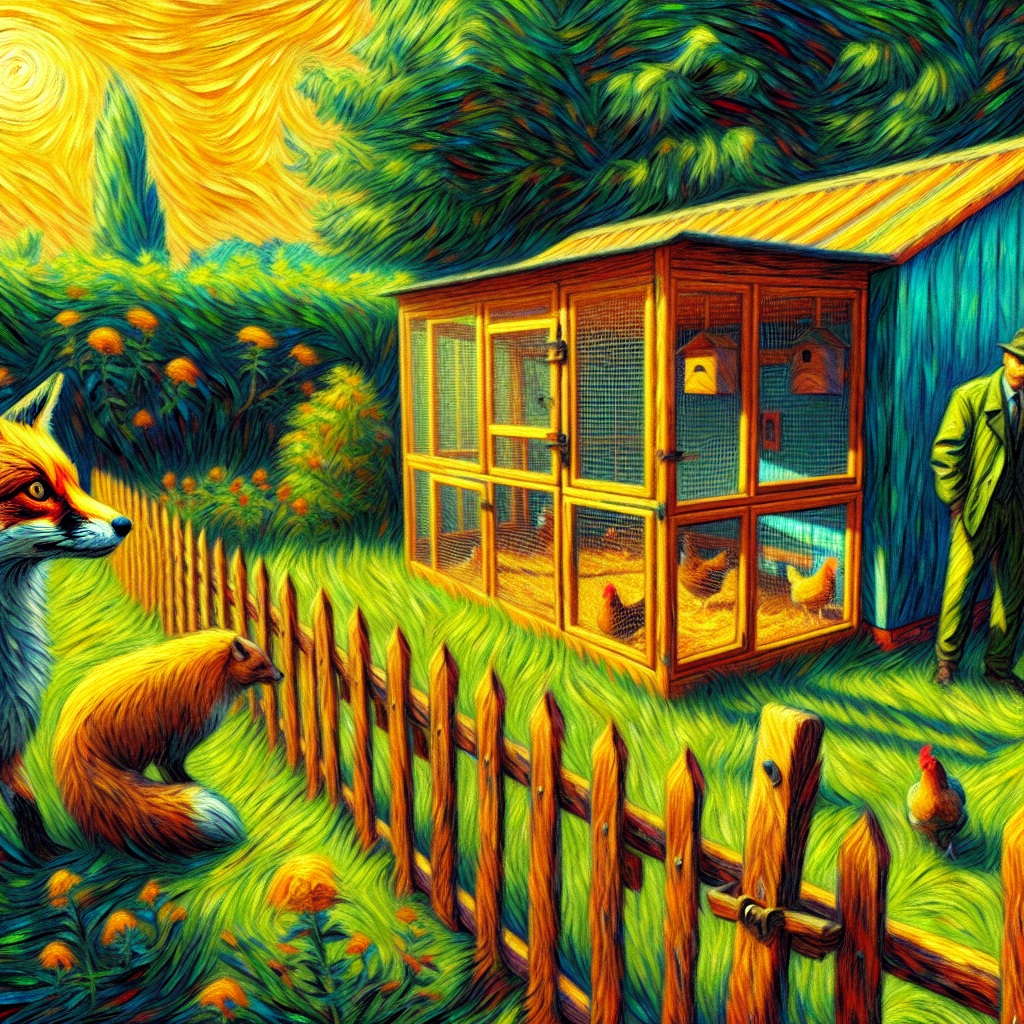
There’s something extraordinary about the simple act of connecting food and nature, and nothing encapsulates this bond better than raising backyard chickens. Picture it: in the early morning light, you step outside, coffee in hand, and the air is filled with a symphony of clucks and rustles, announcing the day’s arrival. These feathered companions aren’t merely a source of breakfast; they’re a reminder of where our food comes from and how life flourishes when we nurture it.
When kids witness the miracle of an egg being laid, it’s not just science; it’s magic. They’ll lean close, bug-eyed and astonished, reminding us all of our own childhood wonder. That connection—a tangible glimpse into nature’s rhythms—instills a profound respect for life itself. Sustainable living begins in these small moments, where curiosity meets responsibility, fostering values that stretch far beyond the backyard.
Amidst our bustling lives, how often do we pause to really learn where our food comes from? The average supermarket aisle can feel like a maze of packaging and marketing, distant from the earth that bore it. Raising your own hens pulls back that curtain, creating a visceral understanding of the food cycle. The hands that gather warmth from a freshly laid egg hold the weight of accountability, realizing that our choices have consequences—both for our health and our planet.
Raising chickens invites deeper conversations about ethics and ecology. Are these backyard beauties just a cute addition to the garden, or do they play a vital role in promoting biodiversity? Each cluck in your yard is a step towards sustainable practices, as chicken waste becomes compost, and kitchen scraps find a second life. The lessons learned here ripple outward, teaching our children empathy and the importance of caring for living beings.
And let’s not forget the community aspect: sharing fresh eggs with neighbors fosters connections. A simple dozen can ignite friendships and spark conversations about food and farming. There’s a sense of pride, an acknowledgment of mutual effort, that builds trust amongst families. It’s a way to reclaim our food system, where each egg gathered or shared is a testament to collaboration and love.
So, let’s embrace the call of those backyard chickens, turning mere curiosity into action. From seed to egg, it’s time to cultivate a lifestyle that enriches our families, our communities, and the very earth we walk upon. Together, let’s raise not just chickens, but a legacy of sustainability and connection to nature that we can pass down for generations.

From Seed to Egg – Family Projects That Connect Food and Nature
From Seed to Egg – Family Projects That Connect Food and Nature
- Raising backyard chickens connects food with nature, reminding us of the origins of our food.
- Children’s experience of witnessing eggs being laid fosters respect for life and nature’s rhythms.
- Home-raised hens cultivate an understanding of the food cycle, bridging the gap between consumers and producers.
- Chickens promote deeper conversations about ethics, ecology, and sustainable practices.
- Chicken waste can be composted, and kitchen scraps can be repurposed, enhancing sustainability.
- Sharing fresh eggs with neighbors helps build community connections and trust.
- Embracing backyard chickens cultivates a legacy of sustainability and a closer relationship with nature.
From Seed to Egg – Family Projects That Connect Food and Nature
Table Of Contents
- From Seed to Egg – Family Projects That Connect Food and Nature
- What Memories Do You Cherish From Gardening As a Child?
- Why Should We Connect Children to the Land Through Family Projects?
- How Can Gardening Foster a Sense Of Responsibility In Kids?
- How Can We Inspire a Love for Nature and Food In Future Generations?
- How Does Sharing Homegrown Food Strengthen Family Bonds?
- What Stories Can We Tell About the Journey From Seed to Table?
- What Challenges Do Families Face In Creating a Garden Together?
- Conclusion
- Other Resources
- Glossary Of Terms
- Other Questions
- Haiku
- Poem
- Checklist
What Memories Do You Cherish From Gardening As a Child?
When I think back to those sun-soaked afternoons in the garden, I can almost hear the laughter dancing alongside the whispers of the leaves. It’s those moments, those tactile experiences, that shape who we are. Remember the thrill of planting seeds? Tiny capsules of potential pushed into the earth, each one a promise waiting to unfold. The feeling of dirt between our fingers was more than just messy; it was a visceral connection to the life force of the world around us. That’s where I learned a truth as old as time: growth takes patience, love, and a dash of hard work.
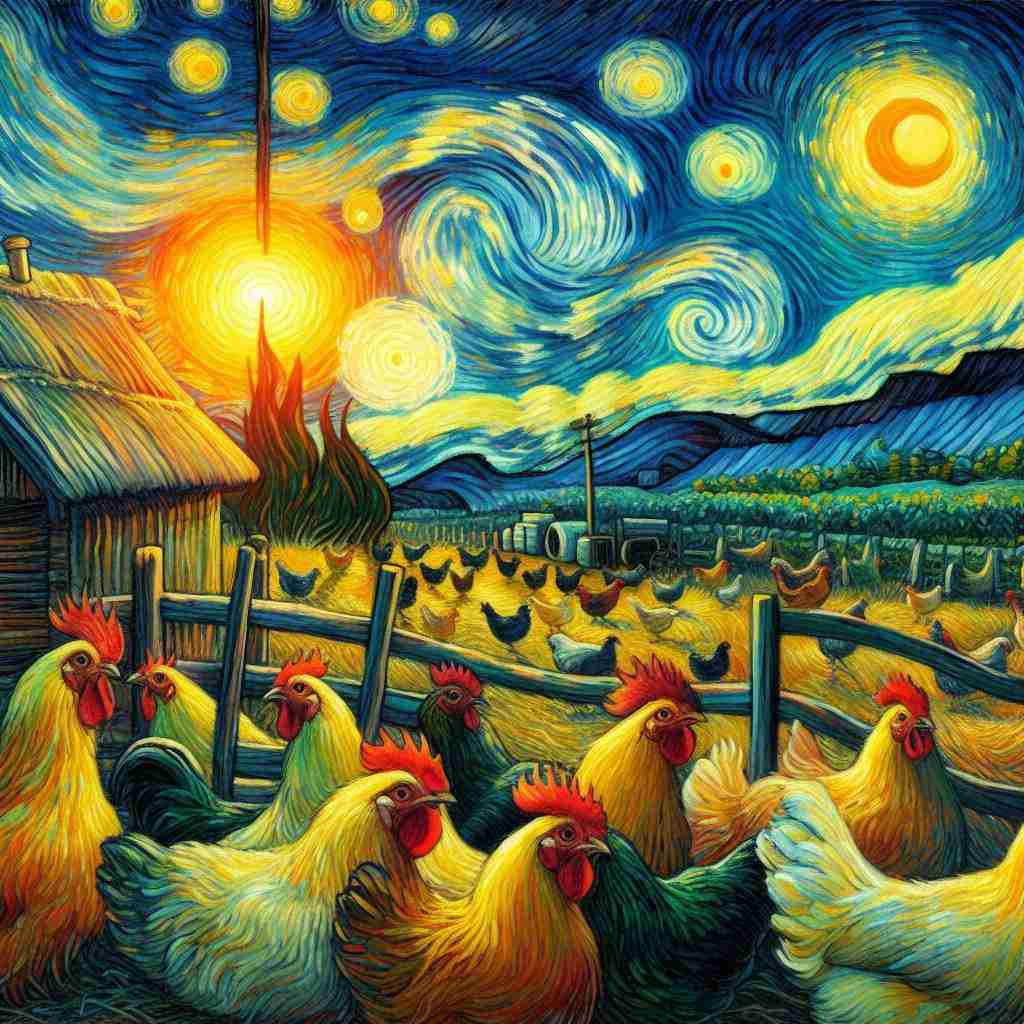
There’s a beauty in nurturing something from its very inception, whether it’s a row of vibrant tomatoes or the world’s most whimsical backyard chickens. I can recall the sheer joy of gathering warm eggs in the morning, feeling like an explorer uncovering hidden treasures. Those chickens weren’t just pets; they were teachers in resilience and responsibility. Their clucks and crows became a morning symphony, reminding us to celebrate the ordinary moments, to embrace the daily rhythms of life.
Gardening isn’t merely about planting crops; it’s a sublime form of storytelling, where every flower and vegetable narrates a chapter of our lives. Each harvest is a collection of lessons learned through trial and error, through the stern but gentle hands of a parent or grandparent guiding us through the process. Certain memories linger, formed in the heat of summer or the chill of autumn, like those afternoons spent canning the fruits of our labor together. The laughter around a kitchen table filled with jars of homemade preserves creates a sense of belonging that spans generations.
In our ever-accelerating world, it’s easy to forget the joy found in small victories—the first sprouts breaking through the ground, the rich aroma of herbs crushed between our fingers. But returning to those roots can ground us, offering a kind of refreshment we didn’t know we needed. Gardening connects people, reminding us that we all share the humbling experience of toil, triumph, and nature’s ineffable gifts. Whether we’re knee-deep in the earth or just reminiscing about those cherished childhood moments, the lessons of patience, responsibility, and joy remain evergreen, urging us to dig deeper into our past and into the earth itself.
What Memories Do You Cherish From Gardening As a Child?
What Memories Do You Cherish From Gardening As a Child?
- Reflects on cherished memories of gardening and its impact on personal growth.
- Describes the excitement of planting seeds and the connection to nature.
- Highlights the joy of gathering warm eggs and the lessons learned from caring for chickens.
- Considers gardening as a storytelling medium, with each plant representing a life chapter.
- Emphasizes the importance of shared experiences, such as canning fruits with family.
- Notes the value of small victories in gardening as a source of joy in a fast-paced world.
- Encourages returning to roots for a sense of grounding and connection to nature’s gifts.

What Memories Do You Cherish From Gardening As a Child?
Why Should We Connect Children to the Land Through Family Projects?
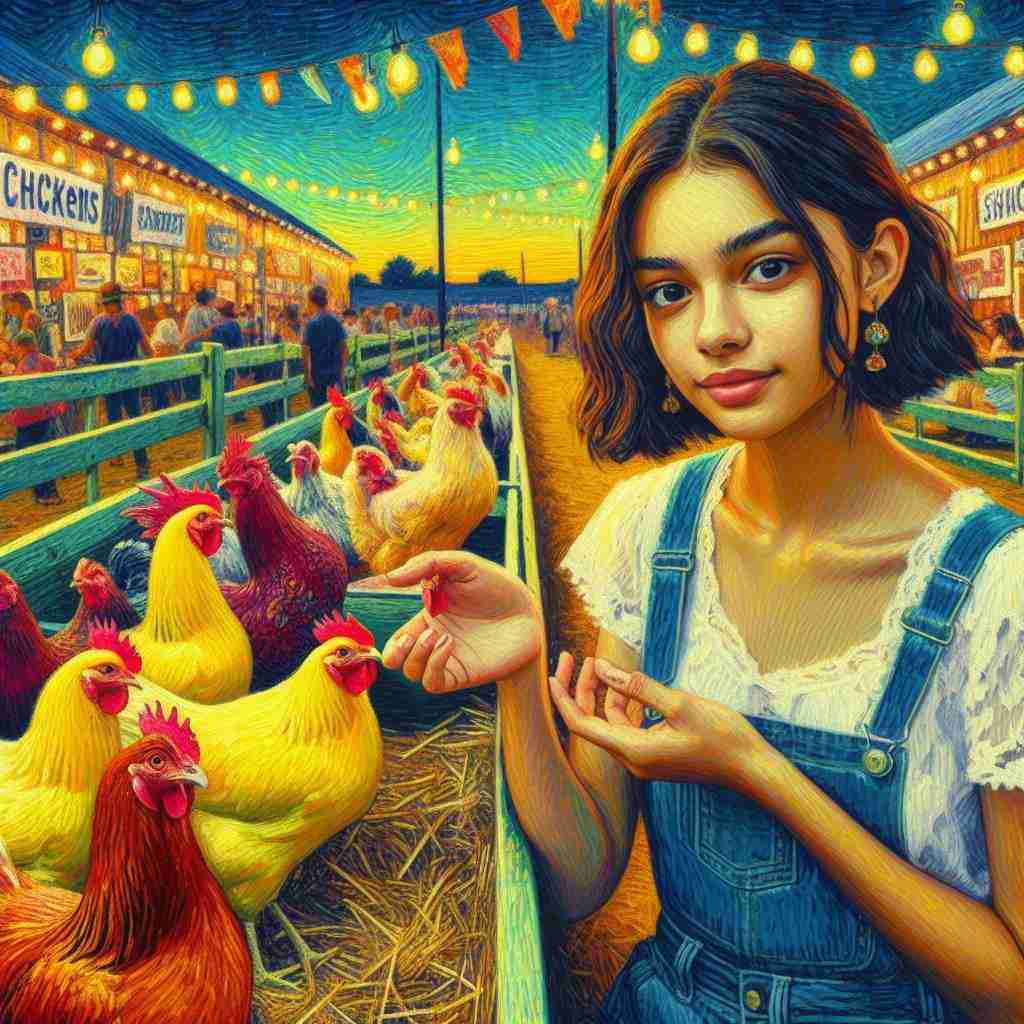
When we connect children to the land through family projects, we’re not just planting seeds in the soil; we’re cultivating the next generation’s sense of responsibility, ethics, and appreciation for the world around them. Imagine the spark in a child’s eyes as they gather fresh eggs from backyard chickens. For many of us, those moments in nature stand as sharp contrasts to the blurry screens that dominate our lives—reminding us all of the simple joys the earth offers.
Engaging kids in hands-on projects like tending to a vegetable garden or caring for a flock of hens creates a narrative that’s compelling and relevant. It’s not merely about sustainability or nurturing. It’s about teaching them the reality of where their food comes from. When they see the results of hard work and commitment—growing tomatoes and chickens that provide eggs—they develop a deep-rooted understanding of effort and reward, fueling a sense of pride and accomplishment. This story becomes the foundation upon which they build their values.
Raising backyard chickens or growing a vegetable patch not only fosters practical skills but also nurtures emotional intelligence. Children learn how to care for living beings, empathizing with their needs. They experience the joy of life and the sorrow of loss, making nature a classroom rich with lessons that transcend textbooks. By experiencing the full cycle of growth and nurturing, children gain valuable insights that shape their ethical viewpoints, helping them grow into conscientious adults aware of their impact on the world.
Moreover, these family projects naturally create bonds—between parents and children, siblings, and even neighbors. There’s something profound about working side by side, hands in the dirt, sharing stories and laughter. It establishes traditions that can be passed down through generations, giving everyone involved a sense of belonging and purpose.
When we integrate these projects into our lives, we aren’t just teaching children to connect with nature; we’re inviting them to tap into something far more significant: the wisdom of the land, the strength of community, and the beauty of hard work. The lessons learned from backyard chickens or a simple garden are timeless and form the bedrock of a respectful and engaged citizenry—one who appreciates both their heritage and their responsibility to the Earth.
Ultimately, this connection to the land is a lifeline, nurturing the seeds of resilience and creativity in our children—a gift they will carry with them for a lifetime.
Why Should We Connect Children to the Land Through Family Projects?
Why Should We Connect Children to the Land Through Family Projects?
- Connecting children to the land through family projects cultivates a sense of responsibility, ethics, and appreciation for the world.
- Experiences like gathering fresh eggs from backyard chickens contrast with screen-dominated lives and highlight the simple joys of nature.
- Hands-on projects, such as gardening and caring for animals, teach children about food origins and the importance of effort and reward.
- Raising chickens or vegetable gardening nurtures emotional intelligence and helps children empathize with living beings’ needs.
- Family projects create strong bonds between parents, children, siblings, and neighbors and establish traditions that foster belonging.
- These endeavors invite children to learn from the land, community, and hard work, shaping them into conscientious adults.
- Ultimately, the connection to the land nurtures resilience and creativity in children, providing invaluable lifelong gifts.

Why Should We Connect Children to the Land Through Family Projects?
How Can Gardening Foster a Sense Of Responsibility In Kids?
Gardening is much more than a leisure activity; it’s a profound journey into responsibility, especially for kids. Imagine a child stepping into the backyard, shovel in hand, eyes wide with ambition. Each seed they plant carries the weight of their commitment. It’s the initial spark of understanding that life, however small, requires care—much like those homely backyard chickens who rely on their daily feeding and shelter. This nurturing relationship fosters accountability in young minds, where every act of watering or weeding becomes not just a chore, but a vital contribution to the ecosystem they cultivate.
When children see the fruits of their labor—be it a ripe tomato or fresh herbs—they aren’t just harvesting crops; they’re harvesting lessons about patience and perseverance. The emotional bond they form with their garden creates a sense of ownership that transcends superficial duties. Every blossom and every sprout tells the story of their dedication, igniting pride and joy deep within. This isn’t just about getting their hands dirty; it’s about cultivating a sense of identity that cultivates confidence and a deeper understanding of cause and effect.
From a rational standpoint, children learn that responsibility is tied to tangible outcomes. They begin to grasp the principle that neglect can lead to decay. This concept plays out dramatically when they see the wilted leaves of an unattended plant or the robust growth resulting from consistent care. Encouraging this kind of cognitive engagement equips them to navigate challenges beyond the garden, setting the foundation for strong problem-solving skills in life.
Ethically, gardening instills a respect for nature and its processes—a lesson sorely needed in an age of disconnection from the environment. By nurturing living things, kids become stewards of the Earth, learning empathy and respect for the life cycles around them. Sharing the experience, whether they’re discussing pea seedlings with friends or swapping garden produce with neighbors, imparts the idea that collective efforts yield stronger, richer results.
In this kaleidoscope of growth, children find more than just calories or beauty; they find character. It isn’t merely about food production or decoration; it’s about cultivating a sense of pride and responsibility that they carry into adulthood. So, let’s hand those shovels to the kids, because as they tend to the garden, they also foster their future—one seed at a time.

How Can Gardening Foster a Sense Of Responsibility In Kids?
How Can Gardening Foster a Sense Of Responsibility In Kids?
- Gardening fosters responsibility in children, teaching them the importance of care.
- Each seed planted reflects a commitment that helps children understand life’s needs.
- Kids learn accountability through nurturing activities like watering and weeding.
- Harvesting crops instills lessons about patience and perseverance.
- Cultivating a garden fosters a sense of identity and confidence in young gardeners.
- Experiencing the outcomes of their actions teaches children about responsibility and problem-solving.
- Gardening helps children develop respect for nature, empathy, and the value of collective efforts.

How Can Gardening Foster a Sense Of Responsibility In Kids?
How Can We Inspire a Love for Nature and Food In Future Generations?
Imagine a world where children race to the edge of their backyard, peering into a wooden coop filled with clucking, curious backyard chickens. The joy on their faces is more than just delight; it’s the beginning of an adventure—one that connects them to the earth and the food that nourishes their bodies. In those moments, they are not just feeding the chickens; they’re learning the vital lessons of responsibility, empathy, and the wonder of life itself.
Now, let’s harness that imaginative spark. Picture a generation that understands where their food comes from, deeply appreciates the effort behind it, and feels a sense of ownership over their meals. This isn’t just about chickens or growing tomatoes; it’s about cultivating a relationship with the very essence of life. When kids plant seeds in soil, witness their growth, and perhaps even watch a bird swoop down to steal their hard-earned fruit, they begin to grasp the intricate web of nature. They’ll become adults who choose fresh, local ingredients over processed foods, not because someone told them to, but because they’ve felt the earth beneath their fingers and tasted true goodness.
This connection isn’t solely emotional; it’s ethical. We owe it to our future to instill a reverence for the natural world. Teaching kids about sustainable farming practices, biodiversity, and even the consequences of food waste makes them aware citizens who comprehend that every bite has an impact. Swimming against the tide of fast, convenient meals, they will emerge as champions of a cause much larger than themselves—one that propels both health and the environment forward.
Socially, when we introduce children to the joys of cooking with their own ingredients, we foster community bonds that spark conversations about traditions, cultures, and the environment. Imagine neighbors sharing recipes, swapping produce, and hosting cooking classes—where food becomes a bridge that connects us rather than a wall that separates.
As we invite our children to engage with nature and cultivate a passion for culinary arts, we’re not just planting seeds in the soil; we’re nurturing seeds in their hearts and minds. When they understand the effort and love that goes into each meal, they’ll carry that respect into adulthood, paving the way for a healthier planet and society. It’s more than just a pastime; it’s a legacy. And with every chick that grows up, so too grows a new generation deeply rooted in love for nature and food.

How Can We Inspire a Love for Nature and Food In Future Generations?
How Can We Inspire a Love for Nature and Food In Future Generations?
- Children experience joy and adventure while caring for backyard chickens.
- They learn responsibility, empathy, and the wonders of life through this engagement.
- A generation grows to appreciate where their food comes from and the effort involved.
- Kids develop an understanding of nature’s interconnectedness by planting seeds and witnessing their growth.
- Instilling a reverence for nature promotes awareness of sustainable farming and the impact of food choices.
- Cooking with homegrown ingredients fosters community bonds and cultural exchanges.
- This nurturing of passion for food and nature leads to a healthier planet and a lasting legacy.

How Can We Inspire a Love for Nature and Food In Future Generations?
How Does Sharing Homegrown Food Strengthen Family Bonds?
There’s something undeniably transformative about sharing homegrown food within a family. Picture this: you and your loved ones gather in your backyard, surrounded by the earthy scent of freshly turned soil and the cheerful clucking of your backyard chickens. It’s not just about the food; it’s about the experience, the laughter, and the lessons learned along the way.
When your kids help you gather eggs, they’re not only learning where their food comes from but also the importance of responsibility and nurturing life. These simple, everyday tasks create a tangible bond that transcends the kitchen. Everyone becomes a part of the process—from planting and tending to weeding and harvesting. It’s more than just chores; it’s a shared adventure that fosters teamwork and kinship.
There’s a deeper, ethical dimension here, too. In a world increasingly dominated by processed foods and corporate farming, choosing to grow your own crops and raise your own chickens sends a powerful message about sustainability and health. It instills a sense of pride and ownership in your family when you know the exact origin of your meals. You’re teaching your children to value not only the food on their plates but the Earth beneath their feet.
Then there’s the grand gathering, the culmination of all that hard work. When that first tomato is sliced on a warm summer evening, or when a perfectly roasted chicken takes center stage at the dinner table, it’s not merely a meal; it’s a celebration of family, tradition, and the fruits of your labor. You’re not just feeding bodies; you’re feeding souls—a shared meal becomes a tapestry of stories, laughter, and connection, each bite a testament to the time spent together.
And let’s not forget the social aspect. In an age of screens and fast-paced lives, homegrown food becomes a rallying point for family gatherings. Those summer barbecues and harvest feasts draw grandparents, aunts, uncles, and neighbors together, fostering connections that might otherwise fade. This simple act of sharing creates an authentic sense of community, weaving a supportive network of relationships that last a lifetime.
So, as you stand there, surrounded by loved ones, with backyard chickens contentedly clucking in the background, remember that sharing homegrown food is about more than nourishment. It’s about creating memories, building relationships, and nurturing a family foundation that will serve as a cornerstone for generations to come. Take that first step—let homegrown food strengthen your family bonds and watch how it enriches your lives.

How Does Sharing Homegrown Food Strengthen Family Bonds?
How Does Sharing Homegrown Food Strengthen Family Bonds?
- Sharing homegrown food transforms family experiences beyond just nourishment.
- Children learn responsibility and the origin of food while participating in tasks like gathering eggs.
- Home gardening and raising chickens fosters teamwork and deeper family bonds.
- Growing your own food promotes sustainability and health, instilling pride in knowing the source of meals.
- Meals made from homegrown ingredients celebrate family traditions and reinforce connections.
- Homegrown food acts as a catalyst for family gatherings and community connections.
- Creating memories through sharing food strengthens family foundations for future generations.

How Does Sharing Homegrown Food Strengthen Family Bonds?
What Stories Can We Tell About the Journey From Seed to Table?
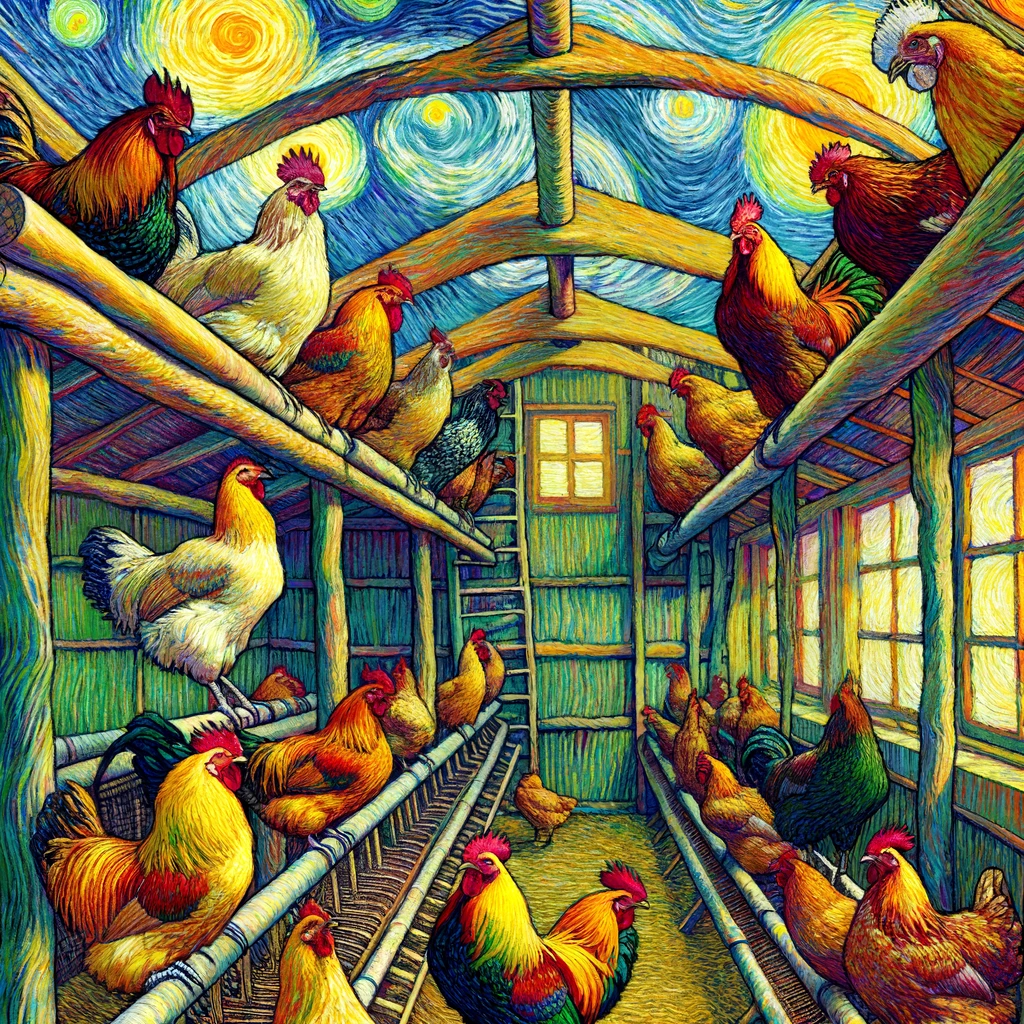
From the tiniest seed pressed into the soil to the vibrant fruits and vegetables gracing our dining tables, the journey from seed to table is more than just a process — it’s a story rich with lessons, tradition, and heart. Picture for a moment the humble backyard garden, perhaps with a few clucking backyard chickens meandering through, scratching at the dirt, bringing life to the very ground that nurtures our food. These gentle creatures, often overlooked in the hustle and bustle of modern life, remind us of the simple beauty of nature’s cycles and our role within them.
Every seed planted is a testament to hope. It connects us to the generations before us, who tended the land with love and care. Think about it: when we cultivate gardens and raise our own backyard chickens, we’re not just growing our dinner. We’re forging a relationship with the earth, learning to appreciate the patience it takes to watch a seed sprout, and the pride we feel when that first ripe tomato or tender egg appears. This journey flips the script on the convenience-driven culture that often distances us from the origins of our food.
Trust forms the cornerstone of this narrative. As we comprehend where our food comes from and the efforts behind it, we forge a deeper connection to those who grow it, be it our neighbors or farmers we may never meet. You may roll up your sleeves, plant some seeds, and in doing so, engage with a larger movement rooted in ethics — supporting local agriculture and sustainable practices. It’s not just about what we eat but about the choices we make and the values we embody.
Let’s not forget the kitchen table — the gathering place where stories unfold. The meals we create from our gardens are infused with nostalgia and shared laughter. They bind us, bridging generations and cultures. The experience becomes more than sustenance; it transforms into a rich tapestry of nourishment that feeds not just our bodies, but also our souls.
So, as you consider that journey from seed to table, think beyond the simple act of eating. Embrace it as an invitation to connect, to learn, and to act, whether by planting seeds of your own or supporting local growers. The stories of our food are waiting to be told, and they begin right in our own backyards.

What Stories Can We Tell About the Journey From Seed to Table?
What Stories Can We Tell About the Journey From Seed to Table?
- The journey from seed to table encompasses lessons, tradition, and connection to nature.
- Backyard gardens and chickens symbolize the simple beauty of natural cycles and our role in them.
- Every seed planted represents hope and a link to past generations who cared for the land.
- Cultivating gardens fosters appreciation for the process and patience required for food production.
- Understanding the origins of our food builds trust and connections with local farmers and neighbors.
- The kitchen table serves as a gathering place for shared meals that nourish both body and soul.
- The journey from seed to table is an invitation to connect, learn, and support local agriculture.
What Stories Can We Tell About the Journey From Seed to Table?
What Challenges Do Families Face In Creating a Garden Together?
Creating a garden as a family can seem like a romantic notion—fresh vegetables, vibrant flowers, and the laughter of children digging in the dirt. Yet, scratch the surface and you’ll find challenges lurking beneath, waiting to test the bonds of kinship and resolve. The reality often includes muddled plans, disagreements over what to plant, and the occasional squabble over who gets to water the tomatoes. In these moments, you may find yourself questioning not only your green thumb but also your family dynamics.
Consider the joy of sharing the fruits of your labor. There’s nothing quite like harvesting those first ripe tomatoes together. Yet, the hard truth is that gardens don’t just thrive on sunshine and water; they also require patience and teamwork—virtues that can wane when chaos reigns in family life. Juggling schedules between work, school, and soccer practice can leave little room for nurturing plants or each other. It’s essential to carve out time, not just for tending to your garden, but for building trust and rapport within your family.
Ethically, we plant gardens to reconnect with our roots, literally and figuratively. In a world that moves at lightning speed, growing together offers an antidote to the digital divide that pulls families apart. The act of cultivating a small piece of earth becomes a metaphor for cultivating your relationships: both require consistent effort, care, and the understanding that failure is part of the process. Perhaps the pepper plants didn’t sprout, or the lettuce was munched on by backyard chickens; the lesson is not lost when viewed through the lens of persistence. “Failure” becomes an opportunity to bond over problem-solving, nurturing resilience in children who might otherwise shy away from challenges.
Socially, a garden can bridge generational gaps. Imagine your grandma teaching the kids how to properly prune a rosebush, instilling wisdom that would otherwise go unspoken. It’s not just about planting seeds; it’s about sowing stories, values, traditions, and a legacy that feeds the soul. So, grab those shovels, suit up with gloves, and dive in together. Embrace the mess, the disagreements, and the triumphs; because while flowers may wilt and vegetables may wither, the shared experiences can bloom forever in your hearts.

What Challenges Do Families Face In Creating a Garden Together?
What Challenges Do Families Face In Creating a Garden Together?
- Creating a family garden is idealized but presents real challenges.
- Common issues include planning disagreements and squabbles over responsibilities.
- Harvesting together fosters joy, yet success requires teamwork and patience.
- Busy family schedules can hinder nurturing both plants and relationships.
- Gardens symbolize reconnecting with roots and cultivating relationships in a fast-paced world.
- Gardening teaches resilience and problem-solving through failures.
- Gardens can bridge generational gaps and share family values, stories, and traditions.

What Challenges Do Families Face In Creating a Garden Together?
Conclusion
Connecting food and nature isn’t just a whimsy; it’s a rich tapestry that strengthens family bonds and nurtures vital life lessons. Consider the joy of raising backyard chickens; each morning, the clucking and the warmth of freshly laid eggs ignite a sense of wonder in children. These marvelous creatures play a pivotal role in forging connections—between our meals and the land that feeds us. Each moment spent observing the miracle of life, from seed to egg, transforms simple tasks into invaluable lessons about responsibility, ethics, and empathy.
As you engage in hands-on family projects like tending a garden, the world becomes a classroom. Children learn not just where their food comes from, but also the profound effort behind it. In squeezing their fingers into soil, they discover more than the joy of growing; they cultivate patience, ownership, and an understanding of accountability. They’ll watch diligently tended plants flourish while neglected ones wither, planting seeds of insight that will resonate throughout their lives. This nurturing relationship with the earth teaches them that our choices—about what we eat and how we source it—carry consequences for our health and our environment.
But let’s not overlook the community aspect of these endeavors. When families share their homegrown produce with neighbors, they spark connections that transcend the garden fence. These exchanges become a celebration of cooperation, fostering a sense of belonging that enriches everyone involved. Imagine gathering around a dinner table, the aroma of roasted vegetables wafting through the air, where every bite of homegrown food turns into an opportunity to share stories, traditions, and laughter—a living testament to hard work and familial love.
Let’s also acknowledge the hurdles families face in embarking on this journey. Schedules clash, disagreements over what to plant arise, and patience can wear thin. Yet, these struggles offer invaluable lessons in resilience and collaboration, cultivating a spirit of unity that prevails despite the chaos. Every challenge becomes an opportunity, each moment spent digging in the dirt embodying the values that ground us.
In every seed planted, every chicken fed, and every meal shared, families are invited to reconnect with nature and with each other. Embrace these moments. Let them inspire a love for the land, a respect for the food we consume, and a legacy of connection that will bloom for generations to come. It’s time to roll up our sleeves, dive into the earth, and cultivate not just crops but the values that matter most.
Conclusion
Conclusion:
- Connecting food and nature enhances family bonds and teaches vital life lessons.
- Raising backyard chickens introduces children to the wonder of nature and food sources.
- Hands-on projects like gardening transform simple activities into lessons about responsibility and empathy.
- Children learn about effort, patience, and accountability by nurturing plants and observing their growth.
- Sharing homegrown produce with neighbors fosters community connections and a sense of belonging.
- Families face challenges in gardening, which teach resilience and collaboration.
- Every moment spent in nature reinforces values and cultivates a lasting legacy of connection.

Conclusion
Other Resources

Other Resources
Here is a list of other resources you can review online to learn more:
- snakes
- cottage cheese
- spinach
- grower feed
- Zucchini
- leafy greens
- Erysipelas
- seeds
- maggots
- Australorp
- Jaerhon
- Buckeye
- Catalana
- Black Copper Marans
- vegetation
- Rye
- chard
Use This Prompt To Get More Resources With Your Favorite Online AI Tool: Please provide me with a list of online articles with their URLs in a bulleted list that I can read regarding From Seed to Egg – Family Projects That Connect Food and Nature

Other Resources
Glossary Terms
From Seed to Egg – Family Projects That Connect Food and Nature – Glossary Of Terms
1. Agriculture: The practice of cultivating soil, growing crops, and raising animals for food, fiber, and other products.
2. Biodiversity: The variety of plant and animal life in a particular habitat, crucial for ecosystem health.
3. Eco-system: A biological community of interacting organisms and their physical environment, functioning together as a unit.
4. Fertilization: The process of adding nutrients to soil or plants to enhance growth and productivity.
5. Germination: The process by which a seed develops into a new plant, typically resulting in the emergence of shoots and roots.
6. Hydroponics: A method of growing plants in a nutrient-rich water solution instead of soil.
7. Composting: The process of recycling organic matter, such as food scraps and yard waste, into a rich soil amendment.
8. Pollination: The transfer of pollen from the male part of a flower to the female part, essential for seed production.
9. Sustainable Farming: Agricultural practices that aim to meet current food needs without compromising the ability of future generations to meet theirs.
10. Seed Bank: A facility where seeds are stored to preserve genetic diversity for future planting and research.
11. Transplanting: Moving a plant from one location to another, typically done when the plant has outgrown its original container.
12. Photosynthesis: The process by which green plants use sunlight to convert carbon dioxide and water into glucose and oxygen.
13. Soil Health: The condition of soil, determined by its physical, chemical, and biological properties, affecting how well it supports plant growth.
14. Organic Farming: Agricultural methods that avoid synthetic fertilizers, pesticides, and genetically modified organisms, focusing on natural processes.
15. Mulching: The practice of applying a layer of material on the soil surface to retain moisture, suppress weeds, and improve soil quality.
16. Aquaponics: A sustainable farming system that integrates aquaculture (raising fish) with hydroponics, using fish waste to nourish plants.
17. Crop Rotation: The practice of alternating the types of crops grown in a particular area to improve soil health and reduce pests.
18. Micronutrients: Essential nutrients needed by plants in smaller amounts, such as iron, zinc, and manganese, vital for growth and development.
19. Pesticides: Chemicals used to kill or manage pests that threaten crops, including insects, weeds, and diseases.
20. Herbicides: Chemical agents specifically designed to kill unwanted plants (weeds) that compete with crops for resources.
21. Yield: The amount of crop produced per unit of land area, often measured in bushels or tons.
22. Permaculture: An agricultural philosophy that focuses on creating sustainable land-use systems that mimic natural ecosystems.
23. Nutrient Cycle: The movement and exchange of organic and inorganic matter back into the production of living matter, vital for ecosystem sustainability.
24. Greenhouse: A structure made of glass or plastic where plants are grown in a controlled environment for optimal conditions.
25. Chlorophyll: The green pigment in plants that absorbs sunlight for photosynthesis, allowing plants to convert light energy into chemical energy.
26. Sowing: The act of planting seeds in the soil, either directly or in rows, to start the growing process.
27. Plant Hardiness Zone: A geographic area defined by its climate, particularly minimum winter temperatures, which determines what plants can grow successfully.
28. Wildlife Habitat: An area that provides the necessary conditions for wild plants and animals to thrive, essential for maintaining ecological balance.
29. Family Gardening: A collaborative activity where family members participate in planting, caring for, and harvesting a garden, fostering connection to nature.
30. Food Systems: The interconnected processes involved in producing, processing, distributing, and consuming food, affecting health, environment, and economy.
Glossary Of Terms
Other Questions
From Seed to Egg – Family Projects That Connect Food and Nature – Other Questions
If you wish to explore and discover more, consider looking for answers to these questions:
- What are the first steps to starting a backyard chicken coop?
- What are the benefits of raising chickens beyond egg production?
- How can families effectively divide gardening responsibilities among members?
- What crops are best suited for a family garden?
- How can gardening projects be adapted for children of different ages?
- What role do schools play in promoting gardening and food education?
- Can gardening practices help combat food insecurity in communities?
- What are the best practices for sustainable gardening?
- How can families overcome common challenges in home gardening?
- How can families document and share their gardening journey?
- What other plants or animals can families incorporate into their gardening projects?
- How can gardening skills be passed down through generations?
- What are the psychological benefits of spending time in a garden?
- What resources are available for families interested in sustainable farming practices?
- How can families engage with their local community through gardening?

Other Questions
Haiku
From Seed to Egg – Family Projects That Connect Food and Nature – A Haiku
Seeds of joy and care,
Chickens cluck, laughter unfolds—
Roots of love take hold.

Haiku
Poem
From Seed to Egg – Family Projects That Connect Food and Nature – A Poem
In morning’s light, with coffee warm in hand,
The clucks of chickens serenade the land.
Tiny seeds sown in rich earth’s embrace,
Nurtured by laughter, a shared, sacred space.
From garden beds to humble coops they roam,
Children find magic, a taste of home.
The miracle of life, each egg a new tale,
In hands that collect, responsibility prevails.
This isn’t just farming; it’s bonding soul-deep,
Moments of joy amid the dirt we keep.
Lessons of patience wrapped in each bloom,
Where empathy flourishes, dispelling the gloom.
We teach them to cherish the origins of food,
To honor the earth, cultivating good.
In harvest celebrations, connections ignite,
Family and neighbors gather with delight.
Yet challenges weave through this garden of dreams,
Plans may falter, and patience may seem,
A distant whisper in the chaos of days,
But through every struggle, resilience stays.
Let’s dig into moments both thorny and true,
Planting seeds of character, nurturing too.
For laughter and growth share a fertile ground,
In every story told, a legacy found.
Together we forge a path, hand in hand,
From seed to table, creating our stand.
As we bless every meal that nourishes our fate,
We’re raising a future—the earth’s perfect state.

Poem
Checklist
From Seed to Egg – Family Projects That Connect Food and Nature – A Checklist
Checklist for Connecting Families to Food and Nature
Emotional Appeals
_____ Reflect on childhood memories associated with gardening and nature.
_____ Share your experiences of joy and discovery in planting seeds and gathering produce.
_____ Encourage family members to express their feelings about living things and nature.
Rational Appeals
_____ Discuss the ecological benefits of raising backyard chickens and growing your own food.
_____ Explain the food cycle and where our meals come from in an engaging way.
_____ Create a plan for a family garden or chicken coop, outlining responsibilities and expected outcomes.
Ethical Considerations
_____ Initiate conversations about sustainability and ethical eating practices.
_____ Teach children about the impact of their food choices on health and the environment.
_____ Promote responsibility by learning to care for living beings in the garden.
Authority and Expertise
_____ Research local experts or books on gardening and poultry to gain insights.
_____ Attend workshops or lectures on sustainable living and gardening.
_____ Create a list of reputable sources for gardening advice and chicken-keeping tips.
Narrative Techniques
_____ Share stories about the journey from seed to table, emphasizing lessons learned.
_____ Document family gardening experiences through photos and written reflections.
_____ Encourage children to create their own stories about their gardening adventures.
Social Connections
_____ Plan community events like harvest dinners or egg exchanges with neighbors.
_____ Involve extended family members in gardening or cooking activities.
_____ Start a family tradition that revolves around food sharing and communal gardening.
Practical Steps
_____ Set a regular family gardening day in the schedule.
_____ Make a list of crops to grow based on family preferences and seasonal suitability.
_____ Allocate tasks based on family members’ interests and skills (e. g. , planting, watering, harvesting).
Use this checklist to foster deeper connections to food and nature within your family and community.

Checklist
At BackyardChickenNews, we help people who want to raise backyard chickens by collating information and news blended with our own personal experiences.
Be sure to read our other related stories at BackyardChickenNews to learn more about raising chickens in your backyard.