

Unlocking Flock Health: Evidence-Based Solutions
By Tom Seest
At BackyardChickenNews, we help people who want to raise backyard chickens by collating information and news blended with our own personal experiences.
Be sure to read our other related stories at BackyardChickenNews to learn more about raising chickens in your backyard.
From Tiktok Hacks to Real Science – What Actually Works for Flock Health
The trend of raising backyard chickens is more than just a fun project; it’s a profound journey into the heart of what it means to cultivate health in our communities. On TikTok, you might see clips of adorable chicks, vibrant coops, and tips that inspire your weekend warrior spirit. But let’s take a step back and ask ourselves, what really works when it comes to flock health?
Imagine this: you wake up to the sound of your chickens clucking, a gentle reminder of the life you’ve nurtured right in your backyard. It’s an experience that’s visceral and fulfilling, evoking a sense of connection with the earth and its rhythms. But with this joy comes responsibility. You can’t just toss out a handful of feed and call it a day. The truth lies in understanding what our feathered friends need to thrive.
Science tells us that a balanced diet rich in vitamins and minerals is essential. This isn’t just about keeping your chickens happy; it’s about enhancing the quality of the eggs they produce and preventing diseases. It’s a matter of ethical farming practices reflecting respect for the animals that nourish us. When you commit to their welfare, you’re also committing to yours—healthier chickens mean healthier people.
Socially, raising chickens isn’t just an individual endeavor; it’s a conversation starter with your neighbors and a way to reinvigorate local ecosystems. You become part of a community that understands the importance of food security and sustainable living. Think of the joy in sharing fresh eggs with nearby families—creating bonds over the simple act of nourishing one another.
Authority comes into play when seasoned chicken keepers share their knowledge, often turning the wisdom of generations into actionable advice. Engaging with this resource—be it through local workshops, webinars, or backyard consultations—opens doors to insights that TikTok hacks can’t match.
There’s a narrative unfolding here, a story of empowerment and resurgence. Armed with genuine knowledge, you’re not just a caretaker; you’re an advocate for a healthier, more sustainable future. Remember, every flap of a wing and cluck of a beak is a step towards cultivating the kind of world we want to live in—one that’s rich in connection, knowledge, and ultimately, health. Let’s take that leap together.
From Tiktok Hacks to Real Science – What Actually Works for Flock Health
From Tiktok Hacks to Real Science – What Actually Works for Flock Health
- The trend of raising backyard chickens is a meaningful journey that promotes community health.
- Experiencing the daily sounds of chickens fosters a deep connection to the earth.
- Proper care involves understanding the specific needs of chickens for optimal health and productivity.
- A balanced diet for chickens is crucial for quality eggs and disease prevention, reflecting ethical farming practices.
- Raising chickens fosters community connections and encourages local food security and sustainable living.
- Learning from experienced chicken keepers through workshops and consultations provides valuable knowledge beyond social media hacks.
- The practice of backyard chicken-keeping contributes to a healthier and more sustainable future.

From Tiktok Hacks to Real Science – What Actually Works for Flock Health
Table Of Contents
- From Tiktok Hacks to Real Science – What Actually Works for Flock Health
- Are We Sacrificing Our Flocks for the Next Viral Trend?
- What Stories Inspire You to Prioritize Flock Health Practices?
- What Role Does Community Support Play In Maintaining Flock Health?
- How Do You Feel When a Hack Harms Rather Than Helps Your Flock?
- What Emotional Experiences Shape Our Perceptions Of Flock Health?
- What Are The Hidden Costs Of Following Viral Health Trends Blindly?
- Do Social Media Trends Provide Real Value To Animal Care Practices?
- Conclusion
- Other Resources
- Glossary Of Terms
- Other Questions
- Haiku
- Poem
- Checklist
Are We Sacrificing Our Flocks for the Next Viral Trend?
In today’s world, we’re caught in a whirlwind of trends that seem to change as quickly as the morning sun rises. There’s a thrill in chasing the latest fads, a rush that sweeps us up and carries us along. But have we stopped to think about what happens to our flocks in the process? Let’s take something as simple yet profound as raising Backyard Chickens. These gentle creatures, which once epitomized our connection to nature and sustenance, are now often reduced to mere props in a social media tableau.
Imagine the joy of caring for these birds, the rhythm of their clucks and flutters weaving seamlessly into the fabric of your daily life. They remind us that we are part of something bigger, something that requires responsibility and care. Yet here we stand on the precipice of the next viral moment, where the allure of novelty threatens to overshadow the age-old virtues of stewardship and commitment. When we choose trends over genuine connection, we risk sacrificing not just our flocks but also our own humanity.
Rationally speaking, the decision to invest time and resources into something as fulfilling as raising backyard chickens should resonate deeply with us. There’s undeniable merit in sourcing our food sustainably and enriching our lives with the humble routine of animal husbandry. Yet, how often do we find ourselves sidetracked by an Instagram post or a TikTok challenge? It’s a dizzying cycle, one that leaves little room for engagement or long-term commitment.
Ethically, we need to confront the uncomfortable truth: abandoning our pets, our responsibilities, for fleeting fame is a disservice to them—and to ourselves. Each chicken has its own personality, its own little quirks, inviting us into an authentic relationship that’s far more valuable than any viral photo could ever convey.
As we navigate this modern landscape, let’s not forget the power of community, the shared experience of tending to life that brings us together rather than drives us apart. So, the next time a new trend beckons like a siren song, let’s pause for a moment. Reflect on what we might be giving up. Strip away the glossiness of a trend, and instead, ground ourselves in caring for our flocks and for each other. That’s where true fulfillment lies—not in the number of likes we receive, but in the lives we nurture and the connections we make.

Are We Sacrificing Our Flocks for the Next Viral Trend?
Are We Sacrificing Our Flocks for the Next Viral Trend?
- Trends change rapidly, creating a thrill in following the latest fads.
- Raising Backyard Chickens symbolizes our connection to nature and sustenance.
- The joy of caring for chickens promotes responsibility and care.
- Choosing trends over genuine connections risks losing our humanity and responsibilities.
- Engaging in sustainable food practices enriches our lives through animal husbandry.
- Each chicken has a unique personality, fostering authentic relationships.
- True fulfillment lies in nurturing lives and building community over chasing fleeting fame.

Are We Sacrificing Our Flocks for the Next Viral Trend?
What Stories Inspire You to Prioritize Flock Health Practices?
In a world that often feels disconnected, there’s something reassuring about the cluck of blissfully happy Backyard Chickens. They don’t just provide eggs; they offer a glimpse into a more fulfilling, grounded way of life. Imagine watching kids sprinting toward the coop, smiles stretched wide as they reach for the freshly laid eggs. It’s not just poultry; it’s responsibility, connection, and joy rolled into one delightful experience.
Consider the farmer down the road who lost half her flock one summer to a preventable illness. Her heartache not only hit her hard but echoed through the entire community. Her story serves as a stark reminder that neglecting flock health isn’t just a personal choice; it has far-reaching implications. Those chickens, with their unpredictable lives, help teach us about accountability. When we prioritize their health, we create an ethical environment, setting an example for our children and neighbors.
Head and gut alike know the truth: implementing solid flock health practices isn’t just sensible; it’s necessary. Look at the change your choices can bring. Every time you ensure proper housing, nutrition, and preventive care for your Birds, you’re forming a ripple effect. Healthy chickens mean healthier eggs, and healthier eggs lead to healthier families—which also means healthier communities. When you prioritize their well-being, you inherently prioritize your own and those you love.
Think about the stories coming from local farmers’ markets, where buyers don’t just seek fresh produce but also engaging narratives. They want to connect with the producers behind their food, establishing trust through shared values. When they hear how diligent you are about your flock’s health, it builds credibility. They can be confident in their purchase, knowing they’re supporting someone who cares as deeply about their food choices as they do.
Picture this: a neighborhood filled with flourishing backyard coops, where everyone shares tips, successes, and even lessons learned from setbacks. It’s a community nurtured by the joy those chickens bring and the wisdom gained along the way. This sense of kinship and shared purpose amplifies our commitment to flock health practices. Together, we can’t just protect our chickens; we can uplift each other in the process, inspiring a culture of compassion, responsibility, and care that honors every cluck, every peck, and every joyful flurry of feathers.

What Stories Inspire You to Prioritize Flock Health Practices?
What Stories Inspire You to Prioritize Flock Health Practices?
- Backyard chickens provide more than eggs; they foster a fulfilling and grounded lifestyle.
- Children experience joy and responsibility in caring for chickens, creating connections to their food source.
- A farmer’s loss of half her flock highlights the community impact of neglecting flock health.
- Prioritizing chicken health teaches accountability and sets a positive example for others, especially children.
- Good flock health practices lead to healthier chickens, eggs, families, and communities.
- Farmers’ markets play a crucial role in connecting consumers to producers, built on trust and shared values.
- A neighborhood with backyard coops fosters community, sharing knowledge, and amplifying care for flock health.

What Stories Inspire You to Prioritize Flock Health Practices?
What Role Does Community Support Play In Maintaining Flock Health?
When it comes to raising backyard chickens, community support is the backbone of flock health. It’s easy to think of poultry husbandry as a solitary venture, but the truth is, it thrives on connection. Imagine the common backyard, filled with clucks and feathers, where neighbors engage in a fertile exchange of wisdom—each individual contributing to a rich tapestry of shared knowledge. This isn’t just about birds; it’s about people coming together, nurturing not only their flocks but also the bonds that tie them.
Picture a local gathering, a workshop where chicken enthusiasts swap stories and strategies. An experienced owner shares how a simple change in feed transformed the vitality of her flock. You lean in, captivated. Her journey resonates with you; after all, you’ve faced the same struggles. Suddenly, the daunting task of maintaining healthy chickens feels a little less intimidating. It’s not just about finding the right medicated feed or the perfect coop design; it’s about the collective ingenuity of a community eager to support one another.
On the ethical front, the relationship extends beyond mere survival. We’re stewards of these creatures, entrusted with their care. The collective knowledge from fellow chicken keepers serves as a moral compass, guiding us to uphold ethical standards in our practices. When communities unite to encourage humane treatment, it generates a ripple effect. It’s a shared responsibility that shapes a better future for backyard chickens and teaches the next generation about empathy and stewardship.
Moreover, there’s an undeniable power in social ties. When you participate in a local chickenkeeping forum or lend a hand to a neighbor in need, you’re reinforcing an unspoken pact. It’s about looking out for one another in good times and bad—sharing resources, advice, and occasionally that coveted, rare breed of egg-layer you’ve been hunting for. This camaraderie not only boosts your confidence to tackle flock health issues but also inspires trust within your community.
Ultimately, the health of your chickens isn’t just a personal responsibility; it’s an invitation to partake in something bigger than yourself. By engaging with fellow backyard chicken keepers, you will not only cultivate flourishing, healthier flocks but also foster a network of support that sustains and enriches your journey. So reach out, share, and grow together—because healthy chickens begin and thrive in healthy communities.

What Role Does Community Support Play In Maintaining Flock Health?
What Role Does Community Support Play In Maintaining Flock Health?
- Community support is essential for the health of backyard chicken flocks.
- Poultry husbandry thrives on the connections and shared wisdom among neighbors.
- Local gatherings and workshops facilitate the exchange of stories and strategies among chicken enthusiasts.
- Collective knowledge helps owners overcome challenges and improve flock vitality.
- Ethical care for chickens is enhanced through shared responsibility and community guidance.
- Social ties in chickenkeeping foster trust and encourage resource sharing.
- Engaging with fellow keepers nurtures healthier flocks and a supportive community network.

What Role Does Community Support Play In Maintaining Flock Health?
How Do You Feel When a Hack Harms Rather Than Helps Your Flock?
When you think of your flock, you don’t just see feathered companions clucking about your backyard; you see an extension of your family, a little piece of the homestead that brings life, laughter, and sustenance. But when a hack – a seemingly harmless tip or shortcut – ends up causing more harm than good, it can feel like a bolt of lightning striking your sanctuary. The heartache of watching your backyard chickens suffer due to someone’s well-meaning but misguided advice is an emotional weight that’s hard to shake off.
Picture this: you’ve read an article about a trendy new feeding method, convinced that it’ll save you time and money. You decide to give it a shot, imagining all the praise you’ll get when you share your newfound knowledge with fellow chicken enthusiasts. But instead, you find your beloved flock lethargic, their feathers dulling, and that comforting clucking quieted. The gut punch is devastating. You feel responsible for their pain, second-guessing your decisions and wondering if you’ll ever earn their trust back.
Rationally, the world is full of advice – some backed by expert research, and some, quite frankly, nothing more than urban legend. The ethical dilemma looms large: how do you discern sound wisdom from reckless tips? Those who provide guidance hold a responsibility. It’s not just about offering a shortcut; it’s about safeguarding the vitality of those in your care. Making informed decisions is crucial; your flock deserves it.
At the end of the day, this isn’t just about chicken husbandry. It’s about the communal spirit we share as guardians of these remarkable creatures. When we connect over our experiences—sharing triumphs and setbacks, we create a tapestry of mutual support, learning, and resilience. Each mistake becomes a lesson, each lesson a bond with other like-minded souls who captivated by the charm of backyard chickens.
Knowing that you’re not alone in this journey allows you to stand a little taller. It cultivates a space where trust flourishes, where you can act with confidence, and take risks that could ultimately nourish both your flock and your own spirit. Let’s commit to learning together, to build our knowledge-base, and to share good, concrete advice that genuinely benefits our feathered friends, ensuring that we’re building a life and a lifestyle that fosters growth, health, and abundant joy for our flocks.

How Do You Feel When a Hack Harms Rather Than Helps Your Flock?
How Do You Feel When a Hack Harms Rather Than Helps Your Flock?
- Backyard chickens are seen as part of the family and contribute to the homestead’s vitality.
- Misinformation or harmful advice can lead to distress and suffering in your flock.
- Trying trendy but misguided feeding methods can result in negative outcomes for chickens.
- It’s essential to differentiate between reliable advice and urban legends in chicken care.
- Those offering advice hold a responsibility to ensure the wellbeing of the animals.
- The community spirit among chicken enthusiasts fosters support, learning, and resilience.
- Commitment to sharing accurate information can cultivate confidence and joy in chicken husbandry.

How Do You Feel When a Hack Harms Rather Than Helps Your Flock?
What Emotional Experiences Shape Our Perceptions Of Flock Health?
When we think about the health of our flock—whether it’s a small crew of backyard chickens or a sprawling farm of sheep—emotions run deep. Every cluck, every baah, and every flutter of wings resonates within us, stirring feelings that transcend simple caretaking. These creatures are not just animals; they are companions, a part of our daily lives, and their health directly affects ours.
Picture a rainy day, the kind that makes everything feel a little heavier. You step outside, finding your chickens hustled together, feathers ruffled against the damp chill. In that moment, you feel it—their discomfort touches your heart. You want to rush to their aid, to provide warmth and comfort. That instinctual pull is what shapes our perceptions of flock health. It’s not just about economic value or egg production; it’s about empathy. Our emotional bond drives us to seek solutions, becoming the advocates our flock needs.
Yet, beyond the heart lies the head. As responsible caregivers, we must approach flock health with a rational eye. Understanding basic veterinary needs, recognizing symptoms of illness, and sourcing nutritious feeds are crucial. Knowledge empowers us—it’s what transforms instinct into action. When we invest time in learning and application, we forge an ethical responsibility to uphold the well-being of our animals. In this pursuit, farmers and backyard enthusiasts alike reveal their commitment to ethical stewardship, reflecting a deeper understanding of their role in the ecosystem.
It’s essential to connect these insights to the community around us. Sharing anecdotes and experiences fosters a network of support. We share tips on care, warn of visible dangers, and celebrate the joy of a healthy flock. Local gatherings and online forums become lifelines, where shared stories strengthen our resolve and instill confidence. Imagine the warmth of a neighbor bringing over fresh produce to share with your flock. Those little connections deepen not just our knowledge but also our convictions, empowering us to act in ways that respect both the creatures we raise and the land we inhabit.
In this dance of emotion and rationality, our perceptions of flock health evolve. It isn’t merely about numbers or trends; it’s about community and connection. We rise to meet the needs of our flocks and, in doing so, we discover a profound sense of purpose, one that pushes us to care not just for ourselves, but for our feathered friends and the greater world around us.
What Emotional Experiences Shape Our Perceptions Of Flock Health?
What Emotional Experiences Shape Our Perceptions Of Flock Health?
- Flock health evokes deep emotions, influencing our caretaking instincts.
- Animals are companions that impact our daily lives and well-being.
- Empathy drives us to advocate for our flock’s health beyond just economic motives.
- Responsible caregiving requires a rational approach, including awareness of veterinary needs and nutrition.
- Knowledge empowers us to transform instinct into purposeful action for animal welfare.
- Community connections through shared experiences and resources strengthen our commitment to ethical stewardship.
- This interplay of emotion and rationality fosters a deeper purpose in caring for our animals and the environment.

What Emotional Experiences Shape Our Perceptions Of Flock Health?
What Are The Hidden Costs Of Following Viral Health Trends Blindly?
Following viral health trends without a pause can feel like riding a wave of excitement; the adrenaline rush blinds many to the hidden costs lurking beneath the surface. Take, for example, the charming notion of raising backyard chickens. At first glance, it seems like a wholesome, sustainable venture, a way to reconnect with nature and enjoy fresh eggs. Yet, the truth is more complicated.
Imagine the thrill of gathering your very own eggs, the little clucks of joy resonating in your yard. That adorable setup may offer a warm, fuzzy feeling, but like many trends, the costs stack up – both financially and emotionally. The reality is that chickens require serious commitment: a proper coop, regular veterinary check-ups, and the time to care for them. The impulse to jump on this trend may beckon, but few consider the long-term responsibilities.
From a rational standpoint, let’s examine the financial impact. Many chase the idea of sustainable living without weighing their budget or time constraints. Chicks might seem inexpensive initially, but the expenses can soar when you factor in feed, healthcare, and maintenance. It’s easy to get swept away by popular media or social posts showing idyllic scenes of farmers’ markets and wholesome living; however, the work behind that picturesque life usually remains unseen.
Moreover, on an ethical level, we have a duty to ensure our whims don’t lead to the abandonment or mistreatment of animals. When people adopt trends without real understanding, the consequences can ripple through society and impact animal welfare significantly.
And let’s not forget the influence of social connection. When you share your backyard chicken journey on social media, your voice may shape others’ decisions. If you’re not mindful, you could lead others down the same path, perpetuating the cycle of impulsive decisions with unexpected ramifications.
So before leaping onto the next shiny health trend, take a moment to think. The allure of trendy lifestyles can mask hidden pitfalls, but with reflection, awareness, and a grounded approach, we can forge paths that truly nurture our well-being and that of the world around us. Trust your gut but rely on your head; a measured approach leads to genuine fulfillment, not fleeting fads.

What Are The Hidden Costs Of Following Viral Health Trends Blindly?
What Are The Hidden Costs Of Following Viral Health Trends Blindly?
- Engaging in viral health trends can be exciting but often comes with hidden costs.
- Raising backyard chickens appears wholesome but requires serious long-term commitment.
- The initial cost of chickens can be deceiving; ongoing expenses for care can accumulate quickly.
- Most media portrayals of sustainable living overlook the hard work involved.
- Adopting trends without understanding can harm animal welfare and lead to abandonment.
- Sharing experiences on social media can influence others to make impulsive decisions.
- Consideration and reflection are essential to achieving genuine fulfillment beyond fleeting trends.

What Are The Hidden Costs Of Following Viral Health Trends Blindly?
Do Social Media Trends Provide Real Value To Animal Care Practices?
Social media trends swirl around us like autumn leaves in the wind, captivating and sometimes confounding. Yet, when it comes to animal care practices, they can be more than just fleeting fads; they often serve as a lifeline for both pet owners and commercial providers. Take backyard chickens, for example. A few years back, they’d have been considered quirky—now, they symbolize a commitment to sustainability, self-sufficiency, and a closer connection to our food sources.
Imagine a young family, tired of grocery store eggs that might be stale or come from farms with questionable practices. They turn to social media, connecting with a community of backyard chicken enthusiasts. Through viral posts, they discover the ins and outs of raising these feathery friends. Diligent sharing of knowledge, tips on coop design, and effective feeding practices are laid bare, making what once seemed daunting approachable.
The heart of the matter lies in community and empowerment. People rally around a shared goal—not only to raise healthier birds but to cultivate a connection with nature and each other. Posts flooded with images of golden yolks, kids joyfully feeding their chickens, and stories of camaraderie in an era of easy distractions provide a vital reminder: we’re all in this together.
From a rational perspective, the information gleaned from these online farms fosters confidence. As followers gain insights into proper animal husbandry, they’re armed with the knowledge to prevent disease, understand nutritional needs, and create thriving environments. Just a few clicks can turn novice owners into confident caretakers, leading to healthier, happier chickens and, ultimately, better eggs.
But let’s not overlook the ethical implications. Engaging with social media trends encourages a shift towards responsible practices that prioritize animal welfare over convenience. When we witness these trends promoting humane treatment and local sourcing, we understand that our choices matter—and we make them with a consciousness that extends beyond the kitchen table.
In a world where face-to-face interactions are often replaced by screen time, these digital movements remind us of our collective power. As we empower others in the pursuit of responsible care and sustainable practices, we foster not just a community but a culture dedicated to nurturing life. When pet owners and animal care specialists embrace this journey together, they aren’t just following a trend. They’re building a brighter, more compassionate future one post at a time.
Do Social Media Trends Provide Real Value To Animal Care Practices?
Do Social Media Trends Provide Real Value To Animal Care Practices?
- Social media trends impact animal care practices, providing support for pet owners and commercial providers.
- Backyard chickens, once seen as quirky, now symbolize sustainability and self-sufficiency.
- Younger families turn to social media to connect with backyard chicken enthusiasts, sharing knowledge and tips.
- Community and empowerment thrive as people bond over the goal of raising healthier birds.
- Online resources enhance confidence in animal husbandry and promote healthier, happier chickens.
- Social media encourages responsible practices that prioritize animal welfare and ethical choices.
- These digital movements foster a culture of nurturing life and community engagement.

Do Social Media Trends Provide Real Value To Animal Care Practices?
Conclusion
Raising backyard chickens is more than just a weekend project or social media spectacle; it’s a profound connection to nature, community, and our responsibilities as caretakers. The initial charm of those clucking feathered friends fills our hearts with joy. But beyond the surface lies a deeper obligation that requires understanding, commitment, and ethical stewardship. As we dive into the real science of flock health, we unearth the importance of equipping ourselves with evidence-based practices that transcend TikTok hacks and viral trends.
Imagine waking up to the gentle sounds of your flock bustling about, a daily reminder of the life you’ve nurtured. Each cluck is a call to action, urging us to invest in healthful routines that benefit both our birds and ourselves. A balanced diet rich in the right nutrients isn’t merely about egg production—it’s about harnessing the essence of ethical farming, validating our role as guardians of these creatures that bring us nourishment. By prioritizing their health, we enrich our own, cultivating a lifestyle rooted in mutual well-being.
Through the lens of community, you can see a vibrant network of shared knowledge and experience. Local gatherings become havens of support where seasoned chicken keepers instill trust and wisdom, teaching us that the true essence of flock health is collective care. These moments are far more than a workshop; they embody a narrative of empowerment, inviting us to collaborate and learn from one another, fostering bonds that uphold our shared values.
However, the inhale of that newfound passion can come with a caveat. The thrill of chasing trends can blind us to the costs—hidden pitfalls that threaten not only the welfare of our flocks but also challenge our roles as conscientious stewards. The lessons learned from personal setbacks carry weight, reminding us that attention to detail and informed decision-making are crucial in preserving the health of our birds.
This journey is fundamentally about connection: with our flocks, our neighbors, and ourselves. It’s an invitation to break through the digital noise and engage with the realities of raising chickens. Each step we take in caring for our feathery companions reverberates through our communities, creating a culture of empathy and responsibility that resonates beyond the coop. As we navigate these choices, let’s remember that the true reward lies not in the fleeting fame of viral trends but in fostering a life of purpose and connection through genuine care for our flocks. Together, let’s take that leap towards a healthier, more connected world—one cluck at a time.

Conclusion
Conclusion:
- Raising backyard chickens fosters a deep connection to nature, community, and responsible caretaking.
- The charm of chickens goes beyond enjoyment; it entails ethical stewardship and understanding flock health.
- A balanced diet is essential not only for egg production but for ethical farming and mutual well-being.
- Community gatherings provide support, shared knowledge, and empowerment among chicken keepers.
- Pursuing trends can obscure important considerations, risking the welfare of the flock and our responsibilities.
- Raising chickens encourages meaningful connections with flocks, neighbors, and self, promoting empathy and responsibility.
- The journey is about purposeful living through genuine care, transcending fleeting viral fame.

Conclusion
Other Resources

Other Resources
Here is a list of other resources you can review online to learn more:
- onions
- Cubalaya
- millipedes
- Light Brahma
- Langshan
- fermented feed
- foxes
- Infectious Coryza
- Quail Bronchitis
- earthworms
- Oats
- Central Maine Bird Fanciers
- Oatmeal
- Australorp Club of Australia
- roaches
- wildcats
- black soldier flies
- Minorca
- scratch
Use This Prompt To Get More Resources With Your Favorite Online AI Tool: Please provide me with a list of online articles with their URLs in a bulleted list that I can read regarding From Tiktok Hacks to Real Science – What Actually Works for Flock Health

Other Resources
Glossary Terms
From Tiktok Hacks to Real Science – What Actually Works for Flock Health – Glossary Of Terms
1. Flock Health: The overall well-being and productivity of a group of birds, often focusing on poultry or avian species.
2. TikTok Hacks: Short, creative tips or tricks shared on TikTok that claim to improve various aspects of life, including animal care.
3. Probiotic: Live microorganisms that, when administered in adequate amounts, confer health benefits, especially for gut health in birds.
4. Biosecurity: Procedures and practices designed to prevent the introduction and spread of diseases in flocks.
5. Nutritional Supplement: Additional nutrients provided to birds to support health or enhance diets, often addressing specific deficiencies.
6. Vaccination: The administration of a vaccine to prevent diseases in birds, playing a critical role in flock health management.
7. Deworming: The process of administering medication to eliminate parasites from birds, essential for maintaining health.
8. Stress Management: Techniques employed to minimize stress in birds, which can affect overall health and productivity.
9. Pecking Order: A social hierarchy in bird flocks that can influence behavior and welfare.
10. Enrichment: Activities or items added to a flock’s environment to stimulate natural behaviors and promote mental well-being.
11. Avian Flu: A highly infectious viral infection that can affect birds and lead to severe health consequences in flocks.
12. Free-Range: A method of farming where birds are allowed to roam freely outdoors, enhancing their quality of life.
13. Bioinformatics: The application of computer technology to analyze biological data, often used in avian health research.
14. Flock Management: Strategies and practices used to oversee the health, nutrition, and overall welfare of a bird flock.
15. Foraging: Natural behavior where birds search for and gather food, essential for their physical and mental health.
16. Aviculture: The practice of breeding and caring for birds, often emphasizing species conservation and welfare.
17. Omnivore Diet: A diet that includes both plant and animal foods, suitable for many bird species.
18. Bacterial Infection: Illness caused by harmful bacteria that can affect the health of birds, requiring management and treatment.
19. Stressors: External factors that can negatively impact bird health, such as environmental changes, overcrowding, or poor nutrition.
20. Antibiotic: A type of medication used to treat bacterial infections in birds, though its use must be managed carefully to avoid resistance.
21. Hydration: The process of providing adequate water to birds, crucial for their health and physiological functions.
22. Behavioral Signs: Indicators reflecting a bird’s health status, including changes in eating, socialization, or activity levels.
23. Quarantine: A safety measure involving isolating new or sick birds to prevent the spread of disease to the flock.
24. Organic Farming: An agricultural approach that avoids synthetic fertilizers and pesticides, emphasizing natural practices.
25. Feeding Regimen: A structured plan outlining what and when birds are fed to ensure balanced nutrition.
26. Respiratory Health: The condition of the bird’s respiratory system, crucial for overall health and often impacted by environmental factors.
27. Culling: The practice of removing birds from a flock that are sick or underperforming, aimed at improving overall flock health.
28. Nutritional Deficiency: A state where birds lack essential nutrients, leading to health issues if not addressed.
29. Molt: The natural process of shedding old feathers, which can affect a bird’s energy levels and health.
30. Record Keeping: The practice of documenting health, feeding, and breeding data for flocks to monitor trends and manage health effectively.

Glossary Of Terms
Other Questions
From Tiktok Hacks to Real Science – What Actually Works for Flock Health – Other Questions
If you wish to explore and discover more, consider looking for answers to these questions:
- What are the essential nutrients for maintaining chicken health?
- How does raising chickens contribute to local ecosystems?
- What common health issues do backyard chickens face?
- How can I connect with local chicken-keeping communities?
- What ethical considerations should I keep in mind while raising chickens?
- How can I educate my children about animal husbandry through chicken-keeping?
- What resources are available for first-time chicken owners?
- How can I ensure my flock’s health in extreme weather conditions?
- What are some effective ways to share excess eggs with neighbors?
- How do I identify reliable sources of information on chicken care?
- What are the long-term commitments of raising backyard chickens?
- How can social media positively influence flock health practices?
- What are some warning signs that a health trend may be harmful to my flock?
- How do personal stories impact our understanding of animal care?
- What role do veterinary services play in backyard chicken maintenance?

Other Questions
Haiku
From Tiktok Hacks to Real Science – What Actually Works for Flock Health – A Haiku
Chickens in the yard,
Binds of care weave strong and deep,
Health blooms in our hands.
Haiku
Poem
From Tiktok Hacks to Real Science – What Actually Works for Flock Health – A Poem
In backyards where the chickens roam,
A dance of clucks, a feathery home,
Beyond the trends with fleeting fame,
Lies a truth that calls our names.
With morning sun and earth beneath,
A humble bond we cannot sheath.
Each egg a story, each feather a song,
In caring hands, our hearts belong.
Yet in the chase for likes and views,
We risk forgetting what’s true to choose.
TikTok hacks, they shine and gleam,
But wisdom whispers in the seam.
Together we rise, a community strong,
Sharing tales of right and wrong,
From seasoned keepers, knowledge flows,
In every cluck, our connection grows.
Ethical threads weave through our days,
A duty to nurture in countless ways.
For happier birds mean healthier life,
In this cycle, we combat strife.
But heed the risks of trendy haste,
For fleeting fads lead to a waste.
Mistakes made on a viral whim,
Can dim the light in eyes that swim.
Yet hope still walks in every coop,
Where laughter joins the dining group.
A sharing spirit, a life renewed,
In caring for our flocks, love’s imbued.
So pause, reflect, embrace the call,
For in this journey, we rise or fall.
Let’s nurture life with heart and head,
In every peck, the love we spread.
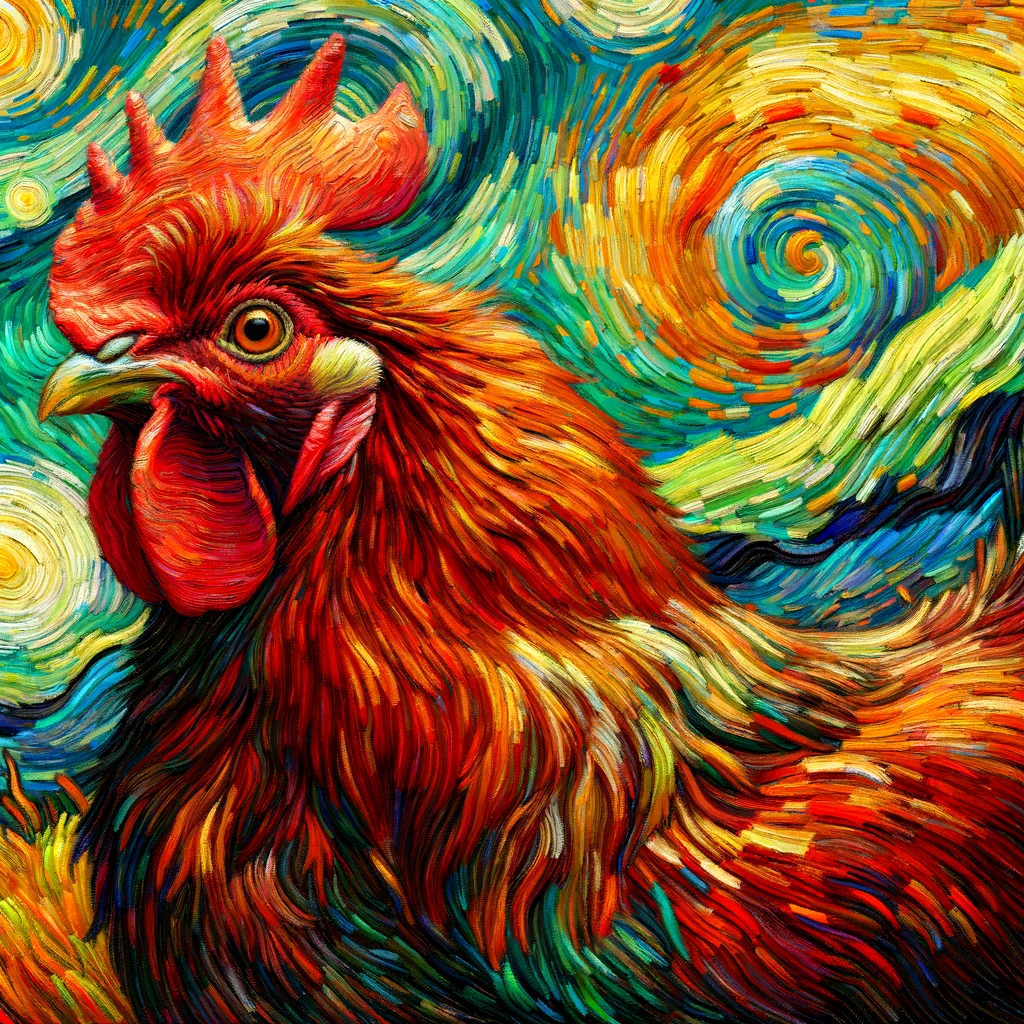
Poem
Checklist
From Tiktok Hacks to Real Science – What Actually Works for Flock Health – A Checklist
Checklist for Flock Health: Engaging Heart, Head, and Gut
Emotional Appeals
_____ Connect with Nature: Spend quiet time observing your flock; notice their behaviors and interactions.
_____ Cultivate Joy: Share the experience of collecting eggs with family; make it a fun ritual.
_____ Empathize with Your Flock: Acknowledge their needs; think about how their comfort affects your emotional well-being.
Rational Appeals
_____ Research Nutrition: Investigate the best feeds and supplements for optimal chick health.
_____ Assess Housing Conditions: Evaluate your coop design for safety and comfort; adjust as needed.
_____ Track Health: Keep a record of vaccinations, vet visits, and any signs of illness.
Ethical Appeals
_____ Practice Responsible Stewardship: Commit to humane treatment; ensure every chicken receives proper care.
_____ Advocate for Advocacy: Share knowledge with others to promote ethical chicken-keeping within your community.
_____ Support Sustainable Practices: Source feed and supplies responsibly; prioritize local and humane options.
Authority Appeals
_____ Learn from Experts: Attend workshops or webinars hosted by seasoned chicken keepers for valuable tips.
_____ Join Support Groups: Engage with local chicken-keeping forums or social media groups for peer advice and encouragement.
_____ Follow Science-Based Guidelines: Rely on credible resources for flock care; distinguish evidence-based information from trends.
Narrative Appeals
_____ Share Success Stories: Relate inspiring tales of recovery or health improvements in your flock to motivate yourself and others.
_____ Document Your Journey: Keep a journal of your experiences with raising chickens; reflect on lessons learned and milestones achieved.
_____ Engage the Community: Host or attend local events to exchange stories and strategies with fellow chicken enthusiasts.
Social Appeals
_____ Build Community Connections: Foster relationships with neighbors who raise chickens; share resources and experiences.
_____ Participate in Local Events: Join farmers’ markets or community gatherings focused on sustainable living.
_____ Encourage Collaboration: Organize coop tours or chicken care days with friends and family to deepen community bonds.
Practical Tips
_____ Create a Care Schedule: Establish daily and weekly tasks for feeding, cleaning, and checking on flock health.
_____ Prepare for Emergencies: Have a first-aid kit on hand and know the signs of common poultry illnesses.
_____ Encourage Engagement: Involve children or newcomers in flock care to instill values of responsibility and empathy toward animals.

Checklist
At BackyardChickenNews, we help people who want to raise backyard chickens by collating information and news blended with our own personal experiences.
Be sure to read our other related stories at BackyardChickenNews to learn more about raising chickens in your backyard.