

The Artful Path To Gen Z’s Sustainable Living
By Tom Seest
At BackyardChickenNews, we help people who want to raise backyard chickens by collating information and news blended with our own personal experiences.
Be sure to read our other related stories at BackyardChickenNews to learn more about raising chickens in your backyard.
How Gen Z Is Turning Sustainable Living Into Backyard Art
In the whirl of today’s fast-paced world, where the clamor of consumerism often drowns out the whispers of nature, a quiet revolution is taking root in our own backyards. Gen Z, the torchbearers of tomorrow, are transforming their outdoor spaces into vibrant tapestries of sustainable living—each garden a canvas, each corner a statement that speaks louder than advertisements ever could. Imagine a young person, dirt-smudged hands grasping a trowel, planting seeds not just for food, but to cultivate a future where our ecosystem thrives.
This generation has found its voice amid a cacophony of plastic and pollution, and they’re composting like it’s an art form. Can you envision a band of friends, huddled around a pile of kitchen scraps, laughing as they mix it into rich soil? They’re not just getting their hands dirty; they’re reconnecting with the rhythms of life, breathing ethos into what it means to be alive in this era. Every time they choose to raise backyard chickens, they’re embracing responsibility—these feathery friends are not just egg-layers; they’re companions, carbon savers, and a catalyst for change in local ecosystems.
Stories echo through their communities—a neighbor’s chicken coop becomes a gathering spot, where children learn the cycle of life, where feeding the hens turns into lessons about nourishment and gratitude. Each chick is a reminder of the delicate balance we must restore, and the joy of witnessing nature unfold encourages us all to reconnect, even if it means getting a little messy.
People often question the impact one person can make, but look closer at these small acts; they’re creating ripples across society. They inspire others to think critically: “How can I contribute?” and “What does my footprint look like?” With each seed planted and every chicken choice made, a generation stakes its claim in the narrative of sustainability, weaving a fabric that honors the past and embraces the future.
So, whether you’re a curious onlooker or an eager participant, take that first step into the garden world. Plant something—anything—and watch as the sprouts of change grow. It’s not just about the produce; it’s about empowerment, connection, and community. It’s about watching the earth respond to your efforts, reminding us that in caring for our surroundings, we find a deeper sense of purpose.
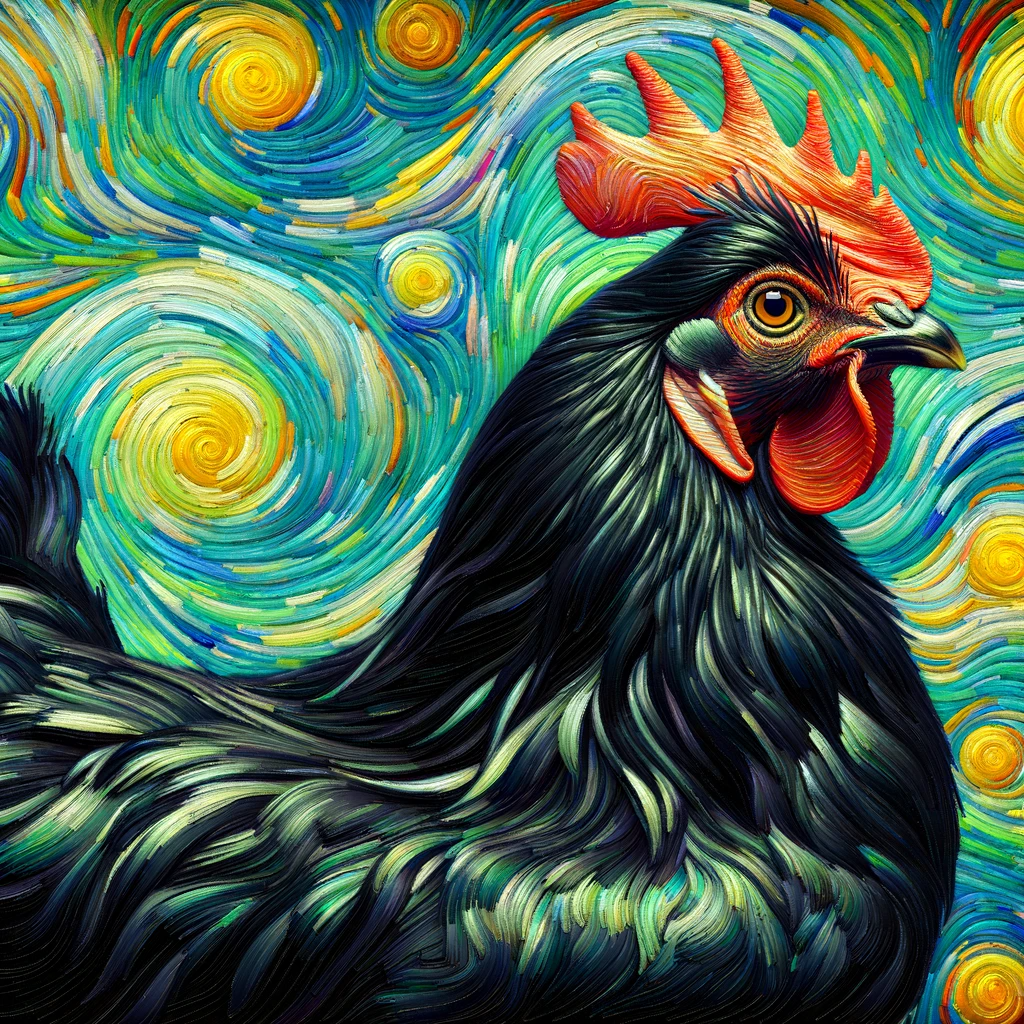
How Gen Z Is Turning Sustainable Living Into Backyard Art
How Gen Z Is Turning Sustainable Living Into Backyard Art
- Gen Z is transforming outdoor spaces into sustainable living gardens, creating vibrant tapestries that reflect their values.
- Young individuals engage in gardening not just for food, but to cultivate a thriving ecosystem for the future.
- Composting is viewed as an art form, fostering a connection with nature and a sense of community among friends.
- Backyard chickens symbolize responsibility and companionship, contributing positively to local ecosystems.
- Community stories, like chicken coops becoming gathering spots, promote lessons about life cycles, nourishment, and gratitude.
- Small individual acts inspire a broader societal reflection on contributions and environmental footprints.
- Engaging with gardening fosters empowerment, connection, and a deeper sense of purpose in caring for the environment.

How Gen Z Is Turning Sustainable Living Into Backyard Art
Table Of Contents
- How Gen Z Is Turning Sustainable Living Into Backyard Art
- What Inspires You to Express Sustainability Through Art?
- How Can Art Influence Your Views on Environmental Issues?
- What Role Does Creativity Play In Promoting Eco-Friendly Habits?
- How Does Using Recycled Materials Impact Your Sense Of Identity?
- What Stories Can Your Sustainable Art Tell About Your Values?
- How Does Creating Art From Waste Challenge Consumer Culture?
- What Are the Ethical Implications Of Waste In Artistic Expression?
- Conclusion
- Other Resources
- Glossary Of Terms
- Other Questions
- Haiku
- Poem
- Checklist
What Inspires You to Express Sustainability Through Art?
Art has a way of reaching the deepest corners of our souls, a language that can evoke emotions and spark conversations about the pressing issues surrounding us. What if we channeled that passion into sustainability? Imagine wandering into a local gallery adorned with vibrant paintings made from recycled materials or sculptures shaped from discarded plastics, each piece telling a story of resilience and hope. Art can transcend mere aesthetics; it holds the power to challenge us, to push us outside our comfort zones, and to inspire action.
You might wonder what drives such creativity. Picture this: a child gazes in wonder at a mural painted on the side of a building, a depiction of nature thriving amidst a bustling cityscape. In that moment, a spark ignites curiosity—what if the future could mirror the beauty of that artwork? Artists have a unique ability to visualize possibilities, expressing their dreams and fears through their work. By incorporating sustainability into their art, they tap into a movement that resonates with a growing collective consciousness about preserving our planet.
Take, for instance, the concept of backyard chickens. These feathery friends are a symbol of self-sufficiency and eco-consciousness. Imagine a piece that captures a joyful family gathering around their backyard coop, celebrating the simple joys of tending to their chickens and harvesting fresh eggs. That imagery not only reflects a return to sustainable living but also connects us to our roots, reminding us of the joy in nurturing life—both human and animal.
Now, consider the ethical responsibility we hold as creators. By choosing to express sustainability through art, we confront the realities of climate change and environmental degradation. This isn’t a topic for the faint-hearted; it requires courage to address uncomfortable truths. But that discomfort can lead to profound change when paired with art. It’s about fostering a dialogue, encouraging our friends, families, and communities to engage with these pressing issues.
Art invites us to join a vibrant tapestry of voices, each contributing to a larger narrative. When we express sustainability creatively, we become part of a movement that inspires trust, confidence, and action. Each brushstroke and installation serves as a reminder that we can all make a difference—one piece at a time. So let your heart lead, your head plan, and your gut prompt you. Embrace the artist within you and join in this artistic revolution toward a sustainable future.
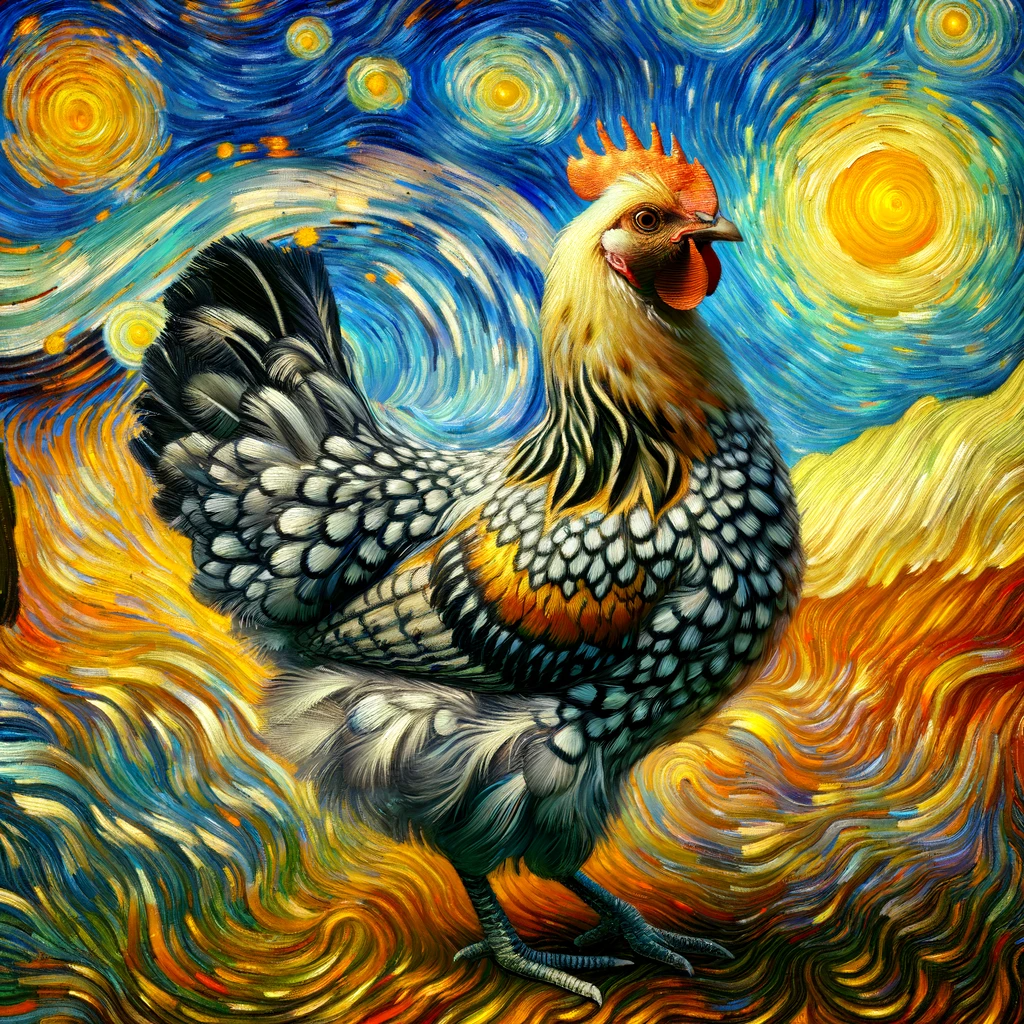
What Inspires You to Express Sustainability Through Art?
What Inspires You to Express Sustainability Through Art?
- Art has the power to evoke deep emotions and spark important conversations.
- Channeling artistic passion into sustainability can lead to impactful creations, like recycled material artworks.
- Art transcends aesthetics, challenging us to step out of our comfort zones and inspires action.
- Artists visualize possibilities and express dreams and fears, connecting with a collective consciousness about environmental preservation.
- Backyard chickens symbolize self-sufficiency and highlight the joys of sustainable living and nurturing life.
- Addressing climate change through art fosters dialogue and encourages community engagement with pressing issues.
- Embracing sustainability in art invites everyone to contribute to a vibrant movement for change.
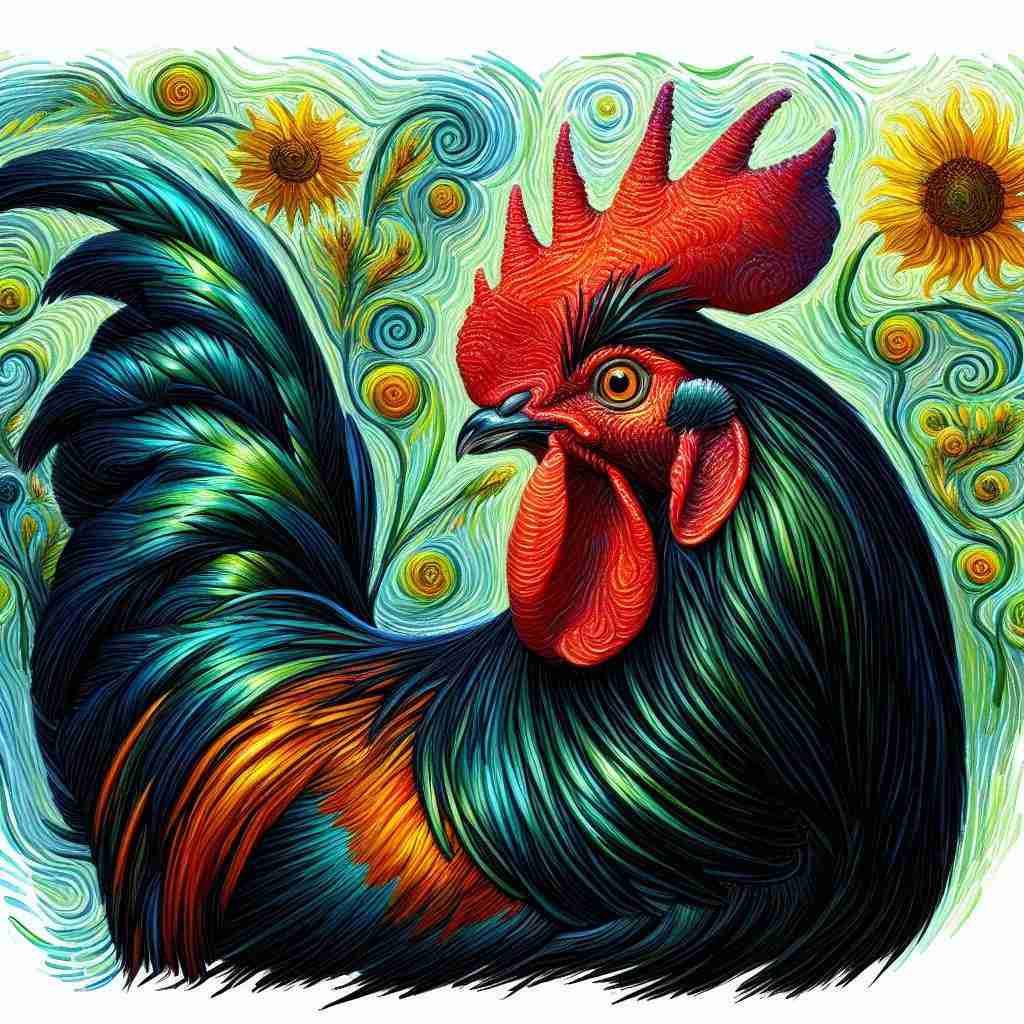
What Inspires You to Express Sustainability Through Art?
How Can Art Influence Your Views on Environmental Issues?
Art has an uncanny ability to stir the pot of our emotions. When you gazed at that sprawling mural depicting the last polar bear, did you feel a tingle of guilt or a pull on your heartstrings? You know that feeling when you see the bright-eyed chickens clucking in someone’s backyard? It’s a reminder that even the smallest acts can ripple out into something bigger—a community connected by action and common cause.
But let’s put the emotions aside for a moment and get rational. Art invites us to look deeper, think critically, and draw out perspectives we might not have considered. That photograph of the blistering drought or a painting that captures the beauty of a thriving ecosystem can knock sense into us. It begs for understanding. We’re sentient beings, wired to respond to our surroundings. When art challenges us, it flicks on the light bulb in our heads and asks, “What are we doing? Is this really how we want to shape our world?”
Take a stroll through a gallery or a park filled with sculptures, and suddenly those environmental issues become less abstract, more palpable. They tell stories of our responsibility, not just as individuals but as collective stewards of this Earth. We inhabit this beautiful, yet increasingly fragile, planet together. What better authority than our shared artistic expressions to guide us toward ethical choices?
You see, the canvases we admire weave a narrative that speaks to not just the heart but to the gut. They compel us to act, to shift. When you feel that knot in your stomach upon seeing the impact of plastic waste on marine life, it’s more than just art; it’s a call to arms.
When art becomes a part of our social fabric, it resonates. It breeds conversations at dinner tables and backyard barbecues more than any dry report on climate change ever could. It invites connection—who among us hasn’t been inspired to plant a garden or try raising backyard chickens after seeing a compelling image or attending a thought-provoking exhibit?
Art holds a mirror to society, reflecting our triumphs and our failings. It beckons us to listen, to respond, and, perhaps most importantly, to take action. It whispers: the power lies within us all. So let’s pick up that brush of creativity and paint a greener future together; our world, our responsibility.

How Can Art Influence Your Views on Environmental Issues?
How Can Art Influence Your Views on Environmental Issues?
- Art evokes strong emotions, prompting feelings like guilt and compassion.
- It encourages us to think critically and consider new perspectives.
- Art makes environmental issues more tangible and relatable.
- It highlights our collective responsibility as stewards of the Earth.
- Art serves as a powerful call to action, inspiring change and awareness.
- It fosters conversations that lead to personal and community connections.
- Ultimately, art motivates us to create a greener future through collective creativity.

How Can Art Influence Your Views on Environmental Issues?
What Role Does Creativity Play In Promoting Eco-Friendly Habits?
Creativity isn’t just a buzzword in the eco-friendly movement; it’s one of the most powerful tools we have to inspire change and foster sustainable habits. Picture this: a family gathering around the dinner table to enjoy a meal made from ingredients sourced from their own backyard. Yes, even backyard chickens! There’s something remarkably transformative about raising your own food. It sparks joy, builds connection, and invites conversations about sustainability at every level.
On a gut level, these small acts, like gathering fresh eggs for breakfast, create a deeply personal relationship with the earth. They make us more conscious of our choices, whether it’s opting for local produce or reducing food waste. When we integrate creativity into our daily lives—whether by starting a compost pile, designing a rainwater collection system, or simply crafting DIY cleaning products—we’re not just helping the environment; we’re rekindling a sense of purpose and connection with the land that sustains us.
From a rational perspective, consider the staggering amount of waste generated in our landfills, much of which is avoidable. It’s a staggering statistic that demands our attention and action. Yet, every small innovation in reuse or recycling, when narrated through the lens of creativity, becomes a part of our shared story. We can reduce our footprint while still enjoying the pleasures of life. For instance, repurposing old materials to create something beautiful isn’t just practical. It’s a statement of our values, a commitment to making thoughtful choices for the future.
Ethically, we owe it to future generations to embrace a creative approach to sustainable living. Each eco-friendly practice—is it turning that glass jar into storage or using scraps for compost—becomes a building block in the legacy we leave behind. By igniting a communal spirit around creativity, we foster collaboration and inspire others to think outside the box.
And let’s not forget the authority we can draw from our shared experiences. When we champion innovative practices, like planting community gardens or hosting workshops on sustainable crafts, we’re not just changing habits; we’re building a movement. So, whether you’re raising backyard chickens or designing an urban garden, let your creativity flourish and inspire those around you. After all, we all share this planet, and it’s time to roll up our sleeves and create something beautiful together.

What Role Does Creativity Play In Promoting Eco-Friendly Habits?
What Role Does Creativity Play In Promoting Eco-Friendly Habits?
- Creativity is a vital tool in the eco-friendly movement, inspiring change and sustainable habits.
- Engaging in activities like raising backyard chickens fosters joy, connection, and conversations about sustainability.
- Small acts, such as gathering fresh eggs, deepen our personal relationship with the earth and influence our choices.
- Integrating creativity into daily routines, like composting or DIY projects, enhances our sense of purpose and connection to the land.
- Addressing the significant waste in landfills through innovative reuse and recycling nurtures a collective narrative of sustainability.
- Embracing a creative approach to eco-friendly practices creates a legacy for future generations and fosters community collaboration.
- Championing innovative practices, like community gardens, helps build a movement that inspires others to contribute positively.

What Role Does Creativity Play In Promoting Eco-Friendly Habits?
How Does Using Recycled Materials Impact Your Sense Of Identity?
Recycled materials often come with a story—a history that can shape our sense of identity in extraordinary ways. Imagine working on a backyard chicken coop made from reclaimed wood. Each plank, worn and weathered, carries whispers of its past life. Maybe it was once part of a vibrant old barn, now transformed to provide a cozy home for clucking companions. This transformation connects you to the materials, and by extension, to the generations of craftspeople who once shaped them. They give you history, purpose, and pride in a world that often feels scattered and isolating.
When we repurpose these materials, we aren’t just recycling; we’re engaging in an act of stewardship. It’s about recognizing the potential in what others might discard and understanding that we, too, are part of a larger ecosystem. In this moment, you make a conscious choice to be ethical. It’s a small yet powerful rebellion against a throwaway culture. With each fence you build or sculpture you craft, you assert your values. You’re not just seeking utility; you’re fostering a future that honors the earth and its resources—which, let’s face it, is becoming increasingly vital as we face environmental challenges.
Your choices resonate, sparking conversations in your community. Friends gather, curious about the pieces you’ve chosen and the adventures they’ve had. You share stories about the old library shelf now gracing your living room, or how wine barrel staves now serve as rustic plant holders. Moments like these remind us that our identity is woven from the threads of experience—the stories we tell and the lives we touch. They ripple outward, encouraging others to reconsider their own choices.
And let’s talk about ownership. When you walk into a room decorated with thrifted treasures, you don’t just see décor; you see the heart and soul invested in each piece. It’s authenticity radiating from every corner. You stand proudly in your space knowing that you’ve made choices grounded in creativity and awareness.
As you embark on new projects or explore recycled materials, remember that every item you choose carries an opportunity to forge a deeper connection to who you are and what you value. Let that identity flourish, inspire others, and ignite a movement—one thoughtful choice at a time.

How Does Using Recycled Materials Impact Your Sense Of Identity?
How Does Using Recycled Materials Impact Your Sense Of Identity?
- Recycled materials embody a history that can enhance our sense of identity.
- Transforming reclaimed items connects us to past craftspeople and their stories.
- Repurposing materials is an act of stewardship that recognizes their potential.
- Engaging in recycling is a rebellion against throwaway culture, promoting ethical choices.
- Choices made with recycled materials encourage community conversations about sustainability.
- Thrifted treasures symbolize authenticity and the heart invested in each piece.
- Every recycled item presents an opportunity to deepen our connection to personal values.
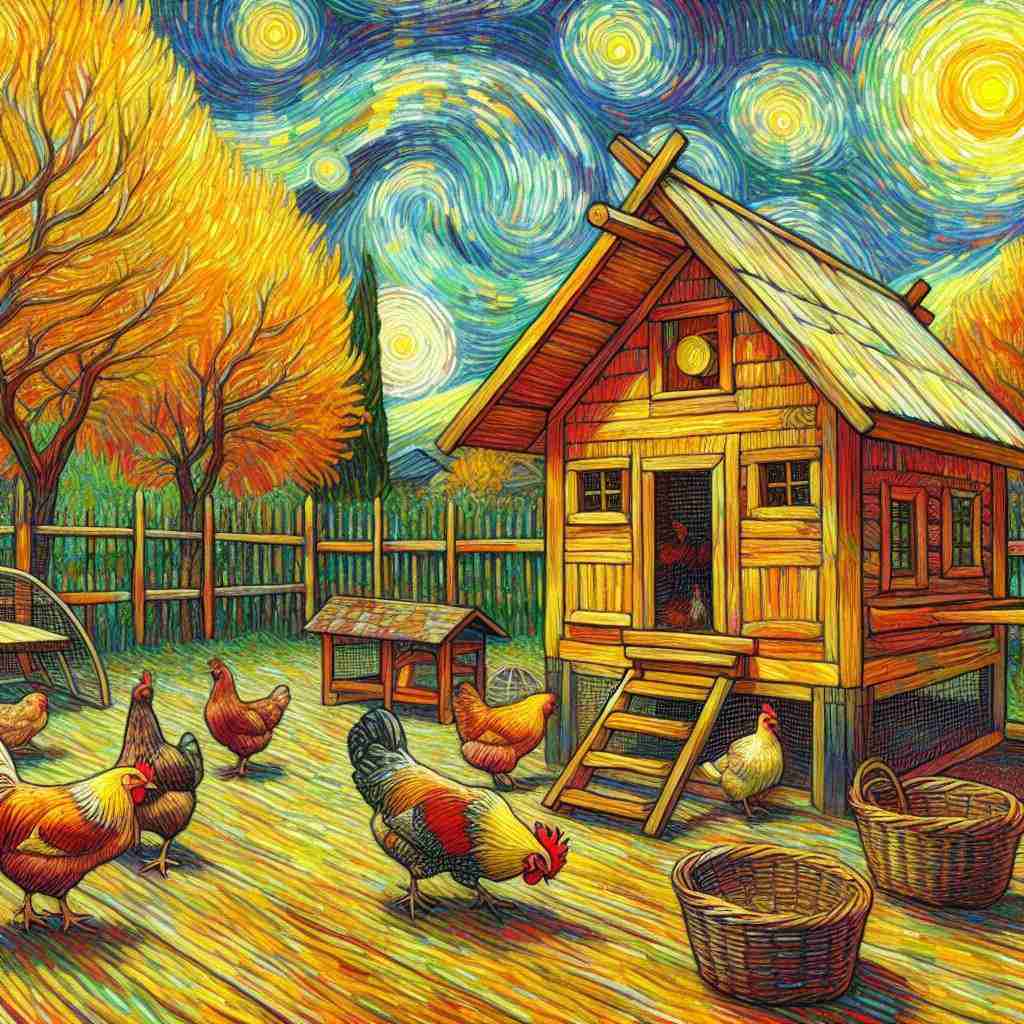
How Does Using Recycled Materials Impact Your Sense Of Identity?
What Stories Can Your Sustainable Art Tell About Your Values?
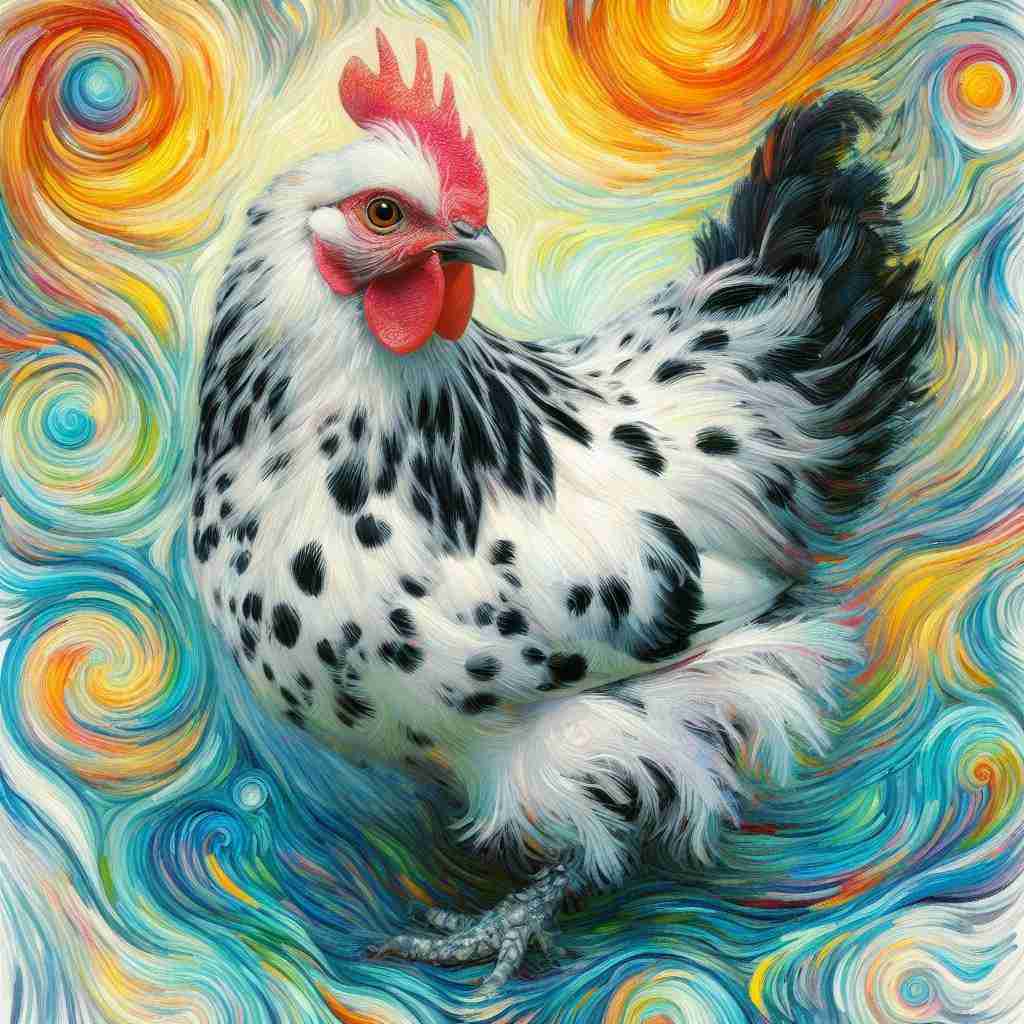
When you gaze upon a piece of sustainable art, you’re often not just looking at an object; you’re witnessing a narrative woven from scraps of life, echoing the values that drive you. Just as our backyard chickens scratch and peck, illuminating the simplicity and vitality of living close to the land, your art can tell a story of connection, responsibility, and hope. It’s this shared tale that resonates, actively calling us to reflect on not just what we create, but who we are.
Imagine a sculpture crafted from reclaimed materials: old pallets, rusted tools, and discarded treasures that once held purpose. Each fragment carries whispers of its past; whether it once graced a bustling home or was abandoned in a forgotten corner of a garage, it now serves a new role, turning waste into wonder. This transformation mirrors our own journeys of growth and resilience. In a world choking on overconsumption, embracing art that tells a tale of renewal is a bold declaration of your values.
This shift from the conventional to the sustainable speaks not only to your creative spirit but to a deeper ethical commitment. By choosing to create art with purpose, you align yourself with an authority on environmental stewardship. You’re not just an artist; you’re a change-maker wielding a brush or chisel to sculpt a brighter future. Your work invites viewers to engage, to question their own consumption and contribution. It’s about shaping a community narrative—a shared call to action that transcends the canvas.
Delving deeper, consider the social dynamics at play. Your sustainable art resonates with a collective yearning for a more harmonious existence, a longing for connection amid the fast-paced noise of modern life. A simple piece made from salvaged wood can invoke memories of wholesome family gatherings, echoing the nurturing spirit that backyard chickens embody as they roam freely, reminding us of simpler pleasures and the importance of caring for our environment.
It’s about more than aesthetics. It’s a catalyst for conversation, a bridge connecting generations and values. Your sustainable art, like those quirky backyard chickens, inspires trust and confidence in a brighter, more intentional future. Each piece invites others to join a movement where creativity meets conscience, unlocking a world where we all play a part in nurturing the earth we share. How will your art inspire this change?

What Stories Can Your Sustainable Art Tell About Your Values?
What Stories Can Your Sustainable Art Tell About Your Values?
- Sustainable art reflects narratives woven from everyday materials, embodying values of connection and responsibility.
- Art crafted from reclaimed materials showcases the transformation of waste into meaningful creations, symbolizing growth and resilience.
- Choosing sustainable art is a declaration of ethical commitment and aligns artists with environmental stewardship.
- Artists serve as change-makers, using their work to engage audiences and inspire reflection on consumption and community narratives.
- Sustainable art resonates with a collective aspiration for connection and harmony in a fast-paced world.
- Each piece serves as a catalyst for conversation, bridging generations and encouraging intentional living.
- Your art has the potential to inspire change and promote nurturing of our shared environment.
What Stories Can Your Sustainable Art Tell About Your Values?
How Does Creating Art From Waste Challenge Consumer Culture?
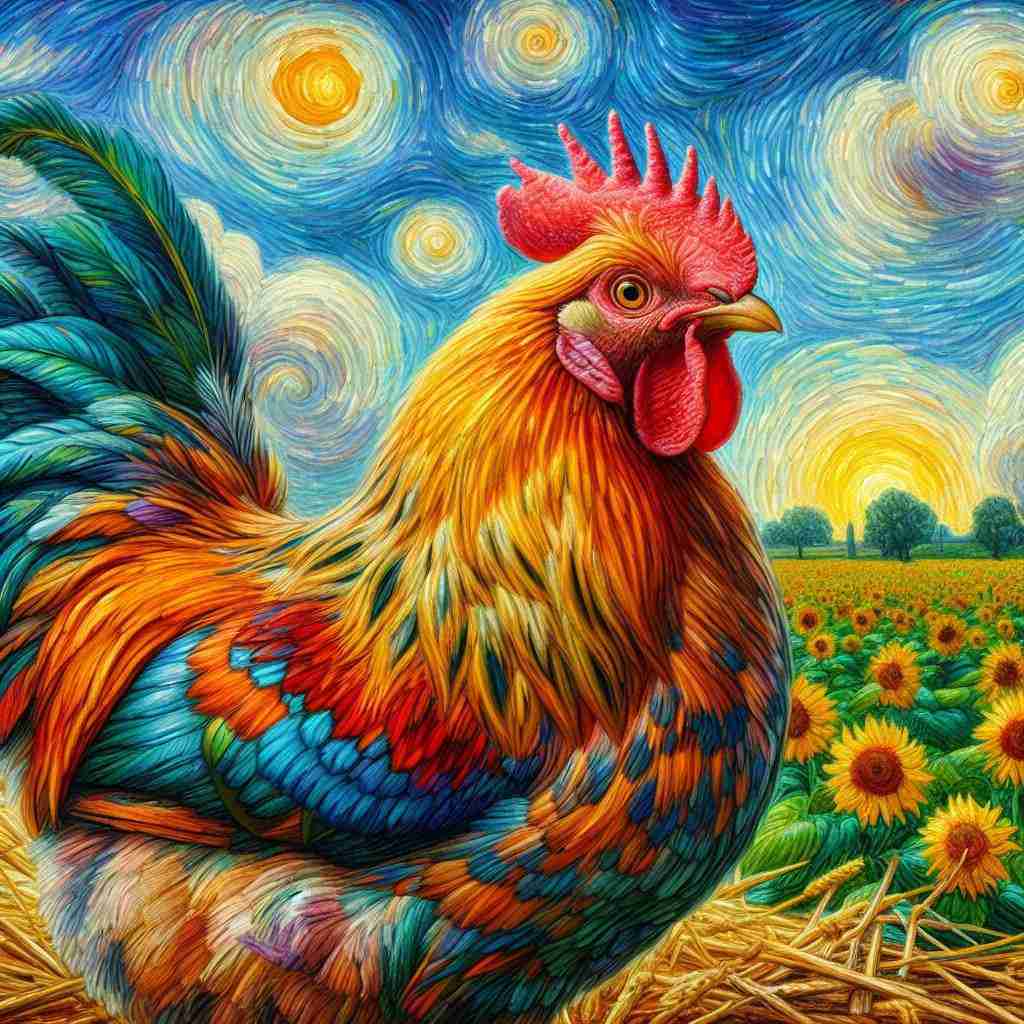
Creating art from waste flips the narrative about consumer culture on its head, inviting us all to reflect on what we value and the legacy we leave behind. When we look at discarded materials—old bottles, worn-out tires, or rusting metal—we might see trash, but artists see potential. These creators remind us that beauty and meaning can arise from the very things we overlook. It’s a narrative that resonates with our hearts, as it calls for empathy towards both the environment and those whose stories are intertwined with these items.
Consider, for a moment, the journey of a piece of crafted art: it begins as waste, often thoughtlessly tossed aside, but within the hands of an artist, it transforms into something meaningful. This process not only showcases creativity, but it taps into our collective consciousness about wastefulness. Every brush stroke, every assembly of scraps tells a story—a narrative that we all contribute to by our consumption choices. We begin to ask ourselves tough questions: What kind of impact do we want to make on this world? And how can our daily routines reflect our values?
This approach to art also tickles the gut, invoking a visceral reaction of pride or, perhaps, discomfort. There’s something deeply unsettling about recognizing that much of what we cherish might just be byproducts of an overstuffed consumer culture. Yet, by engaging with this art, we reclaim our agency. We can choose to be part of a solution, embracing a more sustainable lifestyle. It fosters a sense of community, as we bond over shared values—like those backyard chickens giving us fresh eggs right from home. These discussions spur action that resonates not just within ourselves, but in broader circles.
Moreover, there’s an ethical dimension to this artistic revolution. It challenges us to consider the moral ramifications of our consumption patterns. Supporting artists who prioritize sustainability can empower communities, shift economic structures, and introduce new dialogues about waste. We, as individuals, gain authority in the conversation simply by embracing the principle that what we see as waste can become a canvas of infinite possibilities.
When we engage with art made from waste, we don’t just witness transformation; we participate in it. By appreciating these creations, we awaken a social movement that values sustainability over excess, encouraging others to rethink what they throw away. It’s art that asks us to see differently and inspires us to act, one tiny revolution at a time.
How Does Creating Art From Waste Challenge Consumer Culture?
How Does Creating Art From Waste Challenge Consumer Culture?
- Art from waste challenges consumer culture, encouraging reflection on values and legacy.
- Discarded materials are viewed by artists as sources of potential and meaning.
- Transforming waste into art ignites empathy towards the environment and connected stories.
- The creative process of crafting art from waste showcases our societal wastefulness.
- Engaging with this art evokes emotions of pride and discomfort regarding consumer excess.
- It promotes a sense of community, fostering shared values and discussions that inspire action.
- The ethical dimension encourages support for sustainable artists and reshapes consumption dialogue.

How Does Creating Art From Waste Challenge Consumer Culture?
What Are the Ethical Implications Of Waste In Artistic Expression?
Artistic expression carries with it a unique power, one that can inspire, provoke, and spark conversation. However, alongside this creativity lies a profound dilemma: the ethical implications of waste in the art world. The stark reality is that, like backyard chickens scratching for scraps in the yard, we often overlook the remnants and refuse of expression—all those materials that create beauty yet contribute to decay. This invites us to ponder: what price are we willing to pay for a work of art?
Consider the artist whose canvas blooms with colors yet is backed by a process that generates heaps of discarded paint tubes, brushes, and canvas remnants. Each stroke—a story, each dribble—a history. But beneath this aesthetic allure lies an unsettling truth: each unnecessary item is a footprint on our fragile earth, a reminder of the disparity between creation and consumption. We can admire the result, but can we ignore the cost?
On a rational level, we must weigh the benefits of artistic freedom against the environmental toll. This isn’t just about paint or clay; it’s about the ethical responsibilities we bear as creators and consumers. Engaging in art that embraces sustainability fosters a deeper connection, showing us that beauty can emerge from mindfulness. Imagine artists not merely as creators but as stewards of our shared world, using reclaimed materials, letting the imperfections and missteps of the journey contribute to their narratives. This transformation of waste into wonder doesn’t just resonate; it educates.
The call to action is clear. We must embrace the discussion of waste within our artistic practices, supported by voices that challenge the status quo and elevate the conversation. When we choose to support artists who prioritize sustainability, we validate practices that benefit both humanity and the planet, tightening our collective bond. This shared commitment can turn galleries into communities and exhibitions into movements.
What can you do to make a difference? Start at home. In your own creative pursuits, whether you are an aspiring artist or a casual creator, think twice before tossing aside scraps and remnants. Transform them. Every leftover bit has potential—a chance to tell a new story or inspire someone else. In a world that often pushes for bigger and bolder, let’s be the ones who dare to think smaller, to see beauty in what is often discarded, thereby redefining the very fabric of artistic expression.

What Are the Ethical Implications Of Waste In Artistic Expression?
What Are the Ethical Implications Of Waste In Artistic Expression?
- Artistic expression has the power to inspire, provoke, and spark conversations.
- There are ethical implications regarding waste generated in the art world.
- Art often contributes to environmental decay, reflecting the tension between creation and consumption.
- Artists must balance their creative freedom with their ethical responsibilities towards the environment.
- Engaging in sustainable practices in art can foster deeper connections and reshape narratives.
- Supporting artists who prioritize sustainability enhances community and global responsibility.
- Individuals can make a difference by rethinking the use of scraps and remnants in their own creative processes.

What Are the Ethical Implications Of Waste In Artistic Expression?
Conclusion
In this era of relentless consumerism, a new narrative is unfurling in our backyards, led by the imaginative and resilient spirit of Gen Z. They are not only reclaiming nature; they are turning it into a canvas for sustainability, where each plant, each backyard chicken speaks volumes about our responsibility to the Earth. Picture them: hands caked in soil, laughter resonating around compost heaps, and stories bubbling up as they nurture life. This is not mere gardening; it’s a form of activism, a rebellion against wastefulness, and a commitment to a future that glimmers with hope.
Every seed sown isn’t just an act of creation; it’s a pledge, a vibrant brushstroke on the broad canvas of existence. It’s a reminder of the interconnectedness we all share with nature. Watching those little chicks grow underscores the lessons of companionship and stewardship—an embodiment of community spirit, where learning about life cycles fosters gratitude and responsibility. The simplicity of raising backyard chickens transforms routine into ritual, allowing narratives of nurturing, sustainability, and joy to flourish.
But let’s get real: you might wonder how much impact a few backyard efforts can have. This is where the magic happens. Each tiny action ignites a spark, encouraging forays into sustainability that ripple through society. Conversations bloom over dinner tables and local gatherings, inspiring inquiry about our individual and collective footprints. This isn’t just for the eco-warrior; it’s an invitation for all of us to question our roles and the legacies we are crafting.
And then there’s artistry, a potent tool for dialogue. It can ignite our souls and reflect deeply on societal values. Picture art exhibitions filled with creations made from recycled materials, transforming waste into narrative and beauty. Each piece isn’t just a creation; it’s a vehicle for change, prompting us to consider the ethical implications of our consumption. Art challenges us to see potential where we might only see refuse, echoing the stories of the materials and the lives entwined with them.
In supporting this creative revolution, we contribute to a shared ethos that champions sustainability and responsibility. It begins in the heart and ripples through every gut check—by connecting with our environment and one another, we lay the groundwork for a brighter future. So, roll up those sleeves! Embrace the dirt, the colors of discarded treasures, and indulge in the joy of creation. The journey toward sustainability is not a solitary path; it’s a communal canvas waiting for each of us to leave our mark. Together, let’s craft a masterpiece worth sharing, one moment at a time.

Conclusion
Conclusion:
- Gen Z is embracing nature as a canvas for sustainability amidst rampant consumerism.
- Backyard gardening and raising chickens are forms of activism against wastefulness.
- Each planted seed is a pledge to the interconnectedness with nature and community spirit.
- Small-scale gardening fosters discussions about individual and collective environmental impact.
- Art is utilized as a dialogue tool, transforming recycled materials into impactful creations.
- Supporting creative efforts promotes a shared commitment to sustainability and responsibility.
- The journey toward sustainability is communal, encouraging everyone to contribute to a shared masterpiece.

Conclusion
Other Resources

Other Resources
Here is a list of other resources you can review online to learn more:
- Sebright
- Large Intestinal Roundworms
- Hamburg
- Brahmas
- Andalusian
- Malay
- Cuckoo Marans
- chard
- Sinusitis
- Colibacillosis
- Ameraucanas
- cucumbers
- Breda
- Wyandotte
- Iowa Blue
- Red Jungle Fowl
- collard greens
Use This Prompt To Get More Resources With Your Favorite Online AI Tool: Please provide me with a list of online articles with their URLs in a bulleted list that I can read regarding How Gen Z Is Turning Sustainable Living Into Backyard Art
Other Resources
Glossary Terms
How Gen Z Is Turning Sustainable Living Into Backyard Art – Glossary Of Terms
1. Sustainability: The practice of using resources in a way that maintains ecological balance, ensuring future generations can meet their needs.
2. Upcycling: The process of transforming discarded materials into new products of higher quality or value.
3. Eco-friendly: Products or practices that have minimal impact on the environment, promoting conservation and reducing waste.
4. Biophilia: The innate connection humans have with nature, often influencing design and lifestyle choices towards more natural environments.
5. Permaculture: A holistic approach to land management and design that simulates natural ecosystems, promoting sustainable agriculture.
6. Vertical Garden: A method of growing plants in vertically stacked layers, often to maximize space in urban settings.
7. Artivism: Combining art and activism to bring attention to social and environmental issues through creative expression.
8. Community Gardens: Shared plots of land where individuals collaboratively grow plants, fostering community engagement and sustainability.
9. DIY (Do It Yourself): The practice of creating or repairing things independently rather than purchasing ready-made products, often emphasizing creativity and sustainability.
10. Waste Reduction: Strategies and practices aimed at minimizing the amount of waste produced, including reuse and recycling.
11. Natural Dyes: Colorants derived from natural sources, such as plants, minerals, or insects, used in textiles and art projects.
12. Biodegradable: Materials that can be broken down by natural processes, reducing pollution and environmental impact.
13. Conservation: The responsible management of natural resources to prevent depletion and protect ecosystems.
14. Gardening Workshops: Educational sessions that teach participants about gardening techniques, sustainable practices, and plant care.
15. Local Sourcing: The practice of obtaining materials and produce from nearby suppliers to reduce carbon footprints and support local economies.
16. Holistic Design: An approach to design that considers the whole ecosystem, including environmental, social, and economic factors.
17. Botanical Art: Artistic representations of plants and flowers, often used to enhance gardens and outdoor spaces.
18. Sculptural Garden: A garden that incorporates three-dimensional art installations, blending creativity with landscaping.
19. Zero Waste: A philosophy aimed at eliminating waste by rethinking products and processes to ensure everything can be reused or recycled.
20. Wildlife Habitat: Areas that provide food, shelter, and nesting sites for various species, enhancing biodiversity in gardens and backyards.
21. Natural Landscaping: An approach to garden design that emphasizes native plants and ecological harmony rather than turf grass and ornamental plants.
22. Social Impact: The effect of actions, projects, or initiatives on the community and environment, especially regarding sustainability efforts.
23. Eco-Art: Artwork that incorporates or responds to environmental themes, often using natural or recycled materials.
24. Green Thumb: A person who is particularly skilled at gardening and has a natural ability to grow plants.
25. Sustainable Materials: Resources that are renewable or reusable, reducing environmental impact when used in art or gardening.
26. Innovation: The introduction of new ideas or methods, particularly in sustainable practices and green technology.
27. Civic Engagement: Participating in activities that promote community improvement and sustainability, often through collective action.
28. Holistic Wellness: An approach that considers physical, mental, and environmental health as interconnected components of a sustainable lifestyle.
29. Art Installations: Large-scale, immersive artworks that are often site-specific, creating unique interactions with the environment.
30. Climate Resilience: The ability of communities or ecosystems to adapt and recover from climate-related impacts, often through sustainable practices.
Glossary Of Terms
Other Questions
How Gen Z Is Turning Sustainable Living Into Backyard Art – Other Questions
If you wish to explore and discover more, consider looking for answers to these questions:
- What specific sustainable practices are popular among Gen Z in their backyard gardens?
- How can individuals or communities start their own sustainable art projects?
- What are the most common challenges Gen Z faces in promoting sustainable living through art?
- In what ways can the art community collaborate to raise awareness about environmental issues?
- How does engaging in sustainable art impact mental health and well-being?
- What role do educational institutions play in encouraging sustainable practices among young artists?
- How can art exhibitions effectively convey messages about sustainability?
- What are some successful examples of public art that promote eco-friendly habits?
- How can technology enhance the creation of art from recycled materials?
- What are the potential economic impacts of promoting sustainable art practices?

Other Questions
Haiku
How Gen Z Is Turning Sustainable Living Into Backyard Art – A Haiku
Backyard blooms arise,
Art from waste, hands in the earth—
Hope seeds a new path.
Haiku
Poem
How Gen Z Is Turning Sustainable Living Into Backyard Art – A Poem
In the quiet corners of our yards, a revolution blooms,
Where Gen Z gathers, casting aside consumerist glooms.
With trowels in hand and laughter in the air,
They weave gardens of hope, crafting futures with care.
Imagine young souls, dirt-smudged yet proud,
Nurturing life from scraps, voicing change loud.
Backyard chickens peck and cluck their delight,
Symbols of stewardship, embracing what’s right.
Every seed that’s sown tells of connection anew,
Reclaiming our roots, reminding us what’s true.
In laughter shared over composting piles,
They find purpose in the mess, igniting bright smiles.
Art springs from waste, a dance between the lines,
Transforming the discarded, where history intertwines.
A mural of resilience ignites the curious heart,
Whispers of beauty in sustainability’s art.
Amidst all the clutter of modern dismay,
Creativity becomes a compass, lighting the way.
It challenges the comfort of excess and waste,
Inviting us all to weave a high-stakes tapestry, chaste.
Ethics wrapped in colors that tell poignant tales,
Of a shared responsibility where empathy prevails.
As canvases transform and stories unfold,
They inspire us to act, to be daring and bold.
So pick up your brush, plant something profound,
Engage with the earth; let your spirit resound.
In the heart of each garden, a narrative thrives,
Weaving together the pulse of our lives.
A collective awakening, where art and nature meet,
Celebrating each choice that makes our journey sweet.
For in caring for our world, with creativity’s spark,
We find purpose, connection, igniting bright arcs.
Poem
Checklist
How Gen Z Is Turning Sustainable Living Into Backyard Art – A Checklist
Sustainable Art and Living Checklist
Emotional Appeal
1. Connect with Nature
_____ Spend time in your garden or a community garden.
_____ Cultivate at least one plant or herb to nurture.
2. Share the Experience
_____ Invite friends or family to join you in composting or gardening.
_____ Organize a backyard gathering to celebrate your sustainable practices.
3. Reflect Your Values
_____ Create art using recycled materials.
_____ Document your journey by taking photos of your sustainable projects.
Rational Appeal
4. Educate Yourself
_____ Research the benefits of sustainable living and its impact on the environment.
_____ Explore creative reuse projects to minimize waste in your home.
5. Set Goals
_____ Identify three sustainable practices to integrate into your daily life (e. g. , composting, zero-waste shopping).
_____ Plan a yearly project that incorporates sustainability through creativity.
Ethical Appeal
6. Make Mindful Choices
_____ Choose to purchase from local artisans or businesses that prioritize sustainability.
_____ Consider the environmental impact of your art materials before purchasing.
7. Advocate for Change
_____ Share knowledge about sustainability with your community.
_____ Participate in local initiatives aimed at promoting eco-friendly practices.
Authority Appeal
8. Learn from Experts
_____ Attend workshops or lectures on sustainable art and living.
_____ Follow influential artists and activists who focus on environmental consciousness.
9. Collaborate
_____ Partner with local artists or community members to create public art that promotes sustainability.
_____ Lead a workshop on eco-friendly art techniques in your community.
Narrative Appeal
10. Tell Your Story
_____ Share the story behind your recycled art pieces or sustainable projects on social media.
_____ Create a blog or video series documenting your journey towards sustainable living.
11. Inspire Others
_____ Host storytelling events to discuss sustainable practices and share personal experiences.
_____ Encourage community members to express their values through their own sustainable art.
Social Appeal
12. Engage Your Community
_____ Set up a local art exhibit focusing on environmental issues.
_____ Join or form a local group that meets regularly to discuss sustainability topics.
13. Create Collective Projects
_____ Organize a community clean-up or recycling event.
_____ Start a community garden where people can learn and share sustainable practices.
Gut Appeal
14. Trust Your Instincts
_____ Reflect on how certain materials resonate with you and choose to create with those.
_____ Pay attention to how adopting sustainable habits makes you feel and document your emotional journey.
15. Get Hands-On
_____ Experiment with DIY projects that utilize waste materials from your home.
_____ Dive into creating functional art pieces that enhance your living space sustainably.
Checklist
At BackyardChickenNews, we help people who want to raise backyard chickens by collating information and news blended with our own personal experiences.
Be sure to read our other related stories at BackyardChickenNews to learn more about raising chickens in your backyard.