

Preserving Heritage: Cultivating The Next Generation
By Tom Seest
At BackyardChickenNews, we help people who want to raise backyard chickens by collating information and news blended with our own personal experiences.
Be sure to read our other related stories at BackyardChickenNews to learn more about raising chickens in your backyard.
Passing It Down – Mentoring New Keepers In the Backyard Tradition
In the quiet embrace of our backyards, a revival is taking root—one that doesn’t just involve food but community, history, and growth. When you choose to raise backyard chickens, it’s not merely an act of gardening; it becomes a heartfelt opportunity to pass down wisdom and culture to the next generation. Grab a handful of feed, feel the texture squishing between your fingers, and let that moment anchor you to the simple yet profound cycle of life.
There’s a charm to watching children scatter grains across the ground, their eyes lighting up as feathered friends hustle for a meal. This is more than just farming; it’s an essential rite of passage that taps into our primal connection with nature. As they feed these birds, you’re not just creating future keepers of the flock; you’re cultivating conscientious stewards of the Earth, teaching them the principles of responsibility, empathy, and sustainability.
But this process is more than the nurturing of animals; it’s a bonding experience that transcends generations. You’ll find no greater joy than sharing the stories tied to each delicate egg, or the lessons learnt from that one chicken who stubbornly refused to roost at night. The mistakes made in the henhouse and the triumphs celebrated while collecting eggs create a rich tapestry of experience and knowledge—a legacy that forms the bedrock of us all.
Mentoring these new keepers is an ethical obligation, a way to honor a time-honored tradition that many have forgotten. As stewards of this age-old practice, you reclaim a sense of authority—a voice recognized in the clucking chorus of happy hens who have been cared for and respected. You guide them through the challenges and rewards, fostering a community that values hard work, patience, and resilience.
As you teach, you learn. You grow alongside each eager student, your bond fortified through shared laughter, lessons, and even occasional failures. It’s not just about the chickens; it’s about the stories you weave, the values you teach, and the community you build together. Let’s tap into this backyard tradition, one feather at a time—inviting the next generation to step forward, confident and ready to embrace the beauty of raising backyard chickens.

Passing It Down – Mentoring New Keepers In the Backyard Tradition
Passing It Down – Mentoring New Keepers In the Backyard Tradition
- Backyard chicken raising fosters community, history, and personal growth.
- It serves as a meaningful way to pass down wisdom and culture to future generations.
- Feeding chickens offers children a hands-on experience that connects them to nature.
- The practice teaches responsibility, empathy, and sustainability in young caretakers.
- Shared stories and experiences around chickens create a lasting legacy and bond between generations.
- Mentoring new keepers of chickens is a way to honor and reclaim a valuable tradition.
- The process enhances community ties through shared challenges, laughter, and learning.

Passing It Down – Mentoring New Keepers In the Backyard Tradition
Table Of Contents
- Passing It Down – Mentoring New Keepers In the Backyard Tradition
- What Memories Do You Cherish From Your Own Backyard Experiences?
- How Can We Ensure the Next Generation Learns These Vital Skills?
- What Values Do We Pass Down Through Mentoring In Our Communities?
- What Practical Tips Can Help New Keepers Succeed In Their Journey?
- Why Is It Important to Cultivate a Love for Nature In Young Hearts?
- What Role Does Community Play In Supporting New Backyard Keepers?
- How Do We Foster an Environment Of Trust and Open Communication?
- Conclusion
- Other Resources
- Glossary Of Terms
- Other Questions
- Haiku
- Poem
- Checklist
What Memories Do You Cherish From Your Own Backyard Experiences?
When I think of a backyard, I don’t just picture a patch of grass behind a house. I envision a canvas of life, an ever-evolving tapestry where the threads of joy, laughter, and discovery intertwine. It’s in this space—a child’s playground and an adult’s refuge—where some of life’s most cherished memories unfold. I invite you to reflect on your own backyard experiences, even the simple ones that might not seem significant at first glance.
Remember the first time you watched your children run barefoot through the grass? Or the evenings spent under a starlit sky, sharing stories that made you laugh until your sides ached? Maybe it was the morning you decided to try your hand at raising backyard chickens. It’s not just about the eggs; it’s about the thrill of nurturing life, understanding the responsibilities that come with it, and perhaps even learning patience when a hen decides not to lay.
These are more than just memories; they’re emotional anchors that tether us to what truly matters in our lives. They remind us of simpler times, before life’s complexities piled up like so much clutter. Think about how those moments redefined connection—not only with loved ones but with nature itself. As you sip your morning coffee, the soft cluck of chickens reminds you of the many small joys life has to offer. Each egg collected becomes a symbol of hard work and reward, a tangible reminder of the skill and diligence we cultivate in ourselves.
But let’s be honest: it’s easy to lose sight of these treasures. In today’s world, we often prioritize what’s urgent over what’s meaningful. We confine ourselves to screens, letting the vibrant tapestry of our backyards fade into the background. However, taking a step outside can awaken a familiar sense of wonder—one that inspires growth, fosters community, and builds connections. Engage with your space; let it remind you of your roots and the profound experiences waiting just beyond the door.
So, what memories do you cherish from your backyard? Dust off the old stories and pass them down. Share them over family dinners or neighborhood gatherings, for it’s through these experiences that we forge the strongest bonds and create lasting legacies. Embrace your backyard—find the extraordinary in the ordinary, and let those moments flourish.
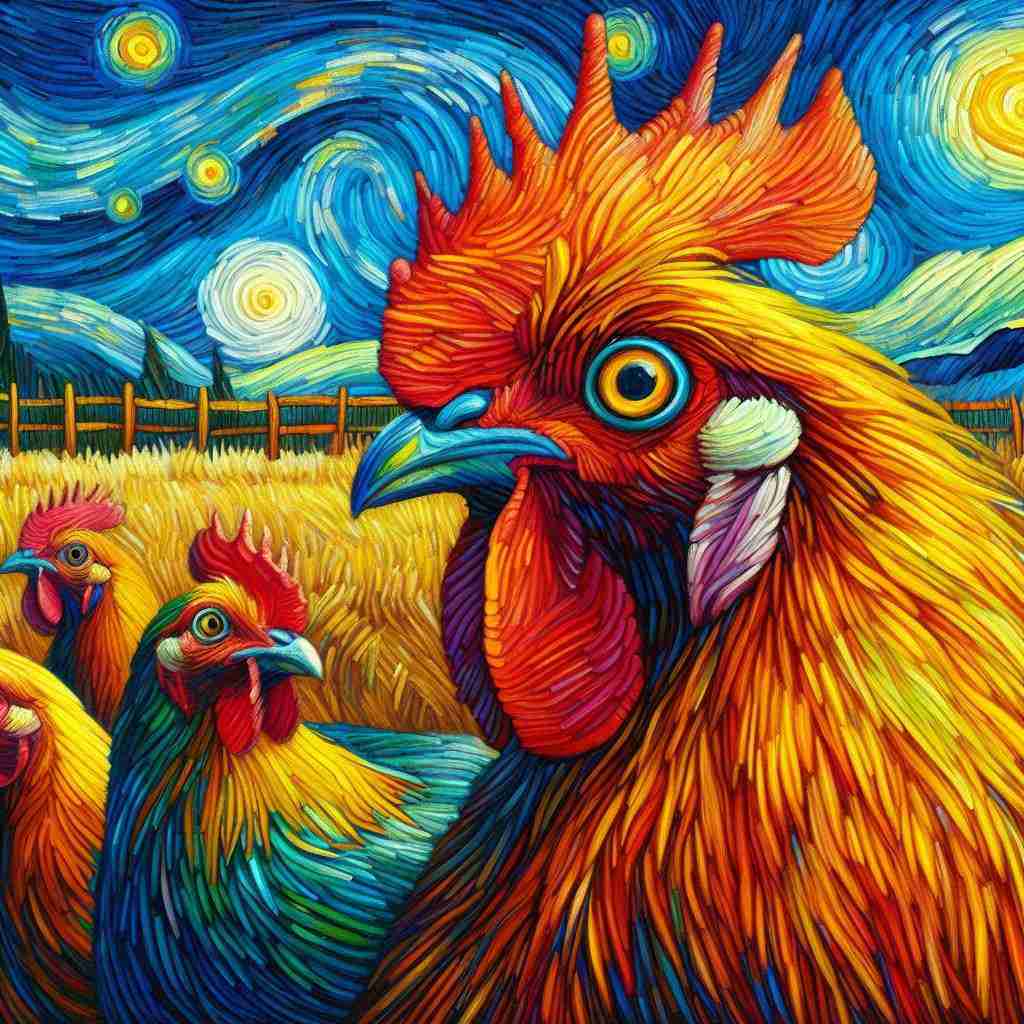
What Memories Do You Cherish From Your Own Backyard Experiences?
What Memories Do You Cherish From Your Own Backyard Experiences?
- A backyard is envisioned as a vibrant canvas of life, not just a grassy area.
- It serves as a playground for children and a refuge for adults, where cherished memories are made.
- Simple experiences, like children running barefoot or evenings under the stars, are significant and impactful.
- Nurturing backyard chickens reflects the thrill of responsibility and life lessons learned, beyond just gathering eggs.
- These memories act as emotional anchors, reminding us of the importance of connection—both with loved ones and nature.
- Today’s busy world can distract us from these treasures, prioritizing urgency over meaning.
- Engaging with our backyards can foster growth, community, and lasting connections while encouraging us to share and cherish experiences.

What Memories Do You Cherish From Your Own Backyard Experiences?
How Can We Ensure the Next Generation Learns These Vital Skills?
In a world increasingly captivated by screens and instant gratification, we must pause and ask ourselves: How do we ensure the next generation is equipped with the skills that truly matter? It’s a question that tugs at the very fabric of our society. Skills like resilience, problem-solving, and hands-on craftsmanship are often overshadowed by a culture that prioritizes academic accolades over practical knowledge. But here’s the good news: it’s never too late to shift our focus.
Imagine a teenager, tired of scrolling through social media, stepping into a sunlit backyard, greeted not by texts or tweets, but by the gentle clucking of chickens. Yes, backyard chickens! These humble creatures hold the key to vital lessons about responsibility, empathy, and the cycles of life. Caring for them teaches kids the value of hard work, the importance of commitment, and the joy of reaping what you sow—literally.
Picture this: a group of students gathered around a table, engaged in a project that combines science and creativity to build a small robot or set up a community garden. They learn to collaborate, troubleshoot, and think critically, stepping outside the classroom to experience the real world. This is not just about building skills; it’s about igniting a passion for learning that’ll shine bright throughout their lives.
Let’s remember that it’s our ethical responsibility as adults to guide the next generation. It’s time we shift our narrative from one that glorifies mere book smarts to one that celebrates those who can wield a hammer, troubleshoot an engine, or nurture even the simplest of life forms. By doing so, we’re creating a society where craftsmanship is respected, and genuine skills take center stage.
We must foster connections within our communities—neighbors helping neighbors, parents sharing their trades with children. This can build a robust social fabric that nurtures talent and fosters mentorship. Imagine the ripple effect: a child inspired by their parent’s passion for woodworking or gardening could go on to innovate in a way that reshapes our economy.
Let’s take action today. It starts with small changes, engaging our children in the world around them, celebrating skills that deserve recognition, and creating opportunities for hands-on experience. Build that chicken coop or fix that broken fence together. The legacy of skilled craftsmanship and practical knowledge doesn’t just benefit individuals; it strengthens generations. Together, we can ensure that the vital skills of today become the bedrock of tomorrow.

How Can We Ensure the Next Generation Learns These Vital Skills?
How Can We Ensure the Next Generation Learns These Vital Skills?
- Society must prioritize vital skills like resilience, problem-solving, and hands-on craftsmanship over mere academic achievements.
- Engaging with backyard chickens can teach children responsibility, empathy, and the cycles of life.
- Hands-on projects help students collaborate, troubleshoot, and apply creativity, fostering a passion for learning.
- Adults have an ethical responsibility to guide the next generation toward practical skills and craftsmanship.
- Building community connections through mentorship can nurture talent and inspire innovation.
- Small actions, like working on projects together, can celebrate and reinforce the importance of practical skills.
- Focusing on skilled craftsmanship benefits not just individuals, but strengthens future generations and society as a whole.

How Can We Ensure the Next Generation Learns These Vital Skills?
What Values Do We Pass Down Through Mentoring In Our Communities?
Mentoring isn’t just about passing down skills or knowledge; it’s about instilling values in the very fabric of our communities. When we think about the kind of mentors we aspire to be, we consider not only what we know but who we are. The stories we share, the experiences we recount—they’re what shape the next generation. Like the humble act of raising backyard chickens, it’s a commitment that teaches patience, responsibility, and a profound respect for life.
When someone mentors, they share more than just techniques; they share tales drenched in the sweat and laughter of hard-earned lessons. We pass down resilience, a willingness to take risks, and the courage to embrace the unknown. These are values that resonate on a gut level. Imagine a young person, nervous but eager, listening intently as a mentor recounts a moment of failure. The message is clear: it’s okay to stumble. What matters is how we rise after the fall.
At the heart of mentoring is a powerful narrative—a story that states, “You are not alone.” In every community, there exists a rich tapestry of voices, experiences, and dreams. The act of mentoring bridges generational gaps, fostering a sense of belonging and shared purpose. It tells young people that their aspirations are valid and achievable, that the path to success is filled with both challenges and triumphs.
Ethically, mentoring calls upon us to act with integrity. We become living examples of accountability, teaching the importance of honesty and hard work not just through our words, but through our actions. It’s in guiding a teenager through a tough decision or encouraging a young adult to pursue a passion that we illustrate the values of commitment and diligence.
Moreover, there’s an undeniable authority that comes with mentorship. It’s built on trust—a trust fostered through connection. When we invest in someone else’s growth, we cultivate a stronger community. That’s a value worth passing down. Each time we mentor, we strengthen the roots of our community, ensuring that future generations can stand tall on a foundation of trust, resilience, and shared experience.
In mentoring, we plant seeds that can sprout into something remarkable. It’s about more than teaching; it’s about inspiring change, fostering connections, and nurturing the values that will carry forth into tomorrow. So, let’s roll up our sleeves and dive in—because together, we can cultivate a future worth fighting for.

What Values Do We Pass Down Through Mentoring In Our Communities?
What Values Do We Pass Down Through Mentoring In Our Communities?
- Mentoring goes beyond skill-sharing; it instills values in communities.
- Being a mentor involves sharing personal stories and experiences that shape future generations.
- Mentorship teaches qualities like patience, responsibility, resilience, and courage.
- The act of mentoring fosters a sense of belonging and reassures young people that they are not alone in their struggles.
- Ethical mentorship emphasizes integrity and accountability through both words and actions.
- Building trust through mentorship strengthens community ties and creates a supportive environment.
- Effective mentoring inspires change and nurtures values that will influence the future.

What Values Do We Pass Down Through Mentoring In Our Communities?
What Practical Tips Can Help New Keepers Succeed In Their Journey?
When stepping into the world of keeping backyard chickens, it’s crucial to embrace the journey with open arms and a willing heart. This isn’t just about the eggs; it’s about nurturing life, fostering an bond with nature, and learning responsibility along the way. Picture a bustling backyard where laughter and clucking harmonize, creating a sanctuary that nourishes both body and soul.
Start by educating yourself—absorb everything you can about chicken care. There’s no shortage of wisdom out there, from books to seasoned keepers who have weathered the highs and lows. Remember, expertise isn’t gained overnight. Each mistake is a stepping stone, each victory a reason to celebrate. Trust me, as chickens get to know you, they’ll reciprocate your efforts with their own brand of affection, and just like that, you’ll find yourself deeply invested emotionally.
Establish a routine. Chickens thrive on predictability, and so do we. Get into the rhythm of feeding, cleaning, and collecting eggs. This simple act of stewardship builds a sense of authority in your role as a keeper. Plus, when friends and neighbors witness your diligence and care, they’ll come to admire your commitment, fostering a community that shares in your values and aspirations.
But don’t shy away from vulnerability. Share your experiences, both triumphs and challenges, with fellow chicken enthusiasts. Whether it’s the joy of that first egg or the heartbreak of an illness, your story resonates. It connects you to a bigger picture, where others can learn from your trials—even afford you some valuable insight based on their own journeys. This narrative thread weaves a rich tapestry of support and encouragement.
Embrace the ethical considerations of raising chickens. Understanding their needs for a proper habitat, nutrition, and social interaction elevates your role from caretaker to partner in their lives. This respect and reverence cultivate a deeper empathy, allowing the relationship to flourish.
Finally, never underestimate the simple joy of watching your feathered friends scratch the ground, bask in the sun, or chase after treats. Let that visceral connection guide you through the harder days. The bond created through love and care will leave an indelible mark on your heart, affirming that keeping backyard chickens is indeed a fulfilling journey. It’s not just living alongside them—it’s about really being part of their world. Embrace it fully, and you’ll reap rewards far greater than you initially imagined.

What Practical Tips Can Help New Keepers Succeed In Their Journey?
What Practical Tips Can Help New Keepers Succeed In Their Journey?
- Embrace backyard chicken keeping as a fulfilling journey, focusing on nurturing life and learning responsibility.
- Educate yourself thoroughly on chicken care through books and experienced keepers, as expertise develops over time.
- Establish a routine of feeding, cleaning, and collecting eggs to create predictability for both you and the chickens.
- Share your experiences, both good and bad, with the chicken-keeping community to foster support and learning.
- Understand and respect the ethical considerations of raising chickens, enhancing your bond as a partner in their lives.
- Find joy in observing your chickens’ natural behavior, which strengthens your emotional connection with them.
- Fully embrace the experience to enjoy the rewards of being a part of your chickens’ world and nurturing that relationship.

What Practical Tips Can Help New Keepers Succeed In Their Journey?
Why Is It Important to Cultivate a Love for Nature In Young Hearts?
In a world buzzing with screens, the simple act of fostering a love for nature in young hearts can be a transformative experience. Imagine a child who wakes up at dawn, excitement pulsing through their veins as they rush to see the backyard chickens. It’s more than just a pet; it’s a living lesson in responsibility, nurturing, and the cycle of life. Here, amidst feathers and clucks, lies an opportunity for connection—a bridge between the wild and everyday life.
We often overlook the profound impact that nature has on our emotional well-being. Engaging with the outdoors not only sharpens a child’s sense of wonder but also nurtures resilience. Each triumphant moment spent building a birdhouse or planting seeds teaches patience and the rewards of hard work. Rationally, we understand that these experiences shape our future leaders, innovators, and environmental stewards. A love for the natural world instills a sense of respect for ecosystems, encouraging adolescents to think critically about sustainable practices and conservation efforts.
Ethically, there’s a responsibility we bear; sharing our planet means passing on a legacy of stewardship to the next generation. Imagine a world where children grow up understanding the delicate balance of our environment, not just as a classroom lesson but as a core tenet of their lives. The stories shared around a campfire, the awe of a tree’s rings, or the joy of discovering a new species in their backyard weave a rich tapestry of connection to the earth.
Narratively speaking, it’s about creating memories that will echo in their hearts forever. As young ones discover the natural world, they gather stories of adventure, discovery, and even trial and error—experiences that shape their identity. Children who forge these connections often grow into adults who carry that passion, advocating for the preservation of our planet.
Socially, bringing children outdoors creates a sense of community, a shared mission grounded in collective experience. Those joyful moments spent caring for backyard chickens or exploring a forest build friendships marked by collaboration and respect for nature’s wonders. The laughter, challenges, and triumphs become shared milestones.
As parents, guardians, or caregivers, cultivating a love for nature isn’t just a good deed; it’s an investment in their future and ours. Together, let’s inspire, nurture, and embrace the wild beauty that surrounds us and shape a generation that not only respects but reveres our planet. The time to act is now—let’s dig in and cultivate this love, one adventure at a time.

Why Is It Important to Cultivate a Love for Nature In Young Hearts?
Why Is It Important to Cultivate a Love for Nature In Young Hearts?
- Fostering a love for nature in children can be transformative and deepen their emotional connection to the environment.
- Engagement with the outdoors develops responsibility, resilience, and an appreciation for the cycle of life through hands-on experiences.
- Experiences in nature shape future leaders and encourage critical thinking about sustainable practices and conservation efforts.
- Passing on a legacy of environmental stewardship helps children understand the delicate balance of ecosystems as part of their identity.
- Creating memories of adventure and discovery in nature fosters a lasting love for the planet and shapes children’s passion for advocacy.
- Outdoor experiences promote community and collaboration, building friendships through shared moments in nature.
- Investing in children’s connection to nature is a commitment to a sustainable future for both them and the planet.

Why Is It Important to Cultivate a Love for Nature In Young Hearts?
What Role Does Community Play In Supporting New Backyard Keepers?
In a world where technology often isolates us, the rise of backyard chickens is not just a trend; it’s a quiet revolution, rooted in community. For those stepping into the rewarding yet challenging realm of backyard keeping, the support from fellow enthusiasts can feel like a warm embrace on a chilly morning. It’s this backbone of community that transforms solitary endeavors into a shared journey, blending experience with friendly encouragement.
Imagine a new keeper, overwhelmed by the sheer number of choices – the breeds, the coops, and of course, the inevitable mishaps. That novice might feel the weight of responsibility, unsure of their path. But within their local community lies a wellspring of wisdom, ready to guide them through those early quakes of uncertainty. Someone in your neighborhood has faced the same dilemmas and emerged victorious, and they’re not just willing to help; they’re eager to share their stories of triumph and failure alike. This narrative thread weaves together the fabric of a community; it transforms fear into confidence and doubt into certainty.
Emotions run deep in this journey. When a newcomer shares their first egg laid by their hen, it’s not just a personal milestone; it’s a celebration for the entire community. Each success story fosters a sense of belonging and pride. The clucking of chickens isn’t just a sound; it’s an anthem of collaboration and shared labor. Moreover, the ethics of sustainable living resonate strongly here. Chicken keepers are often deeply committed to ethical practices and environmental stewardship, reinforcing a collective identity grounded in common values.
Rationally, it makes sense to lean on one another. There’s no need to reinvent the wheel when a neighbor can provide insights on how to handle chicken health or seasonal challenges. This pooling of knowledge not only accelerates learning but also strengthens ties. The authority of experienced keepers reassures the new entrants that they’re not alone in this robust journey of poultry husbandry.
Ultimately, community in backyard chicken keeping is about more than just poultry; it’s about cultivating relationships. It’s an exchange of support, laughter, and camaraderie that transforms individual endeavors into communal triumphs. So, as you embark on this adventure, remember: the power of community is not just a nicety; it’s the solid foundation upon which all great backyard stories are built. Embrace it, engage with it, and watch as your venture flourishes.

What Role Does Community Play In Supporting New Backyard Keepers?
What Role Does Community Play In Supporting New Backyard Keepers?
- The rise of backyard chickens symbolizes a community-driven movement against technological isolation.
- Support from fellow chicken enthusiasts turns solitary efforts into shared journeys, providing warmth and encouragement.
- Novice keepers can find wisdom in their local community, easing the challenges of choosing breeds, coops, and managing mishaps.
- Sharing stories of success and failure fosters a sense of belonging and transforms fear into confidence.
- Celebrations like a newcomer’s first egg lay become community milestones, reinforcing pride and collaboration.
- The ethics of sustainable living are often prioritized within the community, promoting environmental stewardship and shared values.
- Cultivating relationships through mutual support strengthens the backyard chicken keeping experience into communal triumphs.

What Role Does Community Play In Supporting New Backyard Keepers?
How Do We Foster an Environment Of Trust and Open Communication?
Trust and open communication don’t just happen; they’re cultivated like a garden, where the seeds of honesty and the nurturing of relationships can blossom. Picture this: you’re standing in your backyard, watching the chickens scratch at the earth, completely at ease. They’re not clucking out of fear; they’ve got a sense of security because they know they belong. That’s how we need to frame our environments—cultivating spaces where everyone feels safe to express themselves, where vulnerability becomes a strength rather than a liability.
To forge that kind of trust, we have to begin with genuine vulnerability ourselves. When leaders show up with their guard down, sharing not just their triumphs but also their failures, they set the tone. This isn’t about weakness; it’s about authenticity. It invites others to lower their walls. People want to connect; they want to know they’re not alone in their struggles. Every heart is a story waiting to be told, and every setback is an opportunity to build solidarity—kind of like those hens who huddle close at night, creating warmth and security in numbers.
Now, bring in the rational side. Open communication fosters innovation and problem-solving. When folks feel free to share thoughts, you tap into a treasure trove of ideas. Diverse perspectives lead to enriched conversations that challenge the status quo. It’s a simple equation: when trust is present, creativity flourishes. It’s not just good for morale; it’s good for business. Companies that prioritize transparent communication outperform those that don’t. There’s authority in numbers—a team that communicates well not only meets their goals; they exceed them.
And don’t forget ethics. Trust is built on integrity. When everyone holds themselves accountable and acts with respect for one another, it creates an unshakeable foundation. You wouldn’t leave your backyard gate open if you had priceless chickens inside, so why would you leave your team vulnerable to fear or silence? Trust is about ensuring that everyone feels their voice matters; it’s about creating social bonds that empower individuals.
As you create this culture, remember to nurture it daily. Check-in with one another the way you would a garden—tend to it, prune what’s not working, and watch it grow. Like the backyard chickens, let people express their instinctive needs and desires. The climate of trust you foster can ultimately lead to a thriving community where ideas take flight and collaboration becomes second nature. It’s about building a legacy of connection.

How Do We Foster an Environment Of Trust and Open Communication?
How Do We Foster an Environment Of Trust and Open Communication?
- Trust and open communication are cultivated like a garden, relying on honesty and nurturing relationships.
- Creating a safe environment allows everyone to express themselves, making vulnerability a strength.
- Leaders should demonstrate genuine vulnerability, sharing both successes and failures to set an authentic tone.
- Open communication encourages innovation and problem-solving by allowing diverse ideas to surface.
- Companies that prioritize transparent communication tend to outperform their competitors.
- Trust is built on integrity, accountability, and respect, fostering a strong foundation among team members.
- Cultivate a culture of trust daily, encouraging collaboration and creating a legacy of connection.

How Do We Foster an Environment Of Trust and Open Communication?
Conclusion
In our backyards, a revolution is quietly simmering—one that fuses tradition with modernity, effort with community, and education with hands-on experience. Raising backyard chickens is not just an exercise in homesteading; it’s a multifaceted journey that echoes through generations. As those tiny peeps fill the air, they herald a new era, one filled with opportunities for teaching and learning about responsibility, empathy, and sustainability. Imagine kids with gleeful faces, scattering feed while birds cluck and scramble. This isn’t just farming; it’s the continuation of a timeless bond with nature—a chance to instill values that matter.
These chickens are our allies in nurturing conscious stewards of the earth. The stories tied to each egg or the quirky behavior of a favorite hen weave a rich family tapestry, reminding us all of our roots. Mentorship emerges as an ethical responsibility, an affirmation of the wisdom handed down through experience and failure. There’s authority when we guide the next generation with integrity, and each lesson shared paves the way for a brighter future steeped in practical knowledge.
But let’s not kid ourselves; the world can easily overshadow these treasures. Screens draw our attention away from the vibrant life waiting beyond our doors. It starts with a simple invitation to embrace our environment—creating a space where laughter mingles with clucking. A community of backyard keepers thrives on shared trials and triumphs, where every milestone becomes a reason for collective joy. Together, we are not just individual keepers of chickens; we are a network of support, each story enriching the lives of others.
We also must acknowledge our role in fostering a love for nature. Instilling respect and appreciation for the environment in young hearts ensures that the legacy of stewardship endures. When kids dig their hands into the dirt, planting seeds or tending to their flocks, they’re not just learning about agriculture; they’re grasping the essence of life itself.
Trust and open communication form the bedrock of this community. When we nurture relationships grounded in vulnerability and integrity, we create a living environment where ideas and creativity flourish. Just as every chicken has its place and purpose, every voice matters in this ecosystem of collaboration.
So, let’s roll up our sleeves, share our stories, and engage in this pivotal journey of fostering connection, growth, and responsibility. In the process, we cultivate not just chickens but a future full of promise—one rooted in the heart of community, where every cluck and crow is a reminder of life’s extraordinary simplicity.

Conclusion
Conclusion:
- Raising backyard chickens blends tradition with modern experiences and fosters community engagement.
- It serves as a platform for teaching values such as responsibility, empathy, and sustainability to the next generation.
- Chickens facilitate storytelling and strengthen family bonds, reminding us of our roots and heritage.
- Mentorship plays a key role in sharing wisdom and practical knowledge with younger generations.
- Backyard chicken-keeping promotes a supportive community where shared experiences amplify joy and collaboration.
- Engaging with nature instills a love and respect for the environment in children, ensuring enduring stewardship.
- Trust and open communication are vital for fostering a community where creativity and ideas can thrive.

Conclusion
Other Resources

Other Resources
Here is a list of other resources you can review online to learn more:
- Delaware
- roundworms
- insects
- mediterranean breed
- Easter Egger
- scratch
- Swedish Black Hen
- Zucchini
- Andalusian
- cats
- Tapeworms
- Pekin Bantam
- Fowl Typhoid
- coop
- Frizzle
Use This Prompt To Get More Resources With Your Favorite Online AI Tool: Please provide me with a list of online articles with their URLs in a bulleted list that I can read regarding Passing It Down – Mentoring New Keepers In the Backyard Tradition

Other Resources
Glossary Terms
Passing It Down – Mentoring New Keepers In the Backyard Tradition – Glossary Of Terms
1. Backyard Tradition: A practice or skill related to gardening, farming, or animal husbandry conducted in a residential backyard setting.
2. Mentorship: A supportive relationship where an experienced individual guides and advises a less experienced person in a specific field.
3. Keeper: A person responsible for the care and management of animals or plants, often in a home or small-scale setting.
4. Heritage Skills: Traditional practices or crafts passed down through generations, often related to self-sufficiency and sustainable living.
5. Sustainable Practices: Methods of gardening or farming that maintain ecological balance, promote biodiversity, and minimize environmental impact.
6. Urban Agriculture: The practice of cultivating, processing, and distributing food within urban environments, often in small spaces.
7. Community Garden: A shared garden space where individuals or groups cultivate plants together, promoting community engagement and education.
8. Husbandry: The care, cultivation, and breeding of animals and plants, ensuring their welfare and productivity.
9. Crop Rotation: The agricultural practice of alternating the species planted in a particular field to improve soil health and reduce pests.
10. Organic Gardening: Cultivating plants without synthetic fertilizers or pesticides, focusing on natural processes and sustainability.
11. Seed Saving: The practice of collecting seeds from plants for future planting, preserving genetic diversity and heritage varieties.
12. Permaculture: A design system for sustainable living that mimics natural ecosystems and principles to create self-sufficient agricultural systems.
13. Microclimate: The climate of a small, specific area that can differ from the surrounding region, influenced by local features like shade, moisture, and elevation.
14. Green Thumb: A colloquial term for someone skilled at gardening, who has a natural ability to grow plants successfully.
15. Propagation: The process of creating new plants from seeds, cuttings, or other plant parts, increasing diversity and productivity.
16. Biodiversity: The variety of life in a specific ecosystem, crucial for resilience and health in both plants and animals.
17. Pollinator: An organism, such as bees or butterflies, that assists in the reproduction of plants by transferring pollen.
18. Companion Planting: A gardening technique where certain plants are grown together to enhance growth, deter pests, or improve flavor.
19. Vertical Gardening: A gardening method that involves growing plants upward on structures, maximizing space and improving aesthetics.
20. Soil Health: The quality of soil in terms of its ability to support plant growth, influenced by organic matter, nutrient content, and microbial life.
21. Foraging: The act of searching for and gathering wild food resources, such as edible plants, mushrooms, and fruits.
22. Aquaponics: A sustainable farming method that combines aquaculture (raising fish) with hydroponics (growing plants in water) in a symbiotic environment.
23. Herb Spiral: A vertical garden design that maximizes space and provides varying conditions for different types of herbs.
24. Local Food Movement: A movement advocating for the consumption of food produced in local or regional areas to support local economies and reduce environmental impact.
25. Animal Welfare: The consideration for the well-being of animals, including their physical and psychological needs.
26. Composting: The process of decomposing organic waste materials to create nutrient-rich soil amendments.
27. Feral: Describes domesticated animals that have reverted to a wild state, often impacting ecosystems when unmanaged.
28. Natural Pest Management: Techniques used to control pests through natural means, such as beneficial insects and organic treatments.
29. Land Stewardship: The responsible management of land and natural resources, focusing on sustainability and conservation.
30. Teaching Tools: Resources or methods used to facilitate learning and understanding in mentorship, including workshops, manuals, and hands-on demonstrations.
Glossary Of Terms
Other Questions
Passing It Down – Mentoring New Keepers In the Backyard Tradition – Other Questions
If you wish to explore and discover more, consider looking for answers to these questions:
- What are the specific benefits of raising backyard chickens for children?
- How can families get started with backyard chicken keeping?
- What challenges do new chicken keepers commonly face?
- Are there particular chicken breeds that are better for beginners?
- How can communities support each other in backyard chicken keeping?
- What ethical considerations should new keepers keep in mind?
- What role does mentoring play in successful chicken keeping?
- How can the experiences of older generations be effectively shared with younger ones?
- What resources are available for educating new backyard keepers?
- How can parents balance technology use and outdoor experiences for children?
- What practical steps can individuals take to promote sustainability within their communities?
- How can we measure the impact of backyard traditions on community bonds?
- What are some creative ways to engage children in chicken care and outdoor activities?
- How do cultural traditions influence backyard farming practices across different communities?
- What lasting impacts can backyard farming have on local food systems?

Other Questions
Haiku
Passing It Down – Mentoring New Keepers In the Backyard Tradition – A Haiku
Backyard whispers rise,
Generations weave their tales,
Chickens teach us all.

Haiku
Poem
Passing It Down – Mentoring New Keepers In the Backyard Tradition – A Poem
In backyards where life softly hums,
A tradition is born, where joy overcomes.
With handfuls of feed, stories unfold,
A cycle of nature, a legacy bold.
Children scatter grains, laughter in the air,
As feathered friends dance, grounded without a care.
In each cluck and coo, lessons take flight,
Teachings of patience, of darkness and light.
Responsibility blossoms, a nurturing heart,
Ethics entwined in the roles we impart.
In every egg gathered, a tale to be told,
A bond with the earth, a treasure to hold.
No greater joy comes than mentoring the youth,
Sharing tales of failures, of learning the truth.
Through laughter and trials, resilient we stand,
Fostering community, a united band.
As screens beckon brightly, let’s draw them outside,
To experience life where wonder resides.
In gardens and coops, where roots intertwine,
Let’s cultivate love for the earth—a design.
Imagine the teachers and students who grow,
Crafting a future where knowledge will flow.
Together, we rise on the strength of our ties,
In the heart of our backyards, where true beauty lies.
So gather your neighbors, extend your hand,
Sharing wisdom and joy across this land.
In this sacred space, we weave and we mend,
For in nurturing life, our spirits ascend.
Poem
Checklist
Passing It Down – Mentoring New Keepers In the Backyard Tradition – A Checklist
Checklist for Mentoring New Backyard Keepers
Emotional Appeals:
1. Reflect on cherished memories from your own backyard experiences.
2. Share joyful moments with new keepers as they embark on their journey.
3. Celebrate milestones, such as the first egg laid, to foster connection.
Rational Appeals:
4. Educate yourself and new keepers about chicken care and responsibilities.
5. Establish a routine for feeding, cleaning, and caring for the chickens.
6. Document both successes and challenges to create a resource for others.
Ethical Appeals:
7. Mentor by emphasizing ecological stewardship and ethical animal care.
8. Encourage respect for nature and animal welfare in all interactions.
9. Share stories that highlight the importance of integrity and accountability.
Authority Appeals:
10. Leverage your knowledge and experience to guide new keepers effectively.
11. Connect new keepers with local experts and resources.
12. Encourage leadership through shared responsibilities in chicken care.
Narrative Appeals:
13. Share personal experiences to illustrate lessons learned from raising chickens.
14. Create a community narrative that emphasizes collective growth and support.
15. Encourage storytelling as a way to build relationships and shared history.
Social Appeals:
16. Promote collaboration within your community of chicken keepers.
17. Organize events or gatherings to foster camaraderie and support.
18. Create a platform for sharing advice, challenges, and successes among keepers.
Practical Tips:
19. Start small—choose a manageable number of chickens to begin with.
20. Build a supportive environment where open communication is encouraged.
21. Encourage participation in community projects or mentorship programs.
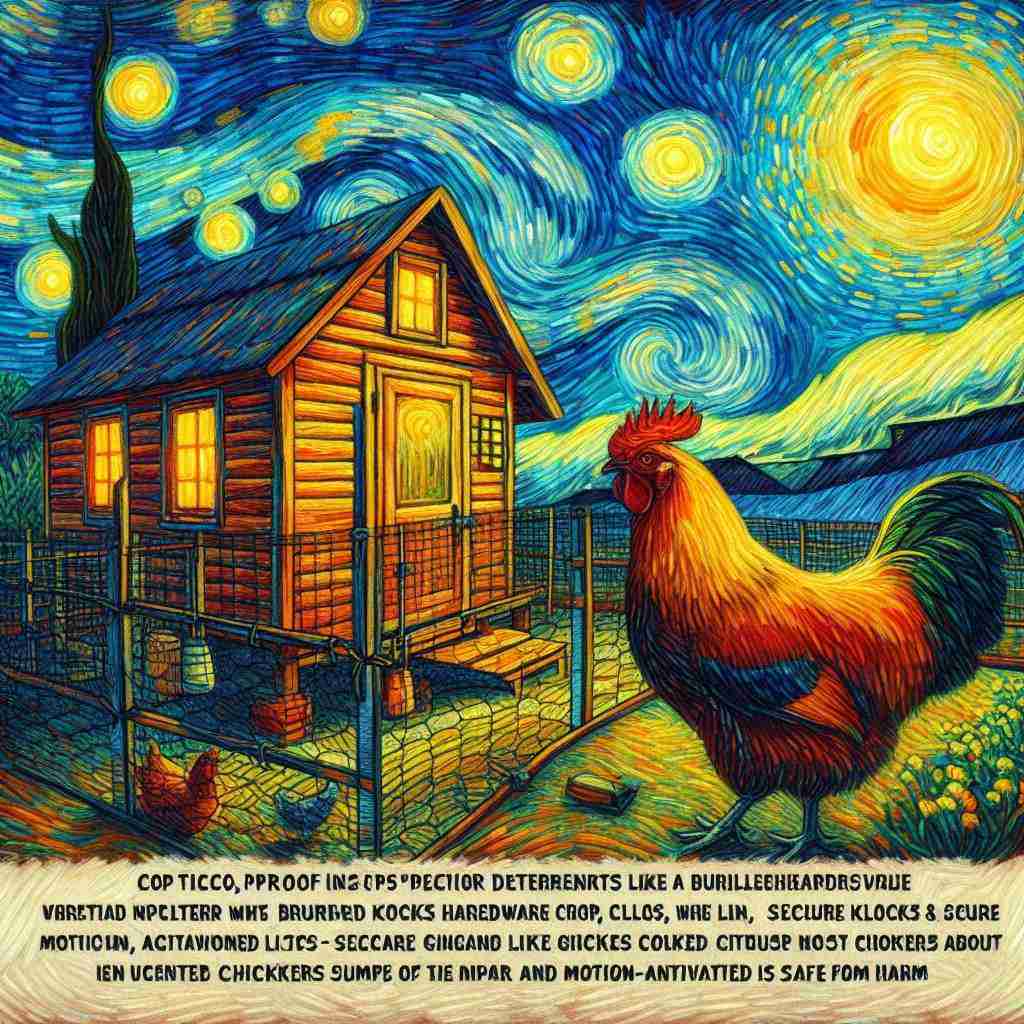
Checklist
At BackyardChickenNews, we help people who want to raise backyard chickens by collating information and news blended with our own personal experiences.
Be sure to read our other related stories at BackyardChickenNews to learn more about raising chickens in your backyard.