

Harmonizing Chicken Care: A Holistic Approach
By Tom Seest
At BackyardChickenNews, we help people who want to raise backyard chickens by collating information and news blended with our own personal experiences.
Be sure to read our other related stories at BackyardChickenNews to learn more about raising chickens in your backyard.
How to Balance Efficiency, Ethics, and Family In Chicken Keeping
When you dive into chicken keeping, you step into a world that dances on the tightrope between efficiency, ethics, and family connection. Picture this: it’s early morning, the sun creeps over the horizon, and the sound of clucking fills the air. Your kids rush to the backyard, excitement bubbling as they gather fresh eggs. This isn’t just about producing breakfast; it’s about laughter, learning, and the lessons of responsibility.
On one hand, keeping chickens can be a well-oiled machine. It draws you in with promises of fresh eggs, pest control, and even natural fertilizer for your garden. But here’s the rub: while chasing efficiency, you can easily veer off course. The truth is, backyard chickens require our attention and compassion. They aren’t just animals; they’re an extension of your family, each with their quirks and personalities. Look closely, and you might feel the heart in every peck and scratch in the dirt – a reminder that life thrives on empathy and care.
Now let’s engage your head. Consider the ethical implications of how you raise these creatures. It’s easy to fall into the trap of industrial practices that prioritize profit over welfare. But when you prioritize quality of life for your hens, you not only ensure their happiness, but also the happiness of your family and the quality of the eggs you collect. Better food, better lives – it’s a simple equation that pays dividends in more ways than one.
Let’s not forget about the neighbors. Good stewardship of your backyard chickens fosters connections and builds community. Sharing excess eggs with nearby families isn’t merely a means of disposal; it’s a gift that can brighten someone’s day. The stories that unfold around your coop can weave bonds stronger than any grass surrounded by picket fences.
As you embark on this chicken-keeping adventure, remember this: efficiency doesn’t have to trample ethics, and family should always be at the heart of your decisions. In every cluck, every egg, and every shared moment, you have the power to create a nurturing environment that respects life while bringing your loved ones closer. So go ahead; immerse yourself in the joy of backyard chickens, and let that connection shape the rhythm of your home.

How to Balance Efficiency, Ethics, and Family In Chicken Keeping
How to Balance Efficiency, Ethics, and Family In Chicken Keeping
- Chicken keeping merges efficiency, ethics, and family connection.
- Gathering fresh eggs is a fun and educational experience for families.
- Backyard chickens offer benefits such as pest control and natural fertilizer.
- Chickens require attention and compassion, reflecting their familial status.
- Prioritizing the quality of life for hens enhances both their happiness and egg quality.
- Sharing excess eggs fosters community connections and brighter days for neighbors.
- Efficiency should respect ethics, with family values at the core of chicken-keeping decisions.

How to Balance Efficiency, Ethics, and Family In Chicken Keeping
Table Of Contents
- How to Balance Efficiency, Ethics, and Family In Chicken Keeping
- How Can You Ensure Your Chickens Are Treated Ethically?
- What Role Does Family Play In Your Chicken Keeping Journey?
- Are You Aware Of the Nutritional Benefits Of Home-Raised Eggs?
- How Do You Measure Efficiency In Your Chicken Keeping Practices?
- What Ethical Dilemmas Arise When Balancing Productivity with Care?
- How Do You Communicate the Importance Of Ethics In Chicken Care?
- How Can Your Children Participate In Responsible Chicken Keeping?
- Conclusion
- Other Resources
- Glossary Of Terms
- Other Questions
- Haiku
- Poem
- Checklist
How Can You Ensure Your Chickens Are Treated Ethically?
When it comes to ensuring that your backyard chickens live a good life, it’s not just about food and shelter—it’s about nurturing a connection that reflects our shared humanity. Think about it: these birds are not just egg-producing machines; they are living, breathing creatures that bring joy, entertainment, and even companionship. You may wonder, “What can I do to make their lives better?” The answer lies in a few key practices.
First, provide an environment that mirrors their natural habitat. Chickens thrive when they have the space to roam, scratch, and forage. Imagine them pecking around, basking in the sun, feeling the earth beneath their feet, and engaging in their social pecking order. If you create a cozy sanctuary, they’ll reward you with not just eggs, but with delightful personalities that light up your backyard.
Next, let’s address their diet. Quality matters here just as much as it does for us. Yes, they need grains, but complementing their feed with fresh fruits, vegetables, and perhaps even some kitchen scraps can foster their health and happiness. You’ll soon find that a happy chicken lays better eggs, not just in quantity but in taste and nutrition. This isn’t just a financial transaction; it’s a commitment to their welfare, and it sends a clear message: “You matter.”
Consider the emotional aspect of caring for these creatures—the daily interactions you have, the joy in their clucking and flapping, and the responsibility that comes with their care. Building that bond fosters gratitude not just for the chickens, but for the entire experience of sustainable living. When friends and family see you nurturing your flock, they’ll understand the significance of ethical treatment, and you’ll become a beacon of positive examples in your community.
Moreover, be aware of how you involve your family and friends in this process. Getting them on board with the idea of ethical chicken-keeping isn’t just good for your flock; it helps cultivate a social fabric that values humane practices. Share your knowledge, your successes, and yes, even your challenges. These conversations build a collective consciousness about animal welfare, and inspire others to think critically about their own choices.
By treating your backyard chickens ethically, you’re not just caring for them—you’re inviting others to take part in a greater narrative about compassion, food sustainability, and the interconnectedness of us all. Let your actions speak volumes and inspire those around you to embrace a kinder world for our feathered friends.

How Can You Ensure Your Chickens Are Treated Ethically?
How Can You Ensure Your Chickens Are Treated Ethically?
- Backyard chickens require a nurturing connection beyond just food and shelter.
- Chickens are living creatures that provide joy, entertainment, and companionship.
- Creating an environment that resembles their natural habitat allows chickens to thrive.
- A diverse diet including grains, fresh fruits, veggies, and kitchen scraps enhances their health.
- Building an emotional bond with chickens fosters gratitude for sustainable living.
- Involving family and friends in ethical chicken-keeping promotes humane practices and community awareness.
- Treating chickens ethically contributes to a narrative of compassion and food sustainability.

How Can You Ensure Your Chickens Are Treated Ethically?
What Role Does Family Play In Your Chicken Keeping Journey?
When you embark on the adventure of keeping Backyard Chickens, you don’t just gain feathery friends; you onboard your family into an experience that can transform your home and hearts. Picture this: your young ones racing to the coop each morning, their faces lit with anticipation as they rush to see how many eggs have been laid. It’s more than just gathering breakfast; it’s cultivating a sense of responsibility, teamwork, and excitement. These little moments forge lasting memories, building bonds that stretch far beyond a simple chore.
But let’s talk about the nitty-gritty. Your family becomes your trusted team—each member weaving in their strengths to tackle daily tasks like feeding, collecting eggs, and coop cleaning. This isn’t just about chickens; it’s a workshop for life skills. There’s a profound lesson here: nurturing livestock fosters empathy, respect, and a sense of duty. Beyond the eggs, your kids learn that life requires effort, and when you put in the work, you reap the rewards. That’s an invaluable lesson for any family aiming to stay grounded in a world that sometimes feels too virtual and disconnected.
Ethically speaking, keeping chickens introduces your family to the concept of food sovereignty. There’s a unique satisfaction in knowing where your food comes from and how it’s treated. Those backyard clucks represent a commitment to responsible eating, and it sends ripples into your community. You may find yourself swapping recipes or even sharing eggs with neighbors, rekindling age-old connections that modern life often neglects. There’s a certain joy in convening around a dinner table filled with food you’ve nurtured together.
Moreover, sharing this journey creates a narrative that unites you. Family stories, performances of daily routines, and even the inevitable mishaps—these become the fabric of your family’s history. Each shared laugh and every unexpected lesson reinforces not just the role of chickens in your lives but the role of each family member within that bond.
Keeping Backyard Chickens isn’t just about chickens; it’s about cultivating a vibrant family life full of lessons, love, and shared responsibility. It’s an invitation to step outside, breathe fresh air, and embrace the beauty of working together towards a common goal. In this chaotic world, there’s nothing quite so grounding as gathering around your family, all because of a few clucking companions. So take the plunge—let those chickens in, and watch your family flourish in ways you never imagined.

What Role Does Family Play In Your Chicken Keeping Journey?
What Role Does Family Play In Your Chicken Keeping Journey?
- Keeping backyard chickens fosters family bonding and creates lasting memories.
- Children learn responsibility, teamwork, and excitement by participating in daily tasks.
- Nurturing livestock encourages empathy, respect, and a sense of duty in family members.
- Backyard chickens promote food sovereignty and provide a connection to where food comes from.
- Engaging with neighbors through recipe exchanges and egg-sharing rekindles community ties.
- Shared experiences with chickens enrich the family’s history and strengthen relationships.
- Embracing backyard chickens supports a vibrant family life and encourages working towards common goals.

What Role Does Family Play In Your Chicken Keeping Journey?
Are You Aware Of the Nutritional Benefits Of Home-Raised Eggs?
When you crack open a home-raised egg, you’re not just revealing a simple breakfast ingredient; you’re unearthing a treasure trove of nutritional benefits that can elevate your meals—and your health. Raising your own Backyard Chickens might seem like a quaint pursuit, but the impact it has on your well-being is anything but trivial. Seated at the heart of this culinary adventure is an important shift in our relationship with food.
Consider this: an egg from a backyard coop is likely packed with nutrients that far surpass those of its store-bought cousins. Chickens that roam freely, pecking at grass, insects, and all the little bits of nature they can find, produce eggs rich in omega-3 fatty acids and vitamins A, D, and E. When you bite into a golden yolk from your own hen, it’s a taste of pure nutrition, nurtured by the land you tend to and the care you provide. The emotional bond created through this process—watching those hens scratch and scuttle, remembering when they were just fuzzy chicks—adds another layer of richness to your meal.
Let’s engage our rational side. You’re in control of what goes into your chickens’ feed. Unlike commercial producers, where the focus is often on speed and efficiency, you can prioritize quality and sustainability. By choosing non-GMO grains, you ensure your birds are as healthy as possible, and in turn, you get healthier eggs. It’s a rewarding cycle of responsibility that pays off with every omelet.
Ethically speaking, you’re making a choice that respects animal welfare. Those hens live happier, fulfilling lives, and your commitment to their well-being resonates with the principles of humane living. You’re not just participating in a food system; you’re fostering a community of care that aligns with values we hold dear.
But there’s more—imagine a gathering around your breakfast table, the warmth of home-cooked meals, the laughter of loved ones, all sharing the bounty of your backyard. This narrative weaves through our lives, connecting us over something as simple and profound as food.
By embracing the art of raising your own backyard chickens, you’re not just feeding yourself and your family; you’re investing in a lifestyle that embodies trust, confidence, and health. It’s a small but powerful step towards sustainable living, one delicious egg at a time. So why not take the plunge and start your own flock? Your gut—and your heart—will thank you.

Are You Aware Of the Nutritional Benefits Of Home-Raised Eggs?
Are You Aware Of the Nutritional Benefits Of Home-Raised Eggs?
- Home-raised eggs offer significant nutritional benefits compared to store-bought eggs.
- Chickens that roam freely produce eggs rich in omega-3 fatty acids and vitamins A, D, and E.
- The experience of raising chickens creates an emotional bond and enhances the meal experience.
- As a backyard chicken owner, you control the quality of feed, choosing non-GMO grains for healthier eggs.
- Raising chickens promotes animal welfare and aligns with humane living principles.
- Gathering around home-cooked meals fosters connection and community over shared food.
- Investing in backyard chickens supports a sustainable lifestyle and improves overall well-being.

Are You Aware Of the Nutritional Benefits Of Home-Raised Eggs?
How Do You Measure Efficiency In Your Chicken Keeping Practices?
When it comes to measuring efficiency in your chicken-keeping practices, consider this: every flap of a wing, every cluck echoing through your backyard, tells a story—one of effort, love, and a desire for sustainability. If you’re like many who embark on this rewarding journey, you’re not just creating a charming scene; you’re becoming a steward of the land, a provider of wholesome food, and sometimes, a bit of a scientist in your own right.
To get started, dive into the observable metrics. Monitor egg production, feed conversion ratios, and even the health of your birds. Perhaps you’ve noticed that your hens produce more eggs when they’re out scratching in the yard, a natural behavior that sparks joy for both the birds and you. Emotionally, the satisfaction of gathering fresh eggs, knowing they’re a product of your diligent care, cannot be understated. It nurtures a bond between you and your flock that’s rooted in mutual benefit.
But don’t stop there. Engage your rational side by harnessing technology. A simple chart or an app can track your feed costs, egg counts, and any health issues that arise. These tools allow you to analyze trends over time, providing insight into what practices yield the best results. It’s about making informed decisions that improve your overall operation while minimizing waste—a nod to ethics in your backyard endeavor.
Then, there’s community. Connecting with your neighbors or joining a local club can foster collaboration and exchange of ideas. Think of the wealth of experiences shared in those vibrant exchanges—lessons learned from others’ triumphs and trials alike. The camaraderie offers support that bolsters your confidence, reminding you that you’re not alone in this chicken keeping adventure.
Ultimately, efficient practices in chicken keeping are a balance of heart, head, and gut. They reflect a commitment to making a difference—both in your own backyard and in the broader ecosystem. So, if you feel a tug at your heartstrings when your girls start clucking around you, remember that every small improvement in how you measure and manage your flock can lead to a significant impact. Each day is another opportunity for growth, not just for your chickens but for you as a keeper. Embrace it. Measure it. And let the journey not just feed your family, but also feed your soul.

How Do You Measure Efficiency In Your Chicken Keeping Practices?
How Do You Measure Efficiency In Your Chicken Keeping Practices?
- Measuring efficiency in chicken-keeping involves tracking various observable metrics.
- Key metrics include egg production, feed conversion ratios, and the overall health of the birds.
- Engaging with your birds’ natural behaviors, such as foraging, enhances their wellbeing and production.
- Utilizing technology like apps or charts helps analyze trends in feed costs, egg counts, and health issues.
- Community involvement through local clubs encourages collaboration and support among chicken keepers.
- Efficient chicken keeping requires a balance of emotional commitment, rational decision-making, and ethical practices.
- Each improvement in chicken management contributes to personal growth and environmental sustainability.

How Do You Measure Efficiency In Your Chicken Keeping Practices?
What Ethical Dilemmas Arise When Balancing Productivity with Care?
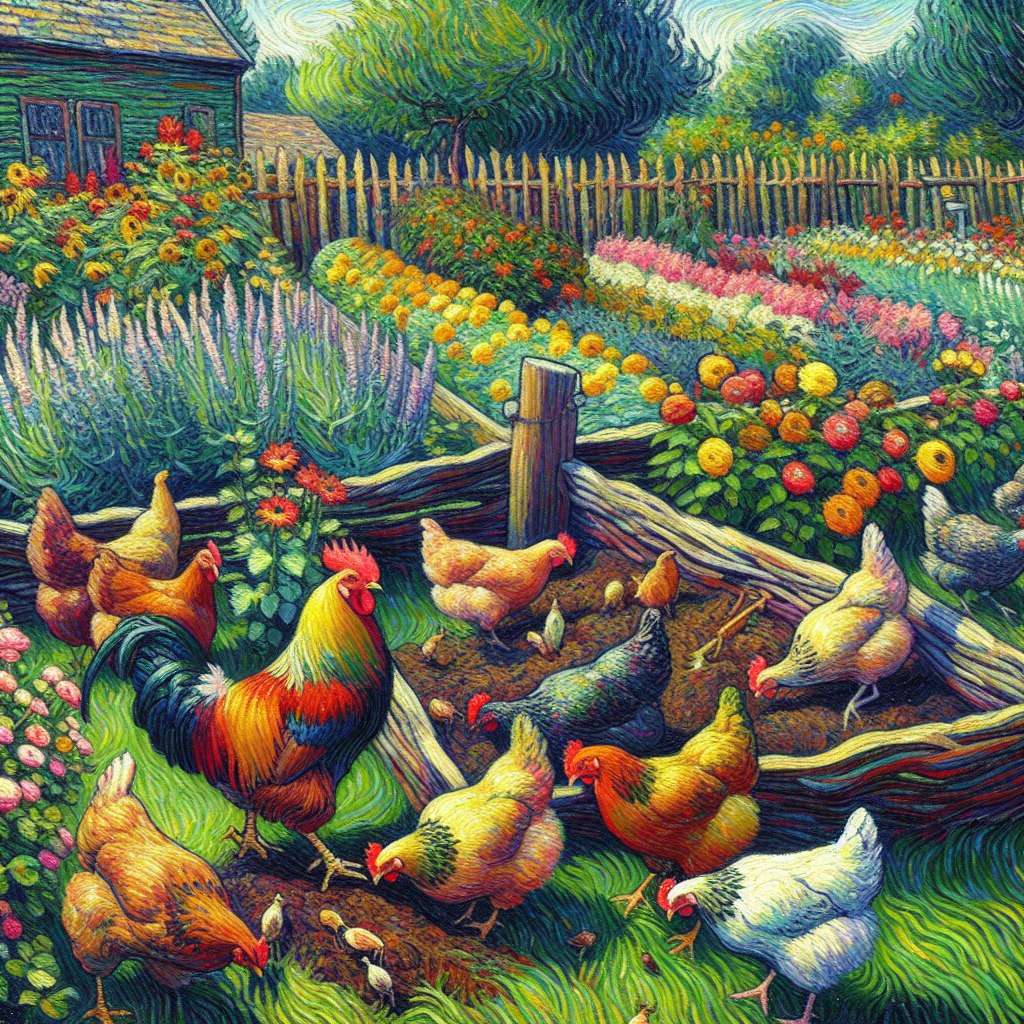
The delicate dance between productivity and care is one that every workplace faces, and while many might think it’s just a numbers game, the truth runs deeper. Picture your backyard chickens, clucking and scratching their way through the day. These little creatures depend on you for everything—from their daily feed to a safe place to nest. They flourish under your care, but that requires time and attention. Now, imagine if your focus shifted solely to how many eggs they would lay each week, neglecting their needs in the process. What kind of relationship are we fostering then?
In our fast-paced world, the push for productivity can often drown out the voices of compassion that linger on the sidelines. Employees wake up each day, not just to clock in and earn a paycheck, but to contribute to something larger. They bring their skills, creativity, and yes—even their struggles. Yet, when the emphasis is placed squarely on output, the heart starts to sink. People become cogs in a machine, losing their connection to their work and, in turn, to each other.
Rationally, we know that a happy worker is a productive worker. When we cultivate an environment that prioritizes well-being alongside results, we nurture loyalty, creativity, and innovation. It’s simple: trust is built when care is evident. When employees feel valued—not just for what they produce, but for who they are—they rise to the occasion, and productivity often soars as a byproduct.
Consider the ethical implications of disregarding this balance. It’s an unsteady scale where the weight of numbers threatens to tip the side of humanity. What does it say about our values when we prioritize efficiency over empathy? How do we expect our teams to flourish, much like those backyard chickens, when we overlook their needs?
The narrative of success in the workplace doesn’t solely hinge on hitting targets; it thrives on building relationships that inspire action and loyalty. Engage your team in meaningful dialogue about their needs. Show them that care isn’t just a tagline; it’s a commitment that can lead to shared accomplishments. In a world obsessed with metrics, let’s redefine what success truly looks like—one cluck at a time.
What Ethical Dilemmas Arise When Balancing Productivity with Care?
What Ethical Dilemmas Arise When Balancing Productivity with Care?
- The balance between productivity and care is crucial in the workplace.
- Employees thrive when their needs are met, similar to backyard chickens requiring attention.
- Focusing solely on output can lead to a disconnection from work and colleagues.
- A happy worker is more productive; prioritizing well-being fosters loyalty and creativity.
- Neglecting the balance between efficiency and empathy raises ethical concerns about workplace values.
- Success in the workplace depends on building relationships and meaningful dialogue about needs.
- Redefining success involves recognizing care as a commitment, not just a tagline.

What Ethical Dilemmas Arise When Balancing Productivity with Care?
How Do You Communicate the Importance Of Ethics In Chicken Care?
When we talk about the ethical treatment of chickens, it’s not just about numbers on a page or regulations set by distant authorities; it’s about the living, breathing creatures we share our lives with. Whether you keep chickens in your backyard or see them as mere ingredients on your plate, understanding their needs and rights can forge a deeper connection to the world around us.
Think about it: every time you take a moment to look into those bright, curious eyes, you realize that these birds have personalities, quirks, and even preferences. They’re not just livestock; they’re individuals deserving of care. Raising Backyard Chickens is a commitment, but it’s also an opportunity to cultivate respect for life. When we prioritize their well-being, it reflects who we are in our communities and beyond. People notice.
Rationally, consider the impact. Ethical chicken care leads to healthier birds, which means better eggs and meat for all of us. Moreover, it creates a ripple effect in the industry. For every backyard coop that demonstrates compassionate care, there’s a chance that commercial operations might follow suit, inspired by local models of success. It’s a cycle of kindness: healthier animals contribute to a healthier food system. When we advocate for their ethical treatment, we’re not just acting in their interest; we’re investing in the integrity of our own food supply.
Emotionally, the stories we share about our chickens can shape perceptions and inspire change. Perhaps you have a tale of a tenacious hen that refused to be outshone by a rooster, captivating every neighbor with her remarkable spirit. These narratives foster empathy and connection, illustrating that behind every egg is a story worth telling.
Going deeper, there’s an ethical clarity that arises when we actively choose to treat these creatures well. It’s a statement about who we are and what we value: a society that cares is a society that thrives. By joining the conversation about ethical chicken care, we are asserting our role as stewards of the earth and its inhabitants.
Let’s rally together, discuss, and promote the practiced wisdom of humane treatment in chicken care. Each small action builds a communities’ commitment to compassion. When we embrace these principles wholeheartedly, we inspire others to do the same. It’s not just about ethics; it’s about our shared humanity and our capacity for nurturing life. Choose ethics—choose connection.

How Do You Communicate the Importance Of Ethics In Chicken Care?
How Do You Communicate the Importance Of Ethics In Chicken Care?
- The ethical treatment of chickens reflects a deeper connection to the living creatures we share our lives with.
- Chickens have personalities and preferences, deserving care and consideration beyond being seen as livestock.
- Raising backyard chickens fosters respect for life and enhances community values.
- Ethical chicken care leads to healthier birds, resulting in better quality eggs and meat.
- Positive local models of chicken care can inspire larger commercial operations to adopt more compassionate practices.
- Narratives about chickens create empathy and connection, reminding us that each egg has a story behind it.
- Advocating for ethical treatment is a step towards a caring society, reflecting our values and nurturing life.

How Do You Communicate the Importance Of Ethics In Chicken Care?
How Can Your Children Participate In Responsible Chicken Keeping?
Raising backyard chickens can be a profound journey for children—one that intertwines responsibility, care, and family connection. Picture this: a young child kneeling in the dirt, gently cupping an egg, their eyes wide with wonder. That simple moment captures the heart of responsible chicken keeping, where each step taken fosters gratitude, respect for life, and an appreciation for sustainable practices.
Let’s dive into the head aspect. Educating children on the benefits of raising backyard chickens goes beyond simply feeding the birds. They can learn essential skills like budgeting for feed, keeping records of egg production, and understanding the vital role hens play in our ecosystem. These lessons equip them with practical knowledge and instill a sense of independence and achievement. Imagine your child explaining to a friend the importance of fresh eggs over store-bought ones. That’s a conversation grounded in reason—one that makes them advocates for healthier food choices.
But what about the ethical considerations? This is where the heart kicks into gear. Kids learn early on that their actions matter. By caring for animals, they grasp the principles of empathy, kindness, and stewardship. Each day spent tending to chickens becomes a lesson in compassion—a chance to nurture not just their feathered friends but also their character. Every time they feed or interact with the flock, they grasp the interconnectedness of life. They understand that every cluck and chirp carries a responsibility they signed up for.
Narratively speaking, stories can be powerful catalysts for engagement. Share tales of how backyard chickens have transformed lives—families bonding over egg-collecting, children cultivating a sense of purpose through daily chores. These stories foster a sense of community and inspire children to take pride in their role within the family unit, making chicken keeping feel less like a chore and more like a fulfilling adventure.
Finally, let’s talk about the social appeals. Encourage your children to share their chicken-keeping experiences with friends, organize neighborhood egg swaps, or participate in farm tours. These activities help forge connections within the community, generating a shared passion for sustainable practices and responsible animal husbandry.
By inviting children into the world of responsible chicken keeping, you’re not just giving them a project—you’re gifting them with lessons that resonate through the heart, mind, and spirit. It’s an experience that extends far beyond the backyard; it’s about building a legacy of care, respect, and sustainable living.

How Can Your Children Participate In Responsible Chicken Keeping?
How Can Your Children Participate In Responsible Chicken Keeping?
- Raising backyard chickens teaches children responsibility, care, and fosters family connection.
- Children learn practical skills such as budgeting for feed and record-keeping of egg production.
- Engaging with chickens helps children understand their role in the ecosystem and the benefits of fresh eggs.
- Caring for chickens instills empathy, kindness, and stewardship in children.
- Stories of chicken-keeping experiences can enhance engagement and create a sense of community.
- Encouraging children to share their experiences and participate in community activities strengthens social connections.
- Raising chickens offers lessons in care and sustainable living that impact children beyond the backyard.

How Can Your Children Participate In Responsible Chicken Keeping?
Conclusion
Welcome to the world of backyard chicken keeping, where raising a flock can transform your family dynamic and deepen your commitment to the land. Imagine your kids rushing to the coop each morning, hearts racing with anticipation to gather fresh eggs. This isn’t merely a matter of breakfast—it’s about community, life lessons, and laughter. When you embrace chicken keeping, you’re not only producing food; you’re nurturing a relationship that teaches responsibility and care.
But before we dive into the emotional pleasures, let’s get down to the nuts and bolts of it. Efficiency often tempts us with easy gains, promising fresh eggs and fertilizer without fully engaging us in the lives of these birds. Yet, the truth is: your chickens have personality. They require your time and compassion, making them more than just companions. They become family members in their own right. Treating them well yields better quality eggs—vivid yolks that tell a story of freedom and joy.
Now consider the ripple effects. Every egg gathered isn’t just food; it’s an opportunity for connection. When you share surplus eggs with neighbors, you’re not just giving away extra food; you’re fostering community ties—inviting conversations that can bridge the gap modern life often creates. Chicken keeping becomes a shared adventure, amplifying stories and moments that enrich your social fabric.
Through this journey, your family becomes a team, weaving life skills and a sense of duty into daily routines. Kids learn that caring for living beings offers profound rewards beyond the mere act of collecting eggs. They discover empathy, resilience, and the joy of working together. It’s grounding in a chaotic world, teaching lessons that resonate beyond the backyard.
But let’s not forget about the ethical aspect. Choosing ethical practices doesn’t just promote animal welfare; it also fosters a culture of care that can transform your home’s essence. By prioritizing the chickens’ happiness, you lay the groundwork for a lifestyle built on compassion. Each cluck and every shared moment becomes a lesson about the interconnectedness of all living things.
Dive into the delightful chaos of chicken keeping, where efficiency and ethical stewardship can coexist, layering your family’s everyday narrative with richness and meaning. It’s time to embrace this fulfilling journey, crafting memories that will last a lifetime while nurturing a warm and thriving family life. So roll up your sleeves, gather those eggs, and let the clucking chaos bring you all together.

Conclusion
Conclusion:
- Backyard chicken keeping enhances family dynamics and commitment to the land.
- Gathering fresh eggs becomes a source of excitement, community bonding, and life lessons.
- Chickens require time and compassion, evolving from pets to family members.
- High-quality eggs result from proper care, reflecting the chickens’ joyful lives.
- Sharing surplus eggs fosters community ties and encourages connection with neighbors.
- Children learn empathy and teamwork through regular care of the flock, gaining valuable life skills.
- Ethical practices in chicken keeping cultivate compassion and interconnectedness, enriching family life.

Conclusion
Other Resources

Other Resources
Here is a list of other resources you can review online to learn more:
- Cornish Cross
- Black Copper Marans
- Basque
- Swedish Black Hen
- Zucchini
- Oatmeal
- grubs
- Cubalaya
- Golden Laced Wyandotte
- Yokohama
- Sumatra
- Avian Pox
- Phoenix
- maggots
- Easter Egger
- collard greens
- Orpingtons
- wildcats
- Ameraucana
- Brown Leghorn
Use This Prompt To Get More Resources With Your Favorite Online AI Tool: Please provide me with a list of online articles with their URLs in a bulleted list that I can read regarding How to Balance Efficiency, Ethics, and Family In Chicken Keeping

Other Resources
Glossary Terms
How to Balance Efficiency, Ethics, and Family In Chicken Keeping – Glossary Of Terms
1. Efficiency: The ability to achieve maximum productivity with minimum wasted effort or expense in chicken keeping.
2. Ethics: Moral principles that govern the behavior of chicken keepers, focusing on humane treatment and sustainable practices.
3. Family: The role of family members in chicken keeping, including responsibilities and shared decision-making.
4. Sustainability: Practices that maintain resources for future generations, ensuring that chicken keeping does not deplete the environment.
5. Humane Treatment: Ensuring that chickens are cared for in a way that respects their welfare, including adequate space, food, and veterinary care.
6. Free Range: A method of chicken keeping that allows chickens to roam outdoors, promoting natural behaviors and wellbeing.
7. Confinement: Keeping chickens in enclosed spaces, which can impact their health and happiness if not managed ethically.
8. Biosecurity: Measures taken to prevent the spread of disease among chickens, protecting both the flock and the surrounding environment.
9. Organic Feeding: Providing chickens with feed that is grown without synthetic fertilizers or pesticides, promoting health and ethics.
10. Community Supported Agriculture (CSA): A system where consumers buy shares of farm products, helping local chicken keepers while promoting community.
11. Waste Management: Strategies for disposing of chicken waste effectively, turning it into compost and minimizing environmental impact.
12. Cage-Free: A labeling term indicating that chickens are raised without cages, allowing more mobility and access to natural behaviors.
13. Pesticides: Chemicals used to kill pests that can affect chickens and their feed, with ethical consideration for long-term environmental effects.
14. Cross-Generational Work: Involving multiple generations of a family in chicken keeping to foster shared values and knowledge.
15. Egg Production: The process of chickens laying eggs, including considerations for both productivity and the well-being of hens.
16. Animal Welfare: The well-being of chickens, focusing on their health, comfort, and overall quality of life.
17. Flock Health: Monitoring the overall health of chicken populations to prevent disease and promote longevity.
18. Feeding Schedule: A structured timetable for providing food to chickens, balancing efficiency with their nutritional needs.
19. Kindness: The practice of treating chickens with compassion and care, impacting their behavior and productivity.
20. Breeding: The selection of specific chicken breeds for particular traits, balancing desired characteristics with ethical considerations.
21. Harvesting: The process of collecting eggs or processing chickens, approached with efficiency while respecting animal welfare.
22. Time Management: Efficiently organizing time for various chicken-keeping tasks, balancing family obligations and responsibilities.
23. Investment: The resources (time, money, effort) allocated to chicken keeping, evaluated for both financial and ethical returns.
24. Education: Ongoing learning about best practices in chicken keeping, enhancing efficiency and ethical considerations.
25. Regulations: Local laws and guidelines governing chicken keeping, ensuring ethical treatment and community standards.
26. Coops: Structures designed for housing chickens, requiring effective design for efficiency, ethics, and family accessibility.
27. Health Checks: Regular assessments of chicken health to prevent illness and inform ethical treatment practices.
28. Egg Quality: The standard of eggs produced, influenced by the health and well-being of chickens, affecting consumer perception.
29. Engagement: The involvement of family members in chicken care and decision-making, fostering a shared responsibility approach.
30. Resource Allocation: Distributing time, money, and effort in chicken keeping effectively to balance productivity with ethical practices.

Glossary Of Terms
Other Questions
How to Balance Efficiency, Ethics, and Family In Chicken Keeping – Other Questions
If you wish to explore and discover more, consider looking for answers to these questions:
- What are the essential needs of backyard chickens for ethical care?
- How can I create a safe and comfortable environment for my chickens?
- What nutritional requirements do backyard chickens have?
- How can I measure the happiness and health of my chickens?
- What are the potential health issues that backyard chickens might face?
- How do I involve children in caring for the chickens responsibly?
- What are the most common mistakes new chicken keepers make?
- How can I ensure my chickens are free from stress and fear?
- What are the signs of a sick or unhappy chicken?
- How do I balance my time and commitment to chicken care with other responsibilities?
- What are the benefits of joining a local chicken-keeping community?
- How can I communicate the joys of chicken keeping to my neighbors?
- What are some fun activities I can do with my family around chicken keeping?
- How do I handle conflicts with neighbors regarding my chickens?
- What legal regulations should I be aware of when keeping chickens?

Other Questions
Haiku
How to Balance Efficiency, Ethics, and Family In Chicken Keeping – A Haiku
Chickens thrive with care,
Hearts and hands in harmony,
Life’s lessons shared, nurtured.

Haiku
Poem
How to Balance Efficiency, Ethics, and Family In Chicken Keeping – A Poem
In the dawn’s soft glow, the clucks start to play,
A children’s laughter dances, brightening the day.
With feathers of joy and hearts full of care,
In every corner of our lives, the chickens share.
Not mere machines for breakfast, each one tells a tale,
Embodying ethics, where compassion prevails.
In the dance of efficiency, let kindness intertwine,
For happy hens bring forth bounty, truly divine.
Gather ‘round, dear family, in the warmth of our home,
Learn responsibility, in this garden we roam.
Together we nurture, together we grow,
In this rhythm of life, let our bond overflow.
Share stories of coop trials, of triumphs and strain,
Each egg a sweet token, of labor and gain.
Nutrition blooms brightly from birds full of glee,
With paths to good health, woven tenderly.
Through shared laughter and kitchens where love ties the knot,
We reshape our connection, with every meal caught.
In communities strengthened by kindness and trust,
We elevate our choices, embracing what’s just.
So delve into this journey, where ethics reclaim,
With feathers and family, we nurture the same.
For in every cluck lies a promise, profound,
A testament of living, where love can be found.

Poem
Checklist
How to Balance Efficiency, Ethics, and Family In Chicken Keeping – A Checklist
Checklist for Balancing Efficiency, Ethics, and Family in Chicken Keeping
Heart Appeals
1. Create a comforting space for your chickens to thrive (natural habitat).
2. Develop a bond through daily interactions with your chickens.
3. Share joyful moments with family, building memories around chicken care.
4. Recognize and appreciate the joy and companionship that chickens provide.
Head Appeals
5. Educate family members about chicken care and the responsibilities involved.
6. Monitor and analyze chicken health, egg production, and feed conversion.
7. Discuss nutritional benefits of home-raised eggs versus store-bought.
8. Utilize technology (apps/tools) to track chicken-keeping metrics.
Gut Appeals
9. Choose ethical feeding options (non-GMO, organic) for healthier eggs.
10. Emphasize natural behaviors of chickens (foraging, socializing) for happier birds.
11. Reflect on the sense of fulfillment and responsibility in caring for animals.
12. Consider the satisfaction of fostering a sustainable food system through ethical practices.
Social Appeals
13. Engage with neighbors by sharing excess eggs and stories about your chickens.
14. Encourage children to participate in chicken care as a team-building activity.
15. Organize or participate in community events (egg swaps, farm tours) to promote awareness.
16. Share your chicken-keeping journey on social media to inspire friends and family.
Narrative Appeals
17. Encourage storytelling about personal experiences with chicken care to foster community.
18. Highlight lessons learned from challenges faced while keeping chickens.
19. Share how your family has grown closer through the chicken-raising experience.
20. Build a family tradition around chicken care that can be passed down.
Ethical Appeals
21. Advocate for animal welfare by prioritizing chickens’ happiness and health.
22. Discuss the impact of ethical treatment on the overall food supply system.
23. Explore conversations about humane treatment and its significance in the community.
24. Educate about the ethical dilemmas in balancing productivity with care responsibilities.
Checklist
At BackyardChickenNews, we help people who want to raise backyard chickens by collating information and news blended with our own personal experiences.
Be sure to read our other related stories at BackyardChickenNews to learn more about raising chickens in your backyard.