

Empower Young Entrepreneurs With Egg-Cellent Business Skills
By Tom Seest
At BackyardChickenNews, we help people who want to raise backyard chickens by collating information and news blended with our own personal experiences.
Be sure to read our other related stories at BackyardChickenNews to learn more about raising chickens in your backyard.
How to Turn Kids’ Egg Sales Into Business Lessons That Stick
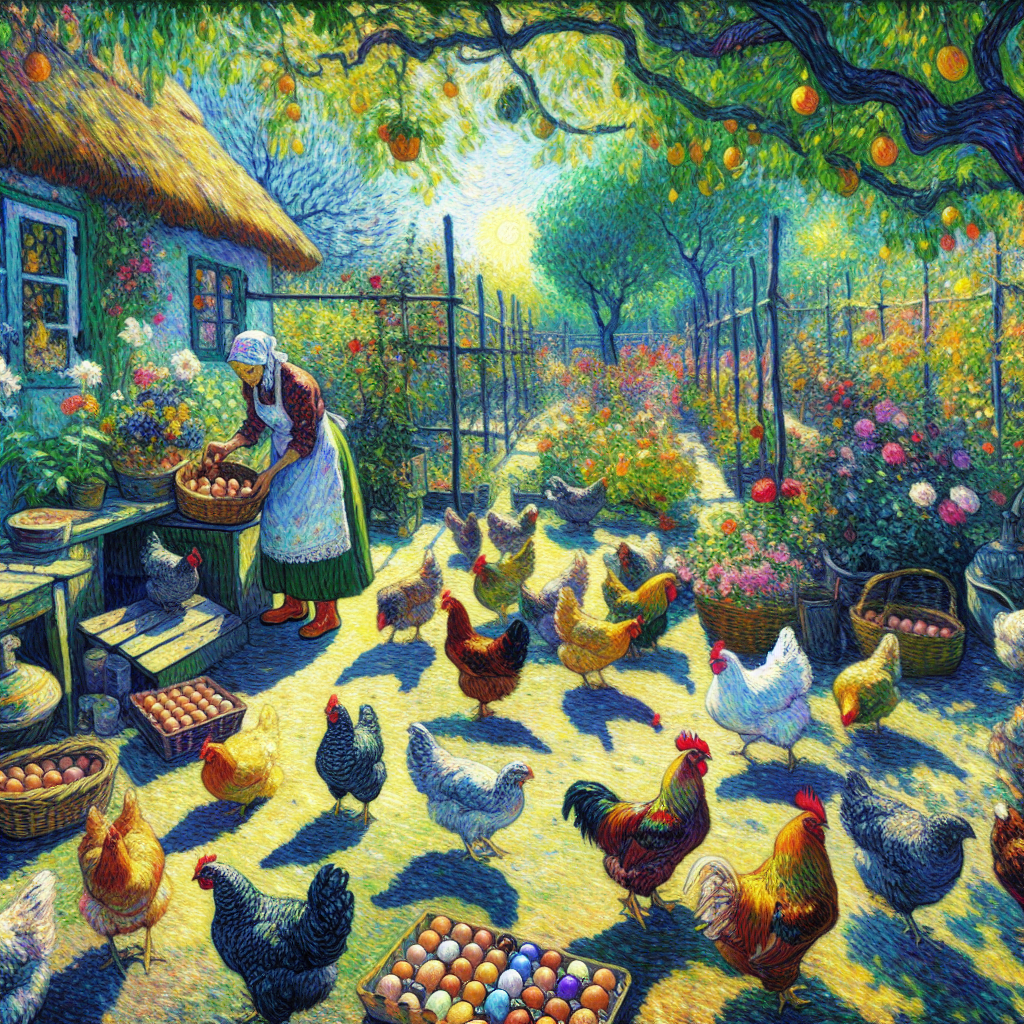
When kids embark on the delightful adventure of selling eggs from their own backyard chickens, they’re not just stepping into the role of young entrepreneurs—they’re learning lessons that resonate far beyond the simple act of trade. Picture the scene: a sun-drenched backyard, laughter rivaling the clucking of hens, as children take pride in collecting eggs. This seemingly innocent endeavor becomes a crucible for a range of valuable life lessons, merging the heart, head, and gut in a powerful way.
At their core, these sales teach children the value of hard work and responsibility. They have nurtured their chickens, watching them grow and learning about the delicate balance of care and commitment. Each egg gathered is a physical manifestation of their labor, a tangible reward for countless hours spent ensuring those feathered companions are healthy and happy. From a rational standpoint, they learn about cost and profit, pricing strategies, and the importance of quality. In an age where instant gratification reigns supreme, watching an egg hatch into a sale patiently reinforces the principle that nothing worthwhile comes without investment.
Ethically, there is a charm in knowing how to treat animals with respect, gaining insight into where food comes from. This foundation of respect for life enhances their character, presenting an opportunity for real conversations about sustainability, local economy, and the interconnectedness of our lives. The sales don’t merely serve the pocketbook; they foster a sense of community spirit. Kids engage with neighbors, share stories about their chickens, and build connections. They realize that their efforts are not just about cash, but contributing to a little ecosystem of support and goodwill.
Moreover, we all know about the power of narrative. When kids recount their experiences—battling stubborn hens, the first time they faced a disappointed customer, or even the joy of a new chick—they’re crafting a compelling story. This narrative not only captivates but also inspires resilience and adaptability, traits that will serve them well in all walks of life.
Encouraging kids to step into this vibrant world of entrepreneurship fosters a confidence that’s hard to teach in traditional classrooms. With every sale, they build a trust in their abilities, a solid foundation for future risks and rewards. In a world yearning for engaged, ethical, and capable leaders, this humble start with backyard chickens can indeed be the spark that ignites lasting change.

How to Turn Kids’ Egg Sales Into Business Lessons That Stick
How to Turn Kids’ Egg Sales Into Business Lessons That Stick
- Children selling eggs from backyard chickens learn valuable life lessons beyond trading.
- They gain understanding of hard work and responsibility through chicken care and egg collection.
- Financial concepts such as cost, profit, pricing strategies, and quality become apparent.
- Respect for animals fosters ethical conversations about sustainability and local economies.
- Engagement with neighbors builds community spirit and support beyond financial gain.
- Telling stories about their experiences enhances resilience and adaptability in children.
- This entrepreneurial endeavor builds confidence and prepares kids for future risks and rewards.

How to Turn Kids’ Egg Sales Into Business Lessons That Stick
Table Of Contents
- How to Turn Kids’ Egg Sales Into Business Lessons That Stick
- What Values Can Kids Learn By Selling Eggs In Their Community?
- What Simple Marketing Strategies Can Kids Use to Sell More Eggs?
- How Do Egg Sales Teach Kids About Financial Responsibility?
- Can Kids Learn Negotiation Skills By Dealing with Customers?
- What Ethical Considerations Should Kids Know About Farming?
- How Can Egg Sales Help Kids Understand Supply and Demand?
- Why Is Teamwork Important In Running a Small Egg Business?
- Conclusion
- Other Resources
- Glossary Of Terms
- Other Questions
- Haiku
- Poem
- Checklist
What Values Can Kids Learn By Selling Eggs In Their Community?
Selling eggs in the community isn’t just about cracking shells and counting profits; it’s a lesson in values that far exceed the simple exchange of goods. When kids embark on this journey, they plug into a tapestry of life skills that resonate with their hearts, fill their heads with knowledge, and stir their guts with purpose.
First off, let’s talk about responsibility. Raising backyard chickens requires effort—a commitment to feeding, caring for, and ensuring their well-being. These little feathered friends become the cornerstone of a child’s understanding of duty, teaching that nurturing a creature leads to rewards. It’s a tangible reminder that hard work pays dividends, both for the chickens and for the kids who look after them.
But it doesn’t stop there. Selling those eggs in the neighborhood transforms a simple chore into an impactful experience. Kids learn about entrepreneurship as they interact with potential customers. Negotiating prices, setting up displays, and managing money teaches them the fundamentals of business. They grasp basic economics by understanding supply and demand in their own backyards, learning that value is often determined by effort and quality—a life lesson that extends beyond the henhouse.
Then, there’s the ethical side—the realization that our choices impact our community. By selling fresh, local eggs, kids cultivate a sense of pride in sustainable practices. They understand where their food comes from, fostering connections with local consumers. They become part of a nurturing ecosystem, reinforcing the idea that their actions matter. This experience instills a moral compass, directing them toward community support and environmental stewardship.
Socially, this venture opens doors to connection. Imagine a child’s face lighting up as they complete a sale and engage in conversation with their neighbors. It’s a beautiful dance of interaction where smiles and kindness break down barriers. This interaction not only fosters friendships but also cultivates a sense of belonging within the community. It teaches kids that nothing feels better than giving back, bolstering their confidence as they realize they can impact others in positive ways.
Ultimately, through the simple act of selling eggs, kids cultivate a deep understanding of responsibility, entrepreneurship, ethics, and community engagement. They become not just sellers but ambassadors for values that resonate throughout their lives, forming a foundation for who they are—and who they will become.

What Values Can Kids Learn By Selling Eggs In Their Community?
What Values Can Kids Learn By Selling Eggs In Their Community?
- Selling eggs teaches valuable life skills that extend beyond simple transactions.
- Raising backyard chickens instills a sense of responsibility in children through care and nurturing.
- Engaging in the sale of eggs introduces children to entrepreneurship and basic economics.
- Kids learn about negotiation, pricing, and managing their finances through selling eggs.
- Selling fresh eggs promotes ethical awareness and supports sustainable practices in the community.
- The experience fosters social connections and a sense of belonging within the neighborhood.
- Kids develop critical values such as responsibility, ethics, and community engagement that shape their future selves.

What Values Can Kids Learn By Selling Eggs In Their Community?
What Simple Marketing Strategies Can Kids Use to Sell More Eggs?
When it comes to selling eggs from your backyard chickens, the most effective marketing strategies aren’t just about shiny signs or catchy slogans; they stir the heart, engage the mind, and stir the gut passion within each customer. Imagine a child, standing proudly at a makeshift stand, their fingers smudged with dirt, a vibrant smile lighting up their face. They’re not just selling eggs; they’re sharing a piece of their life, their lessons learned, and the joy of tending to their flock.
To connect emotionally, storytelling is key. Kids can share the journey of their chickens, from cozy clucks at sunrise to the joy of collecting fresh eggs. Every carton can come with a story: “These eggs come from Rosie, who loves to peck at dandelions,” or “Meet Henrietta! She’s the queen of our coop!” This personal touch not only makes the eggs unique but also fosters an emotional bond with customers, inviting them to be part of that story.
Rational appeals work equally well. Customers want to know why they should choose these eggs over store-bought alternatives. Sharing facts about the nutritional benefits of fresh eggs, and how backyard chickens eat a balanced diet compared to the commercial lot, can spark interest. “Did you know that our eggs are fresher and packed with more nutrients? You can taste the difference!” Educating them provides a reasonable incentive that engages their heads and encourages them to make a smarter choice.
Next, let’s touch on the ethics of buying local. In a world where mass production often reigns, supporting young entrepreneurs makes a statement. Customers can feel good about buying eggs from kids, knowing their purchase supports a family and fosters sustainability. Emphasizing this ethical angle highlights why purchasing from a backyard chicken farm isn’t just about food; it’s an investment in community values.
Finally, turn to social proof. Kids can encourage friends and neighbors to spread the word. Testimonials from satisfied customers—“Best eggs I’ve ever tasted!”—can resonate powerfully, creating a buzz that sparks interest and engenders trust within the community.
So, let those kids get their hands dirty, share their stories, show off those fresh eggs, and inspire action in their small corner of the world. They’re not just selling eggs; they’re building connections that feed both body and soul.

What Simple Marketing Strategies Can Kids Use to Sell More Eggs?
What Simple Marketing Strategies Can Kids Use to Sell More Eggs?
- Effective egg-selling strategies engage customers emotionally through storytelling.
- Children can share the journey of their chickens, adding personal touches to the sale.
- Rational appeals highlight the nutritional benefits of fresh eggs versus store-bought options.
- Educating customers about egg quality provides a reasonable incentive to buy.
- Emphasizing the ethics of buying local supports young entrepreneurs and community values.
- Social proof, including testimonials from satisfied customers, builds trust and interest.
- Encouraging children to share their stories fosters connections that enrich the community.

What Simple Marketing Strategies Can Kids Use to Sell More Eggs?
How Do Egg Sales Teach Kids About Financial Responsibility?
Imagine a sunny Saturday morning, the kind that beckons you outside with a promise of adventure and the sweet scent of possibility in the air. In the backyard, a small coop clucks with life—backyard chickens strutting about, laying eggs, and teaching a hard yet simple lesson about financial responsibility. It’s more than just collecting eggs every morning; it’s about nurturing a sense of ownership and understanding the value of hard work.
The journey starts with a small investment: a few dollars for feed, a sturdy coop to shelter your feathery friends, and a sprinkle of tender love and care. As your kids help you in this endeavor, they begin to see the connection between effort and reward. Each day when they gather those fresh eggs, they gain first-hand experience in the world of personal finance. They learn that it takes time and dedication to turn an initial investment into something rewarding. The thrill of cracking open a perfectly laid egg feels like a mini celebration, but it also comes wrapped in the responsibility of feeding, cleaning, and caring for their chickens.
Now, let’s chat about ethics. There’s a silent but powerful lesson woven into this seemingly simple task: every animal deserves respect. By caring for their chickens responsibly, kids learn about accountability—not just to the birds but toward their own choices and actions. That sets them on a path toward ethical decision-making that extends beyond the coop. Lessons in empathy allow them to grasp that every choice they make can have repercussions, not just for them, but for others, too.
But the story doesn’t end there. Sharing eggs with neighbors fosters community ties and brings people together. It teaches kids the importance of giving and builds stronger social networks—honestly, how many conversations start over a carton of fresh eggs? Before you know it, they’re bartering with neighbors or selling extras, grasping the fundamentals of supply and demand, and gaining valuable life skills that transcend the chicken coop.
So, the next time you find yourself pondering how to teach your kids about financial responsibility, consider the humble backyard chicken. It’s more than just a project; it’s an invitation to launch a journey of growth, appreciation, and connection that instills trust, builds confidence, and inspires action. After all, every egg is a new lesson just waiting to be discovered.

How Do Egg Sales Teach Kids About Financial Responsibility?
How Do Egg Sales Teach Kids About Financial Responsibility?
- Sunny Saturday mornings invite outdoor adventures and new experiences.
- Backyard chickens teach financial responsibility through egg collection and nurturing.
- Initial investments include feed and a coop, promoting ownership and effort.
- Kids learn the relationship between hard work and reward with each fresh egg.
- Caring for chickens instills ethics, accountability, and empathy in children.
- Sharing eggs builds community ties and fosters social interaction.
- Raising chickens provides a practical lesson in financial concepts, trust, and confidence.

How Do Egg Sales Teach Kids About Financial Responsibility?
Can Kids Learn Negotiation Skills By Dealing with Customers?
Imagine your child standing in a bustling farmer’s market, eyeing a dozen vibrant eggs from a stall that boasts “Backyard Chickens.” The challenge? To engage with the vendor, navigate expectations, and strike the best deal possible. Sounds simple, right? Yet, in that moment, your child is submerged in a world of negotiation—a skill set that’ll serve them a lifetime.
Negotiation isn’t just a fancy word for debating over price; it’s a lesson in human interaction, empathy, and strategic thinking. This isn’t about grabbing the lowest price. Instead, it’s a delicate dance of understanding the other person’s needs while asserting one’s own—a fundamental part of everyday life. As children engage with customers, they are woven into a wider social tapestry. They learn how to express themselves clearly and how to listen actively, grappling with the intricacies of turning “no” into “yes.”
On a deeper emotional level, these interactions may seem fleeting, but they resonate far beyond the market stall. Picture the pride in your child’s eyes when they walk away having successfully negotiated for those eggs. It’s not just about the tangible outcomes; it’s about self-confidence, resilience, and the thrill of accomplishment. Each conversation can be a story of victory, teaching them that their voice matters and that collaboration often yields the sweetest rewards.
From a rational standpoint, mastering negotiation sharpens critical thinking and problem-solving skills. Children learn to weigh options, understand diverse perspectives, and act decisively—all crucial life skills for the future. When they realize that negotiation isn’t just about winning, but about creating value for everyone involved, they cultivate an ethical framework that will guide them in life’s bigger deals.
As a parent, fostering these experiences means investing in your child’s emotional and social intelligence. Engage them in conversations about their interactions. Share your experiences, encourage their stories, and celebrate their successes—no matter how small. In doing so, you create a safe space for growth, establishing trust that nurtures both their confidence and their ability to navigate the world.
So the next time your child approaches that vendor, let them know that it’s not just about the eggs; it’s about equipping them to tackle whatever life throws their way. After all, every transaction is an opportunity to learn—one negotiation at a time.

Can Kids Learn Negotiation Skills By Dealing with Customers?
Can Kids Learn Negotiation Skills By Dealing with Customers?
- Children learn negotiation skills in everyday situations, like buying eggs at a farmer’s market.
- Negotiation teaches empathy, human interaction, and strategic thinking beyond just price discussion.
- Engaging with vendors helps children express themselves and listen actively, turning “no” into “yes.”.
- Successful negotiations boost children’s self-confidence, resilience, and sense of accomplishment.
- Mastering negotiation sharpens critical thinking and problem-solving abilities for future challenges.
- Children develop an ethical framework, understanding that negotiation is about mutual value creation.
- Parents can support their children’s growth by discussing experiences and celebrating small successes.

Can Kids Learn Negotiation Skills By Dealing with Customers?
What Ethical Considerations Should Kids Know About Farming?
Farming isn’t just about growing crops or raising livestock; it’s a delicate dance between taking care of the earth, understanding where our food comes from, and recognizing our responsibilities as stewards of this planet. For kids, learning about the ethical considerations of farming can open their eyes to the critical role they can play in creating a sustainable future. Take, for instance, the simple joy of raising backyard chickens. It’s not just about having fresh eggs at your breakfast table; it’s about fostering a relationship with the animals and the land, and understanding their needs.
Imagine a child waking up each morning to feed their chickens, connecting with those lively, clucking creatures. This daily responsibility teaches values like compassion and empathy. How would it feel if every time you gathered eggs, you acknowledged the work it takes for those birds to provide nourishment? This is the heart of ethical farming—recognizing that every living being has a role and deserves respect.
Think about how food is produced on a larger scale. Many kids today are fortunate enough to grow up without a tangible understanding of where their meals originate. Learning about the environmental impact of farming practices—like monoculture versus crop rotation—enables them to think critically about their choices as consumers. It leads to questions: What pesticides do we use? Where does our food come from? Who are the farmers behind our favorite foods? Understanding these concepts will help them connect the dots between their plates and the planet.
In the story of farming, there is no shortage of hard lessons. Kids should learn about the ethical treatment of animals, including how factory farming often compromises their well-being for profit. Encouraging them to explore humane practices fosters a deeper sense of responsibility and moral accountability.
Moreover, there’s an ethical imperative to support local farmers and sustainable practices. When kids grasp the impact of their purchasing decisions, they become empowered consumers, capable of supporting their communities. This connection not only enhances their understanding of farming ethics but also expands their societal role.
By nurturing these values, children can grow into informed adults who make choices that reflect their commitment to the planet and its inhabitants. Farming teaches them that every seed planted, every egg collected, and every meal shared carries a story worth telling—one that teaches respect, sustainability, and a better future for all.

What Ethical Considerations Should Kids Know About Farming?
What Ethical Considerations Should Kids Know About Farming?
- Farming involves environmental stewardship, understanding food origins, and ethical responsibilities.
- Children can learn about sustainability through hands-on experiences, such as raising backyard chickens.
- Daily tasks with animals teach compassion, empathy, and the value of responsibility.
- Understanding food production, like the difference between monoculture and crop rotation, is vital for critical thinking about consumer choices.
- Kids should learn about the ethical treatment of animals, particularly the issues surrounding factory farming.
- Supporting local farmers and sustainable practices empowers children to become informed consumers.
- Farming instills respect and sustainability, helping children grow into responsible adults with a connection to the planet.

What Ethical Considerations Should Kids Know About Farming?
How Can Egg Sales Help Kids Understand Supply and Demand?
In a world where everything seems instant and digital, the tangible act of selling eggs can provide a profound lesson in supply and demand that resonates with the very core of what it means to be engaged in our communities. Imagine a group of kids, knee-deep in the muck of their own backyard chickens, gathering eggs each morning. There’s a thrill in that, isn’t there? The sheer joy of harvesting what they’ve sown. Now, here’s where the journey gets really interesting.
When these young entrepreneurs decide to sell their eggs, they’re stepping into a world that teaches them not just about price tags and transactions, but about hard work and responsibility. The act of keeping chickens isn’t just a fun hobby; it’s a powerful education in economics that few classrooms can match. As they watch their supply fluctuate—an abundance one week and a shortage the next—they start to grasp a fundamental truth: value isn’t just in the egg itself but in the context surrounding it. A dozen eggs, fresh and lovingly gathered, means something different when there’s a demand at the local farmer’s market versus when nobody’s interested.
Kids, with their bright eyes and open minds, learn quickly that the world doesn’t revolve around them. It’s about connection—the connection between the effort they put in and the reward they receive. That deep-rooted understanding gives them not just a sense of agency, but also a newfound respect for consumers’ choices. They begin to comprehend that ethics play a role too; selling eggs from well-treated chickens adds value that can’t be quantified. It’s a lesson in integrity that teaches them to take pride in their work and produce something worthy of trust.
On a social level, selling backyard eggs invites kids to engage with their neighbors, spreading joy and forging bonds through shared experience. They become part of a greater community, one where conversations blossom over breakfast tables, igniting interest in food sources and sustainability. All of this experience shapes their worldview, one that values not just price, but the relationships behind every item exchanged.
Through the simple act of selling eggs, kids not only learn about supply and demand; they grasp the importance of responsibility, community, and ethical choices. This isn’t just about economics; it’s about nurturing a new generation that understands the heart behind every transaction. So, when they bring those eggs to market, it’s more than just a sale—it’s a stepping stone toward something far greater.

How Can Egg Sales Help Kids Understand Supply and Demand?
How Can Egg Sales Help Kids Understand Supply and Demand?
- The act of selling eggs teaches kids valuable lessons in supply and demand.
- Gathering eggs from backyard chickens provides a hands-on experience that connects them to their community.
- Young entrepreneurs learn about hard work, responsibility, and the value of their efforts.
- Fluctuations in egg supply illustrate the relationship between value and market demand.
- Kids gain respect for consumer choices and the importance of ethics in business.
- Selling eggs fosters community engagement and encourages conversations about sustainability.
- This experience nurtures a generation that appreciates the relationships behind economic transactions.

How Can Egg Sales Help Kids Understand Supply and Demand?
Why Is Teamwork Important In Running a Small Egg Business?
When you think about running a small egg business, the first image that might come to mind is a solitary farmer tending to their flock of backyard chickens. But behind those adorable clucks and rustling feathers lies a truth that transcends individual effort: teamwork is the lifeblood of this humble endeavor. It’s about more than just producing eggs; it’s about crafting a community, weaving a tapestry of hope and purpose in every hand that gathers an egg.
Imagine starting your day with the dawn’s first light, the sound of roosters announcing their presence. With a small team, those early morning hours transform from a solo hustle into a shared experience. Each member brings their unique strengths—one person might be an expert in animal husbandry, while another knows the ins and outs of local market dynamics. The beauty of teamwork is that it harnesses those individual skills, creating a well-rounded machine that can respond to challenges with grace and agility.
But the essence of teamwork in an egg business extends beyond mere efficiency. It’s an ethical commitment to fostering a culture of support and collaboration. When everyone pulls together, challenges become opportunities. Perhaps there’s a sudden outbreak in the local feed supply—a stressful moment that could cripple a single operator. However, with their team, solutions arise from shared creativity and resourcefulness, ensuring that not a single egg goes uncollected.
Beyond the practical, there’s an emotional connection that flourishes when a team works side by side. The shared laughter during morning feedings, the moments of triumph when a new batch of chicks hatches—these form bonds that last far beyond the egg crate. A team that celebrates together also weathers storms together, cultivating resilience that can turn setbacks into stepping stones.
Then, there’s the social impact. In a world increasingly disconnected, a small egg business grounded in teamwork invites community involvement. Your customers aren’t just buyers; they’re part of a movement that values collaboration, sustainability, and local production. When you invite your community into the process, from the henhouse to the market, you’re not just selling eggs. You’re sharing a story that resonates with the heart, fosters trust, and builds a legacy for generations to come.
So as you embark on this journey, remember, it’s not just about the eggs. It’s about the people who help you get them to market. Together, in every sense, you can hatch something extraordinary.

Why Is Teamwork Important In Running a Small Egg Business?
Why Is Teamwork Important In Running a Small Egg Business?
- Running a small egg business is not just an individual effort; teamwork is essential.
- Team members contribute unique skills, enhancing overall effectiveness and problem-solving.
- Collaboration fosters a culture of support, transforming challenges into opportunities.
- Emotional connections grow through shared experiences, creating lasting bonds within the team.
- A team that celebrates successes together develops resilience and adaptability.
- Community involvement turns customers into part of a movement focused on sustainability and local production.
- The journey is about people and relationships, leading to extraordinary outcomes beyond just selling eggs.

Why Is Teamwork Important In Running a Small Egg Business?
Conclusion
Picture a vibrant backyard filled with laughter and the cheerful clucking of chickens, where children are not just playing but engaged in something profoundly important. As they gather fresh eggs daily, they are simultaneously stepping into the shoes of young entrepreneurs, gaining a treasure trove of life lessons that shape their characters. The act of selling eggs transforms a simple chore into a kaleidoscope of responsibility, ethics, social interaction, and economic principles.
Each egg represents hard work and commitment. Kids learn that caring for chickens entails more than just feeding and watering; it’s a nurturing relationship that instills values like responsibility and empathy. When they package these eggs for sale, they connect with their community—neighbors don’t just buy eggs; they buy a piece of a child’s story, rich with labor, joy, and authenticity.
From a rational angle, this process teaches fundamental business skills. Children quickly grasp concepts like supply and demand, pricing, and marketing, realizing that quality matters. They learn to negotiate and understand the finer nuances of selling, valuate their product based on the care they put into it, and communicate effectively with customers. Those moments spent negotiating prices are not just transactions; they’re powerful exercises in communication and understanding.
Ethically, the experience deepens. Kids cultivate a respect for animals and recognize the impacts of their choices, enhancing their moral compass. They realize that their work contributes to a broader ecosystem—supporting local economies and embracing sustainable practices. This foundational understanding is vital in a world where food sources are often shrouded in mystery.
The social aspects of egg selling cannot be overstated. Each sale blossoms into a connection—an exchange that fosters community spirit. Conversations about chickens and eggs break down barriers, nurturing friendships and shared values. The collective experience builds confidence in children, allowing them to appreciate how their actions resonate with others.
Ultimately, what starts as a humble backyard project flourishes into a platform for growth, instilling values and skills that prepare them for future endeavors. In a society hungry for engaged, ethical leaders, those backyard chickens become more than just pets; they are the catalysts that inspire a generation to embrace responsibility, creativity, and community. Through this journey, children don’t just learn to sell eggs; they learn to build a better world, one sale at a time.

Conclusion
Conclusion:
- A vibrant backyard serves as a platform for children to learn important life skills while gathering fresh eggs.
- Children assume the roles of young entrepreneurs, gaining lessons in responsibility, ethics, and economic principles through selling eggs.
- Caring for chickens fosters values such as responsibility and empathy in children.
- Packaging and selling eggs facilitate community connections, turning transactions into personal stories filled with hard work and authenticity.
- Children learn fundamental business skills, including supply and demand, pricing, and effective communication with customers.
- The experience cultivates respect for animals and an understanding of sustainable practices, enhancing their ethical framework.
- Egg selling promotes social interactions, builds confidence, and fosters community spirit among children and neighbors.

Conclusion
Other Resources

Other Resources
Here is a list of other resources you can review online to learn more:
- toads
- Java
- Poultry Lice
- turnip greens
- Nankin
- sunflower
- Altsteirer
- Gumboro
- earthworms
- Austra White
- Light Brahma
- Mycoplasmosis
- Tomaru
- Cherry Egger
- Sultan
- Serama
- grains
Use This Prompt To Get More Resources With Your Favorite Online AI Tool: Please provide me with a list of online articles with their URLs in a bulleted list that I can read regarding How to Turn Kids� Egg Sales Into Business Lessons That Stick

Other Resources
Glossary Terms
How to Turn Kids’ Egg Sales Into Business Lessons That Stick – Glossary Of Terms
1. Entrepreneurship: The process of starting and managing a business venture with the aim of making a profit.
2. Business Plan: A written document outlining the strategy, goals, and financial forecasts of a business.
3. Marketing: Activities and strategies used to promote and sell products or services to customers.
4. Sales: The process of selling goods or services to customers in exchange for money.
5. Target Market: A specific group of consumers identified as the intended audience for a product or service.
6. Pricing Strategy: The method used to determine the selling price of a product, considering costs, competition, and profit margins.
7. Branding: The process of creating a unique identity for a product or company, including name, logo, and messaging.
8. Customer Service: Support and assistance given to customers before, during, and after purchasing a product.
9. Profit: The financial gain made after subtracting the costs associated with producing and selling a product.
10. Inventory: The stock of goods available for sale, including products in storage and ready for sale.
11. Revenue: The total income generated from sales of goods or services before any expenses are deducted.
12. Expenses: Costs incurred by a business in the process of generating revenue, including materials, labor, and overhead.
13. Investment: The allocation of resources, usually money, to generate returns or profits.
14. Cash Flow: The movement of money in and out of a business, crucial for maintaining financial health.
15. Startup: A newly established business, often in the early stages of development and seeking initial funding.
16. Mentorship: Guidance provided by a more experienced individual to help others develop skills and knowledge.
17. Networking: Building and maintaining professional relationships to share resources and opportunities.
18. Negotiation: The process of reaching an agreement through discussion and compromise between parties.
19. Accountability: The obligation of individuals to report on the results and performance of their business activities.
20. Leadership: The ability to guide, motivate, and influence others toward achieving common goals.
21. Teamwork: Collaborative efforts of a group to achieve a shared objective, utilizing individual strengths.
22. Risk Management: The process of identifying, assessing, and prioritizing risks to minimize their impact on a business.
23. Consumer Behavior: The study of how individuals make decisions to spend their resources on consumption-related items.
24. E-commerce: Buying and selling goods or services over the internet, often requiring digital marketing strategies.
25. Social Media Marketing: Utilizing social media platforms to promote products and engage with customers.
26. Sustainability: Practices that ensure a business can operate without compromising future generations’ ability to meet their needs.
27. Goal Setting: The process of establishing specific, measurable, attainable, relevant, and time-bound objectives.
28. Feedback: Information provided by customers or mentors about a product or performance, used for improvement.
29. Innovation: The introduction of new ideas, products, or processes to improve efficiency and meet customer needs.
30. Scalability: The ability of a business to grow and manage increased demand without compromising performance.
Glossary Of Terms
Other Questions
How to Turn Kids’ Egg Sales Into Business Lessons That Stick – Other Questions
If you wish to explore and discover more, consider looking for answers to these questions:
- What specific age group is most suitable for kids to start selling eggs?
- What are the legal requirements for selling eggs in my area?
- How can parents support their children in setting up an egg-selling business?
- What resources are available for teaching kids about entrepreneurship?
- How can kids manage the finances of their egg-selling venture?
- What safety considerations should kids be aware of when caring for chickens?
- What are some creative ways kids can market their eggs?
- How can kids learn about animal welfare through raising chickens?
- What challenges might kids face while selling eggs and how can they overcome them?
- How does this experience prepare kids for future business opportunities?

Other Questions
Haiku
How to Turn Kids’ Egg Sales Into Business Lessons That Stick – A Haiku
Backyard hands collect,
Eggs tell stories of hard work,
Life lessons in shells.

Haiku
Poem
How to Turn Kids’ Egg Sales Into Business Lessons That Stick – A Poem
In sunlit backyards where laughter rings,
Children dream of feathered things,
Hens cluck softly, life begins anew,
Each egg a lesson, a treasure in view.
With tiny hands, they gather care,
Learning hard work is always fair,
From nurturing chicks to trade on the street,
Responsibility blooms with each heartbeat.
Selling eggs becomes their joyful art,
A dance of courage, a leap to start,
Negotiating prices, they learn the game,
Understanding value, relationships flame.
Stories unfold, journeys shared wide,
From the coop to the market, hearts open wide,
Community grows in the warmth of exchange,
A tapestry woven, bonds never strange.
Echoes of ethics linger in the air,
Respect for life, for the land they care,
With every sale, they gauge supply,
Lessons in economics made clear by and by.
Confidence blossoms in every small win,
Teaching resilience, the strength found within,
In each little struggle, a narrative spins,
Crafting leaders, where true change begins.
So here’s to the children, the fresh egg sellers,
Building the future, kind-hearted dwellers,
With every egg sold, hopes take flight,
Empowered for lives that shine ever bright.

Poem
Checklist
How to Turn Kids’ Egg Sales Into Business Lessons That Stick – A Checklist
Checklist: Empowering Young Entrepreneurs Through Egg Sales
Emotional Appeals
_____ Celebrate Effort: Acknowledge the commitment and hard work involved in raising chickens and selling eggs.
_____ Share Stories: Encourage children to create a narrative around their chickens and eggs to connect emotionally with customers.
_____ Foster Pride: Help kids develop a sense of pride in their contributions to the community through sustainable practices.
Rational Appeals
_____ Understand Economics: Teach kids about basic supply and demand principles through their egg sales.
_____ Cost Calculation: Have kids track expenses and profits to grasp the concept of financial responsibility.
_____ Nutritional Education: Share information about the health benefits of fresh eggs compared to store-bought alternatives.
Ethical Appeals
_____ Animal Welfare: Discuss the importance of treating chickens with respect and understanding ethical farming practices.
_____ Sustainability Awareness: Inspire conversations about environmental stewardship and the impact of local farming.
_____ Community Engagement: Highlight the importance of supporting local economies and ethical purchasing decisions.
Authority Appeals
_____ Expert Guidance: Invite local farmers or entrepreneurs to share their experiences and tips for running a small business.
_____ Literature Resources: Provide books or articles about entrepreneurship, farming, and economics tailored for kids.
Narrative Appeals
_____ Personal Experience: Encourage kids to document their journey of caring for chickens and selling eggs through journals or videos.
_____ Customer Stories: Ask them to collect testimonials from satisfied customers to enhance their sales pitches.
Social Appeals
_____ Build Connections: Promote networking with neighbors and local communities to foster relationships and support.
_____ Team Collaboration: Encourage kids to work together and share responsibilities to learn teamwork skills.
_____ Host Community Events: Organize egg-selling events or fairs to strengthen community bonds and attract more customers.
Use this checklist as a framework to guide young entrepreneurs in their journey of learning and growing through the experience of selling eggs.

Checklist
At BackyardChickenNews, we help people who want to raise backyard chickens by collating information and news blended with our own personal experiences.
Be sure to read our other related stories at BackyardChickenNews to learn more about raising chickens in your backyard.