

Empowering Communities Through Sustainable Commerce
By Tom Seest
At BackyardChickenNews, we help people who want to raise backyard chickens by collating information and news blended with our own personal experiences.
Be sure to read our other related stories at BackyardChickenNews to learn more about raising chickens in your backyard.
Local, Organic, and Online – the Hybrid Business Model That Works
In a world overflowing with mass-produced goods and corporate giants, the idea of a local, organic, and online hybrid business model is like a breath of fresh air – or, better yet, the first warm rays of morning sun hitting your backyard chickens. There’s something fundamentally powerful about knowing where your food comes from, and it resonates with our deep-rooted instincts. It calls us back to the land, to the relationships that nourish not just our bodies, but our communities.
Picture this: every time you crack an egg from those backyard chickens, a profound connection is formed—not just to the animal, but to the cycle of life itself. Local farms and their online marketplaces serve as bridges, transforming that primal bond into an accessible reality. You can order fresh produce and ethical meats from just a click away; it’s about reclaiming our plates, our health, and our sanity in a fast-paced world that often feels disconnected.
Consider the rational side: your purchase directly supports your neighbors. It fuels economies, nurtures growth, and fosters sustainability. When you buy local, you’re not just stocking your fridge; you’re also contributing to a vibrant ecosystem that rewards hard-working farmers and artisans. This choice is ethical, promoting humane practices and environmental stewardship. It’s a win-win, every way you look at it.
Now let’s talk trust. In an era where supermarket products come with lists of ingredients that read like a chemistry lesson, knowing your farmer is a game changer. You are not just a customer; you’re part of a conversation, a movement towards transparency. That sense of community, that warmth, it’s what breeds loyalty and inspires confidence. When you invest in a local business, you invest in a shared vision for a healthier, more connected future.
These hybrid models not only advocate for sustainability and ethical practices, they also bring us together. They build bridges between the farmer and the consumer, creating a narrative that we can all be proud to share. Whether it’s a shared recipe idea or a community event, these connections humanize our transactions. And so, as you gaze toward those squawking chickens in your backyard, remember that you’re part of something larger than yourself—something exciting and transformative. Together, we can pave the way for a future grounded in our shared values, our local farms, and our online possibilities.

Local, Organic, and Online – the Hybrid Business Model That Works
Local, Organic, and Online – the Hybrid Business Model That Works
- The local, organic, and online hybrid business model provides a refreshing alternative to mass-produced goods.
- Knowing the source of our food fosters a strong connection to the land and nourishes communities.
- Local farms with online marketplaces make it easier to access fresh produce and ethical meats.
- Purchasing locally supports neighbor economies and promotes sustainability while rewarding farmers and artisans.
- Building trust with local farmers offers transparency in food sourcing and fosters a sense of community.
- Hybrid business models advocate for ethical practices and create human connections through shared experiences.
- This movement encourages a healthier, connected future by valuing local farms and leveraging online opportunities.

Local, Organic, and Online – the Hybrid Business Model That Works
Table Of Contents
- Local, Organic, and Online – the Hybrid Business Model That Works
- What Personal Values Drive Your Choice for Local Organic Products?
- What Ethical Considerations Guide Your Purchasing Decisions for Food?
- How Can You Balance Convenience and Quality In Your Shopping Habits?
- How Do Online Platforms Enhance Your Access to Organic Products?
- What Role Does Sustainability Play In Your Food Choices?
- How Does Buying Local Influence Your Perception Of Food Quality?
- How Can You Help Raise Awareness About the Benefits Of Local Sourcing?
- Conclusion
- Other Resources
- Glossary Of Terms
- Other Questions
- Haiku
- Poem
- Checklist
What Personal Values Drive Your Choice for Local Organic Products?
When you stroll through your local farmer’s market, surrounded by the colors and aromas of fresh produce, you’re not just buying food; you’re making a statement about who you are and what you value. For many, choosing local organic products is fueled by a potpourri of personal values—values that stir the heart, ignite the mind, and resonate in the gut.
Picture this: a sunny morning in your backyard, where the gentle clucking of chickens echoes as they scratch at the fresh grass. It’s a scene laden with warmth and authenticity, a simple reminder of life’s roots. These backyard chickens—whether they belong to you, a neighbor, or that friendly farmer down the road—represent an intimate connection to the cycle of life and the source of your food. When you choose to buy organic, you’re not just filling your cart; you’re fostering that connection, supporting a farmer who cares deeply about their craft, just like you care about what goes into your family’s meals.
Rationally, it makes perfect sense. Buying local means your food doesn’t have to travel thousands of miles—less fuel, less waste, and fresher flavors. Plus, you’re not just getting produce; you’re investing in sustainable agriculture that respects the land and our planet. When you hear that the farm’s practices enhance soil health and encourage biodiversity, take a moment to let it sink in. It’s not just good for you; it’s good for the Earth.
Ethically, the choice feels like a no-brainer. We care about how our food is grown and treated. Supporting local farmers means supporting fair wages and humane practices, creating ripple effects that uplift entire communities. It taps into an inherent desire to do right by others—not just the farmers, but the environment, and ultimately, ourselves. It’s a collective effort that binds us together, forging a community rooted in trust and integrity.
When folks share stories at the market about where their food comes from—each carrot, each egg from those beloved backyard chickens—it’s not just about sustenance; it’s about relationship. It’s about being part of a narrative, a movement that goes beyond consumerism. So, step up and engage. Support your local farmers. Your choices resonate, not just on your dinner plate, but throughout your community. The next time you consider those local organic options, remember it’s more than just a purchase; it’s a pledge to the values that shape our lives and our world.

What Personal Values Drive Your Choice for Local Organic Products?
What Personal Values Drive Your Choice for Local Organic Products?
- Shopping at local farmer’s markets reflects personal values and identity.
- Choosing organic products connects consumers to the source of their food and the cycle of life.
- Buying local reduces transportation, waste, and enhances freshness.
- Supporting sustainable agriculture benefits the land and promotes biodiversity.
- Ethically, buying local supports fair wages and humane farming practices.
- Community interaction at markets fosters relationships and a sense of belonging.
- Purchasing local organic food is a commitment to values that impact individuals and communities.

What Personal Values Drive Your Choice for Local Organic Products?
What Ethical Considerations Guide Your Purchasing Decisions for Food?
When it comes to filling up your shopping cart those items you bring home to your family go beyond mere labels and prices. Each choice in the grocery aisle tells a story—one that threads together sustainability, health, and a connection to the land. Take a second to picture a sunny afternoon, a kid chasing a chicken around a backyard, laughter ringing in the air as you think: “What does it mean to eat well?”
That’s a question that dances between our hearts and our heads every time we make a purchase. You might consider the hardworking farmers raising ethically treated animals or the produce grown without synthetic pesticides. It resonates especially if you’ve ever gazed into the eyes of a hen in your backyard—seeing her not just as a food source but as part of the ecosystem, as vital as the earth beneath our feet. There’s something inherently right about supporting those who prioritize the health of their animals and the land.
But let’s not sidestep the numbers. Buying local is often more than just a trend or a fad; it can actually be a smart decision for your wallet and community. Reduced transportation costs mean fresher vegetables that generally taste better and are packed with nutrients. It’s a win-win for your taste buds and your health.
Then, there’s the ethical landscape. Are you opting for foods that promote humane treatment of animals? The very thought of supporting practices that treat living beings as commodities can tug at the heartstrings. Do you want your dollars to support factory farming, or would you rather know your food came from a farm that values animal welfare and environmental health? When ethical considerations are core to your purchases, you’re becoming part of a larger movement—a community that believes in justice, both for the soil and the souls that inhabit it.
Finally, we all know the power of social influence. Friends, family, and neighbors shape our habits. When you start discussing your choices—your local farmers, that backyard chicken project, whatever it may be—you’re inspiring others to reevaluate their own shopping lists. Every conversation is a thread that weaves trust into community fabric. And that’s where true power lies, igniting action that resonates far beyond your own plate.
So, next time you grab that grocery bag, think about the stories behind each item. It’s more than nourishment; it’s a declaration of your values and a step towards a better world for everyone.

What Ethical Considerations Guide Your Purchasing Decisions for Food?
What Ethical Considerations Guide Your Purchasing Decisions for Food?
- Grocery shopping goes beyond labels and prices; each item tells a story of sustainability, health, and a connection to the land.
- Choosing ethical and sustainably sourced foods connects us to the ecosystem and the farmers who care for their animals and land.
- Buying local supports your community and often results in fresher, tastier produce with more nutrients.
- The ethical implications of food choices encourage consumers to consider humane treatment of animals and environmental health.
- Supporting ethical food sources promotes a movement for justice in both agriculture and animal welfare.
- Social influence from friends and family can reshape our shopping habits and inspire community discussions about food choices.
- Every shopping trip represents our values and contributes to creating a better world for everyone.

What Ethical Considerations Guide Your Purchasing Decisions for Food?
How Can You Balance Convenience and Quality In Your Shopping Habits?
Balancing convenience and quality in your shopping habits is like tending to a garden; it requires attention, care, and a bit of elbow grease. When we stroll through the aisles of our local grocery store or scroll through online retailers, we often find ourselves caught in the pull of instant gratification—a shiny package promising quick solutions. But take a moment, breathe, and think about what truly nourishes us.
Imagine the taste of a fresh egg from your own backyard chickens. It’s not just about the egg; it’s about the process, the connection, and the satisfaction of knowing where your food comes from. That feeling—knowing you’ve made a choice that supports both your health and your community—is worth the extra time invested. You’re not just feeding yourself; you’re nurturing the place you call home.
Now, consider the broader picture: the ethics of our purchases. Every time you swipe that card, you’re casting a vote. Are you voting for a local farmer who treats his animals with care, or are you opting for packaged products that contribute to a system that compromises quality for scale? Many shoppers want to do the right thing, but convenience can be a siren song that lures us away from our values.
This isn’t just about ideology; it’s about practicality. When you prioritize quality, you’re not merely spending more. You’re investing in your well-being. A vibrant, nutritious meal provides more than sustenance; it fuels your day, impacts your mood, and enhances your life. So why settle for less?
We all have stories—moments when we took the time to choose quality over convenience. Maybe it was when you visited that cozy farmers market, where every vendor had a story to tell, or the time you bravely tried your hand at baking bread instead of buying it pre-sliced. These experiences not only connect us to what we consume but to those around us.
In a world brimming with options, the challenge lies in striking that balance. Let your values and your common sense guide you. Embrace the journey of thoughtful shopping, connect with the community, and trust that when you put in the effort, your choices will resonate far beyond your plate.

How Can You Balance Convenience and Quality In Your Shopping Habits?
How Can You Balance Convenience and Quality In Your Shopping Habits?
Here’s a bulleted summary of the provided text formatted as an HTML list:
- Balancing convenience and quality in shopping is akin to nurturing a garden, requiring attention and effort.
- Instant gratification often lures shoppers towards quick solutions, but taking time to reflect on what nourishes us is essential.
- Choosing fresh, locally-sourced food fosters a connection to the process and supports community health.
- Every purchase reflects our values; opting for ethical choices supports caring local farmers over mass-produced items.
- Prioritizing quality is an investment in well-being, impacting mood, energy, and overall life satisfaction.
- Personal experiences, like visiting farmers markets or baking, enhance our connection to food and the community.
- Striking a balance between values and convenience is crucial; thoughtful shopping enriches our lives beyond just meals.
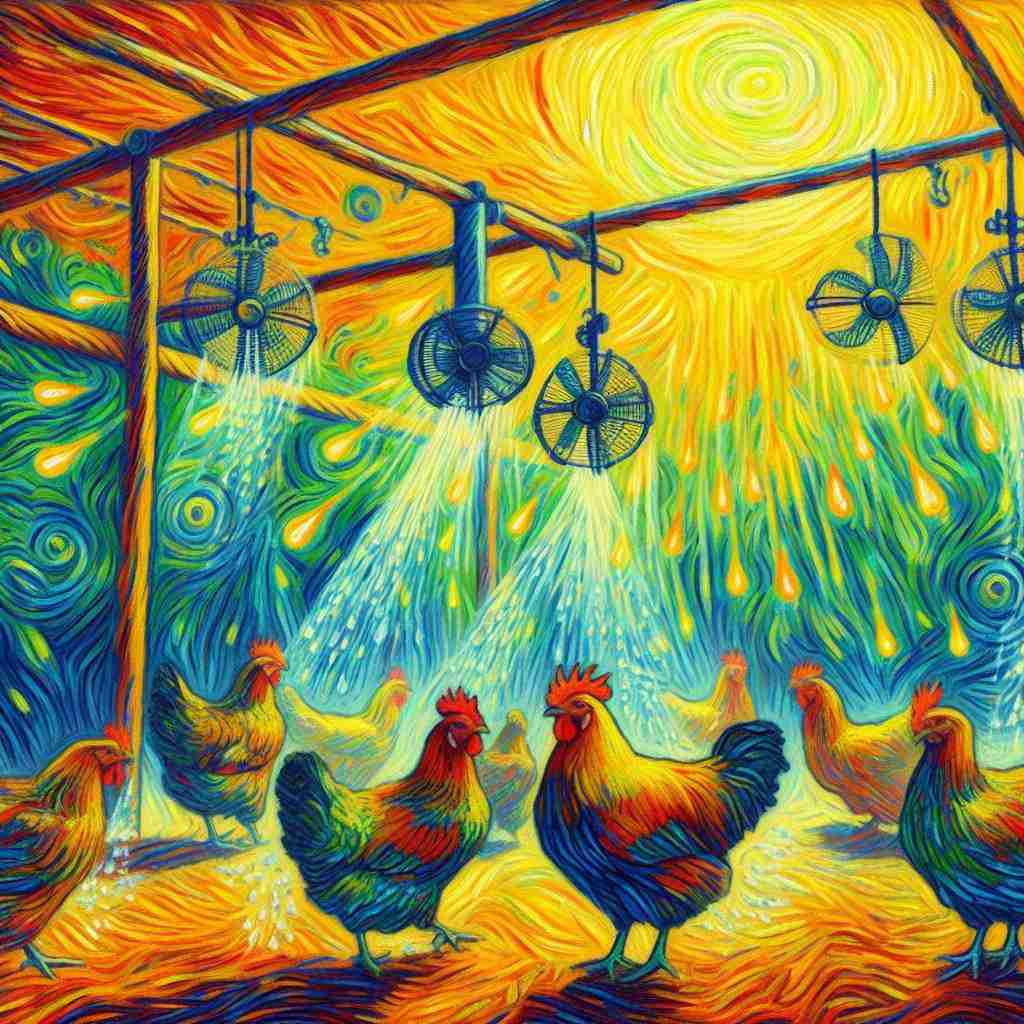
How Can You Balance Convenience and Quality In Your Shopping Habits?
How Do Online Platforms Enhance Your Access to Organic Products?
Picture this: the sun rising over a backyard filled with the gentle clucking of chickens, feathers glinting in the morning light. As you step outside, the aroma of fresh air mingles with the earthy scent of the garden. This is the kind of scene that not only warms the heart but stirs the spirit—a moment when we reconnect with the simple joys of nurturing life and savoring nature’s bounty. Online platforms now allow so many people to tap into this exhilarating experience.
Think about it—how many times have you yearned for that farm-fresh taste, the vibrant colors of organic fruits and vegetables, or perhaps even the thrill of raising your own backyard chickens? These platforms connect you directly to local farmers and artisans, allowing you to bypass the sterile, fluorescent-lit aisles of the supermarket. This isn’t just about convenience; it’s about supporting sustainable practices that benefit your community and the planet. These choices matter. When you purchase organic, you’re not just buying food; you’re investing in a healthier lifestyle, one that respects the land and honors the hard work of those who till it.
Rationally, the benefits are clear—when you choose organic, you’re often getting products free from harmful pesticides and additives, which can be particularly crucial for your family’s health. This isn’t just a trend; it’s a responsible, ethical decision that has long-term benefits for your well-being. And thanks to technology, barriers fall away. You can discover the local farmer down the road who unknowingly shares your values, making it easy to form a meaningful connection.
But let’s not forget the social aspect. Sharing your journey—whether that’s posting pictures of your vibrant produce haul on social media or inviting friends over for a home-cooked meal—fosters a stronger community. It’s a chance to inspire others to break free from the grasp of processed foods and join a movement grounded in authenticity and quality.
So, take that first step. Dive into the world of online platforms that elevate your access to organic products. Whether you’re building a backyard coop or picking up a basket of seasonal veggies, you’re not just making a meal; you’re crafting a lifestyle rooted in connection, health, and sustainability. Embrace the change; it’s one worth savoring.

How Do Online Platforms Enhance Your Access to Organic Products?
How Do Online Platforms Enhance Your Access to Organic Products?
- The scene of a sunrise in a backyard with chickens evokes feelings of warmth and a connection to nature.
- Online platforms link people to local farmers and artisans, enhancing the experience of farm-fresh food.
- Choosing organic supports sustainable practices that benefit both communities and the planet.
- Purchasing organic food promotes a healthier lifestyle and honors the work of local farmers.
- Organic products are often free from harmful pesticides and additives, crucial for family health.
- Sharing the journey of organic living fosters community and inspires others to choose quality over processed foods.
- Engaging with online platforms creates a lifestyle focused on connection, health, and sustainability.
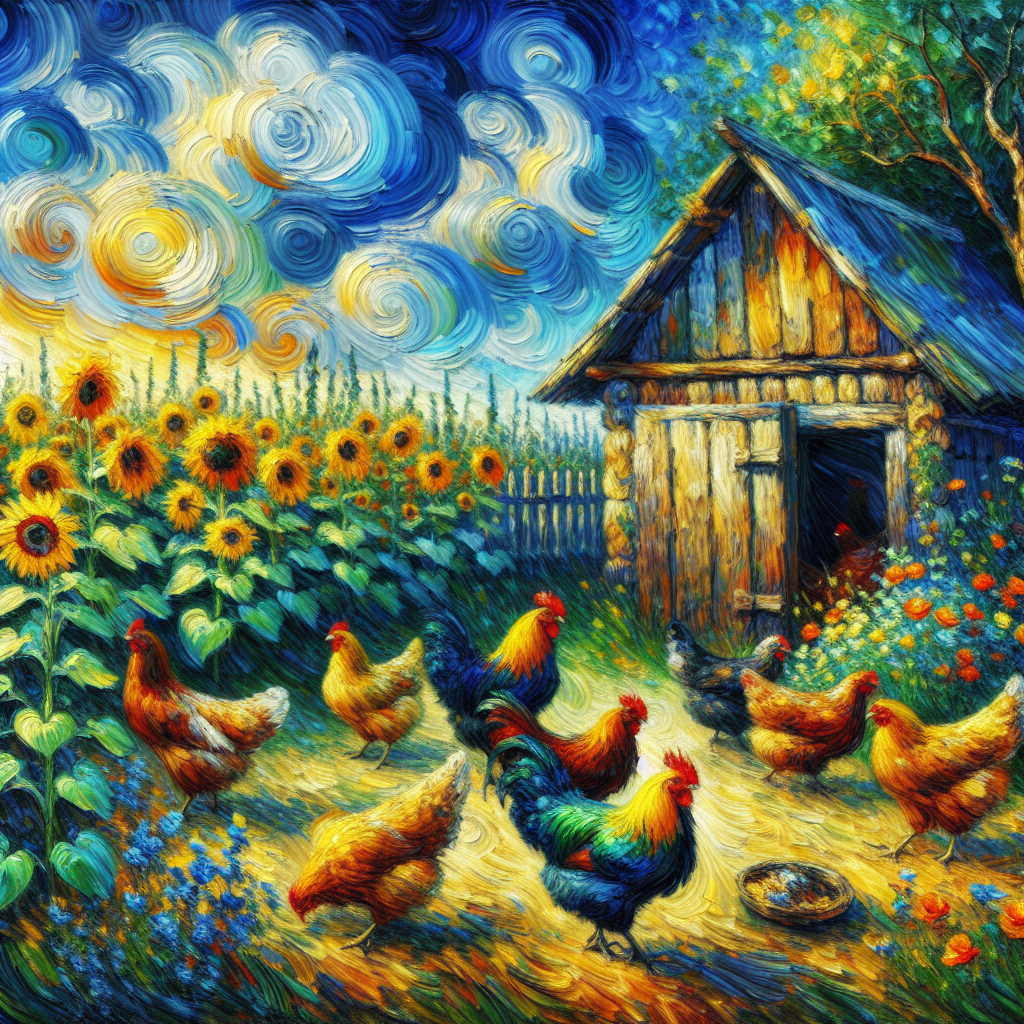
How Do Online Platforms Enhance Your Access to Organic Products?
What Role Does Sustainability Play In Your Food Choices?
Imagine stepping into your backyard and watching a few clucking chickens scratching about, blissfully unaware of their role in your sustainable food journey. It’s a simple scene, but it speaks volumes about the choices we make, choices that resonate deeply with who we are and the planet we share.
When you choose food that is sustainable, you are not just feeding your body; you’re feeding your values. Each bite of responsibly sourced meat, organic produce, or locally grown grains is a vote in favor of a healthier world. This isn’t just altruism; it’s smart. Studies show that sustainable farming practices can increase biodiversity, improve soil health, and reduce harmful greenhouse gas emissions. Living with purpose is more than just an idea—it’s a necessity for the future.
Ethically, this journey leads to profound introspection. Consider the families behind those farm-fresh eggs or the artisans crafting that delectable cheese. They are the heartbeats of the food system, tied to their land and community, striving for balance and integrity. When you grab that carton of eggs, you’re not just choosing breakfast; you’re endorsing a system that values animal welfare and environmental stewardship.
Yet, there’s also a social fabric woven into our food choices. Imagine sharing a meal made with seasonal vegetables from your local farmer’s market. Those vibrant colors on your plate spark conversations, foster connections, and create a sense of belonging. It feels good to know that every mouthful is a celebration of community, support, and shared values.
Navigating sustainability can seem daunting, but it doesn’t have to be. Start small; select one or two items that align with your values. Perhaps it’s organic milk that is free of antibiotics or participating in a local CSA (Community Supported Agriculture). With each step, you’ll not only nourish your body but also cultivate a deeper relationship with the earth.
So, when you think about what’s on your plate, let that gut feeling guide you. Those simple choices—like bringing home a dozen eggs from your neighbor’s backyard chickens—craft a brighter future for our children and their children. We all share this planet, and your choices matter. Stand tall, dig deep, and let your food choices reflect the world you want to see. The power is in your hands!

What Role Does Sustainability Play In Your Food Choices?
What Role Does Sustainability Play In Your Food Choices?
- Watching chickens in your backyard symbolizes the choices we make for sustainability.
- Sustainable food choices reflect personal values and support a healthier world.
- Responsible sourcing benefits biodiversity, soil health, and reduces greenhouse gas emissions.
- Food choices encourage introspection about the farmers and artisans behind our meals.
- Eating local and seasonal foods fosters community connections and shared values.
- Starting small with sustainable choices can create a deeper relationship with the earth.
- Your food decisions can shape a brighter future for generations to come.

What Role Does Sustainability Play In Your Food Choices?
How Does Buying Local Influence Your Perception Of Food Quality?
When you stroll through your local farmers’ market, the air is thick with the earthy smell of freshly harvested produce, a scent that pulls you in like a moth to a flame. In that moment, you’re not just buying tomatoes; you’re connecting with the soil, the sun, and the hands that nurtured those plants from seeds to succulent fruits. Each item on your table tells a story, linking you to your community in a way that corporate foods never could. There’s something profound about knowing where your food comes from, and when it’s just a few miles from your backyard, that connection is palpable.
The perception of food quality often hinges on the relationship we form with its origins. Local farms boast transparency; seeing the farmer’s smile as they hand you a basket of their best wares fills you with confidence. You can trust that they’ve poured their heart into every crop. It’s hard to feel the same warmth when you peel back the label on a supermarket chicken, wondering what it might have been fed. Backyard chickens can teach us a lesson here. Imagine knowing exactly what you’re feeding those hens, seeing them roam freely in the sunshine, and enjoying fresh eggs that taste like nothing you could buy off a supermarket shelf. That’s quality you can taste and feel.
Beyond the taste and the story, there’s something ethically fulfilling about choosing local. It’s a vote for your community, for sustainable practices, and for the environment. When you support local farmers, you’re saying no to mass production and yes to responsible stewardship. You’re investing in your own health and the well-being of future generations. These choices contribute to a more sustainable food system, reinforcing a network of relationships rather than a faceless transaction.
Let’s also not overlook the social aspect. Sharing a meal made from local ingredients creates a bond that transcends the dinner table. From potlucks with friends to family gatherings, the food embodies love, tradition, and connection. Food not only nourishes our bodies but also our relationships. So next time you contemplate your dinner options, remember that every purchase is an opportunity to engage with your community, support ethical practices, and savor the true essence of quality food. Embrace the power of local—it’s more than a choice; it’s a way of life.

How Does Buying Local Influence Your Perception Of Food Quality?
How Does Buying Local Influence Your Perception Of Food Quality?
- Farmers’ markets provide an earthy, alluring experience connecting buyers to the origins of their food.
- Purchasing local produce links consumers to the soil, sunlight, and farmers’ efforts.
- Local farms offer greater transparency and foster trust through personal connections with farmers.
- Backyard chickens illustrate the benefits of knowing food origins and the quality in home-raised products.
- Choosing local foods supports community, sustainable practices, and environmental wellness.
- Local meals enhance social bonds and tradition, enriching relationships with shared experiences.
- Every food purchase is a chance to engage with the community and embrace the essence of quality food.

How Does Buying Local Influence Your Perception Of Food Quality?
How Can You Help Raise Awareness About the Benefits Of Local Sourcing?
Raising awareness about the benefits of local sourcing isn’t just a chore—it’s a calling. Think about it: when you support local farmers, artisans, and producers, you’re not just buying a product; you’re investing in your community, nurturing relationships, and championing ethical practices. It’s a way to breathe life into your neighborhood and create a sustainable future for generations to come.
Imagine your weekends spent engaging in conversations with friends over a hearty meal made from ingredients sourced just a few miles away. Picture your backyard transformed into a cooperative space where neighbors share homegrown vegetables or perhaps even raise backyard chickens together. This dynamic not only enhances your diet but fosters connections with those nearby, creating memories and bonds over shared experiences. There’s a satisfaction that comes from knowing where your food comes from, connecting you to the land and the people who cultivate it, grounding you in a shared narrative.
On a practical level, local sourcing is often fresher, tastier, and more nutritious than mass-produced alternatives. Think about the last time you bit into a locally grown tomato bursting with flavor, as opposed to something shipped thousands of miles. The freshness alone tells a story, a testament to the pride local farmers take in their craft. By choosing to buy local, you’re encouraging sustainable farming practices that not only rejuvenate the soil but also reduce carbon footprints, fostering a healthier planet for all.
Your voice is powerful. Use it to educate others about the benefits of local sourcing. Share your experiences on social media, host community events, or organize local food fairs. The more you talk about these advantages, the more people will realize the impact of their choices. By creating buzz around local sourcing, you’re not just raising awareness; you’re inspiring action.
Let’s not overlook the ethical dimension. By supporting local businesses, you are championing fair wages and better working conditions for workers in your community. This ripple effect can lead to a more equitable economy, enhancing the quality of life for everyone involved. Economically, culturally, and socially, local sourcing enriches our lives in ways that extend far beyond the transaction itself.
So roll up your sleeves, get involved, and help create a culture of awareness and appreciation for local sourcing. It’s not just about shopping; it’s about nurturing our communities for a brighter future.

How Can You Help Raise Awareness About the Benefits Of Local Sourcing?
How Can You Help Raise Awareness About the Benefits Of Local Sourcing?
- Supporting local farmers and artisans is an investment in community and ethical practices.
- Engaging in local sourcing fosters relationships and creates shared experiences with neighbors.
- Locally sourced foods are generally fresher, tastier, and more nutritious than mass-produced options.
- Choosing local helps encourage sustainable farming practices and reduces carbon footprints.
- Educating others about local sourcing can inspire action and increase awareness in the community.
- Supporting local businesses promotes fair wages and better working conditions, enhancing the economy.
- Local sourcing enriches lives culturally, socially, and economically, nurturing communities for a brighter future.

How Can You Help Raise Awareness About the Benefits Of Local Sourcing?
Conclusion
In the heart of our bustling lives, the notion of local, organic, and online hybrid business models shines like a beacon of hope, reminding us of our deeper connection to food, community, and the planet we inhabit. This isn’t just a commercial strategy; it’s a revolution rooted in our collective values and instincts. When you choose to buy local, every egg cracked from those backyard chickens symbolizes more than a meal; it embodies a profound relationship that nurtures not just your body but your community as well.
Imagine this: you’re at a farmers market, surrounded by vibrant colors and the earthy scents of fresh produce. Each purchase isn’t just a transaction; it’s a heartfelt declaration of who you are. Supporting local farmers means invigorating the economy, upholding sustainable practices, and investing in your health. There’s a rousing sense of empowerment that comes with reclaiming your food choices, connecting with the sources behind your nourishment, and fostering a community focused on ethical, humane practices.
Rationally speaking, buying local makes perfect sense. It benefits not only your taste buds—with produce picked at the peak of ripeness—but it’s also a wise economic move. Supporting local farmers reduces the carbon footprint associated with transporting food, promoting agricultural methods that benefit the land for future generations. These choices enhance biodiversity and demonstrate eco-consciousness, echoing a collective desire for a kinder planet.
Trust is another cornerstone in this movement. Today’s consumers crave transparency that mass-produced items simply can’t deliver. When you can look a farmer in the eye and share stories behind the food you eat, you’re engaging in a meaningful dialogue, a web of relationships that transcends mere consumption. Each collaboration—be it in meal prep or a shared recipe—strengthens those connections.
Moreover, as you partake in this vibrant community, you inspire others to join the movement. Your choices have a ripple effect, encouraging neighbors and friends to reevaluate their own purchasing habits. As discussions unfold, a shared narrative develops that emphasizes integrity and connection, forging a community invested in collective well-being.
Ultimately, this journey isn’t just about filling our plates; it’s about nourishing our values and constructing a legacy that honors both people and the planet. So as you embark on your next grocery journey or community event, relish the opportunity to vote with your dollars, and celebrate the simple but profound truth: when we choose to buy local, we’re not just changing our diets; we’re cultivating a brighter, more sustainable world for ourselves and generations to come.

Conclusion
Conclusion:
- Local, organic, and online hybrid business models strengthen our connection to food, community, and the planet.
- Buying local symbolizes deeper relationships that nurture both individual health and community well-being.
- Shopping at farmers markets turns purchases into empowering declarations of identity and values.
- Supporting local farmers invigorates the economy, promotes sustainability, and improves personal health.
- Purchasing locally reduces carbon footprints and enhances biodiversity for a healthier environment.
- Consumer trust and transparency are essential; personal connections with food sources foster meaningful relationships.
- Choosing local inspires community engagement, encouraging others to join the movement for collective well-being.

Conclusion
Other Resources

Other Resources
Here is a list of other resources you can review online to learn more:
- Nankin
- Poultry Mites
- roaches
- dogs
- Phoenix
- Lymphoid Leukosis
- cereals
- Red Sex Link
- cooked beans
- roundworms
- Jersey Giant
- Brahmas
- Infectious Coryza
- Avian Pox
- Golden Laced Wyandotte
- Minorca
- salmonella
Use This Prompt To Get More Resources With Your Favorite Online AI Tool: Please provide me with a list of online articles with their URLs in a bulleted list that I can read regarding Local, Organic, and Online – the Hybrid Business Model That Works

Other Resources
Glossary Terms
Local, Organic, and Online – the Hybrid Business Model That Works – Glossary Of Terms
1. Local: Refers to businesses that operate within a specific geographic area, focusing on serving the community with products and services.
2. Organic: Pertains to products produced without synthetic chemicals or genetically modified organisms, often associated with sustainable farming practices.
3. Online: Describes businesses that primarily operate through the internet, providing products or services via digital platforms.
4. Hybrid Business Model: A combination of multiple business approaches, integrating both physical and online operations to maximize reach and efficiency.
5. E-commerce: The buying and selling of goods or services through online platforms, facilitating transactions over the internet.
6. Sustainability: The practice of meeting current needs without compromising future generations’ ability to meet theirs, often emphasized in organic and local products.
7. Supply Chain: The entire process of producing and delivering a product from raw materials to the end consumer, encompassing local sourcing and distribution.
8. Community Engagement: The involvement of a business with local residents and organizations to foster relationships and support sustainable practices.
9. Farm-to-Table: A movement promoting the direct sourcing of food from local farms to increase freshness and support local economies.
10. Consumer Preferences: The tendencies and choices of customers regarding products, often leaning towards local and organic options for health reasons.
11. Market Reach: The extent to which a business can attract and serve customers, combining physical presence with online accessibility.
12. Direct Sales: A sales approach where products are sold directly to consumers, often leveraged by local businesses and e-commerce platforms.
13. Brand Loyalty: The tendency of consumers to consistently purchase a particular brand, bolstered by the authenticity of local and organic products.
14. Product Authenticity: The assurance that a product is genuinely organic or locally sourced, enhancing customer trust and satisfaction.
15. Digital Marketing: Promotional strategies executed online, such as social media and email marketing, aimed at reaching a wider audience.
16. Local Sourcing: Procurement of goods and ingredients from nearby producers, supporting local economies and reducing transportation emissions.
17. Niche Market: A specific segment of the market focused on unique products or services, often targeted by local and organic businesses.
18. Responsive Supply Chain: A supply system that adapts quickly to changes in demand, crucial for businesses balancing local and online sales.
19. Omnichannel Retailing: A sales strategy that provides customers with a seamless shopping experience across all channels, including in-store and online.
20. Customer Experience: The overall impression a consumer has while interacting with a business, influenced by service quality and product availability.
21. Logistics: The planning and execution of transporting products from suppliers to consumers, integral for hybrid business operations.
22. Ecosystem: The interconnected network of businesses, consumers, and suppliers that interact within local and online markets.
23. Product Differentiation: The process of distinguishing a product from others in the market, often through quality, sustainability, or local origin.
24. Sustainable Packaging: Environmentally-friendly packaging methods that reduce waste and support organic and local product initiatives.
25. Customer Feedback: Insights and opinions collected from consumers about their experiences, helping businesses improve their offerings.
26. Social Media Presence: The visibility and engagement of a business on social platforms, vital for promoting local and organic products.
27. Curation: The careful selection and presentation of products, often seen in online marketplaces that emphasize quality and local sourcing.
28. Collaborative Consumption: A business model based on sharing resources or services, fostering community connections and sustainability.
29. Traceability: The ability to track the origin and journey of a product, important for ensuring transparency in local and organic goods.
30. Value Proposition: The promise of value that a business delivers to its customers, highlighting the benefits of choosing local and organic options.

Glossary Of Terms
Other Questions
Local, Organic, and Online – the Hybrid Business Model That Works – Other Questions
If you wish to explore and discover more, consider looking for answers to these questions:
- What are the main advantages of a local organic business model?
- How can consumers verify the organic status of local products?
- What are some examples of successful hybrid businesses using this model?
- How do local farmers markets compare to supermarket shopping in terms of quality and price?
- What specific practices contribute to sustainable farming?
- How can local sourcing impact environmental sustainability?
- What are the common challenges faced by local farmers in the current market?
- How does buying from local farmers impact the economy of the community?
- What role do online platforms play in promoting local sustainability?
- How can consumers advocate for local organic products within their communities?
- What impact does community engagement have on the success of local businesses?
- Are there any negative consequences associated with local sourcing?
- What resources are available for those interested in starting their own local organic business?
- How can individuals educate themselves on ethical food sourcing?
- What are the health benefits associated with consuming local organic products?

Other Questions
Haiku
Local, Organic, and Online – the Hybrid Business Model That Works – A Haiku
Fresh eggs from the earth,
Local choices weave our lives—
Nurturing our soul.

Haiku
Poem
Local, Organic, and Online – the Hybrid Business Model That Works – A Poem
In a world of mass-produced haste,
Where giants tower, their shadows cast,
A tender bloom begins to unfurl,
Local roots intertwine with our world.
Backyard chickens, clucking near,
Whisper stories that we hold dear.
With every egg, a cycle of grace,
Eating well becomes our place.
A marketplace filled with vibrant hues,
Where farmers toil, giving us clues,
Of health and heart in every bite,
Sustaining bodies and futures bright.
Supporting neighbors, our choices ring,
Fueling economies, a community’s spring.
Ethics weave through the soil and seed,
Trust blooms in relationships, our common creed.
A life of integrity, we pledge, we strive,
Where animal welfare and nature thrive.
Each meal a canvas, bursting with care,
Narratives shared, in flavors we share.
As technology connects us to those we seek,
Beneath the surface, it’s more than a tweak.
Every click is a vote for a kinder way,
A bridge to farmers, a brightening day.
So step closer, let your values show,
For the choices we make let our spirits grow.
From backyard plots to farmers’ stands,
Together, let’s nurture our sacred lands.
Invest in the earth, in community’s pride,
With every transaction, let love be our guide.
For when we source local, connect with the land,
We craft a future, vibrant and grand.

Poem
Checklist
Local, Organic, and Online – the Hybrid Business Model That Works – A Checklist
Checklist for Embracing Local, Organic, and Sustainable Choices
Heartfelt Connections
_____ Reflect on Your Values: Write down the personal values that inspire your choice for local organic products.
_____ Engage with Your Community: Attend local farmers’ markets and community events to form relationships with producers and neighbors.
_____ Cultivate Mindfulness: Spend a moment appreciating the food on your plate and its connection to the land and people who produced it.
Rational Considerations
_____ Evaluate Travel Impact: Consider the distance food travels to reach you. Choose products that are local to reduce carbon footprints.
_____ Assess Nutritional Benefits: Research the health benefits of organic foods compared to conventional options, focusing on pesticide exposure and freshness.
_____ Track Your Spending: Calculate how much of your grocery budget goes to local versus corporate food sources.
Ethical Engagement
_____ Support Animal Welfare: Choose products from farms that prioritize humane treatment of animals.
_____ Assess Environmental Impact: Investigate the sustainability practices of the brands and farms you support.
_____ Participate in Community Discussions: Engage in or create forums that discuss ethical sourcing and sustainable practices.
Authority and Trust
_____ Know Your Farmers: Visit local farms or producers to learn about their practices and how they treat their land and animals.
_____ Follow Expert Advice: Stay informed by reading reports and articles from agricultural experts and sustainable food advocates.
_____ Share Your Knowledge: Educate friends and family about the benefits of choosing local and organic products.
Narrative Building
_____ Share Your Food Stories: Communicate the journey from farm to table with local foods in your social circles or on social media.
_____ Create a Cooking Tradition: Host dinners featuring local ingredients and invite friends to join in cooking and experiencing the meal together.
_____ Document Your Journey: Start a blog or journal that chronicles your experiences with local sourcing and sustainable eating.
Social Influence
_____ Encourage Participation: Motivate others to join you in shopping locally or starting their own backyard gardens.
_____ Collaborate with Neighbors: Organize a community initiative like a local food co-op or shared gardening project.
_____ Utilize Social Media: Post about your positive experiences with local sourcing to inspire others in your network to make similar choices.
Practical Steps
_____ Make a Shopping List: Plan your grocery shopping around local farmers’ markets or community-supported agriculture (CSA) programs.
_____ Start Small: Begin with one or two local items each week and gradually increase your commitment to local sourcing.
_____ Keep Track of Your Purchases: Note the local products you enjoy most and seek to include them regularly in your diet.
Embrace this checklist as a step towards a more connected, ethical, and sustainable way of living through your food choices. Each decision contributes to a larger movement towards a healthier community and planet.

Checklist
At BackyardChickenNews, we help people who want to raise backyard chickens by collating information and news blended with our own personal experiences.
Be sure to read our other related stories at BackyardChickenNews to learn more about raising chickens in your backyard.