

Preserving Heritage Breeds For A Sustainable Tomorrow
By Tom Seest
At BackyardChickenNews, we help people who want to raise backyard chickens by collating information and news blended with our own personal experiences.
Be sure to read our other related stories at BackyardChickenNews to learn more about raising chickens in your backyard.
Preserving the Past with Purpose – the Future Of Heritage Breeds
Imagine standing in your own backyard, the sun casting a warm glow over a cozy coop, as the soft clucking of heritage chickens fills the air. These are not just any birds; they are living pieces of history, bred over generations for their unique qualities and flavors. Raising backyard chickens – especially heritage breeds – connects you to a vital past while offering a glimpse into a more sustainable future.
Now think about it logically: these breeds are more than just charming companions; they’re a reservoir of genetic diversity, helping to ensure a resilient food system for tomorrow. Conventional poultry farming has largely narrowed our poultry options, leading to an imbalance that can be as precarious as a house of cards. By choosing heritage breeds, you’re supporting robust ecosystems, promoting local agriculture, and keeping life thriving in a world increasingly dominated by sameness.
But let’s not forget the ethical dimension. Imagine the satisfaction bubbling up inside you as you witness these chickens strut about, free to express natural behaviors. Unlike their industrial counterparts, heritage birds have space to roam and interact with their environment. You aren’t just taking part in rearing animals; you’re making choices that reflect your values and compassion for our planet. In a time when mass consumption overshadows the well-being of both animals and farmers, your backyard chicken coop becomes an ethical statement, a small but meaningful act of rebellion against the status quo.
The narrative around heritage breeds isn’t just about preservation but also about the stories they carry – tales of farmers who fought to keep them alive against all odds, of innovations born from their resilience. Each bird in your coop is a testament to those who came before us, their courage whispering in the wind every time they rustle through the grass. You aren’t simply cultivating a flock; you’re stepping into a rich lineage that connects you to generations of hardworking hands.
When you opt for backyard chickens, especially heritage breeds, you’re embracing a communal journey. You join a network of individuals who care, who’ve realized that we are the stewards of this earth and its history. Together, we can cultivate not just chickens, but hope, health, and a tangible connection to our shared humanity. So, open that door to your coop, step inside, and let history ruffle a few feathers in the best way possible.

Preserving the Past with Purpose – the Future Of Heritage Breeds
Preserving the Past with Purpose – the Future Of Heritage Breeds
- Backyard chickens, particularly heritage breeds, offer a connection to history and a sustainable future.
- Heritage breeds provide genetic diversity, contributing to a resilient food system.
- Choosing heritage chickens supports robust ecosystems and promotes local agriculture.
- Raising these birds allows for natural behaviors and ethical animal treatment.
- Each heritage chicken represents a story of resilience and a link to past farmers.
- Embracing backyard chickens creates a community dedicated to stewardship and history.
- Participating in this journey cultivates hope, health, and a deeper connection to humanity.

Preserving the Past with Purpose – the Future Of Heritage Breeds
Table Of Contents
- Preserving the Past with Purpose – the Future Of Heritage Breeds
- What Makes Heritage Breeds Worth Preserving for Future Generations?
- What Ethical Responsibilities Do We Have Toward Heritage Breeds?
- How Do Heritage Breeds Enhance the Flavors Of Local Cuisines?
- What Role Do Community Initiatives Play In Protecting Heritage Breeds?
- How Can We Educate Others About the Importance Of Heritage Breeds?
- In What Ways Do Heritage Breeds Support Sustainable Farming Practices?
- How Do You Feel About the Decline Of Traditional Livestock Breeds?
- Conclusion
- Other Resources
- Glossary Of Terms
- Other Questions
- Haiku
- Poem
- Checklist
What Makes Heritage Breeds Worth Preserving for Future Generations?
When we talk about heritage breeds, we’re diving into a world that’s as richly textured as a well-loved family quilt. These breeds aren’t just livestock; they’re a living library of history, culture, and resilience. Picture your backyard filled with a lively flock of backyard chickens. Their gentle clucks and unique plumage bring a sense of connection to the land and to those who came before us. Each one of those birds carries the DNA of our past—a narrative of adaptation, survival, and, yes, community.
Why should we care? Let’s get to the heart of it. These heritage breeds are more than mere animals; they’re a testament to the wisdom of previous generations. As we lose these breeds, we lose pieces of our agricultural heritage, knowledge that has been honed over centuries. Think about that. By preserving these breeds, we’re also preserving stories—tales of hard work, ingenuity, and traditions passed down through time. The emotional weight of that legacy is powerful. It invites us to be part of something bigger than ourselves.
Then there’s the rational side. Heritage breeds are often better suited to local climates and more resilient to disease than their commercial counterparts. This isn’t just sentimental; it’s practical. In a world faced with changing weather patterns and uncertain food supplies, these breeds offer the very solutions we need. Choosing to support them is an act of stewardship, intelligently simplistic yet profoundly impactful.
Ethically, the choice to preserve these breeds speaks to our responsibility as stewards of the earth. Many of us care deeply about biodiversity. When we support heritage breeds, we’re doing more than saving a species; we’re actively participating in the ethical approach to animal husbandry, promoting humane practices, and highlighting sustainable farming.
Socially, there’s a sense of camaraderie that comes with supporting local farmers and breeders who cherish these breeds. When you choose heritage, you’re voting for a grassroots movement that values quality, taste, and tradition over uniformity and mass production. It’s about fostering connections—between the farmer and the consumer, between the past and the present.
So, the next time you find yourself considering a few backyard chickens, remember: you’re not just adding animals to your yard; you’re participating in a living history. You’re making a choice that resonates with the heart, speaks to the head, and, yes, moves the gut. Those chickens may be just a few feathers and beaks, but their impact is far-reaching and undeniably profound. Make a choice worth making—embrace heritage, embrace history.

What Makes Heritage Breeds Worth Preserving for Future Generations?
What Makes Heritage Breeds Worth Preserving for Future Generations?
- Heritage breeds are a living representation of history, culture, and resilience.
- Each heritage breed carries genetic narratives of adaptation and survival, connecting us to our past.
- Preserving these breeds safeguards our agricultural heritage and the wisdom of generations.
- Heritage breeds are often better suited to local climates, offering practical solutions in changing environments.
- Supporting heritage breeds reflects our ethical responsibility towards biodiversity and responsible animal husbandry.
- Choosing heritage breeds fosters connections between local farmers and consumers, valuing tradition over mass production.
- Adding heritage animals to your life means participating in a living history and making a meaningful choice.
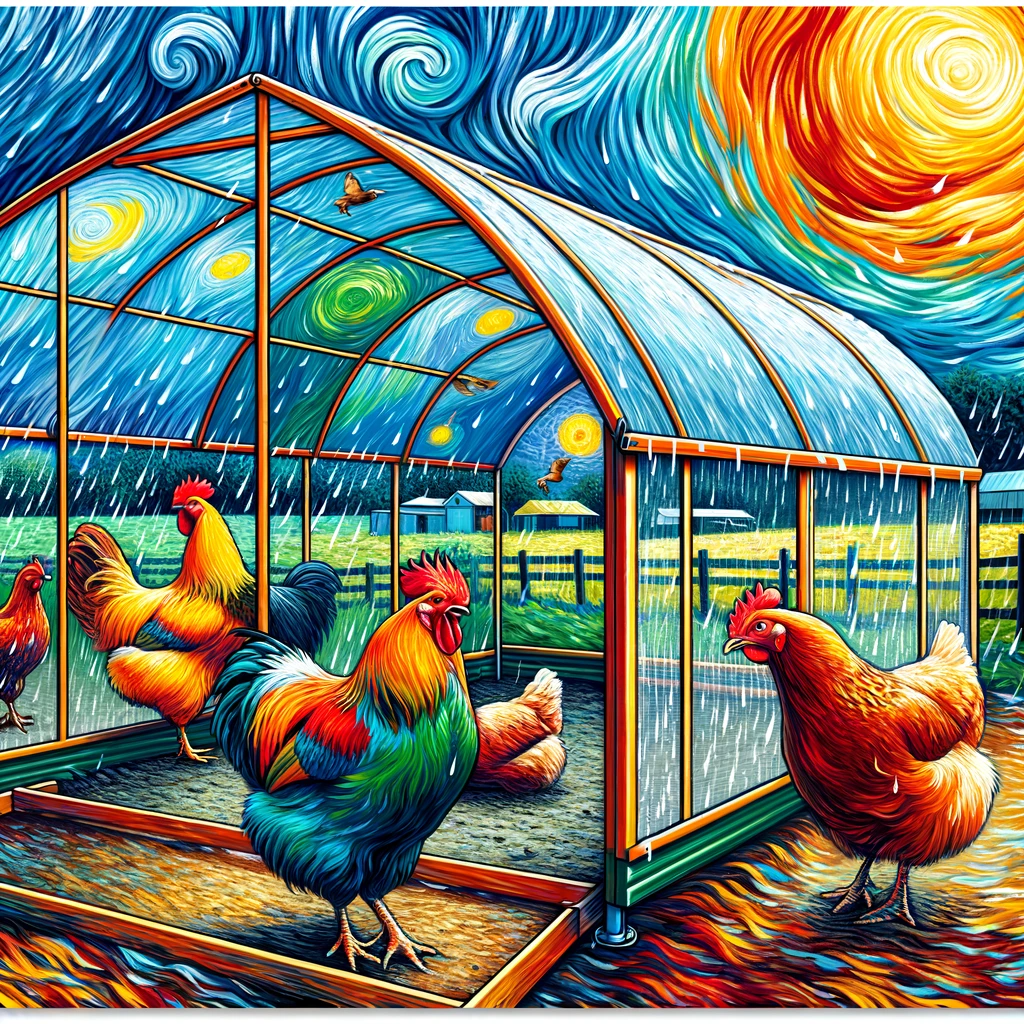
What Makes Heritage Breeds Worth Preserving for Future Generations?
What Ethical Responsibilities Do We Have Toward Heritage Breeds?
When you step into the world of heritage breeds, you’re not just encountering animals; you’re meeting living pieces of history. Each creature carries stories written in the soil of countless generations, a testament to human ingenuity and resilience. Take backyard chickens, for example: these feathered friends aren’t just an accessory for a slick Instagram post; they embody a legacy that stretches back centuries. To neglect these breeds would be to ignore the moral obligation we have to preserve a rich tapestry woven by the hands of our ancestors.
Heritage breeds are more than just another item on your shopping list; they represent a wealth of genetic diversity that has been nurtured over generations. These breeds, often more resilient and adaptable than their commercial counterparts, provide an essential buffer against the vulnerabilities of mass production. By choosing to support these breeds, you’re standing on the shoulders of the farmers and stewards who have passionately defended them against the tide of industrial agriculture. You become part of a narrative worth telling, one that intertwines your life with those who came before you, forging a collective journey toward sustainability.
As our world grapples with climate change, biodiversity loss, and food security, the ethical responsibility grows clearer. Supporting heritage breeds isn’t just a nice option; it’s a crucial step toward preserving ecosystems and promoting food sovereignty. By rearing these breeds, you become a guardian, not just of animals, but of the very systems that sustain our lives. Your choices at the grocery store, farm stand, or local market echo in the lives of these animals.
Imagine sharing your backyard eggs with neighbors, swapping stories over the fence while cultivating a sense of community. This simple act of raising heritage breeds connects us to one another—bridging gaps across generations. It prompts a ripple effect that encourages exchanging tips, traditions, and even laughter.
By embracing heritage breeds in your everyday life, you’re inviting conservation into your home and heart. It’s an invitation to honor the past while building a sustainable future, all while fostering a deeper connection to the land and each other. This isn’t just an appeal to your head but a plea to your gut and heart. Engage with these breeds; support them; they need you, and—surprisingly—you might find you need them too.

What Ethical Responsibilities Do We Have Toward Heritage Breeds?
What Ethical Responsibilities Do We Have Toward Heritage Breeds?
- Heritage breeds represent living pieces of history, reflecting the stories and legacies of countless generations.
- Backyard chickens and other heritage breeds embody a rich legacy and a moral obligation to preserve them.
- These breeds offer genetic diversity and resilience, safeguarding against the vulnerabilities of mass production.
- Supporting heritage breeds aligns with the efforts of passionate farmers and stewards defending them against industrial agriculture.
- Embracing heritage breeds promotes biodiversity, food sovereignty, and contributes to ecological sustainability amid pressing global challenges.
- Raising heritage breeds fosters community connections through shared experiences and knowledge across generations.
- Inviting heritage breeds into daily life encourages conservation, honors the past, and builds a sustainable future.

What Ethical Responsibilities Do We Have Toward Heritage Breeds?
How Do Heritage Breeds Enhance the Flavors Of Local Cuisines?
Heritage breeds aren’t just a nostalgic nod to the past; they’re a vibrant thread woven through the fabric of local cuisines, enriching our plates with flavors that tell an ancestral story. Imagine walking into a farmer’s market and hearing the soft clucking of backyard chickens as you approach a stall bursting with fresh eggs. Each egg, with its unique hues and sizes, speaks to a diverse culinary heritage that modern factory farming can’t replicate.
These breeds, often raised on small family farms, thrive in ways that honor both the land and old traditions. When you take a bite of a dish made with heritage pork, for example, you’re not just tasting a piece of meat; you’re experiencing a flavor profile shaped by generations of careful breeding and loving husbandry. It’s a taste more complex than anything mass-produced can offer, invoking memories of Grandma’s kitchen or Sunday dinners where the flavors simply felt richer, fuller, more authentic.
From the robust, gamy notes of heirloom meats to the exceptional taste of organic vegetables nurtured by sustainable practices, these heritage breeds enhance our local cuisines in a way that transcends mere sustenance. They allow us to reconnect with our food and, ultimately, with each other. Sharing a meal made from these ingredients becomes a communal experience, fostering bonds as strong as the flavors on our plates.
Rationally speaking, consuming heritage breeds supports local economies, encouraging biodiversity in agriculture and promoting ecological health. It’s not just about savoring delicious food; it’s about making choices that uphold ethical animal husbandry practices and protect traditional farming methods. When we invest in these flavors, we invest in a future where local farmers have a fighting chance against the tide of industrial agriculture.
As we sit down and break bread, let’s consider our role in this narrative. Every bite is a choice—a small but powerful statement about who we are and what we value. If you care about the land, your community, and the stories that food can tell, then next time you’re at the market or a local farm, seek out those backyard chickens and other heritage breeds. Let the flavors of local cuisine be your compass, guiding you toward a more connected life. When you do, you’ll not only tantalize your taste buds; you’ll also feed your soul and nurture the world around you.
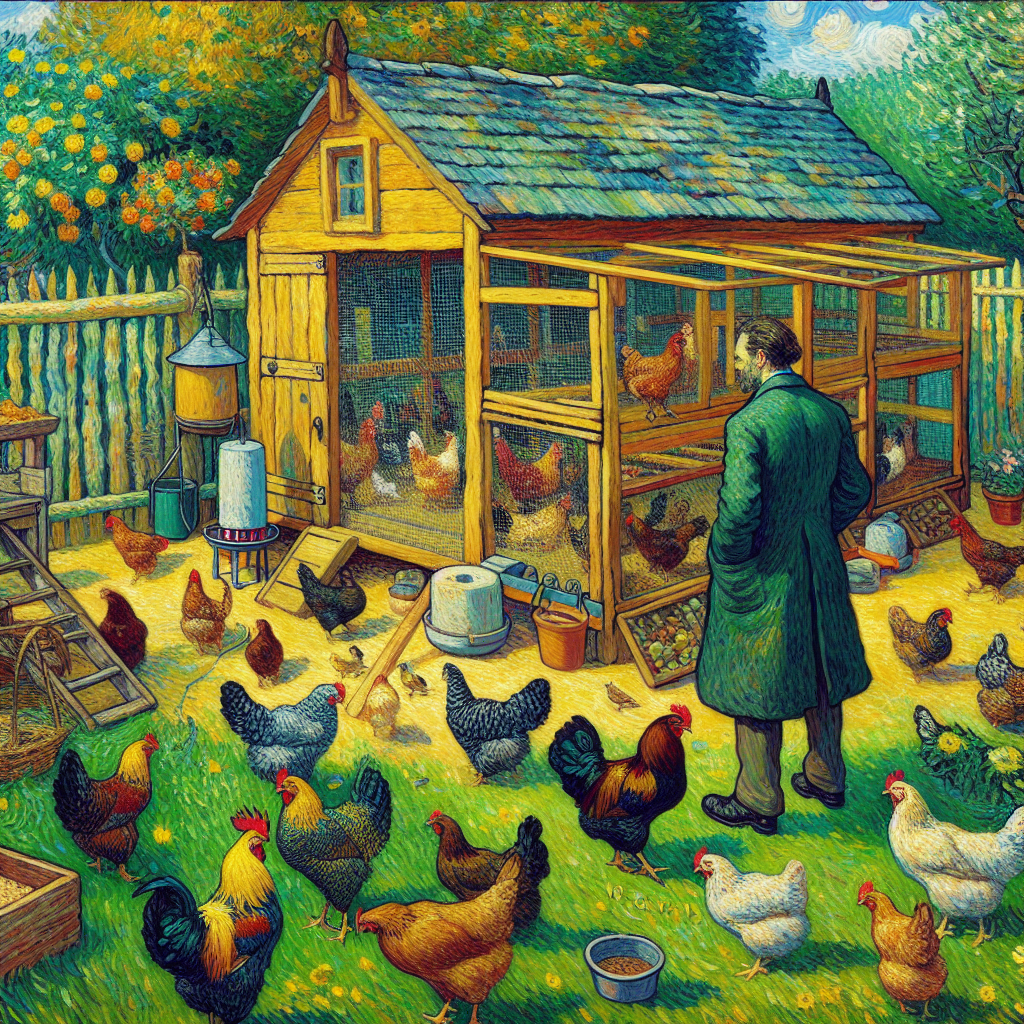
How Do Heritage Breeds Enhance the Flavors Of Local Cuisines?
How Do Heritage Breeds Enhance the Flavors Of Local Cuisines?
- Heritage breeds enrich local cuisines with unique flavors that convey ancestral stories.
- Farmers’ markets feature fresh produce, like colorful eggs from heritage chickens, that reflect culinary diversity.
- Heritage meats, such as pork, offer complex flavors shaped by generations of careful breeding and husbandry.
- Eating heritage foods fosters communal experiences and strengthens bonds through shared meals.
- Supporting heritage breeds promotes local economies, biodiversity, and ecological health.
- Investing in heritage foods is a commitment to ethical animal husbandry and traditional farming practices.
- Choosing heritage breeds at local markets connects individuals to their community and the narratives of food.

How Do Heritage Breeds Enhance the Flavors Of Local Cuisines?
What Role Do Community Initiatives Play In Protecting Heritage Breeds?
In a world increasingly dominated by mass production and uniformity, community initiatives shine like a beacon of hope for heritage breeds. These initiatives aren’t just saving livestock; they’re preserving stories, cultures, and the very essence of our agrarian past. When you think about heritage breeds—be it a pig with lineage tracing back centuries or a chicken clucking away in someone’s backyard—you’re witnessing a living testament to a time before factory farms and monoculture.
Imagine a community garden where local folks gather on weekends, swapping seeds and tales of their farming adventures, celebrating their backyard chickens. This isn’t merely a hobby; it’s a movement. Participants don’t just talk about sustainability; they practice it. They’re rallying around these breeds, understanding that every feather, every hoof, symbolizes a unique genetic heritage that traditional farming has worked tirelessly to preserve. It’s a narrative woven into the fabric of our history, connecting generations through shared stewardship.
When you dig deeper, the rational appeal becomes apparent. Heritage breeds tend to be more resilient than their commercial counterparts, thriving in diverse conditions that leave industrial farms floundering. This diversity in livestock isn’t just smart; it’s essential. As climate change looms and diseases spread, these old-school varieties may possess the traits necessary to adapt and survive. Supporting local efforts to maintain these breeds isn’t just an act of nostalgia; it’s a savvy move for our future.
Ethically, engaging in heritage breed initiatives helps combat the troubling consequences of genetic homogenization. When communities champion local breeds, they’re not merely protecting animals; they’re standing up for biodiversity and ethical farming practices. It’s about creating a lifestyle that honors the past while building a sustainable future, fostering a sense of responsibility toward the land and the creatures that inhabit it.
These grassroots efforts provide a social framework where trust and collaboration flourish. Neighbors celebrating their prized roosters or the vibrant plumage of their heirloom ducks forge connections that transform how we view agriculture. They cultivate a sense of pride, not only in their livestock but also in their community. Through shared experiences and a collective mission, they breathe life into a legacy that’s worth protecting, uniting hearts and minds in a cause bigger than any one individual.
It’s time to roll up our sleeves, embrace our roots, and advocate for those dainty backyard chickens and the unyielding spirit they represent. Our heritage breeds deserve champions, and through community initiatives, we can all join the cause.
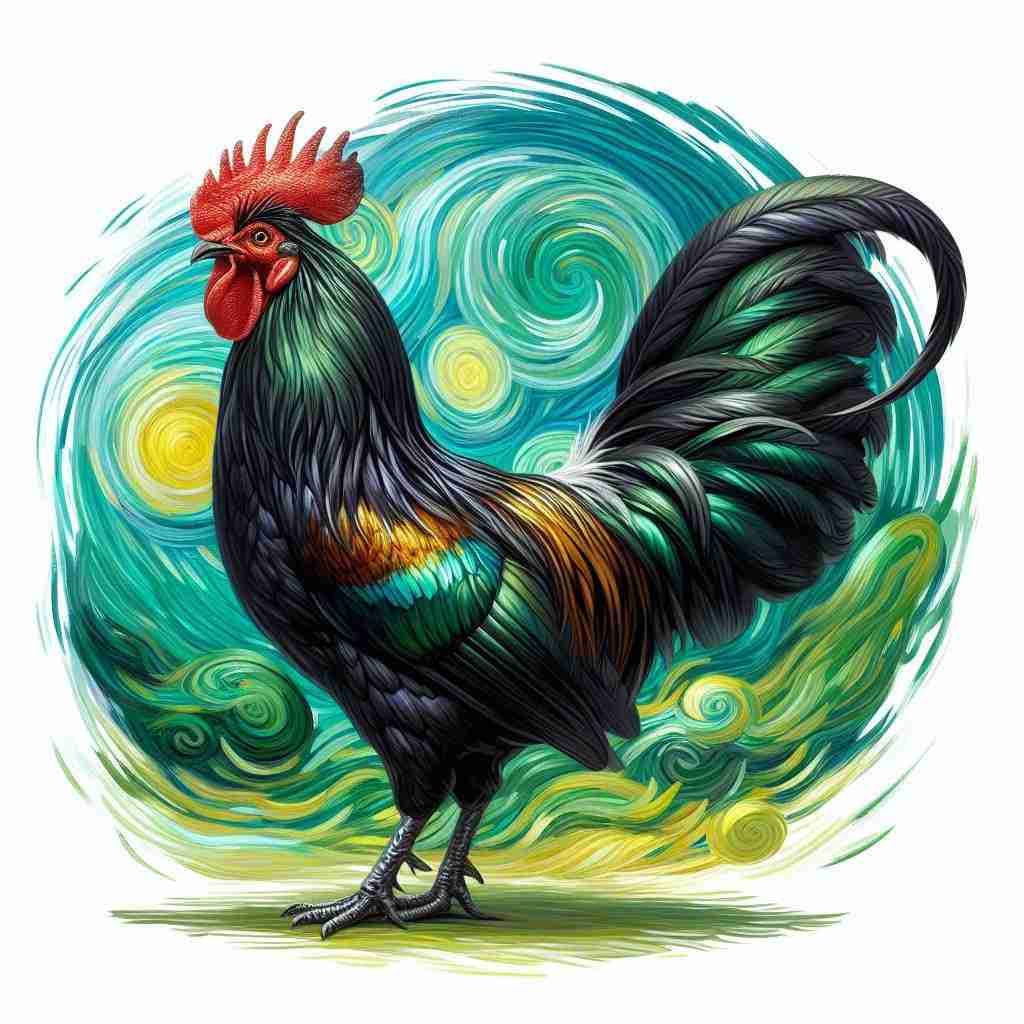
What Role Do Community Initiatives Play In Protecting Heritage Breeds?
What Role Do Community Initiatives Play In Protecting Heritage Breeds?
- Community initiatives play a vital role in preserving heritage breeds, safeguarding stories, cultures, and agrarian traditions.
- Heritage breeds, such as ancient pigs and backyard chickens, represent a connection to pre-industrial farming practices.
- Community gardens serve as hubs for sharing seeds and stories, embodying a movement towards sustainable practices.
- Heritage breeds are generally more resilient than commercial breeds, thriving in diverse conditions vital for adapting to climate change.
- Supporting local heritage breed initiatives promotes biodiversity and ethical farming, moving beyond mere nostalgia.
- Grassroots efforts foster trust and collaboration, enhancing community pride in livestock and agricultural practices.
- Advocating for heritage breeds through community engagement helps build a sustainable future while honoring agrarian legacies.

What Role Do Community Initiatives Play In Protecting Heritage Breeds?
How Can We Educate Others About the Importance Of Heritage Breeds?
When we talk about heritage breeds, we’re diving deep into a story that has roots, history, and a pulse. It’s not just about bringing back the past; it’s about enriching our future. Our relationship with heritage breeds—like those charming backyard chickens—is about connection. These breeds tell us who we are and where we came from, offering a taste of tradition in every egg they lay. The emotional pull is undeniable. Imagine the warmth of gathering fresh eggs from your own backyard, knowing that you’re part of a lineage preserved through generations. It’s more than just food; it’s a living testament to family, culture, and resilience.
But let’s engage the rational side, too. Heritage breeds bring biodiversity to our farms and backyards. They’re uniquely adapted to local environments and can thrive where industrial breeds often fail. By preserving these animals, we bolster our ecosystems. This isn’t just a romantic notion; it’s science. The genetic diversity of heritage breeds can help us combat diseases and adapt to climate changes in ways that monocultures simply can’t. Isn’t that worth talking about? When we educate others, we’re not just sharing knowledge; we’re advocating for a sustainable future rooted in practices that work with nature, not against it.
Now, on the ethical front, consider the footprint we leave behind. Supporting heritage breeds isn’t merely an agricultural choice; it’s a moral stance against the homogenization of our food systems. It’s a statement that we care about the planet and future generations. You have the opportunity to shape the conversation in your community, to inspire others to think critically about what they eat and where it comes from.
We also connect through storytelling. Share the tales of heritage breeds and the people behind them. Talk about the farmer who chose to breed backyard chickens over high-yield hybrids and the joys (and challenges) that came with it. These narratives foster connection. They’re relatable.
Invite your friends and neighbors to experience the joy of these breeds firsthand. Host a workshop, start a community garden, or simply share a meal made with locally sourced ingredients. When we act collectively, we create a ripple effect, inspiring others to join the movement. Educating others about heritage breeds is not just a task, but a chance to weave a rich tapestry of community, culture, and commitment to a sustainable future. So roll up your sleeves and get involved. Together, we can create a chorus that champions the voice of heritage breeds for generations to come.

How Can We Educate Others About the Importance Of Heritage Breeds?
How Can We Educate Others About the Importance Of Heritage Breeds?
- Heritage breeds connect us to our roots and history, enriching our future.
- They provide a taste of tradition and a living testament to family, culture, and resilience.
- Heritage breeds enhance biodiversity, thriving in local environments where industrial breeds may fail.
- They offer genetic diversity that aids in combating diseases and adapting to climate change.
- Supporting heritage breeds is an ethical choice against the homogenization of food systems.
- Storytelling about heritage breeds fosters connection and inspires community engagement.
- Collective action, through workshops and shared meals, can create a movement for a sustainable future.

How Can We Educate Others About the Importance Of Heritage Breeds?
In What Ways Do Heritage Breeds Support Sustainable Farming Practices?
Heritage breeds are the unsung heroes of sustainable farming, and their story is deeply intertwined with our shared history and future. Imagine for a moment the humble backyard chickens that provide fresh eggs every morning while clucking contentedly as they scratch through the earth. These feathered friends are not just charming companions; they embody resilience and adaptability—traits that have been honed through generations. This is where the heart of sustainable farming lies: in the connection between the farmer, the livestock, and the land.
Rationally speaking, heritage breeds are often hardier and more suited to local climates than their commercial counterparts. They thrive on pasture, forage, and a natural diet, which means less reliance on synthetic feeds and interventions. This approach not only nurtures the soil but also reduces the carbon footprint of farming. Each breed carries its own unique history, from the robust Plymouth Rocks to the industrious Jersey Cows, and they play a critical role in maintaining genetic diversity. This diversity is essential, not just for farmers, but for all of us who depend on healthy ecosystems for our food supply.
Ethically, choosing to support heritage breeds is a stand against industrial agriculture’s tendency to streamline and homogenize our food systems. By championing local breeds, we aren’t just preserving their existence; we’re also advocating for animal welfare and fair treatment in farming practices. When we choose to raise or support these breeds, we are making a conscious decision that echoes in our communities—like ripples in a pond. We’re saying yes to the preservation of culture and history, and no to the mindless consumption that threatens our very existence.
Socially, there’s a growing movement of farmers, backyard gardeners, and conscious consumers who are rediscovering the joys that come from embracing local heritage breeds. Around kitchen tables and farmers’ markets, stories are shared not just about food but about farming as a way of life. There’s a sense of belonging in knowing that by raising these animals, you’re a part of something bigger—a legacy that honors the past while actively shaping a more sustainable future.
So join the movement. Whether you’re considering backyard chickens or exploring your local farmers’ markets, remember that every small act of choosing heritage breeds is a powerful statement. It’s about nurturing our land, celebrating our history, and ensuring a vibrant, diverse agricultural landscape for generations to come. Together, we can cultivate a sustainable world that honors the heart, the head, and the gut.
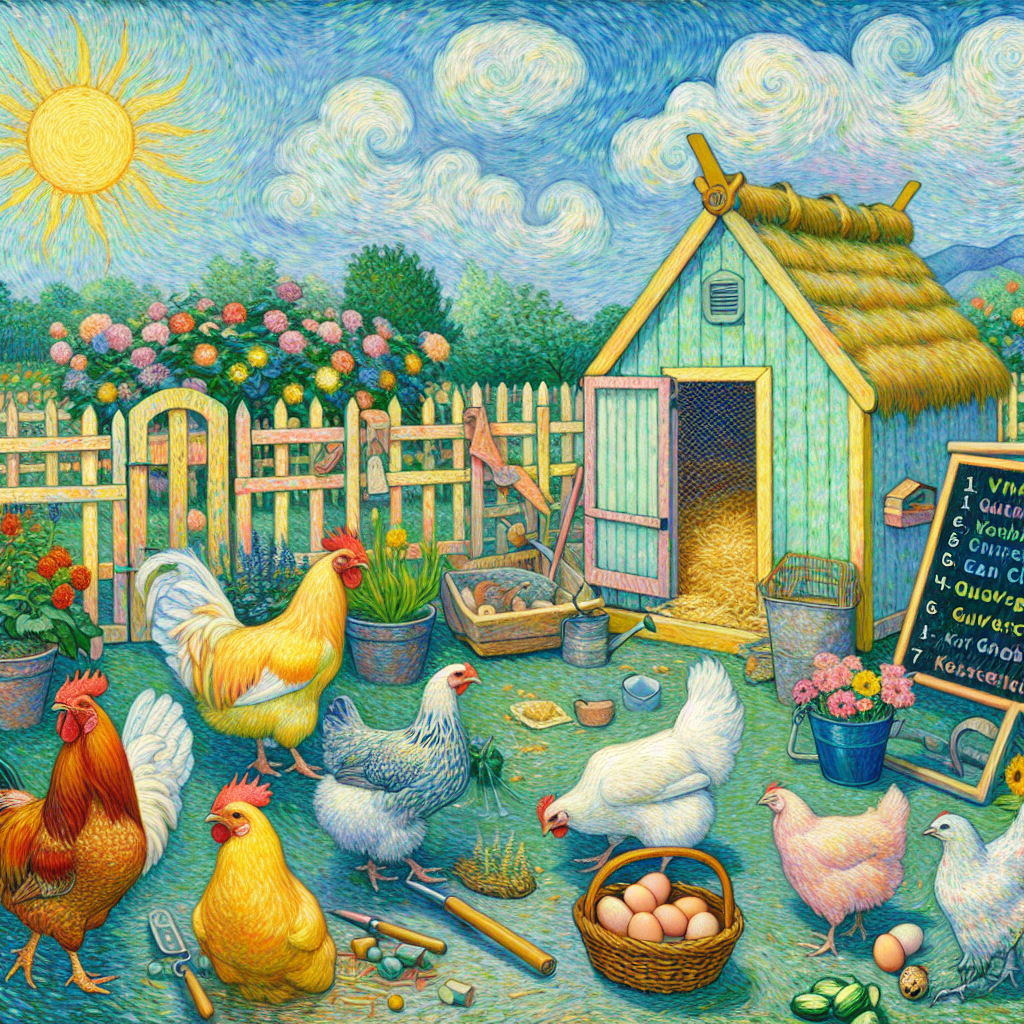
In What Ways Do Heritage Breeds Support Sustainable Farming Practices?
In What Ways Do Heritage Breeds Support Sustainable Farming Practices?
- Heritage breeds play a crucial role in sustainable farming, connecting farmers, livestock, and land.
- They are often hardier and better suited to local climates compared to commercial breeds.
- Heritage breeds thrive on natural diets, reducing reliance on synthetic feeds and minimizing carbon footprints.
- Each breed has a unique history, contributing to genetic diversity essential for healthy ecosystems.
- Supporting heritage breeds counters the homogenization of food systems and promotes animal welfare.
- A movement of farmers and consumers embracing local heritage breeds fosters community and shared stories.
- Choosing heritage breeds is a powerful statement towards nurturing the land and preserving agricultural diversity.

In What Ways Do Heritage Breeds Support Sustainable Farming Practices?
How Do You Feel About the Decline Of Traditional Livestock Breeds?
The decline of traditional livestock breeds stirs something deep within us—a sense of loss that goes beyond mere numbers. These aren’t just animals; they’re threads in the tapestry of our lives, woven with stories of struggle, survival, and community. Think about the humble backyard chicken. Yes, those fluffy little creatures roaming our yards, scratching at the dirt, clucking softly as they go about their day. They represent more than just a source of eggs; they carry the weight of generations, a testament to human ingenuity and resilience.
When we opt for convenience over heritage, we risk losing more than just a breed; we lose a connection to our past, a piece of our identity. It’s easy to dismiss a breed simply because it’s not the most efficient or lucrative. Yet, the very characteristics that make traditional breeds unique, like their hardiness or their adaptability to local environments, often provide invaluable benefits. These attributes aren’t merely quaint; they are the keys to sustainable farming practices, ingrained in the ways of the land.
Economically, there’s an argument for diversity in agriculture. Traditional breeds may be slower to grow or less productive at first glance, but their resilience can lead to better long-term yields in a rapidly changing climate. When we put all our eggs in one basket, we risk an agricultural system that falters at the first sign of trouble. By preserving these breeds, we ensure a safety net, a buffer against uncertainty.
Ethically, there’s a responsibility we carry as stewards of this Earth. When we lose a breed, we extinguish its unique genetics and the cultural significance tied to it. Think of the farmers who’ve dedicated their lives to these animals, who’ve observed the small variations that make each breed special. What does it say about us if we disregard their yet-to-be-told stories?
Socially, we have a chance to come together—to rally around preservation efforts for these breeds. Support your local farmers, visit breed fairs, and, if you can, start your own flock of backyard chickens. Let’s honor the efforts of those who’ve come before us, and make deliberate choices that preserve not just the livestock of yesterday, but the farming futures of tomorrow. This isn’t just about keeping animals alive; it’s about keeping our heritage and the rich diversity of our farming practices alive. Together, we can ensure that these breeds endure, bringing value not just to our farms, but also to our communities and, ultimately, to ourselves.

How Do You Feel About the Decline Of Traditional Livestock Breeds?
How Do You Feel About the Decline Of Traditional Livestock Breeds?
- The decline of traditional livestock breeds evokes a profound sense of loss beyond mere numbers.
- These animals are woven into our lives, symbolizing stories of struggle, survival, and community.
- Traditional breeds like backyard chickens provide more than just food; they embody human ingenuity and resilience.
- Choosing convenience over heritage risks losing our connection to the past and identity.
- Diversity in agriculture through traditional breeds can enhance long-term yields and sustainability.
- Ethically, losing a breed extinguishes unique genetics and disregards the stories of dedicated farmers.
- Preserving these breeds fosters community support, honors heritage, and ensures a sustainable farming future.

How Do You Feel About the Decline Of Traditional Livestock Breeds?
Conclusion
Heritage breeds are not just remnants of a bygone era; they’re vital lifelines connecting us to our agricultural roots and sustainable futures. Picture the rhythmic cluck of heritage chickens in your backyard—a comforting sound that resonates with the melange of history and legacy. Each one embodies generations of adaptation, resilience, and the very essence of local agriculture. By choosing to raise these remarkable breeds, you’re not just inviting a charming creature into your life; you’re partaking in a long-standing tradition that enriches your connection to the land.
This isn’t mere sentimentality; it’s grounded in rational thought. Heritage breeds play a crucial role in maintaining genetic diversity, serving as a buffer against the vulnerabilities of today’s industrial farming practices. As our climate changes and food security becomes a pressing issue, their adaptability offers practical solutions that modern breeds can’t match. Choosing heritage breeds isn’t just an act of nostalgia; it’s a rational investment in a resilient food system.
Ethically, the act of supporting these animals sends a clear message about our values. You’re standing against the tide of mass production, advocating for compassion and humane treatment within agricultural practices. When you fill your coop with heritage breeds, you’re making a statement—one that champions the ethical treatment of animals and the preservation of biodiversity. You’re participating in a movement that fosters life, health, and sustainability, while nurturing meaningful relationships with like-minded individuals committed to preserving agricultural heritage.
Narratively, every heritage breed carries the weight of stories—tales of farmers who fought tirelessly to keep these lines alive, of culinary traditions that enrich our tables with unique flavors, and of communities coming together to champion a cause larger than themselves. When you engage in raising these breeds, you weave your own story into the evolving tapestry of history, contributing not only to agriculture but also to a community of stewards dedicated to the Earth’s wisdom.
As you consider embracing heritage breeds, remember that the impact of your choices stretches far beyond feathers and beaks. You become a custodian of history, a participant in cultural preservation, and a voice advocating for a sustainable future. So, open that coop door—step into a legacy, and let every cluck remind you of the profound connections among our past, present, and future. In nurturing heritage breeds, you’re not just feeding your soul; you’re cultivating hope for generations to come.

Conclusion
Conclusion:
- Heritage breeds are essential for connecting us to our agricultural roots and promoting sustainable futures.
- Raising heritage chickens, for example, enriches our relationship with local agriculture through their history and resilience.
- They contribute to genetic diversity, counteracting the vulnerabilities of industrial farming practices.
- Heritage breeds offer practical adaptations that are crucial as climate change and food security issues arise.
- Supporting these breeds promotes ethical farming practices and the humane treatment of animals.
- Every heritage breed carries stories that link individuals and communities dedicated to preserving agricultural traditions.
- Choosing to raise heritage breeds positions you as a custodian of history and an advocate for a sustainable future.
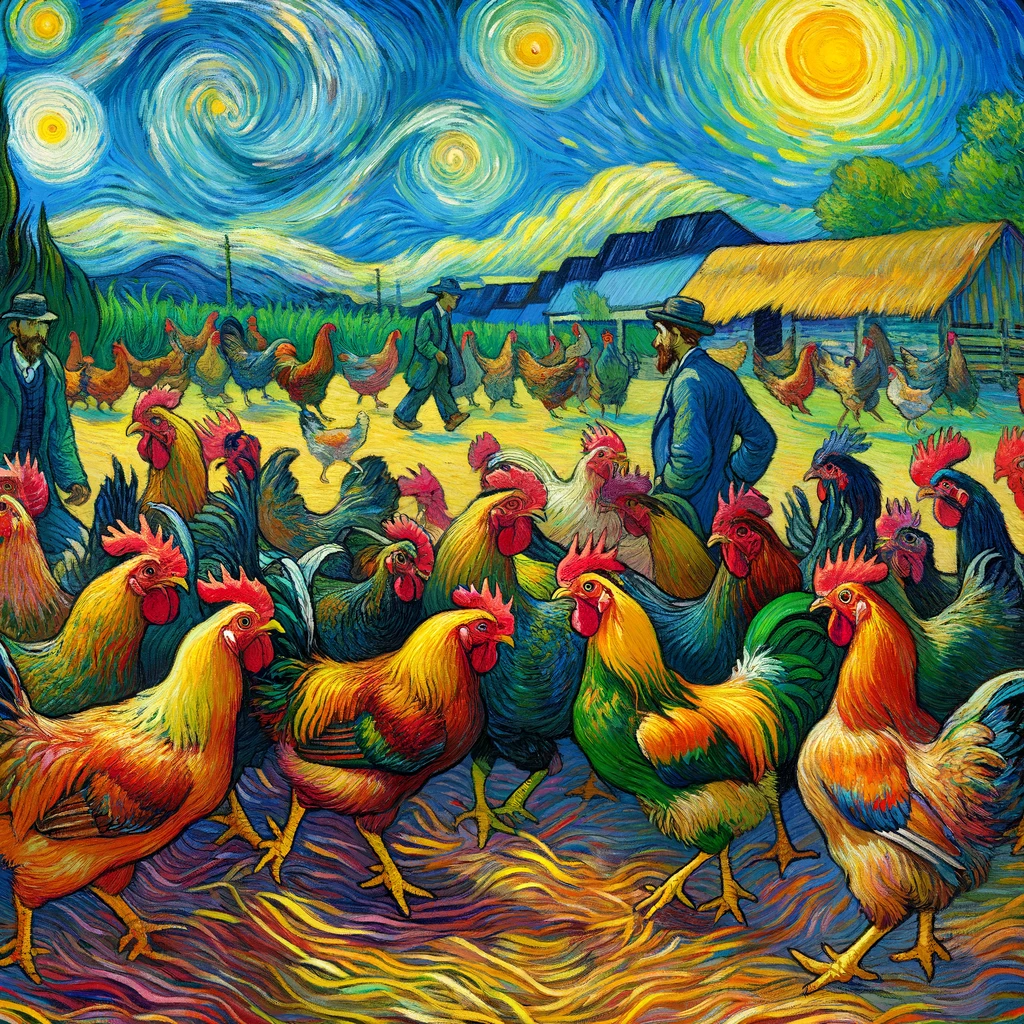
Conclusion
Other Resources
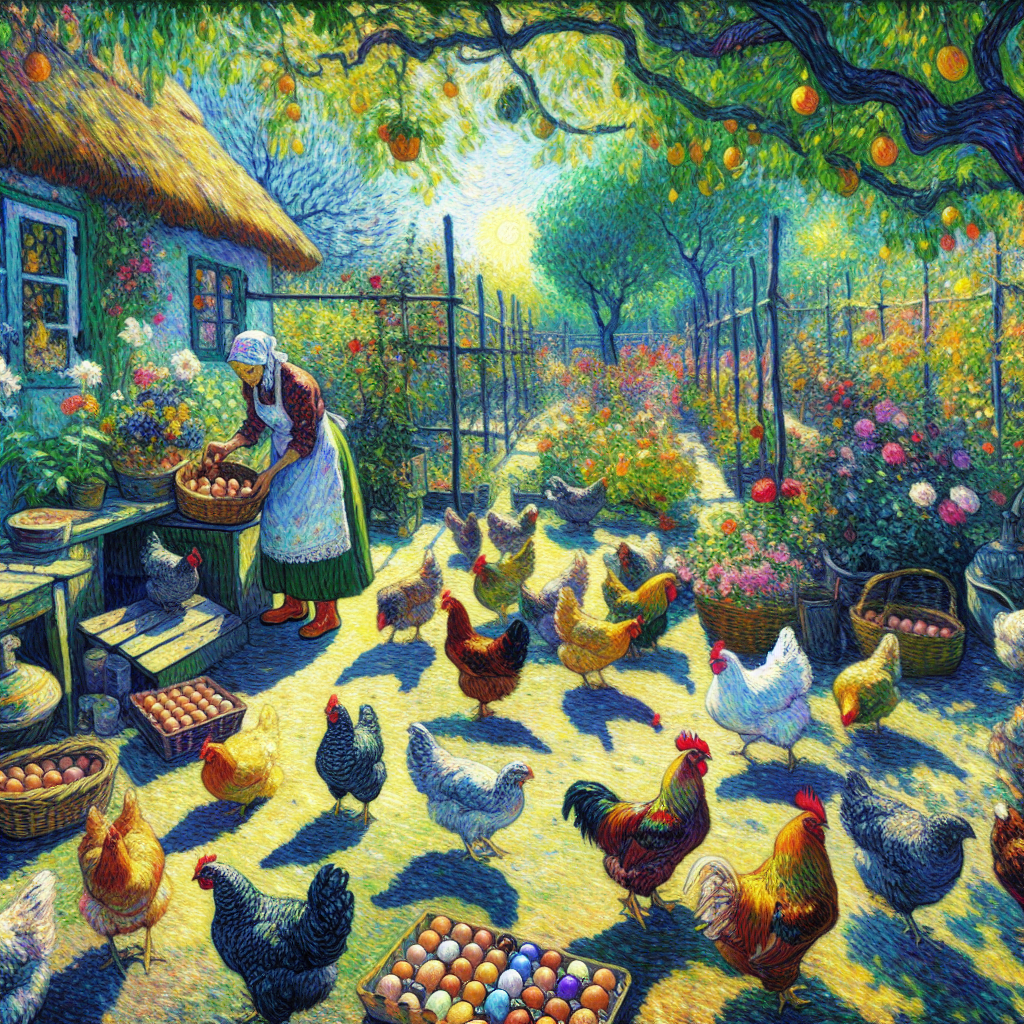
Other Resources
Here is a list of other resources you can review online to learn more:
- Omphalitis
- Central Maine Bird Fanciers
- Quail Disease
- Sultan
- Onagadori
- Gapeworms
- spinach
- compost
- Delaware
- opossums
- Red Ranger
- Hamburg
- Pekin Bantam
- Botulism
Use This Prompt To Get More Resources With Your Favorite Online AI Tool: Please provide me with a list of online articles with their URLs in a bulleted list that I can read regarding Preserving the Past with Purpose – the Future Of Heritage Breeds

Other Resources
Glossary Terms
Preserving the Past with Purpose – the Future Of Heritage Breeds – Glossary Of Terms
1. Heritage Breeds
Traditional livestock and plant breeds that have been preserved for their historical significance and unique traits.
2. Genetic Diversity
The variety of genes within a species, crucial for resilience against diseases and changing environments.
3. Conservation
The practice of protecting and maintaining biological diversity, including rare and endangered breeds.
4. Sustainability
The ability to maintain ecological balance by using resources in a manner that does not deplete them over time.
5. Biodiversity
The variety of life in a particular habitat or ecosystem, encompassing genetic, species, and ecosystem diversity.
6. Traditional Farming
Agricultural practices that have been passed down through generations, often utilizing heritage breeds.
7. Extinction
The end of an organism or species, often a risk for heritage breeds due to industrial farming practices.
8. Culturally Significant
Referring to breeds or varieties that hold historical, cultural, or spiritual meaning within a community.
9. Genetic Preservation
Efforts aimed at conserving the genetic material of rare species to prevent their extinction.
10. Livestock
Domestic animals raised for food, fiber, or labor, including cows, pigs, sheep, and poultry.
11. Heritage Plants
Varieties of crops that have historically been grown and cultivated within specific regions.
12. Ecological Integrity
The condition in which an ecosystem remains robust and resilient, supporting its native species and habitats.
13. Seed Saving
The practice of preserving seeds from specific plant varieties for future planting, promoting biodiversity.
14. Agroecology
An ecological approach to agriculture that emphasizes sustainable practices and biodiversity.
15. Farm-to-Table
A movement promoting the direct distribution of food from local farms to consumers, highlighting heritage breeds.
16. Ethical Farming
Practices that prioritize animal welfare, environmental health, and community wellbeing.
17. Community Supported Agriculture (CSA)
A system in which consumers buy shares of a farm’s harvest, supporting local farmers and heritage breeds.
18. Slow Food Movement
An initiative advocating for traditional food practices and biodiversity, focusing on local and heritage products.
19. Cultivar
A plant variety that has been produced in cultivation by selective breeding, often reflecting heritage traits.
20. Adaptive Breeding
Selective breeding aimed at enhancing the resilience of breeds to survive environmental changes.
21. Restoration Agriculture
A farming approach that aims to restore ecosystems while producing food through sustainable practices.
22. Local Food Systems
Networks that promote the production and sale of food within a local geographic area.
23. Pastoralism
A farming practice centered on raising livestock on natural pastures, often involving heritage breeds.
24. Agricultural Heritage
The cultural practices and knowledge associated with traditional farming methods and livestock management.
25. Preservation Organizations
Groups dedicated to maintaining and promoting heritage breeds and traditional farming practices.
26. Sustainable Breeding
Breeding practices that ensure the long-term viability of breeds while minimizing environmental impact.
27. Seasonal Eating
Eating foods that are in season, encouraging the use of heritage varieties that thrive in local climates.
28. Permaculture
An agricultural philosophy that designs sustainable ecosystems based on natural principles and diversity.
29. Food Sovereignty
The right of communities to control their own food systems and production, emphasizing local heritage varieties.
30. Traceability
The capacity to track food products back to their origins, ensuring transparency and integrity in the supply chain.
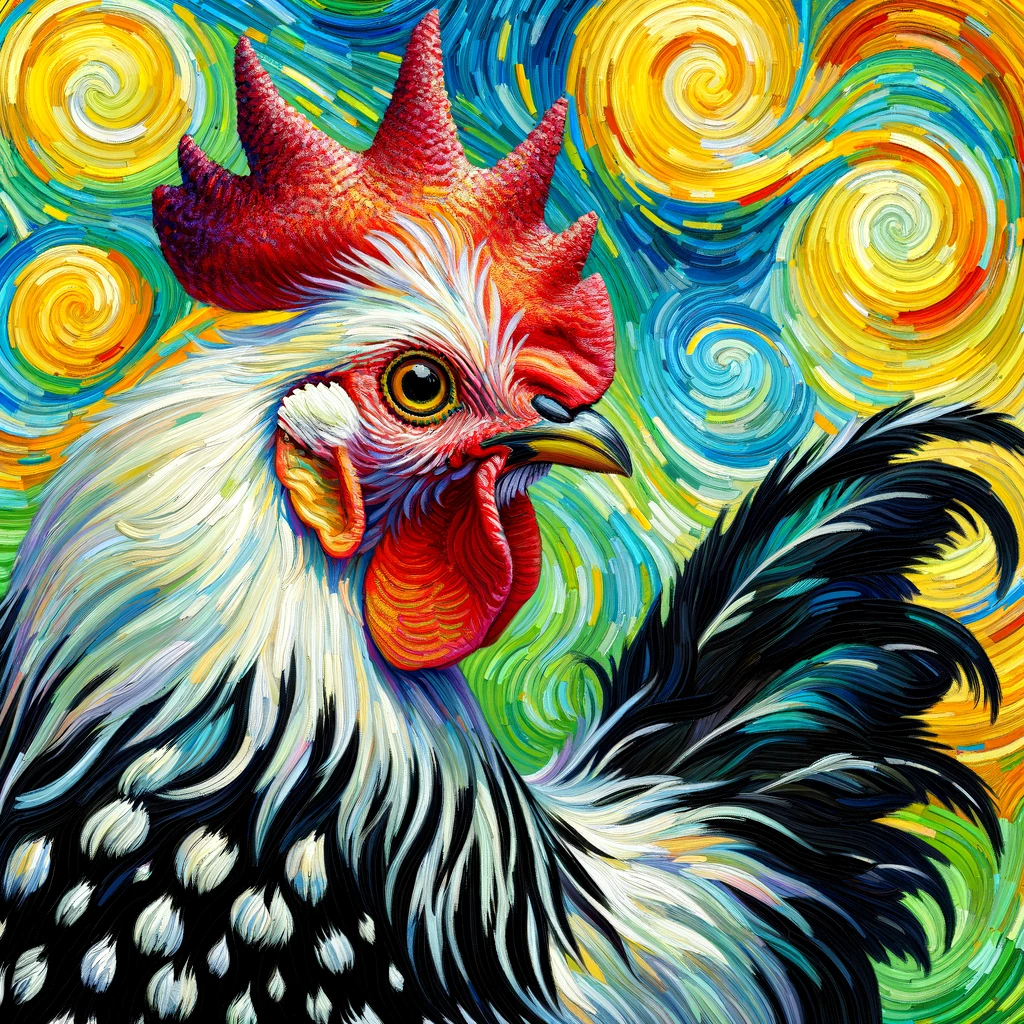
Glossary Of Terms
Other Questions
Preserving the Past with Purpose – the Future Of Heritage Breeds – Other Questions
If you wish to explore and discover more, consider looking for answers to these questions:
- What are some examples of popular heritage chicken breeds?
- How can I start raising heritage chickens in my backyard?
- What are the nutritional benefits of eggs from heritage breeds compared to conventional breeds?
- How can consumers identify and support local farms that raise heritage breeds?
- What are the environmental impacts of choosing heritage breeds over conventional breeds?
- How do heritage breeds contribute to biodiversity in agriculture?
- What challenges do farmers face when raising heritage breeds?
- How can schools and communities integrate education about heritage breeds?
- What is the economic significance of supporting heritage breed farming?
- Are there organizations dedicated to the preservation of heritage breeds?
- How does the decline of heritage breeds affect food security?
- What role do government policies play in the preservation of heritage breeds?
- How can heritage breeds be incorporated into local food practices and restaurants?
- What stories or folklore are associated with specific heritage breeds?

Other Questions
Haiku
Preserving the Past with Purpose – the Future Of Heritage Breeds – A Haiku
Heritage breeds cluck,
Whispers of our past unfold,
Roots nourish the soil.

Haiku
Poem
Preserving the Past with Purpose – the Future Of Heritage Breeds – A Poem
In the warmth of a sunlit yard, where stories softly play,
Chickens scratch the earth, alive with history—
Heritage breeds, a vibrant thread, weaving past into today,
Guardians of resilience, whispering tales of our community.
Each gentle cluck a note in the song of generations,
Not just livestock, but a tapestry of culture,
Their flavors rich, embodying our shared foundations,
While mass production threatens this sacred nurture.
With every egg collected, a link to our roots,
They thrive in harmony, where nature’s wisdom lies,
Choosing these lives means standing against suits,
For a sustainable future, where biodiversity flies.
Ethics of our choices shape a world reborn,
In backyards and markets, unity grows strong,
Neighbors bond over those who have weathered the storm,
In this grassroots effort, we all belong.
Support local farmers, share a meal, share a smile,
Yolk and laughter blend, as traditions take flight,
Together we cultivate not just crops, but a style,
A commitment to heritage, to honor what’s right.
So let’s raise our voices, let’s rally and educate,
In reverence to the past, towards a brighter morrow,
For heritage breeds are not just another fate,
They’re vital to our journey, a future we borrow.
In every feathered friend, a heartbeat, a soul,
Let’s nurture this bond, commit to their care,
With hearts, minds, and guts aligned to this goal,
We’ll write a legacy, vibrant and rare.
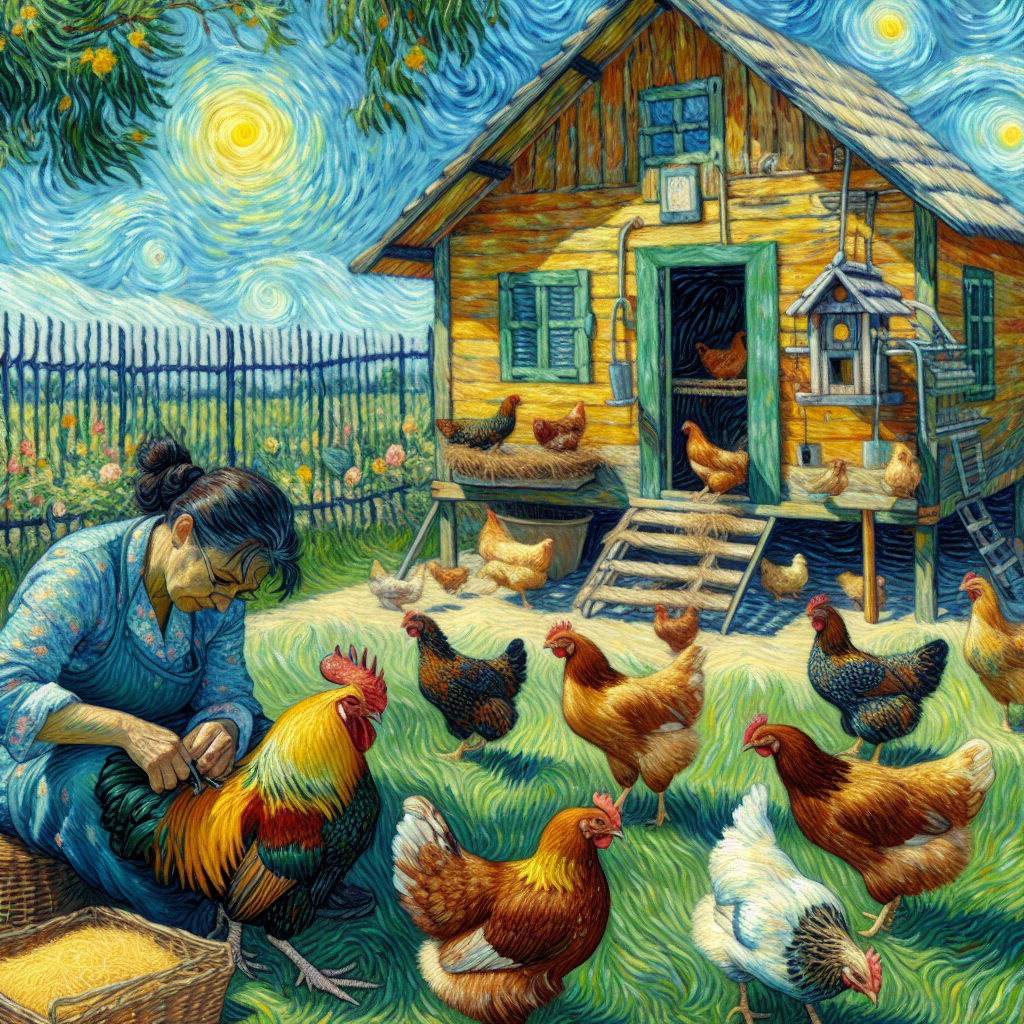
Poem
Checklist
Preserving the Past with Purpose – the Future Of Heritage Breeds – A Checklist
Checklist for Embracing Heritage Breeds
Emotional Appeals:
1. Reflect on the joy of connecting with the past by raising heritage breeds in your backyard.
2. Consider the emotional satisfaction that comes from nurturing animals that embody historical significance.
3. Visualize the warmth of sharing fresh eggs with friends and family, fostering connections and traditions.
Rational Appeals:
4. Research the benefits of genetic diversity provided by heritage breeds for a resilient food system.
5. Evaluate the practicality of raising heritage breeds that adapt better to local climates and resist diseases.
6. Assess the economic advantages of supporting local farmers and sustainable practices through heritage breeds.
Ethical Appeals:
7. Contemplate your responsibility as a steward of the earth to preserve biodiversity and humane farming practices.
8. Make conscious choices that reflect your values of compassion for animals and support for ethical farming.
Authority Appeals:
9. Seek information from experts or sources on the benefits of heritage breeds and sustainable agriculture.
10. Attend workshops or community gatherings led by experienced farmers or breeders to deepen your understanding.
Narrative Appeals:
11. Share stories of farmers who have worked to preserve heritage breeds and their journeys of resilience.
12. Engage with local narratives that showcase the importance of heritage breeds to your community’s culture and history.
Social Appeals:
13. Join local gardening or farming groups to connect with others interested in raising heritage breeds.
14. Participate in community initiatives or events that support the preservation and education of heritage breeds.
Practical Steps:
15. Consider starting your own backyard flock of heritage chickens or other livestock as a personal commitment.
16. Visit farmers’ markets or local farms that offer heritage breed products to experience the flavors and quality firsthand.
17. Educate friends and family about the significance of heritage breeds and encourage them to join the movement.

Checklist
At BackyardChickenNews, we help people who want to raise backyard chickens by collating information and news blended with our own personal experiences.
Be sure to read our other related stories at BackyardChickenNews to learn more about raising chickens in your backyard.