

Mastering Chickens: A Gen X’s Emotional, Rational, And Ethical Approach
By Tom Seest
At BackyardChickenNews, we help people who want to raise backyard chickens by collating information and news blended with our own personal experiences.
Be sure to read our other related stories at BackyardChickenNews to learn more about raising chickens in your backyard.
The Gen X Guide to Learning Chickens Without Losing Your Sanity
When you think of raising Backyard Chickens, what often comes to mind? Fresh eggs? Sure, that’s a big draw. But let’s dig a little deeper. Imagine stepping outside each morning, coffee in hand, greeted by a symphony of clucks and the joyful flutter of feathers. Those creatures, pecking at the earth, become part of your daily rhythm. They’re more than just poultry; they’re a connection to a simpler way of life that many of us chase after but often overlook in the hustle of modern times.
Now, I get it. Life is busy, and adding “chicken wrangler” to your résumé might sound like a high-stakes job you never signed up for. Yet, hear me out. Raising Backyard Chickens isn’t just about the eggs—though they’re pretty fantastic. It’s about community. Each chicken you raise becomes a thread in a larger tapestry woven with neighbors sharing tips, children learning responsibility, and families reconnecting over a freshly laid breakfast. There’s an undeniable magic that comes from teaching your kids where food truly comes from, and witnessing the pride they feel when they collect those eggs.
But let’s get real. The road to chicken-keeping isn’t paved with sunshine and rainbows. There will be challenges. There can be messes. There will be days when the weather isn’t cooperating, or a chicken might decide to play Houdini and escape. You might feel your sanity teetering on the edge some days. However, think of it this way: embracing these challenges builds resilience, fortitude, and memories—elements more valuable than gold. And all that insanity? It brings laughter, stories to tell, and experiences that shape us.
Let that emotional tug of raising Backyard Chickens inspire trust in yourself and the process. Don’t let fear of chaos deter you. Light the fire of curiosity and tap into a rich, ancient practice that reminds us about the ethics of our choices—the way we nurture life, respect nature, and engage with our food source. That, dear friends, is where true satisfaction lies.
So, if you’re ready to embark on an adventure, dive in. Your sanity is resilient, and the rewards? They’ll leave you richer than you ever imagined possible.

The Gen X Guide to Learning Chickens Without Losing Your Sanity
The Gen X Guide to Learning Chickens Without Losing Your Sanity
- Raising Backyard Chickens offers fresh eggs and a deeper connection to nature.
- The experience provides a welcome break from the hustle of modern life, enhancing daily routines.
- It promotes community involvement, including sharing tips and fostering family connections.
- Teaching children about food sources instills pride and responsibility.
- Challenges in chicken-keeping, such as messes and escapes, foster resilience and create lasting memories.
- The process encourages curiosity and highlights the ethics of nurturing life and engaging with food sources.
- Embracing this adventure can lead to rewards that exceed expectations and enrich your life.
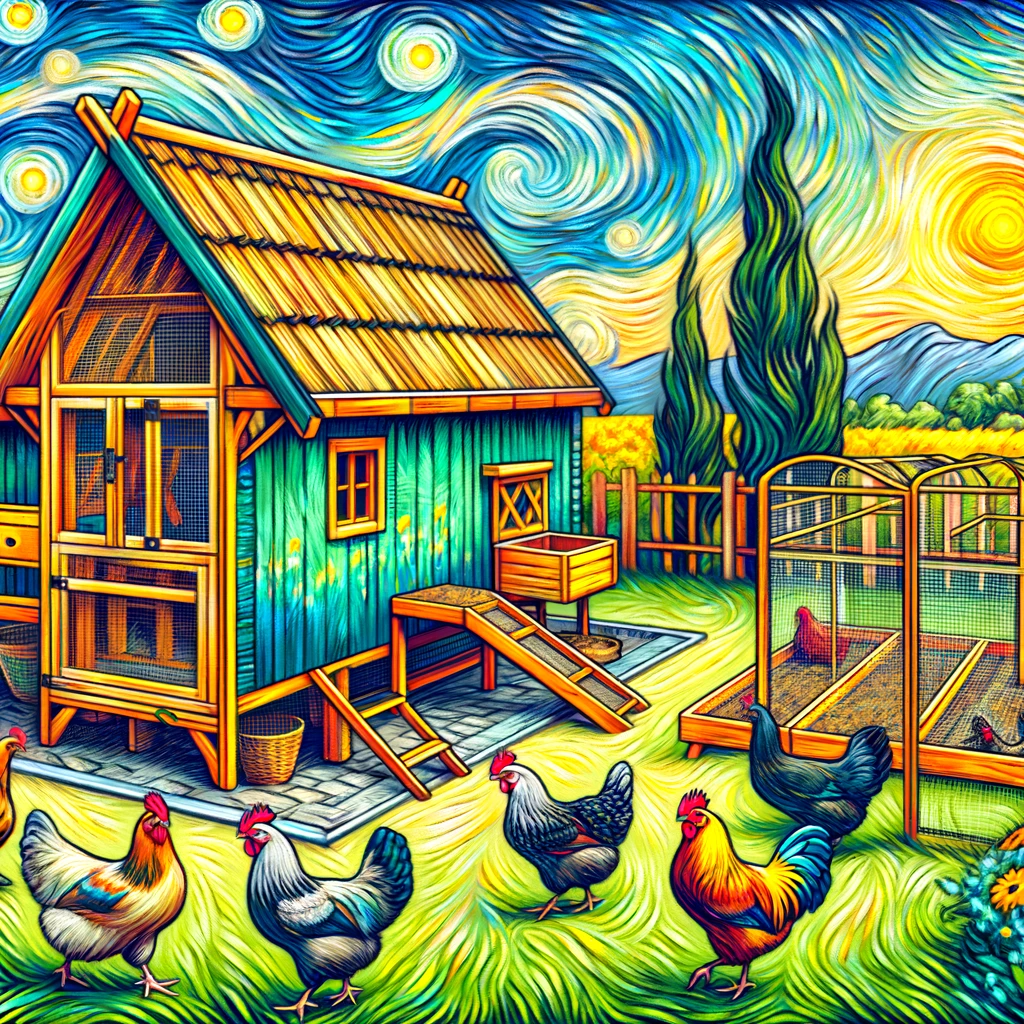
The Gen X Guide to Learning Chickens Without Losing Your Sanity
Table Of Contents
- The Gen X Guide to Learning Chickens Without Losing Your Sanity
- What Emotions Do Chickens Evoke In Your Daily Life?
- How Do Chickens Impact Your Mental Well-Being?
- Can Raising Chickens Help Connect You with Your Community?
- What Practical Steps Can You Take to Learn About Chicken Care?
- How Can You Minimize Stress While Managing Your Flock?
- What Ethical Considerations Should You Keep In Mind with Chickens?
- How Do Experts Recommend Starting Your First Chicken Coop?
- Conclusion
- Other Resources
- Glossary Of Terms
- Other Questions
- Haiku
- Poem
- Checklist
What Emotions Do Chickens Evoke In Your Daily Life?
In the hustle and bustle of everyday life, when was the last time you paused to appreciate the simple beauty of your surroundings? For many, that could come in the form of your own flock of backyard chickens. These feathery companions, often perceived as mere providers of breakfast, stir much deeper emotions within us than we might first acknowledge.
Picture this: it’s early morning, the sun is just beginning to rise, and you step outside to the serene sounds of clucking and scratching. It’s a gentle reminder that life moves at a different pace in the presence of chickens. Their quirky antics and unique personalities invite us to laugh, to bond, and to experience the joy of nurturing. They can transform a mundane morning into a cherished ritual, as you pour feed and scatter it across the ground, watching as they scurry and compete for each morsel. This daily connection to nature fosters a sense of peace that resonates deeply within our hearts.
Now let’s look at the head side of things. Raising backyard chickens can be an immensely rewarding responsibility. It’s not just about the eggs; it’s about understanding ecosystems, learning about animal husbandry, and appreciating the intricacies of life. This educational aspect fosters a sense of accomplishment that can boost your confidence and deepen your connection to the environment. It’s a chance to engage in something ethical—supporting sustainable practices and knowing exactly where your food comes from. Your choices resonate beyond just your dinner plate.
There’s also a social element. Sharing anecdotes about your chickens with friends, neighbors, or even online communities creates a tapestry of connections. You’re part of a growing movement of individuals who value self-sufficiency and a hands-on approach to living, a movement that promotes not only local food sources but also camaraderie and community spirit.
In a world often dominated by technology and fast-paced living, backyard chickens remind us to slow down, to appreciate the small joys, and to engage with the life around us. They are not just a source of eggs; they are teachers, companions, and a bridge back to a simpler, more fulfilling existence. Embrace the journey of keeping chickens, and feel the warmth they bring—not just to your heart but to your daily life. With that, it’s time to take the plunge; raise those backyard chickens, and let them fill your days with purpose and joy.

What Emotions Do Chickens Evoke In Your Daily Life?
What Emotions Do Chickens Evoke In Your Daily Life?
- Raising backyard chickens offers a chance to appreciate the beauty of daily life.
- Chickens provide joy and connection through their playful antics and nurturing interactions.
- Daily rituals of feeding chickens foster a sense of peace and connection to nature.
- Engaging in chicken care promotes understanding of ecosystems and animal husbandry.
- Raising chickens supports sustainable practices and conscious food sourcing.
- Sharing chicken-related stories fosters connections within local and online communities.
- Backyard chickens inspire a slower, more fulfilling way of living amid modern life’s chaos.
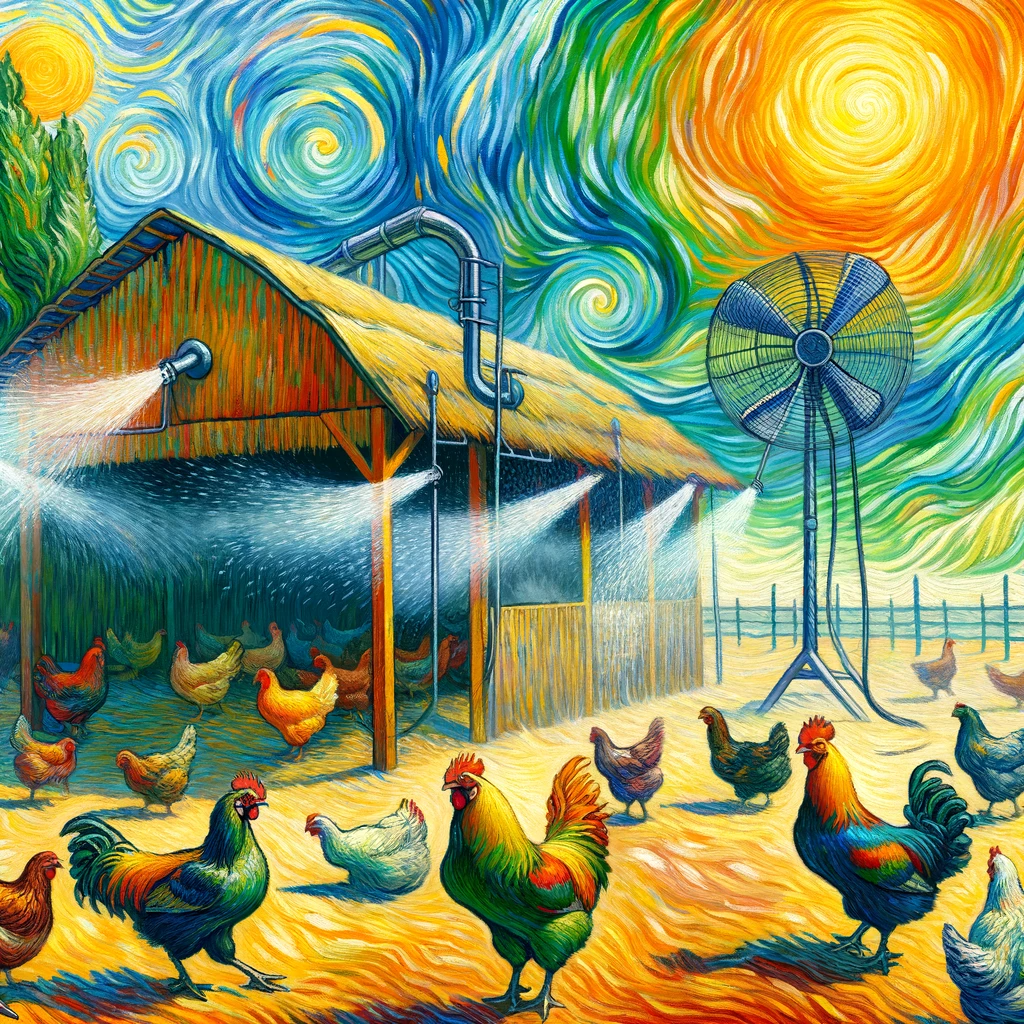
What Emotions Do Chickens Evoke In Your Daily Life?
How Do Chickens Impact Your Mental Well-Being?
There’s something undeniably therapeutic about tending to backyard chickens, a simple act that resonates on profound levels of our being. Picture stepping outside your door, morning sun warming your face, and greeting a flock of feathery friends who cluck to life with you. These aren’t just birds; they’re companions that transform your daily grind into a dance of interaction and joy. The soft vibrations of their clucking lull the chaos of modern life, pulling you away from screens and busy schedules. When you immerse yourself in their world, stress evaporates, replaced by genuine warmth and connection.
Think about the science behind it: studies show that spending time with animals releases oxytocin, the same feel-good hormone that bonds mothers to their babies. Nurturing chickens nurtures you in return, grounding you in the present and offering moments of pure mindfulness. And it’s not just about cuddles and coos—raising chickens brings a sense of responsibility and accomplishment. You learn to care for creatures that rely on you, fostering an ethical mindset that encourages personal growth and empathy. With each egg collected, you’re reminded of the fruits of your labor, instilling a sense of purpose that enhances your mental well-being.
But the connection doesn’t end when you head back indoors. Consider the conversations sparked by your backyard flock. It’s an entry point for community. Neighbors might stop by to see your hens and share in their joy, creating bonds over feathered friends and the occasional egg exchange. You become part of a greater narrative—a movement of urban agriculture that celebrates sustainability and mindful living. This isn’t just a hobby; it’s a lifeline, a shared experience that strengthens community ties and promotes well-being.
So, whether it’s the soft fluff of a hen’s feathers, the joy in watching their antics, or the peace that comes from caring for another being, chickens offer an unexpected solace. In a world rife with uncertainty, they provide consistency and joy, weaving a fabric of connection that nurtures both heart and mind. If you’re looking for a way to boost your mental health, consider making room for backyard chickens. You might just find that the simplest pleasures hold the most power. The rewards are waiting; all you have to do is open the door.

How Do Chickens Impact Your Mental Well-Being?
How Do Chickens Impact Your Mental Well-Being?
- Tending to backyard chickens creates a therapeutic experience that counteracts the chaos of modern life.
- Chickens serve as companions, transforming daily routines into joyful interactions.
- Spending time with animals releases oxytocin, promoting a sense of well-being and bonding.
- Caring for chickens fosters responsibility, personal growth, and empathy.
- The act of raising chickens encourages community connection through shared experiences and conversations.
- Backyard chickens contribute to a movement of urban agriculture, promoting sustainability and mindful living.
- They provide a sense of consistency and joy, enhancing mental health through simple pleasures.

How Do Chickens Impact Your Mental Well-Being?
Can Raising Chickens Help Connect You with Your Community?
When you think about raising backyard chickens, you might picture a quaint little coop with a few clucking hens, scratching around in the dirt. But beyond the novelty of collecting fresh eggs, there’s a deeper connection waiting to be forged right in your own neighborhood. It’s not just about tending to these feathered friends; it’s about nurturing community ties that might have otherwise remained dormant.
Imagine stepping into your backyard, feeling the morning sun on your face, and listening to the sound of chickens clucking contentedly. As you gather eggs, you’re not just harvesting breakfast; you’re also harvesting conversations. Your neighbors, drawn by the allure of those cheerful clucks and the irresistible scent of fresh produce, begin to stop by. Before long, you’re sharing stories about your chickens and swapping advice on growing vegetables, fostering a sense of camaraderie that’s often lost in our busy lives.
The act of raising chickens can be a powerful antidote to the isolation that sometimes creeps into our fast-paced modern world. It opens the door for dialogue, creating an easy entry point for interaction. From local farmers to urban dwellers, the chicken-raising community encompasses a diverse group, united by a common interest. That sense of belonging not only enriches your life but also strengthens community bonds. You’re not just a neighbor anymore; you’re a participant in a larger conversation that celebrates sustainability, local food sources, and shared values.
And ethically, consider the message you send to your children and your community. By raising backyard chickens, you’re actively choosing to engage with nature and the food system in a meaningful way. You’re teaching responsibility, respect for animals, and the importance of knowing where your food comes from. This isn’t merely a hobby; it’s a lifestyle that promotes awareness and action within your community.
In a world where digital interactions can often feel hollow, the simple act of caring for birds can help build trust and relationships based on shared experiences. Everyone has a story to share—perhaps an old family recipe or a farming anecdote that sparks joy and laughter. So, the next time someone asks about those clucking companions in your backyard, seize the moment. You’re not just discussing chickens; you’re embracing the opportunity to connect, inspire, and create something new together.

Can Raising Chickens Help Connect You with Your Community?
Can Raising Chickens Help Connect You with Your Community?
- Raising backyard chickens fosters deeper community connections beyond just egg collection.
- The presence of chickens encourages neighborly interactions and shared conversations.
- Chicken-raising serves as an antidote to modern isolation, promoting dialogue and camaraderie.
- It creates a sense of belonging among diverse community members united by a common interest.
- Engaging with nature through chicken-raising teaches children about responsibility and food origins.
- Caring for chickens bolsters trust and relationships based on shared experiences within the community.
- Discussing chickens offers opportunities to connect, inspire, and build something meaningful together.

Can Raising Chickens Help Connect You with Your Community?
What Practical Steps Can You Take to Learn About Chicken Care?
When it comes to raising backyard chickens, your journey begins long before you crack open a book or visit a farm supply store. It starts with a genuine curiosity about these remarkable creatures and a desire to nurture them. Imagine standing in your backyard, the sun peeking over the horizon as a flock of chickens clucks and flutters about. It’s not just a dream; it’s a lifestyle choice that connects you to nature, to the earth, and to a vibrant community of fellow chicken lovers.
The first step? Dive headfirst into research. Seek out reliable resources—books, websites, and documentaries by credible experts in poultry care. These are the voices that will guide you, each offering insights into the nutritional needs, health care, and social behaviors of chickens. Don’t shy away from asking questions! Attend local workshops, join online forums, and connect with experienced chicken keepers. Their stories and wisdom will be invaluable.
Once you’ve soaked in knowledge, it’s time for practical application. Create a welcoming environment for your feathered friends, ensuring they have ample space to roam and forage. A well-designed coop is more than a shelter; it’s a safe haven that protects them from predators while providing them the comfort they need. You’ll learn the importance of clean bedding, fresh water, and nutritious feed.
Engage with your community. Reach out to local chicken clubs or social media groups. Share your experiences, celebrate milestones, and learn from others who’ve been there. You’ll find that raising backyard chickens fosters friendships, some of which might surprise you. The bond between humans and animals is timeless; there’s a certain joy in hearing their gentle clucks or watching their antics as they scratch the ground.
Finally, embrace the reality that raising chickens is not just a hobby; it’s a responsibility. It’s about understanding the ethical implications of caring for living beings. You’ll discover the profound satisfaction of knowing where your food comes from, and in turn, you’ll develop a greater appreciation for the chicken on your plate. Every step you take, from chick to adult, brings you closer to understanding the cycle of life and your role within it.
So, roll up your sleeves, step outside, and begin your journey into the world of backyard chickens. The rewards await, and trust me, you won’t just be nurturing chickens—you’ll be cultivating a deeper connection with life itself.

What Practical Steps Can You Take to Learn About Chicken Care?
What Practical Steps Can You Take to Learn About Chicken Care?
- Raising backyard chickens begins with curiosity and a desire to nurture them.
- Start your journey by researching reliable resources on poultry care.
- Attend local workshops and engage with experienced chicken keepers for valuable insights.
- Create a welcoming and safe environment with ample space and a well-designed coop.
- Engage with local chicken clubs and online communities to share experiences and learn from others.
- Recognize the responsibility involved in raising chickens and the ethical implications of caring for them.
- Embrace the journey for a deeper connection with life, understanding the cycle from chick to adult.

What Practical Steps Can You Take to Learn About Chicken Care?
How Can You Minimize Stress While Managing Your Flock?
Managing a flock of backyard chickens is like nurturing a family; it comes with its own set of stresses and rewards. Whether you’re waking up to the soft clucking of your girls or fretting over a feathered friend’s well-being, the emotional weight can sometimes feel overwhelming. But here’s the truth: you have the power to minimize that stress and enhance your chicken-keeping experience.
First, consider the sheer joy that these feathered creatures bring to your everyday life. Each bird has a personality that can range from the shy and timid to the boisterous and brassy. Acknowledge the connection you forge with them; it’s not just about eggs. When your flock feels safe and happy, you’ll feel that tranquility reflecting back at you. A clucky chorus in your backyard isn’t just noise; it’s a call to mindfulness, prompting you to pause and appreciate the moments.
On the rational side, think about your flock’s structure. Establish a daily routine that prioritizes their needs—feeding, watering, cleaning their coop, and yes, even some good old-fashioned bonding time. When you plan your day around these essentials, you lighten the emotional load. Remember, vision and predictability can make all the difference. Keep records of behaviors, health, and egg production. This not just empowers you with knowledge but also provides peace of mind.
Ethically speaking, consider the environment you’re creating for your birds. Happy chickens don’t just experience a less stressful life; they also produce quality eggs—and who wouldn’t want that? When you respect their needs, your efforts yield fruits in his or her tranquil existence and enhanced egg production.
Sharing stories with fellow chicken keepers can also ease your stress. Whether you’re swapping tales on a community forum or meeting friends in the local feed store, these connections remind you that you are not alone. We all have off days, from errant raccoons to unanticipated illnesses. Sharing these experiences cultivates a sense of belonging and trust in a community that genuinely understands.
Every day with your flock is a new chapter filled with unpredictability, learning, and laughter. You’re not just managing chickens; you’re building a life enriched by connection, responsibility, and mutual care. Embrace each moment, and allow those small joys to outweigh the burdens. Let your backyard chickens teach you the art of balance.

How Can You Minimize Stress While Managing Your Flock?
How Can You Minimize Stress While Managing Your Flock?
- Managing backyard chickens is comparable to nurturing a family, presenting both stresses and rewards.
- The joy of chickens comes from their diverse personalities and the connection formed beyond just egg production.
- A safe and happy flock contributes to the owner’s tranquility and mindfulness.
- Establishing a daily routine for feeding, watering, and bonding can help alleviate stress and enhance chicken care.
- Keeping records of behaviors and health fosters knowledge and peace of mind in chicken management.
- Creating a supportive environment for chickens leads to happier birds and better egg production.
- Connecting with other chicken keepers helps alleviate stress, offering a sense of community and shared experiences.

How Can You Minimize Stress While Managing Your Flock?
What Ethical Considerations Should You Keep In Mind with Chickens?
When you choose to raise chickens in your backyard, it’s more than just a hobby or a way to get fresh eggs. It’s a journey that intertwines with ethical considerations that reflect who we are as compassionate beings and responsible stewards of the Earth. Our feathered friends deserve more than just food and shelter; they require our respect and attention.
First, let’s address the head. The facts here are compelling. Chickens, like any other living creatures, thrive on being cared for properly. They need space—room to roam, scratch, and explore. Crowding them into a small coop jeopardizes their well-being and leads to stress, illness, and undesirable behaviors. An intelligent creator has made these birds social and curious. Providing a safe environment allows their natural instincts to flourish, ensuring not just a better quality of life for them, but a richer experience for you, the caretaker.
Now, let’s tap into the heart. Imagining those chickens pecking around your yard, basking in the sun, and forging bonds with you and each other can stir emotions that enhance your daily routine. They’re not just egg machines; they are curious little personalities with their quirks and preferences. Watching them interact, seeing their joy, is a reminder that we are part of a larger community of life. It’s hard not to connect on a deeper level when you realize that every omelet comes from a life that wants to be happy.
Then, there’s the gut feeling. Ethical backyard chicken raising isn’t just a trend—it’s a moral imperative. When you’re part of their lives, you have a responsibility to uphold humane treatment. This involves understanding where your chicks came from and ensuring they’re sourced from reputable breeders who prioritize welfare over profit. The validity of your advocacy for ethical standards flows through your actions and choices.
Finally, there’s a social aspect to consider. By sharing your experiences with neighbors and friends, you foster a community that values animal welfare. Imagine hosting a backyard BBQ where your neighbor brings fresh veggies and you provide eggs from your well-cared-for flock. You become part of a narrative that celebrates sustainable living, nurturing not just your life, but the lives around you.
Ethical considerations with chickens are not just about the “how,” but the “why.” When done right, raising chickens can inspire others to reflect on their choices, fostering a culture of compassion and respect that we desperately need in today’s world.

What Ethical Considerations Should You Keep In Mind with Chickens?
What Ethical Considerations Should You Keep In Mind with Chickens?
- Raising backyard chickens is an ethical journey that reflects our compassion and responsibility as caretakers of the Earth.
- Chickens require proper care, space, and attention to thrive; overcrowding can lead to stress and illness.
- Creating a safe environment for chickens enhances their natural instincts and enriches the caretaker’s experience.
- Chickens have unique personalities, and observing their interactions fosters a deeper emotional connection and appreciation for life.
- Ethical chicken-raising is a moral obligation that involves understanding the origins and welfare of the birds.
- Sharing your chicken-raising experiences helps build a community that values animal welfare and sustainable living.
- Ultimately, raising chickens inspires reflection on ethical choices and encourages a culture of compassion in our society.

What Ethical Considerations Should You Keep In Mind with Chickens?
How Do Experts Recommend Starting Your First Chicken Coop?
When embarking on the adventure of raising your first flock of backyard chickens, it’s easy to feel both exhilarated and overwhelmed. After all, laying a strong foundation for your chicken coop is the first step in what can become a fulfilling and deeply rewarding experience. Imagine standing in your backyard, the sun warming your face, as the soft clucks of happy hens fill the air. It’s not just about eggs; it’s about connection—to nature, to your food, and to a community of like-minded folks who share this passion.
Start with the heart; think about what these chickens will mean to your everyday life. They’re not just livestock; they’re companions, helpers in the garden, and providers of fresh eggs that taste far better than anything you’ll ever find at the supermarket. It’s a commitment, yes, but it’s one filled with joy, responsibility, and the satisfaction of knowing you’re doing something good—both for yourself and the environment.
Next comes the head. Research is your best ally when setting up your coop. What materials will you use? How much space do you need? Consider the climate and the specific breeds of chickens that would thrive in your area. A well-planned coop protects against predators, provides adequate ventilation, and ensures your birds have a robust diet of greens, grains, and bugs—making it a safe haven. Consulting trusted resources or even local chicken enthusiasts can elevate your knowledge, transforming uncertainty into confidence.
Now, let’s not overlook the ethical layer. Raising backyard chickens is about more than just self-sufficiency; it’s an act of stewardship. It’s your chance to practice humane farming, ensuring that your hens live a full, happy life. They thrive on care and attention, and in return, they reward you with their delightful presence and nutritious eggs. This isn’t just a project; it’s a responsibility that aligns with a commitment to sustainability.
Lastly, embrace the social aspect. Share your experiences with neighbors or join local chicken-keeping groups. Every story shared, and every tip exchanged fosters a sense of community. You’ll find encouragement in the laughter, the mishaps, and the triumphs. Raising chickens becomes more than a solitary venture; it’s a celebration of life in the backyard, where every little cluck resonates with a profound connection to the world around us. So roll up your sleeves and dig in—your chicken journey awaits, and it’s bound to enrich your life in unexpected ways.

How Do Experts Recommend Starting Your First Chicken Coop?
How Do Experts Recommend Starting Your First Chicken Coop?
- Raising backyard chickens can be both exhilarating and overwhelming for beginners.
- A strong foundation for the chicken coop is essential for a fulfilling experience.
- Chickens offer a connection to nature, food, and a community of chicken enthusiasts.
- Understanding the everyday significance of chickens as companions and egg producers is important.
- Research on materials, space, climate, and chicken breeds enhances coop planning.
- Raising chickens promotes humane farming practices and encourages sustainability.
- Engaging with neighbors and local chicken-keeping groups fosters a sense of community.

How Do Experts Recommend Starting Your First Chicken Coop?
Conclusion
Raising backyard chickens is not merely a quest for fresh eggs, but a journey into a deeper connection with life itself. Picture the serene mornings where you step outside, coffee in hand, greeted by the lively clucking of your feathered companions. This daily ritual transcends the typical rush of modern living, inviting you to embrace a rhythm that fosters mindfulness, community, and joy. It’s an opportunity to reconnect with nature, to teach your children where food comes from, and to cultivate a sense of responsibility in their hearts.
Yet, let’s not sugarcoat it; the road to chicken-keeping can be bumpy. There will be days filled with unexpected challenges and a fair share of chaos. But in meeting these hurdles, you discover resilience and forge memories filled with laughter and camaraderie. This unique blend of emotional connection and rational learning transforms the experience into something profoundly enriching. Raising chickens demands attention—they need space, a safe coop, and a nurturing environment. As you delve into their care, you gain insights into ecosystems and animal husbandry, recognizing the ethical responsibility that comes with such stewardship.
Community plays a pivotal role in this journey. As you step into your role as a chicken keeper, stories and experiences flow freely, weaving connections with neighbors and fellow enthusiasts who share your passion. Every cluck and every egg harvested fosters discussions that go beyond poultry, enhancing local ties and reinforcing shared values around sustainability and local food sources. It’s more than just home farming; it’s about building a supportive network that uplifts everyone involved.
Raising chickens is a commitment, but it’s also a pathway to abundance—not just of eggs but of life lessons, friendships, and a deeper appreciation for our interconnectedness. Embrace the delightful chaos they bring into your life, and let it illuminate the beauty of simplicity in your daily routine. Unlock the door to backyard chicken tending, and you’ll find not only nourishment for your body but also a profound journey for your heart and mind. So dive in, roll up your sleeves, and discover the rich rewards awaiting you on this feathered adventure. Your flock is calling, and the experience promises to be more enriching than you ever imagined.

Conclusion
Conclusion:
- Raising backyard chickens fosters a deeper connection with life, beyond just collecting fresh eggs.
- The experience invites mindfulness, community, and joy while reconnecting with nature.
- It teaches children the origins of food and nurtures a sense of responsibility.
- Chicken-keeping presents challenges that build resilience and create memorable experiences.
- Taking care of chickens leads to insights into ecosystems and animal husbandry, highlighting ethical responsibilities.
- Community involvement enhances the journey, creating connections with neighbors and shared values around sustainability.
- Ultimately, raising chickens nurtures not just physical nourishment, but also emotional growth, friendships, and life lessons.

Conclusion
Other Resources

Other Resources
Here is a list of other resources you can review online to learn more:
- leafy greens
- Dominique
- avocado
- Sussex
- Barley
- roaches
- Jaerhon
- Leghorn
- mediterranean breed
- Iowa Blue
- Necrotic Enteritis
- grains
- Egyptian Fayoumi
- Crevecoeur
- Cornish Cross
Use This Prompt To Get More Resources With Your Favorite Online AI Tool: Please provide me with a list of online articles with their URLs in a bulleted list that I can read regarding The Gen X Guide to Learning Chickens Without Losing Your Sanity

Other Resources
Glossary Terms
The Gen X Guide to Learning Chickens Without Losing Your Sanity – Glossary Of Terms
1. Chickens: Domesticated birds kept for their eggs, meat, and companionship.
2. Brooding: The process of a hen incubating her eggs, providing warmth and protection until they hatch.
3. Incubator: A controlled environment used for artificially hatching eggs, managing temperature and humidity.
4. Pecking Order: The social hierarchy among chickens that determines access to resources and dominance within the flock.
5. Rooster: A male chicken known for its crowing and protective behavior over hens.
6. Hen: A female chicken that lays eggs and can also exhibit nurturing behaviors.
7. Chick: A newly hatched chicken, typically requiring special care and feeding.
8. Free-Range: A method of raising chickens that allows them access to outdoor spaces for foraging.
9. Coop: A shelter designed for keeping chickens safe from predators and elements.
10. Flock: A group of chickens that live and socialize together.
11. Nesting Box: A designated area where hens can lay their eggs in privacy and comfort.
12. Feed: Nutritional substances provided to chickens, crucial for their growth, egg production, and overall health.
13. Scratch Grains: A mix of seeds and grains that chickens love to peck at, often used as treats.
14. Molting: A natural process where chickens shed old feathers and grow new ones, often resulting in temporary reduced egg production.
15. Medicinal Herbs: Plants used to promote the health and well-being of chickens, often employed in holistic care.
16. Poultry: A general term for domesticated birds raised for meat or eggs, including chickens.
17. Broiler: A type of chicken specifically bred for meat production, known for rapid growth and robust physique.
18. Layer: A chicken breed specifically raised for high egg production.
19. Ventilation: The process of ensuring adequate airflow in chicken coops to prevent moisture buildup and maintain comfort.
20. Predator Proofing: Measures taken to secure a chicken coop against potential threats from animals like raccoons, foxes, and hawks.
21. Biosecurity: Practices used to prevent disease outbreaks in poultry, including isolation protocols and sanitation.
22. Coccidiosis: A common parasitic disease in chickens that can cause severe health issues, particularly in young birds.
23. Pasture Raised: Chickens that are raised primarily on grass and forage in outdoor environments, promoting natural behaviors.
24. Socialization: Encouraging interaction among chickens to foster a harmonious and stress-free environment.
25. Egg Candler: A device used to inspect the quality of eggs by illuminating them to check for fertilization and development.
26. Chicken Tractor: A movable coop that allows free-ranging while protecting chickens from predators, providing fresh ground access.
27. Dual-Purpose Breed: Chickens raised both for meat and egg production, offering versatility in a small flock.
28. Grit: Small stones or coarse materials consumed by chickens to aid in digestion, particularly essential for those not on a commercial feed.
29. Chicken Whisperer: An informal term for someone skilled in understanding chicken behavior and care.
30. Sustainable Farming: Methods of raising chickens that emphasize environmental conservation and humane treatment of animals.

Glossary Of Terms
Other Questions
The Gen X Guide to Learning Chickens Without Losing Your Sanity – Other Questions
If you wish to explore and discover more, consider looking for answers to these questions:
- What are the initial costs associated with starting a backyard chicken coop?
- How many chickens should I start with as a beginner?
- What breeds of chickens are best for egg production?
- How do I ensure my chickens have a healthy diet?
- What are common health issues that chickens face?
- How much space do chickens need in their coop and run?
- What are the best practices for integrating new chickens into an existing flock?
- How can I protect my chickens from predators?
- What are effective ways to manage the smell and cleanliness of the coop?
- How can I involve my children in caring for the chickens?
- Are there any local laws or regulations regarding keeping chickens in my area?
- What should I do if a chicken gets sick or injured?
- How long do chickens typically live?
- What are the benefits of raising chickens beyond egg production?
- How can I maintain a strong sense of community with other chicken keepers?

Other Questions
Haiku
The Gen X Guide to Learning Chickens Without Losing Your Sanity – A Haiku
Feathers in the sun,
Clucks weave tales of joy and peace,
Life’s rhythm revived.

Haiku
Poem
The Gen X Guide to Learning Chickens Without Losing Your Sanity – A Poem
In morning light, a clucking call,
With coffee warm, we rise, we stall,
Not just for eggs, the joy it brings,
But bonds of love that chicken-keeping sings.
A symphony of feathers, bright and free,
Reminds us of nature, of simplicity,
As neighbors gather, stories exchanged,
In the dance of life, our hearts are changed.
Through challenges faced, we grow and learn,
In laughter and chaos, our spirits churn,
Managing stress with mindful care,
A journey rewarding, beyond compare.
With ethical choices, we nurture and guide,
In each gentle peck, our hearts open wide.
Teaching our children the roots of their meals,
Over fresh breakfasts, the connection reveals.
Seek knowledge from voices seasoned and wise,
Crafting coops safe, where happiness lies.
Community forms in the sharing of tales,
As we cultivate life, in gardens and trails.
So dive into this adventure, with open hearts,
For in raising these chickens, a new life starts.
In feathers and clucks, find purpose and joy,
A vibrant tapestry, life’s sweetest ploy.

Poem
Checklist
The Gen X Guide to Learning Chickens Without Losing Your Sanity – A Checklist
Chicken-Keeping Checklist: An Emotional, Rational, and Ethical Approach
Emotional Appeals
_____ Visualize Your Connection: Take a moment to imagine your mornings with chickens—how they enhance your daily life and bring joy.
_____ Nurture Relationships: Reflect on how raising chickens can strengthen bonds with family, friends, and neighbors.
Rational Appeals
_____ Research and Educate: Identify reputable articles, books, and documentaries on chicken care.
_____ Daily Care Routine: Create a checklist for daily tasks, including feeding, cleaning, and health check-ups.
_____ Record-Keeping: Maintain records of your chickens’ health, egg production, and behaviors to track progress and identify patterns.
Ethical Considerations
_____ Space and Environment: Ensure your coop provides ample space, safety, and comfort for your chickens.
_____ Sustainable Practices: Commit to sourcing chickens from ethical breeders and using sustainable feeding practices.
_____ Engagement with Nature: Foster a connection to the environment by respecting and understanding the lifecycle of your chickens.
Authority Appeals
_____ Consult Experts: Attend workshops or engage with experienced chicken keepers for practical advice.
_____ Utilize Trusted Resources: Seek out guidance from well-reviewed sources in poultry care and animal husbandry.
Narrative Appeals
_____ Share Your Story: Be prepared to share your experiences with others to foster community interest and dialogue about chicken-keeping.
_____ Engage in Community Events: Attend local meet-ups or online forums dedicated to backyard chickens to enhance your understanding and network.
Social Appeals
_____ Join a Community: Connect with local chicken-keeping groups to exchange tips and support.
_____ Participate in Egg Exchanges: Offer to share or trade eggs with neighbors, fostering community spirit and connection.
Practical Steps
_____ Design Your Coop: Plan and design a safe, comfortable coop that suits your local climate and chicken breed.
_____ Get Started: Purchase necessary supplies, including feed, bedding, and equipment, before bringing your chickens home.
_____ Embrace the Journey: Remind yourself that every setback is a learning opportunity and part of the adventure in chicken-keeping.
Embrace the Adventure
Take the plunge into raising backyard chickens with excitement and preparedness. Each step not only enriches your life but also contributes to a sustainable lifestyle and a connected community.

Checklist
At BackyardChickenNews, we help people who want to raise backyard chickens by collating information and news blended with our own personal experiences.
Be sure to read our other related stories at BackyardChickenNews to learn more about raising chickens in your backyard.