

Empowering Families To Nurture Champion Qualities
By Tom Seest
At BackyardChickenNews, we help people who want to raise backyard chickens by collating information and news blended with our own personal experiences.
Be sure to read our other related stories at BackyardChickenNews to learn more about raising chickens in your backyard.
Raising Future Champions – Family Fun In the Show Ring
In the world of livestock shows, raising future champions isn’t just about ribbons and trophies; it’s about forging lifelong bonds that transcend the show ring. Imagine a family, huddled in their backyard, surrounded by a cacophony of clucks and crows as they tend to their backyard chickens. These moments, seemingly simple, serve as the foundation for something monumental. Each feathered friend is not merely a creature to be judged, but a partner in a journey that cultivates responsibility, patience, and joy.
When young hands grasp the reins of feeding and grooming, they’re learning the importance of commitment—an ethic that transcends the farm and seeps into every facet of life. Kids dive headfirst into the world of husbandry, understanding that champions aren’t born; they are nurtured. They learn to embrace both the triumphs and trials, acquiring skills that prepare them for more than just the next competition. As they carve out time for their birds, they discover the rhythm of routine, the pulse of hard work, and the sweetness of success, all burgeoning in their own backyard.
There’s a thrill that surges through a child’s heart when they stand before a judge, their chickens glistening and proud. But it’s not just about that moment; it’s about the sweat, laughter, and tears behind it. The late nights spent constructing coops, the early mornings filled with gentle cooing, the community support from fellow enthusiasts—all create an intricate tapestry of connections. Your neighbor, who once seemed distant, now becomes a mentor, offering tips that turn a nervous rookie into a seasoned competitor.
But let’s be clear: it’s more than competition; it’s cultivation. Through shared stories and experiences, families bond over laughter and losses, realizing the show ring is merely a stage for the larger play of life. The lessons learned here echo through the years, shaping character and instilling values that will bear fruit long after the last ribbon has been pinned.
So why not jump into this world with your family? There’s nothing quite like transforming a backyard into a haven for chickens—and champions. As you connect with nature, your children will develop resilience, they’ll flourish in confidence, and ultimately, they’ll gather together—heart, head, and gut—having experienced the joy of raising future champions, one backyard chicken at a time.

Raising Future Champions – Family Fun In the Show Ring
Raising Future Champions – Family Fun In the Show Ring
- Raising livestock champions fosters lifelong bonds beyond just competing for ribbons and trophies.
- Family moments spent caring for backyard chickens build a foundation of responsibility, patience, and joy.
- Children learn commitment and valuable life skills through hands-on experience in husbandry.
- The process of caring for animals teaches the rhythm of routine, hard work, and success.
- Community support transforms neophytes into seasoned competitors through mentorship and shared experiences.
- Family connections deepen as they bond over the challenges and triumphs of livestock shows.
- Engaging in this journey helps children develop resilience, confidence, and the joy of nurturing life.

Raising Future Champions – Family Fun In the Show Ring
Table Of Contents
- Raising Future Champions – Family Fun In the Show Ring
- What Values Do You Hope to Instill In Your Children Through Showing?
- How Do You Cope with the Pressure Of Competition As a Family?
- What Ethical Considerations Should Be Taken When Preparing for Shows?
- How Can Mentorship From Experienced Show Families Impact Your Child?
- What Emotional Rewards Do You Feel When Watching Your Child Compete?
- What Stories Of Triumph Can Inspire Your Child In the Show Ring?
- How Does Showing Promote Social Skills In Children and Families?
- Conclusion
- Other Resources
- Glossary Of Terms
- Other Questions
- Haiku
- Poem
- Checklist
What Values Do You Hope to Instill In Your Children Through Showing?
When we think about the values we want to pass down to our children, it’s often the simple, everyday experiences that leave the most lasting impressions. Picture this: a sunny Saturday morning in your backyard, surrounded by a clucking flock of chickens. Observing these creatures up close presents a unique opportunity to instill a rich tapestry of values—hard work, responsibility, and the joy of nurturing life.
As your child fills the feeding trough, they learn that the act of caring is not just a task but a commitment. Each empty bowl teaches them about responsibility—the weight of dependence lies in their hands. And there’s a certain beauty in that. Watching them become attuned to the rhythm of life around them, you instill the understanding that every action has consequences; these little beings rely on them for survival. In a world increasingly detached from such experiences, nurturing a love for the tangible can ground them, shaping their character in profound ways.
This isn’t just about the chickens or even the tasks at hand; it’s about fostering a sense of ownership and pride. When your child sees a freshly laid egg, they’re not just seeing breakfast; they’re witnessing the fruits of their labor—a direct correlation between effort and reward. This connection enhances their understanding of persistence, encouraging them to approach challenges with grit and determination. It teaches them that sometimes you have to get a little dirty to appreciate the sweetness of life.
Moreover, these moments in the backyard don’t occur in isolation. They create opportunities for dialogue, sparking conversations that traverse ethics and empathy. Why do we treat our animals well? Why do we respect the cycle of life? These profoundly important discussions promote social awareness, shaping your kids into thoughtful, compassionate individuals who understand their place in a larger community.
When your children care for backyard chickens, they experience tangible lessons that textbooks just can’t teach. They learn that the world doesn’t revolve around convenience; sometimes, it spins slower. They learn patience, commitment, and the importance of being present. By showing them these values through simple, hands-on activities, you’re not just raising kids; you’re nurturing the future caretakers of our communities, embedding a legacy of responsibility, empathy, and connection to the world around them.

What Values Do You Hope to Instill In Your Children Through Showing?
What Values Do You Hope to Instill In Your Children Through Showing?
- Everyday experiences leave lasting impressions on children.
- Caring for animals, like chickens, instills values such as hard work and responsibility.
- Feeding animals teaches commitment and the significance of caring for others.
- Children learn that each action has consequences, fostering an understanding of interdependence.
- Witnessing the fruits of their labor enhances their appreciation for persistence and grit.
- The experience promotes dialogue about ethics, empathy, and social awareness.
- Hands-on activities nurture compassionate individuals and future caretakers of the community.

What Values Do You Hope to Instill In Your Children Through Showing?
How Do You Cope with the Pressure Of Competition As a Family?
In a world where competition can feel as fierce as a dogfight, families often find themselves grappling with immense pressure. The stakes feel high—school performances, sports, and even community standing transform everyday life into a relentless contest. But what if we approached the race with a different mindset?
Think of your backyard—imagine the soothing sound of chickens clucking, a simple reminder that life doesn’t have to be a sprint. Raising those feathered friends not only offers fresh eggs but brings a welcome slow-down to the chaotic pace of modern living. When you’re out there, tending to their needs, you reconnect with your family while reinforcing the notion that competition doesn’t always have to define your worth.
This journey starts with a conversation. Gather around the kitchen table, or maybe outside watching your chickens peck at the ground. Open the floor for everyone to share how they feel about competition—be it stress, excitement, or apprehension. By sharing these feelings, you allow for vulnerability that can strengthen your family bond. The act of expressing emotion is a profound, yet easy, way to cultivate empathy and understanding.
Once you’ve shared, consider the advantages of redefining success. Instead of accolades, let’s prioritize growth. Celebrate personal bests, the little victories, and the lessons learned. This approach nurtures confidence and reduces the crippling fear of failure. When you give your children the freedom to grow at their own pace, they become resilient individuals developmentally ready to face life’s hurdles.
And yes, there are ethical implications here. Support your family in forging connections outside the competitive sphere. Join community clubs or volunteer together, fostering an environment where collaboration overshadows rivalry. This instills values of kindness and teamwork, teaching that the ultimate prize is not winning but creating meaningful relationships.
Engage with other families about their experiences. Share your ups and downs; you might discover that everyone is striving for the balance between ambition and harmony. The support you cultivate will provide a safety net during stressful times, shielding your family from feeling alone in the competition.
Ultimately, it’s a shift in perspective, a realization that life is about more than trophies and accolades. Embrace the clucking of your backyard chickens as a symbol of stability in an unstable world—it’s about nurturing, growing, and succeeding together as a family.

How Do You Cope with the Pressure Of Competition As a Family?
How Do You Cope with the Pressure Of Competition As a Family?
- Families often face immense pressure in competitive environments, affecting school performances, sports, and community standing.
- Raising chickens can serve as a calming reminder that life doesn’t have to be a race, promoting slower-paced living.
- Engaging with family around shared interests, like tending to chickens, fosters connection and discussions about competition.
- Encouraging open conversations about feelings towards competition can strengthen family bonds through vulnerability and empathy.
- Redefining success to focus on personal growth and celebrating small victories reduces fear of failure and nurtures resilience.
- Encouraging connections outside competitive realms—through community clubs or volunteering—promotes kindness and teamwork.
- Ultimately, shifting focus from accolades to family nurturing leads to a more meaningful understanding of success.

How Do You Cope with the Pressure Of Competition As a Family?
What Ethical Considerations Should Be Taken When Preparing for Shows?
When preparing for shows, especially in a world filled with dazzling lights and roaring audiences, it’s easy to forget that ethical considerations lie at the very heart of what we do. Take, for instance, the humble backyard chicken. These feathered friends are often overlooked, yet they embody the principles of responsibility and care that should guide our artistic endeavors.
Imagine stepping into a vibrant arena, where every participant risks their integrity for a moment in the spotlight. It’s essential to remember that our actions can ripple through communities and impact lives. Each decision made in the name of entertainment—whether it involves sourcing materials, casting choices, or environmental considerations—reflects who we are, at our core. When we think about our trusty backyard chickens, we’re reminded of accountability. They thrive on our nurturing and care; just like the audiences we aim to impress, they deserve respect and consideration.
We can’t ignore the facts; ethical practices in preparation enhance not just the quality of the show but also its credibility. Decisions driven by profit or ease often come with hidden costs. Is it worth undermining the integrity of our craft, our reputation, or even the communities around us? Building relationships based on trust is paramount. Engaging with local farmers or sustainable suppliers not only alleviates negative impact on the environment but fosters a deeper connection between performers and the audience, one rooted in honesty and community spirit.
Moreover, storytelling sits at the foundation of performance. Think of the narrative woven into every act; incorporate the voices of those affected by our choices. Their stories—whether of triumph or struggle—serve to enrich the experience and highlight our shared humanity. When we give voice to those less heard, we create a powerful tapestry that resonates long after the curtains fall.
Connecting with our audience on an emotional level demands a collective responsibility. It’s not just about what we showcase but how we prepare. Let’s extend this ethos beyond the stage. Engaging our audiences in dialogue about our ethical choices could inspire them to reflect on their own. When we recognize our shared role as stewards—whether of our backyard chickens or our community—we empower ourselves and each other to rise above mere performance and create something profoundly meaningful. So, as you step into your next big event, pause, reflect, and ask yourself: are we doing right by our audience, our world, and ourselves? The answer, dear friend, can shape the very legacy we leave behind.

What Ethical Considerations Should Be Taken When Preparing for Shows?
What Ethical Considerations Should Be Taken When Preparing for Shows?
- Ethical considerations are central to artistic endeavors, even amidst dazzling shows.
- The humble backyard chicken symbolizes responsibility and care in our professions.
- Every decision in entertainment—materials, casting, environmental impact—reflects our core values.
- Ethical practices enhance the quality and credibility of the show, maintaining integrity and reputation.
- Building trust through engagement with local, sustainable suppliers fosters community connections.
- Incorporating diverse stories into performances enriches the audience’s experience and highlights shared humanity.
- Engaging in ethical dialogue with audiences empowers collective responsibility and enhances the legacy of our work.

What Ethical Considerations Should Be Taken When Preparing for Shows?
How Can Mentorship From Experienced Show Families Impact Your Child?
Imagine a child stumbling upon a world of endless possibilities, a world where ideas take flight and dreams become tangible. This transformation often begins with mentorship from the experienced, those seasoned hands who have walked the rocky paths of learning, failure, and success. Picture your child in the company of knowledgeable individuals, absorbing lessons as they share tales of resilience and grit. These interactions can make a profound impact, shaping not just their skills but their very character.
Mentorship is not merely about passing down information; it’s about building a bridge of trust. When a child connects with an authority figure—whether it’s a local craftsman, a community leader, or even a neighbor with passionate expertise in raising backyard chickens—it fosters confidence. They see firsthand that success is not a straight line but a series of twists and turns. Each story shared serves as a guiding star, illuminating the path through challenges while nurturing an unwavering resolve.
Think about the ethics of this journey. As mentors invest their time and wisdom, they are not only imparting knowledge; they are modeling values like integrity, hard work, and empathy. Your child begins to understand that skill is as much about the heart as it is about the head. They learn to approach problems with a balanced mindset and an open heart, realizing that collaboration and community are vital in any pursuit.
Now, let’s talk about the social dynamics at play. When your child connects with a diverse range of mentors, they expand their worldview. They see the rich tapestry of life experiences, drawing inspiration from those who might not fit the mold of a traditional role model. This exposure cultivates inclusivity, an awareness that everyone, regardless of background, has something valuable to share.
Sharing time with experienced mentors can also yield tangible benefits. The nurturing of practical skills—like tending to backyard chickens—translates to a sense of responsibility and accomplishment. The delightful sound of clucking can become a symphony of success, where the care they provide turns into tangible results—a lesson that hard work yields sweet rewards.
Ultimately, mentorship is about igniting passion and purpose. It invites your child on a journey filled with exploration, resilience, and creativity. By opening doors to meaningful relationships with experienced individuals, you empower your child to not just dream, but to achieve, to not just witness life, but to engage with it—and truly thrive.

How Can Mentorship From Experienced Show Families Impact Your Child?
How Can Mentorship From Experienced Show Families Impact Your Child?
- Mentorship opens a world of possibilities for children, transforming ideas and dreams into reality.
- Experienced mentors provide guidance through storytelling, impacting children’s skills and character.
- Building trust with mentors fosters confidence and illustrates that success involves challenges.
- Mentors model values such as integrity, hard work, and empathy, blending skill development with character growth.
- Diverse mentorship expands children’s perspectives, promoting inclusivity and recognizing the value in varied experiences.
- Practical skills learned from mentors, such as caring for chickens, instill responsibility and a sense of accomplishment.
- Overall, mentorship ignites passion and purpose, allowing children to engage meaningfully with life and thrive.

How Can Mentorship From Experienced Show Families Impact Your Child?
What Emotional Rewards Do You Feel When Watching Your Child Compete?
Watching your child compete can evoke a symphony of emotions, a cacophony of joy and trepidation, each note resonating deep within your heart. As they step onto that field or stage, you don’t just witness a performance; you embark on a journey filled with dreams, hopes, and the occasional heartbreak. The moment you see them channel their energy and determination, whether they’re kicking a soccer ball or reciting a monologue, you are rediscovering a part of yourself—a childlike wonder infused with pride and excitement.
When that whistle blows or the spotlight shines, you feel a rush. It’s not just about their performance; it’s about witnessing their hard work materialize in front of your eyes. The success is sweet—like fresh eggs from your backyard chickens—providing tangible proof that effort matters. Yet, intertwined with joy is the raw vulnerability of a child who might falter. In those moments, you can almost hear the echoes of your own childhood triumphs and failures, reminding you of the essential lessons learned on your path.
Intellectually, you recognize the value of competition. It teaches resilience. It fosters teamwork. These lessons are seeds planted for lifelong growth. You feel the ethical weight of encouraging your child to strive for their best while understanding the importance of graciousness in both victory and defeat. There’s authority in the role you play as a mentor and guide; after all, they look to you for cues on how to handle pressure, to embrace challenges, and to celebrate achievements.
As you cheer from the sidelines, you are part of a community—with other parents, coaches, and athletes all weaving into a shared narrative. The bonds formed in these moments can forge friendships that last a lifetime, enveloping you in a shared human experience that transcends individuality. It’s not just about your child anymore; it’s about connection, support, and the invaluable network that emerges from shared passions and endeavors.
So, the next time you’re shouting encouragement or wiping away tears, remember: you’re not merely observing. You’re part of a profound story—where every cheer, every setback, and every triumph creates a lasting impact on their life and yours. Embrace it. You’re nurturing not just a competitor, but a resilient human being.

What Emotional Rewards Do You Feel When Watching Your Child Compete?
What Emotional Rewards Do You Feel When Watching Your Child Compete?
- Watching your child compete evokes a mix of emotions, including joy and trepidation.
- This experience is a journey filled with dreams, hopes, and occasional heartbreaks.
- Seeing their energy and determination rekindles a sense of childlike wonder and pride.
- Competition teaches valuable lessons in resilience, teamwork, and graciousness.
- Parents play a vital role as mentors, guiding their children on how to handle pressure and celebrate achievements.
- Cheering for your child fosters community connections with other parents, coaches, and athletes.
- Every experience in competition contributes to nurturing a resilient human being.

What Emotional Rewards Do You Feel When Watching Your Child Compete?
What Stories Of Triumph Can Inspire Your Child In the Show Ring?
When it comes to the world of show rings, stories of triumph often emerge from humble beginnings, much like the journey of raising backyard chickens. Picture this: a child, overwhelmed yet excited, steps into the arena. They aren’t just there to show off their prized bird; they’re stepping into a narrative that has been written by countless others before them—those who believed in the power of hard work, dedication, and a dash of grit.
Consider the tale of a young girl, once shy and uncertain, who discovered her passion through caring for a few hens. Each day, she nurtured her flock, learning the responsibility that comes with it. Watching her chickens flourish gave her not just the joy of companionship, but a sense of purpose. When she finally entered the show ring, nerves fluttered in her stomach like those same chickens flapping their wings, yet she stood tall. She wasn’t just showcasing a bird; she was sharing a piece of her heart, forged through early mornings and late nights.
These stories resonate because they embody the universal journey of growth and resilience. They reflect the very same values we want our children to carry into their lives. Compassion, hard work, and a commitment to learning can all be drawn from tending to backyard chickens and facing the anxieties of the show ring. It’s vital to highlight the importance of perseverance; every champion was once an underdog, standing in the shadows, learning the ropes.
Ethically, encouraging children to embrace such challenges fosters a sense of community. They see others put in the effort, triumphs and setbacks alike. Together, they form friendships, creating a support network bound by shared experiences. This social connection teaches them that winning isn’t just about the ribbon or trophy but about the relationships built along the way.
When your child embarks on this journey, remind them that every stumble is a lesson, every setback a stepping stone. It’s not just about the glitzy awards; it’s about the character developed and the confidence gained. Each moment in the ring becomes not just another opportunity but a chapter in a larger story—one where they can inspire others to find their voice, just like they did. So encourage your child to take that leap; guide them into the ring with the same heart, head, and gut instinct that once helped you build something special, whether it be backyard chickens or cherished memories.

What Stories Of Triumph Can Inspire Your Child In the Show Ring?
What Stories Of Triumph Can Inspire Your Child In the Show Ring?
- Triumph in show rings often stems from humble beginnings, akin to raising backyard chickens.
- A young girl finds her passion in caring for hens, learning responsibility and gaining purpose.
- Entering the show ring, she shares her heart’s journey, marked by hard work and dedication.
- These stories symbolize growth and resilience, teaching valuable life lessons to children.
- Facing challenges helps foster community, as children learn from each other’s triumphs and setbacks.
- Winning isn’t solely about awards; it’s about relationships and experiences gained along the way.
- Encouraging kids to view setbacks as learning opportunities aids in character development and confidence.

What Stories Of Triumph Can Inspire Your Child In the Show Ring?
How Does Showing Promote Social Skills In Children and Families?
In the grand tapestry of family life, the threads of social skills are woven together in ways that we often overlook. When we step into the world of showing—be it at a local fair, a farmer’s market, or even your own backyard—you’re not just showcasing your prized hens or tangy tomatoes; you’re crafting collective memories that build bridges, not walls. These moments are meticulously stitched together with laughter, sweat, and the occasional mishap, like when your proud child’s favorite chicken decides it’s time for a run, causing a chaotic but unforgettable chase.
Consider the process: children work alongside their parents, learning the delicate art of nurturing living beings like backyard chickens. This simple act builds a bond that is both heartwarming and essential. As they feed, groom, and raise these animals, kids don’t just learn responsibility; they develop empathy. They discover the silent language of creatures who depend on them, fostering a sense of connection that extends beyond their backyard into the vast world around them.
Cognitive development isn’t simply about cramming facts and figures into young minds; it’s about engaging them in a world where cooperation reigns supreme. Whether it’s navigating the nuances of teamwork in preparing for a show or negotiating with peers on how to present their exhibitions, children are practicing critical social skills. These experiences fortify communication and conflict resolution abilities, outlining the very fabric of what it means to be part of a community.
When families come together to present their hard work—not just in their gardens but also in their interactions—deeper conversations emerge. At the heart of these gatherings lies an ethical call to action: teach our children to respect each other, to be gracious in both victory and defeat. Sharing joy or disappointment over a show can transform into life lessons that stick like the scent of fresh hay.
Moreover, the humble act of showing isn’t just about competition. It’s about planting seeds of connection that bloom into friendships and networks of support. In a world increasingly fragmented by screens and isolation, these shared experiences cultivate a garden of trust and camaraderie. By engaging with local communities and nurturing their social skills, children learn that they’re part of something bigger than themselves. This empowering realization taps into their guts, fueling a desire to contribute positively to the world around them.
In this landscape of showing, every child and family plays an integral role. The act of participating can transform mere spectators into engaged community members, proving that sometimes, the simplest moments yield the most profound connections.

How Does Showing Promote Social Skills In Children and Families?
How Does Showing Promote Social Skills In Children and Families?
- Family life weaves social skills into the fabric of daily interactions.
- Participating in local fairs and markets creates collective memories that strengthen connections.
- Children learn responsibility and empathy by nurturing backyard animals, fostering deep bonds.
- Cognitive development occurs through cooperation, teamwork, and social negotiation during showing events.
- Family gatherings facilitate vital conversations about respect and graciousness in both success and failure.
- The act of showing cultivates friendships and community support, countering social isolation.
- Engaging in these experiences empowers children to feel part of a larger community and contribute positively to the world.

How Does Showing Promote Social Skills In Children and Families?
Conclusion
Raising future champions in the world of livestock shows isn’t just a pastime; it’s a transformative journey that weaves family bonds deeper than any ribbon ever could. Picture the scene: a backyard alive with the sounds of chickens clucking, where laughter echoes through the air and young hands are busy tending to their feathered friends. This isn’t merely a hobby; it’s an immersive experience that fosters responsibility, patience, and joy—a true rite of passage steeped in character building.
As children learn to care for these animals, they grasp the crucial life lesson that champions are cultivated through hard work and dedication. Every feeding and grooming session isn’t just a chore; it’s a testament to commitment. They become attuned to the rhythm of the routine, gaining insight into the beauty of persistence and the value of nurturing. It’s in these quiet moments that the seeds of qualities like resilience and empathy are planted, helping to shape not only future competitors but compassionate individuals ready to face life’s broader challenges.
The experience of showing their animals teaches kids that success is multifaceted; it’s not just about crossing the finish line first or hoisting trophies high. It’s about the relationships forged along the way—connections with mentors, neighbors, and fellow enthusiasts who share in the journey, offering support and wisdom. Those late-night coop-building sessions and early morning feedings provide opportunities for authentic dialogue, promoting discussions about ethics, teamwork, and community values. They learn that kindness and cooperation can trump rivalry any day of the week.
On a deeper level, these backyard endeavors instill a sense of ownership and pride. When children witness the fruits of their labor—a freshly laid egg, a polished hen ready for competition—they understand the relationship between effort and reward. This vital connection fosters confidence, encouraging them to tackle future challenges head-on. The lessons gleaned extend far beyond the confines of the show ring, entering the realms of interpersonal connections, emotional maturity, and ethical responsibility.
Every moment spent raising chickens becomes a chapter in a larger narrative about growing up. It’s a shared adventure where mentors illuminate paths previously thought impossible, and each trial becomes a stepping stone towards greater fulfillment. By stepping into this world together, families nurture a legacy of resilience, empathy, and connection, transforming simple backyard moments into a lifetime of cherished memories. So why not embrace this journey? In doing so, you’ll not only cultivate champion qualities within your children; you’ll also enrich your own family life with laughter, learning, and unforgettable experiences that resonate long after the last competition has ended.

Conclusion
Conclusion:
- Raising livestock champions fosters deep family bonds beyond mere competition.
- The immersive experience promotes responsibility, patience, and character building.
- Children learn the value of hard work and dedication through daily animal care.
- Showing animals teaches the importance of relationships and support within the community.
- Backyard endeavors instill ownership and pride, connecting effort to reward.
- Lessons learned extend into interpersonal skills, emotional maturity, and ethical responsibility.
- Engaging in this journey enriches family life with laughter, learning, and lasting memories.

Conclusion
Other Resources

Other Resources
Here is a list of other resources you can review online to learn more:
- leghorn
- collards
- White Rock
- Java
- White Faced Black Spanish
- opossums
- Lavender Orpington
- Derbyshire Redcap
- game bird feed
- hawk
- Brown Leghorn
- roundworms
- Marek’s Disease
- broiler feed
- Oats
- cracked corn
Use This Prompt To Get More Resources With Your Favorite Online AI Tool: Please provide me with a list of online articles with their URLs in a bulleted list that I can read regarding Raising Future Champions – Family Fun In the Show Ring

Other Resources
Glossary Terms
Raising Future Champions – Family Fun In the Show Ring – Glossary Of Terms
1. Advocacy: The act of supporting and promoting the interests of children in competitive environments, ensuring they have opportunities to pursue their passions.
2. Age Categories: Divisions in competitions based on the age of participants to ensure fair competition among peers.
3. Animal Husbandry: The science and art of breeding and caring for animals, particularly in the context of livestock used in shows.
4. Champion: A participant or animal that has achieved a high level of success in competitions, often recognized with titles or awards.
5. Coaching: Providing guidance and training to participants in preparation for competitions, focusing on skill development and performance improvement.
6. De-stressing: Techniques and activities aimed at reducing anxiety and stress, particularly important for both animals and participants before competitions.
7. Exhibit: The act of showcasing an animal, skill, or project in a competitive environment, where judges evaluate performance based on set criteria.
8. Fair Participation: A principle ensuring that all competitors have equal opportunities to compete, free from bias or unfair advantages.
9. Family Engagement: Involvement of family members in the preparation and support of a participant, reinforcing teamwork and building memories.
10. Grooming: The process of cleaning and presenting an animal for competition, which involves brushing, clipping, and applying products to enhance appearance.
11. Judging Criteria: Standards and guidelines used by judges to evaluate participants based on performance, skill, and presentation.
12. Mentorship: A guidance relationship between experienced individuals and newcomers, providing support, knowledge, and encouragement.
13. Networking: Building relationships and connections with other participants, families, and professionals within the show community to share experiences and opportunities.
14. Practice Sessions: Scheduled times dedicated to rehearsing skills and refining techniques in preparation for competitions.
15. Competition Etiquette: The set of manners and behaviors expected from participants, families, and spectators during contests to promote a positive atmosphere.
16. Skill Development: The process of improving specific abilities related to competition, including training sessions, workshops, and hands-on experiences.
17. Showmanship: The art of presenting an animal or oneself during a competition, emphasizing poise, confidence, and engagement with judges.
18. Support Systems: Networks of family, friends, and mentors that provide encouragement and assistance throughout the competitive process.
19. Teamwork: Collaborative effort among participants, family members, and peers to achieve common goals in preparation and competition.
20. Trophy: An award given to winners of competitions, often symbolizing recognition of achievement and hard work.
21. Veterinary Care: Medical attention and health maintenance for animals, crucial for their well-being and optimal performance in shows.
22. Workshops: Educational sessions that provide hands-on training and knowledge sharing on various aspects of competition, from grooming to presentation.
23. Positive Reinforcement: A training method involving rewards to encourage desired behaviors in participants and their animals.
24. Competition Fees: The costs associated with entering competitions, which may include registration, stall fees, and other expenses.
25. Sponsorship: Financial or material support from businesses or organizations to assist participants in their competitive endeavors.
26. Fairs and Shows: Events where participants demonstrate their skills and animals in competitive settings, often featuring a variety of categories.
27. Event Preparation: The organized steps taken to ensure that participants and animals are ready for competition, including logistics and practice.
28. Feedback: Constructive criticism provided by judges, mentors, or peers aimed at helping participants improve their skills and techniques.
29. Community Involvement: Participation in local events and initiatives that promote engagement and support for youth in competitive environments.
30. Resilience: The ability to recover from setbacks, emphasizing perseverance and determination in the face of challenges within competitive contexts.

Glossary Of Terms
Other Questions
Raising Future Champions – Family Fun In the Show Ring – Other Questions
If you wish to explore and discover more, consider looking for answers to these questions:
- What are the benefits of raising backyard chickens for children?
- How can families create a supportive environment for showing chickens?
- What skills can children develop through the process of showing?
- How can parents encourage their children to handle competition pressure?
- What role does community play in the livestock showing experience?
- How can ethical considerations impact the approach to animal care in shows?
- What strategies can help children build resilience through competition?
- What mentorship opportunities are available for families involved in showing?
- How do emotional responses to competition shape children’s development?
- What stories of success can inspire children to get involved in showing?
- How can showing enhance family bonding and communication skills?
- What are ways to celebrate achievements beyond awards in showing competitions?
- How can families incorporate fun into the showing process while learning responsibilities?

Other Questions
Haiku
Raising Future Champions – Family Fun In the Show Ring – A Haiku
Backyard dreams take flight,
Chickens teach love, grit, and hope—
Life’s lessons grow strong.
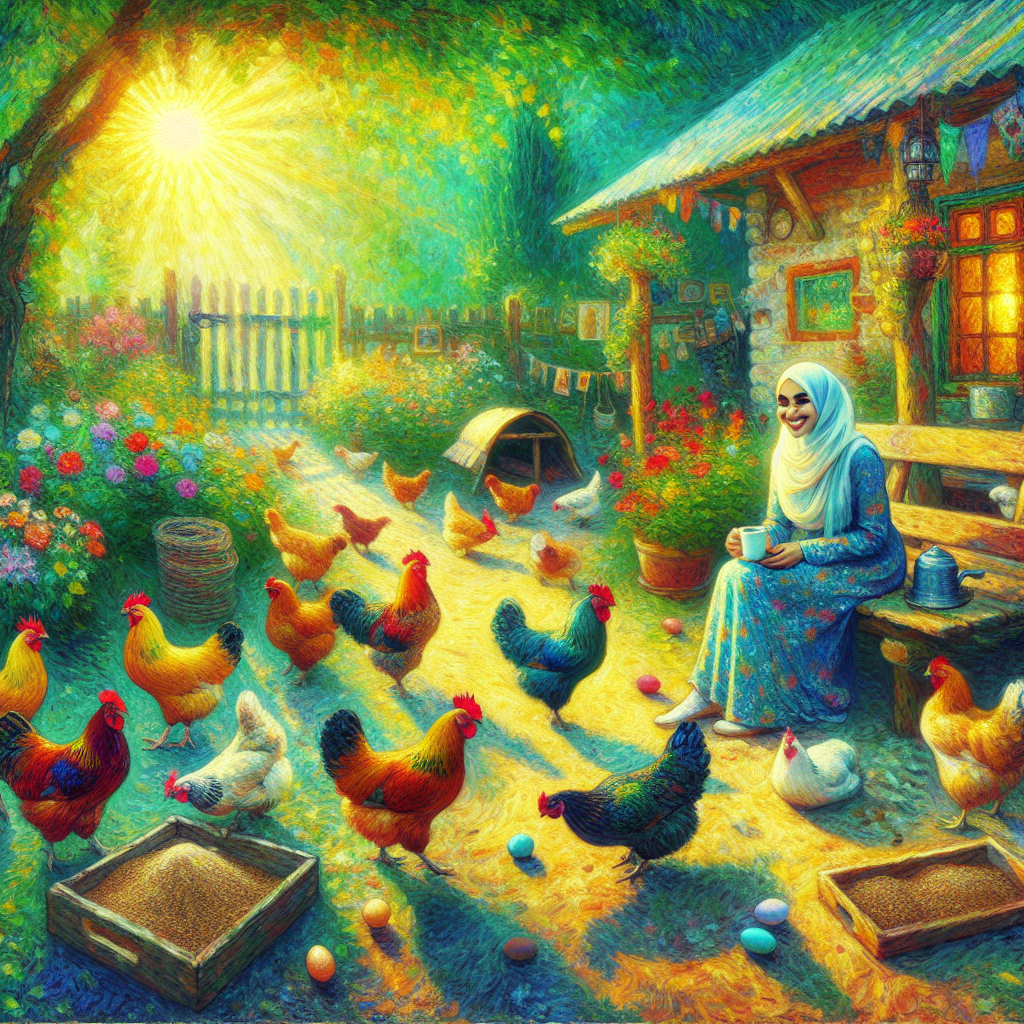
Haiku
Poem
Raising Future Champions – Family Fun In the Show Ring – A Poem
In backyards where dreams take flight,
Amidst clucks and crows, a tender sight,
Families gather, hearts intertwined,
In the dance of life, true bonds they find.
With hands in the soil and laughter that rings,
They learn that each chicken, like hope, has its wings.
Through patience and care, they nurture their kin,
Champions are built, where the journey begins.
In the quiet of mornings, lessons unfold,
Responsibility woven in stories retold.
Eggs in the nest, bright treasures of toil,
Imparting the virtues that hard work can spoil.
Through triumphs and trials, together they grow,
In the warmth of community, resilience flows.
Parents and children, they navigate fears,
In the face of competition, they forge stronger years.
From mentors, wisdom flows like a stream,
Teaching values of kindness, courage to dream.
Each triumph shared becomes a seed sown,
A legacy built, through love brightly grown.
For in the show ring, life’s tales intertwine,
With every clap and cheer, connections divine.
So let the chickens lead, with their clucks and delight,
As families thrive, hearts shining bright.
Embrace the journey, let compassion ignite,
For in raising future champions, souls take flight.
In the simple and sweet, life’s lessons repeat,
Nurtured in backyards, where love and hard work meet.

Poem
Checklist
Raising Future Champions – Family Fun In the Show Ring – A Checklist
Raising Future Champions _____ Family Fun In the Show Ring: A Checklist
Emotional Appeals
_____ Reflect on the joy and laughter shared with your children while caring for backyard chickens.
_____ Identify moments that foster pride when your child showcases their hard work.
_____ Share stories of resilience and growth, emphasizing emotional rewards from experiences in the show ring.
_____ Encourage gratitude for the journey of nurturing life, highlighting personal growth.
Rational Appeals
_____ List the skills your children develop through raising and showing chickens (responsibility, patience, commitment).
_____ Outline the benefits of routine and hard work in achieving success, both in and out of the ring.
_____ Discuss the importance of ethical considerations in their preparation and treatment of animals.
_____ Encourage open conversations about competition and personal growth during family discussions.
Ethical Appeals
_____ Emphasize the importance of treating animals with care and respect, discussing their needs and ethical responsibility as caretakers.
_____ Discuss the value of community engagement and support, fostering a culture of kindness instead of rivalry.
_____ Encourage discussions on the broader impact of your actions in the show ring and beyond.
Authority Appeals
_____ Seek mentorship from experienced families and individuals within the livestock community.
_____ Note reputable sources for raising and managing backyard chickens to enhance skill development.
_____ Consider engaging local leaders or experts for guidance and best practices in livestock care and competition.
Narrative Appeals
_____ Collect stories of past champions and the values that led to their success; share these narratives with your children.
_____ Create family traditions around chicken care and showing that inspire enthusiasm and passion.
_____ Make connections to personal experiences, illustrating how challenges faced in the show ring mirror life lessons.
Social Appeals
_____ Join community groups focused on showing livestock to expand support networks and build friendships.
_____ Share your experiences and lessons learned with other families in the community.
_____ Promote collaborative efforts during competitions or events to enhance teamwork and connection among children and parents.
This checklist can guide families in nurturing champion qualities through livestock shows, blending emotional depth with practical actions.

Checklist
At BackyardChickenNews, we help people who want to raise backyard chickens by collating information and news blended with our own personal experiences.
Be sure to read our other related stories at BackyardChickenNews to learn more about raising chickens in your backyard.