

Flocking Together: The Ethical And Emotional Appeal Of Gen Z’s Rare Chicken Movement
By Tom Seest
At BackyardChickenNews, we help people who want to raise backyard chickens by collating information and news blended with our own personal experiences.
Be sure to read our other related stories at BackyardChickenNews to learn more about raising chickens in your backyard.
#Showbirdgoals – How Gen Z Made Rare Chickens Go Viral
In a world where picture-perfect pets are a dime a dozen, something extraordinary has risen from the soil—backyard chickens. Forget your run-of-the-mill cats and dogs; it’s the rare breeds that have captured the hearts of a new generation. The phenomenon goes beyond mere aesthetics, tapping into a deeper yearning for authenticity and a connection to nature. It’s about more than just having a quirky Instagram feed; it’s about living a life intertwined with the natural rhythms of the earth.
The rise of these unique feathered friends can be traced directly to a generation hungry for sustainability and realness. Gen Z, with their relentless pursuit of meaning, has found in rare chickens something they can rally around. In fields and backyards, the internet buzzes with videos of vivid plumage, elegant combs, and the charming quirks of these avian companions. It’s not just about coops adorned like tiny castles; it’s a nod to an era where food sovereignty and knowing the source of our meals is paramount.
This movement ignites a grassroots revolution. Chicken enthusiasts across the country are banding together, sharing tips, stories, and successes in their endeavors. It’s a community built on trust and ethical stewardship, relying on the knowledge passed down through generations of farmers and hobbyists. The idea is simple: when you raise your own chickens, you take ownership of your food, and in doing so, empower yourself and those around you.
But let’s face it: it’s also a little fun. Who doesn’t smile at the clumsy antics of a broody hen or the subtle paintings of a rooster’s feathers? These birds, with their unique personalities and vibrant colors, create a delightful diversion from the hustle and bustle of everyday life. In a society increasingly disconnected from our food sources, they serve as a reminder that joy can be found in the simplest of things.
By embracing backyard chickens, Gen Z isn’t just reviving an old practice; they’re redefining community. These rare breeds have transcended their roles as mere livestock to become symbols of resilience, creativity, and self-sufficiency. In a world craving connection, the call of the chicken is one we can all hear—inviting not just a return to the land but a return to ourselves. Join the movement; embrace the cluck.
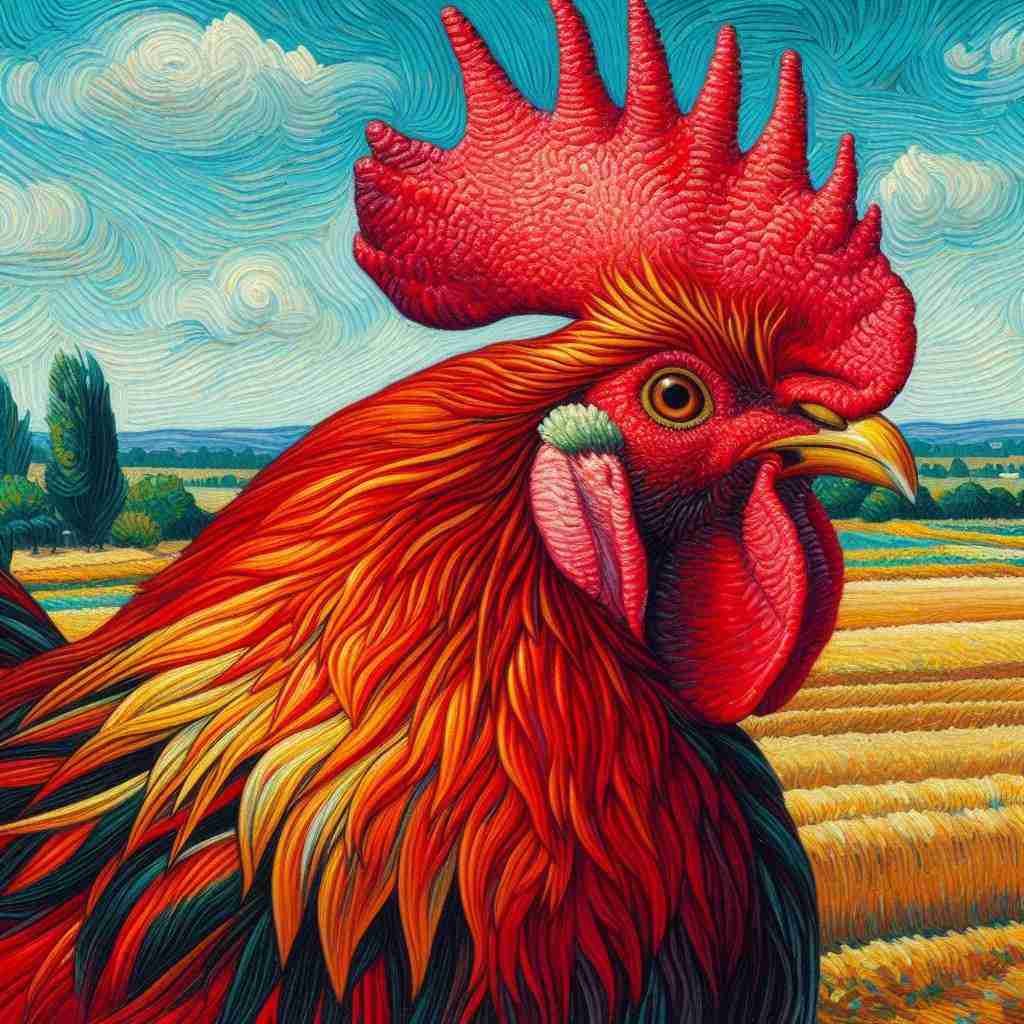
#Showbirdgoals – How Gen Z Made Rare Chickens Go Viral
#Showbirdgoals – How Gen Z Made Rare Chickens Go Viral
- Backyard chickens have emerged as a popular alternative to traditional pets, appealing to a new generation.
- The trend reflects a deeper desire for authenticity and a connection to nature, beyond mere aesthetics.
- Gen Z is particularly drawn to rare breeds of chickens, viewing them as a symbol of sustainability and realness.
- A vibrant online community shares knowledge, tips, and stories about raising chickens, emphasizing ethical stewardship.
- Raising chickens empowers individuals by giving them ownership of their food sources and promoting food sovereignty.
- Chickens provide joy and a refreshing diversion from daily life, showcasing unique personalities and vibrant colors.
- This movement redefines community and transforms chickens into symbols of resilience, creativity, and self-sufficiency.

#Showbirdgoals – How Gen Z Made Rare Chickens Go Viral
Table Of Contents
- #Showbirdgoals – How Gen Z Made Rare Chickens Go Viral
- How Do Rare Chickens Symbolize Our Desire for Uniqueness?
- What Role Do Social Media Influencers Play In This Trend?
- Why Do We Feel a Connection to These Rare Bird Breeds?
- How Can Breeding Rare Chickens Improve Biodiversity?
- What Ethical Responsibilities Come with Owning Rare Chickens?
- How Do Our Food Choices Reflect Our Values and Beliefs About Nature?
- How Does the Growing Popularity Of Rare Chickens Impact Farms?
- Conclusion
- Other Resources
- Glossary Of Terms
- Other Questions
- Haiku
- Poem
- Checklist
How Do Rare Chickens Symbolize Our Desire for Uniqueness?
There’s something inherently captivating about rare chickens. Take a moment to picture the radiant plumage of a Blue Laced Red Wyandotte or the striking feathers of a Black Copper Marans. These backyard chickens do more than just peck at the ground; they embody an age-old longing for individuality. As we curate a world crowded with mass-produced items and replicated experiences, the allure of rare poultry becomes increasingly clear; they’re not merely birds—they’re symbols of our desire for uniqueness.
Think about it. Every time we tend to our backyards, nurturing these splendid creatures, we engage in a personal story, unique to our lives. The shared joy of watching a beloved hen strut around, clucking contentedly, is a moment that transcends the ordinary. It’s about forging connections—not just with the chickens but with ourselves and with the people around us. Imagine gathering friends and family, each one captivated by a different feathered friend. This isn’t just chicken farming; it’s an experience steeped in community and warmth.
From a rational standpoint, choosing rare chickens emphasizes our inherent love for the unusual. As we diversify our flock, we cultivate knowledge about conservation and genetics, raising awareness toward preserving these unique breeds that might otherwise fade into obscurity. By investing in them, we are, in fact, doing our part to support biodiversity, extending beyond our personal interests to the very fabric of our ecological system. This respect for rarity speaks volumes about our responsibilities as stewards of not just our backyard, but the world.
Ethically, there’s a robust argument to be made for this gathering of unique fowl. Rarity encourages a mindful approach to our consumption, whether it’s in farming or life. Supporting local breeders and choosing rare chickens fosters sustainable agricultural practices that respect the environment. It cultivates a sense of ethical pride, knowing we’re empowering small-scale farmers and promoting healthy, resilient ecosystems.
None of this is merely about owning chickens; it’s about nurturing a sense of purpose and connection. The act of raising rare birds allows us to root ourselves in something larger—a narrative that harkens back to our ancestors, who cherished their interplay with the land and its creatures. In our quest for authenticity, rare chickens remind us that it’s the peculiarities of life that create the most memorable stories. So, let’s embrace the uniqueness of our flocks and, by extension, our lives. It’s a beautiful reminder that sometimes, it’s the rarest treasures that offer the most profound connections.

How Do Rare Chickens Symbolize Our Desire for Uniqueness?
How Do Rare Chickens Symbolize Our Desire for Uniqueness?
- Rare chickens, such as Blue Laced Red Wyandottes and Black Copper Marans, symbolize individuality in a world of mass production.
- Nurturing backyard chickens serves as a personal narrative, fostering connections with ourselves and those around us.
- Gathering friends and family around unique poultry enhances community experiences and shared joy.
- Choosing rare chickens promotes knowledge of conservation and genetics, supporting the preservation of unique breeds.
- This choice reflects a responsibility toward biodiversity and stewardship of our ecological systems.
- Supporting local breeders and rare chickens encourages sustainable agriculture and healthy ecosystems.
- Raising rare birds connects us to our ancestral roots and emphasizes the importance of authenticity in life.

How Do Rare Chickens Symbolize Our Desire for Uniqueness?
What Role Do Social Media Influencers Play In This Trend?
In an age where convenience often trumps authenticity, social media influencers are redefining how we perceive our connection to food and the environment. Imagine scrolling through your feed to catch glimpses of vibrant backyard chickens, pecking happily amidst lush green grass, or a home garden bursting with fresh vegetables. This isn’t just a catchy image; it’s a narrative that’s stirring the hearts of many. Influencers are stepping beyond their glam-filled lifestyles and tapping into something raw and elemental, fostering a connection that strikes at the very core of who we are.
Emotionally, they ignite our longing for simpler times. Remember when dinner was a celebration of homegrown produce and the satisfaction of raising animals that contributed to our sustenance? Influencers craft vivid stories of their backyard escapades that allow viewers to vicariously experience the warmth of gathering fresh eggs or harvesting their first tomatoes. This isn’t just about food; it’s about cultivating a sense of belonging and purpose. When they share their journeys, they aren’t just influencing trends; they’re inviting us to become part of a community focused on sustainability, health, and genuine joy.
Rationally, we’re at a crossroads. As our world faces increasing environmental challenges, the call to reconnect with nature becomes even more pressing. Influencers armed with knowledge and personal anecdotes about raising backyard chickens and growing organic gardens empower their followers to make conscious choices. Their expertise can transform uncertainty into action, guiding us through the intricacies of sustainable living.
Ethically, influencers often champion the benefits of responsible farming and local sourcing, fostering a greater awareness of food origins. By showcasing backyard farming, they not only promote a healthier lifestyle but also emphasize our moral responsibility to the planet. This isn’t just about personal choices; it’s an ethical movement toward a more sustainable future.
Through compelling narratives and shared experiences, these influencers build trust and rapport, encouraging us to step outside of our comfort zones and try our hand at farming and gardening. Their stories resonate universally—the joy of nurturing life, the thrill of home-cooked meals, and the bond created between families as they embark on this journey together. When we see our friends online showcasing their backyard setups, it sparks a curiosity in us, igniting a movement that’s not just seen but felt. It becomes a social revolution, grounding us in the tangible pleasures of life, one chicken at a time.

What Role Do Social Media Influencers Play In This Trend?
What Role Do Social Media Influencers Play In This Trend?
- Social media influencers are reshaping perceptions of food and environmental connection.
- Their posts evoke nostalgia for simpler times, celebrating homegrown produce and animal care.
- Influencers create a sense of community focused on sustainability, health, and joy.
- They empower followers to make informed choices about sustainable living.
- Influencers advocate for responsible farming and local sourcing, enhancing awareness of food origins.
- Their compelling stories build trust, encouraging others to engage in gardening and farming.
- This movement fosters a social revolution, reconnecting us with the tangible joys of life.

What Role Do Social Media Influencers Play In This Trend?
Why Do We Feel a Connection to These Rare Bird Breeds?
When you step into the world of rare bird breeds, you’re not just encountering a few exotic feathers; you’re tapping into a deeper connection that resonates with our human experience. Take backyard chickens, for example. They’ve become more than mere pets; they symbolize self-sufficiency, a return to nature, and a commitment to nurturing life around us. This return to roots fills us with a sense of purpose, reminding us that we can play an active role in the cycles of nature, right in our own backyards.
At first glance, it might seem irrational to invest time and resources in caring for a few unique birds. However, studying these rare breeds reflects our desire to preserve biodiversity and protect animal heritage. Each breed carries its own story—an intricate narrative of resilience and adaptation—provoking feelings of empathy and respect for the natural world. When we engage with these creatures, we learn about responsibility, patience, and stewardship. It’s not just about the eggs; it’s about the journey of raising and understanding them.
Moreover, rare bird breeds present an opportunity to spark conversations. Imagine friends gathered around a coop, sharing laughs and insights about their quirky feathered friends. These moments create bonds that stretch beyond backyard fences—connections that link communities, foster shared values, and remind us of shared responsibilities. In a world increasingly divided, nurturing a backyard flock can cultivate a sense of unity, warming our hearts and sharpening our ethics.
From a practical standpoint, engaging with these rare breeds educates us about conservation efforts. By choosing to raise them, we’re making conscious decisions that positively impact the environment and the ecosystem. Supporting endangered species reminds us of our role as caretakers of the planet, urging us to champion ethical practices in every aspect of our lives.
Whether through the quiet clucking of a rare breed or the vibrant colors that brighten our days, these birds beckon us to reconnect with the raw and unfiltered beauty of life. They challenge us to ponder our place in the world and inspire us to take action, ensuring that future generations can enjoy the same rich tapestry of life that captivates us today. Embrace the call to connect with these remarkable creatures, and let them guide you on a journey of discovery—a journey that’s as rewarding for the heart as it is for the soul.

Why Do We Feel a Connection to These Rare Bird Breeds?
Why Do We Feel a Connection to These Rare Bird Breeds?
- Engaging with rare bird breeds fosters a deeper human connection and sense of purpose.
- Backyard chickens symbolize self-sufficiency, nature, and nurturing life.
- Caring for unique birds reflects a desire to preserve biodiversity and protect animal heritage.
- Each bird breed has its own story, promoting empathy and respect for nature.
- Raising these birds teaches responsibility, patience, and stewardship.
- Communal experiences around chicken coops can foster connections and shared values.
- Supporting rare breeds contributes to conservation efforts and ethical practices.

Why Do We Feel a Connection to These Rare Bird Breeds?
How Can Breeding Rare Chickens Improve Biodiversity?
When we think about breeding rare chickens, it’s easy to imagine colorful feathers fluttering about in a serene backyard. These backyard chickens aren’t just charming; they hold the key to a richer and more diverse agricultural landscape. In the same way that a well-tended garden flourishes through a variety of plants, our ecosystems thrive on diversity. Rare chicken breeds, often overlooked in favor of more common industrial types, play a significant role in bolstering biodiversity.
Imagine a bustling coop, with every hen and rooster offering something unique. These distinct breeds have evolved over generations, adapting to various climates and conditions. By nurturing and breeding these rare varieties, we’re not just preserving a piece of history; we’re also ensuring that future generations will have access to these resilient genetic lineages. This isn’t just about chickens—it’s about creating a safety net for our food supply. Each rare breed represents a strand in the intricate web of life that sustains us. If we lose these breeds, we risk losing valuable traits, such as disease resistance and hardiness, that can adapt to an ever-changing environment.
Ethically, it feels right to cultivate these connections between humans and animals. By choosing to raise rare chickens, we’re participating in an age-old practice that honors our roots as stewards of the land. We become part of a community that genuinely values the preservation of unique genetics. In a world dominated by fast and uniform production, isn’t it refreshing to celebrate the quirky, the colorful, and the rare?
From a rational standpoint, investing time and resources into breeding these chickens can lead to a more sustainable food system. Rare breeds not only contribute to biodiversity but can also offer superior flavors, faster growth rates, or higher egg production compared to their commercial counterparts. This choice aligns us with a growing movement of conscious consumers who demand authenticity and diversity in their food.
So, let’s come together—not just as chicken enthusiasts, but as advocates for the very essence of life around us. It’s time to open our hearts and backyards to rare chickens, fostering a richer environment for our communities and the earth. By embracing these remarkable birds, we’re taking a step toward a more resilient future. They may be just chickens, but in their diversity lies the resilience of our ecosystems, our farms, and ultimately, ourselves.
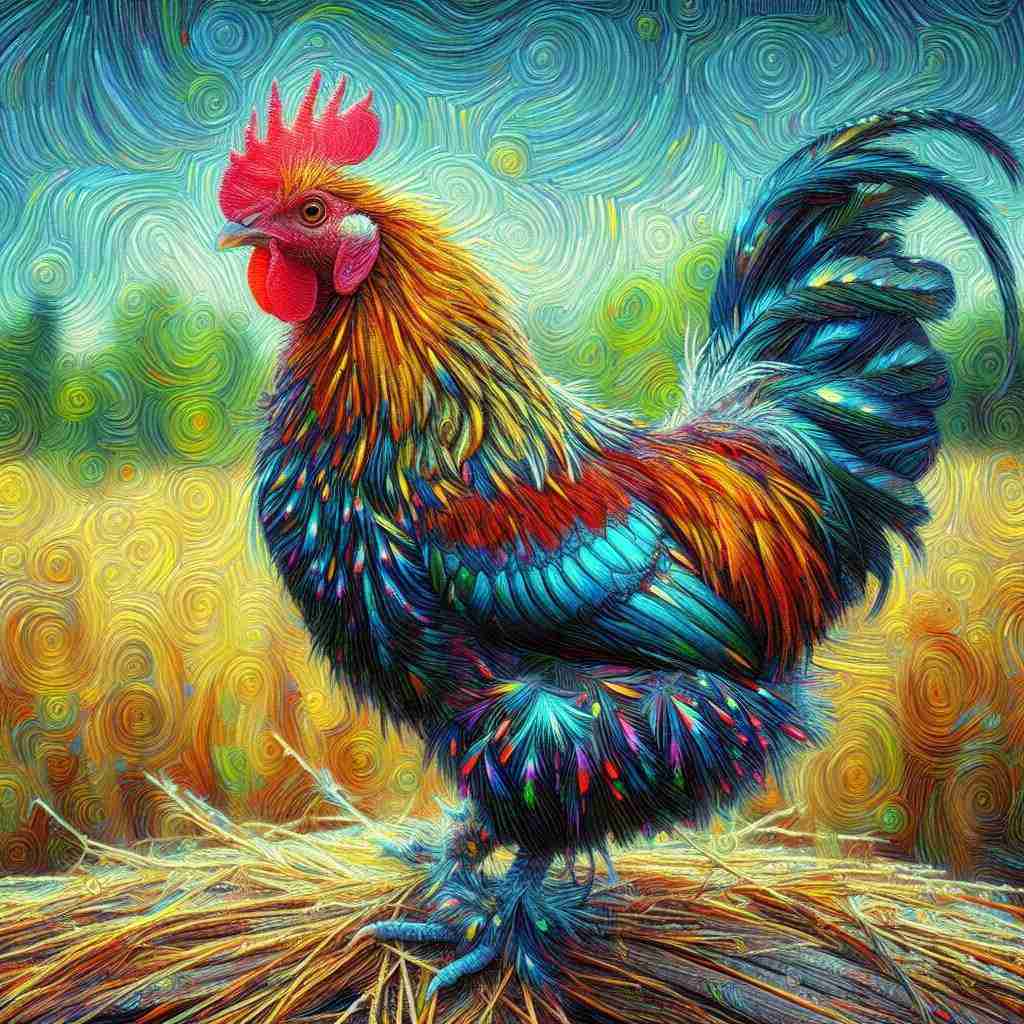
How Can Breeding Rare Chickens Improve Biodiversity?
How Can Breeding Rare Chickens Improve Biodiversity?
- Breeding rare chickens enriches agricultural diversity and promotes a healthier ecosystem.
- Each unique breed contributes to a wealth of genetic diversity, ensuring resilience against changing environments.
- Preserving rare chicken breeds helps maintain traits like disease resistance and adaptability.
- Raising rare breeds fosters a connection between humans and animals, honoring traditional stewardship practices.
- Investing in rare chickens contributes to a more sustainable food system and can enhance flavor and production rates.
- This movement aligns with conscious consumerism demanding authenticity and variety in food sources.
- Embracing rare chickens supports community enrichment and ecological resilience for future generations.

How Can Breeding Rare Chickens Improve Biodiversity?
What Ethical Responsibilities Come with Owning Rare Chickens?
Owning rare chickens is not just a hobby; it carries with it a weighty set of ethical responsibilities that can tug at your heartstrings while also stimulating your mind. Imagine for a moment the thrill of watching your unique flock strut about your backyard, each bird a living testament to a long lineage of meticulous breeding and care. Yet, as you marvel at their beauty, you must also consider their needs and the impact of your choices on the species as a whole.
When we invite rarity into our coops, we step into a realm that marries passion with responsibility. These backyard chickens, dazzling in their distinct colors and hues, deserve more than just a casual glance. They rely on us for everything—from food and shelter to social interaction and health care. It’s our responsibility to nurture them, ensuring their happiness and well-being in a world that often overlooks the delicate balance of life.
Consider the ethical implications of breeding and buying. Are we perpetuating responsible practices or inadvertently supporting neglect and poor conditions? Every decision we make shapes the future of these rare breeds. By supporting ethical breeders who prioritize genetic diversity and flock health, we champion a movement that cares deeply for animal welfare. This not only bolsters the rare breeds we cherish but reinforces a social fabric committed to sustainability.
Connecting with the history of these chickens opens up a narrative that enriches our lives. Each bird has a story, a lineage that traces back to cultures and traditions intimately linked with the human experience. When we understand their origins, we forge an emotional bond that enhances our stewardship. It’s about recognizing that we’re not just keeping a pet; we’re guardians of a heritage.
Moreover, the community we build around backyard chickens fosters connection. Conversations with fellow chicken enthusiasts become avenues for sharing knowledge and experiences. They remind us that we’re part of something greater—a movement toward responsible animal husbandry that resonates with people from all walks of life.
So, as you care for those rare creatures in your backyard, think about the responsibilities tied to their well-being. Embrace the challenge, and take pride in being a steward of both their health and heritage. It’s not just about owning rare chickens; it’s about becoming a part of something beautiful and meaningful, inspiring others to follow suit.

What Ethical Responsibilities Come with Owning Rare Chickens?
What Ethical Responsibilities Come with Owning Rare Chickens?
- Owning rare chickens comes with significant ethical responsibilities, blending passion with duty.
- These chickens rely on their owners for essential needs, including food, shelter, and health care.
- It is crucial to consider the implications of breeding and buying choices to avoid supporting neglect.
- Supporting ethical breeders enhances animal welfare and helps maintain genetic diversity.
- Understanding the history and lineage of rare chickens fosters a deeper emotional connection.
- Building a community around backyard chickens creates opportunities for knowledge sharing and connection.
- Caring for rare chickens is about stewardship of their health and heritage, inspiring responsible practices.

What Ethical Responsibilities Come with Owning Rare Chickens?
How Do Our Food Choices Reflect Our Values and Beliefs About Nature?
Our food choices are more than just sustenance; they reflect our values and beliefs about nature in profound ways. Picture this: a family standing in their backyard, the sun casting warm rays on a small coop filled with clucking hens. These backyard chickens aren’t just a source of fresh eggs; they symbolize a commitment to sustainability and a connection to the natural world. When we choose locally-sourced, ethically-raised food, we’re casting a vote for the kind of world we want to live in—a world where respect for the environment isn’t just an afterthought, but a guiding principle.
Think about the moments we spend around the dinner table. Each bite is infused with purpose. When we select organic produce or support humane farming practices, we’re not only nourishing our bodies but also standing in solidarity with those who dedicate their lives to eco-friendly agriculture. This isn’t merely about taste; it’s about a mindful approach to our planet. We engage in a complex dance of ethics and responsibility, where our choices resonate beyond personal preference and ripple through our communities and ecosystems.
Consider, too, the emotions tied to our food. There’s an undeniable warmth in knowing where our meals come from, a sense of pride that comes with nurturing our own little piece of nature. The idea of raising backyard chickens is about more than just eggs; it’s about teaching our children the value of hard work, gratitude, and the delicate balance of life. Conversations about what we eat can inspire deeper discussions about our stewardship of the Earth—transforming dinner into a platform for values that matter.
Each of us has a role to play in this narrative. Beyond personal choice, our food selections weave together a larger story about society’s relationship with nature. When we gather around that table and share meals, we forge connections with one another and the land we inhabit. These moments can and should inspire action. By supporting sustainable practices, we advocate for a healthier planet, one meal at a time.
Let’s foster a sense of community through our plates, embracing choices that reflect not just our preferences but our profound respect for nature. As we step into this commitment together, we’re not just consumers—we’re stewards of a better tomorrow.

How Do Our Food Choices Reflect Our Values and Beliefs About Nature?
How Do Our Food Choices Reflect Our Values and Beliefs About Nature?
- Food choices reflect our values and beliefs about nature.
- Backyard chickens symbolize sustainability and a connection to the natural world.
- Choosing locally-sourced, ethically-raised food supports environmental respect.
- Our meals are infused with purpose and support eco-friendly agriculture.
- Food choices inspire discussions about stewardship and values.
- Gathering around the dinner table strengthens connections with each other and nature.
- By supporting sustainable practices, we advocate for a healthier planet together.

How Do Our Food Choices Reflect Our Values and Beliefs About Nature?
How Does the Growing Popularity Of Rare Chickens Impact Farms?
The growing trend of raising rare chickens reflects a deeper yearning for connection, authenticity, and sustainability in our lives—all values that resonate with today’s farmers and consumers alike. Whether you’re a seasoned farmer or an urbanite with a small backyard, adding uncommon breeds to your flock isn’t just a quirk; it’s a statement about where you stand in a world that all too often feels homogenized and corporate.
Backyard chickens embody this shift. They invite us into a world where eye-catching plumage and unique egg colors lead to conversations at the local farmer’s market, creating bonds among neighbors and fostering a sense of community. We’re not just raising poultry; we’re champions of biodiversity, advocating for the preservation of heritage breeds that have survived the test of time. These rare breeds bring history and character back to our everyday lives, reminding us of an agrarian joy that’s been overshadowed by mass production.
Rationally speaking, the impact of rare breeds goes beyond aesthetics. They often display hardiness and resilience, traits that can lead to healthier flocks and a more sustainable approach to farming. By choosing to raise these unique birds, farmers are tapping into a market that appreciates diversity—not only in appearance but in taste and nutritional value as well. Consumers are increasingly looking for farm-fresh eggs that not only nourish bodies but also tell a story. When we buy from local farmers embracing rare breeds, we vote with our wallets for a more ethically conscious food system.
It’s not just about chickens; it’s about the values and the way we think about our relationship with the land and our food. Raising rare chickens can be a pathway to reflection; it’s a daily reminder that farming doesn’t have to conform to the ordinary. Each time someone admires a colorful egg or a striking feather, it reinforces the emotional tapestry that these birds weave into our lives.
So whether you’re pondering the prospect of adding a few rare birds to your flock or simply wanting to learn more about them, remember that each choice—small or large—opens a dialogue with tradition, innovation, and community. By celebrating the whimsical, the rare, and the beautifully imperfect, we enrich our lives and those of our neighbors, leaving a legacy that extends far beyond our own backyards.

How Does the Growing Popularity Of Rare Chickens Impact Farms?
How Does the Growing Popularity Of Rare Chickens Impact Farms?
- The trend of raising rare chickens reflects a desire for connection, authenticity, and sustainability.
- Backyard chickens promote community engagement and bonding among neighbors.
- Raising heritage breeds champions biodiversity and preserves historical poultry varieties.
- Rare breeds often exhibit hardiness and resilience, contributing to healthier flocks.
- Consumers are increasingly interested in farm-fresh eggs that offer diversity in taste and nutrition.
- Raising rare chickens challenges traditional notions of farming and invites reflection on food relationships.
- Each choice in poultry raising fosters dialogue about tradition, innovation, and community legacy.
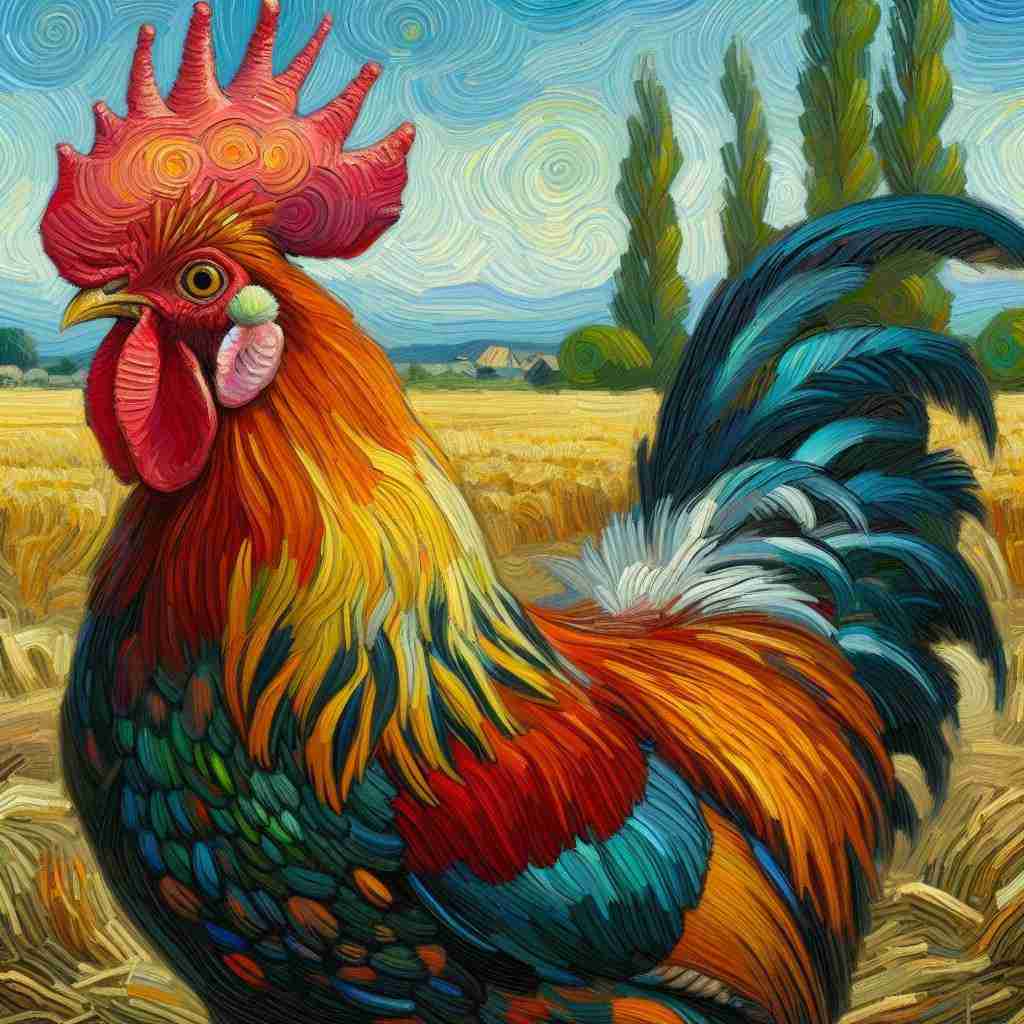
How Does the Growing Popularity Of Rare Chickens Impact Farms?
Conclusion
The rare chicken movement is more than just a trend—it’s a rallying cry for a generation seeking connection in an increasingly fractured world. As backyard chickens take center stage, we witness a collective longing for authenticity, sustainability, and individual expression. These charming birds, with their unique plumage and quirky personalities, offer us not just eggs but a chance to reconnect with nature and ourselves. Each chicken represents the intersection of joy and responsibility, urging us to cultivate something meaningful while reminding us of our roots.
Gen Z champions this movement, driven by a desire to understand the origins of their food and nurture a sense of community. Embracing rare breeds—a nod to biodiversity—allows us to engage in conversations about ethical stewardship and environmental impact, illuminating our shared responsibility in preserving these unique genetic narratives. Raising these birds helps instill values of patience and empathy, bridging generations and reinforcing bonds among neighbors.
Social media amplifies this trend, bringing together wellness enthusiasts, food advocates, and ethical consumers. Influencers pull back the curtains on the joys of backyard farming, igniting our collective imagination while grounding us in unscripted moments of laughter and learning. Their engaging stories about daily life with rare chickens inspire us to join a movement characterized by honesty and care. It’s about more than mere aesthetics; it’s a powerful reminder that life flourishes best when it embraces diversity.
From a practical viewpoint, rare chickens improve the resilience of our agricultural systems, and their unique traits can lead to healthier ecosystems. In a world where monoculture prevails, these breeds offer a refreshing reminder of the strength that comes from variety. Raising them isn’t just a nostalgic act; it’s an investment in the future of our food system, fostering ethical practices and reconnecting us with the land.
Our food choices reflect not only our tastes but our beliefs. By supporting local farmers who raise rare breeds, we advocate for authenticity in agriculture. Each egg is a testament to a commitment to sustainability and a connection to our environment. This ethical engagement fosters a social fabric woven from shared values and collective action.
By embracing rare chickens, we step into a narrative of resilience and renewal—a movement that transforms not just backyards but ultimately, our world. It’s a call to action: let’s nurture the extraordinary and celebrate our natural bond with these remarkable creatures. Each cluck speaks volumes about who we are and the future we wish to create together.

Conclusion
Conclusion:
- The rare chicken movement embodies a desire for connection, authenticity, and sustainability in a fractured world.
- Gen Z leads the movement, seeking to understand food origins and promote community through raising backyard chickens.
- Embracing rare chicken breeds supports biodiversity and encourages discussions on ethical stewardship and environmental impact.
- Raising chickens instills values of patience and empathy, strengthening bonds among generations and neighbors.
- Social media plays a key role in amplifying the movement, connecting wellness enthusiasts and inspiring engagement in backyard farming.
- Rare chickens contribute to agricultural resilience and healthier ecosystems, countering the prevalence of monoculture.
- Supporting local farmers raising rare breeds promotes authenticity in agriculture and fosters a commitment to sustainability.

Conclusion
Other Resources
Other Resources
Here is a list of other resources you can review online to learn more:
- Ulcerative Enteritis
- Austra White
- Lymphoid Leukosis
- Wyandotte
- Polish
- chicken run
- sunflower
- Gumboro
- insects
- snakes
- Erysipelas
- Australorp
- Minorca
- Campine
- Omphalitis
Use This Prompt To Get More Resources With Your Favorite Online AI Tool: Please provide me with a list of online articles with their URLs in a bulleted list that I can read regarding #Showbirdgoals – How Gen Z Made Rare Chickens Go Viral
Other Resources
Glossary Terms
#Showbirdgoals – How Gen Z Made Rare Chickens Go Viral – Glossary Of Terms
1. ShowBirdGoals: A social media movement led by Gen Z advocating for the digital showcasing of rare chicken breeds.
2. Viral: The rapid spread of content across social media platforms, often characterized by high engagement and shares.
3. Gen Z: The demographic cohort born roughly between the mid-1990s and early 2010s, known for its strong online presence and social media engagement.
4. Rare Breeds: Chicken breeds that are not widely bred or recognized, often valued for their unique characteristics and traits.
5. Social Media: Online platforms that allow users to create, share, and engage with content, playing a crucial role in shaping trends.
6. Farming: The practice of cultivating livestock, including chickens, for food production as well as for ornamental purposes.
7. Heritage Breeds: Traditional chicken breeds that have been preserved over time, often valued for their genetic diversity and historical significance.
8. Aesthetic: A set of principles that guide the visual appeal and artistic expression evident in chicken breeding and showcasing.
9. Content Creation: The process of generating multimedia material, including images and videos of rare chickens, shared online to attract an audience.
10. Influencer: An individual with the power to affect the purchasing decisions or social behavior of others, often through social media presence.
11. Microculture: A distinct cultural sub-group that forms around specific interests or passions, such as rare chickens among young breeders.
12. Community Engagement: Interaction and relationship-building within a group, often seen in online forums and social media regarding rare chickens.
13. Cockfighting: A controversial sport involving the fighting of roosters, often leading to debates about animal rights and welfare.
14. Chickening: A term used to describe the increasing trend of raising and breeding chickens in urban environments as pets.
15. Egg Production: The process by which hens lay eggs, a primary reason for raising chickens alongside breeding interests.
16. Livestock: Domesticated animals raised for food, fiber, or labor, including chickens in both commercial and hobbyist contexts.
17. Animal Husbandry: The science of breeding and caring for farm animals, including practices for raising rare chicken breeds.
18. Sustainability: The practice of maintaining ecological balance, often reflected in the methods used for raising chickens responsibly.
19. Raising Chickens: The act of keeping and caring for domestic chickens, often for eggs, meat, or as pets.
20. Fowl: A broader term that refers to birds, often used interchangeably with chickens in casual contexts.
21. Hobby Farming: A lifestyle choice involving the management of a small-scale farm primarily for enjoyment rather than profit.
22. Poultry Shows: Competitive events where breeders showcase their chickens, judged on various standards of appearance and health.
23. Flock: A group of chickens, emphasizing the community aspect of raising and breeding these birds.
24. Backyard Chickens: Chickens kept in residential settings for personal use, becoming popular among urban dwellers.
25. Biodiversity: The variety of life in the world, important for maintaining healthy ecosystems, including the genetic diversity of chicken breeds.
26. Trendsetting: The act of establishing new trends or popular practices, particularly in the context of social media culture.
27. Chicken Enthusiasts: Individuals passionate about raising, breeding, and showing chickens, often sharing their experiences online.
28. Nickelodeon: A reference to a type of storytelling or visual style that resonates with Gen Z, characterized by whimsical and colorful presentations.
29. Engagement Metrics: Data points that measure interactions with online content, such as likes, shares, and comments, reflecting the popularity of rare chickens.
30. Pet Ownership: The act of keeping animals for companionship, with rare chickens increasingly seen as unique pet options by younger generations.

Glossary Of Terms
Other Questions
#Showbirdgoals – How Gen Z Made Rare Chickens Go Viral – Other Questions
If you wish to explore and discover more, consider looking for answers to these questions:
- What are some popular rare chicken breeds among Gen Z?
- How does the rare chicken movement compare to other trends in sustainability within Gen Z?
- What specific benefits come from raising rare chickens versus more common breeds?
- How do rare chickens contribute to conservation efforts?
- What are the best practices for raising rare chicken breeds?
- Are there any health benefits associated with eggs from rare chicken breeds?
- What challenges do owners face when caring for rare chickens?
- How has social media influenced the perception of backyard farming in general?
- What resources are available for those interested in starting a rare chicken flock?
- How do rare chickens fit into urban versus rural farming contexts?
- What role do local breeders play in the rare chicken movement?
- How can schools incorporate the rare chicken movement into their curricula?
- What stories or traditions are attached to specific rare chicken breeds?
- What economic impacts has the rise of rare chicken raising had on local communities?
- How can individuals advocate for the protection of rare chicken breeds?
Other Questions
Haiku
#Showbirdgoals – How Gen Z Made Rare Chickens Go Viral – A Haiku
Rare chickens cluck true,
Unity in their bright hues,
Nature’s heart shines through.

Haiku
Poem
#Showbirdgoals – How Gen Z Made Rare Chickens Go Viral – A Poem
In gardens green, a movement stirs,
With rare chickens, the heart prefers,
No more mundane, but vibrant hues,
Feathered friends in whimsical views.
Gen Z takes flight, on wings of change,
Seeking truth in lands deranged,
A quest for sustenance, pure and real,
These quirky birds invoke a feel.
With every cluck, a story shared,
In coops adorned, community bared,
Nurturing life, a mindful choice,
An echoing call, a collective voice.
Instagram feeds, brightly aglow,
Chickens frolic, and friendships grow,
In every peck, a glimpse of grace,
The power of nature, in every space.
Rarity breathes in chicks unique,
Each trait a thread, strong yet meek,
Guardians of heritage, we must stand,
Stewards of earth, with loving hands.
Gardening hearts, in grace we bask,
Each meal reflects the questions we ask,
What do we value? What do we believe?
Through food, we connect, and together weave.
So embrace the plucky, the peculiar, the rare,
In each vibrant feather, a story laid bare,
A commitment grows, from soil to sky,
With rare chickens, we flourish, we fly.
For nestled in backyards, a haven awaits,
We find our own roots, and redefine fates,
In the clucking chorus, a joy we revive,
A community thrumming, together we thrive.

Poem
Checklist
#Showbirdgoals – How Gen Z Made Rare Chickens Go Viral – A Checklist
Checklist for Embracing Rare Chickens in Your Life
Heart Appeal
_____ Reflect on Unique Connections: Consider how caring for rare chickens can create personal stories and connections within your family.
_____ Joy in Simplicity: Appreciate the simple pleasure of watching chickens interact in your yard and how this can bring joy to your daily life.
_____ Emotional Benefits: Acknowledge the sense of purpose and fulfillment that comes from nurturing life and being a steward of the environment.
Head Appeal
_____ Research Rare Breeds: Educate yourself about different rare chicken breeds, their unique characteristics, and their importance in biodiversity.
_____ Understanding Sustainable Practices: Learn about the advantages of keeping rare chickens in promoting sustainability in agriculture.
_____ Conservation Awareness: Reflect on how raising endangered breeds contributes to global conservation efforts and protects genetic diversity.
Gut Appeal
_____ Support Ethical Farming: Choose to buy from ethical breeders who prioritize animal welfare and responsible practices in raising rare chickens.
_____ Investment in Quality: Think about the quality of life and food that comes from raising unique chickens versus mass-produced chickens.
_____ Sense of Responsibility: Recognize your role in the lifecycle of these birds and the ethical obligations that come with it.
Emotional Appeal
_____ Community Engagement: Join online or local communities of chicken enthusiasts to share experiences, tips, and stories about your rare chickens.
_____ Create a Backyard Sanctuary: Design your space to be a welcoming habitat for your chickens, enhancing both your environment and your chickens’ well-being.
_____ Celebrate Moments: Capture and share special moments with your chickens on social media, promoting awareness and appreciation for rare breeds.
Rational Appeal
_____ Evaluate Benefits: Assess the practical benefits of raising rare chickens, such as unique egg production and hardiness suited to your local environment.
_____ Market Awareness: Understand the growing demand for heritage breeds and how this might affect local farming practices and your purchasing choices.
_____ Data on Biodiversity: Familiarize yourself with statistics regarding the decline of chicken breeds and the role you can play in their preservation.
Ethical Appeal
_____ Practice Stewardship: Adopt practices that reflect a commitment to the ethical treatment of animals and environmental sustainability.
_____ Educate Others: Share your knowledge about rare chickens and their impact on biodiversity with family and friends, encouraging thoughtful conversations.
_____ Connect Traditions: Explore the historical significance of rare breeds and how they can enrich your understanding of agriculture’s cultural ties.
Authority Appeal
_____ Follow Trusted Influencers: Engage with social media influencers who advocate for rare chickens and sustainable farming, drawing inspiration from their experiences.
_____ Join Workshops or Classes: Participate in local workshops to learn from experienced chicken keepers about best practices and ethical farming.
_____ Consult Experts: Seek advice from veterinarians or agricultural experts who specialize in rare breeds to ensure the health and happiness of your flock.
Narrative Appeal
_____ Document Your Journey: Keep a journal or blog about your experiences in raising rare chickens, chronicling the challenges and joys along the way.
_____ Share Your Story: Consider giving talks or presentations to local groups about the joys and benefits of raising rare breeds.
_____ Invite Friends to Experience: Host a small gathering to introduce your friends and family to your chickens, sharing their unique personalities and stories.
Social Appeal
_____ Connect with Local Farmers: Build relationships with local farmers who raise rare breeds to foster a supportive agricultural community.
_____ Join or Start a Chicken Club: Create or participate in a group focused on raising and showcasing rare chicken breeds, fostering camaraderie and investment in conservation.
_____ Advocacy for Local Food Systems: Champion local food sources and rare breeds in your community, encouraging others to appreciate the value of diversity in agriculture.

Checklist
At BackyardChickenNews, we help people who want to raise backyard chickens by collating information and news blended with our own personal experiences.
Be sure to read our other related stories at BackyardChickenNews to learn more about raising chickens in your backyard.