

Sustainable And Heartwarming Poultry Selection
By Tom Seest
At BackyardChickenNews, we help people who want to raise backyard chickens by collating information and news blended with our own personal experiences.
Be sure to read our other related stories at BackyardChickenNews to learn more about raising chickens in your backyard.
The Low-Drama Family Flock – Choosing Breeds That Behave
When you think about adding a few feathered friends to your life, the idea of backyard chickens might flit across your mind like a playful breeze. But the truth is, choosing the right breeds isn’t just a mindset—it’s a mission. Every cluck and cackle will echo through your days, and investing in breeds with low-drama dispositions is the key to a harmonious arrangement.
Imagine a scene in your backyard, sunshine spilling warmth over vibrant greens, as your calm flock pecks away joyfully. You want breeds that embody serenity, those that make chicken-keeping a delightful experience rather than a daily chore. This is about more than just eggs—it’s about weaving connections with these creatures that, against all odds, form a bond with you, their caretaker. The right breed can turn your everyday life into simple moments of connection, filling each day with laughter, peace, and purpose.
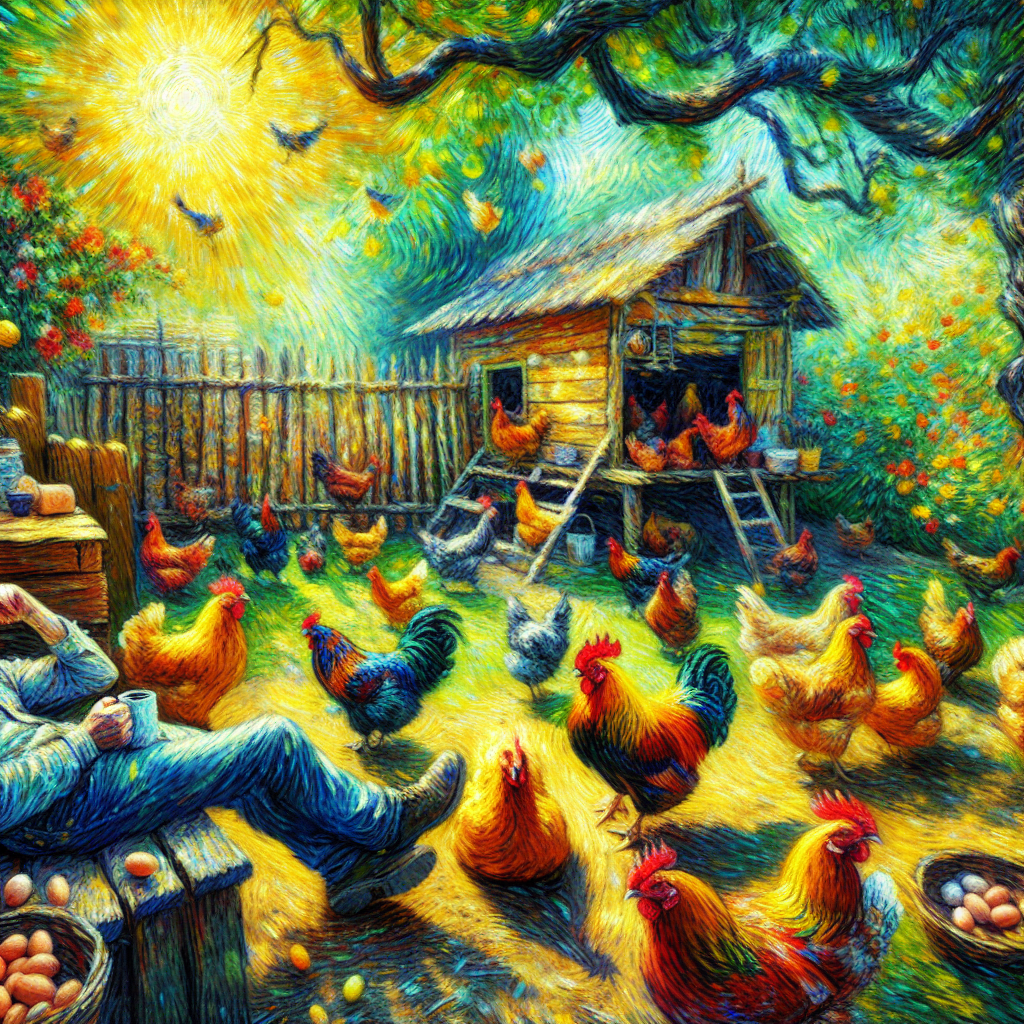
So, what should you be on the lookout for? Breeds like the Buff Orpington or the Ameraucana stand out. They embody gentle temperaments, displaying an unruffled demeanor that will warm your heart. When you can sit in the comforts of your yard, a cup of coffee in hand, and watch your hens gracefully scratch at the earth, you know that your chickens are working in harmony with their surroundings—keeping that inner zen for both you and them.
On a rational level, consider the practicality of your poultry—less drama means fewer squabbles, easier handling, and a more enjoyable daily routine. A peaceful flock is an efficient flock; they’ll lay eggs with fewer interruptions, resulting in the kind of bounty that effortlessly turns weekly groceries into wholesome family meals. It’s common sense that a cohesive flock means less stress for you, the caretaker, too!
But there’s an ethical angle here, too. By selecting breeds known for their amiable natures, you’re making a statement about compassion and care. Good behavior in chickens nurtures a positive environment where all creatures coexist harmoniously—a value that extends beyond the chicken coop.
In these times of chaos, cultivating a low-drama family flock isn’t just a decision; it’s a commitment to live in harmony with nature. Your backyard chickens will not only enrich your meals but also nourish your soul. So dive into this adventure with foresight, heart, and a good dose of chicken wisdom, and watch how a few good hens can transform not just your yard, but your life.

The Low-Drama Family Flock – Choosing Breeds That Behave
The Low-Drama Family Flock – Choosing Breeds That Behave
- Consider adding backyard chickens for companionship and joy.
- Choosing the right breeds is essential for a harmonious chicken-keeping experience.
- Look for breeds with low-drama dispositions, like Buff Orpingtons and Ameraucanas.
- Calm chickens create delightful connections and enhance daily life.
- A peaceful flock leads to fewer squabbles, easier handling, and efficient egg production.
- Selecting amiable breeds promotes compassion and nurtures a positive environment.
- A low-drama chicken flock enriches meals and contributes to living in harmony with nature.

The Low-Drama Family Flock – Choosing Breeds That Behave
Table Of Contents
- The Low-Drama Family Flock – Choosing Breeds That Behave
- What Breeds Can Bring Joy and Harmony to Our Family Home?
- How Do Different Chicken Breeds Impact Family Dynamics?
- Which Chicken Breeds Are Known for Their Gentle Temperament?
- Are Friendly Birds Truly Better for a Peaceful Household?
- What Ethical Considerations Arise When Choosing Animal Companions?
- What Expert Insights Guide Us In Selecting Non-Aggressive Breeds?
- How Do Our Choices Reflect Our Values As a Family?
- Conclusion
- Other Resources
- Glossary Of Terms
- Other Questions
- Haiku
- Poem
- Checklist
What Breeds Can Bring Joy and Harmony to Our Family Home?
Every family can unlock a deeper sense of joy and harmony through the age-old companionship of a pet. Yet, the right breed makes all the difference. Have you ever considered the quirks of our feathered friends? Yes, I’m talking about backyard chickens. These charming creatures can light up a home like few others, inviting laughter and connection.
Imagine your children racing to the coop at dawn, eyes wide and cheeks aglow with excitement, eager to greet these plucky little hens. There’s something heartwarming about the way they shout, “Cluck, cluck!” with unbridled enthusiasm. It’s not just about eggs; it’s about the shared experience of nurturing life and fostering responsibility. From the moment those chicks peck at your fingers, a bond forms, and you can almost see the lessons of empathy and care taking root in your child’s heart.
On a practical note, nurturing backyard chickens can sharpen your family’s understanding of where our food comes from. In a world overflowing with fast food and instant gratification, taking care of a flock grounds us in the reality of nature’s rhythms. Teaching children how to feed, collect eggs, and cultivate a small backyard ecosystem provides invaluable skills for life. This is the kind of education that truly matters, the kind that builds character rather than just a resume.
Ethically speaking, raising chickens promotes a sustainable lifestyle. In an age where our food choices often have far-reaching impacts, having backyard chickens allows us to engage with our environment more consciously. It’s a small but impactful step towards self-sufficiency and kindness to the planet. And let’s not forget – those eggs are fresher, tastier, and a delightful reward for your efforts, adding a rich source of nourishment to your family meals.
But perhaps the most compelling argument for inviting chickens into your home isn’t just the fresh eggs or the educational experience; it’s the sense of community they engender. As your passion for chicken-keeping grows, you’ll find yourself weaving connections with neighbors, sharing tips, and perhaps even swapping recipes or surplus eggs. It’s a delightful way to cultivate friendships, turning your simple backyard into a hub of fellowship and connection.
So, give it a thought – can your home embrace this joyous, clucking addition? The happiness they bring might just be the harmony your family has been searching for.

What Breeds Can Bring Joy and Harmony to Our Family Home?
What Breeds Can Bring Joy and Harmony to Our Family Home?
- Every family can enhance joy and harmony by welcoming a pet.
- Backyard chickens provide a charming and engaging companionship.
- Children benefit emotionally by nurturing chickens and forming bonds.
- Raising chickens teaches kids about food sources and responsibility.
- It promotes a sustainable lifestyle and conscious engagement with the environment.
- Chickens offer fresher eggs, enriching family meals.
- Chicken-keeping fosters community connections and friendships with neighbors.

What Breeds Can Bring Joy and Harmony to Our Family Home?
How Do Different Chicken Breeds Impact Family Dynamics?
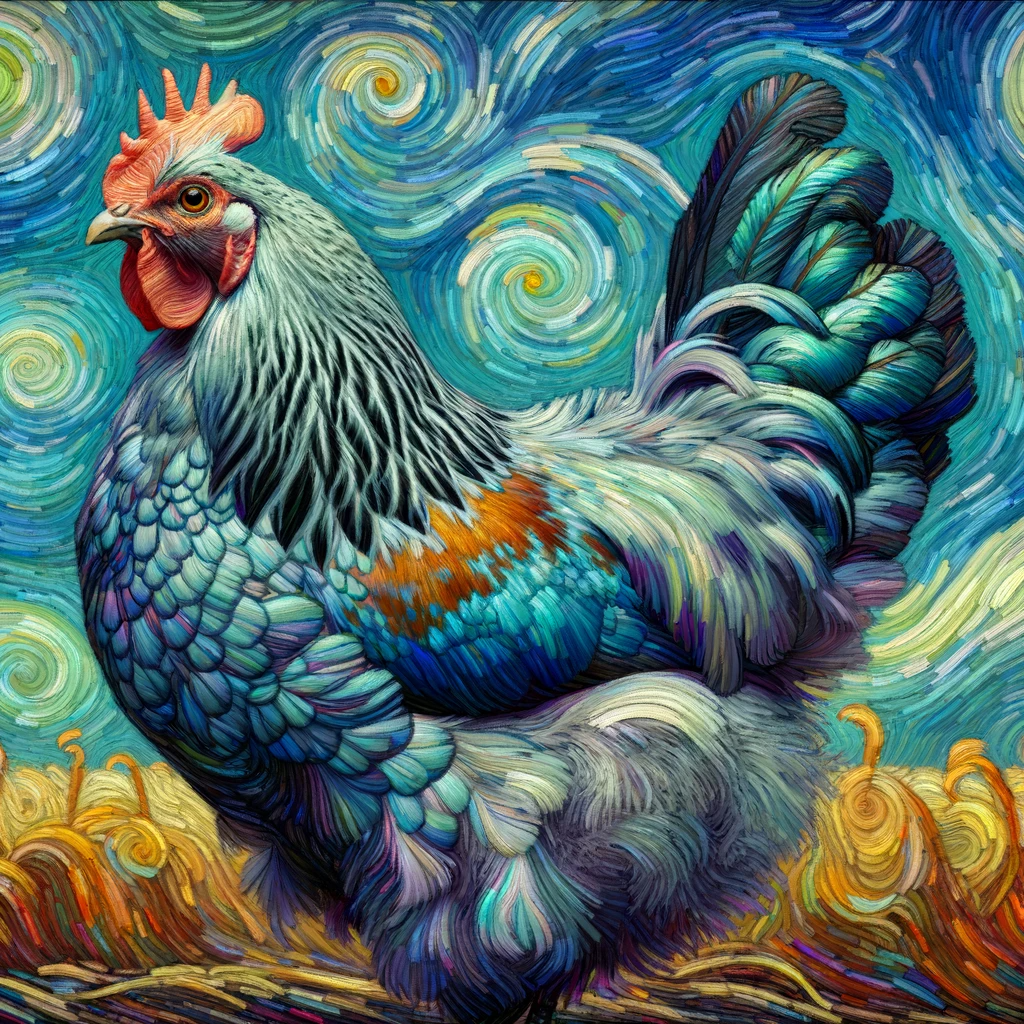
When you step into the world of Backyard Chickens, you might think you’re simply adding a charming feathered friend to your home. But in reality, you may be inviting a whirlwind of personalities that can significantly impact family dynamics. Each chicken breed brings its own unique characteristics, quirks, and even moods to the coop, creating an atmosphere that can harmonize or stew up a bit of chaos.
Take the friendly and welcoming Rhode Island Reds, for instance. These birds have a natural flair for connection, often behaving as the extroverts of the chicken world. They’ve been known to follow children around the yard, clucking and pecking in enthusiastic approval of any tiny adventure. This can foster a nurturing bond between siblings, as they unite in tending to their feathered companions. Gathering eggs or simply sharing the joy of a funny chicken moment can create shimmering memories—moments that warm hearts, spark laughter, and deepen relationships.
But then, there are the more independent breeds like the broody Bantams. Their solitary, feisty nature can teach valuable lessons about respect and individuality—important concepts for growing minds. Instead of competing for attention, family members might find themselves working together to coax a shy hen out from her nesting box, enhancing collaboration and empathy within the family dynamic in the process.
Of course, the ethical considerations are also significant. Choosing to care for different chicken breeds encourages responsible pet ownership and reinforces a sense of accountability within the family. Kids learn the balance of nurturing and independence as they feed, clean, and care for these living beings—a tangible lesson in compassion.
This journey with Backyard Chickens goes beyond delightful egg production; it serves as a gateway to understanding life itself. Families witness firsthand the struggles, triumphs, and stories each breed holds, fostering a deeper connection to the natural world. Whether it’s a graceful Orpington laying eggs for breakfast or a sassy Leghorn throwing a fit, there’s always a story waiting to unfold.
In this family affair with feathered companions, bonds are forged, lessons learned, and hearts opened wide. Invite some chickens into your backyard, and you might just discover a kaleidoscope of experiences that enrich your family in ways you never thought possible. Who knows? You might just find that nurturing a flock leads to a stronger, more resilient family unit than you ever imagined.
How Do Different Chicken Breeds Impact Family Dynamics?
How Do Different Chicken Breeds Impact Family Dynamics?
- Backyard chickens add unique personalities that can influence family dynamics.
- Rhode Island Reds are friendly and engage well, promoting connections among family members.
- Gathering eggs and enjoying moments with chickens can create lasting family memories.
- Independent breeds like Broody Bantams teach lessons of individuality and respect.
- Taking care of chickens encourages responsible pet ownership and accountability in children.
- Chickens provide a tangible lesson in compassion as families care for them.
- Raising chickens can strengthen family bonds and foster a deeper connection to nature.
How Do Different Chicken Breeds Impact Family Dynamics?
Which Chicken Breeds Are Known for Their Gentle Temperament?
When it comes to raising backyard chickens, one question often looms large in the minds of potential chicken keepers: which breeds are known for their gentle temperament? The emotional weight of selecting the right breed can’t be overstated. We’re not just talking about birds; we’re bringing home feathered friends that will enrich our lives, our families, and our backyards. Choosing a calm breed ensures that your mornings are filled with the soft clucks of relaxed hens, rather than the chaos of nervous peckers scuttling about.
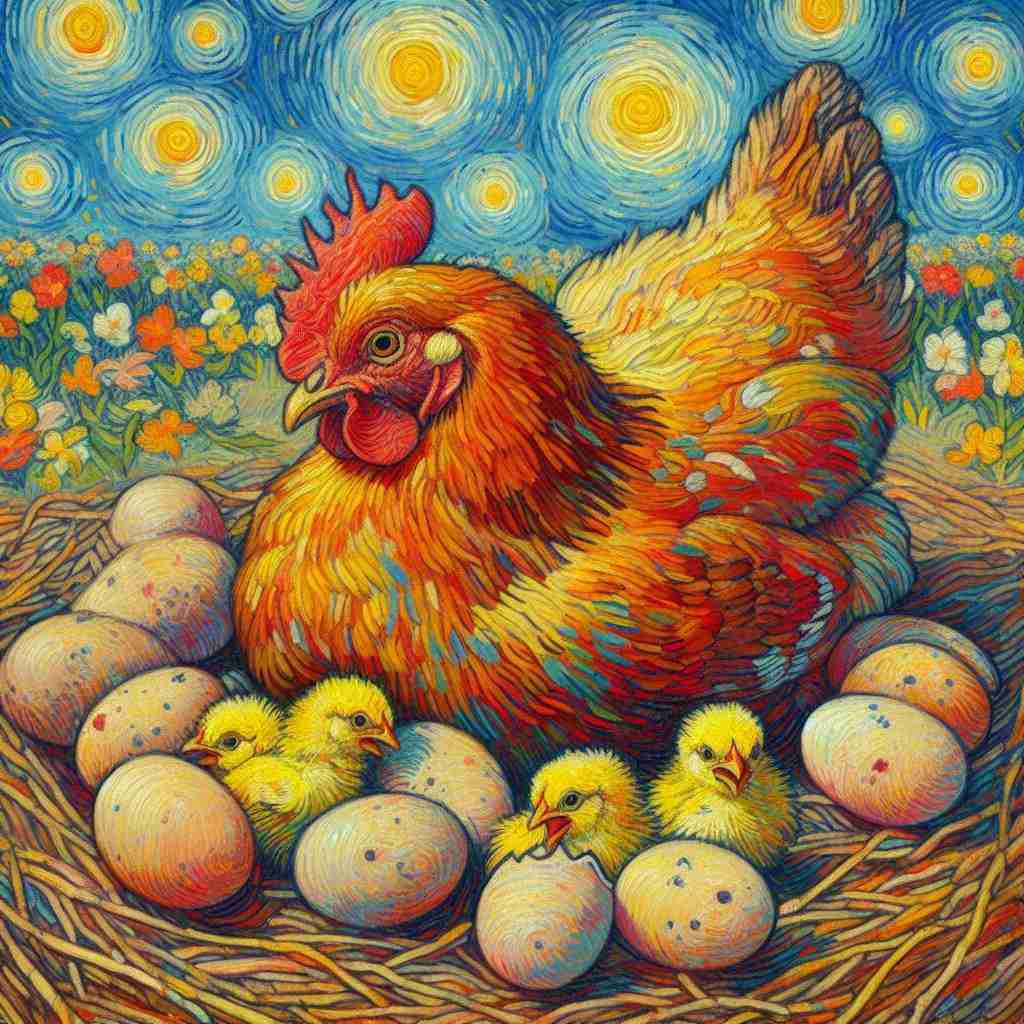
Among the champions of calm, you’ll find the gentle giants: Orpingtons. Their easygoing nature pairs beautifully with their striking feather patterns. They thrive on companionship, making them the perfect candidates for families. Just imagine the joy of watching your kids share sunlit afternoons with these friendly birds, forging connections that go beyond mere animal husbandry.
Then there’s the silky feathered Cochin, renowned not only for its beauty but for its sweet personality. These chickens practically invite you to sit down and chat. They’re the kind of birds that will approach you with an easy assurance, a gentle reminder that connection comes in all forms. Their fluffy plumage, paired with their easygoing demeanor, creates a heartwarming experience that cultivates affection in the backyard.
On the rational side, consider the benefits of integrating gentle breeds into your flock. They generally adapt well to various living situations, making peace work in diverse environments. They’re low-stress birds, meaning they’re less likely to be frightened by neighborhood sounds or sudden movements—qualities that preserve their welfare and let them thrive alongside your family.
Ethically, it’s crucial to choose breeds that promote not only your happiness but their well-being as well. Gentle breeds tend to exhibit fewer signs of stress and aggression, creating ethical husbandry practices that resonate with responsible chicken keeping. You’re not just raising birds; you’re becoming steward of their happiness.
So, as you plan your backyard sanctuary, consider the gentle temperament breeds like Orpingtons and Cochins. They’re more than egg-layers; they’re companions, teachers, and friends who will create lasting bonds with your family. Embracing these gentle giants will enrich your life, filling your home with laughter, love, and the soothing rhythm of clucking hearts. Investing in the right chickens isn’t merely a choice; it’s a commitment to a lifestyle filled with connection, joy, and community—a place where everyone, feathers or not, can feel at home.

Which Chicken Breeds Are Known for Their Gentle Temperament?
Which Chicken Breeds Are Known for Their Gentle Temperament?
- Choosing the right chicken breed is crucial for fostering a gentle and calming environment.
- Orpingtons are highlighted as gentle giants, known for their easygoing nature and striking feather patterns.
- These breeds thrive on companionship, making them suitable for families, especially with children.
- Cochins are recognized for their beauty and sweet personality, providing a heartwarming backyard experience.
- Gentle breeds adapt well to various living situations and are low-stress, preserving their welfare.
- Ethical chicken keeping involves choosing breeds that reduce signs of stress and aggression.
- Investing in gentle breeds enriches family life, fostering joy, connection, and community.
Which Chicken Breeds Are Known for Their Gentle Temperament?
Are Friendly Birds Truly Better for a Peaceful Household?
When you think about creating a peaceful home, consider the simple joy of having friendly birds around. Whether it’s the gentle clucking of Backyard Chickens or the cheerful chirping of a parakeet, these feathered companions offer more than just entertainment; they weave a sense of calm into our everyday lives. Imagine coming home after a tough day, where the only thing that greets you is the sound of a friendly bird cooing softly. It’s a comforting reminder that you’re not alone, that you’re part of a larger circle of life.
Nestled in the corner of your yard, those Backyard Chickens serve a dual purpose: they are both delightful pets and productive companions, providing eggs that are fresher than anything you’ll find at a store. Your children can learn responsibility by helping feed them, and those lessons extend beyond the coop. They become invested in the world around them, understanding where their food comes from and fostering a bond with nature that is increasingly rare in our digital age. Engaging with animals teaches empathy—our little ones learn that every creature, no matter how small, deserves care and respect.
But let’s get real for a moment. Life is chaotic. Whether it’s balancing work commitments, family obligations, or the never-ending noise of modern life, finding tranquility in your home can feel like searching for a needle in a haystack. This is where friendly birds step in; they remind us of life’s simple pleasures and invite connection. That heartwarming experience—watching a hen interact with your children or hearing the melodious song of a canary—fosters interactions that soothe stress, lift spirits, and create bonds among family members.
Ethically, adopting friendly birds is a commitment. It’s about the responsibility we take on as caretakers of another life. Yet, the rewards far outweigh the efforts. With each soft cluck or melodious chirp, you’re investing in an environment where kindness reigns and playful joy becomes part of everyday living.
Connect with your community of fellow bird lovers. Share stories, exchange tips, and cultivate a network of support as you navigate the rewarding journey of bird ownership. When a household embraces warmth, companionship, and ethical stewardship, we create not just a peaceful atmosphere but a legacy of love for generations to come. It’s more than just a pleasant chirp or a warm egg; it’s about nurturing the soul of your home.
Are Friendly Birds Truly Better for a Peaceful Household?
Are Friendly Birds Truly Better for a Peaceful Household?
- Friendly birds like Backyard Chickens and parakeets can create a peaceful home environment.
- They offer companionship and a calming presence after a stressful day.
- Backyard Chickens serve as both pets and sources of fresh eggs.
- Children can learn responsibility and foster a connection with nature by caring for birds.
- Interacting with birds promotes empathy and appreciation for all living creatures.
- Birds help alleviate stress and strengthen family bonds through shared experiences.
- Embracing bird ownership builds a legacy of warmth, kindness, and ethical stewardship.

Are Friendly Birds Truly Better for a Peaceful Household?
What Ethical Considerations Arise When Choosing Animal Companions?
When it comes to choosing animal companions, there’s a lot more than just picking out a cute face. Whether you’re considering adopting a dog, adopting a cat, or even raising Backyard Chickens, it’s essential to dig deeper into the ethical implications of your choice.
First, let’s talk about responsibility. Bringing an animal into your life isn’t just about companionship; it’s a solemn commitment. You’re not simply deciding to add fluff and wagging tails to your home; you’re taking on a living being that needs care, love, and attention. Think about the emotional weight of that responsibility. When you look into those eyes, you’re making a promise that you’ll provide what they need, from food and shelter to veterinary care and companionship. It’s the same feeling you get when you hear about a rescue dog finding its forever home—it strikes a chord of hope and compassion.
Now, let’s consider the notion of ethical sourcing. If you’re in the market for that irresistible puppy from a breeder, ask yourself where that puppy came from. Are you supporting a responsible breeder who prioritizes the health and well-being of their animals, or are you inadvertently promoting puppy mills that sacrifice ethics for profit? This isn’t just about being a good person; it’s about understanding the ripple effects of your choices. Each animal you choose impacts a larger system of animal welfare and conservation.
Next up, we need to look at the bigger picture. The choices we make ripple through our communities and impact animal populations globally. Overpopulation and abandonment issues affect shelters everywhere. When you choose to adopt rather than shop, you’re not just gaining a companion; you’re becoming part of a solution, aiding in the fight against overcrowded shelters while fostering a culture of compassion.
And let’s not forget the appeal of the social aspect. Raising Backyard Chickens, for instance, isn’t just a quirky hobby; it’s a return to sustainable living, a way to foster a deeper connection with the source of your food, and an act that nurtures community bonds. Sharing fresh eggs with neighbors can forge friendships, while the shared experience of caring for animals can instill values in our children.
In making ethical decisions about animal companions, you’re not just picking a pet or a farm friend, you are choosing to engage with the world in a meaningful, responsible way. Let that guide you as you navigate your choices. Trust yourself to honor their lives, for in doing so, you invariably enrich your own.

What Ethical Considerations Arise When Choosing Animal Companions?
What Ethical Considerations Arise When Choosing Animal Companions?
- Choosing animal companions involves ethical considerations beyond just their appearance.
- Bringing an animal into your life is a serious commitment that requires love, care, and attention.
- Consider the source of your pet; support responsible breeders instead of puppy mills.
- Your choices impact larger systems of animal welfare and conservation.
- Adopting pets helps combat issues like overpopulation and abandonment in shelters.
- Raising Backyard Chickens promotes sustainable living and strengthens community bonds.
- Making ethical decisions enriches both your life and the lives of the animals you choose.
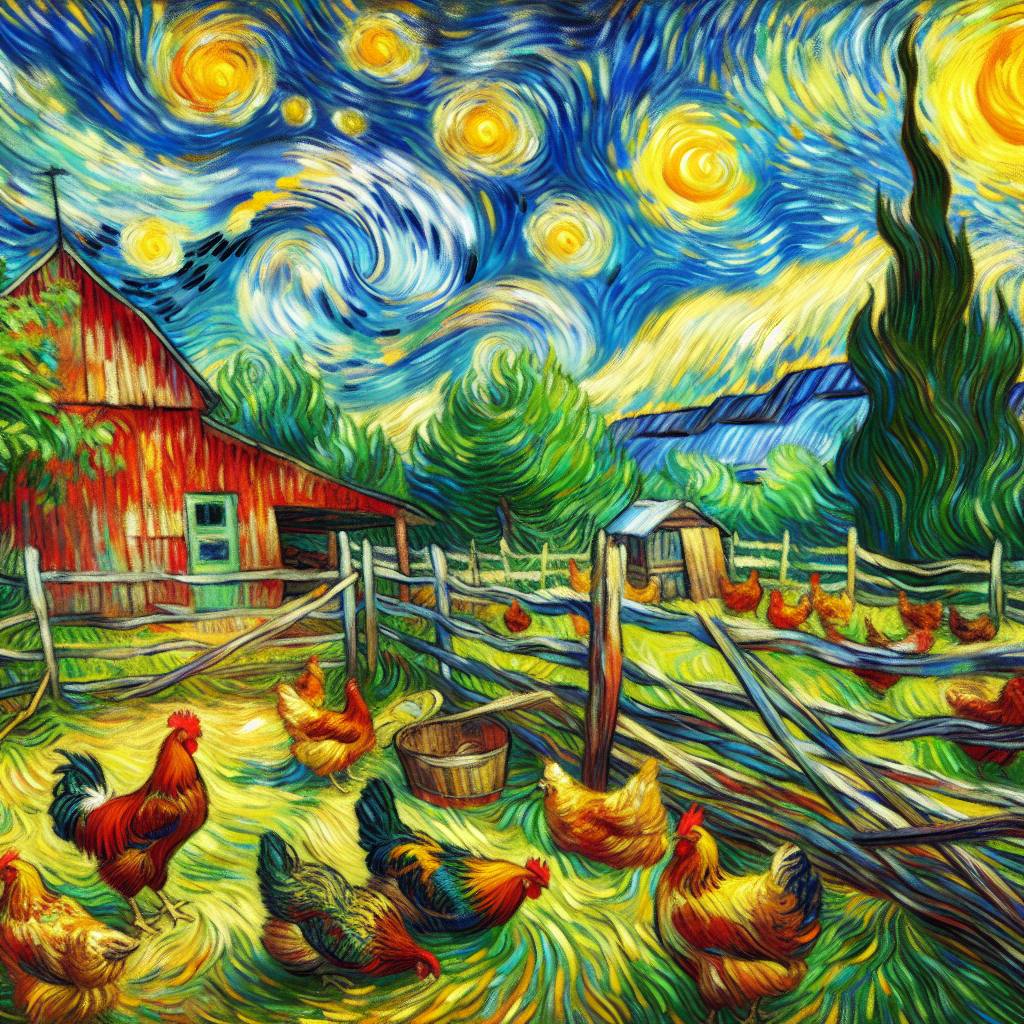
What Ethical Considerations Arise When Choosing Animal Companions?
What Expert Insights Guide Us In Selecting Non-Aggressive Breeds?
When it comes to choosing non-aggressive breeds, advice from seasoned experts can steer us in the right direction—and it goes deeper than just selecting a fluffy companion. Experts remind us that fostering a harmonious home hinges on understanding animal behavior and selecting the right traits. It starts with the heart. Picture a child running alongside a gentle dog, laughter echoing through your backyard. These moments, filled with joy and innocence, hinge on choosing a breed that fosters love and safety.
Emotionally, we need to recognize that dogs are not just pets; they’re family members who share our space, our lives, and our stories. Families thrive when the furry member fits smoothly into the fold, creating memories for years to come. Rationally, it’s vital to consider breed characteristics—temperament plays a significant role in how well a dog adapts to various environments and interactions. Research shows that breeds like Golden Retrievers and Cavalier King Charles Spaniels often score high in gentle behavior. Knowing the traits helps make an informed decision rather than a whimsical one.
Ethically, there’s a responsibility we bear in choosing a breed that aligns with these qualities. By fostering safe and loving relationships, we support not only our family dynamics but also create an environment where trust and companionship flourish. The authority of veterinarians and breed specialists reinforce that understanding breed-specific behaviors can lead to fewer frustrations and heartaches down the road. Their voices guide us toward making educated choices—driving home the importance of seeking expert insights while you’re contemplating your next furry friend.
Through narratives passed down from families who’ve experienced the warmth of non-aggressive breeds, we find relatable stories that echo our hopes for companionship. Perhaps your neighbor shares tales of their affectionate Pug, whose antics have forged bonds not just with their family, but with the entire neighborhood. These connections become a social fabric, weaving together the experiences of pet owners who need help when selecting the right dog.
So, as you consider welcoming a new four-legged friend into your world, remember that choosing wisely isn’t just an act of preference. It’s a gift—a way of ensuring that your home remains filled with wagging tails, not just barks of dissent. Seeking expert insights isn’t an obligation; it’s a path to a deeper, lasting connection with the furry heart of your family.

What Expert Insights Guide Us In Selecting Non-Aggressive Breeds?
What Expert Insights Guide Us In Selecting Non-Aggressive Breeds?
- Choosing non-aggressive dog breeds requires expert advice that goes beyond just finding a cute companion.
- Understanding animal behavior and desired traits is essential for fostering a harmonious home environment.
- Dogs are family members, and selecting the right breed contributes to joyful, safe experiences for everyone.
- Breed characteristics like temperament are crucial for a dog’s adaptability in various settings and interactions.
- Ethically, it’s important to choose breeds that promote safe and loving relationships within the family.
- Veterinarians and breed specialists emphasize the significance of understanding breed-specific behaviors to minimize potential challenges.
- Choosing the right dog is a thoughtful gift that ensures a warm, loving atmosphere filled with companionship.

What Expert Insights Guide Us In Selecting Non-Aggressive Breeds?
How Do Our Choices Reflect Our Values As a Family?
Every family has its own unique set of values, quietly shaping the decisions we make in everyday life. Whether it’s the way we handle conflicts, support each other through challenges, or even the seemingly small choices—like adopting backyard chickens—these choices speak volumes about what we hold dear.
Imagine waking up to the soft clucking of hens, a simple yet profound reminder of family commitment to sustainability and nurturing life. It’s not just about eggs; it’s about teaching children responsibility, patience, and the importance of connecting with nature. These little creatures become part of our family narrative, their daily rhythms mirroring the care we show one another. Each morning spent tending to them sets the tone for the day ahead—raising awareness of our impact on the world and inspiring stewardship rather than consumption.
When we choose to embrace a lifestyle that includes our feathered friends, it’s a reflection of our values: a commitment to health, self-reliance, and community. This isn’t just about farming; it’s about cultivating a family culture grounded in ethics and responsibility. It’s a tangible choice that sparks conversations around the dinner table—discussing food sources, ethical treatment of animals, and how our actions influence the planet. It helps kids understand the lineage of their food, bridging the gap between the grocery store and the earth.
From a rational standpoint, backyard chickens can also be a practical choice. They provide fresh eggs, reducing our carbon footprint and promoting the notion of local food sources. This kind of self-sufficiency encourages creativity and problem-solving in children, helping them to think critically about their choices and their effects on the world around them. We aren’t just teaching them how to raise chickens; we’re teaching them how to navigate life’s many challenges.
In addition, there’s an undeniable sense of community that springs from shared experiences. Whether swapping tips with neighbors or participating in local farming initiatives, these interactions strengthen ties and foster deeper connections. Our choices become a foundation where relationships flourish, connecting us to others who share similar values. By living in a way that aligns our choices with our beliefs, we inspire those around us to reflect and perhaps even embrace similar paths.
Every choice we make as a family not only reveals who we are, but it also shapes who we can become. Embrace the power of these choices—they illuminate our values, transforming them into action with lasting impact.

How Do Our Choices Reflect Our Values As a Family?
How Do Our Choices Reflect Our Values As a Family?
- Every family has its unique values that influence daily decisions.
- Adopting backyard chickens symbolizes commitment to sustainability and nurturing life.
- Keeping chickens teaches children responsibility, patience, and connection with nature.
- This lifestyle choice promotes discussions on ethics, food sources, and environmental impact.
- Backyard chickens contribute to self-sufficiency and reduce carbon footprint by providing fresh eggs.
- Shared experiences with chickens strengthen community ties and foster deeper connections.
- Family choices reveal values and help shape future identities and actions.

How Do Our Choices Reflect Our Values As a Family?
Conclusion
Inviting backyard chickens into your home isn’t just about adding a quirky feature to your yard; it’s a transformative journey that reshapes family dynamics, nurtures connections, and fulfills a deeper longing for simplicity in a chaotic world. Imagine a sun-drenched morning where your children rush to greet these gentle beings, their laughter echoing through the yard—a sound that thrums with joy and innocence. It’s here that lessons about responsibility and empathy unfold, teaching kids not just the fun of raising animals but also the true essence of nurturing life.
Selecting the right breeds profoundly impacts this experience. Opting for calm, amiable chickens means fewer dramas and squabbles, leading to peaceful mornings filled with the soothing sounds of clucking rather than the frantic chaos of skittish fowl. Breeds like the Buff Orpington embody those gentle temperaments, inviting children to share meaningful moments, building bonds over egg collection and care routines. This isn’t merely farming; it’s embracing a lifestyle that enriches both meals and hearts.
Furthermore, raising chickens brings tangible rewards—fresh eggs that elevate family meals and a profound understanding of where food originates. In an era dominated by convenience and consumption, your backyard can become a sanctuary of self-sufficiency, a counterbalance to fast-paced living. As children learn to care for these creatures, they cultivate essential life skills that extend far beyond the coop. It’s a powerful reminder that connections exist within ecosystems, urging families to recognize their role in nature’s delicate balance.
Ethically, choosing friendly breeds speaks volumes about compassion and care, not just for the chickens but for the environment and community at large. With every egg collected and every cluck that rings out, families affirm their commitment to sustainable living, nurturing values that resonate with the world around them. The joy of sharing surplus eggs with neighbors and swapping gardening tips fosters meaningful relationships and communal support, weaving a vibrant social fabric in your neighborhood.
So, contemplate this: can these feathered companions not only bring you joy but also become a conduit for lessons in love, respect, and unity? Choosing to invite chickens into your life isn’t just a practical decision—it’s a heartfelt declaration of valuing connection and sustainability amidst life’s chaos. By nurturing a low-drama flock, you’re bound to discover that these simple, feathered friends have a profound ability to enrich your family dynamic and transform your everyday life into something truly remarkable.

Conclusion
Conclusion:
- Inviting backyard chickens transforms family dynamics, fostering connections and a longing for simplicity.
- Children learn responsibility and empathy by caring for chickens, experiencing joy and innocence.
- Choosing calm breeds like the Buff Orpington leads to peaceful mornings filled with enjoyment.
- Raising chickens provides fresh eggs and enhances understanding of food origins, promoting self-sufficiency.
- Kids cultivate life skills and recognize their role in nature’s balance through animal care.
- Ethical choices in chicken breeds reflect values of compassion and contribute to sustainable living.
- Sharing surplus eggs and gardening tips fosters community relationships and meaningful connections.
Conclusion
Other Resources

Other Resources
Here is a list of other resources you can review online to learn more:
- leafy greens
- dogs
- chicken feed
- snakes
- Salmonella
- Silkie
- Crevecoeur
- Rhode Island Red
- Poultry Mites
- cracked corn
- Visceral Leukosis
- Chantecler
- Booted Bantam
- raccoons
- Plymouth Rock
- mealworms
- game bird feed
- Ancona
- Golden Laced Wyandotte
Use This Prompt To Get More Resources With Your Favorite Online AI Tool: Please provide me with a list of online articles with their URLs in a bulleted list that I can read regarding The Low-Drama Family Flock – Choosing Breeds That Behave

Other Resources
Glossary Terms
The Low-Drama Family Flock – Choosing Breeds That Behave – Glossary Of Terms
1. Bodily Harmony: A state in which family members interact positively, reducing stress and conflict.
2. Calm Breeds: Animal breeds known for their docile nature, making them easier to handle in family settings.
3. Companionship: The relationship and bond formed between family members and their pets, fostering emotional support.
4. Conflict-Resolution: Techniques and strategies used in family settings to manage and resolve disputes effectively.
5. Cooperative Dynamics: The ways in which family members work together harmoniously to create a nurturing environment.
6. Domestication: The process of breeding animals for characteristics that are favorable in a family home.
7. Gentle Temperament: Describes animals that are naturally calm and friendly, ideal for family life.
8. Human-Animal Bond: The emotional connection between humans and animals that enhances family life.
9. Integration: The process of incorporating animals into the family structure in a way that promotes harmony.
10. Low-Drama: A lifestyle approach that focuses on minimizing conflict and maintaining peace in family and animal interactions.
11. Nurturing Environment: A home setting tailored to the well-being of both family members and pets.
12. Pet Selection: The careful choice of animal breeds based on their behavior and compatibility with family dynamics.
13. Socialization: The process of teaching animals to interact appropriately with humans and other pets.
14. Stress Management: Techniques used to reduce anxiety and promote tranquility within the family unit.
15. Tactile Engagement: Physical interactions between family members and animals that boost emotional well-being.
16. Temperament Testing: Evaluating animals to determine their suitability for a family environment.
17. Training Methods: Approaches used to teach pets good behavior and obedience in family dynamics.
18. Trust Building: Establishing reliable relationships based on mutual respect between family members and pets.
19. Understanding Breeds: Knowledge about the specific traits and behaviors of different animal breeds.
20. Well-Being: The overall health and happiness of family members and pets, influenced by effective interactions.
21. Animal Advocate: A person who promotes the rights and care of animals, ensuring they fit well within family units.
22. Cohesion: The degree to which family members, including pets, work and live together harmoniously.
23. Emotional Intelligence: The ability to recognize and respond to the emotions of family members and pets.
24. Family Dynamics: The patterns of interaction and behavior among family members regarding their relationships.
25. Open Communication: The practice of discussing feelings and concerns openly, fostering a transparent family environment.
26. Positive Reinforcement: Rewarding desired behaviors in pets to encourage good behavior in a family setting.
27. Safe Space: An environment where family members and pets feel secure and comfortable.
28. Behavioral Adjustment: Modifying undesirable behaviors in pets to fit into family life more smoothly.
29. Conflict Prevention: Strategies aimed at avoiding disagreements within the family, especially involving pets.
30. Visual Cues: Non-verbal signals used by family members and pets to communicate feelings and intentions.

Glossary Of Terms
Other Questions
The Low-Drama Family Flock – Choosing Breeds That Behave – Other Questions
If you wish to explore and discover more, consider looking for answers to these questions:
- What are the characteristics of low-drama chicken breeds?
- How can backyard chickens improve family connections?
- What benefits do children gain from raising chickens?
- What are some practical tips for caring for backyard chickens?
- How do chickens contribute to a sustainable lifestyle?
- What are some ethical considerations when raising chickens?
- How should families choose the right chicken breeds for their living situation?
- What are the most common challenges in raising backyard chickens?
- How do chicken breeds differ in egg production and quality?
- What role do chickens play in fostering community relationships?
- How do different chicken breeds affect the overall atmosphere in the backyard?
- What additional resources are available for beginner chicken keepers?
- Are there specific breeds that are particularly good with children?
Other Questions
Haiku
The Low-Drama Family Flock – Choosing Breeds That Behave – A Haiku
Gentle hens in sun,
Nurturing hearts, bonds take root—
Joy in clucks and eggs.

Haiku
Poem
The Low-Drama Family Flock – Choosing Breeds That Behave – A Poem
In the sunlit yard where laughter flows,
A gentle flock begins to grow,
With every cluck, a story spins,
Of feathered friends and tender wins.
A choice made true with heart and care,
In low-drama breeds, a joy to share,
Buff Orpingtons, Ameraucanas sing,
Harmony in every tiny wing.
Children rush to greet the dawn,
As tiny hands their futures spawn,
Responsibility blooms, roots entwine,
Life lessons learned in shadows of pine.
From fresh-laid eggs to vibrant chats,
Teaching kindness, amid the clucks and spats,
An ecosystem where bonds run deep,
In nurturing lives, our values sweep.
A peaceful home, where chaos fades,
With gentle whispers, no worries invade,
Each feathered heart a vibrant thread,
Weaving connections where love is spread.
From backyard gardens to friendships made,
With neighbors sharing a selfless trade,
Ethical choices, kindness unfurled,
Reflecting our values, shaping the world.
So let us dive into this joyous quest,
With mindful hearts, as we give our best,
For feathered friends, a blessing bestowed,
In this lovely journey, together we trode.
Poem
Checklist
The Low-Drama Family Flock – Choosing Breeds That Behave – A Checklist
Checklist for Choosing Your Low-Drama Family Flock
Heart Appeals
_____ Connect Emotionally: Choose breeds known for gentle temperaments (e. g. , Buff Orpington, Ameraucana) to create joyful memories with your family.
_____ Nurture Empathy: Involve children in caring for chickens to foster responsibility and a connection to life.
_____ Cultivate Bonding Experiences: Include family activities like collecting eggs and spending time with chickens to strengthen family ties.
Head Appeals
_____ Consider Practicality: Select low-drama breeds for easier management, less stress, and a more enjoyable daily routine.
_____ Understand Food Origins: Teach kids about where eggs come from and instill an appreciation for food sources.
_____ Evaluate Environment: Choose breeds that adapt well to your living conditions for a peaceful coexistence.
Gut Appeals
_____ Make Ethical Choices: Opt for breeds that promote a kind and compassionate environment and enhance animal welfare.
_____ Embrace Sustainable Living: Reflect on how raising chickens can contribute to self-sufficiency and reduce your ecological footprint.
_____ Commit to Responsible Stewardship: Understand the long-term commitment involved in caring for living beings and the impact of your choices.
Authority Appeals
_____ Seek Expert Guidance: Research or consult professionals for insights on breed characteristics to inform your decisions.
_____ Learn from Experienced Owners: Read testimonials and stories from other chicken keepers to gain perspective on breed behaviors and community interactions.
Narrative Appeals
_____ Share Stories: Create a family narrative around raising chickens, emphasizing lessons learned and cherished moments.
_____ Document Experiences: Keep a journal or scrapbook of your chicken-keeping journey to reflect on growth and memorable occasions.
Social Appeals
_____ Engage with the Community: Join local chicken-keeping groups or forums to swap tips and experiences with fellow enthusiasts.
_____ Build Connections: Share surplus eggs or chicken-related advice with neighbors to strengthen community bonds and foster friendships.
_____ Encourage Family Discussions: Use chicken-keeping as a jumping-off point for conversations about sustainability, ethics, and family values.
Utilize this checklist to guide your journey into the rewarding world of backyard chickens and cultivate a harmonious family flock that enriches your life!

Checklist
At BackyardChickenNews, we help people who want to raise backyard chickens by collating information and news blended with our own personal experiences.
Be sure to read our other related stories at BackyardChickenNews to learn more about raising chickens in your backyard.