

Redefining Food Security: The Moral, Practical, And Sustainable Case For Homegrown Protein
By Tom Seest
At BackyardChickenNews, we help people who want to raise backyard chickens by collating information and news blended with our own personal experiences.
Be sure to read our other related stories at BackyardChickenNews to learn more about raising chickens in your backyard.
The Return Of Homegrown Protein-And Why It Just Makes Sense
There’s something special about the clucking sound wafting from your backyard. Backyard chickens are more than just pets; they’re a bridge to a simpler time when families took pride in self-sustenance. Every morning, the sun peeks over the horizon, and there they are, scratching at the dirt—these feathered little dynamos laying fresh eggs that are rich in nutrients. It’s a scene that tugs at the heart and ignites a spark deep in our souls.
Homegrown protein isn’t just a dietary choice; it’s a lifestyle statement. It reinforces our bond with the land and calls attention to the ethical considerations of food production. When you nurture something—whether it’s a plant, a garden, or those delightful hens—you teach your children the value of hard work and the importance of stewardship. Your backyard becomes a classroom, and with every egg collected, you’re imparting lessons on responsibility and the fruits of labor.
The head understands this, too. With food prices rising and supply chains becoming increasingly unreliable, growing your own protein makes rational sense. When the grocery aisles feel like a gamble, having a constant supply of nutritious food at your fingertips offers peace of mind. Each egg isn’t just food; it’s a testament to your resilience in a fluctuating world.
But let’s get real: the gut craves transparency—and there’s no better place to get it than right outside your door. No mystery ingredients, no hidden fees. Just pure, wholesome protein produced by your hard work and care. Plus, think of the incredible sense of pride in knowing your family is consuming something that you nurtured yourself, not a faceless factory.
And let’s not forget the community aspect. When you embrace homegrown protein, you inspire others. Neighbors will peek over the fence and start conversations about chickens, garden plots, and sustainability. It sparks a dialogue that enriches not just your life but those around you. Imagine the collective impact of returning to our roots, sharing knowledge, and encouraging self-reliance.
So, roll up your sleeves, grab a few chicks, and experience the joy of continuous return. Who knows? Your backyard could become the heart of your community, where the clucking sounds transform into a beautiful symphony of shared wisdom and nourishment.

The Return Of Homegrown Protein-And Why It Just Makes Sense
The Return Of Homegrown Protein-And Why It Just Makes Sense
- Backyard chickens connect us to a simpler time and self-sustenance.
- They provide fresh, nutrient-rich eggs and foster pride in homegrown food.
- Nurturing chickens teaches children hard work and stewardship.
- Raising chickens offers a reliable food source amidst rising prices and supply chain issues.
- Homegrown protein ensures transparency and eliminates mystery ingredients.
- Embracing backyard chickens encourages community discussions about sustainability.
- Your backyard can become a hub of shared wisdom and nourishment.

The Return Of Homegrown Protein-And Why It Just Makes Sense
Table Of Contents
- The Return Of Homegrown Protein-And Why It Just Makes Sense
- What Feelings Arise When You Think Of Fresh, Homegrown Food?
- How Does Growing Your Own Protein Enhance Your Sense Of Purpose?
- Is Sustainability a Choice, Or Is It Our Responsibility As Citizens?
- How Does Homegrown Protein Reduce Our Reliance on Factory Farming?
- What Are the Health Benefits Of Consuming Homegrown Proteins?
- Can Growing Your Own Food Foster a Deeper Connection with Nature?
- What Stories Resonate with You About Local Farming Success?
- Conclusion
- Other Resources
- Glossary Of Terms
- Other Questions
- Haiku
- Poem
- Checklist
What Feelings Arise When You Think Of Fresh, Homegrown Food?
When you think of fresh, homegrown food, a rush of feelings cascades through you—nostalgia, pride, and a touch of yearning. Picture yourself wandering through a garden, the sun warm on your back, each plant bursting with life, the fragrance of herbs mingling with the scent of rich earth. You remember those summers of childhood, the simple pleasure of plucking ripe tomatoes off the vine, their juices dribbling down your chin, satisfying in a way that no store-bought counterpart can ever replicate. This isn’t just food; it’s a direct line to those formative years where everything was simpler, rooted in the soil beneath your feet.
There’s an undeniable sense of pride that arises when you cultivate your own patch of land. Whether it’s your first attempt at growing vegetables or the triumph of raising backyard chickens, each success is a testament to your effort and determination. You begin to appreciate the visceral connection between toil and reward, realizing that food doesn’t just appear on your plate – it tells a story of care, patience, and resilience. It’s a narrative woven into the fabric of your daily life, transforming mere sustenance into a cherished ritual.
Engaging with homegrown food also invites you to ponder the ethical dimensions of your choices. In a world overrun with processed options, embracing fresh produce and eggs from those backyard chickens is a stand for sustainability. You come to understand the relationship between your food and its origins, valuing not just what’s on the table but how it got there. This awareness fosters a deeper respect for the environment and the farmers who devote their lives to nurturing it.
Moreover, thinking about homegrown food stirs a social connection. Meals made from your garden provides a canvas for community. Share a harvest with neighbors, host barbecues filled with laughter, and swap recipes with friends, and suddenly, those fresh ingredients are not just food; they are a bridge that brings people together. Sharing the fruits of your labor cultivates bonds and ignites conversations, sparking a ripple effect in your community about the values of homegrown sustenance.
So the next time you stand before a basket brimming with vegetables, or hear the gentle cluck of your backyard chickens, let those feelings rise within you. Allow them to inspire action—cultivate your own plot, create connections, and savor the taste of food imbued with love and intention. Embrace what it means to nourish not just yourself, but the relationships that flourish around the dining table.

What Feelings Arise When You Think Of Fresh, Homegrown Food?
What Feelings Arise When You Think Of Fresh, Homegrown Food?
- Fresh, homegrown food evokes feelings of nostalgia, pride, and yearning.
- Gardening offers a visceral connection between hard work and reward, transforming food into a cherished ritual.
- Growing your own food fosters pride and a sense of accomplishment, whether it’s vegetables or backyard chickens.
- Engaging with homegrown food encourages ethical considerations and sustainability awareness.
- Understanding food origins deepens respect for the environment and the efforts of farmers.
- Meals from your garden create social connections, fostering community and collaboration.
- Embracing the practice of homegrown food nourishes relationships and enriches shared experiences at the dining table.

What Feelings Arise When You Think Of Fresh, Homegrown Food?
How Does Growing Your Own Protein Enhance Your Sense Of Purpose?
Growing your own protein can be a transformative journey, not just for your diet but for your very sense of purpose. Think about it: raising Backyard Chickens not only produces fresh, organic eggs but also connects you to a cycle of life that’s been part of human history for thousands of years. There’s something grounding about tending to those lively birds; each morning they greet you with a flurry of clucks, and in return for your care, they provide nourishment. It’s a simple exchange, but one that resonates deeply within the human experience.
On a rational level, the benefits are clear. By growing your own protein, you gain autonomy over your food sources. In a world where the supermarket shelves often bristle with processed, industrially produced options, there’s immense value in knowing exactly where your food comes from. This transparency fosters a sense of control and security—qualities that our increasingly disconnected world desperately needs. You’re not just another cog in the machine; you’re a steward of your own health and well-being.
Ethically, growing your own food means that you’re choosing compassion over corporate greed. You become part of a movement, however small, that seeks to challenge unsustainable practices and animal welfare concerns prevalent in mass farming. Each egg you collect from your thriving flock serves as a reminder of the conscious choices you make in your life—choices that align with your values and contribute to a better world.
When it comes to narrative, think of the stories shared around the dinner table. Your family and friends are likely to feel a deeper connection to the meal when they know it’s a product of your hard work and commitment. Remember those joy-filled afternoons spent watching your kids engage with the chickens, their laughter mixing with the sounds of feathers rustling? Those moments weave the fabric of family memories that last a lifetime.
Socially, growing your own food fosters a sense of community, a common thread that binds neighbors together. Whether you’re exchanging tips on chicken care or sharing the bounty of your harvest, there’s a camaraderie that strengthens relationships. It’s not just about food; it’s about shared values and collective experiences.
Ultimately, raising your own protein cultivates a deeper connection to your food, your community, and your purpose. So, take the plunge—embrace the joy and responsibility of growing your own protein, one chicken at a time.

How Does Growing Your Own Protein Enhance Your Sense Of Purpose?
How Does Growing Your Own Protein Enhance Your Sense Of Purpose?
- Raising backyard chickens provides fresh, organic eggs and connects you to a historical cycle of life.
- It creates a sense of purpose and grounding through daily interactions with the birds.
- Growing your own protein grants autonomy over food sources, promoting transparency and security.
- Choosing to grow your food reflects ethical values, prioritizing compassion over corporate practices.
- It fosters deeper family connections through shared stories and meaningful experiences around the dinner table.
- Growing your own food builds a sense of community by encouraging camaraderie and shared values among neighbors.
- Raising your own protein enhances your connection to food, community, and personal purpose.

How Does Growing Your Own Protein Enhance Your Sense Of Purpose?
Is Sustainability a Choice, Or Is It Our Responsibility As Citizens?
When we think about sustainability, we often find ourselves at a crossroads: is it merely a choice we make in our daily lives, or is it a responsibility we bear as citizens? It’s a question that digs deep, pulling at the roots of who we are and how we coexist with our planet. Imagine standing on your porch, tea in hand, watching your backyard chickens scratch the earth. Each plucky cluck resonates with a story of nourishment, connection, and stewardship. Isn’t that what sustainability is about? A choice can feel light, but a responsibility carries weight.
Let’s engage our heads for a moment. The data is clear: our planet is in peril. From the rising temperatures to the alarming rate of biodiversity loss, the facts hinge on our collective action. But here’s the kicker—making sustainable choices doesn’t have to come with a sense of dread or an overwhelming burden. It can be a joy, a privilege. Growing your own food, or caring for chickens in your backyard, fosters a sense of accomplishment and empowerment. It’s the kind of influence that ripples through communities, inviting neighbors to join and engage in something greater than themselves.
But let’s not ignore our gut feelings. We have an instinctive connection to nature, a longing to tread lightly on the earth. When we witness pollution or deforestation, doesn’t it make our hearts sink? This emotional response reminds us that we are inherently linked to the world around us. By embracing sustainability as a responsibility, we honor our ethical obligation to future generations—ensuring they inherit a planet that’s lush and teeming with life rather than a barren shadow of what once was.
And what about our social circle? People look to one another for cues—how do we live, how do we care for our environment? As we take action, we inspire those around us to do the same. Whether it’s starting a community garden, adopting sustainable practices in our homes, or yes, even raising chickens, we are weaving a tapestry of change.
Sustainability is no longer just a personal choice; it’s a collective calling. It’s about leadership, courage, and fostering a world where our collective actions count. Each choice we make is a vote for the kind of world we want to live in. So, let’s rise to this responsibility, transforming our desire for a better future into actions that will shape it.

Is Sustainability a Choice, Or Is It Our Responsibility As Citizens?
Is Sustainability a Choice, Or Is It Our Responsibility As Citizens?
- Sustainability is a blend of personal choice and collective responsibility.
- Our planet faces significant challenges, including rising temperatures and biodiversity loss.
- Making sustainable choices can be a source of joy and empowerment.
- Engaging with nature, such as growing food or caring for chickens, fosters community involvement.
- Our emotional connection to the environment drives our commitment to sustainability.
- Taking action inspires others, creating a communal effort towards environmental care.
- Sustainability is a collective calling that necessitates leadership and active participation.

Is Sustainability a Choice, Or Is It Our Responsibility As Citizens?
How Does Homegrown Protein Reduce Our Reliance on Factory Farming?
When you think about the dinner on your table, consider where that meal began. It’s easy to forget that, behind every chicken wing and steak, there’s a story—a journey that traverses vast farms and industrial setups, often far removed from our communities. Now, imagine if that journey could start right in your own backyard. Enter the rise of homegrown protein, a movement that is more than just a trend; it’s a chance to reconnect with food, environment, and community.
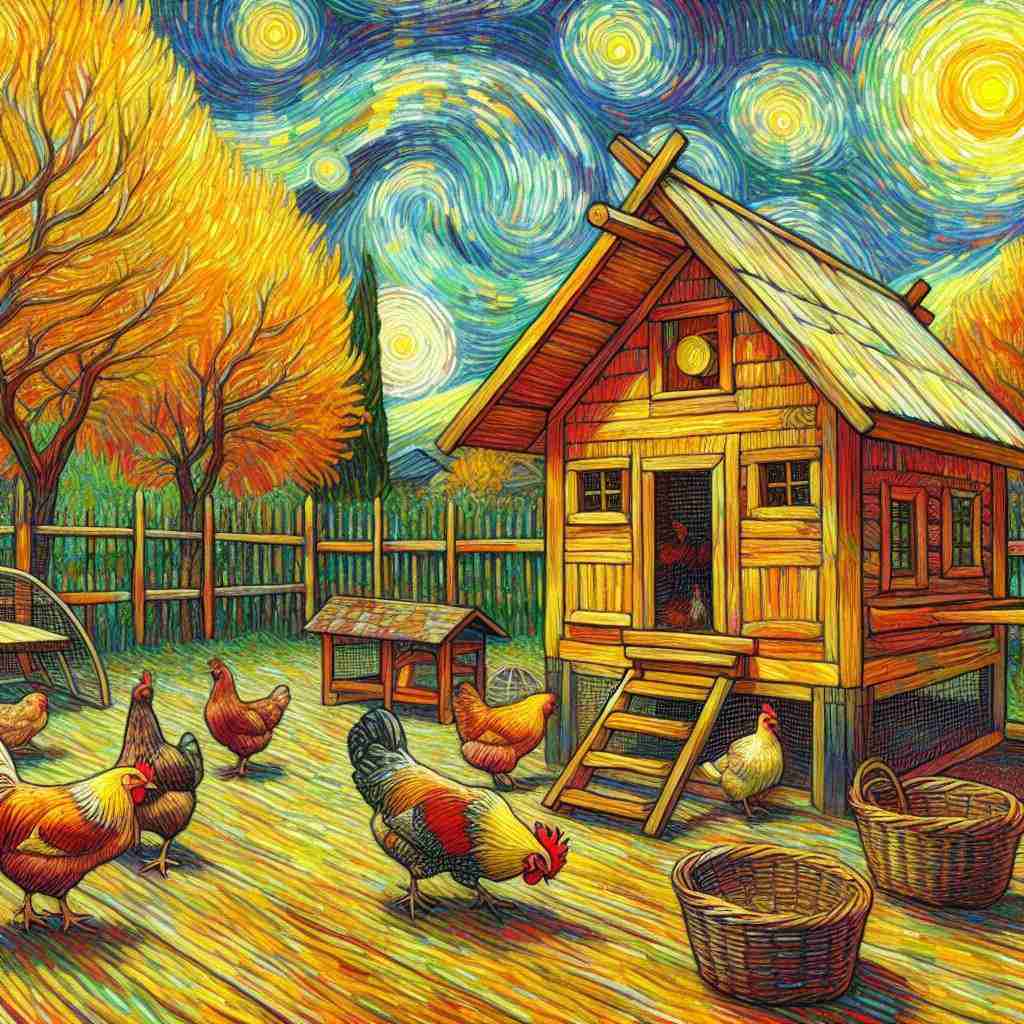
Picture yourself in the early morning light, the sound of clucking echoing in your backyard. These are your very own chickens, pecking at the ground and happily contributing to your family’s dinners. Raising backyard chickens provides not just a source of fresh eggs but also a bond with nature. It invites you to witness the life cycle firsthand—something that can ground us in an increasingly artificial world. The act of caring for these birds can revitalize our sense of responsibility and honor the commitment to better food practices.
Economically and environmentally, the advantages are hard to ignore. With every egg you collect from your flock, you’re cutting out the middleman who often overlooks animal welfare and sustainable practices. You’re saving money while supporting a local lifestyle that respects the land. Each time you choose homegrown over store-bought, you throw a wrench into the gears of factory farming—a system that often relies on invasive methods and treats animals as mere commodities.
Ethically, the question becomes crystal clear. You’re taking control of the welfare of your food. Factory farms can implement practices that strip away respect and compassion from the lives of animals. With backyard chickens, you set the standard for humane treatment—something that not only nurtures your conscience but also enriches your life.
Socially, this movement fosters connections within your community. Neighbors start swapping advice on animal care, exchanging eggs, or planting gardens together. This is where the magic happens. The more we engage with our food system, the more we strengthen our ties to each other and our environment.
In a world teetering on the edge of disconnection, homegrown protein isn’t just a buzzword. It’s a call to action, inviting us all to reclaim our plates, our practices, and ultimately, our purpose as stewards of the land. Let’s step up and cultivate a harmonious relationship with our food—to feed our families and nourish our spirits.
How Does Homegrown Protein Reduce Our Reliance on Factory Farming?
How Does Homegrown Protein Reduce Our Reliance on Factory Farming?
- Homegrown protein connects us to the origins of our meals, often forgotten in today’s food systems.
- Raising backyard chickens offers fresh eggs and fosters a bond with nature, grounding us in reality.
- Caring for chickens revitalizes responsibility and promotes better food practices.
- Economically, homegrown protein reduces costs, bypassing middlemen who neglect animal welfare.
- Ethically, it allows us to prioritize humane treatment of animals over factory farming practices.
- Socially, homegrown initiatives foster community connections through advice sharing and collaboration.
- Homegrown protein serves as a call to action to reclaim our food practices and enhance our relationship with the land.

How Does Homegrown Protein Reduce Our Reliance on Factory Farming?
What Are the Health Benefits Of Consuming Homegrown Proteins?
Picture this: a warm morning sun filters through the leaves in your backyard, where the gentle clucks of backyard chickens fill the air. You step outside with a cup of coffee, and there they are, your feathered friends, transforming your space into a vibrant ecosystem. This charming scene isn’t just about fresh eggs; it’s a meaningful connection to the food you eat and the life you lead.
Consuming homegrown proteins, whether they come from these backyard chickens or a patch of heirloom beans, represents a powerful shift towards self-reliance and health. As you gather those fresh eggs, you’re not just nourishing your body; you’re engaging with the earth in a way that cultivates a deeper appreciation for the food journey—from soil to plate. Each bite holds stories of hard work, sustainability, and ethical responsibility.
The health benefits are impressive. Homegrown proteins are often more nutrient-dense than those found in stores, devoid of the additives and preservatives that can pollute corporate agriculture. When you raise your own chickens, you have control over their diet and environment, ensuring that the eggs you consume are rich in omega-3 fatty acids and vitamins. This isn’t just some far-fetched notion; studies consistently show that food grown with care and intention often translates to better health outcomes.
And let’s not overlook the emotional benefits. There’s a joy that comes from nurturing living beings and witnessing the fruits of your labor. Raising backyard chickens fosters a sense of responsibility, teaching lessons of life and death, patience, and reward. It reinforces the idea that our choices matter—not just for our health, but for the health of our community and the planet.
Culturally, homegrown proteins strengthen social ties. Share your bounty with neighbors or host potlucks that celebrate the fruits of your labor, creating connections rooted in food and fellowship. These interactions can spark conversations about sustainability and inspire others to embark on their own farming journeys.
It’s more than just the proteins that transform our diets; it’s the empowerment and the stories that come with growing our own food. Each egg from your backyard chickens represents a healthier choice, an ethical stance, and a powerful connection to the world around you. In a society rife with disconnection, there’s something inherently profound about taking matters into your own hands and nurturing life—one bite at a time.

What Are the Health Benefits Of Consuming Homegrown Proteins?
What Are the Health Benefits Of Consuming Homegrown Proteins?
- Morning sun filters through leaves as backyard chickens fill the air with gentle clucks.
- Homegrown proteins symbolize a shift towards self-reliance and health, enhancing the food journey.
- Homegrown foods are often more nutrient-dense and free from harmful additives.
- Raising chickens provides control over their diet and environment, ensuring better egg quality.
- Nurturing chickens teaches responsibility, patience, and reinforces the impact of our choices on health and community.
- Cultural ties are strengthened through sharing homegrown produce and community gatherings centered on food.
- The experience of growing food empowers individuals and fosters a profound connection to nature.

What Are the Health Benefits Of Consuming Homegrown Proteins?
Can Growing Your Own Food Foster a Deeper Connection with Nature?
Imagine stepping into your backyard, where the scent of fresh soil mingles with the chirping of backyard chickens. Each morning, you hear the gentle clucks as they scratch at the ground, unearthing worms and pecking at grass, giving you a daily reminder that life is happening right outside your door. This simple act of keeping chickens can transform the mundane into the extraordinary, drawing you closer to nature in a visceral, hands-on way.
Growing your own food isn’t just about the lettuce that sprouts from seed or the tomatoes that turn from green to crimson. It’s a holistic experience that connects us to the earth, to the cycles of life, and to our own desires for nourishment and sustainability. When you plant a seed, you are not only cultivating vegetables but also nurturing a deeper understanding of what it means to rely on nature’s bounty. As you watch those seeds thrive, you witness the quiet power of patience and the joy of small victories that life offers.
Engaging with nature on this level sparks a profound realization: we are not separate from the ecosystem but part of it. In today’s hectic world, where food travels thousands of miles from farm to table, cultivating your own plot brings back a sense of control over what you eat. It aligns your head and your gut in a symbiotic relationship where fresh food leads to healthier choices, better digestion, and increased vitality. Ethically, it prompts you to reflect on sustainability, biodiversity, and animal well-being, particularly when you start caring for animals like chickens, which lay fresh eggs—the ultimate expression of nature’s circular system.
Beyond personal benefits, there’s a social aspect to this journey. As you grow your own food, you’ll discover a community of like-minded individuals, all sharing stories, tips, and a sense of camaraderie that only nature can foster. Imagine exchanging vegetables with a neighbor or participating in a local coop, where knowledge and experiences are traded just like crops.
By taking that first step into gardening, or welcoming a few backyard chickens into your life, you’re not just planting vegetables; you’re rooting yourself in the world, inviting harmony, hope, and an understanding that we’re all part of something bigger. It’s a call to action—to get your hands dirty, to embrace the simplicity and complexity of nature, and cultivate not just food, but a life well-lived.

Can Growing Your Own Food Foster a Deeper Connection with Nature?
Can Growing Your Own Food Foster a Deeper Connection with Nature?
- Experiencing the daily life of backyard chickens fosters a connection to nature.
- Growing your own food offers a holistic experience linked to nourishment and sustainability.
- Planting seeds cultivates not only vegetables but also patience and joy in small victories.
- Engaging with nature emphasizes that we are part of the ecosystem, not separate from it.
- Gardening provides control over food sources and promotes healthier dietary choices.
- Involvement in gardening fosters community and camaraderie among like-minded individuals.
- Gardening and keeping chickens cultivate a deeper understanding of life and encourage a well-lived existence.

Can Growing Your Own Food Foster a Deeper Connection with Nature?
What Stories Resonate with You About Local Farming Success?
In a world where grocery aisles are often filled with the faceless products of industrial agriculture, our hearts are drawn to the resilience and authenticity of local farming stories. We’re not just talking about the fresh produce at the corner market; we’re talking about the everyday heroes who toil in the soil, raising backyard chickens, nurturing seedlings, and cultivating community ties. These stories are more than just narratives; they’re lifelines that connect us to our food and to one another.
Consider the story of a small-time farmer, once on the brink of giving up, who decided to invite the neighborhood into his spinach patch. By offering hands-on workshops, he transformed skeptics into advocates, and kids into budding agriculturalists. Suddenly, that patch of land wasn’t just fields and rows—it became a gathering point, a beacon of collaboration where everyone contributed, learned, and ate together. When we engage with local farms, we not only nourish our bodies; we nourish our communities, fostering connections that are as vital as the crops themselves.
There’s something fundamentally ethical about supporting local farmers who practice sustainable methods. They tend their lands with care, respecting natural ecosystems while providing fresh, nutritious food. When you choose local, you’re not just making a purchase; you’re voicing your values. You’re saying, “I believe in the power of community, in the importance of knowing where my food comes from, and I trust the hands that bring it to my table.” This isn’t merely a transaction; it’s an investment in a vision for a healthier planet.
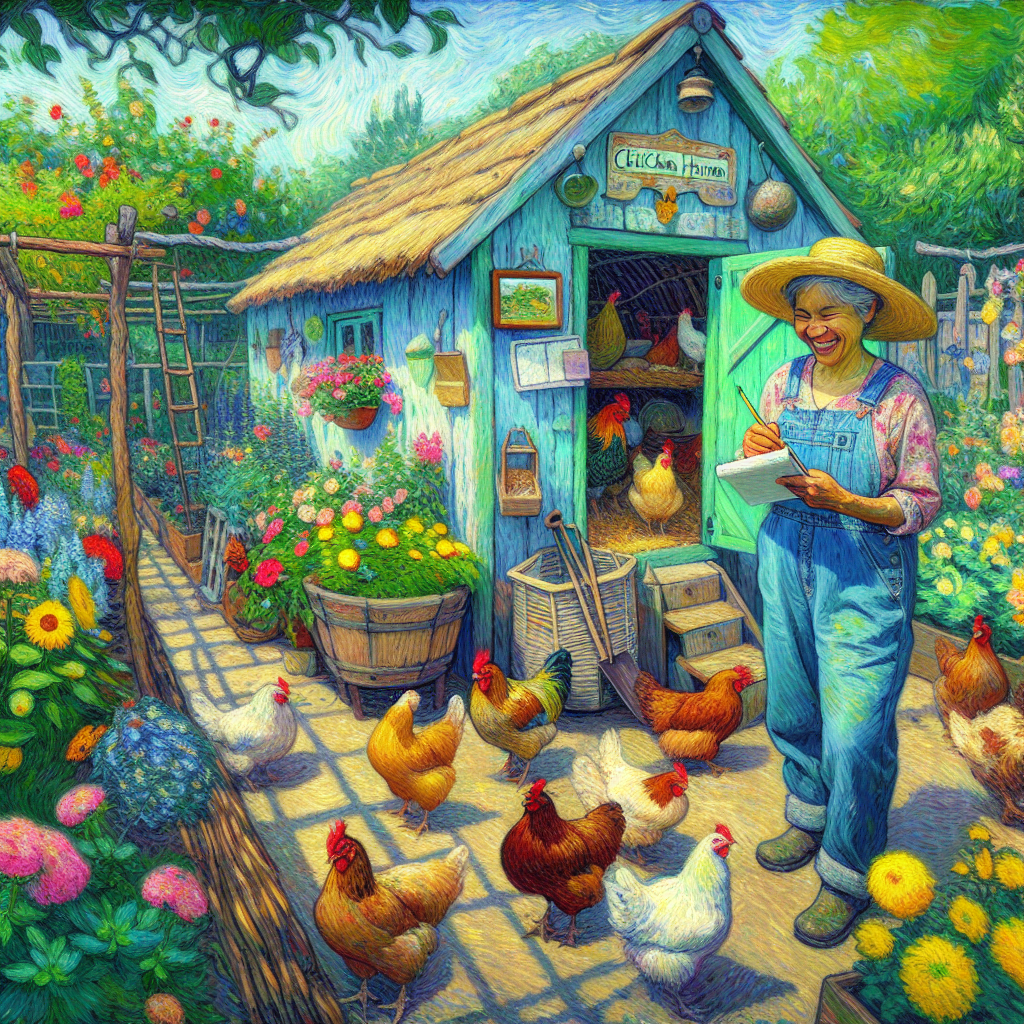
What about the stories of individuals who took a leap of faith, transforming their backyards into thriving gardens or chicken coops? When a neighbor rescues a few hens, they’re not just adding a dash of whimsy to suburban life. Each fresh egg becomes a testament to possibility, a chance to engage in a deeper relationship with the land, with nature, and with the very essence of life itself.
As we gather around our tables, consider the threads of connection woven through every bite. Supporting local farmers is an act of solidarity that empowers not just the growers but all of us. Their triumphs are our triumphs, reinforcing the notion that when we nurture our local ecosystems, we cultivate not just food, but hope, resilience, and a brighter future for generations to come.

What Stories Resonate with You About Local Farming Success?
What Stories Resonate with You About Local Farming Success?
- Local farming stories highlight resilience and authenticity in food production.
- Engaging with local farms transforms communities and creates connections.
- A small-time farmer invited neighbors into his spinach patch, fostering collaboration.
- Supporting local farmers who practice sustainable methods nurtures natural ecosystems.
- Choosing local food reflects personal values and investment in community health.
- Backyard gardens and chicken coops symbolize deeper relationships with nature.
- Supporting local farmers empowers communities and cultivates hope for the future.
What Stories Resonate with You About Local Farming Success?
Conclusion
Homegrown protein is more than just a dietary choice; it’s a celebration of resilience, ethics, and community that resonates deeply with our hearts, minds, and instincts. Imagine the joy of stepping into your backyard, greeted by the soft clucking of chickens—a reminder of a simpler time when food wasn’t just a product of commerce but a product of care. Raising your own chickens or cultivating a garden isn’t just about nutrition; it’s about embracing the age-old relationship between humans and the earth. Each egg collected becomes a symbol of hard work, illustrating the vital connections we foster through our choices.
Logically speaking, homegrown protein makes perfect sense. As grocery prices soar and supply chains falter, knowing that the food you eat is a mere few steps away provides a level of assurance in an uncertain world. You gain autonomy over your diet, bypassing processed options laden with hidden ingredients. More than just a meal, each egg and vegetable tells a story of nourishment and stewardship, reminding us of the power we wield over our own health and well-being.
On a visceral level, growing your food fosters ethical awareness. In opting for homegrown over factory-farmed products, you’re challenging unsustainable practices and elevating the conversation around animal welfare. You’re choosing compassion, providing a voice for creatures often overlooked in the industrial food system. Each fresh egg becomes not just sustenance, but a statement of values—an ethical commitment to doing better for the planet and for ourselves.
Moreover, growing your own food builds community. Neighbors connect over shared gardens, exchange tips on raising chickens, and swap recipes—creating a network of support grounded in mutual respect and collaboration. These interactions turn meals into communal events, enriching our social fabric and strengthening relationships. You’re not merely eating; you’re sharing a collective experience that echoes through every family gathering, barbecue, and potluck.
Ultimately, embracing homegrown protein isn’t just a trend; it’s a call to action for all of us. It invites a return to our roots, cultivating connection and purpose while inspiring those around us. So roll up your sleeves, raise some chickens, plant a garden, and become a part of a movement that transforms lives through the power of homegrown food. It’s time to reclaim our plates, nourish our spirits, and uplift our communities, one small act of cultivation at a time.
Conclusion
Conclusion:
- Homegrown protein represents resilience, ethics, and community, enhancing our connection to food.
- Raising chickens or cultivating gardens highlights the relationship between humans and the earth.
- Homegrown food provides assurance amidst rising grocery prices and unstable supply chains.
- It allows autonomy over our diets, avoiding processed foods with hidden ingredients.
- Choosing homegrown options fosters ethical awareness and promotes animal welfare.
- Growing food strengthens community ties through shared knowledge and collaborative efforts.
- Embracing homegrown protein calls for action to cultivate connection, purpose, and collective experiences.

Conclusion
Other Resources
Other Resources
Here is a list of other resources you can review online to learn more:
- centipedes
- Botulism
- Sinusitis
- salmonella
- Marans of America Club
- raccoons
- Oatmeal
- Minorca
- garlic
- Strawberries
- Swedish Black Hen
- Araucana
- Hamburg
- Sicilian Buttercup
- sunflower
- Ulcerative Enteritis
- Chantecler
Use This Prompt To Get More Resources With Your Favorite Online AI Tool: Please provide me with a list of online articles with their URLs in a bulleted list that I can read regarding The Return Of Homegrown Protein-And Why It Just Makes Sense

Other Resources
Glossary Terms
The Return Of Homegrown Protein-And Why It Just Makes Sense – Glossary Of Terms

Glossary Of Terms
Other Questions
The Return Of Homegrown Protein-And Why It Just Makes Sense – Other Questions
If you wish to explore and discover more, consider looking for answers to these questions:
- What are the best practices for starting a homegrown protein venture?
- How can one ensure the health and well-being of backyard chickens?
- What are the economic benefits of raising chickens or growing your own food?
- Are there specific types of chickens that are best for beginners?
- What challenges might one face when growing their own food?
- How can homegrown food impact local economies?
- What are the legal considerations for keeping chickens in urban areas?
- How does gardening contribute to mental health and well-being?
- What role do community gardens play in promoting sustainability?
- How can one engage children in the process of gardening and raising animals?
- What are some creative ways to cook and use homegrown proteins?
- How does the taste of homegrown food compare to store-bought options?
- What are sustainable practices that can be used in home gardening?
- How can sharing surplus produce or eggs strengthen community ties?
- What are some success stories of individuals or communities who have embraced homegrown food?

Other Questions
Haiku
The Return Of Homegrown Protein-And Why It Just Makes Sense – A Haiku
Chickens scratch the dirt,
Nourishing both land and kin,
Homegrown sustenance.

Haiku
Poem
The Return Of Homegrown Protein-And Why It Just Makes Sense – A Poem
In a backyard where the sun softly blesses the day,
The clucking of hens speaks of simpler ways.
Homegrown protein—a heartfelt decree,
Binding us closer to earth’s harmony.
Each morning unfolds with treasures anew,
A fresh egg collected, a symbol of you.
Responsibility taught in the warmth of the sun,
Life lessons blooming, where hard work is spun.
In a world fraught with doubts, food prices rise,
Yet wisdom whispers in the greenest disguise.
Nurtured by hands that sweat and toil,
A garden becomes a tapestry of soil.
Transparent choices foster trust at our core,
Where endless shelves of mystery bloom no more.
With each bite we savor, a story is spun,
Reflecting the journey and the battles we’ve won.
Neighbors lean in, conversations ignite,
A community forged through shared love and light.
From sharing fresh harvests to laughter in feasts,
Connections grow stronger, as kindness increases.
The ethical compass points true, not askew,
For care over greed becomes clear in our view.
Choosing compassion, we stand up and proclaim,
That factory shadows can’t define our name.
So rise, roll your sleeves, plant seeds in the ground,
With every new sprout, let purpose abound.
In the dance of our lives, let nature take part,
Homegrown protein—nourishing soul, mind, and heart.
Poem
Checklist
The Return Of Homegrown Protein-And Why It Just Makes Sense – A Checklist
Checklist for Embracing Homegrown Protein: A Heartfelt, Rational, and Responsible Journey
Emotional Appeals
_____ Nostalgia: Reflect on childhood memories associated with homegrown food.
_____ Pride: Acknowledge the fulfillment that comes from nurturing and growing your own protein.
_____ Connection: Contemplate the emotional bonds formed with nature and community.
Rational Appeals
_____ Cost Savings: Calculate potential savings by growing your own food versus store-bought alternatives.
_____ Nutritional Benefits: Research the health benefits of consuming fresh, homegrown proteins versus processed options.
_____ Sustainability: Understand the environmental impact of homegrown versus factory-farmed protein sources.
Ethical Appeals
_____ Animal Welfare: Consider the humane treatment of animals when raising backyard chickens.
_____ Support Local: Evaluate the ethical implications of supporting local farmers and sustainable practices.
_____ Stewardship: Reflect on your role as a caretaker of the earth and its resources.
Authority Appeals
_____ Expert Advice: Seek out resources or workshops from experienced local farmers or gardening groups.
_____ Scientific Insights: Read studies on the health benefits and environmental impact of homegrown versus industrial farming.
_____ Community Leaders: Engage with community leaders who advocate for local farming initiatives.
Narrative Appeals
_____ Personal Stories: Share your experiences or those of friends and family who have embraced homegrown protein.
_____ Local Heroes: Explore stories of local farmers who have successfully transformed their practices.
_____ Legacy Building: Think about the stories you will tell future generations about your journey into homegrown food.
Social Appeals
_____ Community Engagement: Join or form a local group dedicated to gardening, sustainability, or supporting local farms.
_____ Recipe Sharing: Host gatherings to exchange meals and recipes, fostering connections around homegrown food.
_____ Knowledge Exchange: Participate in workshops or discussions with neighbors and friends about best practices in home gardening.
By considering these aspects, you can embark on a meaningful journey toward embracing homegrown protein while fostering a connection with your community and the environment.

Checklist
At BackyardChickenNews, we help people who want to raise backyard chickens by collating information and news blended with our own personal experiences.
Be sure to read our other related stories at BackyardChickenNews to learn more about raising chickens in your backyard.