

Empowering Chicken Keepers To Live Sustainably
By Tom Seest
At BackyardChickenNews, we help people who want to raise backyard chickens by collating information and news blended with our own personal experiences.
Be sure to read our other related stories at BackyardChickenNews to learn more about raising chickens in your backyard.
The Zero-Waste Chicken Keeper’s Guide to Sustainable Living
Imagine stepping into your backyard, the morning sun kissing your skin, and there they are—your chickens, scratching and clucking, each a little miracle of life. Yes, backyard chickens are more than just a whimsical addition to your homestead; they’re a bridge to sustainable living. They offer the kind of connection to nature that most have lost in an ever-busy world. You don’t just raise birds; you cultivate a tiny ecosystem, a living testament to how even the simplest creatures can turn waste into sustenance.
When you think about the journey that egg makes from coop to kitchen, it’s profound. Those feathery foragers aren’t just laying breakfast, they’re turning your kitchen scraps into protein-rich nutrition. It’s like having your own sustainability squad—a recycling team that converts your banana peels, coffee grounds, and leftover vegetable trimmings into life-sustaining food. You’re not only feeding them; you’re reducing waste, contributing to a healthier planet, and taking actionable steps toward eco-conscious living.
From a practical standpoint, keeping chickens is a smart investment in your food security. Eggs from your backyard give you peace of mind—no hormones, no antibiotics, and no cruel farming practices. You know where your food comes from, what goes into it, and you can trust the process. This is essential in a world that often feels disconnected from the origins of our sustenance.
Yet, let’s not overlook the ethical considerations. By raising chickens, you create a space for life, fostering the responsibility of caring for animals. You cultivate empathy and understanding, teaching your children—and perhaps reminding yourself—about the intricate web of life that surrounds us. It fosters a sense of community; neighbors stop by, curious and inspired, leading to conversations about sustainability and ethical living.
When you choose to keep backyard chickens, you’re not just preserving your backyard; you’re nurturing a mindset that values simplicity, connection, and responsibility. You help others see that living sustainably is more achievable than they think. Let’s be real: the world needs more backyard farmers, more chicken keepers, and more individuals dedicated to making conscious choices. It starts small, but each egg, each feather, each chicken is a step toward a more sustainable future. Embrace the journey; your heart, head, and gut will thank you for it.

The Zero-Waste Chicken Keeper’s Guide to Sustainable Living
The Zero-Waste Chicken Keeper’s Guide to Sustainable Living
- Backyard chickens provide a connection to nature and promote sustainable living.
- They convert kitchen scraps into protein-rich nutrition, acting as an eco-friendly recycling team.
- Keeping chickens enhances food security by providing hormone-free, antibiotic-free eggs.
- Raising chickens instills empathy and responsibility, fostering a sense of care for animals.
- The practice encourages community conversations about sustainability and ethical living.
- Choosing to raise chickens nurtures a mindset that values simplicity and responsibility.
- Embracing backyard farming contributes to a more sustainable future, one step at a time.

The Zero-Waste Chicken Keeper’s Guide to Sustainable Living
Table Of Contents
- The Zero-Waste Chicken Keeper’s Guide to Sustainable Living
- How Can Raising Chickens Contribute to a Sustainable Lifestyle?
- What Are the Emotional Benefits Of Keeping Chickens for Your Family?
- How Does Composting Chicken Waste Enrich Your Garden Naturally?
- Are There Cost-Saving Benefits to Keeping Your Own Chickens?
- How Do Chickens Help Reduce Food Waste on Your Property?
- What Ethical Considerations Come with Raising Chickens Sustainably?
- How Can Community Chicken Co-Ops Strengthen Local Connections?
- Conclusion
- Other Resources
- Glossary Of Terms
- Other Questions
- Haiku
- Poem
- Checklist
How Can Raising Chickens Contribute to a Sustainable Lifestyle?
Raising backyard chickens is more than just a trendy hobby; it’s a gateway to a sustainable lifestyle that fills the heart, engages the mind, and nourishes our very instincts. Picture this: you wake up each morning to the sound of clucking, a gentle reminder that you’re part of something much larger than yourself. Those feathery friends are your companions in a commitment to sustainable living, connecting you to the cycles of nature and food production in a profoundly tangible way.
Think about the environmental impact. Each egg you collect from your flock is a testament to your contribution toward reducing carbon footprints and waste. By keeping backyard chickens, you’re not just producing high-quality, nutrient-rich eggs; you’re also recycling kitchen scraps and creating a closed loop that minimizes waste. Those scraps, once destined for a landfill, now serve as a delicious meal for your birds. It’s an elegant dance of nature that merges ethics with practicality and showcases the simplicity of sustainable living.
There’s a wisdom in the way chickens thrive when cared for—they teach us responsibility and patience, virtues often lost in the hustle of our busy lives. Each day spent caring for your flock becomes a lesson in compassion and respect for life. It’s in those moments that we grapple with the weight of our choices. Are we supporting factory farms that exploit animals and harm the environment, or are we choosing to nurture our part of the planet? Raising backyard chickens is an affirmation of ethical living, a chance to make a personal pledge on behalf of future generations.
Moreover, there’s a profound sense of community that comes with poultry ownership. You’re not alone in this journey; there are neighbors and fellow enthusiasts who share their stories, tips, and joys. It’s a delightful social network fueled by a shared passion for self-sufficiency and sustainability. The connections made at farmers’ markets and community groups are reminders that, while we may be raising chickens in our backyards, we’re also participating in a larger movement toward healthier, greener living.
So, let’s take a moment to reflect. When we embrace backyard chickens, we’re not just gardening on a small scale—we’re cultivating a way of life. One that prioritizes our health, our environment, and our communities. It’s a choice that beckons us to act, invites us to reconnect, and encourages us to share the fruits of our labor with those around us. Each egg isn’t just breakfast—it’s a testament to a sustainable future, one cluck at a time.

How Can Raising Chickens Contribute to a Sustainable Lifestyle?
How Can Raising Chickens Contribute to a Sustainable Lifestyle?
- Raising backyard chickens promotes a sustainable lifestyle that enhances emotional and cognitive engagement.
- Each egg collected represents a contribution to reducing carbon footprints and waste.
- Backyard chickens recycle kitchen scraps, creating a closed loop that minimizes waste.
- Chickens foster responsibility and patience, reminding us of ethical considerations in our food choices.
- Owning chickens helps affirm ethical living and conveys a pledge for future generations.
- A strong community exists among chicken owners, fostering connections and shared experiences in sustainability.
- Raising chickens is more than a hobby; it nurtures a way of life prioritizing health, environment, and community well-being.

How Can Raising Chickens Contribute to a Sustainable Lifestyle?
What Are the Emotional Benefits Of Keeping Chickens for Your Family?
When you think about establishing a small flock of backyard chickens, the emotional benefits can be as significant as the tangible rewards. Families often underestimate the deep connection that comes from nurturing these feathered friends. For one, there’s something profoundly grounding about caring for animals that rely on you. It taps into that instinctual drive to nurture, fostering a sense of responsibility that’s often lost in today’s fast-paced world.
Imagine a child crouching down in the morning light, cooing softly to a hen as it lays an egg. These moments build resilience, empathy, and a sense of wonder. It’s not just about collecting eggs; it’s about learning to observe, to be patient, and to appreciate the cycles of life. The joy in a young child’s eyes as they witness the birth of a chick is a reminder that life is vibrant and full of potential—lessons that are best learned through experiences.
From an emotional standpoint, backyard chickens provide an avenue for families to reconnect. The simple act of gathering around the coop to feed and care for the birds together can create lasting bonds. You start to understand what camaraderie truly means when your kids are laughing over a chicken chasing a bug. The collective effort of maintaining the flock can strengthen family ties and develop a shared sense of pride.
Beyond the family unit, chickens can open up conversations with neighbors and friends. There’s a growing movement towards self-sustainability, and keeping chickens promotes a sense of community, where knowledge is shared, and local connections are strengthened. Imagine hosting a backyard barbecue, with fresh eggs and homemade dishes shared among friends. It fosters relationships built on mutual interests and shared values—bringing people together over a common joy.
Additionally, there’s an ethical aspect to keeping backyard chickens that resonates strongly in this age of mass production. By choosing to raise your own birds, you’re not only saying no to harmful factory farming practices but also taking a stand for something you believe in. You become an advocate for animal welfare, understanding the importance of treating living creatures with respect and kindness.
Ultimately, raising chickens isn’t just about the eggs; it’s about cultivating an environment that nurtures growth, learning, and love. The emotional returns from keeping backyard chickens are profound, inviting families to not only nourish their bodies but also their hearts and minds.
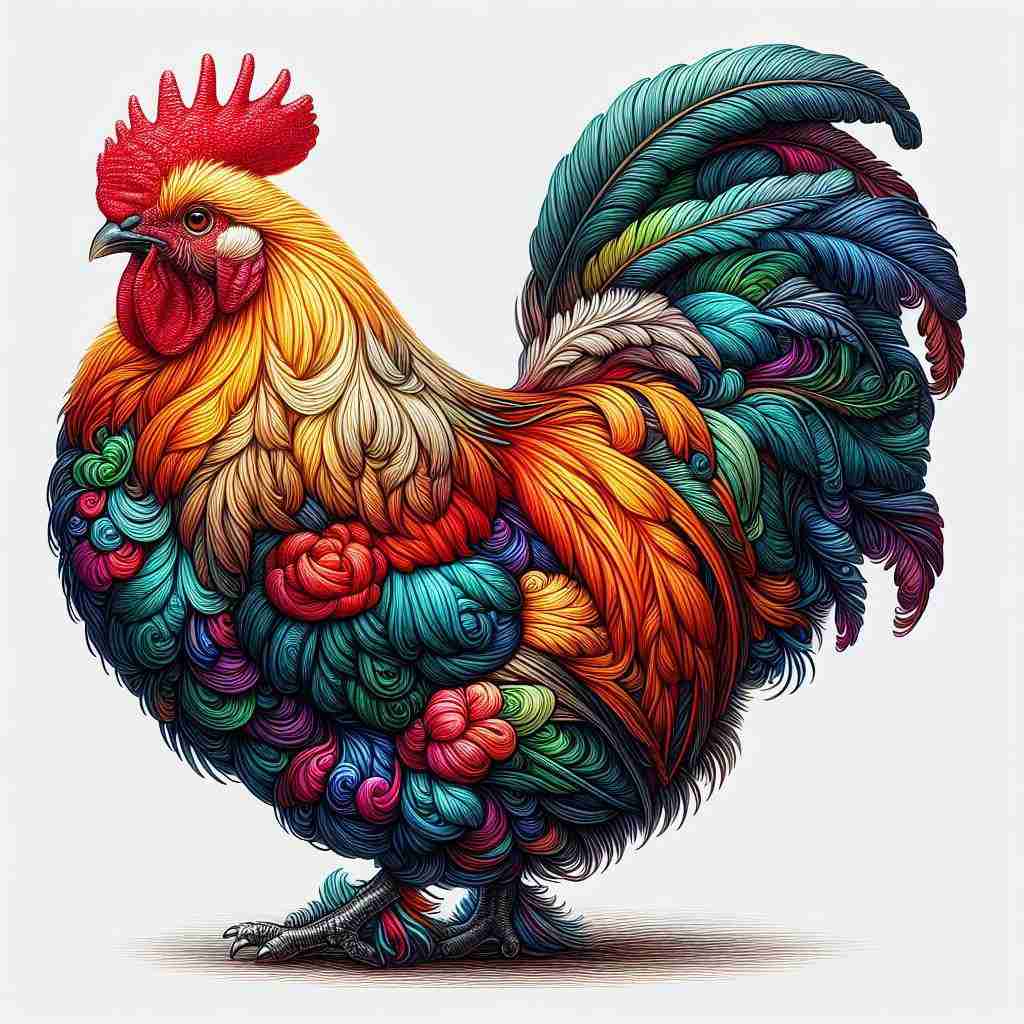
What Are the Emotional Benefits Of Keeping Chickens for Your Family?
What Are the Emotional Benefits Of Keeping Chickens for Your Family?
- Establishing a small flock of backyard chickens offers significant emotional and tangible benefits.
- Caring for chickens fosters a sense of responsibility and connection, especially for children.
- Interacting with chickens teaches resilience, empathy, and appreciation for the cycles of life.
- Gathering as a family to care for chickens strengthens bonds and creates shared memories.
- Backyard chickens can enhance community connections and promote self-sustainability.
- Raising chickens provides an opportunity to advocate for animal welfare and ethical practices.
- The experience of keeping chickens enriches family life by nurturing growth, learning, and emotional fulfillment.

What Are the Emotional Benefits Of Keeping Chickens for Your Family?
How Does Composting Chicken Waste Enrich Your Garden Naturally?
When you think about your garden, what comes to mind? Perhaps it’s the earthy smell of damp soil, the vibrancy of thriving plants, and the satisfying crunch of fresh vegetables harvested right from your own backyard. Now, picture this: by composting chicken waste, you could supercharge that garden experience. Not just any old composting, but one that’s personal, practical, and downright transformative.
Imagine walking to your compost bin, the sun warming your back, and there it sits—the product of many mottled eggshells and droppings from your beloved backyard chickens. Instead of tossing that precious resource away, you’re harnessing nature’s cycle. Each time you turn the compost, you’re not just mixing ingredients; you’re participating in a daily rhythm that connects you to the earth, your food, and even your chickens. You’ve become a steward of the soil, enriching it deeply while ensuring your garden’s future is as vibrant as the blooms you cherish.
Now, let’s get real for a moment. Chicken waste is rich in nitrogen, phosphorus, and potassium—elements vital for robust plant growth. When properly composted, it transforms from something that might make you wrinkle your nose into a nutrient-dense goldmine. It’s like giving your plants a multi-vitamin, boosting their immune systems, helping them fend off pests while enhancing yield. Logically, enhancing your soil’s fertility means healthier plants. Healthier plants mean more produce. More produce means less reliance on supermarket goods—now there’s an ethical win for both your family and the planet.
But it doesn’t end there. Sharing the fruits of your labor builds community. When you tell neighbors about your lush tomatoes or zesty cucumbers—all thanks to that composted chicken waste—you’re not just sharing food; you’re sharing a story. A story about sustainability, responsibility, and the simple joys of working with nature. And who doesn’t want to be part of that narrative?
Composting chicken waste is more than just a gardening tactic; it’s a choice that nurtures the earth and brings us closer to each other. So before you sweep that chicken bedding into the trash, think about this: you’re holding the key to a more vibrant garden, a healthier planet, and a story worth sharing. Embrace the process, and let your garden flourish. Trust in the cycle of life, and reap the rewards of your very own backyard revolution.

How Does Composting Chicken Waste Enrich Your Garden Naturally?
How Does Composting Chicken Waste Enrich Your Garden Naturally?
- Gardening evokes earthy smells, thriving plants, and fresh vegetables from your backyard.
- Composting chicken waste can enhance your gardening experience in a transformative way.
- Using chicken waste connects you to nature’s cycle, enriching soil and promoting plant health.
- Chicken waste is a nutrient-rich resource that boosts plant immunity and yields.
- Healthier plants lead to more produce and reduced reliance on supermarket goods.
- Sharing your successful garden harvest promotes community, sustainability, and joy in nature.
- Composting chicken waste encourages a vibrant garden, a healthier planet, and a meaningful story.

How Does Composting Chicken Waste Enrich Your Garden Naturally?
Are There Cost-Saving Benefits to Keeping Your Own Chickens?
Keeping your own backyard chickens can feel like a return to something foundational—a slice of life that connects us to the earth and, quite frankly, to one another. Picture this: you wake up to the gentle clucking of your own feathered friends, strolling out in your slippers to collect fresh eggs that quite literally come from your yard. There’s an undeniable satisfaction in knowing that your breakfast didn’t come in a cardboard carton from who-knows-where. It’s tangible, it’s real, and it seeds a connection that’s all too rare in our fast-paced world.
Let’s talk numbers for a minute because, let’s be honest, the wallet has a say in every decision. A dozen organic eggs at the supermarket can run you upwards of $5, and that price can fluctuate based on seasons and supply chains. Now consider this: a small flock of backyard chickens could lay an average of 5 to 7 eggs per week per hen. With just a handful of hens, you could potentially cut your egg costs dramatically. The initial investment might give you pause, but chickens are remarkably low-maintenance and provide ongoing dividends.
Now, living ethically is no longer just a buzzword; it’s a mindset. By raising your own backyard chickens, you’re stepping up to a choice that champions animal welfare and sustainability. You know where your food comes from, how the chickens are treated, and you’re reducing the carbon footprint tied to shipping those eggs across the country. This is not just a benefit for you; it’s a pledge you’re making to the planet and your community.
Consider the narrative of backyard chicken-keeping. It’s a story of resilience, sustainability, and the joy of self-sufficiency. Families have been gathering eggs, raising chickens, and sharing their bounties for generations. In today’s world, it’s about reclaiming a piece of that history—a chance to teach your kids responsibility and connection to the food they eat.
So, think about the impact. Not just on your wallet, but on your heart and gut. It’s a decision that ripples out, building connections within your community who may be curious about your new venture. You’ll find yourself part of an actively engaged circle, sharing tips, recipes, and stories. Embrace those feathered companions, and you may just find a little more joy and a lot more savings than you ever expected.

Are There Cost-Saving Benefits to Keeping Your Own Chickens?
Are There Cost-Saving Benefits to Keeping Your Own Chickens?
- Backyard chickens provide a foundational connection to the earth and each other.
- Collecting fresh eggs daily offers satisfaction and assurance of quality over store-bought options.
- A small flock can significantly reduce egg costs, potentially laying 5 to 7 eggs per week per hen.
- Raising chickens supports ethical living by promoting animal welfare and sustainability.
- Chicken-keeping is a tradition that teaches responsibility and connection to food for future generations.
- Bringing chickens into your life fosters community connections and shared experiences.
- Embracing backyard chickens can lead to unexpected joy and savings.

Are There Cost-Saving Benefits to Keeping Your Own Chickens?
How Do Chickens Help Reduce Food Waste on Your Property?
When you welcome backyard chickens into your life, you’re not just adopting animals; you’re gaining valuable allies in the ongoing battle against food waste. Imagine your kitchen scraps—those unwanted bits of vegetables and stale bread—transformed into eggs, those golden orbs of nourishment that grace your breakfast table. Suddenly, something that might have ended up in a landfill is getting a second chance at life, thanks to the magical appetite of your feathered friends.
Picture a rainy weekend, digging through your fridge, trying to salvage what remains. Half a head of wilted lettuce, some slightly bruised apples, the leftovers from last night’s dinner—rather than tossing them into the trash, you toss them into the chicken coop. Those scrappy little hens peck away, oblivious to the fact that they’re saving you money and reducing your waste. With every meal you share, you nurture a symbiotic relationship, enriching both your hens and your kitchen. It’s a small act, but it reverberates throughout your life, bringing you one step closer to a sustainable lifestyle.
Now, think about the larger picture. Every piece of food we waste contributes to an alarming environmental problem, filling landfills and depleting resources. By opting for backyard chickens, you’re making a bold statement about your values. You’re saying, “Enough is enough! Let’s be smarter about what we consume.” In turn, you become part of a growing community of chicken keepers who prioritize ethical living and sustainable practices.
And let’s not forget the delightful bonus: those backyard chickens serve as the ultimate teachers. When you care for them, you learn patience, responsibility, and even a bit about biology. They become part of your family, each with their quirky personalities and charming antics, teaching your kids (and yourself) about where our food comes from—and the importance of not wasting it.
By bringing backyard chickens into your world, you’re not just cutting down on waste; you’re fostering a deeper connection with your food, your family, and your community. Each egg laid is a reminder of a more thoughtful, intentional way of life, where waste isn’t merely accepted but actively reduced. So why not take that leap? Embrace those clucking companions, and watch as your space transforms—one meal at a time. The earth will thank you, and so will your palate.

How Do Chickens Help Reduce Food Waste on Your Property?
How Do Chickens Help Reduce Food Waste on Your Property?
- Welcoming backyard chickens helps combat food waste by transforming kitchen scraps into nourishing eggs.
- Instead of discarding leftovers and wilted produce, you can feed them to your chickens, saving money and reducing waste.
- This practice fosters a symbiotic relationship that enriches both your hens and your kitchen.
- Food waste contributes to environmental issues, and having chickens reflects a commitment to smarter consumption.
- Raising chickens promotes ethical living and sustainable practices within a growing community of chicken keepers.
- Chickens provide valuable life lessons, teaching patience, responsibility, and where food comes from, especially to children.
- By embracing backyard chickens, you foster a deeper connection with food, family, and the community, encouraging intentional living.

How Do Chickens Help Reduce Food Waste on Your Property?
What Ethical Considerations Come with Raising Chickens Sustainably?
When you talk about raising backyard chickens sustainably, you’re diving into a conversation that goes well beyond the cozy cluck of feathered friends. It’s about the ethics that accompany each peck on the ground and every egg laid. Consider this: each chicken is not just a creature flapping around your yard; it’s a living being with needs, emotions, and instincts that demand our respect. This concept pulls at the heartstrings, urging us to acknowledge that there’s a sanctity to life, even in the humble form of a hen.
Now, let’s think critically. With sustainability comes responsibility. The way we care for our chickens affects their quality of life, and by extension, the quality of the eggs they lay. Are you providing a space that allows them to roam, peck, and engage with their surroundings? Ethical treatment means ensuring they aren’t just living but thriving. This isn’t just good for the chickens; it’s good for you, too. Healthy, happy chickens yield nutritious, delicious eggs that can nourish your family and extend into the wider community.
Here’s where the gut feeling kicks in. Imagine a world where your child knows the joy of gathering fresh eggs from the coop, understanding where their food comes from, and forming a bond with nature. It’s about fostering awareness and appreciation for the food cycle, connecting us to a larger ecosystem. The act of raising chickens can ignite conversations about local agriculture, food security, and sustainable practices within your neighborhood. It allows us the chance to become educators and advocates, encouraging others to engage in ethical practices that extend beyond the backyard.
This isn’t merely about having chickens; it’s a social movement that stands at the intersection of compassion and community. By sharing experiences, stories, and perhaps the odd egg or two, you build trust with neighbors and friends, sparking an interest in humane, sustainable living. You’re not just raising backyard chickens; you’re cultivating a culture rooted in responsibility and love.
So, embrace the challenge. The journey of raising chickens is sprinkled with lessons that allow us to connect deeply with where our food comes from and to cultivate a sense of stewardship for the world around us. In doing so, we honor not only the lives of our feathered friends but also the legacy we leave for future generations.

What Ethical Considerations Come with Raising Chickens Sustainably?
What Ethical Considerations Come with Raising Chickens Sustainably?
- Raising backyard chickens involves ethical considerations regarding their needs, emotions, and instincts.
- Sustainable care enhances the quality of life for chickens, leading to better egg quality.
- Providing a spacious environment allows chickens to thrive, benefiting both them and their owners.
- Raising chickens fosters awareness in children about food origins and the connection to nature.
- This practice encourages discussions about local agriculture, food security, and sustainable practices.
- Sharing experiences with neighbors promotes a community-centric approach to humane and sustainable living.
- The journey of raising chickens cultivates stewardship for the environment and honors the lives of animals.

What Ethical Considerations Come with Raising Chickens Sustainably?
How Can Community Chicken Co-Ops Strengthen Local Connections?
When you think about how community chicken co-ops can strengthen local connections, picture this: a sun-drenched Saturday morning, the gentle clucking of hens in the background, and a diverse group of neighbors gathering to share in the joys and challenges of raising backyard chickens. This scene is more than just an image; it’s a living testament to the power of community.
Backyard chickens are more than just a source of fresh eggs; they represent a commitment to self-sustainability and a desire to cultivate relationships that enrich our lives. When neighbors come together to pool resources and knowledge, everyone benefits. It’s not just about a shared interest; it’s a chance to build trust, learn from one another, and forge bonds that can withstand the test of time.
The rational appeal here is undeniable. Community co-ops bring economy of scale to chicken-keeping. By sharing costs for feed, equipment, and veterinary care, participants can reduce individual expenses while also increasing their collective capacity to care for the chickens. Why go it alone when your neighbor might have the perfect solution to that pesky problem you’re facing? Knowledge, much like eggs, is best when it’s shared.
But let’s not forget the ethical aspect of this endeavor. Raising chickens in a local co-op is rooted in principles of sustainability and humane treatment. By supporting such an initiative, community members align their values with tangible actions that promote animal welfare and environmental stewardship. It’s about doing right by the earth and its creatures, but it also taps into our human instinct to care for something bigger than ourselves.
On a deeper level, the narrative of community chicken co-ops weaves a story of resilience and connection, reminding us that we are not alone in our quest for a better, more connected life. Each egg laid is a reminder of harmony and collaboration, while every shared laugh over a spilled bag of feed strengthens the ties that bind us.
Socially, these co-ops create a network that encourages lifelong friendships and a sense of belonging. In each cluck and scratch, you’ll find threads of shared experiences that inspire trust and confidence. It might start with chickens, but it often transforms into something much more powerful—an entire ecosystem of support, learning, and camaraderie. Together, we can all hatch our own opportunities for connection that extend far beyond the coop.

How Can Community Chicken Co-Ops Strengthen Local Connections?
How Can Community Chicken Co-Ops Strengthen Local Connections?
- Community chicken co-ops foster local connections by bringing neighbors together in a shared experience.
- Backyard chickens symbolize self-sustainability and the cultivation of enriching relationships.
- Pooling resources and knowledge in co-ops benefits all participants by building trust and learning from one another.
- Co-ops offer an economy of scale, reducing individual costs for feed, equipment, and veterinary care.
- Ethically, community chicken co-ops promote sustainability and humane treatment, aligning values with actions.
- These co-ops create networks that inspire lifelong friendships and foster a sense of belonging.
- The experience extends beyond chickens, creating an ecosystem of support, learning, and camaraderie.

How Can Community Chicken Co-Ops Strengthen Local Connections?
Conclusion
Embracing backyard chickens isn’t just about farm-fresh eggs; it’s a heartfelt invitation to reconnect with nature and cultivate a sense of purpose. Picture this: waking up to the gentle clucks of chickens as you step outside to a golden sunrise. These feathered companions do more than just provide sustenance; they restore a bond with our environment that many have lost amid urban hustle and modern living. With every discarded kitchen scrap turned into hearty nourishment, you’re not just recycling; you’re actively reducing waste and promoting a healthier planet. Each egg laid is a step toward self-sufficiency, an act of defiance against the mass-produced products that often fill our grocery aisles.
But there’s more. Keeping chickens nurtures essential life skills, particularly responsibility and compassion, especially in children. Imagine the joy in a child’s eyes when they learn where their food comes from, witnessing the miracle of life right in their backyard. It’s not merely about raising birds; it’s about fostering a respect for living beings and understanding our role in nature’s cycle. It builds an essential ethic of care, teaching us to appreciate both our food and the means through which it is produced.
Ethically, chicken keeping is a powerful statement against the factory farming model—a way to take a stand for animal welfare without compromise. When you feed them wholesome scraps instead of tossing them in a landfill, you’re enhancing their wellbeing while nurturing your own family’s connection to the food source. It’s about making choices aligned with values that extend beyond personal gains, creating ripples of positive change within your community.
This journey also weaves a narrative of community. Sharing tips on chicken care and exchanging eggs or vegetables can inspire conversations that deepen relationships with your neighbors. Backyard chickens can serve as a bridge, connecting families with like-minded individuals committed to sustainable living. Local co-ops take this a step further, pooling resources, and knowledge while encouraging support networks that can last a lifetime.
Ultimately, the adventure of raising backyard chickens is a celebration of life, health, and community. Each feathered friend you welcome into your life is more than just an animal; they’re teachers, friends, and symbols of a simpler, more sustainable existence. It’s an experience that fills the heart, engages the mind, and nourishes the gut—reminding us that through conscious living, we can shape a more compassionate world, one cluck at a time.

Conclusion
Conclusion:
- Backyard chickens offer a connection to nature and a sense of purpose beyond just farm-fresh eggs.
- They enable individuals to reduce waste by recycling kitchen scraps into food for the chickens.
- Raising chickens promotes self-sufficiency and challenges mass-produced grocery products.
- It teaches children responsibility, compassion, and the origins of their food, fostering respect for living beings.
- Keeping chickens serves as a stand against factory farming, promoting animal welfare and community values.
- Engaging with neighbors through chicken care and resource sharing strengthens community bonds.
- The experience of raising chickens embodies a celebration of life, health, and sustainable living.

Conclusion
Other Resources

Other Resources
Here is a list of other resources you can review online to learn more:
- black soldier flies
- Swedish Flower Hens
- Rye
- Easter Eggers
- Capillary Worms
- Appenzeller
- sunflower
- centipedes
- Rhode Island Red
- Sumatra
- collard greens
- rhubarb
- Central Maine Bird Fanciers
- Austra White
- chard
- Orloff
- roundworms
- Ancona
Use This Prompt To Get More Resources With Your Favorite Online AI Tool: Please provide me with a list of online articles with their URLs in a bulleted list that I can read regarding The Zero-Waste Chicken Keeper’s Guide to Sustainable Living

Other Resources
Glossary Terms
The Zero-Waste Chicken Keeper’s Guide to Sustainable Living – Glossary Of Terms
1. Zero-Waste: A philosophy aimed at eliminating waste by rethinking how we consume and manage resources.
2. Sustainable Living: Lifestyle choices that reduce an individual’s or society’s use of Earth’s natural resources.
3. Chicken Keeper: An individual who raises and cares for chickens, often for eggs and companionship.
4. Compost: Decomposed organic matter used to enrich soil, reducing waste and enhancing plant growth.
5. Permaculture: Agricultural systems that aim to replicate the patterns and features observed in natural ecosystems.
6. Food Scraps: Leftover edible materials from food preparation that can be utilized or composted.
7. Organic: Farming practices that avoid synthetic fertilizers and pesticides, focusing on natural methods.
8. Biodiversity: The variety of life in a particular habitat, crucial for ecosystem balance and resilience.
9. Backyard Chickens: Chickens raised in residential settings, providing eggs and promoting sustainable practices.
10. Foraging: The act of searching for and gathering wild food resources in nature.
11. Animal Welfare: The consideration of the well-being and humane treatment of animals.
12. Pesticides: Chemicals used to kill pests, which can have harmful effects on ecosystems if not managed responsibly.
13. Pollinator Gardens: Gardens designed to attract and support pollinator species, enhancing biodiversity.
14. Waste Management: The processes involved in managing waste generation, treatment, and disposal.
15. Eco-Friendly: Products or practices that are beneficial or minimally harmful to the environment.
16. Self-Sufficiency: The ability to fulfill one’s needs independently, typically in food production.
17. Agroecology: The study of ecological processes applied to agricultural production systems.
18. Sustainable Feed: Animal feed sourced in a way that minimizes environmental impact.
19. Chickens as Pets: Raising chickens for companionship and enjoyment rather than exclusively for production.
20. Seasonal Eating: Consuming food that is in season and locally available, reducing carbon footprint.
21. Herbicides: Chemicals used to kill unwanted plants but can affect biodiversity.
22. Urban Farming: The practice of cultivating, processing, and distributing food in urban environments.
23. Resilience: The ability of a system (like an ecosystem) to recover from disturbances.
24. Integrated Pest Management (IPM): A sustainable approach to managing pests using a combination of biological, cultural, and chemical practices.
25. Natural Fertilizers: Organic substances used to enhance soil fertility without synthetic means.
26. Waste Auditing: Analyzing waste production to identify reduction and recycling opportunities.
27. Green Infrastructure: Natural systems that provide environmental benefits, such as rain gardens and green roofs.
28. Biosecurity: Measures taken to prevent the introduction and spread of harmful organisms in agriculture.
29. Animal Husbandry: The practice of breeding and raising livestock in a responsible and sustainable manner.
30. Community Supported Agriculture (CSA): A system where consumers buy shares of a farm’s harvest in advance, promoting local food systems.

Glossary Of Terms
Other Questions
The Zero-Waste Chicken Keeper’s Guide to Sustainable Living – Other Questions
If you wish to explore and discover more, consider looking for answers to these questions:
- What are the best breeds of chickens for backyard sustainability?
- How much space do I need to keep backyard chickens?
- What is the initial cost of setting up a chicken coop?
- What should I feed my chickens for optimal health?
- How can I protect my chickens from predators?
- What are the common diseases that affect backyard chickens?
- How do I manage the waste produced by my chickens?
- Are there zoning laws or regulations about keeping chickens in my area?
- What should I know about caring for chickens during winter?
- How can I involve my children in taking care of the chickens?
- What are the differences between free-range and coop-raised chickens?
- How can I maintain friendships and community connections through chicken-keeping?
- What are some tips for composting effectively with chicken waste?
- How do I introduce new chickens to an existing flock?
- What are the signs of a healthy chicken?

Other Questions
Haiku
The Zero-Waste Chicken Keeper’s Guide to Sustainable Living – A Haiku
Chickens scratch and cluck,
Turning scraps to eggs of hope,
Life’s web weaves us close.

Haiku
Poem
The Zero-Waste Chicken Keeper’s Guide to Sustainable Living – A Poem
In morning light, a gentle cluck,
A joyful rhythm, ducks and luck,
Backyard chickens dance and play,
Whispers of nature, come what may.
Tiny ecosystems thrive and bloom,
Transforming waste, dispelling gloom,
Kitchen scraps find a second life,
In feathery hands, joy cuts like a knife.
Nestled close, a family grows,
In shared laughter, resilience flows,
Empathy blooms as kids engage,
In simple lessons, wisdom’s page.
Trust is earned through caring touch,
For life in gardens means so much,
With each fresh egg, a bond is made,
A pledge to Earth, a debt repaid.
Rational moves—costs drop away,
Self-sufficiency finds its sway,
Community joins, resources shared,
In unity’s dance, none are impaired.
Ethics matter, lives respected,
In every decision, love’s reflected,
A heartbeat strong in co-op schemes,
Where friendship flourishes in shared dreams.
So raise your voice, take that leap,
With clucking friends, sow what you reap,
In every wingbeat, a future bright,
Together we rise, hand in hand, in flight.

Poem
Checklist
The Zero-Waste Chicken Keeper’s Guide to Sustainable Living – A Checklist
Checklist for Embracing Sustainable Chicken Keeping
Emotional Appeals
_____ Reconnect with Nature: Spend time observing your chickens and appreciate their natural behaviors.
_____ Foster Family Bonds: Engage your family in caring for the chickens; make it a fun, collective activity.
_____ Cultivate Empathy: Teach children about the responsibilities of nurturing living beings.
_____ Create Joyful Memories: Capture moments of laughter or learning experiences related to chicken care.
Rational Appeals
_____ Monitor Cost Savings: Track how much you save by raising your own chickens compared to buying eggs.
_____ Assess Egg Production: Calculate the number of eggs you produce and compare it to your household consumption.
_____ Learn Composting Benefits: Understand how chicken waste enriches your garden and enhances soil health.
_____ Evaluate Time Investment: Consider the time you spend with your chickens and the benefits they provide.
Ethical Appeals
_____ Reflect on Food Sources: Consider the ethics behind factory farming versus raising chickens at home.
_____ Animal Welfare Commitment: Ensure your chickens have adequate living conditions, food, and care.
_____ Support Local Food Systems: Encourage neighbors to raise awareness about humane and sustainable practices.
_____ Promote Environmental Stewardship: Embrace practices that reduce waste and diminish your carbon footprint.
Authority Appeals
_____ Research Best Practices: Educate yourself on chicken care from reputable sources or experienced keepers.
_____ Join Workshops or Classes: Participate in local classes on sustainable farming or animal husbandry.
_____ Follow Community Leaders: Connect with local experts and influencers in backyard farming.
Narrative Appeals
_____ Share Your Journey: Document your experiences in chicken keeping and share them with friends.
_____ Engage in Storytelling: Discuss the unique personality traits of your chickens and what you’ve learned.
_____ Build Community Stories: Participate in local forums or gatherings focused on sustainable living.
Social Appeals
_____ Network with Chicken Keepers: Join local or online groups dedicated to backyard chicken farming.
_____ Host Backyard Events: Organize gatherings to share fresh produce and ideas with neighbors.
_____ Participate in Co-Ops: Explore or start a community chicken co-op to pool resources and knowledge.
_____ Advocate for Sustainability: Encourage friends and family to consider keeping chickens and living sustainably.
Implement these items to deepen your experience with backyard chickens while nurturing your heart, mind, and community. Each step taken contributes to a sustainable and fulfilling lifestyle.

Checklist
At BackyardChickenNews, we help people who want to raise backyard chickens by collating information and news blended with our own personal experiences.
Be sure to read our other related stories at BackyardChickenNews to learn more about raising chickens in your backyard.