

Unlocking Secrets: How Your Chicken’s Look Predicts Health And Happiness
By Tom Seest
At BackyardChickenNews, we help people who want to raise backyard chickens by collating information and news blended with our own personal experiences.
Be sure to read our other related stories at BackyardChickenNews to learn more about raising chickens in your backyard.
What Your Chicken’s Comb and Feathers Reveal – According to Ai
In the world of backyard chickens, there’s more than meets the eye. The comb and feathers of these feathery friends are like the storybook covers of their unique lives, whispering secrets about their health, mood, and even their place in your family. You don’t need a degree in poultry science to decode these signs; all it takes is a bit of curiosity and a pinch of observation.
Imagine stepping outside to greet your flock. As you watch them strut across the yard, take a moment to glance at their combs. A vibrant, upright comb usually signals a happy, well-fed chicken. If it’s droopy and pale, however, it may be time for a closer inspection. Just like we humans wear our emotions on our sleeves, chickens display theirs in the way they maintain their combs.
Now consider feathers. They serve as both armor and attire, an expression of personality. When you notice a chicken sporting a full, glossy coat, it speaks to proper nutrition and care in your backyard haven. On the flip side, a feathered friend with patches or a scruffy appearance might be signaling distress, whether due to parasites or stress in the pecking order. These signs are personal; they remind us that behind every bird is a living being reliant on the care we provide.
Perhaps you remember your first encounter with a chicken. That moment was pivotal, wasn’t it? The clucking sound, the tilt of their heads, the comical way they pecked at the ground, all forging a bond that goes beyond simple ownership. It’s as though each chicken carries with it a lesson about responsibility and companionship, urging us to be attentive caretakers who respond to their needs.
But there’s something deeper here—it connects to our humanity. As we nurture our backyard chickens, we cultivate a relationship built on trust and reciprocity. Caring for them not only enriches our lives but also teaches us the importance of empathy. By paying attention to their combs and feathers, we engage with their stories, reminding ourselves that every feathered friend is a member of the family, deserving of our respect and attention.
In a time when we often overlook the small joys in life, these vibrant creatures can inspire us to connect with nature, foster community, and deepen our understanding of responsibility. They reflect our journey and ignite a passion for stewardship, one cluck at a time. Your backyard is not just a space; it’s a living testament to the connections we build with those who rely on us.
What Your Chicken’s Comb and Feathers Reveal – According to Ai
What Your Chicken’s Comb and Feathers Reveal – According to Ai
- The comb and feathers of chickens reveal important information about their health and mood.
- A vibrant, upright comb indicates a happy and well-fed chicken; a droopy, pale comb may signify health issues.
- Feathers reflect a chicken’s nutrition and care; a glossy coat suggests good health, while patches indicate potential distress.
- Chickens are not just pets but living beings requiring attentive care and compassion.
- Caring for chickens fosters a sense of responsibility and companionship between humans and animals.
- This nurturing relationship teaches empathy and awareness of the needs of others.
- Backyard chickens encourage connections with nature and a deeper understanding of stewardship in our lives.
What Your Chicken’s Comb and Feathers Reveal – According to Ai
Table Of Contents
- What Your Chicken’s Comb and Feathers Reveal – According to Ai
- How Can Comb Color Indicate Stress Levels In Chickens?
- What Ethical Considerations Arise From Chicken Breeding Practices?
- How Can Understanding Comb and Feather Health Improve Egg Production?
- What Expert Opinions Exist on Chicken Appearance and Health?
- How Do Narratives Of Chicken Care Influence Our Practices?
- Conclusion
- Other Resources
- Glossary Of Terms
- Other Questions
- Haiku
- Poem
- Checklist
How Can Comb Color Indicate Stress Levels In Chickens?
When you think of raising backyard chickens, images of clucking hens pecking in the sun often come to mind. But what lies beneath that calm exterior? Believe it or not, a chicken’s comb, that bright red fleshy structure atop their heads, can reveal a wealth of information about their emotional state. Just as a dog’s wagging tail can signal joy, a chicken’s comb color can indicate stress levels, a topic both fascinating and crucial for the well-being of our feathery friends.
Consider the last time you experienced stress: perhaps it was during a demanding work project or a family crisis. Your body told you to pause, to take stock, and maybe to seek comfort. Chickens communicate their stress in a similar way. The vibrant red hue of a healthy comb signals confidence and contentment. Conversely, a pale or bluish comb can signify distress or illness. In this sense, the comb acts as a vital barometer of their emotional health, reflecting not just their physical condition but also their overall well-being.
A personal story comes to mind—one that many backyard chicken enthusiasts might relate to. A neighbor of mine was new to raising chickens and noticed her hens were acting jittery and skittish. One day, she spotted their combs paling, and instead of chalking it up to a passing phase, she took action. After consulting with a veterinarian and assessing their living conditions, she discovered that the sudden noise from a nearby construction site had stressed her flock. Armed with this knowledge, she made adjustments to provide a quieter, more relaxing environment. Over time, the hens regained their vibrant comb colors, and with it, their peace of mind.
This story encapsulates an important lesson: the colors of chicken combs are not just a natural phenomenon; they are a call to action for backyard chicken owners. By tuning into these subtle signals, we foster a deeper connection with our pets and create a more humane and ethical environment for them. Isn’t that what being a responsible caretaker is all about? Understanding their emotional landscape allows us to intervene before stress escalates into something more serious.
In our increasingly busy lives, where the sounds of power tools often drown out the gentle clucking of chickens, we may overlook these vital signs of stress. By paying attention to comb color, we honor our commitment to nurturing healthy backyard chickens. It’s more than just poultry keeping; it’s about building a relationship based on trust, empathy, and respect for these remarkable creatures. So let’s keep our eyes on those combs, not just for the vibrant splash of color they can bring to our coops but for the stories they tell about the well-being of our cherished hens.

How Can Comb Color Indicate Stress Levels In Chickens?
How Can Comb Color Indicate Stress Levels In Chickens?
- The comb of a chicken reflects its emotional state and overall well-being.
- A healthy, vibrant red comb indicates confidence and contentment.
- A pale or bluish comb signifies stress or illness.
- Observing comb colors helps owners address potential issues before they escalate.
- A personal anecdote illustrates the impact of environmental stress on chickens.
- Adapting living conditions can significantly enhance chickens’ emotional health.
- Understanding chicken behavior fosters trust and respect between caretakers and their pets.
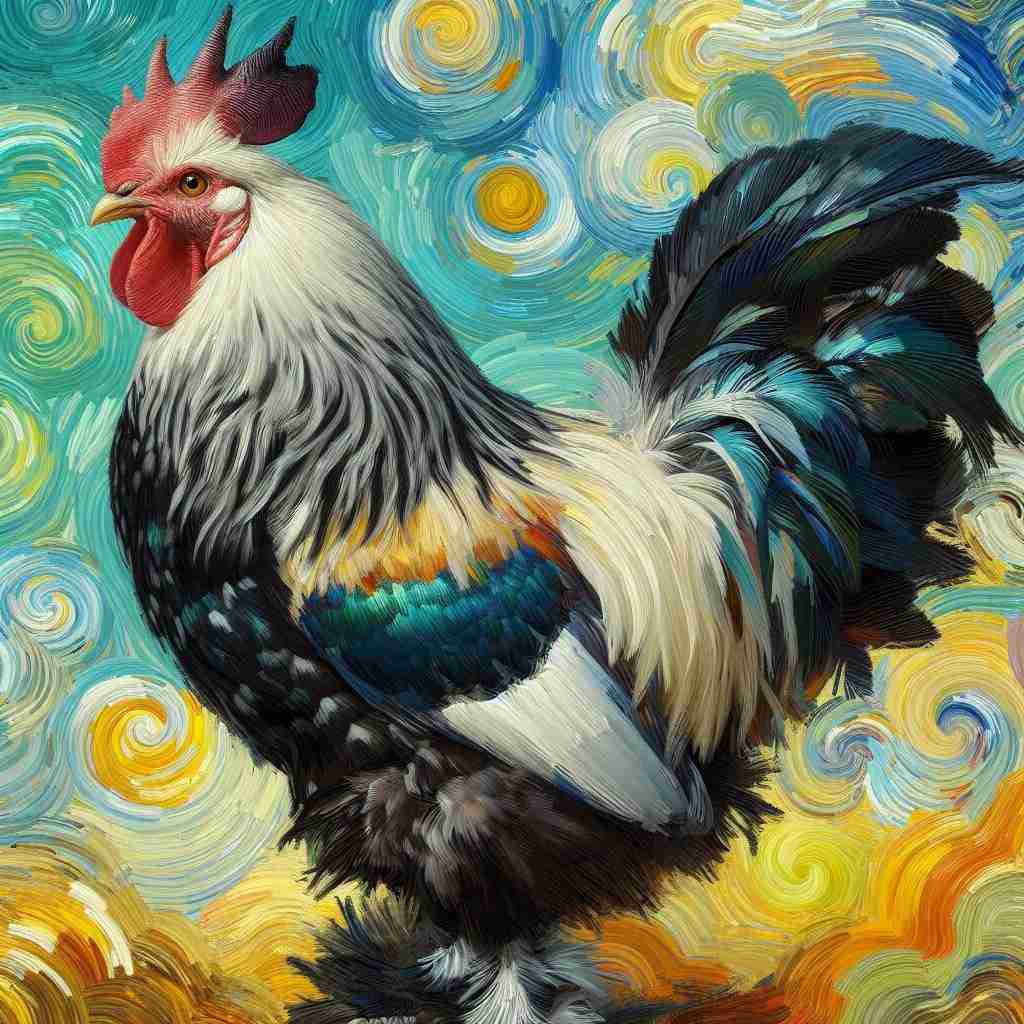
How Can Comb Color Indicate Stress Levels In Chickens?
What Ethical Considerations Arise From Chicken Breeding Practices?
When we think of chickens, we often visualize those quaint, clucking creatures roaming a backyard, scratching at the earth for worms. Backyard chickens have become a symbol of sustainability, self-sufficiency, and a closer connection to our food. But beyond this idyllic image lies a tangled web of ethical considerations concerning breeding practices that deserves our heartfelt attention.
Breeding chickens for specific traits—be it size, egg production, or disease resistance—often leads to unintended consequences. Take the story of a farmer named Jim. He invested countless hours into breeding specifically for large, meaty birds. Initially thrilled with the results, he soon noticed these chickens struggled to walk, their bodies growing so heavy while their bones remained fragile. What began as an ambition, a quest for efficiency and profit, transformed into a source of heartbreaking frustration. Many of us can relate to Jim’s journey; we chase after what seems ideal, only to realize that the cost of our ambition may compromise the well-being of those we aim to nurture.
This brings us to the core of the ethical dilemma: how do we balance our desires for productivity with the welfare of the animals themselves? It’s a narrative that needs telling because the commodification of life, even in the form of chickens, challenges the ethical boundaries of our practices. As we expand our backyard flocks, we must ask ourselves if we are doing right by these creatures that share our space and our lives.
Furthermore, consider the broader social implications. The popularity of backyard chickens fosters a community of people who care about their food sources and the treatment of animals. Here lies a unique opportunity; by embracing ethical breeding practices, we can inspire collective action within this community and even extend it to industrial farming. Imagine a movement where breeders prioritize the health and happiness of chickens, not merely their productivity—a true revolution in how we regard food, farming, and animal stewardship.
Each of us has a role to play. Whether you keep chickens for fresh eggs or simply admire them from afar, advocating for ethical breeding practices resonates with our inherent sense of responsibility. It’s about looking beyond the surface and nurturing not just the body but the spirit of these animals. By choosing compassion over convenience, we forge a deeper bond—not just with our backyard chickens, but with the idea of empathy in agriculture, leading us toward a more humane food system.

What Ethical Considerations Arise From Chicken Breeding Practices?
What Ethical Considerations Arise From Chicken Breeding Practices?
- Chickens symbolize sustainability, self-sufficiency, and a connection to food.
- Breeding for specific traits can lead to negative consequences for the animals’ welfare.
- The story of a farmer named Jim illustrates the pitfalls of breeding for size and productivity.
- There is an ethical dilemma in balancing productivity desires with animal welfare.
- Raising backyard chickens fosters a community interested in ethical treatment of animals.
- Embracing ethical breeding practices can inspire action in both backyard and industrial farming.
- Advocating for compassionate practices enhances our bond with animals and promotes a humane food system.
What Ethical Considerations Arise From Chicken Breeding Practices?
How Can Understanding Comb and Feather Health Improve Egg Production?
Understanding the health of a chicken’s comb and feathers is crucial for those of us who cherish our backyard chickens and aspire for the best egg production. Just imagine a flock with vibrant combs standing tall, feathers glistening like morning dew. These aren’t just ornamental features; they’re vital indicators of your chickens’ overall health and well-being.
Picture this: you walk into your backyard and find your hens preening each other under a warm sunlight. Each peck and fluff is part of a natural ritual that signals health and happiness. Healthy combs are bright and firm, not droopy or discolored. When you see that vibrant red, it’s not just a sign of good health; it reflects a balanced diet, appropriate care, and a stress-free environment. A healthy chicken isn’t just a bonus to your backyard; it’s an investment in high-quality eggs. Studies have shown that chickens producing healthy eggs often originate from healthier birds, so keeping an eye on those combs and feathers can significantly boost production.
Now let’s dig deeper. Think of the comb as the chicken’s “face,” revealing its emotional and physical state. A robust chicken with a healthy comb thrives, while one with a poorly developed comb often struggles, translating to lower egg yields. It’s like nurturing a great athlete. They need support, a nutritious diet, and encouragement to reach their potential.
When we care for our backyard chickens, we don’t just lower the risk of disease; we create a supportive community around them. This care has ethical dimensions. Many of us choose to raise chickens not just for the eggs but for a more holistic connection to our food and environment. This connection enriches our lives and deepens our roots in sustainable living.
Connecting with other chicken keepers can elevate your journey. Sharing stories of trials and triumphs fosters camaraderie and creates a shared sense of purpose. It’s about building a network of support and knowledge. You’re not just a backyard farmer; you’re part of a growing movement dedicated to nurturing life.
In a nutshell, understanding and enhancing your chicken’s comb and feather health is more than a task; it’s a love letter to the art of chicken keeping. It’s about being proactive, fostering trust in your flock, and reaping the rewards of their vitality—a daily reminder that health begets productivity, turning every egg from your backyard chickens into a testament of care and effort.

How Can Understanding Comb and Feather Health Improve Egg Production?
How Can Understanding Comb and Feather Health Improve Egg Production?
- Health of a chicken’s comb and feathers is vital for overall well-being and egg production.
- Bright, firm combs indicate good health, balanced diet, and a stress-free environment.
- A healthy chicken contributes to higher quality egg production.
- The comb reflects the chicken’s emotional and physical state; a healthy comb signals thriving conditions.
- Care for chickens fosters community, reduces disease risk, and promotes ethical farming practices.
- Engaging with other chicken keepers enhances knowledge and camaraderie in chicken keeping.
- Understanding comb and feather health is essential for nurturing chickens and maximizing egg productivity.

How Can Understanding Comb and Feather Health Improve Egg Production?
What Expert Opinions Exist on Chicken Appearance and Health?
When you delve into the world of backyard chickens, you quickly realize that these feathery companions are so much more than mere livestock. They are living, breathing indicators of our engagement with sustainable living and animal welfare. Experts across various fields—from veterinarians to agricultural scientists—underscore the significant connection between a chicken’s appearance and its overall health. This isn’t just about feathers looking good; it’s about fostering a relationship built on trust and care.
First, consider the vibrant plumage of a healthy chicken. Experts often point out that glossy feathers are a sign of good nutrition and robust health. Just like a well-oiled machine runs smoothly, a chicken thriving in its environment reflects the investments made in its care. A friend once shared a story of how his flock of backyard chickens glowed with health after he switched to an organic feed. The transformation wasn’t just visual; it created a sense of pride and accomplishment, a shared triumph between him and his feathered friends.
Rationally, the implications run even deeper. Healthy chickens contribute to a sustainable ecosystem. Experts advocate that raising enlightened chicken owners leads to stronger communities—just think about it. Children involved in raising backyard chickens learn invaluable lessons about responsibility, nutrition, and empathy, linking them to nature in a way that modern life often neglects. This ethos resonates: when we take part in the life cycle of our food, we cultivate a respect that transcends the dinner table.
Ethically, we must consider the responsibilities that come with caring for these creatures. When you build a bond with your chickens, you start to see them as more than a source of eggs. They become part of the family, each with its unique personality. Engaging with them fosters an awareness of animal welfare, leading to practices that prioritize their health and happiness. This collective responsibility ignites a passion among neighbors and friends for backyard farming, advocating humane treatment and enriching community ties.
Lastly, let’s tackle the gut level—our instincts as caretakers. The gut tells us something is amiss when a chicken is unwell. Experts remind us that even the slightest change in behavior can act as a red flag. Monitoring not just appearance but behavior creates a nuanced understanding of health. It’s a call to action for all backyard chicken enthusiasts to remain vigilant and proactive.
In this intricate dance of care, we find a profound connection to our food sources—a relationship that nurtures not just our bodies but our souls. Backyard chickens become a bridge, linking us to the earth and each other. Embracing this journey isn’t merely about raising chickens; it’s about cultivating a lifestyle grounded in compassion, respect, and community engagement.

What Expert Opinions Exist on Chicken Appearance and Health?
What Expert Opinions Exist on Chicken Appearance and Health?
- Backyard chickens are essential indicators of sustainable living and animal welfare.
- Glossy feathers signify good nutrition and overall health in chickens.
- Healthy chickens contribute to a sustainable ecosystem and stronger communities.
- Children involved in chicken care learn responsibility, nutrition, and empathy.
- Building bonds with chickens fosters awareness of animal welfare and humane treatment.
- Observing changes in behavior can indicate health issues in chickens.
- Raising backyard chickens nurtures a connection to food sources and promotes a lifestyle of compassion and respect.

What Expert Opinions Exist on Chicken Appearance and Health?
How Do Narratives Of Chicken Care Influence Our Practices?
In a world where convenience often trumps compassion, the stories we tell about backyard chickens can bridge that gap, transforming mere livestock into valued companions. When we think about raising chickens, it’s more than just gathering eggs; it’s about nurturing a relationship with these remarkable creatures that serve as a powerful reminder of our connection to the land and the cycle of life.
Imagine walking outside on a crisp morning, the sun just peeking over the horizon, and hearing that familiar cluck from your backyard. Those little creatures are not just pets; they are a testament to self-sufficiency and the rewards of hard work. They require our care, our attention, and yes, even our affection. Through the stories shared among chicken enthusiasts, we find common threads that resonate with our hearts—stories of a child’s first chicken or a grandmother’s lessons in responsibility. These narratives paint a picture of joy, laughter, and the hiccups of everyday farm life.
Yet, while these tales tug at our emotions, they also stir our intellect. Raising backyard chickens prompts us to reflect on sustainable practices and the importance of knowing where our food comes from. The average person may not consider how a humble chicken contributes to the broader ecosystem. Each feathered friend serves as a reminder of the ethical responsibility we bear as consumers. By choosing to raise them ourselves, we reclaim our autonomy over food production, reducing our carbon footprint and deepening our sense of community.
From local fairs to social media groups, these narratives connect us—sparking conversations that transcend generations and unite diverse communities. Whether you’re a seasoned farmer or a novice, there’s a compelling impulse to share triumphs and tribulations alike. Each anecdote fosters trust and confidence, revealing common struggles: the sleepless nights worrying about predators, the excitement of the first egg, or the heartache of loss when a chicken falls ill.
What truly sets these stories apart is the realization that every cluck, every scratch in the dirt, reflects our own journey. They urge us to consider the ethics of care: How we tend to our chickens is a reflection of how we care for others in our lives. In these backyard settings, amidst the clucking and flapping, we discover a deeper truth: caring for chickens isn’t just about raising livestock; it’s about cultivating a more compassionate and intentional life.

How Do Narratives Of Chicken Care Influence Our Practices?
How Do Narratives Of Chicken Care Influence Our Practices?
- Backyard chickens transform livestock into valued companions, fostering a connection to the land.
- Raising chickens involves nurturing and maintaining a relationship, highlighting self-sufficiency.
- Stories from chicken enthusiasts evoke emotions and reflect shared experiences and responsibilities.
- Chickens prompt reflection on sustainable practices and our ethical responsibilities as consumers.
- Choosing to raise chickens allows individuals to reclaim food production autonomy and reduce carbon footprints.
- Shared narratives spark conversations that connect diverse communities across generations.
- Caring for chickens reflects broader ethics of care, promoting a compassionate and intentional lifestyle.

How Do Narratives Of Chicken Care Influence Our Practices?
Conclusion
In the realm of backyard chickens, every comb, feather, and cluck provides a unique glimpse into the lives of these remarkable creatures. Understanding what these features signify about a chicken’s health and emotional state transcends mere observation; it’s about forming a genuine connection with our flock. When you step into your yard and observe a chicken strutting proudly, its vibrant comb reflecting good health, you’re not just seeing a bird—you’re witnessing a snapshot of joy, well-being, and attention reflected in every hue and posture.
Imagine the thrill of raising chickens not just for eggs, but for the profound lesson they impart about empathy, responsibility, and connectivity to nature. Every interaction—whether nurturing a new chick or addressing a change in a bird’s appearance—invites us to be attentive caretakers who respond with care. This relationship deepens our understanding of stewardship, emphasizing that behind each feathered friend lies a creature deserving of our respect.
The ethical considerations of chicken care resonate at multiple levels. With the rise of backyard farming, we embrace the responsibility of providing a humane environment, sparking dialogues about the welfare and treatment of all animals. When we recognize our role as guardians, we empower ourselves and our communities to advocate for practices that prioritize health and well-being over productivity alone.
Our journey with chickens mirrors the complexities of our society, where each clucking tale contributes to a larger narrative of compassion and ethical living. These stories—of triumphs, struggles, and shared joys—offer us a chance to reflect on our relationship with food and the environment. They urge the novice and experienced alike to engage in practices that nurture not just our chickens but the broader ecological web of which we are a part.
Thus, keeping backyard chickens becomes a metaphor for living a conscientious life. Every vibrant comb and soft feather fosters a deeper bond—not just with the birds that roam our yards but with our communities, our environment, and ourselves. This journey is a clarion call to pursue a lifestyle rooted in care, respect, and the understanding that every act of kindness toward these feathered friends ripples outward, creating a more compassionate world for all.

Conclusion
Conclusion:
- Every feature of backyard chickens reflects their health and emotional state.
- Raising chickens promotes empathy, responsibility, and a connection to nature.
- Interactions with chickens deepen the understanding of stewardship and respect for animals.
- Ethical considerations in chicken care emphasize humane environments and animal welfare.
- The journey with chickens mirrors societal complexities and fosters compassion in living.
- Stories of chicken-keeping encourage reflection on food and environmental relationships.
- Keeping chickens symbolizes a conscientious lifestyle that promotes kindness and community.

Conclusion
Other Resources

Other Resources
Here is a list of other resources you can review online to learn more:
- millipedes
- flock raiser
- Marans of America Club
- layer feed
- Isbar
- Barley
- cooked beans
- Serama
- Silver Laced Wyandotte
- Red Ranger
- Iowa Blue
- toads
- avocado
- Sultan
- Ameraucana
- roundworms
Use This Prompt To Get More Resources With Your Favorite Online AI Tool: Please provide me with a list of online articles with their URLs in a bulleted list that I can read regarding What Your Chicken’s Comb and Feathers Reveal – According to Ai

Other Resources
Glossary Terms
What Your Chicken’s Comb and Feathers Reveal – According to Ai – Glossary Of Terms
1. Comb — fleshy crest on the head; size, texture and color reflect blood flow, sexual maturity and overall health.
2. Wattle — fleshy lobes under the beak; temperature regulation and reproductive signaling; color and swelling indicate condition.
3. Earlobe — patch of skin near the ear; color often correlates with eggshell color and breed traits; changes can signal illness.
4. Feather — individual keratin structure covering the body; condition indicates nutrition, parasite load and environmental stress.
5. Plumage — the bird’s overall feather coat; fullness, sheen and pattern reveal molt stage, health and seasonal status.
6. Molt — periodic shedding and regrowth of feathers; timing and completeness reflect age, nutrition and reproductive cycles.
7. Broodiness — behavioral/physiological state driving nesting; associated feather pulling on the belly and a brood patch for incubation.
8. Brood patch — featherless, highly vascularized skin on the belly in broody hens; enables heat transfer to eggs.
9. Preening — grooming behavior using the beak and uropygial oil; proper preening maintains feather function and repels parasites.
10. Uropygial gland — oil-secreting gland at the tail base; oil conditions feathers and affects waterproofing and sheen.
11. Rachis — central shaft of a feather; integrity shows feather strength and exposure to trauma or poor nutrition.
12. Barbs — lateral branches from the rachis forming the vane; separated or broken barbs indicate wear or pecking damage.
13. Barbules — microscopic hooks that interlock barbs; disruption causes loss of feather smoothness and iridescence.
14. Pin feather — newly growing feather encased in a sheath; presence signals active feather regrowth and vulnerability to injury.
15. Blood feather — developing feather with a blood supply; damage causes bleeding and requires careful attention.
16. Feather pecking — behavior where birds pull or peck feathers of flockmates; indicates stress, overcrowding or nutrient deficits.
17. External parasites — mites and lice that damage feathers and skin, causing dull plumage, feather loss and irritation.
18. Fowl pox — viral disease that produces scabs or lesions on combs, wattles and sometimes feathers; visible sign of infection.
19. Comb discoloration — changes in comb hue (pale, bluish, dark) that signal anemia, circulatory/respiratory distress, cold injury or disease.
20. Frostbite — tissue damage from cold affecting combs and wattles; results in blackened, necrotic areas and permanent deformity.
21. Nutritional deficiency — insufficient vitamins or minerals leading to brittle feathers, slow molt, pale combs and poor feather regrowth.
22. Protein deficiency — low dietary protein specifically impairs feather production, causing weak shafts and sparse plumage.
23. Carotenoids — dietary pigments that influence yellow/orange coloration in skin, combs and some feather hues; reflect diet quality.
24. Melanin — pigment producing black or brown feather color; concentration affects camouflage, UV protection and wear resistance.
25. Structural coloration — microscopic feather structures that create iridescence or sheen; loss indicates barbule damage or poor condition.
26. Feather wear — mechanical abrasion from environment or behavior; excessive wear suggests confinement, fighting or inadequate perches.
27. Age indicators — juvenile down, pin feathers and progressive comb development are used to estimate bird age and maturity.
28. Sexual dimorphism — male and female differences in comb size, wattles and plumage; larger, brighter traits often indicate males and breeding condition.
29. Egg-laying indicators — enlarged, reddened combs and wattles and alert plumage often accompany peak egg production.
30. Stress indicators — feather loss, dull plumage, pale combs and excessive preening reflect chronic stressors like heat, predators, crowding or illness.

Glossary Of Terms
Other Questions
What Your Chicken’s Comb and Feathers Reveal – According to Ai – Other Questions
If you wish to explore and discover more, consider looking for answers to these questions:
- What specific comb colors correspond to which health problems (pale, bluish, dark, purple, mottled)?
- How can I tell the difference between normal seasonal comb/feather changes and signs of illness?
- Which feather conditions indicate parasites (mites, lice) versus nutritional deficiencies or stress?
- What immediate steps should I take if I notice a droopy or discolored comb?
- How do molting and feather regrowth affect egg production and how long does recovery typically take?
- What dietary changes or supplements improve comb color and feather quality?
- How often should I inspect my flock’s combs and feathers for early warning signs?
- Which breeds have naturally different comb shapes or colors and how does that affect interpretation?
- How do age and sex influence comb development and what’s normal at different life stages?
- What are common comb injuries (frostbite, pecking wounds) and how should they be treated?
- When is feather loss due to pecking order/behavioral problems and how can I stop it?
- How can coop environment (lighting, temperature, ventilation) change comb appearance?
- Which diseases are most commonly first indicated by comb changes (respiratory disease, anemia, avian influenza)?
- How can I distinguish stress-related comb changes from those caused by infectious disease?
- What preventive measures reduce parasitic infestations that damage feathers?
- How quickly can comb color improve after fixing underlying problems?
- What role does protein and specific nutrients (biotin, methionine, vitamins) play in feather health?
- How do lighting schedules and daylight length affect comb size, color, and egg laying?
- What vaccinations or veterinary checks are recommended for backyard flocks to protect comb/feather health?
- How can I safely treat mites, lice, and other external parasites at home?
- Are there reliable at-home tests or signs to know when to call a veterinarian?
- How do breeding practices affect long-term comb and feather health in different lines?
- What ethical breeding alternatives exist that prioritize welfare over extreme production traits?
- How do social stressors (new birds, predators, construction noise) manifest in comb/feather changes?
- Can comb color or condition predict when a hen will start or stop laying eggs?
- What grooming and coop-hygiene routines best preserve feather condition?
- How does broody behavior affect comb appearance and feather wear?
- What are signs of nutritional anemia or internal parasites that affect comb color?
- How can I tell if feather dullness is due to weather exposure, oil contamination, or poor diet?
- What community or expert resources should I consult for persistent comb or feather concerns?

Other Questions
Haiku
What Your Chicken’s Comb and Feathers Reveal – According to Ai – A Haiku
Chickens in the sun,
Combs and feathers tell the tale,
Life’s bonds, nurtured well.

Haiku
Poem
What Your Chicken’s Comb and Feathers Reveal – According to Ai – A Poem
In the backyards sunlit glow,
Where clucking hearts begin to grow,
Each feathered friend, a tale untold,
Of vibrant combs and spirits bold.
A happy comb, bright and upright,
Speaks of joy, of lifes delight.
But when it droops, a call to heed,
A subtle sign, a stress-filled need.
Feathers, cloaks of armor and pride,
Reflect the care in which they abide.
A glossy coat, a healthful song,
In their well-being, we all belong.
Connections forged in every cluck,
Teach of tending with warmth and luck.
Empathy blooms in these feathered kin,
Nurturing bond, where love begins.
Yet, whispers of ethics in breeding arise,
A balance sought beneath the skies.
Productivitys chase can blind our view,
As we navigate what’s just and true.
In joy, we find natures embrace,
Sustainable practices set the pace.
Each egg, a testament of care we lend,
In a community where hearts can mend.
Vibrant combs, feathers aglow,
Reflect the love we choose to sow.
Caring hands crafting bonds profound,
In every chicken, our purpose found.
So listen well, to tales of the flock,
In each heart’s rhythm, in each gentle cluck.
Raising chickens, a journey shared,
A reflection of lives compassionately cared.

Poem
Checklist
What Your Chicken’s Comb and Feathers Reveal – According to Ai – A Checklist
Emotional Appeals
✅______ Observe behavioral changes; note if your chickens are more or less active as changes can indicate emotional well-being.
✅______ Recognize bonding moments; reflect on times spent with your chickens and how it strengthens your relationship.
Rational Appeals
✅______ Check comb color regularly; red, healthy combs indicate happiness while paler colors suggest distress.
✅______ Monitor feather integrity; look for full, glossy feathers as signs of good nutrition and health.
✅______ Ensure a balanced diet; provide a well-rounded diet to promote overall health and optimal egg production.
Ethical Appeals
✅______ Reflect on breeding practices; consider the ethical implications of chicken breeding and prioritize humane practices.
✅______ Advocate for animal welfare; share knowledge with others about the importance of caring for chickens beyond their production value.
Authority Appeals
✅______ Consult experts; seek advice from veterinarians or experienced chicken keepers regarding comb and feather health.
✅______ Follow research guidelines; stay informed on studies about chicken health indicators to enhance care practices.
Narrative Appeals
✅______ Share personal stories; engage with others by recounting experiences of chicken care and the lessons learned.
✅______ Promote community connections; join local or online groups to exchange stories, fostering a sense of belonging among chicken enthusiasts.
Social Appeals
✅______ Encourage responsible ownership; discuss the importance of observing and responding to the needs of your chickens within social circles.
✅______ Celebrate your flock; host gatherings or events that share knowledge about maintaining healthy backyard chickens, building community through shared interests.

Checklist
At BackyardChickenNews, we help people who want to raise backyard chickens by collating information and news blended with our own personal experiences.
Be sure to read our other related stories at BackyardChickenNews to learn more about raising chickens in your backyard.