

The Evolution Of Chicken Coops: How Ai And DIY Redefine Farming
By Tom Seest
At BackyardChickenNews, we help people who want to raise backyard chickens by collating information and news blended with our own personal experiences.
Be sure to read our other related stories at BackyardChickenNews to learn more about raising chickens in your backyard.
When AI Meets DIY – Smart Coops That React to the Weather
When AI Meets DIY – Smart Coops That React to the Weather
Imagine stepping out into your backyard, the dawn light casting a golden glow over your little slice of paradise. A flock of chickens clucks softly, ready to greet the day—but wait. What if those charming backyard chickens weren’t just passive observers of the weather? What if they had a coop that knew when to open the windows for a gentle breeze or, conversely, when to seal up tight against a looming storm? This isn’t some fanciful dream—it’s the reality of smart coops, where technology meets the humble art of chicken-keeping.
The DIY spirit runs deep in our communities, sparking creativity and innovation. As we stitch technology into the fabric of our everyday lives, it’s reassuring to know that chicken coops can benefit from that same ingenuity. With smart sensors, these coops can detect temperature fluctuations, humidity levels, and even inclement weather. Imagine the peace of mind that comes from knowing that your chickens are kept safe and comfortable, rain or shine. The emotional connection we forge with our animals deepens when we’re equipped to provide for their needs with greater precision and care. It’s more than just a roof over their heads; it’s a commitment to their well-being.
Let’s face it: keeping our backyard chickens happy requires a level of responsibility that many wouldn’t expect. It’s not merely a hobby; it’s a way of life that demands our attention and respect. By blending artificial intelligence with traditional methods, we elevate our roles from caretakers to guardians. This evolution not only nurtures our feathered friends but also enriches our experience as stewards of the land.
On a rational level, investing in a smart coop isn’t merely about convenience; it’s about sustainability. By optimizing heating, cooling, and ventilation, we reduce waste, conserve energy, and ultimately lower costs. Each clever contraption not only enhances our chickens’ quality of life but also communicates our commitment to ethical farming practices that can inspire our neighbors.
In this connected age, we have the power to drop barriers, forge bonds, and spark conversations among fellow chicken-keepers. With your ingenuity and the help of modern technology, you join a community of like-minded enthusiasts—all passionate about nurturing life while championing the spirit of innovation. So, let’s embrace the future with open arms (and coops) and invest in a smarter, happier flock that’s adapted to the unpredictable dance of nature. Because in the end, your backyard is more than just a space; it’s a story in the making.

When AI Meets DIY – Smart Coops That React to the Weather
When AI Meets DIY – Smart Coops That React to the Weather
- Smart coops integrate technology with traditional chicken-keeping practices.
- They can automatically adjust windows based on weather conditions for optimal comfort.
- DIY innovation allows chicken coops to utilize sensors for temperature, humidity, and weather detection.
- Owners can better ensure their chickens’ safety and well-being through advanced technology.
- Investing in smart coops promotes sustainability by optimizing energy use and reducing waste.
- Smart coops foster a sense of community among chicken-keepers who share a passion for ethical practices.
- Embracing technology in chicken-keeping enhances both the caretaking experience and the chickens’ quality of life.

When AI Meets DIY – Smart Coops That React to the Weather
Table Of Contents
- When AI Meets DIY – Smart Coops That React to the Weather
- What Emotional Connections Do We Have with Our Backyard Flock?
- How Does Weather Affect the Health and Happiness Of Our Chickens?
- What Smart Technologies Can Make Chicken Care Easier and Safer?
- Why Is It Important to Consider Animal Welfare In Our DIY Projects?
- What Stories Can We Share About Our Chickens and Their Quirks?
- How Do Smart Coops Influence Our Responsibilities As Chicken Owners?
- How Can We Balance Innovation and Tradition In Poultry Farming?
- Conclusion
- Other Resources
- Glossary Of Terms
- Other Questions
- Haiku
- Poem
- Checklist
What Emotional Connections Do We Have with Our Backyard Flock?
When we think of backyard chickens, it’s easy to overlook the rich tapestry of emotional connections that form between us and these feathered companions. Each morning, the rhythmic sound of clucking intermingles with laughter, creating a soundtrack to our daily lives. For many, these birds aren’t just a source of fresh eggs; they’re an integral part of the family dynamic—a living, breathing piece of our daily routine.
Picture this: a child rushing out to greet the flock, her face lighting up with pure joy as she distributes kitchen scraps, her laughter echoing in the crisp morning air. That child learns responsibility and care as she tends to her creatures. It’s a lesson wrapped in feathery joy, an experience that builds memories and nurtures vital life skills.
Backyard chickens also tap into something primal within us. Caring for them fosters a sense of purpose, grounding us in practices that once connected our ancestors to the earth. It nurtures self-sufficiency, reminding us that we have the power to cultivate life just outside our doors. In an age where everything seems rushed and chaotic, our chickens offer a simple reminder of patience and nurturing—an invitation to step back, breathe, and appreciate the small things.
On an ethical front, raising chickens at home allows us to make conscious choices about our food sources. You know exactly where your eggs come from, and that connection transforms a mere meal into a moment worth savoring. It’s an act of stewardship, a connection to sustainable practices that remind us of our responsibility to the environment. When we care for our flock, we are also caring for our local ecosystem, ensuring a brighter future for the next generation.
The stories we share within our communities further deepen this bond. From chicken-themed potlucks to sharing tips on what feed works best, these interactions foster camaraderie and connection. Each shared experience builds trust, and soon enough, your flock becomes a part of a larger narrative—one filled with laughter, learning, and shared joy.
So as we think about the emotional connections we have with our backyard chickens, let’s celebrate the roles they play in our lives. They remind us of our humanity and, in a way, mirror our own experiences of nurturing and growth. They are not just birds; they are part of our story, and every one of us has the opportunity to invite them into our hearts and homes.

What Emotional Connections Do We Have with Our Backyard Flock?
What Emotional Connections Do We Have with Our Backyard Flock?
- Backyard chickens create emotional connections, becoming integral family members beyond just a source of fresh eggs.
- Children learn responsibility and care through daily interactions with the flock, fostering joy and life skills.
- Caring for chickens provides a sense of purpose and connects us to ancestral practices of nurturing life.
- The presence of chickens encourages patience and appreciation for simple, daily moments amidst a chaotic world.
- Raising chickens allows for conscious choices about food sources, transforming meals into meaningful experiences.
- Community interactions centered around chickens promote camaraderie and shared learning, deepening connections.
- Backyard chickens serve as reminders of our humanity, nurturing, and personal growth, enriching our lives and stories.
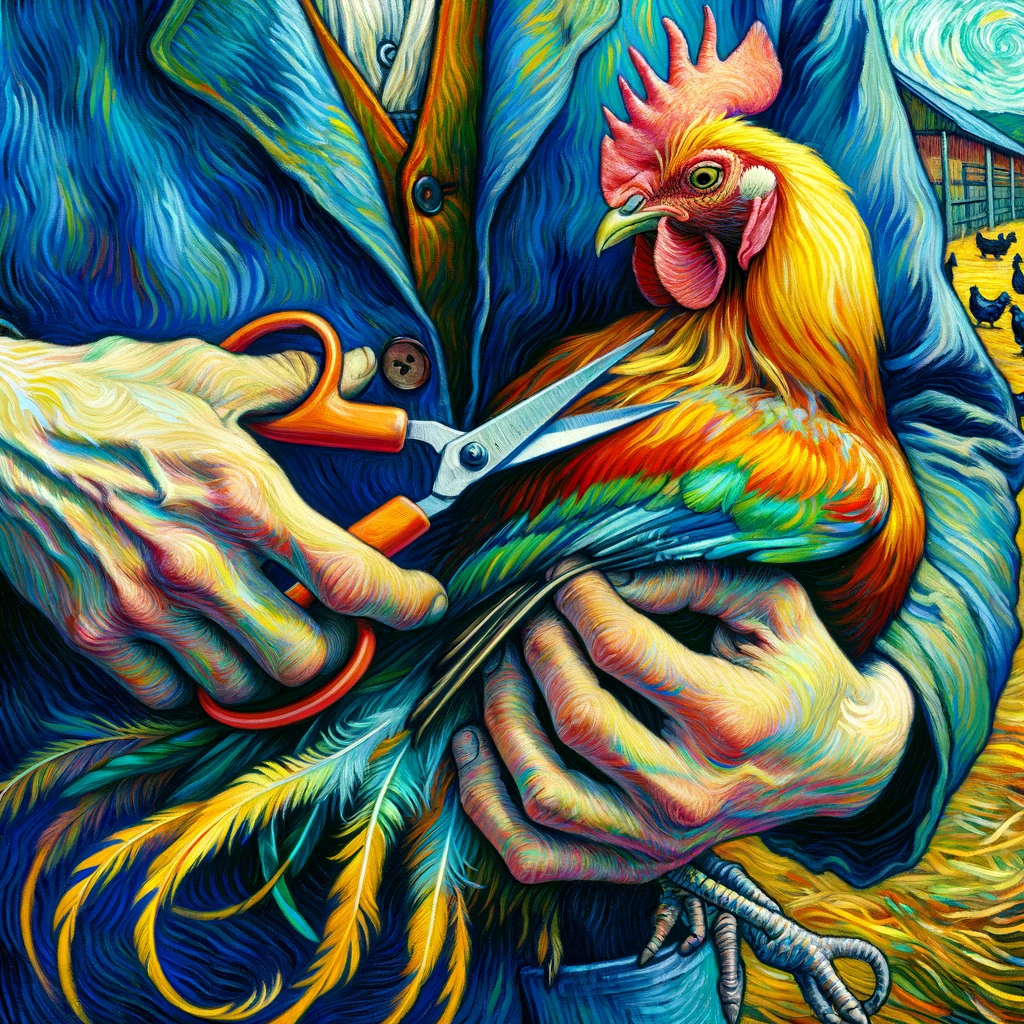
What Emotional Connections Do We Have with Our Backyard Flock?
How Does Weather Affect the Health and Happiness Of Our Chickens?
Weather plays a pivotal role in the health and happiness of our backyard chickens, shaping their lives in ways that often go unnoticed until we pause to observe. Imagine stepping outside on a brisk morning, the sun creeping over the horizon, casting soft rays upon the coop. For us, it’s a mild inconvenience to bundle up, but for our feathery friends, the weather can transform their world from a paradise of pecking and scratching to a battleground against the elements.
Chickens are remarkably resilient, yet they are sensitive souls. Extreme temperatures—whether the sweltering heat of summer or the chilling winds of winter—can significantly impact their well-being. In the deep freeze of winter, chickens can suffer from frostbite, while too much heat can lead to heat stress or worse. This isn’t just about comfort; it’s about health. Providing adequate shelter, ventilation, and shade isn’t merely a luxury; it’s a responsibility we take on as caretakers.
Think about it: a healthy chicken is a happy chicken. Their social structure thrives when they feel secure. A flock stressed by oppressive heat or unexpected storms may begin to turn on each other, pecking at their companions—not out of malice but desperation. Observing this behavior reminds us that every creature has its tipping point, and our role is to create an environment where they can flourish. Such care fosters not only healthier birds but deeper connections.
Consider the joy of a chicken clucking contentedly, sunbathing in a patch of grass or scratching around in the dirt after a gentle rain. These moments are the heartbeats of our backyard chicken experience, a reminder that our welfare as caretakers is closely linked to theirs. Their happiness can bring a sense of fulfillment and peace that seeps into our own day, creating a cycle of joy and companionship.
Therefore, as proponents of backyard chickens, we must be vigilant stewards of their environment. By monitoring the weather and responding with thoughtful care, we ensure that our feathered friends thrive. Keep an eye on the skies, feel the temperature changes, and let that inspire action. Let’s make our coops not just a shelter but a sanctuary, allowing our birds to bask in the health and joy they so richly deserve. The smiles that come from healthy chickens will reflect back to us, creating a broader sense of happiness that intertwines our lives.

How Does Weather Affect the Health and Happiness Of Our Chickens?
How Does Weather Affect the Health and Happiness Of Our Chickens?
- Weather significantly affects the health and happiness of backyard chickens.
- Chickens are resilient but sensitive to extreme temperatures, risking frostbite in winter and heat stress in summer.
- Providing adequate shelter, ventilation, and shade is essential for their well-being.
- A healthy chicken contributes to a stable social structure within the flock.
- Stressed chickens may exhibit aggressive behavior towards each other due to discomfort.
- Observing chickens in natural behaviors reinforces the bond between caretakers and their birds.
- Proactive weather monitoring and care creates a supportive environment for chickens, enhancing both their happiness and that of their owners.

How Does Weather Affect the Health and Happiness Of Our Chickens?
What Smart Technologies Can Make Chicken Care Easier and Safer?
In an age where technology is interwoven with almost every aspect of our lives, the world of chicken care has not been left behind. The humble backyard chicken, once seen as just a source of fresh eggs and a beloved family pet, is now enriched by smart technologies that transform the everyday tasks of caretaking into seamless, efficient experiences. Imagine waking up to soft clucks and the gentle rustling of feathers, knowing you’ve equipped your flock with the best tools for their health and happiness.
Picture this: a smart feeder that not only dispenses food at set times but also tracks your chickens’ eating habits. This isn’t just a convenience; it’s a game-changer. By understanding their dietary needs on an individual level, you can ensure your chickens receive the nutrition they deserve. You might not be a poultry expert, but with technology at your side, you become one. Emotional rewards abound when you see your chickens thriving, their feathers glossy and eyes bright, a direct reflection of your dedication enhanced by smart innovation.
And let’s not forget about safety. A smart coop monitoring system offers peace of mind during the dark hours of the night. Predictive alerts notify you of potential dangers, whether that be a sudden drop in temperature or an uninvited guest trying to breach your coop. This technology doesn’t just safeguard chickens; it’s a testament to your commitment as a responsible caretaker, using every tool at your disposal to ensure their well-being.
But let’s talk about the community, too. Engaging with fellow backyard chicken enthusiasts online has become simpler and more vibrant thanks to forums and social media. Sharing experiences with the aid of smart technology not only enhances your knowledge but also fosters a sense of belonging. It’s reassuring to know others are finding success with the same tools, and each story adds another layer of authenticity to your adventures in chicken keeping.
While the allure of high-tech gadgets is undeniable, the heart of this transformation lies in the connection we nurture with these creatures. Smart technologies serve as more than tools; they are an extension of your care, transforming everyday tasks into moments of joy and fulfillment. And truth be told, it’s about more than just efficiency; it’s about honoring the bond with your chickens and embracing the age-old endeavor of chicken care in a new, exciting way. After all, your backyard chickens deserve nothing but the best, and with smart technology, that’s what they’ll get.

What Smart Technologies Can Make Chicken Care Easier and Safer?
What Smart Technologies Can Make Chicken Care Easier and Safer?
- Technology enhances chicken care, transforming traditional tasks into efficient experiences.
- Smart feeders track chickens’ eating habits, ensuring they receive proper nutrition.
- Owners gain confidence and emotional rewards from seeing their chickens thrive.
- Smart coop monitoring systems provide safety through predictive alerts for potential dangers.
- Online forums and social media foster community engagement among backyard chicken enthusiasts.
- Smart technologies are more than tools; they deepen the bond between caretakers and chickens.
- The integration of tech in chicken care honors the age-old tradition in a modern, exciting way.

What Smart Technologies Can Make Chicken Care Easier and Safer?
Why Is It Important to Consider Animal Welfare In Our DIY Projects?
When embarking on DIY projects, it’s easy to focus solely on the end product—a beautifully crafted raised garden bed, perhaps, or a cozy chicken coop designed for your ever-growing flock of backyard chickens. But pause for a moment and consider what lies behind those creations. That’s where the heart, head, and gut come into play, reminding us that these projects aren’t just about aesthetics; they’re about the lives we impact, the ethics we uphold, and the communities we foster.
Picture this: you’ve constructed a charming coop for your chickens, a sanctuary that not only serves as their home but also as a space where they can thrive. These animals, with their unique personalities and simple joys, deserve more than just the bare minimum. It’s about compassionate choices that resonate. Every time we dive into these projects, we have a unique opportunity to rethink our role as caregivers. Shouldn’t we choose materials that promote a healthier, happier life for the creatures that bring us joy? The connections we forge with animals, whether feathered or furry, deepen our own experience of life. By making informed choices, we foster a more humane world.
Let’s get practical. Rising awareness around animal welfare isn’t just a trend; it’s a movement driven by the knowledge that every creature matters. As consumers, we wield an incredible amount of power. When we choose ethically sourced materials or sustainable practices, we’re not merely contributing to a project; we start a ripple effect. Others notice and follow suit, creating a community inspired by these compassionate choices. This isn’t just about the DIY moment; it’s about sculpting a future that respects living beings and our shared environment.
Moreover, consider the ethical implications—our choices reflect our values. Crafting spaces for our backyard chickens should come with the knowledge that we are responsible for their well-being. Imagine the satisfaction that comes not just from creating something beautiful, but from knowing you’ve provided a better life for your flock.
Engaging thoughtfully with animal welfare creates a bond with our environment. It reinforces a narrative that extends beyond the DIY project itself and promotes a legacy of kindness and stewardship. When animals are treated with respect and care, they thrive, and so do we. So, as you roll up your sleeves for that next project, remember: it’s more than just wood and nails; it’s about forging a brighter future for all of us, one thoughtful decision at a time.

Why Is It Important to Consider Animal Welfare In Our DIY Projects?
Why Is It Important to Consider Animal Welfare In Our DIY Projects?
- DIY projects focus not only on aesthetics but also on the impact on lives, ethics, and communities.
- Creating spaces for animals, like a chicken coop, should prioritize their well-being and happiness.
- Choosing compassionate materials enhances the quality of life for our pets and deepens our connection to them.
- Animal welfare awareness is a growing movement emphasizing that every creature matters and deserves consideration.
- Ethical choices can inspire change in our communities, initiating a ripple effect of compassionate practices.
- Crafting environments for animals reflects our values and commitment to their welfare.
- Thoughtful engagement in DIY projects fosters a legacy of kindness and stewardship towards all living beings.

Why Is It Important to Consider Animal Welfare In Our DIY Projects?
What Stories Can We Share About Our Chickens and Their Quirks?
Every backyard delivers its own story, and in the case of backyard chickens, those stories are often woven with moments of joy, laughter, and unexpected lessons. Take a moment to consider your own flock. Their personalities are as varied as any family member, and these gentle creatures can teach us about the simplicity of life if we just pause to listen.
Remember that time when one of your hens decided she was an expert escape artist? Picture the scene: a sunny afternoon, and there she goes, flapping her wings and strutting off like she owned the whole backyard. You chase after her, heart racing, laughter bubbling up as others join in, turning a mundane task into an impromptu chase scene—pure comedy gold! It’s moments like these that remind us of the quirks that make life vibrant and engaging.
These stories aren’t just for entertainment; they ignite a deeper sense of connection within our communities. Sharing tales of our chickens encourages conversations among neighbors or online forums, bringing us together over shared experiences. It doesn’t matter how sophisticated our urban lifestyles have become; a common bond exists in the laughter over a hen’s latest adventure or a rooster’s melodramatic crowing.
But there’s also an ethical dimension to consider. By nurturing these birds, we embrace our role as stewards of the land. We teach our children about responsibility, compassion, and the importance of sustainable living. This bond with our chickens compels us to reflect on our choices, urging us to act with kindness and consideration for all living beings. Each egg collected is a small triumph, a symbol of the care we pour into our feathered friends.
The stories we share about our backyard chickens transcend mere entertainment. They highlight our humanity, revealing the lessons tucked away in everyday life. Each quirky encounter is a seed planted in the minds of those we share with—an invitation to ponder, to laugh, and perhaps even to take action in their own backyards. As we gather around, recounting our tales over a cup of coffee or in the pages of a blog, we foster a comforting sense of belonging, reminding one another that life’s greatest moments often come with feathers and a little clucking.

What Stories Can We Share About Our Chickens and Their Quirks?
What Stories Can We Share About Our Chickens and Their Quirks?
- Every backyard tells its unique story, particularly with backyard chickens.
- Chickens exhibit diverse personalities, akin to family members, teaching us life’s simplicity.
- Humorous moments, like hens escaping, transform mundane tasks into joyful experiences.
- Sharing chicken stories fosters community connections and conversations among neighbors.
- Raising chickens highlights our role as stewards, teaching responsibility and sustainable living.
- The experiences with chickens invite reflection on kindness and consideration for all living beings.
- Stories of backyard chickens encourage laughter, contemplation, and a sense of belonging.

What Stories Can We Share About Our Chickens and Their Quirks?
How Do Smart Coops Influence Our Responsibilities As Chicken Owners?
When we step into the world of backyard chickens, we’re not just adopting pets; we’re embracing a lifestyle that demands stewardship. Smart coops are more than just a technological marvel; they mark a turning point in our journey as responsible chicken owners. Picture this: a cozy, self-sustaining sanctuary where your feathered friends enjoy the finest life while you relish the joy of raising them with care and dedication.
Let’s face it—caring for chickens wasn’t always straightforward. You had to worry about predators, temperatures, and the ever-looming threat of disease. Smart coops shift that paradigm. They come equipped with automated monitoring systems, temperature regulation, and in some cases, even integrated feeding solutions. Suddenly, our responsibilities feel less overwhelming. Within those walls, we find a partnership that grants us more than convenience; it instills confidence.
Now, think about the emotional bond you’re forging. Each cluck, each curious head tilt as they stare at you through the coop’s window, showcases their trust in you. That bond is sacred. You’re not just a caretaker; you’re their protector, giving them a safe haven. With smart technology ensuring their well-being, you can spend less time worrying and more time fostering that relationship. Your connection deepens, and you’re even more invested in their lives.
Also, consider the ethical dimensions of ownership. With better technology, we can provide the best possible care for our chickens. This isn’t merely a personal responsibility; it’s a commitment to the larger community of animal lovers. By choosing smart coops, we align ourselves with a movement that prioritizes animal welfare.
Let’s not forget our social responsibility. By sharing our experiences with friends and fellow chicken enthusiasts, we elevate our collective understanding of intelligent animal husbandry. Imagining neighbors raising their own backyard chickens, equipped with similar tools, fosters a culture of care and learning.
We have a powerful opportunity at our fingertips—an opportunity to not just be chicken owners, but ambassadors of a new way of life. As we embrace smart coops, we are inspired to take meaningful action, enhancing the lives of our chickens and rekindling our connection to the greater natural world. Let’s step up to the plate. Our backyard chickens deserve it.

How Do Smart Coops Influence Our Responsibilities As Chicken Owners?
How Do Smart Coops Influence Our Responsibilities As Chicken Owners?
- Adopting backyard chickens involves embracing a lifestyle of stewardship.
- Smart coops enhance responsible chicken ownership with technology and automation.
- They provide solutions for monitoring, temperature regulation, and feeding, easing caretaking responsibilities.
- A strong emotional bond develops between owners and chickens, nurturing trust and connection.
- Smart technology ensures better care and aligns with a commitment to animal welfare within the community.
- Sharing experiences promotes collective understanding of animal husbandry among neighbors and enthusiasts.
- Embracing smart coops allows owners to become ambassadors for a compassionate approach to chicken care.

How Do Smart Coops Influence Our Responsibilities As Chicken Owners?
How Can We Balance Innovation and Tradition In Poultry Farming?
In our quest to modernize poultry farming, we must remember the roots that nourish this age-old practice. Imagine your grandparents, knee-deep in the rich earth of their backyard gardens, raising chickens with a sense of pride, knowing every feathered friend contributed to their family’s table. This connection transcends generations, where the act of farming becomes more than just a livelihood; it is a legacy.
Yet, as innovation swoops in, like a hawk eyeing a hen, we often grapple with the temptation to trade in our traditions for shiny new technologies. Yes, automation and advanced genetic research promise efficiency and higher yield. But lurking beneath the slick sheen of modernity is a truth we cannot ignore: many consumers still yearn for authenticity. Enter the phenomenon of backyard chickens. These feathered companions symbolize a return to the grassroots of poultry farming—where care, community, and culinary delight intersect.
Let’s consider the reality: a world driven by bigger is better overlooks the ethical responsibilities we owe the animals we raise. There’s a delicate balance here, an ethical equilibrium that speaks to our hearts and gut instincts. Our chickens deserve to see the sun and stretch their wings, and our customers deserve to know their food could come from a place of integrity. Innovation should enhance, not replace, the values that keep us grounded.
Think about it. How many people in your circle have shared experiences with farming—whether through visiting a local farm, raising chickens in their backyards, or simply supporting their nearby farmers’ market? Each story wraps us into a collective narrative that empowers not just the farmer but the entire community. By incorporating innovative practices—such as renewable energy sources, sustainable feed, or precision farming—we can enhance the life of our poultry without losing the heart of what we do.
Balancing innovation and tradition isn’t about choosing sides; it’s about weaving them together into a tapestry that respects our past while boldly facing the future. The whispers of tradition fill our hearts, while the promises of innovation ignite our minds, but real transformation happens when we engage our guts, prioritizing what makes sense for our families, our communities, and our planet. So as we look to the horizon, let’s ensure that every innovation honors the legacy it stands upon; after all, the clucking of chickens isn’t just noise—it’s the sound of our shared humanity.

How Can We Balance Innovation and Tradition In Poultry Farming?
How Can We Balance Innovation and Tradition In Poultry Farming?
- Poultry farming is deeply rooted in tradition and family legacy, symbolized by practices from previous generations.
- As technology advances, there is a temptation to prioritize modern innovations over traditional practices.
- Many consumers still prefer authentic, traditional farming methods, as seen in the popularity of backyard chickens.
- Ethical considerations should guide modern poultry farming, ensuring chickens have quality of life and consumers know their food is responsibly sourced.
- Shared farming experiences within the community enhance connections between farmers and consumers.
- Integrating sustainable practices like renewable energy and precision farming can improve poultry life while honoring traditional values.
- The ideal future in poultry farming respects both tradition and innovation, fostering a harmonious balance that benefits families and communities.

How Can We Balance Innovation and Tradition In Poultry Farming?
Conclusion
Picture this: You step into your backyard at dawn, greeted by the softly clucking chorus of your chickens, each one a vibrant thread in the rich tapestry of your daily life. This isn’t just about raising birds; it’s a commitment to nurturing life, embracing responsibility, and weaving technology into our farming traditions. As we explore the intersection of artificial intelligence and the age-old practice of chicken-keeping, a powerful narrative unfolds—one that speaks to the heart, head, and gut.
At its core, this journey is about emotional connections. Our chickens become family members, their clucks and struts intertwining with our routines. A child rushing to greet them isn’t just participating in a hobby; they’re learning life lessons about care and responsibility, creating lifelong memories in the nurturing environment that a smart coop provides. These high-tech coops, imbued with sensors and automation, measured against the unpredictable fabric of nature, transform our relationships with these animals. No longer mere caretakers, we transition into guardians; the happier and healthier our chickens are, the more we thrive emotionally.
On a rational level, integrating smart technology into chicken care isn’t simply convenient; it embodies a logical commitment to sustainability. Smart coops help us manage resources efficiently, reducing waste while keeping our feathered companions safe and comfortable. It’s a direct pipeline to better animal welfare standards—a progressive move embraced not just as a trend but as a moral responsibility to our planet and future generations.
Then there’s the broader social context. The DIY spirit is alive and well, driving innovation in communities across the nation. Sharing experiences with fellow chicken enthusiasts—exchanging tips, successes, and even missteps—builds camaraderie and fosters a strong sense of community. In today’s busy world, these shared stories of our backyard flocks forge connections that span neighborhoods and social media, creating a supportive network of passionate animal lovers.
As we embrace the journey of raising chickens in a smart, ethical, and sustainable manner, we subtly champion a movement that resonates far beyond our backyards. The lessons, the laughter, the little quirks of our chickens remind us of our humanity—even as we adopt innovations that elevate our stewardship. We stand at the crossroads of tradition and technology, equipped with the tools to not only enhance our flocks’ welfare but to redefine what it means to care. Together, we’re not merely constructing coops; we’re building a narrative grounded in compassion, innovation, and shared joy, shaping a brighter future for ourselves and the generations of backyard farmers to come.

Conclusion
Conclusion:
- Raising chickens is about nurturing life, responsibility, and integrating technology into farming traditions.
- Chickens become family members, providing emotional connections and teaching invaluable life lessons.
- Smart coops equipped with sensors and automation change the dynamics of chicken care, allowing for better animal welfare.
- Integrating smart technology promotes sustainability by managing resources efficiently and reducing waste.
- The DIY spirit among chicken enthusiasts fosters community through sharing experiences and connecting over common interests.
- Raising chickens ethically and sustainably contributes to a broader movement focused on compassion and innovation.
- This journey redefines stewardship, emphasizing the importance of emotional bonds and shared joy in backyard farming.

Conclusion
Other Resources

Other Resources
Here is a list of other resources you can review online to learn more:
- broiler feed
- Visceral Leukosis
- New Hampshire
- Silver Laced Wyandotte
- Capillaria
- Red Sex Link
- Colibacillosis
- Quail Disease
- cats
- Barnevelder
- Tapeworms
- Dorking
- layer feed
- Coliform Infection
- Fowl Typhoid
- raccoons
- Barbu d’Uccle
- Sebright
Use This Prompt To Get More Resources With Your Favorite Online AI Tool: Please provide me with a list of online articles with their URLs in a bulleted list that I can read regarding When AI Meets DIY – Smart Coops That React to the Weather

Other Resources
Glossary Terms
When AI Meets DIY – Smart Coops That React to the Weather – Glossary Of Terms
1. AI (Artificial Intelligence): Technology enabling machines to simulate human intelligence and perform tasks like learning, decision making, and problem-solving.
2. DIY (Do-It-Yourself): The practice of creating or repairing things independently, often for personal use or enjoyment.
3. Smart Coop: A poultry housing structure equipped with automated features and monitoring systems that enhance bird welfare and management.
4. Weather Sensors: Devices that collect data on environmental conditions, such as temperature, humidity, and precipitation, often used in smart coops to adapt operation.
5. Automated Ventilation: A system that adjusts airflow within a coop based on environmental conditions to maintain optimal air quality for poultry.
6. Temperature Control: Mechanisms that regulate the internal temperature of the coop, ensuring a comfortable environment for chickens, regardless of external weather.
7. Humidity Monitoring: The process of tracking moisture levels in the coop to prevent growth of mold and ensure chicken health.
8. Feeding Automation: Systems that dispense feed automatically based on predetermined schedules or chicken activity to optimize feeding efficiency.
9. Watering System: Automated equipment designed to provide fresh water to poultry, often adjusted based on weather conditions and usage patterns.
10. Predator Deterrents: Technologies or methods used to protect birds from potential threats such as raccoons, foxes, or birds of prey.
11. Smartphone Integration: The capability for coop systems to be controlled or monitored via mobile applications, allowing for remote management.
12. Data Logging: The continuous recording of environmental data from sensors to analyze and improve coop conditions over time.
13. Machine Learning: Subset of AI that involves algorithms that improve automatically through experience and data analysis, enhancing coop systems’ responses to changing conditions.
14. Microcontrollers: Small computing devices used in smart coop systems to execute programmed tasks, controlling devices like fans and lights.
15. IoT (Internet of Things): Network of interconnected devices that communicate and exchange data, crucial for the functionality of smart coops.
16. Alerts and Notifications: Automated messages sent to users regarding coop conditions or required actions, ensuring proactive management.
17. Energy Efficiency: The use of systems within the coop designed to minimize energy consumption while maintaining functionality and comfort for birds.
18. Feedback Loop: A system where outputs are fed back into the input to adjust performance, used in smart coops to optimize reactions to environmental changes.
19. Animal Welfare: The consideration of the physical and psychological needs of animals, influencing the design and operation of smart coops.
20. Control Algorithms: Mathematical formulations used to dictate the behavior of smart coop systems, determining how to react to various data inputs.
21. Predictive Analytics: Techniques that utilize historical data to forecast future conditions, helping in planning coop management strategies.
22. Remote Monitoring: The capability to observe coop conditions and system performance from a distance, commonly through digital platforms.
23. Climate Adaptation: Adjustments to coop designs or operations to accommodate changing weather patterns and maintain optimal bird health.
24. Biosecurity Measures: Practices implemented within the coop to prevent disease, particularly important for maintaining poultry health.
25. Sustainability: The incorporation of environmentally-friendly practices in coop design and operation, such as solar energy use.
26. User Interface (UI): The means through which users interact with the coop’s monitoring and control systems, emphasizing ease of use.
27. Smart Sensors: Advanced devices capable of detecting and responding to environmental conditions automatically within the coop.
28. Data Analytics: The process of examining and interpreting collected data to enhance decision-making and system performance in smart coops.
29. Integration: The seamless coordination between different technologies and systems within a smart coop, ensuring efficient operation and management.
30. Ecosystem Management: The holistic approach to managing the environmental interactions among coop systems, wildlife, and design elements for optimal efficiency and sustainability.

Glossary Of Terms
Other Questions
When AI Meets DIY – Smart Coops That React to the Weather – Other Questions
If you wish to explore and discover more, consider looking for answers to these questions:
- What are the benefits of using smart coops compared to traditional chicken coops?
- How can I build my own smart chicken coop?
- What types of sensors or technologies are commonly used in smart coops?
- Are there specific brands or products recommended for chicken care automation?
- How do I ensure the emotional well-being of my chickens?
- What are some DIY tips for enhancing chicken coop comfort?
- Can smart coops help with reducing chicken health issues?
- What environmental impacts do smart coops have on sustainable farming?
- How can I introduce my children to chicken care responsibly?
- What are some common challenges faced when integrating technology into chicken farming?
- How does the local community perceive smart chicken farming initiatives?
- What are some fun activities to engage with my chickens?
- How can I share my chicken stories with others effectively?
- What are best practices for monitoring chicken health using technology?
- How can we educate others about animal welfare in DIY projects?

Other Questions

Poem
When AI Meets DIY – Smart Coops That React to the Weather – A Poem
In morning light, a coop awaits,
Where clucks and laughter fill the gates.
Chickens roost in safety’s arms,
Smart coops shield from nature’s harms.
A tender bond we weave each day,
Learning love in gentle play.
Through storms that rage or sun that glows,
A guardian’s care, the heart that knows.
Innovation meets the humble nest,
Sensors, tech—their lives expressed.
With kindness sown in every choice,
We echo nature’s enduring voice.
From egg to feather, each tale unfolds,
In shared laughter, our community holds,
Stories of quirks, of joy unbending,
In our hearts, a farm’s life blending.
Welfare matters; we forge our way,
In DIY dreams that guide our play.
As stewards of life, we rise and strive,
For healthier pastures, together we thrive.
So let us balance what’s tried and new,
In every hen, a legacy true.
With open arms and mindful hearts,
Together we weave, as nature imparts.

Poem
Checklist
When AI Meets DIY – Smart Coops That React to the Weather – A Checklist
Checklist: Embracing Smart Coops with Heart, Head, and Gut
Emotional Appeals:
_____ Reflect on your personal connection with your chickens; how do they enrich your life?
_____ Document joyful moments or unique quirks of your flock to share with friends and family.
_____ Consider how caring for chickens teaches responsibility to children or younger family members.
Rational Appeals:
_____ Evaluate the benefits of smart technology in enhancing the comfort and health of your chickens.
_____ Analyze cost savings from energy-efficient designs and optimized care practices.
_____ Investigate the impact of weather on chicken health and how smart coops mitigate risks.
Ethical Appeals:
_____ Pledge to use ethically sourced materials for your coop and related DIY projects.
_____ Reflect on how your chicken-keeping practices affect local ecosystems and animal welfare.
_____ Share your commitment to sustainability with your community to inspire others.
Authority Appeals:
_____ Research reputable sources and innovators in poultry care and smart coop technology.
_____ Attend workshops or join online forums to enhance your understanding of chicken care.
_____ Consult with experienced chicken-keepers to gather insights and best practices.
Narrative Appeals:
_____ Write a short story or account of your experiences with backyard chickens.
_____ Collect and share anecdotes from other chicken owners in your community.
_____ Create an engaging blog or social media profile documenting your journey with smart coops.
Social Appeals:
_____ Organize local meetups or gatherings with fellow chicken enthusiasts to exchange ideas.
_____ Share your smart coop experiences on social media to foster a sense of community.
_____ Invite friends or neighbors to visit your coop and share in the joy of chicken-keeping.
Practical Actions:
_____ Make a list of essential features to consider when designing or upgrading a smart coop.
_____ Set a timeline for implementing smart technologies in your chicken care routine.
_____ Identify local resources, like workshops or suppliers, for sustainable building materials and smart technology.

Checklist
At BackyardChickenNews, we help people who want to raise backyard chickens by collating information and news blended with our own personal experiences.
Be sure to read our other related stories at BackyardChickenNews to learn more about raising chickens in your backyard.