

Feathered Friends: A Holistic Pet Choice For Growing Families
By Tom Seest
At BackyardChickenNews, we help people who want to raise backyard chickens by collating information and news blended with our own personal experiences.
Be sure to read our other related stories at BackyardChickenNews to learn more about raising chickens in your backyard.
Why Backyard Chickens Might Be the Best Pet for Growing Families
When you think about pets for your growing family, the usual suspects come to mind—dogs and cats, maybe even a hamster or two. But let’s pause for a moment and look beyond the conventional. Enter the world of Backyard Chickens. These feathery wonders are not just egg-laying machines; they’re your ticket to a deeper connection with nature, family bonding, and a pinch of responsibility sprinkled in for good measure.
Imagine this: Saturday morning, the kids bundle out of bed, still in their pajamas, and rush outside to visit their feathered friends. Laughter fills the air as they scatter feed and watch the chickens hustle about, each bird distinct with its own quirky personality. There’s an undeniable joy that emanates from nurturing a living creature. It’s the kind of joy that draws you closer together as a family—a shared experience that can’t be replicated with a video game or a movie night. This simple act of caring fosters empathy and responsibility in young hearts, teaching them the value of life.
Now, let’s talk practical. Raising Backyard Chickens isn’t just good for the soul; it’s good for the family budget too. Fresh eggs can translate into significant savings over time, providing a steady supply of those golden breakfasts and endless baking possibilities. And let’s not forget the ultimate satisfaction of knowing where your food comes from. It’s about embracing a sustainable lifestyle in a world that often feels disconnected from the origins of our meals.
Ethically speaking, there’s something rewarding about giving these animals a loving home. Many chickens are rescued from less-than-ideal situations, and your backyard can be their sanctuary. This act of kindness resonates with family values and teaches children the importance of compassion and stewardship.
Socially, owning Backyard Chickens can open up new avenues for community engagement. Your backyard becomes a conversation starter—a unique drawing point at neighborhood gatherings where friends and neighbors marvel at your mini farm. A delightful connection that encourages sharing stories, tips, and maybe even the surplus of eggs you’ll inevitably have.
So why not take the plunge? Embrace the mess and the love. Bringing Backyard Chickens into your family’s life could very well be the best decision you ever make. Dive in, and watch as your familial bonds strengthen and your hearts grow full—one cluck at a time.

Why Backyard Chickens Might Be the Best Pet for Growing Families
Why Backyard Chickens Might Be the Best Pet for Growing Families
- Backyard Chickens offer more than just eggs; they’re a way to connect with nature and strengthen family bonds.
- Children can enjoy interacting with the chickens, fostering laughter and a sense of responsibility.
- Caring for chickens teaches children empathy and the value of nurturing living beings.
- Raising chickens can lead to significant savings on fresh eggs, supporting a sustainable lifestyle.
- Giving chickens a loving home promotes family values and compassion, particularly for rescued animals.
- Owning chickens can enhance community engagement and create opportunities for social interactions.
- Adding Backyard Chickens can enrich family life, creating lasting memories and joy.

Why Backyard Chickens Might Be the Best Pet for Growing Families
Table Of Contents
- Why Backyard Chickens Might Be the Best Pet for Growing Families
- What Joy Do You Think Chickens Can Bring to Your Family Life?
- How Can Raising Chickens Teach Valuable Life Lessons to Your Kids?
- What Ethical Responsibility Comes with Caring for Living Animals?
- How Do Backyard Chickens Enhance Your Connection to Nature At Home?
- What Health Benefits Do Eggs From Backyard Chickens Provide?
- How Can Having Chickens Strengthen Family Bonds and Teamwork?
- What Stories Could You Share About Caring for Your Backyard Flock?
- Conclusion
- Other Resources
- Glossary Of Terms
- Other Questions
- Haiku
- Poem
- Checklist
What Joy Do You Think Chickens Can Bring to Your Family Life?
What joy do you think chickens can bring to your family life? Imagine stepping into your backyard and being greeted by a chorus of soft clucks and rustling feathers—your very own feathered crew, those backyard chickens, welcoming you into their world. These little beings are not just livestock; they’re vehicles of joy, connection, and life lessons that go way beyond eggs.
There’s something profoundly satisfying about the simple act of caring for these creatures. You, your partner, and your kids can share a daily routine that fosters responsibilities and nurtures empathy. Picture your child laughing as they scatter feed, the birds flocking to them in a flurry of flapping and pecking. That bonding moment reinforces lessons about compassion and stewardship. It’s not just chicken farming; it’s family farming.
Now, let’s talk details: rationally, raising chickens is an example of sustainable living. According to various studies, backyard coops can reduce family food waste through leftovers and provide nutrient-rich eggs, cutting down on grocery bills while assuring you know where your food comes from. Ethically, you’ll be fostering a more humane lifestyle. No factory farms here—just a family farm vibe where you control the care and welfare of your birds.
But it’s not just about the head and the heart; it’s about the gut, too. Imagine the joy of waking up to collect fresh eggs every morning, enjoying breakfast made with ingredients you’ve nurtured. Those eggs are not just breakfast; they’re a tactile symbol of hard work and involvement. Sharing your eggs with neighbors or friends cultivates community and ignites conversations. Your backyard becomes a hub, a place where stories are shared between generations about the chickens that laid those eggs.
And let’s address that intangible sense of authority that comes from nurturing. When you take on the responsibility of raising chickens, you gain skills that empower you and your family. You become resourceful, problem-solvers navigating the inevitable challenges of backyard farming—from the right coop design to dealing with an overzealous rooster.
Embracing backyard chickens is about more than just eggs; it’s an invitation to deepen family bonds, learn by doing, and embrace the messiness of life together. So, why not bring a little feathered joy into your life? It might just take your family experiences to a whole new level.

What Joy Do You Think Chickens Can Bring to Your Family Life?
What Joy Do You Think Chickens Can Bring to Your Family Life?
- Chickens bring joy, connection, and life lessons beyond just egg production.
- Caring for chickens fosters family responsibilities and empathy through shared routines.
- Children learn compassion and stewardship while actively participating in chicken care.
- Raising backyard chickens promotes sustainable living and reduces family food waste.
- Fresh eggs provide a rewarding experience and a deeper connection to food sources.
- Sharing eggs with neighbors enhances community bonds and facilitates storytelling.
- Nurturing chickens empowers families with problem-solving skills and resourcefulness.

What Joy Do You Think Chickens Can Bring to Your Family Life?
How Can Raising Chickens Teach Valuable Life Lessons to Your Kids?
Raising backyard chickens is more than just an exercise in self-sustainability; it’s a rite of passage that can teach kids lessons that will echo throughout their lives. Imagine the scene: your kids, wild-eyed with joy, dashing out to the coop with a bucket of feed, laughter mingling with the clucking of excited hens. In these moments, they’re not just caring for chickens; they’re learning responsibility.
Let’s be honest—those little critters don’t care about your schedule. If you forget to feed them, they’ll let you know. This constant need for attention cultivates a sense of accountability. Kids are taught that every being—no matter how small—has needs. What better way to grasp the weight of responsibility than through the eyes of a tiny feathered friend? They learn to prioritize tasks and think beyond themselves. And there’s something inherently ethical about nurturing life. It instills a respect for the natural world, encouraging empathy and compassion. Kids will learn that every action has a consequence, be it the joy of collecting fresh eggs or the somber realizations of life and loss.
Moreover, the benefits go beyond the emotional. Raising backyard chickens promotes critical thinking. Want to boost egg production? Your child might dive into research, experimenting with feed, bedding, or coop design. They’ll become mini-entrepreneurs, too—maybe starting a side hustle selling eggs to neighbors. This sparks creativity, problem-solving skills, and a little entrepreneurial spirit that will serve them well in life.
And let’s not overlook the social aspect. Imagine the impromptu gatherings with friends who come over, drawn by the allure of chicken feeding. Kids learn about community, sharing resources, and the simple joy of friendship in the quiet moments spent together around the coop. As they talk about their feathered pets, they engage their peers in conversations rooted in experiences that are tangible and real.
Finally, when kids get their hands dirty—feeding, tending, or simply observing—the world around them becomes a classroom. Each cluck, peck, and plump feather tells a story and imparts wisdom. They’ll carry these lessons into adulthood, becoming more mindful stewards of the earth and advocates for kindness. So, if you’re looking for a way to inspire your child’s growth, consider introducing them to the world of backyard chickens. It just might teach them more than you could have ever imagined.

How Can Raising Chickens Teach Valuable Life Lessons to Your Kids?
How Can Raising Chickens Teach Valuable Life Lessons to Your Kids?
- Raising backyard chickens teaches kids valuable life lessons about responsibility and accountability.
- Kids learn importance of meeting the needs of living beings, cultivating empathy and compassion.
- Experiencing life and loss through chickens instills a respect for nature and its cycles.
- Challenges like boosting egg production encourage critical thinking and research skills.
- Kids can develop entrepreneurial skills by selling eggs to neighbors.
- Engaging with friends around the coop fosters community and social interaction.
- Hands-on experiences with chickens provide real-world learning and inspire stewardship of the earth.

How Can Raising Chickens Teach Valuable Life Lessons to Your Kids?
What Ethical Responsibility Comes with Caring for Living Animals?
When we take on the responsibility of caring for living animals, the stakes rise higher than just feeding or sheltering them. It’s a commitment echoed in the rustling of feathers during those early mornings when you greet your backyard chickens. Watching them roam freely, you become aware that every act of care shapes their lives and, in turn, our own. There’s something deeply fulfilling about nurturing these vibrant creatures, something that connects us to the cycle of life.
Ethically, we owe it to them—these sentient beings—to provide a life that’s not just about survival but thriving. Every chicken has a story, a personality. They deserve the respect we grant our closest friends. Consider that the average lifespan of a backyard chicken can stretch to a decade or more. That’s a long-term investment in another life. It’s a pledge to feed them nourishing food, ensuring they have space to express their natural behaviors, and safeguarding them from harm.
Rationally, let’s think for a moment about the benefits. Chickens can transform kitchen scraps into rich eggs, while their droppings feed your garden. It’s a reciprocal relationship that not only contributes to a sustainable lifestyle but also emphasizes the interconnectedness of all living beings. When we nurture our chickens, we’re actively participating in a cycle that extends far beyond our backyards.
Emotional connections run deep here as well. Have you ever witnessed the joy in your children’s eyes as they gather eggs, each one a token of their hard work and dedication? Or the thrill of a chicken that follows you around the yard, looking for a kind word or a tasty treat? Those small moments forge bonds that nurture empathy and compassion—a foundation for a kinder world.
And it’s not just about individual acts of care; it extends to community consciousness. When you decide to care for chickens, you’re taking a stand for responsible pet ownership, challenging others to re-evaluate how they treat animals, and fostering a culture where consideration for living beings flourishes.
So, as you contemplate whether to embrace these feathered companions, remember: it’s about more than just the eggs. It’s about the responsibility, the laughter, the connection to nature, and the drive to be better stewards of the lives we choose to nurture. Your backyard chickens aren’t just pets; they’re part of a movement towards ethical responsibility in our treatment of all animals.

What Ethical Responsibility Comes with Caring for Living Animals?
What Ethical Responsibility Comes with Caring for Living Animals?
- Caring for living animals goes beyond just feeding and sheltering; it’s a significant commitment.
- Every act of care for animals shapes both their lives and our own, connecting us to the cycle of life.
- Ethically, we owe it to animals like chickens to provide them not just survival, but a thriving life.
- Each chicken has its own personality and deserves the same respect we offer our closest friends.
- Chickens benefit us by turning kitchen scraps into eggs and their droppings into garden fertilizer.
- Emotional bonds formed with chickens can nurture empathy and compassion, impacting our children positively.
- Caring for chickens promotes responsible pet ownership and fosters community awareness about ethical treatment of animals.
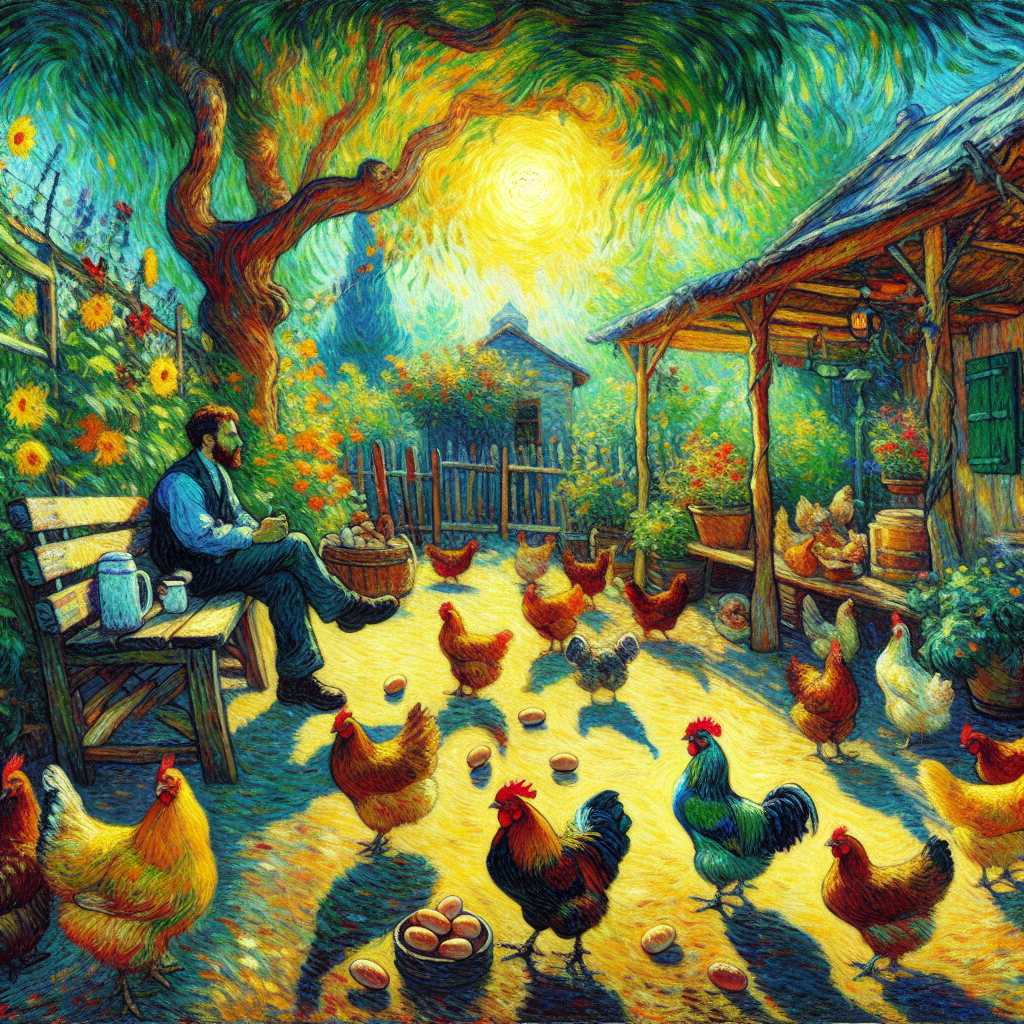
What Ethical Responsibility Comes with Caring for Living Animals?
How Do Backyard Chickens Enhance Your Connection to Nature At Home?
There’s something wonderfully grounding about the presence of backyard chickens, a little slice of nature right outside your door. Imagine stepping into your backyard, the soft clucks of your feathery friends greeting you like an old pal. They draw you out of your routine, away from the relentless buzz of technology, and into the simplicity of the here and now. With every handful of feed you toss, you’re not just feeding animals; you’re nurturing a piece of the earth, and in turn, transforming your own space into a vibrant microcosm of life.
The slow, methodical rhythm of chicken care—waking early to check for fresh eggs, filling the waterer, and just watching them scratch the ground—can provide a much-needed antidote to modern life’s frenetic pace. Connecting these small creatures to your daily routine taps into an ancient relationship between humans and animals, reinforcing our role in the ecosystem. This relationship is more than sentimental; it’s an ethical commitment to stewardship and responsibility. Raised with care, your backyard chickens can offer you organic eggs and a stronger bond to the environment. It’s a circle of life, where inquiry meets investment—a process that enriches both the bird and the human.
Now, I’ll tell you a little story: A neighbor, a busy working professional, took the plunge into backyard chickens. Initially, he saw them as a novelty, but soon, his perception transformed. As seasons changed, he watched his hens forage, their feathers ruffled by the wind, and he learned the complexities of their behaviors and needs. This newly found understanding fueled not just his connection to nature, but also insights into his own life. Each day brought a myriad of lessons—patience, consistency, and the importance of nurturing. That simple act of feeding chickens became his reminder that life is not merely about productivity or output; it’s about connection.
There’s also the social aspect. In sharing your chicken tales or exchanging eggs with neighbors, you forge community bonds, spinning stories and experiences that enrich your lives and those around you. In reclaiming a piece of nature at home, we find warmth and a sense of belonging. Backyard chickens can enhance your connection to nature, and in doing so, they remind us what it means to be truly alive. So, prance on out there, roll up those sleeves, and embrace the raw, heartening elements of life that only come from engaging with the world around you.

How Do Backyard Chickens Enhance Your Connection to Nature At Home?
How Do Backyard Chickens Enhance Your Connection to Nature At Home?
- Backyard chickens provide a grounding experience and connect you with nature right at home.
- They help you step away from technology and embrace simplicity.
- Caring for chickens fosters a nurturing relationship with the earth and enhances your living space.
- The rhythm of chicken care acts as a remedy for the fast pace of modern life.
- Raising chickens reflects a commitment to ethical stewardship and reinforces human-animal connections.
- A neighbor’s experience illustrates the personal growth and life lessons gained from chicken care.
- Sharing chicken experiences with neighbors fosters community bonds and enriches social connections.

How Do Backyard Chickens Enhance Your Connection to Nature At Home?
What Health Benefits Do Eggs From Backyard Chickens Provide?
When you think of eggs from backyard chickens, what comes to mind? For many, it’s not just breakfast—it’s a story, a lifestyle, and a connection to something more meaningful. Let’s crack open the shell of what these little treasure troves of nutrition provide.
First off, let’s engage the head. Eggs from your own flock have superior nutritional profiles when compared to mass-produced counterparts. They’re often richer in omega-3 fatty acids because the chickens are feasting on a diverse diet full of greens, bugs, and kitchen scraps. This means you’re not just getting a tasty breakfast; you’re giving your body a powerhouse of nutrients that support heart health and overall well-being. Studies indicate that consuming higher omega-3s can improve mood and cognitive function, sharpening your mind as you conquer the day.
Now, let’s talk about the gut. The probiotics from a happy chicken’s diet enrich the yolks, which means you’re getting gut-friendly benefits right from your plate. A backyard chicken’s eggs promote healthy digestive systems, aiding in everything from digestion to nutrient absorption. Plus, they’re free from the antibiotics and hormones often found in commercial options, allowing you to nourish your body without compromise.
Emotionally, there’s a connection that comes with backyard chickens. You form a bond with these feathery friends, who thrive in an environment you create. As you tend to their needs, you’re not just raising chickens; you’re nurturing life. Each time you collect that warm, fresh egg, you’re reminded of the effort and care that went into it—making every meal an act of gratitude and intention.
Ethically, supporting local food systems and sustainable practices is a conscious choice that resonates today. You’re reducing your carbon footprint, avoiding processed foods, and choosing humane treatment for animals. With backyard chickens, you’re taking a stand for food quality and ethical eating—offerings that echo with responsibility and heart.
Finally, consider the stories shared over meals. How often have families gathered around the breakfast table, sharing laughter and memories? Eggs from backyard chickens can spark those connections, fostering community and gathering around the simple joy of shared meals.
So, here’s the challenge: why not take the plunge? Invest in a few backyard chickens and witness firsthand the profound changes they bring—not just to your diet but to your life. It’s more than food; it’s a lifestyle brimming with benefits for your body, soul, and community. Let’s embrace these little wonders, one egg at a time.

What Health Benefits Do Eggs From Backyard Chickens Provide?
What Health Benefits Do Eggs From Backyard Chickens Provide?
- Backyard chicken eggs offer a meaningful connection, embodying lifestyle and nutrition.
- They have superior nutritional profiles, often richer in omega-3 fatty acids due to a varied diet.
- Higher omega-3 consumption is linked to improved mood and cognitive function.
- Probiotics from backyard chicken diets contribute to gut health, aiding digestion and nutrient absorption.
- Supporting local food systems and sustainable practices reduces carbon footprints and promotes humane animal treatment.
- Backyard chickens foster emotional bonds, turning egg collection into an act of gratitude.
- Sharing meals made with backyard eggs strengthens community connections and family traditions.

What Health Benefits Do Eggs From Backyard Chickens Provide?
How Can Having Chickens Strengthen Family Bonds and Teamwork?
Raising backyard chickens isn’t just about fresh eggs or a cute pet—it’s a journey that can weave stronger threads through the fabric of family life. Picture this: on a sunny Saturday morning, the family gathers not around a screen but in the backyard, armed with feed buckets and a shared sense of purpose. The joyous clucking of the hens invites laughter, transforms chores into play, and instills a sense of teamwork that the hustle and bustle of daily life often overlooks.
From young ones learning to care for the hens to parents modeling responsibility, every moment spent tending to those feathery companions fosters connection. Kids experience a tangible sense of achievement when they collect eggs or learn to soothe a nervous chick—small but impactful victories that boost their confidence and build self-esteem. It’s these lessons of care and commitment that later ripple into the larger world, teaching valuable life skills like empathy, collaboration, and resilience.
Moreover, working together to create a safe, nurturing environment for the chickens encourages family dialogue and bonding. Each chore becomes not just a task but a conversation starter—a chance to share ideas, pass down stories, or simply engage in light-hearted banter. This interaction deepens relationships, turning daily rituals into shared adventures that draw family members closer, creating memories that last far longer than the backyard fence.
But let’s not forget the ethical dimension of raising backyard chickens. Understanding where food comes from nurtures a sense of responsibility towards nature and sustainability. It opens the door for discussions about animal welfare, food choices, and the environment—conversations that are vital for shaping conscientious future generations. When children witness firsthand the lifecycle of their food, they tend to develop a more respectful and mindful attitude towards it, unearthing values that extend well beyond the coop.
As families watch their chickens flourish, something special unfolds. They become a part of a larger community that values shared experiences, be it through trading eggs with neighbors or learning tips at local poultry fairs. Each interaction deepens their roots, fostering collaboration in their community and inspiring a legacy of connection and teamwork. Raising backyard chickens isn’t just a hobby; it’s a testament to what can be achieved when we work together—turning simple tasks into profound moments that resonate through generations.

How Can Having Chickens Strengthen Family Bonds and Teamwork?
How Can Having Chickens Strengthen Family Bonds and Teamwork?
- Raising backyard chickens fosters stronger family connections through shared activities.
- Family members participate in chicken care, turning chores into enjoyable, collaborative experiences.
- Children gain confidence and self-esteem by successfully caring for and interacting with hens.
- Chores provide opportunities for family dialogue, bonding, and sharing stories.
- Raising chickens teaches kids responsibility, empathy, and respect for food and nature.
- Families engage with their community by trading eggs and participating in local poultry events.
- The experience of raising chickens instills teamwork and lasting values across generations.

How Can Having Chickens Strengthen Family Bonds and Teamwork?
What Stories Could You Share About Caring for Your Backyard Flock?
What stories could you share about caring for your backyard flock? Ah, the joy and challenges of keeping backyard chickens. In this world where technology often isolates us, there’s something inherently grounding about tending to a flock that clucks and scratches in your own backyard. These feathered friends are more than just adorable companions; they are teachable moments, a mirror reflecting life’s simplest but profound lessons.
Start with the early mornings—there’s something almost ritualistic about walking outside to greet your flock. You can feel the chill in the air, and in that moment, you’re reminded of your role in their lives. Each morning, as you fill feeders and check the nesting boxes, you’re investing your time, energy, and love into these creatures who rely on you. It’s hard work, but it reaps rewards beyond yard-fresh eggs; it builds a relationship rooted in trust. A bond develops, one that can move you emotionally, connecting you to the cycles of life and nature.
Now, let’s talk about the inevitable hiccups, the times when things go awry. Just last week, one of my hens decided to go broody—a challenging but fascinating ordeal. She was determined to sit on her imaginary nest, ignoring life’s pleasures—all in pursuit of her feathered dreams. It drove home a valuable lesson: resilience. As you navigate the ups and downs, whether it’s dealing with unexpected illnesses or a predator sighting that sends you sprinting to the coop, you realize it’s not just about the outcome; it’s about the journey, the responsibility, and frankly, the humility it teaches.
Moreover, caring for backyard chickens fosters a richer connection within your community. You’ll swap stories with neighbors over the garden fence, sharing a laugh about that time your rooster crowed at dawn and scared the mailman, or recounting your triumphant moment of finally mastering the art of making homemade chicken feed. These anecdotes weave a social fabric, reminding us that we’re all in this together—strangers united by the common experience of caring for living creatures.
So, when you think about your flock, consider the stories you could share. They’re not just about chickens; they’re about life, love, and community. Each cluck tells a tale, and every egg holds a piece of your heart. Let the world see the heartfelt effort you pour into these birds, and in return, you’ll find the richest rewards awaiting you in those simple, everyday moments.

What Stories Could You Share About Caring for Your Backyard Flock?
What Stories Could You Share About Caring for Your Backyard Flock?
- Tending to a backyard flock of chickens offers grounding joy amidst a tech-driven world.
- Morning routines with chickens create a ritualistic bond that fosters trust and responsibility.
- Caring for chickens goes beyond feeding; it builds emotional connections and teaches life lessons.
- Challenges such as dealing with broody hens highlight the importance of resilience and humility.
- Unexpected incidents like predator sightings emphasize the dynamic nature of chicken care.
- Sharing chicken stories with neighbors fosters community connections and creates shared experiences.
- The journey of caring for chickens is enriched by the heartfelt rewards found in daily moments.

What Stories Could You Share About Caring for Your Backyard Flock?
Conclusion
Backyard chickens offer families an extraordinary opportunity to experience life on a deeper level, blending responsibility, connection, and joy. Step outside on a Saturday morning and embrace the chorus of clucks echoing through your yard as your kids rush to greet their feathered pals. What unfolds in those simple moments is something profound—a shared journey that not only teaches valuable lessons about nurturing life but also strengthens family bonds in ways that video games and streaming marathons cannot replicate. It’s an invitation to laugh, learn, and grow together.
Raising backyard chickens isn’t just a fun project; it’s a practical choice that builds empathy and responsibility. Children learn firsthand that caring for living creatures extends beyond just feeding them—it’s about nurturing life, understanding their needs, and watching them thrive. Each egg collected serves as a reminder of the hard work that goes into providing for these animals, fostering a sense of accomplishment and pride in children. This isn’t simply a chore; it’s an exercise in stewardship that resonates with ethical living and sustainable practices.
Economically, raising backyard chickens can ease the family budget while providing nutrition that outshines store-bought eggs. These home-raised goodies come with the knowledge that they are free from harmful additives and enriched by a well-rounded diet. Families not only enjoy fresh, healthy meals but also gain insight into the origin of their food—a powerful lesson in today’s often disconnected culinary landscape.
The social dimensions of chicken raising can’t be overlooked. Owning chickens transforms your backyard into a center of community engagement, sparking conversations with neighbors over fences and sharing stories about your flock. Each egg gifted to a friend or neighbor is a token of goodwill that fosters relationships and cultivates a sense of belonging that we all crave.
In embracing the chaos and messiness of backyard chicken life, families unlock a treasure trove of life lessons. It’s about resilience during challenges, finding joy in simplicity, and celebrating the small victories—all essential elements of the human experience. By welcoming these feathered friends into your home, you’re not just adding pets to your family; you’re enriching your lives and creating lasting memories that will echo for generations to come. So dive in, embrace the adventure, and let each cluck remind you that life, in all its glorious mess, is something to cherish together.

Conclusion
Conclusion:
- Backyard chickens enhance family life by fostering responsibility, connection, and joy.
- Children learn to nurture living creatures, strengthening family bonds beyond digital distractions.
- Caring for chickens helps build empathy and responsibility through hands-on experience.
- Collecting eggs instills a sense of accomplishment while teaching about ethical living and sustainability.
- Raising chickens can reduce family food costs while providing fresh, nutritious eggs without harmful additives.
- Chicken ownership promotes community engagement and strengthens relationships with neighbors.
- Embracing the challenges of chicken-keeping teaches families resilience and the value of simple joys.

Conclusion
Other Resources

Other Resources
Here is a list of other resources you can review online to learn more:
- Old English Game
- Sunflower
- Nankin
- Light Brahma
- collards
- Barbu d’Uccle
- Pekin Bantam
- mediterranean breed
- Andalusian
- cats
- sunflower
- Golden Laced Wyandotte
- Sultan
- Chantecler
- Derbyshire Redcap
- Serama
- Ayam Cemani
- rhubarb
Use This Prompt To Get More Resources With Your Favorite Online AI Tool: Please provide me with a list of online articles with their URLs in a bulleted list that I can read regarding Why Backyard Chickens Might Be the Best Pet for Growing Families

Other Resources
Glossary Terms
Why Backyard Chickens Might Be the Best Pet for Growing Families – Glossary Of Terms
1. Backyard Chickens: Domesticated birds raised in residential areas for egg production, companionship, and pest control.
2. Egg Production: The process of hens laying eggs, which provides a regular food source for families.
3. Companionship: Emotional support and social interaction that chickens can offer to families, making them fun and engaging pets.
4. Pest Control: Chickens naturally forage for insects and other pests, helping to reduce populations of unwanted garden visitors.
5. Nutritional Benefits: Fresh eggs from backyard chickens contain higher levels of nutrients compared to store-bought eggs, including omega-3 fatty acids.
6. Organic Gardening: The practice of growing food without synthetic fertilizers or pesticides, supported by organic waste from chickens that serves as natural fertilizer.
7. Life Skills: Responsibilities associated with caring for chickens can teach children valuable lessons about empathy, responsibility, and daily routines.
8. Education: Opportunities for hands-on learning about animal husbandry, biology, and ecology through the care of chickens.
9. Sustainable Living: A lifestyle choice that emphasizes resource conservation and self-sufficiency, promoted by raising chickens for eggs and pest management.
10. Biodiversity: The variety of living organisms, including various chicken breeds that can enrich the backyard ecosystem.
11. Urban Farming: The practice of cultivating, processing, and distributing food within urban areas, where backyard chickens fit perfectly.
12. Biosecurity: Measures taken to prevent disease and contamination in flocks, ensuring the health of chickens and potentially the family.
13. Flock Dynamics: The social behavior and hierarchy among chickens, which can be fascinating to observe and study.
14. Breeds: Varieties of chickens, each with unique characteristics, egg production rates, and temperaments suitable for different families.
15. Coop: A shelter specifically designed for chickens, providing a safe and comfortable living environment.
16. Free-Ranging: The practice of allowing chickens to roam freely in a yard, promoting natural behaviors and improving their quality of life.
17. Feed: The nutritional supply given to chickens, which can vary from commercial pellets to kitchen scraps, impacting their health and egg production.
18. Health Benefits: The physical and mental well-being gained from interacting with and caring for animals, including decreased stress levels.
19. Clutch: A group of eggs laid by a hen, typically consisting of several eggs that may be incubated simultaneously.
20. Molting: The natural process in which chickens shed old feathers to make way for new growth, usually occurring annually.
21. Culling: The selective removal of chickens from a flock, often practiced for health or production efficiency reasons.
22. Pecking Order: The hierarchy established in a chicken flock, influencing group behavior and social interactions.
23. Stress Reduction: The calming effect of spending time with animals, which can enhance family bonding and mental health.
24. Chicken Tractor: A movable coop design that allows chickens to forage on fresh grass while providing shelter.
25. Manure: Chicken waste that can be composted and used as a nutrient-rich fertilizer for gardens.
26. Sanitation: Hygiene practices required to maintain a clean living environment for chickens and prevent disease.
27. Chicken Feeders: Containers designed to hold and dispense food for chickens, promoting more efficient feeding.
28. Watering Systems: Devices used to provide fresh water to chickens, essential for their health and productivity.
29. Garden Fertilizer: Nutrient-rich materials, including chicken manure, used to enhance soil quality and encourage plant growth.
30. Family Dynamics: The interactive relationships among family members that can be positively influenced by shared responsibilities in caring for chickens.

Glossary Of Terms
Other Questions
Why Backyard Chickens Might Be the Best Pet for Growing Families – Other Questions
If you wish to explore and discover more, consider looking for answers to these questions:
- What are the initial costs associated with setting up a backyard chicken coop?
- Which chicken breeds are best for families with children?
- How much space do I need to keep backyard chickens?
- What kind of food do backyard chickens need for optimal health?
- How can we deal with common health issues in chickens?
- What are the legal considerations for owning chickens in my area?
- How do chickens impact the garden or yard?
- What should I do if my chicken gets sick or injured?
- How can I effectively manage chicken waste in my backyard?
- What are some fun activities that families can do with their chickens?
- Are there educational resources available for kids involved in chicken care?
- How can backyard chickens influence family meal planning and cooking?
- What are the long-term commitments involved in raising chickens?
- How do backyard chickens contribute to local ecosystems?
- Can keeping chickens help teach kids about sustainability and environmental issues?

Other Questions
Haiku
Why Backyard Chickens Might Be the Best Pet for Growing Families – A Haiku
Chickens cluck in joy,
Lessons bloom in family,
Life and love take flight.

Haiku
Poem
Why Backyard Chickens Might Be the Best Pet for Growing Families – A Poem
In the heart of a backyard, life begins to stir,
With chickens clucking softly, all chaos they unspurn.
A laughter-filled morning, pajamas still in tow,
Children dash to greet their flock, where love and joy can grow.
Feathered friends, more than mere layers of gold,
They teach empathy and patience, their stories manifold.
Collecting shiny eggs, a hard-earned treasure,
Lessons of responsibility weave a bond of pleasure.
What if the world outside was more than screens and noise?
Each flap and scratch a reminder, each moment a shared poise.
A sanctuary for rescue, those in need of care,
In nurturing these sentinels, ethics fills the air.
The table set with nature’s bounty, eggs fresh from the yard,
Fueling bodies and spirits, building ties wide and hard.
With each meal gathered round, stories weave and flow,
Community blossoms, connections start to grow.
Raising chickens together, teamwork is the key,
In cleaning coops and feeding, a tapestry of glee.
Kids learn the art of collaboration, the beauty of the day,
Finding strength in simple tasks, as they work and play.
Oh, the benefits abound, from health to joy untold,
An ardent choice for families, where love and life unfold.
In clucks and chirps, in scrambles free,
A heartful journey beckons, to share in harmony.
So take the leap, embrace the mess,
In feathered wings, find happiness.
For in each egg and gentle touch lies a tale of hope and grace,
Backyard chickens nurture more than life; they nurture space.

Poem
Checklist
Why Backyard Chickens Might Be the Best Pet for Growing Families – A Checklist
Backyard Chickens Checklist for Growing Families
Emotional Appeal:
_____ Reflect on your family’s connection with nature. What feelings do you experience when interacting with your chickens?
_____ Share joyful moments as a family while caring for the chickens. What laughter-filled stories do you have?
_____ Consider the emotional benefits of daily routines with your chickens. How does this enhance your family’s bond?
Rational Appeal:
_____ Research the nutritional benefits of fresh eggs from backyard chickens. What key health advantages have you found?
_____ Assess the cost savings from raising hens versus purchasing store-bought eggs. Have you calculated the financial impact?
_____ Understand the basics of chicken care. What essential tasks will you need to incorporate into your routine?
Ethical Appeal:
_____ Evaluate the humane treatment of chickens. How does rescuing or adopting chickens shape your ethical stance on animal care?
_____ Discuss the importance of sustainability. How do your chickens contribute to a lower carbon footprint and the local ecosystem?
_____ Engage in conversations about responsibility and stewardship. What values do you want to instill in your children through chicken care?
Authority Appeal:
_____ Seek guidance from reputable sources or local experts in backyard chicken keeping. Who can you turn to for advice?
_____ Consider joining local or online communities focused on poultry care. Where can you learn from experienced chicken owners?
_____ Stay informed about local regulations regarding backyard chickens. What guidelines must you follow in your community?
Narrative Appeal:
_____ Write down a story about a memorable experience with your chickens. How did it affect your family’s dynamics?
_____ Create a vision for your family’s chicken-keeping journey. What picture do you see in your mind of this adventure?
_____ Share anecdotes about special moments between your children and the chickens. How have these moments enriched their lives?
Social Appeal:
_____ Host a small neighborhood gathering to share your chicken-keeping experiences. What topics will you cover to engage your guests?
_____ Exchange eggs or tips with neighbors who also have backyard chickens. How can you collaborate to create a supportive community?
_____ Encourage your children to share their experiences with peers. What stories about their feathered friends do they want to recount?
Practical Steps:
_____ Create a weekly schedule for chicken care duties. Who will be responsible for which tasks?
_____ Plan for a budget that includes initial setup costs and ongoing expenses related to chicken raising. What necessary items do you need?
_____ Make a list of potential chicken breeds that suit your family’s needs. Which breeds have you researched, and why did you choose them?

Checklist
At BackyardChickenNews, we help people who want to raise backyard chickens by collating information and news blended with our own personal experiences.
Be sure to read our other related stories at BackyardChickenNews to learn more about raising chickens in your backyard.