

Reviving Tradition: The Timeless Wisdom Of Butchering For Modern Farmers
By Tom Seest
At BackyardChickenNews, we help people who want to raise backyard chickens by collating information and news blended with our own personal experiences.
Be sure to read our other related stories at BackyardChickenNews to learn more about raising chickens in your backyard.
What Today’s Farmers Can Learn From Old-Fashioned Butchering Skills
In a world where convenience reigns and fast food dominates, old-fashioned butchering skills offer a treasure trove of lessons for today’s farmers. Imagine stepping into a small but bustling farmyard, where the clucking of backyard chickens harmonizes with the scent of fresh earth. Here, life revolves around caring for the land and its creatures, respecting every aspect of the food chain. What can modern farmers gain from that raw, unprocessed connection to their food?
First, let’s talk about respect. Those who once wielded a knife with precision respected the animal’s life far more deeply than many might realize. They understood the importance of every cut, every decision made before the blade met flesh. This isn’t some gory spectacle; it’s an intimate dance, a ritual that recognizes the animal’s sacrifice and seeks to honor it. Today’s farmers can learn from this mentality—prioritizing ethical practices, nurturing their livestock, and understanding that every decision has profound implications for their well-being and that of the community.
Beyond respect, there’s an undeniable connection to the land. Traditional butchers didn’t simply process meat; they preserved culture, cultivated relationships, and fostered a sense of community. Imagine sharing a table with your neighbors, a labor of love laid out before you—roasted chicken from backyard chickens raised right in your own yard, turned into a feast, a gathering, a celebration of hard work. This is the narrative today’s farmers need—the story of their efforts feeding not just individuals but entire communities, forging bonds and building trust.
Let’s get practical, too. Those old-school skills teach us about conservation and sustainability. Knowing how to butcher a chicken means understanding its lifecycle, waste management, and resourcefulness. It nurtures a mindset where nothing goes to waste, embodying efficiency that’s deeply resonant. Farmers today can draw from this wisdom, learning how to maximize yield while minimizing their environmental footprint.
For farmers, embracing the art of butchering invites reflection on purpose and values. It’s saying, “I care about what I produce, how it’s raised, and the stories we share.” In a time when meat often feels like a commodity, returning to these roots can be a powerful call to action—turning back towards integrity, community, and respect for what nourishes us all. Let’s honor that tradition, for in doing so, we not only sustain ourselves but elevate our entire farming community.

What Today’s Farmers Can Learn From Old-Fashioned Butchering Skills
What Today’s Farmers Can Learn From Old-Fashioned Butchering Skills
- Old-fashioned butchering skills offer valuable lessons for modern farmers amid a fast-food culture.
- A respectful relationship with animals is crucial, highlighting ethical practices and nurturing livestock.
- Traditional butchers preserved culture and community through their practices, fostering connections with neighbors.
- Farmers can learn to see their work as part of a larger narrative that feeds communities and builds trust.
- Old-school butchering promotes conservation and sustainability, emphasizing efficiency and waste management.
- Embracing butchering invites reflection on the purpose and values of food production today.
- Returning to traditional practices can strengthen integrity and community within the farming sector.

What Today’s Farmers Can Learn From Old-Fashioned Butchering Skills
Table Of Contents
- What Today’s Farmers Can Learn From Old-Fashioned Butchering Skills
- How Can Traditional Butchering Enhance Farm-To-Table Practices?
- How Does Reconnecting with Butchering Traditions Build Community Ties?
- How Can Butchering Knowledge Foster a Deeper Appreciation for Food?
- How Can Sustainable Butchering Practices Lead to Healthier Living?
- What Values Can Traditional Butchering Teach Us About Sustainability?
- How Can Old-Fashioned Techniques Improve Farm-To-Table Practices?
- In What Ways Can Storytelling Around Butchering Build Community Trust?
- Conclusion
- Other Resources
- Glossary Of Terms
- Other Questions
- Haiku
- Poem
- Checklist
How Can Traditional Butchering Enhance Farm-To-Table Practices?
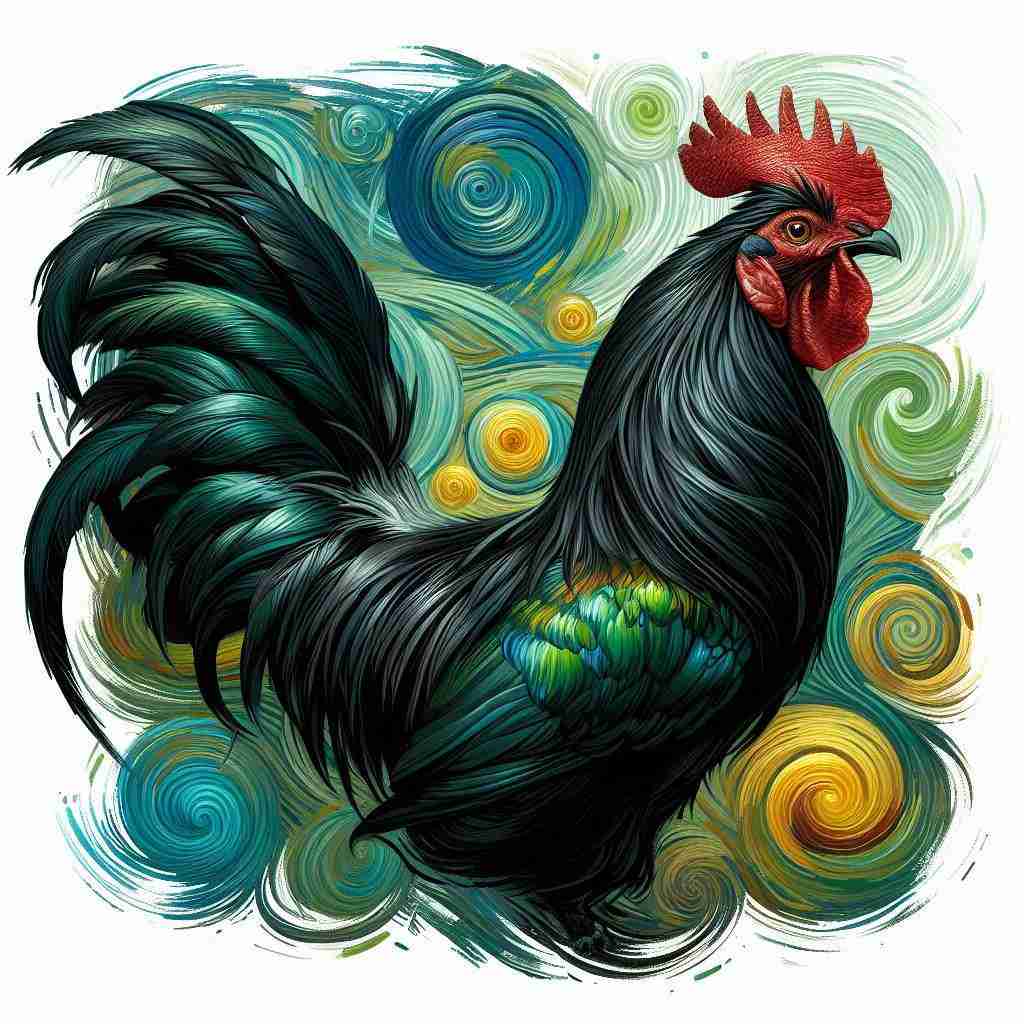
Traditional butchering is more than just a skill; it’s a profound connection to the land and the animals that raise us. Imagine a bright morning, the sun peeking over the horizon as you stroll through your backyard, perhaps with a couple of chickens scratching around the dirt. Each cluck feels like a reminder that we are part of a cycle—a cycle that demands respect and understanding. That’s the essence of farm-to-table: knowing where your food comes from and honoring its journey.
When we embrace traditional butchering techniques, we engage our head, heart, and gut. Our heads tell us there’s knowledge to be gained, techniques honed over generations like a family heirloom. The butchering process, passed down through time, teaches us to value each cut of meat, transforming a simple meal into a celebration of craftsmanship. We become stewards of our food, understanding how to utilize every part of the animal. This not only reduces waste but empowers us to experiment in the kitchen, creating flavors that tell our personal stories.
Digging deeper, the ethical implications of traditional butchering resonate strongly. It compels us to consider the lives of the animals we consume. These backyard chickens, raised with care and fed wholesome grains, deserve dignity in their lives and their end. When we commit to humane practices, we foster a sense of responsibility—establishing trust with our food sources. This isn’t just about eating; it’s about forging connections that make us mindful consumers, respectful of the choices we make.
And let’s not forget the community aspect. Engaging in local butchering workshops or sharing a meal with neighbors fosters a sense of belonging. It’s a chance to rekindle relationships over a table filled with wholesome, home-raised food. As we gather and share our experiences, we strengthen social bonds that enrich our lives. This creates a ripple effect—friends become advocates for local farms, and families begin to appreciate the beauty of fresh, ethical eating.
People often think that tradition is outdated, yet it’s this very reverence for the past that can propel us into a sustainable future. Each butchered chicken in your backyard invites you to take a seat at the table of life, reminding you that every meal is a chance to honor the cycle of nature—one delicious bite at a time. Engage your senses, build your knowledge, and reconnect with your food; the journey from farm to table is one worth taking, and it starts right at home.

How Can Traditional Butchering Enhance Farm-To-Table Practices?
How Can Traditional Butchering Enhance Farm-To-Table Practices?
- Traditional butchering connects us deeply to the land and the animals that sustain us.
- It involves a cycle of respect and understanding for our food, highlighting the farm-to-table philosophy.
- Embracing traditional techniques enhances our appreciation for each cut of meat and reduces waste.
- The ethical implications urge us to recognize the dignity of the animals we consume.
- Humane practices foster responsibility and trust in our food sources.
- Community engagement through butchering workshops and shared meals strengthens social bonds.
- Reverence for tradition can drive us towards sustainable eating practices, enriching our relationship with food.
How Can Traditional Butchering Enhance Farm-To-Table Practices?
How Does Reconnecting with Butchering Traditions Build Community Ties?
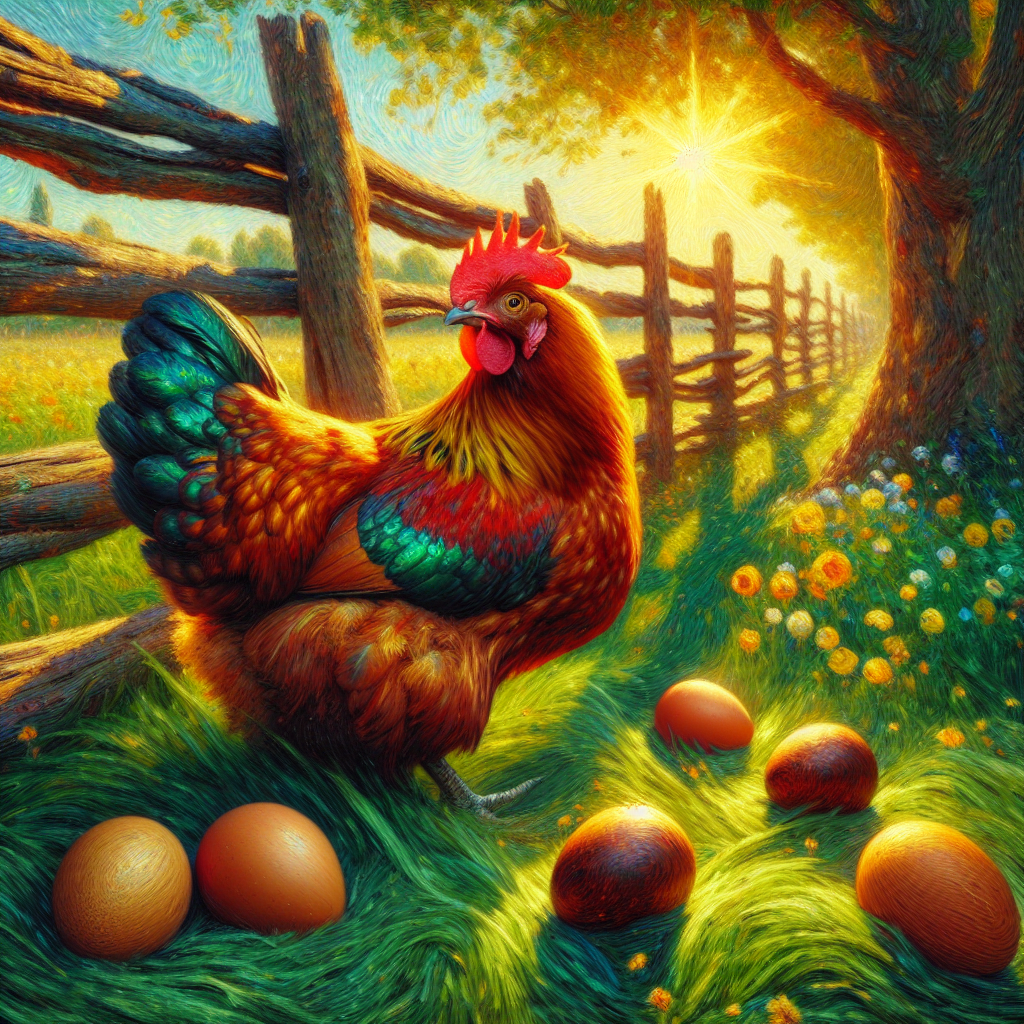
In an age that often feels disconnected and fragmented, reconnecting with age-old butchering traditions can serve as a powerful glue, forging deep community ties that not only nourish our bodies but also heal our souls. Picture the dawn of a Saturday morning where friends and families gather around backyard chickens, hearts racing with the thrill of the task ahead. It’s more than a meal; it’s a ritual—a celebration of life, a pause to honor the animals that feed us.
When we roll up our sleeves and partake in the craft of butchering, we reclaim a lost understanding of where our food originates. While factory farming often detaches us from the process, gathering together to process our backyard chickens reintroduces us to the ethics of food production. This is not simply about sustenance; it’s a poignant reminder of the cycle of life. Embracing this responsibility invites conversations about respect for the animals, thoughtful eating, and sustainable practices that make healthful, ethical living achievable. It fosters a sense of duty, not only to each other but to the environment we all share.
Engagement in these communal efforts evokes a sense of authority—knowledge once held by generations before us. By inviting youths to learn the age-old practices of butchering, we pass down skills that build self-sufficiency and confidence. The laughter, stories, and gentle guidance shared during these sessions weave a fabric that’s inherently relatable. Everyone has a tale—perhaps a grandfather teaching the same skill, or a time when a friend first tried to tackle a chicken on their own. Each narrative strengthens our bonds and builds a community that learns, grows, and eats together.
Look around. When neighbors begin coming together over shared chicken wings instead of the silos of anonymity that can characterize urban life, something refreshing happens. Those backyard gatherings, paired with the rich aroma of roasted poultry, spark connection and camaraderie. It’s a beautiful realization that we’re not just feeding ourselves; we’re feeding each other in ways that reach beyond mere nutrition.
So let’s roll up those sleeves, gather our friends and neighbors, and dive into the meat of the matter. After all, each cut and stitch ties us to each other and to our past while pushing us towards a more connected and fulfilling future. It’s a hands-on invitation to witness the practical magic of community-building through the essence of our culinary heritage. Together, let’s reclaim the tradition that nourishes not just our bodies but our very sense of belonging.

How Does Reconnecting with Butchering Traditions Build Community Ties?
How Does Reconnecting with Butchering Traditions Build Community Ties?
- Reconnecting with butchering traditions helps forge deep community ties and nourish our souls.
- Butchering is a ritual that honors the animals that feed us, creating a pause to celebrate life.
- Participating in butchering reclaims understanding of food origins and emphasizes the ethics of food production.
- This practice fosters conversations about respect for animals and encourages sustainable, ethical living.
- Teaching youths age-old butchering skills instills self-sufficiency and confidence, while sharing stories strengthens community bonds.
- Gatherings around food break down urban anonymity, promoting connection and camaraderie among neighbors.
- Engaging in these traditions not only nourishes our bodies but also fosters a sense of belonging and community.
How Does Reconnecting with Butchering Traditions Build Community Ties?
How Can Butchering Knowledge Foster a Deeper Appreciation for Food?
When we take the time to understand butchering, we embark on a journey that transcends the mere act of preparing food. Imagine standing in your backyard, the sun warm on your skin, as you care for your flock of chickens. These birds are not just a source of eggs or dinner; they’re a part of your life. Each one has a story, a personality, and when you finally decide to harvest one for the table, it’s an experience that ignites the heart.
Butchering demands an intimate understanding of the animal itself. It invites you to confront the reality of where your meals come from, fostering a visceral connection to the food you consume. It may seem daunting at first, but this process taps into centuries of tradition and knowledge passed down through generations. Learning to butcher an animal transforms food from a faceless product at the grocery store into a respected piece of sustenance that you’ve nurtured and ultimately chosen to honor. By developing this skill, you embrace not only the practical but also the ethical dimension of eating.
Think about the ethics of your food choices. In a world obsessed with convenience, knowing how to butcher gives you the confidence to make informed decisions. You’ll find yourself questioning the source of the food on your plate, leading you to choose the humane, the local, and the fresh over the processed. This awareness can ripple through your community, inspiring others to reconnect with their food sources and support local farmers or perhaps even start their own little micro-farms. Backyard chickens can be the gateway; they ask for just a little space and commitment, but they yield so much in return.
On an emotional level, the act of butchering can be a bittersweet but ultimately rewarding experience. Each cut and every decision you make carries weight. It’s a dance of respect and gratitude for the life taken. Sharing this meal with friends and family transforms the gathering into a celebration, creating a narrative that weaves through your community. You’re not just feeding people; you’re sharing a story about sustenance, responsibility, and the beautiful cycle of life.
So, why not roll up your sleeves and dive deep into butchering? It’s an opportunity to nurture your relationship with food, to grow, and to inspire those around you. Trust me—once you take that leap, you’ll never look at your meal the same way again.

How Can Butchering Knowledge Foster a Deeper Appreciation for Food?
How Can Butchering Knowledge Foster a Deeper Appreciation for Food?
- Butchering is more than just food preparation; it connects us deeply to the life of the animal.
- Caring for backyard chickens offers personal connections and emotional experiences linked to harvesting.
- The process of butchering fosters a genuine understanding of food sources and promotes ethical eating.
- Learning to butcher transforms food from a faceless grocery product to a respected, nurtured sustenance.
- Butchering knowledge enables informed food choices, focusing on humane and local options over processed ones.
- The act of butchering is bittersweet yet rewarding, cultivating gratitude and respect for the life taken.
- Embracing butchering can inspire community connections, sustainable practices, and a deeper relationship with food.
How Can Butchering Knowledge Foster a Deeper Appreciation for Food?
How Can Sustainable Butchering Practices Lead to Healthier Living?
When you think about the way meat hits your plate, it’s easy to overlook the journey it took to get there. Yet, what if the choices we make as consumers could ripple out, echoing through our communities and impacting our health? Sustainable butchering practices don’t just benefit the environment; they can also transform the way we live, eat, and connect with the world around us.
Imagine a barn brimming with life, a few backyard chickens pecking at the ground, clucking softly—a picture of food sovereignty. Raising your own animals promotes a bond that transcends the sterile supermarket experience. You see their lives unfold, understand their care, and absorb the values that come from being connected to your food source. This isn’t just farming; it’s a movement toward a richer relationship with nature, which cultivates healthier eating habits that lead to lasting physical well-being.
From a rational perspective, sustainable butchering practices prioritize local sources over industrial farming. Think of the carbon footprint shrinking with every bite. By choosing ethically raised meat—benefiting from pasture-raised beef or free-range poultry—we’re actively investing in the health of our soil, our air, and ultimately, our bodies. We eat what our communities produce, forging a stronger local economy. It’s a straightforward equation: better farming equals better food, leading to nutritious options that can empower our families’ health.
Ethically, we should feel a sense of responsibility. Choosing sustainable meat means supporting farmers who care about animal welfare and ecological balance. It’s about aligning our consumption with our values, making sure that the animals we eat lived fulfilling lives. When you know the story of the meat on your plate, it creates a connection—a tangible reminder that each meal is a choice reflecting your beliefs.
Consider this: we eat together, share stories, and build friendships over the grill or dinner table. Sustainable butchering practices encourage this communal experience. It’s not just about filling our stomachs; it’s about feeding our souls, fostering relationships that deepen our sense of belonging.
In a world where health often feels like an uphill battle, sustainable practices provide a way forward. Together, we can choose connections over convenience, health over haste, and change over complacency. So, grab that fork, gather your loved ones, and dive into a future where your choices matter—not just for you, but for the world we inhabit.

How Can Sustainable Butchering Practices Lead to Healthier Living?
How Can Sustainable Butchering Practices Lead to Healthier Living?
- The journey of meat from farm to plate often goes unnoticed, yet consumer choices impact health and communities.
- Sustainable butchering practices foster a deeper bond between people and their food sources, promoting food sovereignty.
- Raising animals personally enhances understanding and connection, leading to healthier eating habits.
- Prioritizing local sources over industrial farming reduces carbon footprints and supports community health.
- Choosing ethically raised meat aligns consumer values with animal welfare and ecological sustainability.
- Sustainable practices encourage communal experiences, fostering relationships and a sense of belonging.
- By opting for sustainability, we can prioritize health, connection, and positive change for our environment.

How Can Sustainable Butchering Practices Lead to Healthier Living?
What Values Can Traditional Butchering Teach Us About Sustainability?
When you think about it, our connection to the food we eat has become overly complicated. Once upon a time, people understood the rhythm of nature. They raised livestock and cherished the art of traditional butchering, seeing it as both a responsibility and a privilege. Today, that wisdom lies buried under layers of corporate agriculture and industrial processing, yet the essence remains vital—perhaps now more than ever.
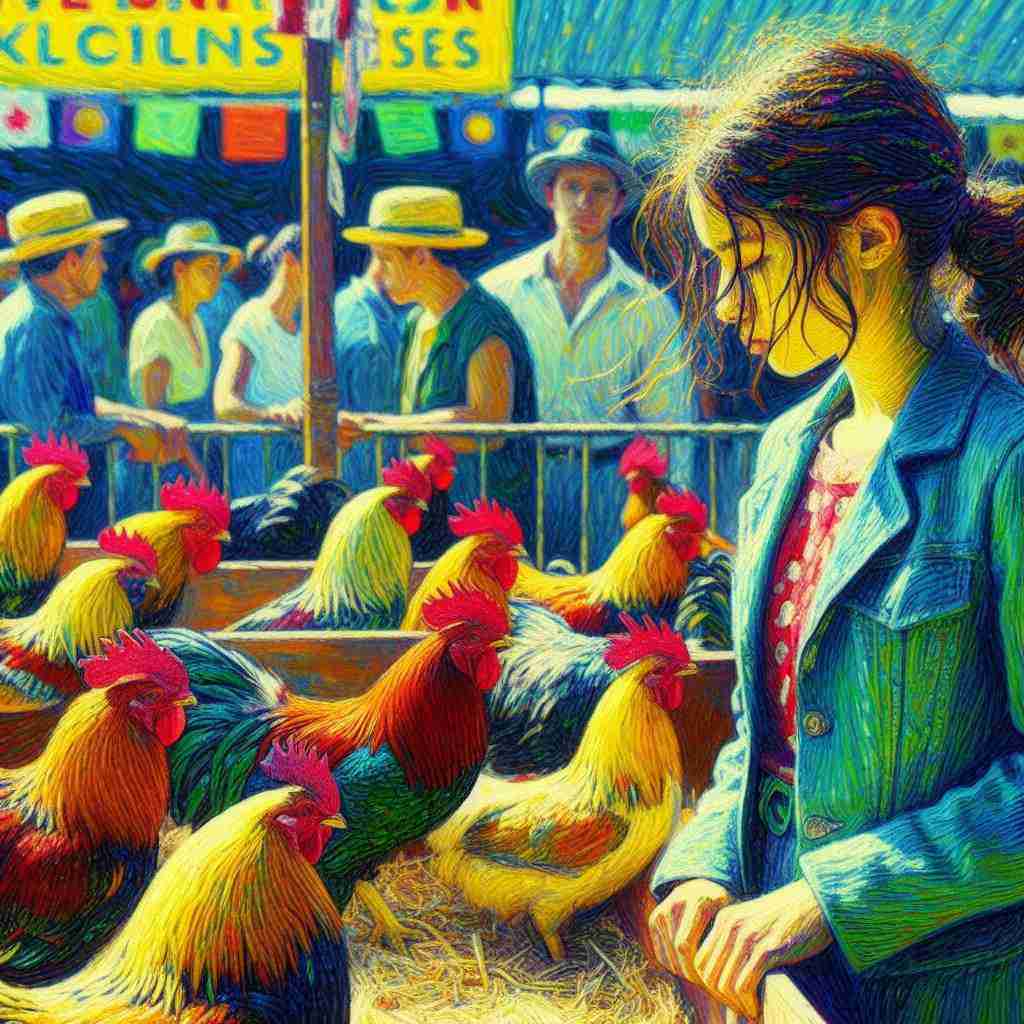
Imagine a family with a few backyard chickens. These feathery companions are not merely a source of eggs; they create a rich narrative that connects us to our food source, grounding us in an age where convenience often reigns supreme. By tending to these birds, families learn about life, death, and the delicate balance of ecosystem management. They discover the joy of sustainable practices—where nothing goes to waste, and all life is respected. It’s messy, sometimes grueling work, yes, but it’s also incredibly rewarding—teaching invaluable lessons in patience, respect, and ethical responsibility.
Traditional butchering embodies this relationship with the land and the animals that give us sustenance. It’s about honoring the life sacrificed, ensuring every part of the animal is utilized, whether for nourishment, leather, or even compost. This hands-on approach reminds us that food doesn’t just appear in neat, plastic-wrapped packages; it comes from a life lived. When villagers passed down the art of butchering, they instilled a sense of accountability and respect for our planet and each other. Each practice, each skill, served to reinforce our bond with the earth and our community.
Statistics around sustainability often leave us numb, but the straightforward truth is this: the more we engage with our food sources, the more conscious we become of our choices. Traditional butchering teaches us to value not just what we consume but how we consume it. That extends further than the dinner plate; it touches on ethics, environmental footprints, and wellness.
In embracing these old-world values and reconsidering our relationship with food, we invite a deeper connection—to family, to community, and to the natural world. Isn’t it time we challenge ourselves to step into that narrative, to reclaim our role in the story of sustainability? By rediscovering the lessons of butchering, we can create a more grounded, respectful, and responsible approach to the way we eat and live.

What Values Can Traditional Butchering Teach Us About Sustainability?
What Values Can Traditional Butchering Teach Us About Sustainability?
- Our connection to food has become overly complicated in modern society.
- Traditional practices like raising livestock and butchering have deep roots in respecting nature and responsibility.
- Backyard chickens illustrate a narrative that connects families to their food sources, promoting sustainable practices.
- Tending to animals teaches invaluable lessons about life, death, and ecosystem management.
- Traditional butchering emphasizes honoring the animals and utilizing every part, fostering a connection with the land.
- Engaging with food sources leads to more conscious choices regarding consumption and its ethical implications.
- Revisiting old-world values in our food relationships can help us create a more respectful and sustainable lifestyle.
What Values Can Traditional Butchering Teach Us About Sustainability?
How Can Old-Fashioned Techniques Improve Farm-To-Table Practices?
Picture this: a family huddled around the dinner table, plates brimming with food that’s not just fresh, but grown and raised right in their backyard. There’s laughter, stories, and a sense of togetherness that goes deeper than any corporate advertisement could ever capture. This is the transformative power of old-fashioned techniques in the farm-to-table movement, and it starts with something as simple yet profound as raising backyard chickens.
Imagine those hens clucking away, wandering freely, and pecking at the earth. They’re not just livestock; they become part of the family, each one with its own personality, bringing joy to children and adults alike. The whole experience isn’t merely about the delicious, fresh eggs—it’s also about connection to the land and each other. When we engage in practices that honor tradition, we offer ourselves a slice of life that’s often lost in our fast-paced world.
But let’s touch on the heart of it—trust and responsibility. When you’re raising your own chickens, you become the steward of your food source. You know where it comes from; you understand the care that went into every egg. This transparency fosters a sense of confidence in what you’re serving your family. It’s an ethical leap away from industrial farming, where animals may live in cramped conditions and go untreated for ailments. By choosing to raise backyard chickens, you advocate for a humane approach and a healthier diet.
There’s also a rational appeal here: urban gardening and small-scale livestock require minimal space and resources. Whether you’re in a cozy city apartment or a sprawling country home, the benefits of organic, homegrown food translate into tangible savings, not to mention the immense satisfaction that accompanies your efforts.
Finally, think of the ripple effect. As neighbors notice your backyard flock, they may be inspired to embark on their own journey toward sustainability. Each egg becomes a conversation starter—an invitation to contemplate our collective food systems and to embrace the good, honest work of farming, whether large or small.
By reconnecting to these time-tested practices, we remind ourselves of what it means to nourish not just our bodies, but our community, our planet, and our souls. Let those backyard chickens remind us: good food starts with love, and that’s a meal worth sharing.

How Can Old-Fashioned Techniques Improve Farm-To-Table Practices?
How Can Old-Fashioned Techniques Improve Farm-To-Table Practices?
- Families can experience togetherness and joy by raising backyard chickens.
- Backyard chickens become part of the family, bringing happiness and connection to the land.
- Raising chickens fosters trust and responsibility, ensuring knowledge of food sources.
- This practice supports a humane and ethical approach to farming compared to industrial methods.
- Urban gardening and small-scale livestock require minimal resources, making it accessible for many.
- Raising chickens can inspire neighbors, sparking conversations about sustainability and food systems.
- Engaging in traditional practices nourishes not just bodies, but communities and our planet.

How Can Old-Fashioned Techniques Improve Farm-To-Table Practices?
In What Ways Can Storytelling Around Butchering Build Community Trust?
When we gather around the idea of butchering, we’re not just talking about the technical skills involved; we’re diving deep into the story of our food, our community, and our very lives. Picture backyard chickens clucking happily as they roam freely, providing us not just with eggs, but with connections to the land and to one another. It sparks a conversation—one that encapsulates the essence of why we choose to raise, harvest, and consume animals ourselves.
At its core, storytelling in butchering reveals the human side of food production—embracing the cycle of life, death, and nourishment. This isn’t just about pulling a meat package off a grocery shelf; it’s the embodiment of hard work, respect, and a deep understanding of the resources we utilize. When we share tales of how these backyard chickens were raised, their interactions, their unique personalities, we invite people into a narrative that’s filled with compassion, responsibility, and care. Suddenly, it becomes more than just meat; it becomes a shared history.
Let’s engage the head for a moment. Beyond the emotional bond, we’re confronted with hard facts: sourcing our food locally, understanding the importance of humane treatment, and recognizing the environmental impacts. The more we talk about these elements, the more rational voices in the community echo our commitment to sustainable practices. But storytelling gives these facts life. The numbers and statistics become real when articulated through lived experiences.
Ethically, we should consider how these practices affect our communities. By sharing our stories, we reinforce the importance of transparency in food sourcing, cultivating a sense of trust among neighbors. When we hear about the farmer down the street who lovingly tends to his flock, or a friend’s first attempts at butchering their own chickens, that relatability forms an ethical bond. We support our local food systems, knowing that our choices matter.
So, the next time you’re discussing butchering, take a moment to weave in those personal stories. Invite your audience to connect—not just with the process, but the community that surrounds it. Opening this narrative fosters trust, strengthens bonds, and inspires action toward a more conscious way of living. Sharing these stories isn’t just about food; it’s about building a resilient community one tale at a time. When people feel a connection, they’re more likely to support and engage, leading us all to a more trusted and thoughtful food future.

In What Ways Can Storytelling Around Butchering Build Community Trust?
In What Ways Can Storytelling Around Butchering Build Community Trust?
- Butchering encompasses not only technical skills but also the narratives of our food, community, and lives.
- Raising backyard chickens creates connections to the land and fosters community relationships.
- Storytelling in butchering highlights the human aspects of food production, emphasizing life cycles and nourishment.
- Sharing experiences of animal care transforms meat into a shared history filled with compassion and respect.
- Understanding ethical sourcing and humane treatment reinforces sustainable practices in the community.
- Personal stories cultivate transparency and trust within local food systems, enhancing community bonds.
- Weaving personal narratives into discussions about butchering strengthens community ties and inspires conscious living.

In What Ways Can Storytelling Around Butchering Build Community Trust?
Conclusion
In a world swamped with convenience and fast food, we find ourselves at a profound crossroads, where the wisdom of old-fashioned butchering offers a guiding light for modern farmers. Think about it: what if we could tap into the spirit of farmers from days gone by, those who sliced with intention and honored the lives of the animals they tended? Today’s farmers stand to learn a great deal from this respect—a respect that transcends mere function and dives deeply into ethics, sustainability, and community building.
This revival of tradition isn’t about nostalgia; it’s about redefining our connection to the food that sustains us. As we embrace traditional butchering, we don’t just learn to cut meat—we learn to cultivate a relationship with our land and livestock. Each chicken raised in the backyard can serve as a powerful reminder of where our food originates; each meal becomes a celebration of hard work and dedication. Beyond the act of butchering, it’s a shared ritual, weaving bonds among friends and family while fostering accountability to our surroundings.
On an individual level, learning butchering skills cultivates a mindset of resourcefulness—a commitment where nothing is wasted. We become better stewards of our food systems, taking pride in utilizing every part of the animal. This not only enriches our meals but also teaches us to make informed choices about our diets, leading us toward local, humane options that resonate with our values. It’s a communal effort, one that champions local farming over industrialized practices, encouraging conversations that ripple through neighborhoods, sparking collective action toward more sustainable food sources.
But let’s not forget the emotional heartbeat of this journey. When we butcher our own animals—built on love, care, and sacrifice—we connect not just with our food, but with each other. We share stories around the dinner table that celebrate our experiences in the fields and learning moments in the kitchen. These narratives remind us that we are not merely consumers; we are participants in a system that needs our active engagement if we’re to shift toward health and sustainability.
As we navigate this modern landscape, let’s rally around the traditions that nourish our lives. By embracing the timeless art of butchering, we reclaim our roles in the story of sustainability—one where respect, community, and ethical responsibility guide our choices. Roll up those sleeves, reconnect with the land and each other, and let’s make our meals meaningful. A shared commitment to these age-old practices can lead us to a healthier, more connected world. Together, we can feed not just our bodies, but also our souls.

Conclusion
Conclusion:
- Old-fashioned butchering offers insights for modern farmers, emphasizing respect for animals and sustainable practices.
- Reviving traditional butchering creates a deeper connection to food, land, and livestock.
- Butchering serves as a shared ritual that strengthens bonds among friends and family while fostering accountability.
- Learning butchering cultivates resourcefulness and pride in utilizing every part of the animal, promoting informed dietary choices.
- This communal approach champions local farming, encouraging discourse on sustainable food sources and practices.
- Butchering invokes emotional connections, fostering narratives that transition consumers into active participants in food systems.
- Embracing butchering traditions leads to a healthier, more connected world, enriching both our meals and our communities.
Conclusion
Other Resources

Other Resources
Here is a list of other resources you can review online to learn more:
- Brabanter
- game bird feed
- Golden Comet
- Rhode Island Red
- Swedish Black Hen
- Sinusitis
- Poultry Mites
- Serama
- rhubarb
- Gapeworms
- cracked corn
- foxes
- Marsh Daisy
- White Leghorn
- Erysipelas
- Isbar
- New Hampshire
- Plymouth Rock
Use This Prompt To Get More Resources With Your Favorite Online AI Tool: Please provide me with a list of online articles with their URLs in a bulleted list that I can read regarding What Today’s Farmers Can Learn From Old-Fashioned Butchering Skills

Other Resources
Glossary Terms
What Today’s Farmers Can Learn From Old-Fashioned Butchering Skills – Glossary Of Terms
1. Butchering: The process of preparing meat from animals for consumption, involving slaughtering, dressing, and cutting.
2. Sustainability: Practices that maintain ecological balance, ensuring that farming does not deplete resources or harm the environment.
3. Farm-to-Table: A movement emphasizing the direct supply of food from local farms to consumers, promoting freshness and reducing transportation costs.
4. Humanely Raised: Refers to livestock that are treated well throughout their lives, ensuring the animals’ welfare before slaughter.
5. Grass-Fed: Livestock raised on a natural diet of grass rather than grain, which can lead to healthier meat.
6. Traditional Methods: Old-fashioned techniques of butchering that focus on skill and craftsmanship, often passed down through generations.
7. Whole Animal Utilization: Using all parts of the animal, minimizing waste, and maximizing the value of each butchered animal.
8. Charcuterie: A branch of cooking devoted to prepared meat products, often including cured meats and preserved items.
9. Meat Preservation: Methods such as curing, smoking, and refrigerating that extend the shelf life of meat products.
10. Quality Cuts: Prized portions of meat derived from specific areas of an animal, often commanding higher prices in markets.
11. Offal: Edible organs and internal parts of animals, which are often underutilized but can be nutritious.
12. Knife Skills: The ability to use knives effectively and safely, crucial in butchering for precise cuts and efficiency.
13. Culinary Heritage: The traditional recipes and cooking methods that define a culture’s approach to food preparation.
14. Local Sourcing: Obtaining food products from nearby producers to support local economies and enhance freshness.
15. Animal Husbandry: The science of breeding and raising livestock, focusing on health, productivity, and sustainability.
16. Ethical Farming: Agricultural practices that prioritize animal welfare, environmental stewardship, and responsible resource use.
17. Butcher’s Paper: A type of paper used for wrapping and storing meat, designed to maintain freshness and prevent contamination.
18. Cutting Techniques: Specific methods for breaking down meat into various sections, each with distinct uses and cooking requirements.
19. Farmers’ Markets: Local markets where farmers sell their products directly to consumers, fostering community and transparency.
20. Value-Added Products: Items created from primary agricultural products, like sausages or jerky, enhancing profitability and reducing waste.
21. Seasonality: The concept of consuming ingredients that are harvested at their peak times for optimal flavor and nutrition.
22. Food Safety: Guidelines and practices that ensure meat and other food products are handled and stored safely to prevent contamination.
23. Bone Broth: A nutrient-rich broth made by simmering animal bones, often used for health benefits and flavor in cooking.
24. Skill Mastery: The expertise achieved through practice in butchering techniques, critical for quality meat preparation.
25. Fermentation: A natural preservation process that uses bacteria or yeasts to convert sugars in food, often used in meat preservation.
26. Harvesting: The process of gathering mature crops or livestock for consumption.
27. Organic Farming: Agricultural practice that avoids synthetic chemicals and promotes biodiversity and ecological balance.
28. Curing: The process of preserving meat by adding salt, sugar, or nitrates, enhancing flavor and shelf life.
29. Seasoned Butcher: A professional with extensive experience in meat preparation and knowledge of various cuts and techniques.
30. Meat Quality: Attributes determined by factors like tenderness, flavor, and fat content that influence consumer choice and satisfaction.

Glossary Of Terms
Other Questions
What Today’s Farmers Can Learn From Old-Fashioned Butchering Skills – Other Questions
If you wish to explore and discover more, consider looking for answers to these questions:
- What are the specific skills modern farmers can learn from traditional butchering techniques?
- How can these butchering practices improve animal welfare and farming ethics?
- In what ways do traditional butchering methods contribute to food sustainability?
- What are some practical steps for farmers to integrate butchering skills into their daily practices?
- How does learning butchering techniques impact a farmer’s relationship with their livestock?
- What role does community play in promoting sustainable eating and butchering practices?
- Are there existing workshops or resources for farmers to learn traditional butchering?
- How can storytelling about butchering enhance community connections and trust?
- What are the environmental benefits of adopting sustainable butchering practices?
- Can the reviving of traditional butchering techniques influence consumer preferences towards local farms?
- What challenges might farmers face when attempting to revive old-fashioned butchering skills?
- How can farmers effectively market their butchering practices to attract consumers?
- What are the health benefits associated with consuming meat processed through traditional methods?

Other Questions
Haiku
What Today’s Farmers Can Learn From Old-Fashioned Butchering Skills – A Haiku
Backyard flocks nourish,
Life’s cycle shared with each bite,
Traditions connect.

Haiku
Poem
What Today’s Farmers Can Learn From Old-Fashioned Butchering Skills – A Poem
In fields where old traditions softly sway,
Farmers reconnect with roots of yesterday,
Amidst clucking hens and earth’s sweet embrace,
Emerges a wisdom time can’t erase.
Respect for life, in each blade’s gentle arc,
Forms the heart of butchering, a sacred mark,
Where sacrifice honors every living soul,
Transforming the meal into a communal whole.
From chicken to table, the stories unfold,
Craftsmanship cherished, each cut rich and bold,
Through laughter and gatherings, bonds start to weave,
As friends break the bread and in sharing believe.
Embracing the cycle, the land’s nurturing grasp,
Encourages stewardship, an ethical clasp,
Every bite carries echoes of care we impart,
Cultivating connections that truly ignite the heart.
Let traditional skills guide hands that create,
A movement toward wellness, where choices resonate,
In backyard production, our futures take flight,
Sustainable practices shaping our light.
So gather together, roll sleeves to the grind,
Celebrate each harvest, let gratitude bind,
With respect as our guide, and community near,
We nourish our souls through the stories we share.

Poem
Checklist
What Today’s Farmers Can Learn From Old-Fashioned Butchering Skills – A Checklist
Checklist: Embracing Traditional Butchering Skills for Modern Farmers
Emotional Appeals
_____ Reflect on Values: Contemplate how butchering practices align with personal values about food, sustainability, and community.
_____ Experience Gratitude: Practice gratitude for the lives of the animals raised and harvested for food.
_____ Share Stories: Engage in storytelling about the journey of your food, fostering deeper connections with the community.
Rational Appeals
_____ Understand Techniques: Learn and practice traditional butchering methods to gain hands-on knowledge.
_____ Maximize Resources: Identify ways to utilize every part of the animal to minimize waste and maximize resources.
_____ Engage in Education: Attend workshops or courses on butchering to enhance skills and understanding.
Ethical Appeals
_____ Practice Respect: Commit to humane treatment of animals and ethical farming practices that honor their lives.
_____ Make Informed Choices: Evaluate the sources of your food and prioritize local, sustainable options.
_____ Foster Community Trust: Build trust by sharing ethical food sourcing practices with neighbors and peers.
Authority Appeals
_____ Learn from Experts: Seek advice and techniques from seasoned butchers or farmers with traditional experiences.
_____ Follow Guidelines: Adhere to established butchering practices that respect animal welfare and sustainability.
Narrative Appeals
_____ Create Connection: Write about or share experiences involving your journey in butchering and farming with others.
_____ Share Traditional Recipes: Introduce and pass down recipes that utilize every part of the animal to connect generations.
Social Appeals
_____ Build Community: Organize or participate in community events or gatherings focused on butchering or farm-to-table experiences.
_____ Encourage Neighbors: Inspire neighbors to consider raising their own food sources and participate in local food systems.
_____ Engage in Conversations: Discuss the importance of local food production and butchering practices within your community.
Practical Strategies
_____ Hands-on Experience: Set a date to butcher a small animal as a family or community event.
_____ Start Small: Begin by raising a few backyard chickens to understand the lifecycle and nurturing involved.
_____ Reflect and Share: After every meal, reflect on the food’s journey and share those insights with your family or community.
Engage, Reflect, and Reconnect
_____ Commit to incorporating at least one practice from each category into your routine to foster a deeper appreciation for food, strengthen community ties, and promote sustainable living.
Checklist
At BackyardChickenNews, we help people who want to raise backyard chickens by collating information and news blended with our own personal experiences.
Be sure to read our other related stories at BackyardChickenNews to learn more about raising chickens in your backyard.