

Empowering Communities To Protect Poultry And Planet
By Tom Seest
At BackyardChickenNews, we help people who want to raise backyard chickens by collating information and news blended with our own personal experiences.
Be sure to read our other related stories at BackyardChickenNews to learn more about raising chickens in your backyard.
Adapting Flocks to Climate Change, One Coop At a Time
Imagine standing in your own backyard, surrounded by a gentle clucking that sings the songs of resilience. Backyard chickens are more than just feathered companions; they are a living testament to our ability to adapt, survive, and thrive in a changing world. As the climate shifts under the weight of human activity, it’s not just the farmers who feel the strain; it’s every one of us, tucked away in our suburban havens, who shares the responsibility of nurturing our environment.
Raising chickens offers us a practical solution. They turn scraps into sustenance, which not only reduces waste but also enriches our soil and supports local ecosystems. When we make a conscious choice to integrate these industrious birds into our lives, we embrace ethical stewardship of our land, helping to combat some of the challenges climate change throws our way. Each coop we build becomes a small arena of hope, where we actively engage in reducing our carbon footprint while fostering a sense of community. This isn’t just an eccentric hobby; it’s a purposeful, collective movement.
Engaging with your backyard flock softens the hectic noise of modern life, inviting us to slow down and reconnect with nature’s rhythms. Think back to when you were a child, the simple joy of watching a chicken pecking the ground or the thrill of discovering a newly laid egg. That childlike wonder is still within us, waiting to re-emerge as we step into our backyards and embrace this sustainable practice. In inviting chickens into our lives, we are not only cultivating a sustainable food source but also rekindling our bond with the earth and each other.
Every feathered friend is a story waiting to unfold—a testament to our capacity to innovate and adapt. As more people discover the joys of raising chickens, an authentic movement is brewing. It creates connections not just with our birds, but also with our neighbors who share in this journey. Community gardens flourish, workshops on coop-building arise, and friendships blossom over shared advice on the quirks of various breeds.
So, let’s take a cue from the humble chicken. Let’s embrace their tenacity and resourcefulness as we face climate change together. By cultivating our own backyards and supporting a local, sustainable future, we plant the seeds of hope for generations to come. It’s time to get our hands dirty, build that coop, and welcome a flock into our hearts and homes.

Adapting Flocks to Climate Change, One Coop At a Time
Adapting Flocks to Climate Change, One Coop At a Time
- Backyard chickens symbolize resilience and our ability to adapt in a changing environment.
- Raising chickens helps reduce waste, enrich soil, and support local ecosystems.
- Integrating chickens into our lives promotes ethical stewardship and combat climate change challenges.
- Each chicken coop fosters community and reduces our carbon footprint.
- Engaging with a backyard flock reconnects us with nature and simplifies the chaos of modern life.
- Raising chickens fosters community connections through shared experiences and knowledge.
- Embracing chickens encourages a sustainable future and instills hope for future generations.

Adapting Flocks to Climate Change, One Coop At a Time
Table Of Contents
- Adapting Flocks to Climate Change, One Coop At a Time
- What Emotional Connection Do You Have with Your Flock?
- How Can Science Help Us Adapt Our Coops for Climate Resilience?
- What Ethical Responsibilities Do We Have to Our Animal Companions?
- What Personal Stories Can Inspire Us to Embrace Climate Adaptation?
- How Can We Ensure Our Coops Withstand Extreme Weather Conditions?
- How Can Adapting Flocks Contribute to a Healthier Ecosystem Overall?
- What Affordable Solutions Exist for Upgrading Our Poultry Systems?
- Conclusion
- Other Resources
- Glossary Of Terms
- Other Questions
- Haiku
- Poem
- Checklist
What Emotional Connection Do You Have with Your Flock?
When you step into your backyard, and those feathered friends come running, what emotions rise within you? Those moments with your backyard chickens aren’t just about feeding, collecting eggs, or even the joy of their antics; they’re a doorway into understanding companionship and connection. Each chicken embodies a little spark of life, a reminder that nurturing relationships can thrive in the most unexpected places.
Think about it: have you ever looked into the curious eyes of a hen, perhaps named after a beloved storybook character, and felt an unexplainable bond? It’s not just an animal—it’s part of your story. The cacophony of clucks and the excitement during feeding time transform your daily routine into a vibrant tapestry woven with laughter, responsibility, and the wisdom that comes from caring for another living being. This connection nudges at your heart, inspiring you to think deeply about the responsibilities and joys of raising your flock.
Let’s get practical for a moment. Keeping backyard chickens isn’t merely a whimsical endeavor; it comes with its own set of challenges. Today’s world often paints a glossy image of simple farming, but the reality requires resilience and commitment. Understanding their needs for proper care, shelter, and nutrition allows you to ensure that your chickens thrive—not just survive. This isn’t just about raising birds; it’s about raising your own standards of responsibility in an age where genuine connections often seem fleeting.
On an ethical note, consider the profound difference you’re making by choosing to raise chickens. You’re investing in sustainable living practices, reducing your carbon footprint, and contributing positively to the ecosystem. As your flock flourishes, so do your values—moral fortitude in a society that often overlooks the simple wonders of nature.
In your neighborhood, how many families can say they’ve nurtured life right in their backyards? Engaging in this endeavor can set an example, sparking conversations and inspiring neighbors to reconsider their own relationships with food and How things are sourced. When trust is built through shared experiences, you pave a path for community and camaraderie with those who share similar values.
Ultimately, your emotional connection with your backyard chickens extends beyond their coops and runs; it ventures into the core of what it means to connect with life itself. It’s not just about the eggs; it’s about the journey and the fulfillment of being part of something bigger than yourself. With every cluck, every flap of a wing, there’s a story waiting to be told. Embrace it.

What Emotional Connection Do You Have with Your Flock?
What Emotional Connection Do You Have with Your Flock?
- Backyard chickens foster emotions of companionship and connection, enriching daily life.
- Each chicken symbolizes a bond, transforming everyday routines into meaningful experiences.
- Keeping chickens involves responsibilities that enhance personal standards of care and commitment.
- Raising chickens promotes ethical practices, such as sustainable living and reduced carbon footprint.
- Engaging with chickens in your backyard can inspire neighbors to rethink their food sources and relationships.
- Shared experiences with chickens help build community and camaraderie among like-minded individuals.
- The journey with backyard chickens offers a deeper connection to life beyond merely collecting eggs.

What Emotional Connection Do You Have with Your Flock?
How Can Science Help Us Adapt Our Coops for Climate Resilience?
When we think about our backyard chickens, it’s easy to see them as just another part of our lives. But these feathered companions are surprisingly resilient, and with a little help from science, we can fortify their home against the shifting climate. Imagine the clucking chorus echoing through your yard, a sound that symbolizes not just nourishment but also the way we connect with the earth.
As frost bites in the winter or the sun scorches in the summer, consider the tools and technologies that can help us adapt our coops for climate resilience. Think of insulation materials that trap warmth in the colder months, or ventilation systems that keep the fresh air flowing during summer’s sweltering heat. These aren’t just upgrades—they are investments in the lives of our chickens and, ultimately, our family’s well-being. The scientific principles behind these enhancements make sense to anyone willing to lend an ear and open their mind.
This isn’t just a matter of comfort for your flock; it’s a responsibility we owe to these creatures that rely on us. Ethically speaking, keeping our chickens safe from extreme weather is fundamentally linked to our values as caretakers—our actions directly impact the quality of their lives. Engaging in this kind of thoughtful planning shows that we’re not just homeowners or hobbyists; we’re stewards of a small ecosystem. Building a resilient coop isn’t just good practice; it’s a moral imperative.
You see, the story of backyard chickens is a narrative woven into the fabric of our lives. From the first egg laid in the coop to the joy of those weekend breakfasts, our relationship with these birds is a journey, fraught with trials that echo the climate issues we all face. Look around—what are your neighbors doing to combat the transition in weather? Sharing insights, successes, and challenges fosters a sense of community that can be as nurturing as the fresh air in your one-of-a-kind coop.
So, let’s roll up our sleeves and put a little science into practice. Embrace the challenges posed by climate change and become part of the solution, ensuring that your backyard chickens not only survive but thrive in the face of adversity. After all, a resilient coop reflects resilient values—a home where companionship and sustainable farming go hand-in-hand, no matter the weather.

How Can Science Help Us Adapt Our Coops for Climate Resilience?
How Can Science Help Us Adapt Our Coops for Climate Resilience?
- Backyard chickens are resilient companions that require thoughtful care in the face of climate change.
- Utilizing science and technology can enhance the climate resilience of chicken coops.
- Upgrades like insulation for winter and ventilation for summer are critical for the well-being of chickens.
- Providing a safe and comfortable environment for chickens reflects our ethical responsibilities as caretakers.
- Building resilient coops demonstrates stewardship over our small ecosystems and promotes a sense of community.
- The journey with backyard chickens is intertwined with larger climate issues and our personal experiences.
- By embracing challenges and applying scientific principles, we can ensure that our chickens thrive despite adversity.

How Can Science Help Us Adapt Our Coops for Climate Resilience?
What Ethical Responsibilities Do We Have to Our Animal Companions?
When we bring a furry, feathery, or scaly friend into our lives, we step into a delicate dance of trust and responsibility. It’s not just about the warm cuddles or the joy of watching backyard chickens scratch the dirt—they become part of our family. Each wag of a tail or flutter of wings is a reminder that these beings rely on us, not just for food and shelter, but for love, care, and respect.
Think about it. Your dog isn’t just a protector of your home; he’s a living embodiment of loyalty, always excited to see you after a long day. Your cat purring contentedly in your lap offers comfort that can’t be quantified, while your chickens, with their quirky personalities, teach us about community and cooperation. When we acknowledge the unique contributions each creature makes to our lives, we deepen our ethical obligation to ensure their well-being.
Rationally, consider how our actions impact their lives. Animals experience happiness and pain just like we do. It’s simpler than we think: adequate food, clean water, regular medical care, and a safe environment create a solid foundation for a fulfilling life. A discerning look at the conditions in which many pets live reveals a darker side—overcrowding, neglect, and emotional abuse. As caretakers, we have a moral compass guiding our decisions, compelling us to provide a standard of care that matches their capacity to feel.
On an ethical level, we must confront the question: what kind of legacy do we want to leave for future generations? The narratives we weave through our treatment of animals reflect our values as a society. If we respect and nurture our relationships with our animal companions, we foster a culture of kindness that extends beyond the backyard.
This isn’t just about passion; it’s about responsibility—an understanding that our choices resonate through the lives of those we’ve taken into our arms. When we invest in their welfare, we’re not only securing their trust; we’re enriching our own lives, cultivating compassion that stays with us long after our loved ones have gone.
So, let’s step up and re-evaluate our commitments. Let’s be the voices for those who cannot speak, honoring the relationships we’ve cultivated with our beloved animal friends. Embrace the challenges and joys of this journey, because when we care for them, we’re nurturing a part of our humanity.

What Ethical Responsibilities Do We Have to Our Animal Companions?
What Ethical Responsibilities Do We Have to Our Animal Companions?
- Bringing animals into our lives involves trust and responsibility, making them part of the family.
- Animals provide companionship and emotional support, reminding us of our obligation to care for them.
- Each pet contributes uniquely to our lives, reinforcing our ethical duty to ensure their well-being.
- Animals experience emotions similar to humans, requiring adequate food, clean water, medical care, and a safe environment.
- Many pets face neglect and overcrowding, highlighting the need for improved care standards by their owners.
- Our treatment of animals reflects societal values and determines the legacy we leave for future generations.
- Caring for animals enriches our lives and fosters compassion, reinforcing our humanity in the process.

What Ethical Responsibilities Do We Have to Our Animal Companions?
What Personal Stories Can Inspire Us to Embrace Climate Adaptation?
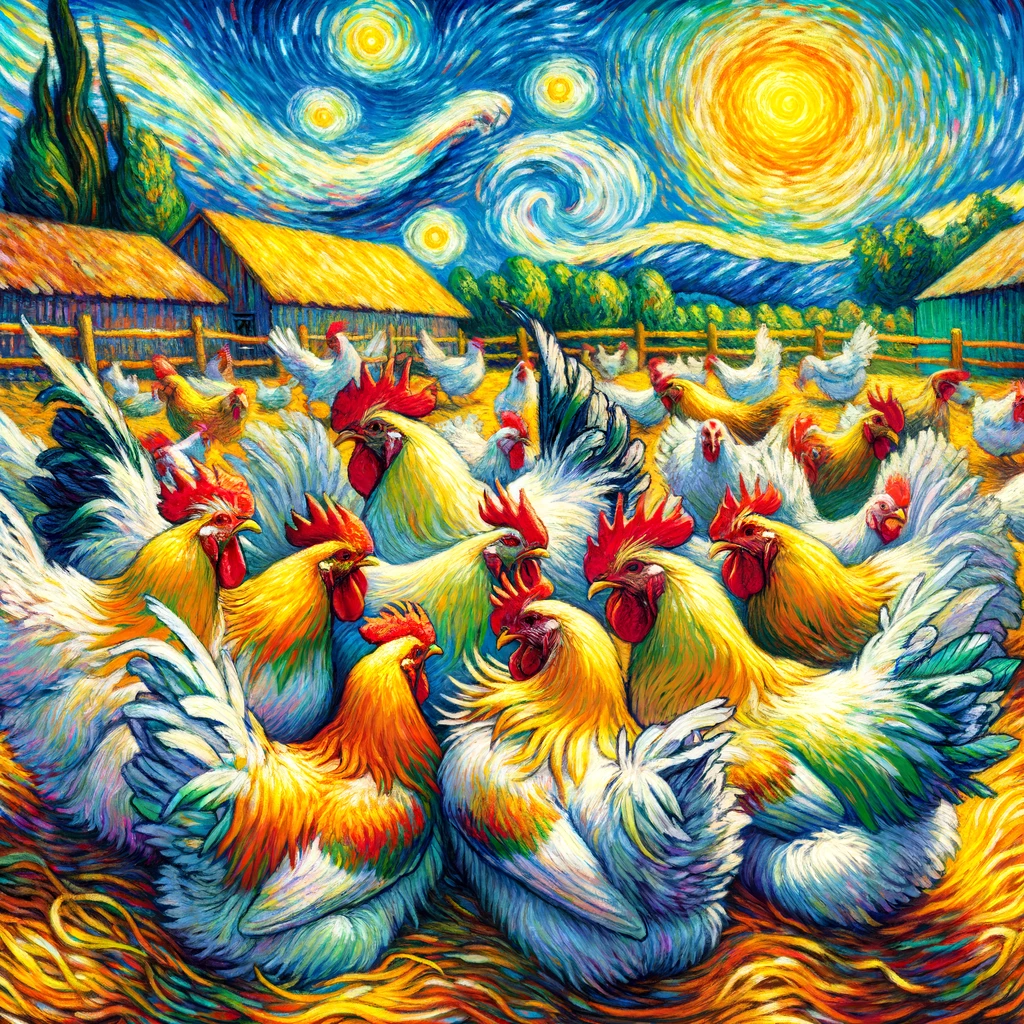
In a world where climate change feels like an abstract threat lurking in the background, personal stories can ground us in the reality of adaptation. Just take a moment to think about someone you know with a backyard. Maybe they started raising chickens. It sounds simple, right? But that little endeavor is a powerful testament to resilience. Imagine the joy of collecting fresh eggs every morning, the soft clucking of chickens providing a constant reminder of the small joys of life.
These backyard chickens aren’t just your average pets. They symbolize a shift—a way of reclaiming food sovereignty and a connection to the land. People like you and me are stepping back, looking at their patch of earth, and instead of seeing limitations, they see opportunities. By nurturing these chickens, they’re making a statement that they won’t just let the world dictate their future. They are adapting, evolving, taking action, however small.
And it’s not just about the eggs. It’s about fostering a community that rallies around shared values. When you see your neighbor embarking on this journey, it builds camaraderie. You swap recipes, share gardening tips, and encourage each other to take that next step, whatever it may be. It’s that feeling of connection that strengthens our resolve to act—because your neighbor isn’t just raising chickens; they’re raising awareness. They’re showing that adaptation doesn’t have to be daunting.
On a rational level, consider the impact of sustainable practices on our environment. Raising backyard chickens reduces reliance on industrial farming, cuts down carbon footprints, and conserves water. It’s a domino effect: one good decision leads to another, illustrating how individual actions can contribute to a larger movement.
And let’s not forget the ethical pull. We’re stewards of this planet, responsible for what we leave behind. Embracing climate adaptation becomes not just a personal mission but a moral imperative. Each egg, each chicken, represents a conscious choice to embrace a sustainable lifestyle.
Now, how does that feel in your gut? The exciting thought that you can make a difference, right from your home. When stories of everyday heroes like these filter into our lives, we feel empowered. They inspire trust in the idea that each of us can take steps toward a more resilient future. So, roll up your sleeves, dig into that soil, and who knows? Your own backyard chickens might just be the spark that ignites a revolution.

What Personal Stories Can Inspire Us to Embrace Climate Adaptation?
What Personal Stories Can Inspire Us to Embrace Climate Adaptation?
- Personal stories about climate adaptation can help ground abstract threats in reality.
- Raising backyard chickens symbolizes resilience and food sovereignty.
- Collecting fresh eggs daily fosters joy and connection to the land.
- This practice encourages community building through shared values and collaboration.
- Sustainable chicken raising reduces reliance on industrial farming and lowers carbon footprints.
- Embracing climate adaptation is a moral imperative, promoting responsible stewardship of the planet.
- Every small action, like raising chickens, can contribute to a larger movement for a resilient future.
What Personal Stories Can Inspire Us to Embrace Climate Adaptation?
How Can We Ensure Our Coops Withstand Extreme Weather Conditions?
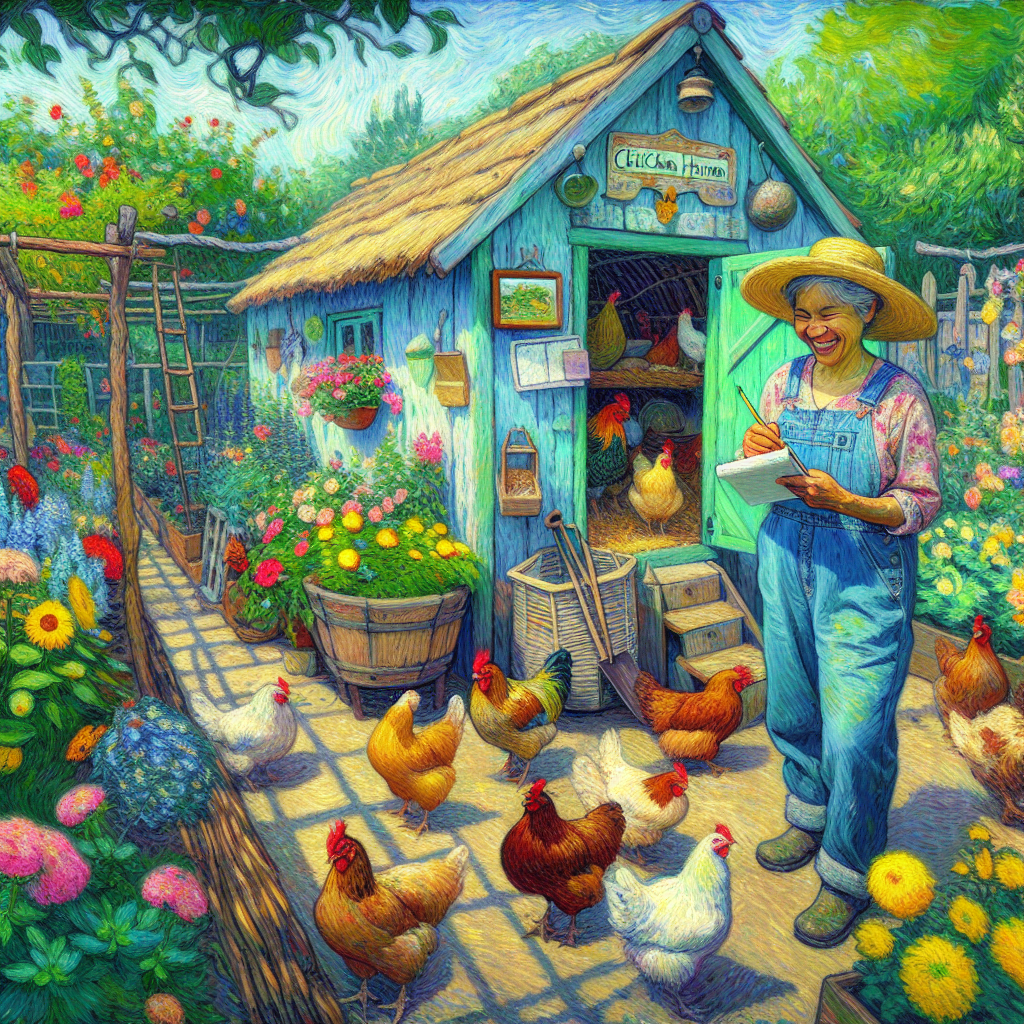
When we think about keeping our backyard chickens safe from extreme weather, it goes beyond nails and wood; it’s about creating a sanctuary. Picture your flock, pecking happily on a sunny day. Now imagine a storm rolling in, the wind howling like a pack of wolves. That sense of vulnerability can be gut-wrenching, not just for the birds, but for you, the caretaker. There’s an emotional bond that forms every time you hear a cluck or see a feathered face peeking through the coop.
The first step is to strengthen your coop’s structure. Think about it: a sturdy roof and walls are your first line of defense against the elements. After all, you wouldn’t want your chickens to feel like they’re living in a flimsy cardboard box during a raging storm. An added layer of insulation can also be beneficial during extreme heat or cold. This isn’t just about durability; it’s about compassion—giving your flock a reliable home where they can thrive.
Next, consider ventilation. Chickens may be tough, but they also need to breathe. A well-ventilated coop prevents overheating in the summer and reduces moisture in the winter, which not only shields your birds but also keeps their feathers looking pristine. It’s wise to ensure you have protective mesh to keep out predators while allowing fresh air in. You’re not just building a coop; you’re constructing a fortress of love.
Now let’s get practical: drainage systems can be your secret weapon against flooding. When heavy rains turn your yard into a swamp, having a raised foundation or a reliable drainage system can save the day. It may seem like a small detail, but it’s one that can change everything for those quivering little bodies inside.
Ethically, it’s our duty as caretakers to ensure our feathers come first. When you invest the time and effort into building a secure environment, it reflects your values. You’re taking a stand against neglect and showing that every life matters, no matter how small.
So gather your materials, tie on your work gloves, and let’s make sure our backyard chickens have a safe haven that can weather any storm. It’s not just an investment in a coop; it’s an investment in connection, care, and their right to live without fear. Together, we can ensure they peck happily for years to come.
How Can We Ensure Our Coops Withstand Extreme Weather Conditions?
How Can We Ensure Our Coops Withstand Extreme Weather Conditions?
- Keeping backyard chickens safe involves creating a sanctuary beyond just physical structure.
- Strengthening the coop with a sturdy roof and walls is essential for protection against extreme weather.
- Adding insulation helps maintain a comfortable temperature during heat and cold.
- Good ventilation is important for chicken health, preventing overheating and excess moisture.
- Implementing drainage systems can prevent flooding and protect chickens from swamping hazards.
- Taking the time to build a secure environment reflects a commitment to the well-being of your flock.
- Investing in your chickens’ safety creates a lasting bond and ensures they thrive and live without fear.
How Can We Ensure Our Coops Withstand Extreme Weather Conditions?
How Can Adapting Flocks Contribute to a Healthier Ecosystem Overall?
Imagine stepping into your backyard, greeted by the gentle clucking of a few scrappy, feathered friends. Backyard chickens are not just a trendy style of urban farming; they’re a gateway to understanding how adapting flocks can cultivate a healthier ecosystem. This isn’t just about the eggs, although fresh eggs are a delight. It’s about community, collaboration, and a strong interconnectedness that feeds our souls as much as our bodies.
When we look at flocks, we’re not just observing poultry; we’re seeing vital players in a larger symphony of life. Each chicken brings its unique gifts to the table—natural pest control, nutrient cycling, and soil improvement. Chickens forage, scratch, and peck, breaking down organic matter and turning it into rich fertilizer that fosters plant growth. This collaboration between livestock and the land provides a foundation for sustainable practices, reducing our dependency on chemical fertilizers that ding our ecosystem’s health.
Adapting flocks to local environments also cultivates a deeper ecological awareness. Each person raising chickens becomes a steward not just of their flock but of their surroundings. The act of caring for these birds prompts conversations about biodiversity and local ecology, connecting us to the land and to one another. Imagine a neighbor stopping by to share tips or swap eggs—a simple act that transcends the backyard, building bonds that empower the community.
Ethically, the idea of raising chickens at home fosters an understanding of where our food comes from, prompting us to confront our consumer habits. We shift from passive consumption to active participation in nature’s rhythms, making informed decisions that benefit both our own families and the planet.
As you ponder the potential of these small, feathered creatures, remember the legacy they create. Each chicken nurtures soil integrity, attracts beneficial insects, and reaps the rewards of conscious living. These relationships shape more than just individual backyards; they contribute to a greater ecosystem—a flourishing habitat where people and nature coexist in harmony.
So, whether you’ve got a few hens pecking around or are simply intrigued by the concept, embrace the possibility of adapting flocks in your life. It’s an invitation to connect with nature, your community, and your own consciousness about sustainability. It’s time to stand shoulder to shoulder with our feathered friends in the journey towards a healthier planet.

How Can Adapting Flocks Contribute to a Healthier Ecosystem Overall?
How Can Adapting Flocks Contribute to a Healthier Ecosystem Overall?
- Backyard chickens promote urban farming and understanding of healthier ecosystems.
- Beyond fresh eggs, they foster community, collaboration, and interconnectedness.
- Chickens contribute to natural pest control, nutrient cycling, and soil improvement.
- They transform organic matter into rich fertilizer, enhancing sustainable practices.
- Raising chickens encourages ecological awareness and stewardship of the local environment.
- Engaging with chickens prompts conversations about biodiversity and community bonding.
- Raising chickens nurtures conscious living and a deeper understanding of food origins.

How Can Adapting Flocks Contribute to a Healthier Ecosystem Overall?
What Affordable Solutions Exist for Upgrading Our Poultry Systems?
Upgrading our poultry systems doesn’t always require a bank-breaking budget, and affordable solutions are as close as your own backyard. Imagine the satisfaction of raising your own flock of backyard chickens, each cluck a testament to sustainable living and a wholesome return to our roots. The emotional tug of this endeavor is undeniable; it’s about nurturing life and watching it flourish, creating a meaningful bond between humans and the birds that offer not just eggs, but companionship and joy.
Think rationally for a moment. When it comes to poultry systems, the best upgrades often don’t come from the glossy pages of industry magazines but rather from the pragmatic ingenuity of everyday folks. Simple solutions like repurposed materials—think old pallets turned into chicken coops or rainwater systems to keep things eco-friendly—can both save money and minimize waste. This kind of resourcefulness speaks to our heads, proving that with a bit of creativity and elbow grease, we can achieve a lot without breaking the bank.
Now, let’s delve into ethics. There’s a growing awareness about the welfare of animals, and fostering a healthy environment for chickens is paramount. By upgrading our systems with affordable resources, we’re not only ensuring better lives for these creatures but also advancing humane practices within our communities. It’s a ripple effect; taking good care of our feathered friends promotes ethical farming and inspires others to follow suit.
Connecting with local extension services or even online forums, where seasoned poultry keepers exchange wisdom, teaches us that we’re part of a larger narrative. This camaraderie creates a sense of belonging, reinforcing the idea that while upgrading our poultry systems may start with personal effort, it’s a shared journey. Investing time in our communities fosters connections that benefit everyone, creating a robust support system rooted in shared experiences and goals.
Finally, the call to action is clear. If you’ve ever considered keeping backyard chickens, the time is now. Affordable solutions for upgrading your poultry system await just outside your door, ready to transform not just your backyard but your lifestyle. Embrace the adventure; it’s an opportunity to cultivate resilience, creativity, and connection, all while contributing to a brighter future for both our families and our feathered companions.

What Affordable Solutions Exist for Upgrading Our Poultry Systems?
What Affordable Solutions Exist for Upgrading Our Poultry Systems?
- Upgrading poultry systems can be affordable and achievable without a large budget.
- Raising backyard chickens fosters sustainable living and creates a bond between humans and birds.
- Pragmatic solutions often come from everyday individuals rather than industry experts.
- Repurposing materials, like old pallets for coops, can save money and reduce waste.
- Promoting animal welfare and humane practices is essential when upgrading poultry systems.
- Engagement with community resources and experienced poultry keepers fosters a sense of belonging.
- Now is the time to embrace backyard chicken-keeping to enhance lifestyle and community connection.
What Affordable Solutions Exist for Upgrading Our Poultry Systems?
Conclusion
Standing in your backyard, surrounded by a gentle chorus of clucks, you’re not just observing chickens; you’re witnessing a resilient movement. Every coop built and every egg laid is an affirmation of our potential to adapt in a time when climate change looms large. Raising backyard chickens isn’t merely an act of nurturing life; it represents a profound commitment to our environment and community.
This isn’t about turning your suburban home into a farm; it’s about cultivating a relationship—not just with these feathered companions but also with the Earth. Chickens convert food scraps into nourishing eggs, enriching local soil and reinforcing sustainable practices that ripple outward to benefit the entire ecosystem. Each coop becomes a gathering place, a tangible example of how personal choices can influence broader societal norms and environmental health.
When you connect with your flock, you rediscover that childlike joy—those moments spent watching a hen peck or enjoying the thrill of collecting fresh eggs ignite a deep emotional bond. It reminds us of the responsibilities we carry as caretakers, and with that, we find our ethical footing. This relationship transcends mere ownership; it forges a community around shared values and mutual support, reinforcing the belief that each of us has a role in crafting a sustainable future.
In navigating the complexities of climate adaptation, science and creativity can turn your backyard into a sanctuary. Insulating buildings, ensuring proper ventilation, and utilizing rainwater systems are more than practical upgrades; they signal your commitment to the well-being of your flock and instruct others on the power of responsible stewardship.
As we share stories and solutions, we empower ourselves and our neighbors to view sustainability as a collective journey. Each simplicity—a casual exchange of gardening tips, or swapping eggs—stitches a stronger societal fabric, fostering a grassroots movement that celebrates the interconnectedness of life.
Embrace the call to action. By welcoming chickens into our lives, we commit to nurturing both the land and our community, planting seeds of resilience and hope for generations. Your backyard might not change the world overnight, but it could very well be a microcosm of the larger shift we need to see. So, let’s roll up those sleeves, build that coop, and acknowledge the potential nestled in our backyards. Together, let’s forge stronger connections with our environment, our food systems, and ultimately, each other.
Conclusion
Conclusion:
- Raising backyard chickens is a resilient movement against climate change.
- Each coop and egg symbolizes a commitment to the environment and community.
- This practice fosters a relationship with both chickens and the Earth, enriching local ecosystems.
- Caring for chickens helps build emotional bonds and reinforces ethical responsibilities as caretakers.
- Implementing sustainable practices in backyard chicken keeping can inspire others in the community.
- Sharing experiences and solutions promotes a grassroots movement towards sustainability.
- Welcoming chickens into our lives helps nurture the land and foster hope for future generations.

Conclusion
Other Resources

Other Resources
Here is a list of other resources you can review online to learn more:
- Cream Legbar
- opossums
- cats
- Quail Disease
- Leghorn
- cracked corn
- salmonella
- flock raiser
- Sussex
- chick starter
- Erysipelas
- Basque
- Chantecler
- Blue Laced Red Wyandotte
- Fowl Cholera
- green potato skins
- Poultry Lice
- Brabanter
Use This Prompt To Get More Resources With Your Favorite Online AI Tool: Please provide me with a list of online articles with their URLs in a bulleted list that I can read regarding Adapting Flocks to Climate Change, One Coop At a Time
Other Resources
Glossary Terms
Adapting Flocks to Climate Change, One Coop At a Time – Glossary Of Terms
1. Flocks: Groups of domesticated birds raised for eggs, meat, or feathers.
2. Climate Change: Long-term alterations in temperature, precipitation, and other atmospheric conditions affecting ecosystems and agriculture.
3. Coop: A structure for housing domesticated birds, providing protection from predators and environmental elements.
4. Adaptation: Adjustments in methods or practices to mitigate the impacts of climate change on animals and their environment.
5. Resilience: The ability of flocks to withstand and recover from adverse climate conditions.
6. Microclimate: A small, specific area where the climate differs from the surrounding environment, often influenced by natural or man-made features.
7. Biosecurity: Measures taken to protect livestock from disease and pests, crucial for maintaining flock health under climate stress.
8. Sustainable Practices: Agricultural methods that maintain environmental health, ensuring ongoing productivity and resilience.
9. Heat Stress: When birds experience elevated body temperatures due to high temperatures, leading to decreased welfare and productivity.
10. Cold Stress: Physiological strain on birds occurring in extremely low temperatures, affecting survival and performance.
11. Foraging: The act of searching for and gathering food, a behavior that can be influenced by environmental conditions.
12. Water Management: Strategies to ensure adequate water supply for flocks amid climate-induced droughts or flooding.
13. Genetic Diversity: Variability in genes among individuals within a flock, contributing to overall health and adaptability.
14. Nutritional Adaptation: Adjustments in feeding practices to meet the changing energy and health needs of flocks due to climate impacts.
15. Pasture Management: Practices to improve the quality and availability of pastureland for free-range birds, influenced by climate conditions.
16. Integrated Pest Management (IPM): An eco-friendly approach to manage pests that can harm flocks, especially in changing climates.
17. Shelter Design: Architecture of coops and breeding facilities to provide optimal protection and comfort depending on climate conditions.
18. Climate-Resilient Breeds: Bird species or strains specifically bred for resilience to climate extremes, such as heat or cold.
19. Shade Structures: Architectural features in coops that provide respite from heat and sun for the birds.
20. Disease Resistance: The ability of birds to withstand or recover from illnesses, which can be affected by changing environmental stressors.
21. Water Quality: The condition of water provided to flocks, crucial for health and productivity, particularly in fluctuating weather.
22. Renewable Energy: Energy sources that can sustainably power coops, reducing carbon footprints associated with flock management.
23. Carbon Footprint: The total greenhouse gas emissions produced directly or indirectly by flock management practices.
24. Climate Variability: Fluctuations in climate patterns that can influence agricultural productivity and livestock health.
25. Permaculture: An agricultural philosophy that works with natural ecosystems to promote sustainable farming practices.
26. Biodiversity: The variety of life in a given habitat, contributing to ecological balance and resilience in farming systems.
27. Soil Health: The state of soil quality, essential for producing feed and maintaining ecosystem function, affected by climate change.
28. Animal Welfare: The well-being of farm animals, requiring appropriate housing, health care, and environmental conditions.
29. Integrated Farming: A holistic approach combining crop and livestock production to mitigate climate impacts and enhance sustainability.
30. Policy Framework: Regulations and guidelines designed to support sustainable farming practices and adapt to climate change implications on agriculture.
Glossary Of Terms
Other Questions
Adapting Flocks to Climate Change, One Coop At a Time – Other Questions
If you wish to explore and discover more, consider looking for answers to these questions:
- What are the key benefits of raising backyard chickens?
- How can one get started with raising chickens in their backyard?
- What are the common challenges faced by backyard chicken owners?
- How does raising chickens contribute to sustainability?
- What are the best practices for chicken care and management?
- How can communities support each other in raising chickens?
- What types of chicken breeds are best for beginners?
- Are there legal regulations regarding chicken keeping in urban areas?
- What innovative techniques can be used to improve coop design?
- How do chickens interact with local wildlife and what precautions should be taken?
- What resources are available for learning about chicken husbandry?
- How can chicken farming influence local food systems?
- What are the long-term impacts of keeping chickens on local ecosystems?
- How can technology aid in the management of backyard chicken flocks?

Other Questions
Haiku
Adapting Flocks to Climate Change, One Coop At a Time – A Haiku
Backyard flocks thrive strong,
Nurture life, bond and share hope—
Small steps, big impacts.

Haiku
Poem
Adapting Flocks to Climate Change, One Coop At a Time – A Poem
In backyards bright, where chickens roam,
A gentle clucking, calling us home.
With feathers ruffled, they stand at the gate,
Champions of change in a world rife with fate.
They speak of resilience, of nurturing grace,
Turning scraps into sustenance, each precious trace.
From compost to colors, nature’s tapestry spun,
Together we thrive and embrace what we’ve done.
With hands in the soil, we dig in with cheer,
Building our coops, as the storm clouds draw near.
It’s not just an act; it’s a heartfelt decree,
To care for our kin and the earth, wild and free.
Imagine the moments, the laughter and joy,
A flick of a feather, a wiggle, a ploy.
The eyes of a hen, glistening bright,
Remind us of friendship, of love’s tender light.
Yet, with practical minds, we confront the alarm,
Adapting our systems, keeping them warm.
Ventilation and drainage, resilience our theme,
A sturdy fortress, protecting our dream.
Ethical choices weave through our days,
In nurturing life, we find countless ways.
Together we gather, in gardens or lanes,
Sharing the harvest, easing the pains.
Let’s echo the stories of those who endure,
In small acts of kindness, we find we are sure.
A network of hope, where voices align,
Raising our flocks, our futures entwined.
So roll up your sleeves, let’s embrace what we’ve found,
A purpose, a passion, where real hearts abound.
Each cluck echoes softly, a call to be bold,
In the dance with our chickens, let’s rewrite the old.

Poem
Checklist
Adapting Flocks to Climate Change, One Coop At a Time – A Checklist
Backyard Chicken Adoption Checklist
Emotional Appeal
_____ Reflect on Your Motivation: Why do you want to raise chickens? Recall memories of joy or connection with animals.
_____ Visualize Your Flock: Imagine the daily interactions and the joy of watching them thrive.
_____ List Emotional Benefits: What fulfilling experiences do you seek (e. g. , companionship, nurturing)?
Rational Appeal
_____ Assess Your Space: Measure your available backyard area for coop and run dimensions.
_____ Research Chicken Breeds: Identify breeds that suit your climate, space, and needs.
_____ Create a Care Schedule: Plan daily routines for feeding, cleaning, and health check-ups.
_____ Consider Costs: Calculate initial setup costs (coop materials, feed, etc. ) and ongoing expenses.
Ethical Appeal
_____ Understand Animal Welfare: Research the ethical responsibilities of raising chickens.
_____ Explore Sustainable Practices: Learn about eco-friendly feeding, care, and waste disposal methods.
_____ Community Impact: Consider how your flock can positively influence your neighborhood’s sustainability mindset.
Authority Appeal
_____ Join Poultry Communities: Connect with local poultry clubs or online forums for guidance and shared experiences.
_____ Utilize Expert Resources: Explore materials from agricultural extension services or reputable poultry care guides.
_____ Attend Workshops: Sign up for local workshops on chicken care or coop building.
Narrative Appeal
_____ Inspire Through Stories: Share or document personal testimonials from those who have successfully raised chickens.
_____ Picture Your Journey: Envision the transformation of your yard and life from this endeavor.
_____ Create Connections: Foster relationships with neighbors who may share insights or tips on chicken raising.
Social Appeal
_____ Engage Neighbors: Talk to local families about their experiences with backyard chickens.
_____ Organize Community Events: Host or participate in workshops or meetings focused on backyard farming.
_____ Share Your Journey: Use social media to create buzz about your chicken-raising adventure and invite others to join.
Practical Steps to Implement
_____ Choose a Coop Design: Decide on coop plans that fit your yard and climate, factoring in necessary features (ventilation, insulation).
_____ Gather Materials: Collect sustainable or recycled materials for coop construction and upgrades.
_____ Build Relationships: Reach out to fellow chicken enthusiasts for advice, support, and shared resources.
By using this checklist, you can take actionable steps to raise backyard chickens, contributing to a sustainable and community-oriented lifestyle.

Checklist
At BackyardChickenNews, we help people who want to raise backyard chickens by collating information and news blended with our own personal experiences.
Be sure to read our other related stories at BackyardChickenNews to learn more about raising chickens in your backyard.