

Unlocking Maternal Instincts: Ai Identifies Nature’s Nurturers
By Tom Seest
At BackyardChickenNews, we help people who want to raise backyard chickens by collating information and news blended with our own personal experiences.
Be sure to read our other related stories at BackyardChickenNews to learn more about raising chickens in your backyard.
Broody Hen Detector – AI Spots Natural Mothers Early
In the world of backyard chickens, few things are more captivating than the instinctual drive of a hen to nurture her young. That drive, a deep-rooted biological imperative, is what gives rise to the “broody hen” phenomenon—a term that brings both confusion and excitement to those venturing into the realm of chicken parenting. But what if I told you that artificial intelligence is stepping into the barnyard, lending a hand to identify these natural mothers early on?
Imagine a backyard chicken coop humming with life, where clucks of curiosity echo, and the gentle rustle of feathers fills the air. The anticipation builds as you observe your flock, hoping for the right moment when one of them decides to embrace her maternal side. Traditional methods of spotting a broody hen can be a waiting game, fraught with uncertainties. Enter AI technology—a savvy helper, quietly analyzing behaviors, body language, and even environmental conditions to tip you off before the first egg is laid.
Now, let’s be honest. There’s a certain magic that comes from witnessing a hen transform into a nurturing figure, a process rooted not just in the reproductive cycle, but in a deep connection to nature. AI transcends the limitations of human observation with its ability to process data at lightning speed. Think of it as your modern-day chicken whisperer, one that observes patterns you might miss—how certain hens fluff their feathers, settle into nesting boxes, and exhibit protective behaviors as they prepare to take on the role of mother.
With a smart solution at your fingertips, imagine the potential: planning egg hatch dates, preparing proper nurseries, and ensuring that both hen and hatchlings have a smooth transition into the new world. You’re not just a chicken keeper anymore; you’re a facilitator of life.
The ethical dimensions of this technology cannot be overlooked. By providing insights into hen behavior, you foster an environment that prioritizes the welfare of your flock. Engagement with this technology encourages a more compassionate approach to animal husbandry—a narrative woven from the threads of respect and stewardship.
As you embrace this innovation, remember the stories of those who have walked this path before you. Every backyard chicken is a vital thread in the tapestry of community agriculture. By recognizing and nurturing their instincts, we honor the ancient bond between humans and domesticated birds. The journey from maintaining a backyard flock to becoming a true steward of life connects us to something greater—a shared responsibility to keep the cycle of life thriving.
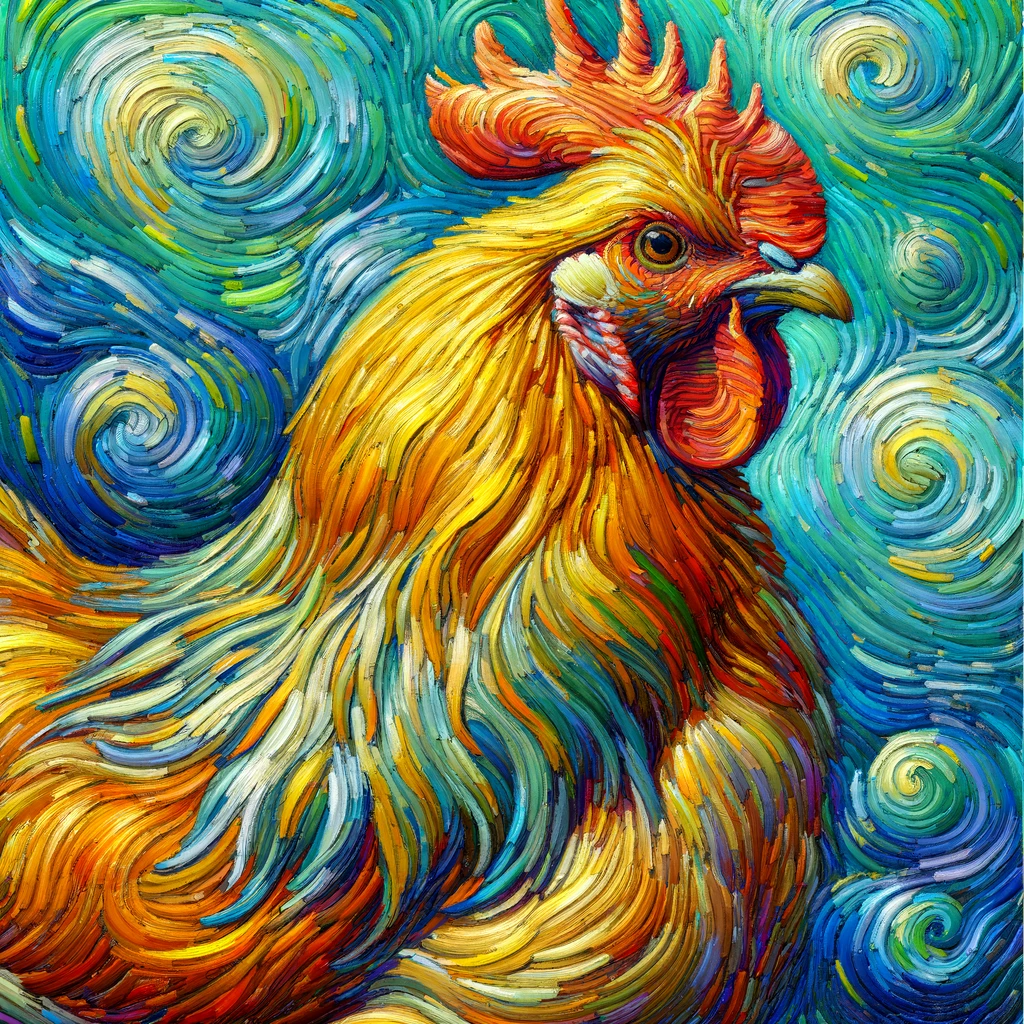
Broody Hen Detector – AI Spots Natural Mothers Early
Broody Hen Detector – AI Spots Natural Mothers Early
- The “broody hen” phenomenon highlights a hen’s instinctual drive to nurture her young.
- Artificial intelligence assists in early identification of broody hens by analyzing behaviors and environmental conditions.
- AI technology enhances traditional methods of spotting broody hens, reducing uncertainties in the process.
- Witnessing a hen transform into a nurturing figure reflects a deep connection to nature and the reproductive cycle.
- AI acts as a modern-day “chicken whisperer,” identifying patterns like feather fluffing and protective behaviors.
- Utilizing AI allows for better planning of hatch dates and ensuring a smooth transition for hens and hatchlings.
- Engaging with this technology fosters a compassionate approach to animal husbandry and honors the humans’ bond with domesticated birds.

Broody Hen Detector – AI Spots Natural Mothers Early
Table Of Contents
- Broody Hen Detector – AI Spots Natural Mothers Early
- What Signs Indicate a Hen Is Becoming Broody?
- How Can a Broody Hen Benefit My Flock?
- What Are the Challenges Of Managing a Broody Hen?
- What Makes a Broody Hen an Ideal Mother for Chicks?
- How Does AI Help In Identifying Natural Mother Hens?
- Conclusion
- Other Resources
- Glossary Of Terms
- Other Questions
- Haiku
- Poem
- Checklist
What Signs Indicate a Hen Is Becoming Broody?
In the world of backyard chickens, observing a hen transform into a motherly figure is nothing short of a spectacle. When you notice changes in her behavior, it’s like watching a familiar story unfold – one filled with instinct, nurture, and life. As the days grow longer and the sun casts a warm glow over your coop, one hen might suddenly become the star of the show, showcasing signs that she’s ready to embrace motherhood.
One of the first indications is her refusal to leave the nesting box. A broody hen cozies up, fluffing her feathers, as if she’s claiming the very essence of motherhood. Imagine this: there she is, settled in her own little world, unwilling to budge even for the most tempting treats. You may call her, rattle the feed, but her focus sharpens like a laser beam on the idea of hatching eggs. This steadfast dedication draws you in, making you appreciate the profound instincts that guide her actions.
Physically, she may exhibit aggressive behavior, defending her territory with a fierceness akin to a lioness protecting her cubs. This dramatic shift can be unnerving if you’re not prepared, but it’s a remarkable testament to her commitment. Take a moment to step back and watch this transformation; it’s nature’s beautiful choreography, with a singular focus on nurturing future generations.
Another charming sign is her incessant clucking, a soft symphony that echoes her maternal instincts. It’s not just noise; it’s her way of communicating, almost like a lullaby she sings to her future chicks, carrying an infectious optimism that resonates in the heart of any backyard farmer. An emotional connection grows, where you can’t help but admire her dedication and courage.
Ethically, fostering a broody hen can evoke strong feelings about life cycles and responsibility. Should you let her hatch her brood or intervene? This decision weighs heavily on many backyard chicken keepers, creating a sense of community as experiences, lessons, and humorous anecdotes are shared among fellow enthusiasts.
And let’s discuss the unanticipated twist: a hen sometimes chooses not just to brood her own eggs but seeks out other hens’ eggs, showing empathy and a desire to nurture that can catch even the most seasoned keeper off guard. It’s a heartwarming reminder that motherhood transcends biology; it’s about connection and shared experiences.
So, the next time you spot a hen nestled in her box, remember: it’s not just a phase. It’s a journey where instinct meets heart, a delicate weaving of the natural world that can inspire us all in our roles as caretakers of the lives around us. Your backyard isn’t just a coop; it’s a sanctuary where stories of survival, love, and growth unfold daily.

What Signs Indicate a Hen Is Becoming Broody?
What Signs Indicate a Hen Is Becoming Broody?
- Observing a hen transform into a motherly figure is a captivating experience, marked by instinct and nurture.
- A broody hen refuses to leave the nesting box, focused on hatching eggs despite distractions.
- She may exhibit aggressive behavior while fiercely defending her territory, showcasing her commitment.
- The incessant clucking of a broody hen serves as a form of communication and a nurturing lullaby.
- Deciding whether to allow a hen to hatch her brood can evoke strong ethical considerations among chicken keepers.
- A broody hen may choose to brood other hens’ eggs, highlighting empathy in motherhood beyond biology.
- This journey of motherhood reflects a delicate weave of nature, inspiring caretakers in their roles.

What Signs Indicate a Hen Is Becoming Broody?
How Can a Broody Hen Benefit My Flock?
There’s something deeply fascinating about a hen settling into her role as a broody. Imagine standing in your backyard, surrounded by your flock of chickens, the sun warming the feathers of your birds. Envision one hen, puffed up and determined, staking her claim on a clutch of eggs. That scene represents more than just a natural cycle; it embodies the heart of what keeps backyard chickens vibrant and engaged.
A broody hen serves as a living testament to the circle of life. When you allow her to sit and nurture those eggs, you’re inviting a powerful transformation into your flock. Each chick she hatches not only represents a new life but also a unique character, bringing fresh energy and diversity to your backyard. Picture a handful of chirping chicks, learning the rhythms of their new world beneath their mother’s watchful eye, forging bonds that will last their entire lives. It’s a deeply emotional experience, akin to watching your own children grow.
On a rational level, encouraging a broody hen can save you time and resources. Instead of relying on incubators or brooding boxes, nature provides the perfect alternative. Letting your hen take the reins reduces the stress of artificial incubation and taps into her instinctive abilities. Those little chicks, hatched naturally, often develop resilience and adaptability, traits critical for the life they will lead in your backyard. Consider this a long-term investment; the health and vitality of a hen raised in a natural setting can lead to a more robust flock overall.
Then there’s the ethical dimension. Supporting a broody hen enriches her existence, allowing her to fulfill her instincts. It fosters a harmonious relationship between human and animal, demonstrating respect for her natural behaviors. You’re not just raising chickens; you’re nurturing a community. The act of providing a safe environment for your broody hen encourages lessons about empathy, responsibility, and stewardship—values that resonate deeply in today’s disconnected world.
Socially, sharing the journey of hatching and raising chicks can bring your own community closer together. Neighbors and friends will be drawn to the spectacle, sparking conversations that weave a fabric of connection. Perhaps you’ll host gatherings where others can witness the miracle of life unfolding in your yard, reinforcing bonds that can extend far beyond the realm of chickens.
So, if you have a broody hen, consider not just the physical act of hatching, but also the intangible rewards that come with it. Embrace her role and let her bring new life to your flock, enriching both her life and yours while contributing to the tapestry of your backyard chickens.

How Can a Broody Hen Benefit My Flock?
How Can a Broody Hen Benefit My Flock?
- A broody hen symbolizes the vital practices of backyard chicken keeping.
- Allowing her to nurture eggs fosters transformations within the flock.
- Chicks hatched naturally bring diversity and vitality to the backyard.
- Supporting a broody hen saves resources compared to artificial incubation.
- Encouraging a broody hen promotes resilience in chicks, ensuring their adaptability.
- The process instills values of empathy and responsibility in caregivers.
- Sharing the experience can strengthen community bonds and connections.

How Can a Broody Hen Benefit My Flock?
What Are the Challenges Of Managing a Broody Hen?
Managing a broody hen presents a unique set of challenges that stretch across the emotional, practical, and ethical landscapes of backyard chicken care. When a hen enters a broody state, she becomes consumed by the urge to sit on and hatch eggs. While this behavior is natural, it can stir a pot of complexities for any chicken owner.
At first glance, the sight of a devoted hen nestled tightly on her chosen clutch can tug at your heartstrings. It’s a picture of dedication and maternal instinct that resonates with anyone who has witnessed the fierce love of a mother. However, the reality is far less idyllic. Broody hens can be stubborn, refusing to leave the nest even to eat or drink. Imagine the frustration: you want to encourage her health and well-being, yet her instincts drive her to neglect basic needs. This creates a tug-of-war between what’s natural and what’s necessary.
From a practical standpoint, managing a broody hen means navigating the delicate balance of nurturing her instincts while ensuring the overall health of your flock. It may be tempting to let nature run its course, but a persistent broody hen can stop laying eggs, potentially hindering the productivity of your backyard chickens. You might find yourself wrestling with ethical concerns—do you allow her to brood and risk her health, or do you risk her emotional distress by breaking that will?
This scenario doesn’t just affect the broody hen; it ripples throughout your small flock as social dynamics shift. The established pecking order can become unsettled, leading to tension among the hens. Keeping a cohesive flock becomes your new priority, urging you as the owner to become the diplomat, engaging with each bird’s needs while advocating for harmony.
An original angle to consider is the concept of “communing with nature” through the bond formed between the hen and her caregiver. The demands of a broody hen can be daunting, yet they open an opportunity for deeper connection. Take a moment to sit beside her, talk gently, and observe her behaviors. This practice not only aids you in managing her condition but allows you, as the caretaker, to embrace the rhythm of life unfolding before your eyes. It’s a chance to bear witness to the cycle of birth and nurturing right in your own backyard, reminding you of the beauty and complexity of nature.
So, while managing a broody hen can be fraught with challenges, it also invites us to understand and participate in a poignant narrative of care, responsibility, and connection within our backyard sanctuaries.
What Are the Challenges Of Managing a Broody Hen?
What Are the Challenges Of Managing a Broody Hen?
- Managing a broody hen involves emotional, practical, and ethical challenges in backyard chicken care.
- A broody hen exhibits strong maternal instincts but may neglect basic needs like eating and drinking.
- Chicken owners face a dilemma between allowing natural behaviors and ensuring the hen’s health and flock productivity.
- Broody hens can disrupt the established pecking order, affecting the social dynamics of the flock.
- Owners must balance nurturing instincts with maintaining flock harmony and cohesion.
- The experience offers an opportunity for a deeper connection between caregiver and hen through observation and gentle interaction.
- Managing a broody hen invites participation in a narrative of care and responsibility in backyard settings.
What Are the Challenges Of Managing a Broody Hen?
What Makes a Broody Hen an Ideal Mother for Chicks?
In the world of backyard chickens, the broody hen stands out like a beacon of dedication and instinct. She’s not just a feathered creature; she embodies the essence of motherhood in its purest form. When a hen goes broody, she transforms into a tireless guardian and nurturer, endlessly committed to the future of her chicks.
Imagine, if you will, a cozy corner of your backyard, a patch of earth where a hen settles down, fluffing up her feathers, ready to commit to the miracle of life. It’s a striking transformation that draws us in—here’s a creature who knows that every moment is crucial. The broody hen bears the weight of responsibility, instinctively aware that her purpose is deeper than just laying eggs. Like a seasoned coach, she nurtures her eggs with a warmth that transcends mere biology. It’s a reminder that the nurturing instinct can run as deep in animals as it does in humans.
What makes her an ideal mother? First, it’s her fierce dedication. While many may take their roles lightly, a broody hen is unwavering, often enduring those long, solitary hours where the world outside her nest may seem chaotic. This instinct is not just about ensuring survival; it’s about crafting a safe sanctuary for the next generation. It’s a valuable lesson in commitment—a reminder that it’s okay to put in the hard work for something you believe in, no matter the odds.
The gut connection comes from witnessing her protect instinctively. When other chickens dare to wander too close, she becomes a formidable sentinel, defiantly puffing up, ready to defend her precious future. This fierce protectiveness speaks to a universal truth: whether human or chicken, the instinct to protect those we love is inherent and powerful.
Moreover, the broody hen exemplifies social learning. Her chicks learn vital lessons in behavior and survival through observation. As she clucks softly, guiding them to food, she’s more than just a mother; she’s a mentor. When we think about our backyard chickens, we should also consider the ethos of nurturing that we can embrace in our own lives.
Her story resonates deeply, reminding us that in the backyard, amidst the clucking and scratching, lessons of love, dedication, and the beauty of nurturing unfold. With each feathered embrace, a broody hen teaches us not only about motherhood but also about the importance of community, connection, and the eternal cycle of life. Embracing that spirit can inspire us to be more dedicated caretakers in our own spheres.

What Makes a Broody Hen an Ideal Mother for Chicks?
What Makes a Broody Hen an Ideal Mother for Chicks?
- The broody hen exemplifies dedication and instinct, embodying motherhood.
- Transforms into a guardian and nurturer, committed to her chicks.
- Her protective nature showcases a deep responsibility beyond laying eggs.
- Demonstrates fierce dedication, enduring solitude to safeguard her nest.
- Instinctively defends her future chicks, highlighting the universal protective instinct.
- Acts as a mentor, teaching her chicks vital survival lessons through observation.
- Inspires a nurturing spirit, emphasizing commitment and community in our own lives.
What Makes a Broody Hen an Ideal Mother for Chicks?
How Does AI Help In Identifying Natural Mother Hens?
In a world where the simple joys of raising Backyard Chickens can become complex, artificial intelligence emerges as a trusty partner, especially when it comes to identifying natural mother hens. Imagine you’re a novice chicken keeper, standing in your backyard, watching diverse breeds scratch at the earth. Among them, one hen stands out, instinctively gathering her chicks close, showing the nurturing qualities that define a true mother. It’s this innate behavior that AI taps into, transforming the way we connect with our feathered friends.
AI systems analyze the subtle cues that define maternal instincts in birds. With the ability to scrutinize thousands of hours of footage, these technologies learn to recognize not just the obvious behaviors—like clucking or brooding—but also the nuances of body language and social interaction among hens. The ingenious algorithms act like a seasoned farmer’s intuition, helping chicken enthusiasts identify the hens that will provide the best care, ensuring healthier, happier chicks.
The emotional weight of this technology shouldn’t be overlooked. Raising Backyard Chickens is more than just a hobby; it’s about creating bonds, fostering life, and nurturing a connection to nature. When technology enhances this experience, it resonates deeply with us. For instance, consider Jane, a first-time chicken owner. With a fear of choosing the wrong hen, she turned to an AI system that highlighted a particular, gentle bird as a natural mother. The joy on Jane’s face when that hen successfully raised her chicks was more than satisfaction; it was a validation of trust. That moment connected sophistication with simplicity, blending tradition with innovation.
AI also addresses ethical considerations in poultry management. The ability to identify nurturing hens ensures not only the well-being of chicks but also contributes to a more sustainable approach to backyard farming. When we choose hens that prioritize care, we’re supporting an ecological balance and fostering a responsible community. It’s a collective action grounded in empathy for life forms, addressing not just our desires but also the needs of the creatures we raise.
Furthermore, as we build communities of chicken owners, sharing experiences enhanced by AI, we reinforce a sense of camaraderie that’s been lost in many modern practices. By crafting a story around our Backyard Chickens with the support of emerging technologies, we inspire action within ourselves and among our peers, cultivating not just poultry, but a shared ethos rooted in the love of nurturing, both in nature and our lives.

How Does AI Help In Identifying Natural Mother Hens?
How Does AI Help In Identifying Natural Mother Hens?
- AI enhances the identification of natural mother hens in backyard chickens.
- AI systems analyze behaviors and body language of hens to recognize nurturing instincts.
- This technology helps chicken keepers choose hens that ensure healthier chicks.
- The emotional connection of raising chickens is deepened with AI support.
- AI fosters ethical poultry management and promotes ecological balance.
- Communities of chicken owners benefit from shared experiences facilitated by AI.
- The integration of technology inspires a nurturing ethos among chicken enthusiasts.
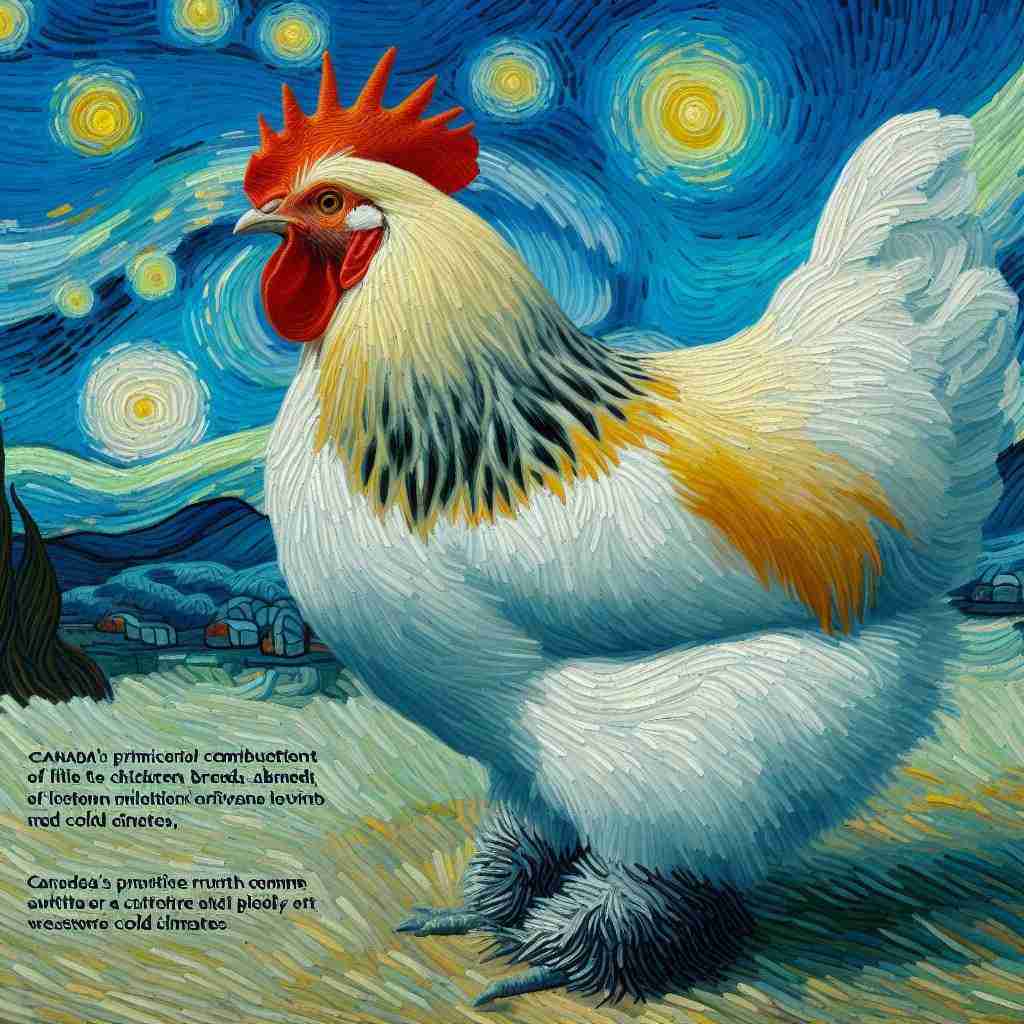
How Does AI Help In Identifying Natural Mother Hens?
Conclusion
In the fascinating world of backyard chickens, the emergence of artificial intelligence as a tool for identifying broody hens marks a significant leap forward in how we engage with these remarkable creatures. Imagine standing in your backyard, the sounds of clucking filling the air, and witnessing a hen instinctively embracing her role as a nurturer. It’s a testament to the profound bond between humans and animals, reminding us of nature’s intricate dance and the invaluable lessons it offers.
AI penetrates the complexities of chicken keeping, acting as a modern-day ally that enhances our understanding of broody behavior. By analyzing subtle cues—body language, nesting habits, and vocalizations—AI removes the guesswork, alerting us to the hens most likely to embody the nurturing spirit. This not only transforms our experience as chicken keepers but also enriches the lives of the birds themselves, allowing us to support their instincts and create a nurturing environment.
The emotional resonance of this innovation cannot be overstated. For many, owning chickens is about connection and community. The story of Jane, a novice chicken keeper who found success with the help of AI, illustrates this beautifully. Her joy at watching a gentle hen raise her chicks was more than just success; it was an affirmation of trust in both technology and nature. This interconnectedness fosters a greater appreciation for the cycles of life and our role within them.
Ethically, utilizing AI in our chicken-keeping endeavors paves the way for more compassionate animal husbandry practices. By pinpointing those hens most inclined to nurture, we not only ensure the well-being of the chicks but also promote sustainable farming practices. In a world where empathy often feels absent, this kind of awareness and responsibility fosters a stronger community, weaving a tapestry of shared experiences among chicken enthusiasts.
Moreover, the importance of nurturing goes beyond the barnyard. The lessons we learn from broody hens—dedication, protectiveness, and community—echo in our own lives. These birds embody the spirit of stewardship, teaching us what it means to care for others, whether they be feathered friends or fellow humans. By embracing these lessons and integrating AI into our practices, we not only elevate the care of our flocks but also honor the timeless relationship between life, nurturing, and responsibility.

Conclusion
Conclusion:
- The integration of artificial intelligence (AI) in identifying broody hens enhances the relationship between humans and chickens.
- AI analyzes cues such as body language, nesting habits, and vocalizations to identify nurturing hens accurately.
- This technology improves chicken-keeping experiences and enriches the lives of the birds.
- The story of Jane, a novice chicken keeper, highlights the joy and connection AI can foster in nurturing chick-rearing.
- Using AI promotes ethical animal husbandry practices and ensures the well-being of chicks.
- Lessons from broody hens—dedication, protectiveness, and community—echo in human lives, emphasizing care for others.
- AI integration in chicken care strengthens community ties and honors the relationship between life and nurturing.
Conclusion
Other Resources

Other Resources
Here is a list of other resources you can review online to learn more:
- Brahmas
- Australorp Club of Australia
- Houdan
- Java
- Orloff
- Sinusitis
- Colibacillosis
- Silver Laced Wyandotte
- Cornish Cross
- raccoons
- Mycoplasmosis
- Plymouth Rock
- mealworms
- collard greens
- Old English Game
- opossums
- Coliform Infection
Use This Prompt To Get More Resources With Your Favorite Online AI Tool: Please provide me with a list of online articles with their URLs in a bulleted list that I can read regarding Broody Hen Detector – AI Spots Natural Mothers Early
Other Resources
Glossary Terms
Broody Hen Detector – AI Spots Natural Mothers Early – Glossary Of Terms
1. Broodiness — physiological and behavioral state in hens driving persistent nesting and incubation of eggs.
2. Broody hen — a female chicken exhibiting broodiness, marked by prolonged sitting, reduced feeding, and protective behaviors.
3. Nesting behavior — actions associated with occupying and tending a nest, such as settling, rearranging bedding, and guarding eggs.
4. Incubation — process of maintaining eggs at the proper temperature and humidity until hatching, achieved by body heat and positioning in broody hens.
5. Clutch — group of eggs a hen attempts to incubate during a single broody period.
6. Brood patch — featherless, vascularized abdominal skin that transfers heat from hen to eggs during incubation.
7. Sitting time (nest dwell time) — duration a hen spends continuously on the nest; primary behavioral signal used for broody detection.
8. Protective behavior — defensive postures, hissing, pecking, or barrier-creation to guard nest and potential chicks.
9. Vocalization patterns — characteristic sounds (clucks, murmurs) associated with broody hens used by audio-based detection systems.
10. Posture cues — visual indicators such as flattened body, lowered weight distribution, and tucked head that signal broodiness.
11. Prolactin — hormone linked to onset and maintenance of broodiness and maternal care in poultry.
12. Photoperiod sensitivity — impact of daylength on reproductive state and the propensity to become broody.
13. Behavior recognition — automated classification of hen actions (sitting, leaving, feeding) from sensor data.
14. Computer vision — use of cameras and algorithms to analyze visual data for detecting broody behavior and postures.
15. Convolutional Neural Network (CNN) — deep learning architecture widely used for image- and video-based pattern recognition.
16. Audio classification — machine learning method for identifying vocal patterns and sound signatures of broody hens.
17. Sensor fusion — combining multiple sensor modalities (video, audio, thermal, RFID) to improve detection robustness.
18. Thermal imaging — infrared sensing to detect heat signatures consistent with incubation and presence on the nest.
19. RFID tagging — radio-frequency identification for tracking individual hens, nest visits, and dwell patterns.
20. Pose estimation — techniques to compute body keypoints and orientation to distinguish broody postures from other stances.
21. Feature extraction — deriving informative metrics (dwell time, heat concentration, posture angles) from raw sensor input.
22. Annotation / Labeling — manual or semi-automated tagging of sensor data with ground-truth behaviors for model training.
23. Training dataset — curated set of labeled examples used to train machine learning models to recognize broodiness.
24. Validation set — reserved labeled data used to tune model hyperparameters and evaluate performance during development.
25. Overfitting — when a model learns training-specific details and fails to generalize to new hens or coop conditions.
26. Model drift — gradual decline in model accuracy over time due to behavioral, environmental, or population changes.
27. Active learning — iterative strategy where the model queries for labels on uncertain examples to improve data efficiency.
28. Precision — proportion of detected broody events that are true broody events; measures false alarm control.
29. Recall — proportion of actual broody events correctly detected by the system; measures sensitivity.
30. Edge computing — local processing of sensor data at the coop or device level to enable low-latency detection and reduce bandwidth.

Glossary Of Terms
Other Questions
Broody Hen Detector – AI Spots Natural Mothers Early – Other Questions
If you wish to explore and discover more, consider looking for answers to these questions:
- How exactly does the AI detect broody behavior—what sensors and inputs does it use (video, audio, motion, temperature)?
- What algorithms or machine-learning models power the broody hen detector?
- How accurate is the AI at identifying broody hens (false positive and false negative rates)?
- How was the AI trained and validated—what datasets and ground-truth annotations were used?
- Does the system work equally well across different chicken breeds and ages?
- How does the AI handle similar behaviors that are not broodiness (sickness, nesting for warmth, egg laying)?
- Can the AI predict the onset of broodiness in advance, and if so, how far ahead?
- How does environmental context (lighting, season, coop layout) affect detection accuracy?
- What is the recommended camera placement and coverage area for reliable detection?
- Does the AI run on-device (edge) or in the cloud, and what are the implications for latency and privacy?
- What are the hardware and connectivity requirements (camera type, power, Wi‑Fi, storage)?
- Is there a mobile app or dashboard for alerts and monitoring, and what features does it offer?
- How are alerts delivered (push notification, email, SMS) and can alert thresholds be customized?
- How is user data stored and protected—who has access to video or behavioral data?
- Are there subscription fees, licensing costs, or one-time purchase options for the system?
- How easy is installation and setup for a typical backyard coop owner?
- What troubleshooting steps should be taken if the system misses broodiness or generates false alerts?
- Can users train or fine-tune the AI on their own flock to improve performance?
- Are there published studies, case studies, or user testimonials demonstrating real-world performance?
- How does the AI deal with multiple hens in a shared nest or overlapping behaviors?
- Can the system identify which specific hen is broody (individual recognition) or only that broodiness is present?
- If individual identification is supported, how is it achieved (visual tags, facial recognition, markings)?
- Does the AI detect related behaviors like protective aggression, clucking patterns, or egg-stealing tendencies?
- How can the AI assist in planning hatch dates and managing incubations or natural broods?
- What practical actions does the system recommend once a broody hen is identified?
- How should owners provide food, water, and shelter for a persistent broody hen without disturbing her?
- What are humane methods to break broodiness if it becomes harmful or undesirable?
- What health risks accompany prolonged broodiness and how can owners monitor hen well‑being?
- Does natural brooding increase disease or parasite transmission risks to chicks or the hen?
- Should chicks hatched by a broody hen receive different vaccinations or treatments than incubator-hatched chicks?
- How do broody hens affect overall flock egg production and what management strategies mitigate losses?
- Which breeds are most and least likely to go broody, and how does that impact breed choice?
- At what age and times of year are hens most likely to become broody?
- Can AI help with fostering chicks to other hens or identifying suitable surrogate mothers?
- How can owners integrate AI alerts into existing coop automation (feeders, brood heaters, lighting)?
- What are the ethical implications of using AI to select or prioritize broody hens?
- Could AI-based selection of broody hens affect flock genetics or breeding decisions over time?
- Are there legal, regulatory, or data‑protection considerations when installing cameras in backyard coops?
- How does the cost-benefit compare between relying on AI vs. traditional incubators and manual observation?
- Are there recommended protocols for introducing AI-identified broody hens and their chicks back into the flock?
- What training or educational resources are available to help owners interpret AI outputs and take appropriate action?
- How frequently should the system be updated and maintained for optimal performance?
- Is the software open-source, proprietary, or does it integrate with third-party farm-management tools?
- What happens if the AI system fails or loses connectivity during a critical brooding period?
Other Questions
Haiku
Broody Hen Detector – AI Spots Natural Mothers Early – A Haiku
Nurturing instinct,
AI seeks the mother’s heart,
Life’s bond, woven close.

Haiku
Poem
Broody Hen Detector – AI Spots Natural Mothers Early – A Poem
In the heart of the coop, where instincts thrive,
A broody hen awakens, nurturing life to arrive.
With feathers fluffed, she claims her sacred space,
A beacon of motherhood, in natures warm embrace.
AI lends a hand, with watchful, appraising eyes,
Identifying instincts as the maternal bond ties.
Through data’s keen lens, her patterns revealed,
A silent whisper of care, by technology unsealed.
In her steadfast devotion, fierce as a lioness’ roar,
Lies a story of commitment, of love to the core.
By nurturing her chicks, she weaves a lifelong tale,
Unfolding community, where empathy prevails.
Yet challenges arise, as she locks in her nest,
Balancing motherly duty and her healths request.
The tug-of-war ensues, between instinct and care,
A dialog of responsibility, in the warm summer air.
Each chirp is a lesson, a dance of survival,
A reminder that nature fosters our tribal revival.
Through nurturing eyes, she guides them to know,
In her tender embrace, the seeds of life grow.
So, celebrate the bond, with hens guiding our way,
In the tapestry of life, as we nurture each day.
With innovation and heart, we rise hand in hand,
Creating a future where love and instinct stand.

Poem
Checklist
Broody Hen Detector – AI Spots Natural Mothers Early – A Checklist
Broody Hen Detector Checklist
✅______ Reflect on the joy of witnessing nurturing behavior in a broody hen.
✅______ Engage with your flock to build emotional connections (e.g., recognize each hen’s personality).
✅______ Share stories with fellow chicken keepers about memorable brooding experiences.
✅______ Monitor changes in hen behavior (e.g., nesting habits and aggression).
✅______ Utilize AI technology to analyze hen activities and predict broody behavior.
✅______ Assess the benefits of natural chick rearing versus artificial incubation.
✅______ Consider the welfare of your hens by allowing natural brooding instincts to flourish.
✅______ Make informed decisions about intervention when managing a broody hen.
✅______ Emphasize responsible stewardship of your flock and the environment.
✅______ Research expert sources or AI tools for insights on recognizing broody hens.
✅______ Attend workshops or community events focused on poultry care best practices.
✅______ Consult experienced chicken keepers for firsthand tips on managing broodiness.
✅______ Create a narrative around the journey of your broody hen, highlighting her transformation.
✅______ Document the steps of hatching and raising chicks to share with others.
✅______ Encourage storytelling about the natural bond fostered between hens and their chicks.
✅______ Join local chicken-keeping groups to share experiences and resources.
✅______ Host gatherings to showcase the brooding experience with friends and family.
✅______ Engage in discussions online or in-person about ethical chicken care and community agriculture.

Checklist
At BackyardChickenNews, we help people who want to raise backyard chickens by collating information and news blended with our own personal experiences.
Be sure to read our other related stories at BackyardChickenNews to learn more about raising chickens in your backyard.