

Cracking The Code: Understanding Chicken Math With Humor And Wisdom
By Tom Seest
At BackyardChickenNews, we help people who want to raise backyard chickens by collating information and news blended with our own personal experiences.
Be sure to read our other related stories at BackyardChickenNews to learn more about raising chickens in your backyard.
Chicken Math Explained-By the Internet’s Funniest Keepers
When you jump into the world of backyard chickens, you might think you’re simply adding some delightful clucking to your life. But here’s the kicker: Chicken math is a sneaky little monster that can take your cozy coop from humble beginnings to a full-blown poultry paradise. It’s a thrilling ride—one that tickles the heart, engages the head, and stirs the gut.
Picture this: you start with three little hens, and they fill your backyard with joy. You marvel at their personalities and the way they scratch and peck, bringing the land to life. But soon, you find yourself swiping through charming chicken breeds online. One moment you’re enamored by a feathered friend, and the next, your heart races as the cart’s contents grow from three to five to—oh, whoops—seven! Before you know it, that initial trio expands into a vibrant flock, transforming your yard into a bustling sanctuary of feathery friends.
This isn’t just whimsical—it’s deeply rational. Each chicken brings a personality all their own, and with every new addition, your understanding of these incredible creatures widens. You’re not just a keeper; you become a caretaker, a part of a living community. There’s something profoundly ethical about providing a safe home for these beings who otherwise might lead a less fortunate life. And it’s not just about the eggs—it’s the connection you foster, the relationships you build, and the lessons you learn.
But let’s talk about the unvarnished truth. Managing your ever-growing flock might leave your wallet feeling lighter, and your garden’s aesthetics may shift from scenic to chaotic at times. Perhaps your neighbors might raise an eyebrow or two. Yet, therein lies the magic: you’re not alone in this glorious madness. The backyard chicken community thrives on shared stories of success, chaos, and profound love for these creatures that enrich our lives.
So, the next time you find yourself standing in front of the feed store, contemplating just one more adorable chick, take a second. Feel the giddy swirl of delight in your gut, let the math turn into a celebration of community, and remember: this is more than just chicken math; it’s an invitation to embrace a life full of laughter, learning, and perhaps a few more feathers in your cap—or your yard!
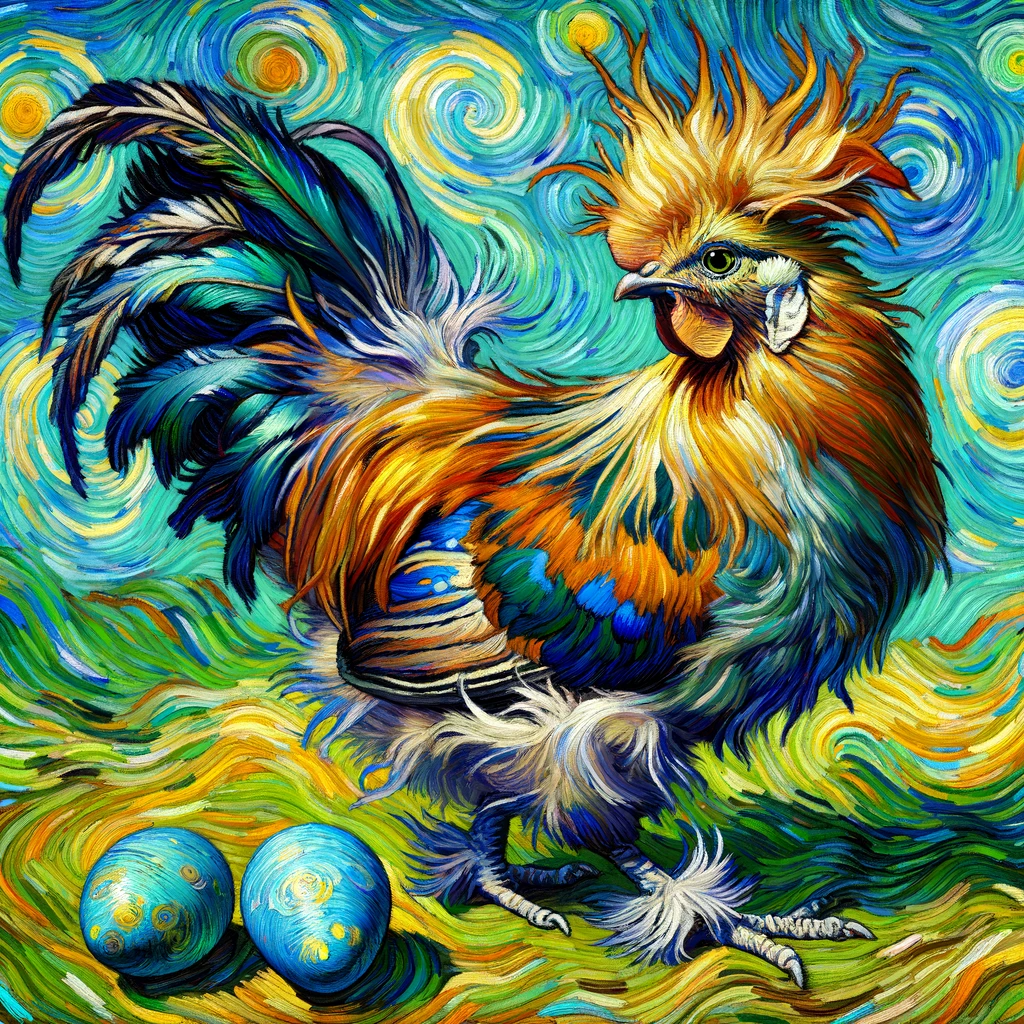
Chicken Math Explained-By the Internet’s Funniest Keepers
Chicken Math Explained-By the Internet’s Funniest Keepers
- Starting with a few backyard chickens can lead to unexpected growth in flock size, known as “chicken math.”.
- Initial joy from a small number of hens can inspire a deeper interest in various chicken breeds.
- Each new chicken enriches the experience, transforming a simple backyard into a vibrant sanctuary.
- Owning chickens fosters a relationship between the caretaker and the flock, creating a living community.
- Caring for chickens has ethical implications, providing a safe home for creatures that might otherwise struggle.
- While managing a growing flock can strain finances and garden aesthetics, the emotional rewards are significant.
- The backyard chicken community offers shared experiences and support, promoting joy and learning among enthusiasts.
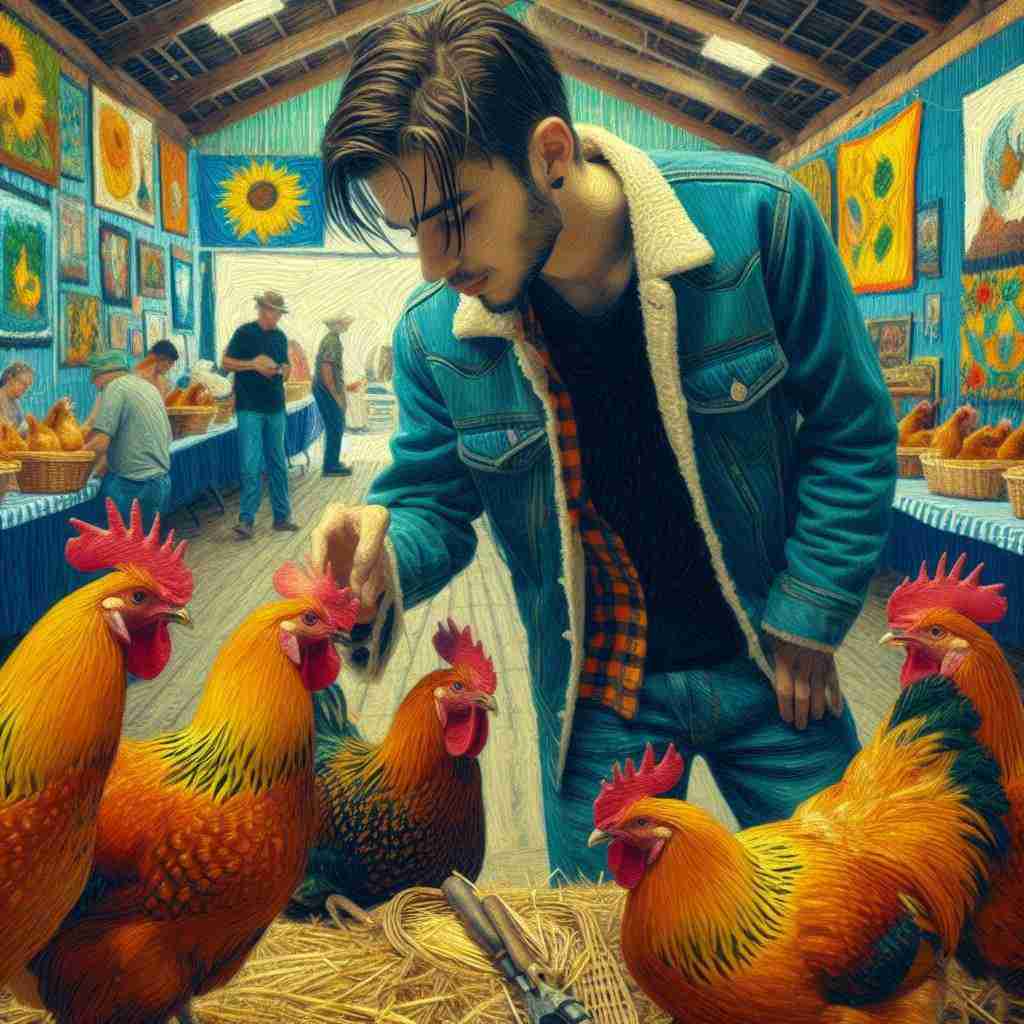
Chicken Math Explained-By the Internet’s Funniest Keepers
Table Of Contents
- Chicken Math Explained-By the Internet’s Funniest Keepers
- What Makes Raising Chickens Such an Emotional Journey for Many?
- How Can We Use Humor to Understand the Complexities Of Chicken Math?
- Why Do Chicken Keepers Find Joy In Expanding Their Flocks?
- What Are the Hidden Costs Of Raising More Chickens Than Planned?
- How Does Chicken Math Challenge Conventional Budgeting Practices?
- What Stories Do Chicken Lovers Share About Unexpected Flock Growth?
- How Does Social Media Shape Our Perceptions Of Chicken Keeping?
- Conclusion
- Other Resources
- Glossary Of Terms
- Other Questions
- Haiku
- Poem
- Checklist
What Makes Raising Chickens Such an Emotional Journey for Many?
Raising Backyard Chickens is more than just a hobby; it’s a unique emotional journey that connects us with the rhythms of life, responsibility, and nature itself. For many, these feathered friends become much more than an agricultural asset; they evolve into cherished companions that reveal the deeper layers of our humanity. There’s something profound about caring for another living being that fosters a sense of purpose—perhaps it’s knowing that, with the right mix of love and attention, these birds will repay you with fresh eggs and delightful quirks.
Imagine standing in your yard, surrounded by the early morning sun, as you watch your chickens pecking at the ground, their soft clucks punctuating the gentle air. In that quiet moment, there’s an intrinsic connection to the cycle of life and sustenance. Each hen carries its story—rescue chickens from a local farm, vibrant breeds with personality, or family heritage that links generations. You understand that you’re not just raising poultry; you’re participating in a larger narrative that stretches across time and tradition, touching hearts in ways we often overlook.
The ethical implications of raising chickens also weigh heavily on the heart. With the rise of industrial farming practices, there’s a growing awareness of where our food comes from. By keeping chickens in your backyard, you reclaim agency over your food source. You’re choosing to nurture life rather than contribute to practices that often disregard the welfare of animals. It’s a conscious decision, grounded in the belief that raising animals in a humane, loving environment is not only right but essential.
On a practical level, there’s camaraderie found among fellow backyard chicken enthusiasts. Whether you’re at a local farm market proudly showing off your fresh eggs or sharing tips with your neighbors, these interactions foster a sense of community. Together, you navigate the ups and downs of chicken-keeping—the delight of a newfound egg layer or the heartache of a lost bird. These shared experiences create a bond, a network of support that extends beyond the clucking flock.
Raising Backyard Chickens is a journey of emotional richness and personal growth. It’s about learning responsibility, cultivating compassion, and finding connection in a world that often feels disconnected. So, if you’ve ever considered it, take that leap. Dive into this rewarding experience; it may just change your life—and heart—for the better.
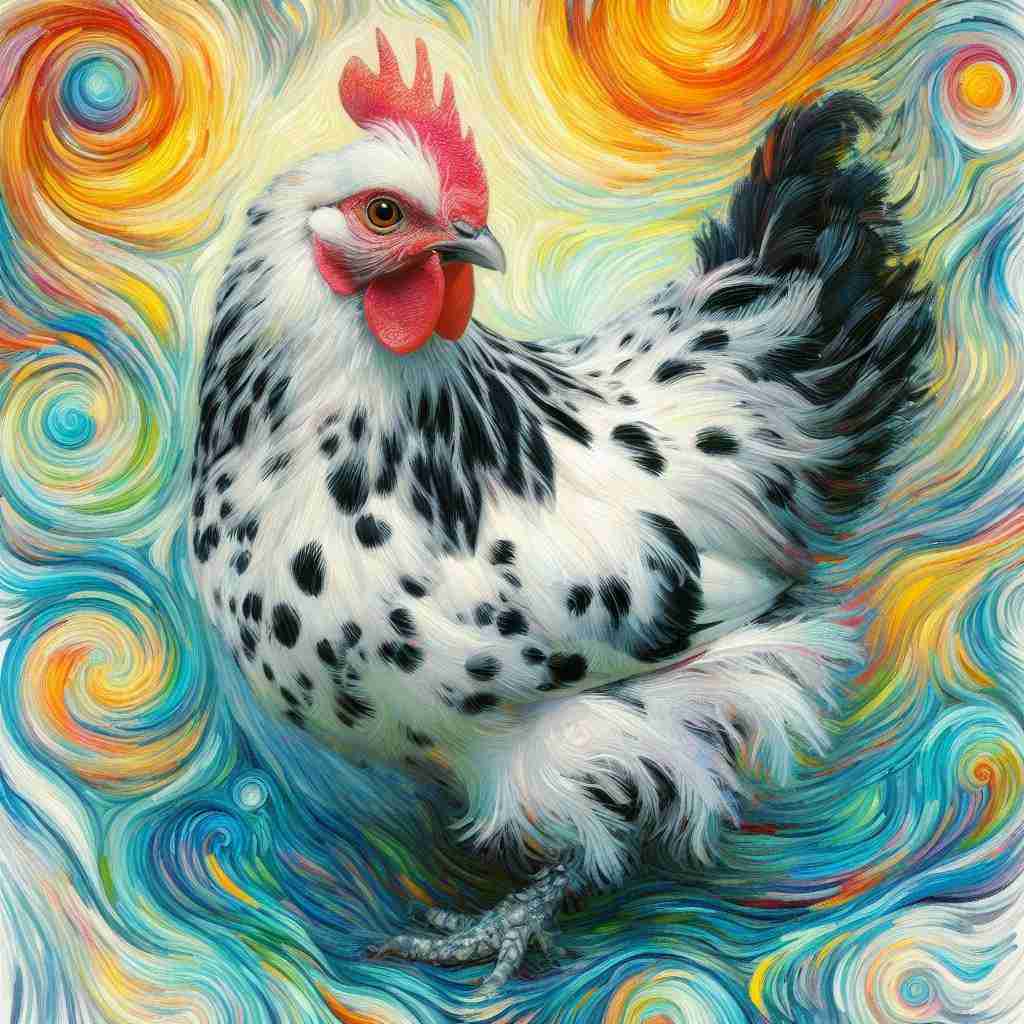
What Makes Raising Chickens Such an Emotional Journey for Many?
What Makes Raising Chickens Such an Emotional Journey for Many?
- Raising backyard chickens connects us with life, responsibility, and nature.
- Chickens often become cherished companions, enriching our humanity.
- Caring for chickens provides purpose through the rewards of fresh eggs and their delightful behaviors.
- Each chicken has a unique story, enhancing our understanding of life’s cycles and traditions.
- Raising chickens allows individuals to reclaim control over their food sources and advocate for humane practices.
- Community and camaraderie develop among backyard chicken enthusiasts through shared experiences.
- This journey fosters emotional richness, personal growth, responsibility, and connection.
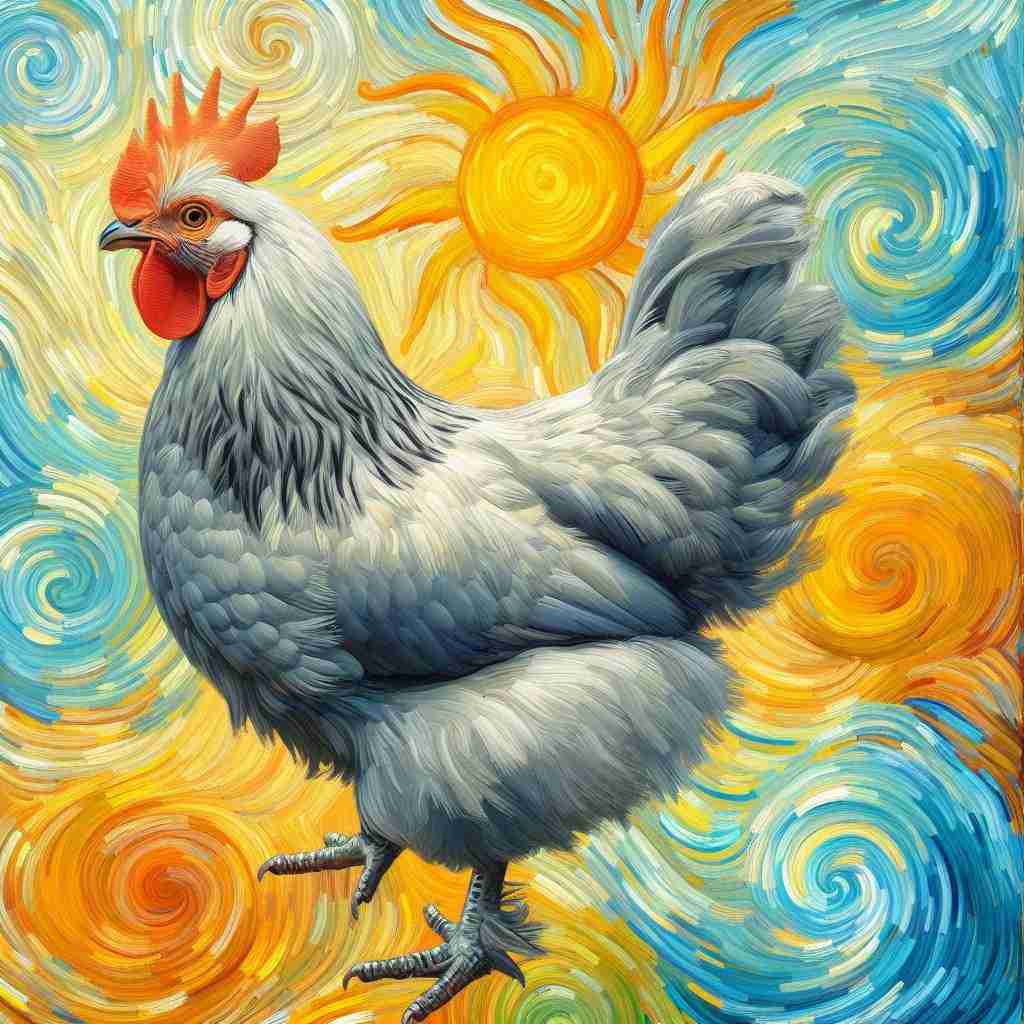
What Makes Raising Chickens Such an Emotional Journey for Many?
How Can We Use Humor to Understand the Complexities Of Chicken Math?
In the world of Backyard Chickens, numbers often tell a story that only the truly committed understand. Picture this: you start with a mere handful of hens grazing contentedly in your yard, and suddenly, you find yourself whispering sweet nothings to that irresistible broody hen who’s convinced she wants to hatch an entire flock. Herein lies the magic of chicken math—a phenomenon both whimsical and maddening.
Let’s face it, this isn’t just about numbers; it taps into something deeper. There’s an innate joy that rises in our chests when we see those fluffy little peeps. Rationally, you know that adding just one more hen leads to another, and another, until you’ve lost track of your original count. But the heart wants what it wants, and that’s where humor makes its grand entrance.
Humor serves as a lifeline, connecting us to the absurdity of our decisions. It invites us to laugh at ourselves when we go from “just a few” chickens to a veritable feathered symphony. Who hasn’t had that moment during a visit to the feed store when the sign over the cages reads “chick deal”? You swear the universe is conspiring to fill your coop to bursting, and yet you convince yourself buying one more isn’t a crime; it’s simply an act of kindness toward a creature in need.
This blend of emotional and ethical reasoning hits home. Do we really need another hen? Probably not. Can we resist the tiny, pleading eyes of a tiny chick? Almost certainly not! In that moment, you belong to a community that understands the pull of those beaks. The social aspect of backyard chicken keeping becomes a reassuring chorus—other enthusiasts nodding in recognition, sharing stories of their own mathematical failings, their own little chicken dramas that echo yours.
When we lean into humor to explore the complexities of chicken math, we embrace the joyous chaos that is life itself. It’s about recognizing that our flock isn’t just a number; each bird tells a story, evoking memories that warm our hearts. So, let’s come together, share those chuckles over coop counts that make our heads spin and our hearts swell, and relish the beautiful messiness of backyard chicken adventures.
How Can We Use Humor to Understand the Complexities Of Chicken Math?
How Can We Use Humor to Understand the Complexities Of Chicken Math?
- Backyard chickens often lead to an increase in numbers, revealing the commitment of chicken keepers.
- The phenomenon of “chicken math” inspires both joy and frustration as hens multiply quickly.
- A love for fluffy chicks overcomes rationality, causing owners to lose track of their original flock size.
- Humor helps chicken keepers cope with the absurdity of their expanding flocks.
- Visiting feed stores can become an opportunity for impulse buying, dressed as acts of kindness.
- The community of chicken enthusiasts unites over shared experiences, reinforcing bonds through stories of their own flocks.
- Embracing the chaos of chicken math reveals the heartwarming stories behind each bird in the flock.

How Can We Use Humor to Understand the Complexities Of Chicken Math?
Why Do Chicken Keepers Find Joy In Expanding Their Flocks?
For many, a flock of backyard chickens isn’t just a hobby; it’s a profound connection to life, nature, and community. Picture this: the gentle cluck of hens greeting the dawn, the thrill of discovering the first egg, and the simple satisfaction of watching them strut about, all while growing your backyard ecosystem. The joy of expanding that flock often stems from a primal urge—an innate desire to nurture life and witness the transformation of your backyard into a vibrant microcosm of nature’s brilliance.
At the heart of chicken keeping lies a remarkable truth: every addition to the flock tells a story. Each new bird doesn’t just bring feathers and beaks; it brings personality, character, and companionship. From the curious peck of a pullet to the regal strut of a rooster, every chicken adds a chapter to your chicken-keeping narrative, creating a tapestry of experiences that bind us closer to the natural world and to each other.
Rationally, the choice to expand isn’t just about the joy of new life; it’s also about sustainability and self-sufficiency. With egg prices fluctuating and concerns over the source of our food mounting, relying on your own chickens can lead to a sense of independence. It’s not just a matter of practicality but a statement about taking control over what’s on your plate. By caring for your birds, you grow not only a deeper relationship with your food but also a profound respect for the cycle of life.
Ethically, adding more hens fosters responsibility and encourages mindfulness. You begin to recognize that these animals aren’t merely livestock; they have their own needs, behaviors, and interactions. As you learn the nuances of their pecking order and social structures, you develop a respectful appreciation for their place in the world.
Socially, backyard chicken keeping offers an inviting community where sharing knowledge, tips, and eggs creates bonds that often last a lifetime. It’s a movement steeped in tradition, where neighbors exchange breeds and share warnings about local pests or predators. By expanding your flock, you become part of a greater narrative—one that champions localism, sustainability, and camaraderie among fellow flock keepers.
So, as you ponder the next addition to your flock, consider this: it’s not just about the chickens. It’s about creating a richer life, one that connects you to the earth, your food, and your neighbors. The joy of chicken keeping becomes a journey, one where every new peep leads to endless possibilities.

Why Do Chicken Keepers Find Joy In Expanding Their Flocks?
Why Do Chicken Keepers Find Joy In Expanding Their Flocks?
- Backyard chickens foster a deep connection to life, nature, and community.
- Each new chicken adds personality and companionship, enhancing the chicken-keeping experience.
- Expanding the flock supports sustainability and self-sufficiency, especially amid fluctuating egg prices.
- Caring for chickens fosters a deeper respect for the cycle of life and food sourcing.
- Ethically, raising hens encourages responsibility and mindfulness about animal welfare.
- Backyard chicken keeping promotes a sense of community through knowledge sharing and support among neighbors.
- Adding to your flock enriches life, creating connections to the earth, food, and local relationships.

Why Do Chicken Keepers Find Joy In Expanding Their Flocks?
What Are the Hidden Costs Of Raising More Chickens Than Planned?
Raising backyard chickens can seem like a delightful endeavor—a charming addition to our lives, a tiny step towards sustainability. But dig a little deeper, and you’ll find hidden costs lurking beneath the surface. When you impulsively expand your flock, it’s not just an extra feed bill or an increased demand for space—it’s a ripple effect that can touch every corner of your existence.
First, let’s talk about the heart. There’s something magical about those fluffy little chicks, but their life is in your hands. Each chicken has a unique personality, and as you welcome them into your backyard, you find yourself wrapped in a web of affection and responsibility. Have you ever faced the heart-wrenching decision of culling an unhealthy bird or seen a beloved hen succumb to illness? The emotional toll can be staggering. This isn’t just a hobby; it’s a commitment to another life.
Now, engaging your rational mind: beyond the romance of backyard chickens lies the truth of increased responsibilities. More chickens mean more feed, veterinary care, and bedding. Have you considered whether your budget can stretch to accommodate the unexpected medical costs? Your financial planning should extend beyond mere operational expenses. Equipment breakdowns or predator attacks may force you to scramble for solutions, escalating your investment beyond what you initially envisioned.
Then there’s the ethical side of raising more chickens than you planned. Each one is a living being, deserving of care and respect. Overcrowding your coop or neglecting their needs due to sheer numbers can lead to suffering—an ethical dilemma that weighs heavily. It’s not merely about the thrill of egg production; it’s about providing a humane environment for those who rely on us.
Socially, if the neighbors notice a booming cluck and a lack of arrangement in your backyard, you may find community tensions arise. Sharing your love for chickens is wonderful, but ensuring you’re not the source of disturbance or discontent in your neighborhood is crucial.
By diving into the luscious world of backyard chickens, take a moment to reflect on your commitment. Understand the emotional landscapes, financial commitments, and ethical responsibilities at play. This journey into chicken-keeping can inspire confidence, but only with a thoughtful approach that weighs the joys against the hidden costs. Embrace the connection—your flock deserves it.

What Are the Hidden Costs Of Raising More Chickens Than Planned?
What Are the Hidden Costs Of Raising More Chickens Than Planned?
- Raising backyard chickens can be a delightful and sustainable endeavor, but it comes with hidden costs.
- Increased flock size brings emotional responsibilities, including the commitment to care for each chicken’s unique personality.
- Culling unhealthy birds or dealing with illness can have a significant emotional toll.
- More chickens lead to greater expenses for feed, veterinary care, and bedding, requiring thoughtful financial planning.
- Overcrowding and neglect due to increased numbers present ethical challenges in ensuring the well-being of each bird.
- Community relations may be impacted by noise or care issues, necessitating attention to neighborhood harmony.
- Reflect on your commitment to chicken-keeping, balancing joy with the underlying responsibilities involved.

What Are the Hidden Costs Of Raising More Chickens Than Planned?
How Does Chicken Math Challenge Conventional Budgeting Practices?
When we think about budgeting, we often envision spreadsheets filled with numbers and that infuriating little calculator beep. Conventional budgeting is like a stern schoolmaster, insisting we toe the line, stick to the plan, and never stray from the chart. But enter the world of backyard chickens: a delightful, feathery rebellion against that cold, hard logic.
Now, picture a sunny Saturday morning in your backyard. You’re sipping coffee, watching your flock scratching about, their clucking singing a joyful tune of simplicity and reward. Each egg they produce is more than just breakfast; it’s a tiny testament to sustainability, responsibility, and the fruits of your labor. The emotional connection we forge with these birds isn’t just about the joy of collecting eggs; it’s about nurturing life and seeing the tangible results of our care.
Let’s get real: maintaining a backyard flock is an investment—financially and emotionally. Sure, initial costs add up; coops, feed, and the occasional vet visit can squeeze the budget tighter than your jeans after Thanksgiving dinner. But here’s where chicken math comes into play. Those little cluckers can lead to savings on grocery bills, especially with rising egg prices. Each freshly laid egg is not just a breakfast miracle but a symbol of self-sufficiency and a step towards independence from the whims of market prices.
Ethically, you’re tapping into something profound: the understanding of where your food comes from and taking responsibility for its production. Every egg laid is a statement against factory farming and a commitment to a more compassionate approach to food. This philosophical shift can invigorate community bonds as well. Sharing surplus eggs among neighbors creates connections and fosters conversations about sustainability—conversations that could very well reshape how we think about our food systems.
And let’s not forget the sense of accomplishment. Maintaining that flock teaches us not just about budgeting but about life itself. Failure and success walk hand in hand in this journey. When a chicken goes broody or a sudden illness strikes, you’re forced to adapt, rethink, and strategize—skills as crucial in life as they are in budgeting.
So, while conventional budgeting may keep your finances in line, the unpredictable delight of chicken math invites you to embrace the messiness of life, encouraging deeper connections with your community, your food, and yourself. Who knew that a little flock could do so much to redefine the way we think about money?

How Does Chicken Math Challenge Conventional Budgeting Practices?
How Does Chicken Math Challenge Conventional Budgeting Practices?
- B budgeting often feels rigid and structured, akin to a stern schoolmaster.
- Backyard chickens represent a joyful rebellion against traditional budgeting methods.
- The emotional connection with chickens emphasizes sustainability and responsibility.
- Maintaining a flock is an investment with initial costs like coops and feed, but can lead to savings on groceries.
- Each egg produced symbolizes self-sufficiency and independence from market fluctuations.
- Sharing surplus eggs fosters community connections and discussions about sustainable food practices.
- Maintaining a flock teaches valuable life lessons about adaptation, strategy, and the messiness of real life.

How Does Chicken Math Challenge Conventional Budgeting Practices?
What Stories Do Chicken Lovers Share About Unexpected Flock Growth?
When people dive into the world of backyard chickens, they often anticipate the charming clucks and fresh eggs, but what they don’t fully prepare for is the emotional rollercoaster of unexpected flock growth. This aspect of chicken raising is less about the ‘how’ and more about the ‘why’—the stories that unfold as our feathered friends become integral to our lives.
Picture a family, excited to start their journey with just a handful of chicks. They build a cozy coop, carefully create a yard that whispers promise, and hope to nurture their little flock. Then, life throws them a delightful curveball. One day, amidst the joyful chaos of feeding and caring, they discover that a beloved hen has hatched a surprise clutch of chicks. Suddenly, what started as a simple venture of backyard chickens evolves into a burgeoning family affair, sparking joy and responsibility in equal measure.
These stories resonate deeply because they tap into a universal longing: connection. The sight of tiny, fluff-covered chicks following their mother is reminiscent of our own childhood, evoking nostalgia and a sense of wonder. Each new hatchling is not just a bird; it’s a little life that bears witness to our efforts, our mistakes, and, most importantly, our love. As the flock grows, so too does the bond within families, the shared laughter, the lessons learned about responsibility, and the profound appreciation for a life lived interconnected with nature.
Rationally, unexpected flock growth also means more eggs and perhaps a sense of community. Neighbors marvel at your expanding creation, often leading to shared harvests and recipes, fostering a social network woven together by a common passion. People start regular conversations about not just chicken care but also resilience, sustainability, and the preferences of each unique bird.
Ethically, we find ourselves grappling with the choices we make. Should we keep all the chicks? How do we ensure their well-being? These questions lay the groundwork for a more profound reflection on stewardship, encouraging us to cultivate empathy not just towards our chickens but also towards each other.
So, if you’re contemplating adding to your backyard chickens, remember: it’s more than just birds pecking around the coop; it’s about nurturing relationships—within your family, with your community, and with the beautiful chaos of life. Embrace the journey, and you may just find that unexpected flock growth becomes a story worth telling.

What Stories Do Chicken Lovers Share About Unexpected Flock Growth?
What Stories Do Chicken Lovers Share About Unexpected Flock Growth?
- Backyard chicken raising offers charm and fresh eggs but also emotional complexities of flock growth.
- A family’s initial excitement can lead to unexpected surprises, like a hen hatching chicks.
- This growth fosters a deeper connection to nature and nostalgia for childhood experiences.
- Each new chick represents life lessons, responsibility, and increased family bonding.
- Expanded flocks can enhance social connections with neighbors, sharing eggs and recipes.
- Ethical considerations around flock management promote empathy towards animals and each other.
- Adding to a backyard flock nurtures relationships and creates meaningful stories in everyday life.

What Stories Do Chicken Lovers Share About Unexpected Flock Growth?
How Does Social Media Shape Our Perceptions Of Chicken Keeping?
Social media has a remarkable ability to reshape our perceptions of many things, and chicken keeping is no exception. When we scroll through our feeds, we’re met with vibrant images of plump backyard chickens, strutting confidently among dandelions, clucking melodiously as if to say, “Look at us, living the good life!” This vibrant imagery appeals to our hearts, stirring an emotional connection to a more rustic and self-sufficient lifestyle. The simple joys found in backyard chicken keeping—fresh eggs, a small slice of farm life, and the companionship of these feathered friends—invite us to dream and reconnect with our roots in a world that often feels disconnected.
However, it’s not just about warm fuzzies and pretty pictures. Social media, with its barrage of information, gives us a rational view of chicken keeping. Carefully curated posts from seasoned owners demystify the process, breaking it down into manageable chunks: what to feed them, how to build coops, and common health concerns. This wealth of knowledge fosters confidence in potential keepers. It’s as if we’re all gathered around a virtual campfire, swapping stories and advice, leaving us with the feeling that we can take on this challenge together.
Ethically speaking, posts about the benefits of keeping chickens promote a sense of responsibility towards animal welfare and sustainable living. We are reminded that every hen we choose to keep represents a commitment—to their care, their happiness, and our own action towards a healthier planet. This makes chicken keeping not just a hobby, but an ethical choice that resonates profoundly in a consumer-driven age.
Moreover, social media cultivates a sense of community; it’s a gathering place for individuals passionate about gardening, self-sufficiency, and animal care. This narrative builds authority as influencers, farmers, and everyday enthusiasts share their journeys, creating a tapestry of experiences that we find comfort in. Seeing someone else successfully navigate the bumps of chicken keeping helps us believe that we, too, can don that same dusty apron and step into this rewarding venture.
So, whether you’re a city dweller with a small yard or someone looking to dive into homesteading, consider this—you might just discover that those quirky, clucking companions not only enrich your life, but they also bring joy to the world around you. As you embark on this adventure, remember that each peck and flap resonates deeper than mere poultry; it invites a lifestyle grounded in connection, responsibility, and community.
How Does Social Media Shape Our Perceptions Of Chicken Keeping?
How Does Social Media Shape Our Perceptions Of Chicken Keeping?
- Social media reshapes perceptions of chicken keeping through vibrant imagery and emotional connections.
- Backyard chickens symbolize a rustic, self-sufficient lifestyle, offering simple joys like fresh eggs and companionship.
- Curated social media content provides practical knowledge on chicken care, fostering confidence in potential keepers.
- Sharing experiences on social platforms creates a supportive community for chicken enthusiasts.
- Posts often emphasize the ethical responsibilities of chicken keeping, promoting animal welfare and sustainable living.
- Influencers and everyday enthusiasts share personal journeys, building authority and comfort within the community.
- Keeping chickens enhances personal lives while inviting deeper connections to community and responsibility.

How Does Social Media Shape Our Perceptions Of Chicken Keeping?
Conclusion
Welcome to the world of chicken keeping, where what starts as a mere hobby often morphs into a delightful journey of personal growth, community connection, and perhaps an unexpected flock size. Picture it: you begin with a few unassuming hens, their joyful clucks filling your backyard. Yet before you know it, you’ve fallen into the whims of “chicken math,” where that humble trio can swiftly swell into a bustling sanctuary. This isn’t just a whimsical phenomenon; it’s a blend of emotional attachment, ethical responsibility, and an exhilarating adventure that can transform your life.
Every new bird added to your flock carries more than just a feathered presence—it carries stories, personalities, and mutual connections that foster a deeper understanding of life itself. The laughter found in their quirky behaviors, the warmth felt when they begin to trust you, and the satisfaction of nurturing a living being create bonds that are profoundly enriching. This journey isn’t just about eggs; it’s about cultivating compassion and stewardship for those creatures who share our spaces.
But here’s the honest truth: chicken keeping invites its own set of challenges. A growing flock can lead to unseen costs—both emotional and financial. The responsibilities multiply; your budget tightens, and your garden might teeter on the edge of chaos. However, within this beautiful mess lies an opportunity for growth and community. As you share tips and tales with other chicken enthusiasts, you find camaraderie in your mutual love for these feathered friends. You’ll hear stories of triumphs and setbacks that connect you to a broader narrative—one that advocates for sustainable practices and reverence for life in a world often driven by convenience.
Ultimately, chicken keeping is not just a solo endeavor; it becomes a shared experience, inviting rich conversations about responsibility, ethics, and the joys of community. So, next time you contemplate the addition of another chick or delve into the captivating chaos of chicken math, remember that you’re participating in something much greater than just poultry. This adventure holds the potential for laughter, learning, and building a more interconnected life, one clucky step at a time. Embrace the journey—it’s bursting with life lessons just waiting to be clucked about!

Conclusion
Conclusion:
- Chicken keeping begins as a hobby but evolves into a transformative experience.
- The concept of “chicken math” can lead to unexpectedly large flocks.
- Each bird added brings unique stories and personalities that enrich life.
- The journey fosters emotional bonds and a sense of stewardship.
- Challenges include emotional and financial costs, alongside increased responsibilities.
- Sharing experiences with fellow chicken enthusiasts cultivates community and camaraderie.
- Chicken keeping offers opportunities for laughter, learning, and ethical discussions.
Conclusion
Other Resources
Other Resources
Here is a list of other resources you can review online to learn more:
- Newcastle Disease
- Oats
- leghorn
- cooked beans
- Thuringian
- Sunflower
- Leghorn
- Poultry Lice
- grains
- Golden Laced Wyandotte
- Appenzeller
- Infectious Bursal Disease
- Australorp
- Tapeworms
- Columbian Wyandotte
- apples
- Serama
Use This Prompt To Get More Resources With Your Favorite Online AI Tool: Please provide me with a list of online articles with their URLs in a bulleted list that I can read regarding Chicken Math Explained-By the Internet’s Funniest Keepers
Other Resources
Glossary Terms
Chicken Math Explained-By the Internet’s Funniest Keepers – Glossary Of Terms
1. Chicken Math: A humorous term describing the phenomenon where chicken owners gradually accumulate more birds than they initially planned.
2. Pecking Order: The social hierarchy within a flock of chickens determining which birds have priority access to food, space, and mates.
3. Brooder: An enclosed space with a heat source, used to raise baby chicks until they are old enough to thrive outdoors.
4. Henhouse: A shelter or coop where chickens live, sleep, and lay eggs, providing protection from predators and environmental elements.
5. Free Range: A method of raising chickens that allows them to roam outside for part of the day, promoting natural behaviors and healthier birds.
6. Feather Plucking: A behavioral issue where chickens peck at and remove each other’s feathers, often a result of stress or overcrowding.
7. Egg Production: The process by which hens lay eggs, influenced by factors such as breed, age, diet, and environmental conditions.
8. Cockerel: A young male chicken, typically under one year old, that may develop into a rooster.
9. Rooster: A mature male chicken known for its crowing, which often serves both social and territorial purposes.
10. Pullet: A young female chicken, usually less than one year old, that has not yet started laying eggs.
11. Dual-Purpose: A term used for chicken breeds that are raised for both meat and egg production, offering versatility for keepers.
12. Incubation: The process of keeping eggs warm and turning them to hatch chicks, usually done artificially or by brooding hens.
13. Foraging: The act of chickens searching for food in the ground, which complements their diet and provides mental stimulation.
14. Flock: A group of chickens kept together, typically for social interaction and to maintain a stable environment.
15. Grit: Small stones or coarse materials ingested by chickens to aid digestion, as they lack teeth to grind their food.
16. Molting: The natural process in which chickens shed old feathers to make way for new ones, typically occurring annually.
17. Nesting Box: A designated area where hens lay their eggs, providing privacy and security from the rest of the flock.
18. Broody: A hen exhibiting the instinct to incubate eggs and care for chicks, often leading to a temporary cessation of egg-laying.
19. Pasty Butt: A condition affecting chicks where droppings block the vent, requiring intervention to prevent serious health issues.
20. Coccidiosis: A common parasitic disease in chickens caused by protozoa, leading to digestive issues and requiring treatment.
21. Laying Cycle: The period during which a hen lays eggs, typically influenced by season, light exposure, and age.
22. Chicken Feed: Commercially formulated food designed to provide all necessary nutrients for chickens, available in various types for different life stages.
23. Disease Prevention: Measures taken to reduce the risk of illness in chickens, including vaccinations, biosecurity practices, and proper husbandry.
24. Chick Starter: A specialized feed formulated to meet the nutritional needs of young chicks during their initial growth phase.
25. Organic Farming: A method of poultry farming that avoids synthetic chemicals and emphasizes natural practices for raising chickens.
26. Seasonal Affective Disorder (SAD): A condition that can affect laying hens due to reduced sunlight exposure during winter months, impacting egg production.
27. Pastured Poultry: A system where chickens are raised on pasture, allowing for natural behaviors while benefiting from the environmental resources.
28. Chicken Whisperer: A term for someone skilled in understanding and managing the behavior and needs of chickens.
29. Biosecurity: Practices aimed at preventing the introduction and spread of diseases within a flock through controlled access and hygiene measures.
30. Chicken Enthusiast: A person who actively engages in raising and keeping chickens, often sharing knowledge within communities or online platforms.

Glossary Of Terms
Other Questions
Chicken Math Explained-By the Internet’s Funniest Keepers – Other Questions
If you wish to explore and discover more, consider looking for answers to these questions:
- What factors should be considered before expanding a flock of chickens?
- How can one effectively manage the emotional attachment to chickens?
- What are some common challenges faced by new chicken keepers?
- How can chicken keepers ensure they provide a safe environment for their flock?
- What are the best practices for budgeting for unexpected chicken-related expenses?
- How do seasonal changes affect chicken behavior and care?
- What are the benefits of joining a local chicken-keeping community?
- How can potential chicken keepers educate themselves about backyard poultry care?
- What role does chicken care play in sustainable living?
- How do different breeds of chickens influence the experience of keeping a flock?
- What are some humorous anecdotes shared by experienced chicken keepers?
- What are the ethical considerations when rescuing chickens or adopting them?

Other Questions
Haiku
Chicken Math Explained-By the Internet’s Funniest Keepers – A Haiku
Chickens in the yard,
Love and laughter multiply,
Life’s math, pure and wild.
Haiku
Poem
Chicken Math Explained-By the Internet’s Funniest Keepers – A Poem
In a backyard quiet, life begins to cluck,
Three little hens, who knew they’d bring such luck?
Joy hops and flutters as feathers fill the air,
An invitation whispered, to embrace the care.
From minimal to mighty, the numbers start to swell,
Each chirp and peep a story, every egg a tale to tell.
Heartstrings tug as chicken math spins its web,
A vibrant community blooms, chaos becomes a ebb.
With laughter and lessons stitched into each day,
We find responsibility in the flocks that play.
A purposeful connection, where nature brings us close,
In caring for each creature, we find what matters most.
Yet hidden costs linger in this cheerful dance,
As wallets grow lighter, we must take a stance.
Between guilt and joy, mindful choices unfold,
To give them the best life—integrity must hold.
For laughter in the feed store sparks a giddy spree,
One more little chick? Oh, it’s just a kindness, you see!
And in the glow of sunrise, we gather side by side,
Sharing stories of our flocks, on this beautiful ride.
So take a leap into the chaos, let your heart decide,
In every little chick and cluck, there’s nothing left to hide.
Embrace the feathery journey, with laughter, love, and care,
In the heart of chicken keeping, life’s joy is laid out bare.

Poem
Checklist
Chicken Math Explained-By the Internet’s Funniest Keepers – A Checklist
Chicken Math Checklist: Embracing the Joy and Responsibility of Backyard Chickens
Heart Appeals
_____ Emotional Connection:
_____ Reflect on how owning chickens contributes to your happiness and sense of purpose.
_____ Identify your favorite moments with your chickens that bring you joy.
_____ Nurturing Life:
_____ Consider the responsibility you take on when caring for your chickens and how it enriches your life.
_____ Community Bonding:
_____ Share your chicken-keeping journey with friends or neighbors, fostering a sense of community.
Head Appeals
_____ Rational Planning:
_____ Assess your budget for feed, bedding, and veterinary care for your flock.
_____ Make a list of necessary supplies (coop materials, feeders, etc. ) before expanding your flock.
_____ Knowledge Gathering:
_____ Seek out reputable online resources or books about chicken care and management.
_____ Join local or online chicken-keeping groups to exchange tips and experiences.
Gut Appeals
_____ Ethical Considerations:
_____ Commit to humane practices in your chicken-keeping, ensuring the well-being of your birds.
_____ Reflect on the environmental impact of keeping chickens and the benefits of local food sourcing.
_____ Intuition Check:
_____ Take a moment before impulse purchases—ask yourself if you truly need another chicken.
_____ Pay attention to your emotional response when contemplating adding to your flock.
Practical Steps
_____ Commitment Assessment:
_____ Review your current coop and space: can it accommodate more chickens comfortably?
_____ Think about your daily routine; do you have enough time for added responsibilities?
_____ Social Engagement:
_____ Attend local farmer’s markets to connect with other chicken enthusiasts and share experiences.
_____ Participate in or host chicken-keeping workshops to enhance your skills while building community.
_____ Sharing Success:
_____ Document and share your chicken-keeping experiences on social media to inspire others.
_____ Exchange eggs and stories with neighbors to cultivate camaraderie in your community.
Use this checklist to navigate the adventures and responsibilities of chicken keeping, ensuring a fulfilling experience as you embrace the delightful chaos of chicken math.

Checklist
At BackyardChickenNews, we help people who want to raise backyard chickens by collating information and news blended with our own personal experiences.
Be sure to read our other related stories at BackyardChickenNews to learn more about raising chickens in your backyard.