

Nourishing Hearts, Minds, And Communities With Ethical Homegrown Meats
By Tom Seest
At BackyardChickenNews, we help people who want to raise backyard chickens by collating information and news blended with our own personal experiences.
Be sure to read our other related stories at BackyardChickenNews to learn more about raising chickens in your backyard.
Ethical Meat, Homegrown – the New Millennial Food Movement
In the hustle and bustle of modern life, millennials are carving out a new culinary path that blends ethical choices with heartfelt connections, and it all starts in the backyard. Imagine stepping out your back door and into a world where harmony reigns—where the cluck of backyard chickens fills the air, reminding you that food doesn’t just come from a sterile supermarket aisle. No, it starts here, with the responsibility and joy of nurturing life rather than just consuming it.
For many, the joy of raising backyard chickens isn’t solely about fresh eggs on Sunday mornings; it’s about reclaiming a sense of control over what we consume. It’s about understanding exactly what goes into our food and making choices that align with our values. The taste of a fresh, homegrown egg is not just something you can buy; it’s an experience, a connection to the earth and to the animals that provide us nourishment. It’s ethical meat, produced with care and love, and it speaks to our gut, giving us confidence that we are treating animals with the respect they deserve.
Think about it: when we raise our own food, we create a narrative that intertwines our lives with the land’s rhythm. This movement invites us to embrace responsibility—because knowing where our food comes from allows us to foster a relationship not just with our chickens, but with our communities and the planet itself. It’s a growing network of individuals who are committed to making informed choices. This isn’t just about self-sufficiency; it’s about being part of something bigger. It’s a movement rooted in transparency, trust, and ethical considerations, appealing to our hearts, heads, and guts.
Every time we gather around the table for a meal made with homegrown ingredients, we’re not just nourishing our bodies; we’re reinforcing a commitment to sustainability and kindness. You encourage your neighbor to start their own backyard poultry adventure. They pass it on. Together, we break the cycle of industrial farming and reshape the future of food.
So as you consider the allure of raising backyard chickens, remember—it’s about more than eggs. It’s about the stories we create, the ethics we embrace, and the communities we build, one cluck at a time. Let’s embark on this adventure together and redefine what it means to eat well, for ourselves and for the world around us. Join the movement—you’ll find confidence in your kitchen, and heart in every bite.

Ethical Meat, Homegrown – the New Millennial Food Movement
Ethical Meat, Homegrown – the New Millennial Food Movement
- Millennials are embracing a culinary path that combines ethical choices with personal connections, starting in their backyards.
- Raising backyard chickens fosters a sense of control over food consumption and aligns with personal values.
- Homegrown eggs offer an experience and connection to nature, emphasizing ethical and caring practices in food production.
- The practice of raising food creates a narrative that links individual lives to the rhythm of the land.
- This growing movement promotes sustainability, transparency, and community building.
- Gathering for meals made from homegrown ingredients reinforces commitments to kindness and responsible food practices.
- Raising chickens is about creating stories, embracing ethics, and building communities—transforming the future of food together.

Ethical Meat, Homegrown – the New Millennial Food Movement
Table Of Contents
- Ethical Meat, Homegrown – the New Millennial Food Movement
- What Role Does Ethics Play In Your Food Choices?
- How Do You Define Sustainable Farming?
- Can Homegrown Meat Reduce Your Carbon Footprint?
- What Stories Connect You to Your Food Sources?
- How Can You Trust the Label on Your Meat Products?
- What Makes You Choose Local Over Mass-Produced Meat?
- How Does Your Food Impact the Community You Live In?
- Conclusion
- Other Resources
- Glossary Of Terms
- Other Questions
- Haiku
- Poem
- Checklist
What Role Does Ethics Play In Your Food Choices?
Ethics isn’t just a buzzword tossed around in academic circles; it’s a compass guiding our choices, especially when it comes to food. Today, we’re faced with questions that demand more than just a cursory glance. When you sit down to eat, what’s on your plate can tell a story—one that’s woven through the lives of farmers, the planet, and our communities. It’s not just about a meal; it’s a reflection of our values and beliefs.
Picture this: you’re in your backyard, perhaps considering raising chickens. Watching them peck and cluck, you realize that these creatures aren’t just a source of eggs, but a relationship grounded in respect and care. Raising backyard chickens isn’t merely a trend; it’s about making ethical choices that resonate with our love for the environment and animal welfare. When you nurture chickens, you cultivate a deeper understanding of sustainability. Each egg you collect becomes a tangible connection to a thoughtful, ethical source rather than a faceless product on a grocery store shelf.
Now, let’s engage the head for a moment. Decisions driven by ethical considerations often come with a healthier lifestyle. The impulse for clean eating isn’t solely about body image; it’s about nurturing our health while respecting the ecosystem that sustains us. When you opt for local, ethically sourced foods, you support farmers who prioritize sustainable practices. It’s a team effort, benefiting our bodies, farmers, and the planet.
And let’s get down to the gut, that instinctual part of us that knows right from wrong. When you’re making food choices, think about the impact on the lives involved. That resource-intensive mass-produced chicken in the freezer? It likely came at a hidden cost, one that harms both animals and the environment. It’s easier to look away, but true integrity requires us to consider how our choices affect others. Choosing local, ethical options feels right because it aligns with our inherent sense of justice and interconnectedness.
Finally, let’s embrace the social aspect of our choices. When you make ethical decisions about food, it sets a powerful example. You inspire friends and family to reflect on their habits, creating a ripple effect that fosters community awareness. When we share meals, stories, and values, we cultivate a collective understanding that nourishes not just our bodies, but our souls. So next time you reach for that food product, ask yourself: what story does it tell? In a world craving empowerment, let your choices reflect the values that define you.

What Role Does Ethics Play In Your Food Choices?
What Role Does Ethics Play In Your Food Choices?
- Ethics guide our food choices and reflect our values and beliefs.
- Raising backyard chickens fosters relationships grounded in respect and care.
- Nurturing chickens enhances our understanding of sustainability and ethical sourcing.
- Making ethical food choices often leads to a healthier lifestyle and supports local farmers.
- Considering the impact of food choices aligns with our sense of justice and interconnectedness.
- Ethical decisions about food inspire others and promote community awareness.
- Choosing food mindfully allows us to assess the stories behind the products we consume.

What Role Does Ethics Play In Your Food Choices?
How Do You Define Sustainable Farming?
Sustainable farming isn’t just a buzzword thrown around by experts in white coats; it’s a commitment to a way of life that resonates deeply with our roots, both literally and metaphorically. Imagine stepping into a field where the crops are vibrant, the soil is alive, and the air is perfumed with the scent of fresh earth. This isn’t merely agriculture; it’s a relationship with the land. Every seed planted and every creature nurtured—such as those delightful backyard chickens pecking their way through scraps—tells a story of respect and responsibility.
This approach recognizes that farming doesn’t happen in isolation. It acknowledges our duty to the community, to the environment, and to future generations. It’s about understanding that each choice has consequences, whether it’s the decision to use organic fertilizers or implementing crop rotation to maintain soil health. The truth is, our actions echo through time, shaping landscapes and lives far beyond the current season. When we care for the land, we cultivate an ecosystem that gives back. We can’t ignore the ethics of our food systems; how we grow our food matters just as much as what we choose to grow.
Dive deeper into this world, and you’ll find a community of like-minded individuals, eager to share knowledge and experiences. These are the farmers, gardeners, and urban homesteaders who inspire with their dedication and ingenuity. They are proof that sustainable practices can coexist with thriving businesses, vibrant communities, and healthy lifestyles. The kitchen table becomes a crossroads where these stories unfold, bridging the gap between the farmer, the food, and the family.
Think about the broader implications, too. Sustainable farming can mean cleaner waterways, healthier wildlife, and carbon-sequestering soils, all of which contribute to a healthier planet. Each time you choose local produce or support regenerative practices, you’re not just making a purchase; you’re making an impact. You’re casting your vote for a future where we prioritize our planet and our people.
So, the next time you gather with family around that home-cooked meal, remember the journey of that food—how it got to your plate matters. Let it inspire you to engage with this movement. Embrace the practices that feed both body and soul, proving that sustainable farming is indeed a noble cause worth championing.

How Do You Define Sustainable Farming?
How Do You Define Sustainable Farming?
- Sustainable farming embodies a deep commitment to agriculture, emphasizing a relationship with the land.
- Each seed and creature nurtured reflects respect and responsibility towards the environment.
- This approach considers the impact on the community, environment, and future generations.
- Our farming choices, like using organic fertilizers or crop rotation, have lasting consequences.
- A community of farmers, gardeners, and urban homesteaders embodies the spirit of sustainable practices.
- Sustainable farming promotes cleaner waterways, healthier wildlife, and contributes to a healthier planet.
- Supporting local produce and regenerative practices allows individuals to make an impactful choice for a better future.

How Do You Define Sustainable Farming?
Can Homegrown Meat Reduce Your Carbon Footprint?
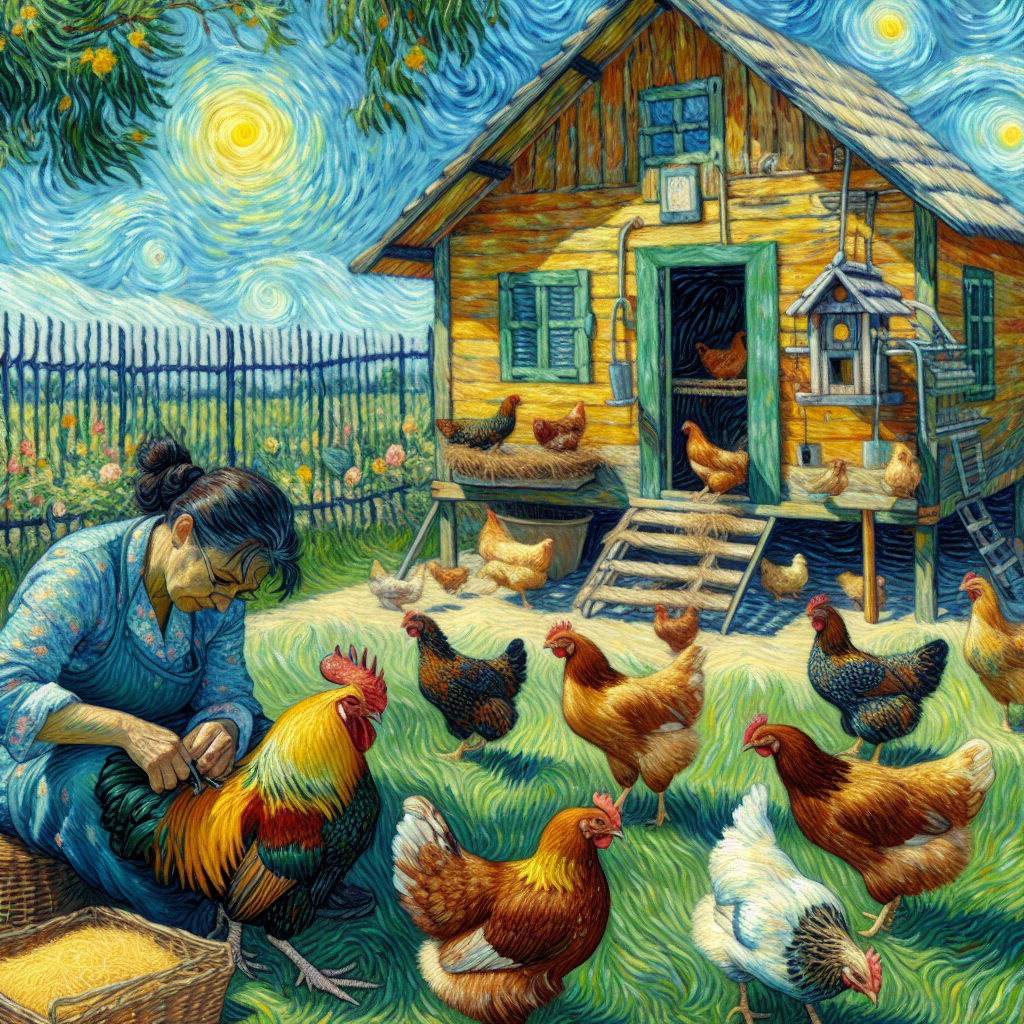
Imagine waking up on a Saturday morning, the sun barely peeking over the horizon, and you step outside to the gentle clucking of your backyard chickens. It’s a modest dawn chorus, but it marks the beginning of something transformative, something that goes well beyond breakfast. Those little feathered friends don’t just provide you with fresh eggs; they symbolize a shift in how we see our relationship with nature and our carbon footprint.
Raising your own meat at home—be it chickens, rabbits, or goats—embraces a deeply rooted connection to our food sources. It anchors us to the earth, reminding us that nourishing ourselves can be a responsible act of care for both the planet and our families. When you look at your robust chickens roaming the yard, scratching the soil, feasting on scraps, you can’t help but feel a sense of pride. You’re not just generating food; you’re participating in a cycle of life that respects the environment. The carbon emissions associated with transporting industrial meat from farms to markets are drastically reduced when you take matters into your own hands.
Now, let’s get real for a moment. The stats are sobering. Livestock farming contributes significantly to greenhouse gas emissions, deforestation, and water use. By growing your own meat, you become part of the solution. This isn’t merely an individual endeavor; it’s a movement. Each of us has the power to carve out a corner of sustainability, and it starts right in our backyards. You’ll find that you’re not alone either; join a growing community of like-minded people—neighbors, friends, and family—working together to reduce their carbon footprint.
And yet, the act of raising animals comes with its ethical considerations. It’s a responsibility that demands respect and foresight. Knowing the life and journey of your food fosters a deeper appreciation for the nourishment it provides. It encourages conversations around sustainability and responsibility within your social circles.
So, let’s put it plainly: By raising homegrown meat, you’re not merely opting for a different dinner; you’re actively engaging in the welfare of our planet. It’s an invitation to reclaim your role as a steward of nature, to nourish your body, and to inspire those around you. You hold the power to make a difference, starting with a backyard, a few chickens, and a vision for a cleaner future.
Can Homegrown Meat Reduce Your Carbon Footprint?
Can Homegrown Meat Reduce Your Carbon Footprint?
- Waking up to backyard chickens signifies a transformative relationship with nature and our carbon footprint.
- Raising your own meat connects you to food sources, reinforcing responsible nourishment for the planet and families.
- Backyard chickens contribute to a cycle of life that respects the environment and reduces carbon emissions from industrial meat transport.
- Livestock farming significantly contributes to greenhouse gas emissions, deforestation, and water use.
- Growing your own meat is part of a movement towards sustainability, supported by a community of like-minded individuals.
- Ethical considerations in raising animals foster appreciation for food and encourage sustainability discussions.
- Raising homegrown meat is an opportunity to reclaim stewardship of nature, nourish your body, and inspire others for a cleaner future.

Can Homegrown Meat Reduce Your Carbon Footprint?
What Stories Connect You to Your Food Sources?
There’s a certain kind of magic that happens when you raise your own food. Whether it’s in a small plot of land or your own backyard, the journey from seed to plate tells a story that transcends the simple act of eating. Take backyard chickens, for example. These feathery companions don’t just supply fresh eggs; they weave into the fabric of our daily lives, teaching us lessons about responsibility, patience, and the interconnectedness of all living things.
Imagine starting your day with the gentle clucking of your chickens, a soft reminder of the nourishment they provide. Each egg gathered becomes more than just breakfast; it’s a testament to the care you’ve given them—a reminder of the early mornings and the time spent nurturing their needs. There’s a palpable sense of pride in knowing where your food comes from, and each bite carries a slice of hard work and dedication.
From a rational perspective, raising your own food can save money and reduce dependence on commercial agriculture, which often prioritizes quantity over quality. You’re making a conscious decision to invest in your health and your environment. Those backyard chickens, scratching and pecking at the earth, contribute to a sustainable ecosystem, breaking down waste and enriching the soil in a way that mass-produced food simply can’t replicate.
But it’s not just the logistical benefits; it’s a matter of ethics. By connecting with your food sources, you’re actively choosing to support humane practices. You’re endorsing a cycle of life that values fulfillment over profit, understanding over indifference. That connection fosters a sense of responsibility, echoing in the choices you make in the supermarket, where you’re more likely to consider local produce or organic options.
Sharing these stories with friends and family can inspire others to consider their own food sources. Imagine gathered around a table, each of you exchanging tales of your triumphs and challenges—someone may even take the leap and start their own chicken journey. It’s a conversation starter, a shared experience that brings people closer together.
So the next time you crack open an egg or sauté those garden greens, pause for a moment. Reflect on the journey that lead to that plate in front of you. It’s a connection that nourishes not just your body, but your heart and soul as well, weaving a story that is uniquely yours.

What Stories Connect You to Your Food Sources?
What Stories Connect You to Your Food Sources?
- Raising your own food, such as backyard chickens, creates a magical experience that transcends mere eating.
- Chickens teach valuable lessons about responsibility, patience, and the interconnectedness of life.
- Gathering eggs represents the care and dedication invested in nurturing the chickens.
- Growing your own food saves money and promotes reliance on sustainable practices over commercial agriculture.
- The ethical aspect of food sourcing fosters connection and supports humane practices.
- Sharing experiences about food sources can inspire others to engage in their own food journeys.
- Recognizing the journey of food enhances appreciation, nourishing both body and soul.

What Stories Connect You to Your Food Sources?
How Can You Trust the Label on Your Meat Products?
When it comes to meat products, trust starts at the label, but the journey from farm to plate is fraught with complexities. We all want to feel good about what we eat, especially when it comes to our families. So how do you sift through the marketing jargon and make a choice that nourishes both our bodies and our values?
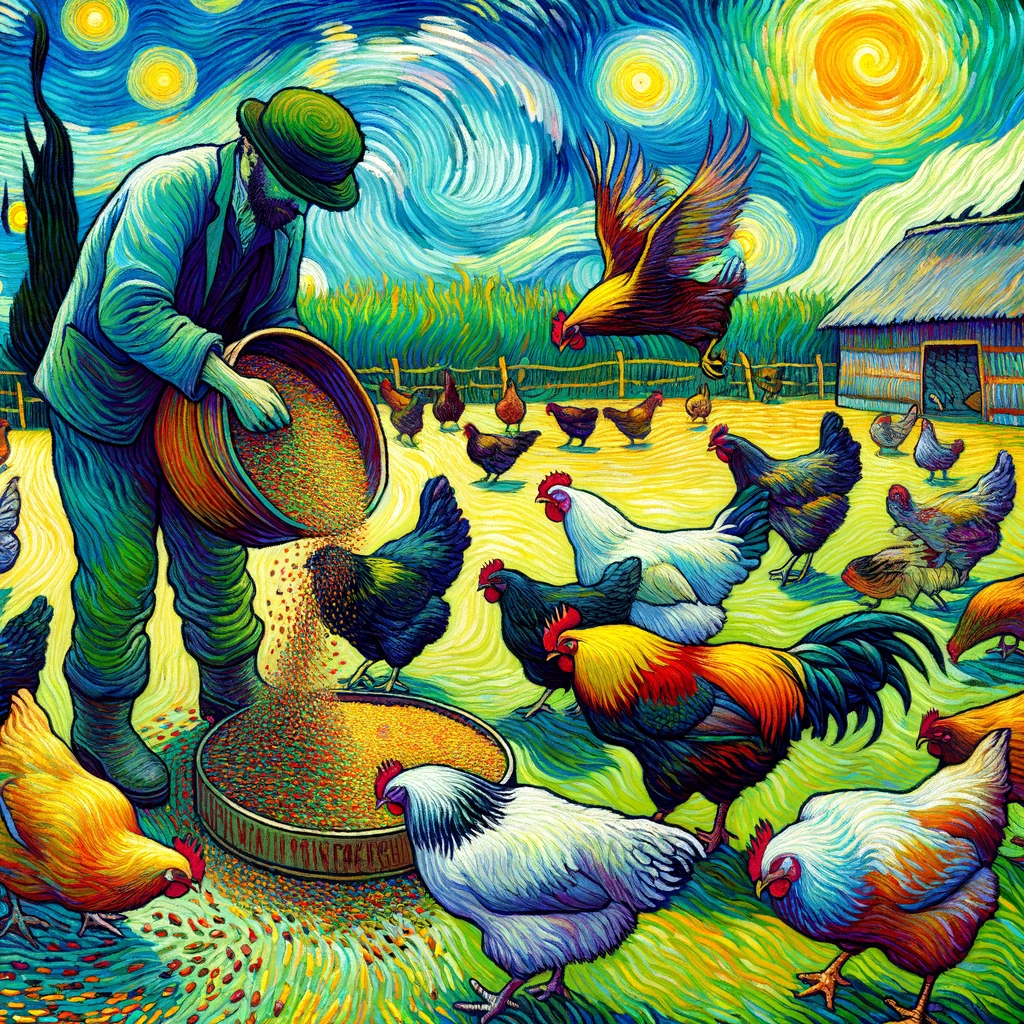
Imagine the clucking chorus of your own backyard chickens, pecking around freely, living lives that resemble more than just a conveyor belt of production. We often romanticize the idea of these backyard birds, but the reality is, for many, that connection to food is a distant memory, replaced by shiny packages in sterile grocery stores. When you walk down the meat aisle, what do those labels really tell you? Words like “organic,” “natural,” and “free-range” are splattered across products, making lofty promises. It’s essential to connect emotionally with what these terms signify and to ask whether they align with your standards.
The stark truth is reflected in numbers. Research shows that many labels can be misleading. For instance, what qualifies as “grass-fed” often hinges on regulations that vary from state to state. By understanding these nuances, you make choices that not only hit the gut but appeal to your head as well. Knowledge is power. Seek out suppliers who provide transparency in their practices. Follow up on local farms where you can see the animals and their living conditions firsthand; this is the essence of responsible consumption, and it nourishes your conscience while supporting your community.
It’s not merely an ethical dilemma; it’s also a social responsibility. When you choose products with integrity, you’re helping to cultivate a demand for better practices in the meat industry. You’re using your purchasing power as a vote for the kind of world you want to live in, one where animals are treated with respect and suppliers are held accountable.
Ultimately, the journey from farm to table is a deeply personal one. Trust the gut that tells you to question, to probe deeper into the origins of your food. Let your heart lead you to make informed decisions, fostering a connection to the land and the community that nourishes you. In a world saturated with noise, find clarity and make your choices matter. Choose labels that reflect not just what you eat, but who you aspire to be.

How Can You Trust the Label on Your Meat Products?
How Can You Trust the Label on Your Meat Products?
- Trust begins at the label, but the journey from farm to plate is complex.
- Understanding marketing jargon is essential for making food choices that align with personal values.
- Many consumers yearn for a connection to their food, reminiscent of backyard farming, contrasting with sterile grocery store experiences.
- Labels like “organic,” “natural,” and “free-range” can be misleading, requiring consumers to understand their meanings.
- Knowledge empowers consumers to seek out suppliers who are transparent about their practices.
- Choosing products with integrity contributes to a demand for better practices in the meat industry and reflects social responsibility.
- The journey from farm to table is deeply personal; informed choices foster community connections and personal values.
How Can You Trust the Label on Your Meat Products?
What Makes You Choose Local Over Mass-Produced Meat?
When you think about what goes into your meals, it’s easy to overlook the stories behind your food. Consider the journey of local meat compared to mass-produced options. While the latter often emerges from faceless factories, local meat comes with a backstory—a connection to your community. Imagine walking past a neighbor’s house and hearing the cluck of backyard chickens, or catching sight of someone you know tending to their small farm. What is it about these images that stirs something in you? It’s trust.
It all comes down to the heart—and the head. When you buy local, you’re choosing meat that hasn’t traveled thousands of miles. Rationally, that means it’s fresher, often healthier, and packed with flavor. You’d be hard-pressed to find a factory farm handing over the reins to anyone interested in ethical practices. Small-scale producers, those folks striving to raise healthy animals in humane conditions, are the ones who care about their craft. They’re motivated not just by profit margins but by a genuine commitment to quality and sustainability. Supporting them isn’t just a decision for your palate; it’s a choice that impacts the environment and enhances your local economy.
Think for a moment about your family gatherings. The laughter, the stories, and yes, the meals that come together around a well-prepared roast. There’s authenticity in knowing where that meat came from—perhaps from a local rancher you met at the farmer’s market. You can almost imagine the care involved in raising those animals, from the way they grazed in open pastures to the vendor’s pride as they hand you your purchase. When you invest in opportunities like these, you’re not just purchasing meat—you’re gathering memories.
Then there’s your gut feeling. It’s that instinct telling you something’s not quite right when you look at those plastic-wrapped packages in the supermarket. It’s hard to feel good about meat when you don’t know its story. Making the choice to go local is like opting for authenticity in a world increasingly filled with imitations. It’s a way to align your values with your meals. You’re not just buying meat; you’re supporting ethical practices, fostering community relationships, and ensuring that the food on your plate tells a meaningful story—one that engenders trust, nurtures connections, and ultimately enriches your life.
What Makes You Choose Local Over Mass-Produced Meat?
What Makes You Choose Local Over Mass-Produced Meat?
- Local meat provides a connection to the community and a backstory, unlike mass-produced options.
- Purchasing local meat means choosing fresher, healthier, and more flavorful options.
- Small-scale producers prioritize ethical practices and humane conditions over profit margins.
- Supporting local meat sources benefits the environment and strengthens the local economy.
- Knowing the source of your meat enhances family gatherings, creating memorable experiences.
- Choosing local meat aligns your values with your meals and fosters trust in your food.
- Investing in local meat means supporting authentic practices and nurturing community relationships.

What Makes You Choose Local Over Mass-Produced Meat?
How Does Your Food Impact the Community You Live In?
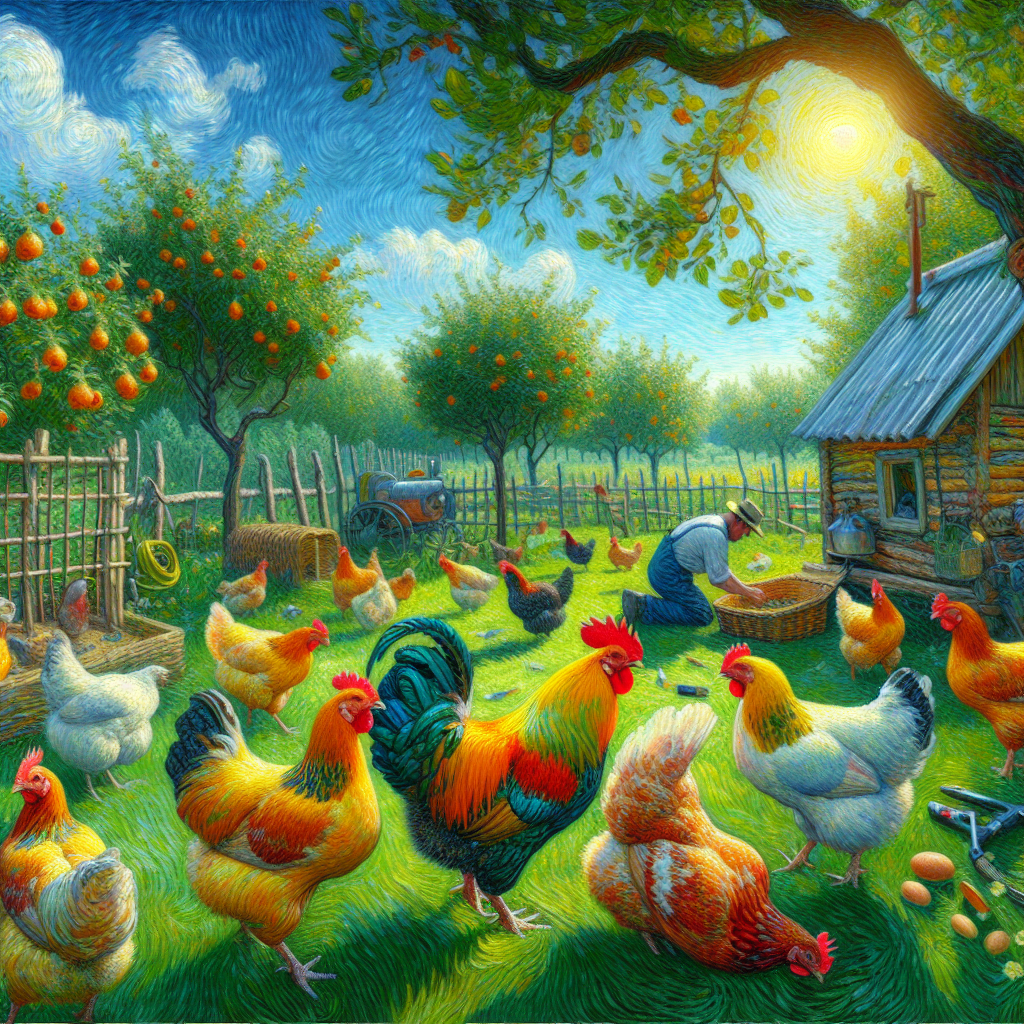
When you reach for that carton of eggs or a bag of produce at the grocery store, do you ever pause to consider the journey they took to get there? Your food choices echo far beyond your kitchen table, shaping the very fabric of your community. Imagine for a minute the humble backyard chickens. Picture a family raising them, not just for fresh eggs but as a part of a larger narrative of local resilience and sustainability. Those chickens aren’t merely pets; they represent a commitment to something deeper—a connection to the land and a community ethos that cherishes self-sufficiency.
Now, let’s get into the meat of it. When you support local farmers by choosing their produce over industrial alternatives, you’re not just making a purchase; you’re casting a vote for a thriving local economy. Local farms provide jobs, stimulate local commerce, and promote a sense of community pride. You are investing in the very foundation that keeps your neighborhood alive and vibrant. This isn’t just smart; it’s ethical. It asks you to consider the consequences of your choices and champion those who practice responsible land stewardship.
Think about it this way: every bite you take has the power to foster connection. When you share a meal sourced from local ingredients—like hand-picked tomatoes or freshly laid eggs from your neighbor’s clucking chickens—you’re not just nourishing your body; you’re cultivating relationships. It’s about building trust, one meal at a time. You’re tying bonds with local farmers, your neighbors, and even your kids as they learn where their food comes from and how it ties them to their community.
Now, we can’t ignore the gut feeling here. You know that rush of joy when you bring home fresh produce? That excitement isn’t just about flavor; it’s about purpose. Each time you decide to shop local, you’re doing your part to ensure that your community thrives. The ripple effect runs deep—strong communities lead to healthier lives, and healthier lives lead to a stronger future for everyone.
So next time you’re contemplating dinner, remember that your food choices resonate. They articulate a vision of a vibrant community, ready to grow together, one egg, one tomato, and one shared meal at a time. Your food matters—not just to you, but to all of us. Embrace the impact, foster connection, and let’s build a better community together.

How Does Your Food Impact the Community You Live In?
How Does Your Food Impact the Community You Live In?
- Your food choices shape the fabric of your community.
- Support for local farmers promotes resilience and sustainability.
- Local farms create jobs and stimulate local commerce.
- Purchasing local food fosters community pride and ethical consumption.
- Sharing meals made from local ingredients builds trust and relationships.
- Choosing local produce contributes to the health and strength of your community.
- Every food choice has an impact; embrace it for a better future.
How Does Your Food Impact the Community You Live In?
Conclusion
Picture this: a world where the food on your plate comes with stories, not just nutrition. Millennials are forging a path toward ethical consumption, reclaiming their connection with food by raising it in their own backyards. This resurgence isn’t simply about backyard chickens laying eggs; it’s about forging a new narrative that resonates deep within us—a narrative that connects our hearts and minds to the land. When you raise your own food, you break the sterile cycle of industrial farming and embrace a lifestyle grounded in respect for animals and sustainable practices. You become part of something larger, a community interconnected by our choices.
These aren’t just far-fetched ideals; ethical meat production resonates on an emotional level. Each meal prepared with care and intention reinforces a commitment to sustainability that feels good in the gut. It fosters a sense of pride in knowing where your food comes from—a far cry from the anonymous products lining supermarket shelves. Every time we share a meal made from homegrown ingredients, we’re not merely feeding our bodies but also nourishing our relationships with family, neighbors, and the earth.
Let’s talk ethics: the choices we make reflect our values, and they ripple outward, impacting both local and global communities. When you opt for locally sourced meat, you’re not just investing in your health. You’re supporting farmers committed to humane practices, advocating for an industry that prioritizes quality over quantity. That’s a powerful stance, one that influences the market and inspires collective responsibility.
But it’s not just about the food; it’s the stories we create along the way. Each egg, every piece of meat, carries with it a journey—a testament to our dedication to nurturing life, ensuring transparency, and understanding the true cost of our consumption. You encourage your neighbors to embark on this journey, fostering a culture of ethical eating that spreads like wildfire.
So, take the leap into this vibrant future. Embrace the beauty of homegrown meals, understanding their profound impact on yourself and the world at large. This movement isn’t merely about raising chickens or growing vegetables—it’s about nurturing communities and creating a sustainable legacy. Together, let’s redefine what it means to eat well, one cluck, one bite, and one shared meal at a time. Your choices can spark a change in your community and beyond, encouraging others to join this meaningful movement. It’s time to write your own story at the table, one that echoes with values of kindness, connection, and a brighter tomorrow.

Conclusion
Conclusion:
- Millennials are pursuing ethical consumption by growing their own food, reconnecting with the land.
- This movement involves more than just backyard farming; it fosters a deeper narrative about our relationship with food.
- Raising food promotes respect for animals and sustainable practices, creating a sense of community.
- Ethical meat production resonates emotionally, reinforcing commitment to sustainability and pride in food sourcing.
- Choosing locally sourced meat supports humane farming practices and impacts both local and global communities.
- Each meal created from homegrown ingredients tells a story of transparency and dedication to nurturing life.
- The movement encourages a culture of ethical eating, inviting others to join in creating a sustainable legacy.

Conclusion
Other Resources
Other Resources
Here is a list of other resources you can review online to learn more:
- Olive Egger
- Salmonella
- cottage cheese
- Sultan
- collards
- White Leghorn
- crickets
- Swedish Flower Hens
- corn
- Coliform Infection
- owls
- Poultry Lice
- Iowa Blue
- chick starter
- Large Intestinal Roundworms
- chicken feed
- Minorca
Use This Prompt To Get More Resources With Your Favorite Online AI Tool: Please provide me with a list of online articles with their URLs in a bulleted list that I can read regarding Ethical Meat, Homegrown – the New Millennial Food Movement

Other Resources
Glossary Terms
Ethical Meat, Homegrown – the New Millennial Food Movement – Glossary Of Terms
1. Ethical Meat: Animal products sourced from farms that prioritize humane treatment and welfare of animals.
2. Sustainable Agriculture: Farming practices that maintain ecological balance and preserve resources for future generations.
3. Farm-to-Table: A movement emphasizing the direct delivery of food from local farms to consumers, minimizing transportation.
4. Regenerative Farming: Agricultural techniques that restore soil health and biodiversity, often using livestock to enhance ecosystems.
5. Local Food: Products grown or produced within a specific geographical area, supporting local economies and reducing carbon footprints.
6. Grass-Fed: Livestock raised primarily on pasture rather than grain, often seen as a healthier and more ethical choice.
7. Organic: Food produced without synthetic pesticides, fertilizers, or genetically modified organisms (GMOs), following strict regulatory standards.
8. Humanely Raised: Animals raised under conditions that allow for natural behaviors and adequate space, often in contrast to factory farming.
9. Hybrid Farming: Combining traditional and modern farming techniques to achieve sustainable outputs while maintaining economic viability.
10. Biodiversity: The variety of life in a particular habitat or ecosystem, important for resilient agricultural systems.
11. Food Justice: The concept that everyone has the right to access culturally appropriate and healthy food, emphasizing equity in food distribution.
12. Artisanal: Food products crafted by hand or using traditional methods, often associated with high quality and localized ingredients.
13. Community Supported Agriculture (CSA): A system where consumers buy shares in a farm’s harvest, supporting local farmers directly.
14. Ethical Consumerism: Making purchasing decisions based on the ethical implications of products, often supporting sustainable and humane practices.
15. Pasteurized: A process of heating food to kill harmful bacteria, often used in dairy products.
16. Non-GMO: Foods produced without genetically modified organisms, appealing to consumers concerned about biotechnology.
17. Pastured: Livestock that is raised on pasture, which is considered healthier due to natural diets and living conditions.
18. Eco-Friendly: Products or practices that are not harmful to the environment, often incorporating sustainable materials or methods.
19. Nose-to-Tail: A culinary philosophy that encourages using all parts of an animal to reduce waste and celebrate the meat’s full potential.
20. Ethnobotany: The study of the relationship between people and plants, often including traditional knowledge of food sources.
21. Nutrient-Dense: Foods that provide a high amount of vitamins and minerals relative to their calorie content.
22. Plant-Based: Diets that focus primarily on foods derived from plants, often seen as healthier and more sustainable.
23. Micro-Farming: Small-scale farming operations that utilize limited space to produce food, often in urban settings.
24. Certifications: Official endorsements that verify a product’s compliance with standards such as organic, humane, or fair trade.
25. Seasonal Eating: Consuming foods that are in season to maximize freshness and nutritional value while supporting local agriculture.
26. Fair Trade: A certification ensuring producers in developing countries receive fair compensation and work under equitable conditions.
27. Cage-Free: Poultry raised without confinement in cages, allowing for more natural behaviors.
28. Foraging: The practice of gathering wild food resources from their natural environments, promoting biodiversity and sustainability.
29. Zoonotic Diseases: Diseases that are transmissible from animals to humans, often linked to factory farming practices.
30. Aquaponics: A sustainable farming system that combines aquaculture and hydroponics to create a symbiotic environment for plants and fish.

Glossary Of Terms
Other Questions
Ethical Meat, Homegrown – the New Millennial Food Movement – Other Questions
If you wish to explore and discover more, consider looking for answers to these questions:
- What are the benefits of raising backyard chickens?
- How can I get started with raising my own chickens?
- What are some ethical considerations in meat production?
- How do I ensure that the meat I buy is ethically sourced?
- What are the environmental impacts of industrial farming?
- How can I integrate sustainable practices into my gardening or farming?
- What local resources are available for aspiring backyard farmers?
- How does backyard farming contribute to food security?
- What success stories exist within the ethical meat movement?
- How can community involvement enhance local food systems?
- What are the health benefits of homegrown vs. store-bought food?
- How does raising your own food impact your overall lifestyle?
- What are common challenges faced when starting a homegrown meat project?
- How can I educate others about the importance of ethical food choices?
- What role do farmers’ markets play in supporting local economies?

Other Questions
Haiku
Ethical Meat, Homegrown – the New Millennial Food Movement – A Haiku
Clucking fills the day,
Homegrown stories intertwine,
Hearts and soil unite.

Haiku
Poem
Ethical Meat, Homegrown – the New Millennial Food Movement – A Poem
In the garden, where the story starts,
A cluck of chickens, a beat of hearts.
With every peck and every grain,
Life’s cycle sings, its joy, its pain.
Homegrown meats, ethical and true,
A path where values pull us through.
From backyard farms to vibrant plates,
We reclaim connection, as the world waits.
Feel the warmth of sun-kissed soil,
Nurturing hands in the sacred toil.
Eggs gathered with love, fresh and bright,
Each bite a story, a shared delight.
The ethos of care, the mindful choice,
In every meal, we find our voice.
Sustainability whispers in the breeze,
A chance to flourish, to grow with ease.
Communities bloom when we stand together,
Supporting local, no matter the weather.
Healthier meals, relationships strong,
Each gathering a chorus, a lifelong song.
Yet the head demands clarity, the gut, a line,
Trust the label, seek reason, divine.
From inconspicuous farms to trusted hands,
Let’s foster growth that forever stands.
In every meal should beat a pulse,
Of ethics, stories, a world that repulses,
Mass production, loss of soul,
Instead, let’s nurture, let’s make whole.
With every choice, we weave a thread,
Tales of nurturing, of lives well led.
So gather ‘round, share in the feast,
In homegrown meats, may we find peace.
Join the movement, be part of the plan,
For a brighter tomorrow, for every woman and man.
Let the heart, head, and gut align,
In the dance of food, let our spirits shine.

Poem
Checklist
Ethical Meat, Homegrown – the New Millennial Food Movement – A Checklist
Checklist for Embracing Ethical, Homegrown Meat Practices
Emotional Appeals
_____ Reflect on Your Relationship with Food: Consider how raising animals or growing your food connects you to nature and nurtures your soul.
_____ Engage with Your Community: Share meals and stories about your backyard food journey with friends and family to inspire them.
_____ Learn the Joy of Nurturing Life: Take a moment to appreciate the responsibility and joy that comes with caring for animals or plants.
Rational Appeals
_____ Research Local Farmers: Actively seek out local farms and learn about their practices to ensure you are making informed choices.
_____ Understand Food Labels: Educate yourself about the meaning behind labels like “organic” or “free-range”; know what they signify in terms of ethical practices.
_____ Evaluate Health Benefits: Consider the nutritional advantages of consuming homegrown or locally sourced food over industrial alternatives.
Ethical Appeals
_____ Commit to Sustainability: Choose practices that prioritize animal welfare and environmental health in your food choices.
_____ Promote Responsible Consumption: Share your insights about ethical food practices and empower others to consider the impact of their food choices.
_____ Support Local Economies: Recognize how purchasing from local farms strengthens your community and fosters economic sustainability.
Authority Appeals
_____ Follow Sustainable Food Leaders: Look for experts and advocates in the local food movement and follow their guidance.
_____ Engage with Community Workshops: Attend workshops or events that promote ethical farming and homegrown practices to gain knowledge and inspiration.
_____ Seek Certifications: Look for reputable certifications that ensure ethical practices in the meat and produce you buy.
Narrative Appeals
_____ Document Your Food Journey: Keep a journal or create a blog detailing your experiences with raising animals or growing food.
_____ Share Personal Triumphs and Challenges: Tell your story to others; personal experiences resonate and encourage community discussions.
_____ Connect Stories to Meals: When sharing meals, recount the journey of the food from your garden or backyard to the table.
Social Appeals
_____ Build a Local Network: Connect with neighbors who share similar interests in sustainable and ethical food choices; consider organizing a small community group.
_____ Advocate for Change: Use your social currency to promote awareness of ethical practices and sustainability in your community.
_____ Host Community Gatherings: Organize potlucks or local food fairs to celebrate homegrown food and create an inviting atmosphere for discussing food ethics.
Gut Appeals
_____ Trust Your Instincts: When shopping for food, listen to your gut feelings about where and how food is sourced.
_____ Engage in Backyard Practices: Start small by raising a few chickens or growing herbs in pots to reconnect with your food source on a personal level.
_____ Reflect on the Stories of Your Meals: Consider the journey of each meal you consume, understanding its significance to both the environment and community.
This checklist invites an integrative approach to food, encouraging individuals to transform their eating habits into a heartened, conscious choice.

Checklist
At BackyardChickenNews, we help people who want to raise backyard chickens by collating information and news blended with our own personal experiences.
Be sure to read our other related stories at BackyardChickenNews to learn more about raising chickens in your backyard.