

Culinary Creativity: Nourishing The Soul, Igniting The Mind
By Tom Seest
At BackyardChickenNews, we help people who want to raise backyard chickens by collating information and news blended with our own personal experiences.
Be sure to read our other related stories at BackyardChickenNews to learn more about raising chickens in your backyard.
From Coop to Content – Turning Cooking Into a Creative Platform
From the clucks of your backyard chickens to the simmering pots on your stove, cooking becomes more than a necessity; it transforms into a canvas for creativity. Every egg gathered in the early morning sunlight carries a story, a reminder of the effort and patience required to nurture life. These feathered friends are not just livestock; they are a testament to your journey in sustainability, community, and self-reliance. The simple act of cracking an egg can be a profound connection to your roots, your efforts, and the land.
Now, imagine harnessing that passion and the rich narrative it brings to the plate. Cooking is a universal language—a means of sharing love, traditions, and values. When you step into the kitchen armed with fresh ingredients, remember: you’re wielding the power to influence, inspire, and connect. Each ingredient you choose speaks volumes about your commitment to quality, ethics, and the local economy. Think about the farmer’s hands that nurtured that produce, the family that raised those chickens, and the relationships you’re building with each meal prepared.
We live in a world hungry for authenticity. People crave stories, and what could be more genuine than your own experiences? Sharing your culinary journey can foster a vibrant community. You’re not just cooking; you’re inviting others into your life, creating a shared narrative that resonates deeply with anyone who has ever ventured to the kitchen. This is where the heart, the head, and the gut converge—where passion meets practicality.
Don’t underestimate the impact of your table. It can become a platform for conversation, a springboard for change. By engaging with your creative side, you instill a sense of trust in those who savor your meals. As you step back and watch family and friends indulge in what you’ve prepared, realize that food does more than nourish; it nurtures community.
So, grab those feathers, embrace your role as a creator, and let cooking be the bridge between your cherished backyard and the wider world. Engage others, spark connections, and tell your story through every meal. This isn’t just cooking; it’s cultivating a legacy.

From Coop to Content – Turning Cooking Into a Creative Platform
From Coop to Content – Turning Cooking Into a Creative Platform
- Cooking transforms from a necessity into a creative canvas enriched by experiences.
- Gathering eggs symbolizes effort and patience in nurturing life and sustainability.
- Cooking serves as a universal language for sharing love, traditions, and values.
- Fresh ingredients reflect commitment to quality, ethics, and local economies.
- Sharing your culinary journey fosters community and creates shared narratives.
- Your table can spark conversation and inspire change, nurturing relationships.
- Cooking becomes a legacy, connecting personal experiences to the wider world.

From Coop to Content – Turning Cooking Into a Creative Platform
Table Of Contents
- From Coop to Content – Turning Cooking Into a Creative Platform
- What Inspires You to Turn Everyday Cooking Into Something Creative?
- How Can You Share Your Cooking Experiences with a Wider Audience?
- What Role Does Food Play In Your Emotional Well-Being and Creativity?
- How Does Creating Content About Cooking Elevate Your Culinary Skills?
- What Ethical Considerations Come to Mind When Sharing Recipes Online?
- Who In the Culinary World Do You Look Up to for Inspiration?
- How Can the Stories Behind Your Recipes Resonate with Others?
- Conclusion
- Other Resources
- Glossary Of Terms
- Other Questions
- Haiku
- Poem
- Checklist
What Inspires You to Turn Everyday Cooking Into Something Creative?
When you step into your kitchen, it’s more than just a place to prepare food; it’s a canvas waiting for your creativity. The hum of the refrigerator and the sizzle of a skillet can ignite something profound within you—an opportunity to transform the ordinary into the extraordinary. Imagine those fresh eggs collected from your own backyard chickens, their warm shells cradled in your palm—a testament to a life lived in harmony with nature. How many meals do you prepare that carry this kind of richness, sourced from your own backyard?
Getting imaginative with your cooking means connecting to the world around you. It’s an ethical choice that empowers you to know where your food comes from, to support sustainable practices. When you embrace the abundance of your own garden or local farmer’s market, you are contributing to a cycle of well-being that extends beyond your own kitchen. This is where creativity blooms. You’re not just slapping together ingredients; you’re carefully selecting flavors, experimenting with textures, and inviting your loved ones to join this culinary adventure.
Think about the stories behind each meal. Perhaps you recall the first time you tried a new recipe that didn’t go as planned. Remember the laughter as you salvaged a potentially burnt masterpiece into something delightful? These narratives are what make cooking a practice of love and art. Each dish carries a piece of your journey, engraved with the trials and successes of your kitchen experiments. The memories made while toiling over a hot stove or gathering around a table filled with colorful plates are what nourish the soul.
And let’s not forget the communal aspect of cooking. When you invite friends or family to share in this experience, you’re building connections that will outlast any single meal. The simple act of chopping vegetables or kneading dough becomes an act of camaraderie, where stories flow as freely as the ingredients. Love and creativity blend together, creating a tapestry of flavor and friendship.
So, why not let your everyday cooking be a spark for creativity, inspiration, and lasting connections? Embrace the chicken in your backyard, the tomatoes from your garden, and the adventures that come with mixing flavors. In transforming the mundane into something extraordinary, you’re not just cooking—you’re crafting an experience that feeds the heart, nurtures the mind, and satisfies the gut.
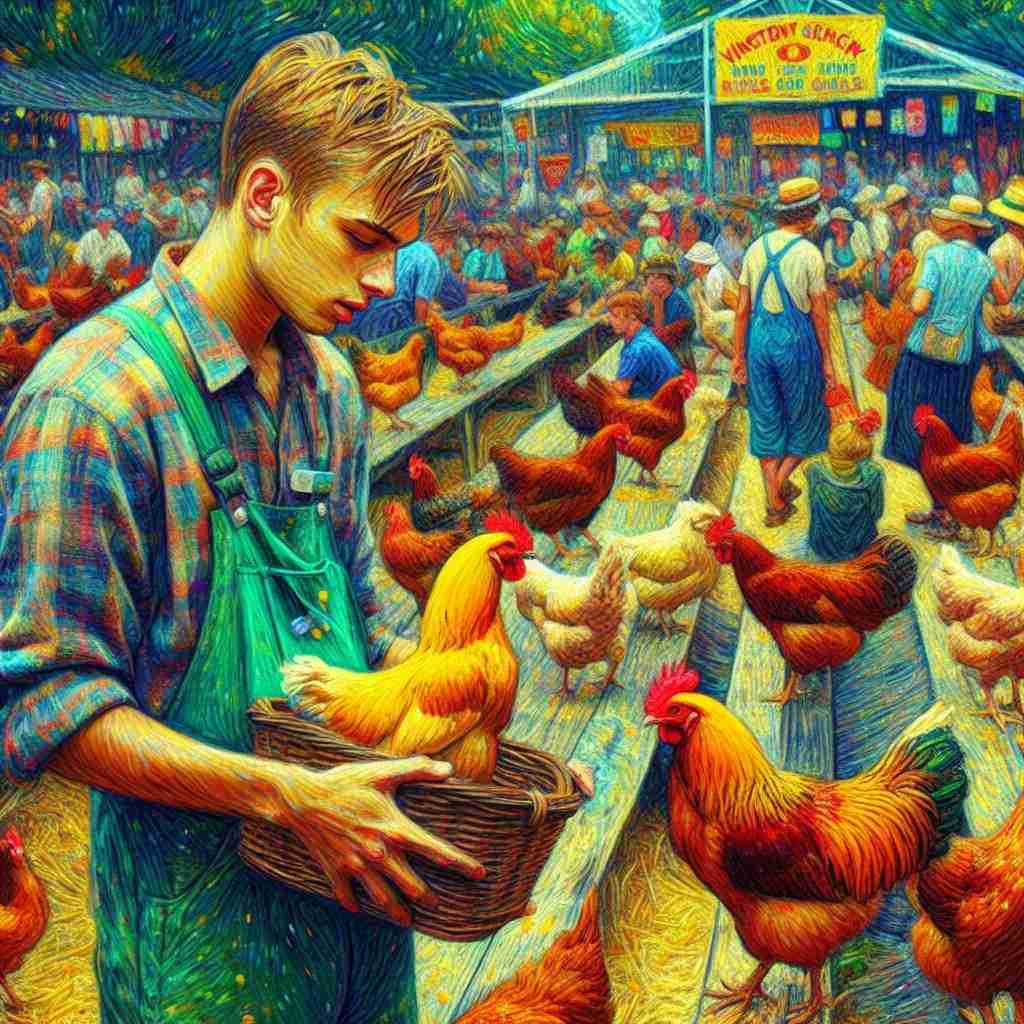
What Inspires You to Turn Everyday Cooking Into Something Creative?
What Inspires You to Turn Everyday Cooking Into Something Creative?
- The kitchen is described as a creative canvas, more than just a food preparation space.
- Cooking with fresh, local ingredients fosters a connection to nature and sustainability.
- Embracing home-grown produce and local markets supports a cycle of well-being.
- Each meal carries stories of experimentation and memories that nourish the soul.
- The communal aspect of cooking builds enduring connections with friends and family.
- Cooking together transforms the mundane into a creative and adventurous experience.
- Every dish becomes an opportunity to craft experiences that feed the heart and mind.

What Inspires You to Turn Everyday Cooking Into Something Creative?
How Can You Share Your Cooking Experiences with a Wider Audience?
When you step into the kitchen to whip up a meal, you’re not just following a recipe; you’re cultivating a piece of your heritage, a slice of your life. Embrace that ethos by sharing your cooking experiences with others, whether through a blog, social media, or even a community cooking class. Picture this: a child watches you gather eggs from your backyard chickens, their eyes widening with wonder, connecting them to the source of their food. That simple act fosters curiosity and appreciation—a bridge between generations that not only nourishes the body but appeals to the heart.
Start by crafting your narrative. Each dish has a story, a history that deserves to be told. From the spices your grandmother used to the way your father grilled meat on the weekends, these anecdotes engage your audience emotionally. They might reminisce about family dinners or summer barbecues while they read your posts, creating a shared moment that pulls at the heartstrings. Use that power of storytelling; connect with your audience on a level that transcends mere food.
Next, consider the practical side of sharing your culinary journey. Offering informed, thoughtful content can build authority and trust with your readers. Provide tips for those interested in raising backyard chickens, focusing on the ethical and sustainable benefits of knowing where your food comes from. Emphasize the importance of supporting local agriculture and reducing your carbon footprint. People today crave authenticity and transparency, and when you root your content in ethical values, you not only contribute to a larger movement but inspire others to make conscious choices.
Don’t underestimate the power of social connections. Engaging with fellow cooking enthusiasts on social media can create a supportive community where ideas thrive, fostering collaboration. Host virtual cook-alongs or share videos that showcase your techniques, making it easy for others to join in. Your passion is infectious, and it has the potential to turn casual cooks into lifelong culinary aficionados.
So, roll up your sleeves, grab that camera, and get ready to share your culinary experiences. Your stories, combined with practical advice and ethical considerations, can create an impact far beyond your kitchen. Invite others to taste the joy, the challenges, and the triumphs of cooking. It’s more than just food; it’s a connection to each other and to the world around us.

How Can You Share Your Cooking Experiences with a Wider Audience?
How Can You Share Your Cooking Experiences with a Wider Audience?
- Cooking embodies heritage and personal history; it’s more than just following a recipe.
- Share cooking experiences through blogging, social media, or community classes to foster connections.
- Introduce children to food sources, fostering curiosity and appreciation across generations.
- Telling stories behind dishes can engage an audience emotionally and create shared memories.
- Provide informed, ethical content to build authority and inspire conscious choices about food.
- Engage with fellow enthusiasts on social media to foster a supportive culinary community.
- Combine storytelling with practical advice to connect with and impact a wider audience.

How Can You Share Your Cooking Experiences with a Wider Audience?
What Role Does Food Play In Your Emotional Well-Being and Creativity?
Food, in its most profound sense, is not just fuel for our bodies—it’s a lens through which our emotions, creativity, and social connections can be understood. Imagine gathering around a table, sharing a meal with loved ones, the laughter wrapped in the aroma of freshly baked bread. Each bite stirs memories, igniting a sense of belonging that transcends mere sustenance. That is the beauty of food; it serves as a bridge connecting our past, present, and future.
Consider how the simple act of raising backyard chickens can shift your perspective on food. The delightful clucking as you gather fresh eggs right from your own backyard offers a tangible connection to your meals. It’s more than just food; it’s an experience that fosters responsibility, appreciation, and creativity. You begin to consider not only what you eat but how it affects your mood and artistic expression. Each omelet becomes a canvas, and every vegetable from your garden a brushstroke that enhances your masterpiece.
When we indulge in the familiar tastes from our youth—think of your grandmother’s secret recipe for lasagna—there’s a comforting alchemy at play. It can take us back to simpler times, invoking emotions we thought were long buried. This journey through flavor can unlock creative energies and refresh our perspectives, urging us to express ourselves more authentically. In these moments, our heart connects with our gut, and a spark ignites within our head—ideas, innovations, and inspirations flow freely.
Food also has an ethical underpinning. As we become more aware of where our ingredients come from, a sense of duty arises—thinking about farmers, communities, and ecosystems affected by our choices. This shift in understanding shapes not just what we eat, but how we relate to one another in our shared social fabric. It encourages conversations about sustainability and origin, helping us feel more connected to our foods and each other.
By choosing to embrace food as a way to nurture not just our bodies but our emotional well-being and creativity, we invite a transformative power into our lives. Let’s cultivate our gardens, bring imagination to our plates, and revel in the connections we create, understanding that food is a catalyst, a storyteller, and an expression of who we really are.

What Role Does Food Play In Your Emotional Well-Being and Creativity?
What Role Does Food Play In Your Emotional Well-Being and Creativity?
- Food acts as a lens for emotions, creativity, and social connections, transcending mere sustenance.
- Gathering around a table and sharing meals creates a sense of belonging and evokes memories.
- Raising backyard chickens fosters a deeper connection to food, highlighting responsibility and appreciation.
- Familiar tastes and family recipes invoke nostalgia and unlock creative energies.
- Food choices have ethical implications, promoting awareness of their impact on farmers, communities, and ecosystems.
- This awareness encourages conversations about sustainability and strengthens social connections.
- Embracing food for emotional and creative nourishment invites transformative power into our lives.

What Role Does Food Play In Your Emotional Well-Being and Creativity?
How Does Creating Content About Cooking Elevate Your Culinary Skills?
When you step into your kitchen, armed with nothing but a spatula and a dream, something magical happens. You’re not just heating up leftovers; you’re crafting experiences, building memories, and perhaps most importantly, nurturing your own culinary growth. Creating content about cooking isn’t just a hobby; it’s a transformative journey that adds layers to your skills and your soul.
Let’s start with vulnerability. Sharing your culinary adventures—flops and all—makes you relatable. We all have our cooking mishaps, whether it’s a soufflé that falls flat or a pot of pasta that transforms into a sticky mess. When you document these moments, you connect with others who have been there and felt the same gut-punch disappointment. This shared vulnerability fosters a community where learning becomes a two-way street. You’re not merely cooking; you’re inviting others into your kitchen, encouraging them to see that it’s okay to stumble on the path to culinary mastery.
Then there’s the undeniable joy of experimentation. When you put pen to paper—or finger to keyboard—you engage in a dialogue with yourself. Every recipe you create or tweak teaches you something new about flavor profiles and techniques. For instance, as you raise your own backyard chickens, you gain intimate knowledge of poultry that goes far beyond what any cookbook can deliver. The experience deepens your understanding of farm-to-table—where ingredients come from, and how they interact with one another. This knowledge develops not only your skills but also instills a sense of pride. The ethical implications of knowing exactly where your food is sourced enrich the experience further.
The power of storytelling in cooking can’t be understated. Each dish has a narrative, a lineage that ties it to culture, family, and personal memory. When you share the stories behind your recipes, you cultivate a deeper appreciation for the ingredients you use and the people you feed. It’s not just about cooking; it’s about creating connections through food. These narratives transcend the kitchen, inviting conversations, sparking joy, and even healing through the sharing of communal meals.
By documenting your cooking journey, you elevate your culinary prowess and inspire others to embark on their own. You cultivate confidence, hone authority in your craft, and tap into an ethical responsibility to source and create with intention. Your kitchen becomes not only a place for nourishment but a workshop for creativity, a gallery for storytelling, and a hub for community. So step up, grab that camera, and let the world see your cooking—warts and all. Your future self, and those around you, will thank you.
How Does Creating Content About Cooking Elevate Your Culinary Skills?
How Does Creating Content About Cooking Elevate Your Culinary Skills?
- Cooking transforms from a simple task into a creative experience that nurtures growth.
- Sharing cooking mishaps fosters relatability and builds a supportive community.
- Documenting culinary adventures encourages openness to learning from mistakes.
- Experimentation in cooking deepens understanding of flavors and techniques.
- Knowledge of food sourcing enhances pride and ethical responsibility in cooking.
- Storytelling in cooking enriches the appreciation of ingredients and fosters connections.
- Documenting your culinary journey inspires others and enhances personal expertise.

How Does Creating Content About Cooking Elevate Your Culinary Skills?
What Ethical Considerations Come to Mind When Sharing Recipes Online?
When we dive into the cozy world of sharing recipes online, a dish brewed at home can quickly shift from a personal treasure to a global conversation piece. Yet, as we navigate this culinary landscape, it’s essential to pause and reckon with the ethical undertones. Take a moment to think about the backyard chickens—those humble providers of eggs that many embrace, epitomizing sustainability and a connection to the land. Every recipe we share bears responsibility, much like those chickens that nurture us.
First, let’s engage the heart. Every recipe tells a story, intertwined with the hands that crafted it and the kitchen where it blossomed. Consider the home cook who spent late nights perfecting a family favorite. When you share that sacred recipe online, do you honor its origins? Or do you risk commodifying something deeply personal? Food is an intimate experience, often passed down through generations, forged in the heat of love and labor. It’s crucial to give credit where it’s due, fostering a community of respect and recognition.
Now, let’s shift to the head. Sharing recipes opens the door to collaboration, knowledge exchange, and creativity. However, there’s a fine line—intellectual property exists even in casserole form. Intellectual theft can be as damaging as taking credit for a groundbreaking invention. Acknowledging the source not only shows respect but also enriches the narrative surrounding the dish, creating a web of connections in our food culture that is much larger than any one individual.
And then there’s the gut, that primal instinct guiding us to do right. Ask yourself if sharing a recipe serves the community or if it has the potential to exploit. Are you leveraging others’ work for likes or followers? Ethical sharing is about building bridges, not barriers. Feel that pull of generosity; when recipes are shared thoughtfully, they become a bridge to communities, thickening the bond among us.
Ultimately, it’s about trust. Whether we’re discussing backyard chickens or a grandma’s secret pie filling, we weave a tapestry of connection and purpose. We have the power to inspire one another to cook, to gather, and to appreciate the stories simmering behind the food we love. So, let’s embrace the ethical considerations that come with sharing recipes, nurturing a respectful culinary culture where every slice, sprinkle, and sauté enriches all of us.

What Ethical Considerations Come to Mind When Sharing Recipes Online?
What Ethical Considerations Come to Mind When Sharing Recipes Online?
- Sharing recipes online transforms personal treasures into global conversations.
- It’s important to acknowledge the ethical responsibilities that accompany recipe sharing.
- Every recipe has a story that honors the hands and kitchens where it originated.
- Giving credit fosters a culture of respect and recognition within the culinary community.
- Intellectual property protections apply to recipes, highlighting the importance of attribution.
- Sharing recipes thoughtfully can strengthen community bonds and prevent exploitation.
- Trust and connection are vital to creating a respectful culinary culture that values stories and traditions.
What Ethical Considerations Come to Mind When Sharing Recipes Online?
Who In the Culinary World Do You Look Up to for Inspiration?
In the culinary world, the figures who inspire us often transcend the kitchen, stirring emotions and igniting passion far beyond the stove. When we think about who we look up to, it’s not just about Michelin stars or culinary accolades. Instead, it’s about the stories behind those creations, the hands that grew the ingredients, and the hearts that beat with every meal served. Take backyard chickens, for example. They symbolize more than just fresh eggs; they represent a commitment to sustainability, ethics, and the human connection to food.
There’s a profound lesson in tending to a flock, getting your hands dirty, and investing time in nurturing life. Every morning amidst the sunrise, you hear the soft clucking and feel a world of anticipation; it’s a reminder of how interconnected we are to the food we consume. There’s wisdom to be gained from every chicken farmer, every gardener who grows their herbs, and every chef who crafts dishes from local produce. Their journeys illuminate a path towards understanding where our food comes from and the dedication involved in bringing it to the table.
Consider the stories of chefs who rise from humble beginnings, who embrace what it means to feed the community rather than just fashion a plate of food. Their paths are laden not just with triumphs but tales of struggle and growth, reminding us that greatness often emerges from the ashes of failure. To those who nurture their backyard chickens, the process is an ethical stand—they’re invested in clean eating, supporting local ecosystems while fostering connection within their communities.
When we engage with these chefs and farmers, we’re not simply satisfying a hunger pang; we are participating in a larger narrative, contributing to a cycle that honors our roots and respects the land. It’s about understanding that the chefs we admire are often the ones who embrace the messy, beautiful reality of food production. They recognize that cooking isn’t just about technique or artistry; it’s a relationship built on trust and shared values.
As you seek your culinary inspiration, remember that it’s often found not in the distant kitchens of renowned restaurants, but in your own backyard. Engage with your food, respect the sources, and let that connection fuel your passion. In doing so, you create a ripple effect—an invitation for others to join in the awareness and appreciation, reminding us all that in the world of culinary arts, inspiration can sprout from the simplest of roots.
Who In the Culinary World Do You Look Up to for Inspiration?
Who In the Culinary World Do You Look Up to for Inspiration?
- Culinary inspiration often goes beyond accolades, focusing on the stories behind the food.
- Backyard chickens symbolize sustainability, ethics, and a connection to our food sources.
- Tending to chickens teaches the importance of nurturing life and understanding food origins.
- Chefs from humble beginnings emphasize community feeding over mere presentation.
- The path to greatness often includes struggles that fuel personal and professional growth.
- Engaging with chefs and farmers fosters an understanding of food production and its values.
- True culinary inspiration can be found in local, accessible sources rather than famous restaurants.
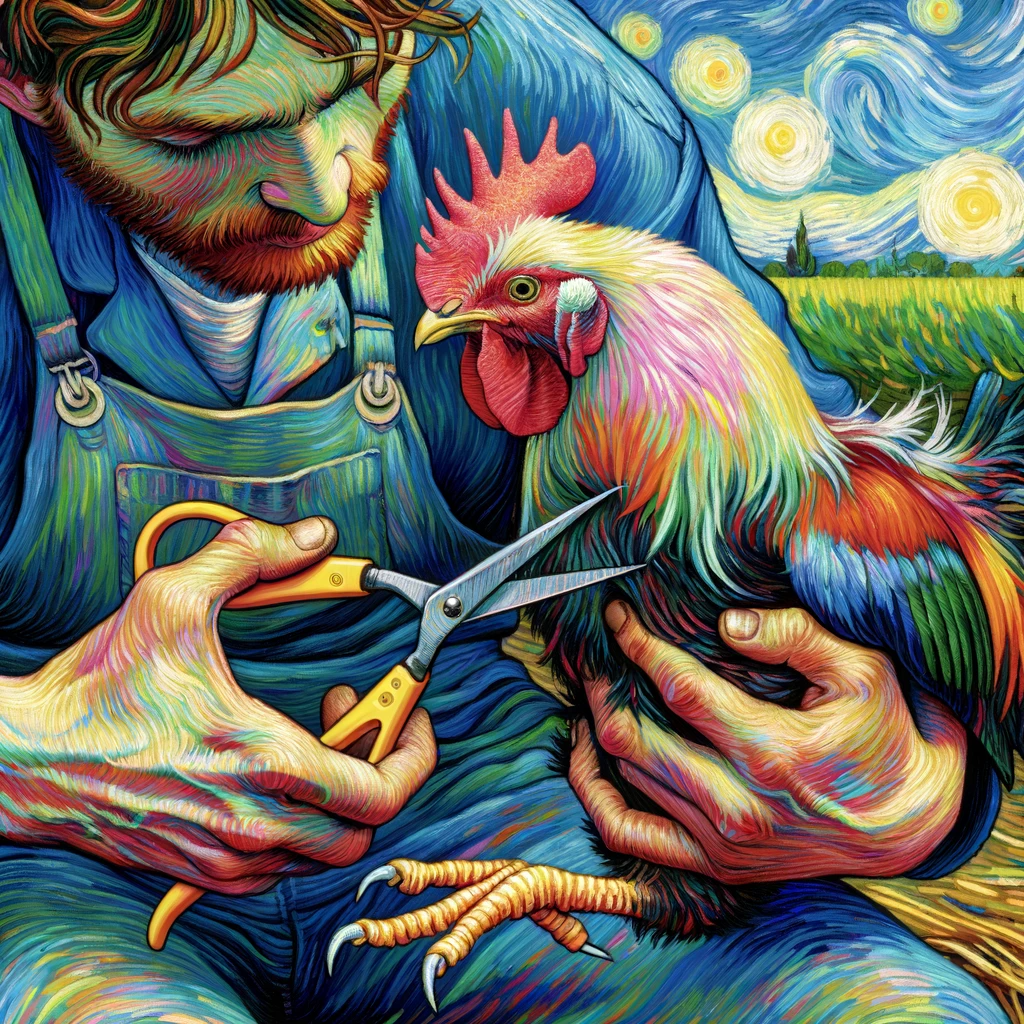
Who In the Culinary World Do You Look Up to for Inspiration?
How Can the Stories Behind Your Recipes Resonate with Others?
Every recipe tells a story, echoing not just flavors and textures but also the lives, dreams, and struggles of those who cooked it. Imagine standing in a kitchen filled with the aroma of a simmering sauce; the air thick with memories of family laughter and weary hands lovingly preparing a meal after a long day. It’s in these moments that the heart connects with the plate. When you share a recipe, you’re not just passing along a list of ingredients—you’re sharing a piece of your life, a snippet of your history that resonates deeply with those around you.
Consider, for a moment, the humble yet profound act of raising backyard chickens. Each cluck and flutter holds its narrative—a tale of patience, responsibility, and the cycles of life. When you offer a dish crafted from those fresh eggs laid by your feathered friends, you’re not merely serving an omelet; you’re sharing the joy of your labor, the hustle of gathering those eggs, and the satisfaction of nurturing your own food source. That story connects on an emotional level, making your meal not just food, but an experience rich with meaning.
We live in a world where food can sometimes feel transactional, a mere pit stop in our bustle. Then, a story arrives, breaking that cycle. Perhaps your grandmother taught you this recipe, passed down through generations, each twist and turn reflecting the resilience of your family. By sharing this narrative, you’re engaging not just the heart but the rational mind, illustrating the ethics of sourcing ingredients and supporting local farmers, reminding us of the choices we make with every bite.
Stories have power. They resonate socially, weaving connections between us, turning strangers into friends over shared meals and laughter. When you bring a dish to a gathering, laden with history and intent, you invite dialogue, igniting conversations that can foster deeper connections. How many times have you shared a dish only to find someone saying, “My grandmother made this, too!” Suddenly, you’ve created a bridge—a shared moment of nostalgia that brings people together like the warm glow of candlelight on a winter’s evening.
So, as you stand over that stove, stirring, simmering, and seasoning, remember that every ingredient carries whispers of history. Whether it’s a cherished family recipe or a dish born from backyard chickens, let those stories spill onto the plate, inviting others to share in your journey, one meal at a time.

How Can the Stories Behind Your Recipes Resonate with Others?
How Can the Stories Behind Your Recipes Resonate with Others?
- Every recipe conveys a story, reflecting the lives, dreams, and struggles of the cooks.
- Cooking evokes memories of family, laughter, and the emotional connection to meals.
- Sharing a recipe passes along a piece of personal history, engaging others deeply.
- Raising backyard chickens symbolizes patience and responsibility, enriching the cooking experience.
- Food can feel transactional, but sharing stories transforms it into a meaningful experience.
- Stories foster social connections, turning strangers into friends over shared meals.
- Each ingredient carries whispers of history, inviting others to partake in your culinary journey.

How Can the Stories Behind Your Recipes Resonate with Others?
Conclusion
Cooking transcends mere sustenance; it’s a vibrant expression of creativity, community, and personal history. Each time you step into the kitchen, the ingredients represent a tapestry woven from stories, experiences, and ethical choices. The act of gathering fresh eggs from your backyard chickens or harvesting produce from a garden isn’t just a commitment to sustainability—it’s a deeply personal connection to the land, to your roots, and to the hard work it takes to nourish oneself and others.
This culinary journey is about more than just flavor; it’s where passion meets practicality. It’s in the warmth of shared meals that we experience the heart of cooking. Every recipe offers an invitation to engage with your audience, whether they’re friends at the table, followers online, or future generations. By sharing your cooking experiences, you become a storyteller, weaving threads of nostalgia, laughter, and community into every dish you present.
Food, as a universal language, fosters relationships and encourages dialogue. When you invite others into your kitchen, you’re not just demonstrating how to sauté; you’re sharing a worldview that values local ingredients, ethical sourcing, and community bonds. This practice ignites conversations that can lead to greater awareness about food origins and sustainability, reinforcing the collective responsibility we share in the culinary landscape.
Remember the emotional sharings that come with food. The familiarity of family recipes and cooking mishaps alike elicits laughter and camaraderie, reminding us all that perfection is a myth. With every meal you prepare and share, you nurture connections—transforming your kitchen into a hub of creativity, where failures become lessons, and triumphs result in shared joy.
This isn’t merely about individual culinary success; it’s about impacting a broader community. As you embrace the ethical implications of your choices, consider the role you play in a movement toward sustainability and mindful cooking. Your influence extends beyond the plate; it shapes conversations and inspires others to reflect on their food journeys, making you a catalyst for change.
In essence, cooking gives you the chance to cultivate not just flavors but memories, bringing people together through shared stories and experiences. So grab those ingredients, let your creativity shine, and cultivate a legacy that resonates through meals, relationships, and a deeper connection to the world around you. Your kitchen is a gateway to empathy, connection, and creativity—embrace it!
Conclusion
Conclusion:
- Cooking is an expression of creativity, community, and personal history.
- Gathering fresh ingredients fosters a personal connection to the land and sustainability.
- Shared meals embody the heart of cooking, where passion meets practicality.
- Cooking experiences transform you into a storyteller, evoking nostalgia and community bonds.
- Food fosters relationships and dialogues, promoting local sourcing and ethical choices.
- Emotional connections are formed through family recipes and shared cooking experiences.
- Cooking cultivates flavors and memories, creating a legacy tied to empathy and connection.

Conclusion
Other Resources

Other Resources
Here is a list of other resources you can review online to learn more:
- chick starter
- Yokohama
- sunflower
- Derbyshire Redcap
- Tomaru
- Black Sex Link
- seeds
- Silver Laced Wyandotte
- Infectious Bursal Disease
- black soldier flies
- Nankin
- United Orpington Club
- citrus fruit
- Coliform Infection
- Australorp
- Altsteirer
- snakes
- Air Sac
Use This Prompt To Get More Resources With Your Favorite Online AI Tool: Please provide me with a list of online articles with their URLs in a bulleted list that I can read regarding From Coop to Content – Turning Cooking Into a Creative Platform

Other Resources
Glossary Terms
From Coop to Content – Turning Cooking Into a Creative Platform – Glossary Of Terms
1. Culinary: Relating to cooking or the kitchen; the art of preparing and presenting food.
2. Content Creation: The process of producing multimedia elements like videos, articles, or photography for sharing.
3. Platform: A medium or space (physical or digital) for expressing and sharing skills, ideas, or content.
4. Recipes: Detailed instructions on how to prepare specific dishes, often including ingredients and cooking methods.
5. Visual Storytelling: The use of images, videos, or graphics to convey a narrative or message related to cooking.
6. Niche: A specialized segment of the market or a unique area of interest within cooking, such as vegan or gluten-free cuisine.
7. Branding: The practice of creating a unique identity and image for a cooking venture, including logos, themes, and messaging.
8. Audience Engagement: The strategies and techniques used to interact with viewers, readers, or followers to build a community.
9. Blogging: Writing and publishing articles on the Internet about cooking topics, recipes, or culinary experiences.
10. Social Media: Online platforms (like Instagram, Facebook, and Twitter) used to share culinary content and connect with others.
11. Video Production: The process of planning, recording, and editing videos, often used for sharing cooking demonstrations.
12. Food Photography: The art of capturing visually appealing images of food to enhance the presentation of recipes and culinary content.
13. Vlogging: Video blogging; sharing experiences, recipes, and cooking tips through video format.
14. Sustainability: Practices in cooking that consider environmental impact, such as using local or organic ingredients.
15. Flavor Profiles: A combination of taste and aroma unique to certain dishes or cuisines, essential for recipe development.
16. Food Trends: Popular movements in the culinary world, influencing what ingredients or cooking styles are favored at any time.
17. Cookware: The tools and equipment used in cooking and food preparation, influencing the cooking process.
18. Gastronomy: The art and science of good eating, involving food culture and the relationship between food and society.
19. Wellness: Incorporating health and nutrition into cooking, focusing on balanced and nourishing meals.
20. Curation: The selection and organization of recipes or food content to provide a cohesive experience for an audience.
21. Collaboration: Working with others in the culinary field, such as chefs or influencers, to create shared content or experiences.
22. Marketing: The strategies used to promote culinary content or products to reach a wider audience.
23. Demonstration: A method of teaching cooking techniques or recipes through live or recorded presentations.
24. Crowdsourcing: Gathering ideas, content, or funding from a large group of people, often through social media.
25. Networking: Building relationships within the culinary community for potential partnerships, collaborations, and opportunities.
26. Meal Prep: The practice of preparing meals or ingredients in advance to streamline cooking during the week.
27. Culinary Arts: The skill and craft of cooking that encompasses techniques, ingredients, and presentation.
28. Fermentation: A culinary technique involving the conversion of sugars to acids, gases, or alcohol using microorganisms.
29. Flavor Experimentation: The creative process of combining ingredients or techniques to discover new tastes and dishes.
30. Culinary Capital: The knowledge, skills, and cultural significance associated with cooking within a particular community or region.

Glossary Of Terms
Other Questions
From Coop to Content – Turning Cooking Into a Creative Platform – Other Questions
If you wish to explore and discover more, consider looking for answers to these questions:
- What are some creative cooking techniques to try at home?
- How can cooking contribute to sustainability and self-reliance?
- What are the benefits of supporting local farmers and markets?
- How can cooking be used as a method to foster community connections?
- What should I consider when documenting my cooking experiences online?
- How can I encourage children to engage with cooking and food sourcing?
- What ethical dilemmas might arise when sharing recipes publicly?
- How can I incorporate storytelling into my culinary practices?
- What are some ways to connect emotionally with the act of cooking?
- How does the choice of ingredients affect the narrative of a dish?
- What role does food play in cultural traditions and celebrations?
- What are some examples of community-building through shared meals?
- How can one overcome cooking failures and turn them into teaching moments?
- What tools or resources can help improve my cooking skills?
- How do chefs find inspiration in their culinary journeys?

Other Questions
Haiku
From Coop to Content – Turning Cooking Into a Creative Platform – A Haiku
Sizzling pots of love,
From backyard roots we gather—
Stories feed the soul.
Haiku
Poem
From Coop to Content – Turning Cooking Into a Creative Platform – A Poem
In the heart of the kitchen, where stories collide,
A canvas of flavors, where passions abide.
From backyard clucks to the simmering pot,
Each meal is a journey—be it treasured or fraught.
Those eggs from your chickens, warm in your grasp,
Whisper of patience, of life’s gentle clasp.
Gathering ingredients tells not just of taste,
But the labor, the love, the moments we chase.
Every chop and stir, a bridge to connect,
With hands that have toiled, and lives that reflect.
Cooking is love, the sharing of soul,
An art that unites us, that makes us feel whole.
When flavors unite, they invite us to share,
A bowl full of memories, laughter in the air.
From grandma’s recipe to the garden’s delight,
A tapestry woven, brightening the night.
Stand tall at the stove, let your spirit ignite,
With every dish crafted, you’re taking flight.
A narrative rich, ethical choices are made,
Supporting your neighbors, in harmony laid.
Invite them to gather, around your spread table,
Each bite a connection, a story, a fable.
Feel the warmth of the hearth, the glow in their eyes,
In the world of cuisine, we all can arise.
Through food, we discover where hearts intertwine,
Each meal a reminder, a moment divine.
So cook with intention, let your creativity spark,
For the kitchen’s a haven, a symbol of heart.

Poem
Checklist
From Coop to Content – Turning Cooking Into a Creative Platform – A Checklist
Cooking as a Creative Platform: Checklist for Culinary Inspiration
Heart Appeals
1. Emotional Connection: Reflect on your favorite food memories. What stories do your meals tell?
2. Community Building: Invite family or friends to join you in cooking or sharing meals.
3. Nurturing Relationships: Consider how your meals can foster connection and belonging.
4. Celebrating Heritage: Share a recipe that holds familial or cultural significance.
Head Appeals
5. Sustainability Awareness: Research local sources for ingredients and understand their impact on the environment.
6. Practical Skills: Document your cooking experiments, noting successes and failures to learn from each experience.
7. Recipe Sharing: Create thoughtful content that tells the story behind your recipes, highlighting the ethical choice behind each ingredient.
8. Cooking Techniques: Explore new culinary techniques that challenge your creativity and enhance your skills.
Gut Appeals
9. Ethical Sourcing: Promote transparency by sourcing ingredients locally and sustainably, considering the impact on your community.
10. Intuitive Cooking: Trust your instincts when experimenting with flavors and textures in the kitchen.
11. Personal Responsibility: Assess the ethical implications of your recipes. Are you honoring the origins and context of each dish?
12. Authenticity: Share your culinary journey authentically, embracing vulnerability in showcasing both successes and failures.
Narrative Appeals
13. Storytelling: Craft narratives around your dishes—who taught you the recipe, the memories associated with it, or the ingredients’ journey.
14. Cultural Exchange: Explore and share cooking traditions from different cultures, fostering understanding and appreciation.
15. Engagement: Encourage others to share their cooking stories, creating a tapestry of shared experiences.
Social Appeals
16. Social Media Engagement: Share your cooking experiences online to build a community of like-minded enthusiasts.
17. Cook-Alongs: Host virtual or in-person cook-alongs to invite others into your cooking journey.
18. Feedback Loop: Request and offer feedback within your culinary circle, fostering collaborative growth.
Use this checklist to deepen your connection to cooking as a form of creativity, community, and self-expression. Share your experiences, inspire others, and nurture relationships through the art of culinary storytelling.

Checklist
At BackyardChickenNews, we help people who want to raise backyard chickens by collating information and news blended with our own personal experiences.
Be sure to read our other related stories at BackyardChickenNews to learn more about raising chickens in your backyard.